

.webp)
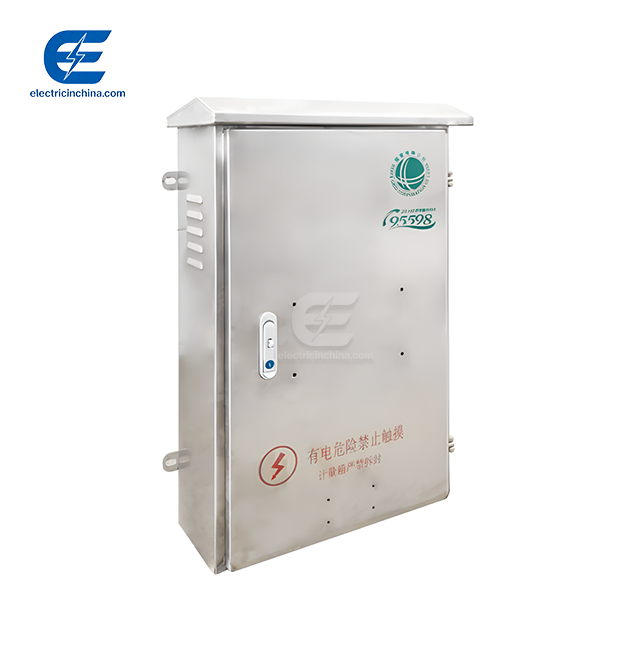
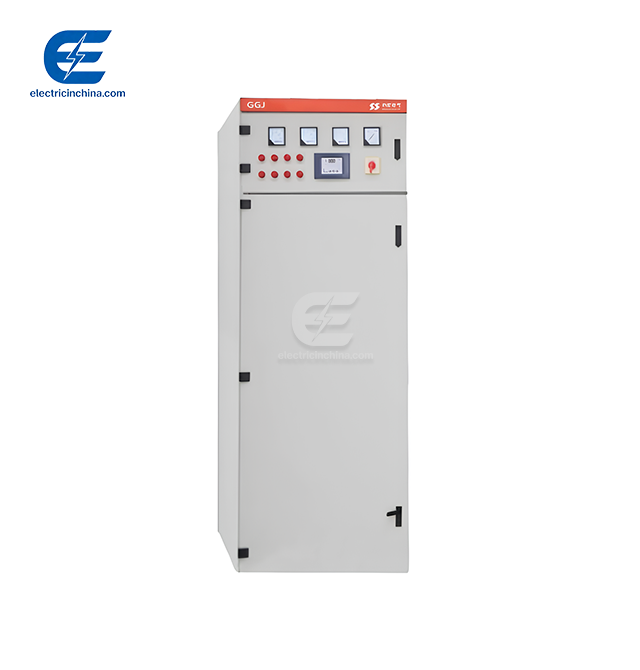
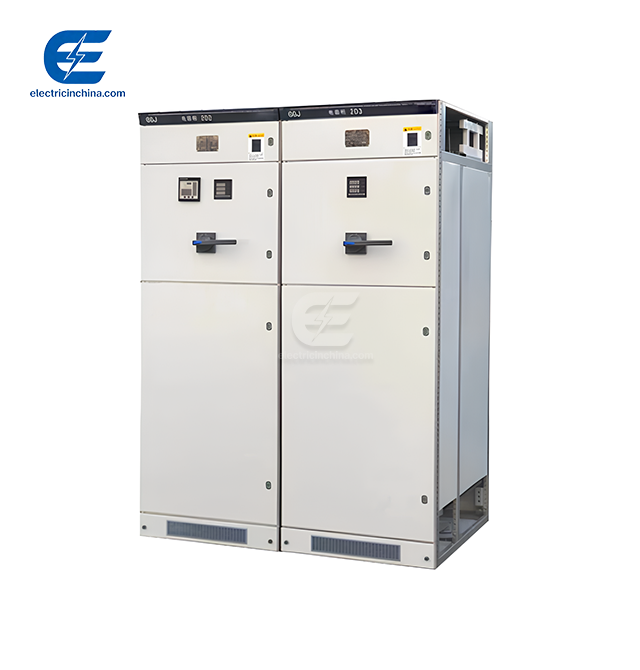
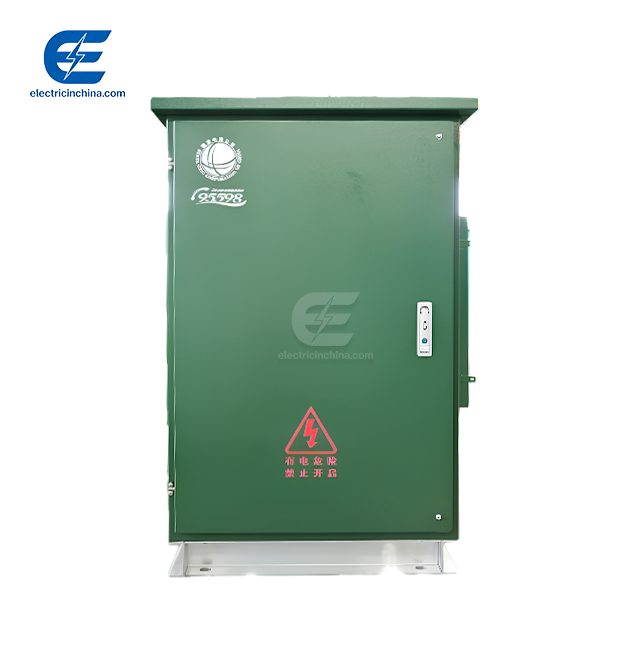
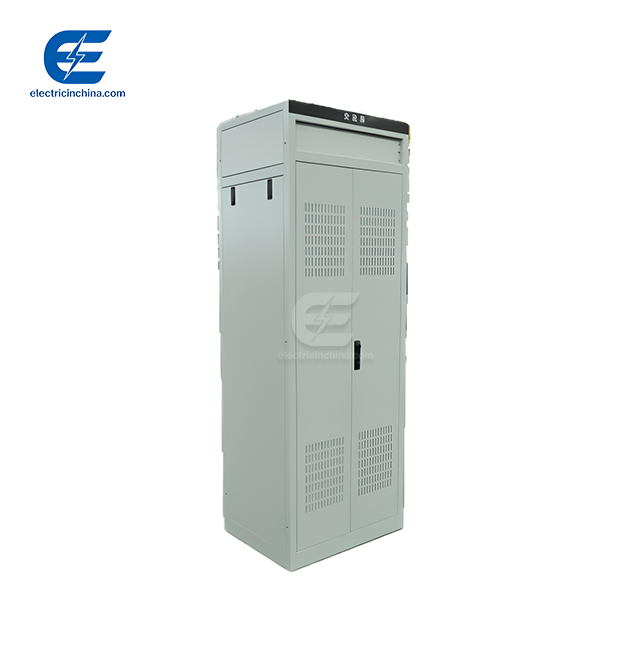
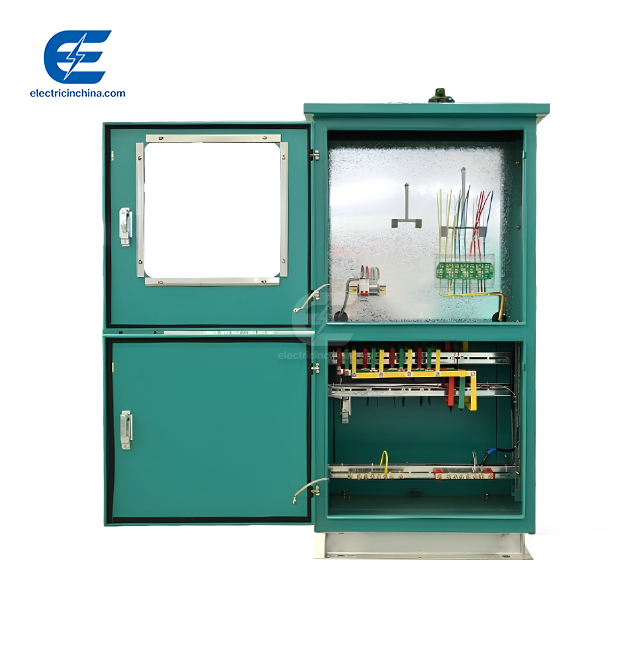
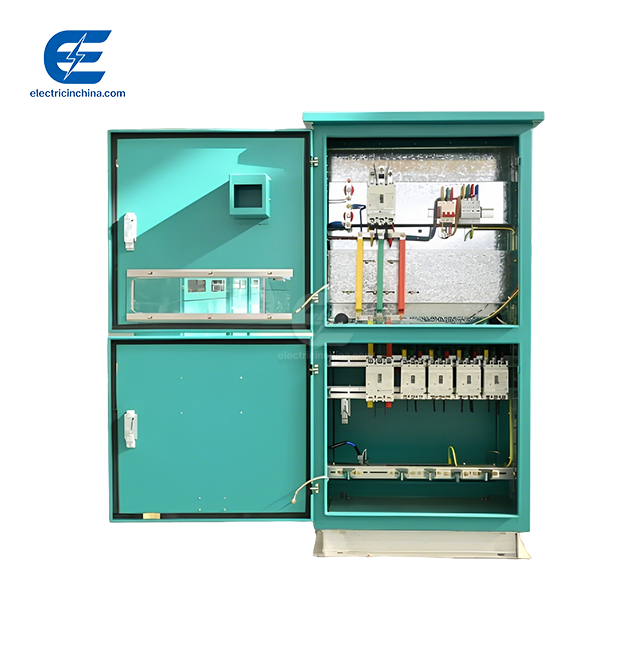
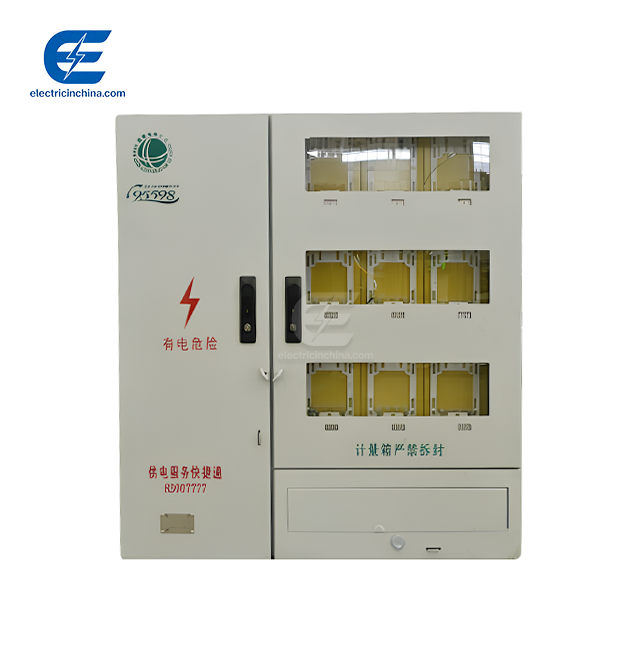
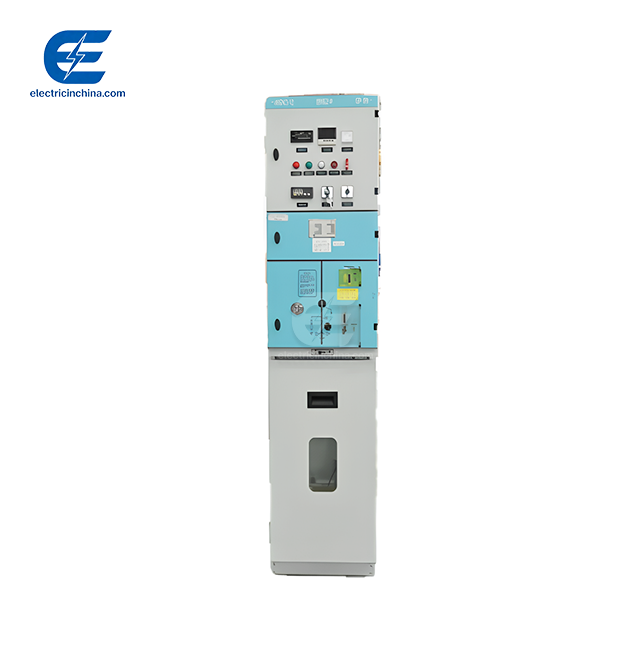
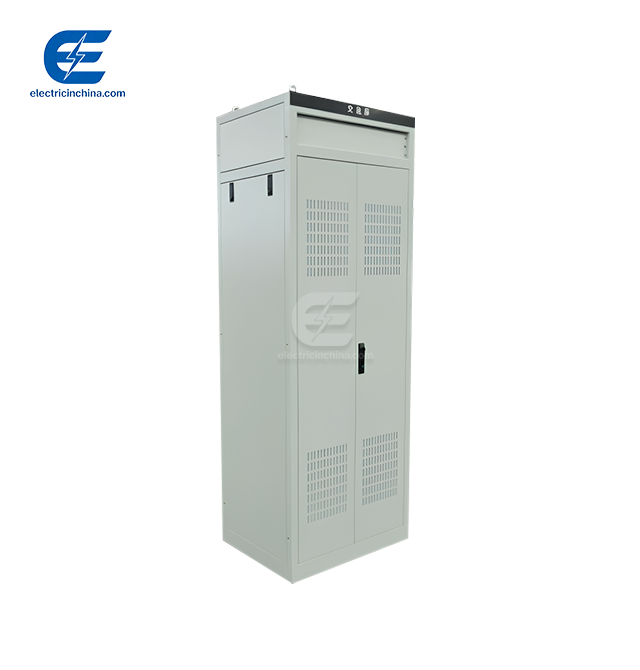
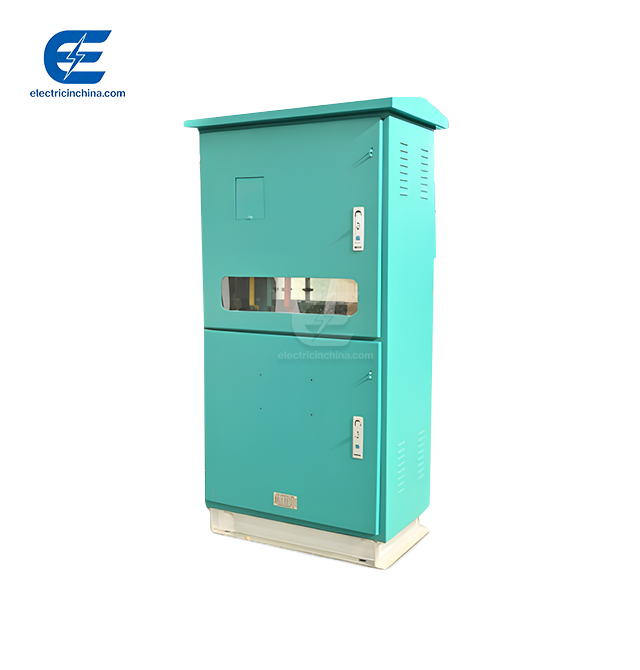
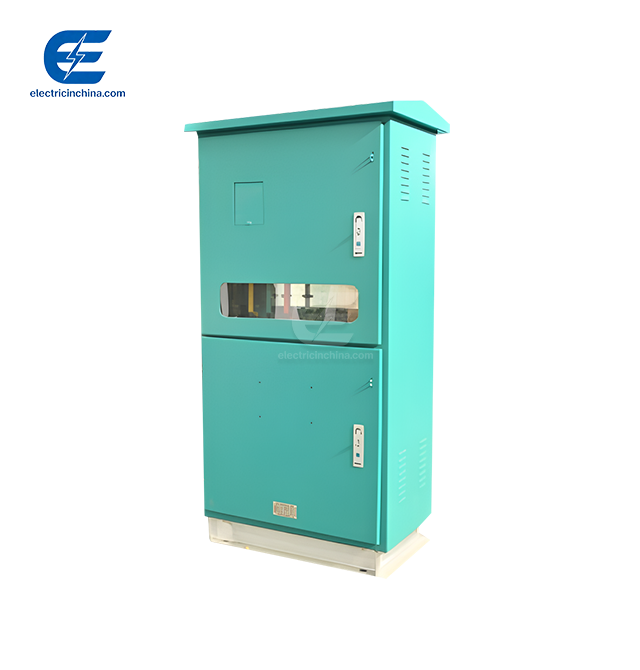
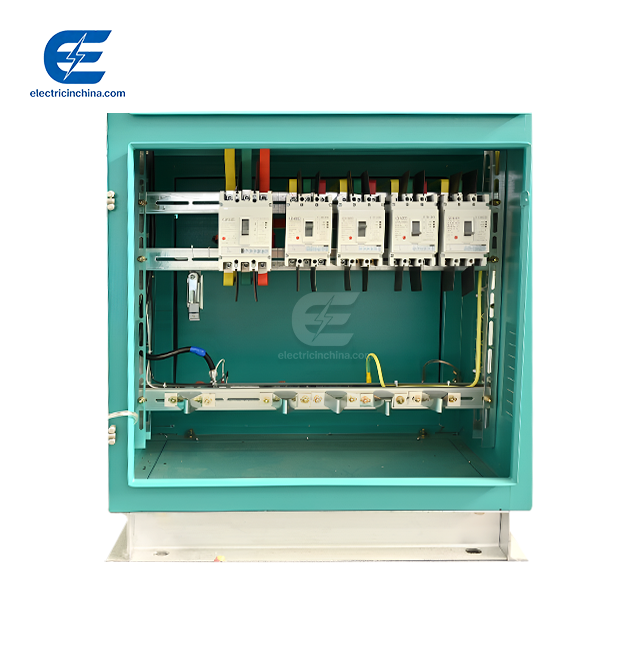
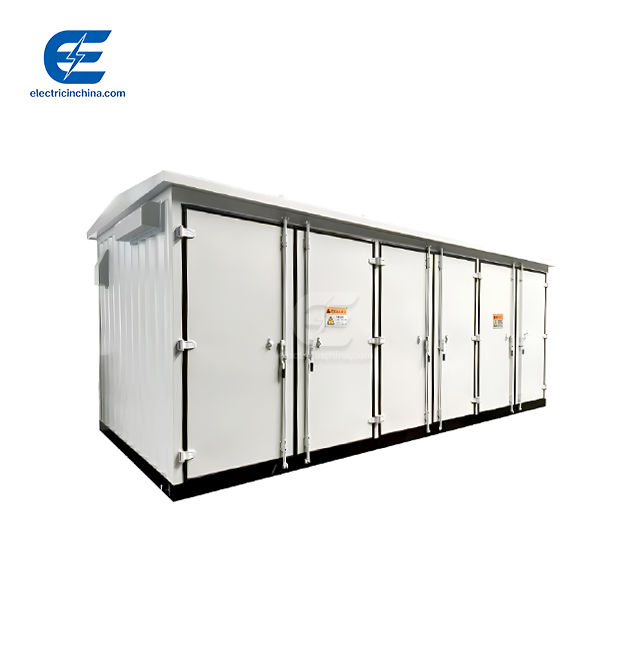
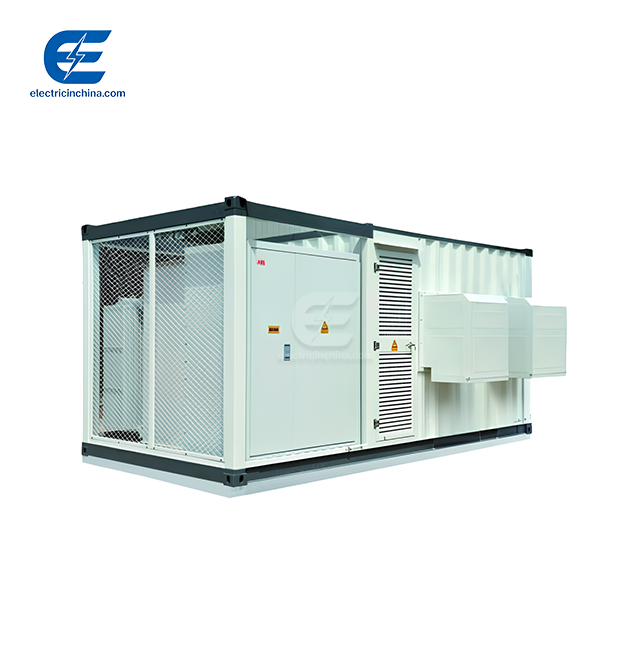
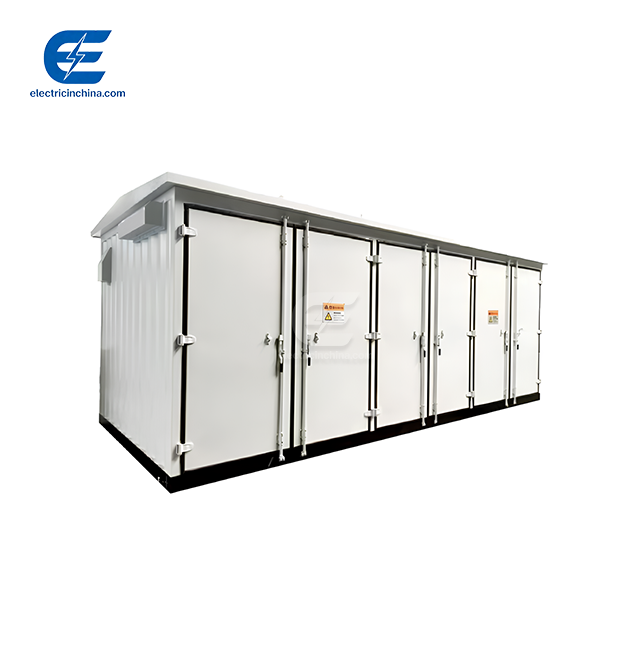
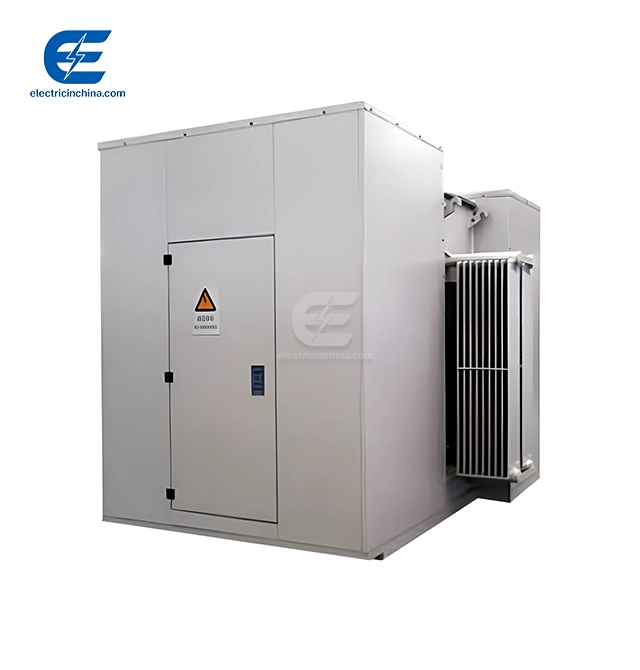
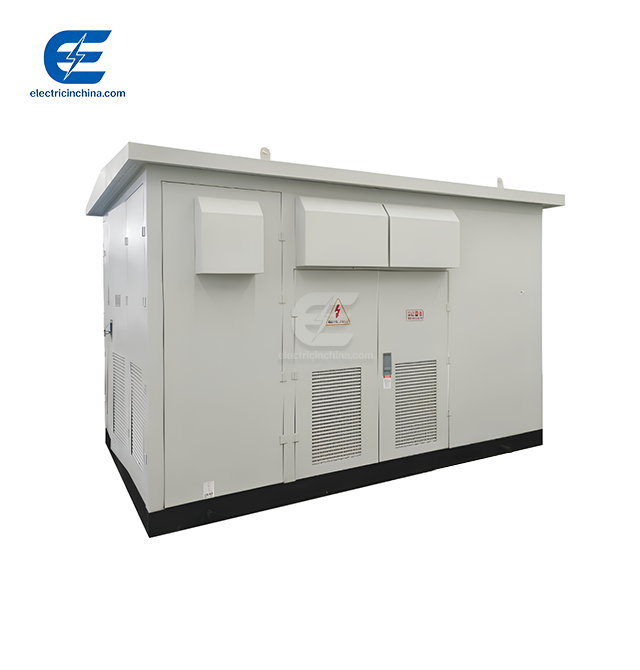
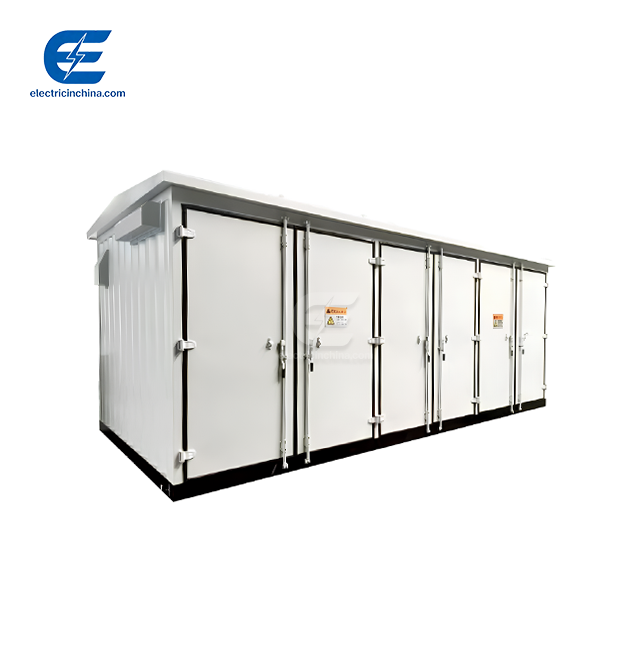
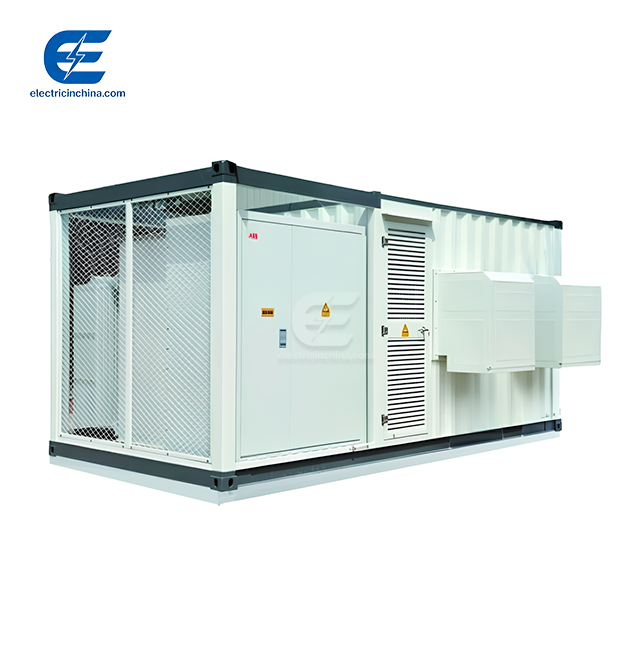
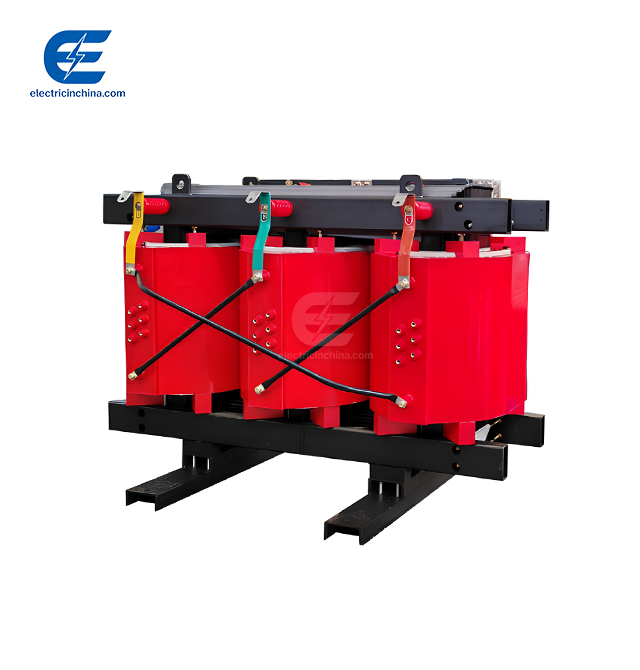
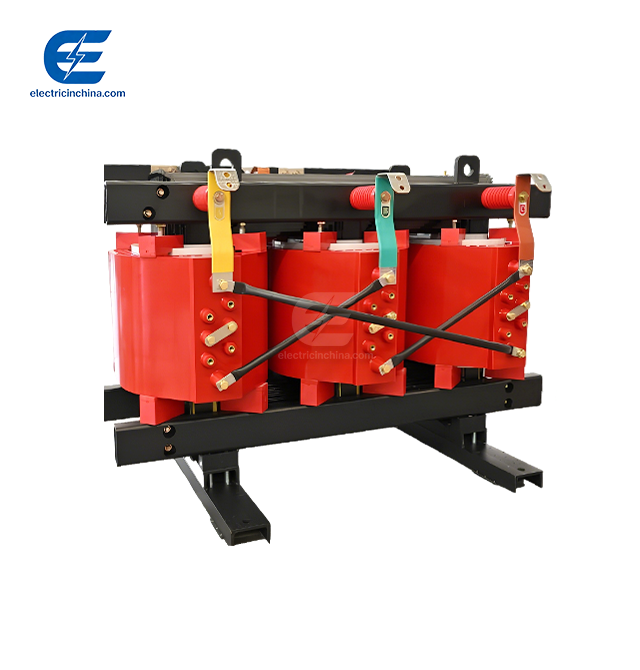
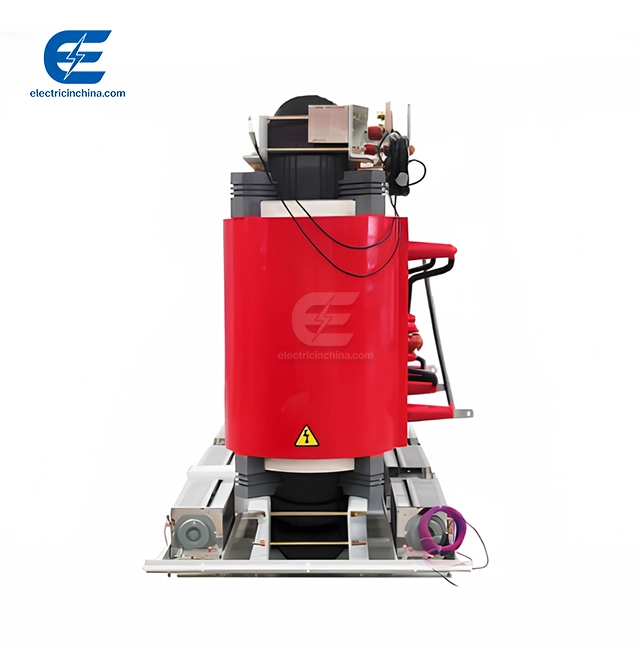
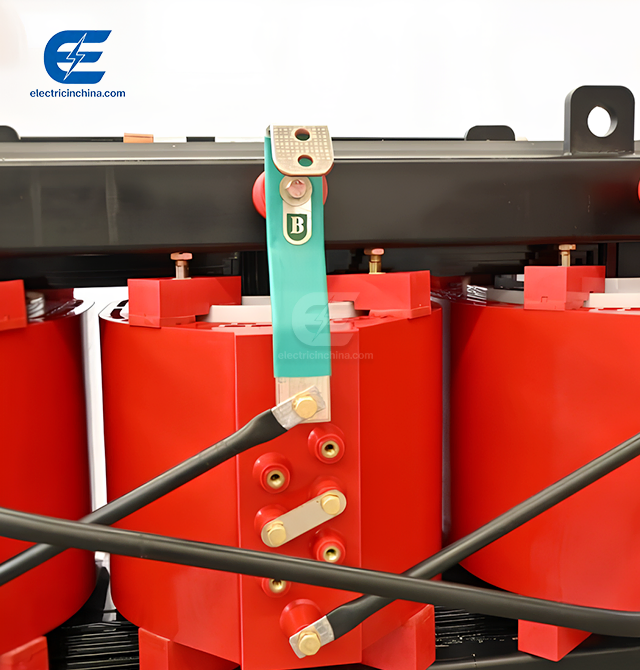
The ability of Oil-immersed transformers to meet rising energy needs depends on technological advancements and strategic procurement. Insulating oil is used to cool and insulate these devices, which have been shown to work reliably in industrial, utility, and business settings. As the world's energy use rises and green energy sources are used more, the question arises: Can old Oil-immersed transformers adapt to the needs of tomorrow's grid? The answer lies in knowing their natural skills, dealing with operational problems, and welcoming new ideas that combine traditional design with powers that are ready for the future.
Understanding Oil-Immersed Transformers: Technology and Benefits
How Oil-Immersed Technology Delivers Reliability
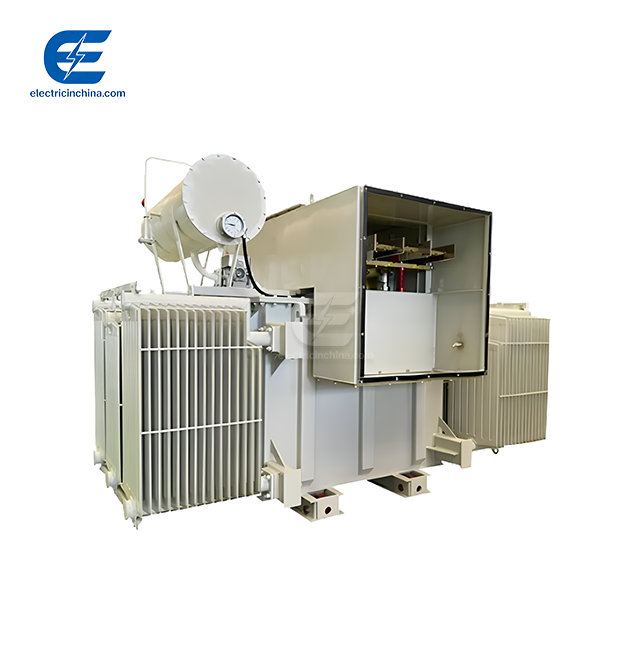
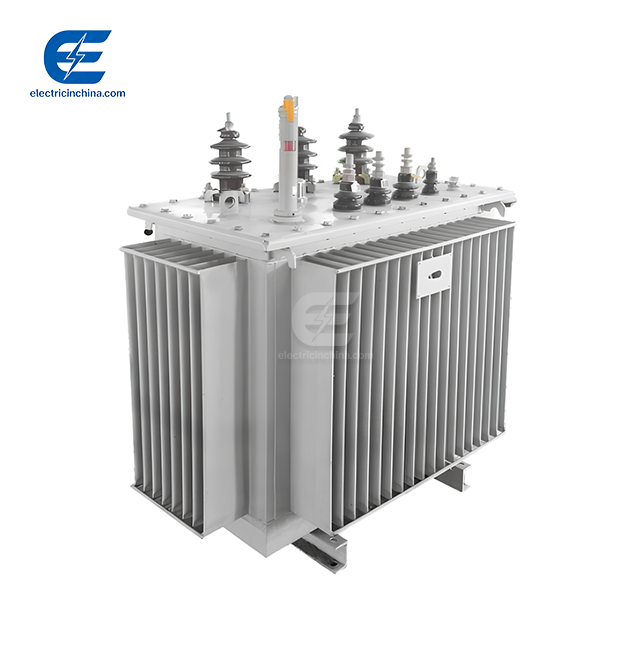
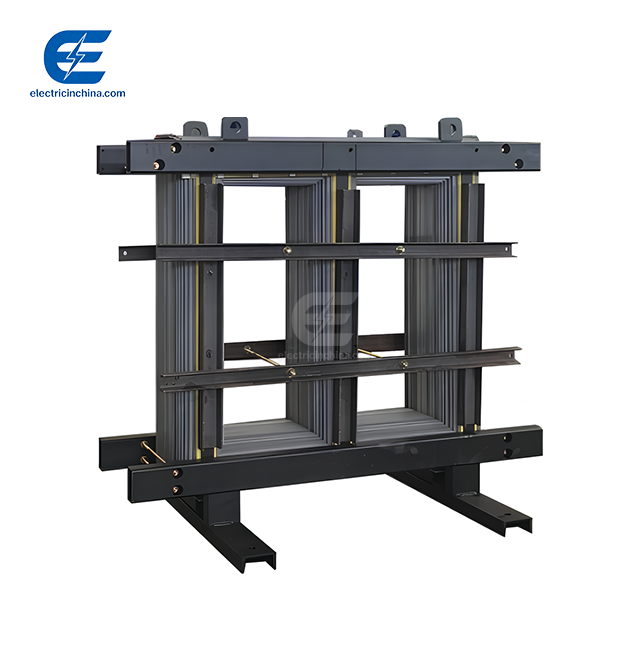
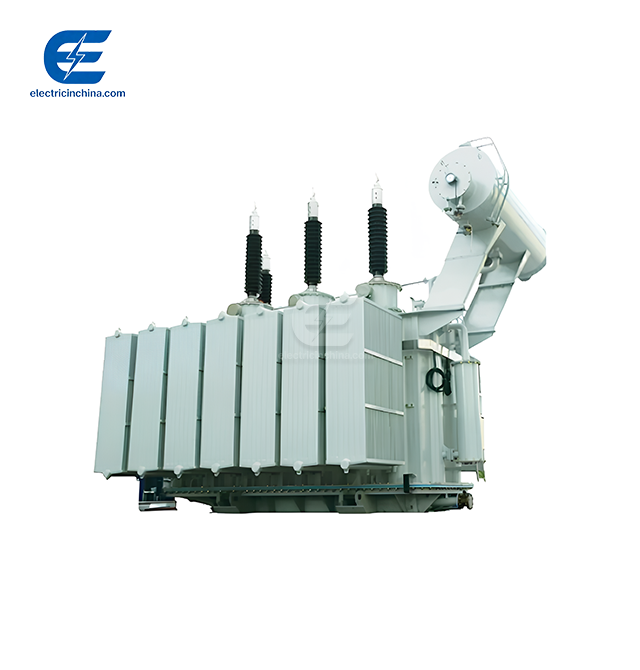
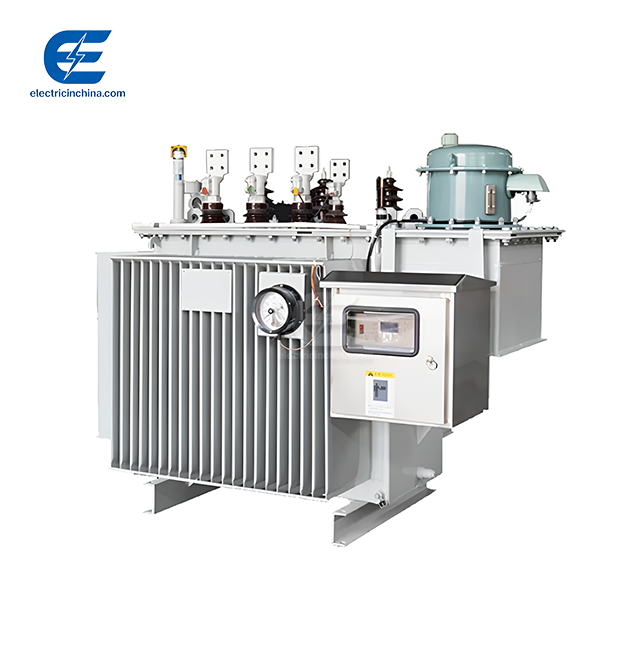
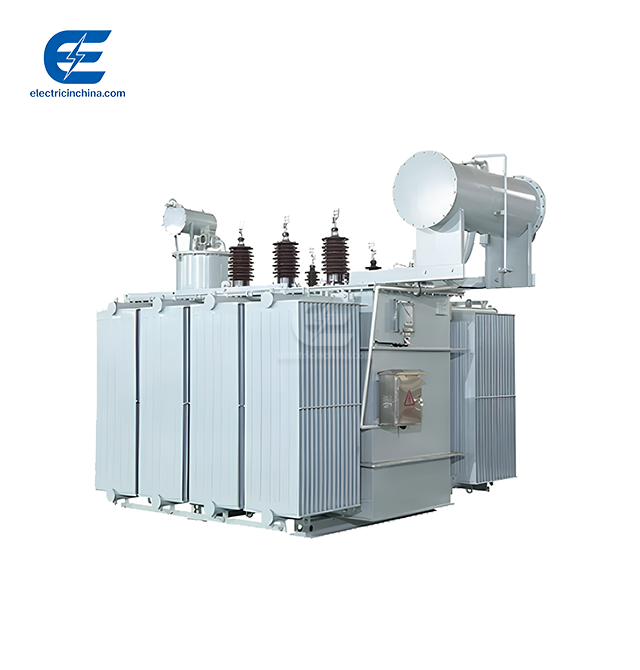
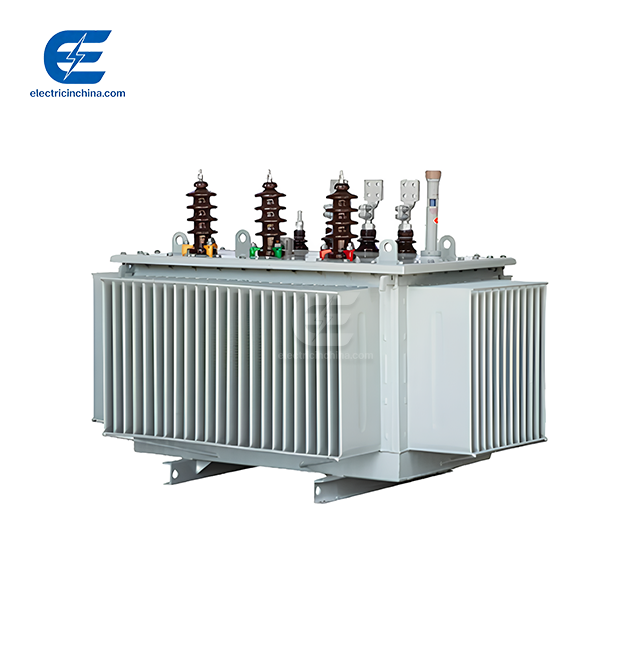
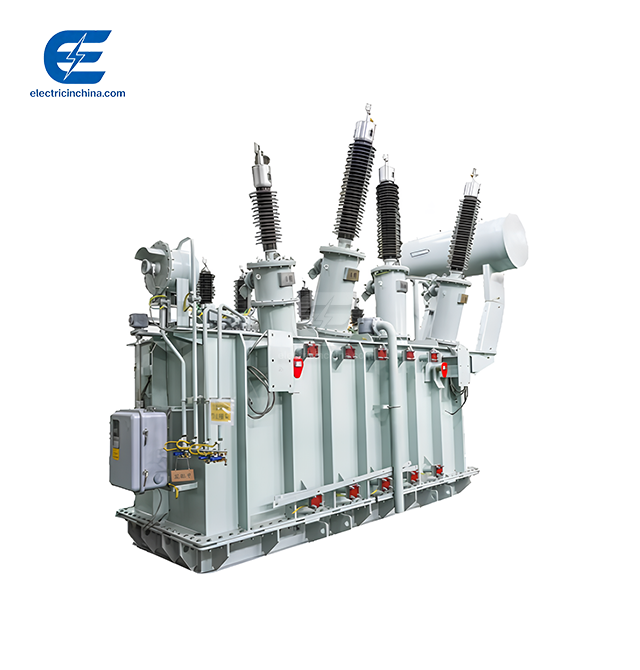
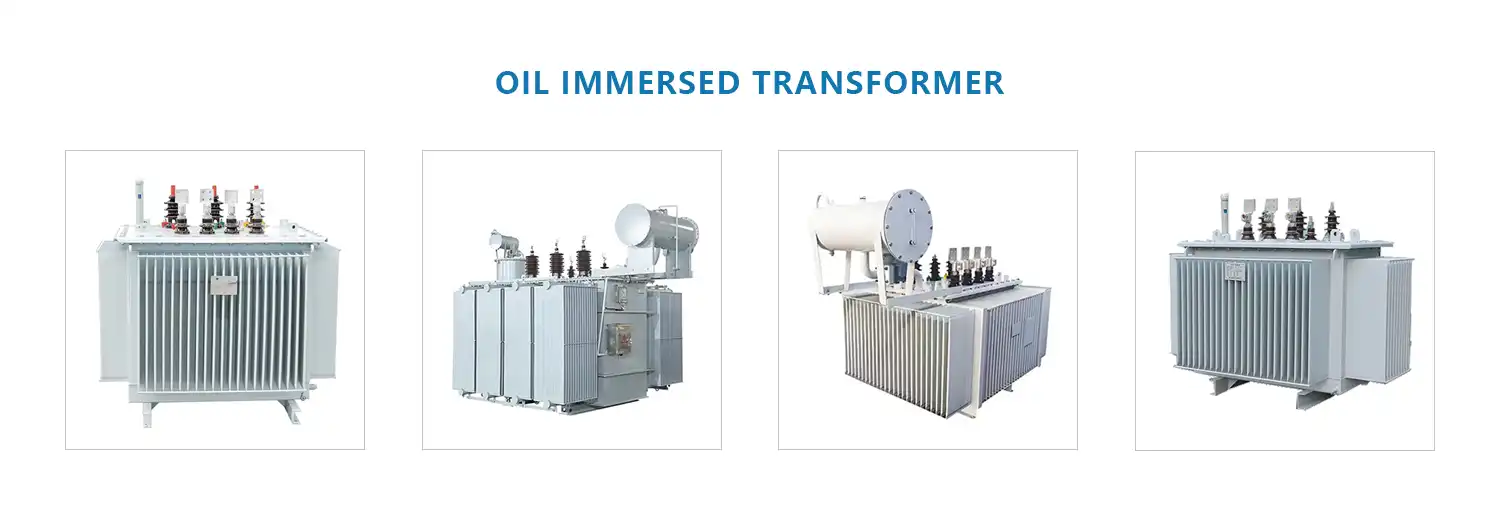
Oil-immersed transformers use mineral or synthetic insulating fluids to do two things: get rid of the heat that is produced during operation and keep the high-voltage parts from short-circuiting. The heart of the transformer is made of grain-oriented silicon steel, which keeps magnetostriction and energy loss to a minimum. Copper or aluminum windings effectively carry electricity, and the oil around them keeps the temperature stable. This design has been tested and found to work well with loads from 30kVA to 2500kVA and voltages up to 35kV.
Cooling Methods and Thermal Management
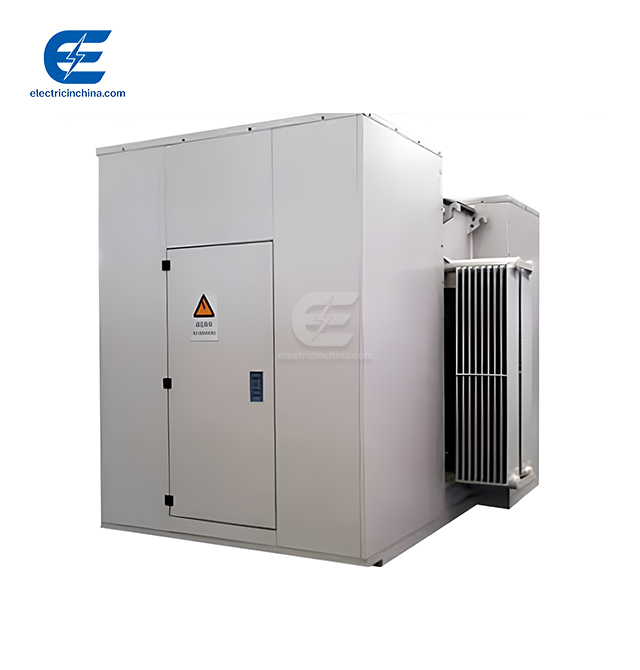
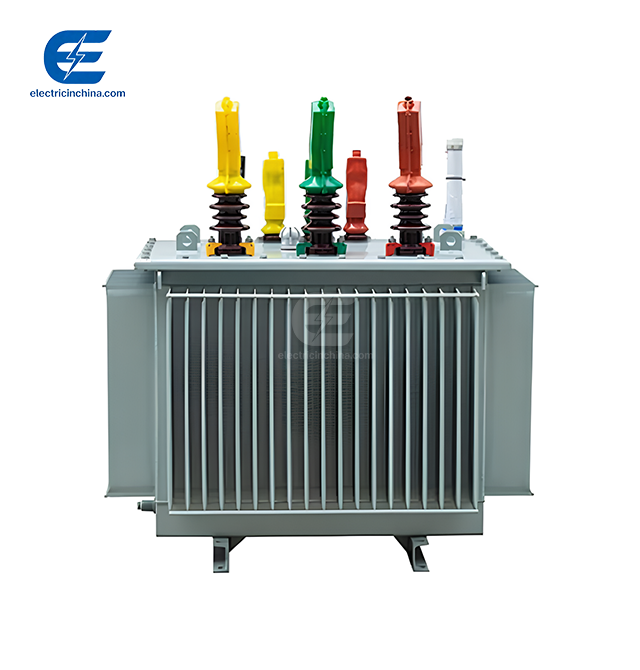
When the load changes, different cooling configurations improve performance. Natural cooling systems, like ONAN, use convection currents in the oil and the flow of air around the radiators. Fans are used in forced cooling methods like ONAF to speed up the flow of air in larger installations. OFAF and OFWF systems use oil pumps and water heat exchangers. Oil-immersed transformers can keep working smoothly even during times of high demand thanks to these thermal control methods. The models in the S9 and S13 series that we make have corrugated tank designs that increase the surface area for transferring heat by about 30% compared to flat-wall enclosures. This makes passive cooling work better.
Operational Advantages for Procurement Teams
Project-based organizations can measure their success by choosing Oil-immersed transformers. Ratings of over 98.5% efficiency cut down on wasted energy over decades of use. Advanced S18 models still have no-load losses below 0.3%, which means big cost savings for cases where the machine is always running. High-quality mineral oil has a dielectric strength greater than 30kV, which makes it a strong barrier against voltage spikes that are typical in industrial settings. Our production methods are in line with IEC 60076 and IEEE C57.12.00 standards, which means they can work with international grid requirements.
Challenges in Meeting Future Energy Demands with Oil-Immersed Transformers
Aging Infrastructure and Oil Degradation
As Oil-immersed transformers get older, the shielding oil gets oxidized and contaminated with moisture, which lowers its dielectric qualities. Changes in the concentrations of hydrogen, acetylene, and carbon monoxide show signs of faults in dissolved gases. Using Karl Fischer titration to keep the moisture level below 10–12 ppm is important for keeping the insulation's structure. Thermal cycling and electric forces can wear down mechanical parts. This is especially true when there is a fault, and short-circuit currents put a lot of stress on the parts.
Thermal Stress from Variable Load Profiles
Modern grids have changing loads because renewable energy sources don't always work, and people's consumption habits are changing. Variable loads speed up the rate at which winding insulation and oil break down due to heat. When loads change often, Oil-immersed transformers that are made for steady-state operation have shorter lives. Intelligent monitoring systems now keep an eye on temperature differences, oil quality parameters, and partial discharge activity in real time so that maintenance can be planned ahead of time and done before problems happen.
Safety and Compliance Imperatives
For Oil-immersed transformer installations, reducing the risk of fire is still very important. Regulatory frameworks require storage systems, fire control equipment, and safe distances from buildings where people live. Our S13-35kV types have fully sealed curved tanks that keep cooling oil from coming into contact with air. This lowers the risk of oxidation and gets rid of the need for nitrogen blanket-filled refrigeration systems. This hermetic design increases safety and stretches repair intervals for substations in cities where limited space limits fire protection systems.
Oil-Immersed Transformers vs Alternative Transformer Technologies
Comparative Performance Analysis
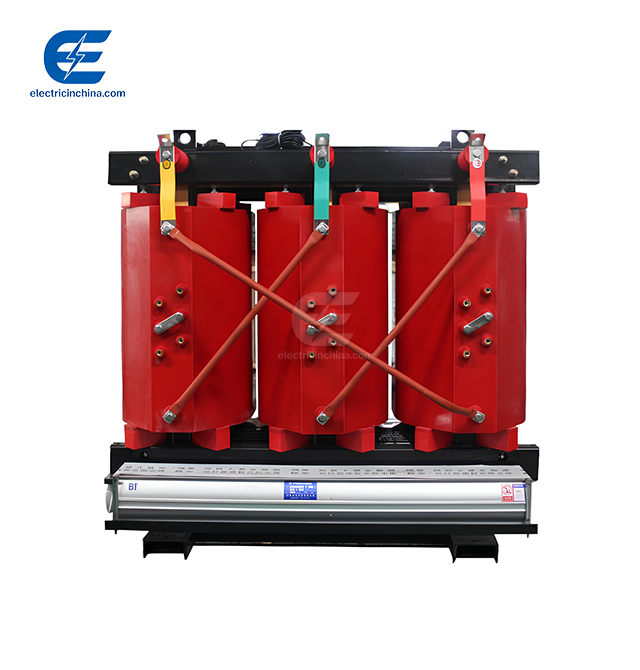
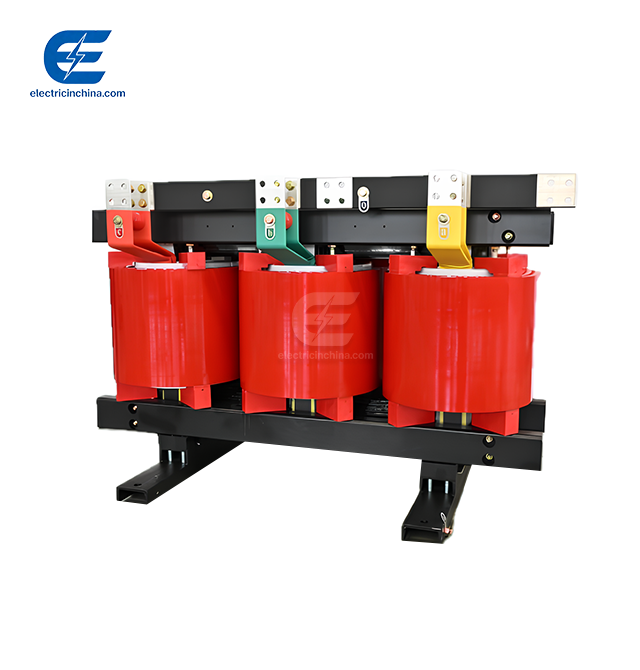
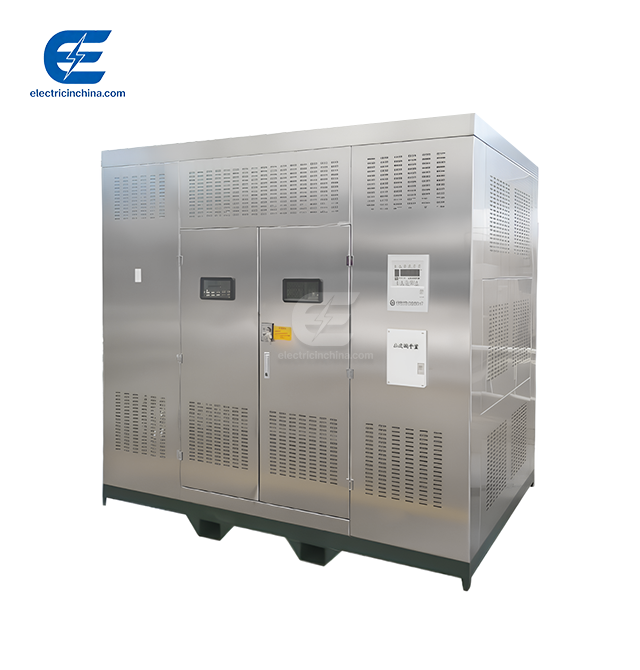
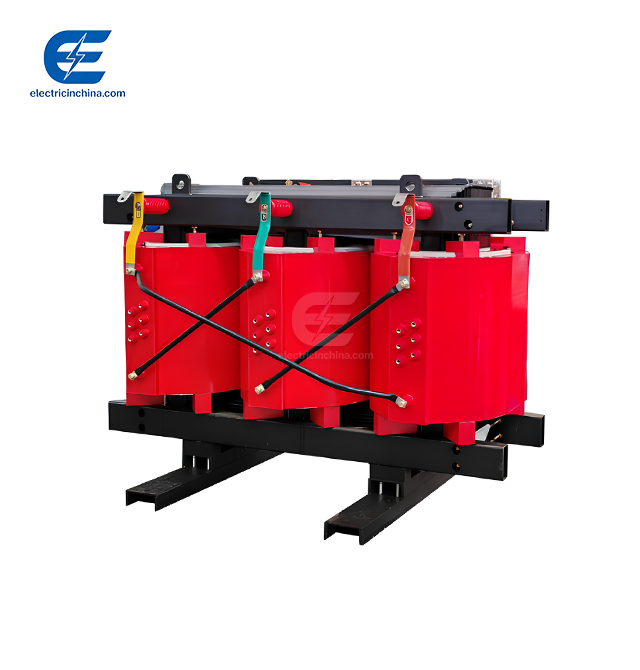
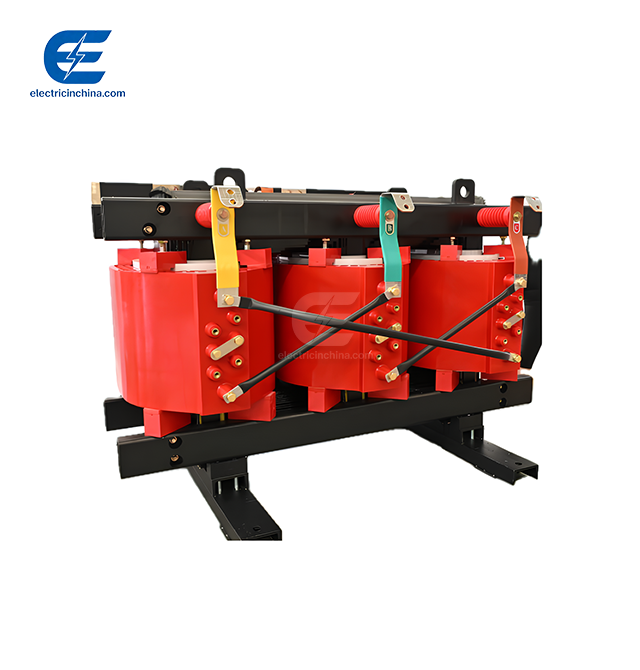
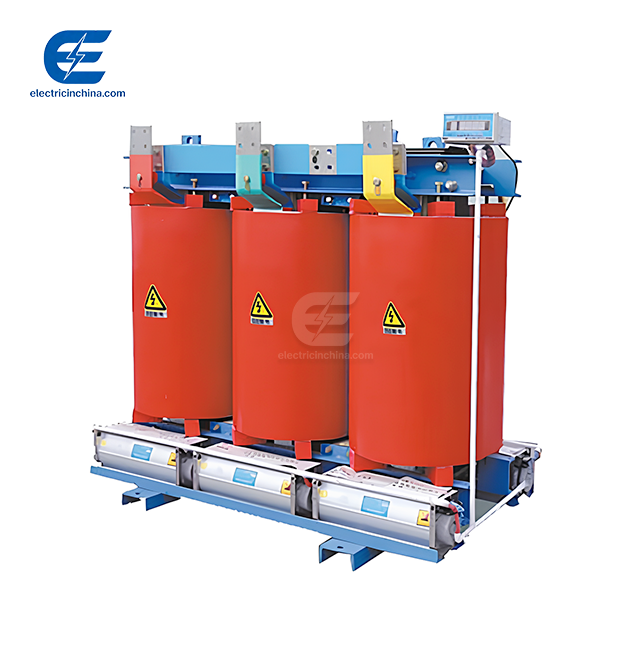
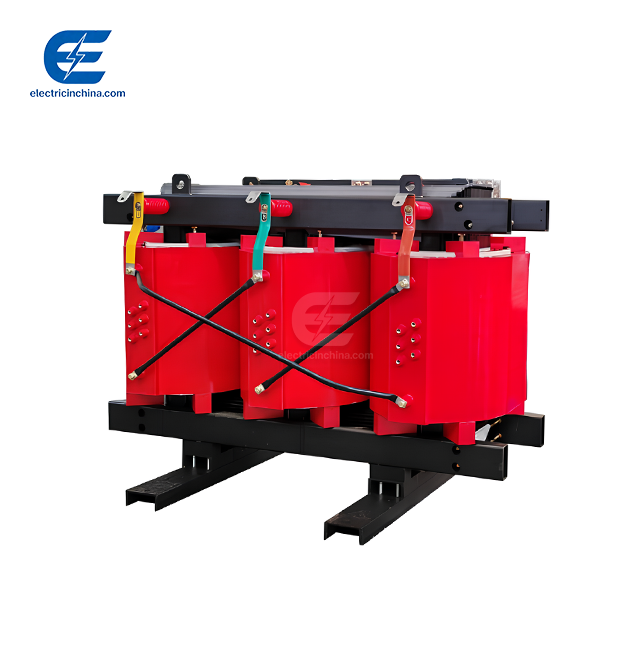
Procurement pros look at thermal efficiency, construction needs, upkeep needs, environmental concerns, and total cost of ownership when deciding which transformer technologies to use. Oil-immersed transformers work best in high-capacity situations, especially when the load is more than 1000kVA, and better heat absorption makes the more complicated operation worth it. Dry-type options don't pose fire risks and are easier to put indoors, but they heat up more quickly under the same loading conditions. Cast resin transformers are resistant to external factors, but they cost more for medium-voltage uses.
Application-Specific Selection Criteria
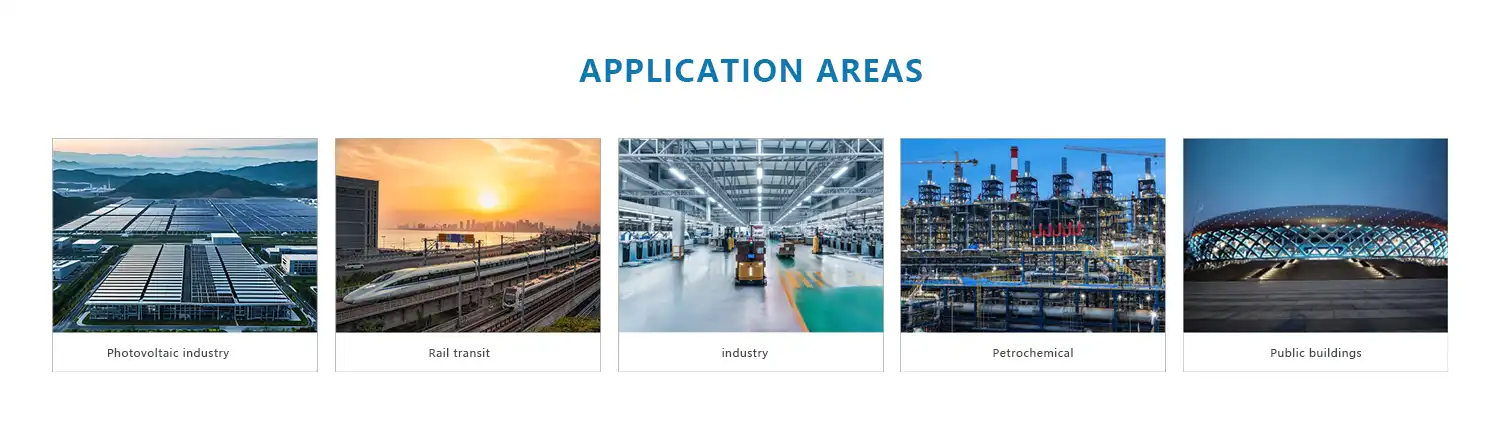
Industrial companies that work with harmonically heavy loads can benefit from Oil-immersed transformer designs that can handle overloads and short-circuits very well. According to IEC 60076-3 standards, our S9 line can handle impulse voltages and keep magnetizing currents below 2% of their maximum values. For outdoor substations, where temperatures can range from -40°C to +40°C, government infrastructure projects often call for Oil-immersed transformers instead of dry-type equipment. These transformers are used by real estate companies in underground vaults because they are small in size and make very little noise (3-5dB below national standards), which keeps people comfortable.
Emerging Hybrid Solutions
As markets change, they tend to favour specialized designs that take advantage of more than one technology's benefits. When compared to mineral oil, ester-based insulating fluids are better for the environment because they break down more quickly and have higher flash points. Putting digital sensors inside tank parts lets them keep an eye on their state all the time and send information to SCADA systems for predictive analytics. Oil-immersed transformers are now positioned as flexible platforms that can meet strict sustainability goals without compromising operating dependability thanks to these innovations.
Procurement Insights and Solutions for B2B Clients
Navigating Acquisition Complexities
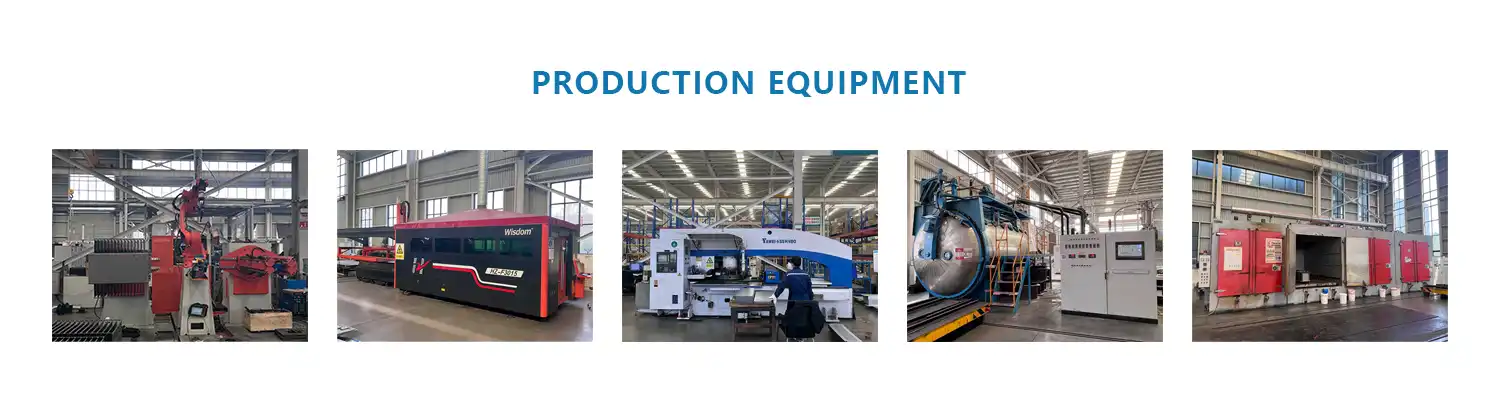
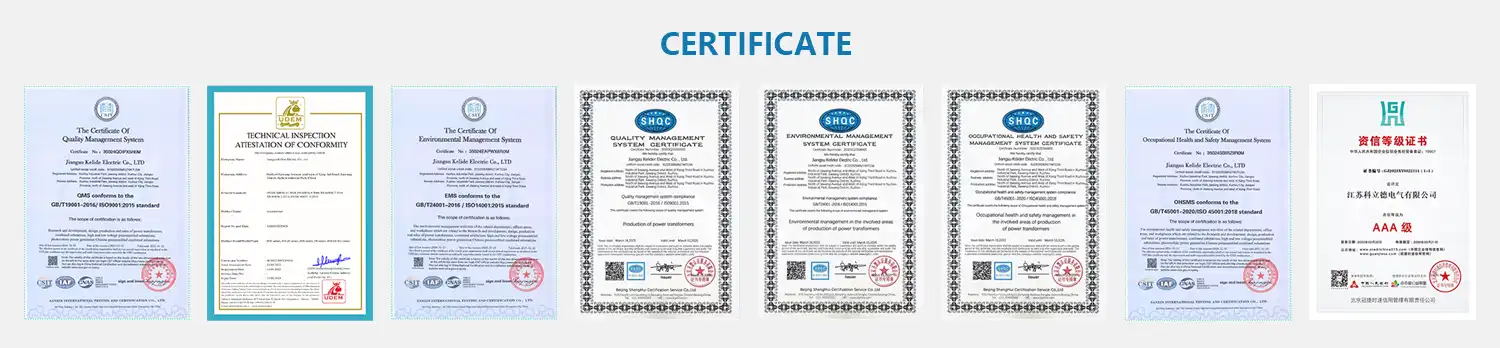
When purchasing managers look at Oil-immersed transformer suppliers, they have to deal with a number of issues, such as fluctuating material costs, manufacturing lead times that can be 12 to 16 weeks for custom specifications, and strict quality control protocols. Certifications like ISO 9001, ISO 14001, and OHSAS 45001 show that a company follows standards for quality control, caring for the environment, and worker safety. Our internal quality inspection lab does regular electrical tests on insulation resistances greater than 1000MΩ at operating temperature, power factor tests lower than 0.5% to make sure insulation systems are healthy, and sweep frequency response analysis to find deformations in the structure.
Customization for Specific Operating Contexts
New energy systems need Oil-immersed transformers that are specifically designed to work with their surroundings and electricity. For sites near the coast, better rust protection is needed through special tank coatings and sealed bushing designs that can handle salt spray. To work with renewable energy, voltage control needs to be able to stay within ±2.5% so that it can handle changes in solar and wind output. We use high-tech production tools, like CNC automatic winding machines and microcomputer-controlled gradient curing furnaces, in more than 120 different manufacturing systems to make sure that our solutions are tailored to local grid codes and the needs of each site.
Establishing Reliable Supply Partnerships
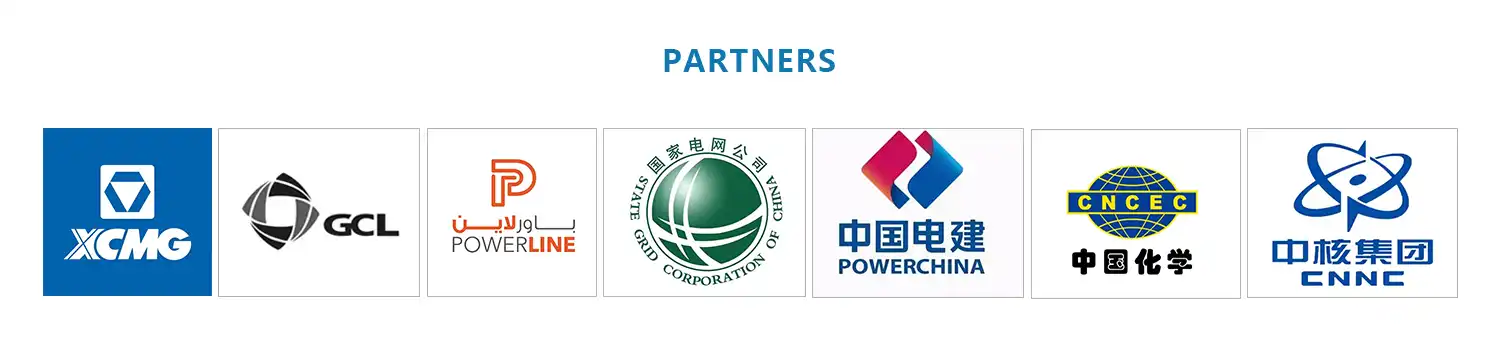
Having long-term ties with suppliers lowers the risks that come with buying things for important building projects. Quality manufacturers set themselves apart by having clear lines of contact, detailed technical documentation, and quick help after the sale. A group of 15 senior engineers and more than 30 intermediate technicians make up our engineering team. They help with everything from writing specifications to factory acceptance testing, field commissioning, and planning ongoing maintenance. For operational safety, projects like the Xuzhou Rail Transit power supply system, which uses dual-circuit designs, show that we can complete complex EPC contracts on time and to high-quality standards.
Future Prospects: Can Oil-Immersed Transformers Sustain Tomorrow's Energy Needs?
Modernization Through Advanced Insulating Fluids
Traditional mineral oil is being looked at by environmentalists because it is hard to get and dispose of. Synthetic and natural esters made from vegetable oils are biodegradable options that are better at withstanding heat and moisture. These fluids make insulation last longer by keeping it from oxidizing and working at higher temperatures. Our research and development dollars are used to look into high-flash-point ester liquids that keep their dielectric strength while lowering the risk of fire. This helps meet regulatory requirements without lowering the cooling efficiency.
Digital Monitoring and Predictive Maintenance
To connect to smart grid systems, systems need to know what's going on in real time and be able to automatically fix problems. Embedded sensors send data to central management platforms via IoT protocols to keep an eye on things like dissolved gas concentrations, bushing power factor, and tank pressure decay. Predictive computers look at past patterns to guess when a part will break weeks before it does. This lets them take action before the problem happens, which stops unplanned outages. Oil-immersed transformers become clever grid nodes with self-diagnosis and flexible operation thanks to these digital improvements.
Strategic Procurement Recommendations
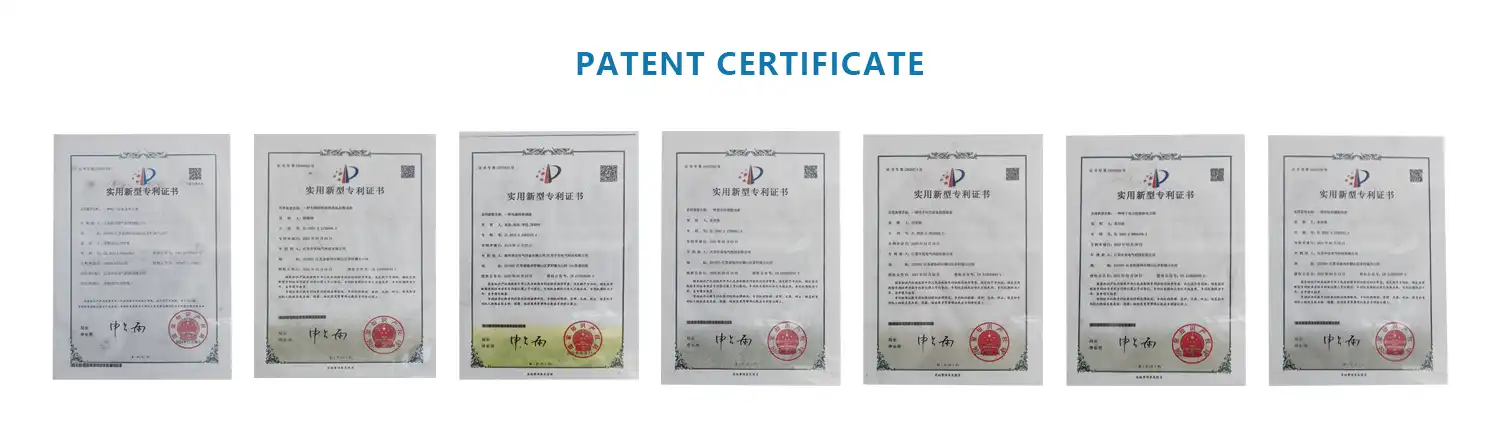
When organizations are planning for the future of their energy infrastructure, they should give priority to makers who show they are committed to ongoing innovation. When demand rises, modular designs protect capital investments by letting capacity grow without replacing all the equipment. Partnerships with providers that offer full lifetime services, from original design to decommissioning, make sure that things stay the same over the course of many decades. Our 18 granted patents show that we are always making thermal management, insulation systems, and monitoring technologies better. This gives our clients the confidence they need to make the switch to renewable energy.
Conclusion
When buying strategies prioritize quality, customization, and source knowledge, Oil-immersed transformers will still be useful for future energy systems. Their thermal efficiency, ability to handle overloads, and track record of dependability meet the needs of infrastructure, utilities, and businesses. Problems like old parts, rules about the environment, and connecting to the smart grid mean that we need to be proactive about updating things by using new fluids, digital tracking, and planned repair. Choosing makers with strong quality systems, a lot of technical knowledge, and quick service networks will get you the best return on your investment and keep the grid stable. As the world's energy needs change, these transformers keep up with the times by coming up with new ideas. They play an important part in distributing power around the world.
FAQ
1. How often should oil testing and replacement occur for oil-immersed transformers?
For important assets, dissolved gas analysis should be done once a year and moisture content should be checked every two years. How often you need to change the oil depends on how dirty it is and the results of a dielectric test, but in normal conditions, it should last between 10 and 15 years. When the breakdown voltage is less than 30kV, the oil needs to be processed or replaced right away.
2. What maintenance differences exist between oil-immersed and dry-type transformers?
Oil-immersed transformers need to have their oil samples, moisture levels checked, and bushings inspected regularly. Dry-type transformers don't need oil upkeep, but they do need to have the temperature of the windings checked, and the air system cleaned more often. When environmental exposure and load profile harshness are taken into account, the overall upkeep effort stays the same.
3. Can oil-immersed transformers be customized for renewable energy applications?
Of course. Voltage regulation features, better cooling systems for variable loads, and unique protection schemes make it possible to combine solar and wind power. For solar farms and wind installations, our engineering team comes up with solutions that take into account unique grid codes and the environment at the site.
Partner with Tuojie for Reliable Oil-Immersed Transformer Solutions
Tuojie creates custom power distribution equipment for tough infrastructure projects in the business, government, and industrial sectors. Our range of Oil-immersed transformers, which includes models from the S9, S13, and S18 lines, meets world quality standards, such as ISO 9001 certification and CCC mandatory approvals. We offer complete EPC solutions, from design to commissioning, thanks to our more than 20 years of experience in the field and our advanced manufacturing and quality control protocols. When procurement managers need a reliable Oil-immersed transformer manufacturer, they can count on our technical know-how, quick communication, and track record of success on hundreds of important power projects. Email our team at tuojie@electricinchina.com to talk about your unique needs and get custom quotes backed by the best guarantees and after-sales support in the business.
References
1. IEEE Standards Association, "IEEE C57.104-2019: Guide for the Interpretation of Gases Generated in Mineral Oil-Immersed Transformers," Institute of Electrical and Electronics Engineers, 2019.
2. International Electrotechnical Commission, "IEC 60076-3:2013 Power Transformers - Part 3: Insulation Levels, Dielectric Tests and External Clearances in Air," IEC Publications, 2013.
3. Zhang, Wei and Liu, Yunpeng, "Thermal Performance Analysis of Oil-Immersed Power Transformers Under Variable Load Conditions," Journal of Electrical Engineering & Technology, Vol. 16, No. 4, 2021, pp. 1823-1835.
4. American National Standards Institute, "ANSI C57.12.00-2015: General Requirements for Liquid-Immersed Distribution, Power, and Regulating Transformers," ANSI Standards, 2015.
5. Kulkarni, S.V. and Khaparde, S.A., "Transformer Engineering: Design, Technology, and Diagnostics," CRC Press, Taylor & Francis Group, Second Edition, 2017.
6. Martin, Daniel and Saha, Tapan, "A Review of Condition Monitoring and Diagnostic Techniques for Lifetime Estimation of Power Transformers," Electrical Insulation Magazine, IEEE, Vol. 36, No. 2, 2020, pp. 23-37.