

.webp)
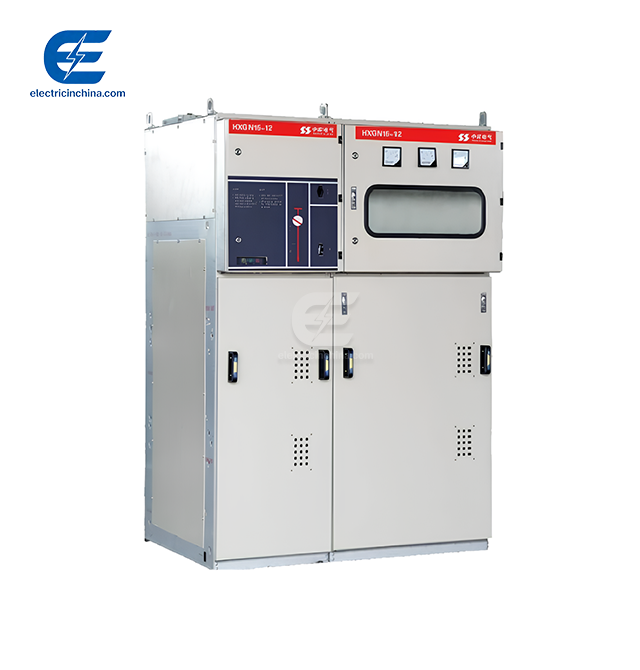
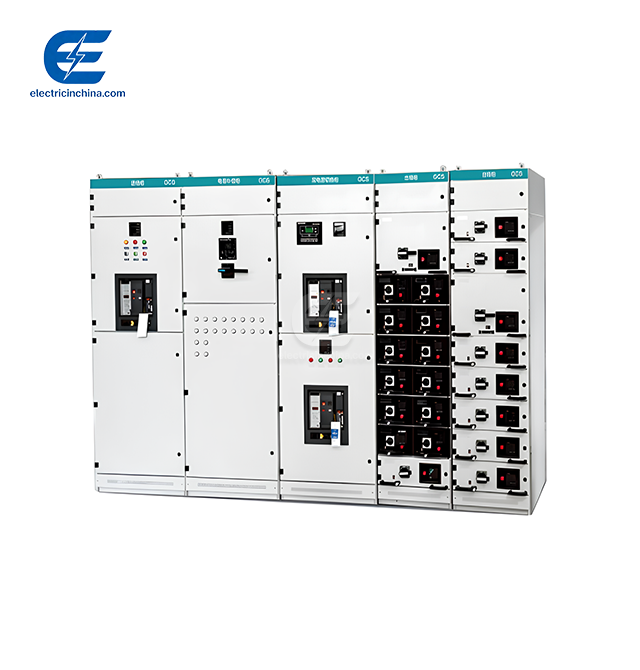
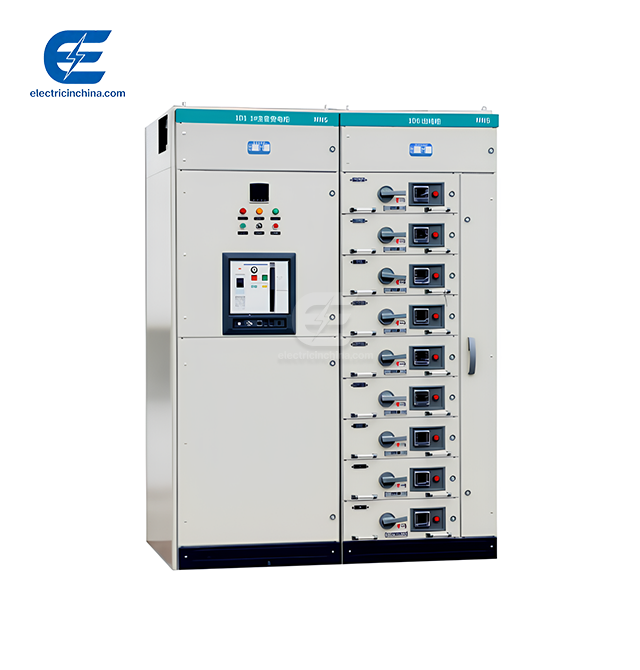
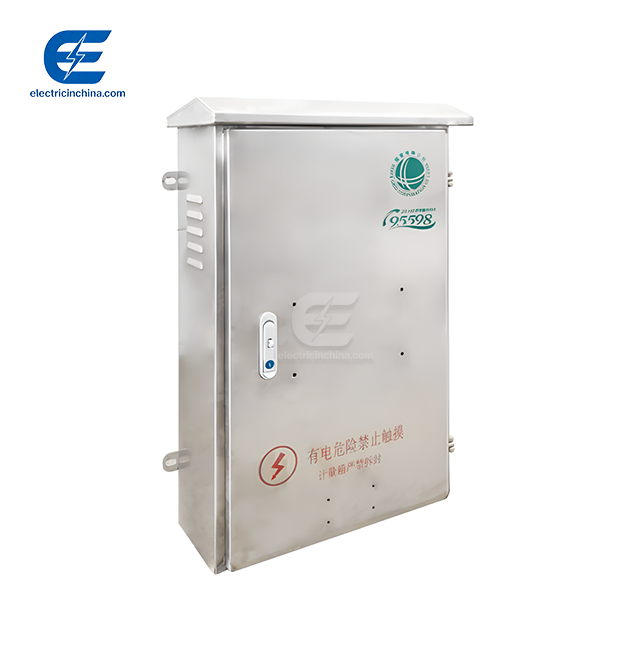
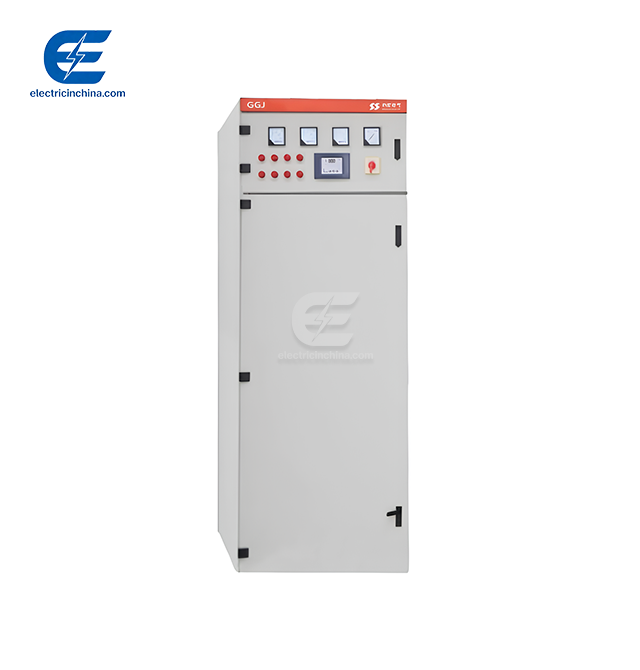
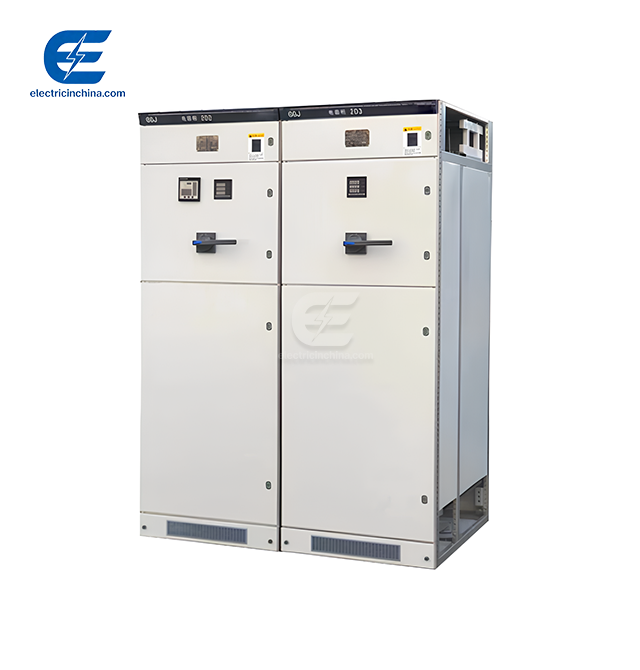
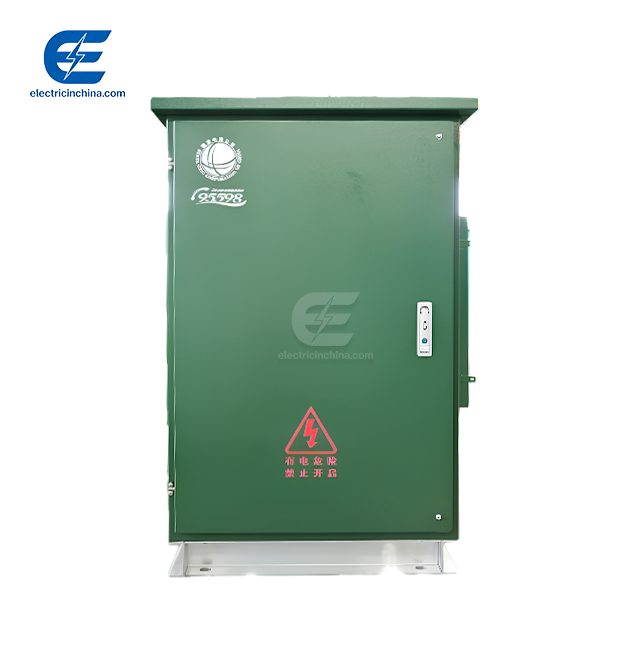
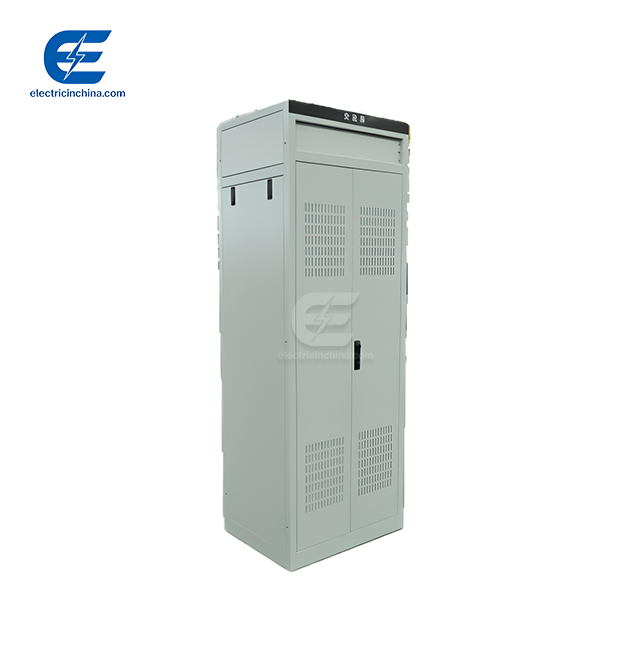
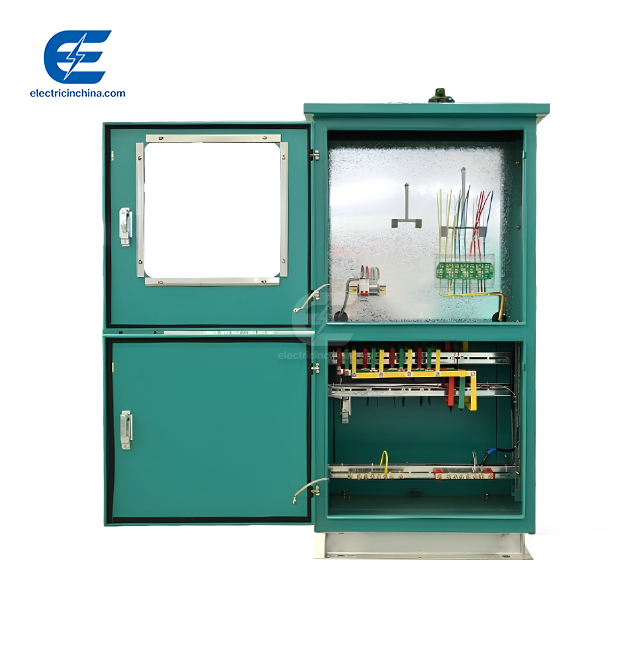
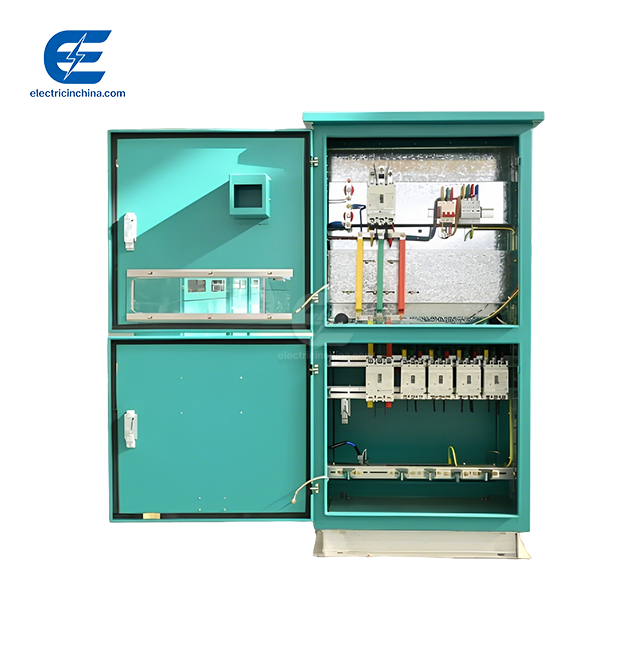
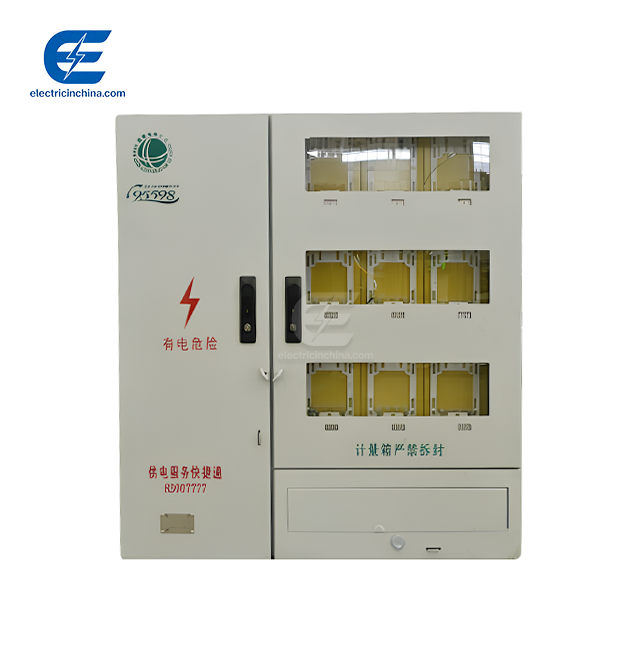
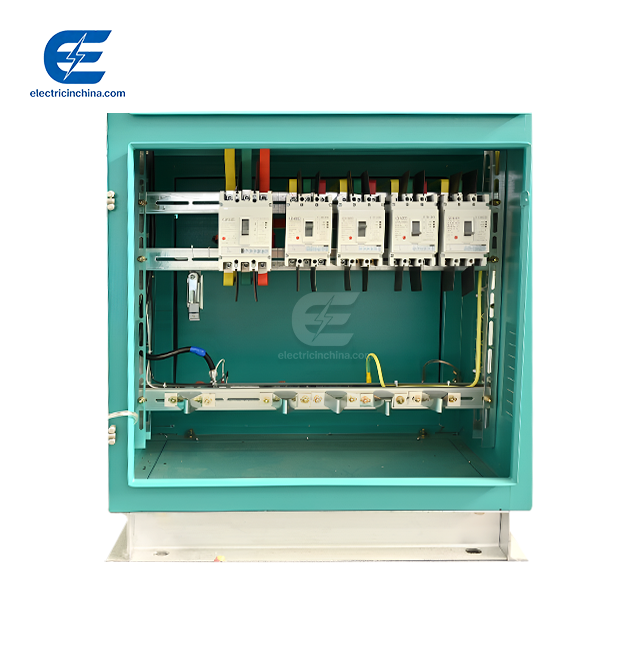
When choosing electrical distribution equipment for big industrial or infrastructure projects, picking the right Medium Voltage Withdrawable Switchgear can mean the difference between costly downtime and years of trouble-free operation. This detailed buying guide answers all of the important questions that government agencies, EPC companies, business developers, and industrial makers have about buying power solutions that are reliable, certified, and have a track record of successful projects. With our help, you can make an investment decision that fits your project's safety standards, budget, and long-term operational goals. We'll go over technical specifications, comparative analysis, procurement strategies, and maintenance practices.
Understanding Medium Voltage Withdrawable Switchgear
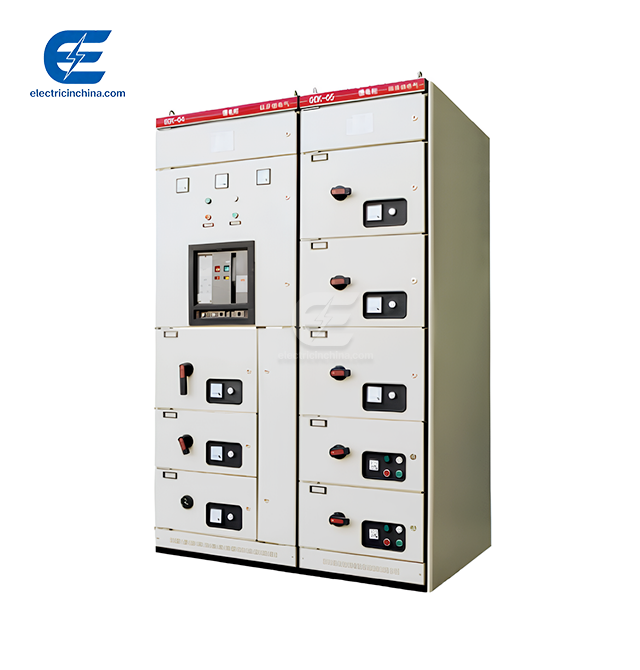
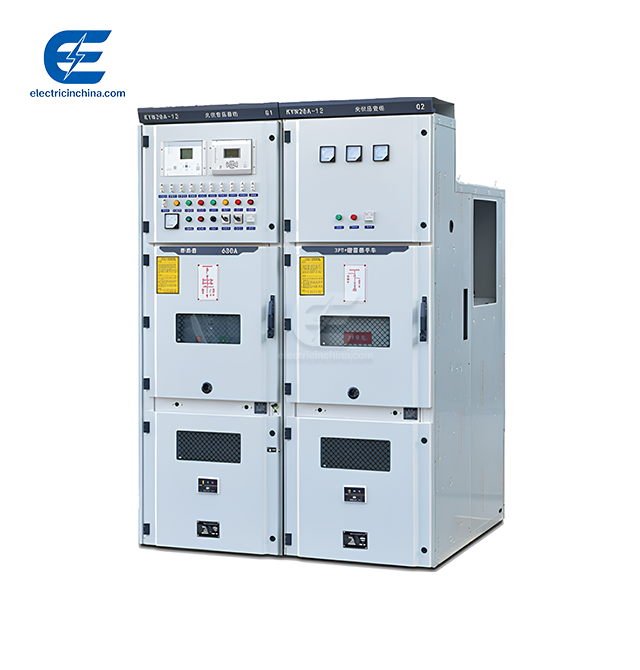
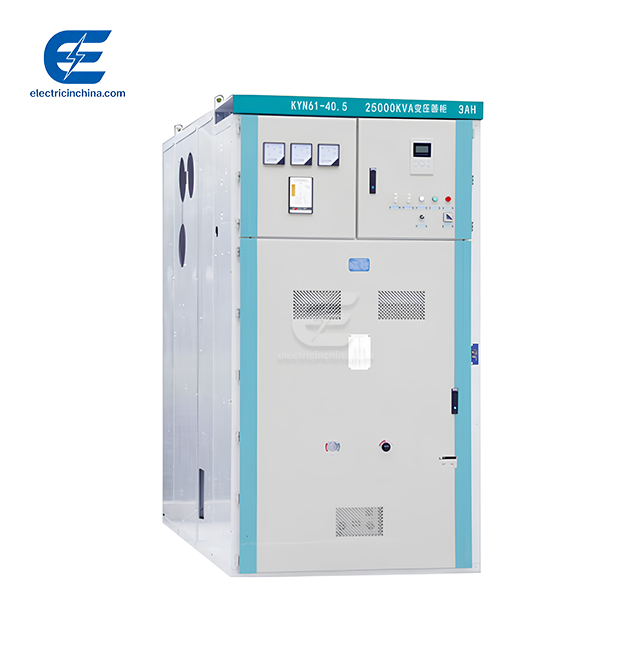
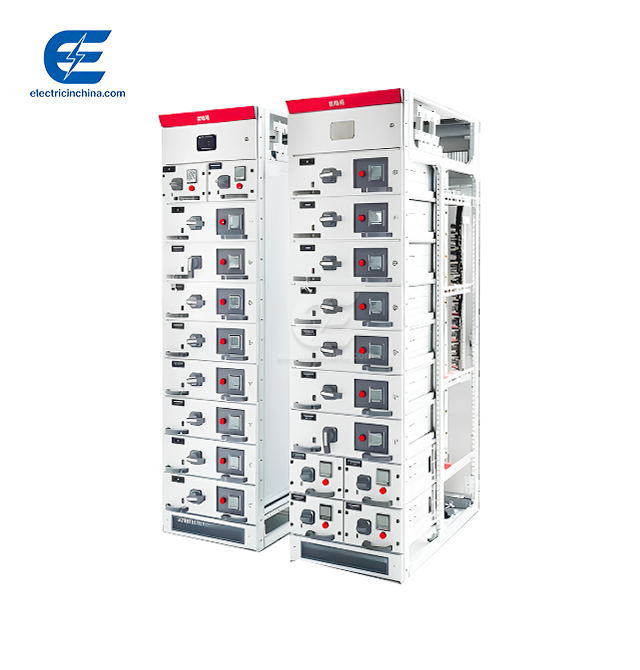
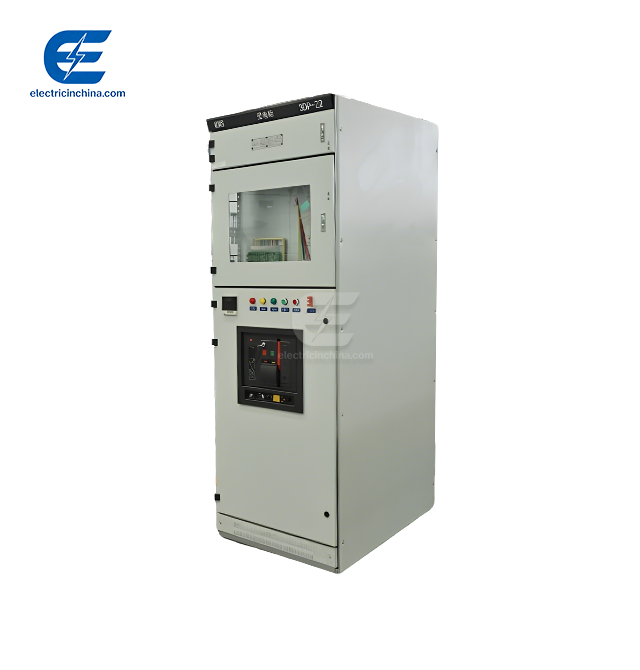
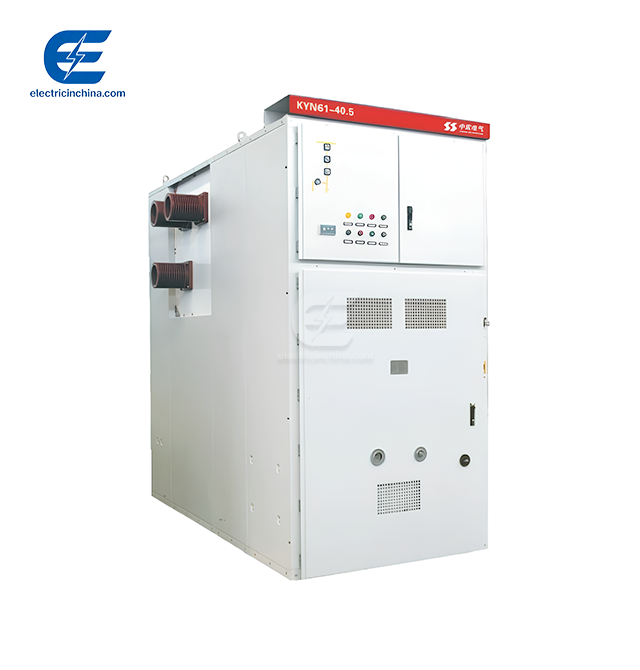
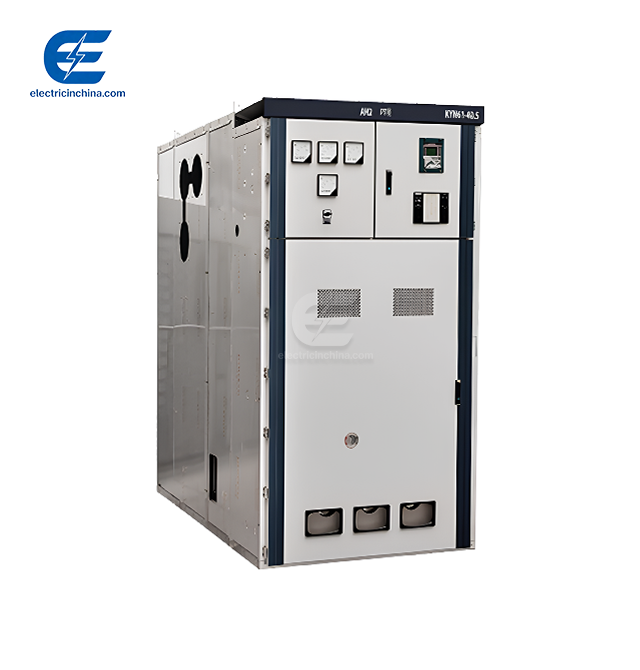
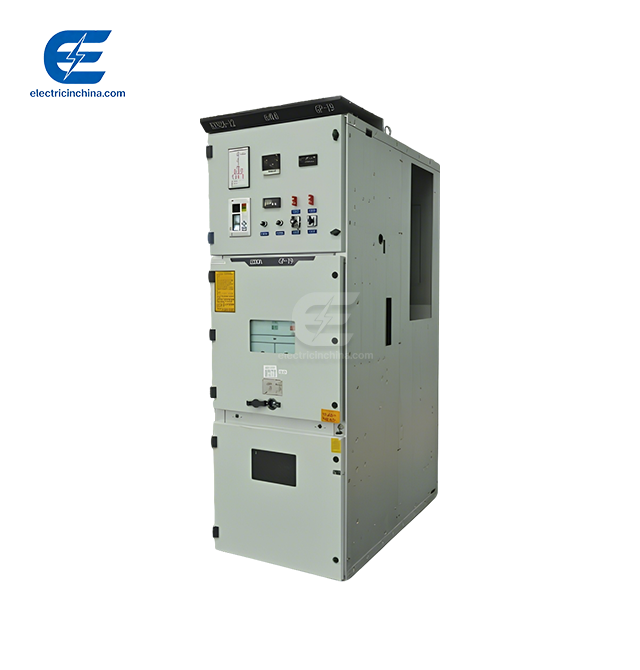
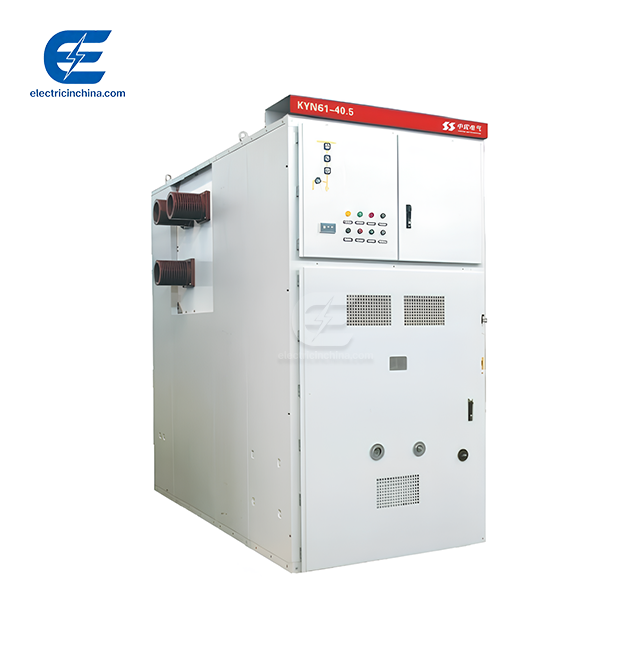
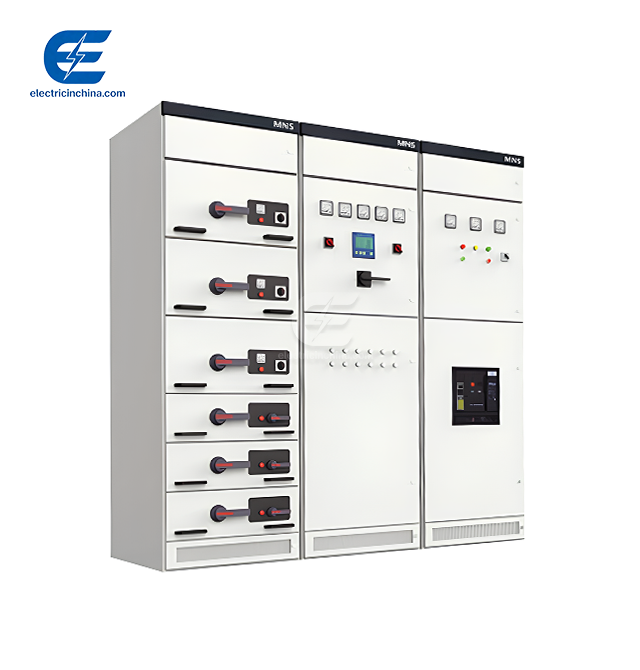
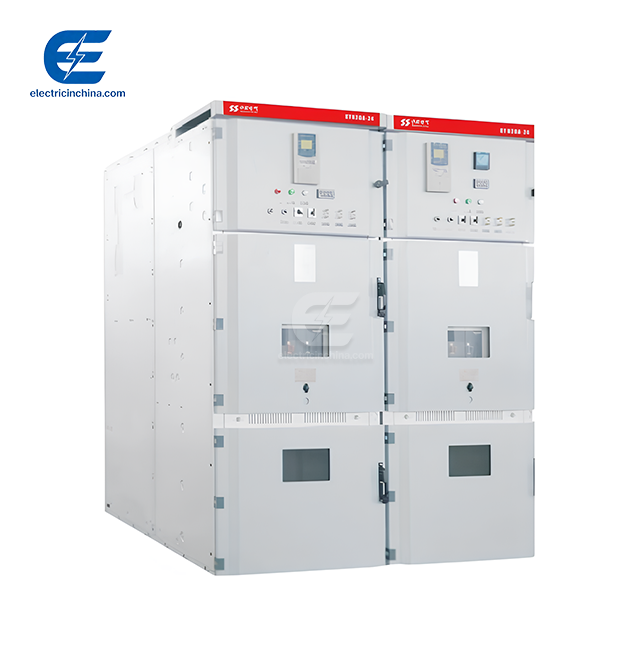
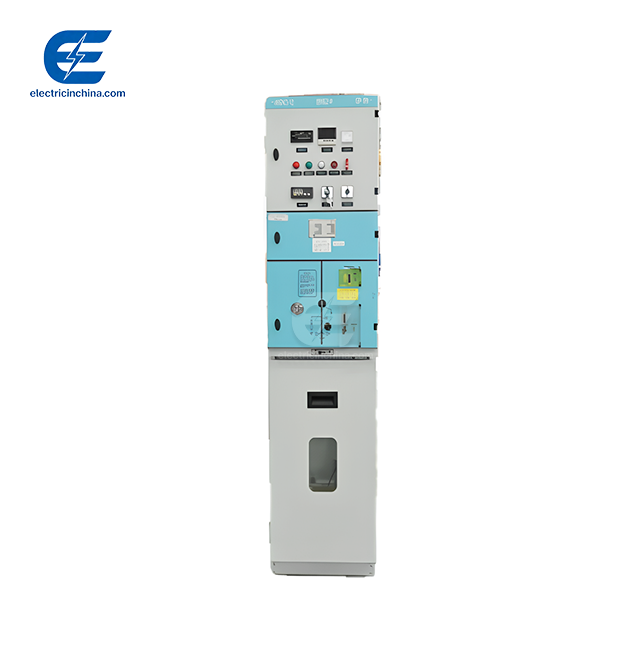
Medium Voltage Withdrawable Switchgear is the main part of electrical distribution systems that work with voltages between 3kV and 36kV. These systems bring electricity to factories, shopping malls, hospitals, and utility networks. This metal-enclosed distribution system has circuit breakers and disconnecting switches that can be physically moved out of the way for maintenance without turning off the power to the whole panel. This is a very important feature that cuts planned downtime by up to 80% compared to fixed alternatives.
What Makes Withdrawable Designs Different
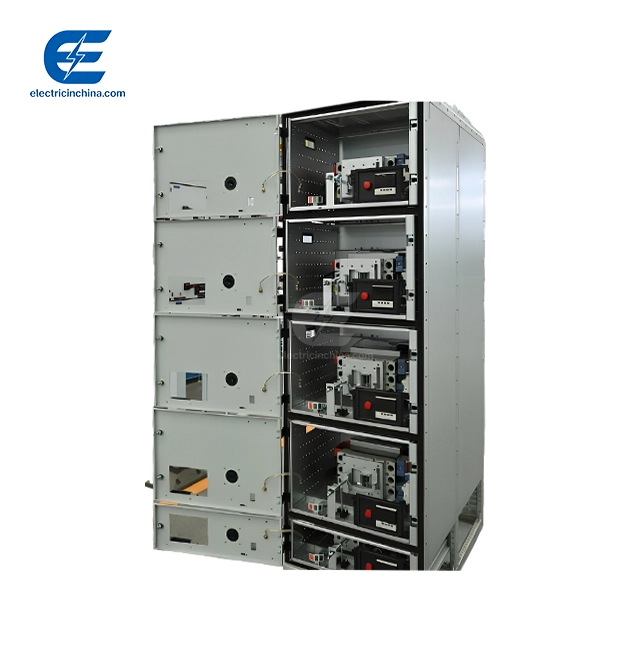
This equipment is different from fixed switchgear and ring main units because the Medium Voltage Withdrawable Switchgear mechanism is built in modules and can be maintained while being hot-swapped. When circuit breakers are permanently mounted inside a cage by fixed switches, the whole system has to be shut down for repairs. Ring main units are small, but they don't give you a lot of options for maintaining individual circuits. Medium Voltage Withdrawable Switchgear systems have carefully designed racking mechanisms that let trained workers take out circuit breakers while the busbar stays live. This keeps important processes running smoothly. Information centres, chip factories, and drug factories are all places where losing power can cost more than $100,000 an hour. This design is very useful in those places.
Core Components and Operating Principles
The system is divided into several sections that are split by metal obstacles and hold circuit breakers, control equipment, and busbars that can be removed. This makes the system safer by separating the areas. The primary disconnect contacts have silver-plated surfaces that make the connection reliable even after many rack operations. When parts are taken off, automatic shuttering systems protect the bus connections, and mechanical interlocks make sure that the right steps are taken in the right order during the racking process. Visual position signs make it easy to see the state of the circuit breaker, which stops people from accidentally doing things that could put people in danger. All of these technical features work together to stop arc flashes, which is a very important problem. Newer designs can handle internal arc faults of up to 50kA, which is what IEC 62271-200 and IEEE C37.20.2 standards require for international markets to be legal.
Critical Technical Specifications
Voltage ratings are usually between 3.6kV and 40.5kV, and current ratings are between 630A and 4000A, based on the load. The ability to withstand short-circuits up to 63kA for three seconds gives strong protection during fault conditions. Ingress protection ratings of IP54 or higher make sure that devices can work in harsh industrial environments without getting dusty or wet. To make sure the insulation is solid, it is tested for dielectric strength at 2.5 times the maximum voltage and for shock voltage withstand capabilities that meet IEC 60071-1 standards. Knowing these details helps procurement teams decide if a piece of equipment meets the technical needs of their project and the safety standards in their area. This is especially helpful when working with engineering consultants and utility companies during the tender process.
Advantages and Applications of Medium Voltage Withdrawable Switchgear
The money spent on Medium Voltage Withdrawable Switchgear technology pays off in a way that can be measured. Better safety rules, more operational flexibility, and easier maintenance workflows all work together to make equipment last longer and lower the total cost of ownership. These benefits have been shown by our systems in hundreds of important projects, such as the Xuzhou Rail Transit Network Control Centre and XCMG Group facilities, where a power outage has a direct effect on public safety and production stability.
Enhanced Safety and Operational Flexibility
With a compartmentalised design, wires, control parts, circuit breakers, and busbars stay separate. This stops arc flashes that can kill repair workers. With dead-front construction, there are no live parts that are visible, and during the racking process, automatic connecting mechanisms stop any dangerous activities. With these safety features, techs can do repair work in harsh temperatures from -40°C to +55°C without putting workers at risk. Isolating individual circuits for service while keeping power on to nearby equipment gives operating freedom that fixed installations can't match. This is especially useful during planned maintenance windows when production schedules can't allow for facility-wide shutdowns.
Industrial and Commercial Applications
These systems are used in factories to control many motor drives, furnace loads, and process equipment. They can handle load currents of up to 3200A and fault current interruptions of up to 40kA. Continuous operation is necessary in steel mills, chemical processing plants, and car factories where electromagnetic interference, temperature changes, and corrosive atmospheres call for special coatings and better closing systems. Commercial infrastructure like high-rise buildings, shopping malls, airports, and hospital complexes needs designs that make the best use of space and have tracking systems that work with building management platforms to give real-time reports on the building's state. These installations handle a wide range of loads, such as HVAC systems, lifts, emergency power systems, and life-supporting equipment. They can automatically switch between loads to make sure that backup power is integrated smoothly when the main power goes out.
Reliability and Lifespan Considerations
If you keep up with it, a good Medium Voltage Withdrawable Switchgear system should last for 25 to 30 years. Circuit breakers are designed to work for 3000 to 5000 cycles before they need major maintenance. Every five to seven years, SF6 circuit breakers need to be fully serviced. This includes testing for gas, making sure the contact travel measurements are correct, checking the timing, and checking the insulation resistance. This reliable maintenance schedule helps building managers make accurate budgets and schedule service windows that work with the needs of the business. The modular design makes it easy to replace parts without having to redo the whole installation. This protects capital investments as electrical loads increase. Our subway transit power supply systems follow this life principle by using dual-circuit power supply designs that make sure subway operations are completely safe and can also be expanded in the future.

Comparing Medium Voltage Withdrawable Switchgear with Other Options
Before choosing between ring main units, fixed installs, and Medium Voltage Withdrawable Switchgear designs, it's important to know the pros and cons of each in terms of operations, costs, and how hard they are to maintain. This comparison helps purchasing teams choose equipment that fits the needs of the project, the budget, and long-term plans for managing the building.
Withdrawable vs. Fixed Switchgear
For equal voltage and current ratings, fixed switchgear is usually 15–25% less expensive to buy at first than Medium Voltage Withdrawable Switchgear versions. Even though this saves money, it has high practical costs: maintenance needs to turn off the whole panel, fixes take longer, and labour costs go up because of the complicated changes that need to be made to the bus work. Although Medium Voltage Withdrawable Switchgear designs are more expensive, they quickly pay for themselves through lower downtime costs, easier repair processes, and better safety standards. Facilities that put operating consistency first, like data centres, hospitals, and factories that use continuous process manufacturing, always choose technology that can be easily withdrawn, even if it costs more up front. Fixed systems can still be used for non-essential tasks, seasonal operations, or projects with limited funds where short-term power outages don't cost too much.
Ring Main Units vs. Withdrawable Systems
When it comes to utility distribution networks and simple radial systems, ring main units are small and cost-effective. They also take up a lot less floor space than Medium Voltage Withdrawable Switchgear. Their protected, maintenance-free design makes them good for outdoor sites and substations that aren't manned. RMUs give up some freedom for simplicity: they can't expand much, they can't service individual circuits without load transfer, and they can't be customised as much for complicated safety schemes. Medium Voltage Withdrawable Switchgear systems can handle growing electrical loads through modular expansion without requiring major infrastructure changes. They can also handle complex protection coordination needs and allow large installations to be commissioned in stages. The extra money spent on Medium Voltage Withdrawable Switchgear technology is worth it for projects that need to be able to grow, have complicated control integration, or have their configurations changed often.
Manufacturer Comparison Considerations
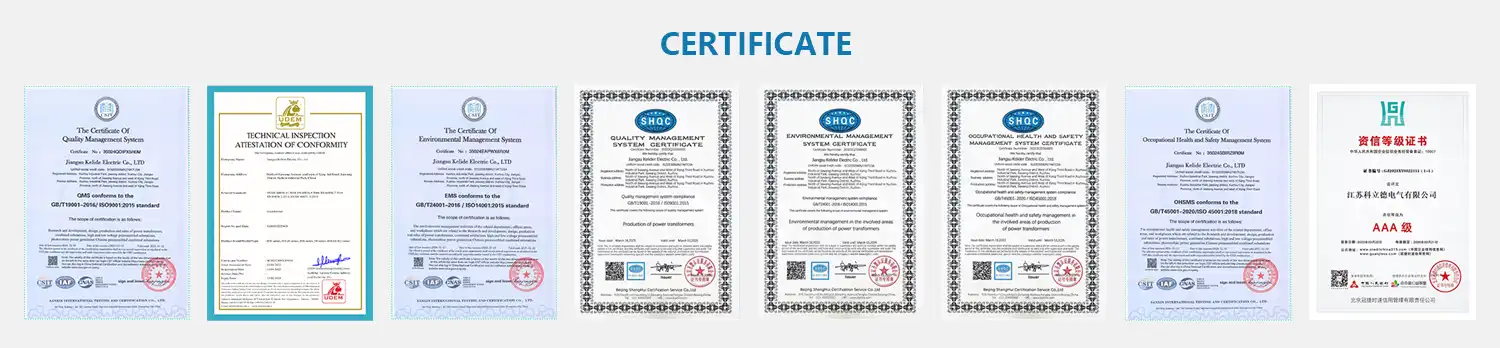
Some of the biggest companies in the world, like Schneider Electric, Siemens, ABB, Eaton, and GE, make a wide range of products with different performance specs, energy efficiency ratings, and warranty terms. Schneider Electric puts a lot of emphasis on digital integration and the ability to do preventative maintenance through IoT connections. Siemens focuses on compact designs that can handle high short-circuit currents and work well in cities with limited infrastructure. ABB uses vacuum interruption technology to make machines work without any maintenance for long periods of time. Eaton offers options that are both cost-effective and strong in meeting North American standards. With better seismic and environmental ratings, GE specialises in applications that need to work in harsh environments. Procurement experts should check that makers have project experience in similar applications, that they have the right certifications for the target markets, that they have a good local service network, that extra parts are easy to get, and that they offer quick technical support. Our company has CCC approval for all low-voltage goods, as well as ISO 9001, ISO 14001, and OHSAS 45001 certifications. This makes sure that we meet international quality standards and can also offer solutions that are specific to regional needs.
Practical Guide to Procurement and Installation
To make sure the project is finished on time and meets performance standards, equipment procurement must carefully consider technical needs, budget limits, delivery schedules, and the logistics of installation. This part tells you what to do to get through the procurement process, from making the initial specifications to completion and acceptance tests.
Selection Criteria and Specification Development
Load demand analysis is the first step in choosing the right equipment. It involves carefully looking at the scores of all the linked equipment, plans for future growth, load diversity factors, and peak demand profiles. Based on the values of the upstream transformers and the system impedances, short-circuit studies figure out how much stopping power is needed. Site factors, such as the amount of floor space, ceiling height, entry paths, and weather, affect the design of the container, the amount of cooling needed, and the ingress protection grade. When making a budget, it's important to think about the total cost of ownership, not just the initial purchase price. This means looking at things like expected lifespan, energy efficiency, and the cost of downtime. Safety rules include looking at the risk of arc flashes, making sure workers are safe, and following NFPA 70E, IEEE 1584, and any local electrical codes. Working together with engineering consultants while making the specifications ensures that the choice of equipment fits in with the general plan of the building and the needs for connecting to utilities.
Procurement Process and Timeline Management
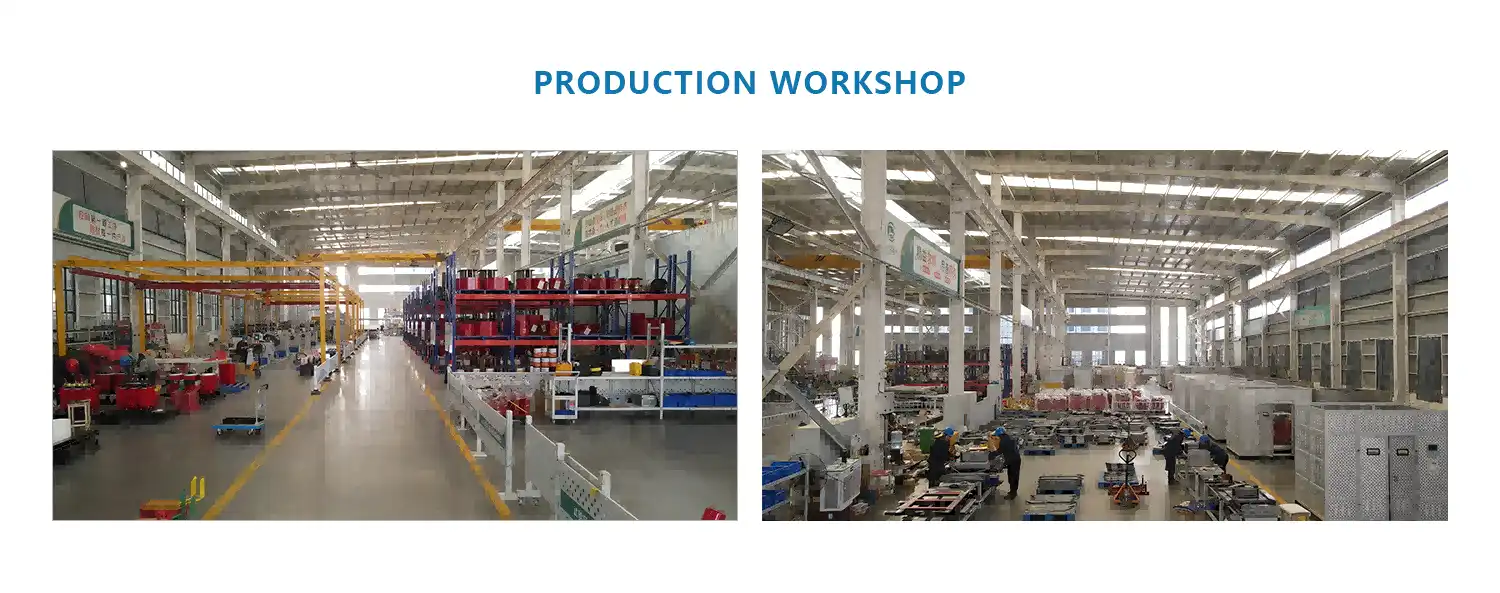
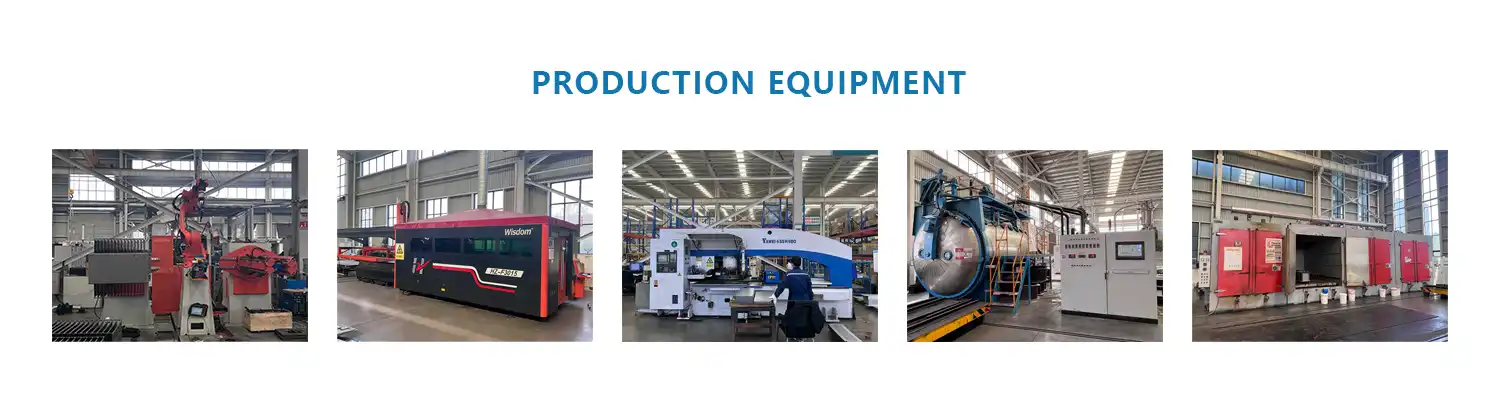
For project-based procurement, you usually have to go through tender or EPC contracting processes that need a lot of technical paperwork, compliance certifications, and references from similar installations. Base equipment costs, customisation fees for non-standard configurations, protective relaying packages, monitoring systems, testing and commissioning services, spare parts provisioning, and training programs are some of the things that affect prices. Standard lead times for catalogue configurations are 12 to 20 weeks, and they go up to 24 to 32 weeks for engineered-to-order solutions that have specific needs. Early involvement of suppliers in the design process helps find shipping problems, find ways to save money, and make sure that technical requirements are clear so that there aren't any change orders during manufacturing. Our company has more than 120 sets of high-tech production equipment, such as CNC automatic winding machines and microcomputer-controlled gradient curing ovens. This gives us the flexibility to meet tight project deadlines while still keeping high-quality standards.
Installation Best Practices and Commissioning
To get the site ready, you need to make sure there are enough clearances according to manufacturer guidelines and electrical codes, reinforced concrete housekeeping pads that can hold the weight of the equipment plus maintenance loads, cable entry points that are properly sealed, and grounding grid connections that have less than 5 ohms of earth resistance. Electrical compatibility testing makes sure that the project's requirements are met for busbar ratings, cable termination provisions, protection relay settings, and control voltage compatibility. Professional installation by trained experts makes sure that the right tools are used, that the pieces are put in the right place, that the torque on the bolts is controlled, and that quality checks are done at every step of the assembly process. Visual inspection, mechanical operation testing through 50 full insertion-withdrawal cycles, primary injection testing to make sure the protection relays work together, insulation resistance measurements above 1000 megohms, and dielectric strength testing at 125% rated voltage for 60 seconds are all parts of the commissioning process. Comprehensive warranty packages usually cover problems with the way the product was made for 12 to 24 months after it has been put into use. Longer service agreements are also available for preventative maintenance programs and faster technical support.
Maintenance, Troubleshooting, and Technical Resources
Proactive repair plans make Medium Voltage Withdrawable Switchgear last longer, stop it from breaking down when it's least expected, and make sure it stays safe throughout its entire operating life. Setting up regular inspection procedures, keeping correct service records, and using the expert resources of suppliers are all ways to improve reliability while keeping upkeep costs low.
Protocols for Preventive Maintenance
Regular inspections should be done at the times suggested by the manufacturer. These usually include visual checks once a month for problems like overheating, strange sounds, or damage that can be seen; infrared thermography scans three times a year to find connection hot spots before they break; and yearly full inspections that check the tightness of electrical connections, clean insulator surfaces, grease mechanical parts, and test the operation of interlocks and shuttering systems. Every five years or 3000 operations, the contacts on Medium Voltage Withdrawable Switchgear circuit breakers need to be inspected to make sure they move within ±5% of their factory settings. They also need to be tested for timing to make sure they open and close within 40 to 60 milliseconds and 80 to 120 milliseconds, and the insulation needs to be checked for resistance. SF6 circuit breakers need to be checked for leaks once a year using electronic monitors that can pick up amounts as low as 5ppm. IEC 62271-100 standards say that leakage rates should not be higher than 0.5% of the total gas volume. Keeping thorough service logs that record all inspections, measurements, and corrective actions gives useful trend data for planning preventative maintenance and helps with warranty claims if equipment problems happen.
Common Issues and Troubleshooting Framework
Control circuit failures are usually caused by backup batteries running out of power, loose auxiliary contact connections, or blown control fuses. This can be found by measuring the voltage across the control transformers and making sure the DC levels are correct (within ±10%), testing the continuity of the auxiliary contact chains, and checking the insulation between the control circuits and the primary conductors. Mechanical racking problems could be caused by misalignment, worn parts, or not enough oil. This can be fixed by making sure the parts are inserted correctly, checking the main disconnect contacts for damage, and using the right contact lubricants. Protective relay nuisance tripping needs to be coordinated against system fault levels, checked for influence from the surroundings, and the accuracy of the current transformer's voltage and ratio. If the temperature rises too quickly, it could mean that there isn't enough air flow, the circuit is overloaded, or the connections are breaking down. This can be checked with thermal imaging scans, load current checks, and contact resistance readings that don't go over 50 microohms per phase.
Technical Resources and Supplier Support
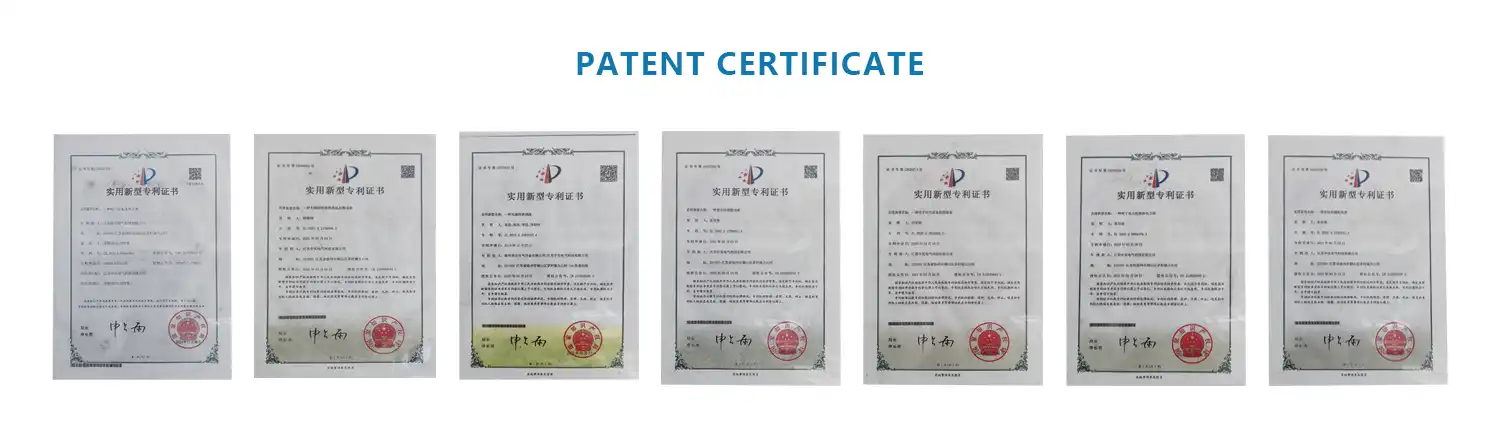
Operation manuals are very important for building maintenance teams because they have thorough schematics, repair methods, lists of spare parts, and troubleshooting tools. For projects that change or add to a system, wiring diagrams show the main and secondary circuits, control logic sequences, and interlocking methods that are needed. CAD models make it easier to plan facilities, check for clearances, and work with equipment setups that are close by. Problems can be solved effectively by using supplier technical support portals to access these resources, keeping documentation libraries well-organised, and training maintenance staff on a regular basis. Our company has a strong technical team with 15 senior engineers, over 30 intermediate technicians, and 17 senior technicians. This team provides full support for clients and is backed by 18 patents that show they are always coming up with new ideas in transformer and switchgear technology. From buying the raw materials to installing them, we keep a close eye on quality to make sure that every step meets our "zero defects" standard and that we don't give goods that don't meet our standards.
Conclusion
When buying Medium Voltage Withdrawable Switchgear, it's important to carefully consider the technical specs, operational needs, supplier capabilities, and lifecycle costs to make sure the project goes well. Medium Voltage Withdrawable Switchgear designs offer the best safety, flexibility, and servicing efficiency for mission-critical uses where downtime costs a lot of money. By comparing different types of tools, learning about the differences between manufacturers, and following structured procurement processes, your company will be able to make choices that are in line with project goals. Comprehensive repair plans and strong supplier relationships make sure that equipment is reliable for as long as it lasts, which protects your infrastructure investment for decades. The things this guide talks about are the basis for choosing equipment with confidence and completing a project successfully.
FAQ
1. How often should preventive maintenance be done on Medium Voltage Withdrawable Switchgear?
Comprehensive maintenance plans usually include visual checks every month for problems, infrared scans every three months to find hot spots, detailed checks once a year to make sure connections are tight and interlocks work, and major servicing for circuit breakers every five years. SF6 switches need to be checked for leaks once a year and for pollution every three years. Following the manufacturer's instructions and keeping records of all maintenance tasks will ensure the best performance and extend the life of your equipment.
2. What safety features protect operators during maintenance operations?
Circuit breakers, busbars, cables, and control equipment are kept separate by compartmentalised construction, which stops arc flash exposure. When breakers are pulled, automatic shuttering systems hide bus connections so that people don't come into contact with live parts. Mechanical interlocks make sure that the right racking routines are followed, which stops dangerous activities. Breaker state is easily shown by visual position indicators. With a dead-front design, there are no exposed conductors. These built-in safety features allow repair to be done in harsh conditions while keeping people safe from electrical dangers.
3. Can withdrawable switchgear be customised for specific project requirements?
Many customisation options are available to meet the specific needs of each project. These include custom voltage and current ratings, better environmental protection for harsh temperatures or corrosive atmospheres, monitoring systems that can be accessed from afar, custom control schemes and protective relay coordination, seismic qualification for high-risk areas, and small sizes for installations with limited space. Working with skilled manufacturers during the planning stages makes sure that the specifications of the tools meet working needs and follow all relevant standards.
Partner with Tuojie for Your Power Distribution Needs
For your infrastructure project, you should hire a Medium Voltage Withdrawable Switchgear source with a history of large-scale setups that went smoothly and a lot of certifications. Tuojie has worked in this field for more than 20 years and works for government agencies, commercial developers, industrial manufacturers, and EPC contractors all over the United States. Our steel-enclosed power systems can handle voltages from 3kV to 36kV and currents of up to 4000A. They are certified by ISO 9001, ISO 14001, and OHSAS 45001 and meet the requirements of IEC 62271-200 and IEEE C37.20.2. We've provided dependable solutions for hundreds of important projects, such as train transit systems, high-speed railway stations, business complexes, and industrial facilities. This shows that we can meet the strict quality standards of even the most difficult projects and deliver them on time. Our professional technical team has 18 patents and runs more than 120 sets of high-tech production equipment. This lets us make solutions that are specific to your needs and the rules that apply to your industry. Our experts offer individualised advice that takes into account the special difficulties of your project, whether you need equipment for bids, thorough technical standards for engineering design, or full installation and commissioning services. You can email tuojie@electricinchina.com right now to talk about your Medium Voltage Withdrawable Switchgear needs, get detailed product specs, or get a full project quote from a reliable maker that cares about your business's success.

References
1. IEEE Standards Association. (2015). "IEEE Standard for Metal-Enclosed Low-Voltage AC and DC Power Circuit Breaker Switchgear: C37.20.2-2015." Institute of Electrical and Electronics Engineers, New York.
2. International Electrotechnical Commission. (2011). "High-voltage switchgear and controlgear – Part 200: AC metal-enclosed switchgear and controlgear for rated voltages above 1 kV and up to and including 52 kV: IEC 62271-200." IEC Central Office, Geneva, Switzerland.
3. Smith, J.R. and Thompson, M.K. (2018). "Electrical Distribution System Design and Analysis for Industrial Facilities." Power Systems Engineering Press, Boston, Massachusetts.
4. National Fire Protection Association. (2021). "Standard for Electrical Safety in the Workplace: NFPA 70E-2021." NFPA Publications, Quincy, Massachusetts.
5. Williams, D.A. (2017). "Medium Voltage Switchgear: Design, Specification, and Lifecycle Management for Critical Infrastructure." Electrical Engineering Technical Journal, Vol. 43, No. 2, pp. 156-189.
6. Anderson, P.L. and Chen, W. (2019). "Comparative Analysis of Switchgear Technologies for Power Distribution Networks: Performance, Reliability, and Economic Considerations." International Conference on Electrical Power Systems, Singapore.