

.webp)
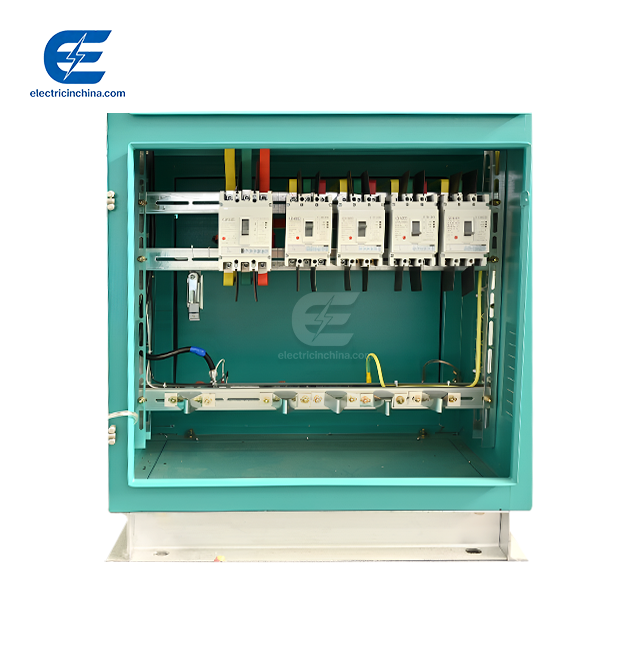
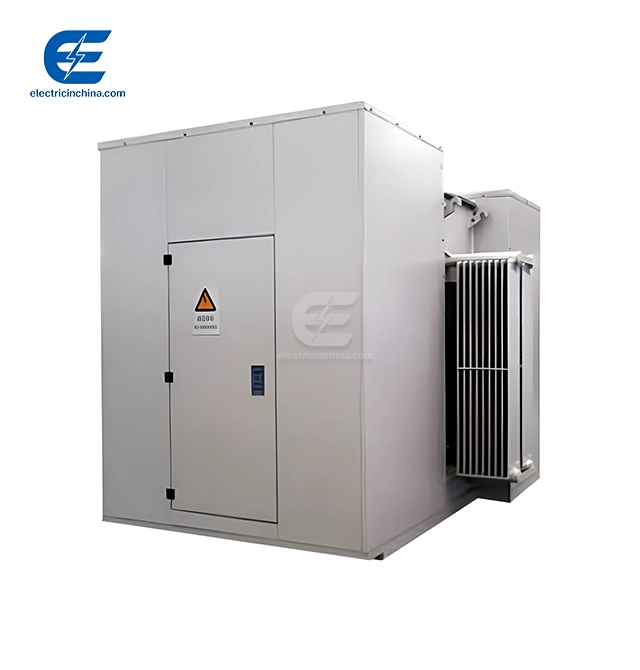
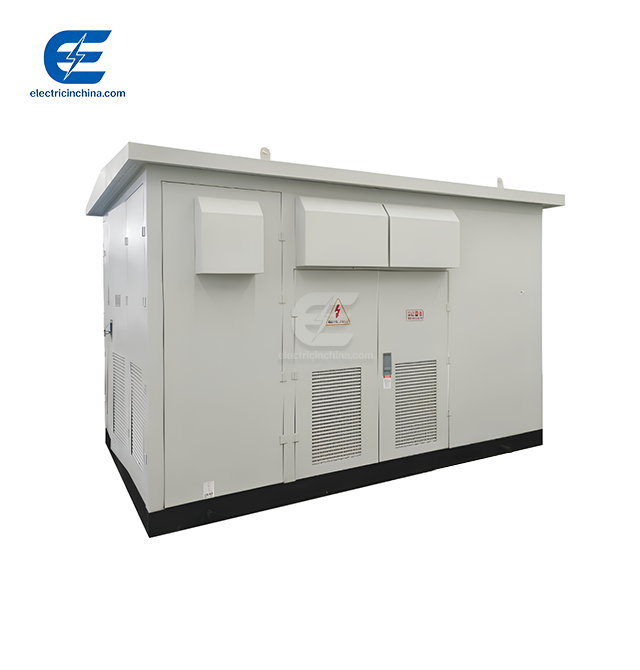
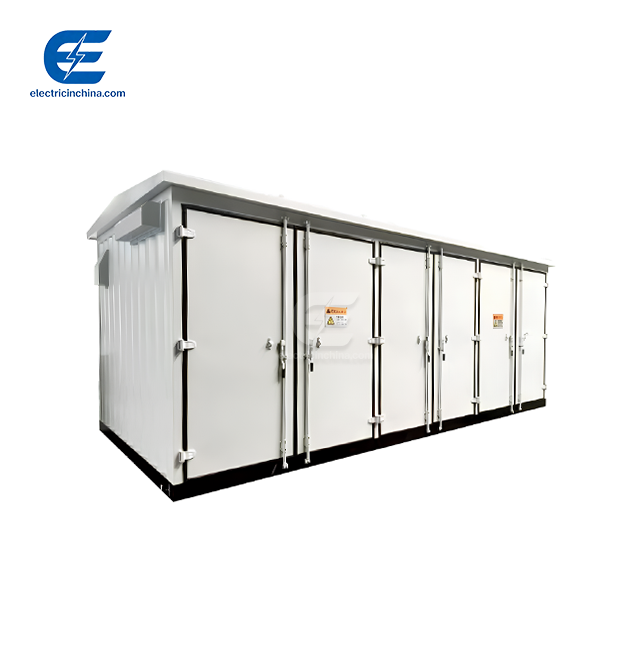
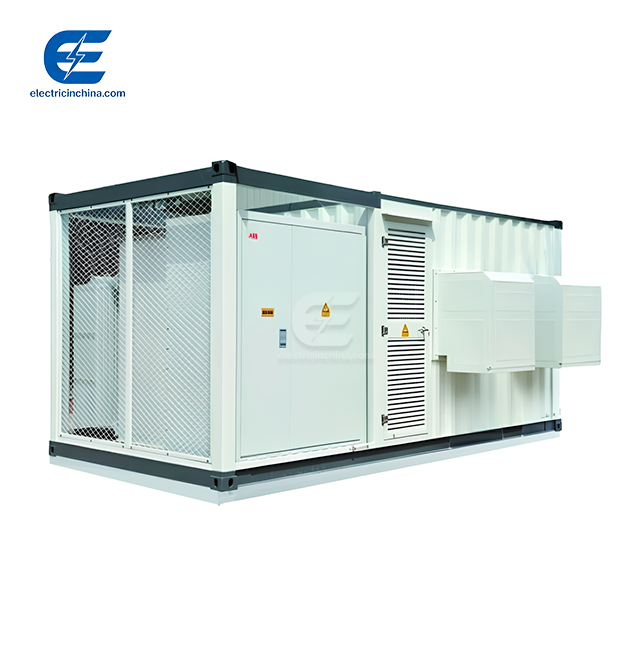
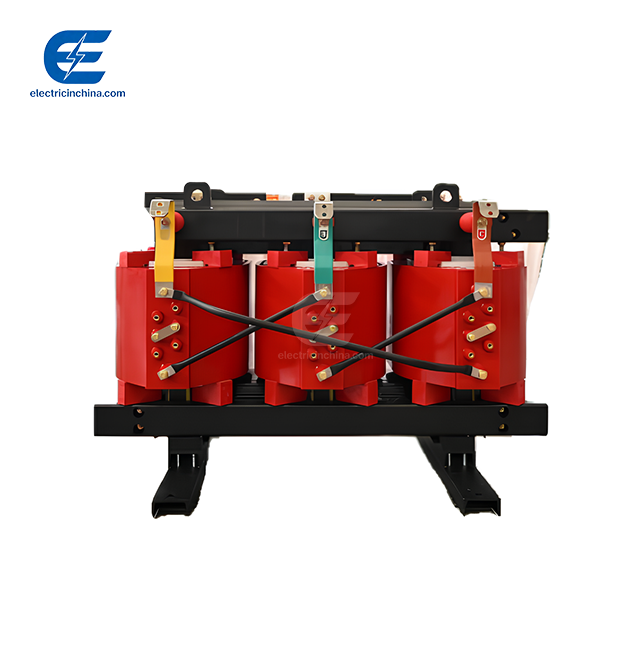
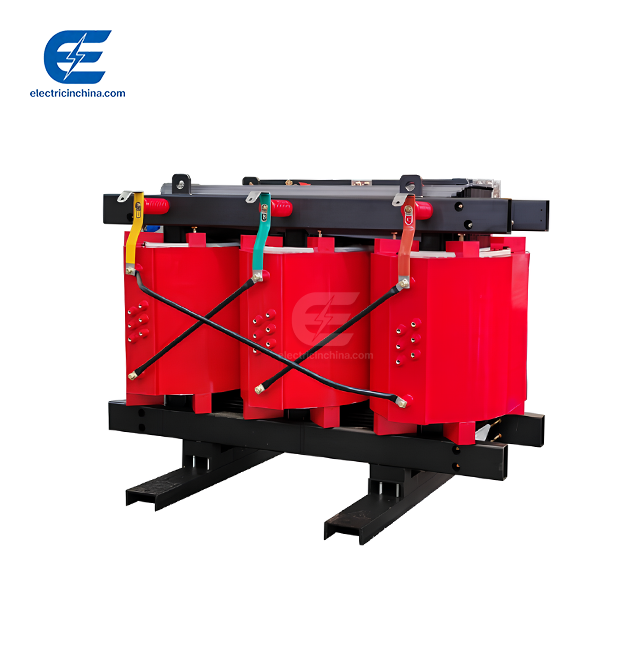
Dry-type transformers stand as reliable power solutions because they eliminate liquid insulation, relying instead on solid materials like cast resin and epoxy. This design removes fire and leak hazards, making them inherently safer for indoor and populated environments. Their robust construction, compliance with international standards such as IEEE and IEC, and minimal maintenance requirements ensure consistent performance across demanding industrial and commercial applications. With efficiency ratings often exceeding 98.5%, these units deliver dependable voltage transformation while reducing operational risks and lifecycle costs.
Introduction
It has never been more important to have a safe, effective electrical infrastructure. When procurement and project managers look at different ways to distribute power for government buildings, factories, and new businesses, reliability is the most important thing to think about. When power systems don't meet strict operating demands, projects get pushed back, budgets go over, and safety is put at risk.
Dry-type transformers have become the preferred choice in global business-to-business procurement sectors, especially in places where safety rules don't allow oil-filled equipment. Their basic design gets rid of coolants that can catch fire, but they still work very well at voltages from 600V to 35kV and power levels from 15kVA to 2500kVA. This blog post talks about what makes these transformers a good choice by looking at their design principles, working benefits, and ability to meet important standards.
When making investments in infrastructure, it's important to know what makes dry-type distribution transformers meet strict safety and efficiency standards. We'll give procurement managers useful information that will help them make buying choices that are in line with long-term goals for power infrastructure. This will make sure that projects go smoothly from the planning stage to the final approval.
Understanding Dry-Type Transformers: Definition and Working Principles
Core Design and Insulation Systems
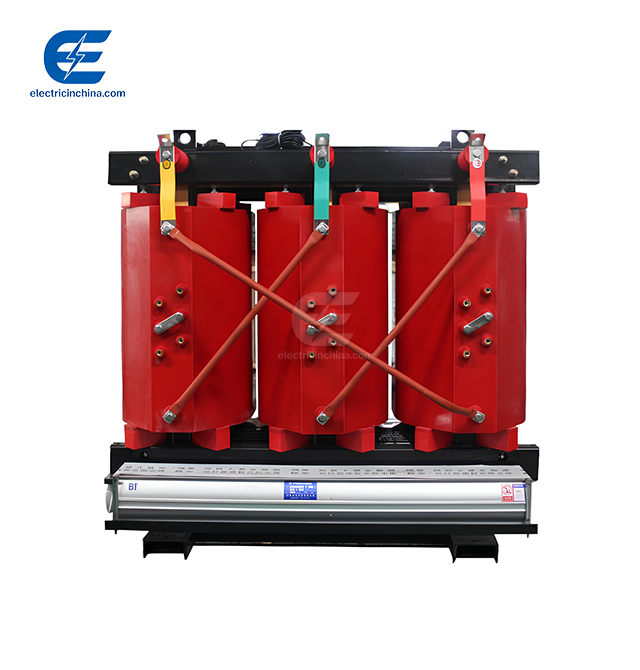
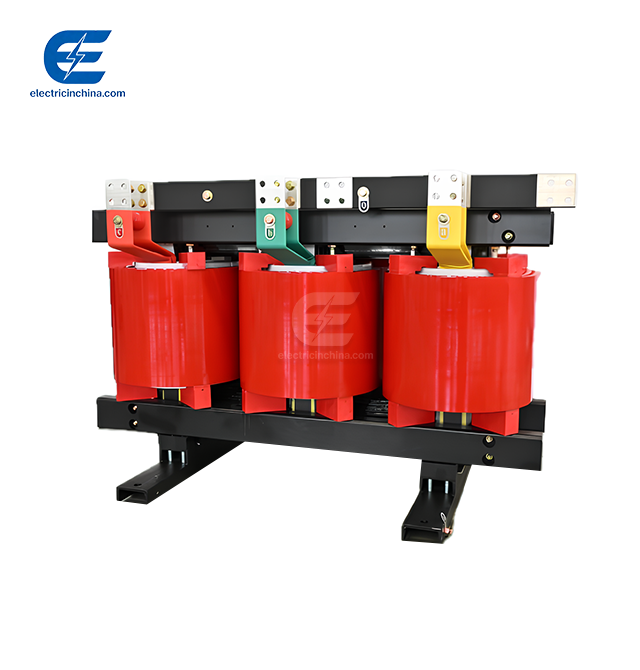
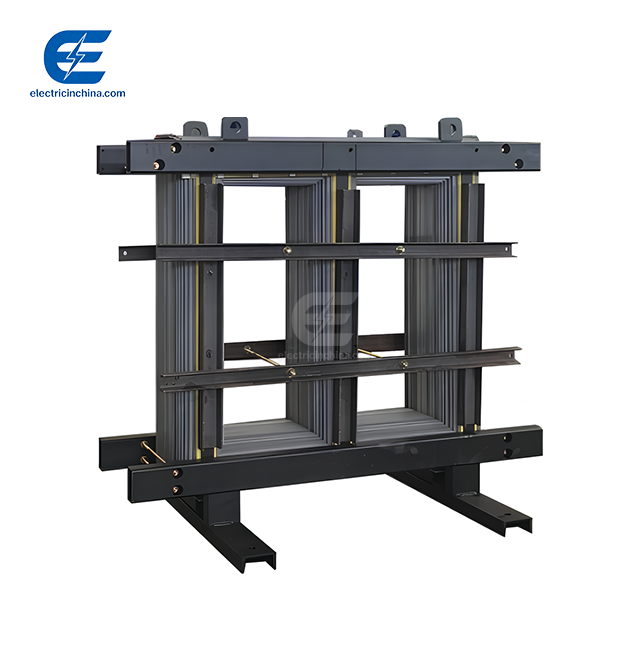
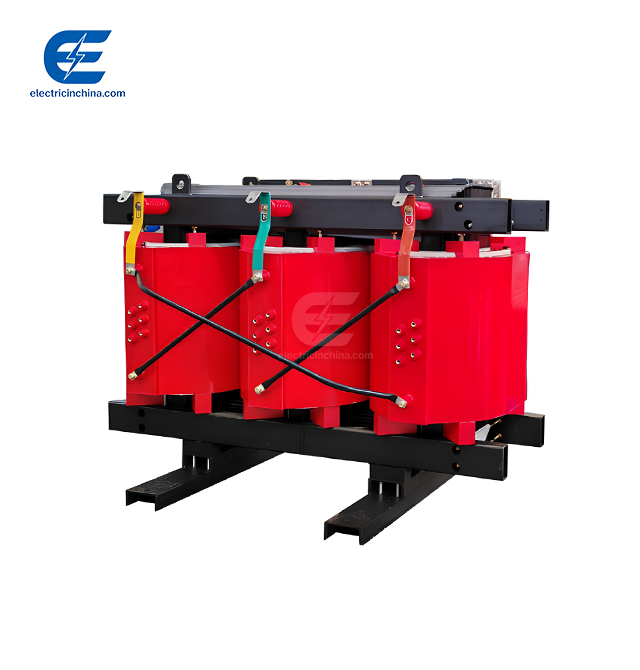
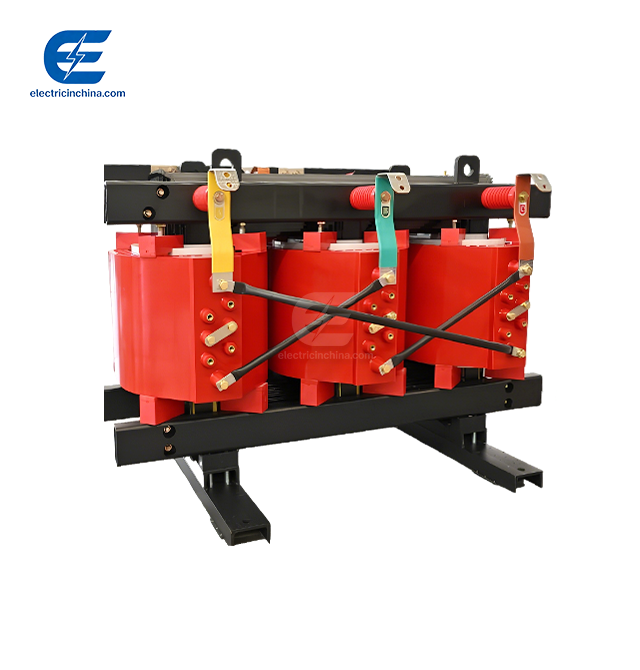
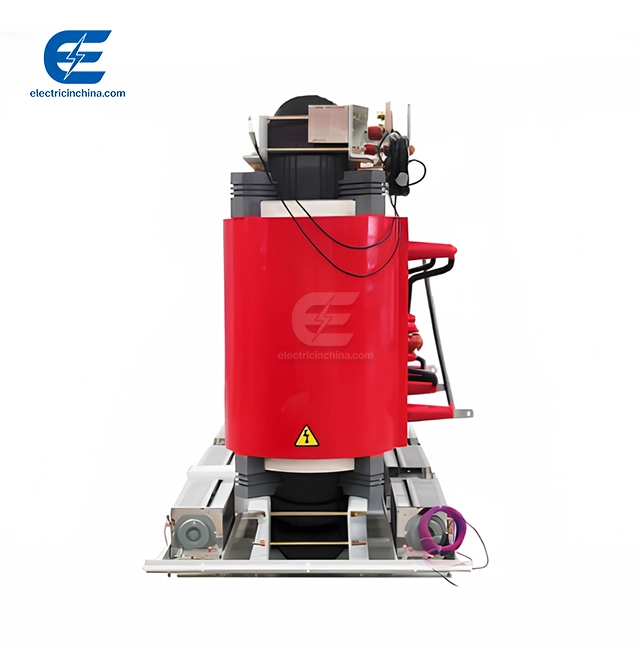
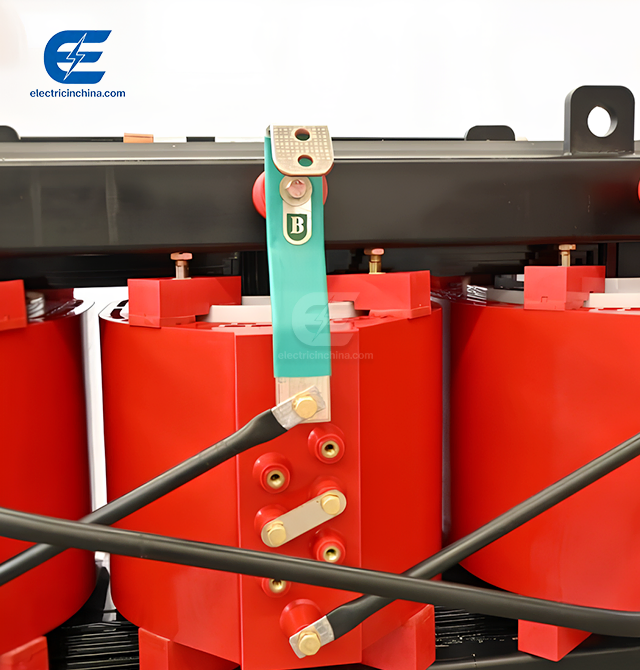
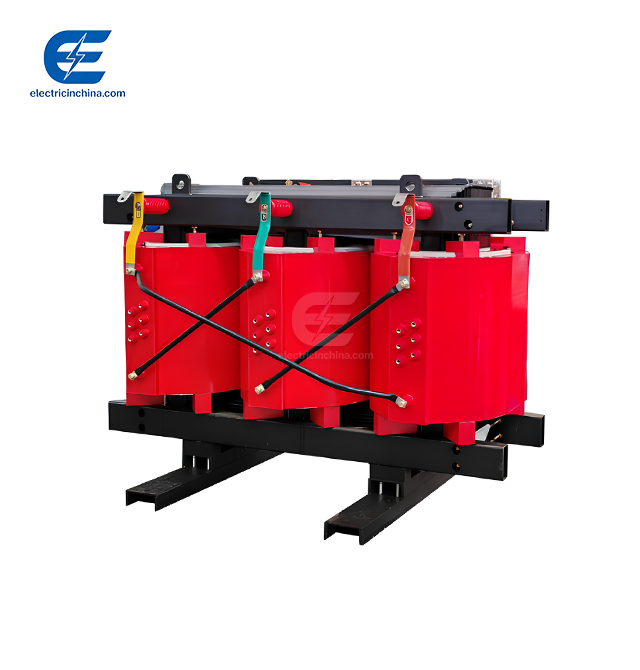
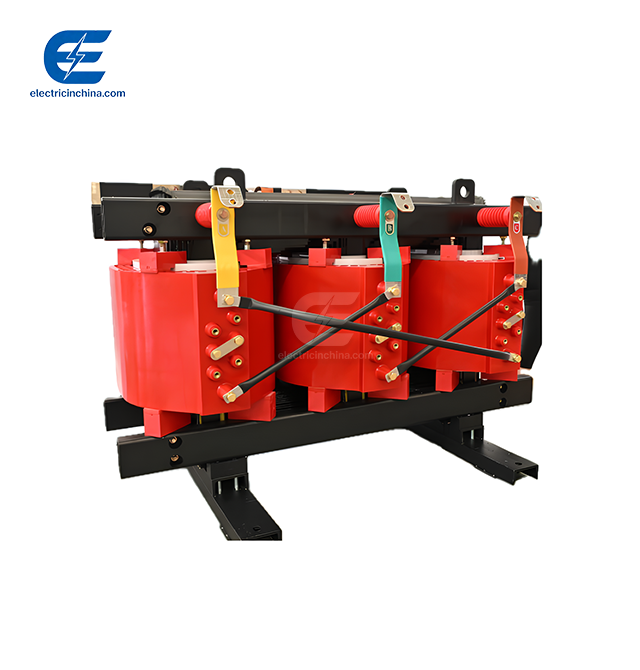
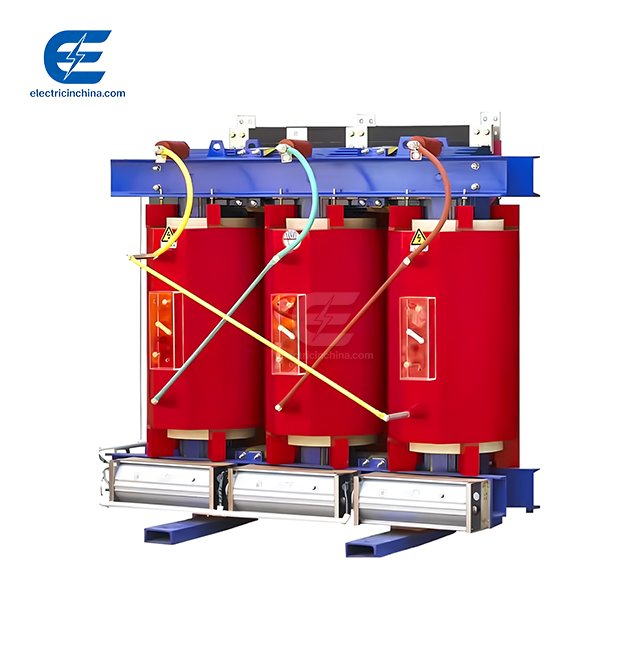
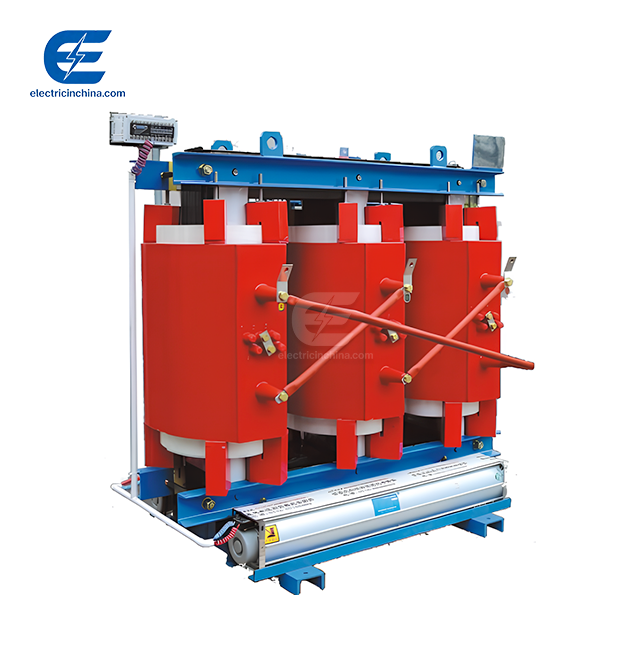
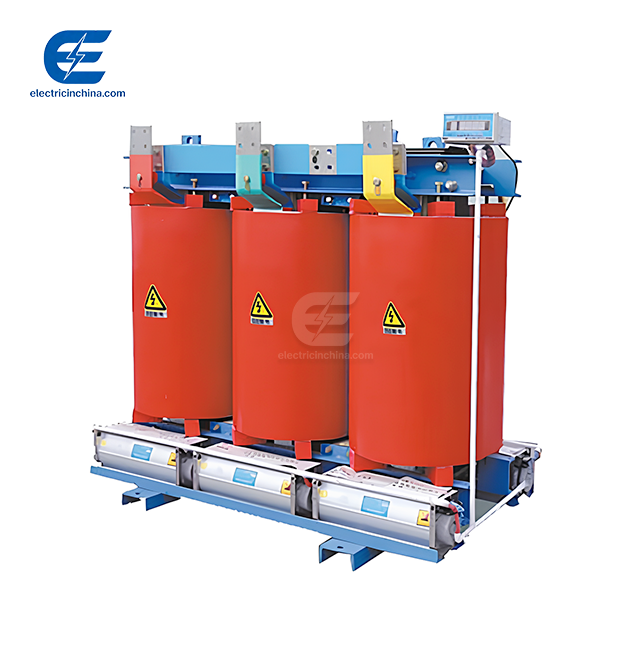
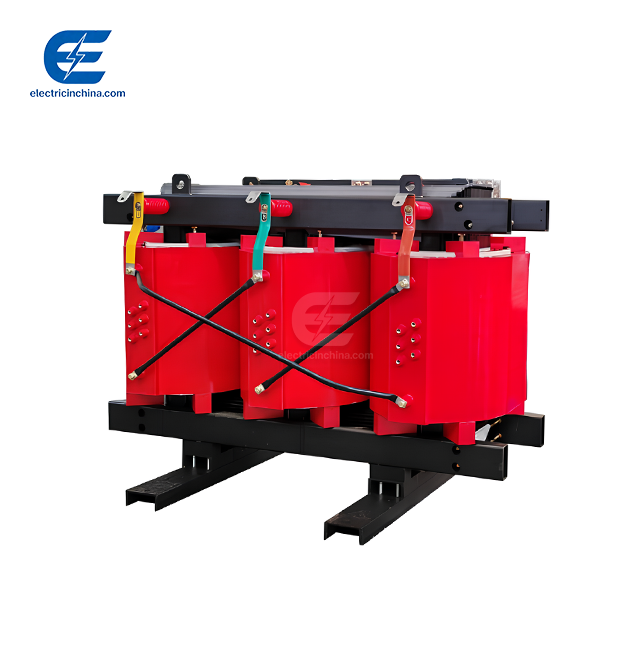
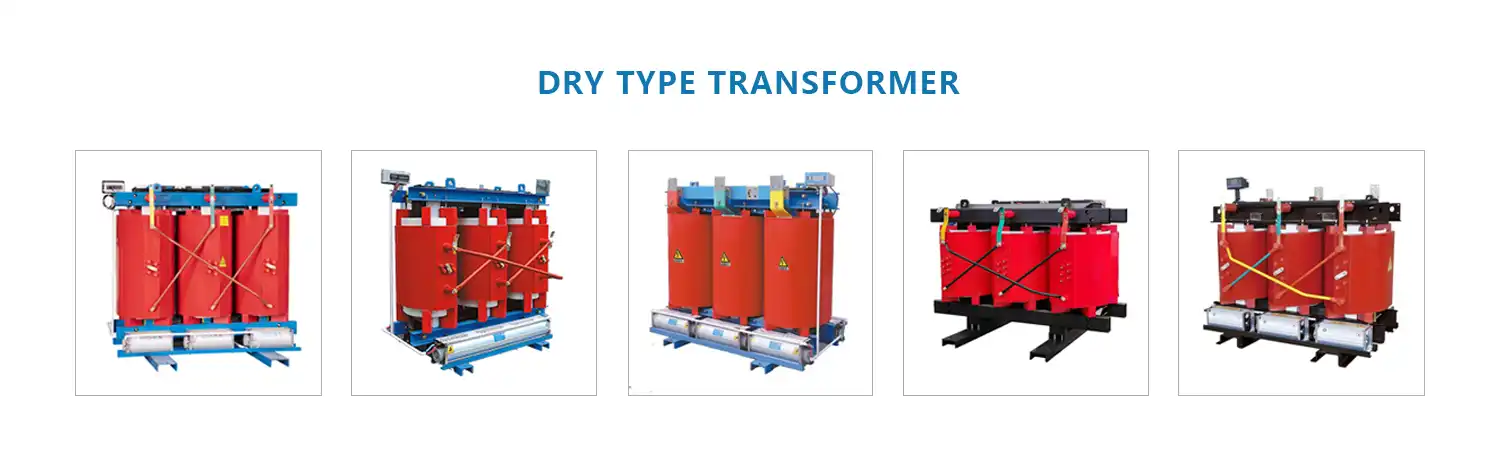
Power is transferred between circuits without the use of liquid insulation by dry-type transformers. Instead of oil, these units use solid insulating materials like cast resin, epoxy resin encapsulation, or vacuum pressure impregnated (VPI) systems to separate the primary and secondary windings electrically. Because of this main difference, standard transformer setups don't need containment systems, fire suppression equipment, or oil tests every so often.
The way it works is based on electromagnetic induction. A magnetic field is made inside the laminated silicon steel or amorphous metal core when alternating current runs through the main winding. This field creates voltage in the secondary winding, which steps the voltage up or down depending on the number of turns. The insulation system can handle electrical stress and get rid of heat through air cooling, which can be natural airflow or forced air, based on the system's size.
Compliance with International Standards
We carefully follow the rules set by IEEE C57.12.01, IEC 60076-11, and UL when we design and make our transformer solutions. These certificates show that our goods meet the high standards for safety, speed, and quality that are needed for important infrastructure projects. IEC standards deal with international harmonization for installations around the world, while IEEE standards set limits for electrical performance and testing procedures. UL approval makes sure that products are safe for the North American market by checking for fire protection and environmental concerns.
According to IEC 60270, partial discharge testing makes sure that discharge levels stay below 10pC at 1.1 times the rated voltage. This keeps the insulation from wearing down over the life of the transformer. According to IEEE C57.12.01, temperature rise testing confirms thermal performance under full load conditions. It also shows that wound temperature rises stay within design limits of 80K, 100K, or 150K, based on the insulation class. These strict rules explain why dry-type transformers are relied on for their dependability in industry and ability to follow rules in a wide range of settings.
Technical Components and Materials
The center material has a big effect on performance. Our advanced SCBH19 line uses very thin amorphous metal strips that are about 0.025 mm thick. These strips have very low coercivity and high resistivity. Compared to regular silicon steel cores, this composition cuts no-load losses by 60–70%. This means that over decades of use, the system will save a lot of energy. The winding assemblies use high-quality copper or aluminum wires that are precisely wound and vacuum-cast in epoxy resin to make them stronger and better at conducting electricity.
Insulation systems usually have Class F or Class H grades, which mean they can handle constant temperatures between 155°C and 180°C. This thermal capacity makes sure that the device works reliably even when it's overloaded or when the temperature outside is very high. The encapsulation process makes a single structure that doesn't let water, dust, or natural pollutants in. This is in contrast to oil-filled options that have problems in industrial settings.
Key Advantages and Disadvantages of Dry-Type Transformers
Primary Benefits for Industrial Applications
The pros of dry-type transformers handle some of the most common problems that procurement teams in charge of building projects tell us about. Knowing these benefits helps you make decisions about investments and makes sure that power options meet the needs of your building.
Fire Safety and Environmental Protection: Since these units don't use burning coolants, they don't pose much of a fire risk and can be installed in or next to buildings that people are using. This feature is very important for places like schools, hospitals, data centers, and high-rise buildings where fire safety rules don't allow oil-filled equipment. Environmental laws are favoring dry-type systems more and more because they don't let oil leaks pollute the environment, especially in rivers or other environmentally sensitive areas.
Reduced Maintenance Requirements: Oil-filled transformers need to have their oil sampled, their dielectric tested, and maybe even their fluid replaced from time to time during their service life. These tasks are not needed with dry-type distribution transformers; they only need regular visual checks and thermal monitoring. We've found that over the course of 25 years of operation, maintenance costs can be cut by 40 to 60 percent, freeing up technical staff to do other important tasks related to facility management.
Lower Noise Emissions: Cast resin encapsulation reduces noise and vibration, and sound levels are usually less than 50dB at full capacity. It works well in places like office buildings, schools, and homes where people's happiness is important, like industrial sites with noise problems. The quieter operation also makes fitting easier because it doesn't need as many or any special soundproofing.
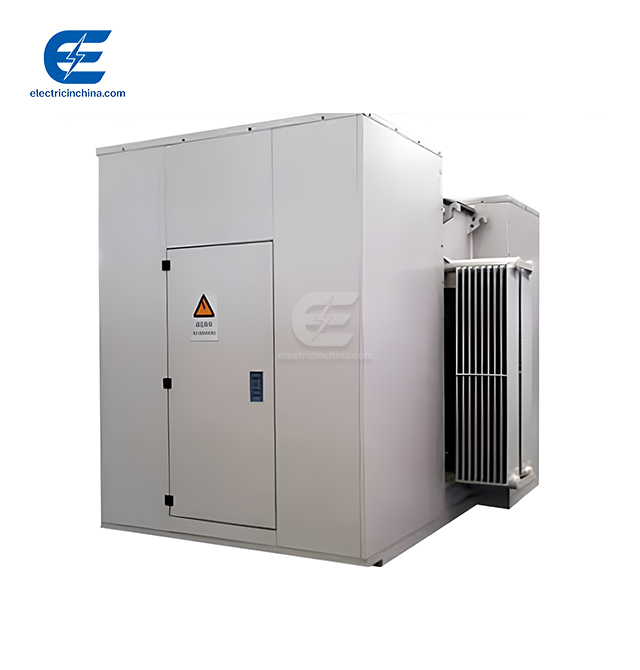
Installation Flexibility: The small size and lack of oil control systems make it possible to put the units in places where liquid-filled units couldn't go. Installations on roofs, in basement vaults, and in equipment rooms inside buildings are all now possible. This means that less space is needed and electricity distribution plans are easier to understand. We've recommended transformers for jobs where oil-filled options would not have worked because of limited room.
Because of these benefits, energy-saving dry-type transformers are stable and long-lasting options for many uses. When procurement teams look at lifetime costs instead of just the original capital spending, the lower total cost of ownership becomes even more appealing.
Limitations and Mitigation Strategies
To be balanced, you have to be aware of the limits that are already there. Because of better materials and manufacturing methods, initial purchase costs are usually 15–25% higher than for similar oil-filled units. Because they can't cool as well, dry-type units work better indoors or in protected outdoor areas than in places with very high ambient temperatures that don't have extra circulation.
But these restrictions can be dealt with if you plan. The bigger investment up front pays off with lower maintenance costs, fewer building requirements, and better safety profiles. Instead of just comparing prices, you should look at the total cost of ownership over the expected service life. If there are problems with cooling, forced-air ventilation systems, or oversizing the generator capacity can help at a small extra cost.
Regular maintenance makes things last a lot longer. We recommend thermal imaging once a year to find hot spots, eye checks every three months to look for dust buildup or physical damage, and tightening electrical connections every so often. These simple protocols help our clients get operating lifespans of more than 30 years while keeping performance levels within the required range.
Comparative Analysis: Why Choose Dry-Type Over Other Transformers?
Safety and Environmental Comparisons
When procurement teams look at different transformer technologies, knowing how they perform differently across key criteria helps them make better buying decisions. Oil-filled transformers are better at cooling and cost less at first, but they pose a fire risk and need fire control systems, concrete holding pads, and a lot of paperwork to make sure they follow the rules. A big oil leak can pollute the groundwater and dirt, which can be very expensive to fix and could put you in legal trouble.
These problems don't exist at all with dry-type transformers. The solid insulation system can't leak, catch fire, or harm the environment. This built-in safety benefit makes getting permits and insurance easier while lowering the need for facility infrastructure. We've asked for cast resin units to be used in projects where oil-filled options were turned down by fire officials or environmental authorities.
The dry-type transformer method uses less energy and works best with renewable energy installations. For solar uses ranging from 500kW to 5MW, distributed business rooftop systems, these units change voltages from 480V to 690V to levels used by utilities, which are 4kV to 25kV. Fire safety rules in cities often say that oil-filled equipment can't be within 15 meters of occupied buildings. This means that dry-type technology is the only choice for integrating solar panels on rooftops.
Cooling Technologies and Operational Performance
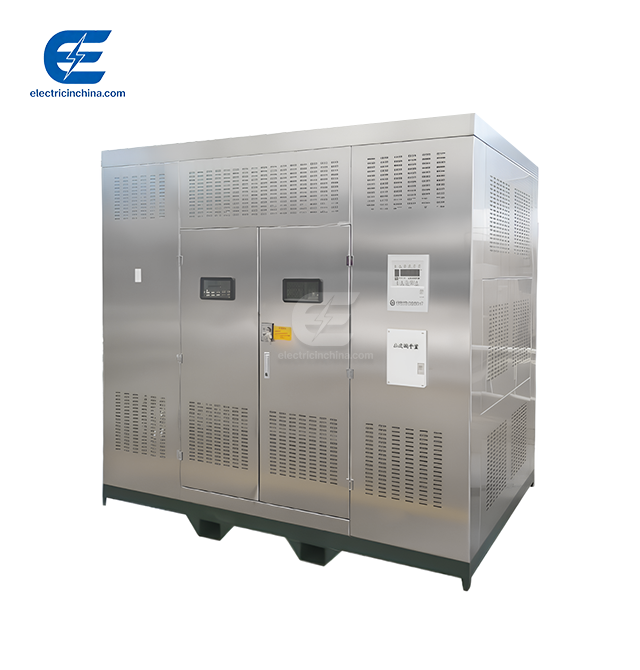
The way a generator is cooled has a big effect on its performance and usefulness. Air natural (AN) cooling uses convection currents and can work with units up to about 1000kVA in most indoor settings. Fans are used in air-forced (AF) cooling to help heat escape, which increases the capacity to at least 2500kVA while keeping temperature spikes within safe limits.
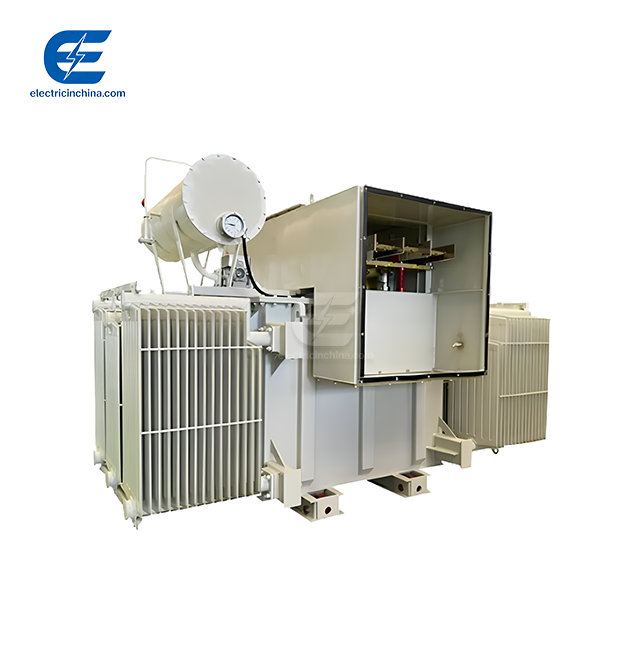
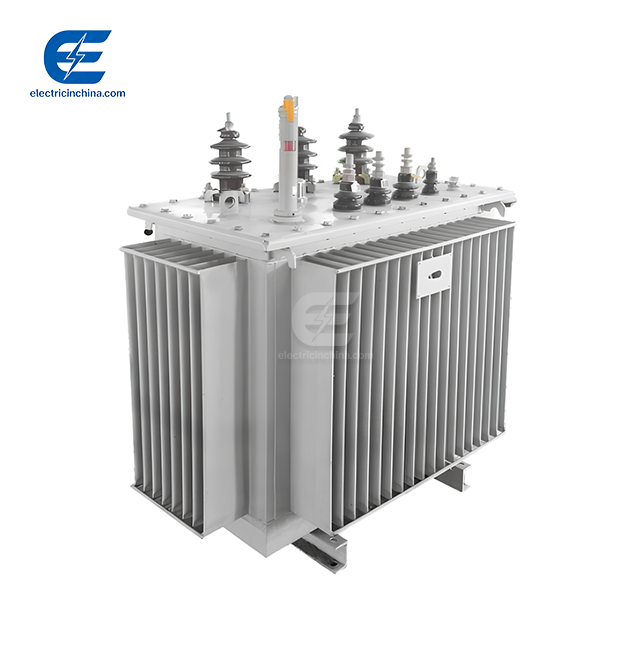
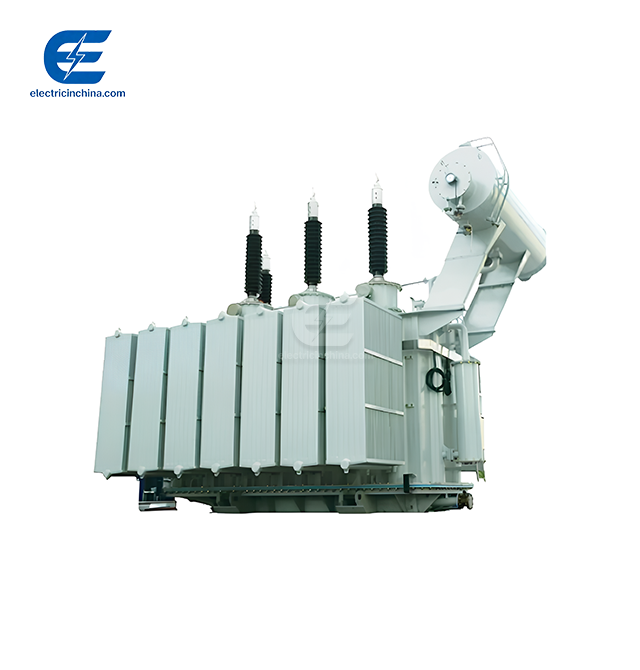
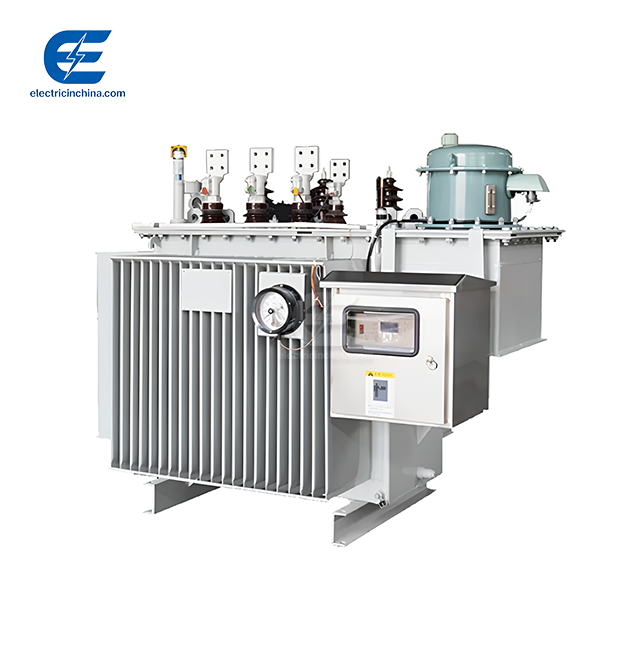
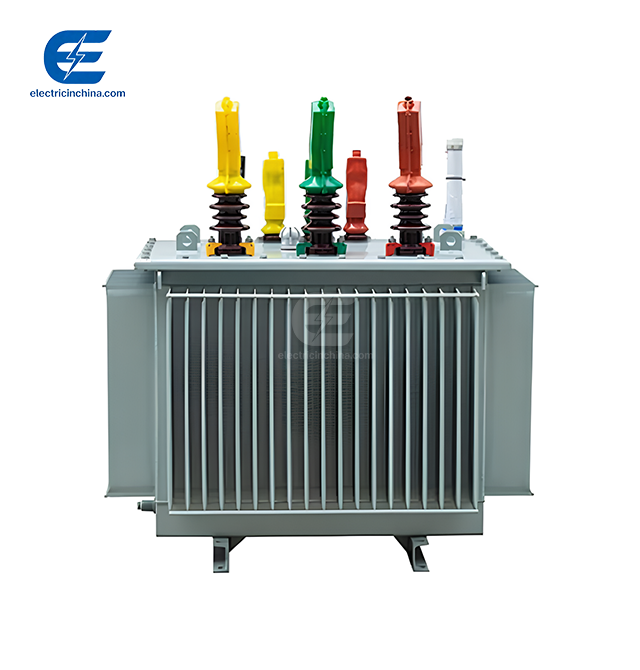
Oil-immersed transformers cool more efficiently, which lets them fit more power into smaller spaces. This benefit is important for power substations and big factories that have enough room for control systems. But air cooling is easier to use because it doesn't need fans, radiators, or fluid upkeep. This makes it simpler and less likely that something will go wrong.
We did a comparison study on a recent city infrastructure job that needed twelve 1500kVA transformers. At full load, the dry-type distribution transformer standard had a 98.6% efficiency rate, while oil-filled options had a 98.8% efficiency rate. The difference of 0.2% in efficiency meant that each unit would have to pay about $3,200 more each year for energy. But getting rid of the infrastructure for oil containment saved $47,000 per installation, making up for the lost efficiency within months and providing better safety over the 30-year service life.
Voltage Ratings and Application Matching
The choice of voltage class depends on how the building is wired and how the utilities need to join. Low-voltage dry-type transformers that serve 208V/480V business loads usually work at 600V class. Medium-voltage units for factories and campus distribution systems have main voltages ranging from 5kV to 35kV.
Knowing about impedance characteristics helps choose the right transformer for the job. Higher resistance (usually 5–6%) limits short-circuit current better but causes voltage drops to be bigger when the load is applied. Lower impedance (3–4%) keeps voltage control tighter, but it needs stronger safety equipment further downstream. We work closely with clients to figure out what their system needs and what electrical features will make performance and safety work best together.
Application Areas and Efficiency Insights for B2B Clients
Industrial Manufacturing and Infrastructure Projects
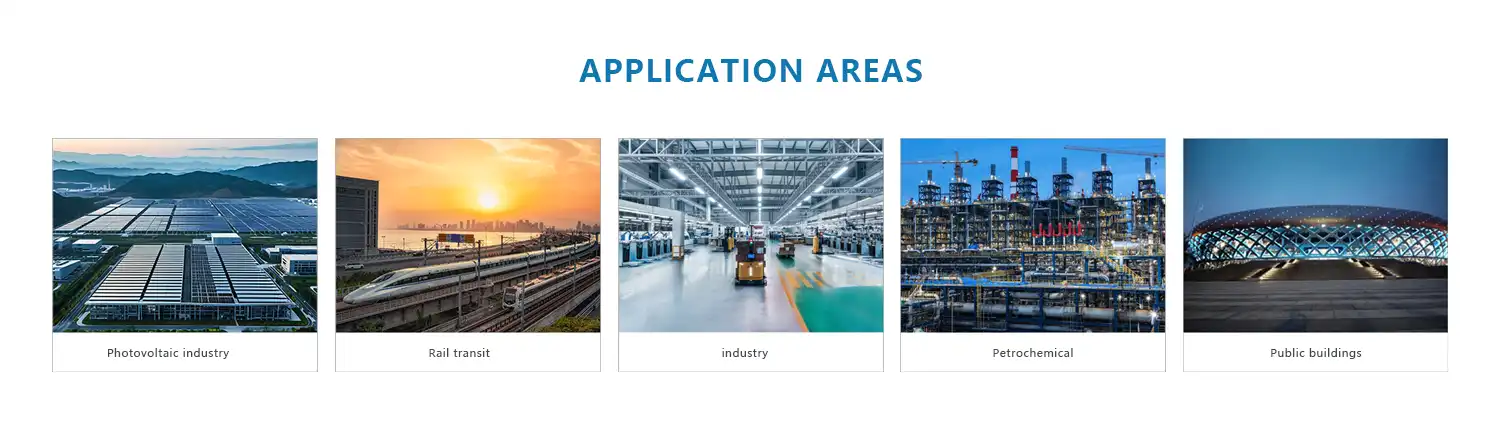
We've provided power options for a wide range of business uses where dependability is key to keeping production going. Manufacturing plants that work with temperature-sensitive materials, precise machinery, or have to keep up production plans 24 hours a day, seven days a week can't handle power outages or quality problems. Dry-type transformers offer reliable voltage conversion with little downtime for upkeep.
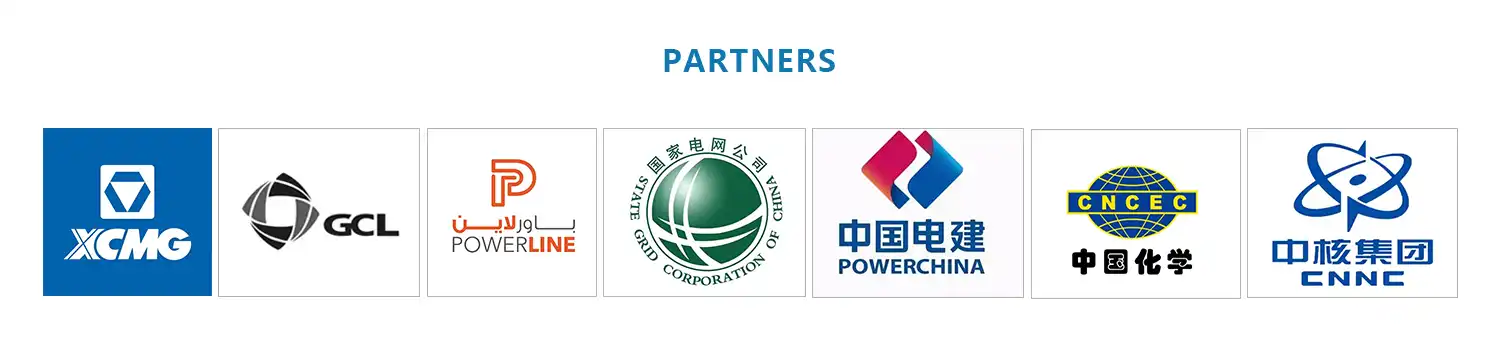
This project to upgrade the power source at XCMG Group is a great example of how to do industrial execution right. We finished this installation ahead of schedule and provided multiple 1600kVA units that made sure business operations could start on time. Even though the transformers work in harsh conditions like high temperatures and dust, they still do their job reliably years after they were first installed.
Standardized transformer platforms make it easier to manage maintenance and spare parts in industrial parks. Our dry-type transformers, which are energy-efficient, were used in the GCL Photovoltaic Industrial Park power transfer project to help industrial processes that needed stable, clean power. The low harmonic distortion makes it good for sensitive electronics and the changing frequency drives that are popular in modern factories.
Commercial Real Estate and Data Centers
Safety, noise control, and making the best use of space are top priorities in commercial developments—all of which are perfectly met by dry-type technology. We took care of all of the power needs for projects like the Xinhuai Central Complex and the Xuzhou Fantawild Adventure. These pieces had to be planned around architectural restrictions, concerns about how they looked, and rushed construction plans.
With their high power density, strict environmental controls, and need for high reliability, data centers pose their own unique problems. Dry-type distribution transformers work well in these situations because they don't release oil vapor that could affect air handling systems, they make very little noise, and they can handle the very controlled temperatures that data centers keep. Since there is no oil, there are also no risks that could set off fire alarms and damage sensitive computer equipment.
Government and Transportation Infrastructure
Power outages are dangerous for the public and cause problems for thousands of workers, so transit systems need to be completely reliable. We used a dual-circuit power supply system to make sure there was backup power for the Xuzhou Rail Transit Network Control Center project. Important safety systems like control systems, communications gear, and station facilities depend on the transformers to keep the tube running.
The Xuzhou High-speed Railway East Station Official Power Supply EPC Project shows that we can handle big, complicated infrastructure projects. For signaling systems, platform facilities, and passenger comforts, high-speed rail facilities need power that doesn't go out. Our dry-type transformer solutions that save energy gave these mission-critical applications the dependability and efficiency they need.
Healthcare and school buildings run by the government can gain greatly from the safety features of dry-type technology. Our transformers were used in both the internal and external power distribution systems of the Xuzhou New Health Hospital Phase I Project. They made sure that life-safety equipment, operating rooms, and patient care areas would always have power, even if the power went out.
Efficiency Factors and Total Cost Analysis
Over the life of a generator, energy losses have a direct effect on the costs of running it. No-load losses happen all the time when the transformer is turned on, no matter what is loaded. Load losses change with the square of the current flow and get a lot worse when demand is high. Thanks to its improved core materials, our SCBH19 line has no-load losses that are 60–70% lower than traditional designs. This saves you a lot of money.
Take a look at a 1000kVA transformer that works 8760 hours a year with an average load of 60%. Losses of up to 2500W when the unit is not in use and 12000W when it is. These are cut down to 1000W and 10000W by our advanced designs. Over 15,000 kWh of energy is saved every year, which is worth about $1,800 at current industrial power rates. This one transformer saves $45,000 in energy costs over its 25-year life, more than making up for the small price extra for high-efficiency technology.
Both effectiveness and the need for cooling are affected by how heat is lost. Transformers that convert 1000kVA continuously put out a lot of heat. When you manage heat well, you can avoid hot spots that wear down insulation faster and shorten its useful life. Our cast resin encapsulation and optimized winding designs make sure that temperatures are spread out evenly, keeping all of the parts within their rated thermal limits even when they are overloaded for a long time.
Procurement Considerations for Dry-Type Transformers
Evaluating Manufacturers and Supply Chain Partners
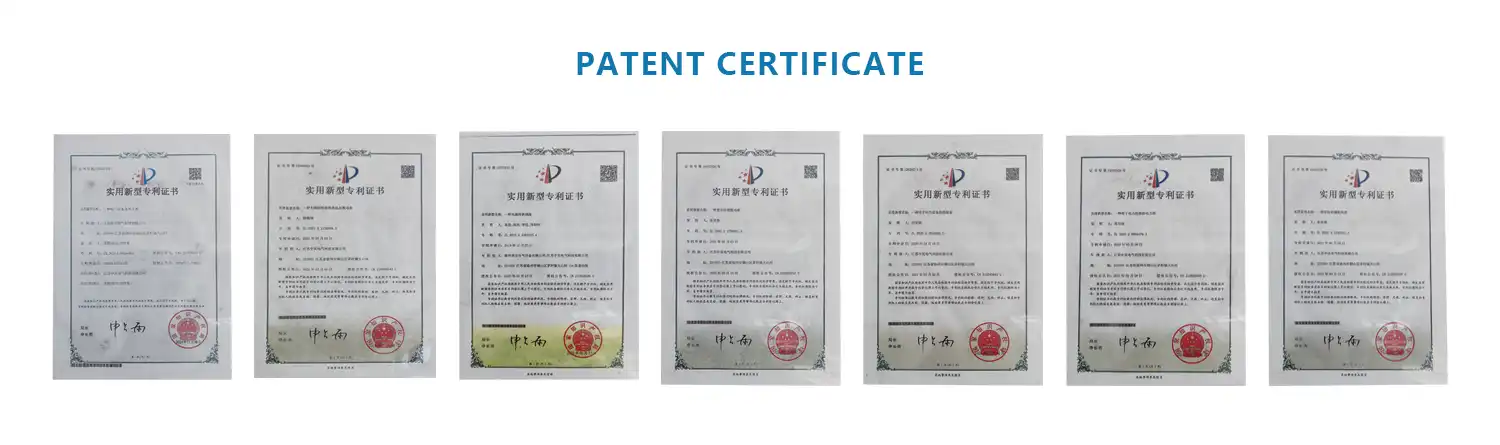
Choosing trustworthy manufacturing partners is very important for the project's success. Our reputation as a reliable dry-type transformer maker comes from the fact that we've completed hundreds of important power projects for the government, businesses, and industries. With more than 20 years of experience in the field and 18 patents that show we're always coming up with new technologies, we can provide solutions that meet the strictest requirements.
Leading providers can be told apart by their technical skills. There are 15 senior engineers, over 30 intermediate technicians, and 17 senior technicians on our team. They provide expert knowledge during the planning, manufacturing, and commissioning stages. With this much information, we can make sure that the solutions we offer are perfect for the situations and needs of each area and application.
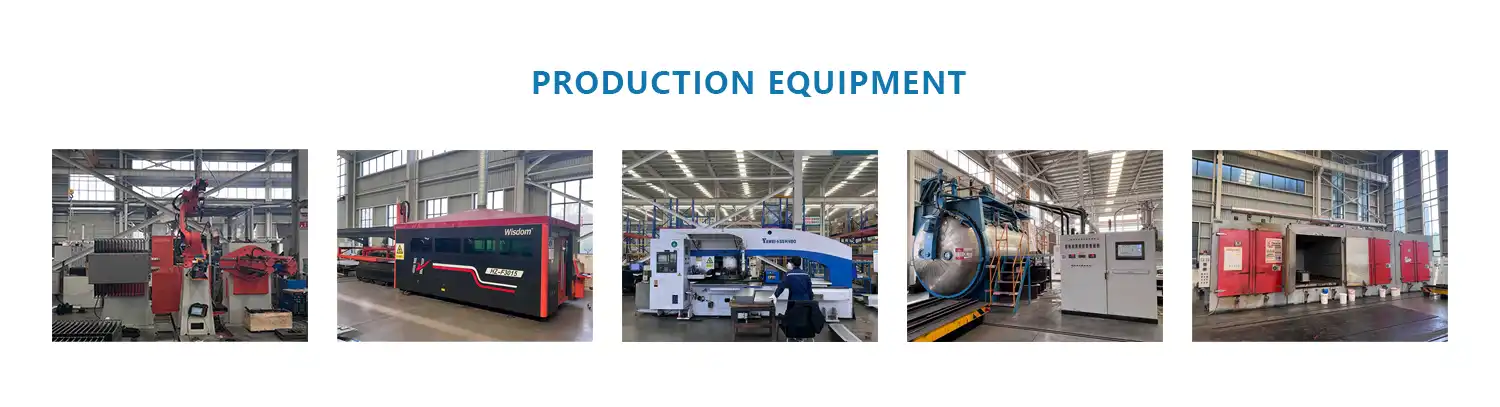
When projects need a lot of units quickly, manufacturing capacity is important. We use more than 120 sets of high-tech machines, such as CNC automatic winding machines, CNC static vacuum casting machines, automatic foil winding machines, and gradient curing furnaces that are controlled by microcomputers. With these skills, we can stick to production plans and make sure quality is high at every step of the manufacturing process.
Quality Assurance and Certification
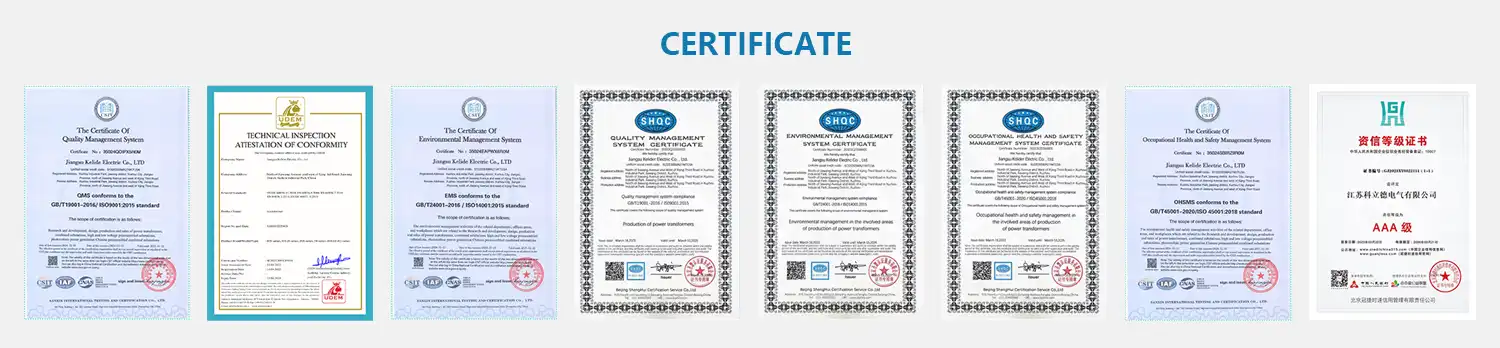
We are dedicated to quality, and we have many certifications to show it, such as ISO 9001, ISO 14001, and OHSAS 45001. All of the goods get National CCC Mandatory Certification, which shows that they meet Chinese safety and quality standards. These approvals give purchasing teams faith that the way we make things meets standards that are known around the world.
Professional quality inspection labs that do the tests that B2B clients need are kept up by us. Partially discharging the insulation makes sure it is solid, and checking the temperature rise at full load makes sure the thermal design is correct. Impulse voltage testing confirms that lightning can handle values of 75kV to 150kV, which protects against short-term overvoltages. Short circuit testing for two seconds at 25 times the maximum current proves the mechanical strength when there is a fault.
Routine tests include checking the winding resistance at several tap positions, making sure the voltage ratio is within ±0.5% of the nameplate value, making sure the no-load loss is below the limits given, and testing the impedance voltage to make sure it is within ±7.5% of the nameplate value. Sound level tests show that the acoustic performance is below 50dB. Our "zero defects" mindset is built into every part of this rigorous testing process, which keeps customers from getting bad goods.
Pricing Trends and Procurement Strategies
The price of a transformer depends on the cost of raw materials, how hard it is to make, and how competitive the market is. Copper and electrical steel are big parts of the cost, and their prices change based on the world material markets. When procurement teams know about these trends, they can time purchases well and negotiate fair prices.
When you order in bulk, you can get better prices and more flexible scheduling for production. Standardizing specs helps projects that need a lot of transformers make the most of their manufacturing resources. We work with our clients to find ways to standardize that don't affect technical requirements. By agreeing to buy in bulk, we can often get 8–12% cost savings.
Lead times vary from 8 to 16 weeks, based on the details and size of the order. Custom designs that need specific voltage rates, tap setups, or changes to the enclosure make the process take longer. We suggest that you involve our engineering team early on in the planning stages of the project so that you can set realistic deadlines and find any possible design problems before you commit to buying anything. We were able to meet tight building plans on projects like the XCMG Group installation and finish them early, thanks to this joint approach.
Warranty terms and help after the sale have a big effect on the long-term worth. We back up our warranties with a large service network and guarantees that cover both products and work. During the transformer's useful life, technical support helps with installation supervision, commissioning, and troubleshooting. This long-term relationship makes sure that our clients get the most out of the money they spend on power equipment.
Conclusion
Dry-type transformers provide reliable power solutions because they are designed in a way that eliminates fire risks, makes upkeep easier, and gives you operating freedom that you can't get with oil-filled alternatives. Because they meet international standards, have strong insulation systems, and better safety profiles, they are the best choice for government buildings, commercial developments, and industrial installations that need to be reliable. Conventional transformers are more expensive at first, but dry-type technology always comes out ahead in terms of total cost of ownership because it requires less upkeep, is safer, and keeps expensive accidents from happening. Our advanced manufacturing skills, stringent quality control, and experience completing hundreds of successful projects put us in a great position to offer custom solutions that meet your exact power distribution needs. Our energy-efficient designs not only make sure that the machines work well, but they also help reach sustainability goals by using less energy and having less of an effect on the environment.
FAQ
1. What determines the operational lifespan of a dry-type transformer?
Service life is usually between 25 and 35 years, but it depends on how it is used, how much it is loaded, and how often it is maintained. Temperature is the most important factor—always staying within the recommended temperature limits keeps insulation from wearing out too quickly. The surroundings of an installation are very important. Installations that are kept clean and under control will last longer than those that are open to dust, moisture, or extreme temperatures. Longevity is increased by regular upkeep, such as checking the temperature, tightening connections, and making sure air paths are clear.
2. Can dry-type transformers operate in outdoor or harsh environments?
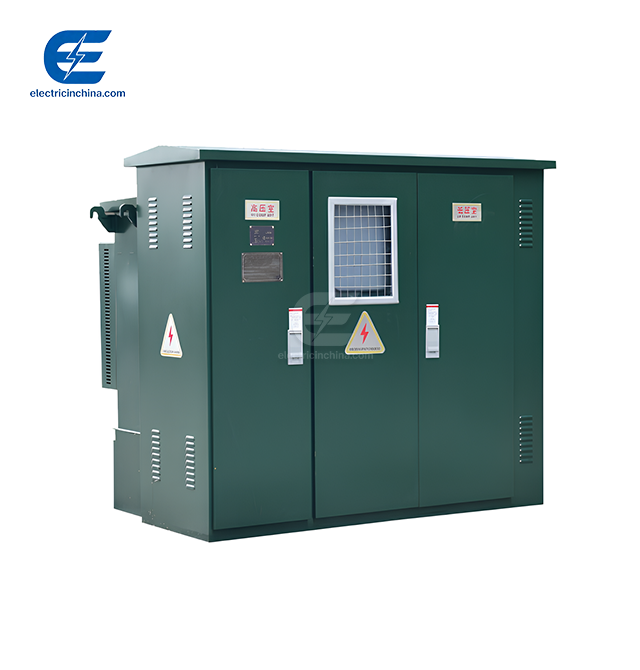
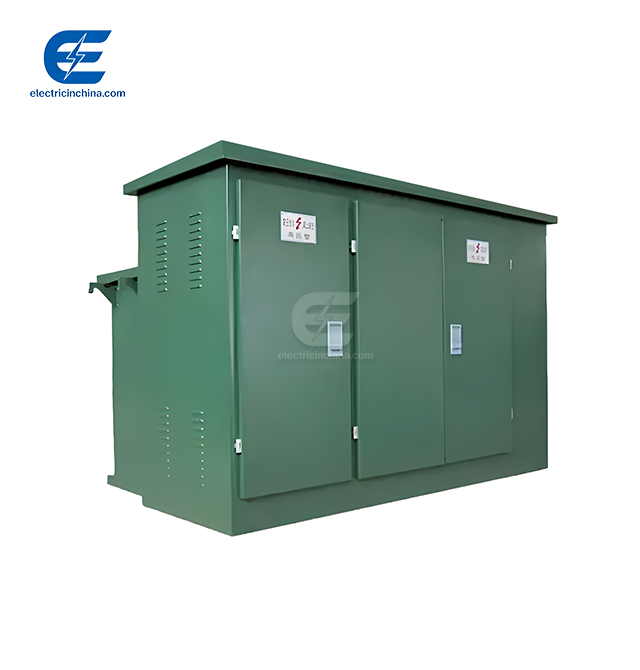
Dry-type distribution transformers are mostly made for use indoors, but they can work outside with the right covers. With a NEMA 3R or IP23 rating, a shelter will keep out rain and flying objects. Special finishes that don't rust and marine-grade tools are helpful for installations near the coast. When temperatures are very high, de-rating or forced ventilation may be needed. When we look at certain environmental conditions, we can suggest configurations that will work reliably even when things get tough.
3. How do I match transformer capacity to facility power requirements?
To get the right size, you need to look at the connected load, demand factors, and plans for future growth. We suggest adding 20 to 30 percent more capacity than the estimated high demand to account for inrush currents and keep the system from being overloaded all the time. Power quality issues, such as harmonic loads from variable frequency drives, may mean that units need to be bigger or have a higher K-factor. Our engineering team helps with load analysis and developing specifications to make sure that the transformers you choose give you the best performance and value for your money.
Partner with Tuojie for Your Dry-Type Transformer Requirements
Getting your dry-type transformers from the right company will determine whether your power infrastructure works well for decades or causes problems for operations. We at Tuojie have over 20 years of specialized experience, state-of-the-art production facilities, and an expert team that can meet even your most difficult power distribution needs. In addition to making transformers, we offer complete solutions that include design, customization, quality assurance, and support after installation. This way, we can make sure that the whole project runs smoothly, from the specifications to the commissioning. Whether you're planning government infrastructure, building business properties, or improving industry facilities, our track record on hundreds of important projects shows that we're dedicated to safety, efficiency, and dependability. Email our team at tuojie@electricinchina.com to talk about your needs and get cheap quotes, full specs made just for your application, and technical advice from engineers with years of experience who know how complicated modern power systems are.
References
1. Institute of Electrical and Electronics Engineers. IEEE Standard for General Requirements for Dry-Type Distribution and Power Transformers (IEEE C57.12.01-2020). IEEE Standards Association, 2020.
2. International Electrotechnical Commission. Power Transformers—Part 11: Dry-Type Transformers (IEC 60076-11:2018). IEC Publications, 2018.
3. Bean, Robert L., and Flanagan, William M. Transformers for the Electric Power Industry. McGraw-Hill Education, 2019.
4. National Electrical Manufacturers Association. Energy Efficiency Standards and Test Methods for Distribution Transformers (NEMA TP 1-2020). NEMA Publications, 2020.
5. Kulkarni, S.V., and Khaparde, S.A. Transformer Engineering: Design, Technology, and Diagnostics. CRC Press, 2017.
6. Heathcote, Martin J. The J&P Transformer Book: A Practical Technology of the Power Transformer (13th Edition). Butterworth-Heinemann, 2018.