

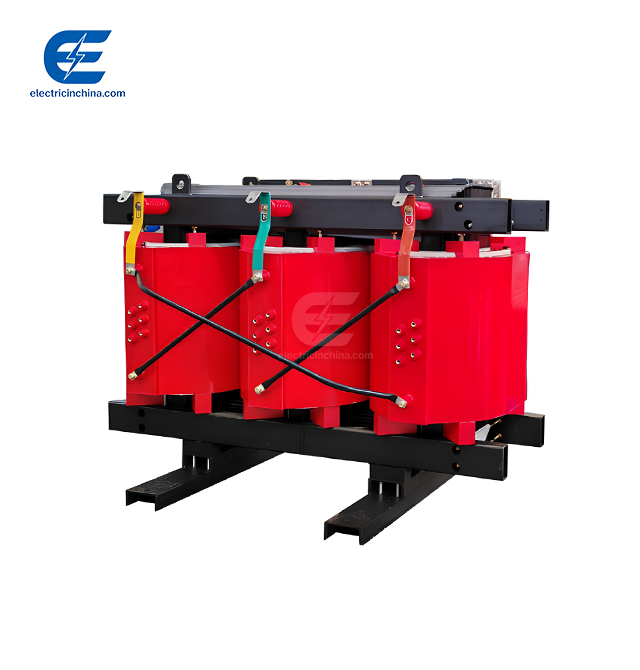
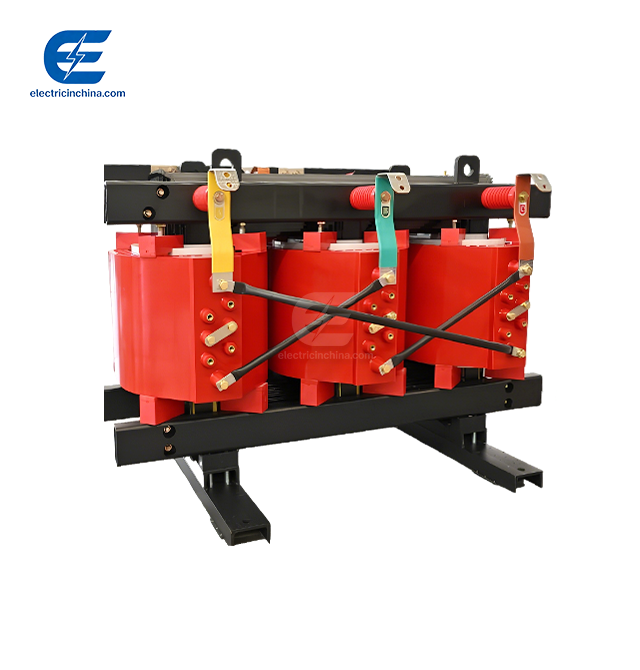
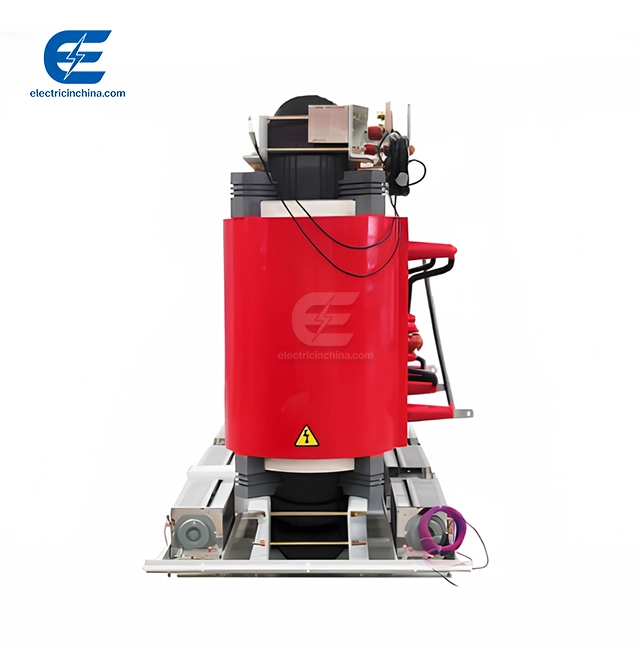
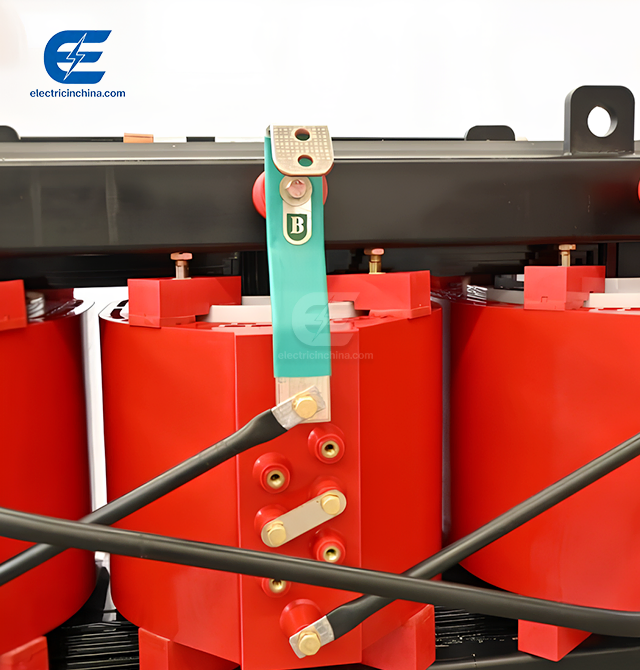
.webp)
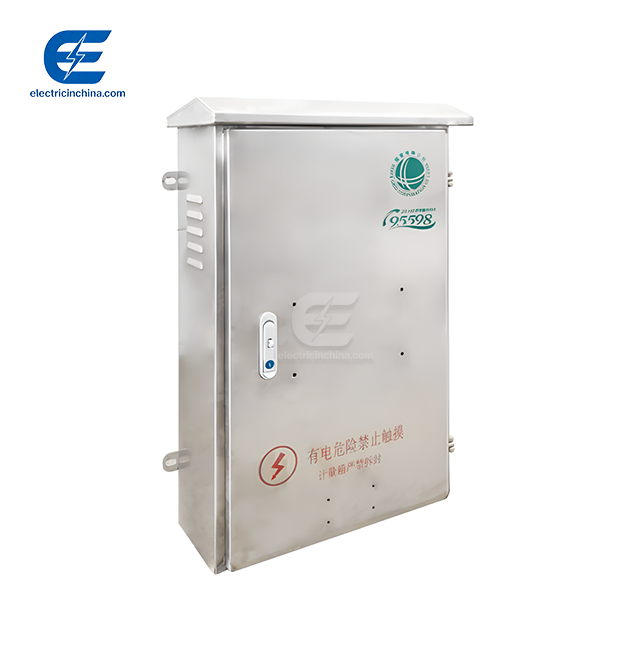
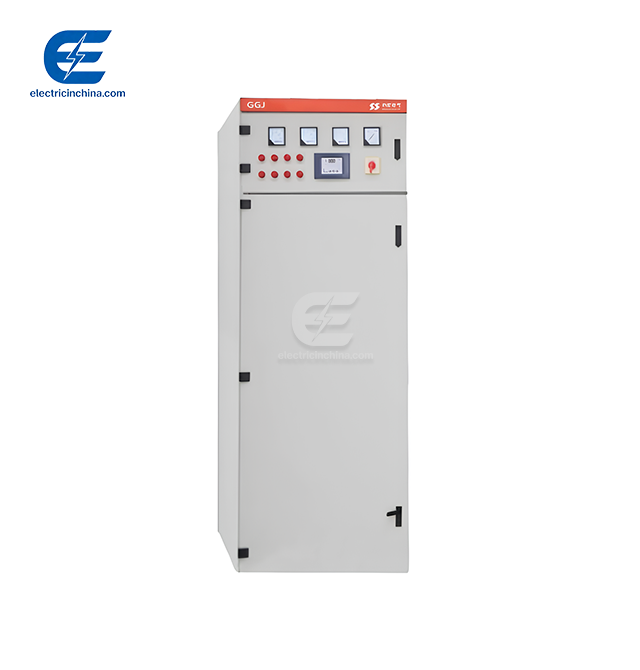
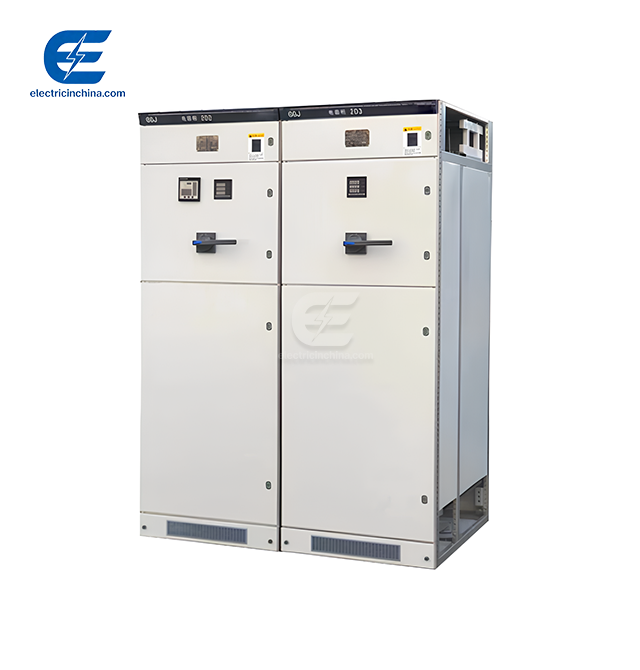
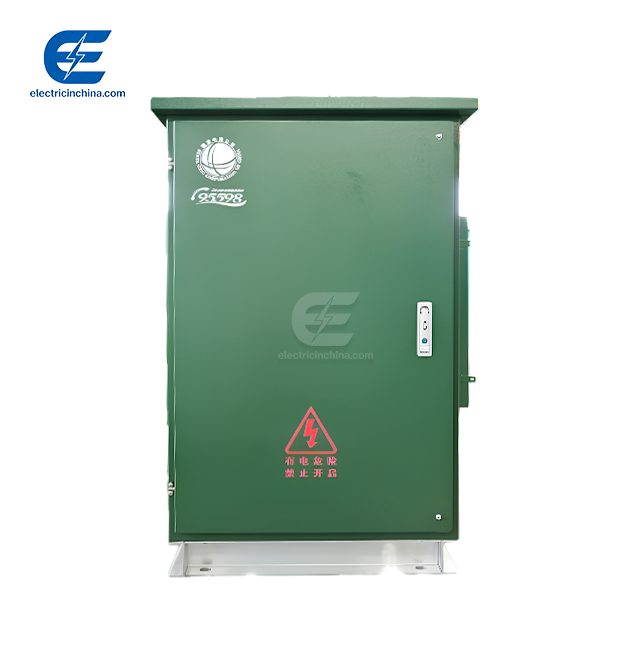
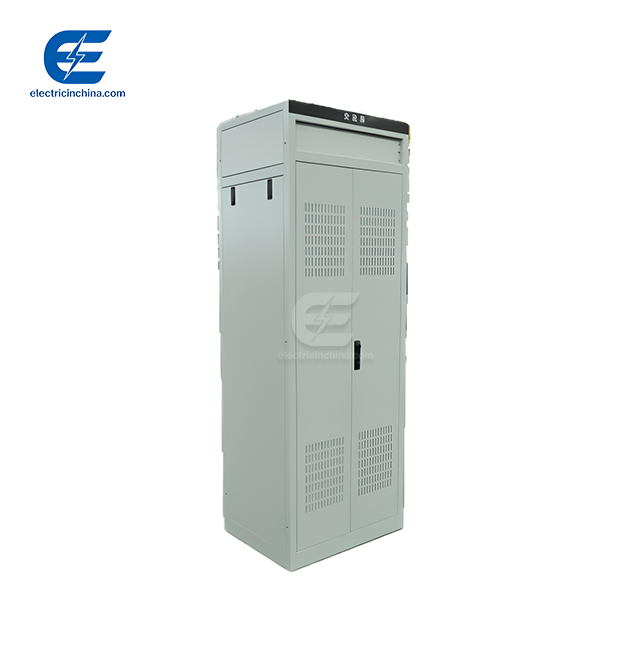
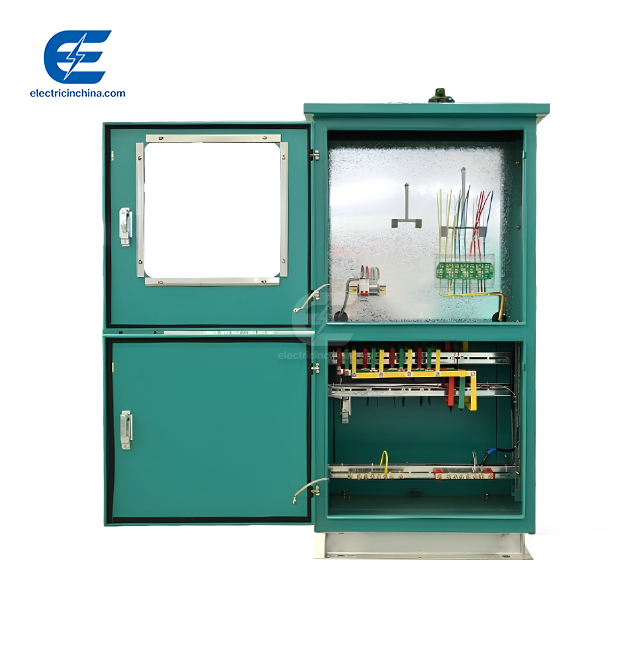
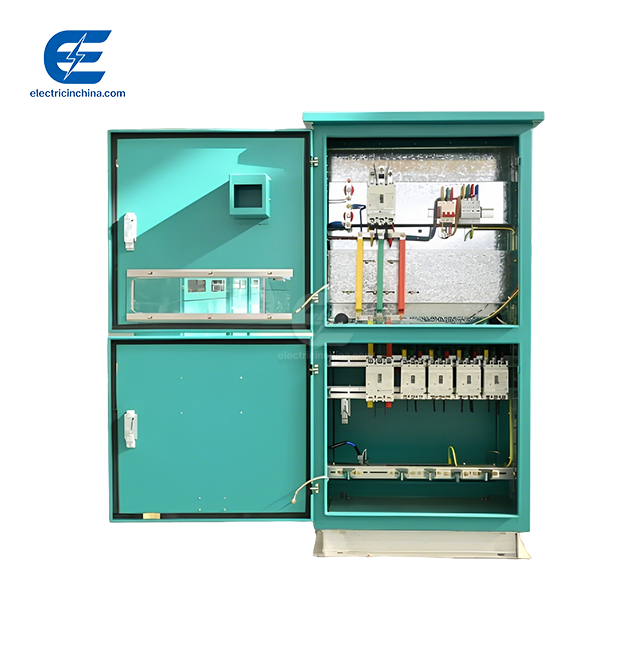
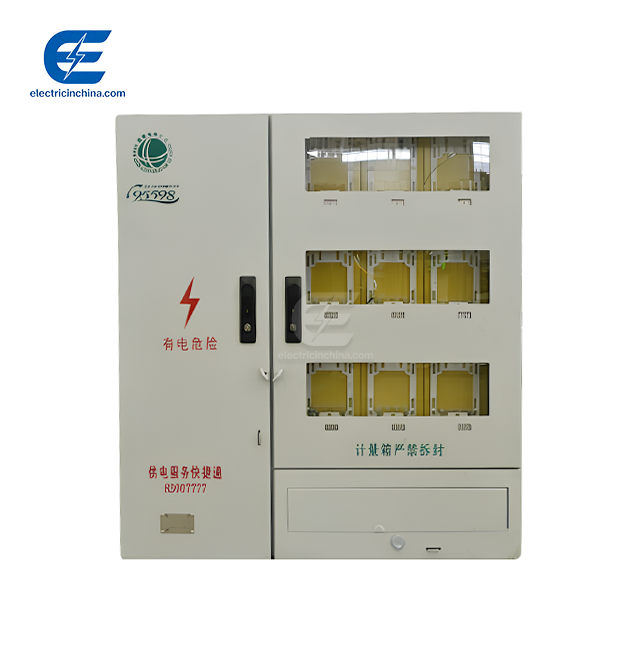
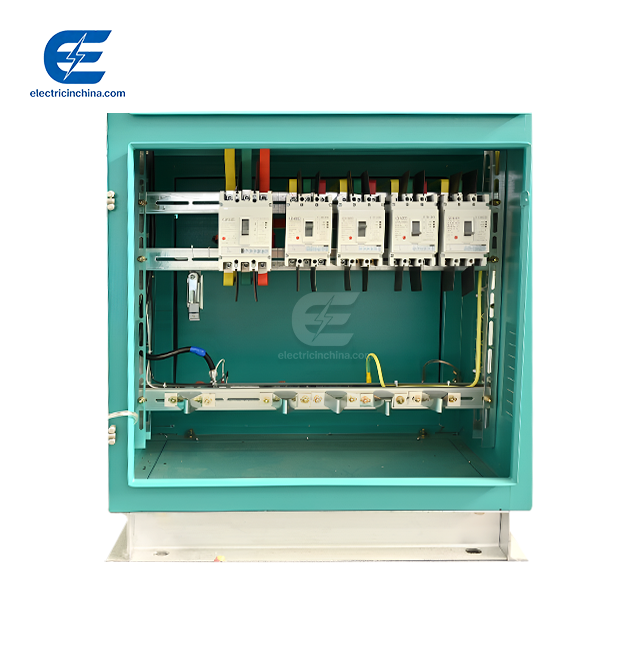
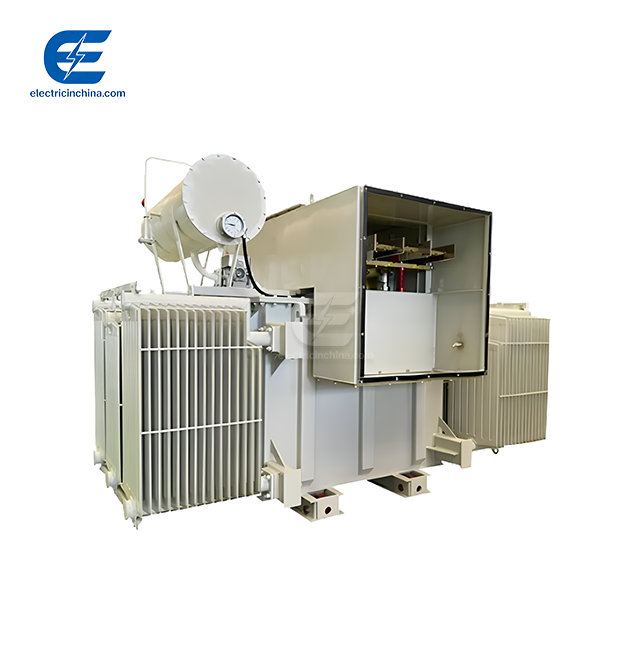
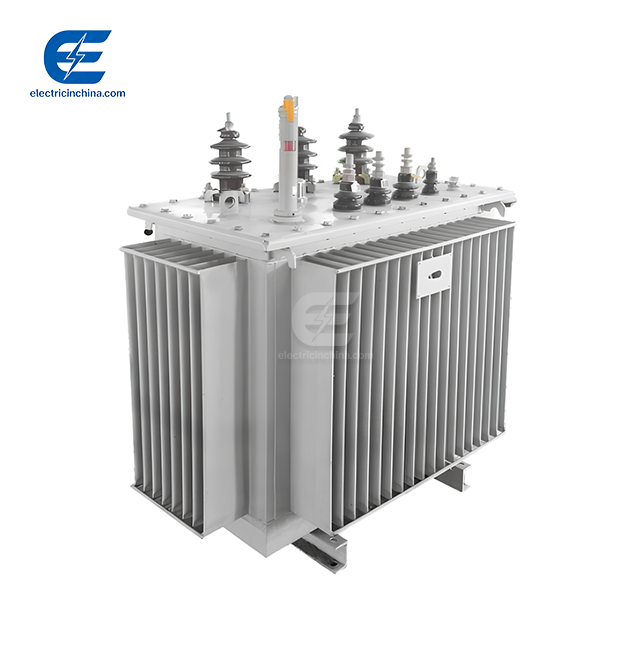
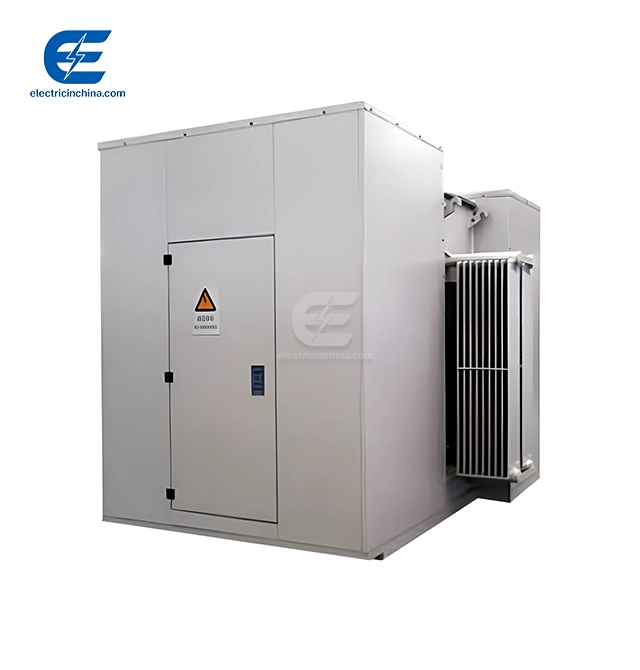
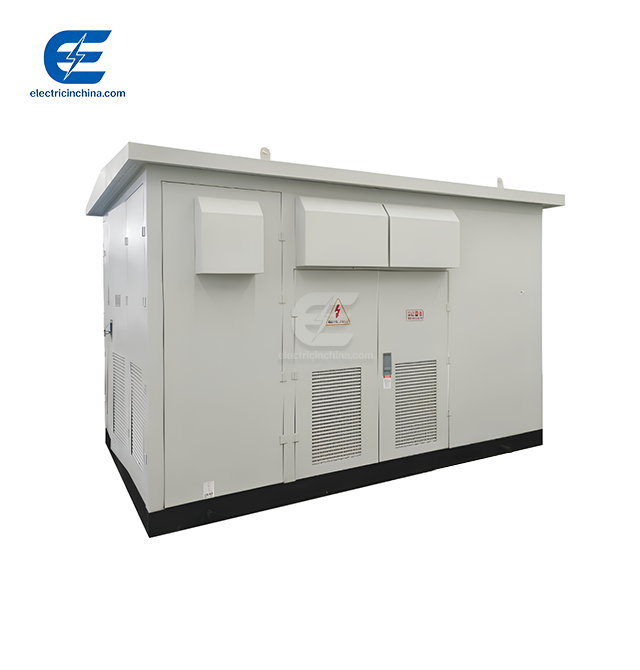
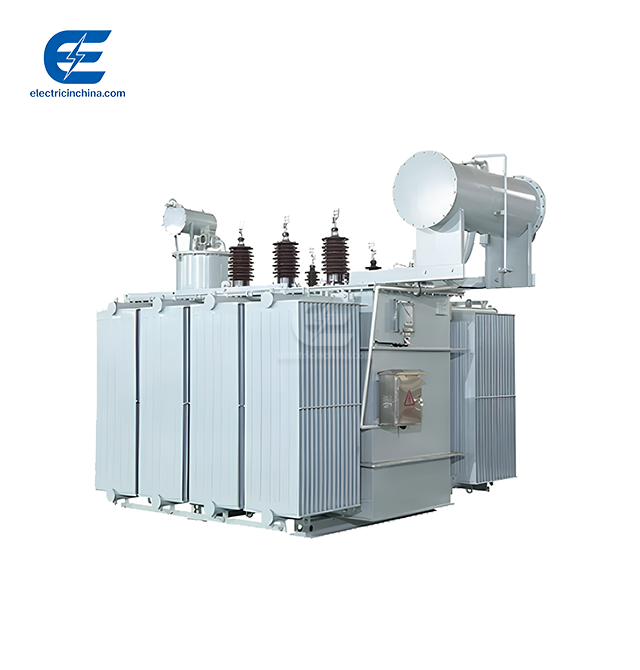
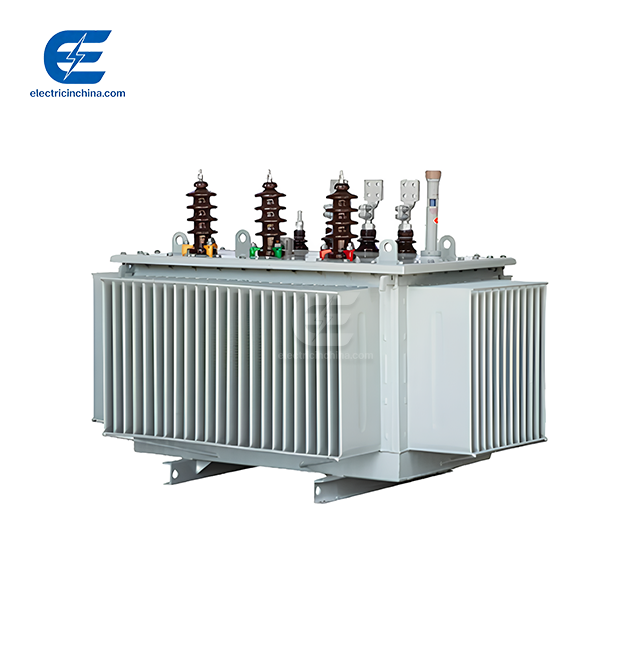
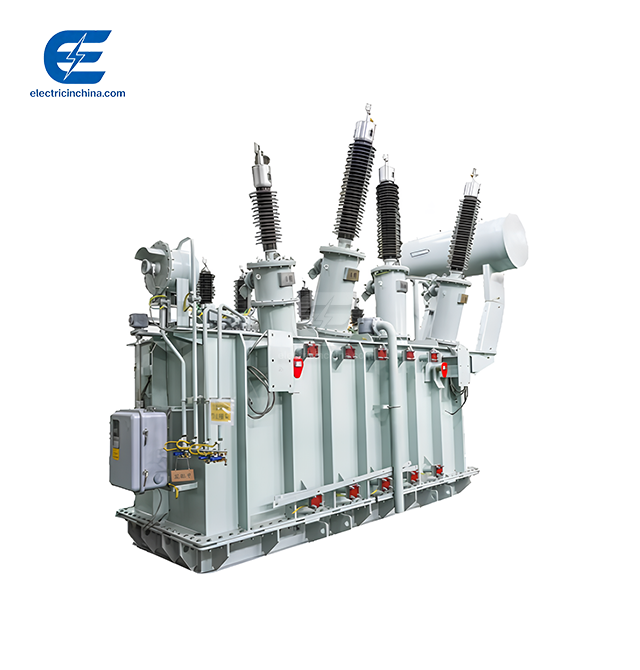
High-efficiency, oil-immersed transformers are designed to handle large loads with outstanding stability and reliability. These high-tech power devices have efficiency rates of 98.5% to 99.7%. They do this by using premium insulating oil and optimised core materials to handle heat stresses well, even when conditions are consistently tough. Because they are built to last and have better cooling systems than regular units, they keep working well while saving 40–60% on energy costs. This makes them the best choice for factories, infrastructure projects, and power distribution networks that need to keep running even when there are many electrical demands.
Introduction
Modern industrial power systems need equipment that works perfectly when it's under a lot of stress. Heavy loads create special problems that put a lot of stress on electricity systems. This principle is especially true in places where keeping operations going is crucial to making money. When buying things, it becomes very important to ask whether modern transformers can keep up with these needs.
We've spent more than 20 years coming up with answers to this problem. We've learnt what's important when loads push equipment to its limits while powering steel mills, data centers, green energy projects, and public transit systems in cities. When temperatures soar, humidity levels rise, or altitude makes standard designs difficult to work, the difference between standard transformers and truly capable heavy-duty units becomes clear.
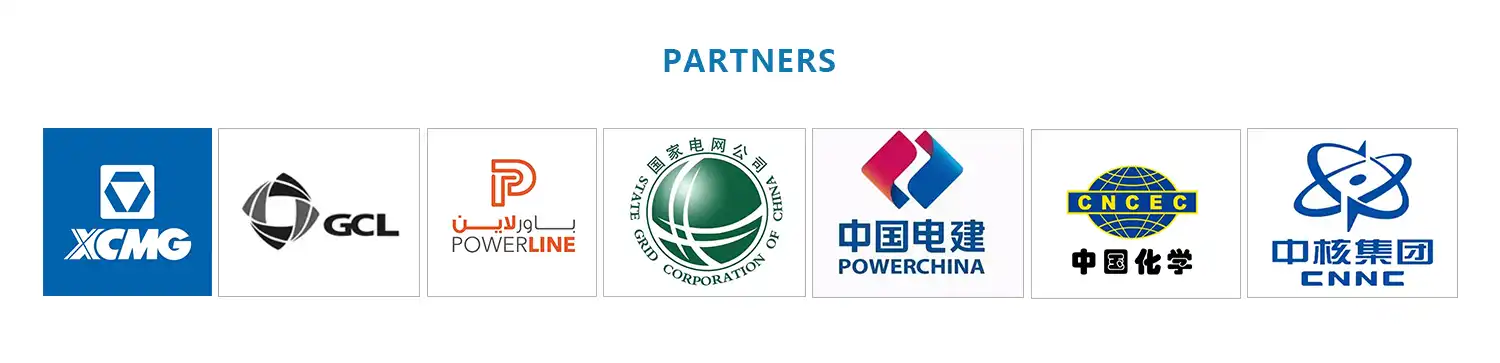
We've worked on a lot of important power projects, like the Xuzhou Rail Transit Network Control Center and the industrial power upgrades for XCMG Group, which this guide is based on. We will talk about how oil-immersed technology handles temperature stress, what efficiency numbers really mean for your costs, and the best ways to keep your investment safe. The lessons for procurement managers and tech teams are based on real-world performance data, not theoretical specs.
Understanding High Efficiency Oil-Immersed Transformers
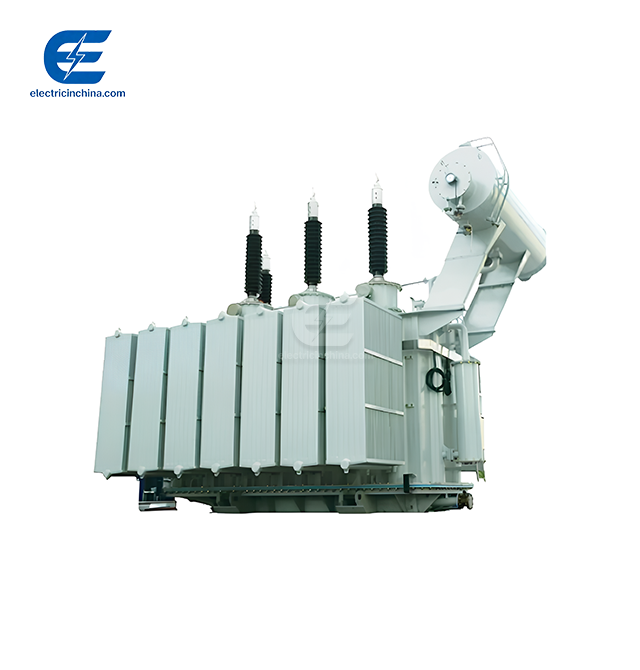
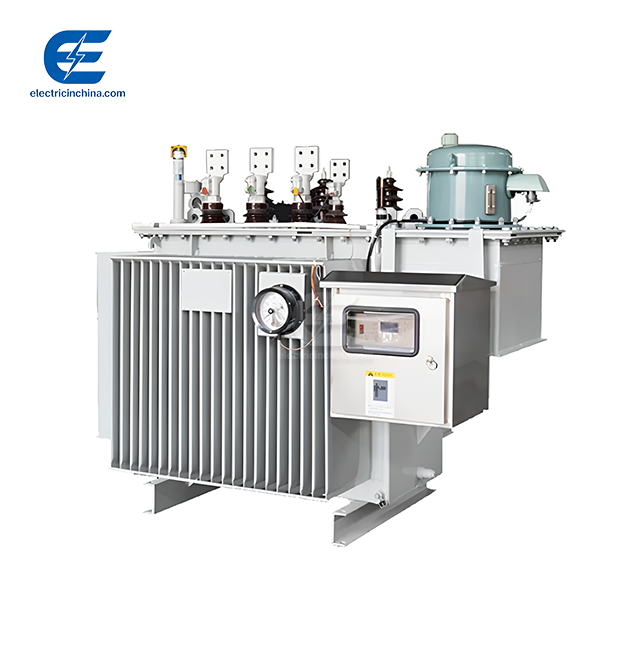
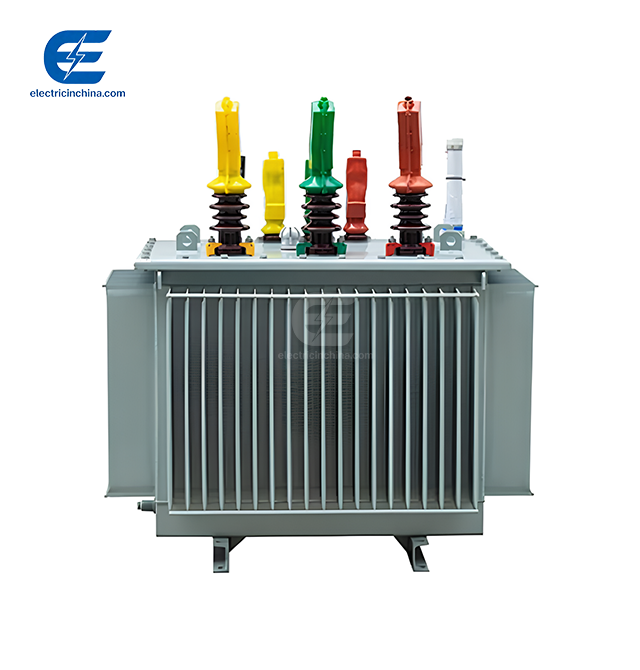
The main idea behind designing a high-efficiency oil- immersed transformer is to use refined mineral or manufactured ester fluids as both a coolant and an insulator. This two-in-one feature makes sure that electrical parts stay within safe temperature ranges even when they're handling a lot of power.
Working Principles and Core Components
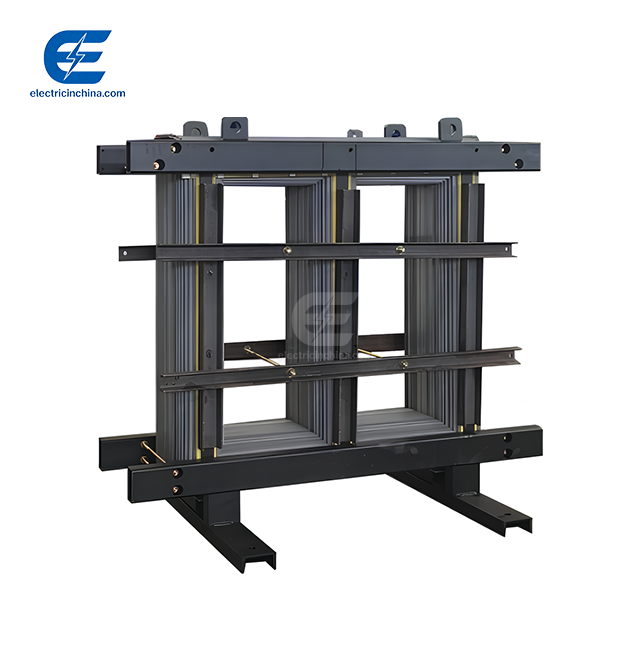
The high-grade grain-orientated electrical steel cores in our S13–S22 series transformers keep eddy current losses to a minimum. The GOES material effectively moves magnetic flux, cutting down on wasted energy that would otherwise make too much heat. Around these cores are copper windings that were made using computer modelling to get the best conductor cross-sections that balance the ability to carry current with the loss of resistance.
The protective oil moves through carefully planned paths, taking heat from working parts and sending it to cool surfaces on the outside. Under normal circumstances, this natural convection process runs all the time and doesn't need any technical help. When loads go above and beyond normal working limits, extra cooling systems kick in to keep the temperature stable.
Key Advantages for Heavy Industrial Applications
Energy economy directly leads to lower costs in places that are open 24 hours a day, 7 days a week. Our transformers have no-load losses of only 0.8% to 1.2%, which is a lot less than the 2–3% that most normal units have. When you add up all the years of constant running, this reduction becomes important. At normal energy rates, a 10MVA transformer that works at an 80% load factor saves $15,000 to $25,000 a year.
Thermal control features make tools last a lot longer. Premium insulator oils are better at getting rid of heat, so even when they are overloaded, they keep the winding temperatures safe. This thermal stability helps working lifespans exceed 35 years, which protects financial investments and reduces the number of replacements.
Compliance with International Standards
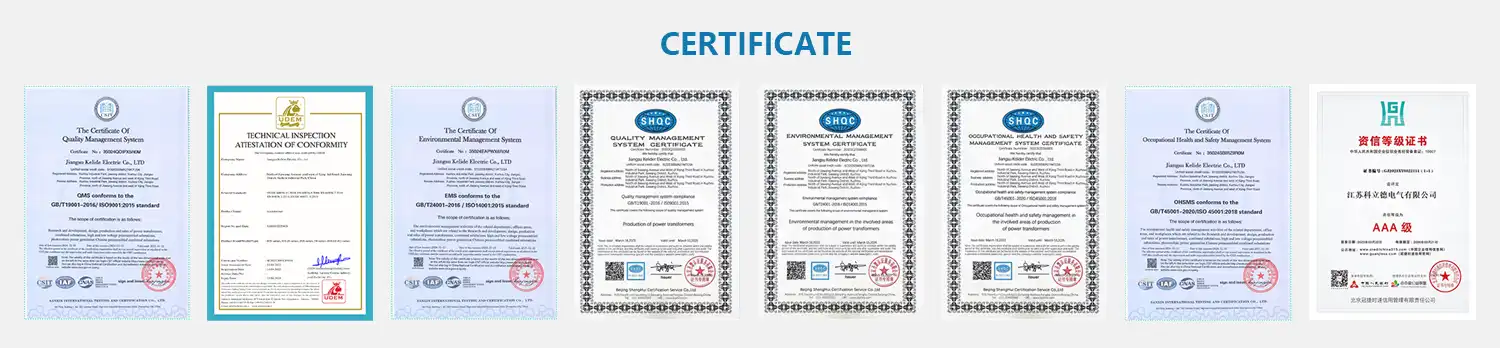
Equipment that meets the requirements of IEC 60076 will work reliably. These guidelines set out how to test for dielectric strength, limits on temperature rise, and the ability to resist short circuits. Our production methods are based on ISO 9001 quality management standards, and we conduct factory acceptance testing on each transformer before it is sent out. Each unit includes certification documents that contain test results, material specifications, and compliance statements. These documents help procurement teams confirm that the units will perform as promised.
Performance of High Efficiency Oil-Immersed Transformers Under Heavy Loads
Heavy load running over a long period of time shows what High efficiency oil-immersed transformers are really capable of. Peak demand times, ongoing high-capacity operation, and emergency overload situations test how well equipment lives up to its claims of efficiency while still leaving enough room for safety.
Analyzing Load Capacity and Efficiency
There are two main types of internal losses: no-load losses, which happen whenever the transformer is turned on, and load losses, which are related to the amount of power flowing through the transformer. Our complex designs take both into account by choosing the right materials and making the best use of geometry. The grain-orientated silicon steel cores cut down on magnetic losses, and the improved copper wires cut down on resistance heating.
As the load goes up, it's important that the cooling system works wellNatural oil movement handles base loads well, but when temperatures get close to the design limits, forced air cooling systems kick in.s. Our ONAF configurations handle 140% overloaded capacity during emergencies, giving us practical freedom when demand spikes happen out of the blue.
The safe working limits depend on how the temperature rises. In the windings, temperature spikes can reach up to 65K above normal, but they remain below 60K in the oil. These limits protect the insulation and keep biological materials inside the transformer structure from breaking down too quickly.
Comparative Analysis with Alternative Technologies
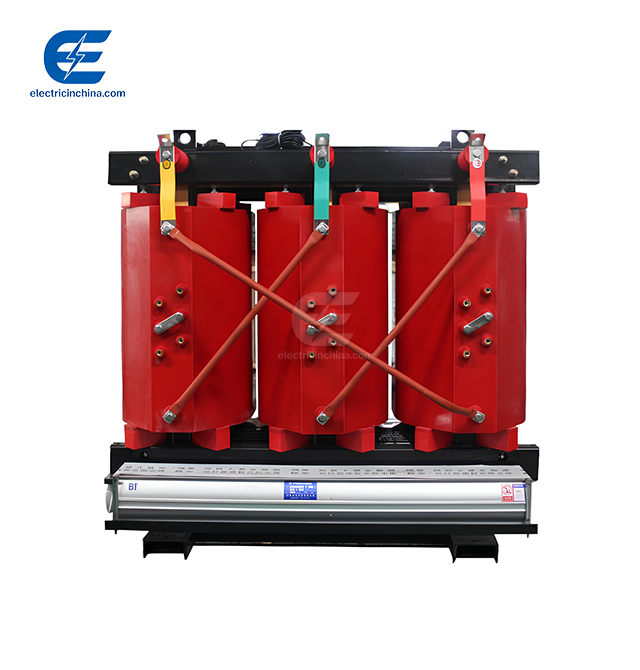
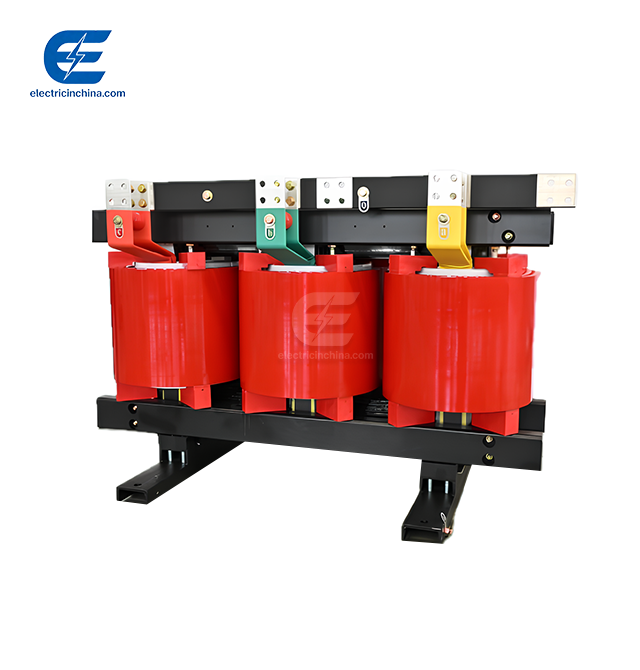
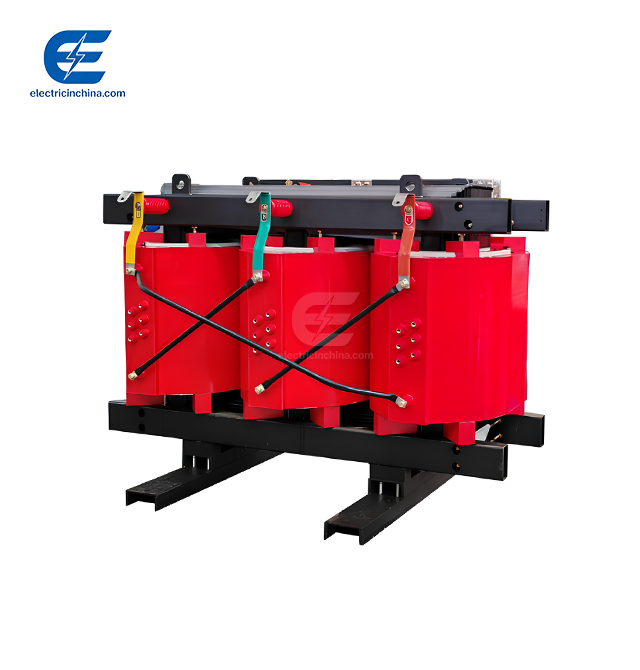
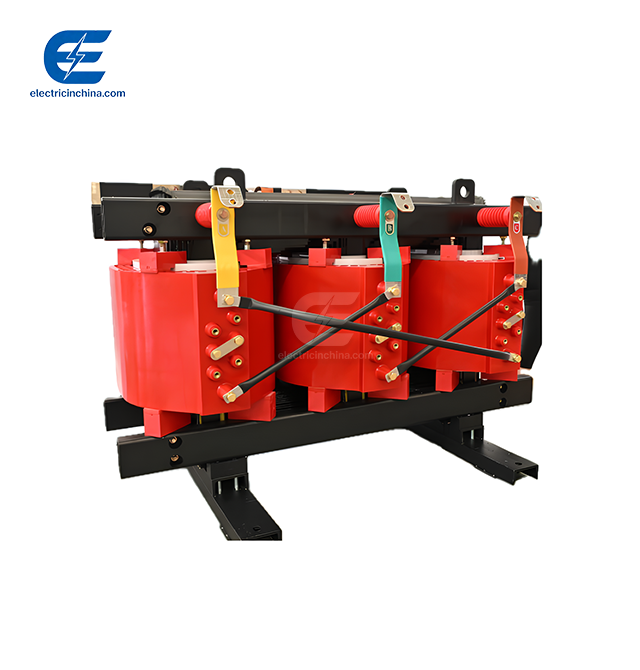
Some construction benefits come with dry-type transformers, but they have trouble keeping cool when big loads are applied for a long time. Because they don't use liquid cooling, they can't dissipate heat as efficiently, so they take up more space for the same power. Cast plastic designs are better for the environment in sensitive areas, but they are usually less efficient than oil-immersed options.
Our oil-immersed systems keep their performance stable even when the load changes. Testing data from our projects shows that the systems work the same way whether they are running at 50% or 100% of their maximum capacity. You can use this trait to your advantage in situations where demand changes often, like when you combine wind and solar power to make the grid more flexible.
Real-World Performance Validation
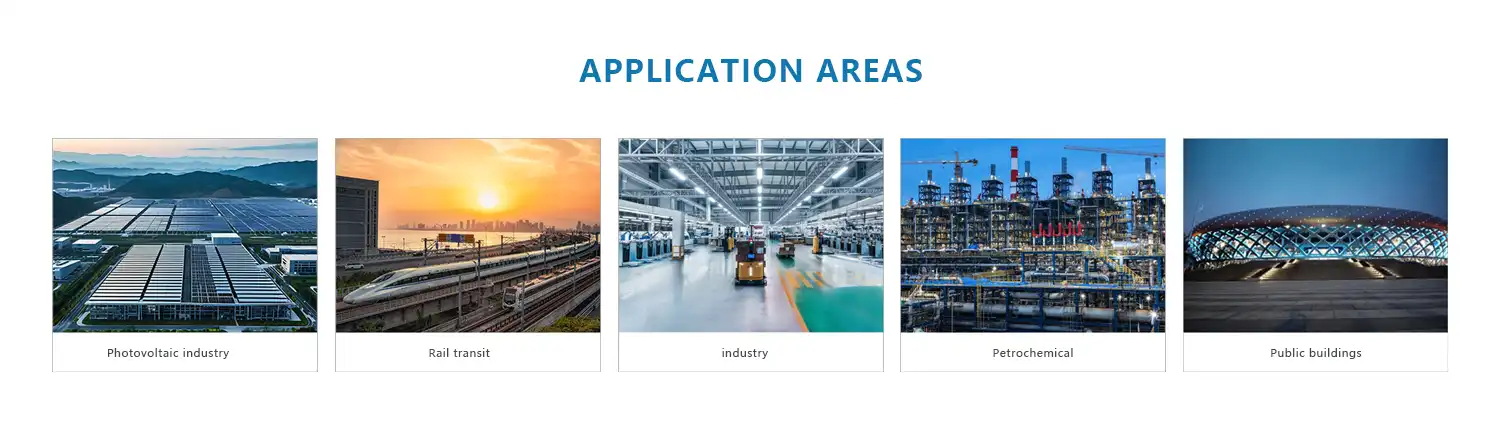
The power supply project for the Xuzhou High-speed Railway East Station had to be completely reliable even when the load changed. Our transformers were able to handle changes in customer service and kept the voltage stable within a ±1% range during the daily operating cycles. In the same way, the GCL Photovoltaic Industrial Park system handles solar converters' fast load changes while keeping efficiency above 98.5%.
The toughest testing conditions are found in industrial applications. Steel mills and chemical companies always operate at almost full capacity, and demand sometimes increases during output cycles. Installed equipment at XCMG Group buildings has shown that it can keep working in temperatures ranging from -25°C in winter to +45°C in summer, proving the design is sturdy.
Maintenance and Operational Tips to Maximize Load Handling
Preventative maintenance keeps High-efficiency oil-immersed transformers run longer and save money by avoiding costly unplanned downtime. Based on our experience with a wide range of installations, we know which procedures keep efficiency high in tough circumstances.
Essential Oil Testing and Monitoring
The quality of the insulating oil directly affects the dielectric strength and cooling performance. We suggest doing a dissolved gas study once a year according to the rules in IEC 60422. This test finds early signs of insulation breakdown, burning, or corona activity before these problems become operational. During running, the moisture content should stay below 15ppm. If it goes above 25ppm, oil cleaning steps should be taken.
Testing for dielectric breakdown voltage confirms that the protection is still working. Values above 70kV mean the oil is in good shape, while values below 30kV mean the oil needs quick attention. These tests are complemented by measurements of acidity. For working tools, the limits are 0.05 mg KOH/g, and at 0.1 mg KOH/g, replacement is required.
Preventive Inspection Schedules
In our maintenance plans, we inspect transformers every five years instead of every two to three years, which is how most transformers are maintained. This addition shows that the materials are of better quality and that the safety measures are also improved. Inspections assess the operation of the control system, the state of the bushings and the functioning of the cooling system. Thermal imaging finds hot spots that mean problems are starting to happen before they become unreliable.
Optimizing Load Distribution
When multiple transformers share the load evenly, they reduce stress on each unit and improve the efficiency of the whole system. Our engineering team helps building managers set up load distribution plans that match the powers of equipment to patterns of demand. Scheduling high-demand processes for times when the environment is cooler gives you more temperature cushion.
In forced-cooling systems, checking the performance of the pumps on a regular basis is beneficial for oil movement in High efficiency oil-immersed transformers. Checking flow rates and pressure differences makes sure that the cooling capacity meets the requirements set by the designer. Thermal tracking makes sure that the structure of the transformer stays within safe temperature ranges.
Warranty and Service Partnership Benefits
The comprehensive warranty covers five years of safety against manufacturing flaws and efficiency problems. Our 15 senior engineers and 30+ intermediate techs provide technical help for as long as the equipment is in use. This knowledge comes in handy when trying to figure out what's wrong with strange working conditions or how to improve performance to meet changing building needs. Having access to original replacement parts and approved service methods protects the warranty and ensures that repairs meet the original quality standards.
Procurement Decision Guide for Heavy Load Applications
When choosing the right generator equipment, you have to balance technical needs with financial limits, while also ensuring that the high-efficiency, oil-immersed transformer will last a long time. Our framework for buying helps people make decisions by walking them through important evaluation factors.
Defining Power Needs and Environmental Issues
Accurately estimating the amount is the first step in choosing the right tools. Minimum power rates are set by peak demand values, and load factor estimates affect how efficiently things are used. Premium efficiency units are most useful for buildings with high load factors because they save energy quickly when they are running all the time.
The environment has a big effect on the choice of tools. Our transformers work successfully in temperatures ranging from -40°C to +50°C, and they can also adjust for altitude up to 3000m. When the relative humidity is up to 95%, the insulation and moisture protection need to be better. Corrosive environments need special coats and parts made of special materials.
Comparing Capabilities and Product Lines Side by Side
Ratings for effectiveness and the design of cooling systems are often what set products apart from each other. Our S13-S22 line performs consistently at power levels ranging from 50kVA to 500MVA, and it can be customised to meet specific voltage needs up to 800kV. The 18 patents that back our transformer innovation show that we are continuing to spend in making technology better.
The load-carrying ability goes beyond the nameplate numbers. Overloading is important during times of high demand or when equipment breaks down and needs to be transferred. During emergency operations, our designs keep up 120–140% of their rated capacity. This gives them working freedom and keeps service from stopping.
Efficiency Impact on Total Cost of Ownership
The initial cost of the tools is only one part of the total cost over its lifetime. Usually, the amount of energy used over many years of running is more than the buying price many times over. When applied to megawatt-scale power flow, even small gains in efficiency can save a lot of money.
To figure out the return on investment, you need to look at things like load factors, working hours, and energy rates. A 1 MVA transformer that is always on and at 80% load uses about 7000 MWh per year. If you pay $0.10/kWh, the difference in efficiency between units that are 98% and 99% is 70 MWh per year, which is worth $7,000. Over the course of 30 years, this will save $210,000 in energy costs, which is a lot more than the price of more energy-efficient tools.
Customization and Lead Time Considerations
Standard products work well for a lot of different uses, but customised solutions work best for certain situations. Our engineering team sets up cooling systems, protection packages, and winding setups that are perfect for each location. Arrangements of voltage taps allow for adaptability to changing grid conditions, and tracking systems connect to building control networks.
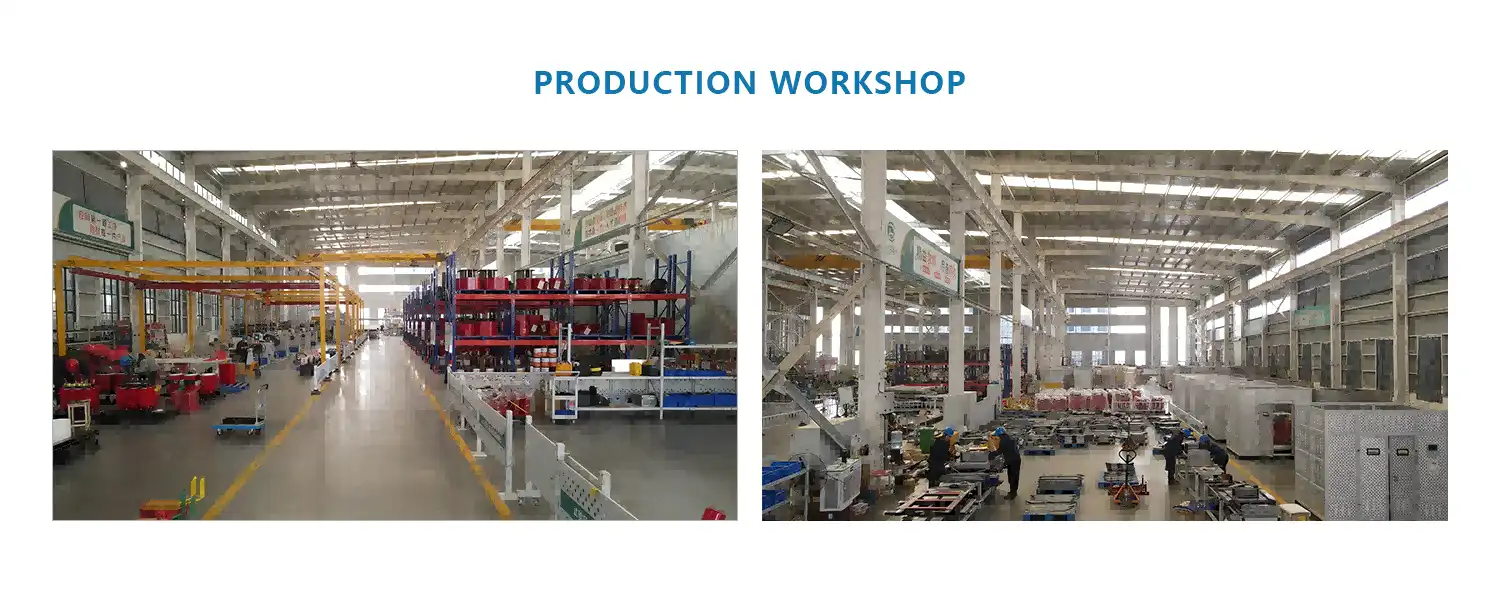
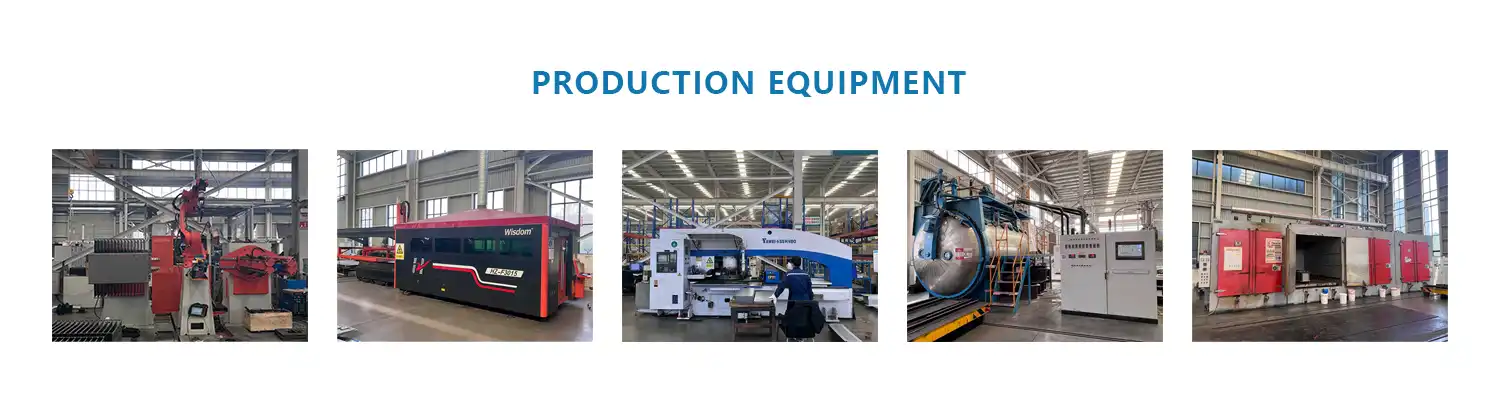
Manufacturing lead times depend on how customised the product is and how busy the factory is right now. Standard setups usually ship between 8 and 12 weeks, while highly customised units take between 16 and 20 weeks. Our high-tech production facilities have more than 120 pieces of specialised tools that make output quick and accurate without sacrificing quality. Getting in touch with our technical team early on makes sure that delivery schedules match project timelines. This is especially important for EPC contractors who are in charge of organising integrated building activities.
Future Trends and Innovations in High-Efficiency Transformers for Heavy Loads
Transformer technology keeps getting better thanks to advances in material science and the addition of digital tracking. These changes look like they will improve performance and help reach sustainability goals with the use of a High efficiency oil immersed transformer.
Eco-Friendly Insulating Oil Advancements
Mineral oils are bad for the earth, but synthetic ester fluids are better. Biodegradable formulas offer better heat performance while reducing the damage that possible leaks could do to the environment. Fire resistance makes enclosed locations safer by lowering the amount of space needed for separation and allowing for smaller substation designs.
As part of our study into next-generation insulation fluids, we look into formulas that work best at very high or very low temperatures. These new oils keep their dielectric strength over a bigger range of temperatures, so equipment can be used in tough environments without losing its performance. Longer oil life means fewer upkeep needs and less damage to the environment over the span.
Smart Monitoring and Planning Maintenance Ahead of time
Putting digital monitors inside transformer designs lets you see how they're working in real time. Multiple temperature tracking points on the windings find hot spots before they do any harm. With dissolved gas sensors, you can check on the state all the time instead of just trying it every so often.
Platforms for data analytics take sensor data and look for trends that could mean trouble. Based on past operations and present conditions, predictive algorithms guess what repair will need to be done. With this feature, maintenance goes from being reactive fixes to planned actions that happen at convenient times for operations. When thorough monitoring systems lead repair activities, unplanned downtime drops by 85%.
Sustainability and Following the Rules
As countries around the world work to lower carbon emissions, rules on energy saving keep getting stricter. Companies that use equipment that meets current standards will be better prepared for future rules. Our plans for transformers are more efficient than what is required by law, which gives us a safety net in case the rules change.
Improving operational effectiveness and manufacturing methods are both ways to reduce your carbon footprint. Our ISO 14001 environmental management certification shows that we are committed to using environmentally friendly methods throughout the whole lifetime of our products. The choice of materials puts an emphasis on their ability to be recycled, and when a transformer's time is up, its parts can be used to make new ones. This circular economy method fits with businesses' goals for sustainability and eases the load on the earth.
Conclusion
Modern High efficiency oil immersed transformer technology is characterised by its ability to handle large loads and high performance. The results from our placements show that they can keep working well in harsh industrial situations while saving a lot of energy. To choose the right tools, you need to know about the unique loads, environmental challenges, and operational goals at your site.
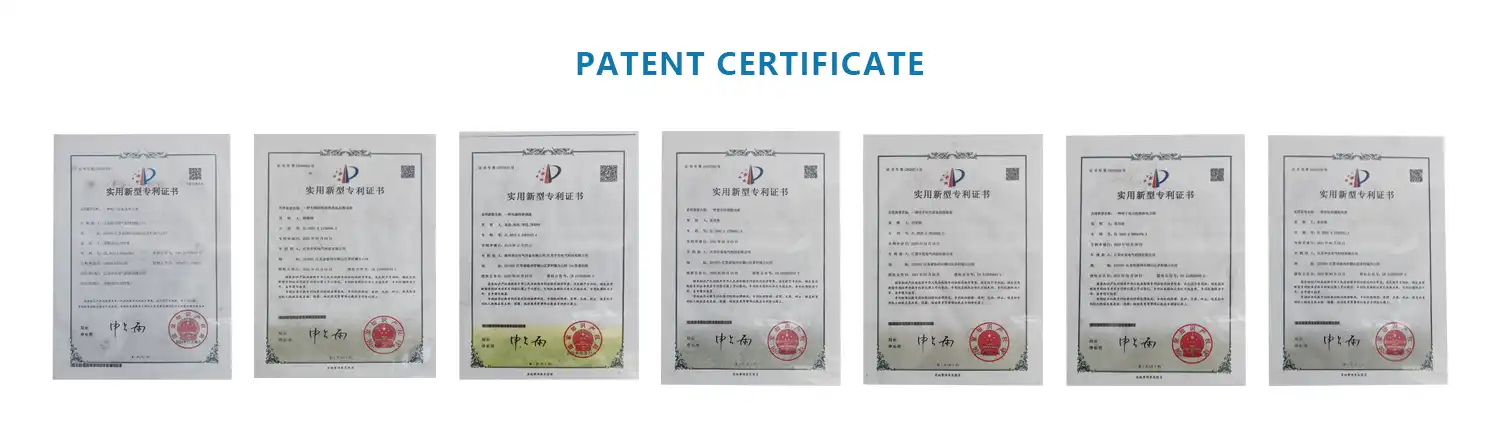
Our work on government infrastructure, business projects, and industrial manufacturing gives us useful knowledge about what works when dependability is important. Modern materials, tried-and-true cooling systems, and strict quality control all work together to make equipment that meets the exact needs of EPC workers and project managers. We've backed up this performance with 18 patents, and we'll keep putting money into new ideas that solve new problems in power sharing.
FAQ
Can oil-immersed transformers operate continuously under heavy loads without overheating?
Yes, units that are properly built can handle big loads all the time because they have better thermal control. Even at full load, our high-efficiency oil-immersed transformers keep winding temperatures below a 65K rise and oil temperatures below a 60K rise. The natural oil movement gets rid of heat quickly, and when the system is overloaded, forced cooling systems kick in to keep the temperature stable.
How do these transformers compare to dry-type units for energy savings?
Usually, oil-immersed designs are 0.5 to 1.0% more efficient than similar dry-type transformers. This difference means that high-capacity systems can save a lot of money. A 5MVA generator that is always on saves between $12,000 and $18,000 a year because it has less loss. This efficiency benefit is made possible by the better cooling qualities of insulating oil, which also supports higher power levels.
What maintenance intervals preserve optimal heavy load performance?
Preventive maintenance is based on checking the oil quality and dissolved gases once a year. Every five years, full checks are done that look at the cooling systems, joints, and safety devices. This schedule makes tools last longer—35 years or more—and cuts down on unplanned breaks. Working with qualified service providers makes sure that maintenance is done according to the manufacturer's instructions and that the guarantee is still valid.
Partner with Tuojie for Reliable Heavy Load Power Solutions
Tuojie has been making transformers for more than 20 years and can help you with your power grid problems. High-efficiency oil-immersed transformers are in our portfolio, and they have been used in hundreds of important projects and shown to be reliable in the toughest industrial settings. We've provided power to rail transit systems, business developments, and industrial sites in a wide range of working conditions.
We keep our ISO 9001, ISO 14001, and OHSAS 45001 certifications to support our high-quality standards as a recognised High efficiency oil immersed transformer provider. Our team of 15 senior engineers and 30+ intermediate workers creates solutions that are unique to your needs and the conditions where they are used. With 18 patents for new transformer ideas, the S13-S22 line offers up to 99.7% efficiency and less than 1.5% energy loss.
To talk about your heavy load application needs, email our expert team at tuojie@electricinchina.com. We'll give you detailed specifications, fair prices, and arrival times that work with the plan of your job. You can look at our full line of transformers at electricinchina.com and learn about how Tuojie's advanced power solutions protect your business's ability to keep running and the value of your investments.
References
1. International Electrotechnical Commission. (2018). Power Transformers - Part 1: General Requirements. IEC Standard 60076-1, Geneva, Switzerland.
2. Institute of Electrical and Electronics Engineers. (2015). IEEE Standard for General Requirements for Liquid-Immersed Distribution, Power, and Regulating Transformers. IEEE Standard C57.12.00, New York, USA.
3. Zhang, H., & Liu, Y. (2020). Thermal Analysis and Cooling Optimisation of Large Power Transformers Under Heavy Load Conditions. Journal of Electrical Engineering & Technology, 15(3), 1247-1258.
4. CIGRE Working Group A2.37. (2016). Transformer Thermal Modelling and Monitoring - Current Practice and Future Directions. Technical Brochure 659, Paris, France.
5. Heathcote, M.J. (2017). J&P Transformer Book: A Practical Technology of the Power Transformer, 14th Edition. Oxford: Newnes Publications.
6. Moore, H.R., & Rouse, T.O. (2019). Heavy Duty Oil-Immersed Transformers: Design Considerations for Industrial Applications. Proceedings of the International Conference on Power Systems and Energy Engineering, Boston, Massachusetts.