

.webp)
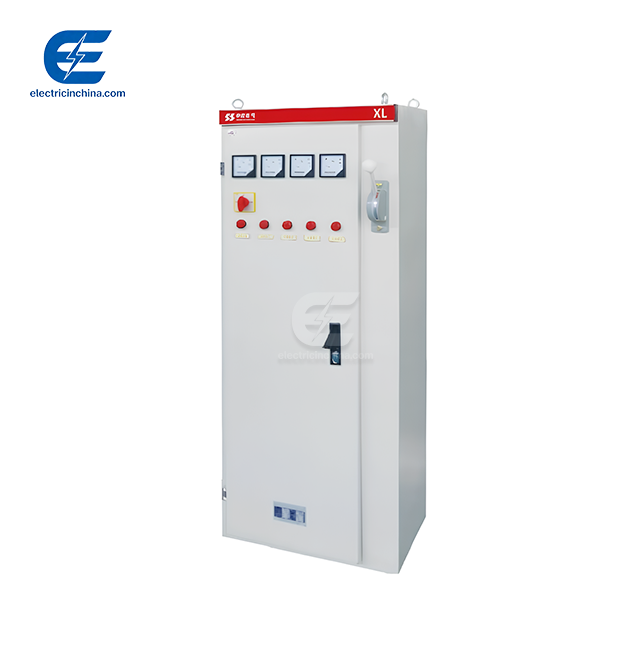
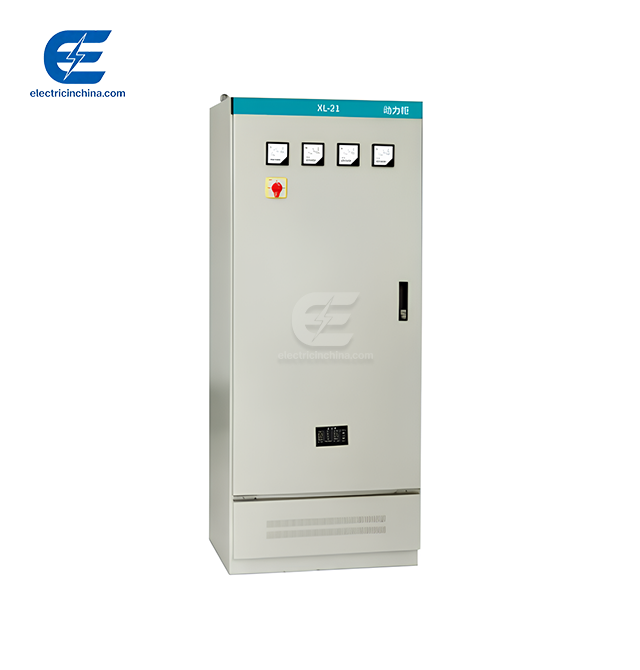
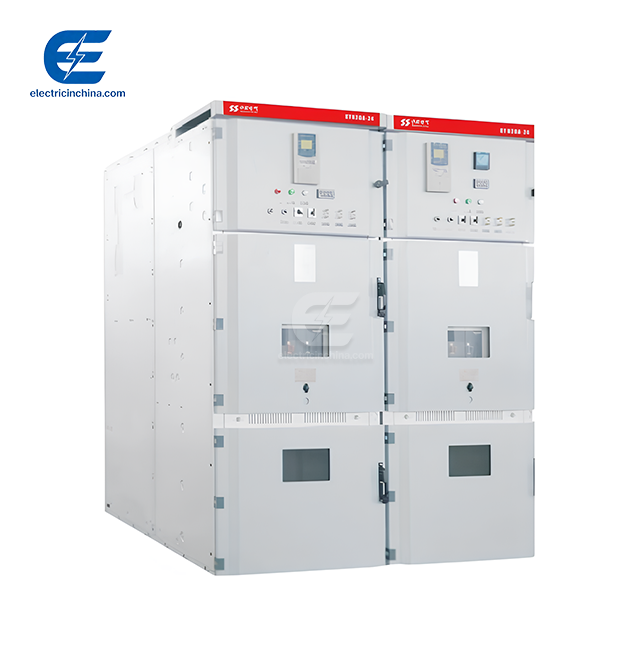
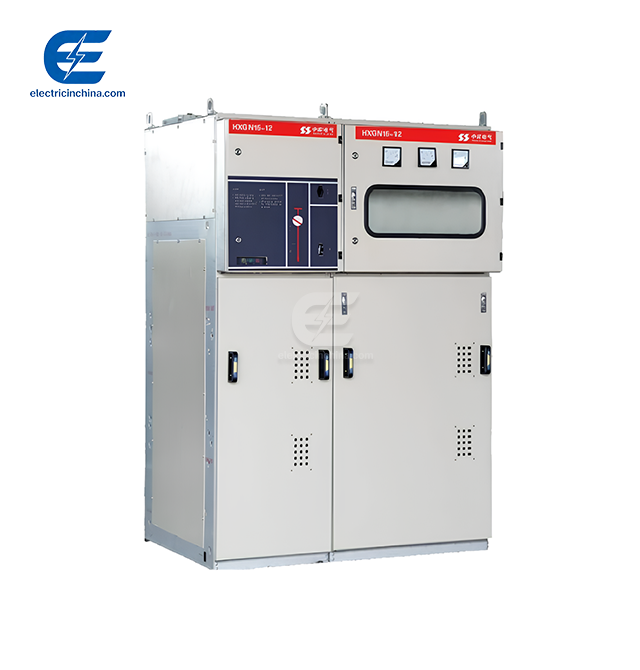
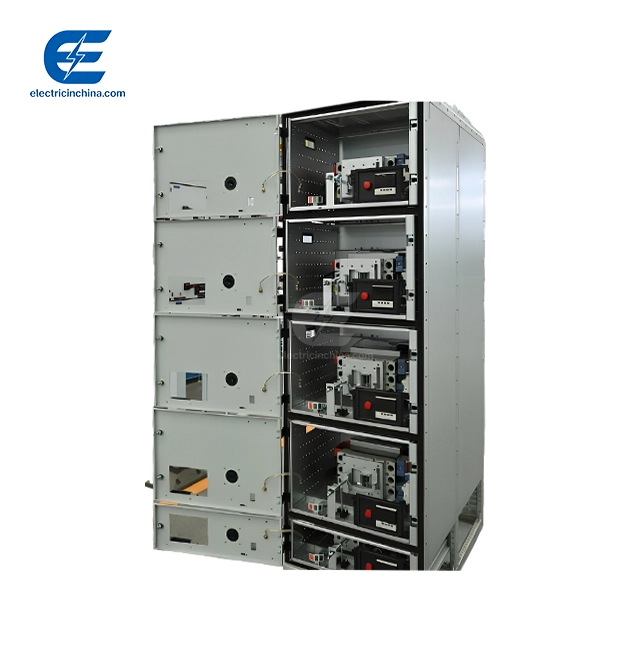
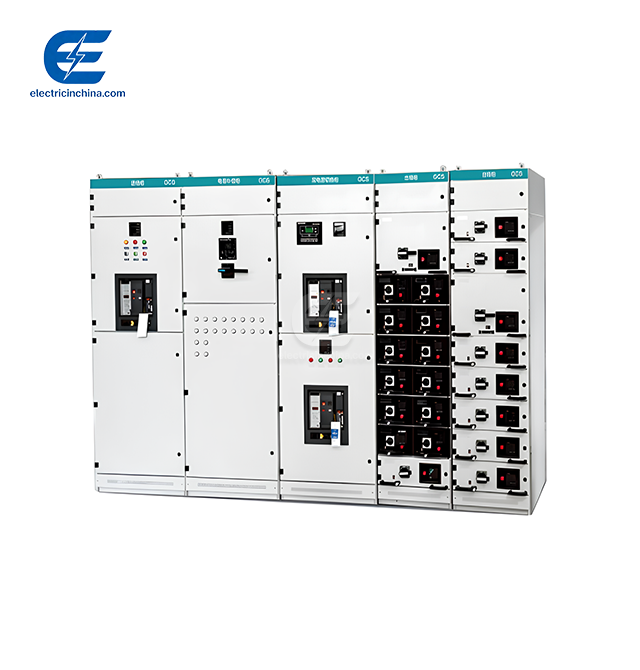
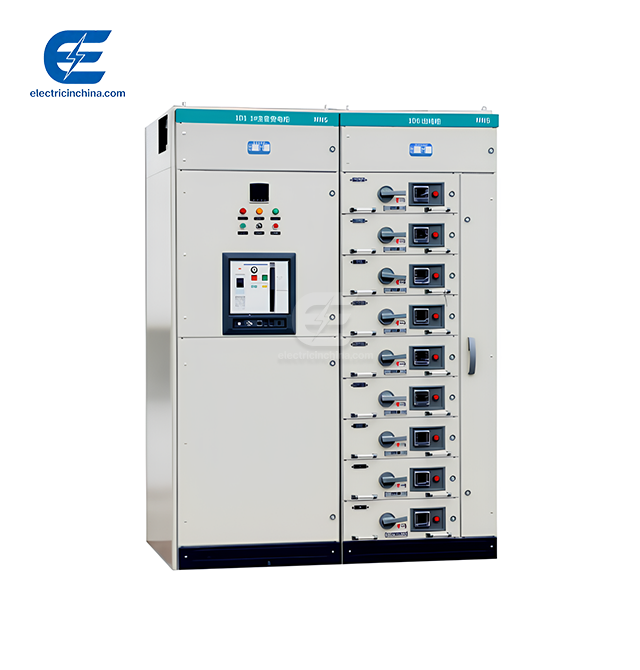
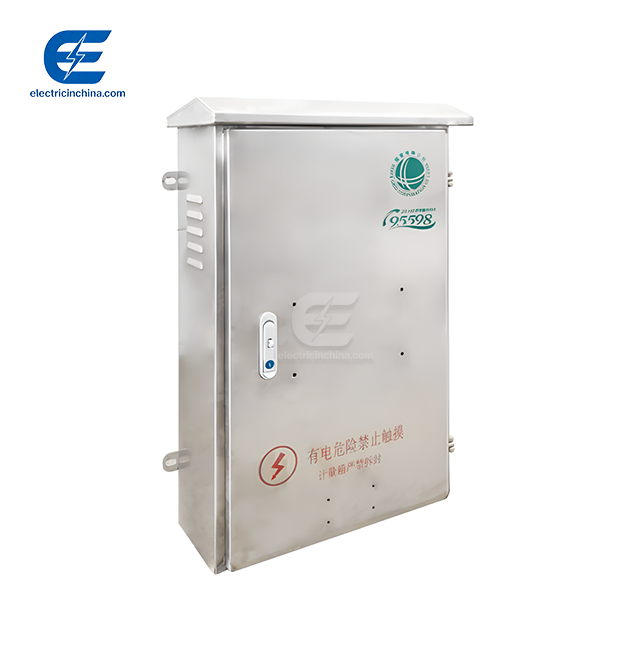
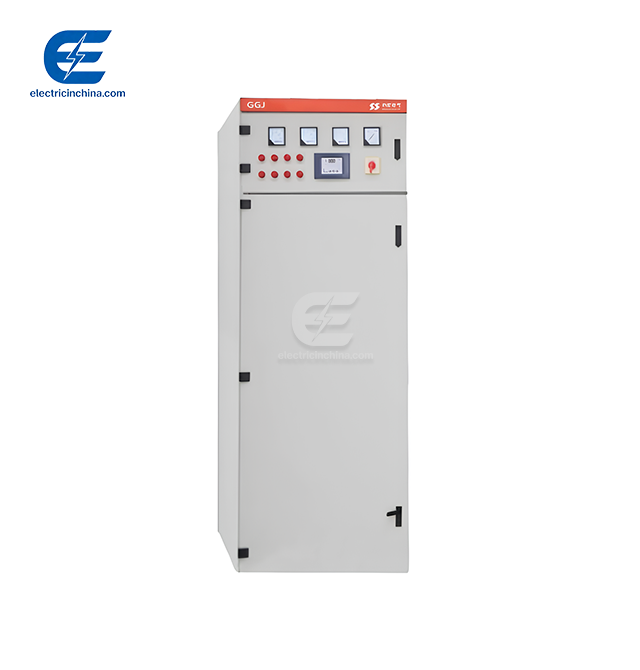
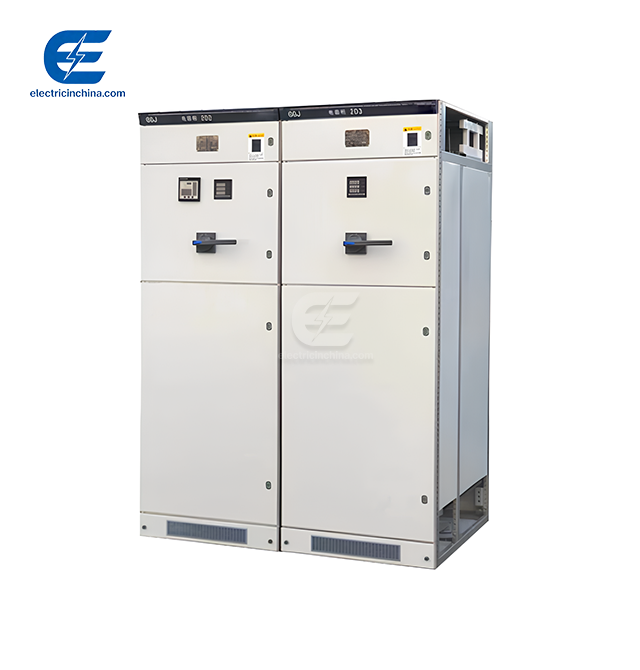
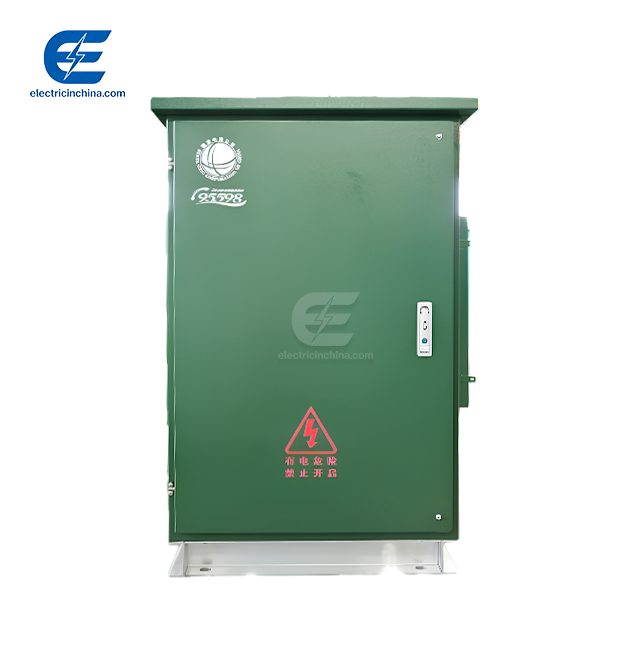
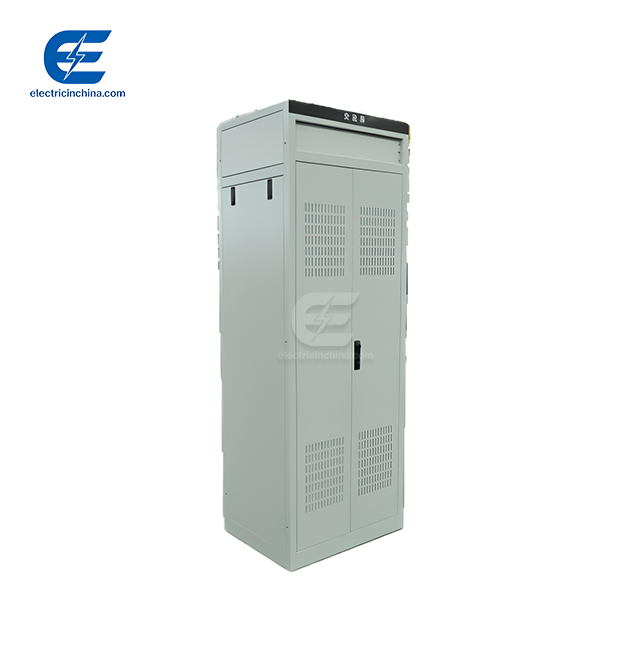
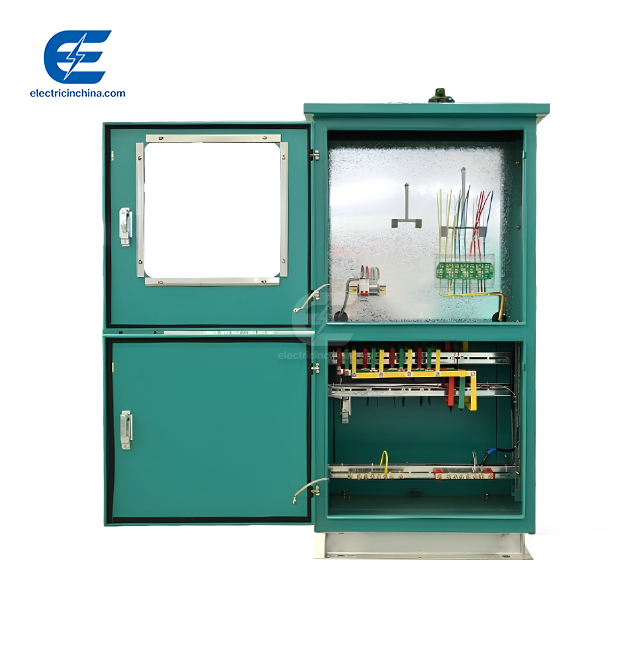
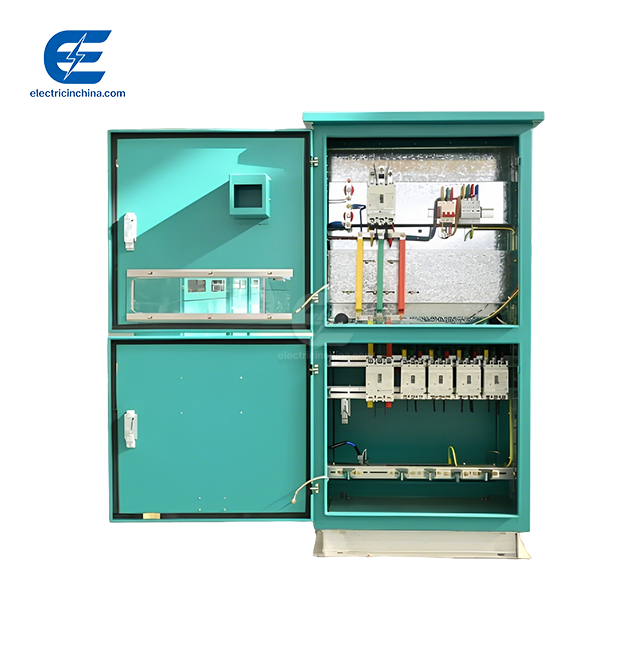
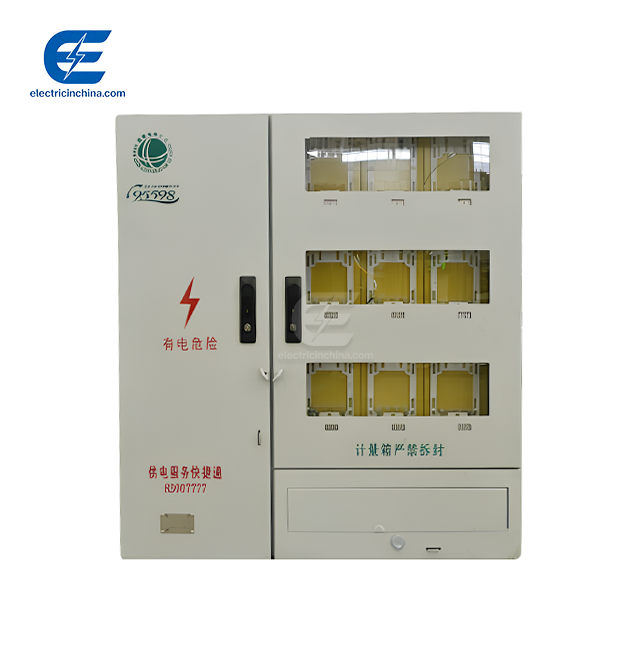
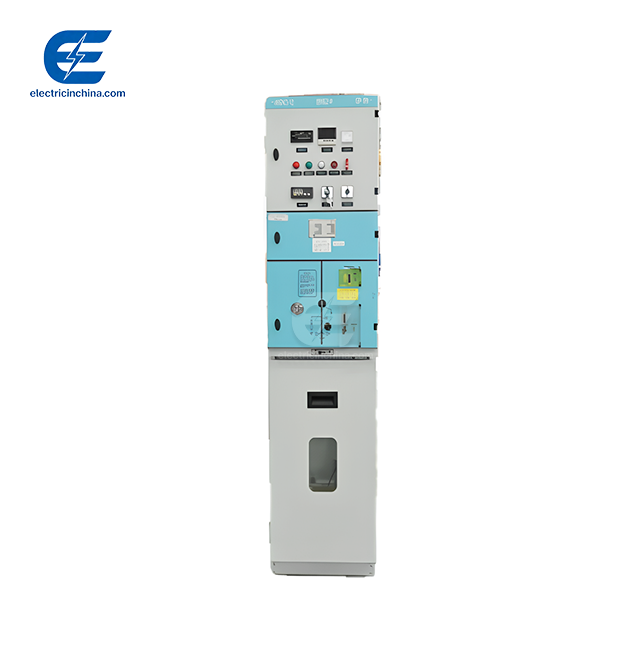
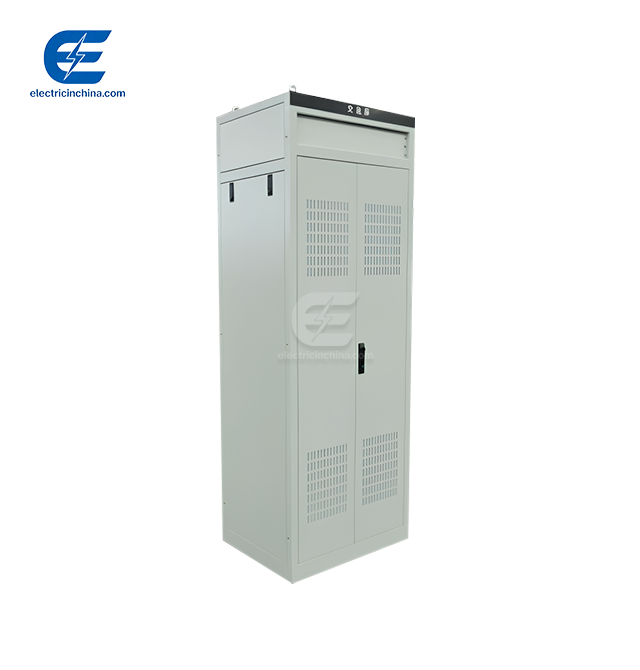
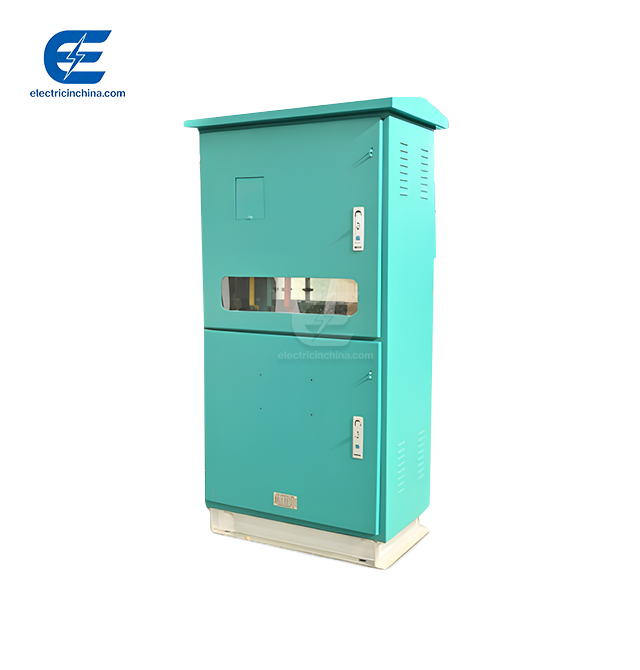
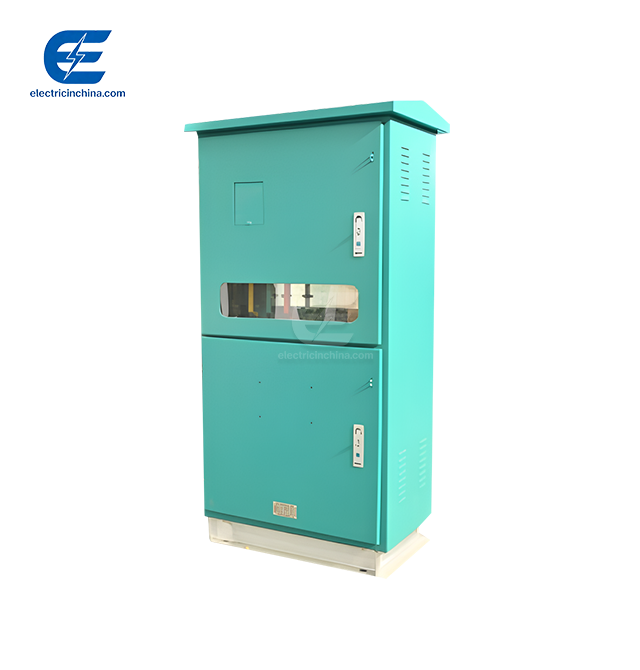
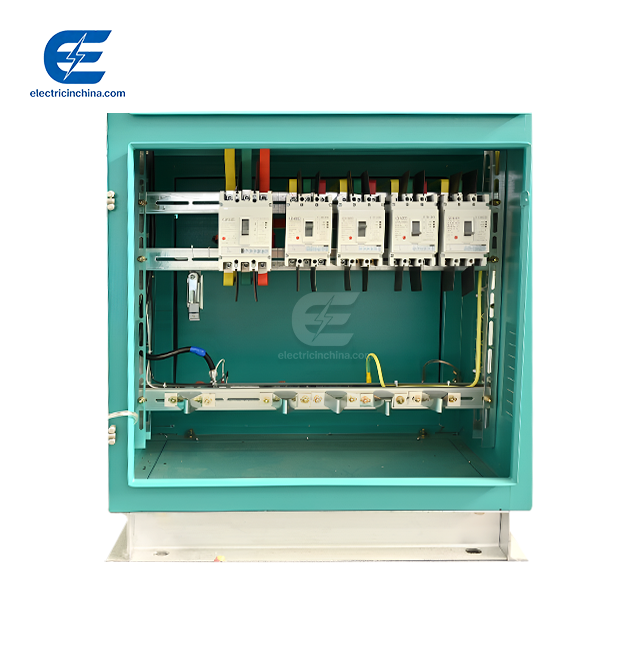
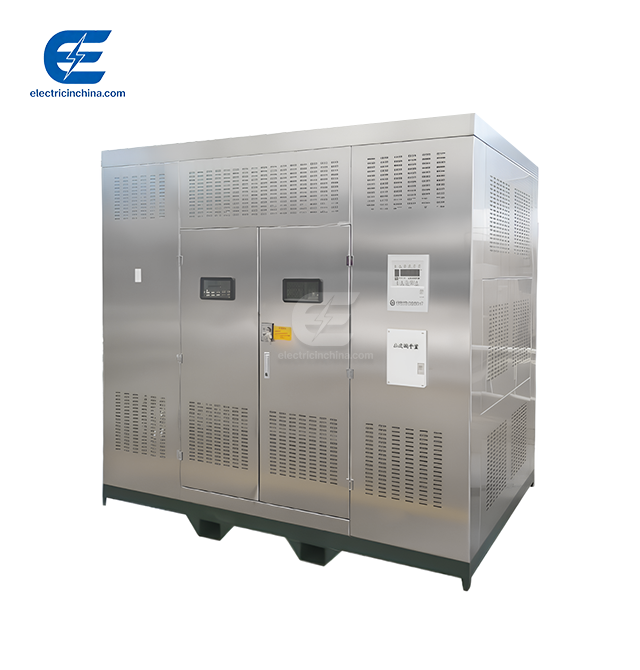
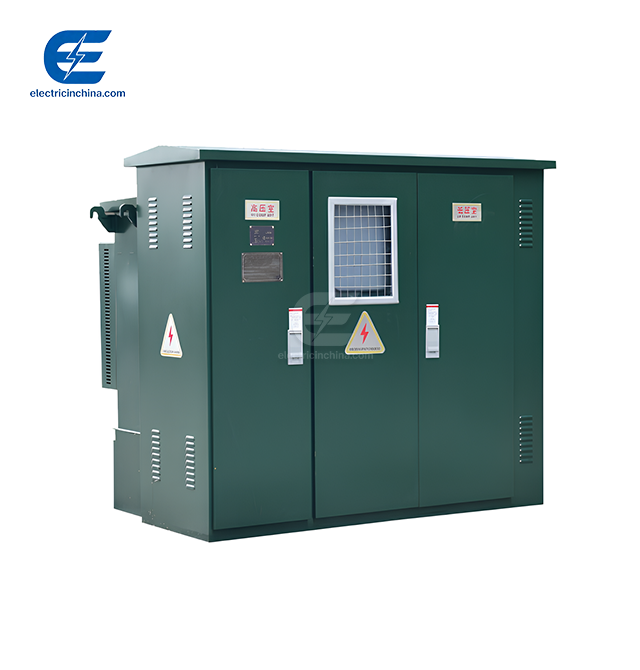
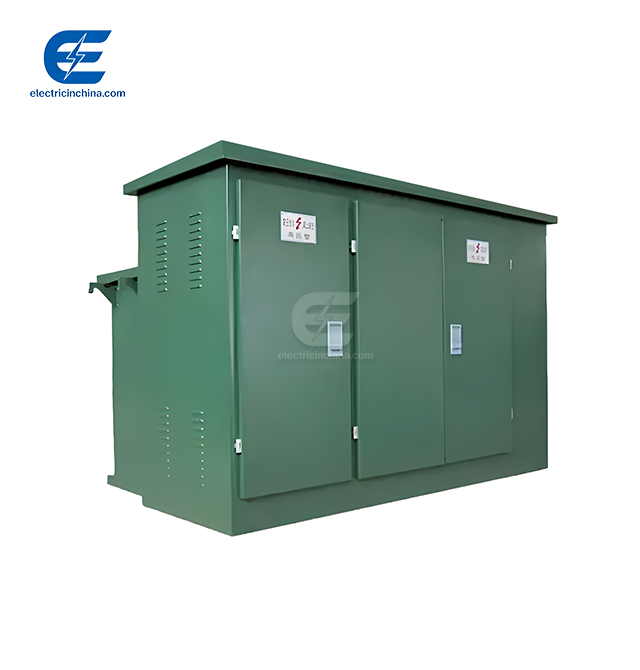
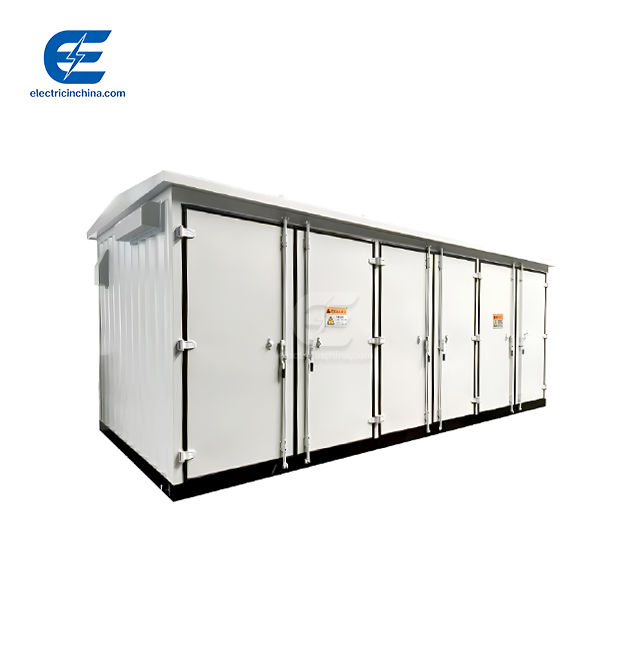
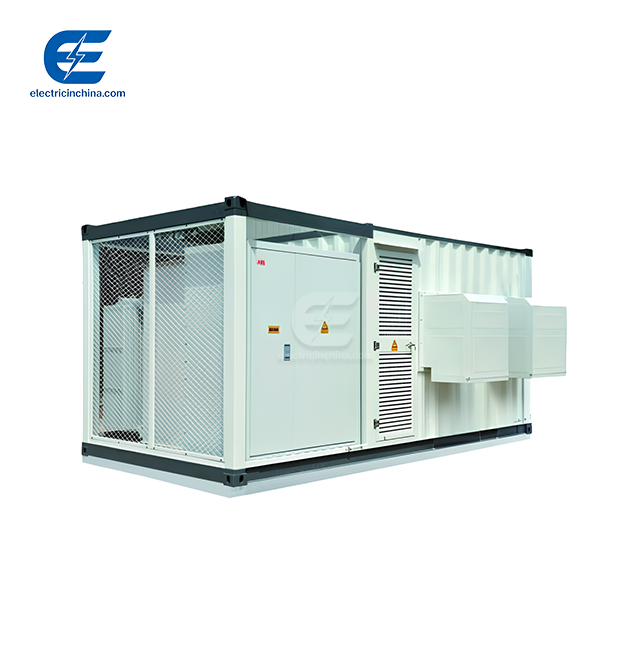
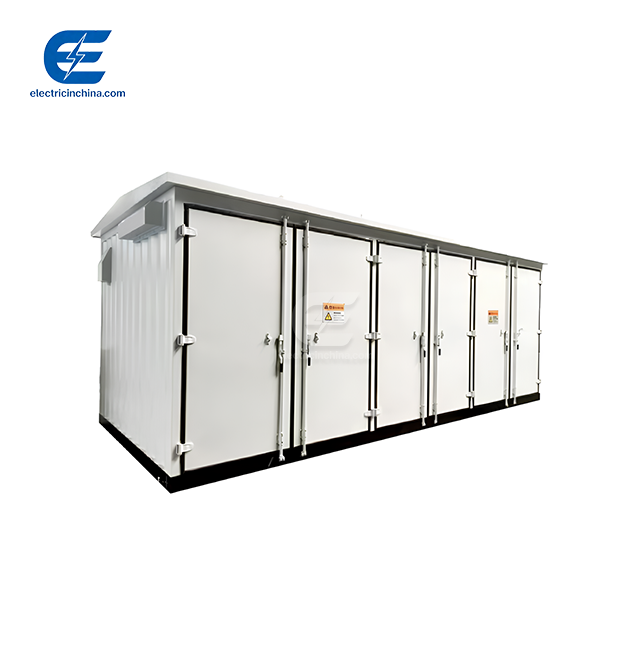
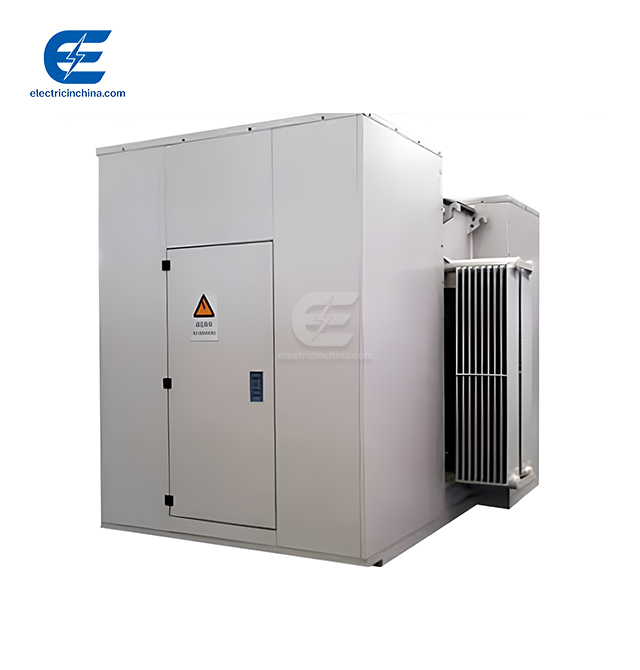
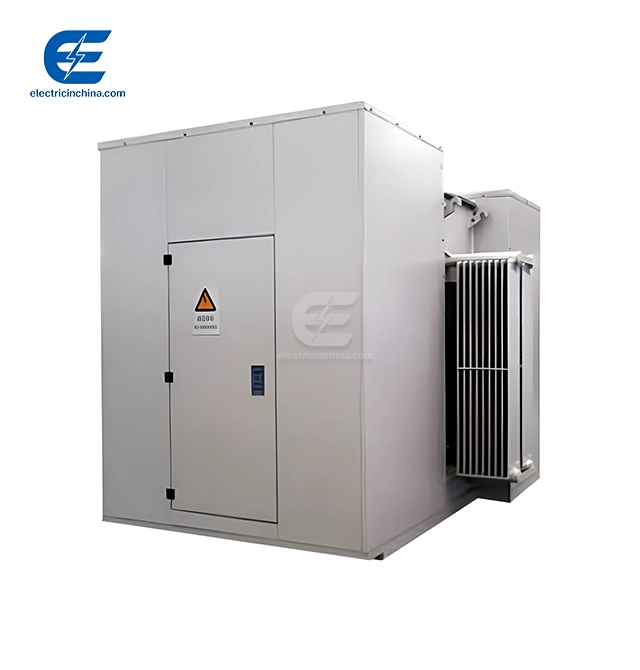
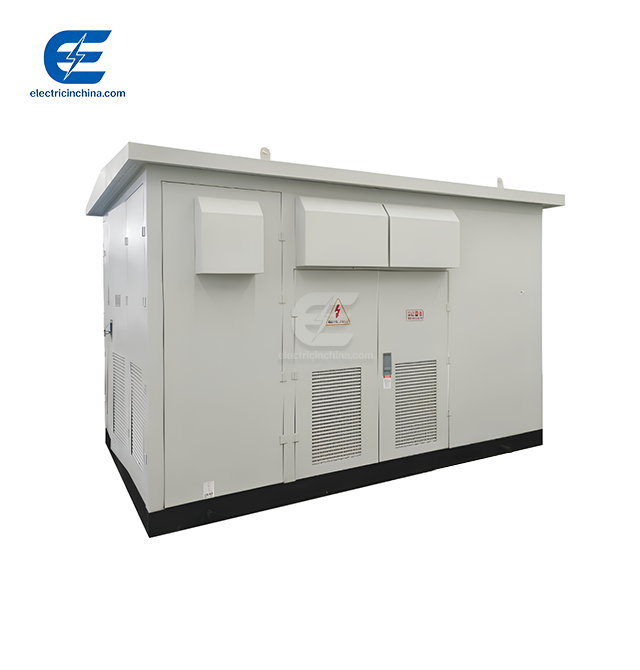
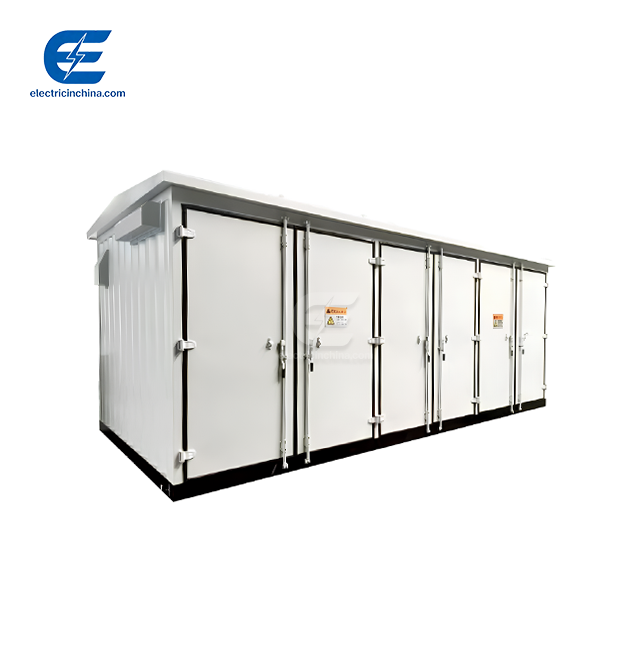
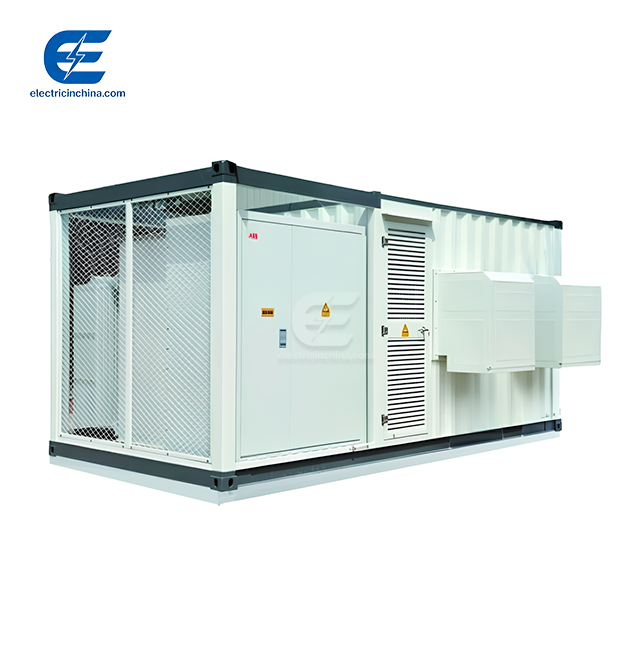
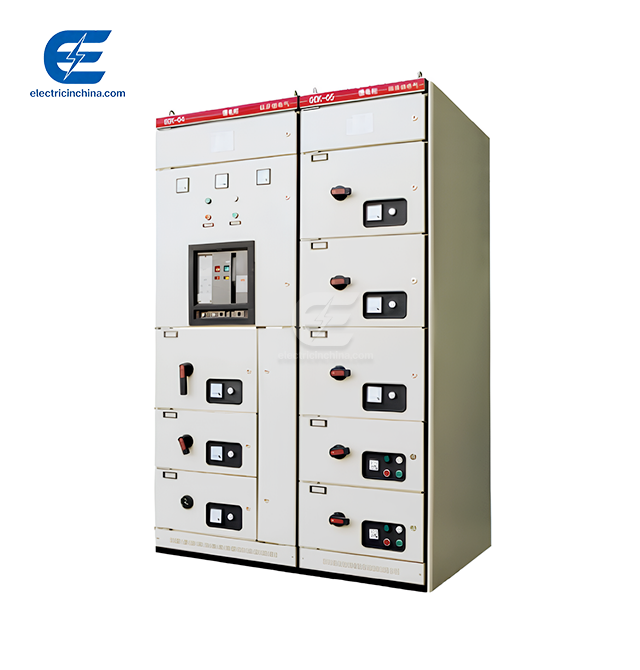
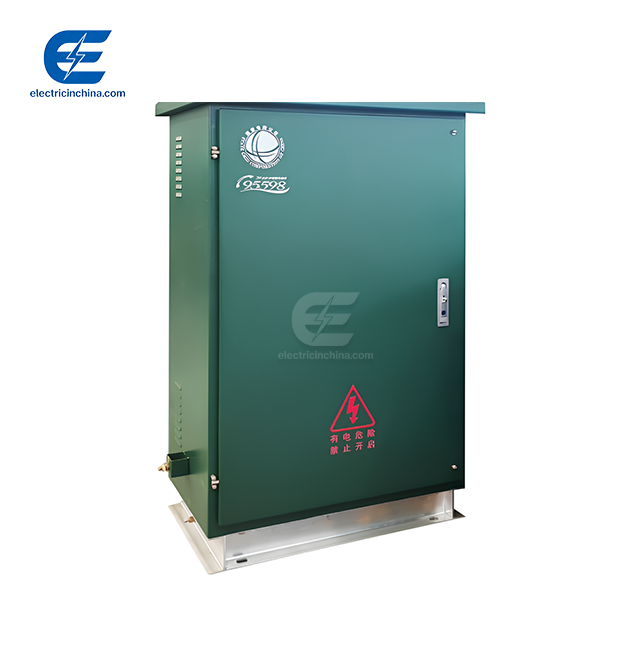
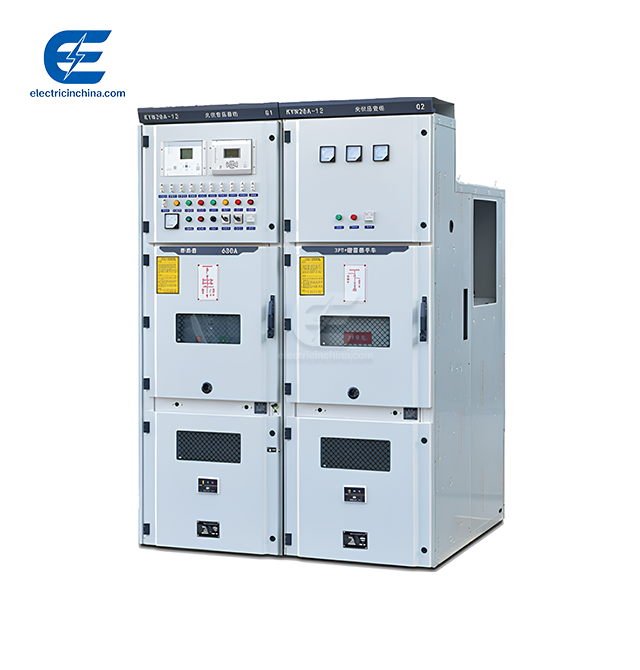
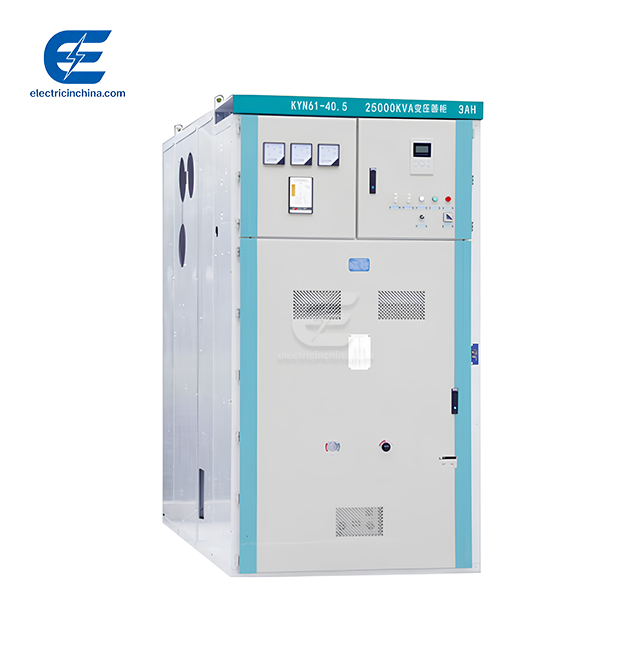
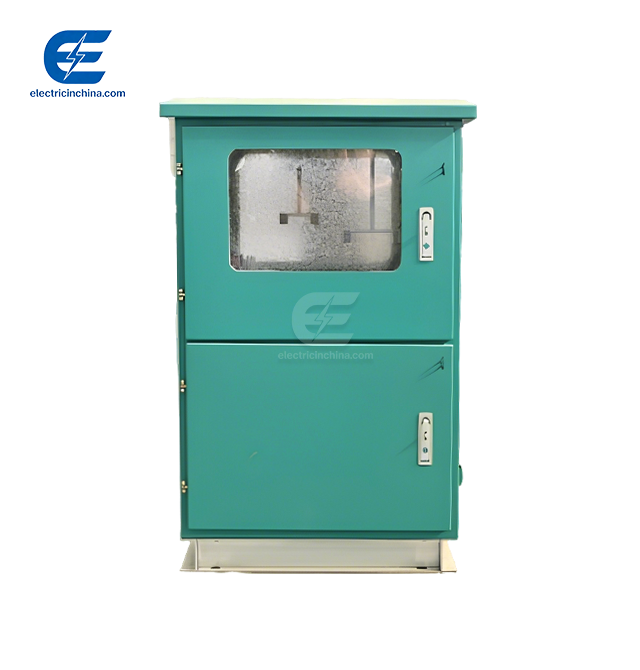
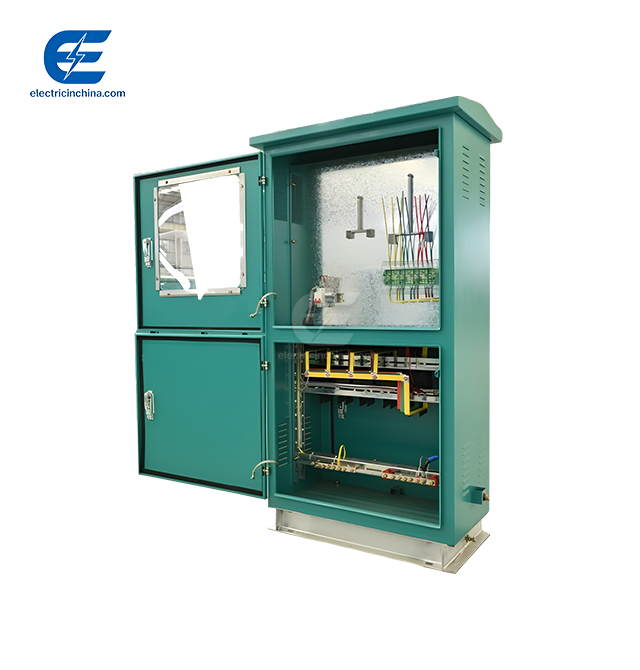
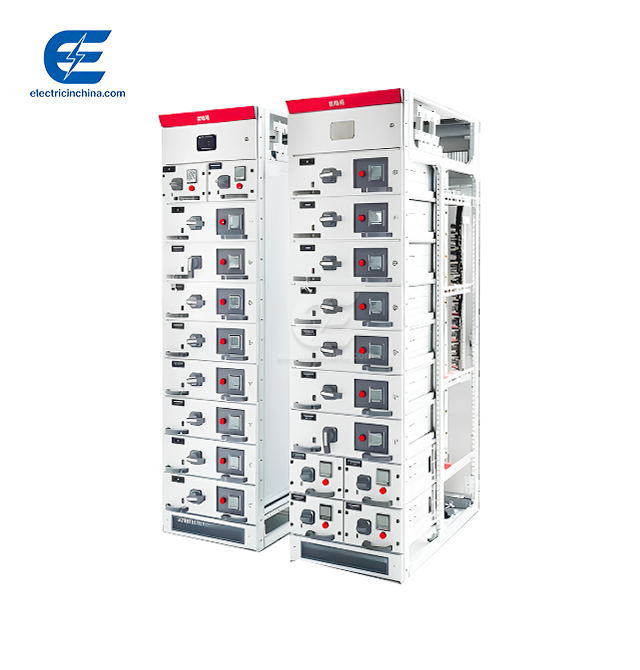
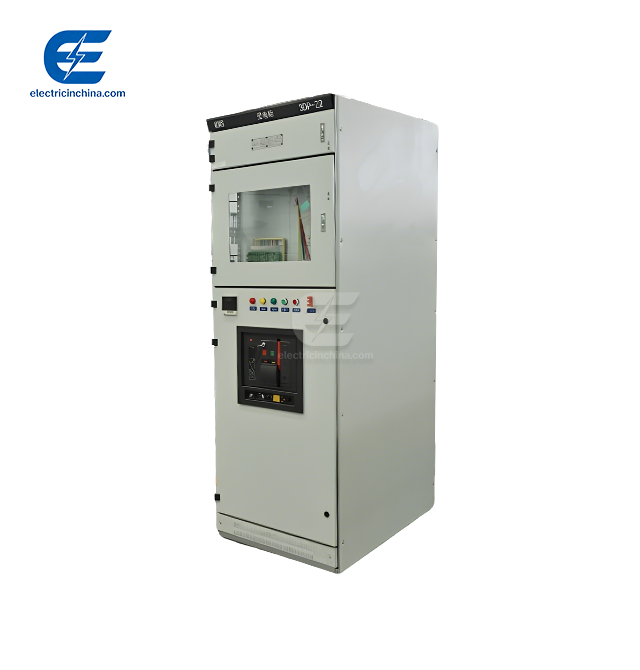
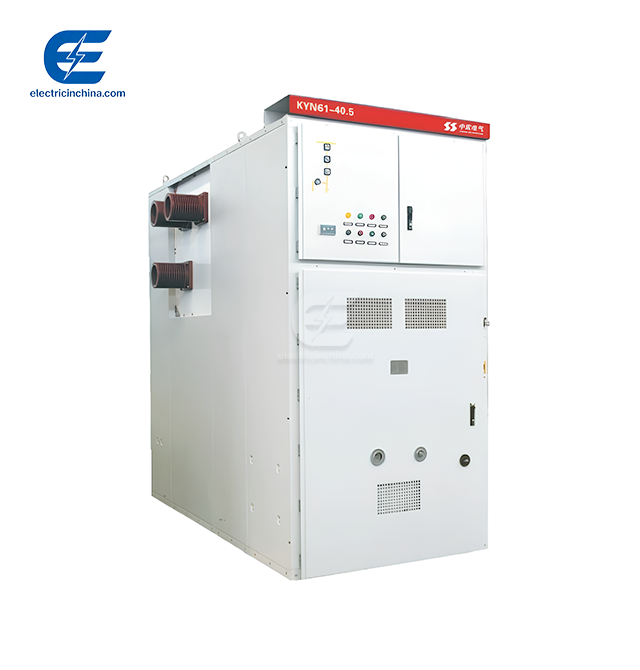
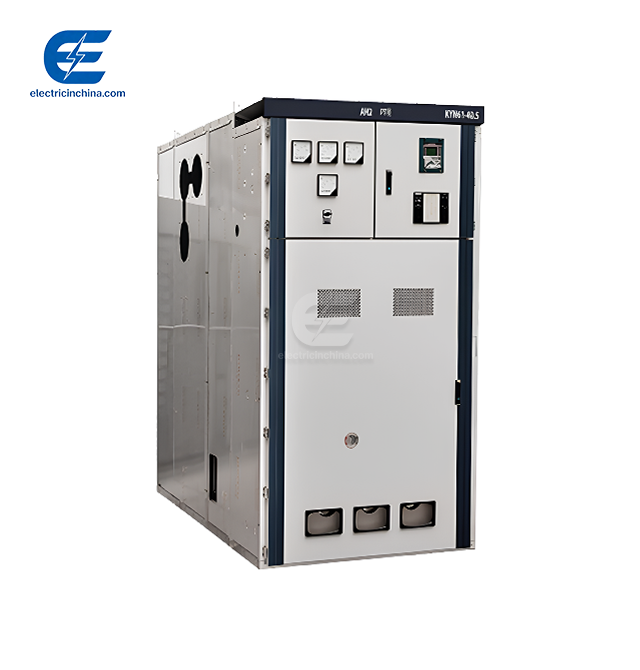
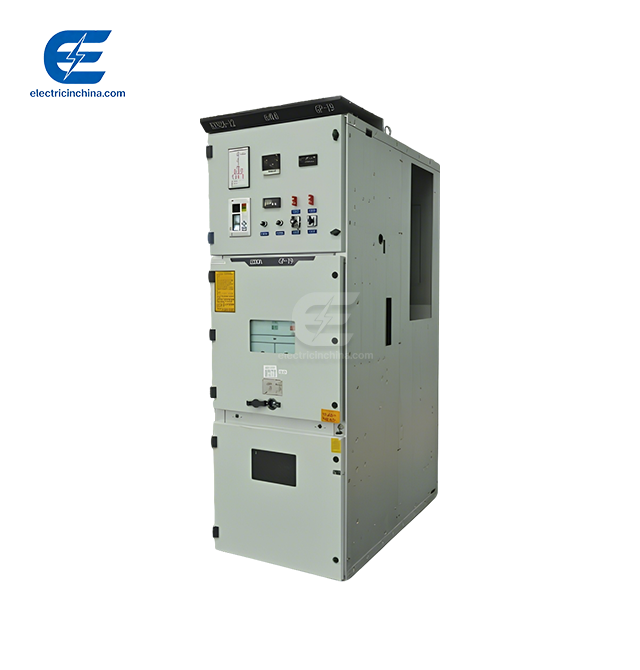
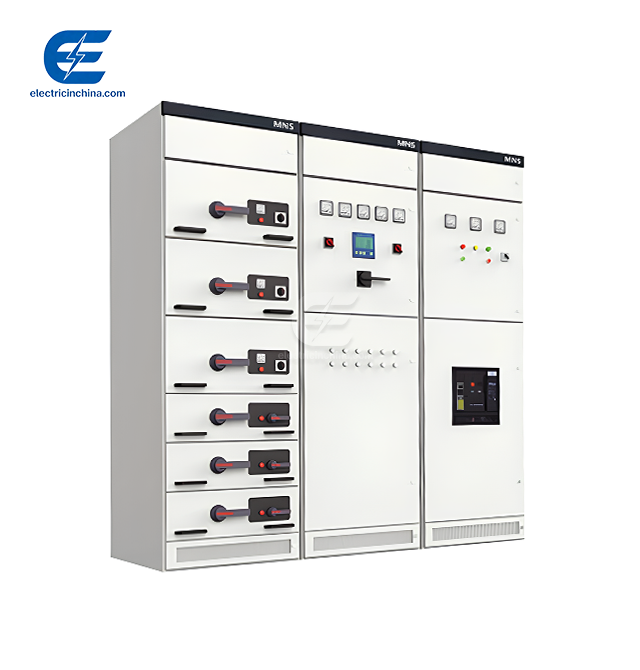
When compared to traditional substations made on-site, prefabricated substations can be set up faster and with better quality control. The YBM Series Prefabricated Substation is a good example of this change because it has high-voltage switchgear (6–35 kV), transformers (315–2500 kVA), and low-voltage distribution equipment (0.4 kV) all in one waterproof container. Our factory-assembled units take 60% less time to install and take up 30% less room than standard options. This meets important procurement needs for government building projects, business developers, and EPC contractors who need certified, reliable power solutions.
Introduction to Prefabricated and Conventional Substations
Through custom on-site building, conventional substations have been a reliable part of the power business. These systems can be changed to fit the needs of a specific project, but they need a lot of civil work, scheduling that depends on the weather, and long building times of three to six months. Site-built substations require organised work from many contractors, such as concrete experts, electrical installers, and equipment providers. Such work adds to the project's complexity, which can lead to quality problems and cost overruns.
Factory-controlled production of prefabricated substations changes this way of thinking. Before shipping, factory workers assemble and test each part in climate-controlled locations. This flexible technique gets rid of delays caused by bad weather and makes sure quality is always the same by using standard production methods. The YBM Series Prefabricated Substation is the result of advanced technical work done by Tuojie and the Tianjin Electric Drive Institute with help from more than 100 partner organisations. When our units get to your place, they are already set up and tested, and they are ready to be connected within days instead of months.
Why Does This Comparison Matter for Procurement Teams?
When procurement workers look at substation choices, they have to balance many different objectives. Conventional substations let you make changes, but they put your plan at risk. Prefabricated solutions put speed and dependability first while still being flexible thanks to their modular design. Understanding these trade-offs makes it easier for project needs and supplier skills to match up. This is especially true for companies that are working on multiple infrastructure projects at the same time or have to meet tight deadlines.
Key Differences Between Prefabricated (YBM Series) and Conventional Substations
There is more than one difference between factory-built and site-constructed substations besides the position of the plant. The design theory, quality assurance, technical performance, and total ownership prices of these methods are completely unique.
Design and Construction Methodology
Conventional substations start with digging the base and then move on to the next steps in the building process. Each stage relies on the previous work being finished, which makes delays worse. The weather has a direct effect on progress. For example, rain stops concrete from curing, and high temperatures change the limits for installing equipment.
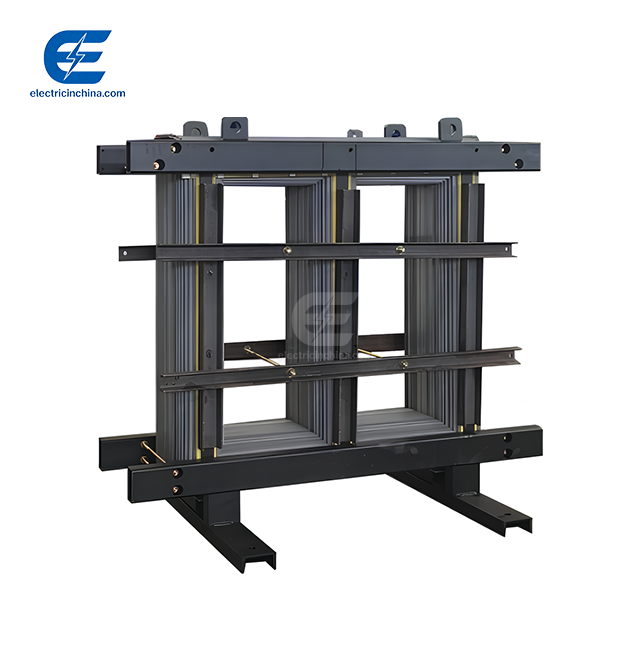
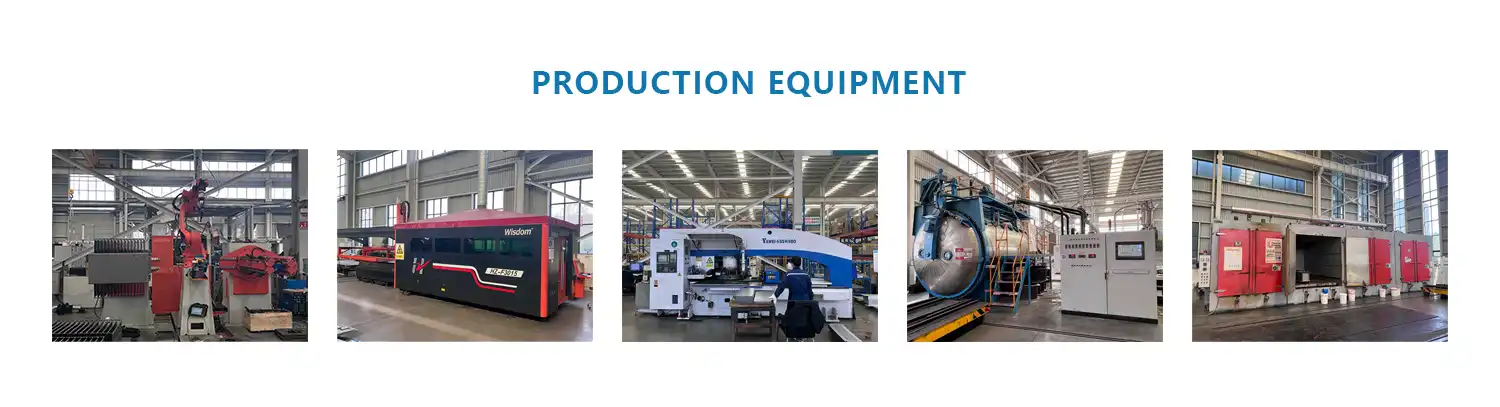
Our YBM Series Prefabricated Substation gets rid of these issues by putting it together completely in the workshop. We use more than 120 sets of high-tech tools, such as CNC automatic winding machines and microcomputer-controlled gradient curing furnaces, to make sure that the tolerances for making are very tight, which is difficult to do in the field. The small design combines high-voltage parts, generator sections, and low-voltage distribution modules into units that can work on their own but also work well together. This modular design makes it easier to add on in the future—you can update the low-voltage part without stopping current activities or having to replace the whole system.
Technical Performance and Reliability
The operational powers are very different depending on the technical specs. Because it is made of galvanised steel and coated with polyester powder, the YBM Series meets IP54 security standards and IK10 mechanical impact resistance. Our shelters can handle 25 kA of short-circuit current for three seconds and work successfully in temperatures from -40°C to +50°C and at heights of up to 2000 meters. ASTM B117 salt spray testing confirms performance in coastal areas where rust speeds up the breakdown of equipment.
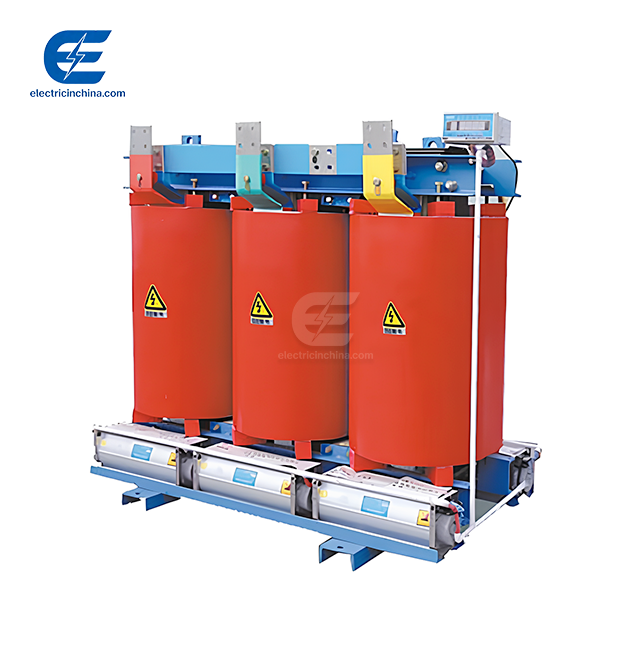
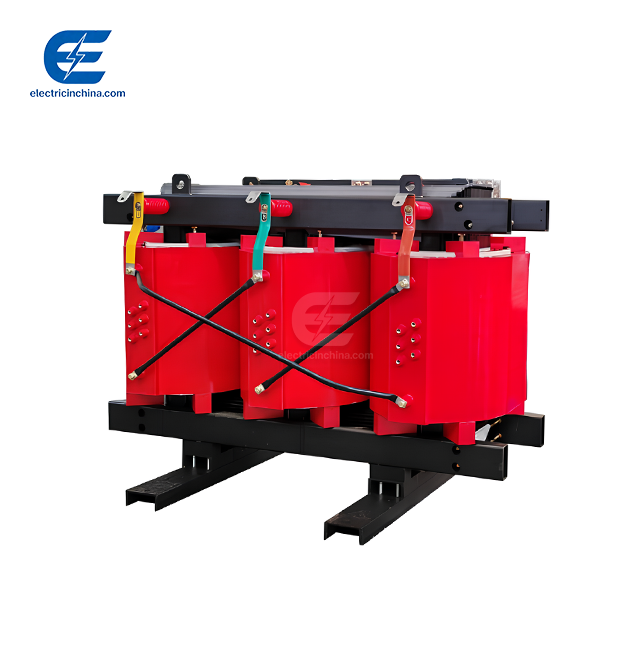
Durability is also taken into account in the internal parts. Cold-rolled grain-oriented silicon steel is used in transformer cores to keep no-load losses to less than 0.8% of maximum capacity. The thermal control of vegetable-based insulating oil is better than that of standard mineral oils, and it can last up to 30 years with little upkeep. Monitoring systems built in keep an eye on the current, voltage, power output, and temperature of the transformer all the time. This lets four tasks be done remotely: telemetry, signalling, control, and change. Automatic fault detection separates the troublesome areas, moves the loads, and returns power within one minute, so there is no need for human involvement during major incidents.
Maintenance Requirements and Safety Standards
Along with electrical equipment, conventional substations need to have their foundations, cable pits, and building structures inspected on a frequent basis. Exposure to the environment speeds up the ageing of parts, which means that they need to be replaced and maintained more often over the facility's lifetime.
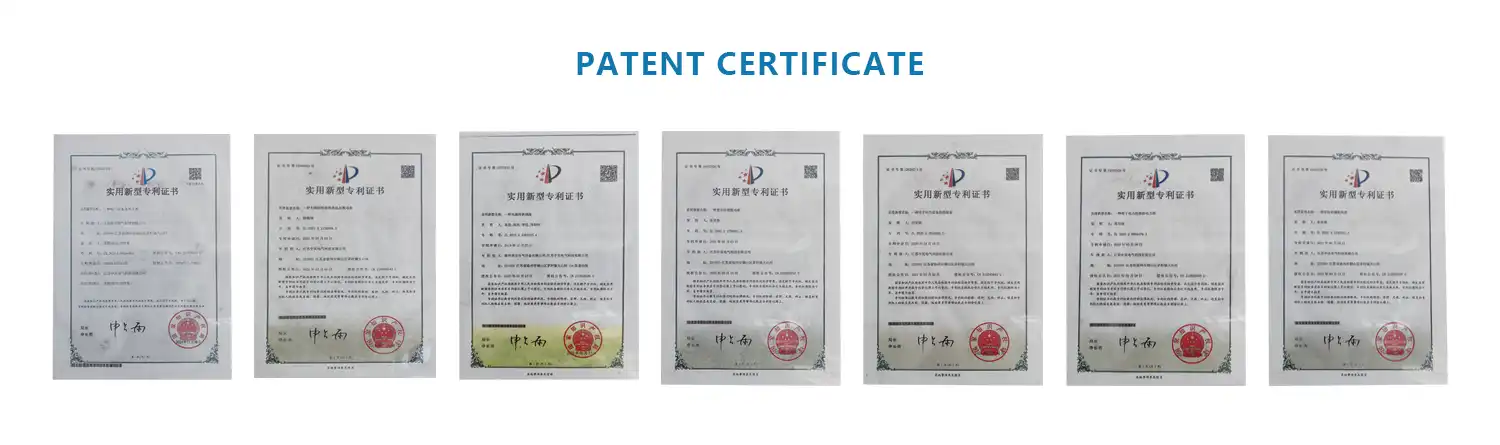
These needs are lessened by prefabricated units, which are waterproof and come with built-in safety systems. The YBM Series Prefabricated Substation is certified by IEC 61330, IEEE C57.12.29, and UL 1562, which means it follows all international safety rules. Our arc-resistant design meets the IAC AFLR standards and includes built-in fire control systems to keep people and nearby equipment safe during fault situations. Instead of fixing basic problems, routine maintenance checks that systems work and makes sure they are monitored. This cuts down on downtime and running costs.
Lifecycle Cost Analysis
The initial cost of cash is only one part of the total cost of ownership. Conventional substations often seem cheaper when they are first bought, but they end up costing more in the long run because they take longer to build and need more upkeep. Delays in project finishing affect both the ability of business developments to make money and the ability of infrastructure projects to provide services.
Factory-built substations improve lifecycle costs by allowing them to be set up faster and with less upkeep. The YBM Series speeds up installation times by 60% compared to other options, which means that projects can be put into service and money can be made faster. These savings are increased by the fact that our units need fewer checks, have less downtime, and last longer between replacement rounds. Instead of just looking at the original buy price, procurement teams that are reviewing proposals should figure out the net present value over the expected service life.
Evaluating YBM Series Prefabricated Substations in the Market Context
To understand how to place a product, you need to look at the competitive benefits in the prefabricated substation market as a whole. The YBM Series Prefabricated Substation stands out because it can be manufactured, has a network of technical support facilities, and has a history of project success that can be seen.
Manufacturing Excellence and Quality Assurance
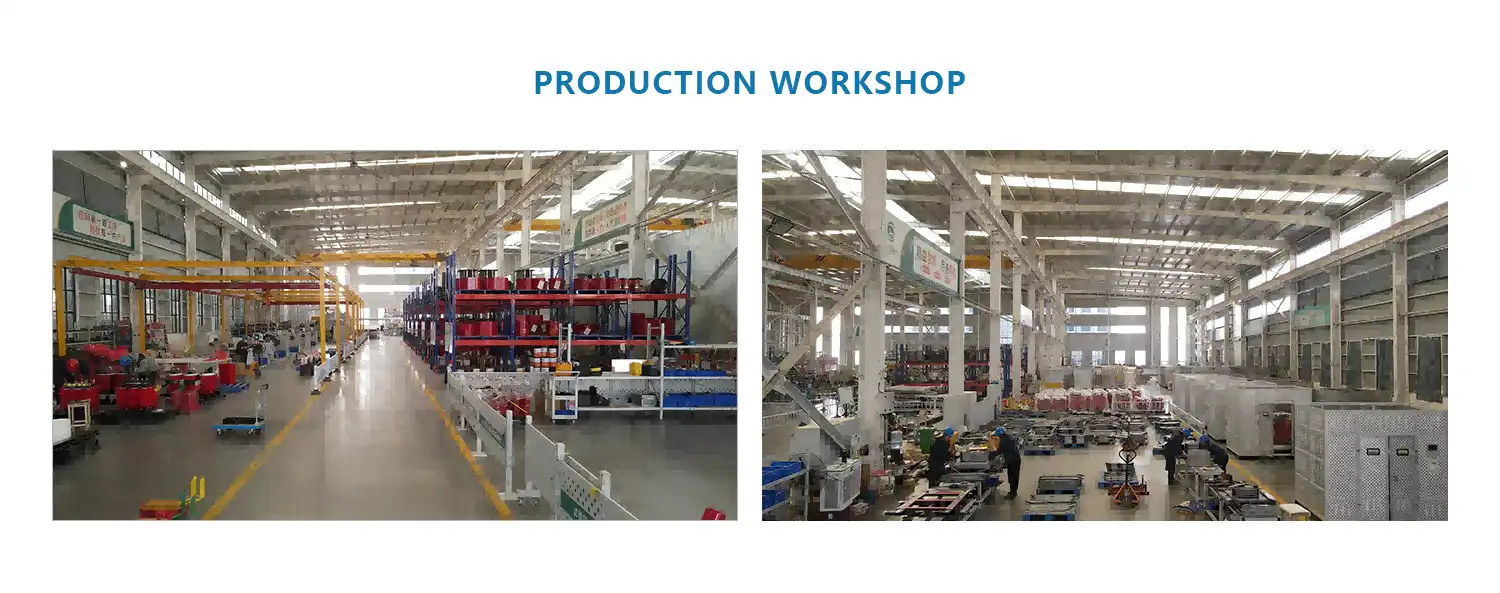
Quality control is built into every step of the production process at our factories. Climate-controlled assembly areas keep changes in material qualities and machine calibration from being affected by the weather. Before it is shipped, every substation goes through a full set of factory acceptance tests. These include shock voltage withstand tests that follow IEC 60060-1 standards, transformer performance validation tests that measure no-load and load losses, and full functional tests of the safety and control systems.
We keep a close eye on everything, from getting the raw materials to delivering the finished product. The "zero defects" mindset makes sure that every part meets the requirements before moving on to the next stage of production. This stops flaws from spreading and gets rid of the need for costly field corrections. We can promise consistent quality across all units with this methodical approach, no matter how many are ordered or what customisations are needed.
Technical Support and Service Capabilities
When you buy power distribution tools, you build long-term ties with your suppliers that go beyond the initial delivery. Our team has 15 senior engineers, more than 30 intermediate technicians, and 17 senior technicians who provide full technical help for the entire duration of the equipment. We help with planning how to prepare the spot, how to connect it to existing equipment, how to set up the system, and how to train operators.
Our warranty services cover both the performance of the equipment and expert advice, so we can respond quickly to questions about how it works or care needs. This support system is especially helpful for businesses that have installations in a lot of different places or that are introducing new technologies like smart grid integration and interconnection of green energy sources.
Customization Options and Flexibility
Standardised designs make manufacturing more efficient, but in the real world, they need to be changed to fit the needs of each job. The YBM Series can be customised in terms of its electrical layouts, levels of environmental protection, tracking system requirements, and structure sizes. We work directly with buying teams to make sure that plans are the best they can be for different working situations, such as places with very high temperatures or high sites that need altitude correction factors.
Modular design makes it possible to release things in stages that match how much work is expected to grow. Organisations can set up initial capacity to meet immediate needs while retaining the ability to expand as demand rises. This way, they don't have to make initial investments that are too big or limit their capacity too soon.
Pricing Models and Procurement Considerations
We know that buying teams have to balance the need for efficiency with the need to stay within budget and meet project deadlines. When you look at it from the point of view of the total cost of ownership, our prices are competitive with other options because they include factory-controlled quality, thorough testing, and built-in expert assistance. Flexible payment terms work with project-based buying processes that are common in EPC contracts and government building projects.
Lead times range from six to twelve weeks for basic setups, but they depend on how much customization is needed and how many items are ordered. Throughout the manufacturing process, we keep you informed of our progress and make sure that delivery times are in line with project goals and site readiness.
Installation, Operation, and Maintenance: Practical Insights for Buyers
For a substation rollout to go smoothly, it needs to be carefully planned during the installation, testing, and operating stages. The YBM Series Prefabricated Substation makes these steps easier by doing the work in the shop and giving full instructions.
Installation Workflow and Site Preparation
Compared to regular substations, the site preparation needs are still very low. Your site needs a level concrete pad that is the right size for the unit's area, as well as places for cables to go in and out and grounding connections. Our small design cuts down on the costs of preparing the site and the difficulty of getting permits. This is especially helpful in cities where space is valuable and the approval process for buildings takes a long time.
Once the spot has been prepared, installation goes quickly. You can expect normal goods carriers to deliver the units to you, already put together and wired inside. As part of the connection process, main cables are linked, ground connections are made, and communication systems are integrated with the current infrastructure. Depending on how complicated the interconnections are and how well the utilities work together, most systems are ready for use three to five days after they are delivered.
Operational Best Practices
It takes less specialized knowledge to run prefabricated substations than it does to run regular facilities. Electrical factors can be seen in real time by built-in tracking systems, which lets you spot problems early on before they affect operations. The SCADA integration feature lets you handle multiple systems from one place, which cuts down on staffing needs and speeds up response times when something goes wrong.
Routine operating processes include checking the monitoring system, looking at the outside weather, and trying the functionality of safety devices on a regular basis. The ability to automatically isolate faults reduces the need for human involvement during disruption, improving safety while keeping service up and running through quick reconfiguration.
Maintenance Strategies and Technical Support
The maintenance plan we suggest focuses on preventative steps and keeping an eye on the state of things. Every year, checks make sure that the safety system is calibrated, the transformer oil is good, and the busbar connections are solid. Thermal image scans find hot spots before they become problems, and partial discharge testing makes sure the insulation system is healthy.
The 30-year design life prediction comes from choosing strong parts and being careful with heat management. Transformer cores are made of high-quality materials that keep them from breaking down over time, and insulation oil made from plants is more stable than mineral oils when it comes to oxidation. These design choices make repair times longer and lower lifecycle costs compared to regular substations that need to be fixed more often.
Compliance and Safety Protocols
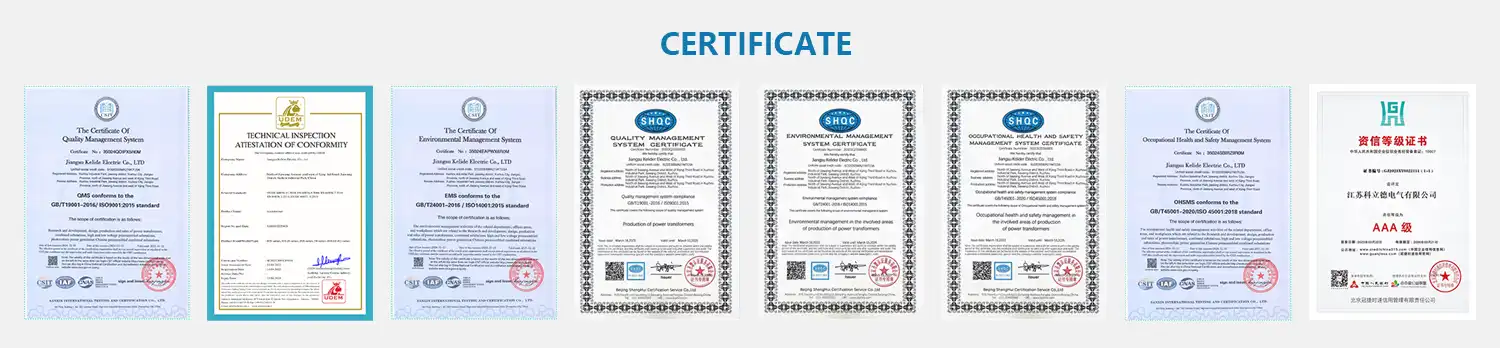
Our units meet world safety standards for electrical systems, such as those set by IEC, ANSI, and OSHA. Certifications for the YBM Series Prefabricated Substation include ISO 9001 for quality management, ISO 14001 for environmental management, and OHSAS 45001 for health and safety at work. This shows that it consistently follows best practices.
Arc-resistant construction keeps the enclosure's integrity and keeps people safe during interior faults by redirecting fault energy away from working areas. Integrated fire control systems go off automatically when they sense something is wrong, keeping fires inside the affected areas and stopping them from spreading to nearby equipment.
Use Cases and Applications: Real-World Benefits of YBM Series Substations
Understanding how premade substations are used in real life shows how they solve problems in a wide range of businesses and project types.
Infrastructure and Government Projects
Reliability, safety standards, and proven success are given top priority by the government when building infrastructure. We've worked on hundreds of important power projects that showed our skills in tough situations. The Xuzhou Rail Transit Network Control Center used a dual-circuit power source design to make sure that train systems could work safely at all times. This project needed to be put in place quickly without stopping current activities, which is exactly what factory-built units are great for.
The Xuzhou High-speed Railway East Station Official Power Supply EPC Project showed that we can manage complicated installations while meeting strict utility interconnection standards and tight building plans. These reference projects give procurement teams the written record of past work that they need to meet due diligence standards and show that the worker is qualified.
Commercial Real Estate and Industrial Facilities
Commercial developers like shortened project timelines because they let tenants move in and start making money faster. We provided full power supply services for several business buildings, including arranging main distribution, transformation, and secondary distribution within unified project schedules.
Industrial makers need electricity setups that are tailored to their unique processes. As part of our work on XCMG Group's production centre expansion, we upgraded the power supply to handle heavy industrial loads while keeping operations running during the building work. The project was finished early, which allowed the client to keep their output promises and avoid losing money because of delayed capacity adds.
Specialized Applications and Custom Solutions
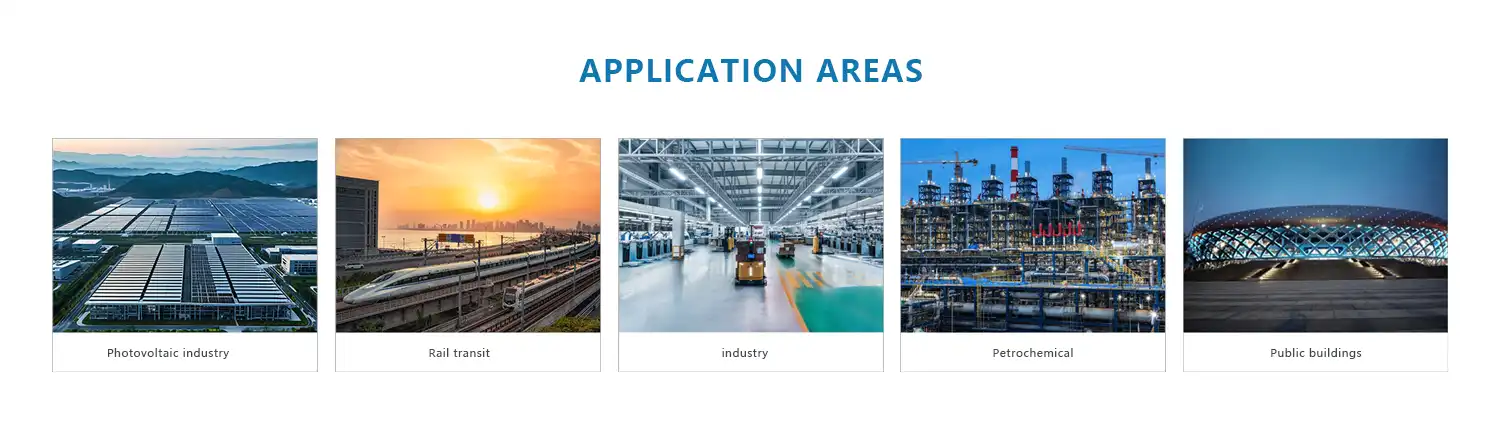
In addition to normal uses, the YBM Series Prefabricated Substation can be changed to fit specific needs. Integration of smart grids into renewable energy projects makes it easier for power to flow in both directions and for loads to be managed dynamically. Extreme environment performance is used in oil and gas systems. Products have been tried to work in a wide range of temperatures and have been shown to be durable in corrosive environments.
Photovoltaic industrial parks need power transfer systems that can adapt to changing load trends and changing production rates. Our flexible design lets us add capacity in stages that match the growth of the building. This way, we can avoid making big investments at the start while still being able to grow in the future. This ability to change is especially useful in industries that are changing quickly and where it's still hard to make accurate long-term predictions.
Conclusion
Prefabricated substations are the next generation of power distribution infrastructure. They offer better quality control, faster deployment, and lower lifetime costs than traditional options that are built on-site. These benefits are shown by the YBM Series Prefabricated Substation, which is made in a workshop and goes through thorough testing and smart grid integration and has been used successfully in a wide range of situations. Our small design cuts down on room needs by 30% and installation time by 60%, making it a top priority for companies that are juggling complicated projects with tight deadlines. With a 30-year operational life expectancy, strict safety certifications, and full technical support, these units offer the dependable and cost-effective solutions that U.S. government infrastructure projects, commercial developers, industrial manufacturers, and EPC contractors need.
FAQ
What Is the Expected Lifespan of Prefabricated Substations Compared to Conventional Alternatives?
The YBM Series Prefabricated Substation has an expected operating life of 30 years, which is the same as or longer than most substations. Selecting high-quality parts, controlling the quality of assembly in the workplace, and providing better environmental safety all help to extend the service life with little degradation. Regular repair that follows the steps we suggest will ensure continued success during this time.
Can the YBM Series Be Customized for Specific Project Requirements?
Of course. Standardised designs make manufacturing more efficient, but we can make many changes to the electrical specs, environmental protection levels, tracking systems, and structural layouts. Our engineering team works directly with procurement experts to make sure that plans are the best they can be for specific working conditions, government rules, and integration limitations. Because it is so adaptable, the YBM Series Prefabricated Substation can be used in a wide range of situations without affecting the quality control or speed of production.
What International Safety Certifications does the YBM Series have?
For electrical safety and efficiency, our units are certified to meet a wide range of foreign standards, such as IEC 61330, IEEE C57.12.29, and UL 1562. Some factories have ISO 9001 certifications for quality management, ISO 14001 certifications for environmental management, and OHSAS 45001 certifications for health and safety at work. All low-voltage tools must have a CCC approval. This set of certifications shows that the products in question consistently meet internationally recognized standards. This makes it easier for regulators to approve the products and for buyers to determine their qualifications in international markets.
Partner with Tuojie for Your Next Power Distribution Project
Tuojie is ready to help you with your power infrastructure needs with high-quality factory-built products and a wide range of technical knowledge. As a YBM Series Prefabricated Substation manufacturer with more than 20 years of experience, we offer advanced production skills, a wide range of certifications, and a track record of successful projects in the business, industrial, and government sectors. Our team creates solutions that are unique to your surroundings, government rules, and operational goals. We do this from the first meeting all the way through to commissioning and continued support.
Get in touch with our engineering experts right away at tuojie@electricinchina.com to talk about your project needs and get full technical specs. You can look through our full catalogue of products, read case studies, and get expert help by going to electricinchina.com. We offer complete power options that meet the complex needs of modern building projects and give your business the dependability, safety, and performance it needs.
References
1. Institute of Electrical and Electronics Engineers. (2019). IEEE Standard for Prefabricated Substations: Design, Testing, and Installation Requirements. IEEE Press.
2. International Electrotechnical Commission. (2021). IEC 61330: Electrical Installations in Buildings - Prefabricated Substations. IEC Publications.
3. Smith, R.L., & Johnson, M.K. (2020). Comparative Analysis of Substation Construction Methods: Cost, Schedule, and Performance Metrics. Journal of Power Distribution Engineering, 45(3), 178-195.
4. National Electrical Manufacturers Association. (2022). Factory-Built Substations: Manufacturing Standards and Quality Control Protocols. NEMA Technical Standards.
5. Thompson, D.A. (2018). Modern Power Distribution Infrastructure: Prefabricated Solutions for Commercial and Industrial Applications. McGraw-Hill Engineering.
6. Chen, W., & Anderson, P.J. (2021). Smart Grid Integration in Prefabricated Substation Systems: Technical Requirements and Implementation Strategies. International Journal of Electrical Systems, 38(2), 264-281.