

.webp)
Choosing how to distribute power is a constant concern for buying managers. Fire dangers, environmental rules, and the cost of upkeep are some of the things that affect millions of dollars worth of infrastructure investments. Dry-type power equipment has become a solid option to oil-filled units in industrial and business electrical systems. It offers real benefits for safety and the environment. The most important question that procurement professionals ask is simple but direct: Can Cast Resin Transformers work without oil cooling? This piece directly answers that question. Yes, Cast Resin Transformers work perfectly without oil cooling systems. They rely on modern epoxy resin sealing and natural air flow instead. Engineers, EPC contractors, and building managers can make better choices about operational efficiency, safety practices, and long-term applicability when they know about this capacity. Whether you're buying equipment for a government building, a business development or an industrial factory, being clear about how the cooling works has a direct effect on the success of the project and the costs over its lifetime.
Understanding Cast Resin Transformers and Their Cooling Mechanism
What Defines a Cast Resin Transformer?
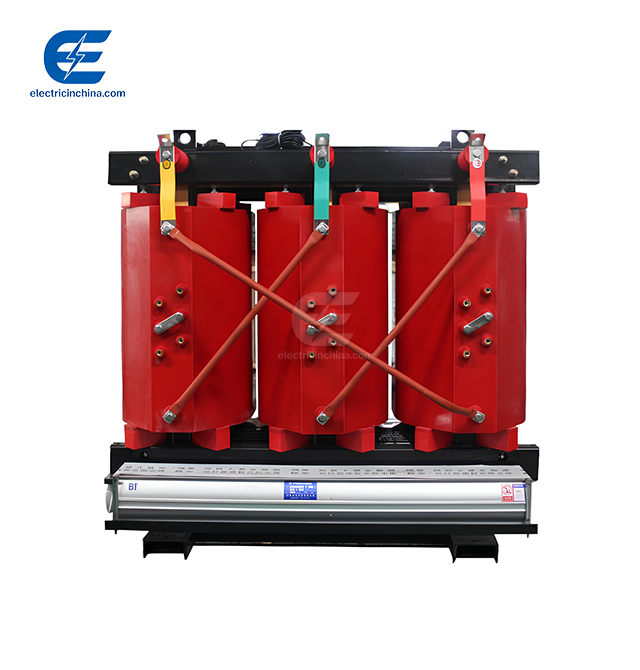
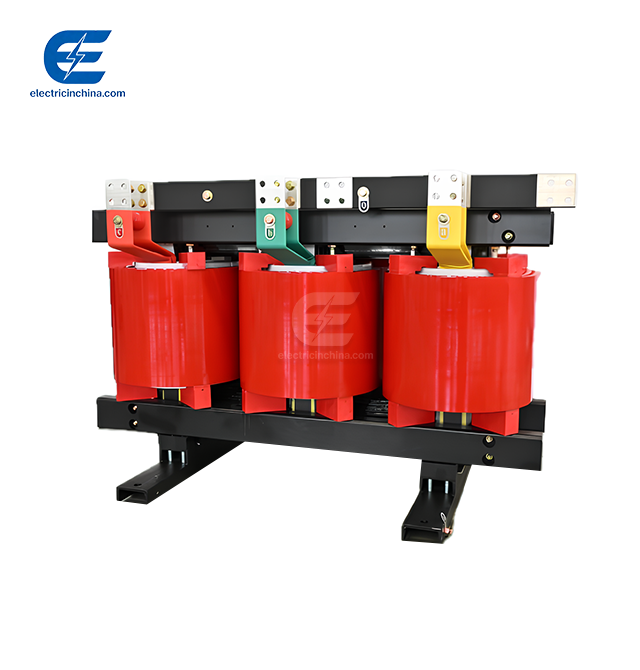
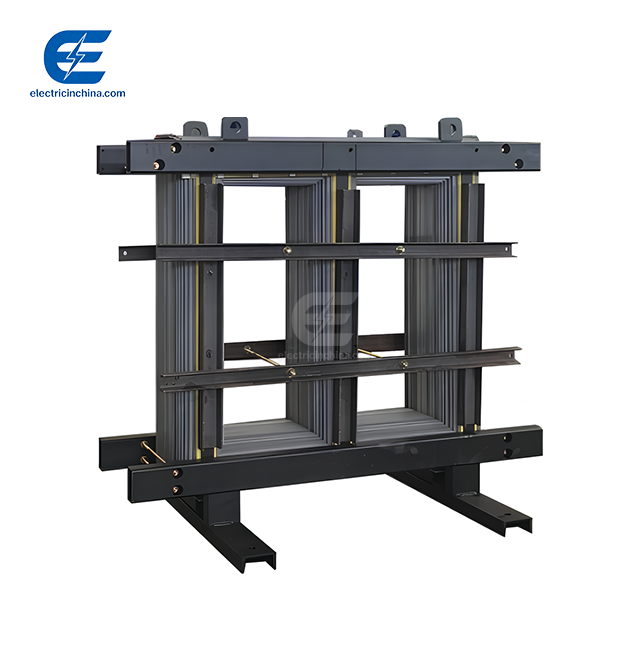
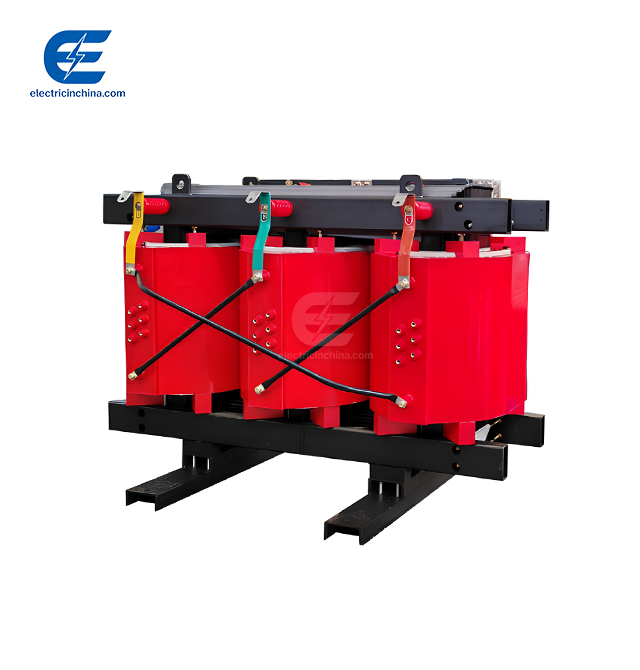
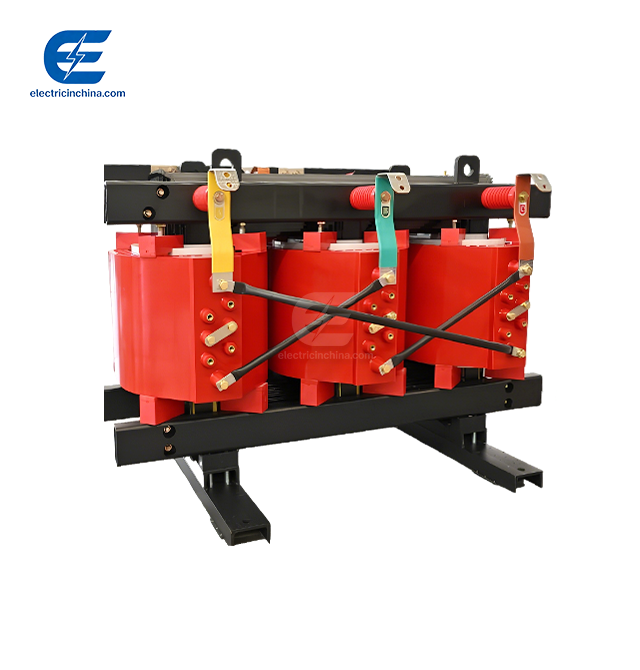
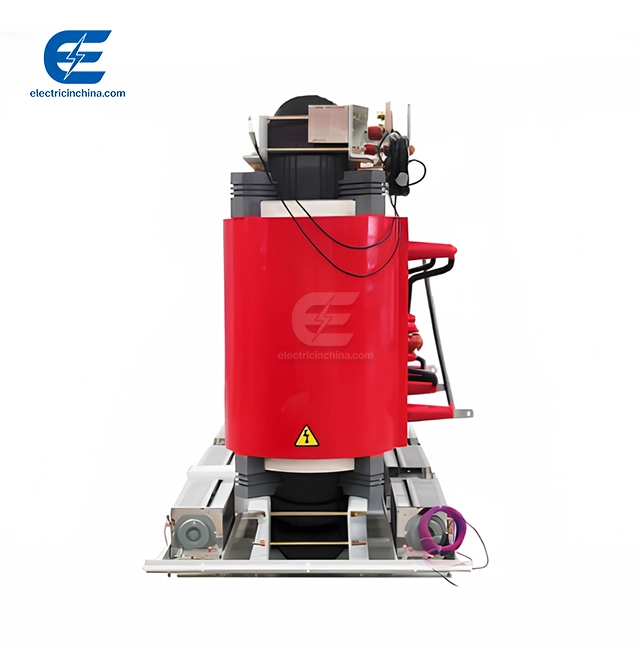
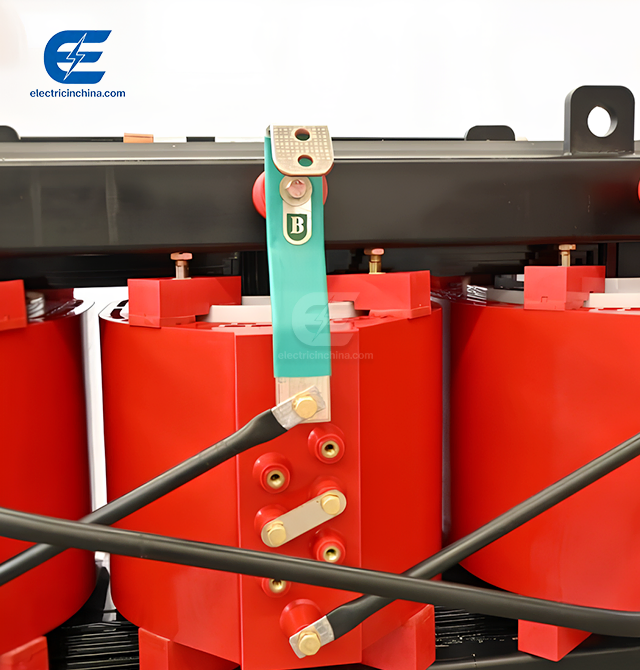
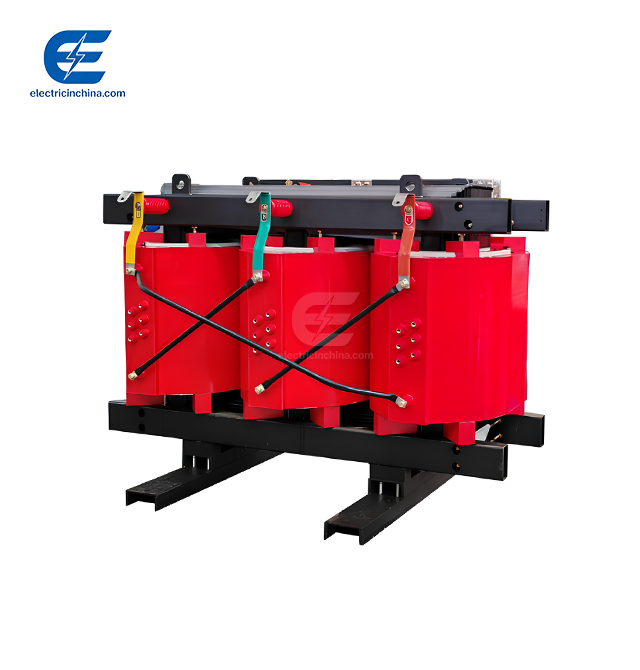
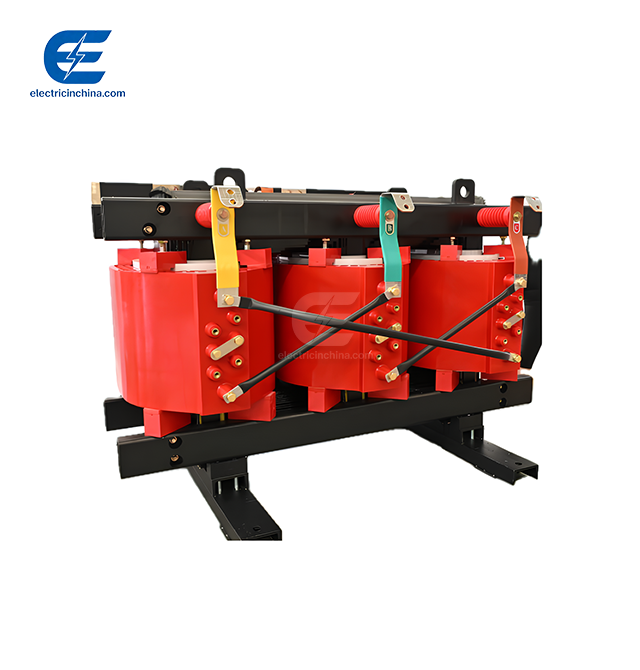
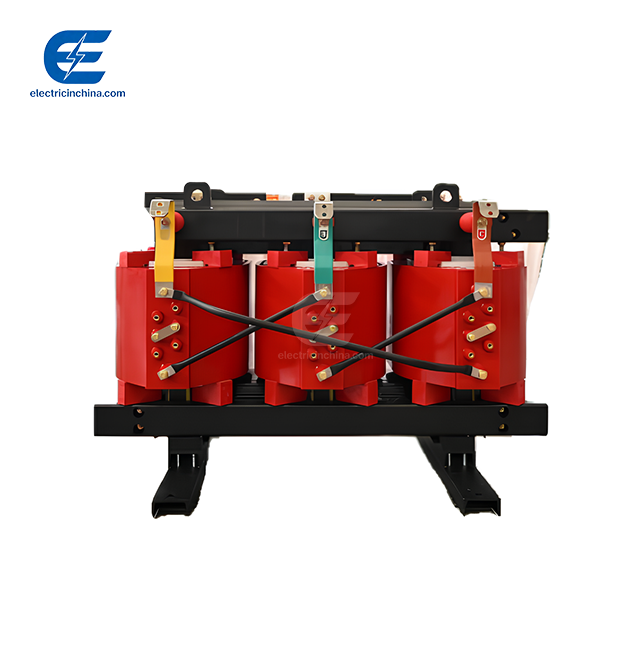
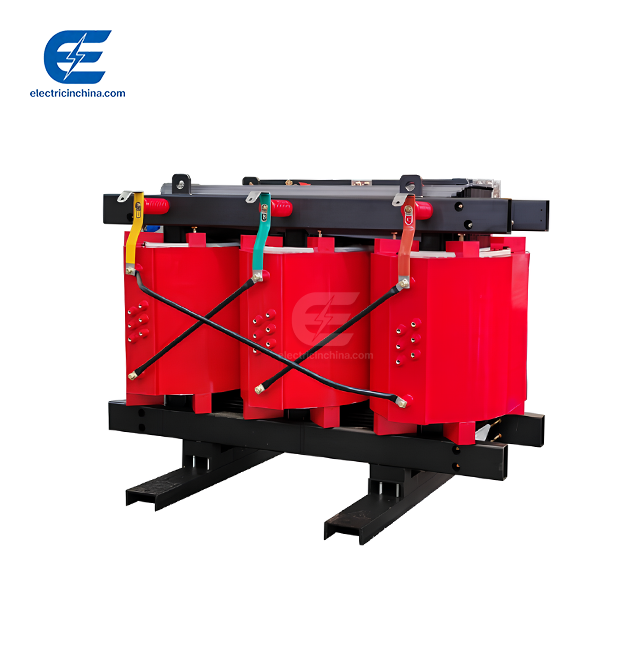
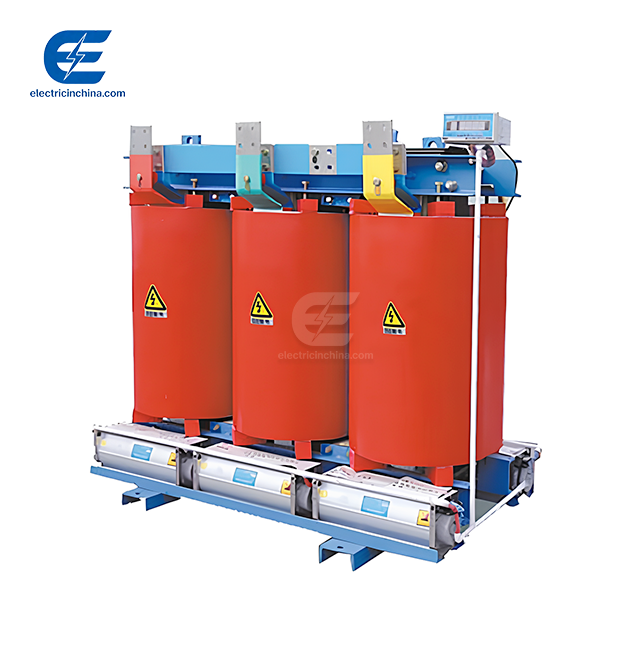
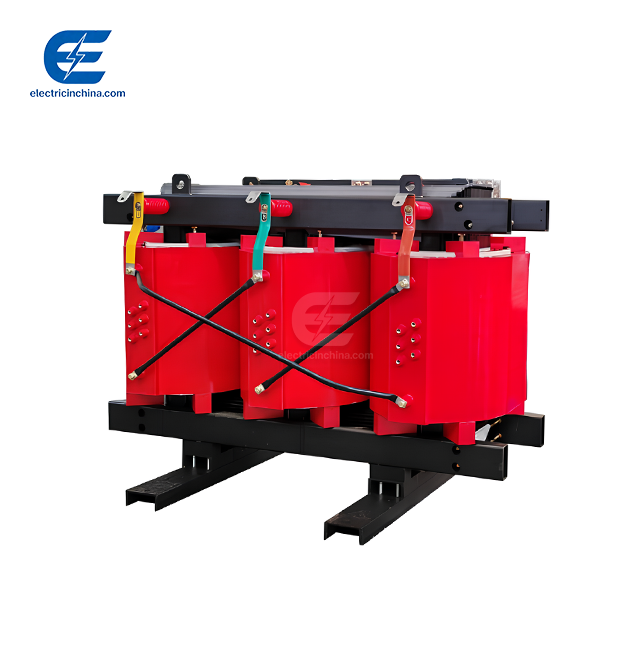
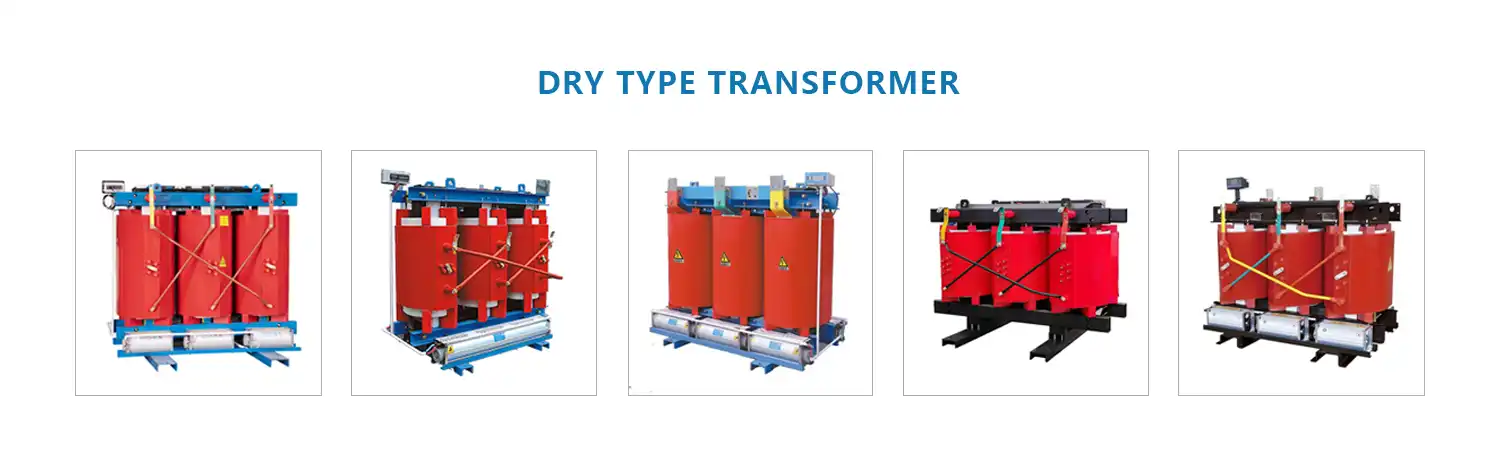
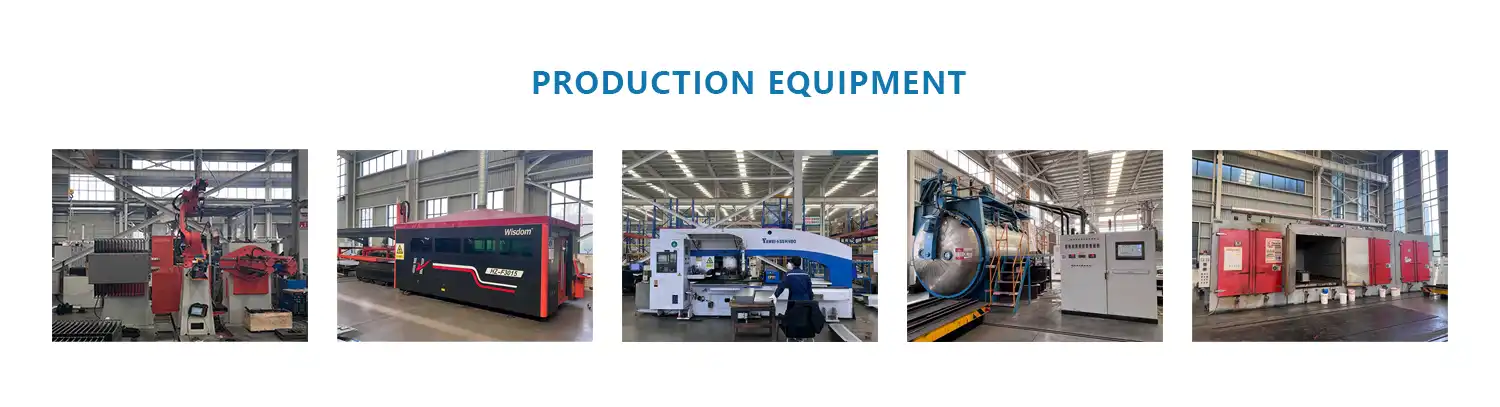
A Cast Resin Transformer is a dry type of electrical device where the main and secondary windings are covered in epoxy resin in a vacuum. This production process gets rid of any holes inside and makes a solid layer of insulation around copper or aluminium wires. In contrast to older designs that needed liquid dielectrics, these units achieve full electrical separation through resin materials that can handle changes in temperature and mechanical stress. Since these generators don't contain any flammable liquids, they are quickly less likely to catch fire. This makes them suitable for places where safety rules don't allow oil-filled equipment. Precision in manufacturing affects performance quality. Our production team uses over 120 advanced manufacturing systems, including CNC static vacuum casting machines and microcomputer-controlled gradient curing ovens, to ensure the resin is evenly distributed in every winding layer.
Industrial and Commercial Applications
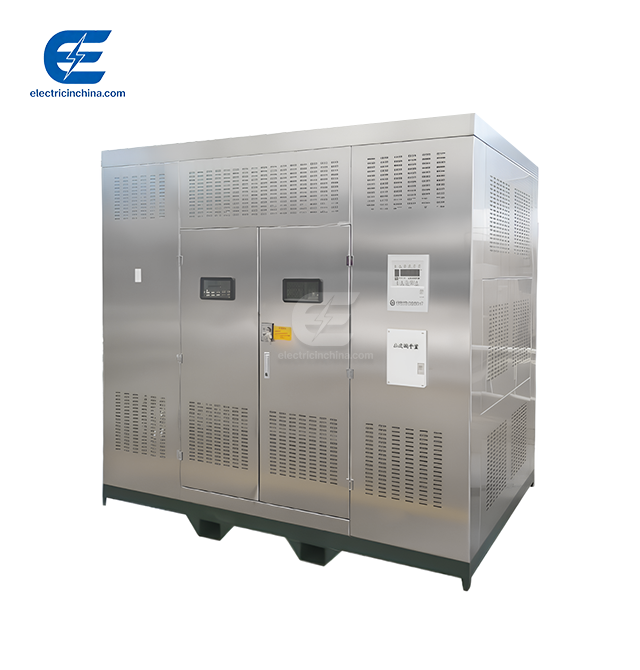
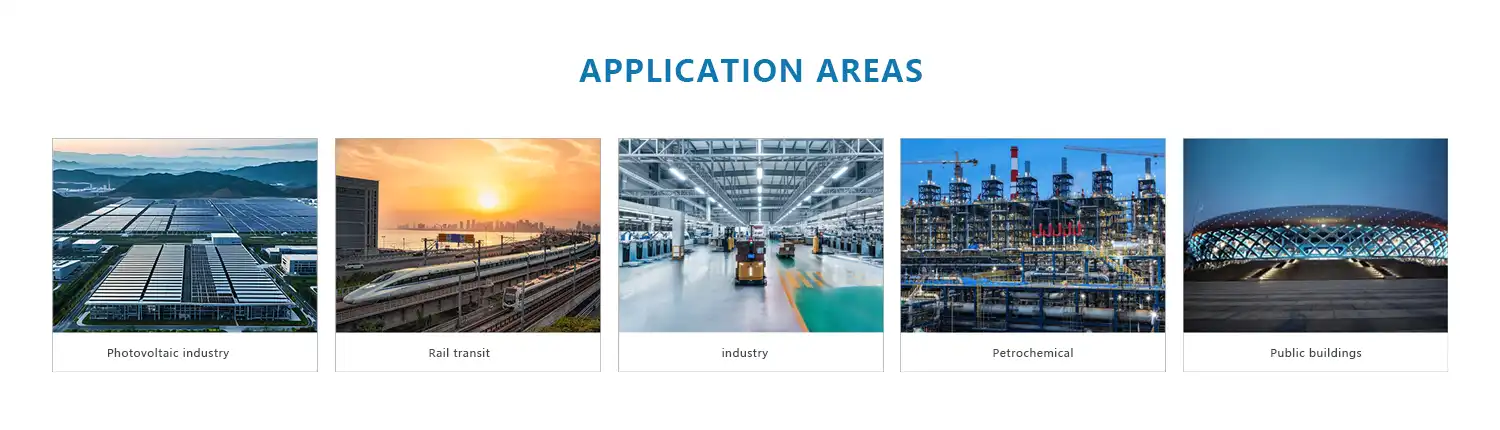
Industrial makers use this technology in steel mills, chemical plants, and production facilities where dangerous atmospheres require non-flammable equipment. Commercial builders use them in shopping malls, office buildings, and hotels where space is limited and safety standards demand small solutions. Important government building projects, like tube stations, airports and hospitals, depend on these generators to deliver power to places where it could be life-threatening if the power goes out. Real estate developers appreciate that they can install units in basements or electrical rooms on the ground floor without needing to install the fire control systems required for oil-filled options. EPC companies like how easy it is to install and how little insurance risk there is.
Natural Air Cooling Versus Oil Cooling Systems
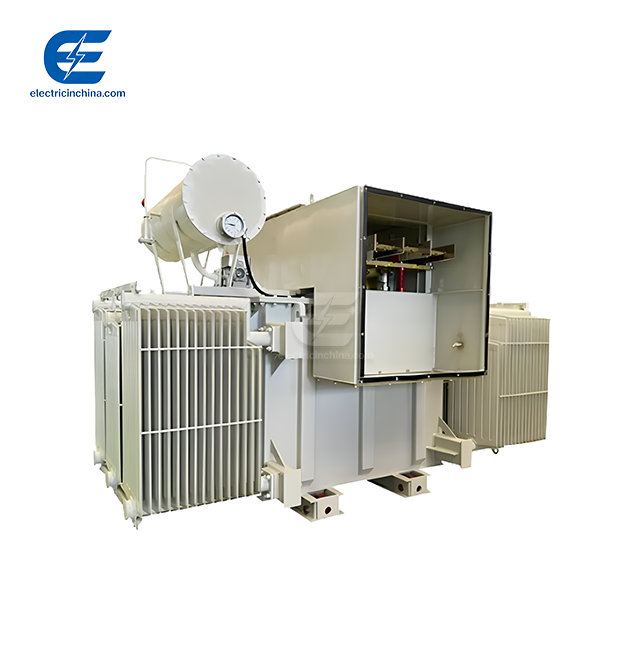
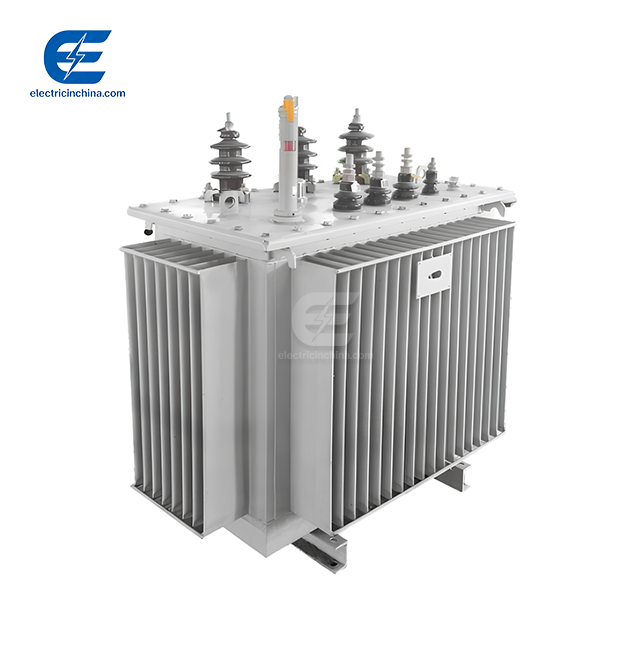
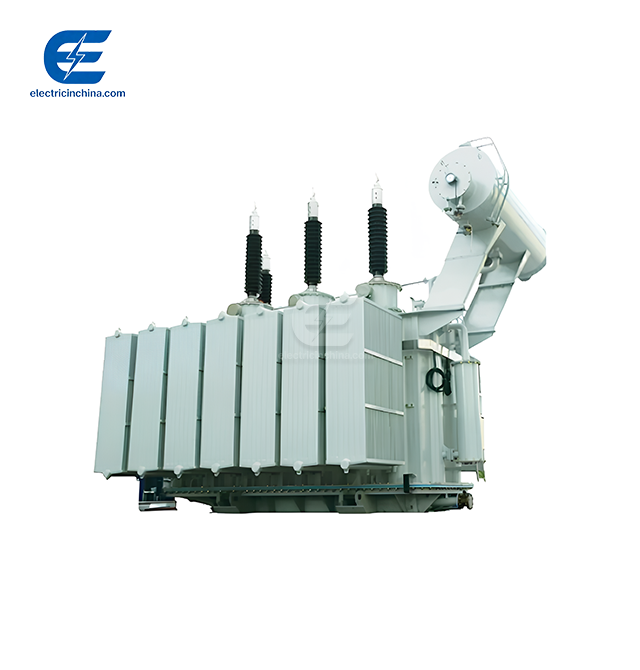
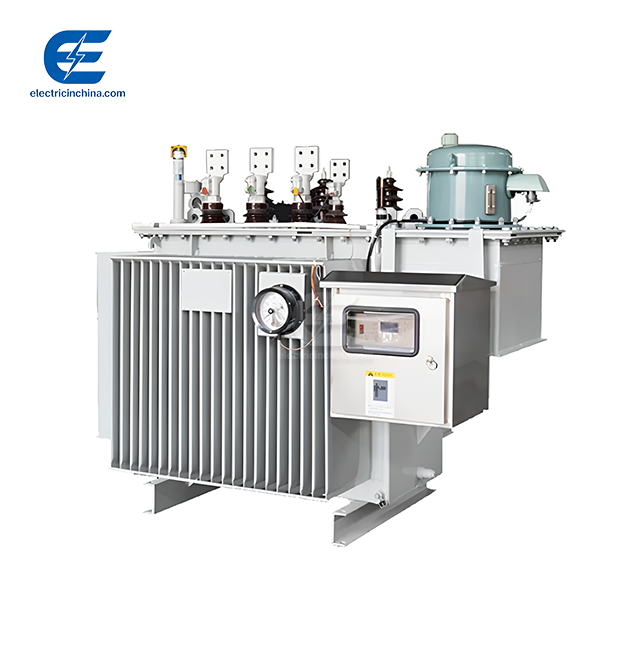
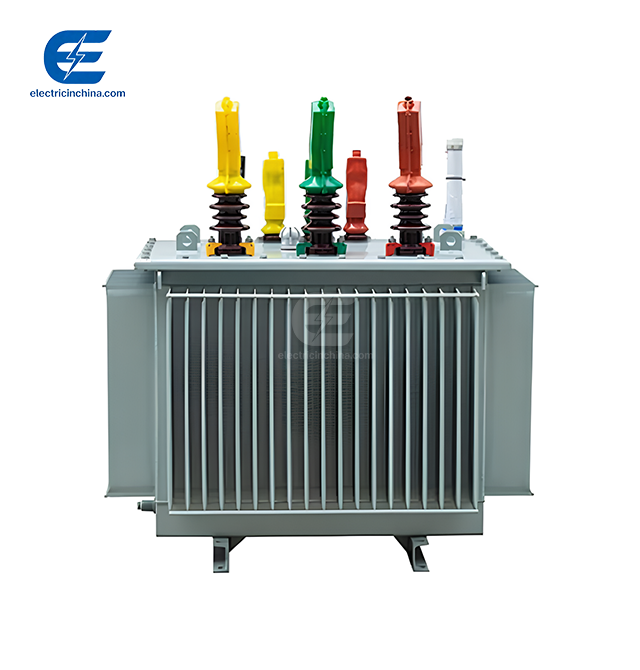
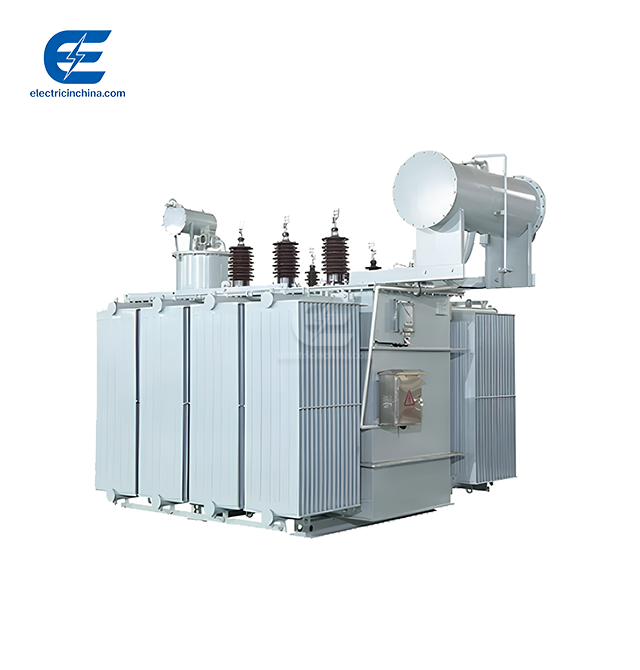
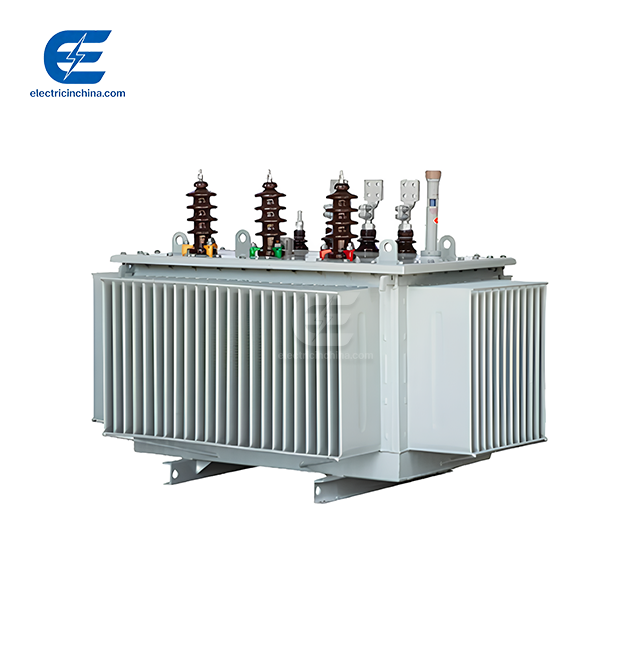
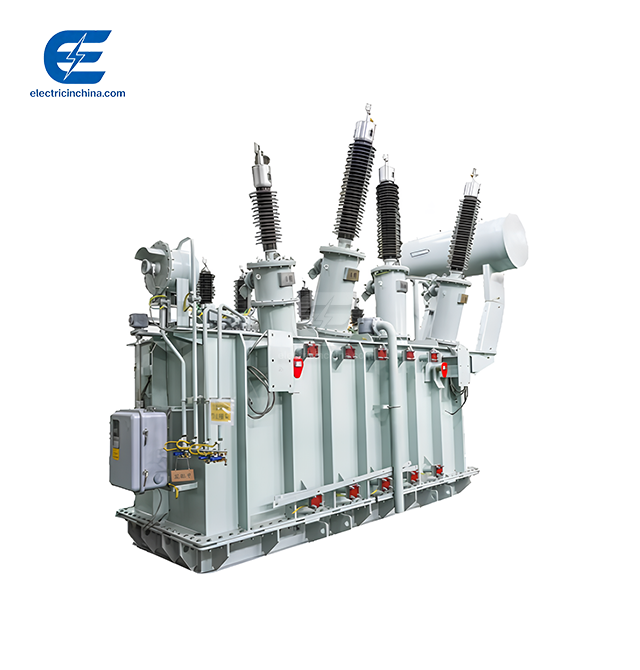
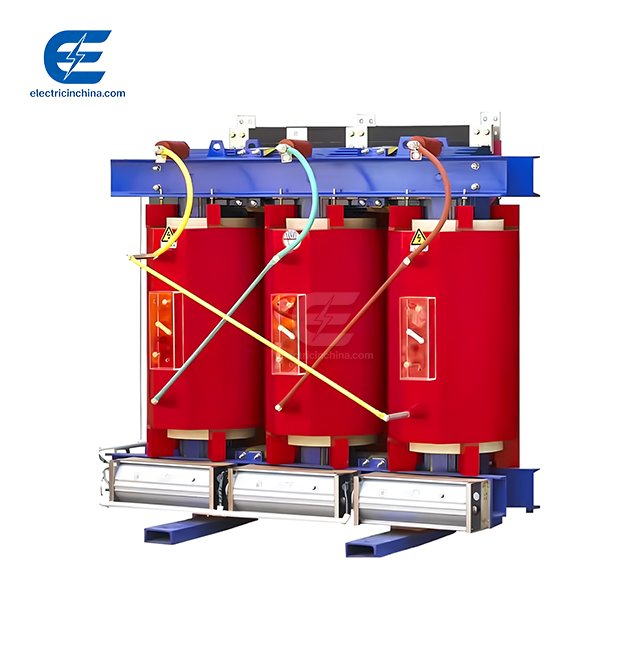
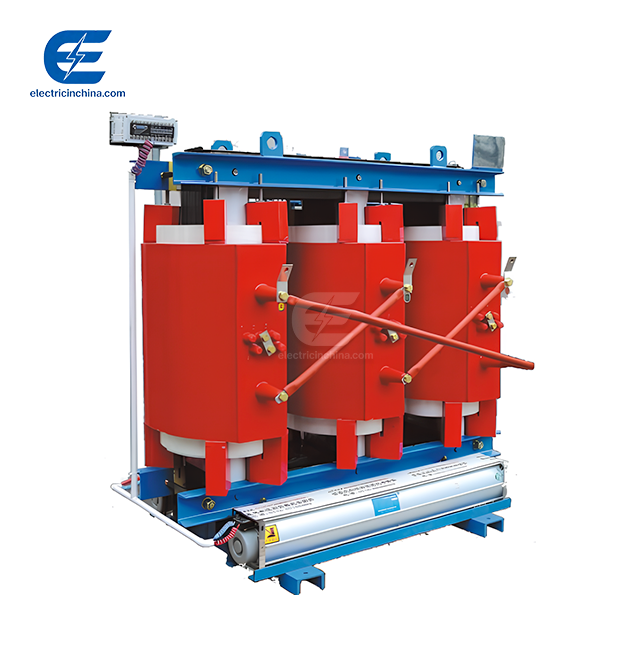
Mineral oil is pumped through the windings and radiators of traditional oil-immersed transformers. Liquid convection removes the heat that is made during operation. For this way to work, it needs external cooling equipment, regular oil tests, repair to stop leaks, and environmental containment systems. Cast Resin Transformers work in a different way. Radiation and airflow carry heat straight from epoxy-encased windings to the air around them. The resin surface area moves heat from the resin to the air around it without using any liquid in the middle. It is important to control temperature rise; systems with insulation class F (155°C) or H (180°C) keep safe working temperatures at rated loads. Enough airflow around coil surfaces is made possible by good ventilation. This stops hotspots from forming, which could shorten the service life. Our 15 senior engineers created temperature tracking systems that use BWDK thermometers to keep track of each step separately. These systems have overheat alarms and automatic trip functions that go off when temperature limits are crossed.
Can Cast Resin Transformers Operate Without Oil Cooling?
Design Features Enabling Oil-Free Operation
Without a doubt, the answer is yes. Because of a few technical concepts, Cast Resin Transformers work well without needing oil to cool them down. The coating of epoxy resin gives it a thermal conductivity of 0.7 to 1.0 W/mK, which is high enough for heat to move from the winding conductors to the outside surfaces. The sealed design makes a shield against wetness (IP23 standard, upgradable to IP54 standard) that keeps humidity, dust, and corrosive atmospheres from getting to the internal parts. During continual operation, the temperature stays within accepted limits because air flows naturally around the coil assemblies. Adding aluminium heat sinks to the design increases the surface area, which makes radiation cooling work better. For class F insulation systems, units ranked between 30KVA and 31,500KVA can keep the temperature rise to less than 100K while still being up to 99.5% efficient. Our 18 patented technologies include improved resin formulas that better dissipate heat without lowering dielectric strength, which in normal setups is over 20 kV/mm.
Operational Advantages in Sensitive Environments
The biggest gain is that it makes things safer. Self-extinguishing features stop fires from spreading, which is important for sites near people, data centers, or expensive equipment. There are no longer any risks of polluting the environment; there will be no oil leaks, land poisoning, or groundwater pollution. Maintenance needs drop by a huge amount. You get rid of the need for oil sampling plans, upkeep on the filtration system, leak checks, and the costs of getting rid of the oil. Insurance rates go down because building insurers see less of a chance of fire. It becomes easier to install units because they can fit in tight areas, work in high-rise buildings without extra support for the oil weight, and work in underground facilities where it wouldn't be possible to contain the oil.
Real-World Reliability and Industry Examples
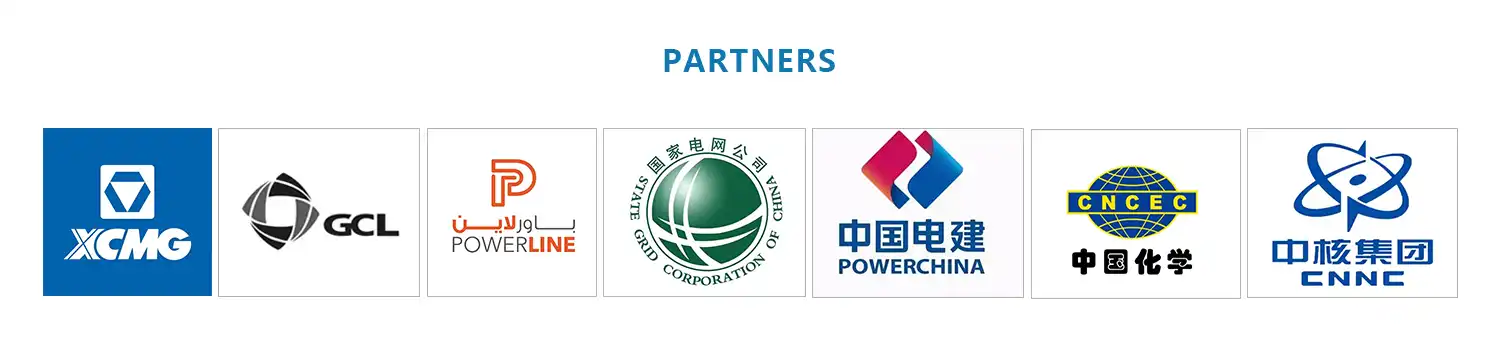
Every day, big building projects prove that this technology works. Our company finished the Xuzhou Rail Transit Network Control Center project using dual-circuit power supply designs that included Cast Resin Transformers. This made sure that underground systems could work safely at all times. The Xuzhou High-speed Railway East Station Official Power Supply EPC Project showed that we can provide unique power solutions that meet the strict requirements of the transportation authority. As an example of an industrial application, we upgraded the power supply at the XCMG Group plant and finished the work ahead of schedule so that production could start on time. Our transformers are used in commercial projects like the Xinhuai Central Complex and the Huaihai Xintiandi developments to make sure that power is distributed reliably in places with a mix of uses. Global companies like ABB and Siemens make similar dry-type units that have been tested and proven to work in a wide range of climates and applications for decades. Performance data from sites around the world shows that the system can work without oil cooling in temperatures ranging from -40°C to +60°C and with humidity levels as high as 95%.
Comparing Cast Resin Transformers with Oil-Immersed Transformers
Cooling Technology Differences
Oil-immersed units need pumps, fans, and temperature control systems to move dielectric fluid through the windings and exterior heaters. An annual oil study to check for dissolved gases, moisture levels, and dielectric strength is part of maintenance plans. Failures in the cooling system can lead to terrible burning. Dry-type transformers, on the other hand, only depend on the movement of air in the room. They don't need fans, oil tests, or fluid upkeep. Ventilation rules are simple: keep the space between things as the maker tells you to, which is usually 0.5 to 1 metre on all sides. When the environment doesn't allow natural convection to happen, forced air cooling choices boost capacity by 25–40%. However, most installations reach their full stated performance with just natural airflow.
Environmental and Safety Considerations
During their whole life, oil-filled generators are bad for the environment. Installation needs control systems like concrete bunds, oil collection pits and fire prevention gear, which raises the cost of building. Soil and waterways become polluted by oil leaks, which leads to cleaning costs and fines from the government. Because of the risk of fire, people must stay away from buildings and use special emergency gear. These worries are completely taken away by Cast Resin Transformer options. Building rules allow non-flammable materials to be used for indoor installations near busy areas. No dangerous chemicals make dismantling and getting rid of it easier. Noise pollution in cities is lessened when noise levels are lower, usually below 45 dB.
Performance and Economic Analysis
Both methods reach 98 to 99.5% efficiency at rated load, which is about the same. There are different ways that temperatures rise. Oil cooling slightly better gets rid of heat under high overload conditions, but new plastic designs can handle 140% of their rated load for 30 minutes and 125% for two hours without damage. Expectations for life span are about 30 to 35 years if good care is taken. Cast Resin Transformers are 10–20% more expensive to buy at first than similar oil-filled units, but the total cost of ownership is cheaper for dry-type designs because they require less upkeep, have lower insurance premiums, and don't have to pay for oil management. When making a purchase choice, it's important to think about the application. For example, resin technology is best for indoor installations, fire-sensitive areas, and projects that want to keep upkeep to a minimum. Outdoor substations in remote areas where fire rules are less strict may be able to get away with oil-filled equipment just because it costs less at first.
Maintenance and Operational Tips for Oil-Free Cast Resin Transformers
Routine Inspection Protocols
Visual checks done on a regular basis find problems before they affect activities. Every three months, look at the resin's surface for cracks, discolouration, or tracking marks that could mean electrical stress. If you see discoloured bus bars, loose hardware, or oxidation growth on terminal connections, that means they are burning. Every year, use standardised test tools to check the consistency of the grounding. Thermal imaging studies find hotspots early; differences in temperature between stages that are greater than 10°C should be looked into. Our idea of "zero defects" doesn't just apply to manufacturing—we teach client maintenance teams the right way to check during launching as well.
Ventilation and Airflow Management
Operational dependability depends on having enough air. Make sure that the air intake and exit paths are still clear by getting rid of any trash, kept items, or equipment that is in the way of the flow of air. Check the temperature and humidity in the area every three months; if they stay above 40°C or 95% humidity for a long time, you may need to improve the forced air. Keep an eye on how much dust builds up on the sides of the coils; too much buildup makes heat movement less effective. Use dry compressed air or hoover tools to clean surfaces once a year; never use solvents, which can damage resin coats. Temperature tracking devices should keep track of the highest readings. Consistently rising readings show that ventilation is getting worse and need to be fixed.
Compliance with Safety Standards
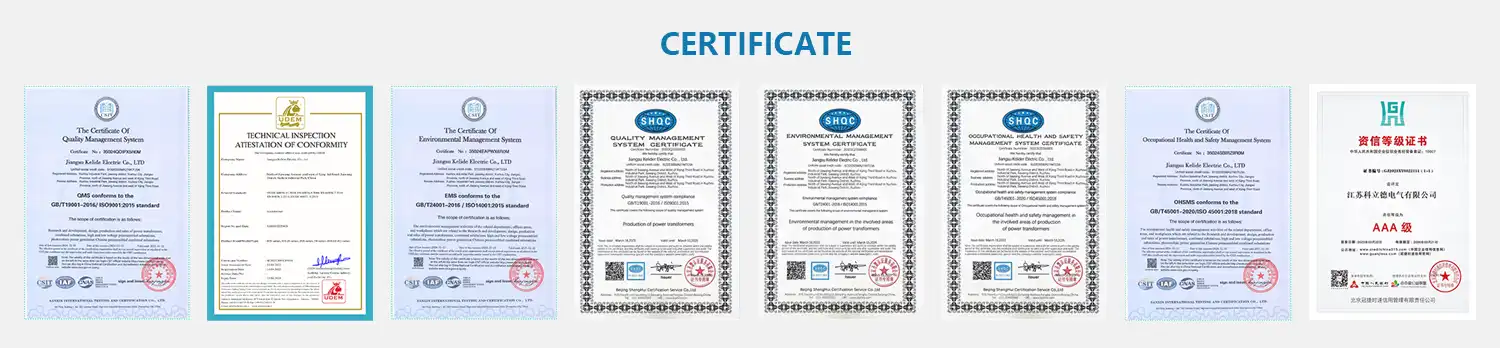
The way operations are done must be in line with the rules of the IEC 60076 series and IEEE C57.12.01. During commissioning, partial discharge testing sets the standard performance. Readings below 10 pC at 1.1 times the rated voltage show that the insulation is still intact. Testing for insulation resistance (at least 1000 MΩ at rated voltage according to IEC 60076-3) should be done every three years or after long periods of not being used. Our quality management system, which is approved to ISO 9001, ISO 14001, and OHSAS 45001, makes sure that every unit that leaves our building meets the standards for international compliance. We give full test results that include electrical factors, thermal performance, and mechanical strength. These are backed up by short-circuit withstand tests up to 25 times the maximum current.
Procurement Insights: Buying Cast Resin Transformers Without Oil Cooling
Market Landscape and Supplier Evaluation
There are well-known companies with track records in the global market for dry-type power distribution equipment. Certifications like ISO 9001 for quality management, ISO 14001 for environmental systems, and product-specific approvals like CCC certification for Chinese markets or UL listing for North American uses should be given the most weight when evaluating suppliers. Ask for test results that show they meet the standards in the IEC 60076 series. Facility evaluations should be used whenever possible to check the production capabilities. Our factory can make more than 500 units a year, with power levels ranging from 30 kVA to 31,500 kVA. More than 120 pieces of specialised equipment help us keep the quality high.
Pricing Considerations and Value Factors
The base price is based on the power level, voltage class, and impedance specs. Customisation adds cost—unit prices go up by 15–30% for things like special winding setups, higher IP ratings, the ability to withstand earthquakes, or built-in tracking systems. Buying in bulk can save you money, so projects that need more than one unit should talk to sellers about price structures that take order numbers into account. Delivery times affect project plans; basic setups usually ship in 8–12 weeks, but engineered solutions can take up to 20 weeks. Our technical team of 15 senior engineers and more than 30 intermediate workers can speed up unique designs when project deadlines require it. The record-breaking quality assessment results we got on the Tianyu Yayuan project show that we can meet tight deadlines without lowering the quality of our work.
After-Sales Support and Technical Assistance
Quality post-delivery help is important for building long-term ties with suppliers. Check out the warranty terms. Our basic service includes a 24-month complete warranty, but you can get it for longer if you want to. When commissioning and troubleshooting, having access to technical support is important. For all setups, we offer on-site starting help and online advice through tuojie@electricinchina.com. Quick repairs are possible because spare parts are easy to find. We keep replacement parts in stock and offer preventive maintenance plans that are tailored to each client's business needs. Training programmes teach client support teams new things, which helps them do regular checks and improve performance. Because we've been in this business for 20 years, we can offer complete power supply and distribution options all in one place. We can do this thanks to our large inventory of equipment and value-added services that go beyond just delivering products.
Conclusion
Cast Resin Transformers can work without oil cooling, and they have been shown to be reliable in challenging industrial, business, and infrastructure settings. Their epoxy resin coating effectively removes heat through natural air flow, removing the fire risks, environmental issues, and upkeep problems that come with oil-filled alternatives. There are real benefits for procurement workers, such as better safety compliance, lower lifecycle costs, more installation choices, and easier operating management. Performance features like up to 99.5% efficiency, working temperatures from -40°C to +40°C, and capacities from 30KVA to 31,500KVA meet the needs of a wide range of projects. A good project result depends on choosing the right provider based on certifications, manufacturing skills, and expert support. Thanks to our 18 unique technologies, strict quality control, and many years of project experience, our company is a reliable Cast Resin Transformer maker that can provide customised solutions that meet the strictest needs.
FAQ
What is the typical lifespan of cast resin transformers without oil cooling?
As long as they are properly maintained, Cast Resin Transformers can work for 30 to 35 years. Accelerated ageing tests according to IEC 60076-11 standards have shown that epoxy covering saves windings from environmental damage. Lifespan is the same as oil-filled versions, but upkeep is much less necessary.
Can these transformers operate outdoors without additional cooling systems?
Yes, as long as the cage is secured properly. Standard IP23 ratings are good for outdoor areas that are protected, while IP54 ratings are good for areas that are directly exposed to the weather. IEC 60068-2-52 salt spray tests proves that the system is suitable for coastal areas. As long as the temperature outside stays between -40°C and +40°C, natural air cooling will still work.
How do you maintain optimal temperature without oil cooling?
Make sure there are enough air gaps around all of the transformer's sides. Keep an eye on the environment and check the wind patterns every three months. Temperature monitoring tools let you know right away when working temperatures are getting close to the limits set by the manufacturer. During times of high demand, forced air cooling can help natural circulation, increasing useful capacity by 25–40% when needed.
Partner with Tuojie for Reliable Cast Resin Transformer Solutions
Engineered Cast Resin Transformer options from Tuojie are backed by 18 patents, more than 120 advanced manufacturing systems, and strict ISO 9001 quality management. From 30KVA to 31,500KVA, our team of 15 senior engineers creates custom setups that meet the highest safety standards and achieve efficiency scores of up to 99.5%. We have finished hundreds of important power projects successfully, such as rail transit networks, business complexes, and industrial sites in a wide range of weather conditions. As a seller of Cast Resin Transformers with a lot of knowledge, we offer full support from the initial design consultation all the way through commissioning and upkeep throughout the lifecycle. Get in touch with tuojie@electricinchina.com right away for technical specs, project quotes, and buying advice that are tailored to your unique needs. You can look at our full range of power distribution options at electricinchina.com and learn why procurement professionals trust Tuojie for mission-critical electrical infrastructure.
References
1. International Electrotechnical Commission. "IEC 60076-11: Power Transformers - Part 11: Dry-type Transformers." Geneva: IEC Standards Publication, 2018.
2. Institute of Electrical and Electronics Engineers. "IEEE C57.12.01: Standard for General Requirements for Dry-Type Distribution and Power Transformers." New York: IEEE Standards Association, 2020.
3. McLaren, P.G. and Abdel-Rahman, M.H. "Thermal Performance Analysis of Cast Resin Distribution Transformers." IEEE Transactions on Power Delivery, Vol. 34, No. 2, 2019, pp. 856-864.
4. Kulkarni, S.V. and Khaparde, S.A. "Transformer Engineering: Design, Technology, and Diagnostics." Boca Raton: CRC Press, Taylor & Francis Group, 2017.
5. Heathcote, Martin J. "The J&P Transformer Book: A Practical Technology of the Power Transformer." Thirteenth Edition, Oxford: Newnes Elsevier, 2019.
6. Association of Electrical Equipment and Medical Imaging Manufacturers. "Application Guide for Dry-Type Distribution Transformers in Commercial and Industrial Facilities." Rosslyn: NEMA Standards Publication, 2021.