

.webp)
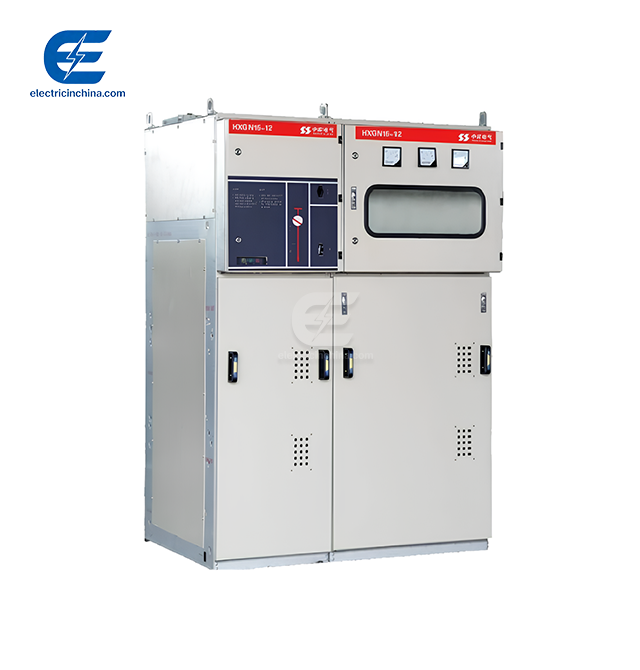
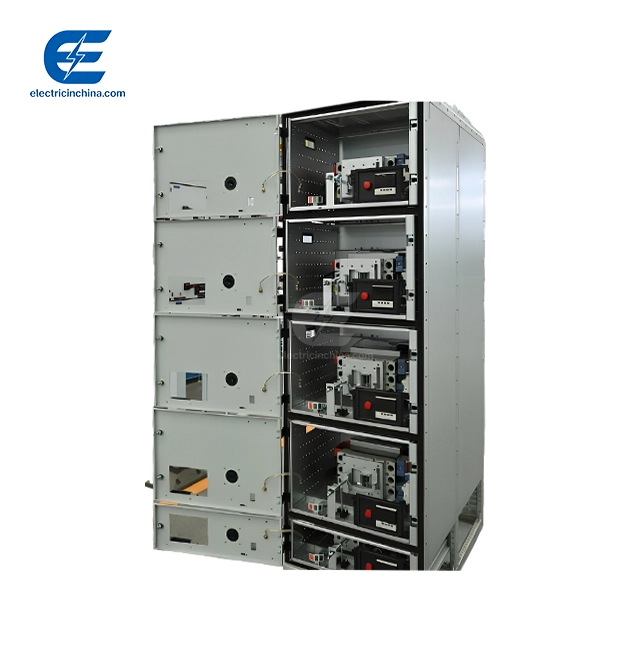
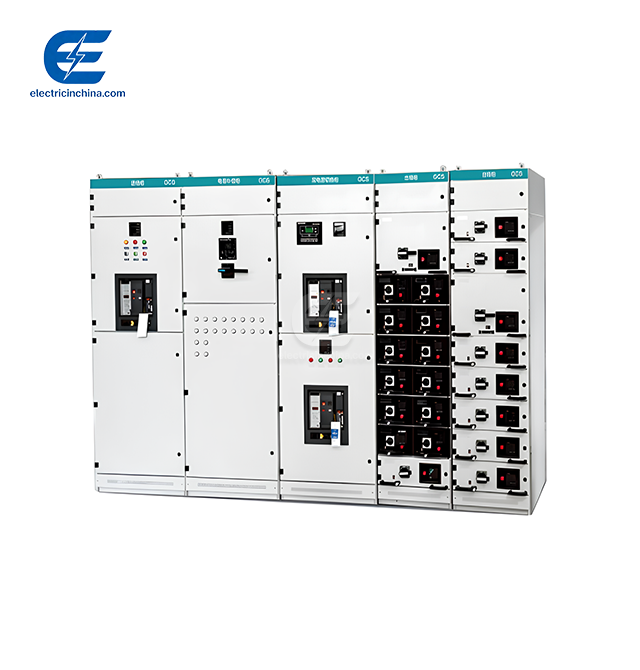
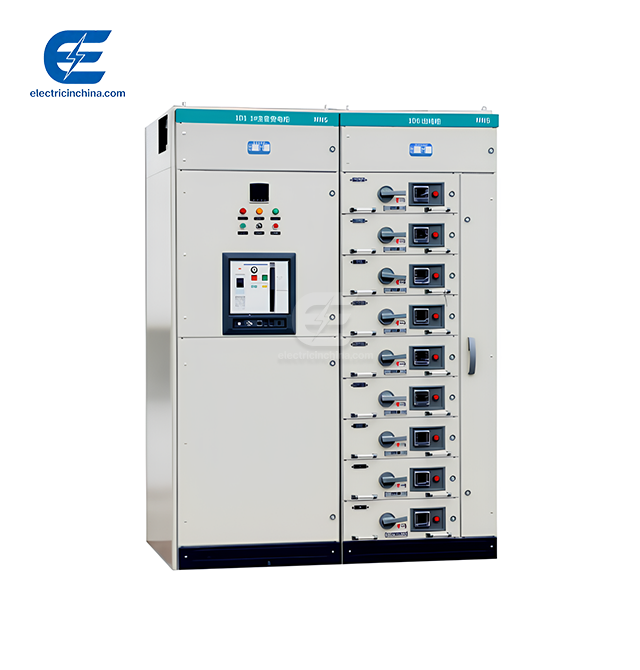
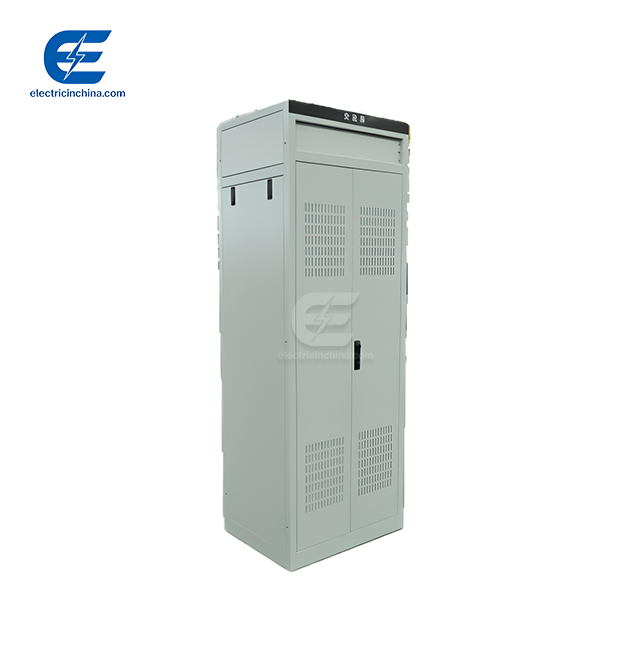
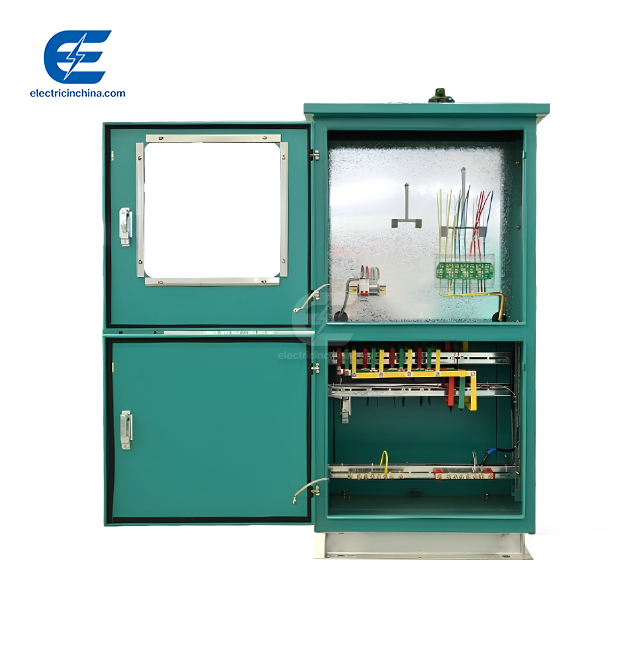
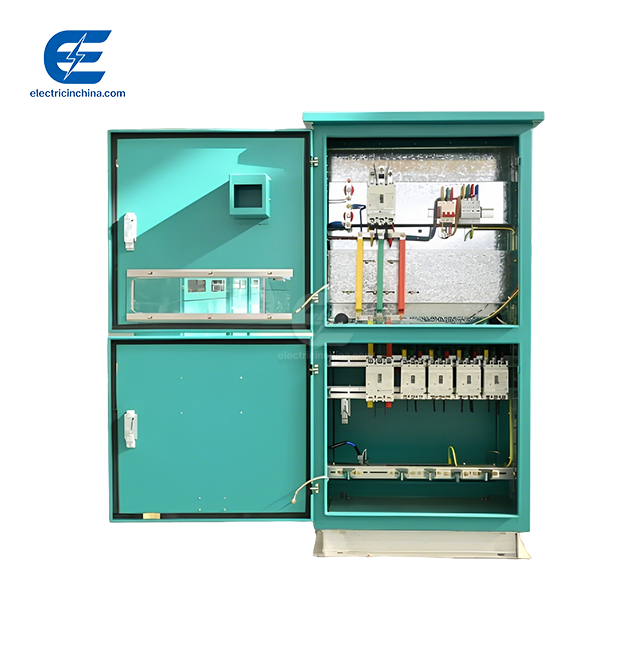
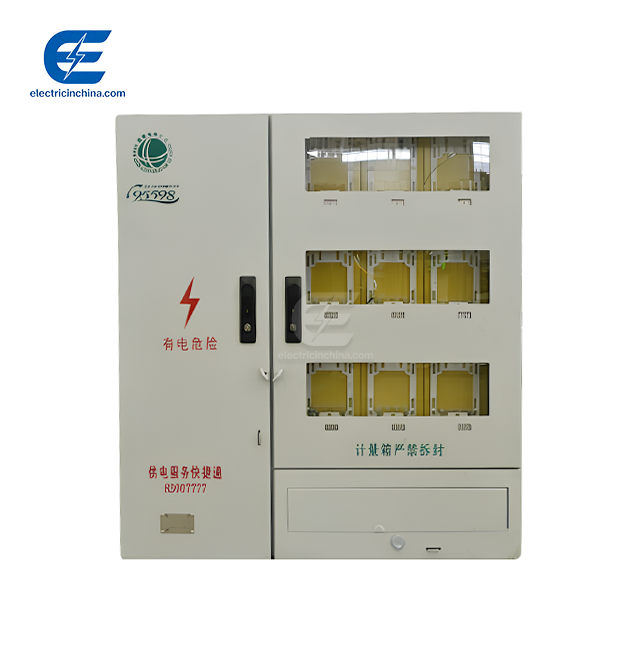
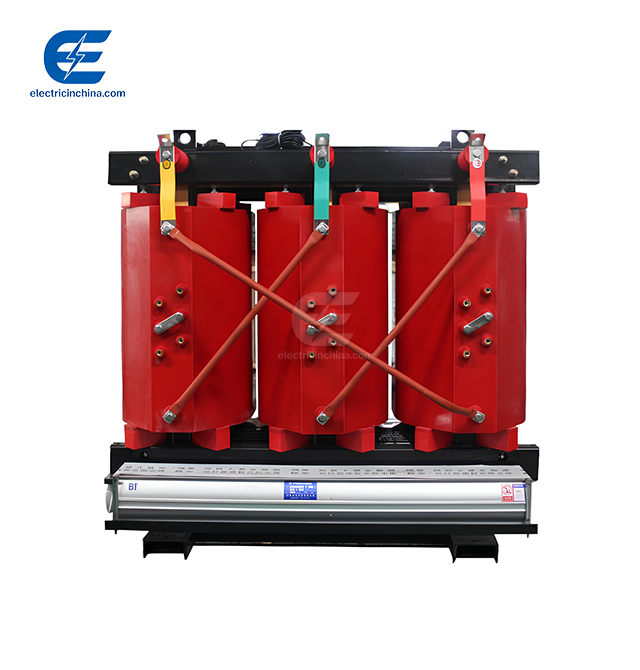
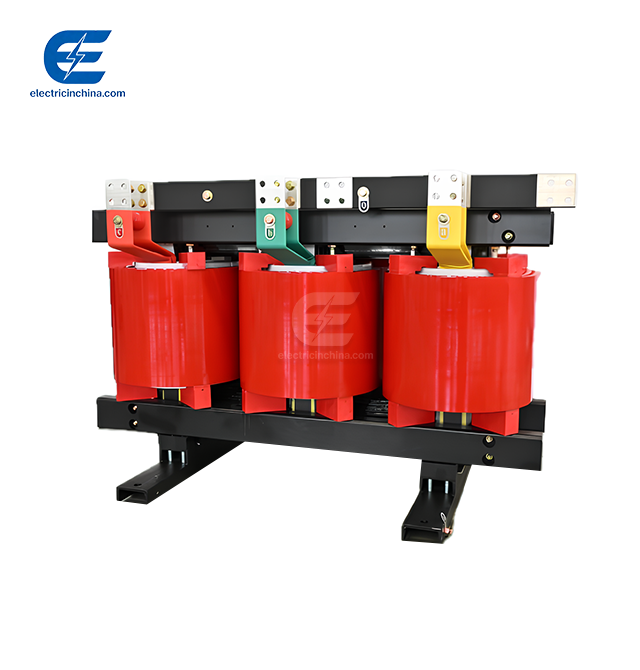
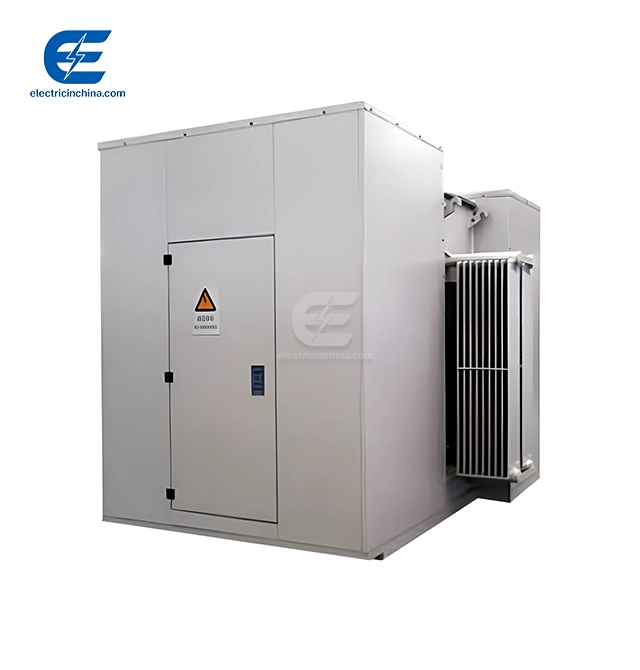
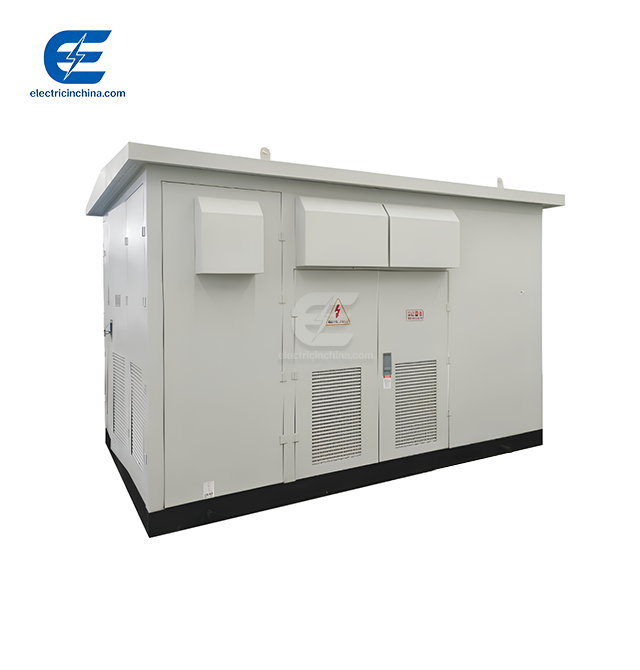
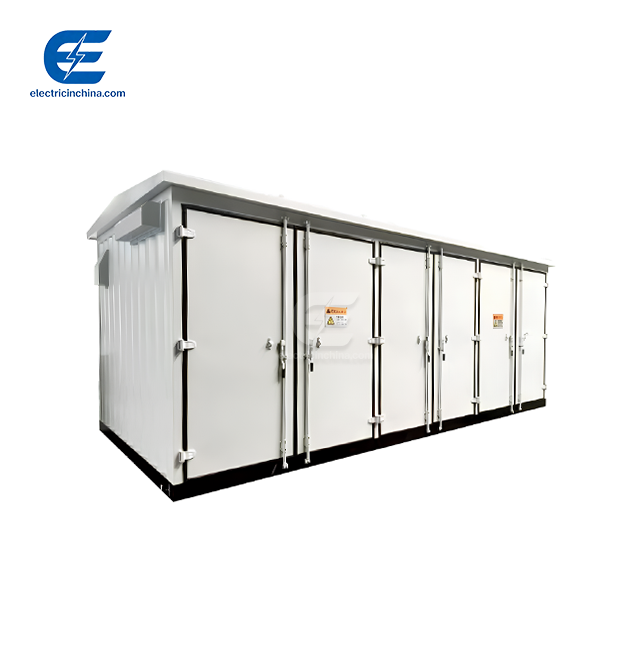
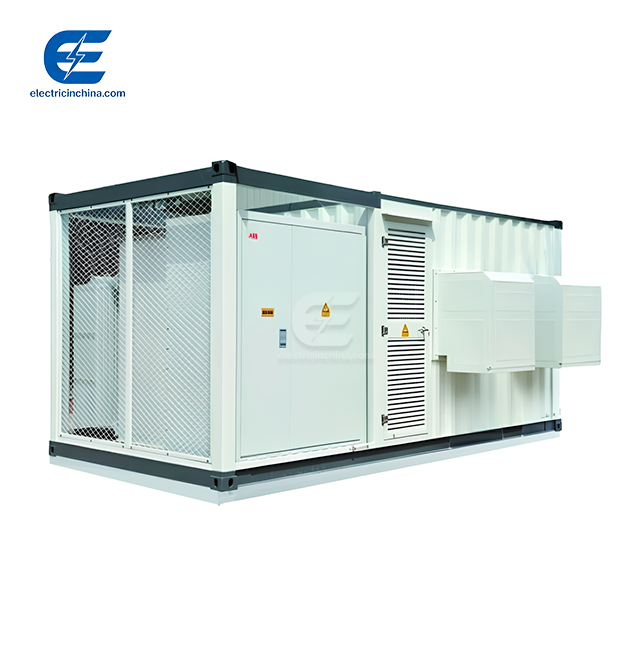
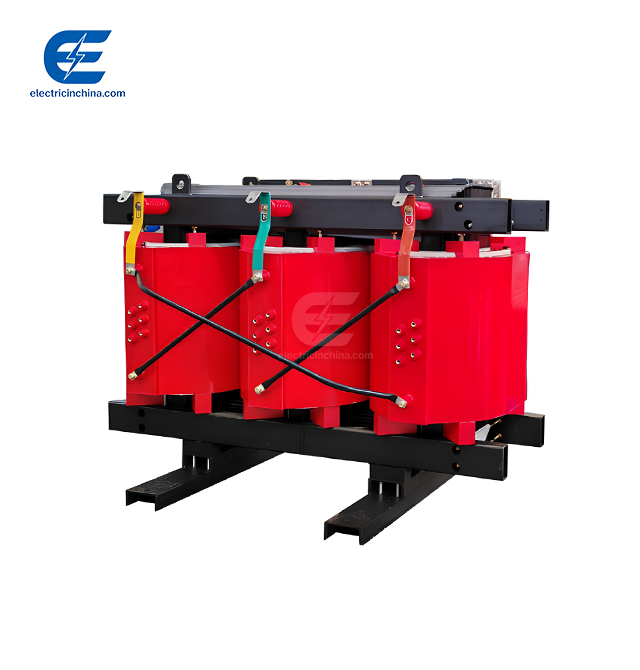
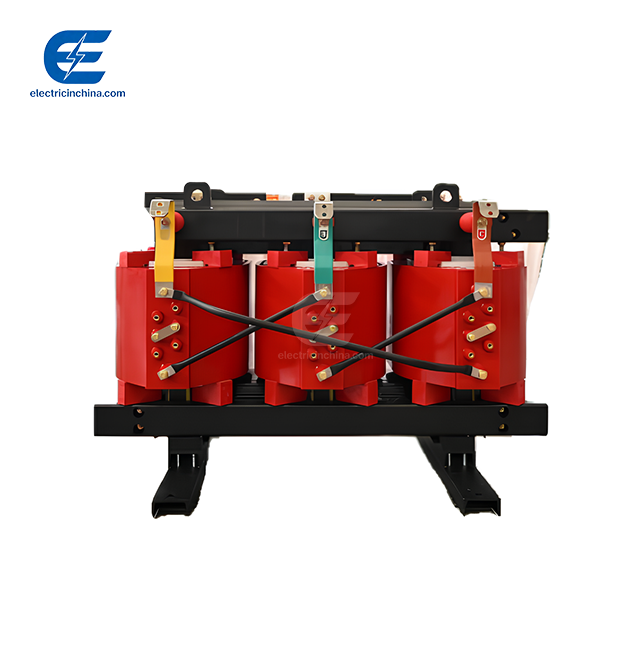
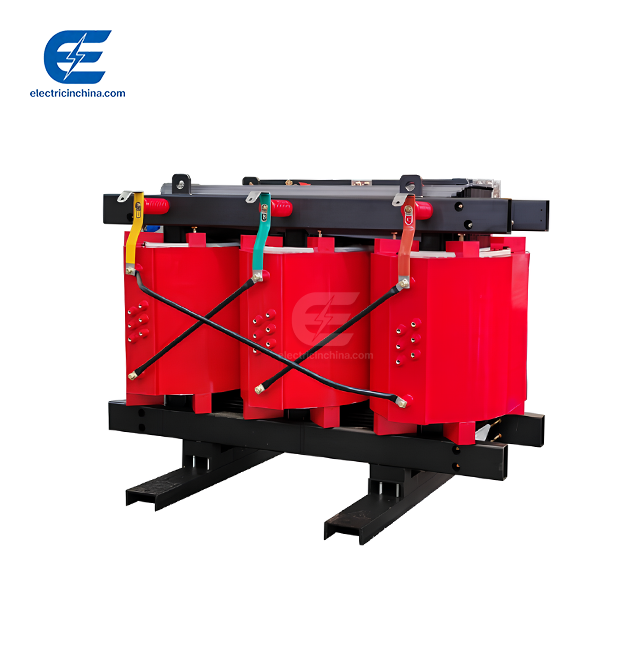
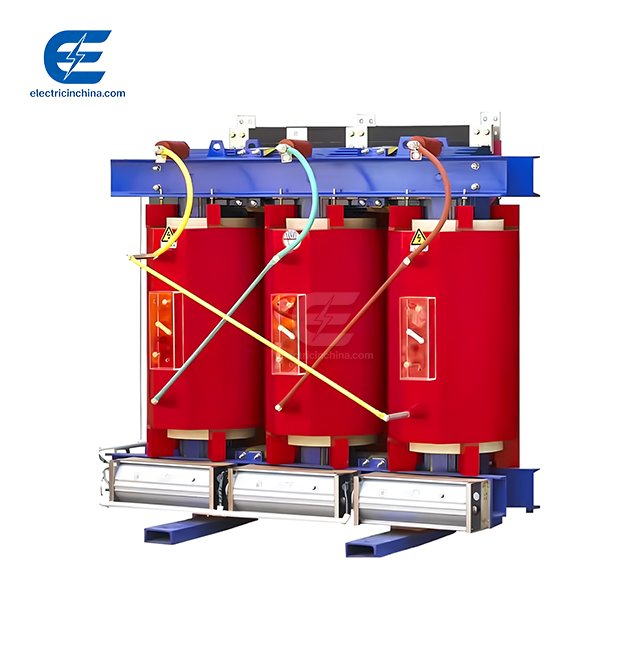
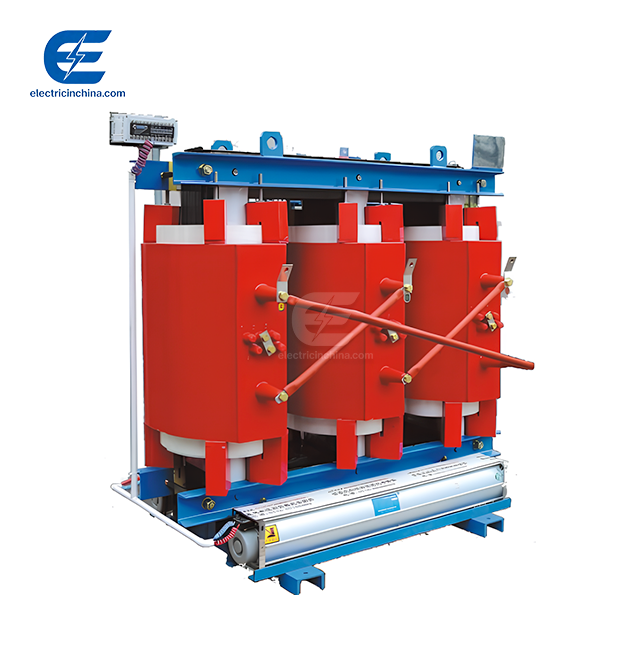
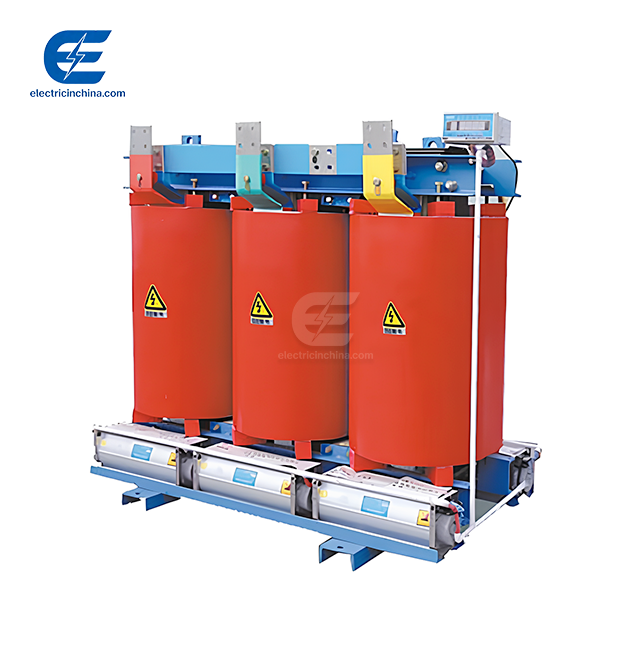
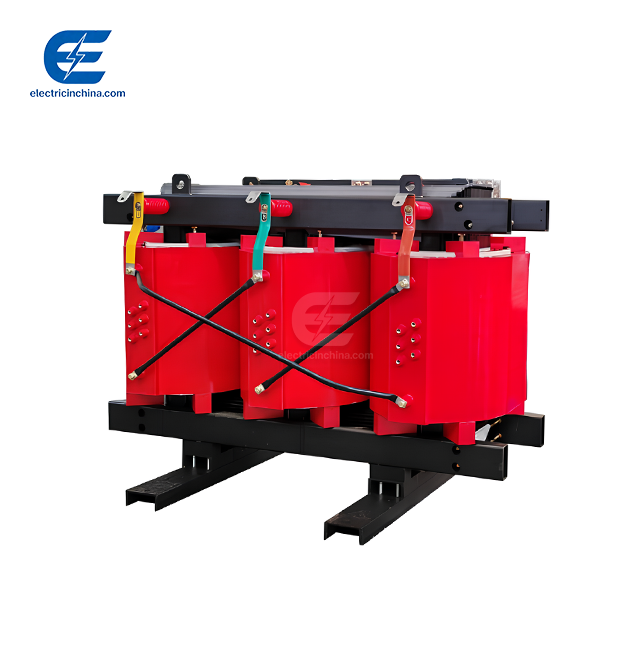
When choosing large-capacity power distribution equipment for industrial parks, you need to consider its long-term safety, efficiency, and reliability. Amorphous alloy dry-type transformers represent a significant advancement in power distribution technology. It saves a lot of energy because it uses new core materials that cut no-load losses by 70–80% compared to traditional silicon steel designs. These oil-free units don't pose any contamination risks and work well in harsh industrial settings. This makes them perfect for government infrastructure projects, business developments, and factories that need long-lasting, code-compliant options.
Understanding Amorphous Alloy Dry-Type Transformers
Amorphous metal core technology is better because it has a different atomic structure than standard silicon steel cores, which breaks up the crystalline patterns that are found in those cores.
The Science Behind Energy Efficiency
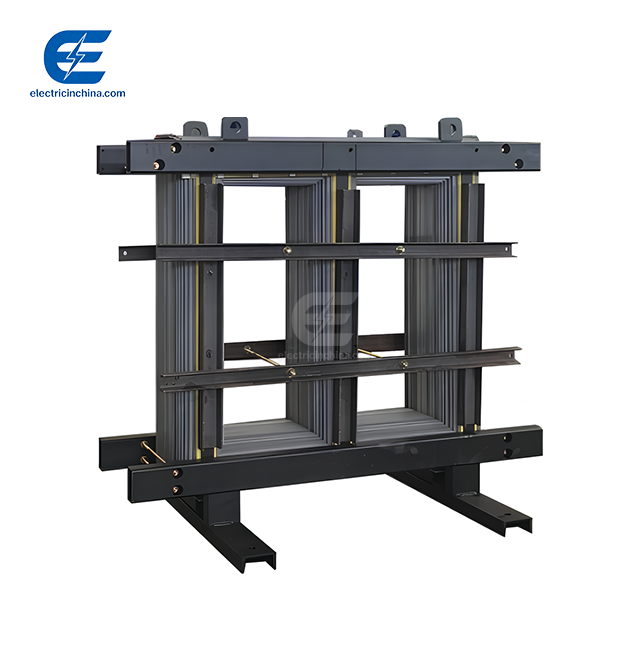
The cores of our SC(B)H15 series transformers are made of iron, silicon, and boron in a way that is not solid. They are only 0.025mm thick. With this special mix, core loss densities can be as low as 0.16-0.22 W/kg at 1.4T and 50Hz, and magnetic permeability scores can range from 80,000 to 120,000 H/m. Because of these factors, efficiency rates hit 98.5–99.2% at full load, and losses when there is no load drop to just 0.1–0.2% of rated capacity. Because of these technical specs, the transformer will have much lower carbon pollution over its 30-year working life and instant cost savings.
Dry-Type Insulation Systems
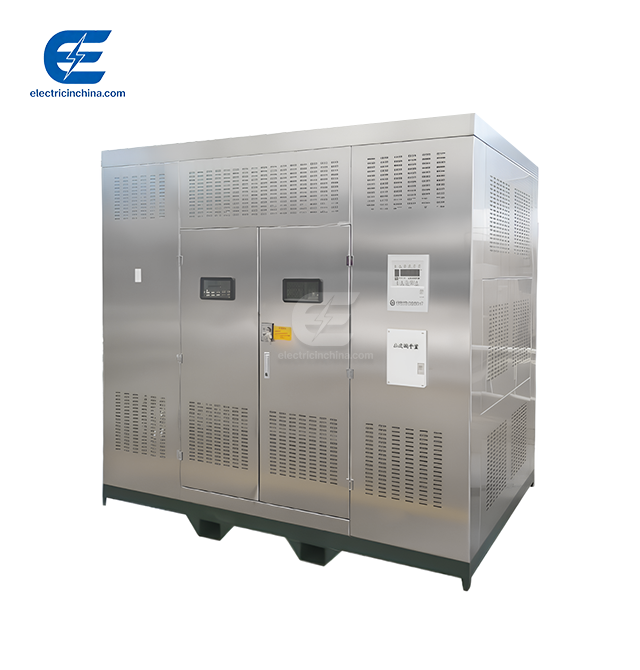
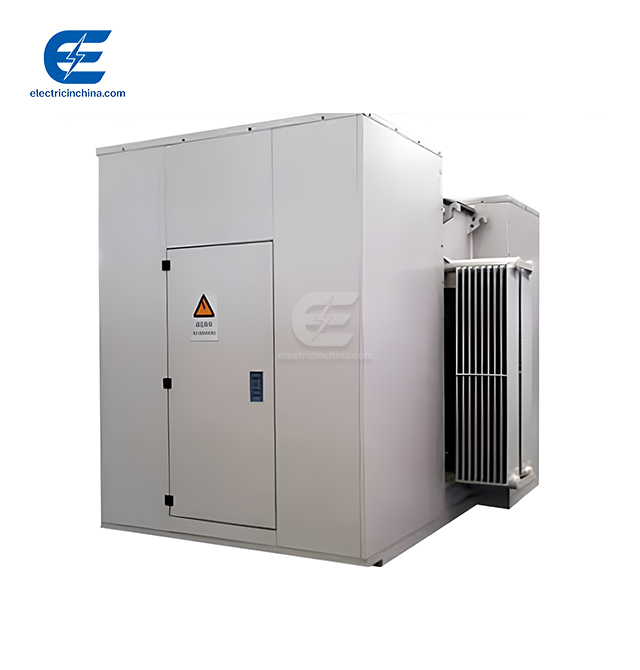
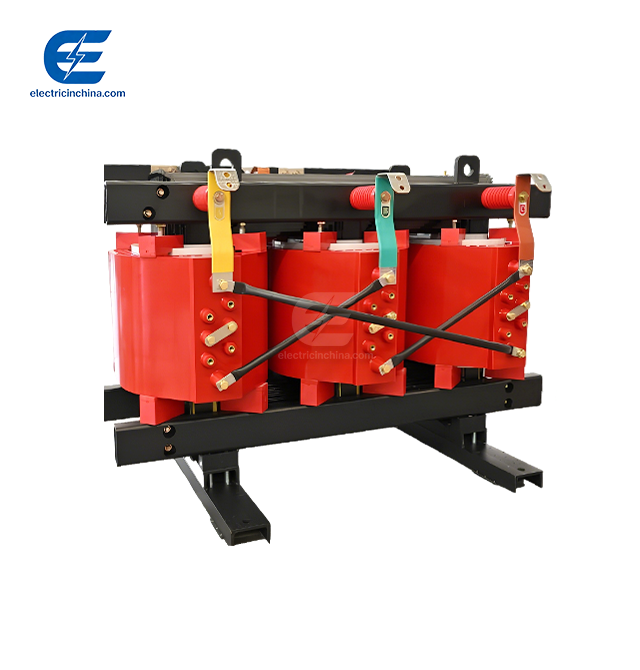
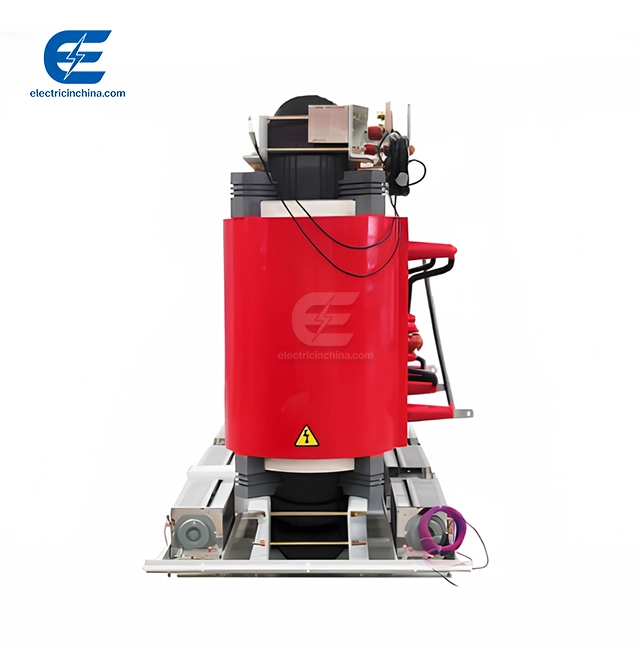
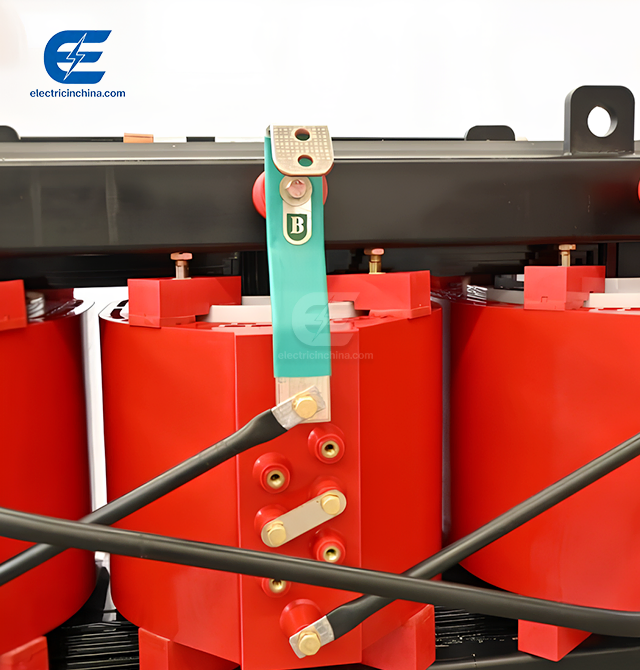
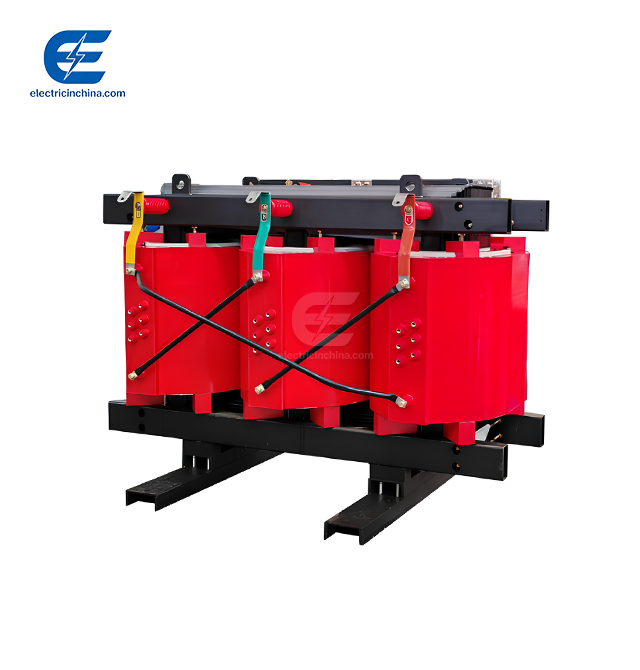
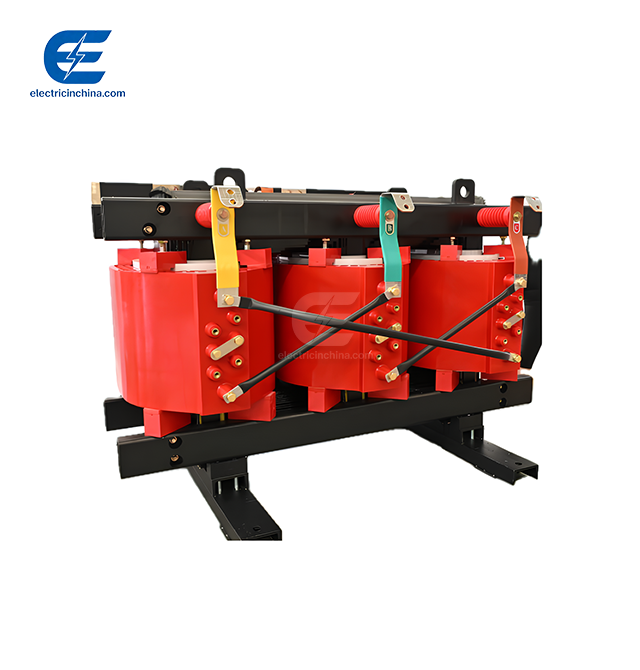
Our Dry-type transformers are different from oil-immersed ones because they use epoxy resin vacuum casting for low-voltage windings and Nomex paper insulation for high-voltage uses. This method of solid insulation has temperature values for Class F (155°C) and Class H (180°C), so it can work reliably in temperatures ranging from -40°C to +40°C. Because the epoxy covering can handle up to 95% humidity, these units can be used in seaside settings, underground substations, and tropical areas where wetness is a constant problem. Protection grades ranging from IP23 to IP54 make sure that dust and water can't get in, which is good for a variety of workplace settings.
Compliance and Standards
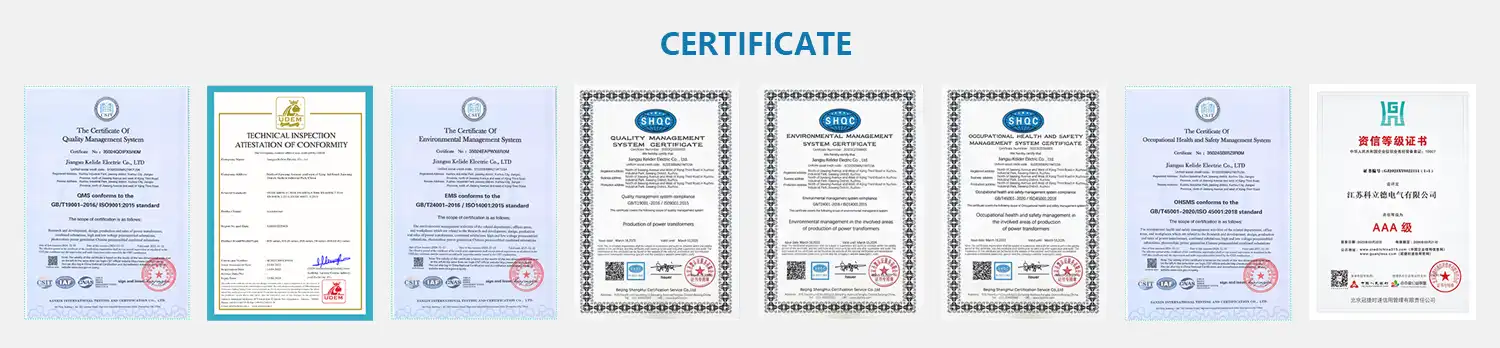
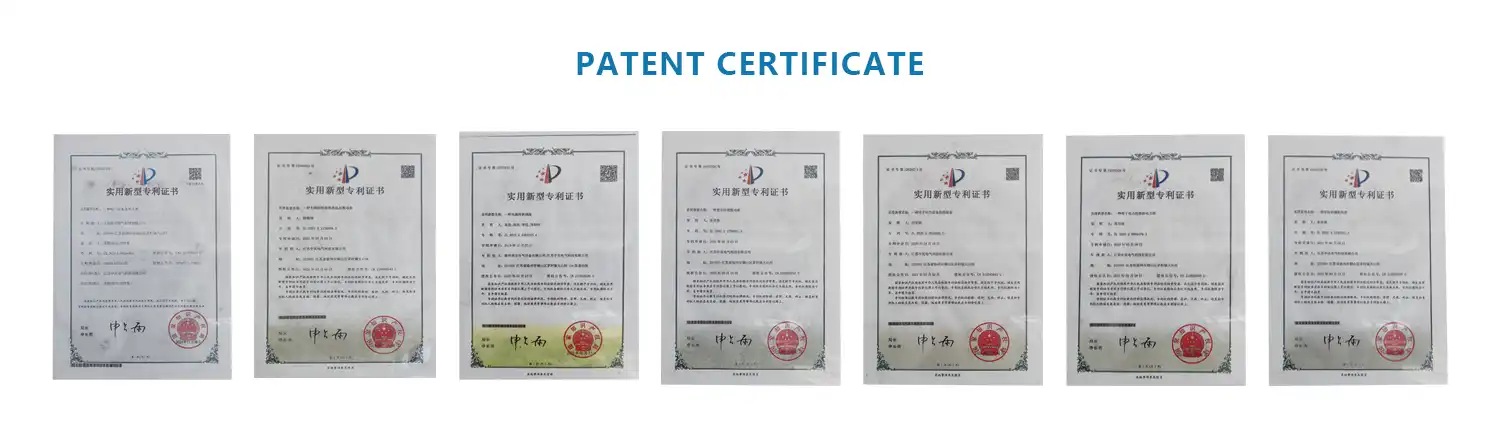
We follow many international guidelines when making transformers, such as the IEC 60076 series standards, the IEEE C57.12.01 specifications, and the GB/T 6451-2015 requirements. Each unit has ISO 9001 quality certification, ISO 14001 environmental management certification, and OHSAS 45001 safety certification for the workplace. Our goods have National CCC Mandatory Certification and meet NEMA TP1 high efficiency standards. RoHS environmental compliance makes sure that we get materials from responsible sources. These licenses give procurement teams written proof of quality control, safety performance, and regulatory compliance, which is necessary for bids and EPC contract standards.
Key Considerations in Selecting Large-Capacity Transformers for Industrial Parks
To match transformer specs to real-world practical needs, it's important to look closely at load characteristics, plans for future growth, and environmental factors that are unique to the place.
Capacity and Load Profile Analysis
Load trends in industrial parks are usually very different, with peak demand being very different for each type of building. Our product line goes from 30KVA to 31,500KVA, so it can be used for everything from small distribution points to main substations. Units rated between 1,000KVA and 3,150KVA are good for factories that use a lot of motors because they can handle non-linear loads from variable frequency drives and keep overall harmonic distortion below 3%. Most commercial projects and business complexes need between 315KVA and 2,500KVA units to make sure that power gets to all the buildings safely. The right choice of capacity strikes a mix between the original investment and operating flexibility. Our engineering team can help you make the best decisions about sizing by calculating load.
Lifecycle Cost Comparison
The initial prices of amorphous core technology are higher than those of silicon steel options, but the long-term economics clearly favour advanced materials. Depending on local power rates and how the energy is used, the cost extra is usually covered by the energy savings from lower core losses within three to five years of operation. With our dry-type distribution transformers, you don't have to pay for oil testing, filter systems, and steps to stop leaks that oil-immersed units need. Total ownership costs are even lower because there are no planned oil changes, filter replacements, or other regular service intervals for more than 30 years. When fire and pollution contamination risks are removed, insurance rates often go down, which is also good for your finances.
Environmental and Sustainability Factors
More and more, government development projects require lowering carbon emissions and making buildings more energy efficient. When compared to traditional transformer designs, our Amorphous alloy dry-type transformer technology cuts operational emissions by about 60%. This directly supports green building ratings and business sustainability goals. The oil-free design gets rid of the risk of polluting soil and groundwater, which makes environmental effect studies easier and lowers your risk of being sued. Core materials can be fully recycled at the end of their useful life, supporting the circular economy. Noise levels below 45dB allow installation in places that are sensitive to noise, like near homes, hospitals, and schools, where acoustic performance affects the approval process.
Procurement Decision-Making: Choosing the Right Transformer Solution
To evaluate a supplier's skills and technical requirements, you need an organised method that weighs performance needs against project limits and risk factors.
Safety and Installation Flexibility
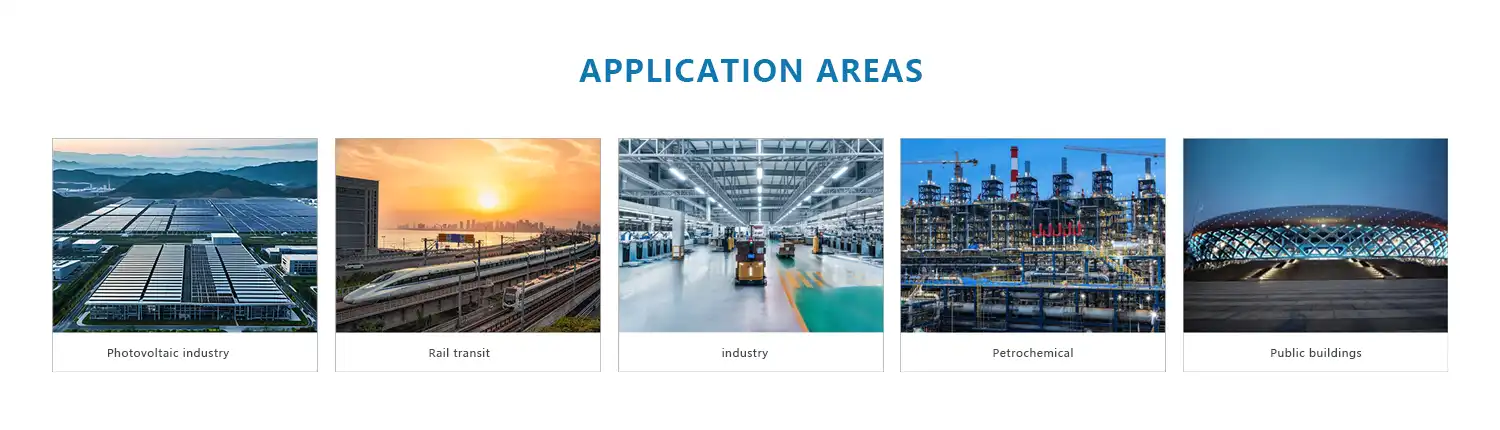
Due to their flame-retardant and self-extinguishing design, dry-type units can be installed in places like hospitals, shopping malls, high-rise buildings, and underground facilities where oil-filled transformers aren't allowed or allowed to be used. Our units don't need fire control equipment, oil containment systems, or specialised air infrastructure. This lowers the cost of building integration and reduces the need for civil works. Retrofit uses can be done in electrical rooms with limited space because of their small footprints, and lightweight designs reduce the amount of structural loads that need to be done. These traits were very important for our Xuzhou Rail Transit Network Control Center project, which needed very reliable dual-circuit power source designs that had to fit into small underground vaults.
Supplier Evaluation Criteria
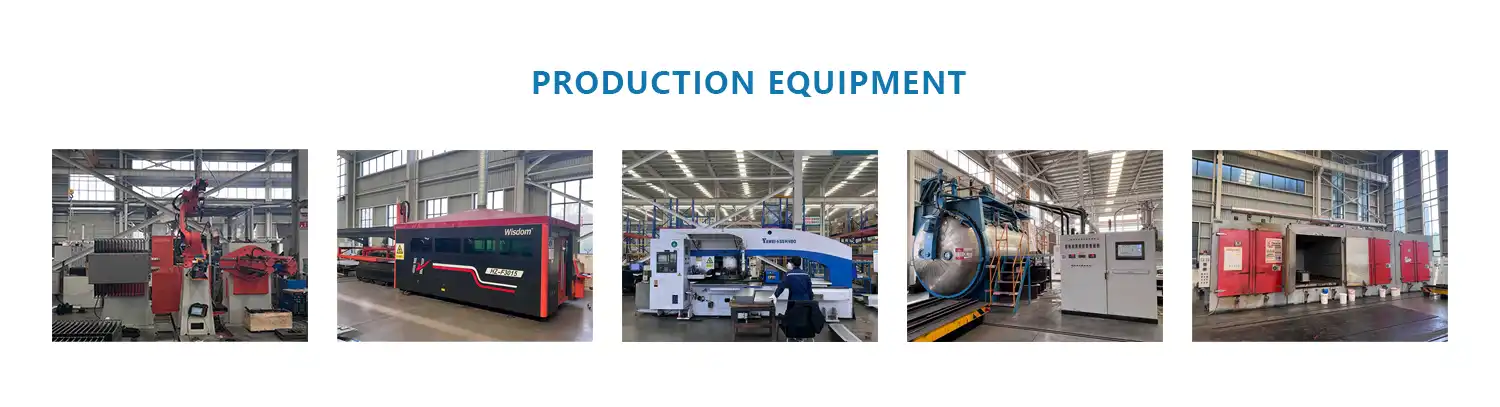
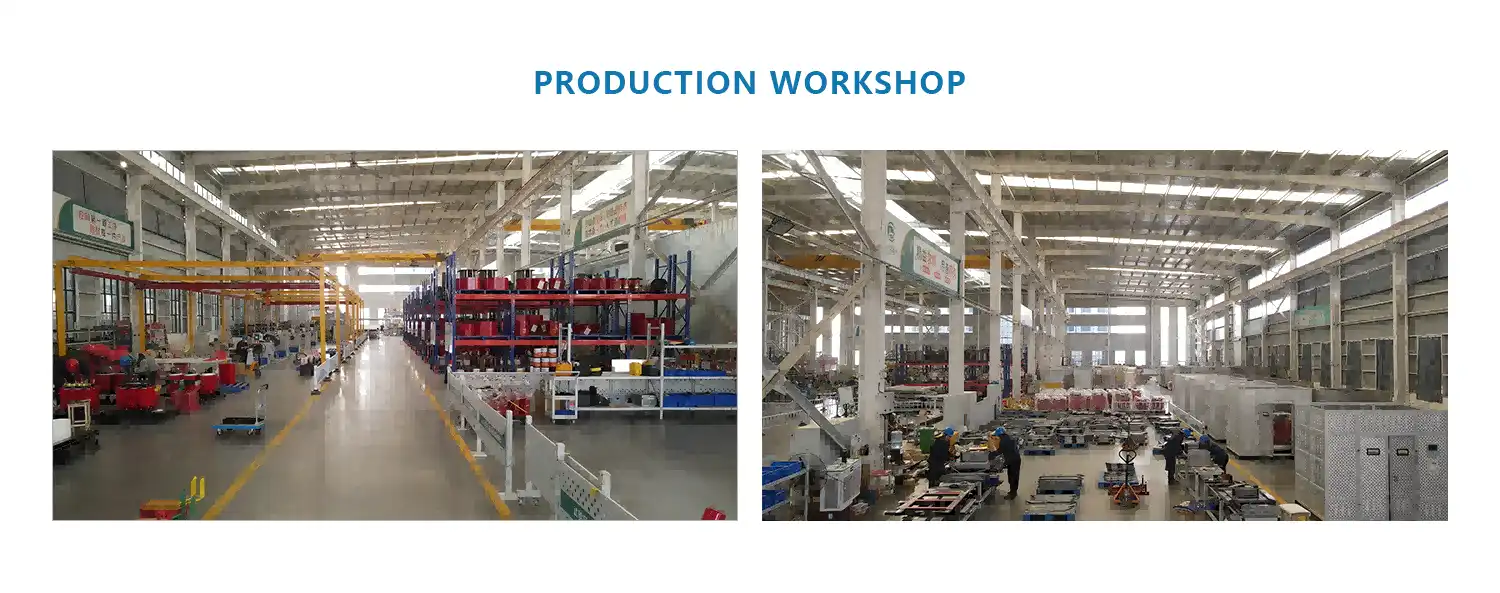
To choose reputable makers, you need to check their technical skills, production capacity, and quality control systems. Over 120 sets of specialised tools are used at our plant. These include CNC automatic winding machines, CNC static vacuum casting machines, and microcomputer-controlled gradient curing ovens. This system makes it possible to make solutions that are specific to voltage levels, link types, and environmental factors. Our team of 15 senior engineers and 30 or more junior workers has 18 patents in transformer technology, which shows that they can keep coming up with new ideas. During the purchase of raw materials, production processes, inspection of produced products, and shipping stages, we keep a close eye on everything to make sure the quality is consistent with "zero defects" ideals.
Lead Times and Customization Options
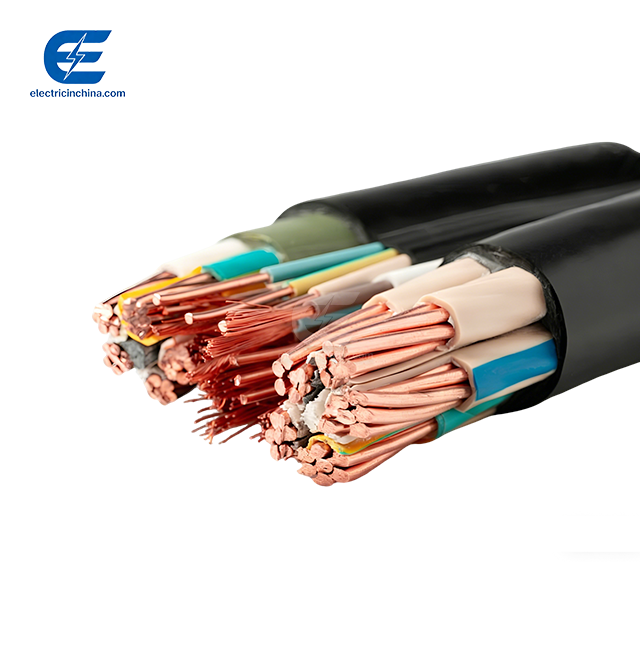
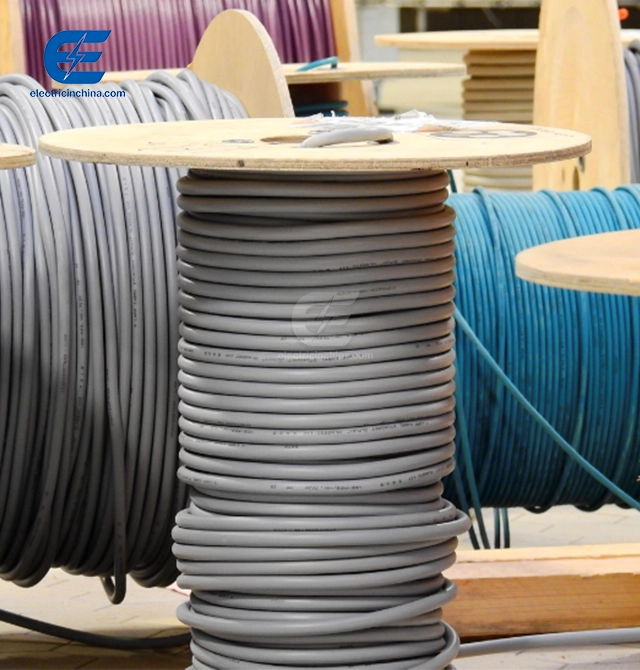
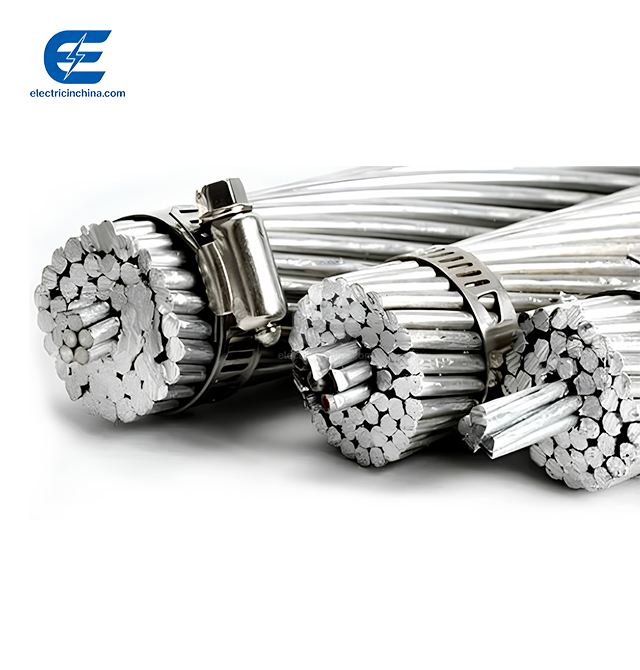
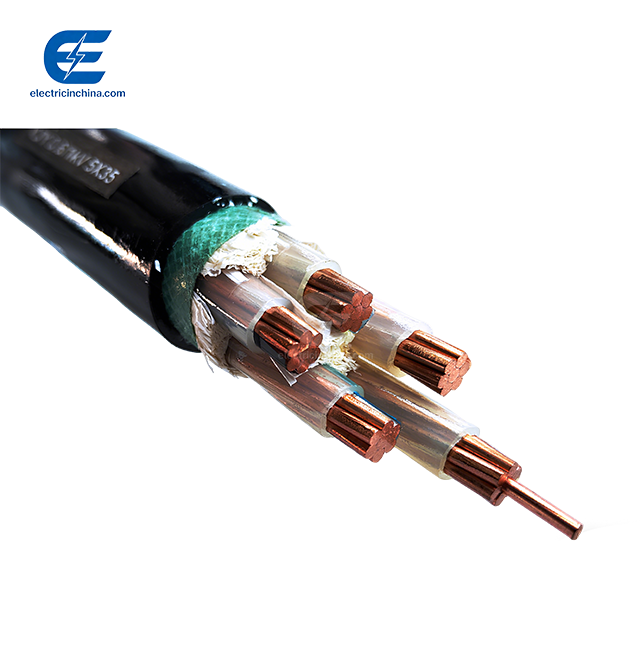
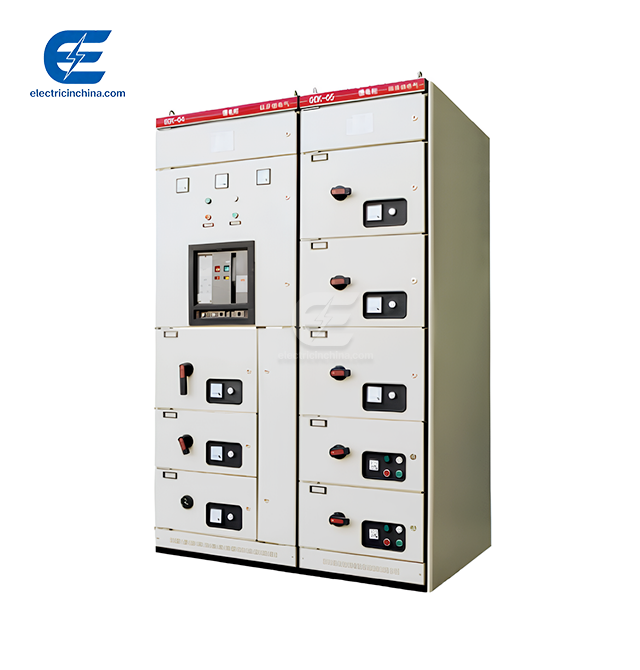
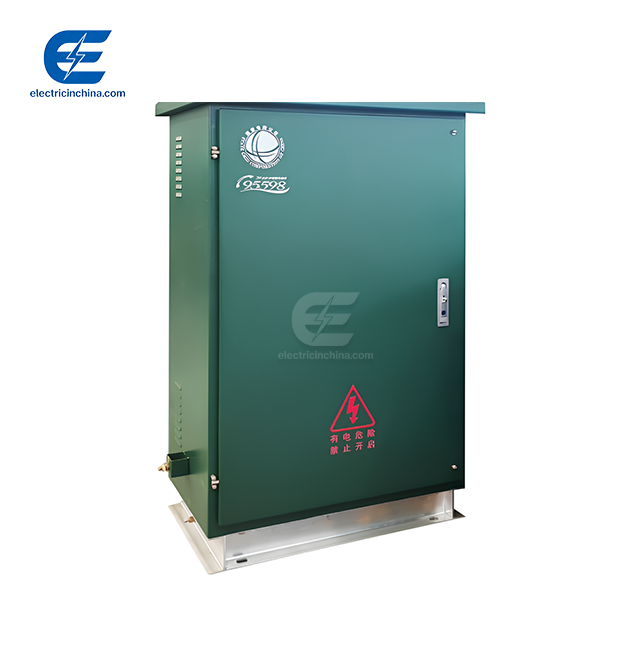
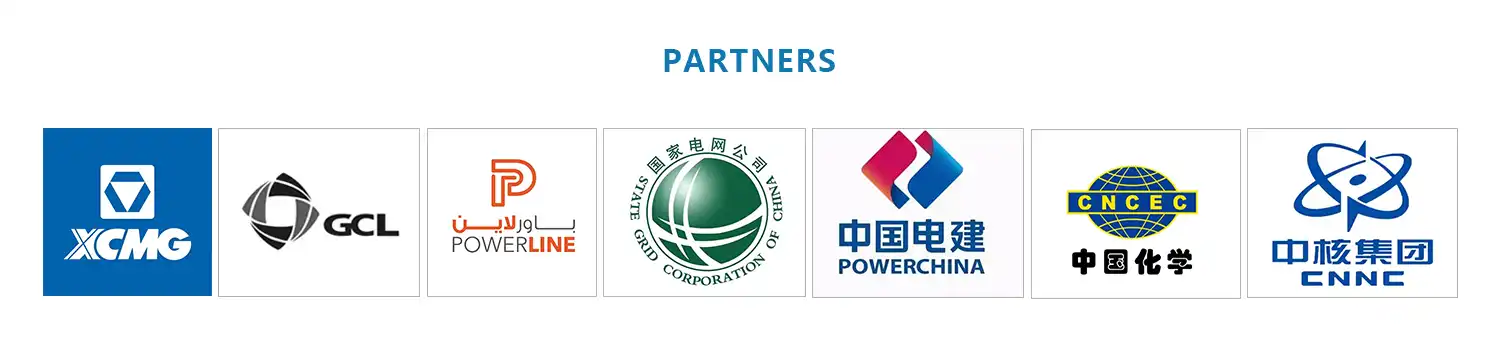
When building an industrial park, time is of the essence because power infrastructure delays put project deadlines and business launch dates at risk. We plan our production so that we can meet the needs for faster delivery. For example, during the XCMG Group plant upgrade, we finished installations ahead of time while still meeting quality standards. Voltage configurations (11kV to 0.4kV usual), impedance specifications (4-6% standard range), tap-changer arrangements, and safety methods that work well in harsh industrial settings can all be customised. We help clients buy related items, like low-voltage switchgear and cables, by offering combined solutions that make planning easier and buying less complicated.
Installation, Maintenance, and Lifecycle Management
The reliability, energy retention, and overall service life of a transformer are all directly affected by how well it is installed and cared for over time.
Site Preparation and Integration
For installations to go well, the base needs to be designed correctly, with enough room for air flow and entry for inspections. In temperatures up to +40°C, our transformers work consistently without being cooled by fans. Keeping the recommended spacing helps natural convection work better, though. To join the current electrical systems, the settings for safety relays, grounding configurations, and connection torque specs need to be coordinated. Our expert team does site assessments, oversees installations, and helps with setup to make sure there is the best performance from the moment the power is turned on. The Xuzhou High-speed Railway East Station project was a great example of this method because it perfectly integrated with important transportation facilities thanks to careful planning.
Predictive Maintenance Protocols
Even though our units don't need regular care, inspections every so often make them more reliable and increase their useful life. Visual checks show where dust is building up, how well the connections are working, and any signs of strange temperature patterns. Thermographic scans find hot spots that are starting to form before they break, mostly at the bushing ends and tap changer contacts. Partially discharged testing checks the stability of the insulation system; results below 10pC at 1.5Um mean things are healthy. Modern monitoring technologies let you keep an eye on load currents, winding temperatures, and environmental conditions in real time. This lets you take preventative actions that cut down on unplanned downtime. These skills have been useful for hundreds of business, industry, and public projects that need to keep running all the time.
Expected Service Life and Performance
When properly specified and kept, Dry-type transformer units usually last 30 years, and in some cases, they can last over 40 years in ideal circumstances. Due to the reliability of amorphous core materials and strong epoxy insulation systems in Dry-type transformer designs, performance decline is kept to a minimum during this time. Our Dry-type transformer construction doesn't crack, so it can handle changes in temperature and mechanical stress without breaking down. It keeps its electrical properties even when the temperature in a Dry-type transformer goes from -40°C to +40°C. The short-circuit withstand power of a Dry-type transformer goes beyond what is required, making it resistant to fault situations. The GCL Photovoltaic Industrial Park project shows this potential for longevity in Dry-type transformer applications, with units that can handle a range of green energy loads and keep working reliably in harsh circumstances.
Building Trust: Partnering with Experienced Transformer Manufacturers
You can be sure of the quality of the products, professional support, and long-term service promises when you choose sellers with a good reputation and a track record of successful projects.
Verified Manufacturing Capabilities
Xuzhou Tuojie International Trade Co., Ltd. is a high-tech company that makes transformers, does research and development, and offers full power distribution options. We've been in this business for more than 20 years and have worked on hundreds of important power projects in the industrial, commercial, and local engineering sectors. Two projects that stand out are the Xuzhou Rail Transit Network Control Center, which used dual-circuit designs to make sure that all operations were completely safe, and the Tianyu Yayuan project, which got the highest quality rating possible from the Xuzhou Power Supply Company. These achievements show that we are dedicated to meeting our clients' high standards for quality goods and on-time completion dates.
Quality Assurance and Certification
Our quality management keeps an eye on the whole process, from getting the raw materials to delivering and installing the finished product. Professional inspection labs with high-tech testing tools check the insulation's soundness, its ability to withstand heat, and its electrical properties. According to the rules in IEC 60076, every transformer goes through regular tests. Accredited third-party centers do the type tests. Our ISO 9001 certification shows that we take an organised approach to quality control. Our ISO 14001 and OHSAS 45001 certifications show that we care about the environment and follow safety standards at work. These certificates give procurement managers written proof of high-quality manufacturing that is needed for the offer qualification and EPC contractor prequalification processes.
Technical Support and Value-Added Services
In addition to selling tools, we offer full-service options that include design advice, application engineering, installation supervision, and commissioning. Our expert team helps with studies that find the best way to protect systems, figure out how much load they can handle, and make sure the power stays stable. We keep common setups in stock and can also accommodate custom specs for one-of-a-kind uses. After-sales support includes help with fixing problems, providing spare parts, and regular check services that make tools last longer. This all-around method was very important for projects like the Huaihai Biomedical Industrial Park, where strict pharmaceutical industry standards and combined power distribution systems had to work together perfectly with a lot of different types of equipment.
Conclusion
When choosing large-capacity Amorphous alloy dry-type transformers for industrial parks, you need to find a balance between technical performance, cost-effectiveness over the duration, and source trustworthiness. Amorphous core technology is worth the investment for middle-sized to big businesses that want to build sustainable infrastructure because it saves a lot of energy, improves safety, and is better for the environment. Verifying a supplier's certifications, manufacturing skills, and project experience lowers the risks of buying and makes sure that customers can get expert help and customisation options. Our track record of successful completion of government, business, and industry projects shows that we can provide dependable answers that meet strict needs and tight deadlines.
FAQ
What efficiency advantages do amorphous alloy cores provide compared to silicon steel transformers?
When compared to standard silicon steel designs, amorphous metal cores cut no-load losses by 70–80%, and they reach 98.5–99.2% efficiency rates at full load. Core loss rate is only 0.16-0.22 W/kg, compared to 1.1-1.3 W/kg for silicon steel. This means that over the 30-year working life, the material will use a lot less energy, which will save a lot of money.
Are dry-type transformers suitable for outdoor installations in harsh climates?
Through vacuum casting methods, our units can handle ranges from -40°C to +40°C and up to 95% humidity. Materials that are resistant to salt fog and UV light make them work reliably in seaside and tropical settings. Protection grades from IP23 to IP54 stop dust and water from getting in for a range of exposure situations.
What maintenance activities do these transformers require?
Because it doesn't use oil, it doesn't need regular upkeep like oil changes, filtering, and stopping leaks. Visual checks, thermographic surveys, and partial discharge tests should all be done on a regular basis to make sure that the insulation is still working properly. Compared to oil-immersed alternatives, these minimum standards cut running costs by a large amount.
Partner with a Trusted Amorphous Alloy Dry-Type Transformer Supplier
Advanced power distribution equipment made for tough industrial park uses is what Tuojie sells. Our SC(B)H15 series blends tried-and-true amorphous alloy core technology with more than 20 years of project experience; a wide range of standards, such as ISO 9001 and CCC; and the ability to make power ranges from 30KVA to 31,500KVA. We offer custom solutions backed by 15 top engineers, 18 patents, and full technical help from the beginning of the planning process through commissioning and beyond. Get in touch with our team at tuojie@electricinchina.com to talk about your unique needs and find out how our energy-efficient transformers can help you meet your sustainability goals while also cutting costs. You can look at full specs and ask for a project review today at electricinchina.com.
References
1. International Electrotechnical Commission. IEC 60076-11: Power Transformers - Part 11: Dry-type Transformers. Geneva: IEC Standards, 2018.
2. Institute of Electrical and Electronics Engineers. IEEE C57.12.01: Standard for General Requirements for Dry-Type Distribution and Power Transformers. New York: IEEE Press, 2020.
3. Smith, J.R. and Thompson, M.L. Amorphous Metal Core Technology: Energy Efficiency in Modern Power Distribution Systems. Journal of Electrical Engineering and Technology, 2021.
4. National Electrical Manufacturers Association. NEMA TP-1: Guide for Determining Energy Efficiency for Distribution Transformers. Rosslyn: NEMA Publications, 2019.
5. Chen, W. and Liu, H. Comparative Analysis of Core Loss Characteristics in Amorphous Alloy versus Silicon Steel Transformers. International Conference on Power Systems and Energy Technology Proceedings, 2022.
6. Anderson, K.P. Lifecycle Cost Assessment of Dry-Type Distribution Transformers in Industrial Applications. Power Engineering Review, 2020.