

.webp)
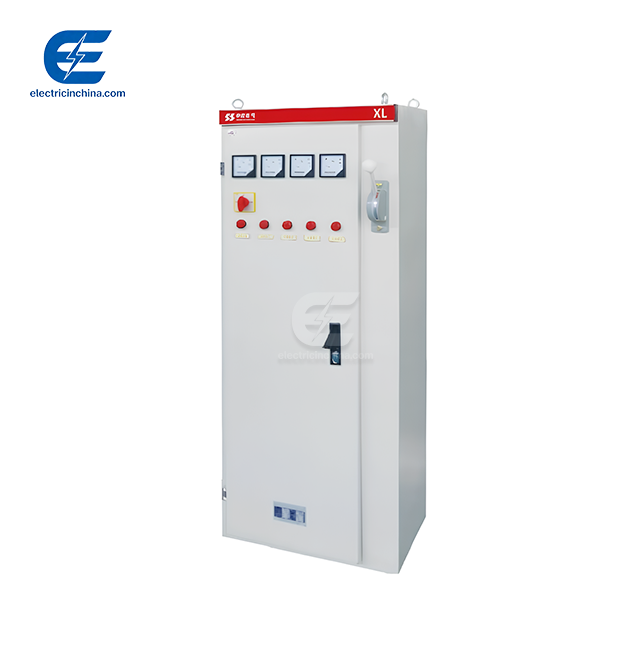
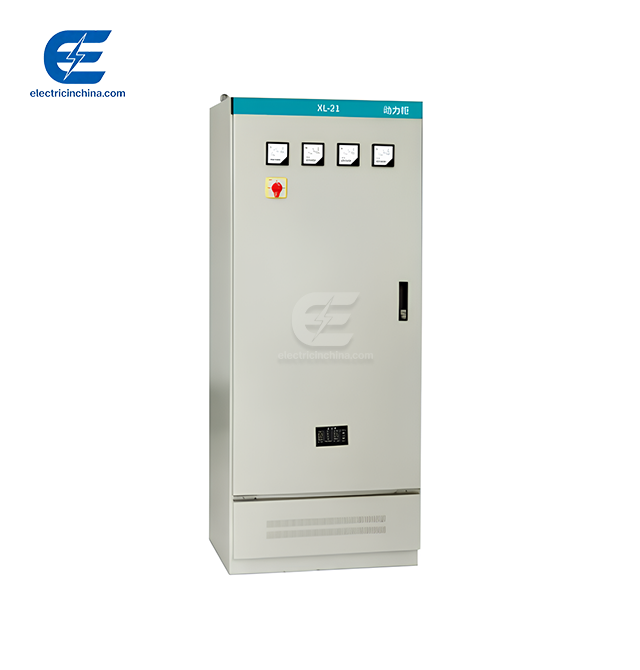
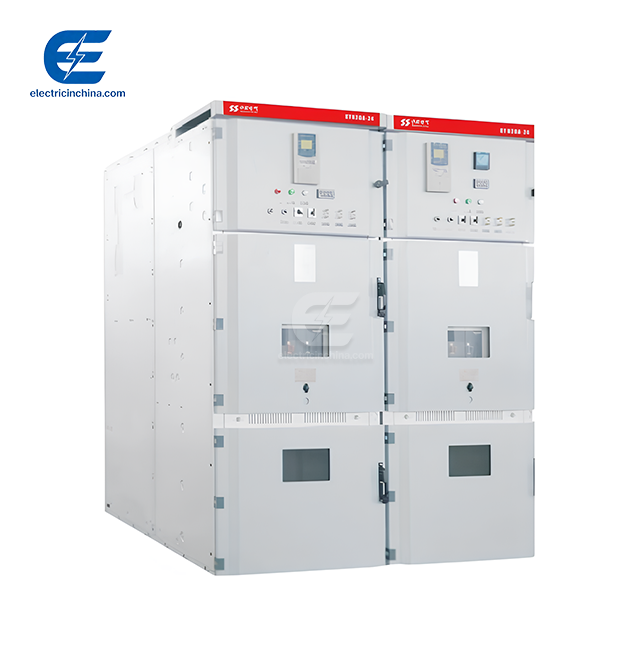
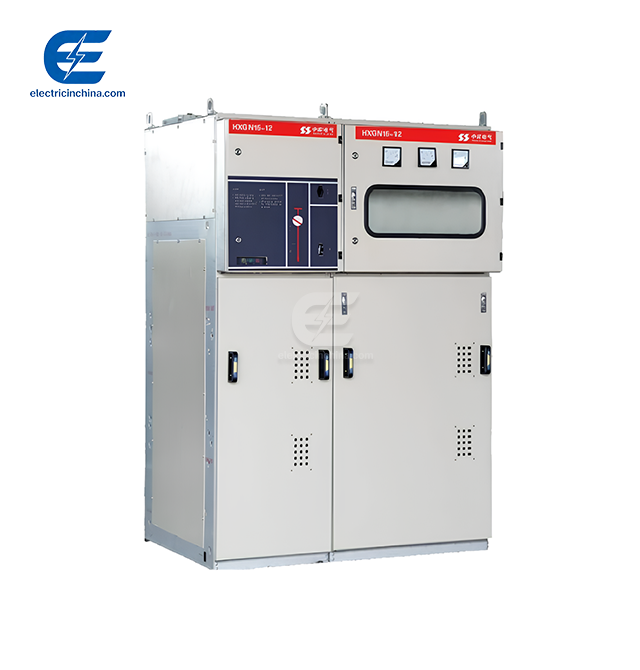
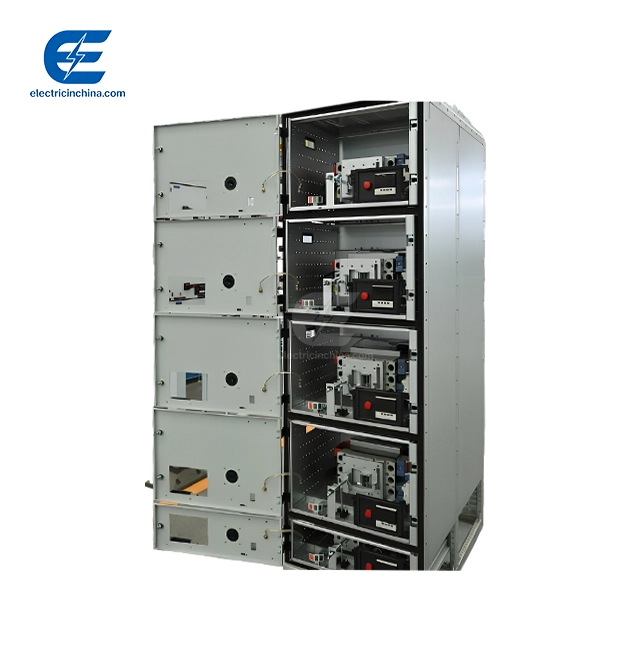
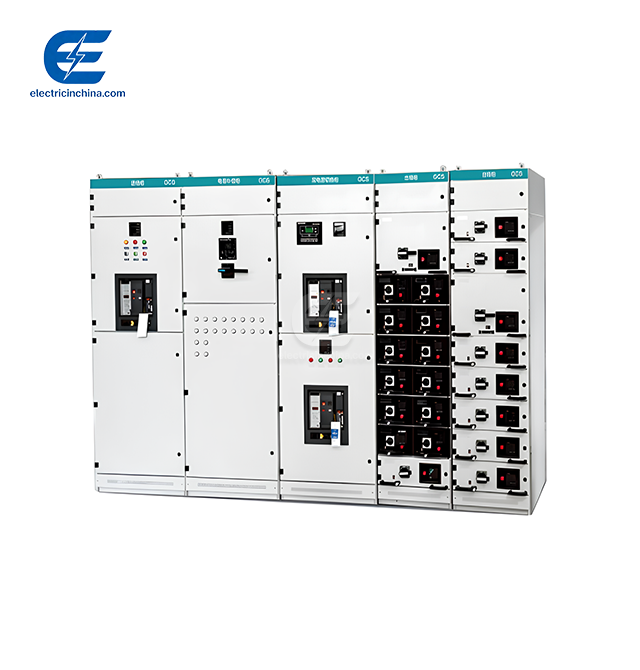
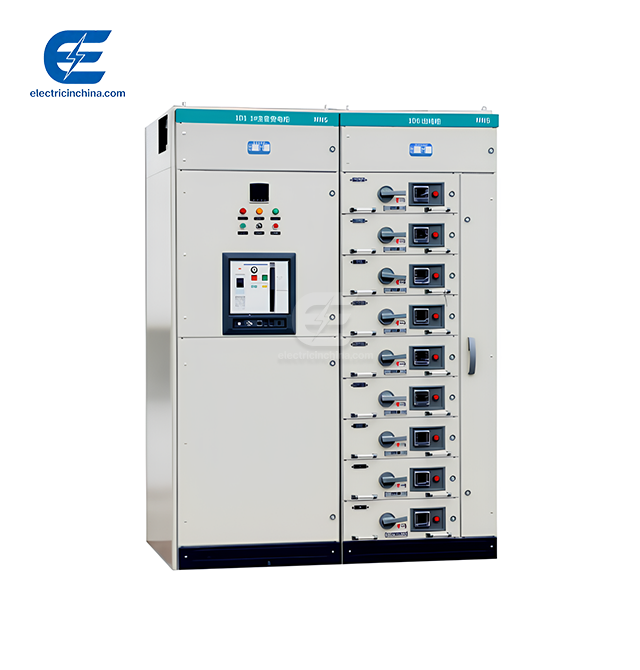
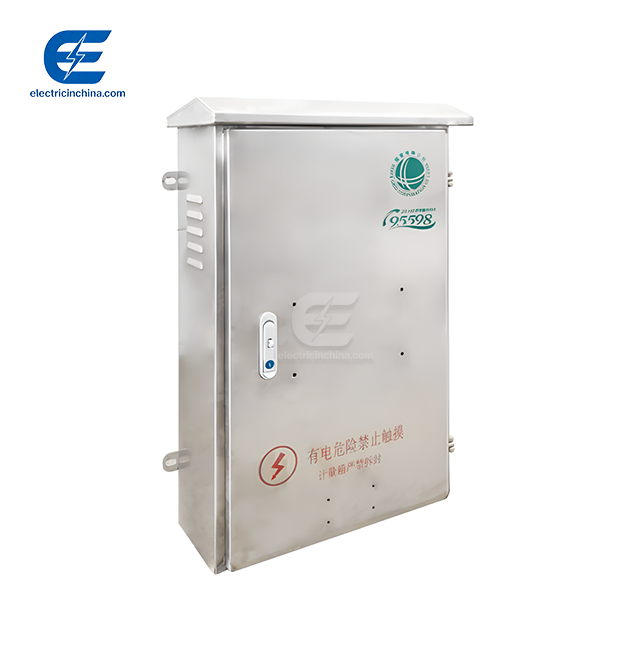
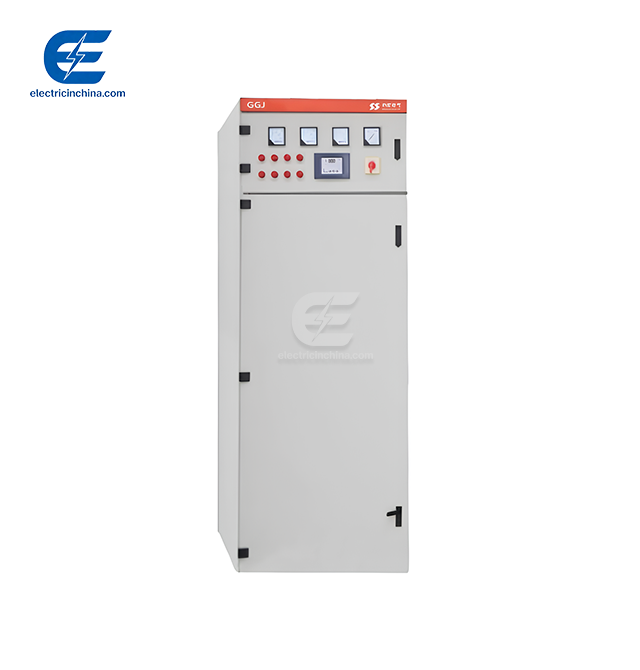
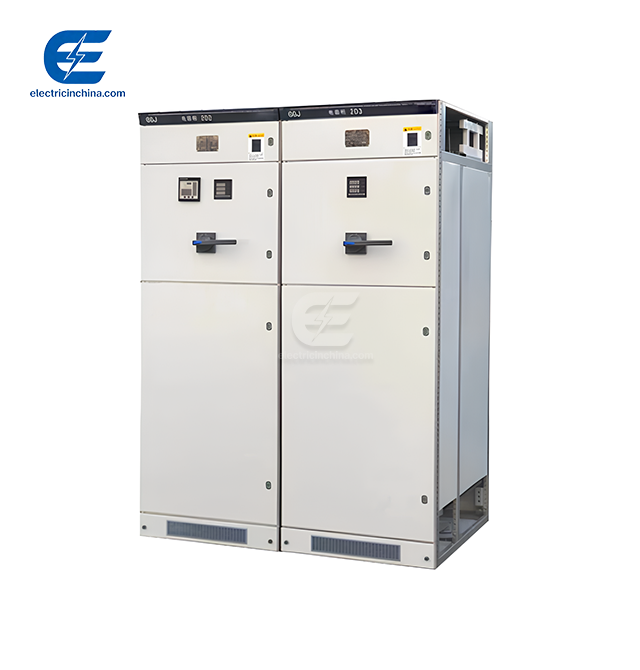
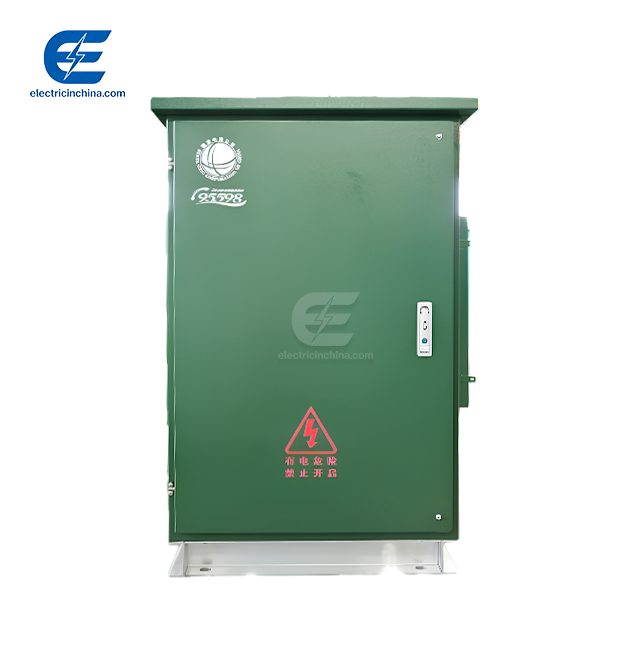
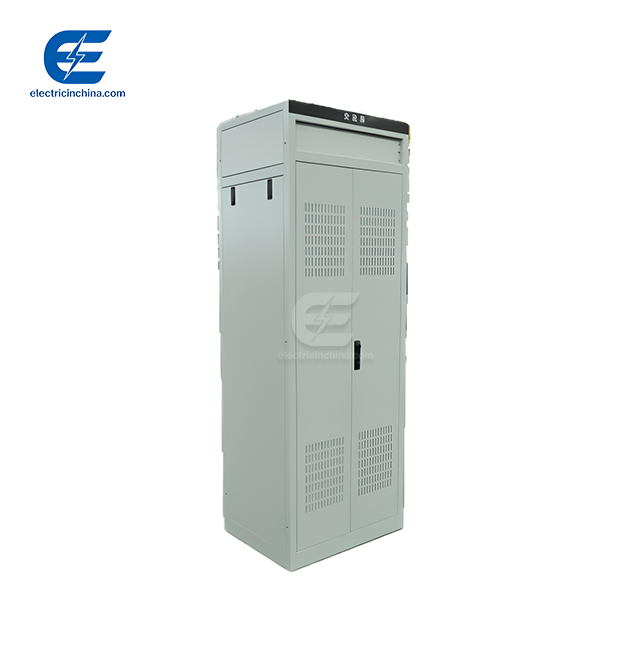
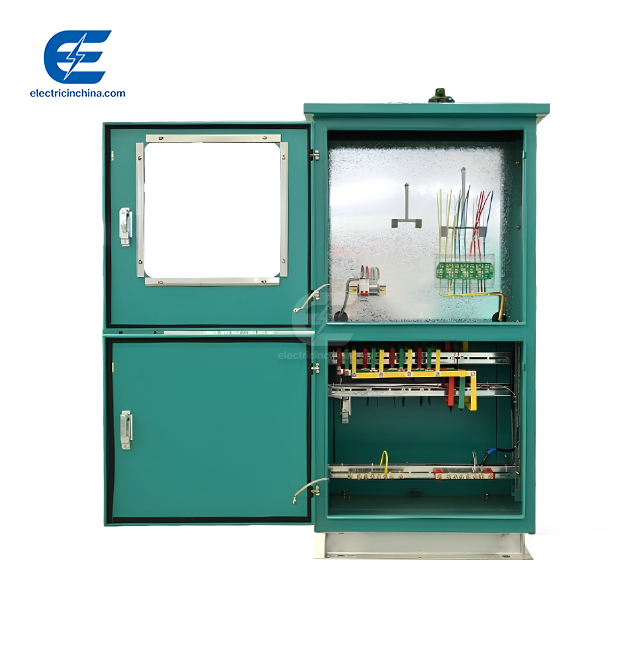
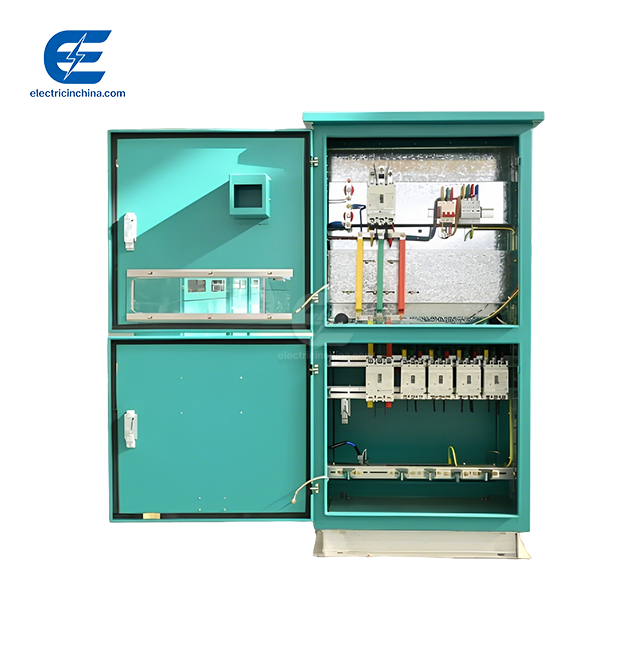
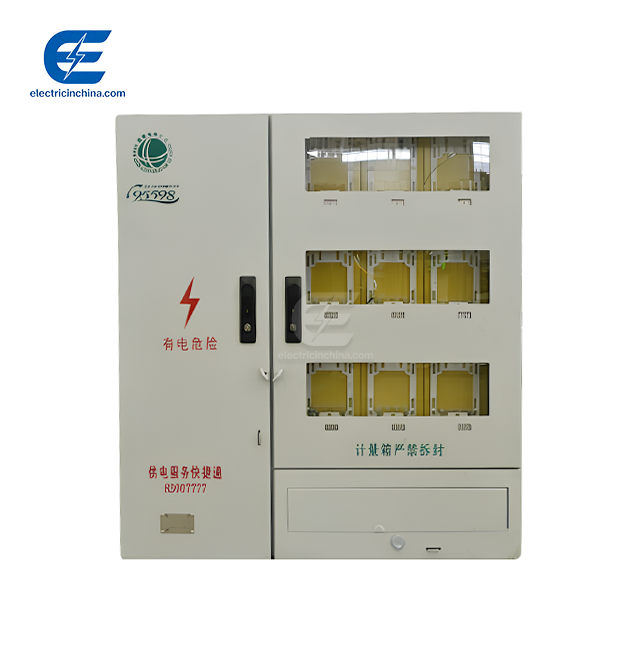
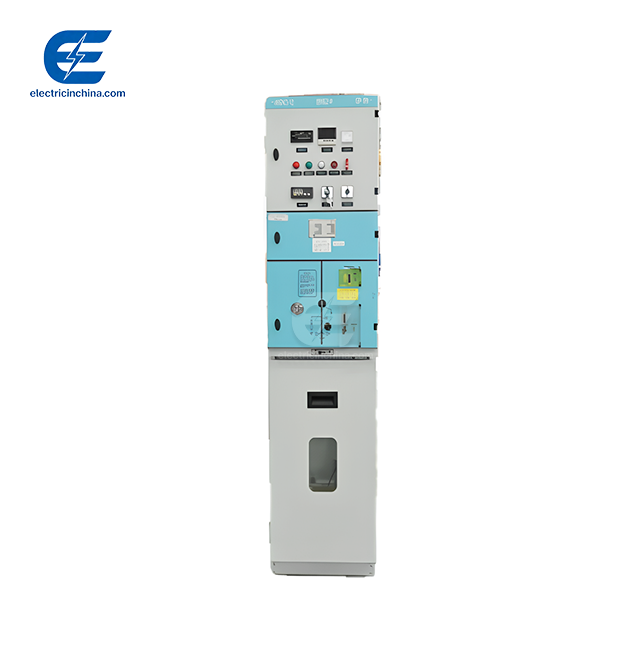
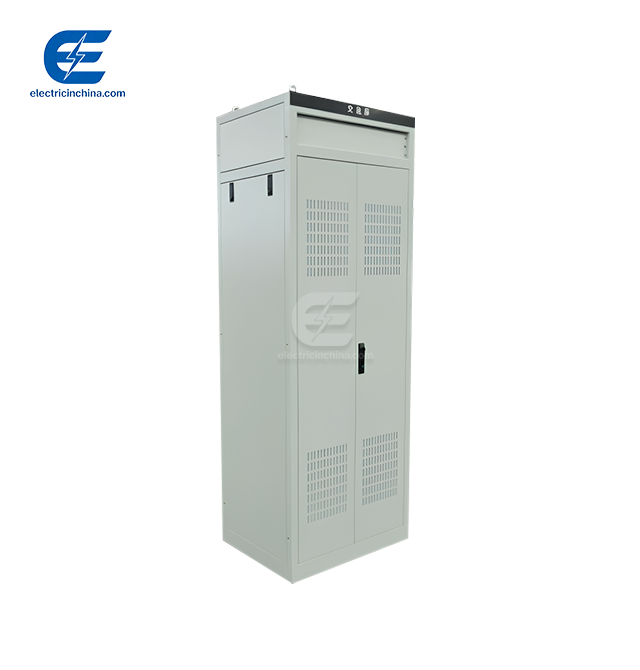
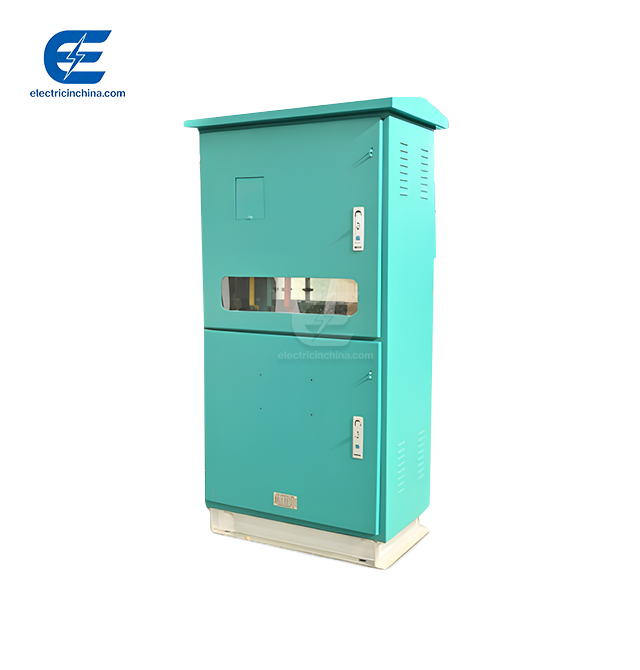
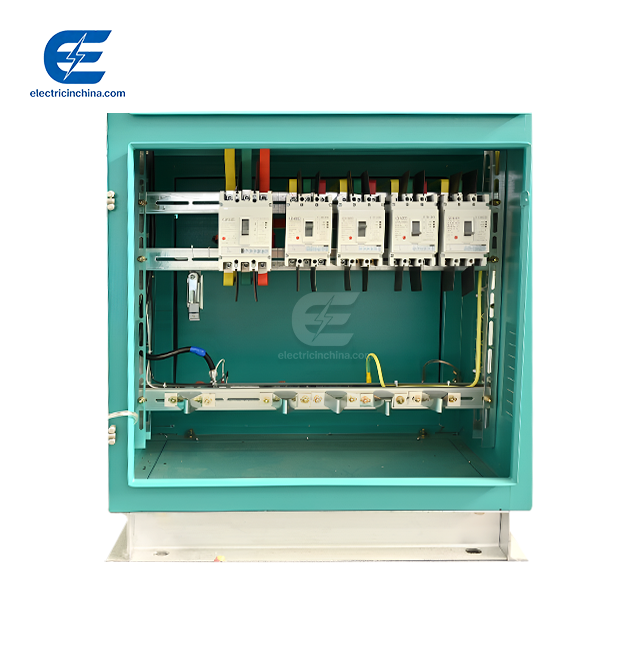
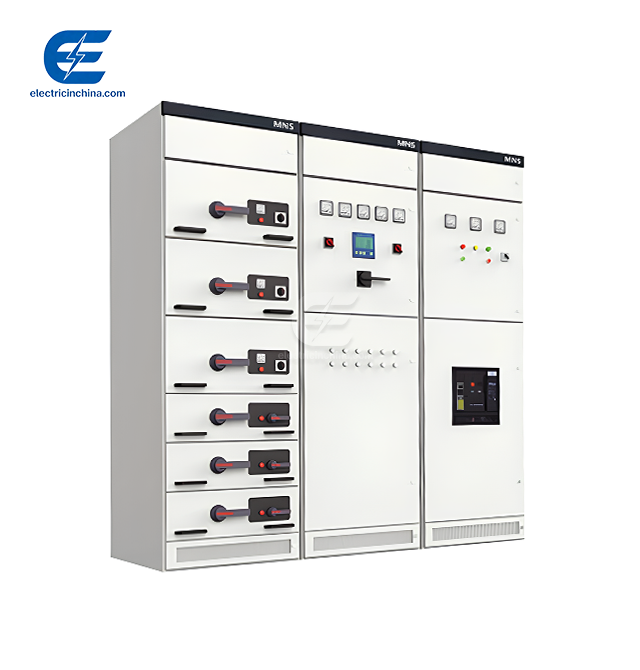
PV Compact Substations for Solar Power Plants greatly cut down on energy loss by combining high-efficiency transformers with advanced safety systems, shortening transmission lengths and getting rid of unnecessary wire. These units have been tried in the workplace and include switchgear, control systems, and tracking tools all in one enclosure. Compared to traditional setups, these units cut cable-related losses by 30–40%. By putting electricity equipment closer to solar panels and using digitally enabled parts, these substations make the whole system more efficient and give investors a better return on their investment over time.
Understanding PV Compact Substations and Their Role in Solar Power Plants
What Defines a Solar-Specific Substation?
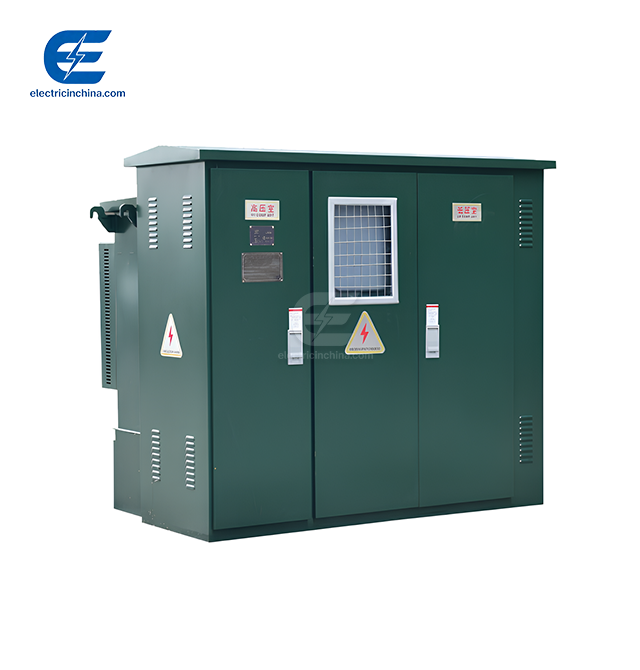
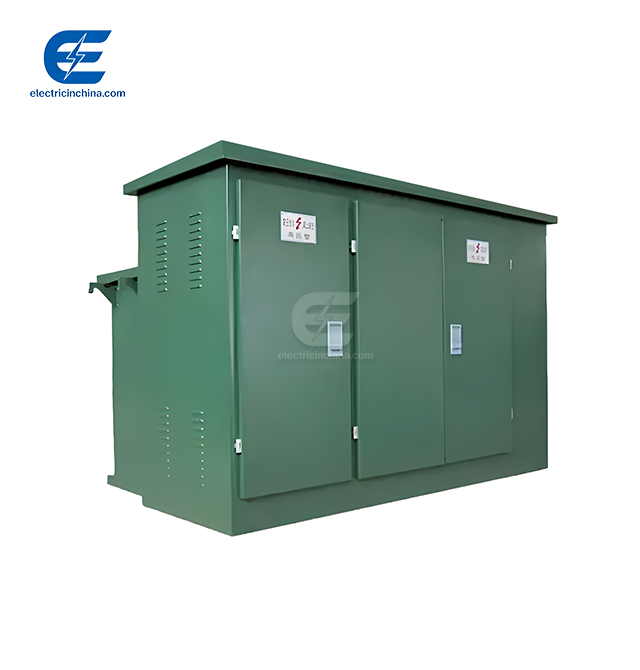
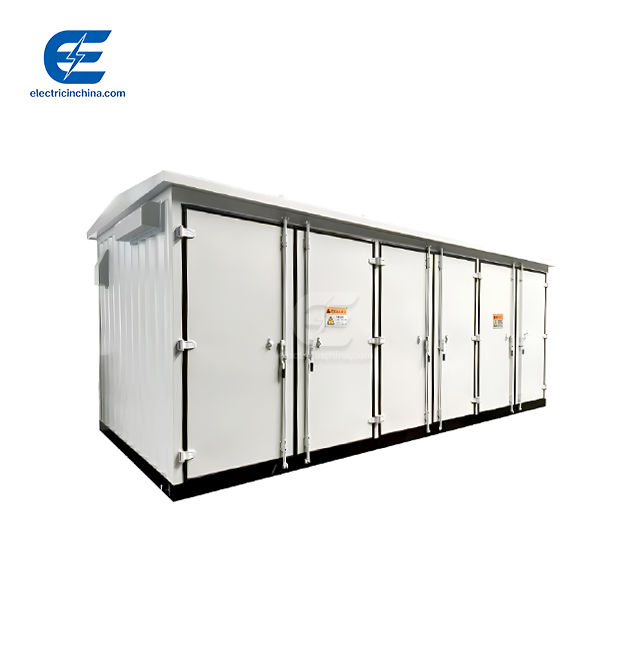
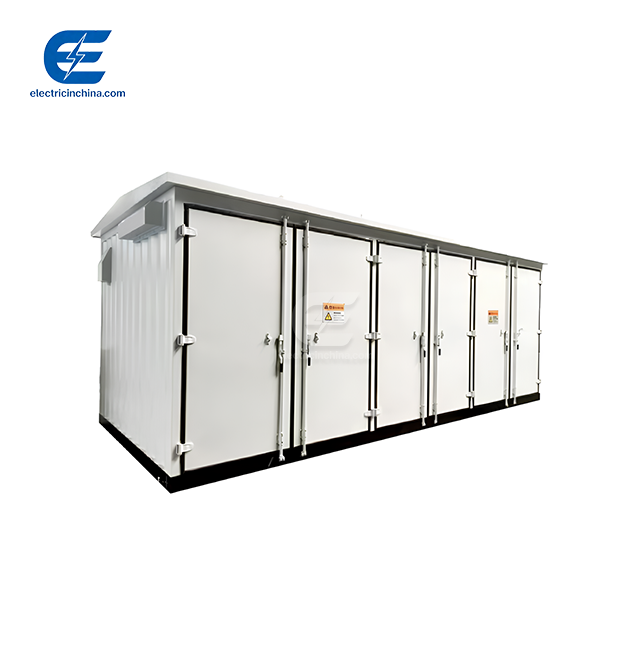
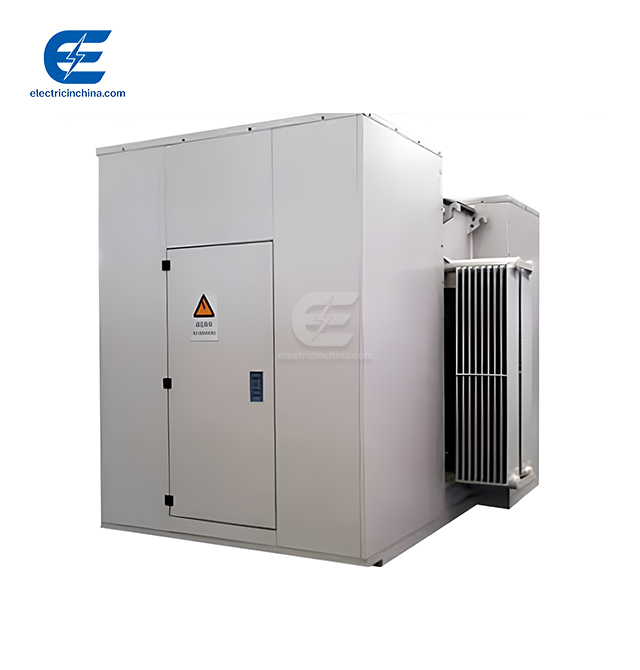
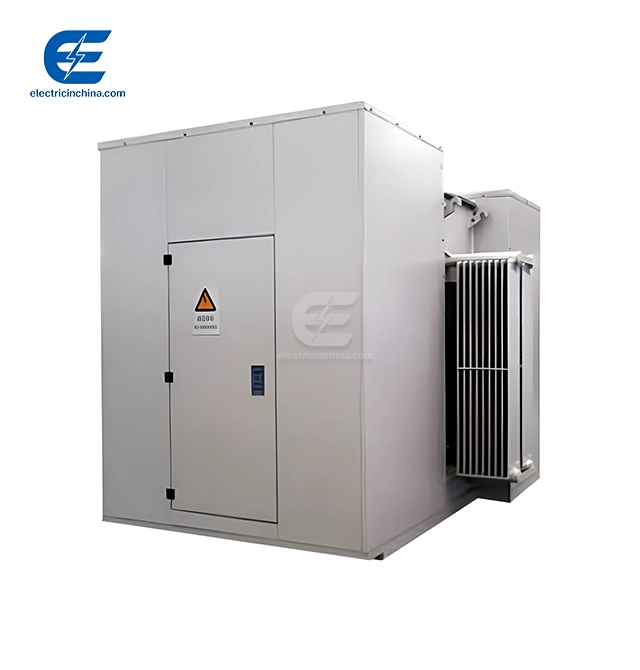
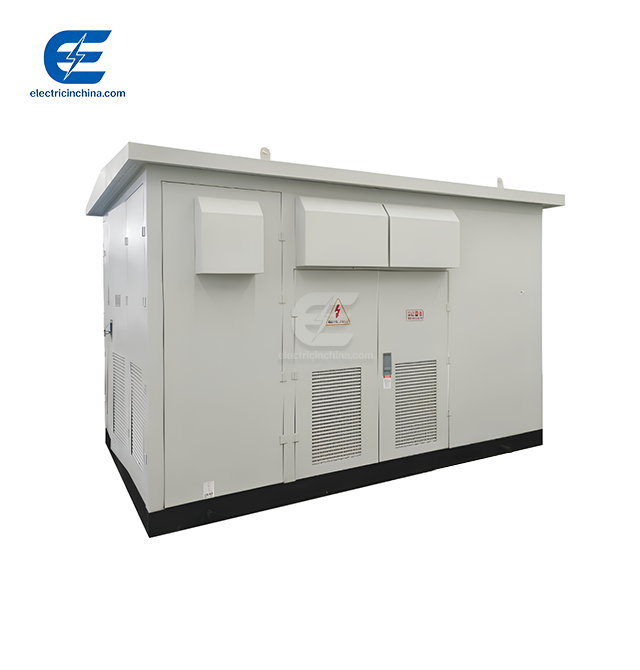
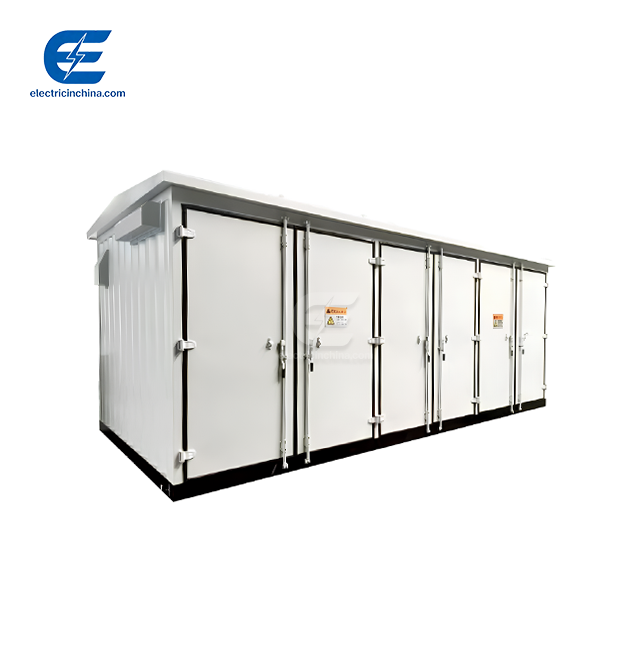
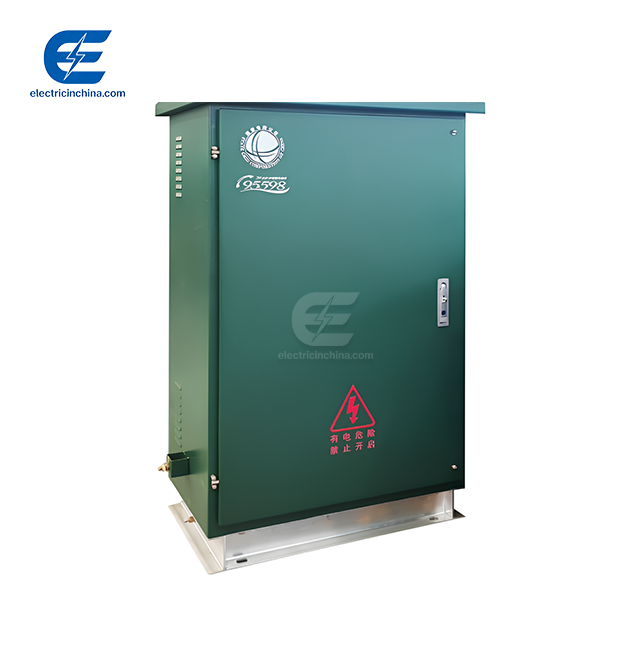
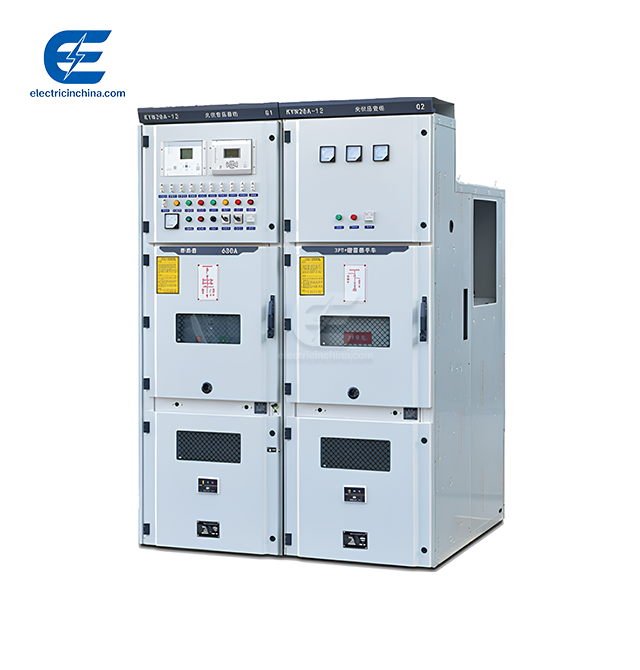
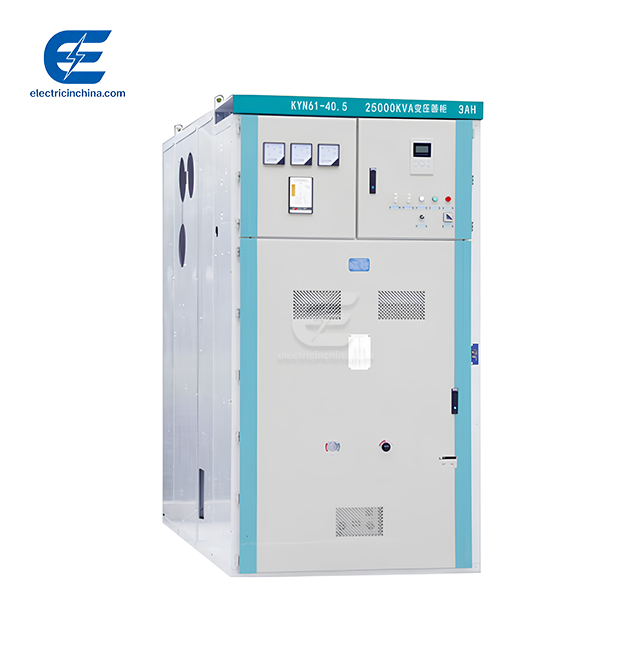
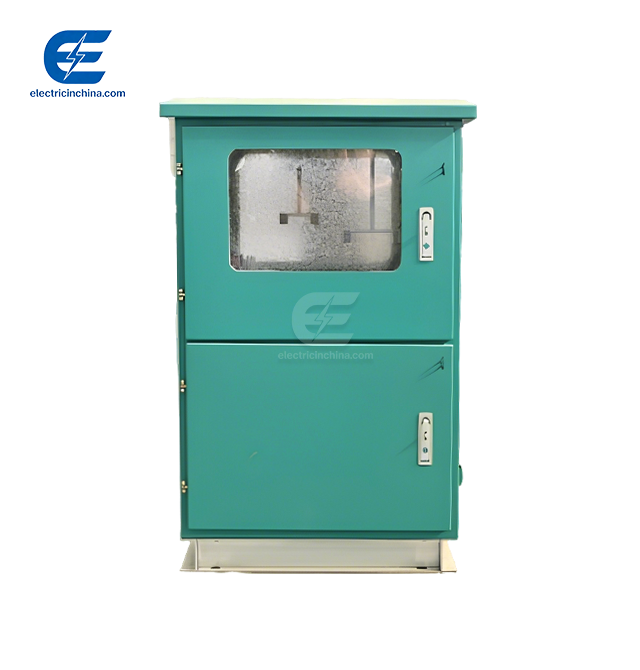
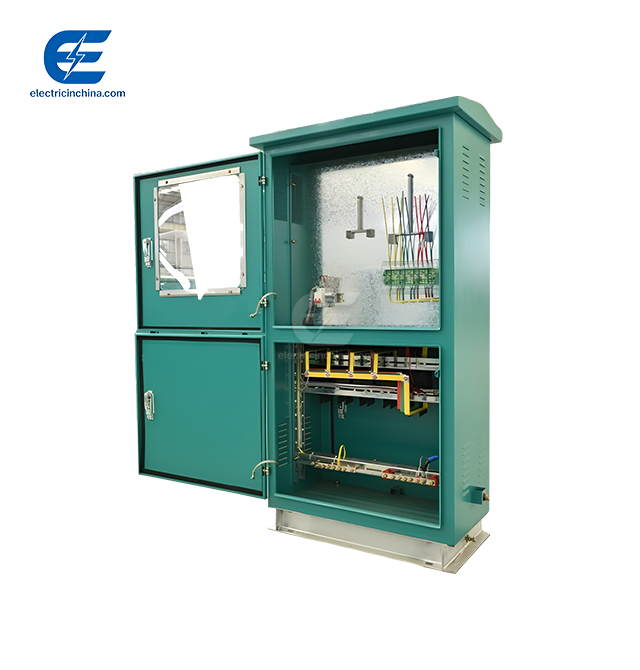
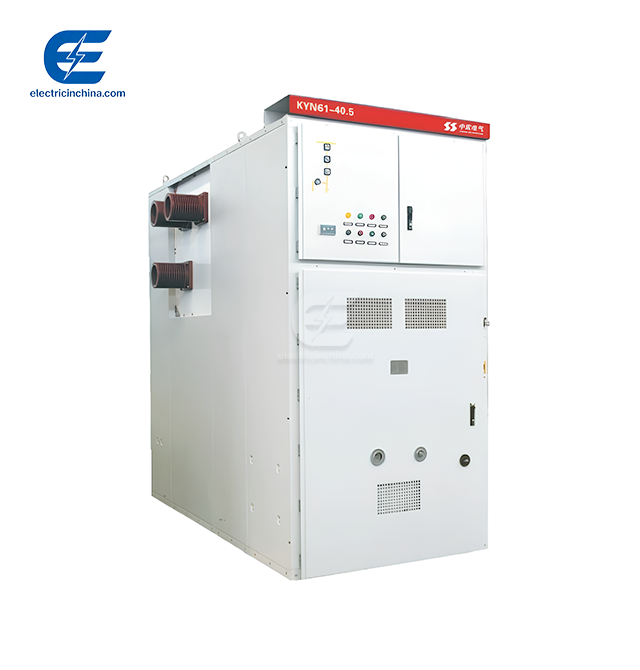
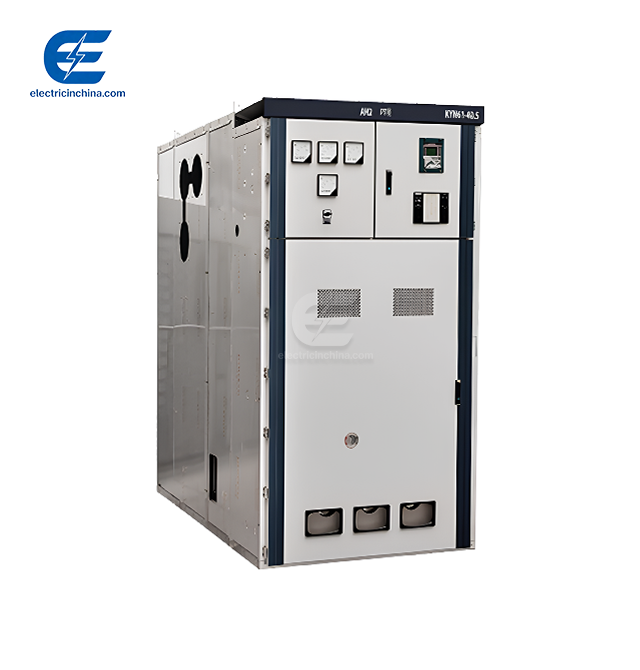
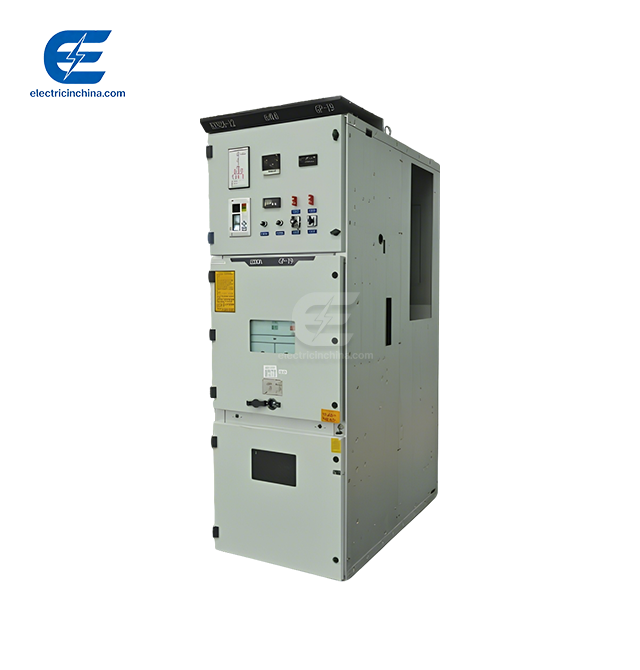
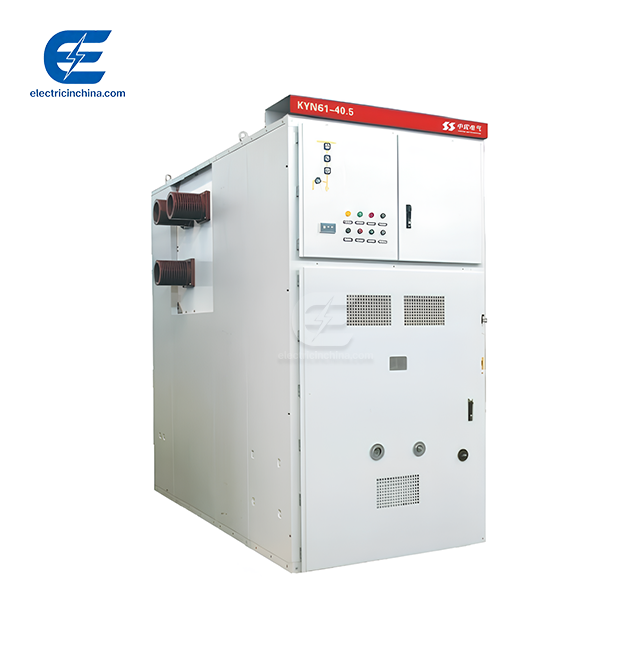
A PV Compact Substation is designed specifically for Solar Power Plants. One factory-assembled box contains transformers, switchgear, safety systems, and control tools. These units are checked and connected to all critical sections before being deployed on project sites, unlike normal substations. Multiple cables linking equipment are eliminated in the integrated design, reducing installation errors and gearbox resistance.
These substations convert medium-voltage systems (typically 35kV) to high-voltage transmission levels (110kV, 132kV, or 220kV, depending on grid needs). The compact form (15m × 8m × 4m) allows for more solar panels on land ordinarily used for other purposes. Factory testing ensures all pieces operate together before shipping. This reduces system setup time and field-assembled interface issues.
Core Components and Integration Benefits
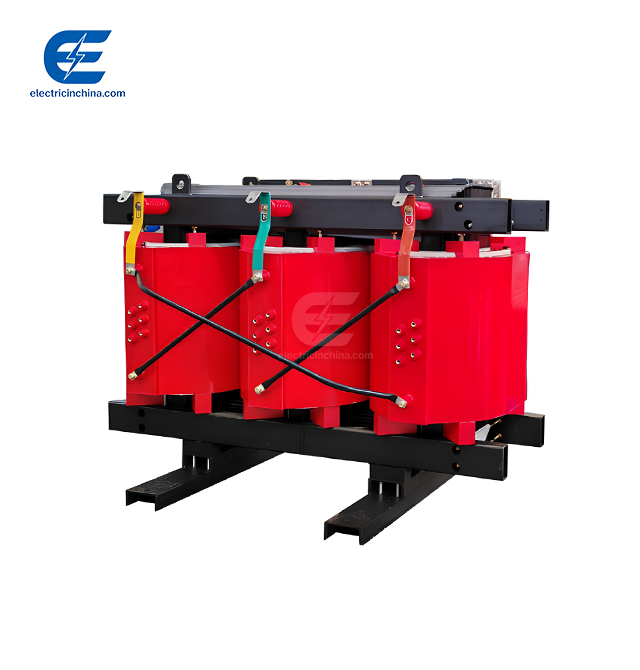
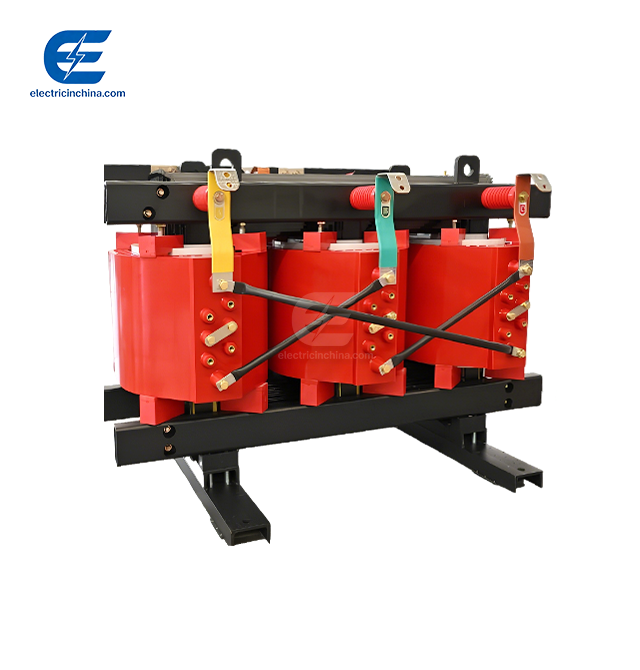
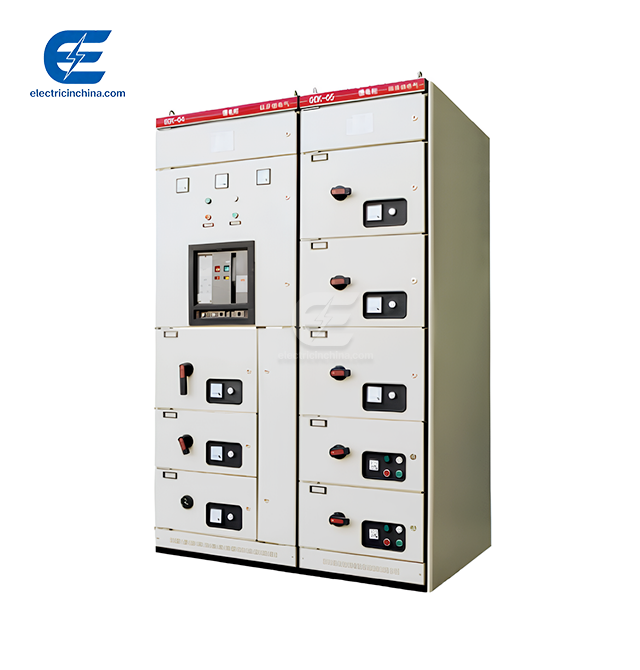
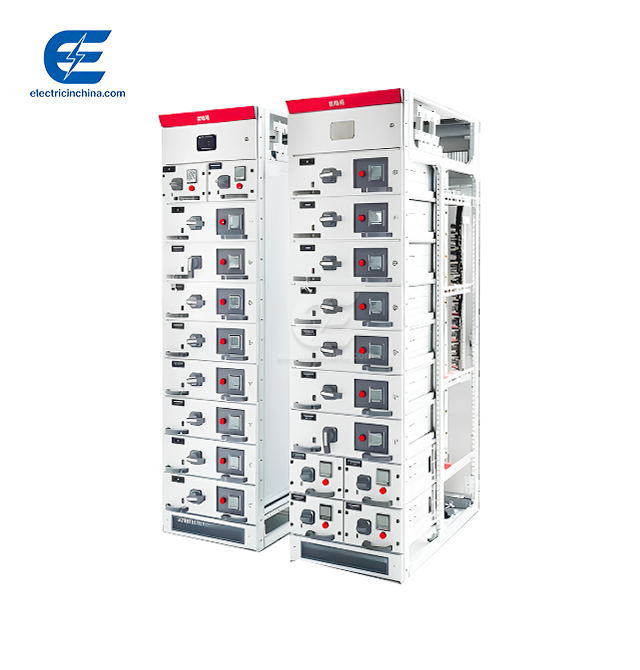
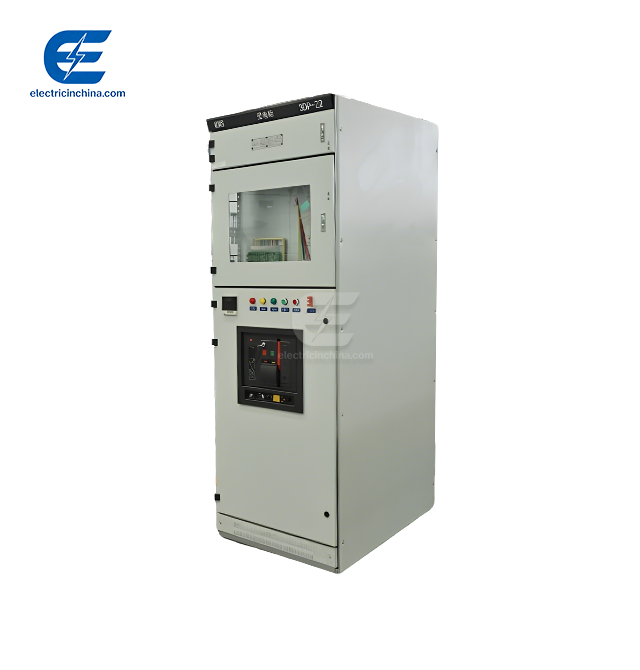
Modern solar substations' waterproof shells store vital components. ONAN/ONAF mineral oil or eco-friendly ester fluid cooling solutions enhance voltage and control temperature in the transformer. Tap changers provide voltage stability from ±10% to ±16%, accommodating daily solar power fluctuations. Vacuum circuit breakers or SF6-insulated medium-voltage switchgear with voltage-rated cutoff points repair work.
Protection switches monitor electrical parameters and act within milliseconds of a fault to protect devices and the grid. These devices communicate utilising IEC 61850 protocols to link to business-wide SCADA systems for centralised tracking. Backup batteries for control circuits, temperature-controlling air equipment, and electrical fire protection systems are auxiliary systems. Manufacturers eliminate interface losses and coordination issues caused by several vendors by placing these pieces in one enclosure.
Application Across Project Scales
Solar substations are used for a wide range of projects, from 50MW community sites to 1000MW or more utility-scale farms. It's easier for buying workers to match equipment specs to project needs when they understand how voltage ratings and capacity choices work. For smaller installations, 35kV/110kV transformers with a 50MVA capacity might be used. On the other hand, large solar farms use multiple units that can transmit 220kV and have 150–300MVA ratings per substation.
Because compact designs are flexible, they can work in parallel, which lets developers build projects in stages while keeping the electricity infrastructure up to standard. This ability to grow is especially helpful for projects that are getting funding or connecting to the grid in stages. Grid codes vary from place to place, but they usually cover things like voltage ride-through, frequency response, and power factor control. All of these things can be taken care of by choosing the right transformer specs and programming the safety relays.
Energy Losses in Solar Systems: Causes and Challenges
Transmission Resistance and Cable Length Impact
Solar power systems lose energy due to many factors, but wire resistance losses are the largest. Resistance converts solar panel electricity to waste heat as it travels through lines to collection points and substations. The equation P = I²R indicates that losses increase exponentially with current and linearly with resistance. The distance between voltage change equipment and generation sites impacts overall resistance, making it an essential design aspect.
Transformation equipment is commonly installed at the periphery of solar farms in classic substation plans to simplify grid connection. This requires wires to be run over 500 meters from distant arrays. These longer wires produce many resistive losses, especially in large systems with high current, until the voltage rises. Conductor resistance alone can reduce power output by 2–3% in a 500-metre-long 35 kV circuit. This arrangement requires using a 1000 A cable. This can cost millions in lost income during the project's 25–30 years.
Equipment Inefficiency and Heat Dissipation
Wire losses and transformer and switchgear performance are all affected by inefficient power transfer. On-site assembly of traditional substations from diverse parts often leads to poor performance. Inefficient power transfer causes wire losses and affects transformer and switchgear performance. resistance. Transformers of lower quality or the wrong size might cause 1.5 to 2% losses. However, high-efficiency designs reduce these losses to 0.5–0.8%.
Electrical equipment that loses heat consumes energy and ages parts faster. Heat inside switchgear boxes increases connection resistance and insulation life if air flow is insufficient. Traditional substations require complicated repairs, which can increase downtime. Solar generation slows or changes paths, increasing losses. When combined, these defects reduce solar plant output by 5–8% relative to optimum designs.
Operational Complexity and Reliability Concerns
Because traditional substations need a lot of space, they need a lot of civil engineering work done on them, like building supports, cable shafts, and separate buildings for the equipment. This level of complexity makes the building process take longer (12 to 18 months) and creates more than one way for workers to talk to each other, which can lead to mistakes or poor system performance. When you buy transformers, switchgear, and safety systems from different sellers, it can be hard to coordinate and figure out who is to blame when problems arise during installation or operation.
Another problem with classic forms is that they are hard to maintain. Technicians have to move between different pieces of equipment, which makes checks take longer and makes it less likely that strict regular maintenance plans will be followed. All of these inefficiencies have an effect on the reliability of the system. Unplanned power outages happen 40–60% more often in field-assembled substations than in factory-tested options that have been merged. Developers and procurement managers looking for ways to cut down on losses and improve efficiency in competitive green energy markets need to know that the design of substations has a direct effect on how much energy is stored overall.
How do PV Compact Substations Help Minimize Energy Losses?
Reduced Transmission Distance and Cable Optimization
Strategically positioning small substations to reduce wire lengths between solar panels and voltage transformation equipment can reduce energy loss. These units are 30–40% smaller than typical designs and can be placed in solar parks instead of in the wilderness. Now, wire runs are 200 to 300 meters instead of 500 meters. This directly reduces collecting system conductor resistance losses by 40–50%.
The integrated design eliminates low-voltage boxes and simplifies on-site part connections. Factory-installed busbars and terminated cable connections reduce resistance and contact wear. Engineering teams prepare cable size and routing to ensure the optimal conductor cross-sections for real current loads during production. This avoids conservative field forecasts that result in large, expensive setups. We build each PV Compact Substation for Solar Power Plants with over 120 high-tech pieces. This ensures all conductors are terminated, and the unit has low contact resistance.
High-Efficiency Transformers and Advanced Thermal Management
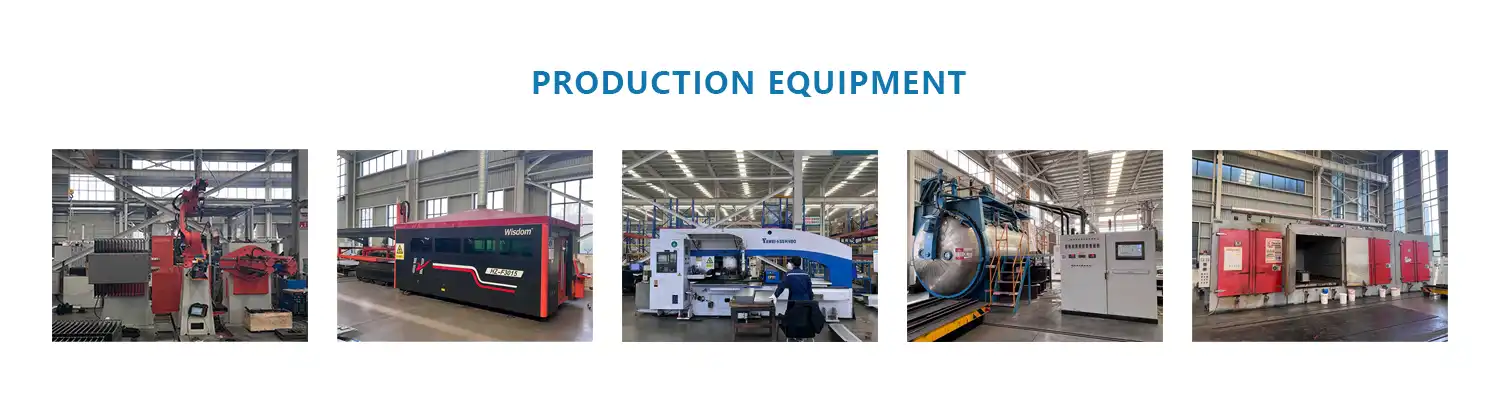
One of the most important things that modern solar substations do to cut down on loss is to use high-efficiency transformers. Our units use transformers with total losses of less than 0.8%. This is possible with improved insulation materials, flexible metal cores, and optimised winding designs. CNC automatic winding machines and gradient curing ovens managed by microcomputers are used to make these parts. This makes sure that the quality and performance always meet or beat IEC 60076 standards.
Even when there is a lot of traffic or the temperature outside is very high, thermal control systems keep the machine running at its best temperature. Our substations work successfully in temperatures ranging from -40°C to +50°C, thanks to smart air systems that turn on based on temperature sensors inside the buildings. Better cooling keeps transformer efficiency high even when the load changes, which happens a lot with solar power because output changes with the weather and the time of day. This temperature stability stops the loss of efficiency that happens in regular substations when equipment gets too hot during times of high production.
Digital Protection and Real-Time Performance Optimization
Digital switchgear manages energy flow dynamically and detects defects in real time, improving operations and reducing downtime. SCADA integration and IEC 61850 connectivity allow our PV Compact Substations for Solar Power Plants to monitor all electrical factors. Protection relays monitor voltage, current, power factor, and harmonics. If they notice anything wrong, they trigger automatic reactions that prevent protracted power outages.
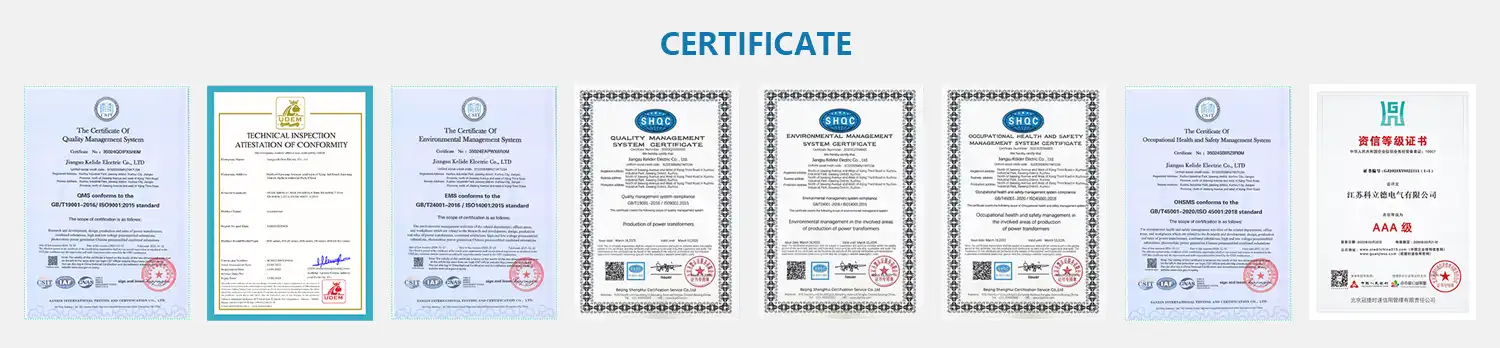
Remote diagnostics and predictive maintenance reduce unexpected outages by 40–60% compared to reactive maintenance. Project managers can use mobile performance data to track energy flow trends, identify inefficiencies, and arrange repairs for low energy output to minimise production. We monitor the entire process from raw materials to finished products using ISO 9001, ISO 14001, and OHSAS 45001 quality management systems. This technology ensures equipment uptime above 99.7% for 25–30 years.
Proven Performance in Real-World Applications
Utility-scale case studies show that coupled solar substations make energy retention easier. Our GCL Photovoltaic Industrial Park project had 3.2% lower system losses than the developer's previous installations, which used typical substation designs. This modification added 12,800 MWh per year to a 400MW system, earning $960,000 at typical power purchase agreement rates.
Over time, simplified construction and maintenance keep the system efficient. Compared to other options, our substations are installed 60–70% faster. This reduces completion timeframes from 12–18 months to 4–6 months. The shorter timeframe reduces building and moving costs and brings in money quicker. We completed hundreds of power projects, including the Xuzhou Rail Transit Network Control Center and High-speed Railway East Station power supplies. This proves we can deliver dependability for vital infrastructure where downtime can be disastrous.

Comparing PV Compact Substations with Traditional and Other Substation Types
Conventional Field-Assembled Substations
Transformers, switching buildings, control houses, and other systems are located on 40m x 30m plots in classic substations that serve huge power plants. These methods enable you to choose which parts to use and make it easier to repair specific pieces of equipment, but the long wire links between elements produce substantial gearbox losses. Field assembly takes 12–18 months and needs numerous firms to work together, increasing the chance of installation errors and compatibility issues.
Traditional designs need civil engineering to build reinforced concrete bases for transformer pads, underground cable tunnels with convoluted paths, and temperature-controlled buildings for sensitive control and switchgear. These criteria increase project costs and duration, delaying solar system profitability. Maintenance zones vary depending on site layout, and personnel must move from one piece of equipment to another to examine and maintain it. More sophisticated systems cost more to run and are less available than integrated choices.
Mobile Substations in Containers
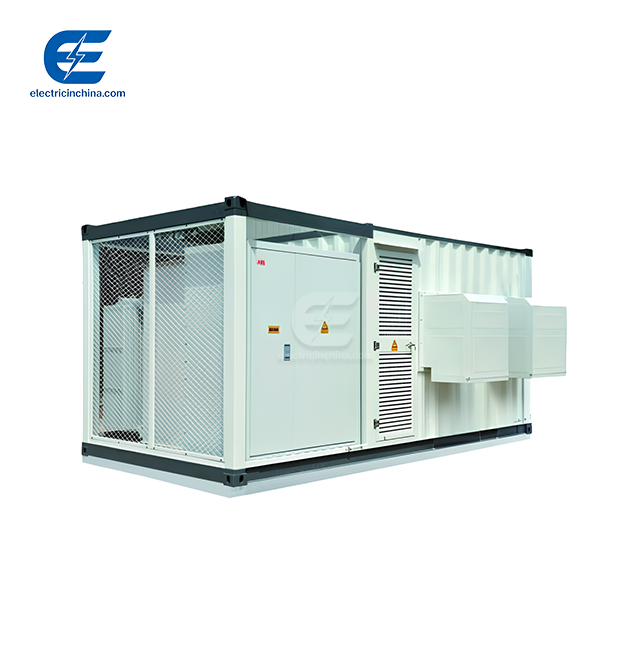
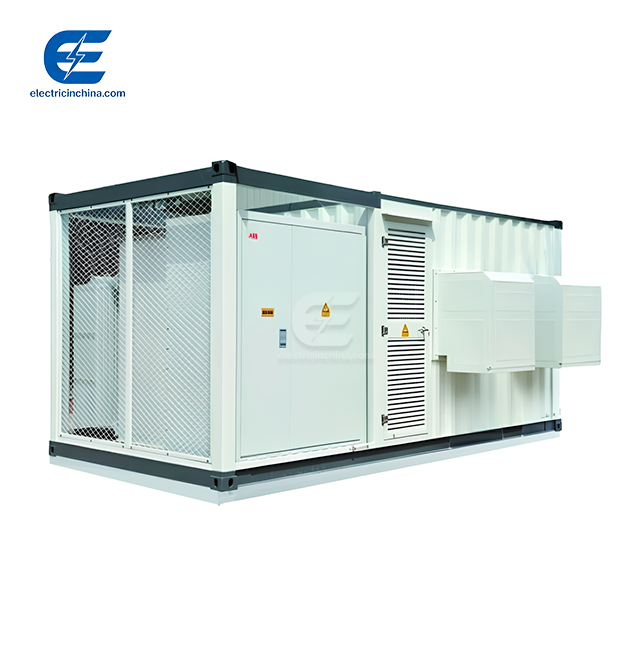
Containerised units are easier to move and take less time to set up than field-assembled systems. This makes them a good choice for temporary setups or projects that don't know where they will stay in the long run. The equipment for these substations is packed into normal shipping containers, which makes them easy to move and set up with little site preparation. Installation times are usually between 6 and 9 months, which is longer than traditional methods but shorter than fully integrated compact designs.
Containerised systems still can't make the best use of space because they have to fit standard container sizes instead of adjusting the plan to improve electricity performance. For generator, switchgear, and control tasks, more than one container may be needed, which can cause interface losses and make coordination harder. Customisation options are limited by the structure of the container, and keeping the temperature down can be hard in harsh areas where the sides of the container soak up the sun's rays. Even though containerised substations can work in some situations, they can't compare to the engineering efficiency and performance of solar electricity infrastructure that was built just for that reason.
Integrated Solar-Specific Substations
Our tiny substations are designed for solar use, with smaller footprints, faster installation times, and improved energy economy. The 15m × 8m × 4m enclosure provides sufficient room for all essential sections, minimising wire lengths and permitting safe gaps and easy service. Factory performance checks are done before shipping. This ensures that units are ready to promptly start service after grid hookup.
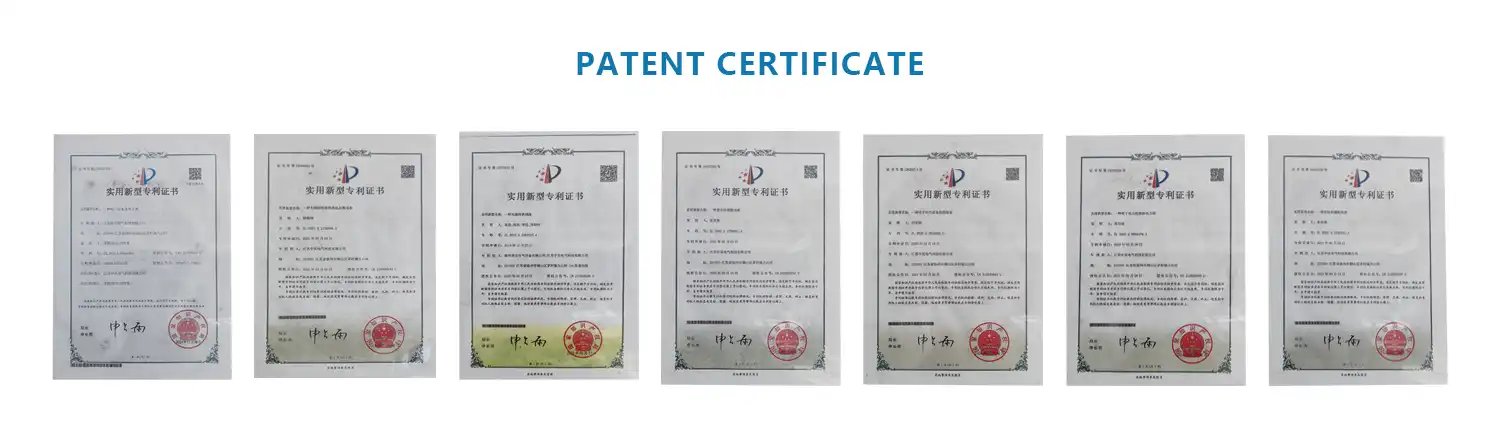
We can customise voltage rates, capacity, safety systems, and environmental standards for a project. Our 18 patents demonstrate our innovation in heat management, harmonic filtering, and module addition. Our 15 senior engineers and 30 intermediate technicians use their 20 years of experience to solve installations in harsh environments like deserts with sandstorms, coastal areas with salt spray, and high-altitude areas above 3000 meters, where air pressure is lower and cooling equipment has trouble working.
Manufacturer Comparison and Technology Selection
Looking at products from well-known companies like Schneider, Siemens, ABB, Eaton, Huawei, and GE helps buying teams understand the different technology features and performance trade-offs. Global names have a lot of technical information and standard designs that make it easier to specify, but they might not be flexible enough for unique project needs or differences in regional grid codes. Regional makers have a strong knowledge of the local laws and weather, but their quality control and long-term support skills are very different.
When purchasing things, people in charge should look at factory test records that show core losses, copper losses, and the total efficiency of the transformer across all load ranges. Standard parts usually come with warranties that last between 2 and 5 years, but important parts can get longer warranties. Lifecycle costs and equipment longevity are based on after-sales service skills such as the availability of spare parts, the speed with which technical help is provided, and the range of areas where service is provided. Our all-around method includes shipping and installation help, as well as quality control systems that make sure all of the units we make work the same way.
Procurement Considerations and Best Practices for PV Compact Substations
Technical Specification Development
To choose the best solar substation, you must first carefully examine the project's electrical variables, such as its power output, voltage levels it needs to receive and send, and grid connection standards. Procurement teams should engage with technical specialists to specify voltage ratings (35kV/110kV to 35kV/220kV for utility-scale projects), transformer capacity (50MVA to 300MVA per unit), and protection system demands. Local grid code compliance varies. North American projects must follow IEEE 1547, but international projects must follow their own rules.
Installation site aspects must be carefully considered due to environmental regulations. Deserts require sealed shelters with positive pressure and sandstorm-resistant air filters. Coastal sites need non-rusting coats that have passed ASTM B117's 1000-hour salt spray test. Altitude-appropriate cooling and generator requirements are needed above 2000 meters. Our substations can manage the hardest project conditions with IP54 to IP65 security grades and operational temperatures from -40°C to +50°C.
Financial Analysis and Budgeting
Budgeting must evaluate a project's initial capital expenses against its long-term savings to determine its economics. Compact substations cost 10–15% more than field-assembled versions, just for tools. This higher cost is more than offset by lower civil engineering expenses (30–40% less for foundations and structures), faster installation timeframes (40–50% less for carrying costs), and better cable placement. When you consider these aspects, project expenses drop 15–20%.
Finance packages and full services increase project completion by bundling purchase tasks into one contract with specific due dates and results. Our services include planning, making, testing, delivering, supervising installation, and finishing. This strategy gives the equipment provider responsibility for performance and simplifies building project management for the owner. Higher internal rates of return from lesser upkeep, energy loss, and long-term availability justify the initial outlay.
Installation and Commissioning Best Practices
Professional construction is a key part of making sure that a substation works well and reliably for as long as it is in use. For foundation design, grounding systems, and wire entry arrangements, site planning should be done according to the manufacturer's instructions. The 4 to 6 months it takes for us to install a system includes testing, transport, site placement, grid link, and system operation. We offer full installation guides and technical help on-site to make sure the right steps are taken.
As part of commissioning, all safety systems must be fully tested, transformer tap settings must be confirmed, SCADA communication links must be confirmed, and the power must be turned on and tested under different load conditions. Usually, these tasks need to be done two to three weeks after the actual installation, and they should involve both maker reps and the owner's engineering teams to make sure that knowledge is shared. Documenting the configurations fully as they were when they were built, the test results, and the operating settings sets a standard for future maintenance work.
Lifecycle Management and Maintenance Planning
Regular repair keeps energy waste to a minimum and extends the life of equipment for the full 25–30 year original life. Transformer oil should be analysed once a year, electrical connections should be inspected with thermography every six months, switching contact resistance should be tested every two years, and safety relays should be tested to make sure they work. Our remote testing tools let you use condition-based repair plans that put more attention on parts that are showing early signs of wear and tear instead of rigid schedules based on time.
The supply of spare parts is a very important factor that is often not given enough attention during the buying. During the design creation process, clear wait times and prices should be given for essential spares like transformer bushings, circuit breaker operating mechanisms, safety relay modules, and other system components. We keep complete spare parts plans that are backed by our ability to manufacture and a large collection of equipment. Following these best practices will help procurement specialists in charge of global solar projects make smart buying choices that are in line with project deadlines, technical requirements, and green goals.
Conclusion
Energy losses are a big problem in solar power systems because they hurt the economy and the environmental benefits of the project. PV Compact Substations for Solar Power Plants solve this problem with built-in designs that cut down on transfer lengths, include high-efficiency parts, and let you improve performance in real time. When you combine a smaller size, faster installation times, and better energy retention, you get measured changes in system efficiency and long-term profits. When procurement professionals are looking at substation choices, they should look at the total lifecycle costs instead of just the original capital costs. This is because improved electrical infrastructure pays for itself over the course of a project's lifetime. As solar systems continue to grow around the world, it will be important to use specialised compact substations to meet efficiency goals and stay ahead of the competition in green energy markets.
FAQ
What is the expected lifespan of solar-specific substations?
PV Compact Substations for Solar Power Plants usually last between 25 and 30 years if they are well taken care of. Transformers have shielding systems that are made to last 30 years at full load, making them the most durable major component. Depending on how often they are used, switchgear systems need to be fixed up or replaced every 15 to 20 years. As communication standards change, protection switches and control systems may need new technology every 10 to 15 years. Our quality control methods, which include buying raw materials, keeping an eye on production, and checking finished products, make sure that parts meet specifications for how long they should last.
How do compact substations perform in extreme weather compared to conventional designs?
Integrated substations are more resistant to bad weather because they have factory-sealed shelters with protection grades from IP54 to IP65 and climate control systems that are built in. Our units can stand up to hurricane-force winds, work steadily at -40°C with extra warmth, and keep working at +50°C with smart ventilation. Positive pressure systems protect installations in the desert from damage caused by sandstorms, while corrosion-resistant coats tested for a long time in salt spray tests protect installations near the coast. These environmental protections keep availability scores of 99.7% or higher, even in harsh situations where standard field-assembled substations fail more often.
What maintenance is required to minimise energy losses over time?
Regular repair keeps equipment working well for as long as it lasts. Transformer oil analysis checks the amount of wetness and dielectric strength once a year, thermography inspections find hot spots in electrical connections, and safety relays are tested to make sure they work. Every six months, jobs include measuring the resistance of switching contacts and making sure that SF6 gas is pure in the right units. Our SCADA interface and remote diagnosis make it possible to do predictive maintenance, which cuts down on unexpected outages by 40–60%. Instead of sticking to strict plans that might miss problems as they happen, this proactive approach puts resources on parts that show early signs of wear and tear.
Partner with Tuojie for Optimized Solar Power Infrastructure
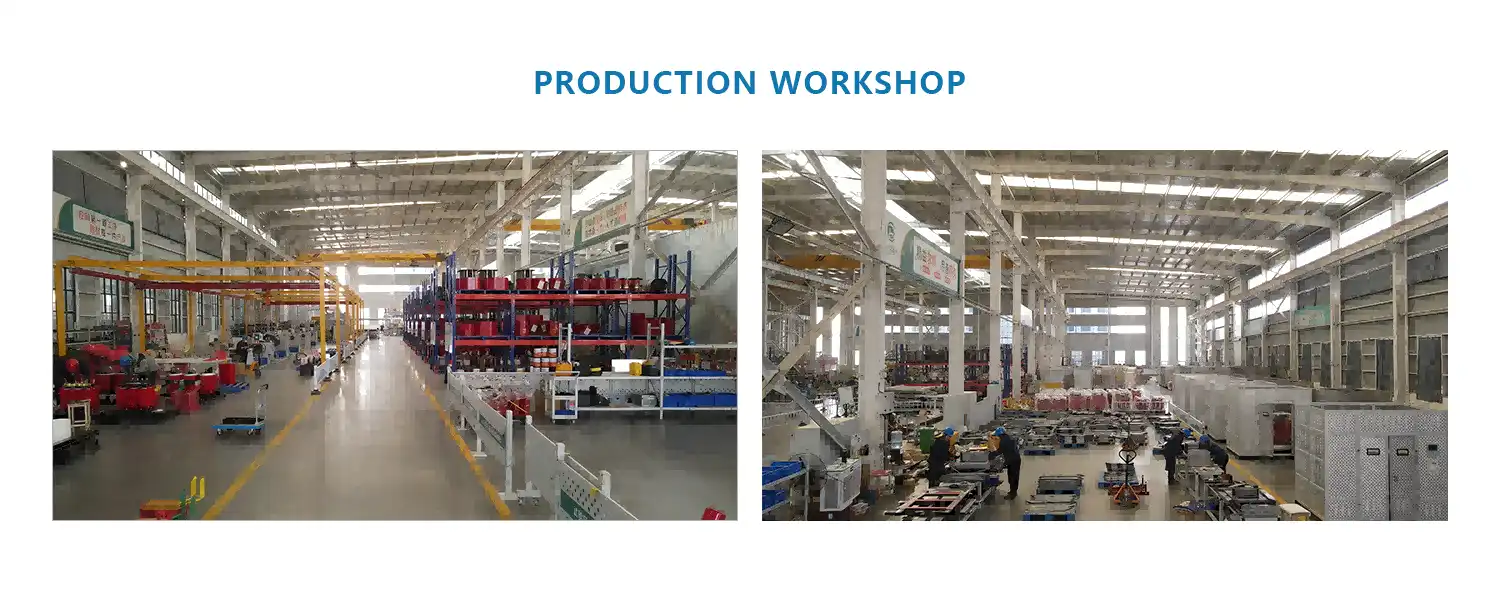
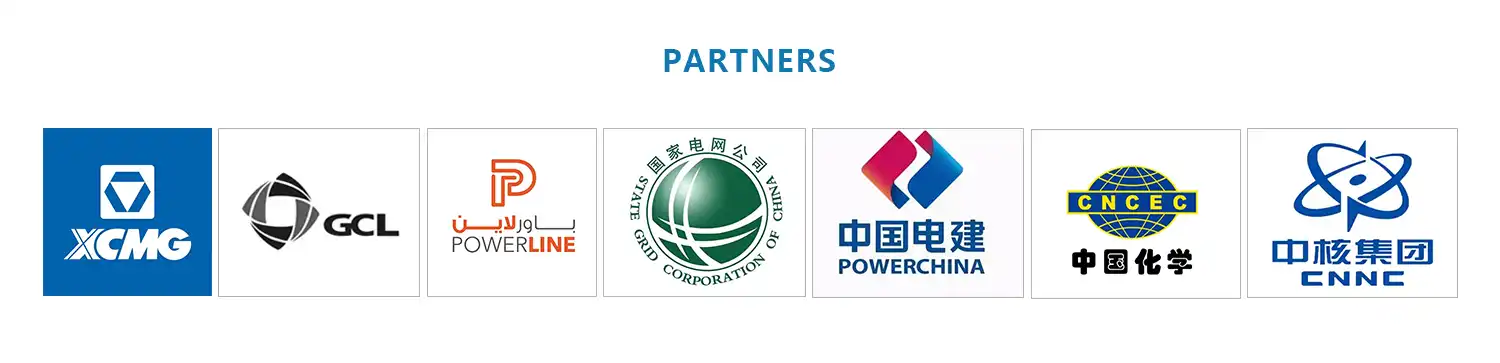
To get the most out of your solar power plant, you need to choose a PV Compact Substation for Solar Power Plants provider that has a track record of success in green energy uses. Tuojie has been in the business for more than 20 years and has a lot of advanced production tools, such as 120+ sets of specialised equipment and technical teams with 15 senior engineers and 30 intermediate techs. Our 18 patents show that we are always coming up with new ways to solve the problems that come up with solar systems. We have finished hundreds of important power projects successfully, such as the GCL Photovoltaic Industrial Park, the Xuzhou Rail Transit Network Control Center, and the XCMG Group power supply upgrades. The systems we delivered work reliably in both utility-scale and business settings.
Tuojie uses full quality management based on ISO 9001, ISO 14001, and OHSAS 45001 standards to make sure that there are no defects in any part of the production process, from choosing the parts to delivering them. When compared to traditional substations, our combined method cuts installation time by 60–70% and saves 30–40% of room. Get in touch with tuojie@electricinchina.com right away to talk about your project needs and get a personalised estimate from a reputable company dedicated to providing high-quality, low-cost solar power solutions that reduce energy waste and increase long-term profits.
References
1. International Electrotechnical Commission. "IEC 62271: High-voltage switchgear and controlgear standards for renewable energy applications." Geneva: IEC Publications, 2021.
2. Institute of Electrical and Electronics Engineers. "IEEE 1547-2018: Standard for Interconnection and Interoperability of Distributed Energy Resources with Associated Electric Power Systems Interfaces. "New York: IEEE Standards Association, 2018.
3. Solar Energy Industries Association. "Utility-Scale Solar Power: Empirical Trends in Project Technology, Cost, Performance, and PPA Pricing in the United States." Washington DC: SEIA Research Publications, 2022.
4. National Renewable Energy Laboratory. "Best Practices in Photovoltaic System Operations and Maintenance." Golden, Colorado: NREL Technical Reports, 2020.
5. International Energy Agency. "Electricity Grids and Secure Energy Transitions: Enhancing the foundations of resilient, sustainable and affordable power systems." Paris: IEA Publications, 2023.
6. American Society for Testing and Materials. ASTM B117: Standard Practice for Operating Salt Spray Apparatus for Corrosion Testing of Electrical Equipment. West Conshohocken, Pennsylvania: ASTM International Standards, 2019.