

.webp)
Through careful material selection, optimised lamination design, and precise engineering, Transformer iron cores can actually support higher voltage levels. The voltage handling capacity is mostly based on the magnetic permeability, saturation flux density, and the stability of the insulator between the laminations of the core material. Advanced grain-oriented silicon steel cores with permeability greater than 1800 H/m and special lamination methods reduce eddy current losses while keeping the structure stable when the electric field stress is high. With the right core shape, thickness optimisation, and multi-step joint configurations, voltage values can range from normal distribution levels to 500kV for transmission applications, as long as electromagnetic forces and thermal management needs are taken into account in the design.
Understanding Transformer Iron Cores and Voltage Ratings
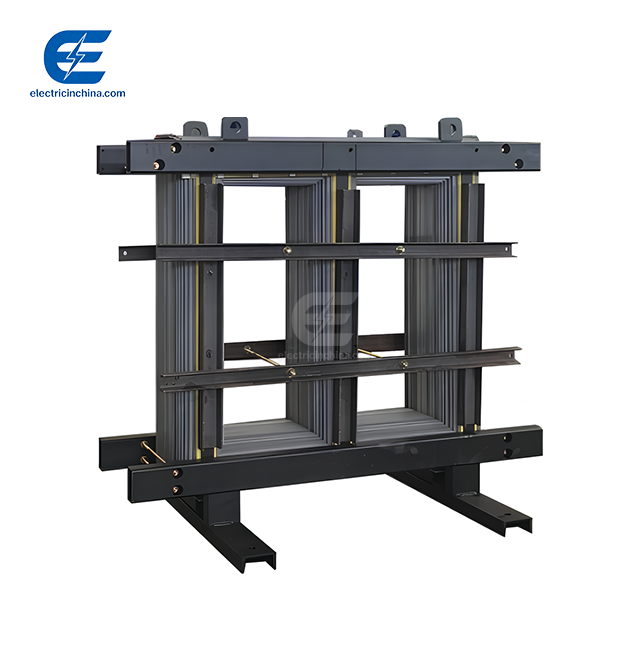
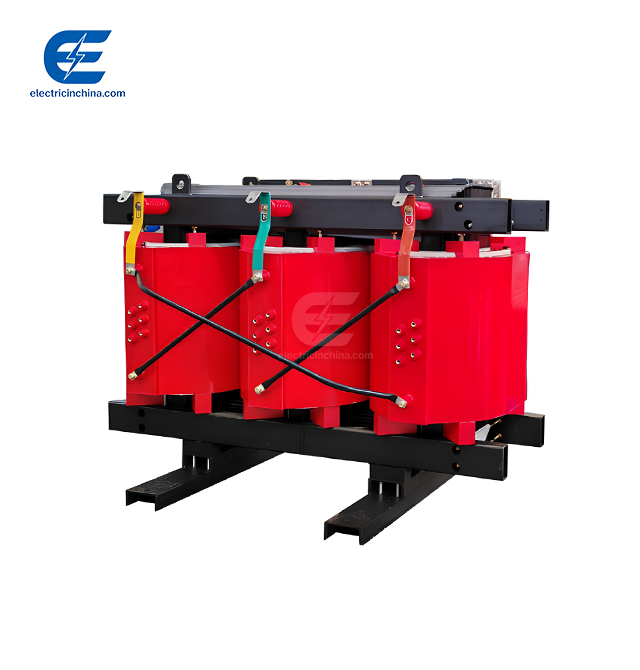
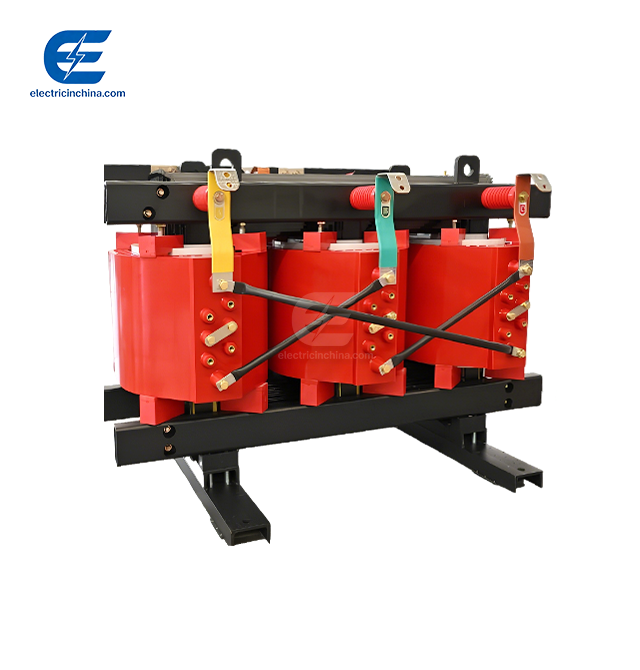
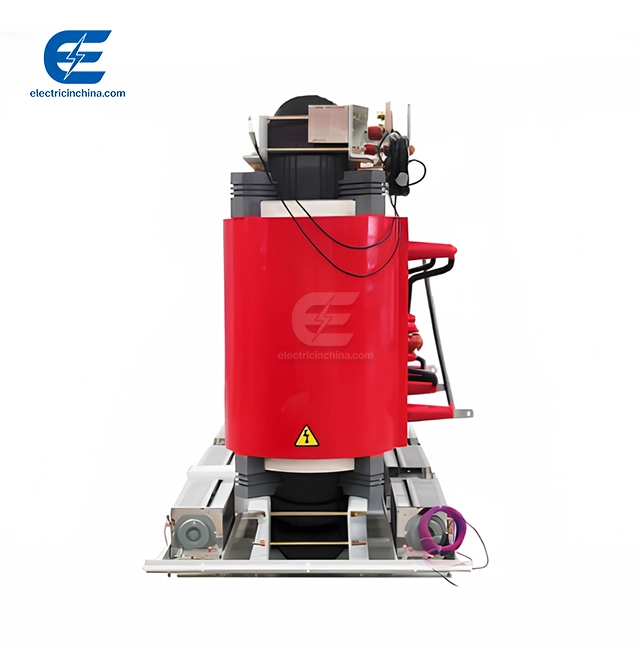
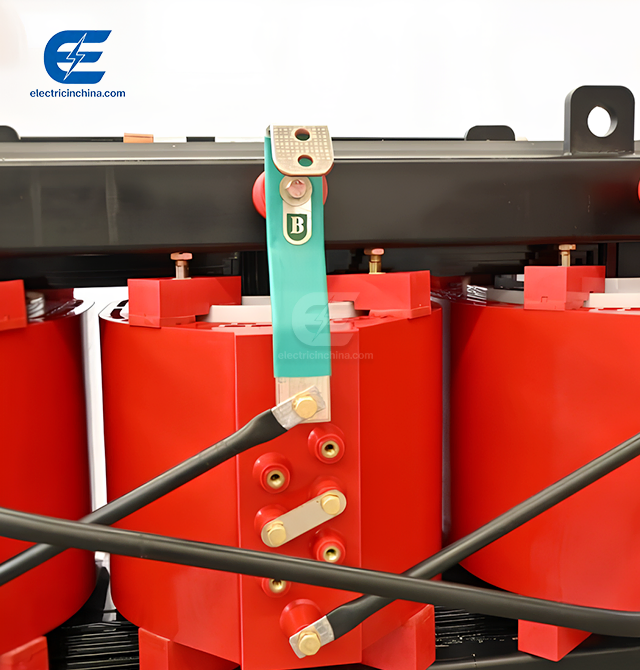
Every transformer has a magnetic circuit component at its core. This component guides magnetic flux between the primary and secondary windings so that voltage changes can happen efficiently across your power distribution infrastructure. This basic structure affects how well your tools can work with different voltage levels while still being reliable.
Core Material Composition and Function
Silicon steel is still the standard for core building. It has about 3% silicon in it, which makes it more electrically resistive and lessens the loss of energy. At Xuzhou Tuojie, we use high-quality electrical steel with a grain orientation that is carefully set up to match magnetic domains along the direction of rolling. This alignment makes a chosen magnetisation path that makes the flux density characteristics much better. Amorphous metal alloys are an option for certain uses that need very low core losses, but they are very fragile and need to be handled carefully when being put together.
Electromagnetic Principles Governing Voltage Capacity
The amounts of magnetic flux density inside the core structure are directly related to the voltage ratings. Faraday's law says that induced voltage is equal to the rate of flux change multiplied by the number of turns in the circuit. For higher voltage uses, cores must be able to handle higher flux densities without hitting magnetic saturation, which is the point where adding more magnetising force doesn't make the flux rise any more. Our cores keep their linear magnetic behaviour up to 1.9T, which means they have a lot of room to work before they reach saturation.
Core Loss Mechanisms and High Voltage Impact
Core performance is affected by two main types of losses: hysteresis losses from magnetic domain reorientation and eddy current losses from currents moving through the steel. Eddy currents get stronger as frequency and material thickness go up, while hysteresis losses get worse as flux density goes up. At higher voltages, higher flux densities make both loss components stronger. This creates heat that needs to be removed to keep the insulation from breaking down. Our layered construction with insulation layers on sheets that are 0.23 to 0.35 mm thick stops eddy current paths, resulting in a core loss density of less than 1.0 W/kg at 1.7T and 50Hz. This high level of efficiency means that your equipment will cost less to run over its entire life.
Design Principles for Supporting Higher Voltage Ratings
To get better voltage capabilities, you need to pay close attention to a number of design factors that, when added together, set the limits of the performance. Engineers have to find a mix between the needs for efficiency, size limitations, thermal control, and cost.
Lamination Strategy and Insulation Enhancement
Laminating the magnetic core does two things: it stops the flow of eddy current and creates insulator walls that can handle voltage stress. Before being stacked, a small layer of insulation is put on each steel sheet. This is usually phosphate or oxide. Our 45° mitre joints at the corners of the cores get rid of air gaps that could cause magnetic resistance and heating in certain areas. The stepped lamination design we use spreads the magnetic flux out evenly, so there aren't any spots where the insulation might be under too much electrical stress. This way of building allows voltage values that are much higher than what solid core designs could achieve.
Material Selection Impact on Voltage Tolerance
Grain-oriented silicon steel allows magnets to pass through it better than non-oriented types, so it requires less magnetising current to reach usable flux levels. This trait is critical for high-voltage uses where reactive power usage has a direct effect on how well the system works. Our cores have a magnetic permeability of more than 1800 H/m, which lets us make small shapes without lowering their ability to handle power. The highest amount of flux is set by the saturation flux density, which is about 2.0T for good silicon steel. To account for short-term voltage spikes and prevent nonlinear magnetic behaviour that causes harmonics, designers must keep the working flux density well below this saturation point.
Core Geometry and Dimensional Optimisation
Dimensions affect voltage capacity by changing the length and cross-sectional area of the magnetic line. When flux density goals are met, larger core cross-sections allow for higher flux levels, which support higher voltage values. But too much size raises the cost of materials, the weight, and the space needed for assembly. Our engineering team uses finite element analysis to find the best core window sizes, leg widths, and yoke heights so that we can meet our voltage goals with the least amount of material use. Our multi-step lamination method makes parts that fit together tightly, which increases strength while keeping magnetic reluctance low. With these design improvements, our Transformer iron cores can reach efficiency levels above 99.5%, which is much higher than the average for the industry.
Comparison of Transformer Iron Core Types for High-Voltage Applications
Picking the right core technology has a big effect on how well a transformer works, how much it costs over its lifetime, and whether it can be used in certain settings. Knowing the pros and cons of each core type helps you make smart purchasing choices that meet the needs of your project.
Laminated Versus Solid Core Construction
Laminated cores are the most common choice for high-voltage uses because they are more efficient. The thin protected sheets limit the size of the eddy current, which lowers losses that would otherwise generate too much heat. Even though solid cores are easier mechanically, they have high eddy current losses that make them unsuitable for AC power uses that need more than a small amount of power. At the same voltage levels, measurement data regularly show that laminated designs are 3–5% more efficient than solid ones. When your buildings use less energy, they save money over time, which can add up to big savings over many years.
Amorphous Core Technology Evaluation
Amorphous metal cores have incredibly low core losses, often 70% less than silicon steel when the same conditions are used. Their performance benefit comes from their disorganised atomic structure, which keeps hysteresis losses to a minimum. But amorphous materials are hard to work with because they have low saturation flux density, which limits their voltage capacity; brittle mechanical qualities that make them harder to handle; and higher material costs that affect the economy of the project. We mostly suggest amorphous cores for distribution transformers, where the extra efficiency makes the higher price worth it. Grain-oriented silicon steel is often used in high-voltage transmission applications because it matches performance with mechanical robustness and cost-effectiveness.
Grain-Oriented Core Advantages
Grain-oriented electrical steel is the best choice for high-voltage uses that need to be tough. The managed crystalline structure lines up magnetic domains along the direction of rolling. This creates a low-reluctance flux path that requires only a small amount of magnetising current. Our Transformer iron cores are made of high-quality, grain-oriented material that keeps the voltage stable even when the load changes or there are sudden events. The better permeability properties make it possible to make small forms that don't waste room without sacrificing electrical performance. Grain-oriented cores were used in projects like the Xuzhou Rail Transit Network Control Centre to ensure they had the dual-circuit dependability needed for important infrastructure. The benefits for your projects are the same: consistent performance, longer service life, and operating trust even when things go wrong.
Procurement and Supplier Considerations for High-Voltage Transformer Iron Cores
Strategic choices about where to get materials have a big impact on how a project turns out, from the original costs of capital to the costs of dependability and maintenance over time. Professionals in procurement have to look at providers in more ways than just comparing prices.
Critical Selection Criteria for High Voltage Cores
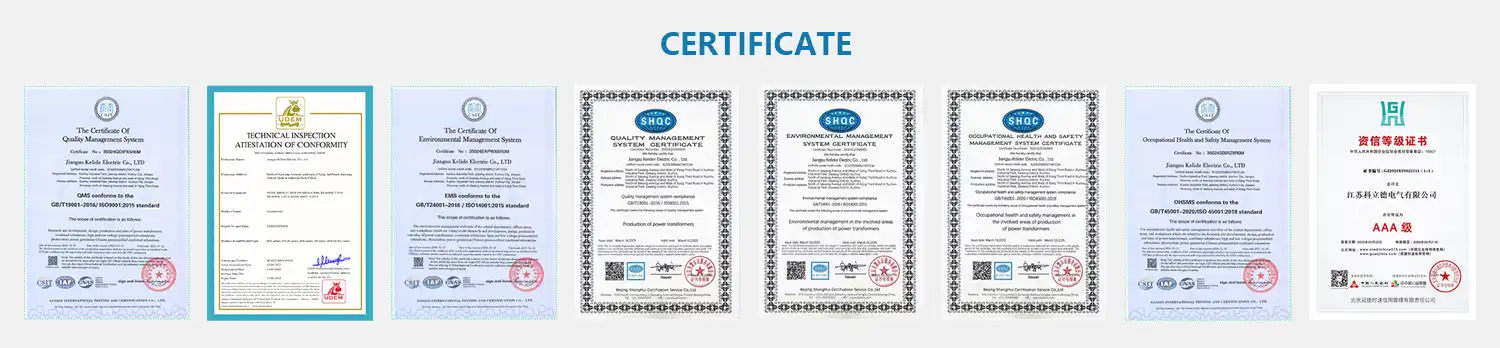
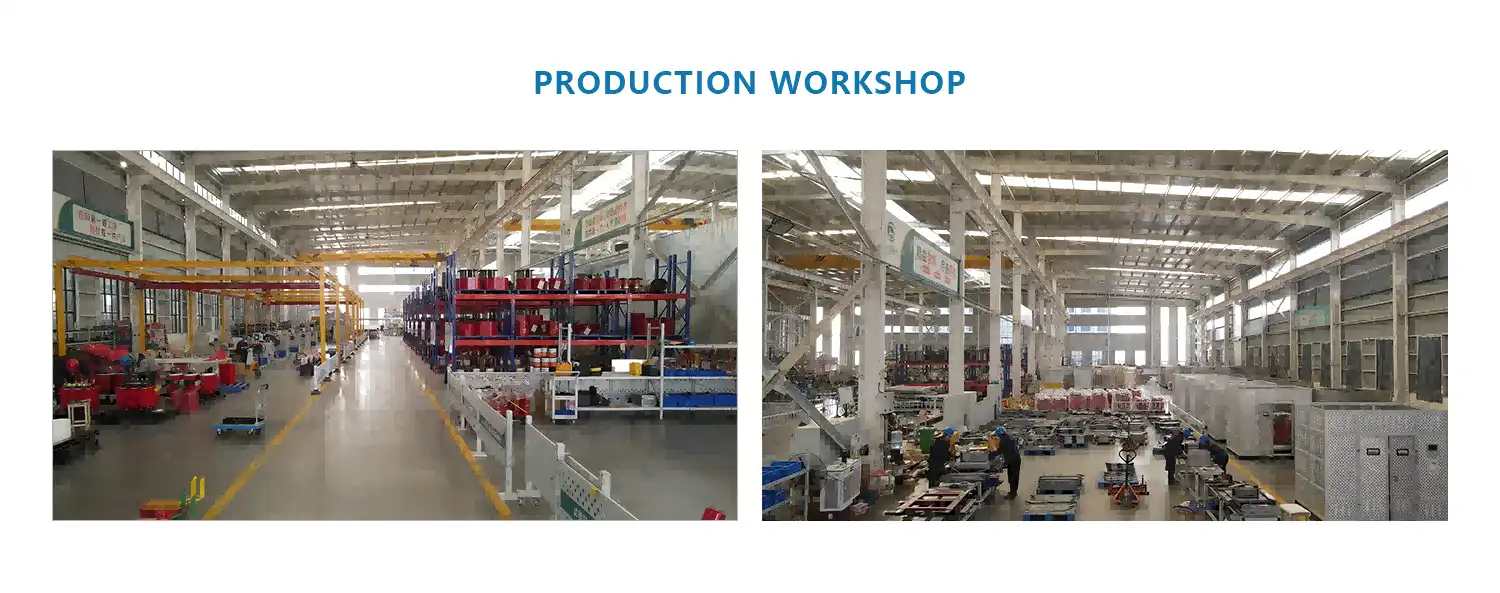
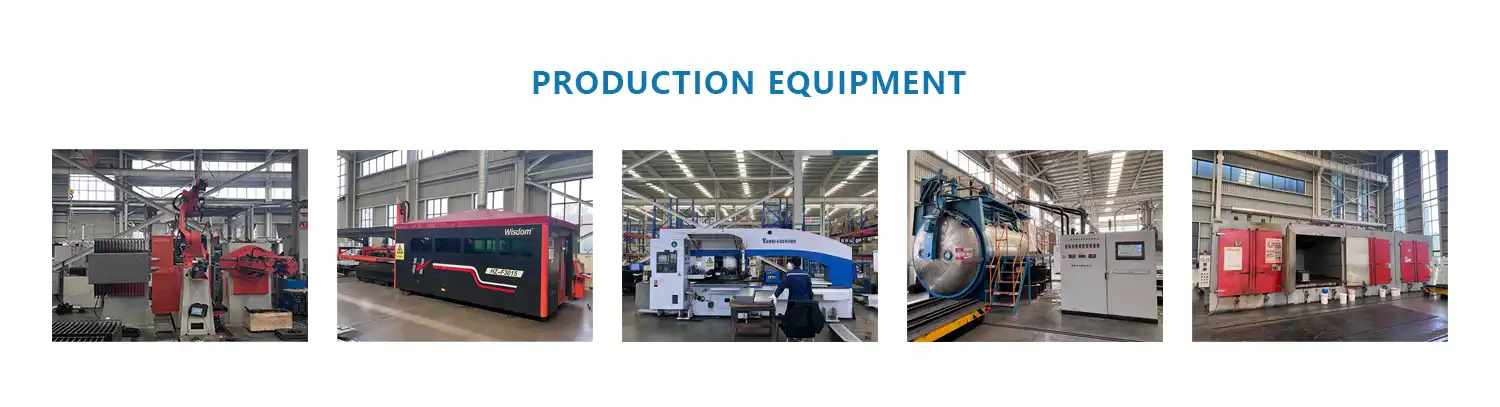
Verification of the quality of the materials is the basis of evaluating suppliers. Manufacturers with a good reputation give official test results that show the magnetic properties, loss features, and mechanical strength factors. Our ISO 9001, ISO 14001, and OHSAS 45001 certifications show that we handle quality in a planned way throughout all stages of production. Lamination standards need extra attention because uneven sheet thickness or poor insulation layers hurt effectiveness and the ability to handle voltage. Core design complexity shows how technically skilled a provider is: step-lap joints work better than simple butt joints, optimised stacking patterns reduce noise, and precise clamping keeps the dimensions stable. We keep buying new, high-tech tools—more than 120 sets, including CNC automatic wrapping machines and microcomputer-controlled drying furnaces—so that we can keep making things with a level of accuracy that generic suppliers can't match.
Supplier Reliability and Manufacturing Capability
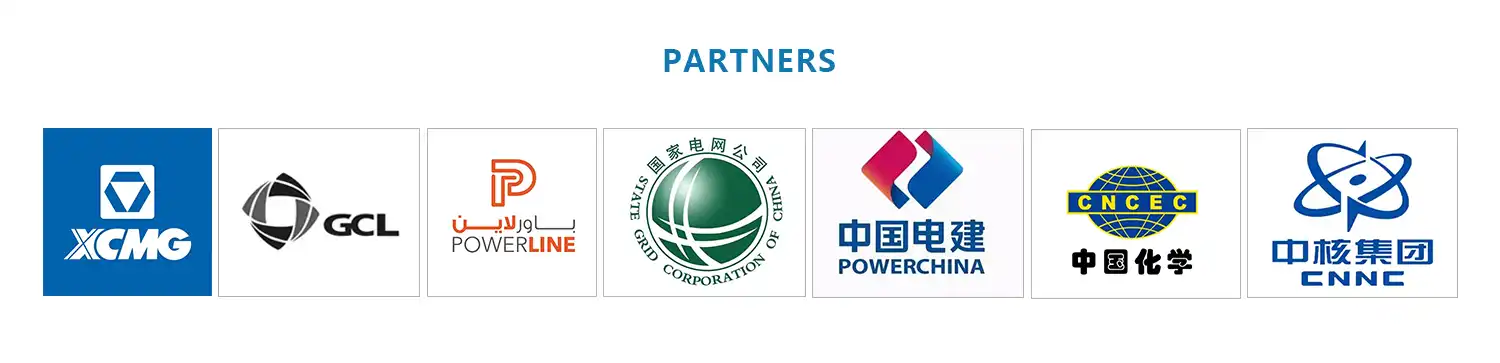
Well-known companies like Siemens and ABB, as well as smaller, more specialised ones, have track records in a wide range of uses. Serving government infrastructure projects, business developments, and industry sites for more than 20 years shows that we can provide the consistent quality that long-term relationships need. It's very important to have good technical support. Engineering teams with 15 senior engineers and 30 or more intermediate technicians can make sure that core designs work best for your voltage needs, weather conditions, and performance goals. Delivery times depend on how much can be made, which is especially important for EPC jobs with set due dates. The XCMG Group plant upgrade project showed how committed we are: we finished installation ahead of time and to the highest quality standards, which made sure that production could start up without any problems.
Strategic Procurement Approaches
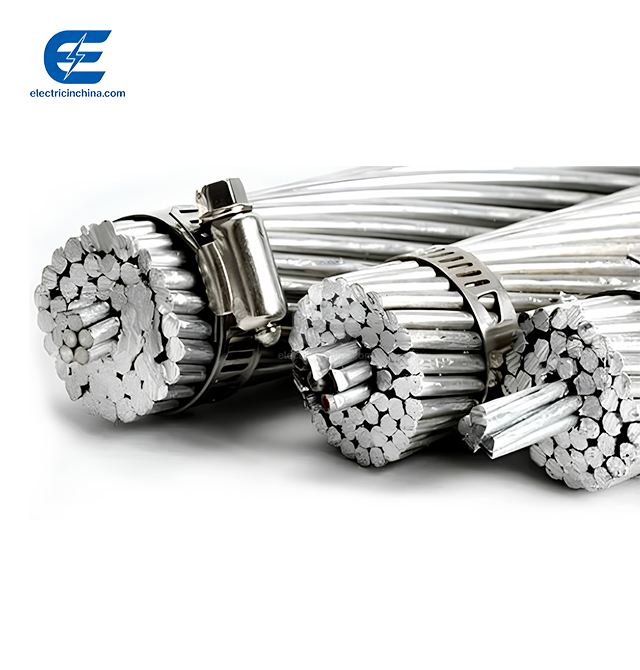
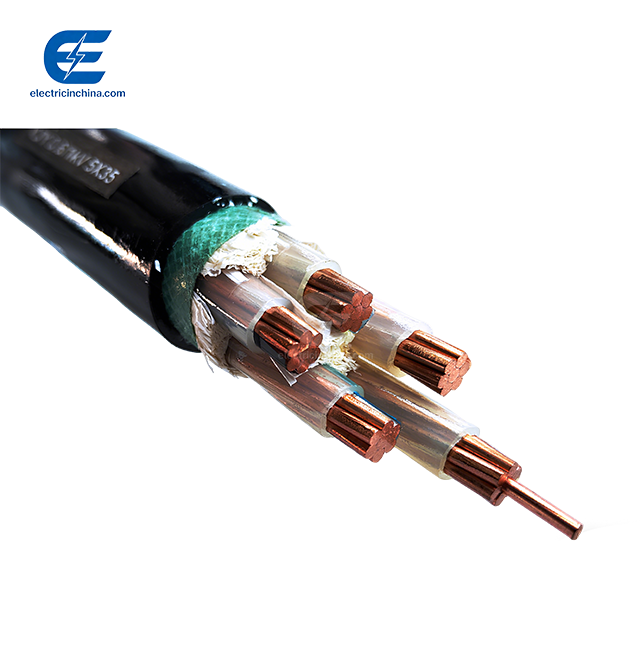
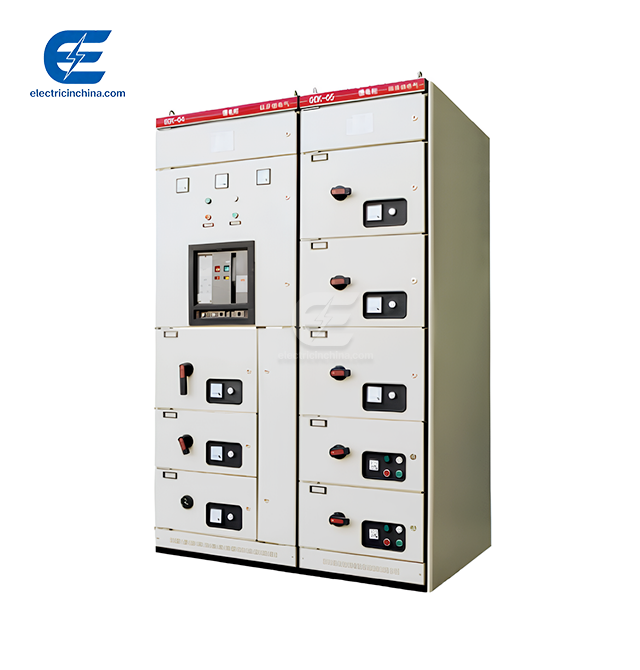
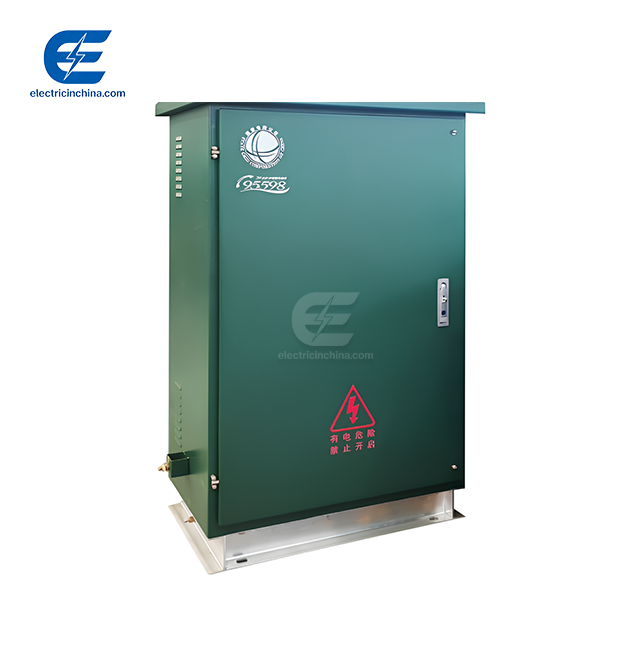
If you buy in bulk from qualified makers like Tuojie, you can get better prices that make the project more cost-effective, priority production scheduling that works with tight deadlines, and specs that are exactly what you need. Custom Transformer iron core making solves problems that standard catalogue goods can't, like dealing with strange voltage ratios, harsh environments, or integrating with existing systems. Our one-stop service model includes more than just core supply. It also includes full transformer solutions, low-voltage switchgear, and wires. This makes it easier to get what you need while making sure that all of the parts work together. This all-around method cuts down on the work needed to coordinate and gets rid of the risks that come up when working with multiple providers. Cutting services allow for just-in-time delivery, which keeps production flexible while lowering the cost of keeping stockpiles.
Case Studies and Practical Applications
Implementation experience in the real world is very helpful for understanding how advanced core technology turns theoretical benefits into measurable operational benefits across a wide range of industries.
Municipal Infrastructure Success
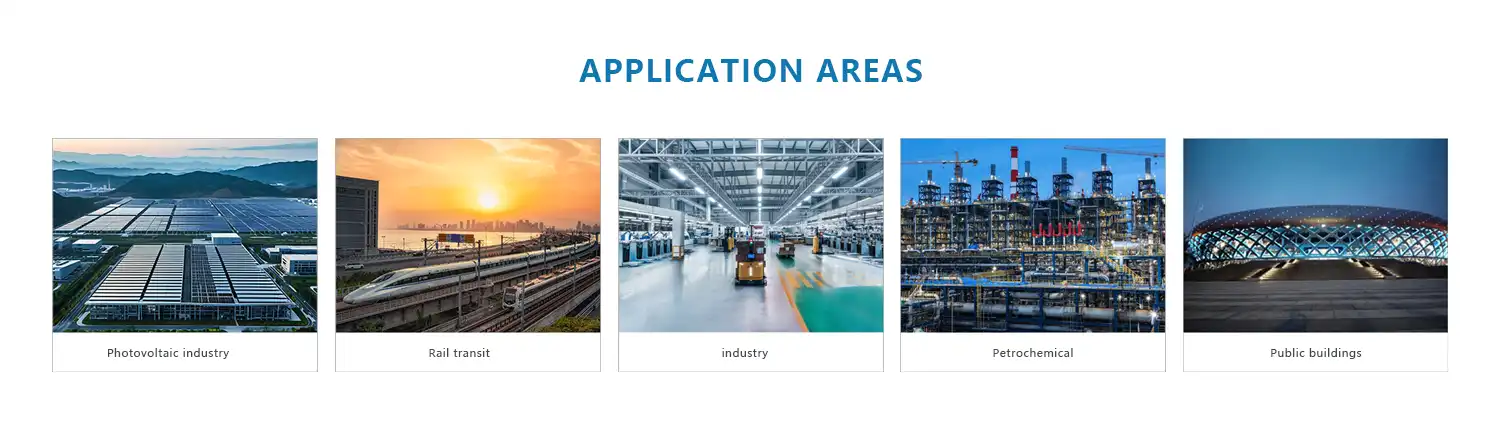
The Xuzhou High-speed Railway East Station Official Power Supply EPC Project needed complete dependability because transportation facilities can't handle power outages. We provided grain-oriented silicon steel cores, which we specially designed for the dual-circuit setup. This makes sure that the system keeps running even when there is a repair or a fault. Even though traction power systems and moving trains cause electromagnetic interference and mechanical vibration, the cores still work consistently. Performance tracking data shows that the level of efficiency always exceeds 99.5%, and noise levels are below 55dB, even though the machines are installed in places where noise is a problem for passengers. The project showed that properly designed cores can support power levels high enough for important infrastructure while also meeting strict environmental standards.
Commercial Development Excellence
The Xinhuai Central Complex had its problems because it had mixed-use buildings with lots of retail, business, and residential space that had very different demand patterns. Voltage changes that put stress on the transformer's iron core parts happen when HVAC systems, elevator banks, and data centres are under a lot of load. Our cores keep their magnetic performance stable across the whole load range. This design keeps the voltage stable and protects sensitive electronics. The small core design we came up with fit within the limited space in the electrical room and supported 10MVA power, which was enough for future growth. The thermal management worked really well. The low-loss density of our cores keeps heat production to a minimum, which lets passive cooling work without any fan noise or upkeep. Xuzhou Power Supply Company gave this construction record-breaking quality scores, which proved that our engineering method was right.
Industrial Application Insights
The GCL Photovoltaic Industrial Park power distribution system has to work in tough conditions, including harmonic distortion from inverter-based generation equipment, regular load cycles because production lines start and stop, and operation 24 hours a day, seven days a week. Our cores can handle these pressures because they are well-built mechanically and have excellent magnetic qualities. Even when harmonic content is present, the grain-oriented steel keeps the magnetising current low. This stops resonance situations that could damage equipment. Because of the chemical processes in the building, better corrosion protection is needed to make the equipment last longer than usual in industry settings. When purchasing, teams look at similar jobs, they should give more weight to sellers who have shown they can work in tough industrial settings where broken equipment causes expensive production delays.
Conclusion
In conclusion, supporting higher voltage levels through optimised core design is an attainable engineering goal when the right materials, lamination methods, and production accuracy all come together. Cores made of grain-oriented silicon steel, step-lap joints, and multilayer insulation systems can safely handle voltage levels for delivery to transmission applications. For implementation to go well, suppliers must have professional knowledge, approved quality systems, and project experience that has been proven. Your choices about what to buy have a direct effect on how well the transformer works, how efficiently it runs, and how reliable it is over many years of service. We recommend that when you look at key solutions, you don't just look at how much they cost at first, but also how much they'll save you in the long run in terms of efficiency, maintenance, and operating trust.
FAQ
Can existing transformers support higher voltages through core upgrades alone?
There are a lot of problems with upgrading cores inside old transformer housings. Voltage capacity isn't just based on core features; it's also affected by winding insulation systems, bushing ratings, and tank design. Even though better cores cut down on losses and boost efficiency, most of the time, a whole new transformer is needed to get much higher voltage values. In some situations, small voltage increases (maybe 10 to 15%) can be achieved by optimising the core and making changes to the windings. However, each case needs a thorough engineering study to ensure safety and compliance with regulations.
How do laminated and amorphous cores differ regarding voltage performance?
In terms of voltage efficiency, laminated silicon steel cores have a higher saturation flux density, which means they can handle more power while keeping the same size. Amorphous cores are very efficient because they have very low core losses, but they also have lower saturation limits that limit the highest voltage values. The best choice depends on the needs of the application. For example, amorphous technology works best in distribution transformers that want to be as efficient as possible, while grain-oriented laminated cores are needed for high-voltage transmission equipment that requires a higher flux density.
Why is the choice of provider important for the dependability of a high-voltage core?
Precision in manufacturing has a direct effect on how well and how long a transformer's iron core lasts. Localised losses, hot spots, and early failures are caused by inconsistent lamination thickness, poor insulation coats, or bad joint construction. Reliable providers, like Tuojie, keep a close eye on quality. Our "zero defects" mindset and ISO9001-certified methods make sure that the properties of the materials are always the same and that the assemblies are put together correctly. Projects that need stability for decades can't afford to settle for less from makers who haven't been proven and whose prices seem good at first glance.
Partner with Tuojie for Advanced Transformer Core Solutions
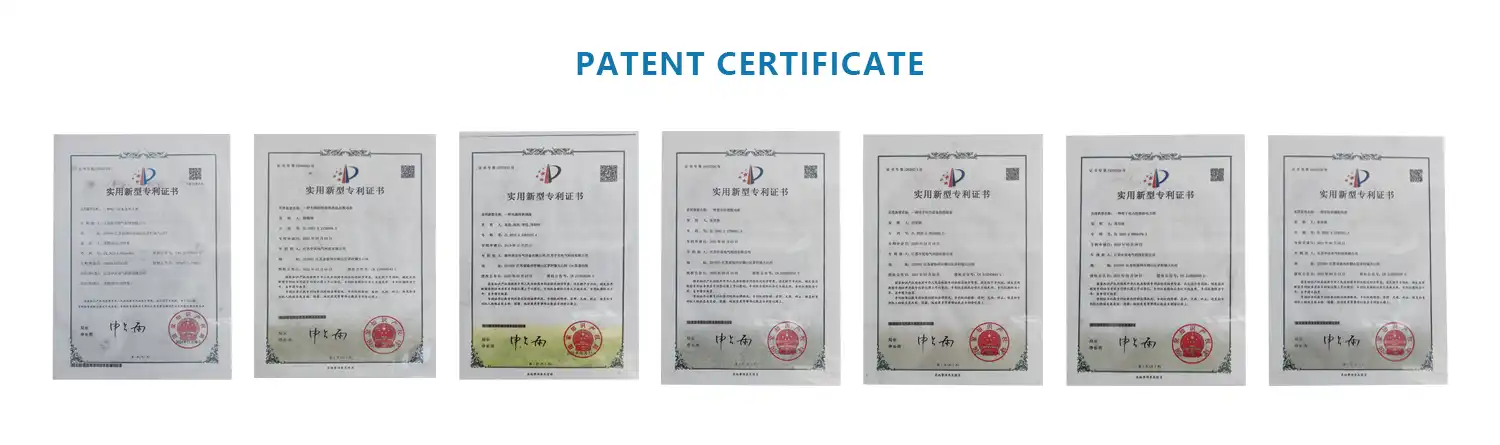
Xuzhou Tuojie International Trade Co., Ltd. offers engineered Transformer iron core options that are made for high-voltage applications in industrial facilities, commercial developments, and government structures. Together with your sourcing and engineering teams, our technical team of 15 senior engineers and 30+ intermediate technicians works to make sure that the core specs are perfect for your voltage needs, working conditions, and performance goals. We make cores out of grain-oriented silicon steel that have a magnetic permeability of over 1800 H/m and a core loss rate of less than 1.0 W/kg under normal working conditions. We have 18 patents, ISO certifications, and more than 120 sets of advanced production equipment.
We are a trusted Transformer iron core provider that has worked on projects like the Xuzhou Rail Transit Network Control Centre and XCMG Group plant upgrades. We know that reliable and custom solutions are important for big projects. You can email our team at tuojie@electricinchina.com to talk about making custom cores, get technical specs, or get full quotes for your future projects. We offer complete one-stop solutions that include transformers, switchgear, and distribution equipment. Our approved manufacturing skills and more than 20 years of experience in the field back this up.
References
1. McLyman, W.T. (2017). Transformer and Inductor Design Handbook, Fourth Edition. CRC Press, Boca Raton, Florida.
2. Kulkarni, S.V. and Khaparde, S.A. (2012). Transformer Engineering: Design, Technology, and Diagnostics, Second Edition. CRC Press, Boca Raton, Florida.
3. Heathcote, M.J. (2007). The J&P Transformer Book: A Practical Technology of the Power Transformer, Thirteenth Edition. Newnes, Oxford, United Kingdom.
4. IEEE Standard C57.12.00-2015. IEEE Standard for General Requirements for Liquid-Immersed Distribution, Power, and Regulating Transformers. Institute of Electrical and Electronics Engineers, New York.
5. International Electrotechnical Commission (2011). IEC 60404-8-7: Magnetic Materials - Part 8-7: Specifications for Individual Materials - Cold-rolled grain-orientated electrical steel strip and sheet delivered in the fully processed state. Geneva, Switzerland.
6. Fitzgerald, A.E., Kingsley, C., and Umans, S.D. (2003). Electric Machinery, Sixth Edition. McGraw-Hill Higher Education, New York.