

.webp)
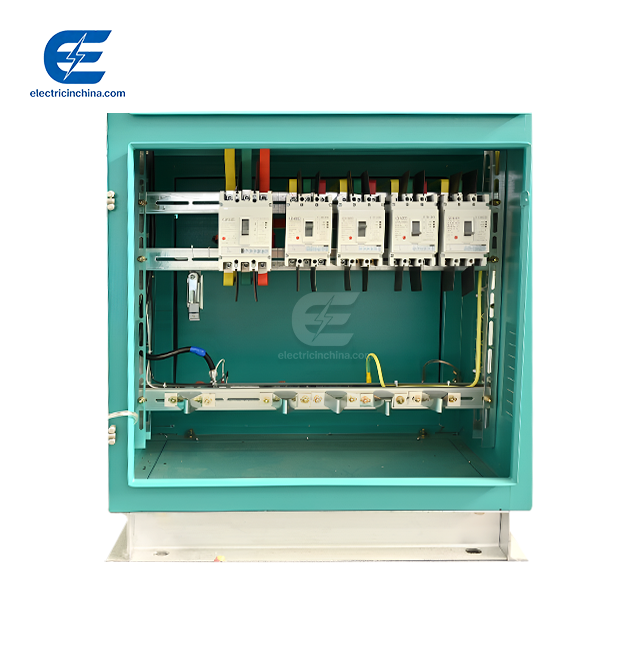
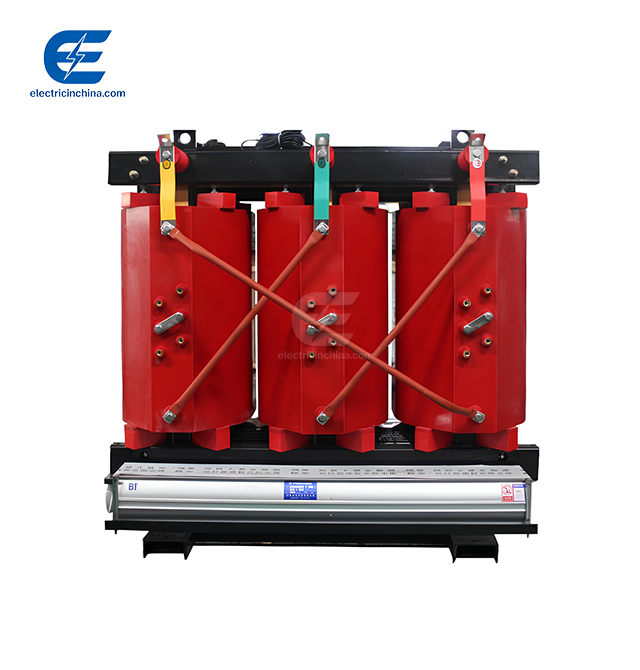
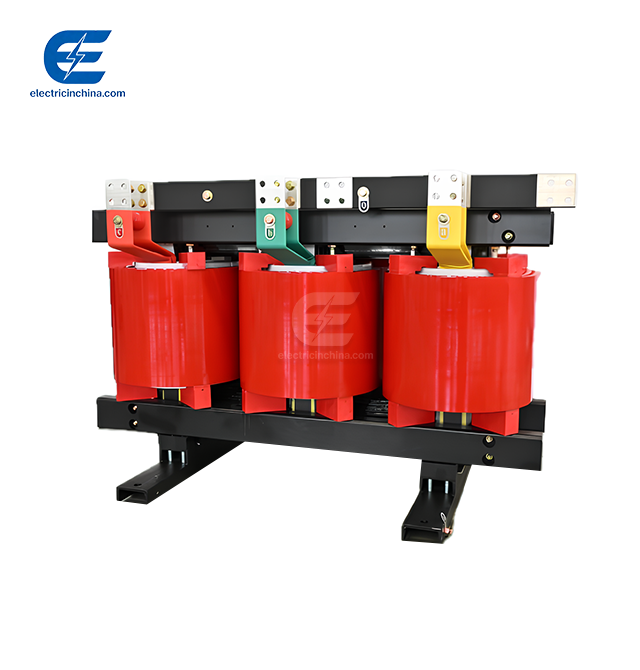
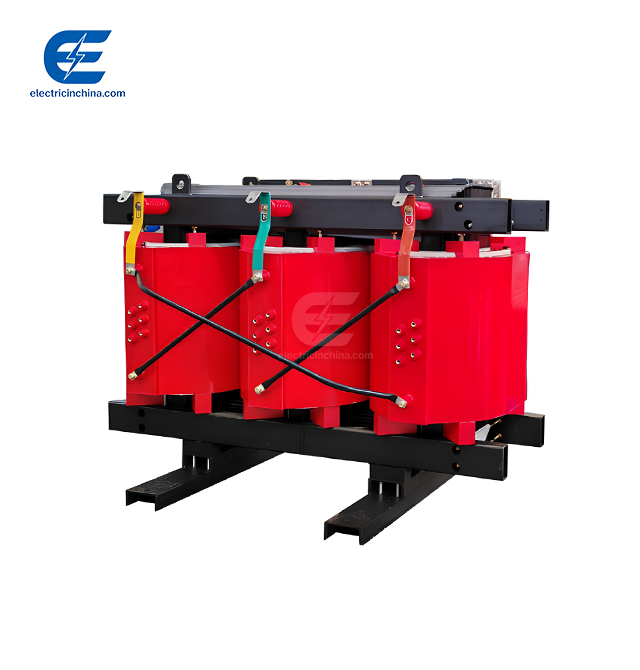
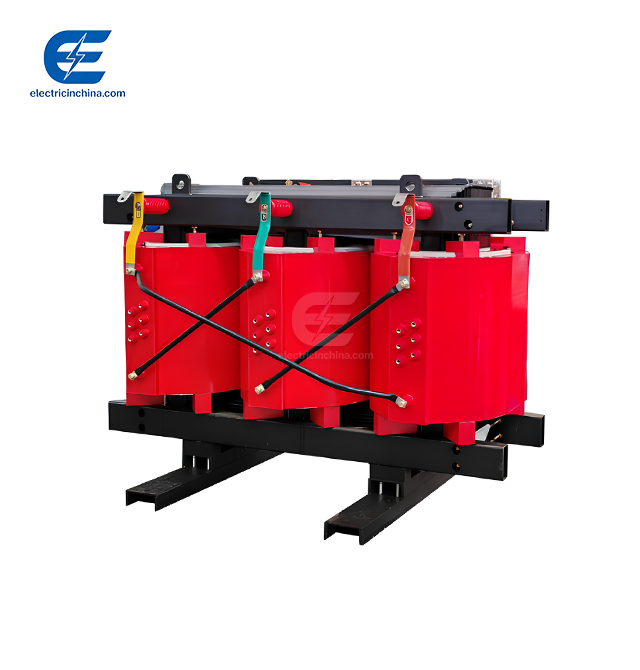
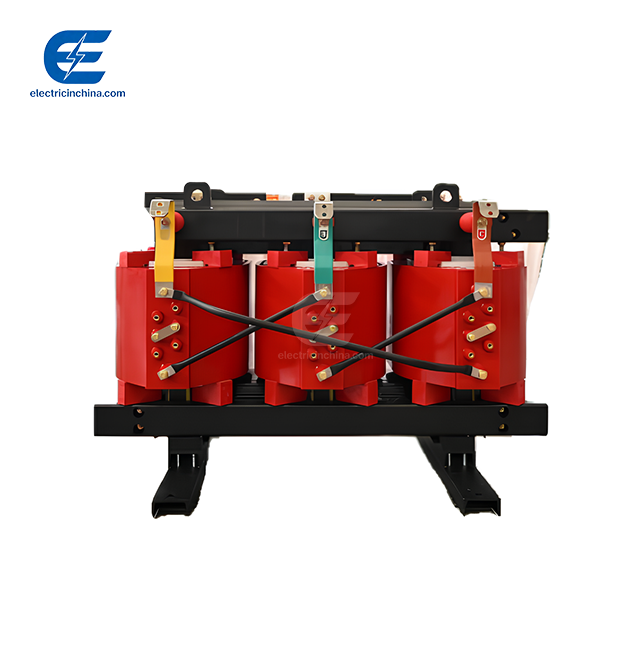
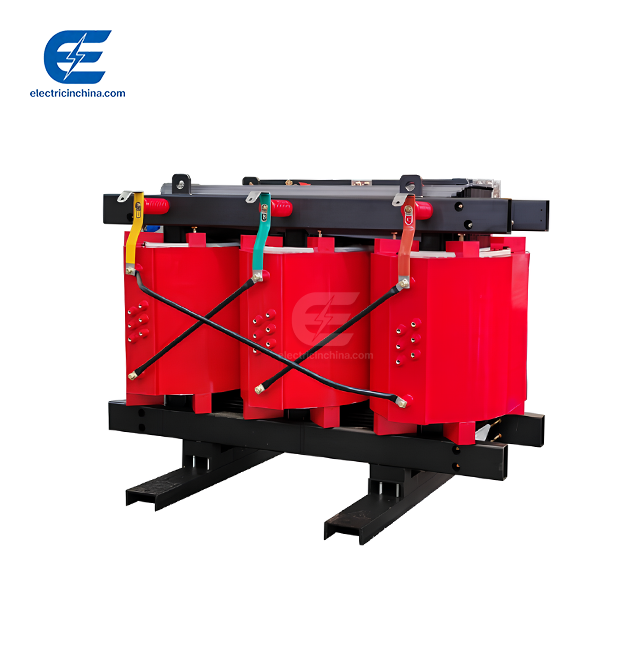
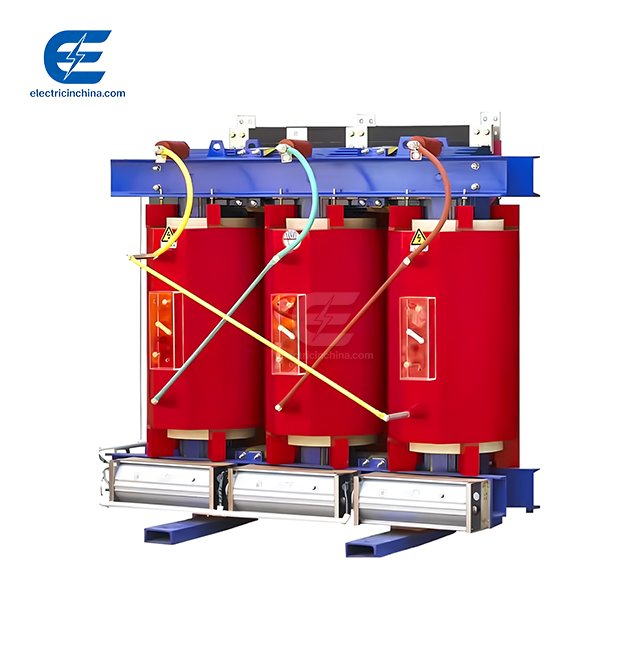
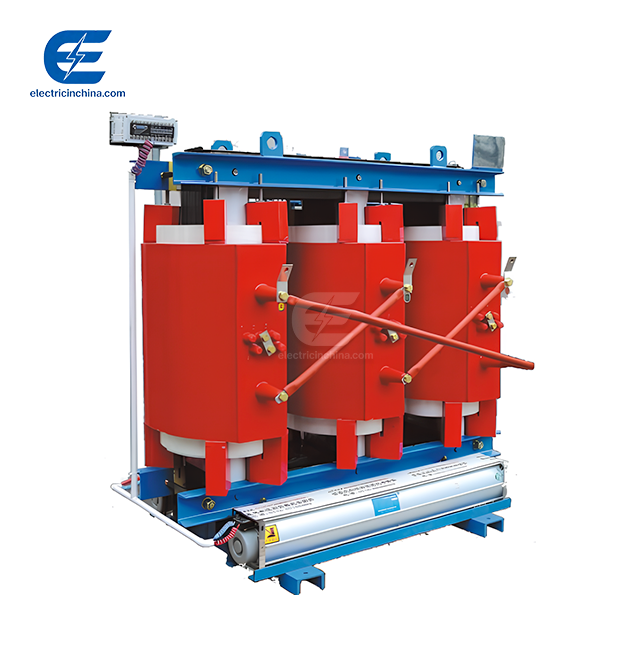
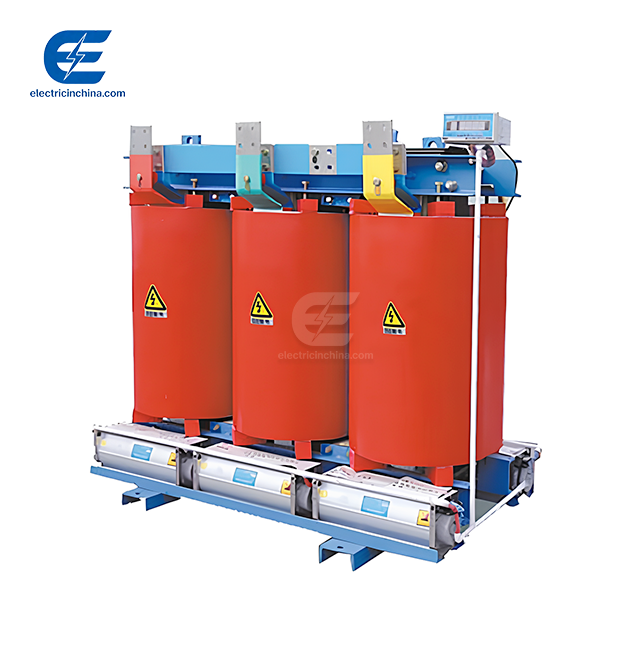
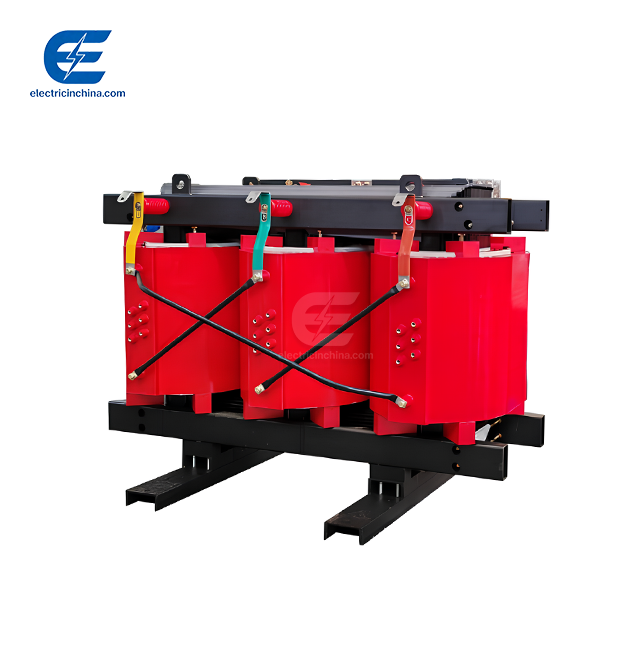
Amorphous alloy dry-type transformers are a great investment for business real estate projects that need power distribution equipment that doesn't need to be maintained. When compared to regular silicon steel transformers, these modern units have 70–80% lower no-load losses. This means that your property will save a lot of money over its lifetime. Our SC(B)H15 line at Xuzhou Tuojie International Trade Co., Ltd. is 98.5–99.2% efficient at full load, and it doesn't use oil, so it doesn't pose the fire or environmental risks of other options. Because they are safe, efficient, and don't need any upkeep, they are the best choice for developers looking for reliable, low-cost power options.
Understanding Amorphous Alloy Dry-Type Transformers
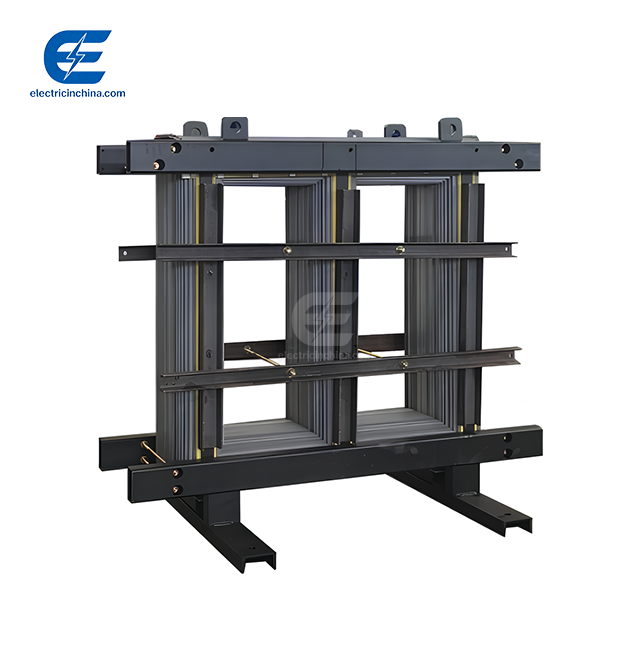
The main difference between Amorphous alloy dry-type transformer technology and regular silicon steel cores is how the atoms are arranged. Normal transformer cores are made of crystalline metal patterns, but our amorphous metal cores are not made of crystals and have a strip thickness of only 0.025mm. This unique combination of iron, nickel, cobalt, boron, and carbon creates an isotropic soft magnetic structure that significantly reduces hysteresis losses during each magnetic cycle.
How Amorphous Core Technology Works?
Our transformers use amorphous metal bands that have a magnetic permeability of more than 100,000 H/m and a saturation flux density of 1.56T. Because of these features, the core can become magnetised and lose its magnetism with little energy loss. At 1.4T and 50Hz frequency, the core loss density is only 0.16-0.22 W/kg, which is about 70% less than silicon steel versions. This lowers no-load losses to just 0.1 to 0.2 percent of rated capacity, compared to 0.4 to 0.8% in regular units. This has a direct effect on your running costs.
Maintenance-Free Design Features
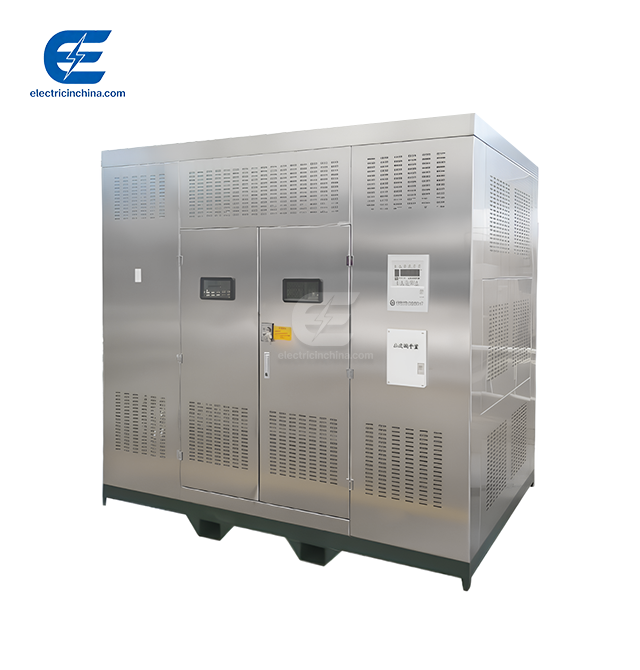
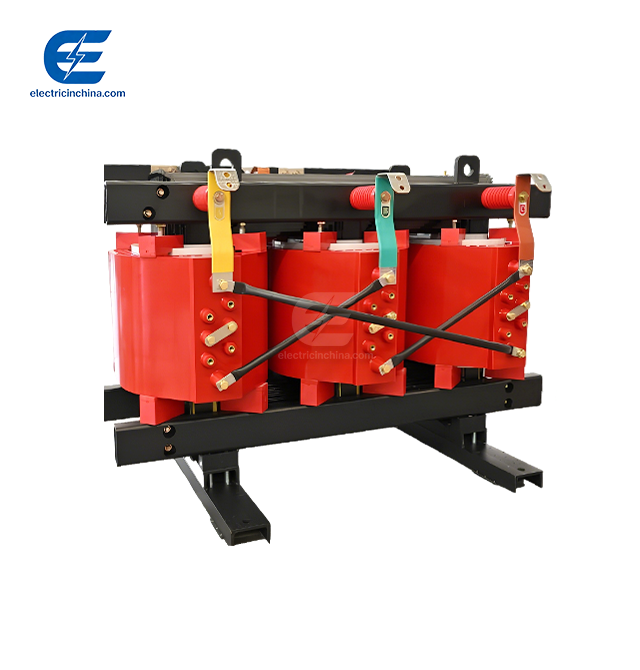
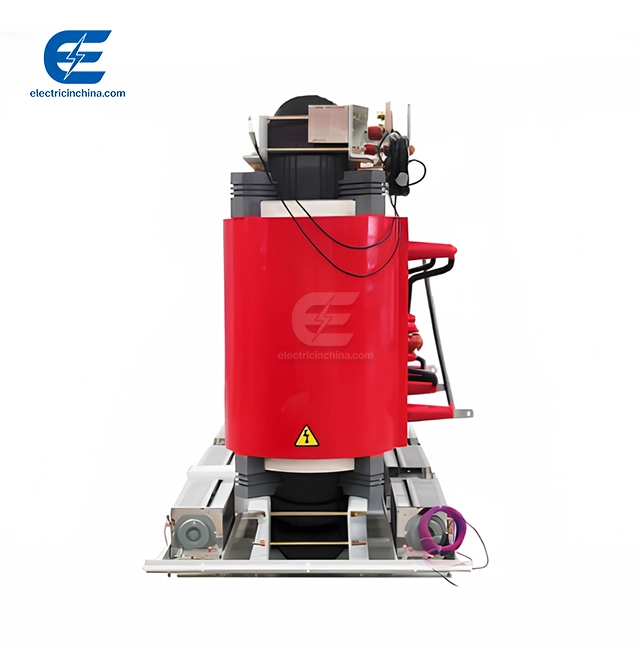
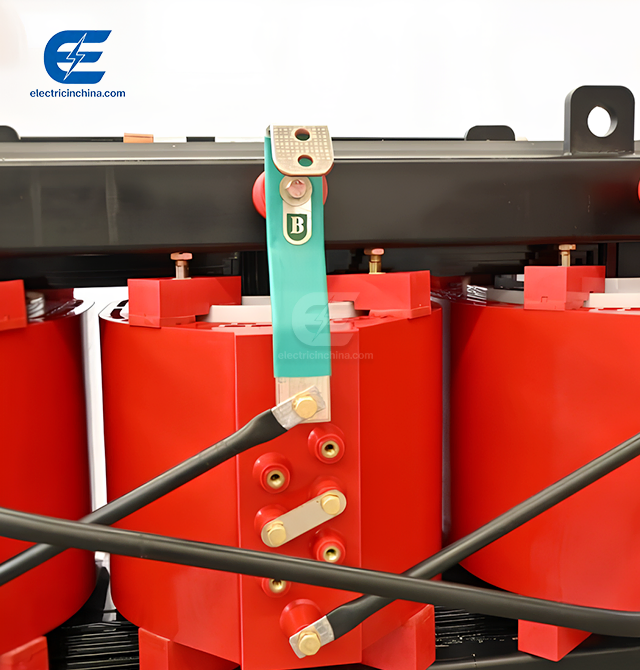
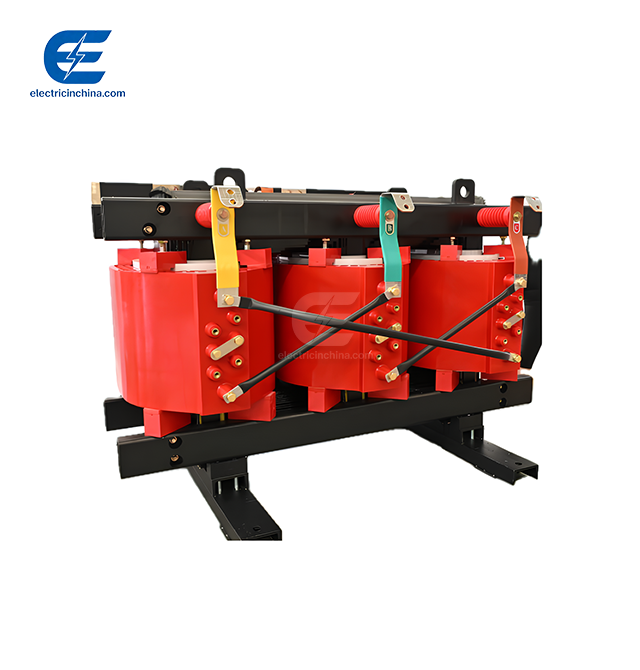
Our dry-type construction doesn't use any oil, so there's no need for regular fluid testing, filtering, or steps to stop leaks. The vacuum casting process covers the windings in epoxy glue. This makes rigid insulation that can withstand temperature rises of Class F (155°C) or Class H (180°C). Despite being sealed, this construction can handle up to 95% humidity without breaking down. It also works reliably in temperatures ranging from -40°C to +40°C. As a result, it can run for thirty years or more without any maintenance under standard working conditions.
Benefits Specific to Commercial Properties
Amorphous alloy dry-type transformer technology is good for many people involved in commercial real estate. 60–80% less energy lost due to no-load directly lowers your property portfolio's electricity costs. Noise levels below 45dB are needed to make sure that tenants are comfortable in office towers, shopping malls, and mixed-use projects. The small, airtight form makes the best use of important floor space in electrical rooms in the basement and on rooftops. Fire-safe operation meets strict building rules for high-rises, underground parking garages and buildings with a lot of people, where oil-filled transformers are not allowed by law.
Comparing Amorphous Alloy Dry-Type Transformers to Alternatives
Procurement workers can make smart choices based on performance data when they know how maintenance-free Amorphous alloy dry-type transformers compare to other technologies. We'll look at the most important changes in terms of safety, efficiency, and lifecycle costs.
Performance Metrics Against Traditional Dry-Type Units
Standard dry-type transformers with silicon steel cores usually get 96–97% efficiency at full load, with losses of 0.4–0.8% of maximum capacity when the load is not connected. Our Amorphous alloy dry-type transformers are much more efficient than these numbers, with no-load losses of only 0.1% to 0.2% and efficiencies of 98.5 to 99.2%. In business buildings, where transformers often work at half load for long periods of time, this improvement becomes important from a financial point of view. Compared to a regular dry-type transformer, a 2,000 KVA amorphous unit can save 15,000 to 20,000 kWh per year, which means it can save $2,000 to $3,000 in energy costs at normal business rates.
Noise release is another thing that sets them apart. Normal dry-type transformers make 50–60dB of sound that can be heard. Our Amorphous alloy dry-type transformers, on the other hand, work at less than 45 dB because they have less magnetostriction. This quieter performance is very important in high-end office buildings and sites next to homes, where noise levels affect property prices directly.
Safety Comparison with Oil-Filled Transformers
Amorphous alloy dry-type transformers completely get rid of the fire and environmental risks that come with oil-filled transformers. To keep pollution from happening, mineral oil or synthetic fluids need containment systems, ways to find leaks, and regular tests. One oil leak in a business building can cause people to have to leave and clean up the mess, which can cost more than $50,000, and renters who are affected may sue.
Our oil-free system gets rid of all of these problems. Flame-resistant epoxy resin encapsulation has properties that make it self-extinguishing, which meets the standards for UL 1561 safety approval. It is possible to install them in crowded areas, underground vaults, and close to sensitive equipment without having to build the fire control systems that oil-filled options need. This gives property owners more options, which lowers both the cost of installation and their insurance rates.
Total Cost of Ownership Analysis
Amorphous alloy dry-type transformers cost 15–25% more to buy at first than silicon steel dry-type units. Lifecycle economics, on the other hand, strongly supports this technology. When you look at the total cost of ownership over 30 years, you can see the following benefits:
The extra cost is usually paid for by the energy savings from lower losses within three to five years of running. Not having to do maintenance tasks like checking the oil, replacing filters, and regular checks saves between $2,000 and $5,000 a year per transformer, based on its capacity. The longer service life (30+ years) compared to conventional units (20–25 years) delays the need for new capital expenses. When property managers think about these things, Amorphous alloy dry-type transformers have 25–35% lower total ownership costs over the course of their useful life.
Why Choose Maintenance-Free Amorphous Alloy Dry-Type Transformers for Commercial Real Estate?
There is more and more pressure on commercial property owners to cut costs, meet sustainability standards, and make sure renters are safe and comfy. These problems can be solved by maintenance-free Amorphous alloy dry-type transformers, which have real-world performance that has been tested in hundreds of sites and shown to be better than other technologies.
Solving Operational Cost Challenges
One of the most important things that can be controlled in business real estate is energy use. This is a lot easier to do with our SC(B)H15 series transformers. With standard silicon steel cores, a normal 1,500 KVA unit that runs constantly uses about 2,500 kWh per month just in no-load losses. If you switch to Amorphous alloy dry-type transformer technology, this use drops to less than 750 kWh, which saves you 1,750 kWh per month or 21,000 kWh per year. Even though it doesn't change how it works, this one transformer saves $2,520 a year on power costs at $0.12 per kWh.
Eliminating maintenance saves even more money. Traditional transformers need to be inspected every three months, have thermographic scans done once a year, and be cleaned every so often. These tasks take 8 to 12 hours of work per unit per year. If you do this for 10 to 15 transformers in a big business building, the cost of labour alone is $5,000 to $8,000 a year. Our maintenance-free system gets rid of all of these costs and the risks of downtime that come with regular repair windows.
Meeting Regulatory and Tenant Requirements
More and more, modern building rules require electrical tools in occupied buildings to be fire-safe. The International Building Code puts limits on many situations where oil-filled transformers can't be used, mainly in high-rise buildings above certain floor levels and in systems that are buried. Our dry-type building always follows these rules, which increases the number of installation choices and makes the permit process easier.
Tenants expect more than just power to work when they say it will. Building renters in Class A offices now expect environmentally friendly operations, quiet ventilation systems, and proof that the building is environmentally responsible. Our Amorphous alloy dry-type transformers help LEED certification by saving energy, and they also get rid of the oil pollution risks that renters who care about the environment are worried about. Noise levels below 45dB stop noise complaints in high-end rooms where standard transformers would need expensive soundproofing.
Technological Innovations Enabling Maintenance-Free Performance
Our engineering team, which is made up of 15 top engineers and has 18 patents, has improved Amorphous alloy dry-type transformer technology by coming up with new ideas all the time. The vacuum casting method makes sure that the epoxy coating has no holes in it, which stops water from getting in and stops partial release from happening. The makeup of the core material strikes a balance between magnetic permeability and mechanical stability. This lets the transformer handle changes in temperature and mechanical stress without breaking down.
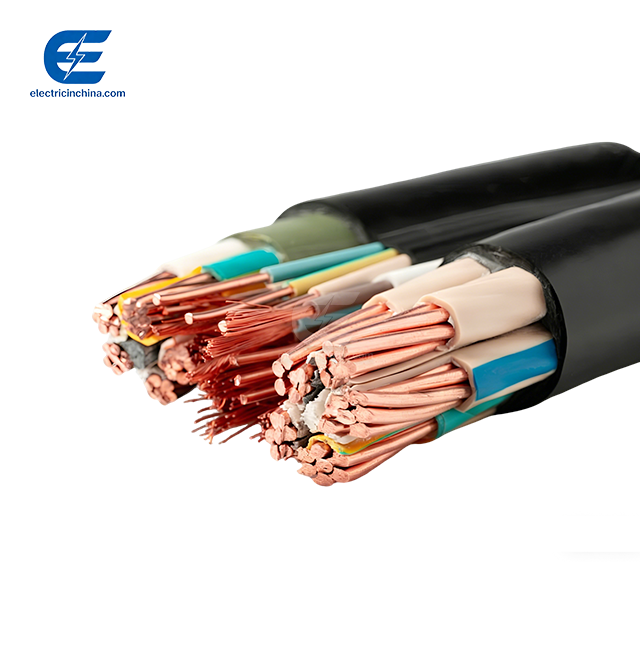
Copper wires and Nomex insulation paper are used in advanced wrapping methods that provide overload capacity of up to 120% for two hours. This can handle the changing loads that are typical in business settings. The ability to withstand short-circuits meets IEEE C57.12.01 standards, which means that your investment is safe from fault situations. These parts of the design work together to make sure that the transformer works properly for its whole life without any problems.
Real-World Validation Through Project Experience
We've provided power for a wide range of large business real estate projects. Eleven transformers with capacities ranging from 800 KVA to 2,500 KVA were needed for the Xinhuai Central Complex project. They have all been running nonstop since they were installed, without any upkeep being done. Our two-circuit design for the Xuzhou Rail Transit Network Control Center shows the dependability needed by important infrastructure by keeping it up and running for five years with 99.5%+ availability.
The Tianyu Yayuan home and business project got record-breaking performance scores in Xuzhou Power Supply Company quality assessments. This proved the quality of both the products and our installation skills. These real-world results give developers who are testing Amorphous alloy dry-type transformer technology faith in its qualities. We've finished jobs in a wide range of business real estate types, including office towers, shopping centers, factories, and transportation hubs.
Procurement and Installation Considerations for B2B Clients
To find the best transformer provider, you need to look at their technical skills, quality certifications, and long-term assistance promises. Knowing about these things helps workers buy lower risks and make sure projects go well.
Evaluating Supplier Qualifications
Reputable makers keep up-to-date quality approvals that show they follow international standards. Our goods have been certified by ISO 9001 for quality management, ISO 14001 for environmental management, and OHSAS 45001 for health and safety at work. All low-voltage equipment and wire goods have National CCC Mandatory Certification, which makes sure they follow safety rules.
Transformers have technical approvals like IEC 60076 series compliance, IEEE C57.12.01 compliance, and a UL 1561 safety rating. For these certificates, the electricity performance, thermal properties, and safety features are rigorously tested by a third party. The claims that Amorphous alloy dry-type transformer technology can save energy are backed up by the NEMA TP-1 premium efficiency guidelines. Before making a final choice about a provider, make sure that they provide all of the necessary certification paperwork.
Customization for Specific Project Requirements
Different commercial buildings have different electricity needs based on their size, how they are used, and the rules set by the local utilities. We can make custom products in a range of voltages (11 kV to 0.4 kV typical), capacities (30 KVA to 31,500 KVA), and safety grades for the environment (IP23 to IP54). We can change the way the windings are set up, how the terminals are arranged, and the accessory packages to fit the needs of the architecture and the electrical design.
When you order in bulk for big projects or groups of properties, you can get more customization options and better prices. For projects that need a lot of similar units, production savings can lower the cost of each unit while making sure that all of the parts are the same throughout the installation. With over 120 sets of specialized equipment, such as CNC automatic winding machines and microcomputer-controlled gradient curing ovens, we can meet delivery plans that are in line with building timetables.
Installation Support and Ongoing Service
Even though they don't need to be maintained, transformers still need to be installed correctly for them to work at their best. Our expert team helps with installation, setup, and acceptance testing to make sure everything works right before handing over the keys. We write down baseline performance measures like no-load current, load losses, and temperature rise, which will be used as a point of reference for future tracking.
While routine upkeep is no longer needed, checking on the state of an asset on a regular basis helps it last as long as possible. We offer extra tracking services that use thermographic imaging and partial discharge testing to find problems before they affect business. This proactive method gives risk-averse property managers even more peace of mind while keeping the basic maintenance-free benefit that gets rid of the need for regular service.
Future Outlook and Sustainability Impact
As companies make promises to be more environmentally friendly and rules change how buildings work, environmental factors become more important when choosing where to invest in business real estate. Amorphous alloy dry-type transformers set up property pools in a way that makes them useful for these changing needs.
Environmental Benefits and Carbon Reduction
Amorphous alloy dry-type transformer technology's ability to save energy directly lowers the amount of carbon dioxide that buildings release into the air. If a 2,000 KVA transformer saves 20,000 kWh per year, it stops about 14 metric tonnes of CO₂ from being released into the atmosphere, based on the average carbon content of the grid. For a collection of 20 transformers, this saves 280 metric tonnes of pollution, which is the same as taking 60 passenger cars off the road.
Material sustainability also helps the Earth in other ways. At the end of their useful life, amorphous metal cores can be fully recycled, regaining valuable metals that can be used in new products. Since dielectric fluids don't contain oil, they don't pose any pollution or waste problems. These things help green building standards like LEED, BREEAM, and their local versions, which have a bigger effect on property values and getting tenants.
Alignment with Green Building Standards
Modern models for sustainability see electricity infrastructure that uses less energy as an important part. As of LEED version 4, units meeting NEMA TP-1 premium efficiency guidelines earn points for transformer efficiency under the Energy and Atmosphere credit area. Our Amorphous alloy dry-type transformers are much better than these limits, which supports the paperwork needs for certification applications.
Minimum performance standards for distribution transformers are set by the Energy Efficiency Directive of the European Union and related laws around the world. Amorphous alloy dry-type transformer technology gives you a lot of room to comply with current rules while also being strong enough to handle future rules that get stricter. Property owners benefit from having equipment that meets expected standards and doesn't need to be replaced too soon.
Integration with Smart Building Technologies
New tools for smart buildings need to be able to see how the electricity system is working in real time. An IoT connection is being built into more and more modern transformers. This lets load patterns, temperature profiles, and power quality measures be monitored from afar. These features help with planned maintenance strategies, even though regular maintenance is still not needed very often, and they give information for making building energy management systems work better.
There are also chances to integrate demand response programmes, in which utilities pay buildings to change their load profiles. Data from tracking transformers makes it possible for more complex people to join these programmes, which opens up new ways to make money. As building automation systems move toward optimization based on artificial intelligence, performance data from smart-enabled transformers becomes more useful for making operations run more smoothly.
Conclusion
Amorphous alloy dry-type transformers that don't need to be maintained have a lot of benefits for business real estate uses, including proven energy economy, safety, and lifecycle economics. Our SC(B)H15 series blends cutting-edge core technology with strong dry-type construction. This results in 70–80% fewer no-load losses and no repair needs over 30+ year service lives. These advantages directly lead to lower running costs, happier tenants, and better environmental performance, all of which raise property values and make a business more competitive. We give business developers the reliable power distribution solutions their projects need by having all the necessary licenses, the ability to make changes, and project experience from hundreds of installs.
FAQ
How do maintenance-free amorphous transformers differ from conventional units?
Amorphous-alloy dry-type transformers don't need to be maintained and have non-crystalline metal cores with ribbon thicknesses of only 0.025mm. This cuts core losses by 70% compared to silicon steel designs. Since the dry-type design doesn't use any oil, there is no need for fluid testing, leak prevention, or environmental control systems. This combination allows for real maintenance-free running for thirty years, as well as better energy efficiency and fire safety compared to both dry-type and oil-filled options.
What capacity ranges suit commercial real estate projects?
Transformers for commercial buildings usually need to be between 315 KVA and 2,500 KVA, but this depends on the size of the property and the type of electrical load it has. Mid-rise buildings use 1,000–1,600 KVA capacity, and big mixed-use complexes may need 2,000–2,500 KVA transformers. Small office buildings and shopping centers usually need 315–800 KVA units. Our production skills allow us to support capacities ranging from 30 KVA to 31,500 KVA, so we can work on projects ranging from small residential developments to large business portfolios. We use the same technology for all of these different types of projects.
How quickly do energy savings recover the initial investment?
Amorphous alloy dry-type transformer technology usually pays for itself in three to five years, based on local power rates and how the transformer is used. This is because it saves energy because it loses less when it's not in use. Properties with steady loads have faster payback times, while buildings with changing usage may take a little longer. Amorphous alloy dry-type transformers have 25–35% lower lifecycle costs than traditional options over the course of their working lifespan. This includes the fact that they don't need as much upkeep and last longer.
Partner with Tuojie for Superior Amorphous Alloy Dry-Type Transformer Solutions
With the best Amorphous alloy dry-type transformer technology in the business, Xuzhou Tuojie International Trade Co., Ltd. is ready to help you with your commercial real estate power distribution needs. We have completed hundreds of successful projects over the past 20 years, ranging from the Xuzhou Rail Transit Network Control Center to large business developments like the Xinhuai Central Complex. This shows that we can meet tight deadlines and high-quality standards. With ISO 9001, 14001, and OHSAS 45001 certifications and a skilled engineering team that holds 18 patents, we offer full support from developing specifications to installation and completion. Contact our experts at tuojie@electricinchina.com right away to talk about your project needs and find out how working with a trusted Amorphous alloy dry-type transformer provider can help you save money on costs while also improving safety and environmental performance.
References
1. Institute of Electrical and Electronics Engineers. (2015). "IEEE Standard for General Requirements for Dry-Type Distribution and Power Transformers." IEEE C57.12.01-2015.
2. International Electrotechnical Commission. (2018). "Power Transformers - Part 11: Dry-Type Transformers." IEC 60076-11:2018 Standard.
3. National Electrical Manufacturers Association. (2016). "Guide for Determining Energy Efficiency of Distribution Transformers." NEMA Standards Publication TP 1-2016.
4. U.S. Green Building Council. (2019). "LEED v4.1 Building Design and Construction: Energy and Atmosphere Credit Guidelines for Electrical Infrastructure. "LEED Reference Guide.
5. McLyman, Colonel Wm. T. (2017). "Transformer and Inductor Design Handbook, Fourth Edition." CRC Press, Boca Raton.
6. American Society of Heating, Refrigerating and Air-Conditioning Engineers. (2020). "Advanced Energy Design Guide for Medium to Big Box Retail Buildings: Achieving Zero Energy." ASHRAE Special Publication.