

.webp)
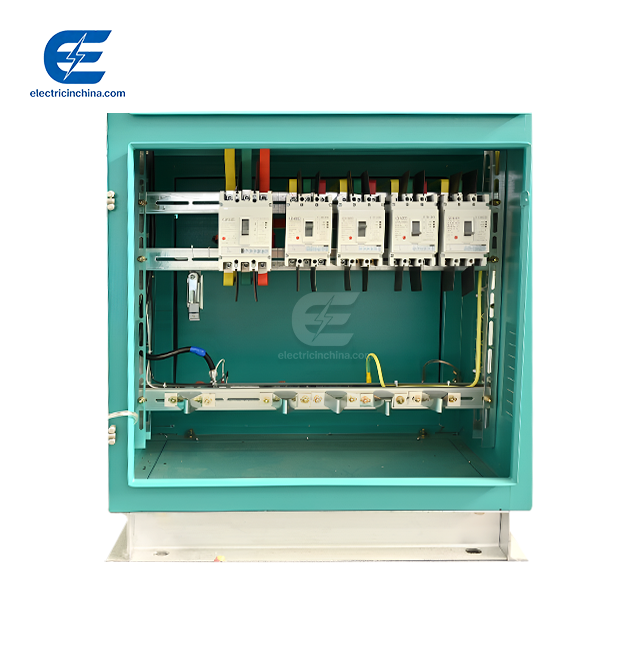
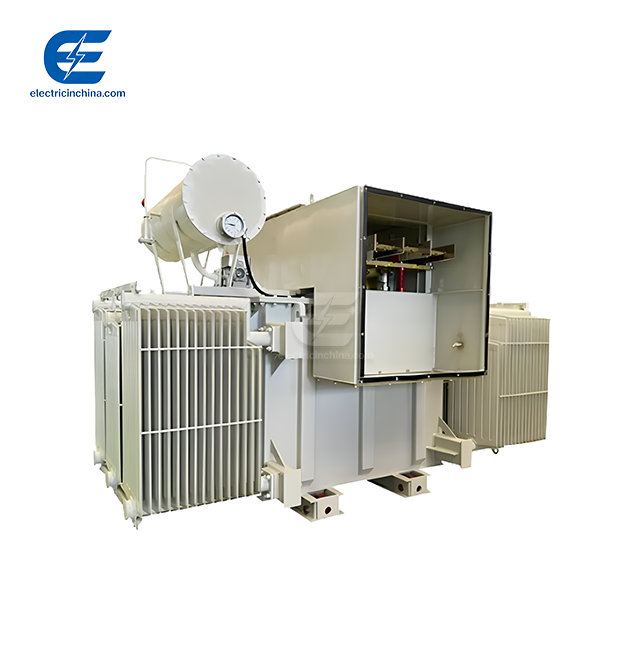
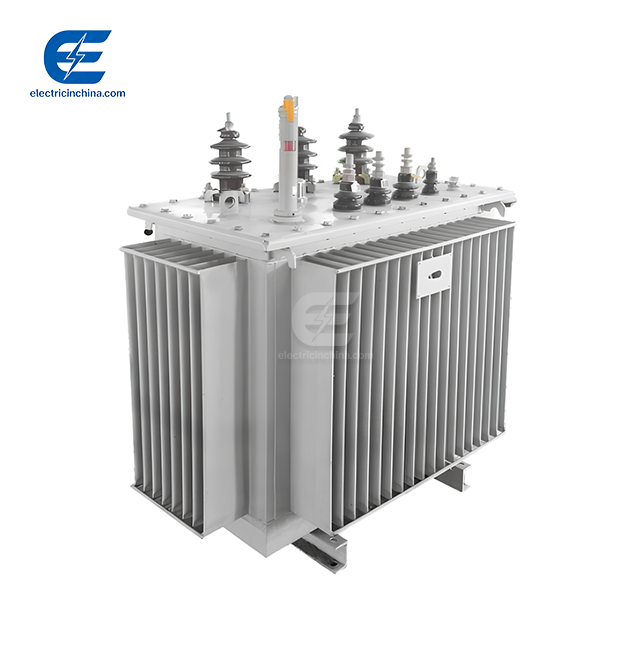
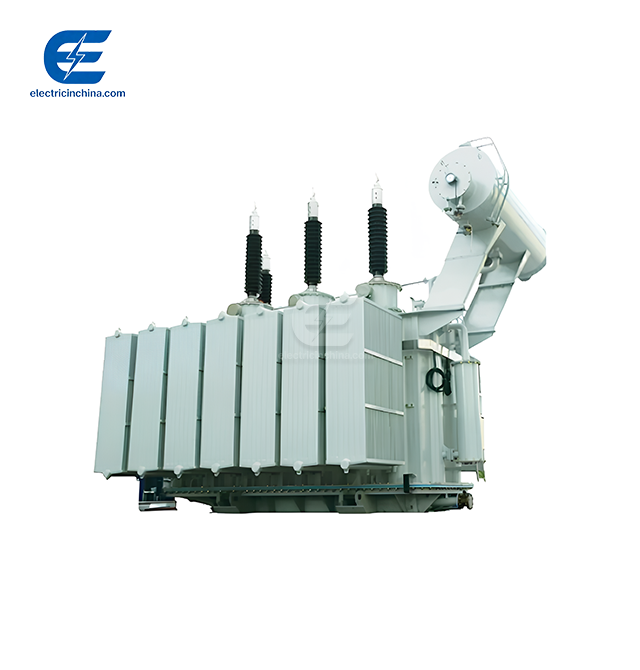
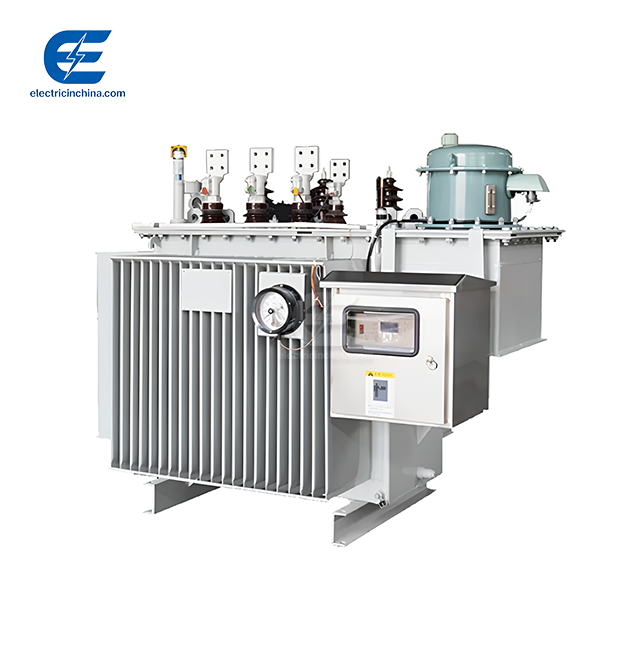
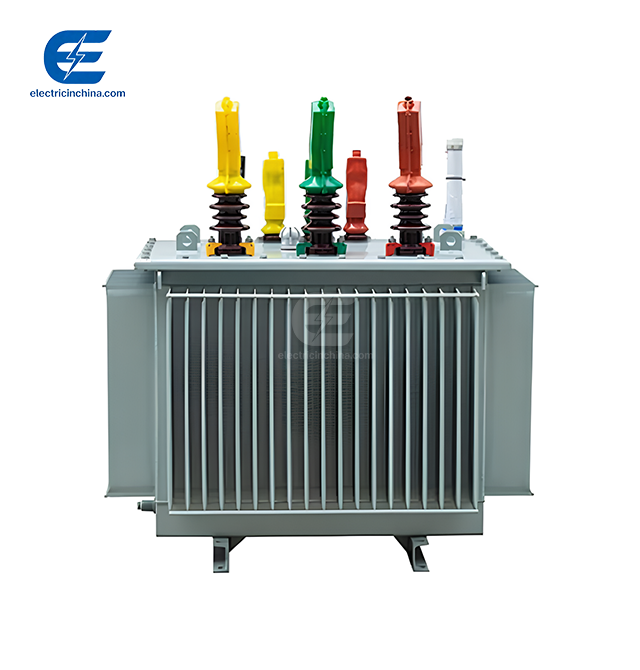
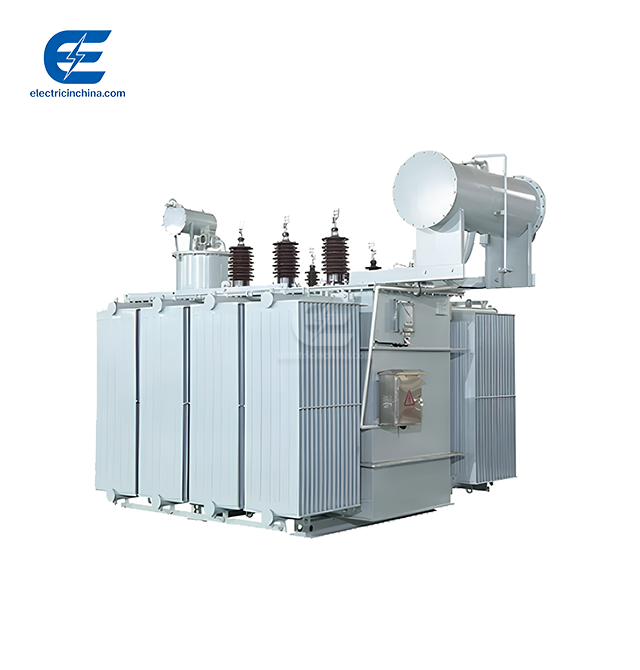
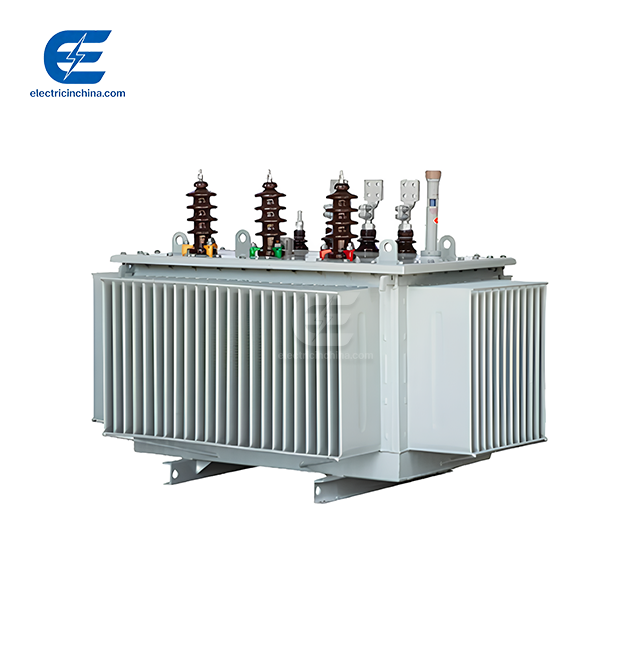
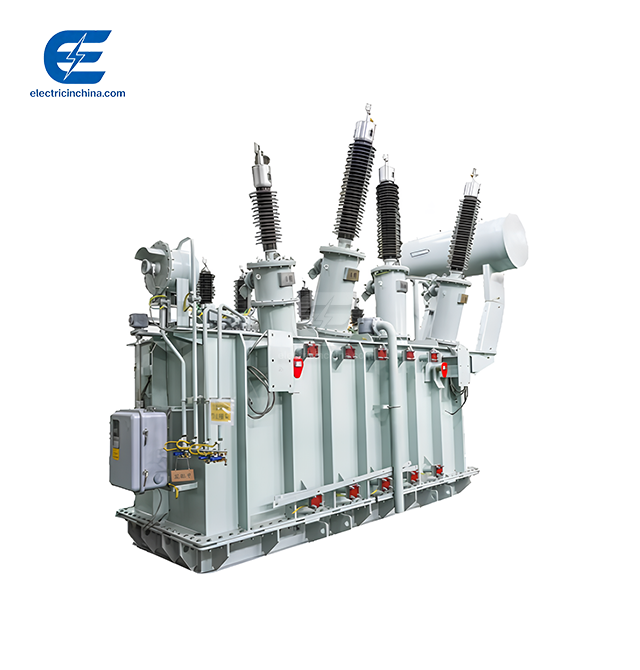
A three-phase oil-immersed distribution transformer is very durable because it uses carefully designed parts, high-quality materials, and strict manufacturing processes. The transformer's long life comes from using high-quality silicon steel cores, oxygen-free copper windings, top-notch mineral oil insulation, sealed tanks, and strong bushings that all help it withstand heat, electrical problems, and damage from the environment. At Xuzhou Tuojie International Trade Co., Ltd., our transformers last more than 25 years because we follow strict ISO9001 quality control during production and use advanced copper windings that cut no-load losses by 30% compared to regular designs. This careful combination of high-quality materials and excellent manufacturing is the foundation for the long-lasting performance of transformers in tough industrial settings.
Understanding the Core Components That Affect Durability
The performance and lifespan of three-phase power distribution oil transformer equipment depend on how well each component withstands operational stresses over decades of continuous service. When evaluating transformer reliability, procurement managers should recognize that durability is not a single attribute but the cumulative result of multiple engineering decisions made during design and manufacturing.
The Magnetic Core: Foundation of Efficient Operation
The magnetic core represents the heart of any distribution transformer, constructed from cold-rolled grain-oriented silicon steel laminations that minimize core losses and hysteresis. At Tuojie, we use premium silicon steel with a thickness between 0.23 mm and 0.27 mm, ensuring optimal magnetic flux distribution while reducing eddy current losses. This material selection directly impacts operational efficiency—our transformers maintain efficiency ratings above 98.5% even under variable load conditions. The step-lap core construction method we employ eliminates air gaps and reduces noise levels below 50dB, which matters significantly for installations in residential areas or noise-sensitive environments. The core's durability depends on proper annealing processes that relieve internal stresses and prevent premature aging under thermal cycling. Over 25 to 30 years of operation, a well-manufactured core maintains its magnetic properties without significant degradation, ensuring consistent voltage regulation and minimal energy waste.
Copper Windings and Electrical Conductivity
Copper or aluminum windings greatly impact transformer performance and longevity. We only utilize oxygen-free copper conductors in our oil-immersed distribution transformers because copper has 60% higher electrical conductivity than aluminum, better mechanical strength, and better thermal expansion resistance. CNC automatic winding machines precisely wind our sophisticated copper windings for uniform tension and optimum layer-to-layer insulation. This manufacturing precision prevents hotspots that accelerate insulation degradation. The windings resist mechanical deformation during faults by withstanding short-circuit forces up to 120% of rated capacity. Our units control winding temperature rise within 65K at full load, preventing insulation material aging and extending operational life.
Insulating Oil: The Lifeblood of Transformer Durability
Mineral insulating oil is vital for the three-phase power distribution transformer and affects its lifespan. Oil prevents breakdown between electrified components as a 30-60kV dielectric medium. In addition, it acts as an efficient cooler with a thermal conductivity of 0.13 W/m·K, dissipating heat from core losses and winding resistance by natural convection (ONAN cooling). During switching, the oil prevents arcing, safeguarding internal components. For safe operation at high temperatures, we use transformer oil that has a flash point above 140°C and a pour point below -40°C. Our static vacuum casting technologies remove moisture and dissolved gases that weaken oil dielectric strength. Oil quality testing typically checks moisture content (<30 ppm), acidity (<0.03 mg KOH/g), and dielectric breakdown voltage (>30 kV). Transformers last longer when oil is tested and reclaimed to prevent insulation deterioration and internal component corrosion.
Sealed Tank Construction and Environmental Protection
The transformer tank's structural support and environmental isolation safeguard internal components from moisture, pollutants, and physical damage. Our hermetically sealed tank uses corrugated radiators for passive cooling and oil thermal expansion without conservator tanks. Tanks made of high-grade carbon steel with epoxy coatings resist corrosion in tough situations, including coastal salt spray and industrial chemical-polluted areas. Automatic welding and checking for helium leaks make sure all the tank seams are sealed properly, stopping moisture from getting in, which is the main reason transformers fail. A positive internal pressure seal prevents ambient moisture from degrading oil and insulation. Tank-mounted bushings with porcelain or polymer housings and triple-seal designs provide high-voltage connections and environmental isolation.
This integrated component approach is why oil-immersed transformers outlast dry ones in demanding situations. Oil cooling dissipates heat better than air cooling, allowing larger power densities in smaller footprints for urban substations and commercial enterprises.
Factors Influencing the Durability of Three-Phase Oil-Immersed Distribution Transformers
Beyond component quality, several external factors determine whether a transformer achieves its design life or fails prematurely. Understanding these factors helps procurement professionals make informed decisions that protect long-term investments.
Design Quality and Manufacturing Standards
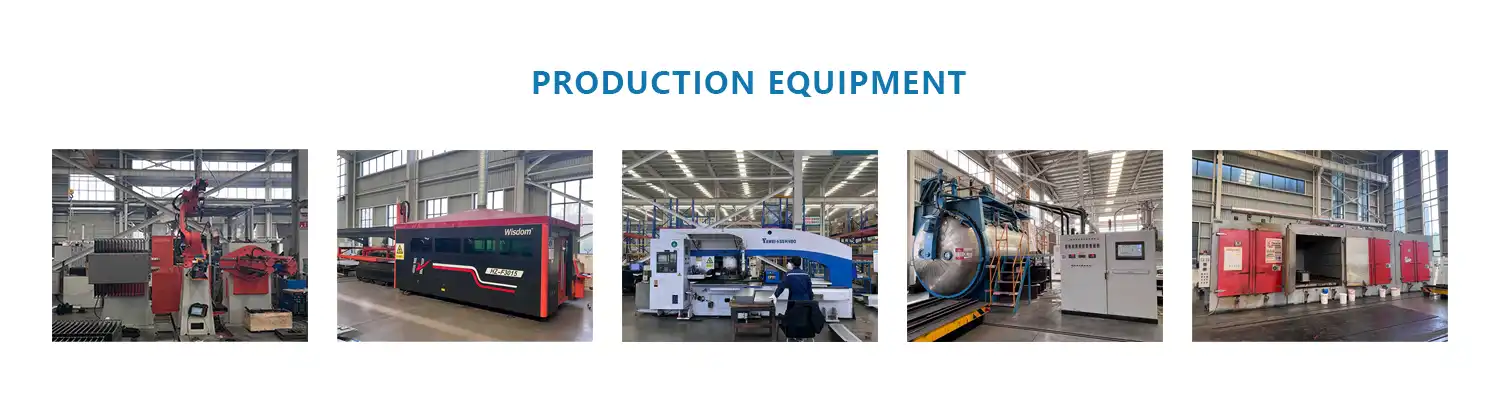
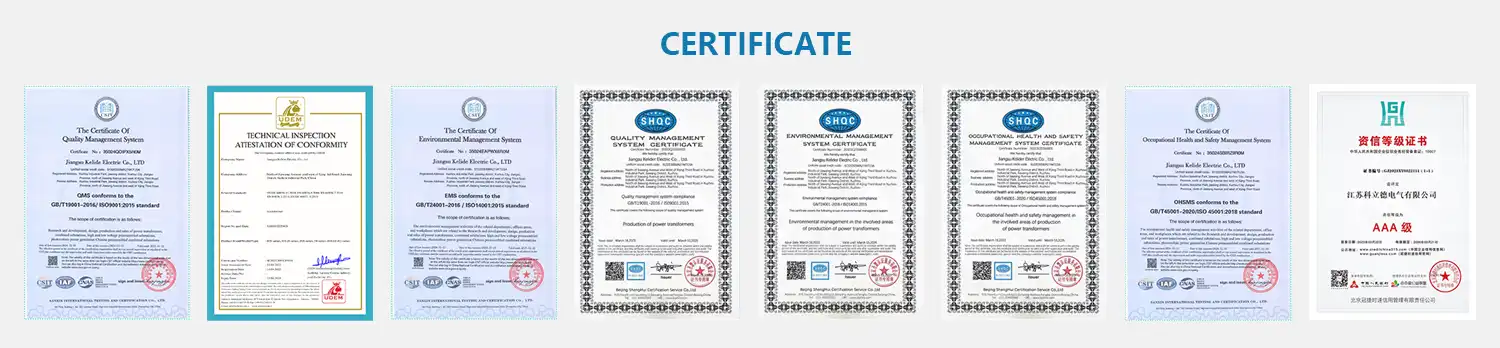
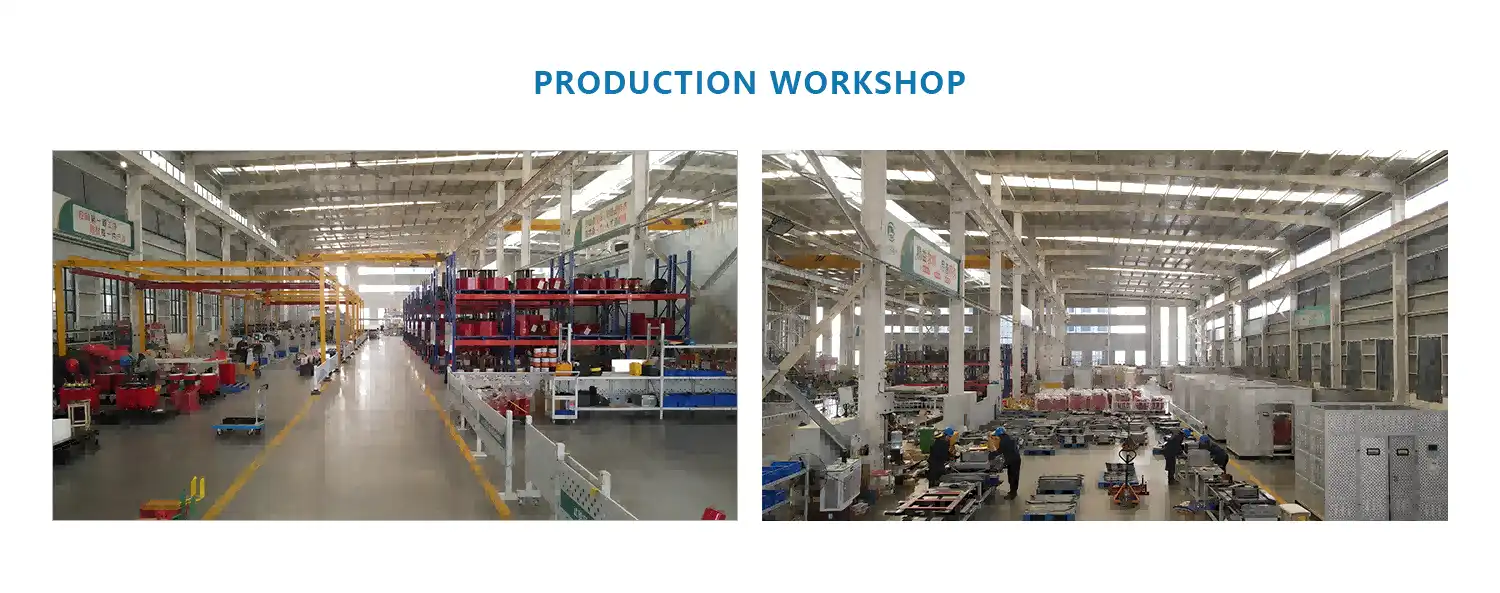
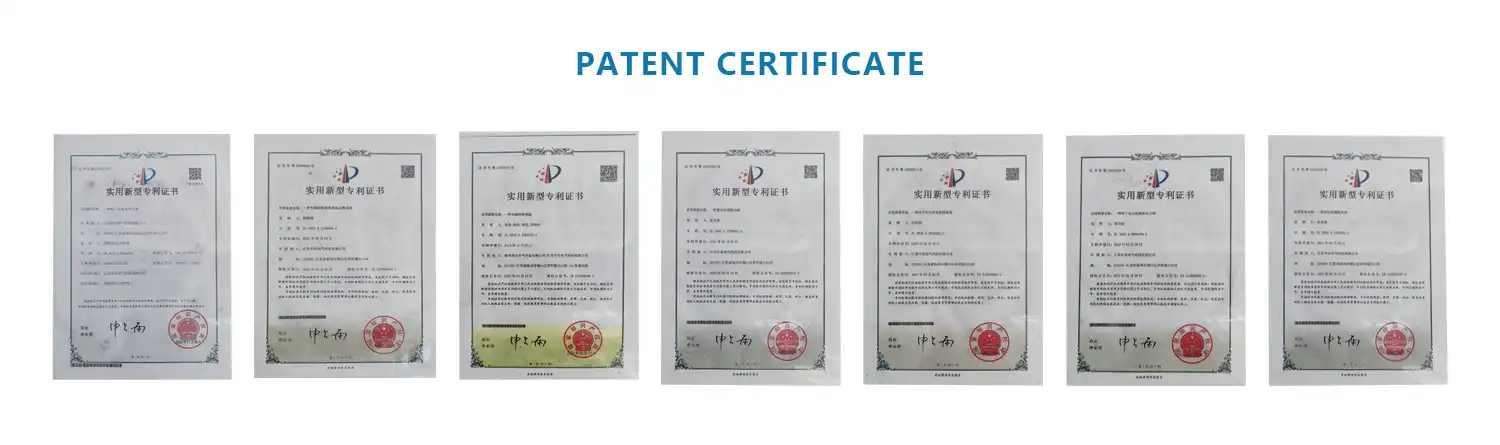
International accreditation proves manufacturing capabilities and quality. Our factory follows ISO9001, ISO14001, and OHSAS45001 quality, environmental, and occupational health requirements. We meet national safety standards with China Compulsory Certification (CCC) for all low-voltage components. These certifications ensure consistent production processes—from raw material inspection to final testing—that eliminate faults before products reach customers. We use over 120 specialized machines, including CNC automatic winding machines that maintain 0.1mm winding precision and microcomputer-controlled gradient curing furnaces that enhance insulation polymerization. Our 15 senior engineers and 30 intermediate technicians have decades of transformer design and testing knowledge. This experience allows us to customize solutions for desert heat over 45°C, arctic cold below -40°C, or high-altitude installations above 2000 meters, where air density reduces cooling efficiency.
Installation Practices and Site Conditions
Even the best transformer will function poorly if improperly installed. Site assessment should consider temperature, humidity, altitude, seismic needs, and maintenance access permissions. The foundation must be load-bearing and vibration-isolating to prevent tank and bushing mechanical stress. Before loading, oil must be filtered and degassed, and the transformer must be vacuumed to remove air pockets that could cause partial discharge. Cable terminations must be prepared to prevent bushing connection moisture penetration, a common failure point. Each transformer shipment includes installation instructions, and our technical support team can supervise essential projects on site. Proper installation prevents instant failures and ensures decades of reliability.
Common Faults and Early Intervention Strategies
Knowing typical failure types allows preventative maintenance before minor issues become catastrophic. Oil leaks through gasket degradation or weld porosity, allowing moisture in, rapidly degrading the insulation's strength. Visual examination prevents extensive internal damage. Thermal imaging during routine inspections detects hotspots before winding damage due to inadequate cooling, loading, or ventilation. Dissolved gas analysis of oil samples reveals partial discharge activity, which exposes insulating flaws that focused maintenance can rectify. Bushing contamination or cracking weakens high-voltage isolation, but cleaning and inspection prevent flashover. Our "zero defects" quality mindset extends beyond production to extensive documentation that lets operators spot warning signs and act quickly.
Understanding these criteria helps procurement decisions favor suppliers who prioritize quality from design and manufacture to installation support and operational guidance.
Maintenance Strategies to Maximize Transformer Lifespan
Even the most durable transformer requires systematic maintenance to achieve its full service potential. Preventive maintenance costs represent a small fraction of replacement expenses while delivering substantial returns through extended equipment life and prevented downtime.
Routine Inspection Protocols
Effective maintenance programs start with scheduled visual inspections. Check the oil levels in the sight glass for inexplicable dips that signal leaks. Light amber oil is acceptable whereas dark brown oil needs investigation for oxidation or carbonization. Examine external tank surfaces for rust, paint deterioration, and oil staining around gaskets and welds. Examine bushing porcelain for electrical stress cracks, chips, or tracking marks. Temperature indicators and pressure relief devices must be tested to keep protective systems working. We advocate monthly visual inspections and annual complete assessments with thermographic studies to detect anomalous heating trends. Thermal imaging detects weak connections, imbalanced loading, and clogged cooling passageways before failure. Our transformers include visible inspection points and servicing sites for efficient maintenance.
Oil Quality Testing and Monitoring
Transformer health and service life are determined by oil condition. Dielectric strength is degraded by dissolved water; therefore, amounts above 30 ppm require oil processing or replacement. Acidity testing (neutralization number) detects oxidation byproducts that accelerate aging; levels over 0.03 mg KOH/g require oil reclamation or replacement. Oil with a dielectric breakdown voltage below 30 kV indicates pollution and requires treatment. The most complete diagnostic test is dissolved gas analysis (DGA), which detects gases produced by thermal breakdown or electrical arcing: hydrogen signals partial discharge, acetylene arcing, and ethylene overheating. Transformers should be oil tested annually under regular settings and semiannually in severe environments or crucial applications. Comprehensive oil analysis and actionable advice from our laboratory enable data-driven transformer maintenance decisions that optimize performance and extend operating life.
Repair Versus Replacement Decision Framework
Procurement managers must choose repair or replacement when defects occur. Gasket leaks, bushing replacements, and tap changer maintenance are inexpensive repairs that restore full operation. Filtering and degassing extract moisture and impurities from oil, restoring dielectric characteristics at a fraction of the cost. However, substantial winding damage from short circuits, core degeneration from overheating, or tank structural compromise from corrosion often necessitates replacement rather than repair. The decision framework should evaluate repair prices vs. new equipment, estimated service life extension, replacement part availability, and potential costs of extended downtime during repair. Modern transformers with 25- or 30- year service lives frequently justify midlife renovation rather than premature replacement, especially if core components are good. Our technical team objectively assesses fault severity and recommends remedies that balance current costs and long-term value.
Smart Monitoring Technologies
By detecting issues early, advanced monitoring systems make maintenance predictive rather than reactive. Online dissolved gas monitors sample oil for fault gases and alert operators to abnormal conditions. Multiple temperature sensors identify cooling system degradation or loading imbalances. Partial discharge sensors detect insulation problems years before failures, allowing planned rather than emergency repairs during outages. Bushing monitoring systems forecast bushing breakdowns weeks ahead using capacitance and power factors. Integrating these monitoring technologies with SCADA systems allows centralized transformer fleet management. The data streams enable predictive analytics to optimize maintenance scheduling, reduce inspection manpower, and prevent disruptions. We integrate monitoring systems for customers, from basic temperature and oil level monitoring to sophisticated diagnostic platforms for condition-based maintenance.
Synergistic maintenance procedures optimize transformer ROI. Regular inspections catch issues early, oil tests help decide when to act, smart monitoring keeps track all the time, and well-informed repair choices make the best use of resources, extending the equipment's life beyond.
Energy Efficiency and Cost-Benefit Analysis in Durable Transformer Selection
The financial case for durable, high-efficiency transformers extends far beyond purchase price, encompassing decades of operational costs that dwarf initial investment. Sophisticated buyers recognize that the total cost of ownership (TCO) provides the appropriate metric for transformer procurement decisions.
Understanding Energy Loss Components and Their Financial Impact
No-load losses (core losses) occur independent of loading, while load losses (copper losses) fluctuate with current flow. Magnetizing the core causes no-load losses, which use energy 24/7 throughout the transformer's life. Resistance in windings and connectors increases load losses with load current squared. Through enhanced core materials and construction, our transformer designs lower no-load losses by 30% over S9-series units. This reduction saves $2,400 yearly on a 1,000 kVA transformer running constantly at $0.08 per kWh. Energy savings surpass $60,000 over 25 years, more than the high-efficiency design fee. Oxygen-free copper windings and appropriate conductor sizing reduce load loss and save on loading. The TCO should incorporate energy, maintenance, failure downtime, and residual value at the end of life. Our transformers with efficiency ratings exceeding 98.5% outperform budget alternatives in continuous-duty situations where energy consumption dominates lifecycle costs.
Comparing Oil-Immersed and Dry-Type Technologies
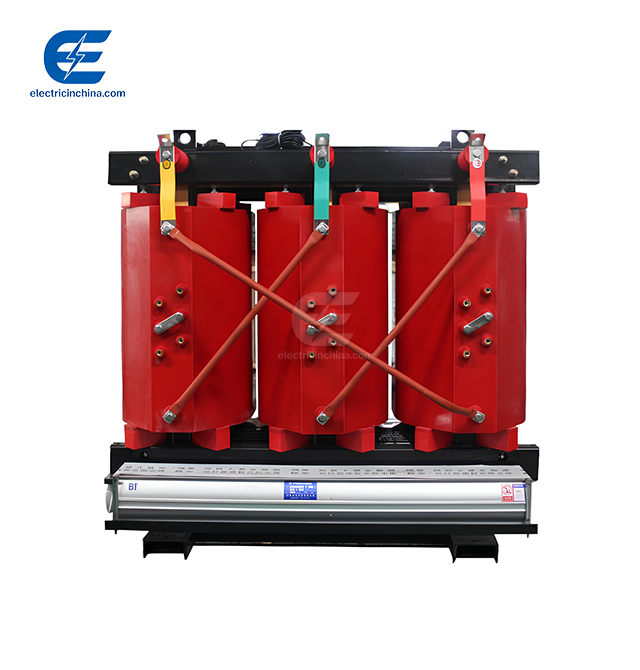
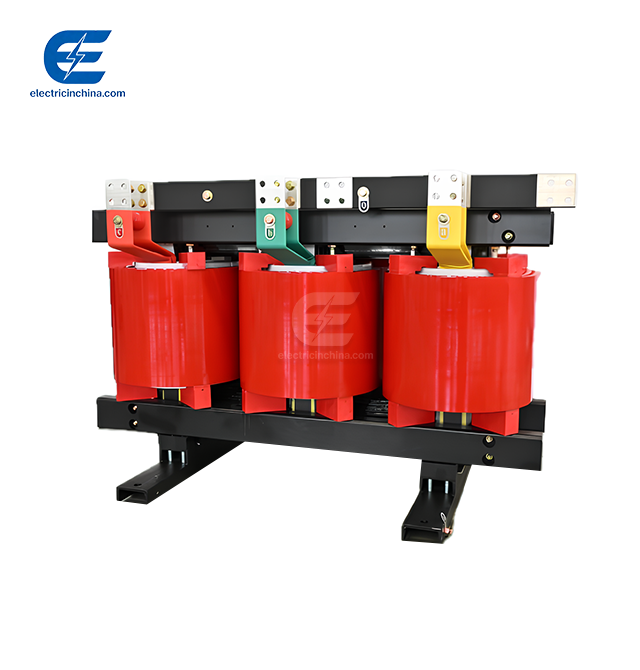
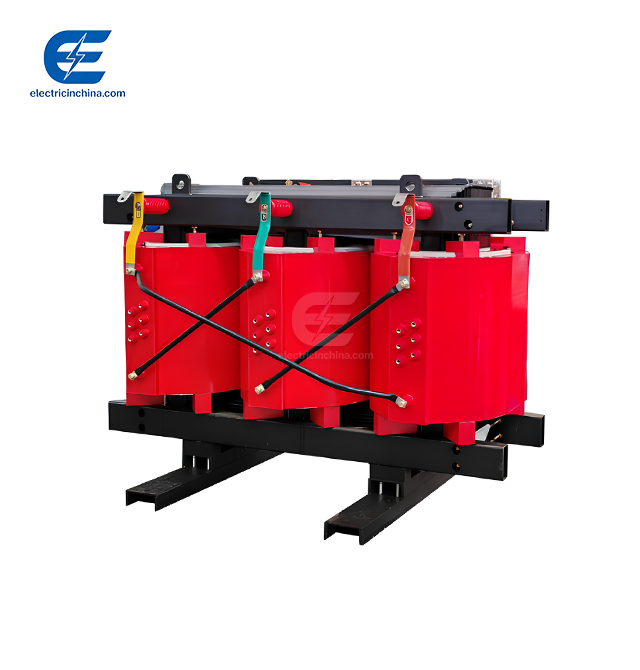
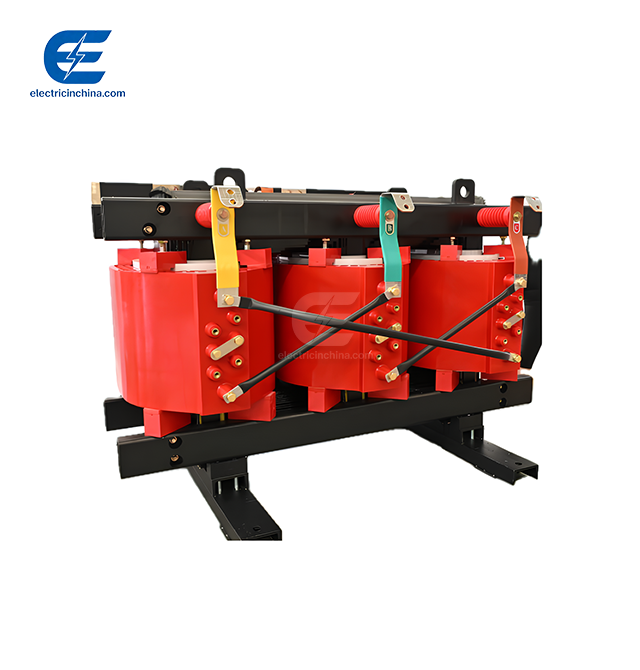
Technology choice affects durability and operational expenses. Oil-immersed transformers excel in heavy-duty applications requiring high power density, overload capacity, and service life. Compact designs and fault tolerance are enabled by the oil cooling system's homogeneous temperature distribution and efficient heat dissipation. Dry-type units are better in fire-sensitive locations and indoor installations with oil containment issues, but they cost more per kVA and last less under similar conditions. The oil immersion technique is preferable for industrial facilities, utility substations, and outdoor installations that require environmental protection and long service life. Our oil-immersed distribution transformers work in steel mills, chemical industries, and renewable energy facilities where dependability and longevity are essential. It can survive voltage transients, harmonic distortion, and thermal cycling that weaken other designs.
Brand Selection and Supplier Evaluation
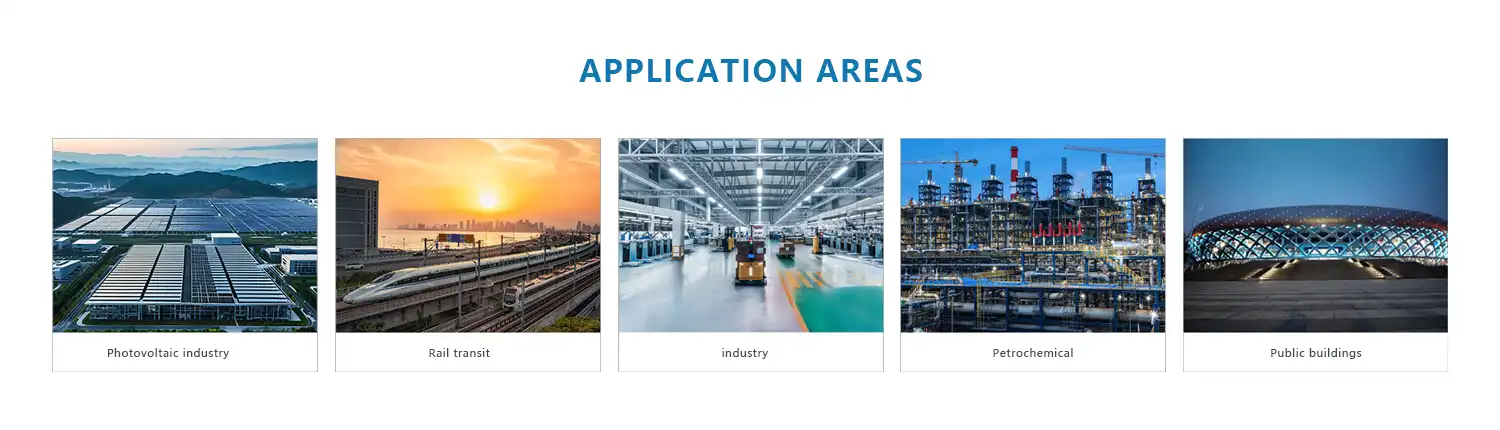
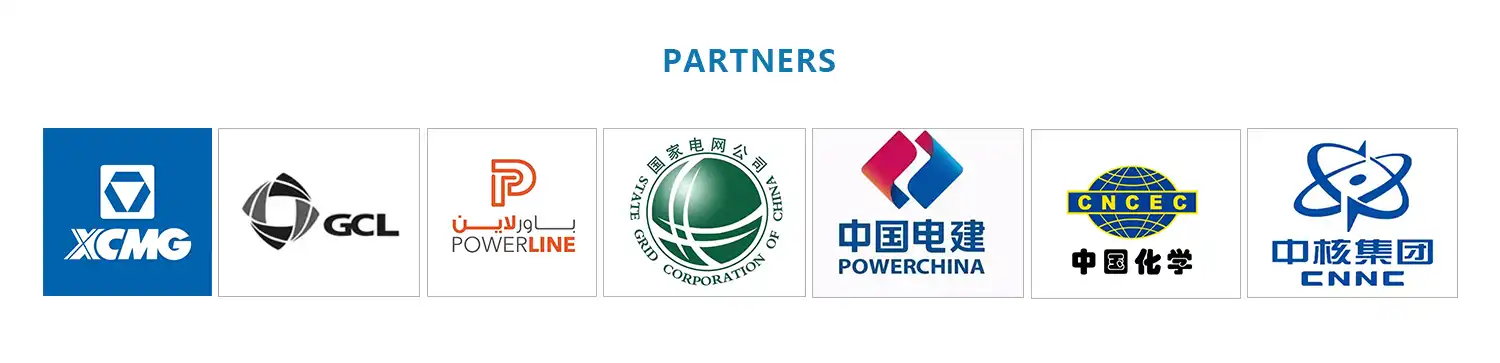
Selecting reputable manufacturers reduces procurement risk and ensures technical assistance throughout the equipment lifecycle. Although Schneider, Siemens, and ABB offer wide product lines, specialized manufacturers frequently offer better value because to their knowledge and customer-centric service models. Our sole focus on power distribution equipment allows Tuojie to specialize in transformer design and manufacturing. Over 20 years, we have completed hundreds of government infrastructure, commercial real estate, and industrial manufacturing projects. We supplied stable power for the Xuzhou Rail Transit Network Control Center, Xuzhou High-speed Railway East Station, and XCMG Group's manufacturing site improvements. These projects show our ability to satisfy strict specifications, deliver on time, and provide technical support from design to commissioning. ISO-certified quality systems support our warranty packages, which protect your investment. Providing spare parts, technical assistance, and maintenance training after sales extends equipment life and improves performance.
This energy efficiency and TCO viewpoint moves procurement from price to value, recognizing that durable, high-efficiency transformers generate financial benefits over their service lives and assist sustainability goals by reducing energy usage.
Procurement Considerations: How to Choose a Durable Three-Phase Oil-Immersed Distribution Transformer?
Effective procurement requires systematic evaluation of technical specifications, supplier capabilities, and lifecycle support services. A structured approach ensures selections align with operational requirements while delivering optimal value.
Defining Operational Requirements
Analyzing electrical parameters, climatic circumstances, and application-specific requirements starts specification development. Characterizing the load profile determines transformer sizing with enough room for expansion based on peak demand, load factor, and growth estimates. Voltage class selection considered primary distribution voltage (6kV, 10kV, 33kV, or 35kV) and secondary utilization voltage (400V or 480V) with impedance to coordinate with system safety methods. Environmental standards cover altitude, ambient temperature extremes, humidity, seismicity, and corrosive or pollutant exposure. Some jurisdictions require efficiency, noise, or environmental restrictions. Our 30KVA to 31,500KVA transformers suit small commercial and large industrial applications. Our engineering team works with customers to develop specifications that meet operational needs and are cost-effective.
Technical Specifications and Performance Criteria
Superior transformer designs have various technical parameters beyond electrical ratings. Higher overload capacity and insulation life are possible with lower temperature rise restrictions. Distribution transformers' impedance voltage impacts short-circuit current and voltage control, with tighter tolerances assuring consistent operation. Values range from 4% to 6%. The ability to withstand lightning and switching transient overvoltages depends on insulation class and BIL. Thermal capacity and noise depend on cooling system design (ONAN or ONAF). Harmonic performance and grounding depend on the Dyn11, Yyn0 connection arrangement. We use Dyn11 vector groups to suppress triple harmonics in our transformers to power sensitive electronics. Test reports include no-load losses, load losses, impedance voltage, temperature rise, and partial discharge levels, validated by our licensed testing facility with advanced diagnostic instruments.
Supplier Evaluation and Selection Criteria
Manufacturing, quality, project experience, and service infrastructure should be assessed while evaluating suppliers. Production facilities undergo evaluation for equipment sophistication, output capacity, and quality control. Our facility houses over 120 specialized equipment sets, including CNC automatic winding machines, automatic foil winding machines, and microcomputer-controlled gradient curing furnaces that ensure consistent manufacturing quality. Quality certifications like ISO9001, ISO14001, OHSAS45001, and CCC show system maturity, quality, environmental responsibility, and safety. Our project portfolio shows that we have completed government infrastructure projects, commercial real estate developments, and industrial facility improvements, delivering hundreds of transformers that work well years later. Our 15 senior engineers and 30+ intermediate technicians provide application engineering, installation supervision, and operational support throughout the equipment lifecycle. We keep a large inventory of spare parts and offer technical support throughout your transformer's life.
Engaging with Tuojie for Customized Solutions
Instead of only selling products, Xuzhou Tuojie International Trade Co., Ltd. is your solution partner. Understanding your power distribution issues and operational limits is the first step in our holistic approach. We adapt our designs to your environment, load characteristics, and space constraints. Our adaptable production can accommodate unusual voltages, stronger earthquake support, protective coatings against corrosion, and built-in monitoring systems. To ensure on-time delivery, we handle export documentation, shipment coordination, and customs clearance from the manufacturer to the site. Beyond product delivery, we offer installation, commissioning, and operator training to enhance equipment performance. We value long-term relationships based on mutual success, and many customers return for future projects after experiencing great product and service. Our technical experience optimizes system design and equipment selection, so procurement managers, engineers, and project developers should connect with our team early in project planning.
This procurement methodology helps buyers evaluate options based on more than price, resulting in better long-term value and operational success.
Conclusion
Quality materials, precision production, and methodical maintenance over decades make transformers durable. The magnetic core, copper windings, insulating oil, sealed tank, and bushings must cooperate to withstand electrical, thermal, and environmental loads. International certifications and superior production equipment assure constant quality and reliable field performance. Energy-efficient designs reduce the total cost of ownership by more than the original investment premiums. Successful procurement requires proper specification, objective supplier evaluation, and long-term customer success partners. Tuojie's 20+ years of experience, thorough quality systems, and customer-focused approach provide transformer solutions that power your operations for decades. Our hundreds of completed projects show that we can meet demanding government, commercial, and industrial criteria with on-time delivery and high quality.
FAQ
How often should transformer oil quality be tested?
Testing frequency depends on operating conditions and equipment criticality. Standard practice calls for annual oil analysis for transformers operating under normal conditions with moderate loading. Units in harsh environments—such as coastal areas with salt exposure, industrial zones with chemical pollutants, or locations with extreme temperature cycling—benefit from semiannual testing to detect degradation early. Critical transformers supporting essential operations or expensive processes warrant quarterly monitoring to prevent unexpected failures.
What safety protocols apply when handling oil-immersed transformers?
Safe handling requires strict adherence to electrical and environmental safety standards. Electrical safety demands de-energization verification using calibrated test instruments before any maintenance work, implementation of lockout-tagout procedures preventing accidental energization, and use of insulated tools rated for the voltage levels present. Personal protective equipment requirements include arc-rated clothing, insulating gloves rated for system voltage, safety glasses, and hearing protection during operations.
Can existing transformers be retrofitted or upgraded to extend service life?
Selective retrofitting often extends service life cost-effectively compared to complete replacement. Oil reclamation through filtration, degassing, and chemical treatment restores dielectric properties degraded by moisture and oxidation—typically costing 10-15% of new equipment while adding years of service life. Bushing replacement addresses one of the most common failure modes, with modern bushings offering improved reliability compared to original components. Adding online monitoring systems—including dissolved gas monitors, temperature sensors, and partial discharge detectors—transforms older units into smart assets that provide early warning of developing problems.
Partner with a Trusted Three-Phase Oil-Immersed Distribution Transformer Manufacturer
Tuojie stands ready to support your power distribution requirements with durable, efficient transformers engineered for decades of reliable service. Our manufacturing excellence—validated through ISO9001 certification and equipped with over 120 specialized production machines—ensures consistent quality that meets the most demanding specifications. We serve government infrastructure projects, commercial developments, and industrial facilities across diverse applications, delivering customized solutions tailored to your specific environmental conditions and operational requirements. Our transformers, ranging from 30KVA to 31,500KVA, incorporate advanced copper windings that reduce energy losses by 30%, efficiency ratings exceeding 98.5%, and robust construction designed for 25-30 year service lives. As a dedicated three-phase oil-immersed distribution transformer supplier, we provide comprehensive support from application engineering through commissioning and ongoing maintenance consultation. Contact our technical team today at tuojie@electricinchina.com to discuss your project requirements, request detailed specifications, or arrange factory visits. Visit electricinchina.com to explore our complete product range and discover why hundreds of satisfied customers trust Tuojie for critical power distribution solutions that deliver lasting value and uncompromising reliability.
References
1. IEEE Standard C57.12.00-2015, IEEE Standard for General Requirements for Liquid-Immersed Distribution, Power, and Regulating Transformers, Institute of Electrical and Electronics Engineers, New York, 2015.
2. IEC 60076-1:2011, Power Transformers - Part 1: General, International Electrotechnical Commission, Geneva, 2011.
3. Harlow, J.H., Electric Power Transformer Engineering, Third Edition, CRC Press, Boca Raton, 2012.
4. Heathcote, M.J., J&P Transformer Book: A Practical Technology of the Power Transformer, Thirteenth Edition, Newnes, Oxford, 2007.
5. Kulkarni, S.V. and Khaparde, S.A., Transformer Engineering: Design, Technology, and Diagnostics, Second Edition, CRC Press, Boca Raton, 2013.
6. Wang, M., Vandermaar, A.J., and Srivastava, K.D., Review of Condition Assessment of Power Transformers in Service, IEEE Electrical Insulation Magazine, Volume 18, Issue 6, November-December 2002.