

.webp)
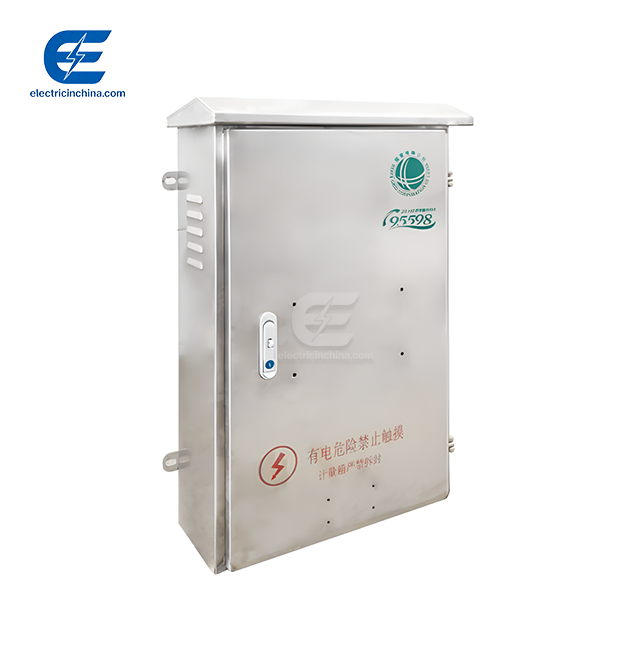
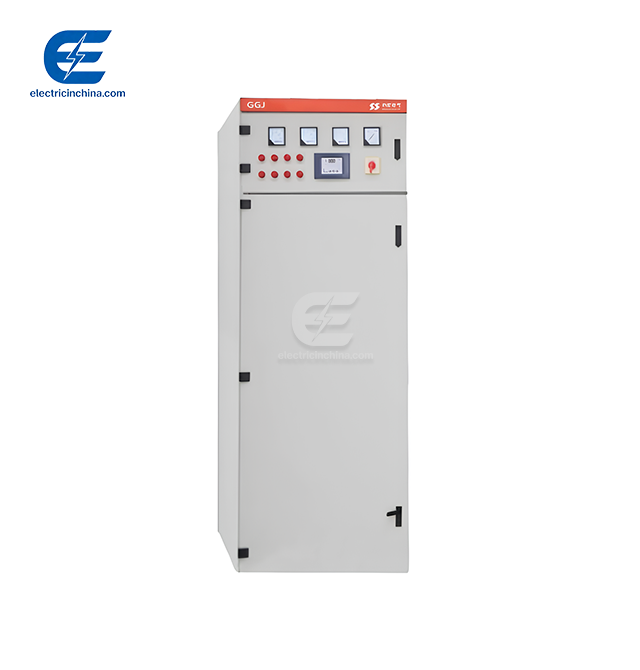
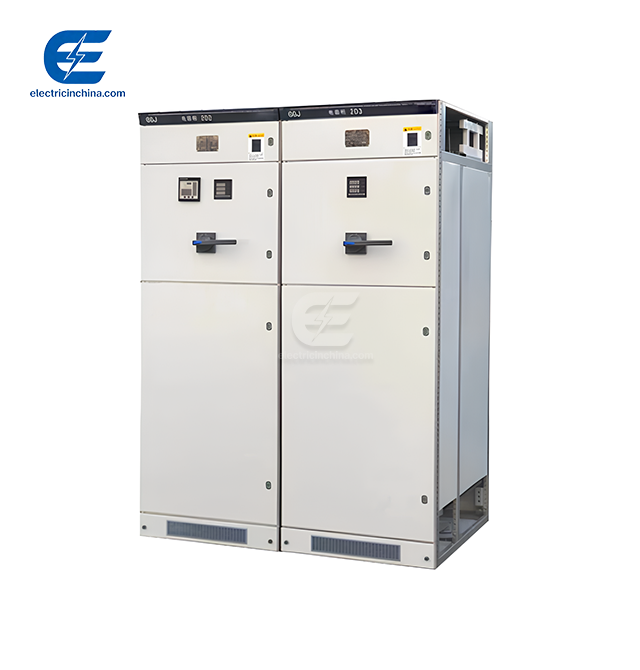
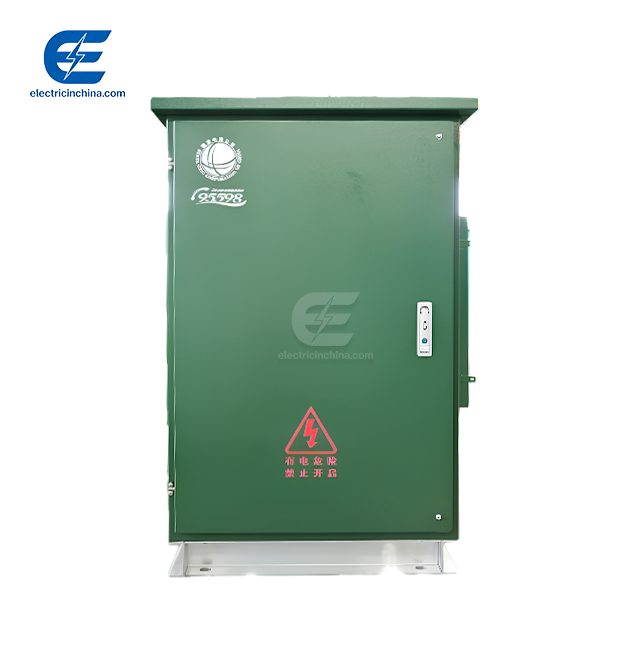
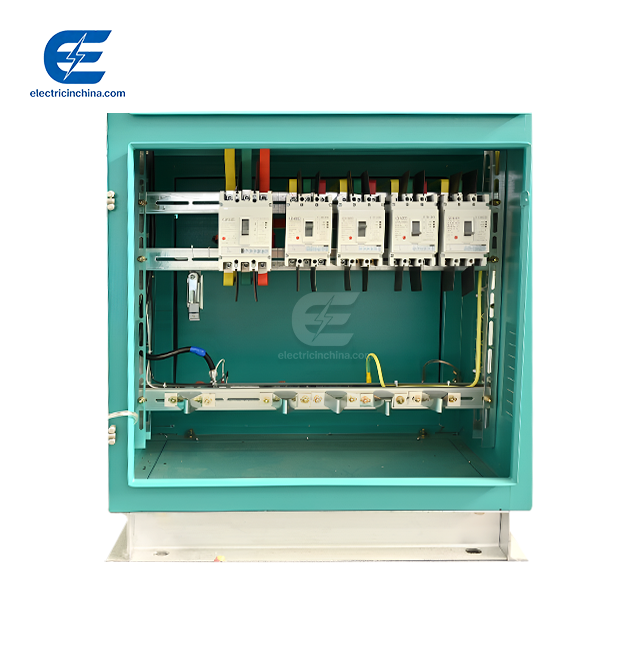
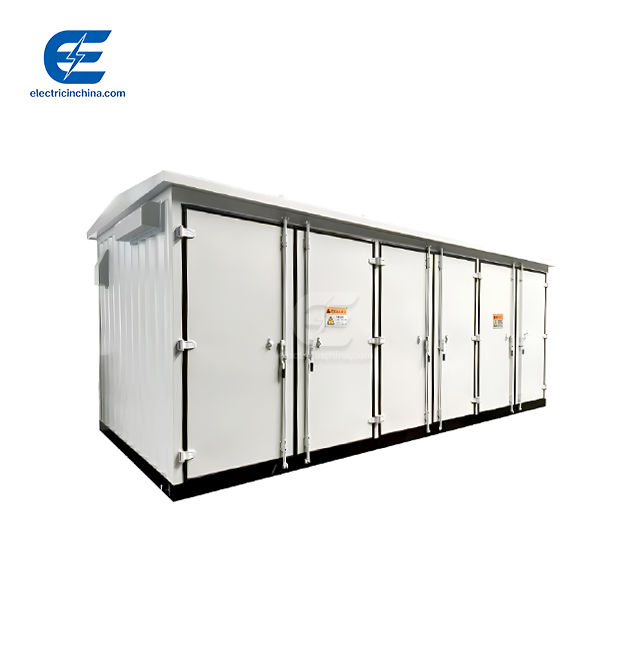
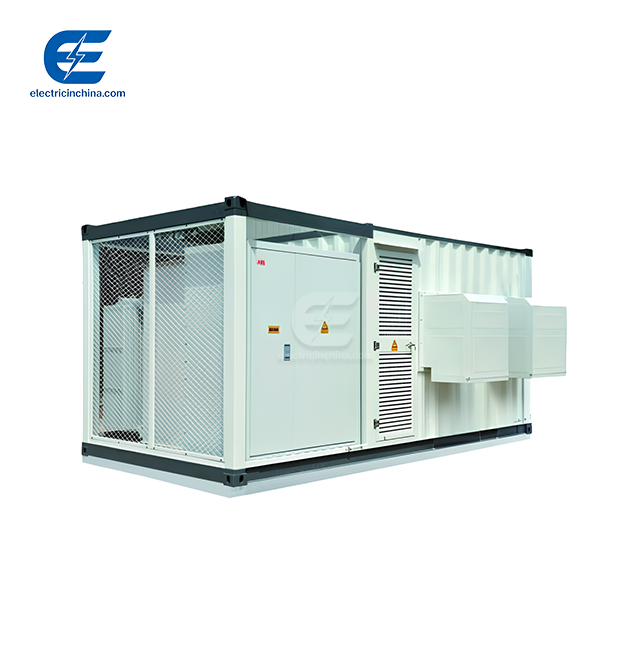
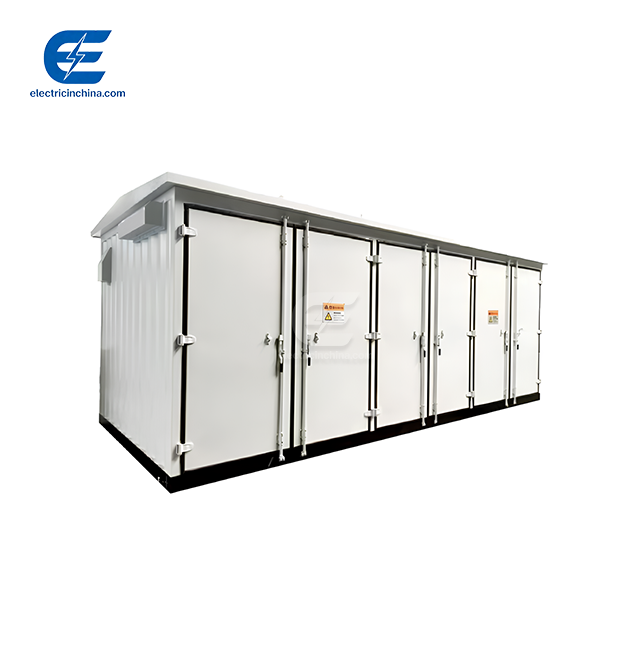
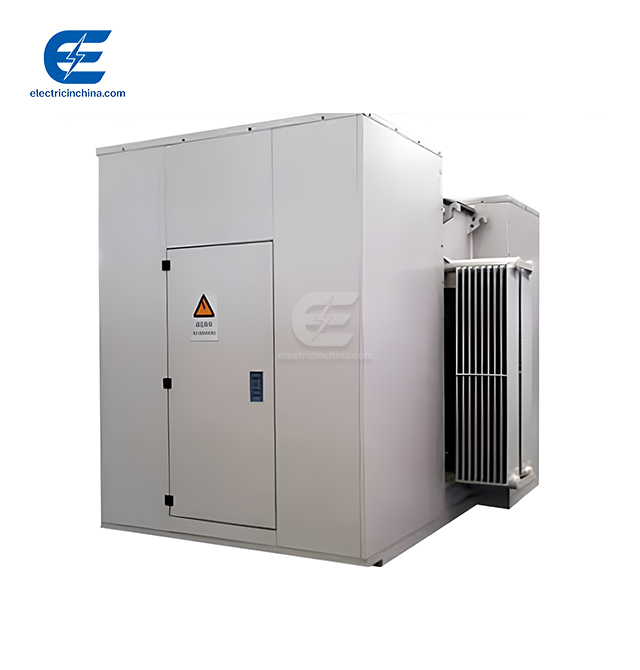
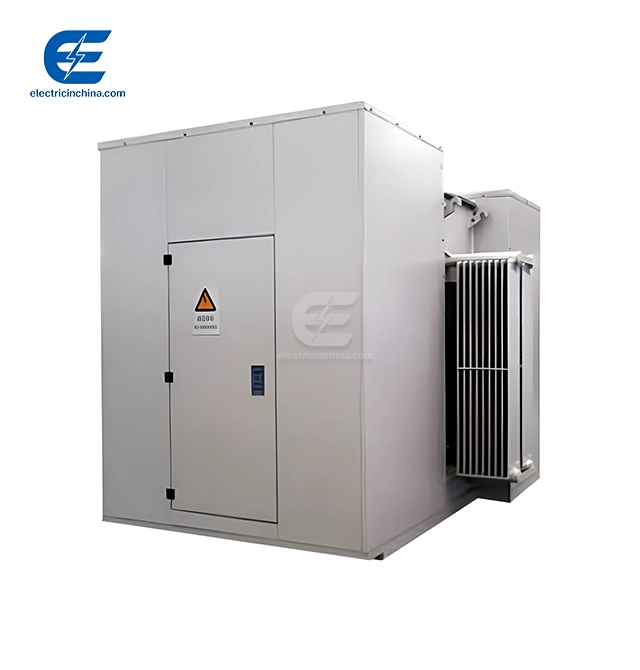
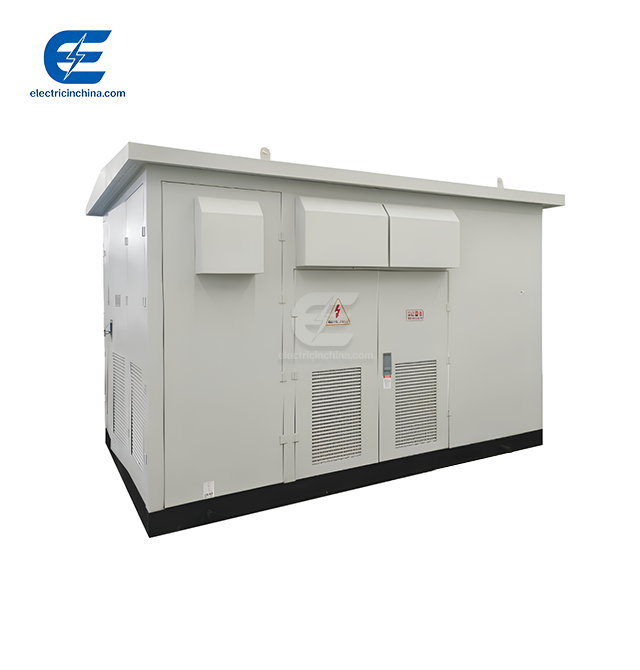
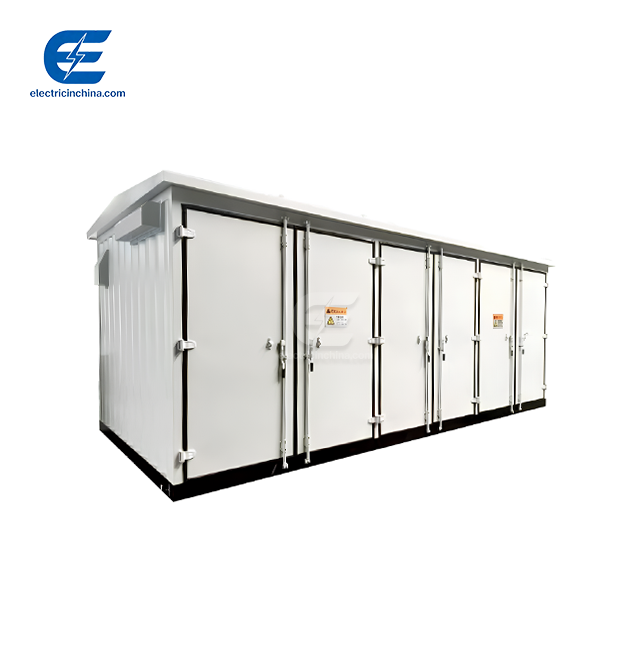
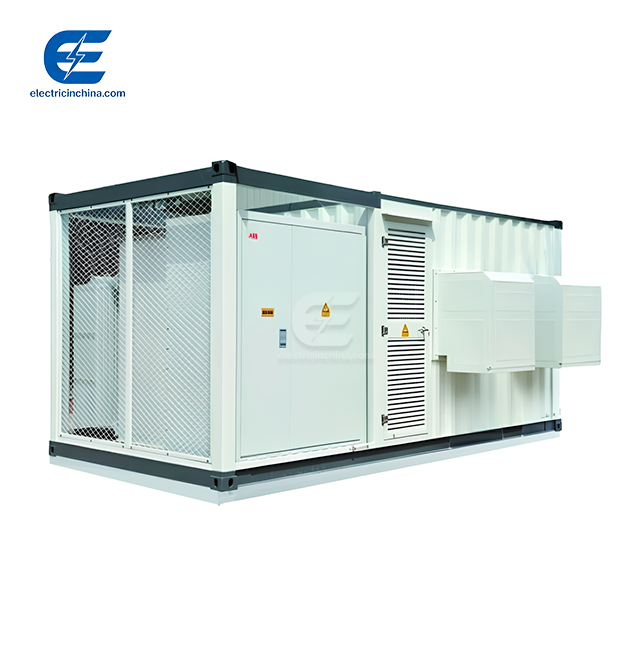
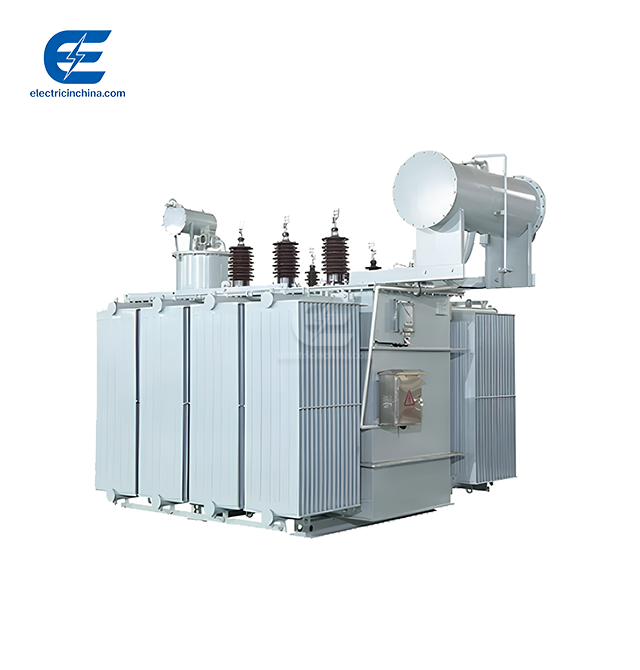
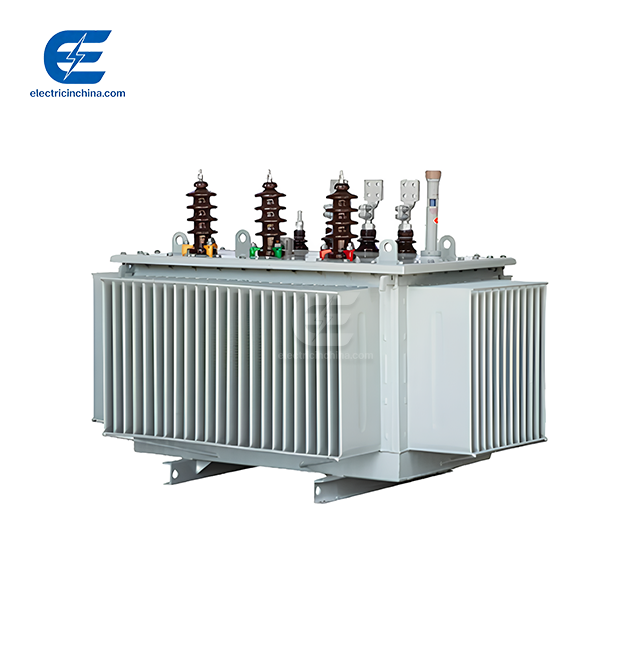
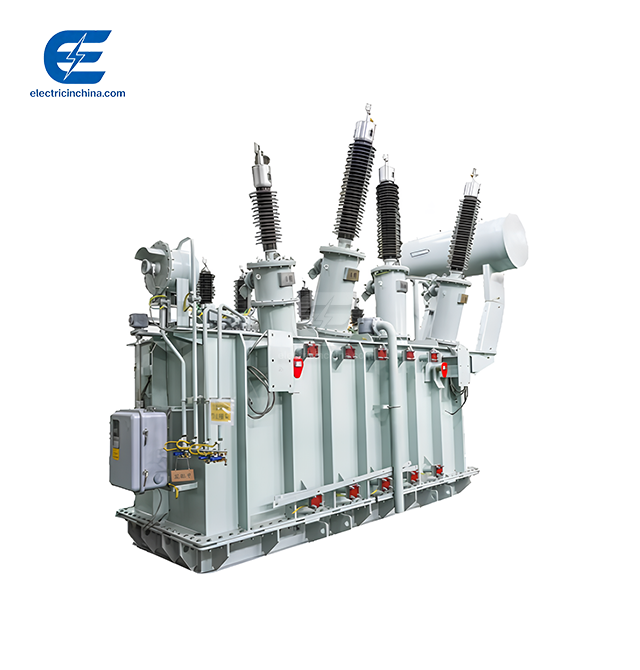
Three-phase oil-immersed distribution transformers support renewable energy by efficiently managing voltage conversion and stabilizing power output from intermittent sources like solar and wind. These transformers use mineral oil for superior cooling and insulation, enabling reliable operation under fluctuating loads typical of renewable installations. With efficiency ratings exceeding 98.5% and the ability to handle power ratings from 30KVA to 31,500KVA, they reduce energy losses while maintaining grid stability. Their robust construction ensures consistent performance in harsh outdoor environments where renewable energy infrastructure operates, making them essential for integrating clean power into distribution networks.
Understanding Three-Phase Oil-Immersed Distribution Transformers in Renewable Energy Systems
The Core Principle of Oil Immersion Technology
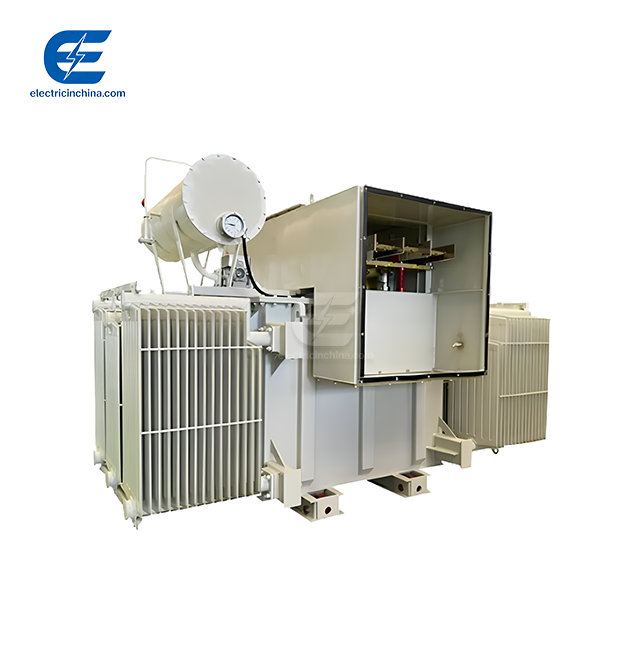
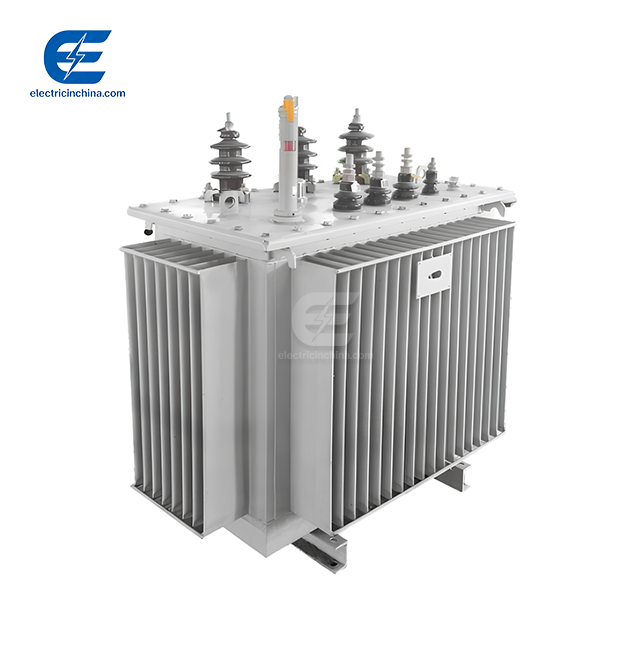
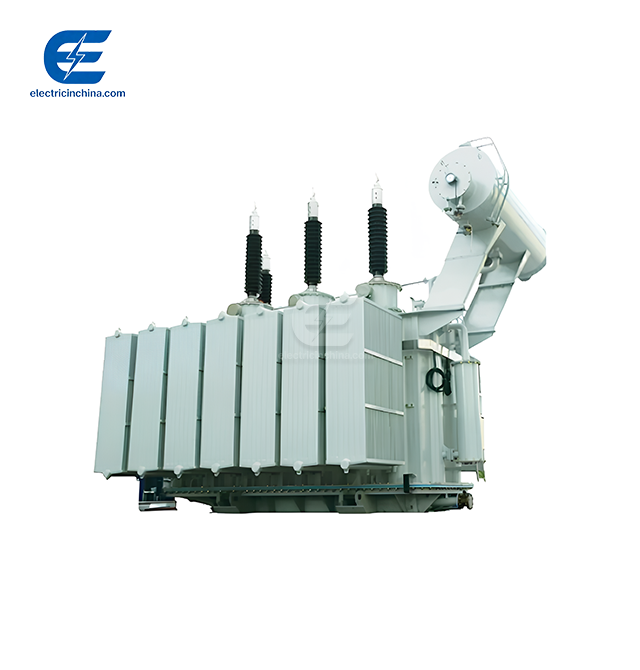
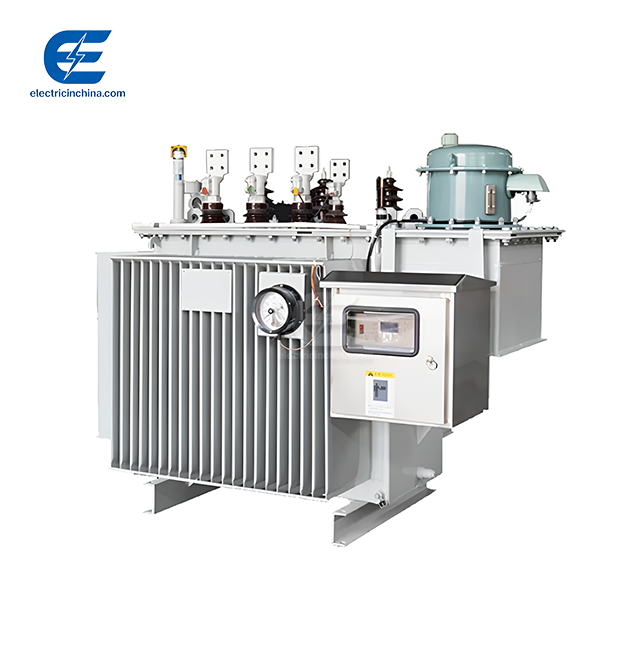
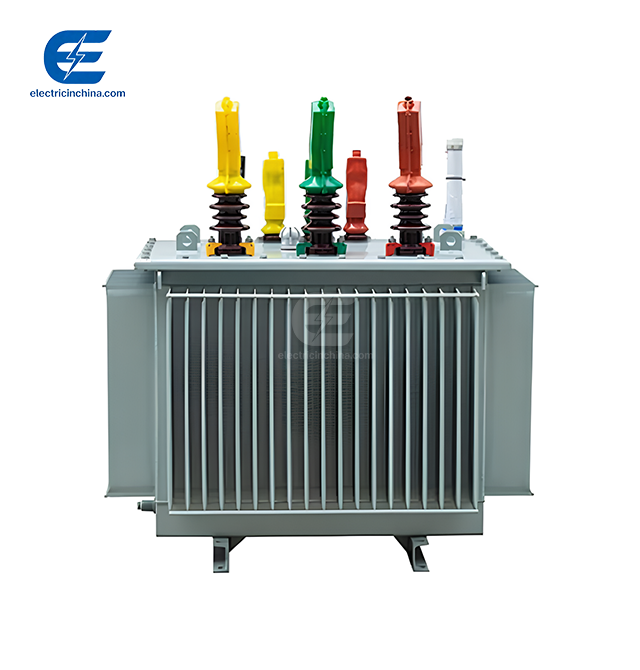
When renewable energy projects demand dependable power conversion, oil-immersed technology delivers proven results. The core and windings sit completely submerged in mineral oil, creating a dual-purpose system that insulates and cools simultaneously. This design proves particularly valuable for renewable energy applications because it handles the variable load conditions that solar arrays and wind farms generate throughout daily and seasonal cycles. The mineral oil circulates naturally through convection, carrying heat away from critical components. This passive cooling mechanism requires no external power, which aligns perfectly with the energy-efficiency goals of renewable projects. The oil maintains dielectric strength between 30 and 60 kV, protecting electrical components even when power output fluctuates rapidly due to changing weather conditions.
Why Do Renewable Energy Systems Rely on Three-Phase Power Distribution?
Renewable energy generation uses three-phase systems to connect to distribution networks because they provide power more effectively. Solar and wind farms produce significant amounts of power that require balancing across three wires. This arrangement decreases conductor losses and efficiently transmits electricity from generation sites to consumers. Xuzhou Tuojie International Trade Co., Ltd. transformers convert 6kV to 35kV on the primary side and 400V or 480V for secondary distribution. This flexibility allows connecting a 5MW solar farm to the area grid or distributing wind electricity to local industrial sites.
Rated Capacities and Efficiency Standards for Renewable Projects
From rooftop solar to utility-scale wind farms, renewable energy projects vary. Transformer capacity affects project cost and reliability. We make units from 30KVA for small commercial installations to 31,500KVA for large renewable energy substations, assuring proper sizing. Energy efficiency determines how much renewable electricity reaches customers versus being lost as heat. Modern copper windings reduce no-load losses by 30%, improving project returns. Transformers with efficiency ratings above 98.5% save the most clean energy from solar and wind turbines. This efficiency advantage saves energy and reduces carbon footprints over 25–30 years.
Maintaining System Stability Under Variable Load Conditions
The environment affects solar and wind power generation, which challenges electrical distribution equipment. Wind speeds vary throughout the day, and cloud cover affects solar output in seconds. Voltage differences and harmonic distortions from quick shifts can damage sensitive equipment or destabilize grid connections.
Three-phase power distribution oil transformers' thermal mass and electromagnetic design make them ideal for these situations. Oil reservoirs absorb temperature changes, avoiding winding thermal stress during load variations. The laminated core reduces eddy current losses and stabilizes magnetic flux during rapid power flow variations. Industrial, commercial, and residential renewable energy users benefit from stability protection that extends equipment life and maintains power quality.
For renewable applications, temperature rise is crucial. Our machines operate reliably in ambient temperatures from -40°C to +40°C by maintaining a winding temperature rise between 60K and 65K and an oil temperature rise between 55K and 60K. Solar farms in deserts and offshore wind platforms with adverse weather conditions benefit from this thermal performance.
Key Maintenance and Testing Practices to Ensure Optimal Performance
Routine Inspection Protocols for Renewable Energy Transformers
Remote renewable energy infrastructure requires preventive maintenance due to limited service access. Regular visual checks spot problems before they fail. Maintenance staff checks oil levels, bushings for cracks or contaminants, gaskets for leaks, and pressure relief devices.
We aim for "zero defects" in manufacture, but operational maintenance is essential for a 25-30 year service life. Our ISO 9001-certified quality management system provides production excellence, but field conditions require continual attention. Thermal cycling loosens connections, UV radiation degrades seals, and protective coatings deteriorate.
Thermal imaging finds hot spots indicating loose connections or winding issues before outages. Vibration analysis detects tap changer or core clamping system mechanical faults. These predictive maintenance methods meet government infrastructure and EPC contractor dependability standards.
Oil Quality Assessment and Dielectric Testing
Insulation performance and equipment longevity depend on transformer oil quality. We recommend testing oil samples from renewable energy installations every 12-24 months to track degradation. Laboratory analysis analyzes dielectric strength, which should be over 30 kV/2.5 mm for reliable operation. Dielectric strength declines due to moisture or degradation byproducts that weaken insulation.
Water from breathing or seal failures is detected by moisture content testing. Even trace levels of dissolved moisture impair oil dielectric strength and promote insulation degradation. Dissolved gas analysis detects electrical arcing or heated gases to find early problems. Increased acidity indicates oil oxidation and the need for filtering or replacement.
Our technical team advises on test interpretation and correction. Commercial developers and industrial manufacturers without transformer expertise but who need stable electricity for mission-critical processes benefit from this support.
Identifying and Preventing Common Faults in Renewable Applications
Renewable energy transformers fail due to load cycling and environmental exposure. Uneven current distribution causes winding hot spots in solar arrays during partial-load circumstances. Thermal expansion during daily generating cycles causes mechanical stress. Operating coastal wind farms in high humidity reduces core bolt insulation.
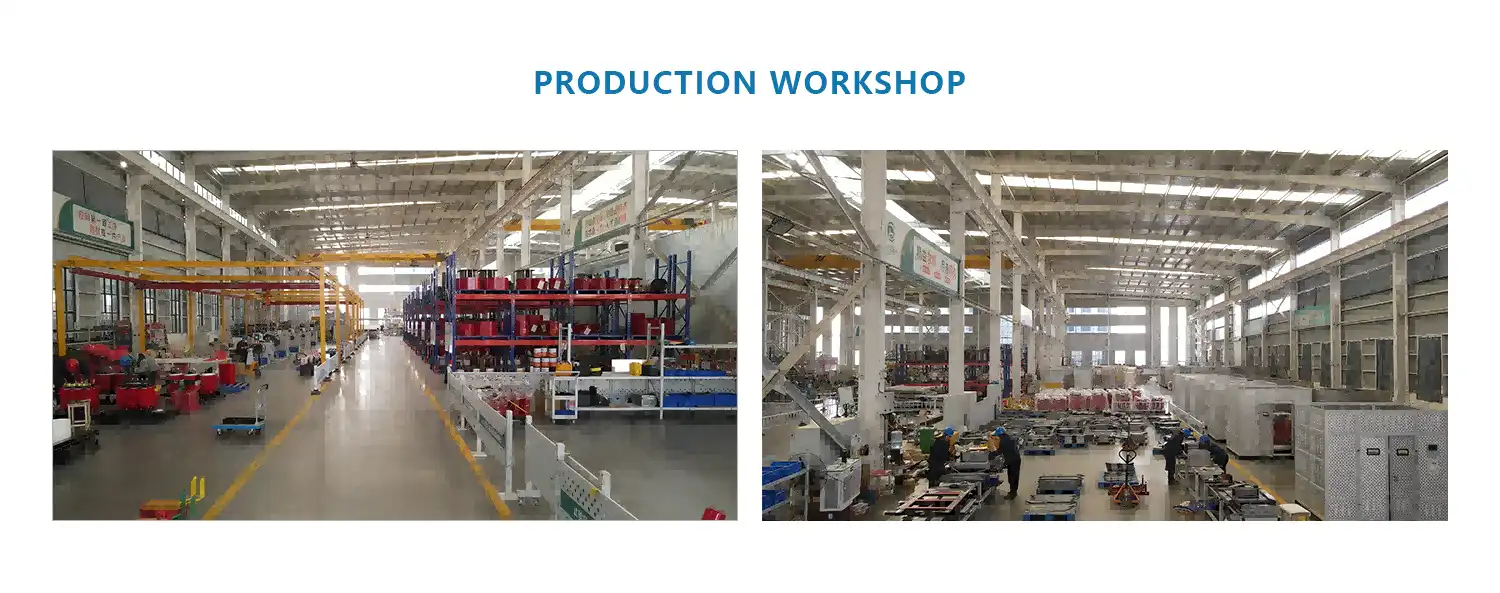
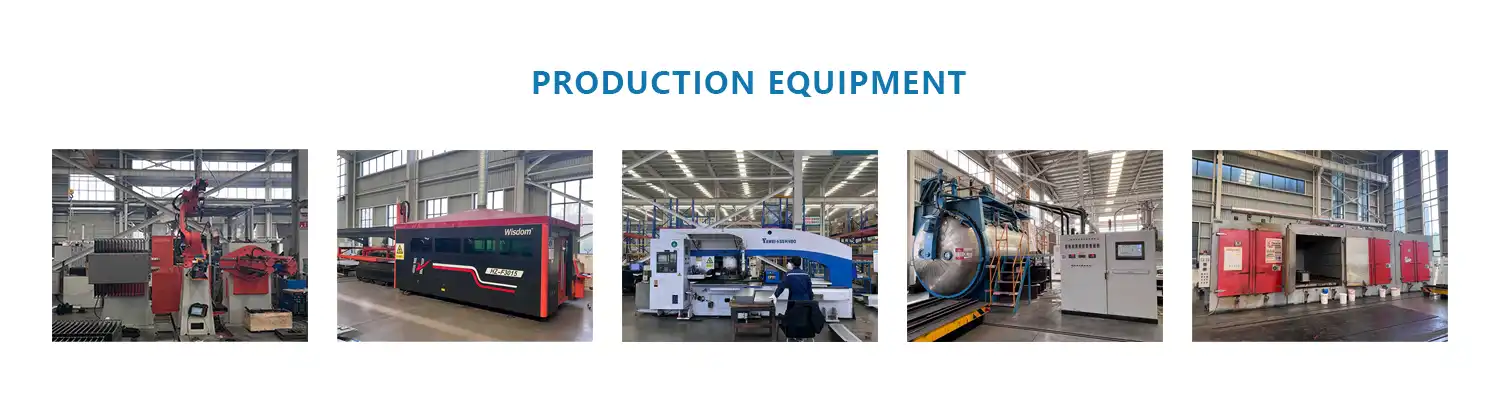
Design improvements and quality controls in our sophisticated manufacturing methods mitigate these concerns. CNC automatic winding machines eliminate weak parts and hot spots by using uniform conductor spacing and tension. Air pockets in insulation materials are removed via static vacuum casting, eliminating partial discharge that damages insulation. Microcomputer-controlled gradient curing ovens enhance insulation cross-linking for moisture and contamination resistance.
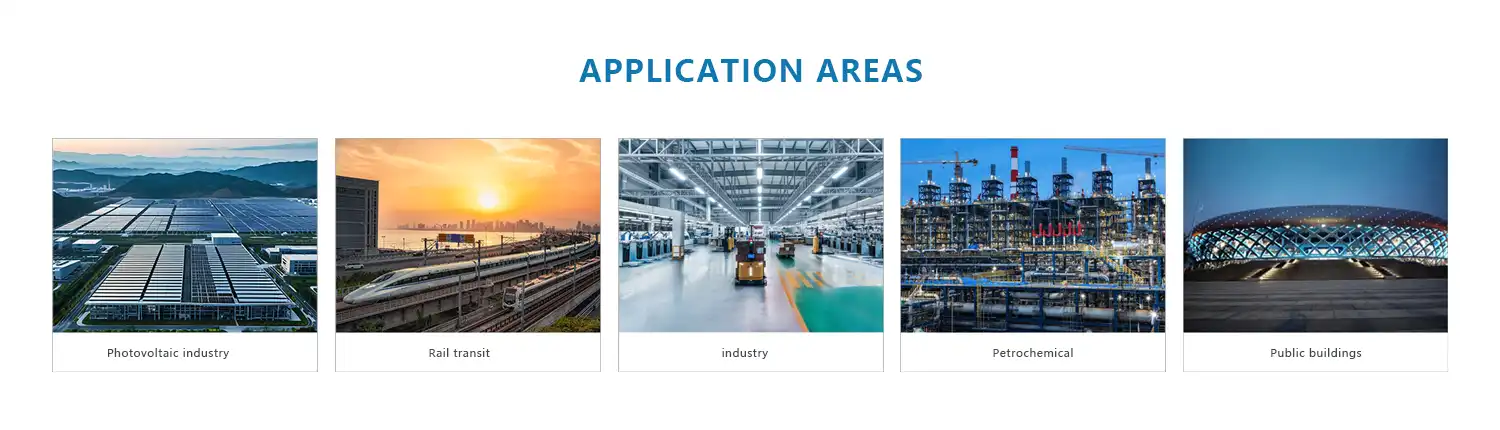
Our manufacturing capabilities and 120 sets of specialist equipment allow us to deliver renewable energy transformers. The GCL Photovoltaic Industrial Park power transmission system shows that we can meet renewable energy infrastructure demands.
Comparing Transformer Technologies for Renewable Energy Procurement
Oil-Immersed Versus Dry-Type Transformers
Renewable project procurement teams must grasp the oil-immersed and dry transformer differences. Both distribute power, but their qualities suit distinct uses and priorities.
Oil-immersed units can achieve higher power densities in compact footprints due to liquid cooling heat dissipation. Space-constrained installations like urban solar rooftop projects or offshore wind platforms benefit from this advantage because real estate is expensive. The oil handles power surges caused by renewable generation increasing during optimal conditions due to its overload capacity.
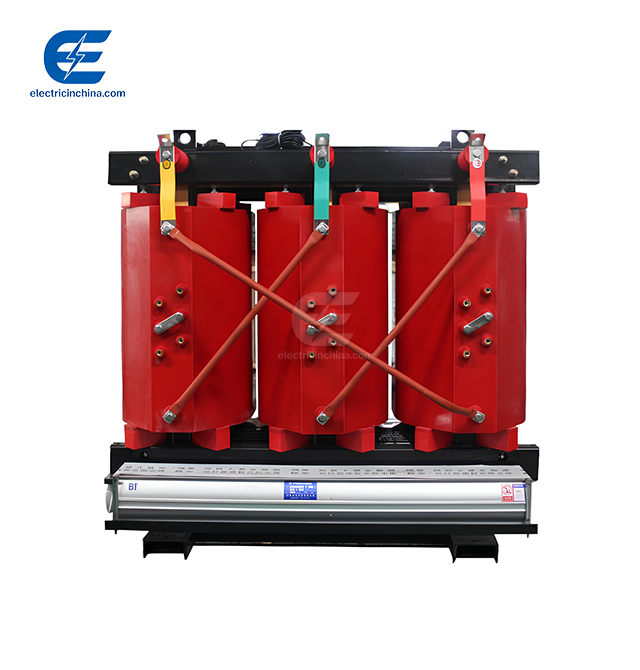
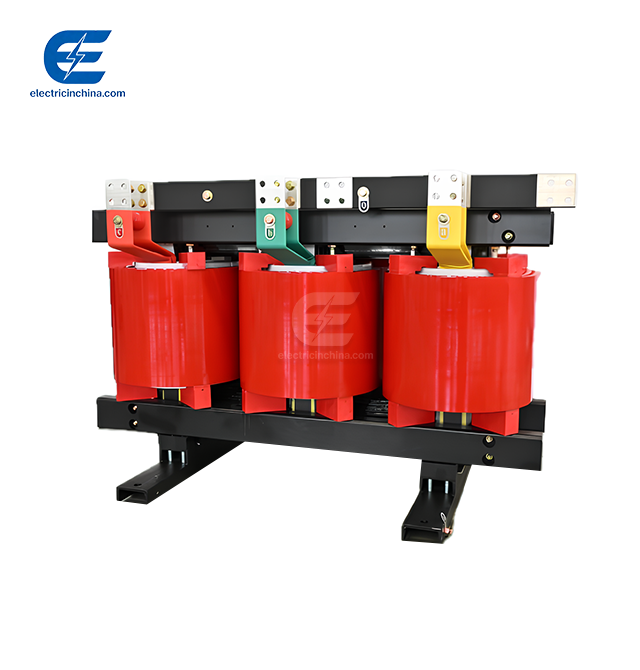
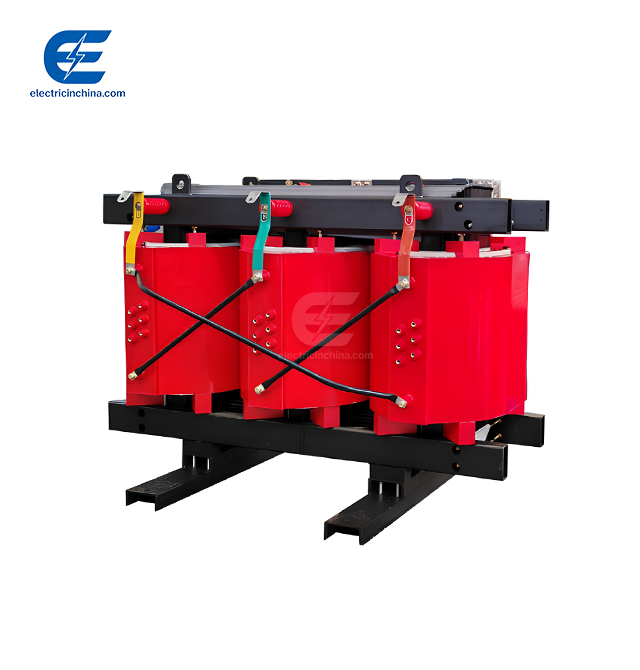
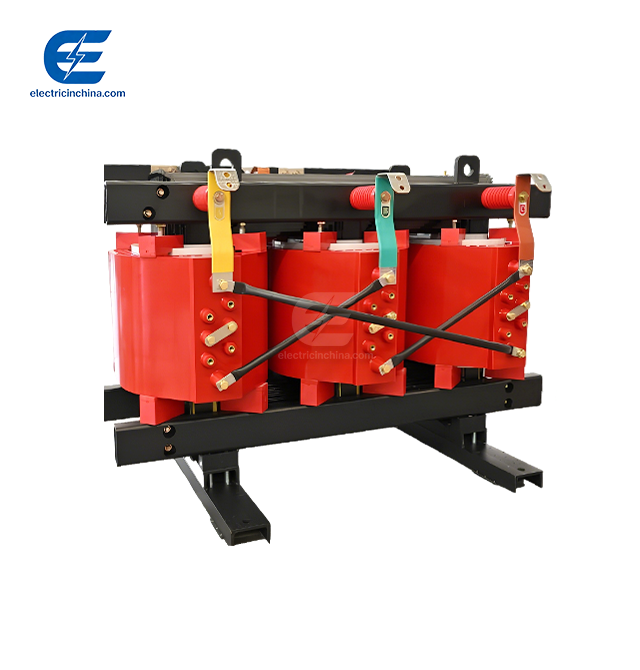
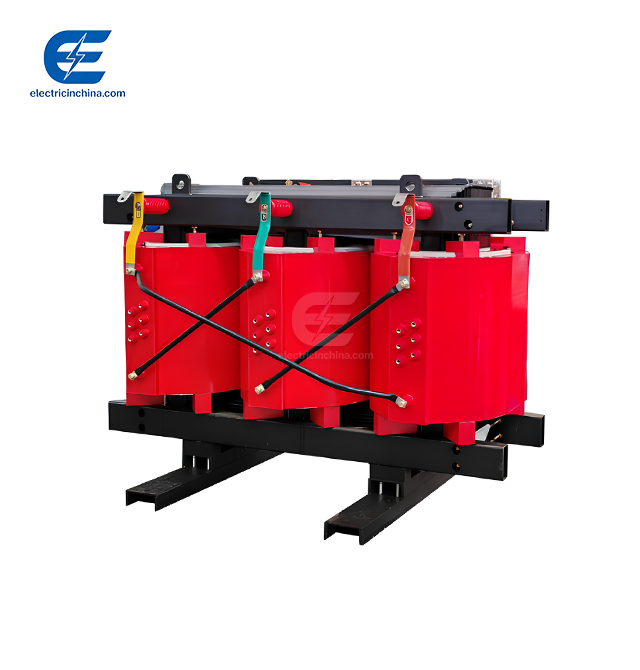
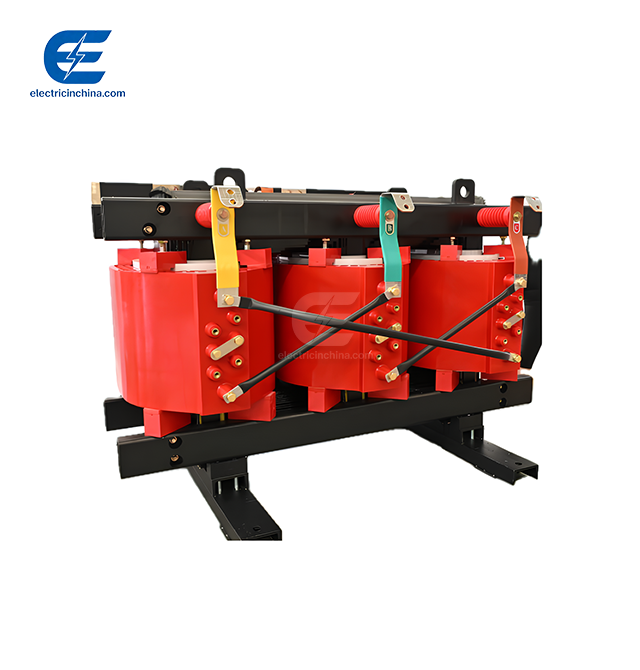
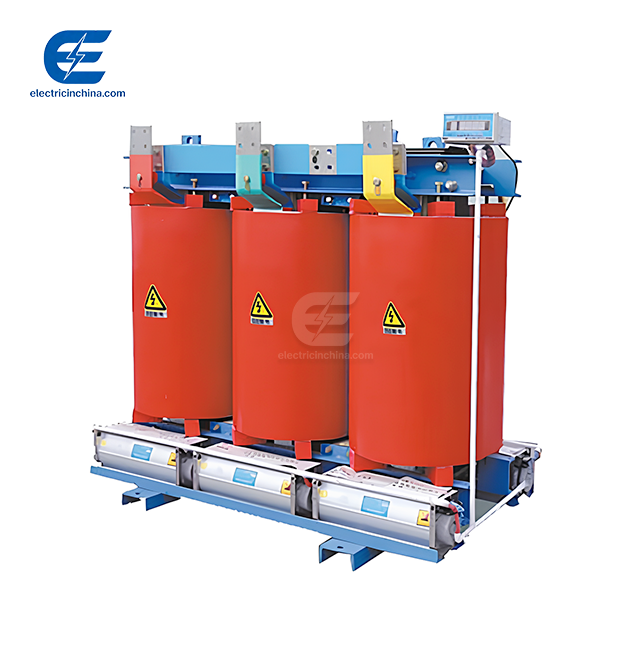
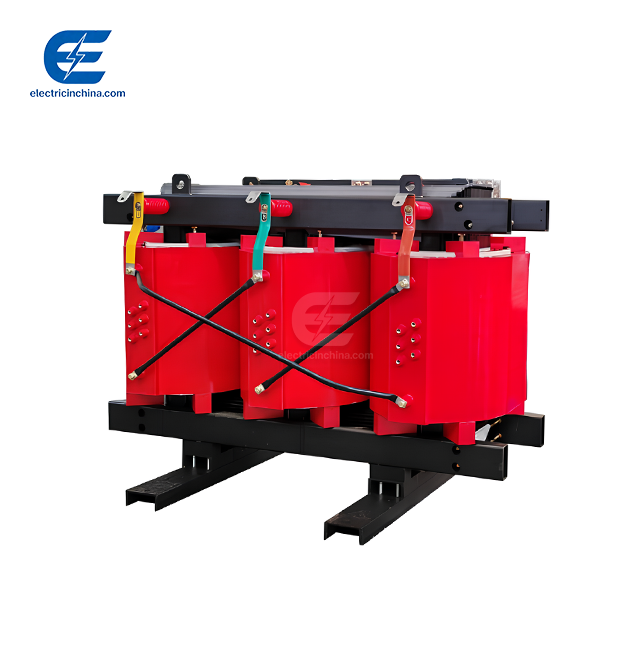
Dry transformers eliminate concerns about fires caused by mineral oil with air cooling and solid insulation. This safety profile suits interior installations in occupied buildings or ecologically sensitive areas with concerns about oil spills. Dry designs are less efficient and have less overflow capacity than oil systems.
Cost heavily influences technology selection. Budget-conscious projects benefit from three-phase power distribution oil transformers' lower cost per kVA. Dry variants require less maintenance but less diagnostic visibility into internal issues, while oil systems require periodic oil testing and fluid replacement.
Suitability Across Solar, Wind, and Hydro Installations
Different renewable energy sources affect transformer operation. Solar farms generate power only during daylight, causing daily heat cycles as transformers load and unload. Our oil-immersed designs manage these cycles well because thermal mass buffers temperature variations, minimizing insulation stress.
Wind installations put different loads on transformers because the output of a turbine changes with the speed of the wind. Without equipment damage, oil submerged units may briefly handle 120% rated capacity to gather maximum energy during severe winds. Our transformers have been reliable in many wind farms where continuous operation affects project costs.
Hydroelectric plants produce more consistent output but operate in humid conditions near waterways. Even in these harsh conditions, our oil-submerged transformers' sealed tank and hermetic construction prevent moisture infiltration. Anti-corrosion coatings on exterior surfaces prevent spray- and fog-exposed installations.
Evaluating Supplier Capabilities and Brand Reputation
Transformer supplier selection affects project success as much as technology selection. After decades of invention and project execution, ABB, Siemens, and Schneider Electric became worldwide leaders. These manufacturers have large product portfolios, global support networks, and successful infrastructure projects.
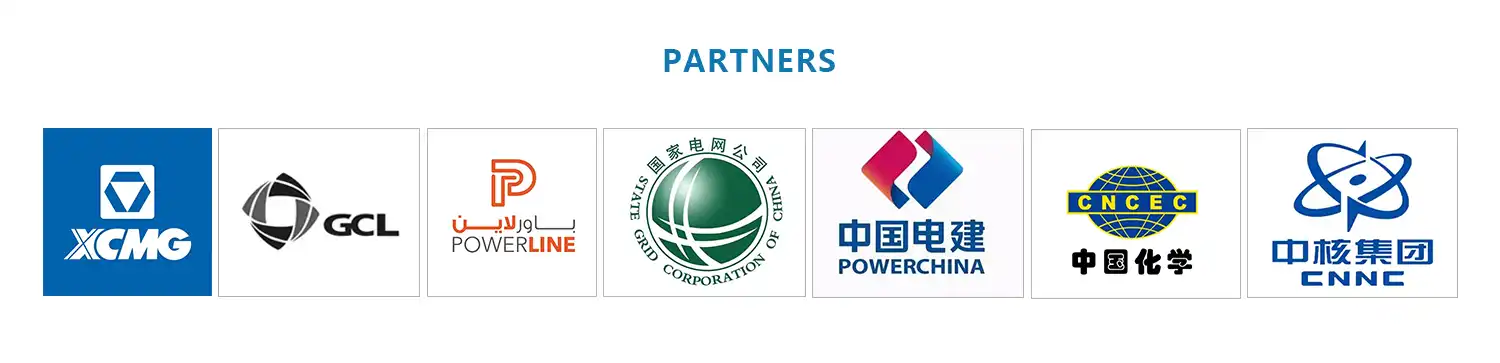
We promote Xuzhou Tuojie International Trade Co., Ltd. as a manufacturing partner with comparable quality, flexibility, and value. Our 18 patents show technological innovation, and our hundreds of significant power projects show implementation. The Xuzhou High-Speed Railway East Station power supply EPC and XCMG Group power supply upgrade demonstrate our ability to provide complicated solutions on tight deadlines.
We have 15 senior engineers, over 30 intermediate technicians, and 17 senior technicians with extensive knowledge in developing custom solutions. This engineering depth lets us customize transformer specs for the project, climatic, and operating needs. We serve EPC contractors from specification to installation and commissioning, solving their main concerns for responsive technical partners.
Cost, Delivery, and Procurement Insights for B2B Buyers
Pricing Factors and Bulk Purchase Advantages
Beyond capacity, transformer pricing depends on many factors. Global copper and steel markets affect production costs. Custom voltage ratings, tap changer configurations, and environmental protection measures increase engineering and tooling costs. Specific market certifications need testing and paperwork that affect unit pricing.
Cost optimization is possible with bulk procurement. Volume commitments improve manufacturing efficiency through batching and material purchasing. We structure pricing to reward partnership and volume with real estate developers and industrial manufacturers planning several projects. Engineering expenditures might be shared over numerous units by replicating custom specifications from one project.
Project financing affects procurement as well. Understanding the overall cost of ownership rather than just the initial purchase price shows higher-efficiency transformers' benefit. Our units' 30% decrease in no-load losses over traditional designs offsets any acquisition cost premium. Efficiency gains add up to big economic gains over 25 years.
Lead Times, Warranties, and Risk Mitigation
Delivery schedules are crucial to renewable energy project timeframes, especially during weather-dependent building seasons or incentive qualifying deadlines. Standard transformer configurations from inventory ship in 4-6 weeks, facilitating fast-track projects with tight deadlines. Custom-engineered units take 10–16 weeks, depending on complexity and production loads.
Our manufacturing capacity and 120 sets of specialized production equipment allow us to achieve tight delivery deadlines without compromising quality. We finished the XCMG Group power supply upgrade early, showing our capacity to shorten schedules for urgent projects. This responsiveness helps EPC contractors manage complex project schedules across various components.
Warranty terms demonstrate manufacturer confidence in product durability. We offer full warranty protection and strict quality standards during manufacturing. ISO 9001 quality management standards and our zero-defect attitude reduce warranty claims and speed up problem resolution. This warranty gives government agencies and infrastructure developers long-term trust.
Vetting Suppliers for Certification and Technical Support
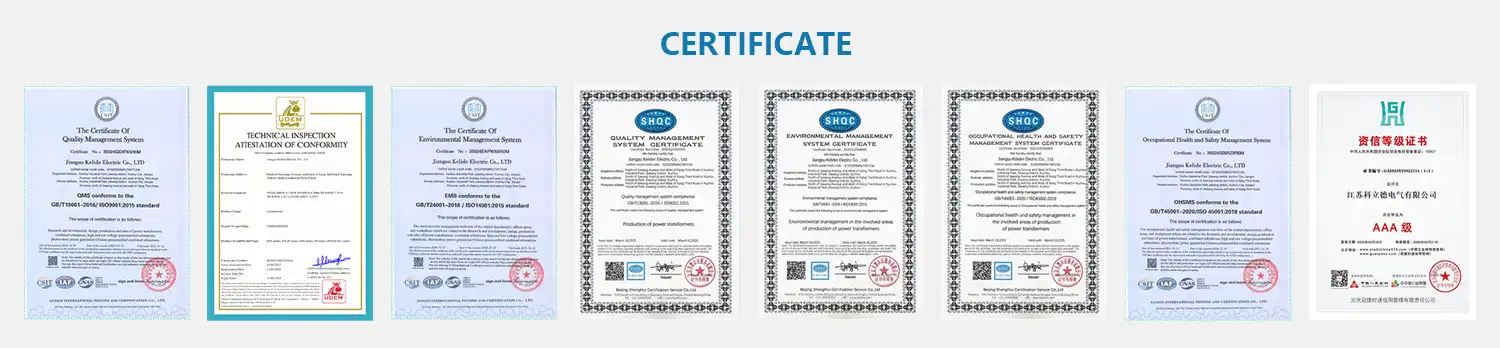
Verifying supplier qualifications and competencies before issuing contracts is procurement due diligence. The ISO 9001, ISO 14001, and OHSAS 45001 certifications show our commitment to quality, environmental responsibility, and workplace safety. All our low-voltage switchgear and cable products meet Chinese domestic installation regulations with national CCC mandatory certification.
International projects must meet regional requirements. We build transformers to IEC 60076 series specifications for international applications and IEEE C57 for North American projects. CE marking certifies our products for European markets, while customized testing meets additional regional certification demands.
Qualified suppliers differ from equipment vendors in technical support. Our engineers help optimize transformer parameters for renewable energy scenarios during project preparation. We help with installation, commissioning, and troubleshooting throughout equipment life. This comprehensive service approach meets the needs of medium to big enterprises who want reliable partners, not transactional providers.
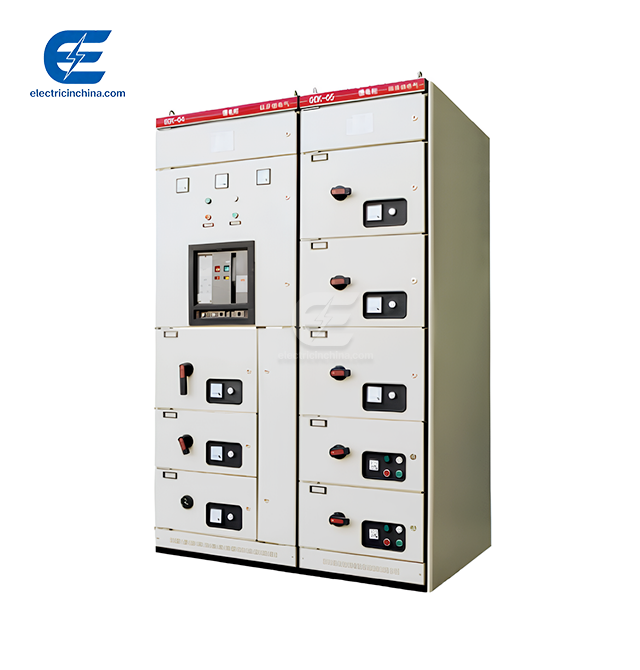
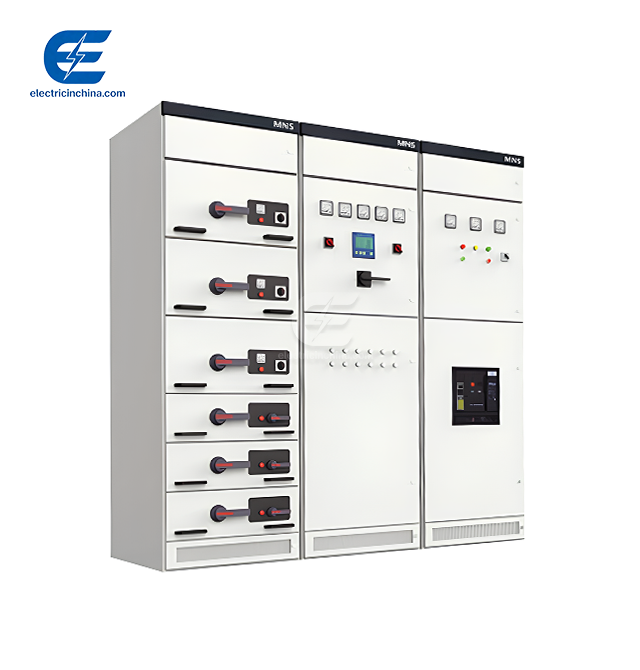
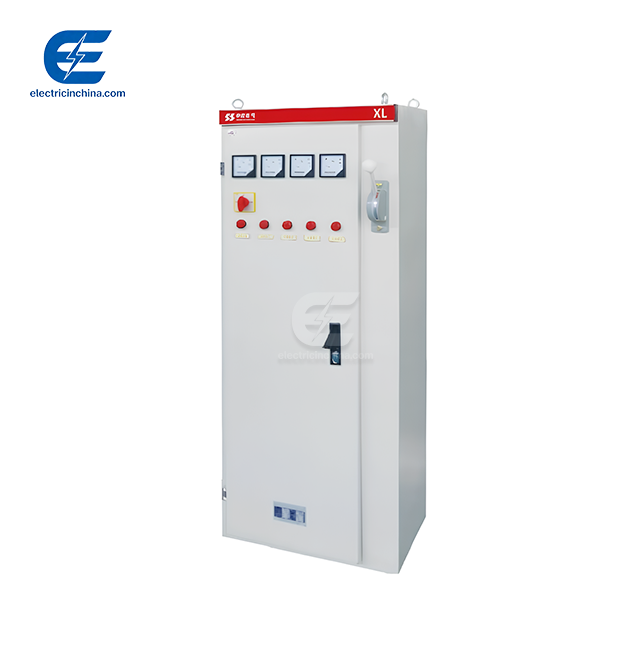
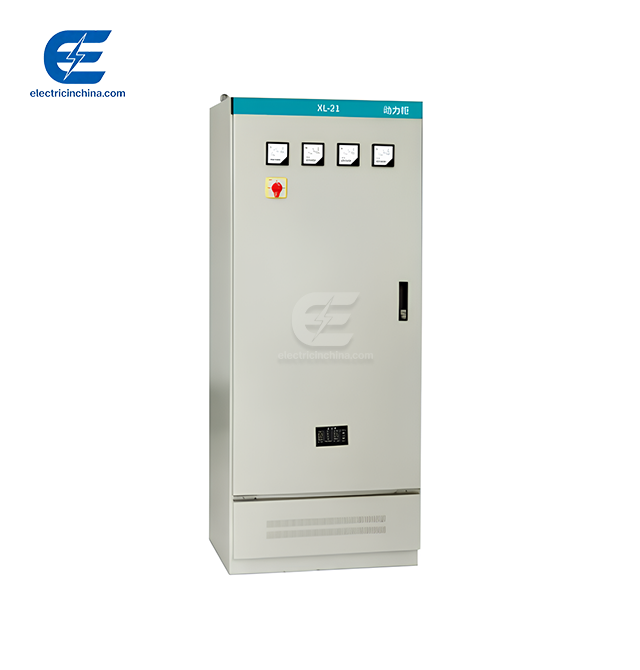
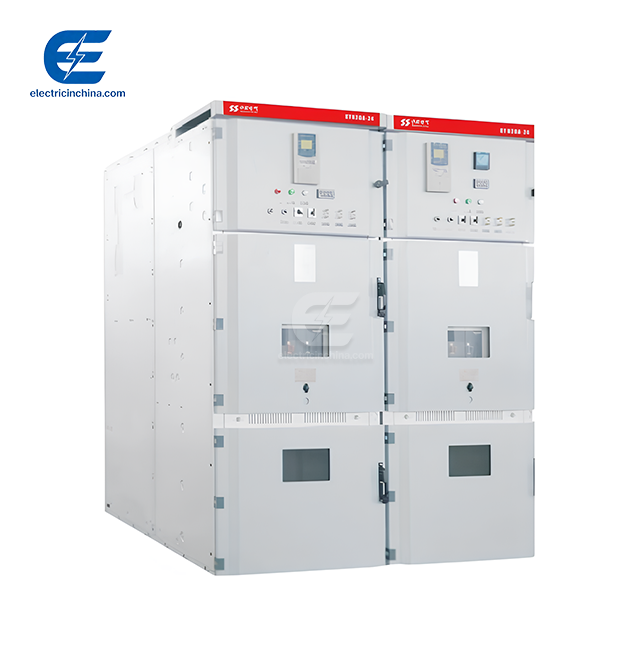
Our procurement support includes electrical infrastructure components beyond transformers. Clients often need synchronized switchgear, cables, and protection systems. We use industry ties to find complementary items for one-stop procurement, simplifying project execution and ensuring component compatibility.
The Future Role of Oil-Immersed Distribution Transformers in Supporting Renewable Energy Growth
Advances in Insulating Oils and Environmental Impact
Transformer technology adapts to new performance and environmental demands. Biodegradable vegetable oil esters address environmental concerns about spills in sensitive areas. Bio-based insulating fluids provide equivalent dielectric performance and better fire safety.
Research into nano-enhanced insulating fluids might make heat transfer and electrical insulation better than what mineral oil can offer. These innovations could increase power densities or device life by reducing heat stress. We monitor these developments to determine their suitability for future product designs.
Improvements in energy efficiency persist despite high baseline performance. The no-load losses of amorphous metal core materials are lower than those of silicon steel laminations. While material costs hinder adoption, lifespan cost analysis may justify premium materials for renewable energy deployment. Our engineering team studies new materials and designs to include commercially viable advancements.
Integration with Smart Grid and IoT Monitoring Systems
Renewable energy systems are increasingly adopting digital monitoring and control. Smart transformers with sensors and communication interfaces report loading, temperatures, oil conditions, and operational status in real time. This visibility allows predictive maintenance to reduce downtime and extend equipment life.
Our transformers may integrate monitoring devices to measure crucial parameters and provide data to central management platforms. Temperature sensors in windings identify hot regions before damage. Dissolved gas monitors detect electrical problems early. Bushing monitors identify critical insulation breakdown. Transformers become active in intelligent distribution networks using this instrumentation.
Building management systems, microgrid controllers, and utility SCADA networks integrate via communication protocols. Remote monitoring reduces site visits for renewable systems in rural areas, where travel costs and time accumulate. Automation warns maintenance workers of potential problems, allowing them to prevent power outages.
Compatibility with Microgrids and Distributed Generation
Distributed designs with renewable sources, energy storage, and local loads replace centralized power generation. Resilient microgrids operate grid-connected or independently during utility disruptions. These applications require transformers to accommodate bidirectional power flow and frequent operational mode changes.
We create durable transformers for microgrids to provide operational flexibility. Switching between grid-connected and islanded modes is stable with proper impedance. As renewable generation and local demand change daily, overload capability handles power flow changes. Microgrid developers and energy storage integrators use us to optimize transformer specs.
Distributed generation alters distribution network design. Radial networks with unidirectional power flow become meshed networks with various generation sources. This transformation requires transformers capable of managing multiple faults and coordinating protection with distributed resources. Participating in projects like the GCL Photovoltaic Industrial Park, which blends dispersed solar generation with grid power, has taught our technical team these complicated requirements.
Strategic Recommendations for Future-Ready Specifications
Transformer buyers for renewable energy projects should consider future operations. Climate change is predicted to increase temperature extremes, particularly for equipment expected to last 25-30 years. Specific temperature ratings with enough margin prevent future heat waves from limiting capacity or accelerating aging.
Renewable energy capacity grows rapidly as technology costs fall and policy incentives encourage deployment. Today's adequate transformer may become a bottleneck as more generation joins the distribution network. Consider future expansions when assessing capacity needs, balancing initial costs with replacement costs.
Project portfolio standardization simplifies spare parts stocking and maintenance training. Industrial producers and real estate developers with various properties benefit from consistent transformer standards. We retain design tools for repeated production and documentation to match future orders to installed equipment.
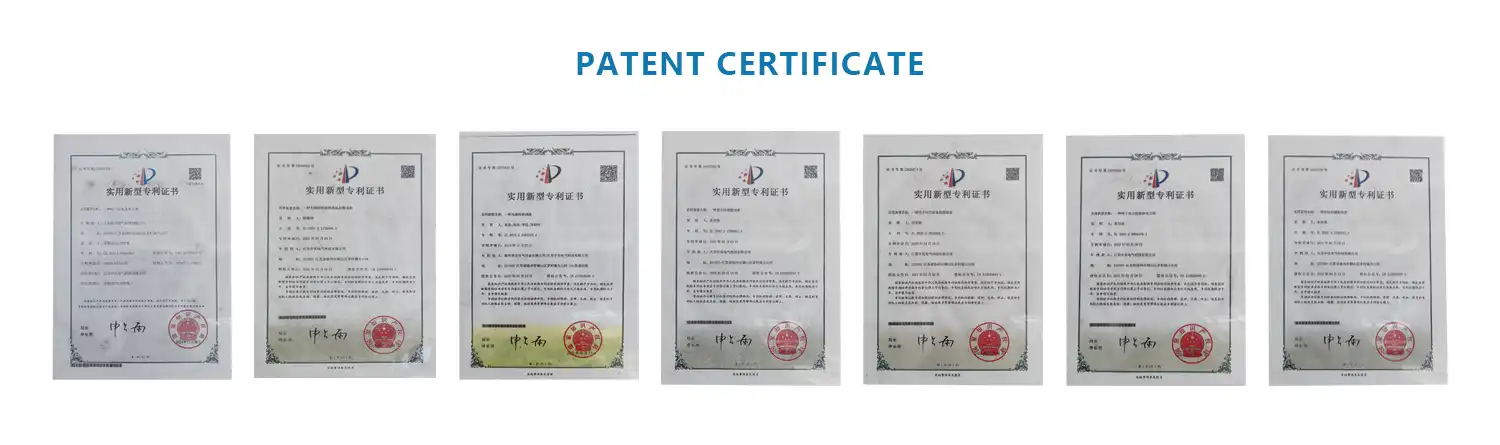
As technologies develop, partnering with innovative manufacturers positions companies to benefit. Our 18 patents and continual engineering improvements show our commitment to innovation. We work with forward-thinking clients to create next-generation solutions that meet future needs while retaining reliability.
Conclusion
Three-phase oil-immersed distribution transformers serve as critical infrastructure, enabling renewable energy integration into modern power systems. Their superior cooling efficiency, robust construction, and proven reliability make them ideal for handling the variable loads and harsh environments typical of solar, wind, and hydro installations. As renewable energy deployment accelerates globally, selecting properly specified transformers from qualified manufacturers becomes increasingly important for project success. Organizations benefit from partnering with experienced suppliers who combine manufacturing excellence with comprehensive technical support and flexibility to meet unique project requirements.
FAQ
What capacity range is appropriate for a solar farm distribution system?
Solar farm transformer capacity depends on total installed generation capacity and voltage transformation requirements. Small rooftop installations might use 30-100KVA units, while utility-scale solar farms require 1000-5000KVA transformers or larger. We analyze generation profiles, voltage levels, and future expansion plans to recommend optimal sizing that balances initial investment with operational flexibility.
How does oil temperature affect transformer performance in desert climates?
Desert environments create thermal challenges through extreme ambient temperatures and intense solar radiation. Our transformers maintain safe operation in temperatures up to 40°C ambient through optimized cooling design and temperature-rise characteristics. Additional cooling capacity or ONAF forced-air systems can extend capability for extreme conditions, ensuring reliable performance where many renewable installations are located.
What maintenance schedule should renewable energy operators follow?
We recommend annual visual inspections, oil sampling every 12-24 months, and comprehensive electrical testing every 3-5 years. Remote installations may extend intervals slightly, while harsh environments warrant more frequent monitoring. Our technical team provides customized maintenance protocols based on specific operating conditions, equipment criticality, and available service resources to optimize reliability while controlling maintenance costs.
Partner with Tuojie for Your Renewable Energy Transformer Solutions
Xuzhou Tuojie International Trade Co., Ltd. brings over 20 years of specialized experience in manufacturing power transformers for renewable energy and critical infrastructure projects. Our three-phase oil-immersed distribution transformer solutions deliver the reliability, efficiency, and customization that government agencies, EPC contractors, and commercial developers require. With capacity ratings from 30KVA to 31,500KVA, efficiency exceeding 98.5%, and operational life spanning 25-30 years, our products provide exceptional long-term value. As a certified three-phase oil-immersed distribution transformer manufacturer meeting ISO 9001, ISO 14001, and OHSAS 45001 standards, we combine proven quality with responsive technical support and on-time delivery. Contact our engineering team at tuojie@electricinchina.com to discuss your renewable energy project requirements and discover how our customized solutions can optimize your power distribution infrastructure.
References
1. International Electrotechnical Commission. Power Transformers - Part 1: General Requirements. IEC 60076-1:2011, Geneva, Switzerland.
2. IEEE Standards Association. IEEE Standard General Requirements for Liquid-Immersed Distribution, Power, and Regulating Transformers. IEEE C57.12.00-2015, New York, USA.
3. Heathcote, Martin J. The J&P Transformer Book: A Practical Technology of the Power Transformer. Newnes Publishing, 13th Edition, Oxford, United Kingdom, 2007.
4. Kulkarni, S.V. and Khaparde, S.A. Transformer Engineering: Design, Technology, and Diagnostics. CRC Press, 2nd Edition, Boca Raton, Florida, 2013.
5. Harlow, James H. Electric Power Transformer Engineering. CRC Press, 3rd Edition, Boca Raton, Florida, 2017.
6. McNutt, W.J. and Johnson, W.M. "Sulfur Corrosion in Electrical Apparatus," IEEE Transactions on Power Apparatus and Systems, Vol. PAS-97, No. 4, Institute of Electrical and Electronics Engineers, 1978.