

.webp)
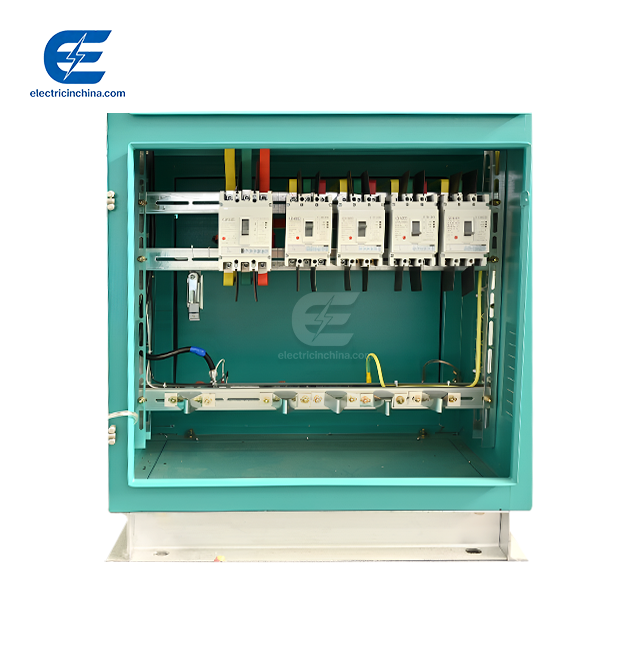
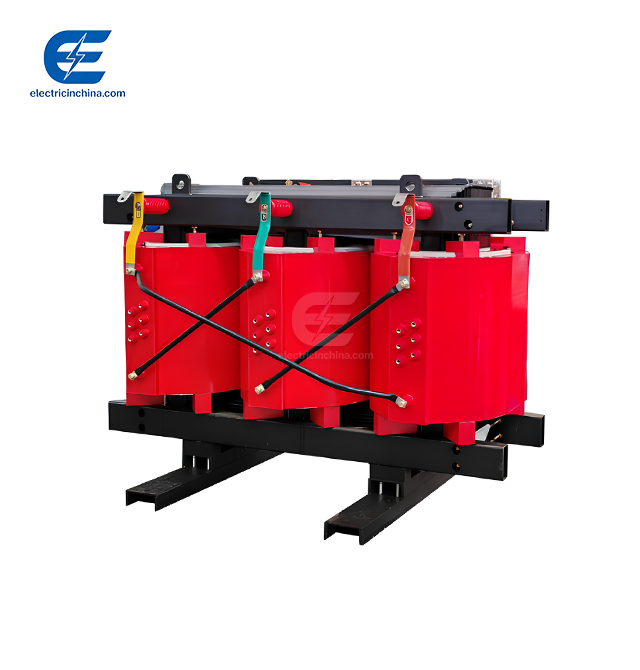
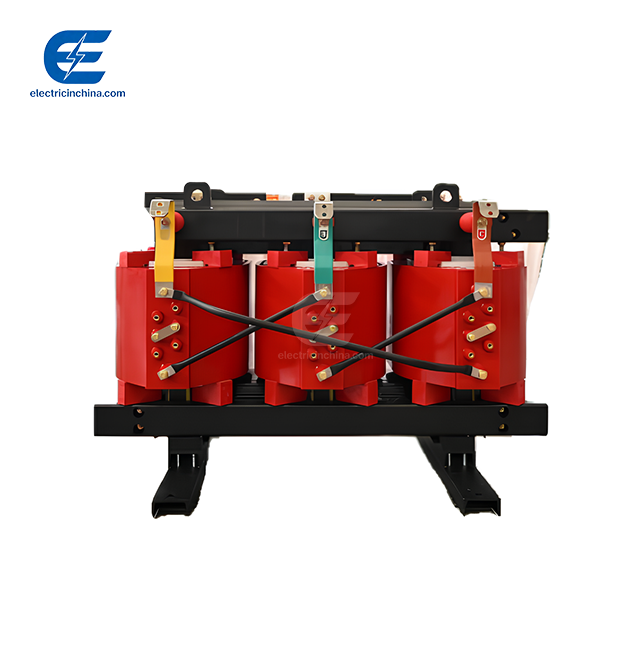
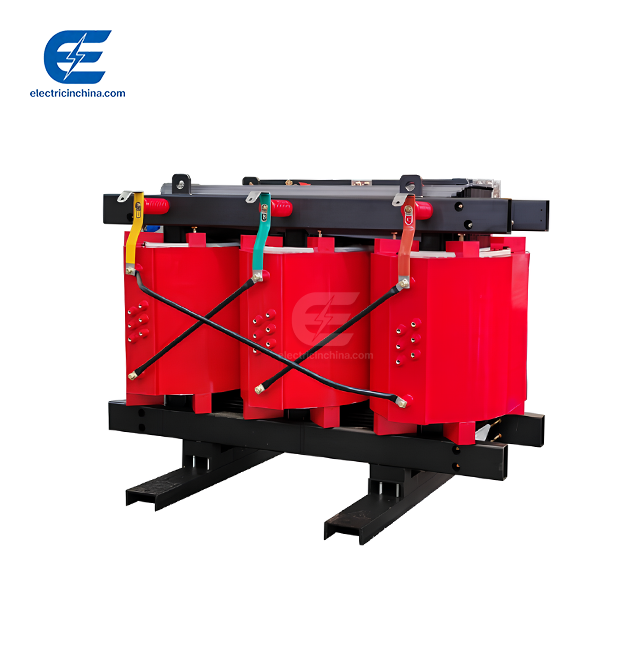
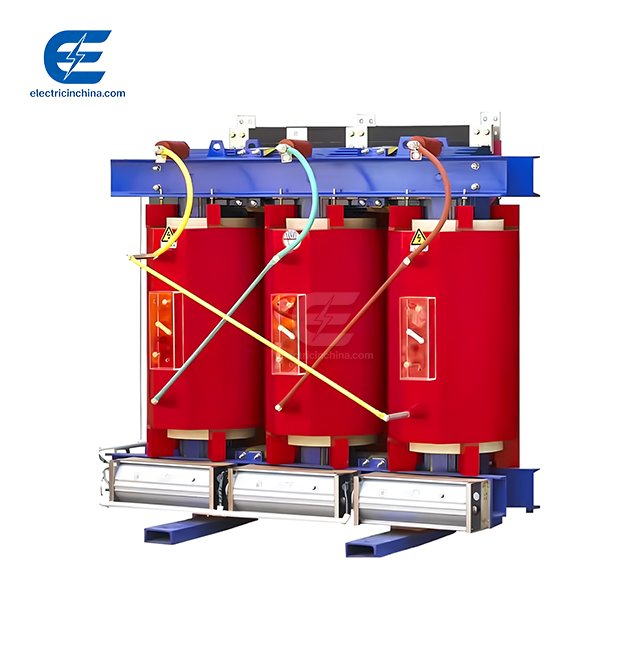
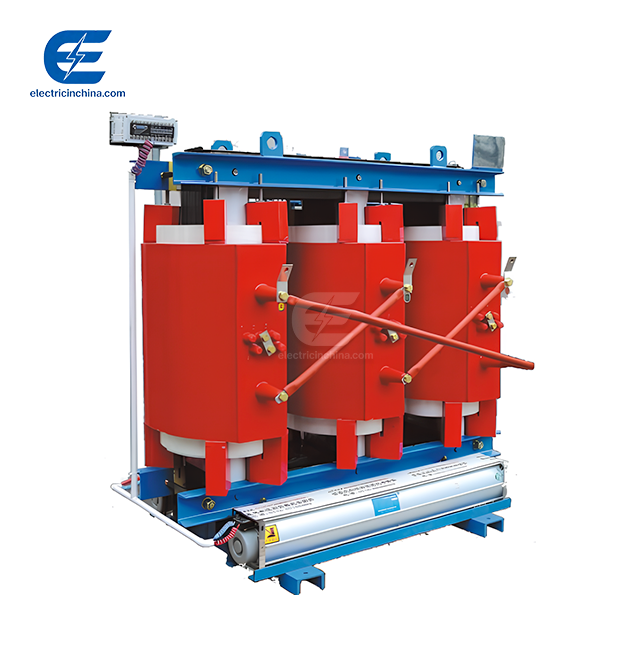
When procurement managers buy power tools for mission-critical infrastructure, they need transformers that are always reliable without lowering safety or efficiency. Several things work together to make industrial dry-type transformers work well: improved epoxy resin insulation systems, better temperature management, small but strong construction, and following international standards. These traits are shown by the 10kV-35kV SCB10 Industrial Dry Type Transformer, which is made with tried-and-true engineering that meets the most important needs of government projects, EPC contractors, and industry manufacturers who require reliable medium-voltage power distribution options.
Essential Features That Define High Performance in Dry Type Transformers
Advanced Epoxy Resin Casting Technology
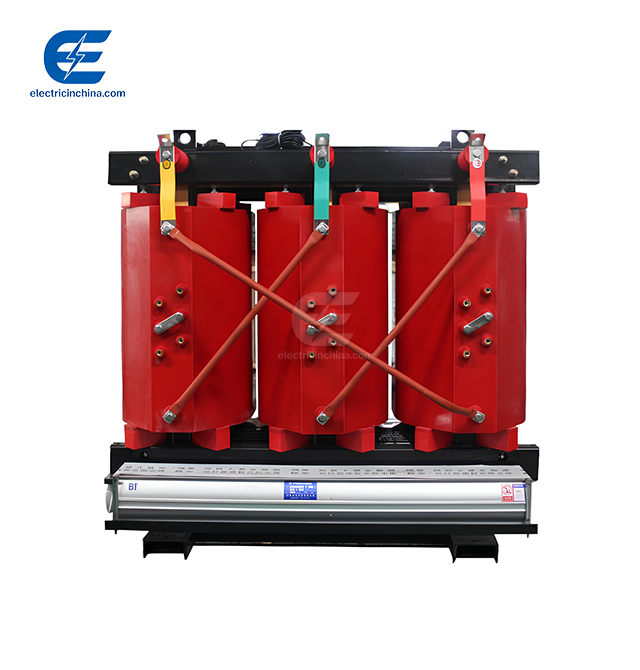
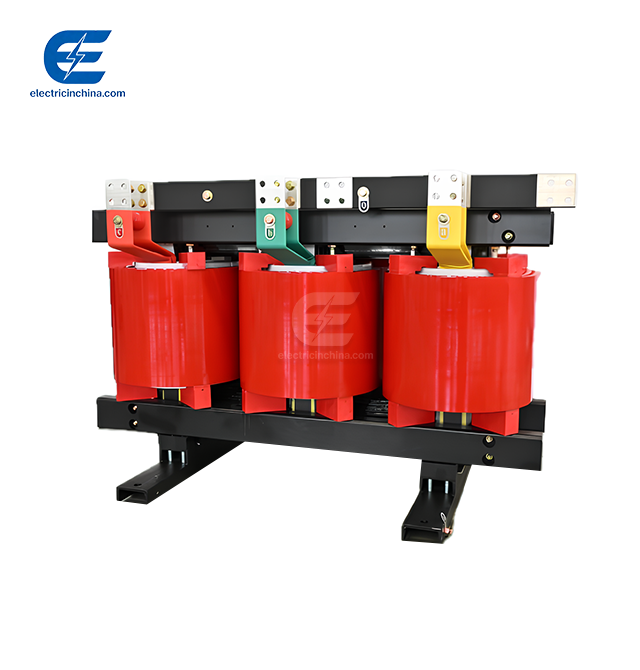
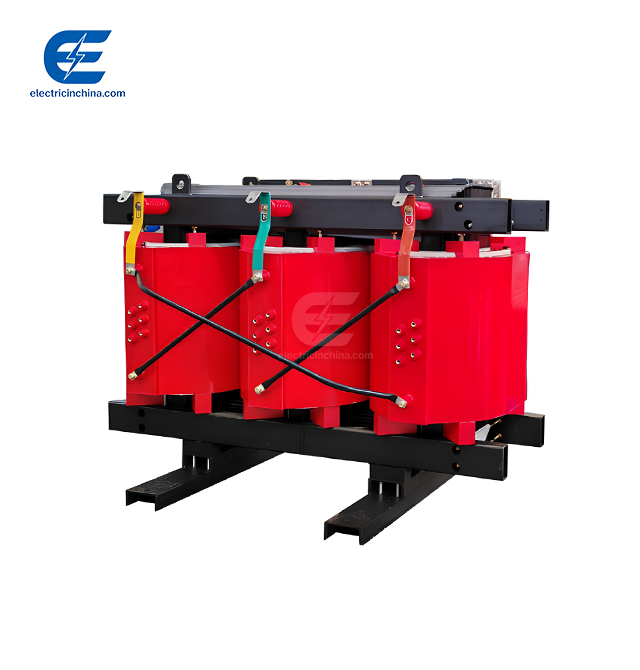
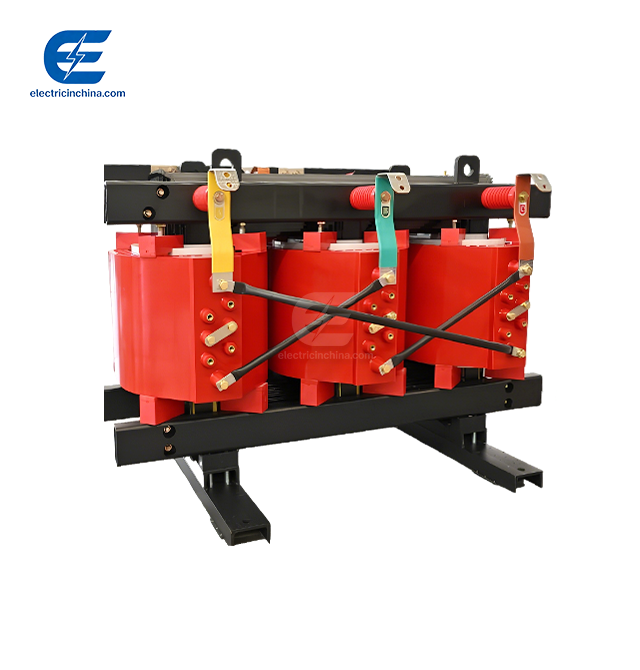
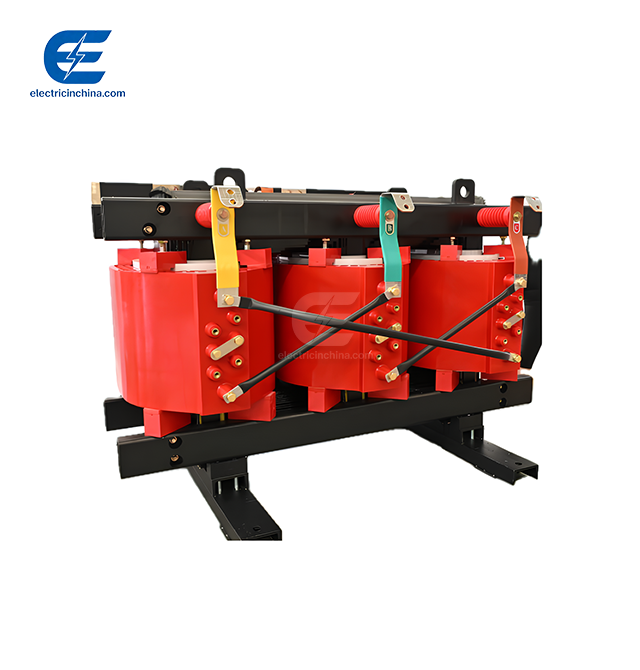
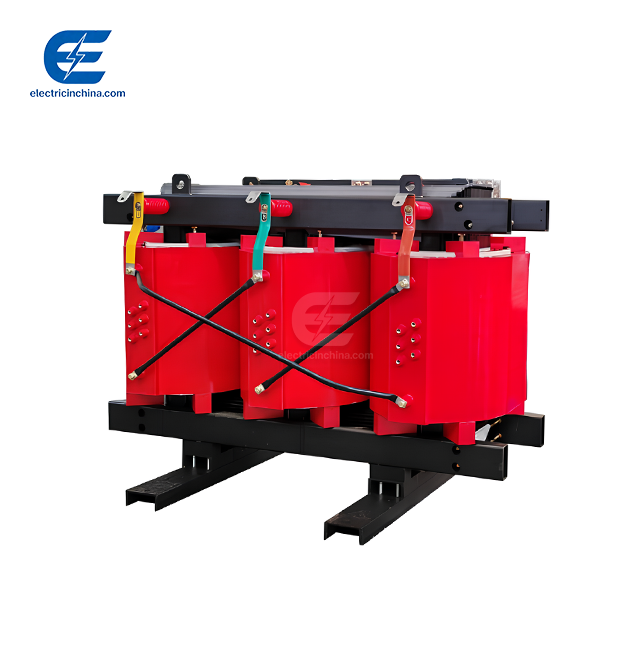
The shielding system is the most important part of any high-performance dry-type transformer. Cast resin transformers use epoxy materials to fully cover the windings, making a barrier that doesn't let water in and keeps the dielectric strength even in tough conditions. Tuojie's manufacturing process uses vacuum casting methods to get rid of air spots in the resin matrix. This stops partial discharge events that weaken regular insulation over time. This method retains 30% more of the insulation's performance after exposure to high humidity than normal designs. This directly addresses reliability issues in coastal industrial facilities and underground installations.
Optimised Magnetic Core Design
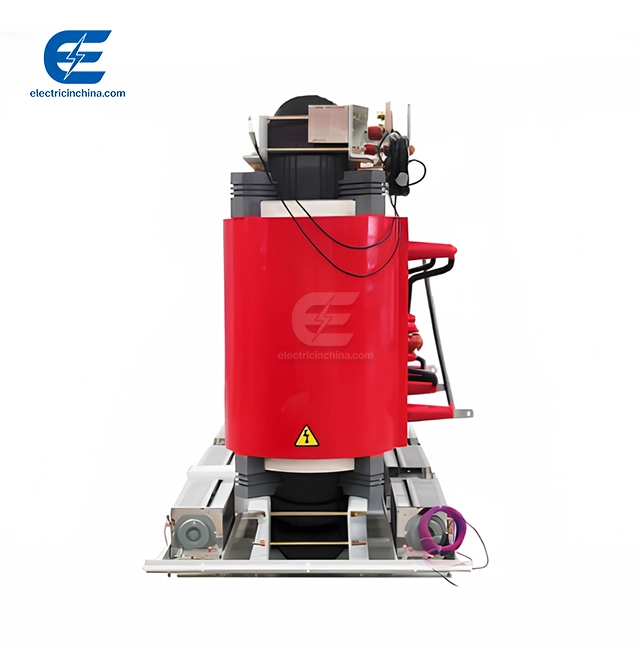
The energy economy mostly depends on the core's construction and the materials used. The SCB10 line uses grain-oriented silicon steel laminations that are put together with very tight specs that keep eddy current losses to a minimum. This engineering cuts no-load losses by 10–15 per cent compared to older transformer generations. This means that over decades of use, the company will save money. The main design also helps lower noise levels, which are usually below 55dB. This means that these units can be installed near busy areas where sound quality is important.
Superior Thermal Management Systems
How efficiently transformers work with changing loads depends on how well they get rid of heat. For natural air convection cooling to work in dry-type units, the airflow paths must be carefully designed to expose as much surface area as possible without making the unit's size bigger. The SCB10's winding compression method cuts the coil's thickness by 28%, making the best spacing for heat transfer while also letting it be installed in places with limited room. This small design doesn't lower the cooling power; units can work at 150% of their rated load with forced air help during times of high demand.
Robust Mechanical Construction
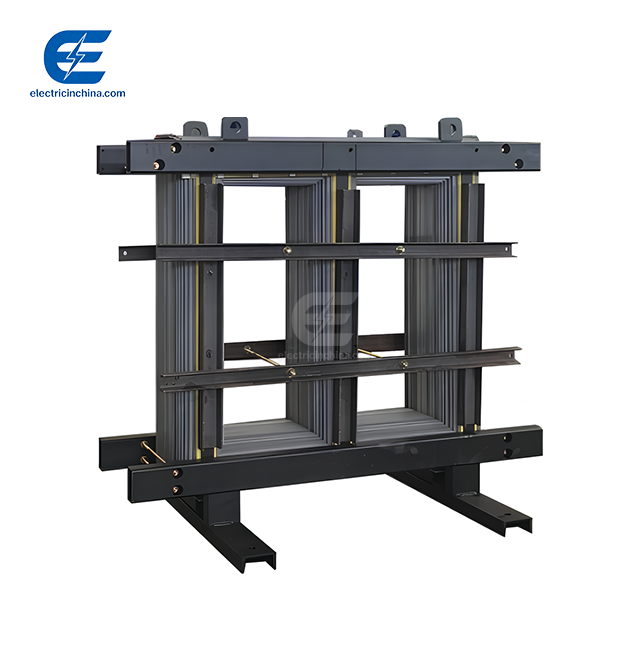
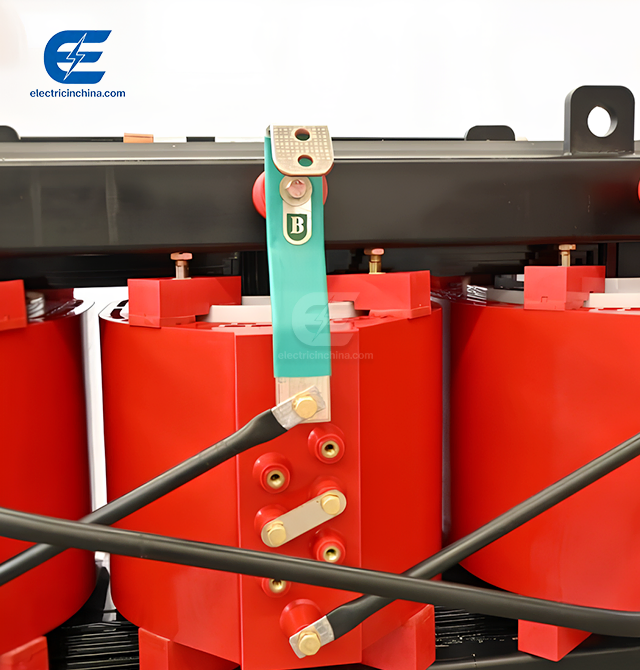
Industrial electrical equipment is sometimes handled, vibrated, or shocked. Dry-type transformers can tolerate these pressures because they have stronger casings and physically stable winding arrangements. Copper wires and core materials are joined by epoxy resin casting to create a strong framework that won't move when a fault occurs. SCB10 transformers can handle 25 times their rated current in unequal fault currents due to their design. This safeguards the unit and downstream equipment.
These essential qualities work together to make transformers that meet building, manufacturing, and business growth standards. The blend addresses safety, dependability, and total cost of ownership, which procurement professionals prioritise.
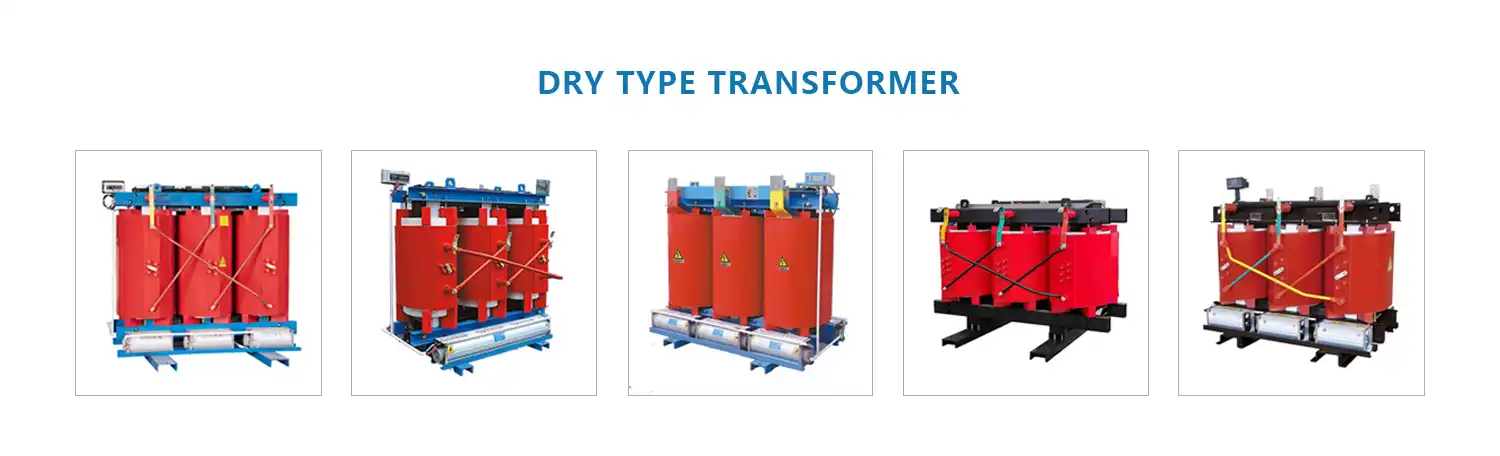
How does the 10kV-35kV SCB10 Industrial Dry-Type Transformer work?
Core Operating Principles
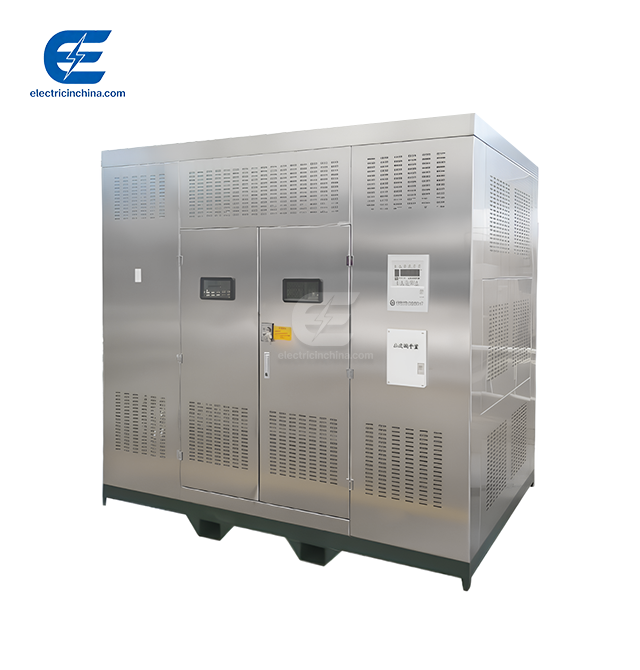
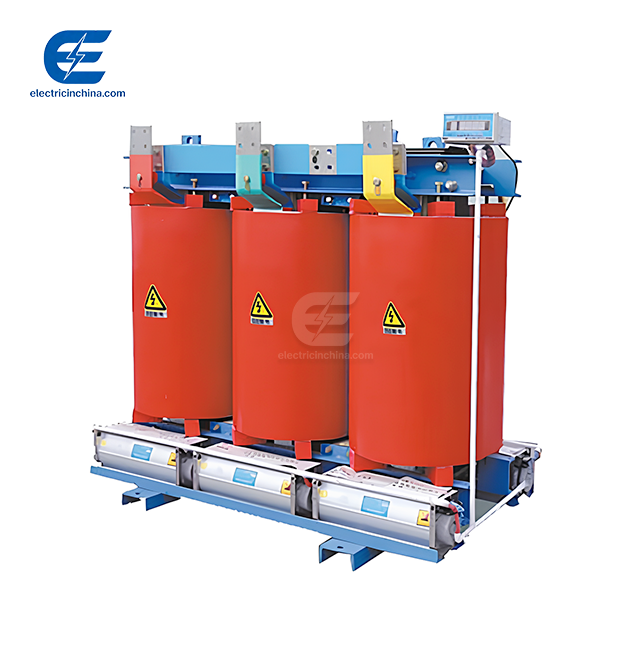
Cast resin Industrial Dry Type Transformer work through electromagnetic induction, just like oil-filled transformers, but they don't need liquid shielding to do their job. The main winding of the Industrial Dry Type Transformer receives medium voltage input, which in SCB10 uses a range from 10kV to 35kV. This makes a magnetic field inside the silicon steel core. At the given output voltage of the Industrial Dry Type Transformer, which is usually 400V for industrial distribution systems, this field causes current to flow through the secondary wire. When oil isn't used as a cooling and insulation material in an industrial dry-type transformer, the transformer's relationship with its surroundings changes drastically. This eliminates fire risks and makes installation easier.
Thermal Dissipation Mechanism
In contrast to oil transformers, which use convection flow within tanks to get rid of heat, dry-type units directly lose heat when air contacts the coil surfaces. The epoxy resin covering actually improves this process because it lets heat flow easily from the copper wires to the uncovered areas. Positioning the mounts vertically takes advantage of natural circulation patterns, which pull cool air from below and push hot air upward. This passive cooling system works consistently and quietly because it doesn't need pumps, radiators, or temperature tracking equipment. This makes it simpler and less maintenance-intensive. When more capacity is needed, built-in fans turn on automatically to increase airflow, which supports brief overload situations without putting the transformer's integrity at risk.
Winding Configuration and Noise Reduction
The three-phase design uses carefully controlled winding setups that cut down on magnetic flux leakage and the noise that comes with it. Precision in manufacturing is crucial here. Tuojie has bought over 120 sets of CNC production equipment, which makes it possible to keep the tension and placement of the windings constant, which is not possible with traditional hand-laying methods. This level of accuracy lowers the amount of mechanical vibration that is transmitted through to mounting structures. This keeps operating noise low enough for sites that are close to offices, control rooms, and other noisy places.
Maintenance-Free Operation
Due to its protected nature, epoxy resin insulation keeps out moisture, dust, and chemicals that can damage open-construction transformers. Because of this feature, it can work in places as clean as clean rooms and as heavy-duty as factories without losing any performance. Routine maintenance doesn't include things like oil sampling, filtering, or replacing dielectric fluid. Instead, it just includes eye checks and electrical tests every so often. Since the unit doesn't have any working parts or consumable materials (except for the possible cooling fans), it doesn't need to be maintained on a regular basis.
This operational simplicity is especially beneficial for companies that manage equipment that is spread out across various places, where the logistics of upkeep have a big effect on the total cost of ownership. The design basically turns transformers from things that need to be serviced regularly into things that can be set up and forgotten about.
Comparing SCB10 Transformers with Alternative Industrial Dry-Type Transformers
SCB10 versus SCB11 Series
The SCB11 is a newer version of the design that is slightly more efficient, with load losses that are usually 5–8% lower. But this extra effectiveness comes at a much higher price at first—often 20–25% more than SCB10 units. Because incremental gains in efficiency take longer to pay for, SCB10 transformers are better choices for most industrial uses. The difference in speed is mostly noticeable in situations with constant high load, like data centres or process industries that work around the clock. When it comes to business buildings, schools, and factories with a wide range of load rates, SCB10 units are the best value.
Cast Resin versus Vacuum Pressure Impregnated (VPI) Designs
VPI transformers use pressure and vacuum processes to coat pre-wound coils with insulation. This makes the surfaces resistant to water. This method works for many uses, but it leaves holes in the structure of the winding that let air in and out, which can trap moisture and cause insulation to break down over time. These holes are filled with epoxy in cast plastic forms, which makes them more reliable over time. When there is a fault, the difference in structural integrity becomes clear: cast resin windings stay the same size even when electromagnetic forces bend VPI coils, which could lead to insulation failure.
Dry Type versus Oil-Immersed Transformers
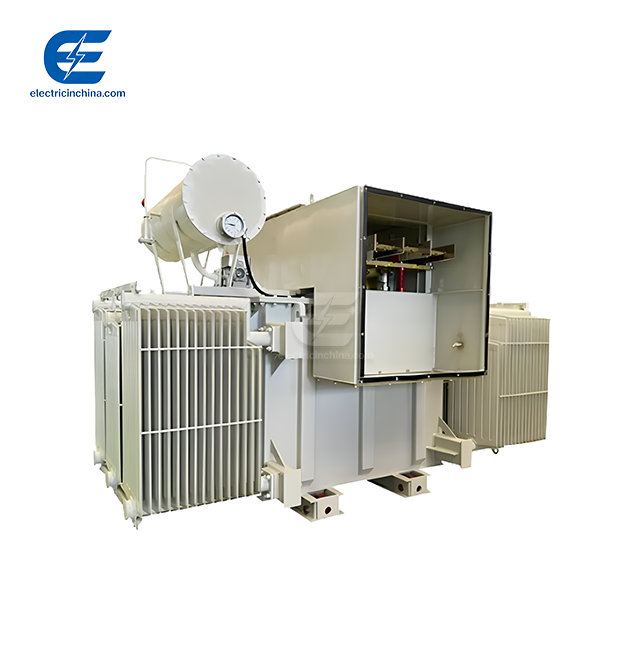
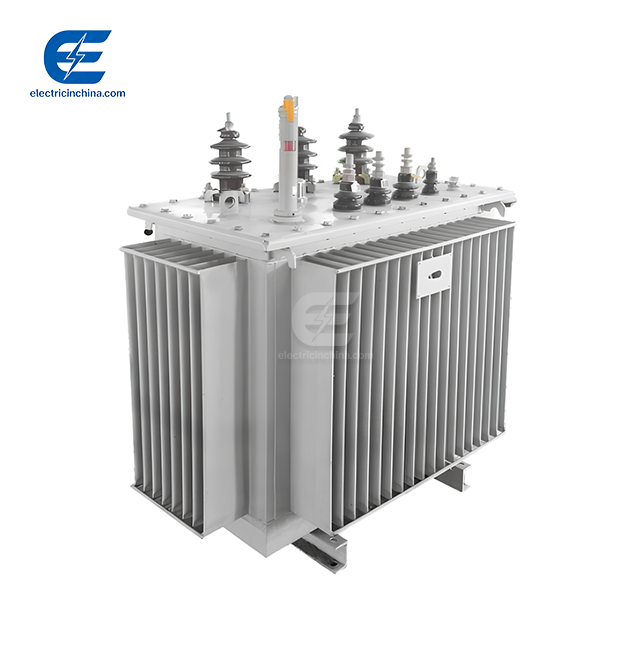
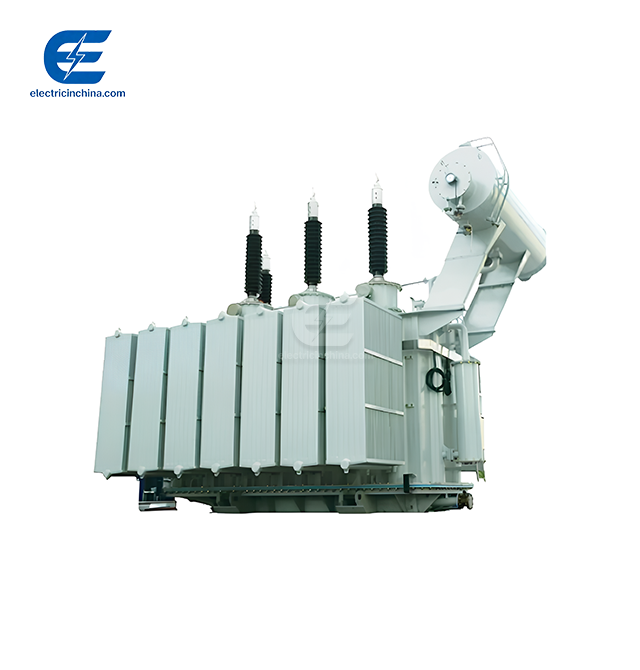
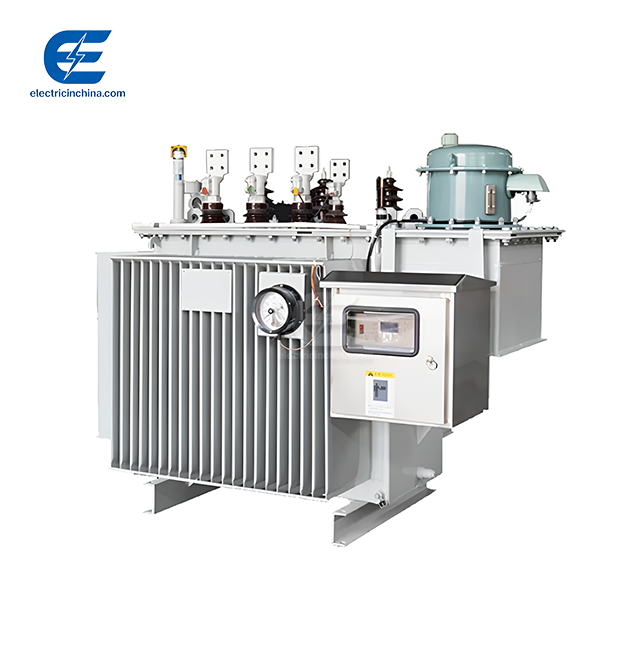
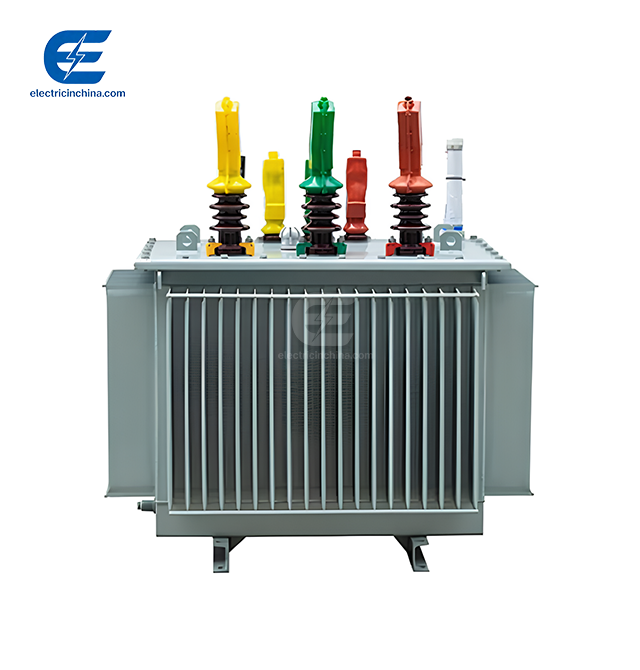
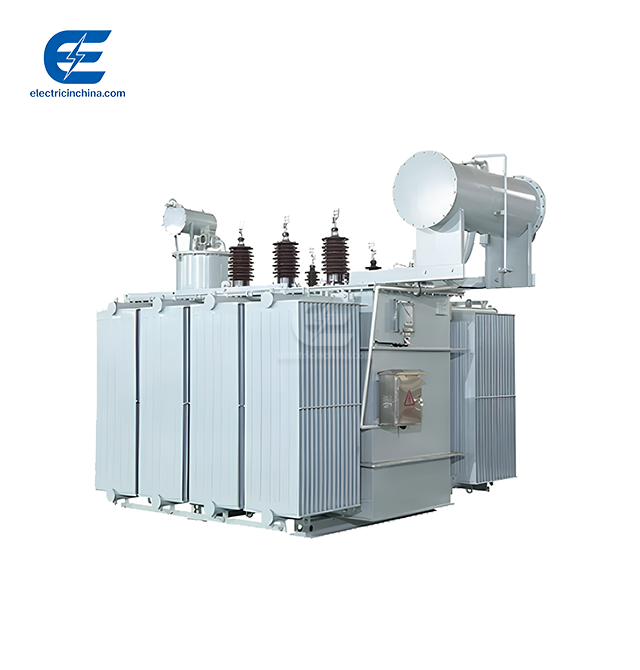
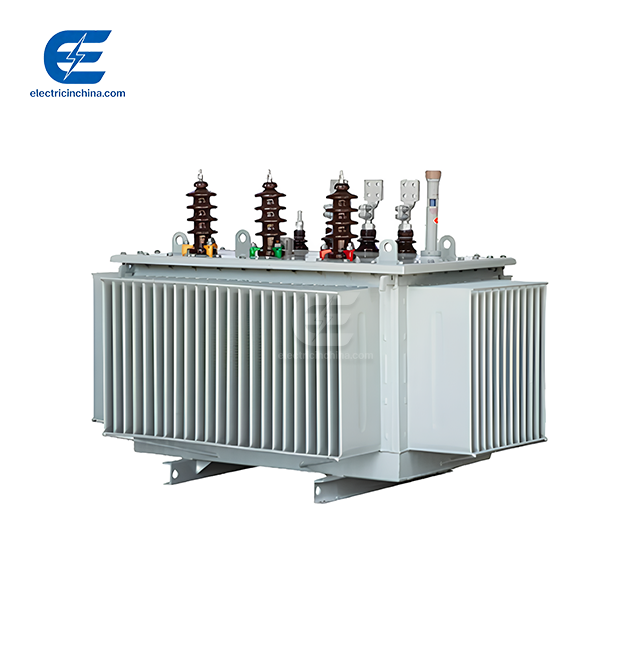
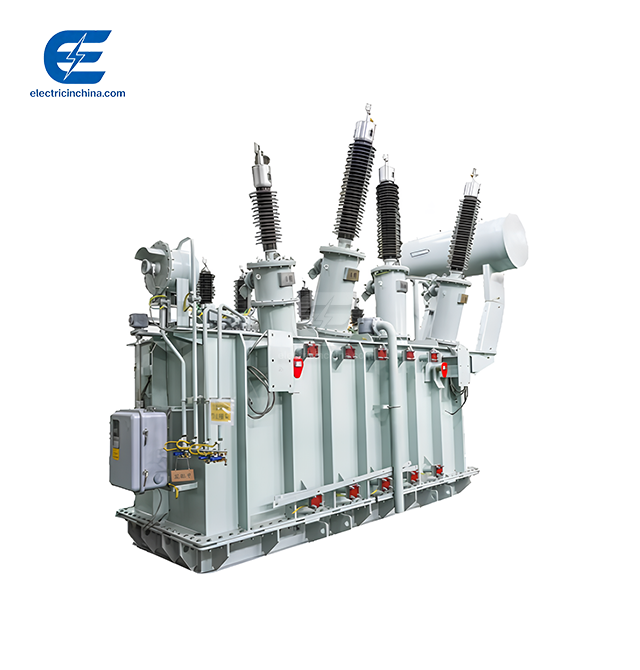
Efficiency, safety, and fitting demands must be considered while comparing these two goods. Oil-filled units cool better per volume, allowing more power in smaller containers. But they increase fire risk, requiring expensive containment systems, fire control equipment, and higher insurance premiums. Dry units don't need fire-rated rooms or protection, making them easier to build. They can be placed at load centres.
Environmental issues are increasingly influencing purchases. Regular testing, filtering, and disposal of oil transformer dielectric fluid as toxic waste is required. Dry units eliminate these natural issues. In developed markets, new regulations make oil-filled equipment harder to use in buildings and other environmentally sensitive regions. This implies that many projects need dry-type standards. The SCB10 series meets this need and performs well enough for demanding industry purposes.
Cast resin dry-type transformers are safer, easier to maintain, and comply with regulations compared to oil-immersed transformers for general industrial power distribution, especially in projects that require multiple transformers.
Benefits and Industrial Applications of SCB10 Dry Type Transformers
Operational and Economic Advantages
Saving money on operations is a direct result of saving energy. SCB10 transformers experience lower losses—usually 10 to 15 per cent less than older models—resulting in less energy being lost as heat. Over 25 years, these speed improvements have led to significant cost savings. It's also important to note that avoiding maintenance, testing, and disposal of oil-filled equipment saves costs that often exceed the price difference between dry type and oil-filled equipment. Because there is less chance of a fire, insurance companies often offer lower rates to businesses that use dry-type transformers instead of oil-immersed units.
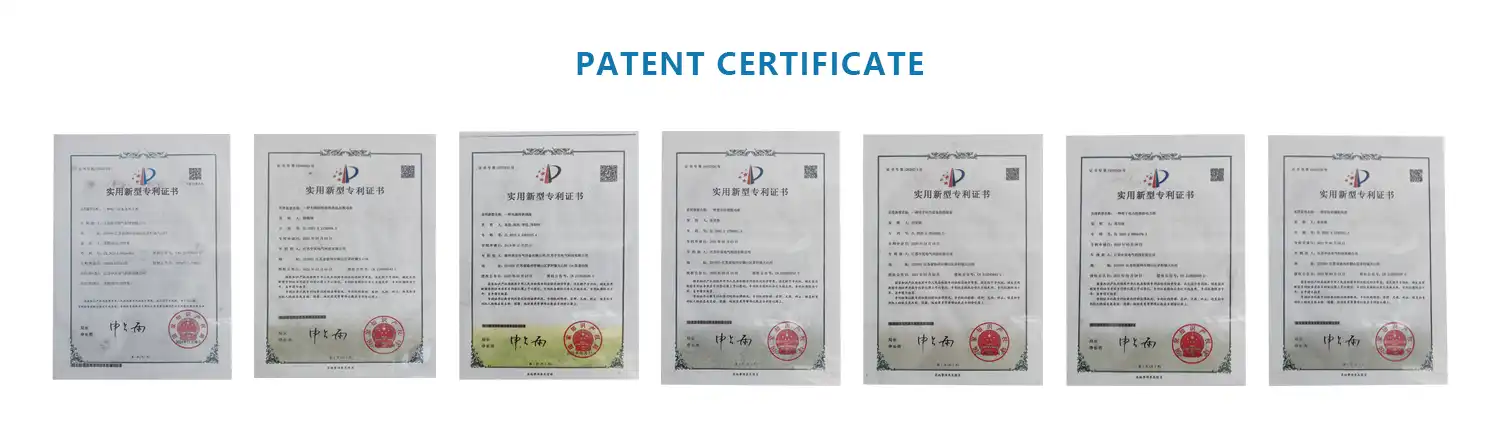
Reliability is directly linked to productivity. Unplanned downtime in factories, data centres, or business buildings costs a lot more than the cost of replacing the equipment. The SCB10's design has been tested and proven to work in real-world situations, as shown by Tuojie's work on hundreds of infrastructure projects, such as the Xuzhou Rail Transit Network and High-speed Railway East Station. Tuojie's engineering team has 18 patents, which indicates that they are always coming up with new ways to solve reliable problems they find in the field.
Critical Application Sectors
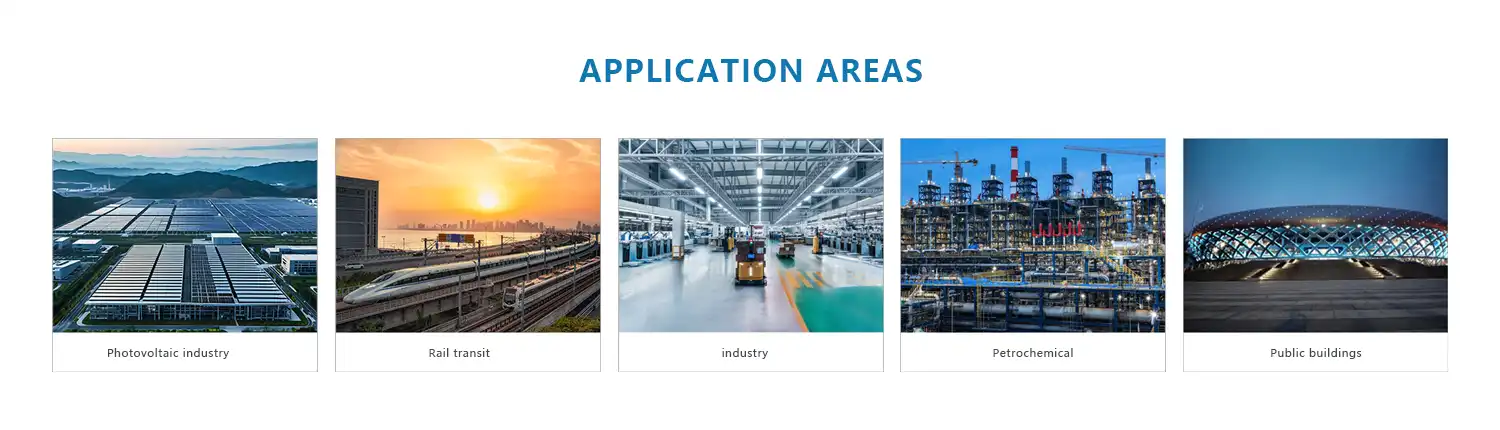
Built to last, cast plastic transformers are ideal for heavy industrial situations. Steel mills, chemical factories, and mines expose electrical equipment to high and low temperatures, dust, poisonous atmospheres, and vibrations that quickly degrade less robust systems. The SCB10 maintains power quality in these scenarios. Projects like the XCMG Group plant power supply improvement and the GCL Photovoltaic Industrial Park indicate that Xuzhou Tuojie can undertake challenging industrial duties where a transformer failure would stop production immediately.
Shopping malls, office skyscrapers, and hotels need safe, compact transformers. Advanced wrapping processes minimise size by 28%, allowing installation in precious basements without sacrificing living space. Dry units are ideal for buildings with transformers near workers because they don't leak oil or produce noise. In safe and reliable commercial initiatives like the Xinhuai Central Complex and Huaihai Xintiandi, Tuojie worked.
Healthcare and institutions have unique issues. Power outages are impossible in hospitals, and vulnerable people's buildings must be fire-safe. IEC 60076-11-compliant flame-resistant epoxy resin components in SCB10 transformers extinguish electrical fires on their own. Safety is added to these vital facilities. Xuzhou New Health Hospital is one of Tuojie's healthcare infrastructure projects with better performance standards than typical business standards.
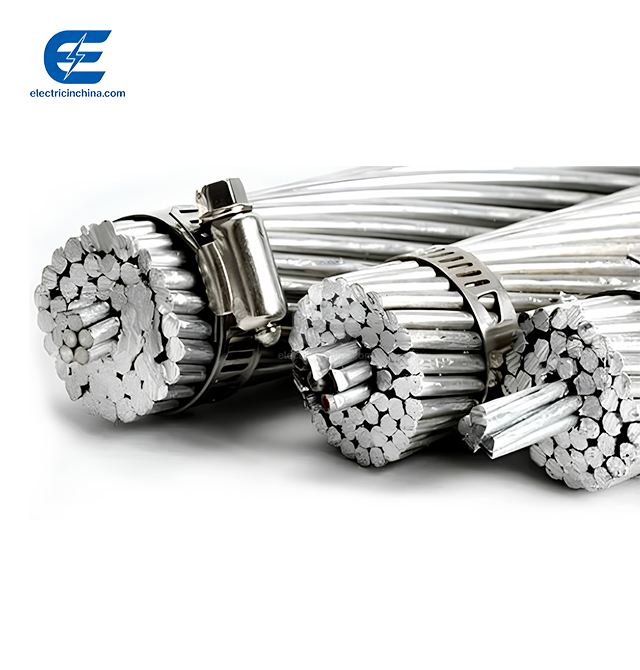
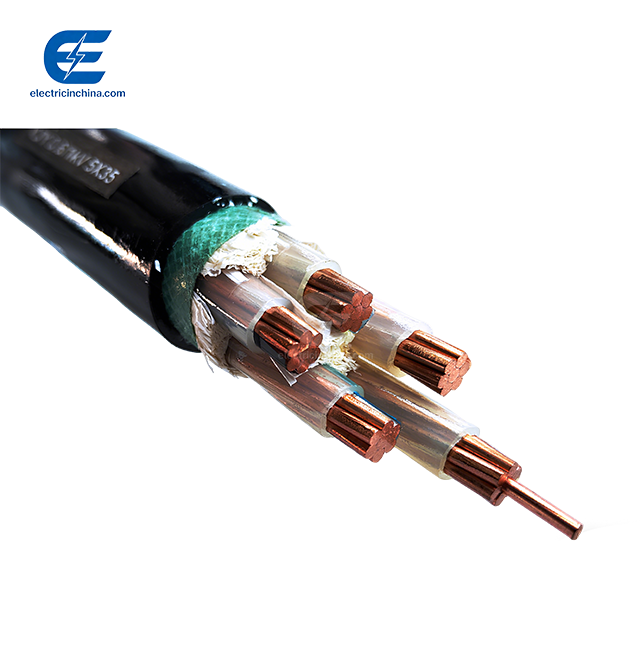
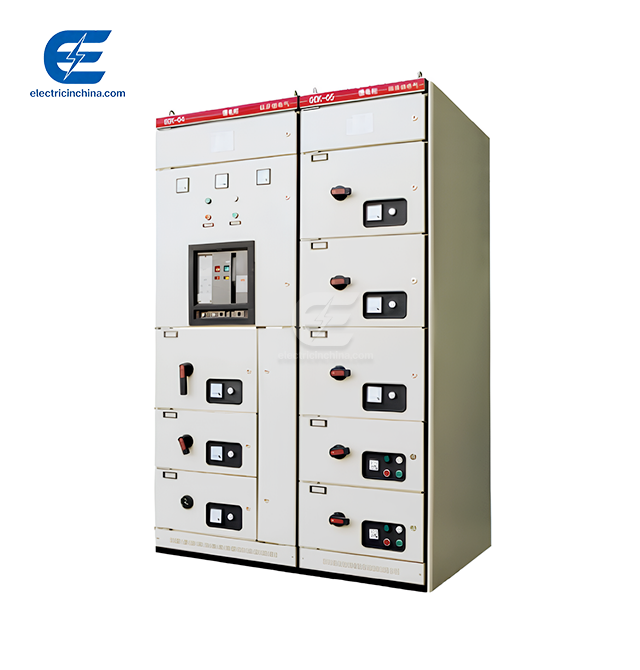
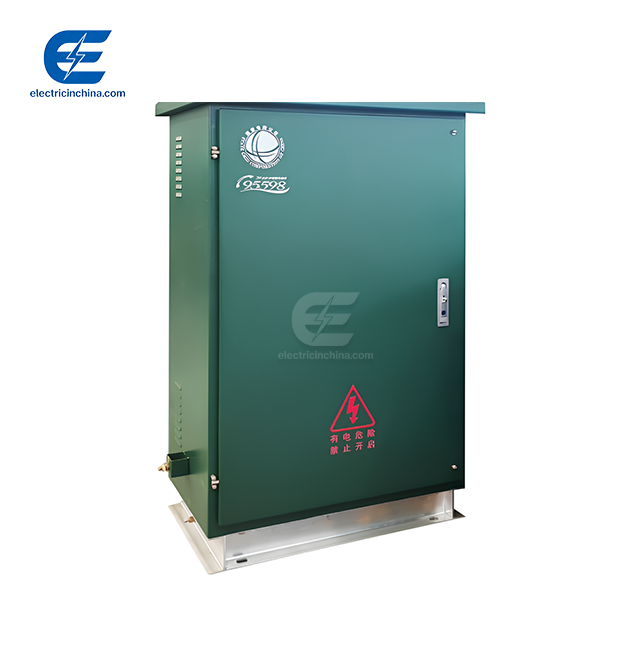
Data centres and internet networks need reliability and efficiency. The massive sums of money spent on computers require clean, dependable power. Well-designed cast resin transformers protect sensitive electrical loads with low harmonic distortion and great power quality. The 10kV-35kV SCB10 Industrial Dry Type Transformer series is reliable, safe, and customisable to fulfil voltage and capacity needs for various uses. Additionally, provider records demonstrate that it has executed tasks effectively. Big-purchase companies like having one provider for power distribution. Tuojie offers transformers, switchgear, and wires to do this.
Maintenance and Procurement Considerations for SCB10 Transformers
Maintenance Planning and Lifecycle Management
Even though they say they don't need any care, good asset management includes regular checks that make sure the service life is maximised and unexpected problems are avoided. Visual checks should be done once a year to make sure that air paths stay clear, mounting hardware stays tight, and covers don't get damaged or change colour in strange ways. Electrical testing every six months, which includes measuring insulation resistance, power factor analysis, and thermal imaging under load, finds problems before they become major ones. Every five years, according to IEEE C57.12.91 guidelines, full testing gives thorough performance baselines that show how things are wearing down over time. This lets you plan for replacement instead of fixing things when they break down.
Dry-type maintenance is different from oil-immersed transformer maintenance because it doesn't involve oil analysis, filtering, or fluid replacement. This basic difference cuts down on both direct service costs and the work that goes into planning regular repair tasks for buildings that have more than one generator installation. Companies that take care of dozens or hundreds of distribution transformers find that these practical simplifications add a lot of value beyond just figuring out how much each repair event costs.
Procurement Strategy and Supplier Selection
The choice to buy a transformer involves more than just technical specs. It also involves the supplier's skills, which affect the success of the project. When it comes to EPC contracts, delivery dependability is very important because delayed electrical equipment can throw off whole building schedules, causing costs and hurting relationships with end clients. Tuojie's ability to make things, along with its vast CNC equipment and streamlined production methods, makes it possible for consistent delivery performance. The company has worked in this field for more than 20 years and has completed several large building projects successfully. This shows that the company is stable and good at managing projects.
Customisation freedom takes into account the fact that not all buildings need the same amount of power. Different applications need different voltage ratios, capacity values, termination configurations, and levels of environmental safety. The SCB10 series can handle this variety with a capacity range from 30KVA to 31,500KVA, and non-standard requirements can be met through a special building. This gives buying teams more freedom, so they don't have to make decisions when they have to choose from a small number of standard options that don't exactly meet their needs.
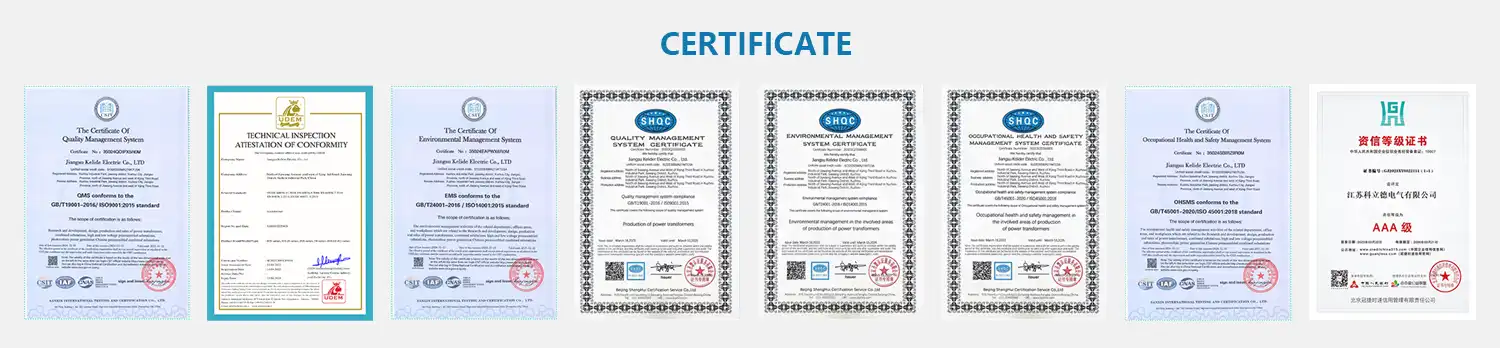
Certifications and quality methods make sure that the equipment that is made meets the requirements. Tuojie keeps its ISO 9001, ISO 14001, and OHSAS 45001 standards, which show that it manages quality in a structured way. The goods that are eligible for CCC certification make sure that they meet Chinese safety standards. The technical support helps meet foreign standards like IEC, IEEE, and NFPA rules for transformer design and installation. The company's professional quality inspection lab and close supervision during the buying of raw materials, production, inspection, and delivery stages uphold the "zero defects" mindset that sets high-reliability suppliers apart from generic makers.
Another thing that sets us apart is our technical support throughout the whole project, from helping with the initial specifications to completing the installation and providing ongoing service. A lot of buyers don't have engineers on staff who can work on complex power distribution systems. Having access to Tuojie's 15 senior engineers, over 30 intermediate technicians, and 17 senior technicians increases the organisation's skills. This is especially helpful during the design development and fixing stages. This one-stop service method includes transformers, switchgear, wires, and even helps with buying related equipment. It makes project management easier by cutting down on the number of seller relationships that need to be coordinated.
Organisations managing multiple projects simultaneously or ongoing building development programmes should consider volume procurement options. Setting up a framework that deals with agreed-upon prices, specs, and delivery terms makes it easier to place individual purchase orders and secures better prices through promises to buy in bulk. This method works especially well for people who are building homes, businesses that are growing, and government agencies that are in charge of infrastructure projects.
Conclusion
To provide stable power distribution with little upkeep, high-performance industrial dry-type transformers blend materials science, thermal engineering, and precise production. The cast resin Industrial Dry Type Transformer design, shown by the SCB10 series, meets the most important concerns of procurement professionals: safety by getting rid of fire risks; dependability through strong construction and a tried-and-true design; and economic value through lower operating costs and longer service life. As more infrastructure projects, commercial developments, and industrial facilities choose Industrial Dry Type Transformer because of their inherent benefits, it becomes essential to buy equipment from manufacturers with a track record of project experience and full support capabilities to ensure success.
FAQ
What lifespan can we expect from SCB10 transformers?
When properly chosen and set up, cast plastic dry-type transformers can usually last 25 to 30 years with little wear and tear. Epoxy insulation systems don't break down when they absorb water or oxidise like oil-based systems do, and since they don't have any moving parts, they don't fail because of wear. The actual service life relies on how the unit is used. Units that are overloaded or exposed to high or low temperatures may need to be replaced sooner, while transformers that are only slightly loaded and are kept in a controlled environment usually last longer than 30 years.
How do these transformers perform in high-humidity environments?
Cast resin transformers work well in damp places and keep working at humidity levels up to 95% non-condensing. The full enclosure stops water from getting into moving structures, so the insulation doesn't break down like it does in open-construction designs. In wet environments, oil transformers need longer cooling times after being turned off. SCB10 units, on the other hand, can start up right away without any special preparation.
Can SCB10 transformers handle nonlinear loads?
Harmonic currents are made by large nonlinear loads in modern factories, such as variable frequency drives, switching power sources, and LED lights. The SCB10 design can handle up to 15% total harmonic distortion without downsizing by using higher K-factor ratings, which range from K-4 to K-13 based on the setup. This feature keeps the generator safe and makes sure that sensitive electronics all over the building get stable power.
Partner with Tuojie for Reliable Industrial Power Solutions
Companies in charge of infrastructure projects, factories, and business developments need transformer providers that provide more than just equipment. These suppliers need to be reliable, have a lot of technical knowledge, and offer full project support. Xuzhou Tuojie International Trade has been in business for more than 20 years and has state-of-the-art production facilities that allow them to make the cast resin dry-type transformers that your important uses need. Our 10kV-35kV SCB10 Industrial Dry Type Transformer series gives government projects, EPC companies, and industry makers the safety, efficiency, and dependability they need.
Looking for a reliable 10kV-35kV SCB10 Industrial Dry Type Transformer provider who knows how to meet project deadlines and specifications? You can talk to Tuojie about your wants by emailing tuojie@electricinchina.com. Our engineering team will help you choose the best configurations, give you full technical paperwork, and work with you on your project from the beginning to the end, from making the specifications to starting up the system. You can look at our full line of transformers, switchgear and power distribution options at electricinchina.com. These are backed by ISO standards and have been used successfully in hundreds of installations.
References
1. Chen, W., Zhang, L., & Liu, H. (2021). Advanced Materials and Design Optimisation in Medium Voltage Dry-Type Transformers. Journal of Electrical Engineering Technology, 16(4), 1823-1835.
2. International Electrotechnical Commission. (2018). Power Transformers - Part 11: Dry-type Transformers (IEC 60076-11:2018). Geneva: IEC.
3. Kumar, R., & Patel, S. (2020). Comparative Analysis of Insulation Systems in Distribution Transformers: Oil-Immersed versus Cast Resin Designs. IEEE Transactions on Power Delivery, 35(2), 967-978.
4. Li, J., Wang, Q., & Zhao, M. (2019). Thermal Management and Cooling Optimisation in Epoxy Resin Cast Transformers. International Journal of Thermal Sciences, 142, 186-197.
5. National Electrical Manufacturers Association. (2019). Standard Requirements for Distribution, Power, and Regulating Transformers (NEMA TP-1-2019). Rosslyn, VA: NEMA.
6. Zhang, Y., Thompson, R., & Anderson, K. (2022). Lifecycle Cost Analysis and Reliability Assessment of Dry Type Distribution Transformers in Industrial Applications. Electric Power Systems Research, 203, 107634.