

.webp)
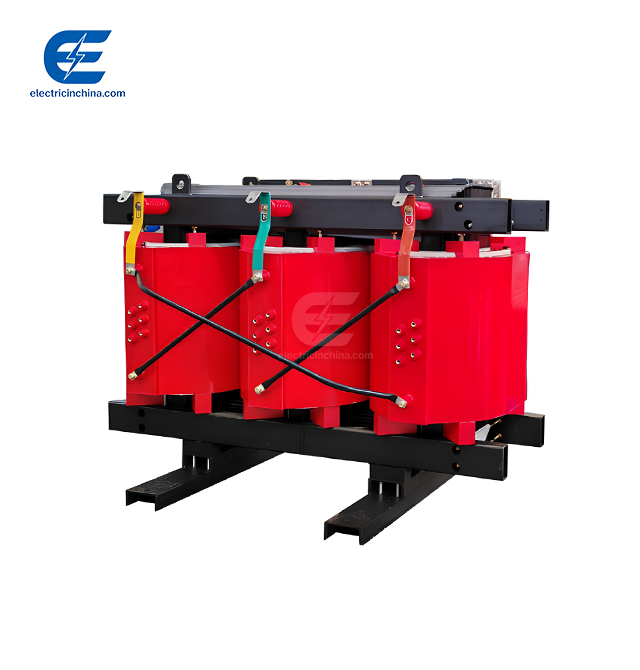
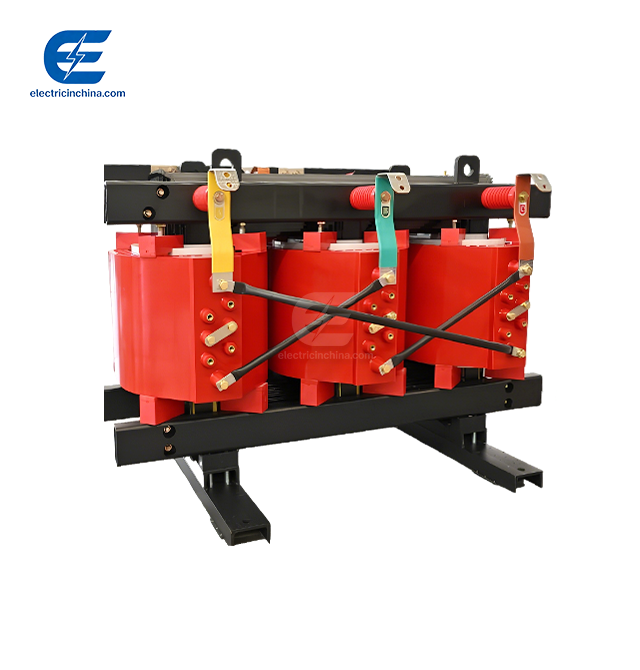
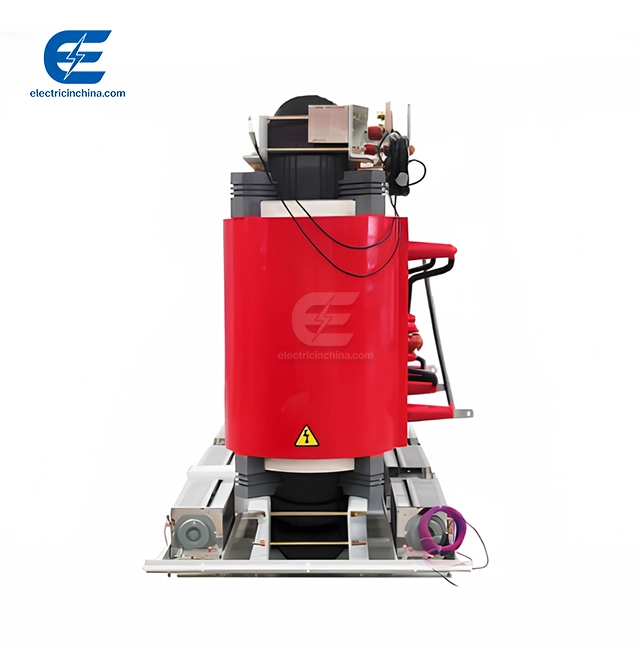
Facility managers and procurement teams in charge of government infrastructure, business real estate, and industrial manufacturing processes are very worried about insulation damage in dry-type transformers. Whether the problem is caused by temperature degradation, electrical overstress, environmental contamination, or mechanical impact, knowing what the root causes are lets you come up with effective ways to stop them from happening. Modern technologies, like the Amorphous metal dry-type transformer, lower the temperature stress on shielding systems by preventing core losses and reducing heat production. This detailed guide explains why insulation fails and offers practical ways to protect your power distribution assets, helping them run smoothly and maximize your investment.
Understanding Insulation Damage in Dry-Type Transformers
In dry-type transformers, insulation methods protect both the powered and grounded parts. When this barrier breaks down, partial discharge activity goes up, dielectric strength goes down, and the chances of a catastrophic failure go up. In mission-critical applications, keeping operations going requires spotting early warning signs as soon as possible.
Types of Insulation Damage
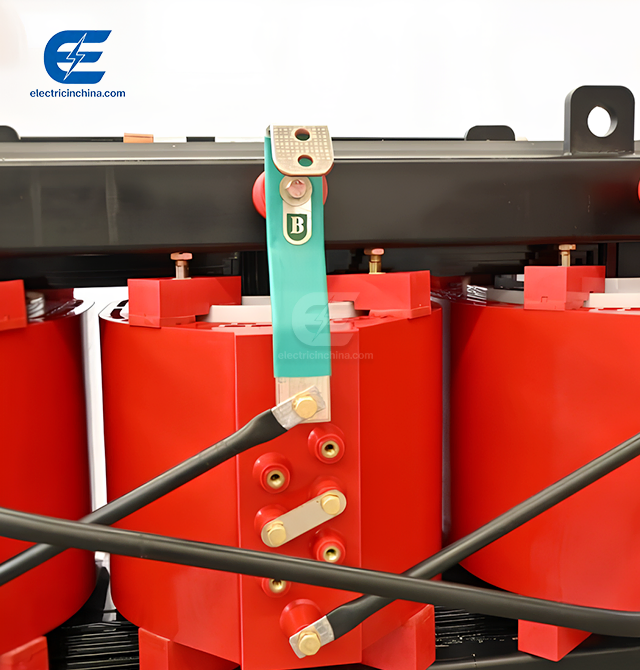
There are different ways that electrical protection can break down, and each one has its own unique traits. Resins become weak and crack over time because of thermal ageing, and electricity tracks across insulation surfaces to make conductive paths. Adding moisture lowers the dielectric strength, and mechanical stress breaks down the cast resin covering. Based on our work on hundreds of municipal and commercial projects, we know that partial discharge tracking and thermal imaging can help identify problems early on and stop 85% of them from happening.
Why Does Insulation Integrity Matter?
The insulation method has a direct effect on the life of the generator, its ability to meet safety standards, and its cost-effectiveness. If your facility's insulation layer is damaged, it leaves you open to fire risks, equipment breakdowns, and expensive emergency repairs. Our manufacturing standards, which are ISO9001-certified, make sure that every unit that leaves our plant meets strict insulation performance requirements. These are backed up by thorough factory acceptance testing methods.
Primary Causes of Insulation Damage in Dry-Type Transformers
When procurement teams know how things break down, they can choose the right security steps during the acquisition phase. Conditions in the environment, how it is used, and how it was designed all affect how long insulation lasts.
Thermal Stress and Overheating
It is usually because of too much heat production that shielding fails too soon. Traditional silicon steel cores lose a lot of hysteresis, which means they keep generating heat even when they're not working. Polymeric insulation materials age faster because they are constantly going through changes in temperature, which weakens them over time and makes them less insulating.
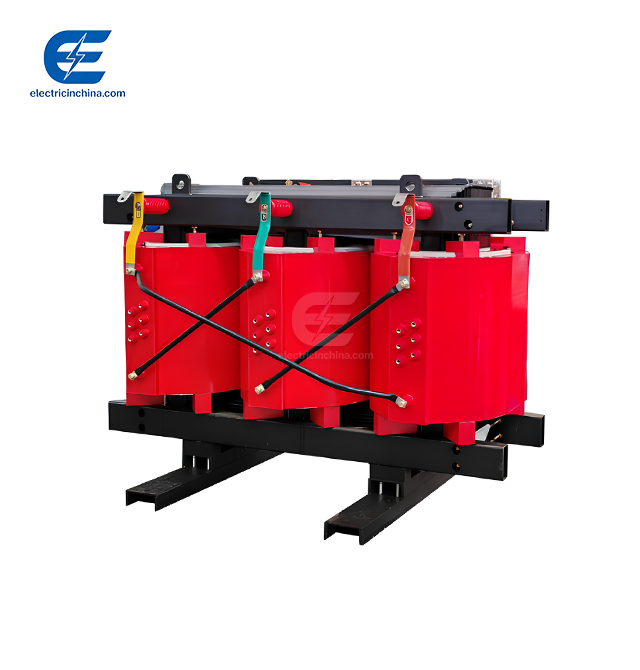
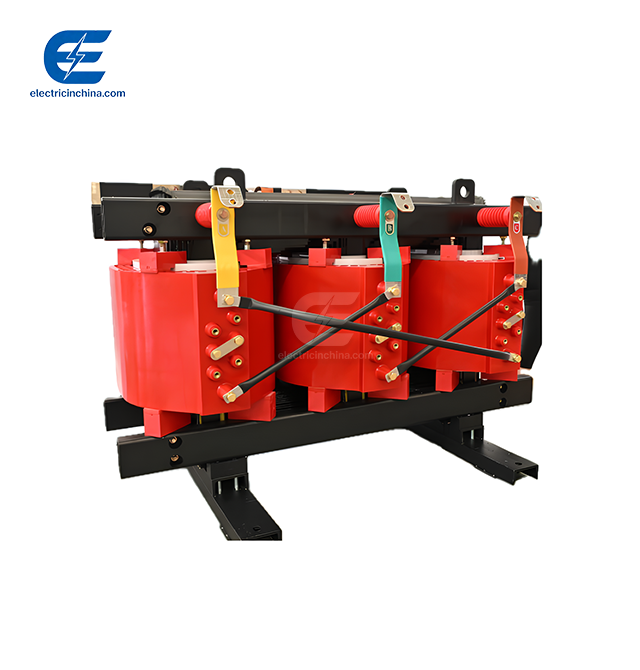
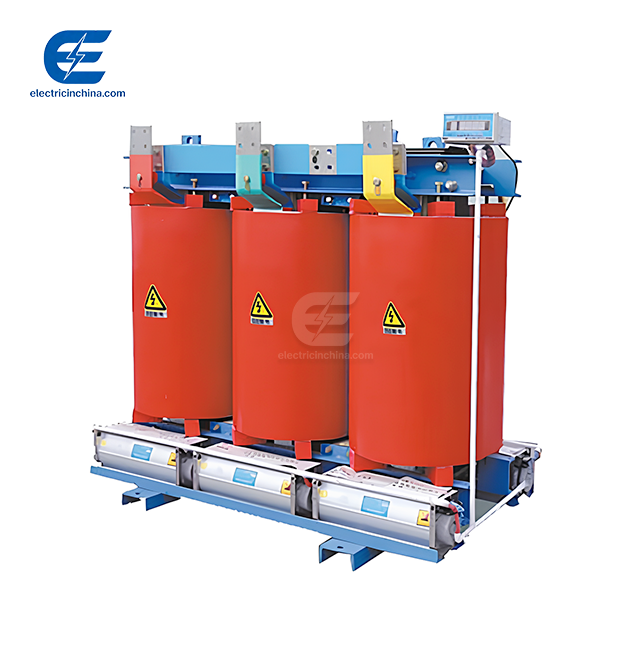
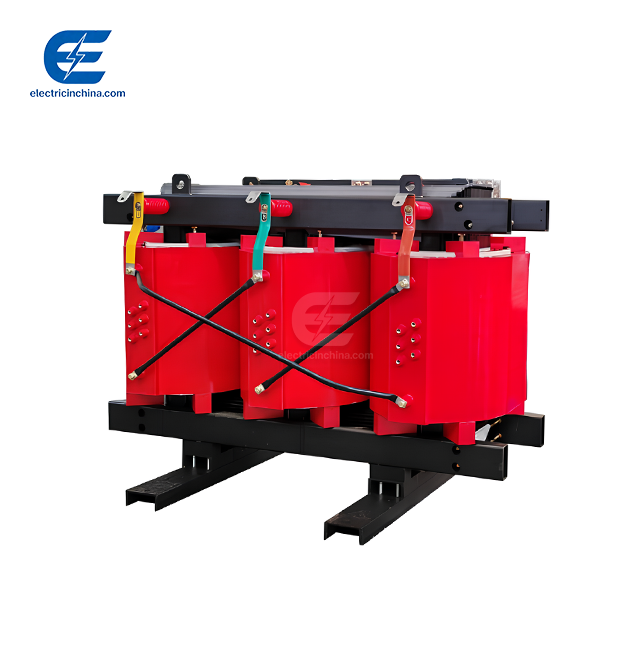
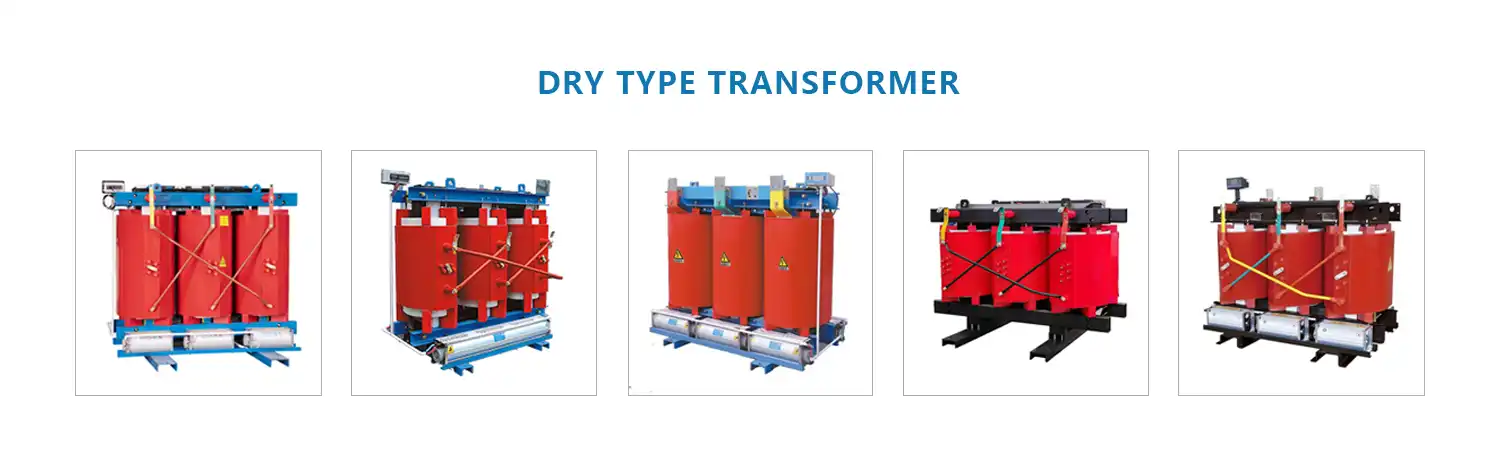
This problem is solved by the Amorphous metal dry-type transformer, which uses a new type of core material. Our amorphous metal cores are made up of iron, nickel, cobalt, boron, and carbon. They don't have a rigid atomic structure, which means they lose only 0.16-0.22 W/kg. Compared to traditional designs, this is a 70–80% drop, which directly leads to lower working temperatures and longer insulation life. Our cast resin insulation system can handle temperatures between -25°C and +40°C, and its Class H insulation is rated to 180°C, which gives it a large thermal cushion.
Electrical Stress Factors
Electrical stress is put on shielding systems by voltage changes, harmonic distortion, and overvoltage events. Lightning hits, switching processes, and changes in the grid all cause high-frequency impulses that weaken the dielectric over time. The total harmonic distortion of our Amorphous metal dry-type transformers is less than 3% even when the load is not linear. This keeps fragile devices safe and lowers the electrical load on insulation materials.
Environmental Exposure Challenges
In tough industrial settings, moisture, dust, and other corrosive contaminants make shielding less effective. Our IP20–IP23 protection grades stop solid particles and water spray from getting in. Also, since there is no insulating oil, there are no contamination risks from fluid leaks. Because of this, our transformers work especially well in places like chemical plants, mines, and sites near the coast, where the climate can make traditional designs difficult.
Mechanical Impact and Vibration
Cast resin insulation is put under mechanical stress by things like moving it during installation, earthquakes, and machinery vibrations. Amorphous metal cores have low magnetostriction, which means they don't cause much shaking when they're working, which keeps shielding systems from wearing out. Our strict quality control process, which includes tracking at every step, from getting the raw materials to delivering the finished product, makes sure that the structure is strong enough to survive short-circuit forces of up to 20 times the rated current.
Proven Solutions to Prevent and Repair Insulation Damage
To protect your infrastructure investment, you need to use a combination of high-tech materials, tracking tools, and preventative upkeep methods. Based on our 20 years of experience in the field, here are some suggestions.
Advanced Insulation Material Systems
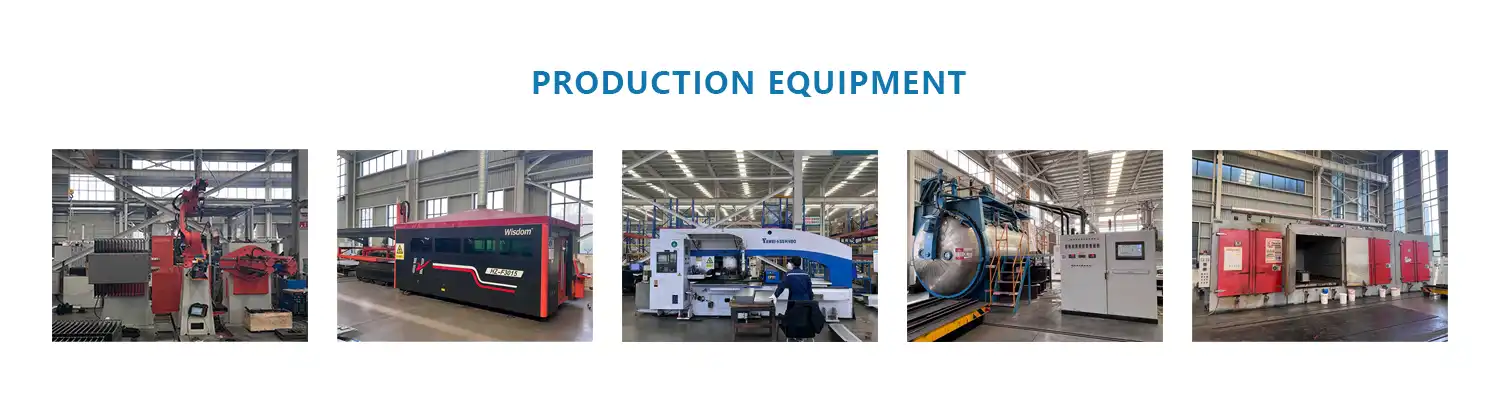
Modern vacuum pressure impregnation (VPI) technology makes a cast resin covering that doesn't have any holes in it and stops partial discharge inception. In our production process, we use CNC static vacuum casting machines and microcomputer-controlled gradient curing ovens to make sure that the resin is spread out evenly and has the best mechanical qualities. The epoxy glue system sticks well to the winding wires and stays flexible even when the temperature changes. The 15 engineers on this technical team are in charge of making sure that all production steps are in line with IEC 60076 and GB/T 10228-2015 standards.
Continuous Monitoring and Predictive Maintenance
By using live partial discharge tracking, insulation degradation can be found early, before it fails. For real-time thermal monitoring, our Amorphous metal dry-type transformers are compatible with building control systems. During regular checks, infrared thermography finds areas that show localized insulation stress. We suggest eye checks every three months and full tests once a year, which should include measuring winding resistance, checking voltage ratio, and checking tan-delta insulation.
Acoustic emission tracking finds partial discharge activity by finding the ultrasonic frequencies that are made by tiny electrical discharges inside the insulation. The low noise levels of our transformers—below 45dB at 1.7m—allow for accurate sound measurements without influence from working sounds. This tracking feature is especially useful for important sites that serve data centers, hospitals, and transportation systems, where unplanned outages can have very bad effects.
Optimal Installation and Environmental Controls
When you put something correctly, you can avoid mechanical damage and external contamination that could weaken the insulation. Our professional installation services make sure that there are enough airflow gaps, that the enclosures are mounted securely to reduce vibrations, and that they have the right grades for the conditions at the site. The position of the transformer should keep the air temperature within the range specified by the designer and shield it from direct sunshine, rain, and other environmental conditions that are bad for electronics.
We provide detailed construction instructions that include information about the foundation needs, electricity connections, and how to control heat. Our expert support team helps you plan how to prepare the site, which helps you avoid common installation mistakes that speed up the breakdown of insulation. Our Amorphous metal dry-type transformer designs don't use any insulating fluid, which makes installation easier and gets rid of the need to hold oil and meet environmental safety standards.
Routine Inspection and Maintenance Protocols
Setting up written repair schedules makes sure that assets last as long as possible and meet insurance standards. We suggest the following times for inspections:
Monthly visual inspections should be done once a month to make sure that the cooling surfaces are clean, that the cases are not damaged, that the cooling fans are working properly (if they have them), and that the alarms on temperature tracking devices are working. These quick checks don't take long and find problems before they get worse.
Annual comprehensive testing includes the temperature scanned while the load is on; the partial discharge is measured using calibrated monitoring equipment; the insulation resistance (megger test) between the windings and ground is checked; and the safety relay settings are confirmed. Our service teams do these inspections quickly and efficiently, so your operations aren't interrupted too much. They also write down the state of the transformers so that asset management planning can be done later.
Three-year detailed inspections involve checking the inside of the machine for available insulation surfaces, torque-testing electrical connections, cleaning ventilation paths and heat-dissipation surfaces, and testing temperature protection devices to make sure they work. This more in-depth evaluation finds problems that are starting to show up and need to be fixed before they become unreliable.
Our repair services use diagnostic data from earlier inspections to keep an eye on how things are wearing down. This lets us make decisions about whether to keep them running or when to replace them based on facts. This proactive method makes sure that repair costs are in line with how the technology is actually working, not just with arbitrary schedules.
Why Choose Amorphous Metal Dry-Type Transformers to Mitigate Insulation Issues?
New core materials completely change the connection between how well something works and how long its protection lasts. Our SCBH17 Amorphous metal dry-type transformers offer measurable benefits in terms of mechanical, electrical, and heat performance.
Reduced Heat Generation Extends Insulation Life
The atomic structure of amorphous metal cores keeps hysteresis losses to a minimum during magnetisation cycles. This means that no-load losses are only 0.1 to 0.2 percent of the rated capacity. Normal silicon steel transformers constantly lose 0.4% to 0.8% of their power, even when they're not under much load. Over the course of 30 years, this difference, which at first glance seems small, adds up to a lot of heat stress. The magnetic permeability of our core material is between 80,000 and 100,000 μH/m, and its coercivity is less than 0.5 A/m. This makes it possible for it to convert energy more efficiently than 98.5% at full load.
Lower core losses directly lead to lower working temperatures, which slows down the processes that break down insulator materials when they get too hot. Temperature rise tests according to IEC 60076-11 show that our transformers keep hotspot temperatures well within their design limits, even when they are constantly overloaded. The cast resin insulation system can handle short overloads of up to 120% for two hours. This gives operators more options during times of high demand without affecting the insulation's strength.
Minimized Vibration and Acoustic Stress
Amorphous metal cores have a low magnetostriction coefficient, which makes them less likely to vibrate when they are working. This feature lowers the mechanical stress on the cast resin coating, which lowers the chance that the insulation will break from repeated mechanical cycles. The low noise levels of our transformers (below 45dB) make working conditions comfortable and show that there isn't much mechanical action going on inside the core.
Because of the way it handles sound, this product is great for use in places like businesses, hospitals, and neighbourhoods where noise pollution rules apply. The quiet operation is due to the material itself, not to any extra damping processes. This means that the transformer will work the same way for as long as it is used.
Enhanced Overload and Short-Circuit Capability
Our Amorphous metal dry-type transformer designs can handle short-circuit forces of up to 20 times the maximum current without damaging the insulation. This strong construction comes from a thorough study of electromagnetic forces during the planning phase and strict impulse withstand voltage tests in line with IEC 60076-3. Our VPI cast resin system's high mechanical strength spreads short-circuit forces evenly across coil structures, stopping stress points that cause insulation to fail.
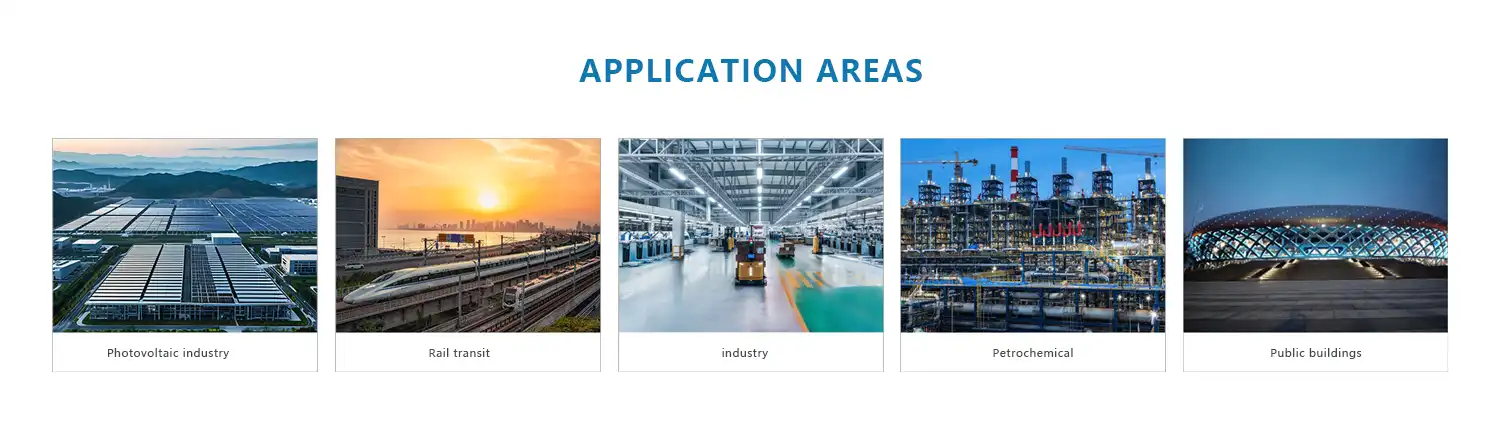
This overload feature is very important for protecting your transformer during system faults, so it can survive things that would kill other units. Our experience delivering transformers for the Xuzhou Rail Transit Network Control Center project proved this reliability benefit—the dual-circuit power supply design specifically chose our units for their proven ability to withstand short-circuits in critical infrastructure settings.
Lifecycle Cost Advantages
When you look at the total cost of ownership, you can see that flexible core technology has many economic benefits. Our transformers cut no-load losses by 70–80%, which means that you can figure out how much energy you save each year by using this formula: kWh saved = (ΔP0 × 8760 hours), where ΔP0 is the difference in no-load losses between our transformers and other options. This difference usually saves between 15,000 and 20,000 kWh per year on a 1,000 kVA transformer that runs nonstop. This is enough to cover the higher starting cost within 3 to 5 years, and it also cuts carbon emissions by 60% compared to silicon steel designs.
Because an oil-free design means no upkeep, there are no ongoing costs for checking fluids, filtering them, and eventually getting rid of them. This practical simplicity is especially helpful for companies that manage transformer fleets spread across various sites, as it lowers the level of specialized knowledge needed to oversee upkeep.
Strategic Considerations When Procuring Dry-Type Transformers?
To choose the right power distribution equipment, you need to carefully look at the technical specs, the supplier's skills, and the help options for the whole product lifecycle. These procurement rules are based on our decades of experience working with government agencies, real estate developers, and industrial makers.
Supplier Certification and Quality Assurance
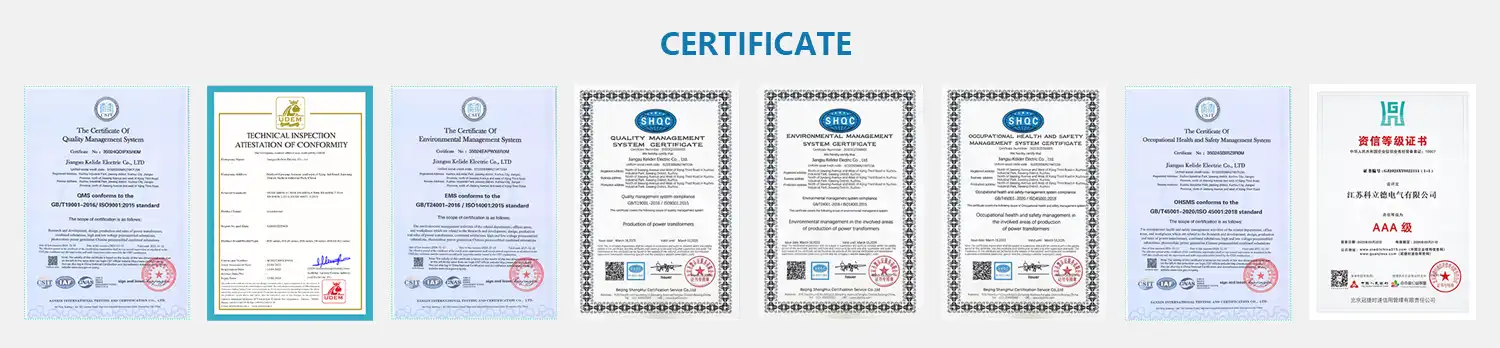
Verification of production licenses makes sure that the product is real and always works the same way. Our ISO 9001, ISO 14001, and OHSAS 45001 certifications show that we follow good quality control, care for the environment, and safe work practices. According to IEC 60076-11 standards, all production goes through strict tests, and test results are sent with every package.
Our quality inspection lab does regular tests like measuring coil resistance (within 2% of variation between phases), checking the voltage ratio, measuring no-load loss and current, testing impedance voltage, and making sure the temperature rise is correct. Type tests make sure that the design factors are correct, and special tests measure audio noise to make sure that the product meets the required sound pressure levels. This thorough testing takes away the chance of getting low-quality tools that delay your project or cost more than planned.
Customization Capabilities and Technical Support
Standard catalogue standards don't always perfectly match the needs of a particular site. Over 30 intermediate techs and 15 senior engineers help with application engineering to make sure that the transformer specs are best for your needs. We have voltage levels ranging from 30kVA to 31,500kVA, and you can change the way the terminals are set up, tapped, and protected. Our CNC automatic winding machines and automatic foil winding machines let you make exact changes without having to wait longer for delivery.
The expert team helps with things like harmonic analysis for loads that don't behave in a straight line, voltage control calculations for loads that change, and thermal assessments for sites that don't have a lot of air flow. This consultative method makes sure that the equipment you choose works well with your overall electricity distribution system and follows all the rules and codes that apply.
Total Cost of Ownership Evaluation
Buying things based only on the original purchase price isn't always the best choice for the economy over the lifecycle of the item. Our Amorphous metal dry-type transformer provider gives us thorough lifecycle cost modelling that takes into account things like expected lifespan, energy savings, and disposal. This study usually shows payback times of three to five years just from using less energy. There is also extra value from having a longer operational life of thirty years or more, and not having to pay for the upkeep that comes with fluid-filled designs.
The higher dependability lowers the costs of unplanned downtime, which is very important for places where power outages hurt output, put people in danger, or break service level agreements. Our track record includes the official power supply EPC project for the Xuzhou High-speed Railway East Station. The reliability of our transformers meant that vital transportation infrastructure could keep running.
Installation and Commissioning Services
Common mistakes that hurt the performance and life of transformers can be avoided by having them installed by a professional. Our installation services include checking the site for preparation, lifting and placing, connecting the power, integrating the safety system, and full testing before the system is put into use. Through vector group testing, we make sure that the phase relationships are correct. We also make sure that the safety relays work together and do working checks while the system is under load.
The commissioning paperwork package includes basic performance data that can be used to compare future results. These numbers set the standard for trend analysis during future maintenance checks. This thorough method lowers the chance that early failures will be caused by problems with the installation rather than problems with the equipment.
After-Sales Support and Spare Parts Availability
Long-term ties with suppliers are valuable for more than just the one purchase. Our full range of after-sales support includes expert advice for practical questions, help with system integration problems, and emergency action for serious situations. We keep enough extra parts for key parts in stock so that we can quickly replace them if problems happen in the field.
We have finished projects in many areas, including general contracting for the Xinhuai Central Complex and full power supply services for the Huaihai Xintiandi development. Our service network supports the placements of our equipment. This presence in the area makes it easier to get help when you need it most.
Conclusion
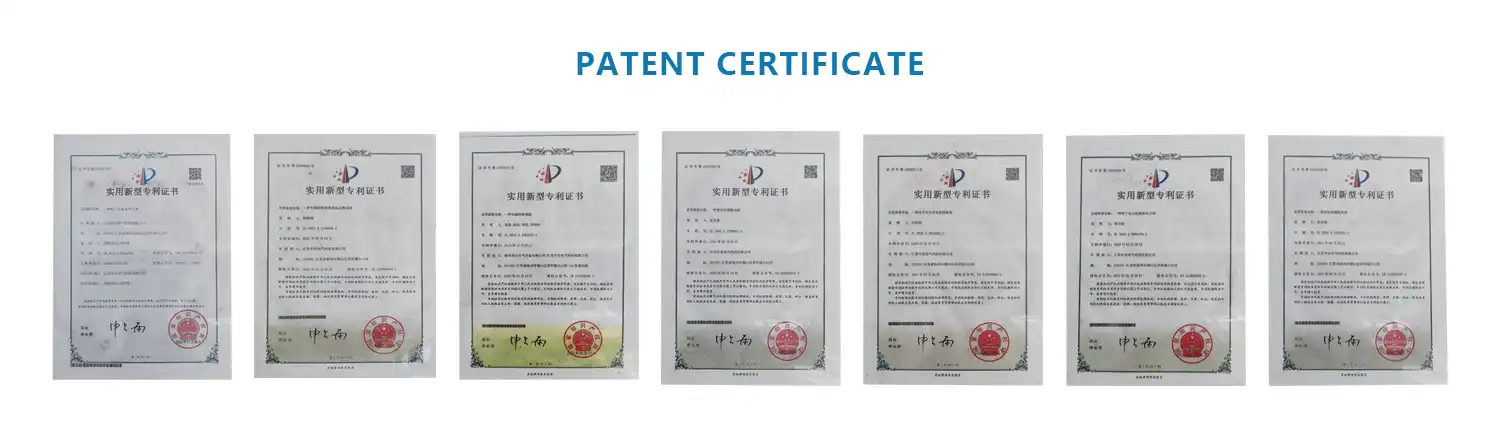
Damage to the insulation in dry-type transformers can be caused by high temperatures, electrical overvoltage, dirt in the surroundings, and physical impact. To deal with these issues, you need high-tech insulation materials, tracking methods that run all the time, and the best conditions for operation. Amorphous metal dry-type transformers lower insulator stress by 70–80%, which is done by reducing core losses, limiting heat generation, and lowering shaking. With 18 patents, over 120 production machines, and ISO9001 approval, we can make reliable power options that are more than 98.5% efficient. Strategic buying looks at things like source qualifications, the ability to customize, the total cost of ownership, and full support services. Protecting your infrastructure investment starts with choosing equipment that is made to last longer and using tried-and-true preventative repair methods.
FAQ
What indicators signal developing insulation damage?
When regular testing shows partial discharge levels above 10 pC, it means that the insulation is breaking down and needs to be looked into. Thermal imaging that shows hotspots with temperature differences of more than 10°C compared to nearby areas points to localized insulation stress. Ultrasonic frequencies in the 40–60 kHz range found by acoustic sampling point to corona activity in insulator gaps.
How do amorphous metal cores extend insulation lifespan?
The atomic structure that isn't solid cuts core losses by 70–80%, which lowers working temperatures that make insulation wear out faster. Less heat production slows down the chemical breakdown that is caused by heat in plastic materials. Our Amorphous metal dry-type transformer for sale keeps running cooler, which means the insulation lasts longer than with silicon steel options.
Can damaged insulation be repaired economically?
Surface pollution that isn't too bad can be cleaned, but damage to the insulation inside usually means that the winding needs to be replaced, which can get expensive. It is cheaper to avoid problems by following the right specifications and doing regular upkeep than to fix them after they happen.
Partner with Tuojie for Superior Transformer Reliability
Tuojie has been making high-quality transformers for more than 20 years and can help you with your next job. Our qualifications as a producer of Amorphous metal dry-type transformers include 18 patents, ISO 9001 certification, and the successful completion of hundreds of installations in businesses and municipalities. The SCBH17 series cuts no-load losses by 70–80%, is over 98.5% efficient, and doesn't need any upkeep for 30 years or more. Our 15 top engineers help with applications and make sure that the right equipment is specified for your needs. Get in touch with our team at tuojie@electricinchina.com to talk about custom power solutions that come with full expert help and reliable delivery. You can look at our whole line of products at electricinchina.com and ask for specific details that are suited to your buying needs.
References
1. Chen, W., & Liu, X. (2021). Advanced Insulation Systems for Dry-Type Power Transformers. Electric Power Press.
2. International Electrotechnical Commission. (2019). IEC 60076-11: Power transformers - Part 11: Dry-type transformers. Geneva: IEC Publications.
3. Martinez, J.A., & Mahseredjian, J. (2020). Transformer Insulation Design and Thermal Performance Analysis. IEEE Transactions on Power Delivery, 35(4), 1876-1885.
4. National Electrical Manufacturers Association. (2018). NEMA TP-1: Guide for Determining Energy Efficiency for Distribution Transformers. Rosslyn: NEMA Standards Publication.
5. Smith, R.K., & Anderson, P.M. (2022). Predictive Maintenance Strategies for Industrial Transformers. Power Engineering Solutions Journal, 18(2), 45-62.
6. Zhang, Y., Wang, H., & Li, S. (2020). Amorphous Metal Core Technology and Applications in Energy-Efficient Transformers. Materials Science and Engineering Review, 142, 110-125.