

.webp)
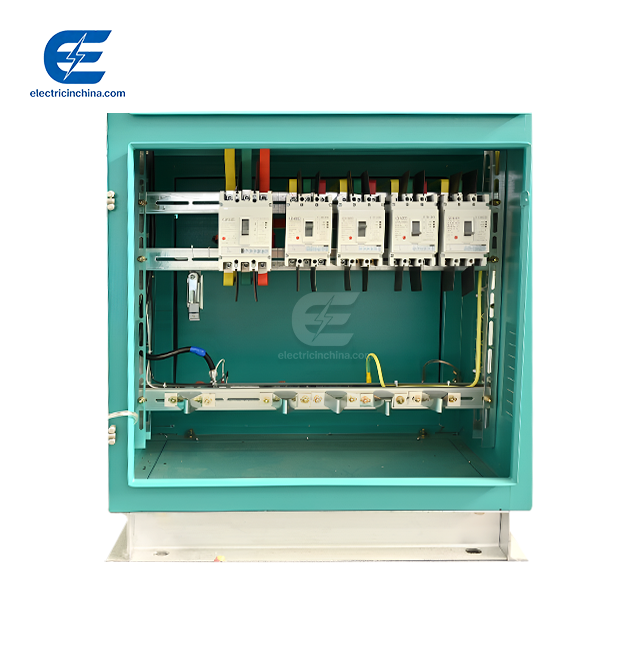
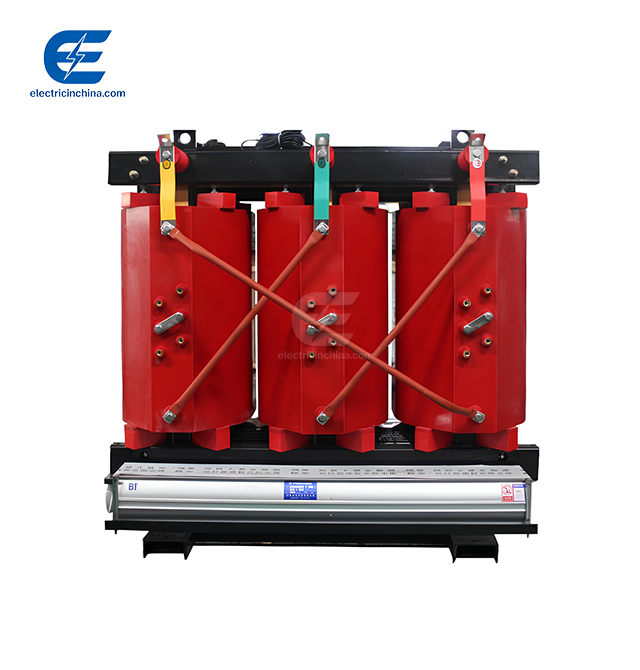
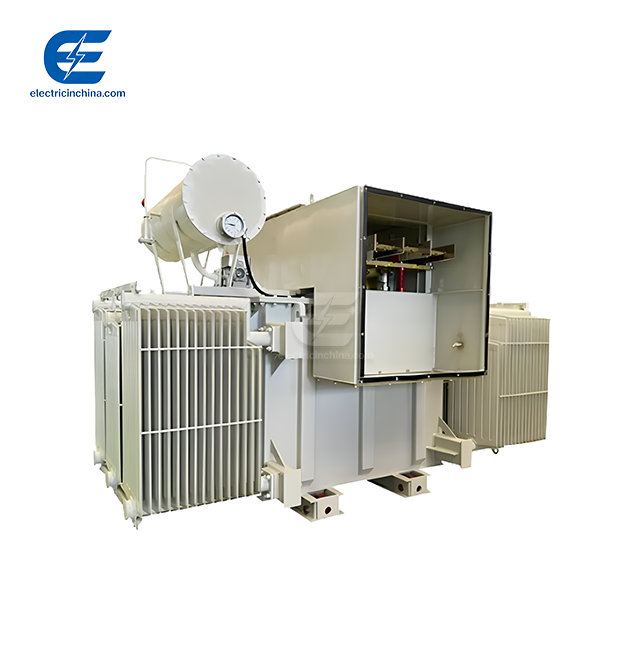
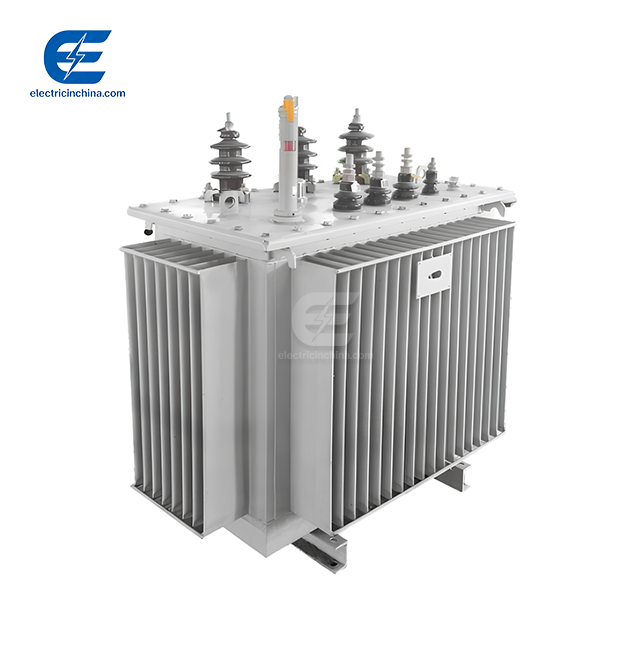
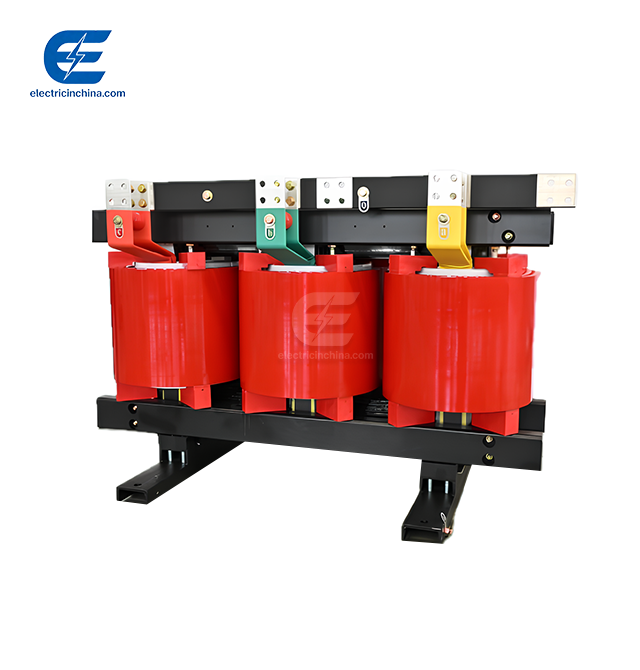
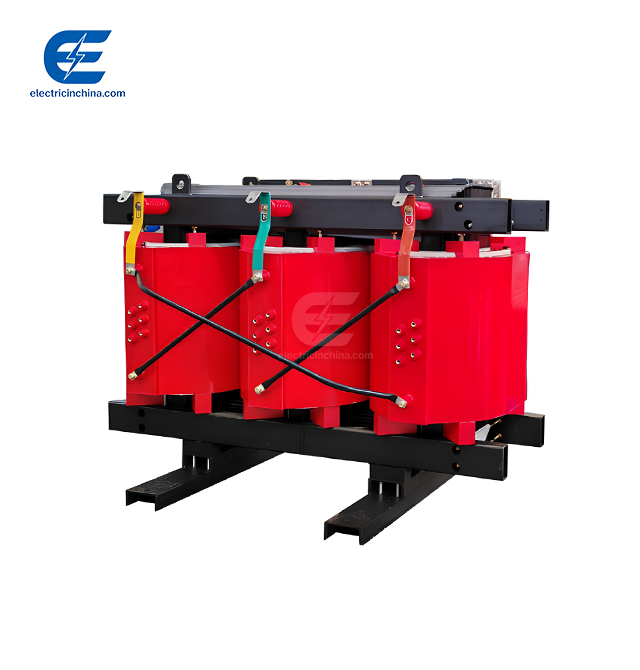
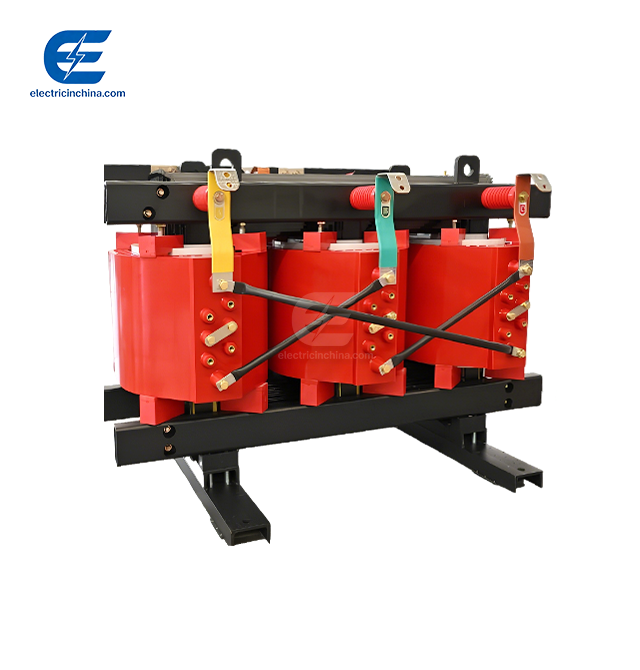
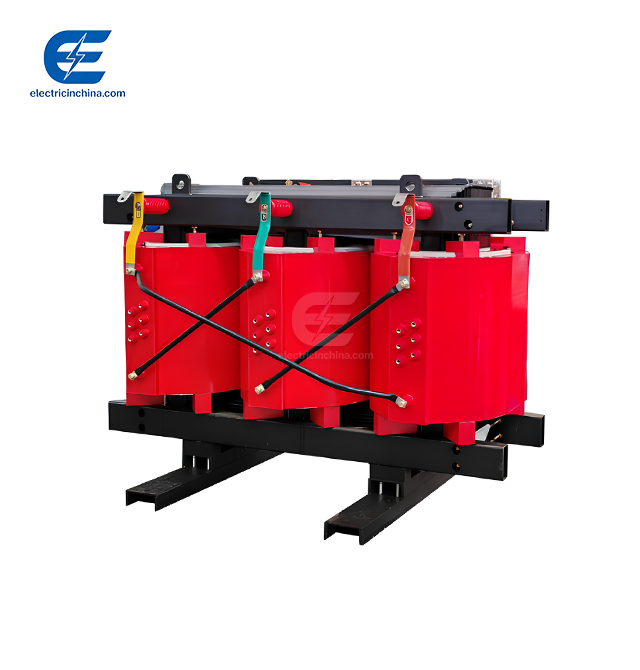
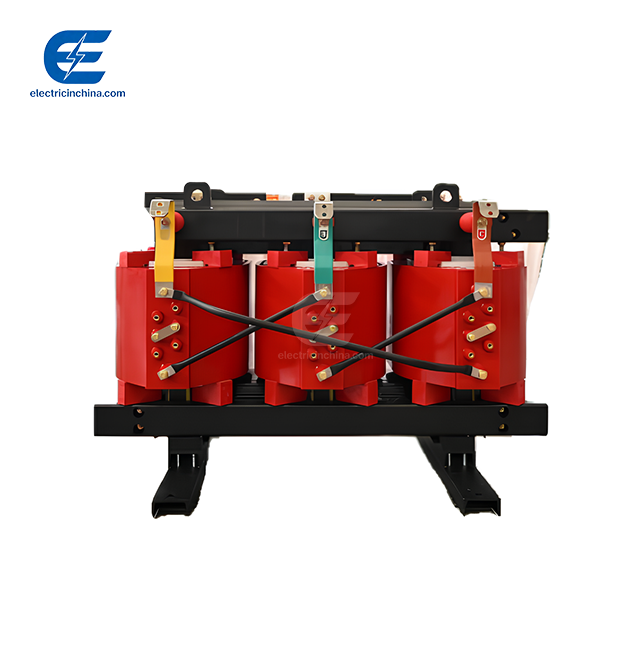
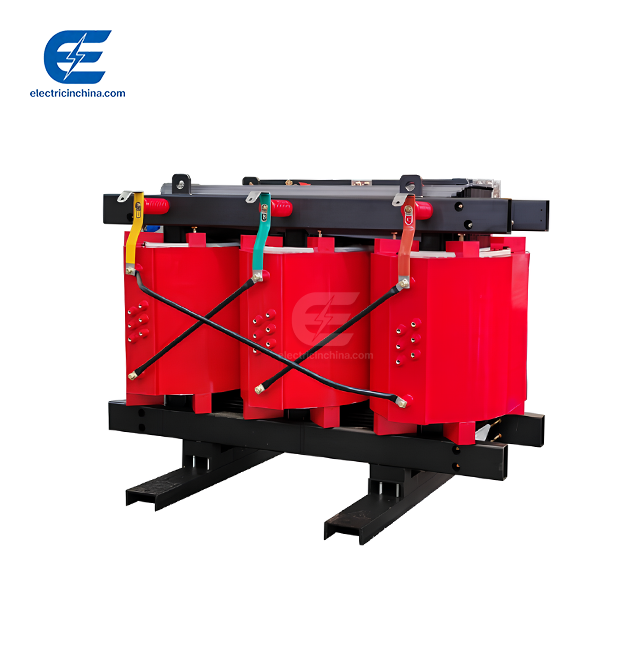
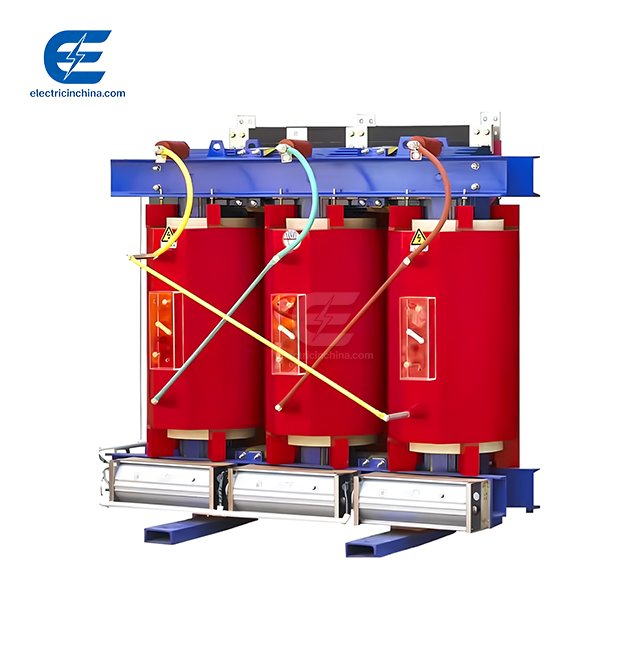
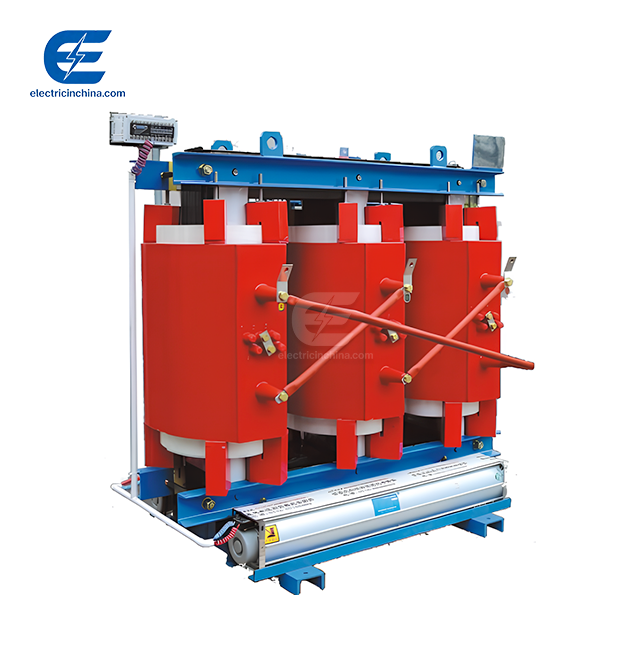
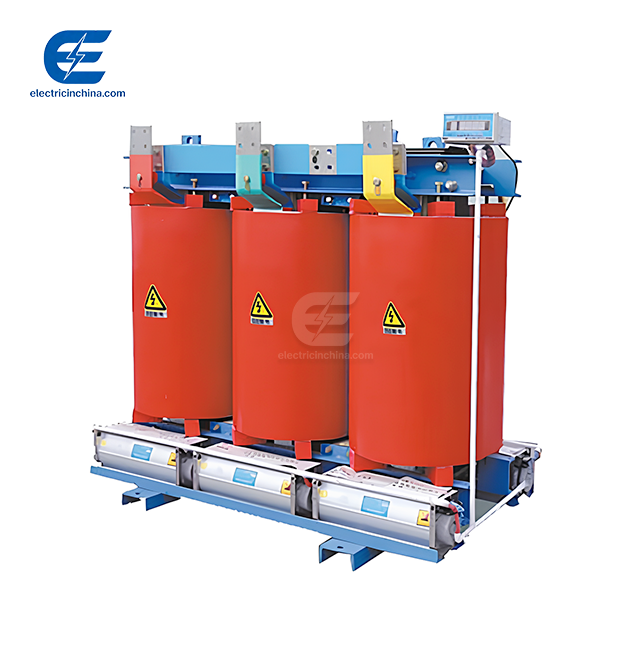
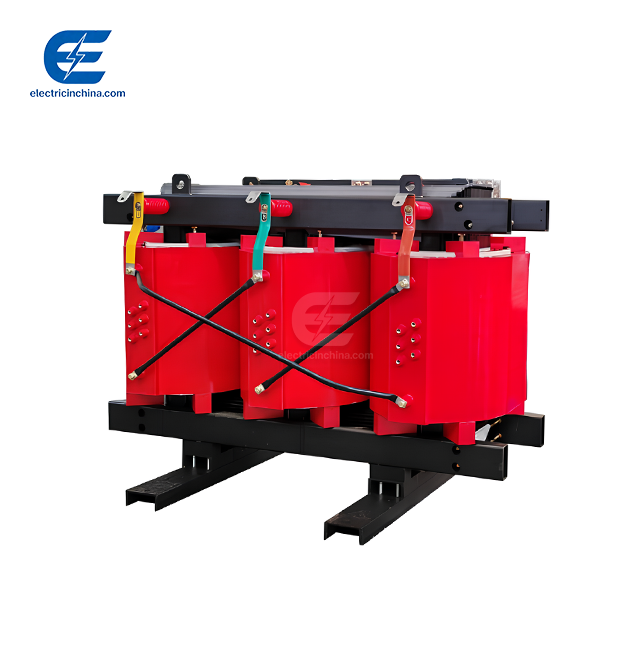
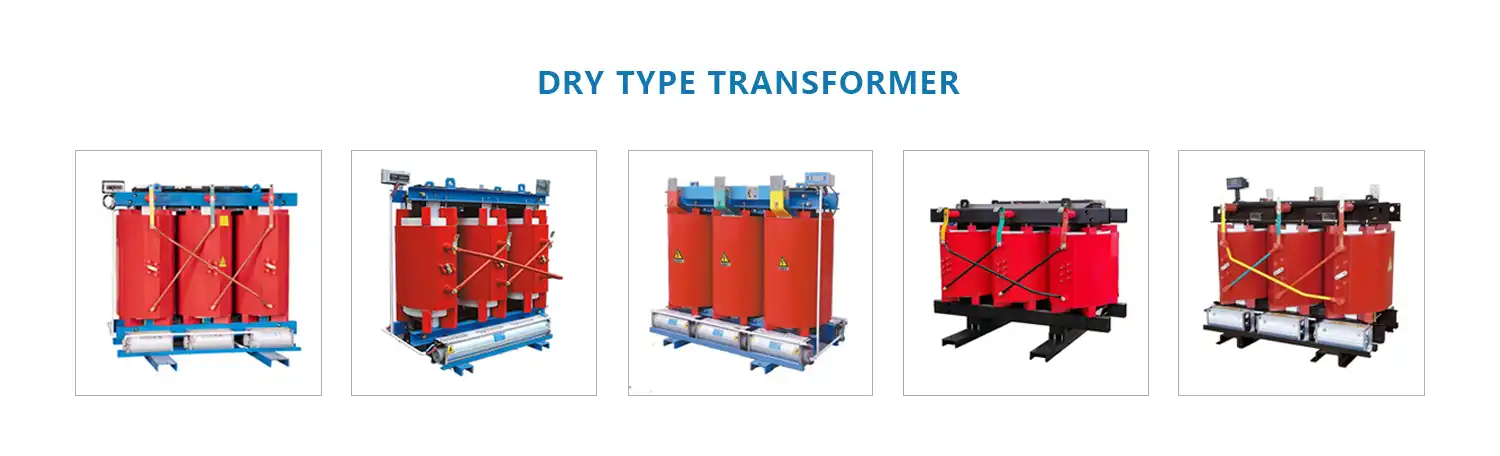
Project managers are using modern Amorphous metal dry-type transformer technology more and more when they need to choose power distribution equipment for business office buildings. Compared to regular silicon steel transformers, these units don't need to be maintained and have 70–80% lower no-load losses. This means that they save a lot of energy every year. The cast resin insulation gets rid of oil-related dangers and ensures stable operation for more than 30 years. This makes them perfect for places where safety, efficiency, and little downtime are most important.
Understanding Amorphous Metal Dry-Type Transformers
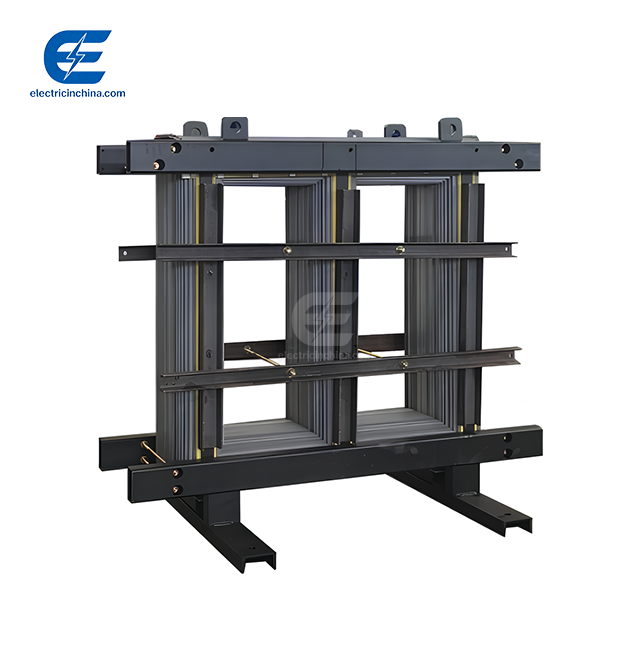
The main new thing about these Amorphous metal dry-type transformers is the way their materials are put together. The amorphous metal core is different from normal crystalline silicon steel because it has a chemical structure that is not crystalline. It is made up of carefully controlled mixtures of iron, nickel, cobalt, boron, and carbon. When the magnetisation repeats, this one-of-a-kind pattern of molecules greatly lowers hysteresis losses.
What Distinguishes Amorphous Core Technology?
Core losses in traditional transformers lose energy all the time, even when they're not being used. The building you work in pays for power that never gets to the equipment. In amorphous cores, the jumbled atomic structure changes that fact. The core loss density is only 0.16-0.22 W/kg, which is 70–80% better than traditional designs. During normal office block activity, when transformers rarely hit full capacity, these losses make up a big chunk of the energy used each year. Every year, cutting no-load losses from 0.5 to 0.8 per cent of rated capacity to 0.1 to 0.2 per cent has a real cash effect.
The Dry-Type Advantage for Office Environments
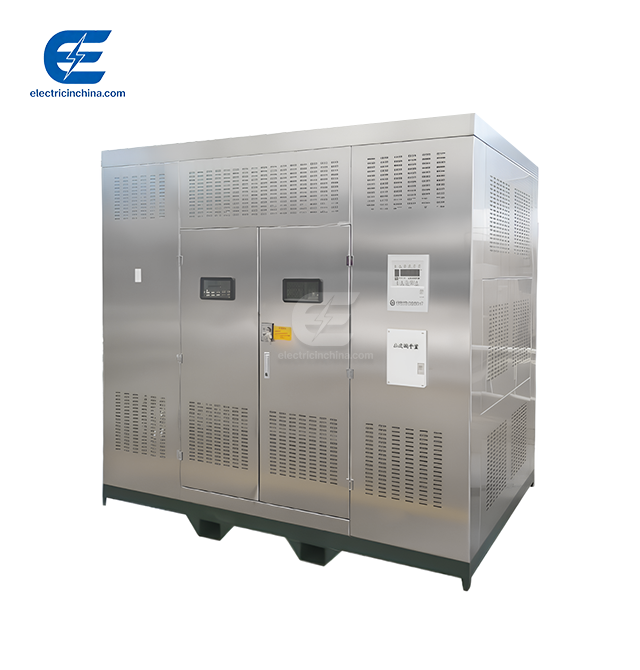
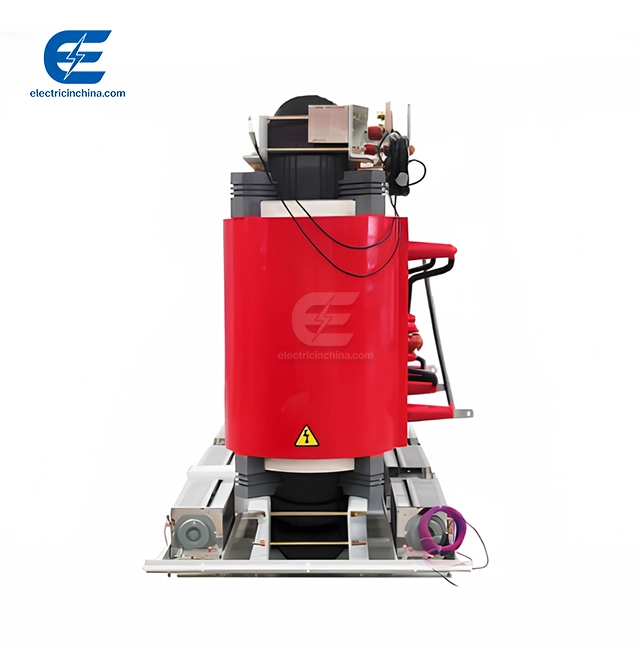
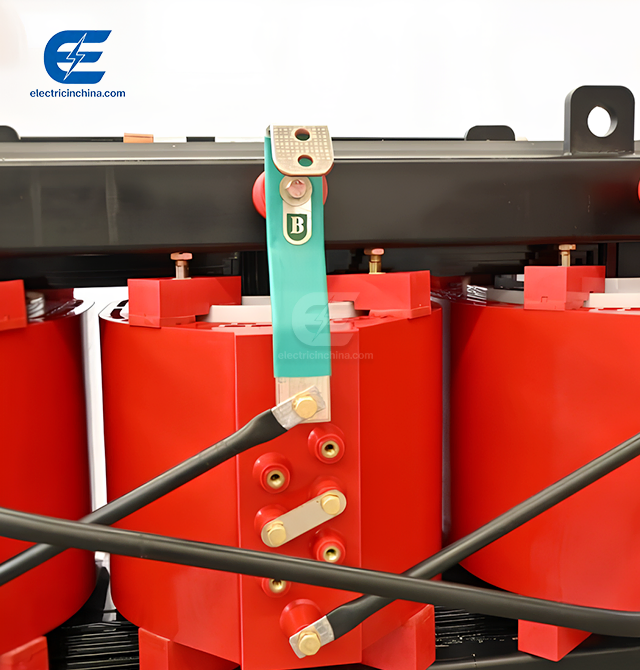
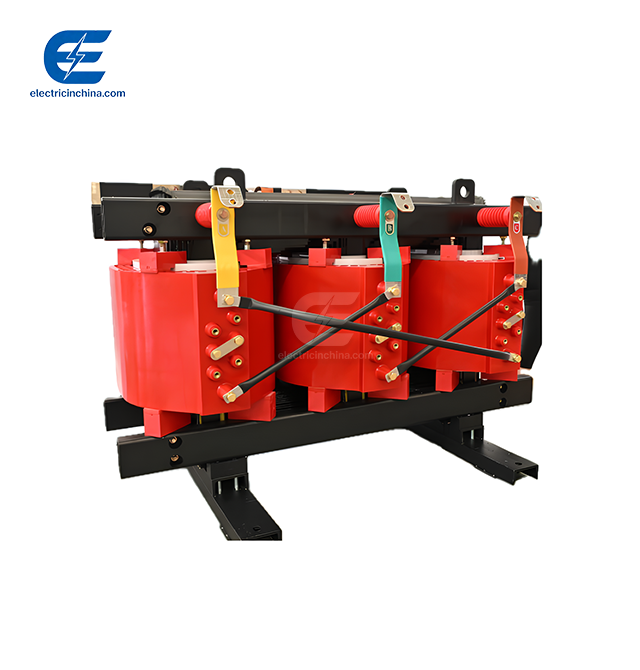
Cast resin insulation systems get rid of all liquid dielectrics, so there are no longer any risks of leaks and no need to test the fluids regularly. The epoxy resin covering can handle changes in temperature from -25°C to +40°C and still maintains its Class H insulation grade at 180°C. This building has security grades of IP20 to IP23, which means it can be used indoors. The fire safety performance meets standards for self-extinguishing without making poisonous smoke. This is especially important for occupied buildings and high-rise buildings that are hard to get out of in case of an emergency.
Maintenance-Free Operation Reality
The phrase "maintenance-free" fits these units perfectly when they are placed and set up correctly. The flexible ribbon core design doesn't have the usual ageing effects that happen with silicon steel, so the magnetic qualities stay stable over time. When cast plastic windings are sealed, water and dirt can't get in. With the ability to withstand short-circuits up to 20 times the maximum current, these transformers work reliably without the need for regular upkeep. We've seen working lifespans of more than 30 years in hundreds of business and municipal installations.
Comparing Amorphous Metal Dry-Type Transformers to Traditional Transformers
Understanding the measurable differences in performance between Amorphous metal dry-type transformer systems and conventional designs is helpful for making choices about what to buy. The comparison goes beyond the price of the initial buy and includes the total cost of ownership, how well the product works, and its value over its entire life.
Efficiency Metrics That Impact Operating Costs
Our SCBH17 line has full-load efficiency rates of 98.5% to 99.2%, which is 1-2 percentage points higher than other dry-type designs. The economic benefit is stronger when only part of the building is in use, which is common in office buildings. Compared to silicon steel cores, the no-load current drops by 50%, which lowers the amount of reactive power used. Over the course of 25 years of operation, the small price increase is usually paid for by the energy savings from lower losses within 3 to 5 years. A recent study of a 1,500 kVA system showed that it saved more than $8,400 a year just on energy costs.
Safety and Environmental Profile Advantages
Oil-filled transformers can be bad for the environment because they can leak, and old units need to be thrown away with PCB-contaminated fluids. Dry-type buildings also address these worries and are naturally fire resistant. Using less energy to make amorphous core steel is better for the environment than using more energy to make grain-oriented silicon steel. Total harmonic distortion below 3% saves sensitive electrical equipment that is becoming more common in modern offices, such as LED lighting systems and HVAC equipment with variable frequency drives.
Acoustic Performance Considerations
Amorphous cores with low magnetostriction produce sound pressure levels below 45 dB at a distance of 1.7 meters, as tested by IEC 60076-10 standards. This operation is quiet enough for setups in places with people, like parking garages and equipment rooms on rooftops, where noise can bother people who live or work in the building. Silicon steel transformers usually make 5–10dB more noise, which could mean they need acoustic casings that cost more to install and make it harder to let air flow.
Top Recommended Maintenance-Free Amorphous Metal Dry-Type Transformer Models for Commercial Offices
To choose the right Amorphous metal dry-type transformer specs, you need to match the electrical features to the needs of the building and think about how much space will be needed for future growth. We can make generators with rates from 30 kVA to 31,500 kVA, which is enough for all kinds of business office needs.
Capacity Selection Guidelines
The size of the transformer in an office building is based on the total linked load, demand factors, and growth forecasts. Medium-rise business buildings usually need 1,000 to 2,500 kVA of power, while high-rise towers may need several 2,500 to 5,000 kVA units set up in parallel. To get the best size, our engineering team helps with load estimates and power drop analyses. Undersized transformers work at too high temperatures, which shortens their life, while large units cost more than they need to and are less efficient when they're only partially loaded.
Voltage Ratings and Configuration Options
Standard configurations work with 208Y/120V, 480Y/277V, and 600V distribution lines that are popular in business buildings in North America. We change voltage ratios, impedance values, link groups, and tapping ranges to fit the needs of each job. Delta-wye designs provide neutral grounding and stop triple overtones from travelling. The choice of impedance strikes a balance between limiting fault current and controlling voltage. For business uses, this balance is usually between 4 and 6 per cent. Adjustable tap settings let you fix the voltage by ±5% to make up for changes in the power supply or a drop in the voltage at the generator.
Certification and Compliance Standards
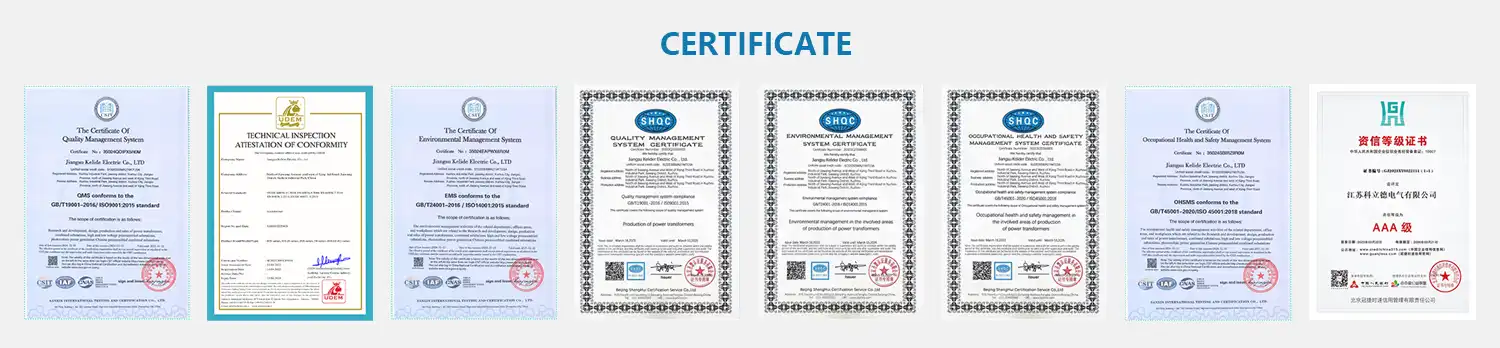
All units meet the requirements of IEC 60076, IEEE C57.12.01, and GB/T 10228-2015, and come with full evidence of their factory tests. Our ISO 9001, ISO 14001, and OHSAS 45001 standards show that we take care of quality management and the environment in an organised way. All relevant product groups are covered by the national CCC required certification. Check that the type test results show that the temperature rise, impulse resist voltage (IEC 60076-3), partial discharge levels below 10pC (IEC 60270), and short-circuit duty (IEC 60076-5) are all correct. This paperwork makes the process of reviewing specifications and getting governmental permission for big projects easier.
Customisation for Specialized Applications
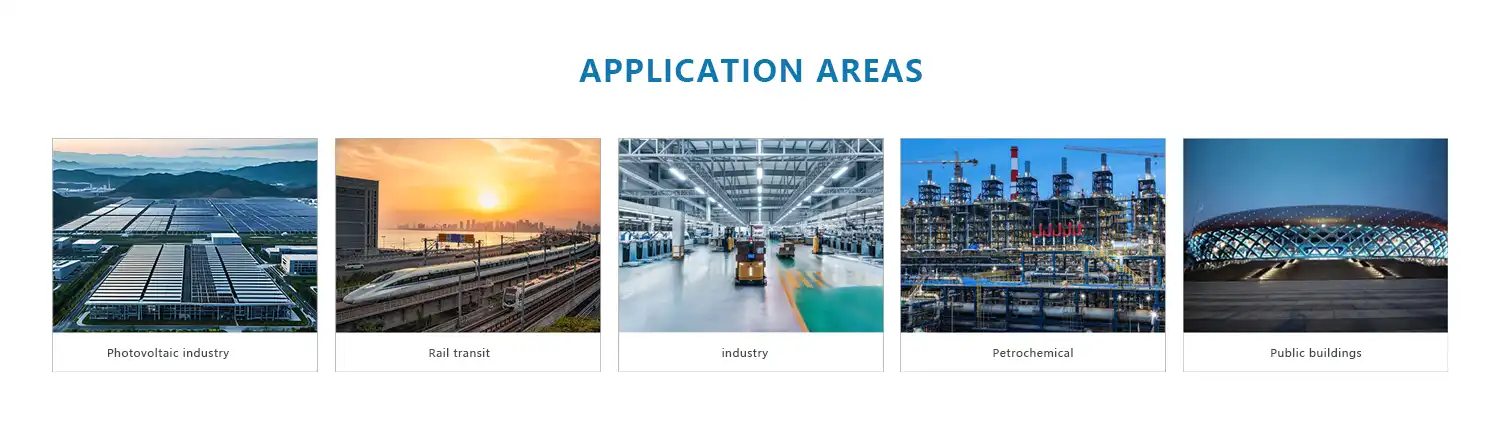
In addition to regular catalogue items, we also offer custom-engineered solutions for specific needs. Customised voltage and tapping ranges make it easier for inverters to work with photovoltaic grid-connection projects. For locations at high altitudes, the insulation planning is changed to account for the lower dielectric strength. In seismic zones, stronger mechanical protection that meets UBC or IBC standards is needed. Our technical team is made up of 15 senior engineers and more than 30 intermediate techs. Together, they can come up with custom solutions using detailed engineering models and finite element analysis.
Installation, Operation and Maintenance Guidelines for Maintenance-Free Models
When something is installed correctly, it will last for decades and work reliably. Even though these Amorphous metal dry-type transformers don't need much upkeep, there are things that can be done to make them work better and last longer.
Installation Best Practices
Setting up the site starts with making sure there are enough airflow gaps, with at least 600 mm between units to allow for natural convection cooling. When designing a foundation, unit weight and earthquake loads are taken into account when they apply. Planning how to enter a cable keeps the terminations from being physically stressed and keeps the IP security scores the same. Before turning on, check the power ratios, connection settings, and tap places. Megohm testing checks the integrity of the insulation after shipment by comparing readings between stages to look for any damage that might have happened. In mirrored setups, vector group verification stops phase angle mistakes that cost a lot of money.
Operational Monitoring Strategies
Smart tracking technologies let you evaluate conditions without having to do anything by hand. Temperature monitors built into the windings give real-time temperature data that can show if there are any cooling or odd loading issues. Monitoring for partial flow can find insulation decay years before it breaks. Logging the load profile shows trends of use that help with planning capacity. We suggest that thermographic inspections be done once a year for the first three years of running and then every other year after that until stable temperature patterns are established. These proactive repair methods increase the useful life of equipment and lower the chance of unexpected downtime.
Addressing Common Operational Issues
Overheating usually means that there isn't enough air flow, the load is growing faster than predicted, or nonlinear equipment is causing harmonic loading. Check the real load against the nameplate number and check the temperature of the room. Loose core clamping hardware can cause strange noise; an easy fix can be made during a planned stop. As insulation resistance moves downward, it should be looked at by a professional. Our technical support team does remote diagnostics and outdoor service when specialised knowledge is needed. They have a large collection of parts and have honed their quick reaction skills over hundreds of project implementations.
Making the Right Procurement Decision for Your Office Building Project
Strategic procurement weighs short-term budget limits against long-term practical value, source skills, and project plan needs.
Defining Technical Requirements
Start by doing a correct assessment of the electricity load, which should include all linked loads, diversity factors, and plans for future growth. Think about the harmonic content that comes from LED lights, UPS systems, and variable speed drives. K-factor values of up to K-13 can handle these situations. List the certificates, testing records, and guarantee terms that are needed. The design factors are affected by things like altitude, temperature ranges, and the type of earthquake. Clear specs cut down on bid differences and make the evaluation process easier.
Evaluating Supplier Qualifications
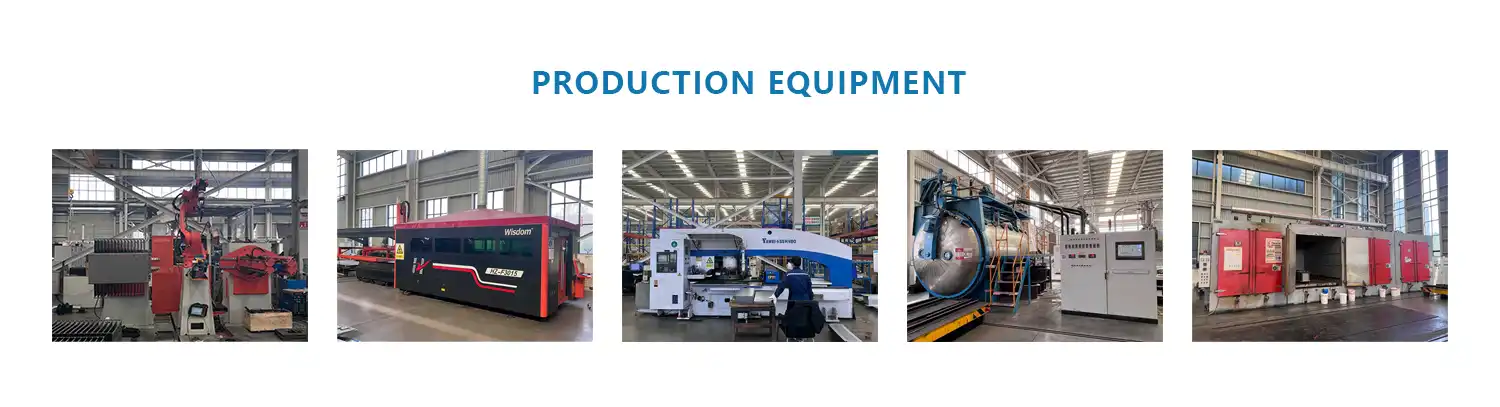
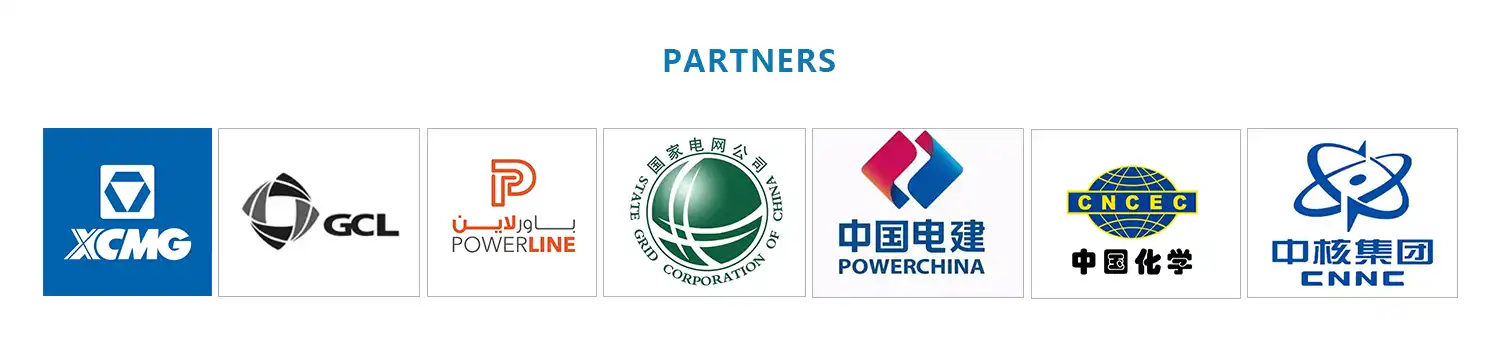
When choosing a supplier, it's not enough to just compare prices; you also need to look at their professional skills, producing capacity, quality systems, and project experience. We've been helping government infrastructure, business developers, and EPC providers for more than 20 years, which shows that we can handle complicated buying needs. More than 120 sets of advanced equipment, such as CNC automatic wrapping machines, static vacuum casting systems, and gradient curing ovens, can be used to make sure that even big projects are finished on time. Our technical execution skills have been proven by the successful finishing of projects like the Xuzhou Rail Transit Network Control Centre, the High-speed Railway East Station power supply, and upgrades to the XCMG Group manufacturing plant.
Total Cost of Ownership Analysis
Only 30 to 40 per cent of the total cost of a business transformer installation over its lifetime is paid for at the time of purchase. Most of the money spent goes toward energy costs over a 25-year working life. Use local utility rates, escalation factors, and real loading profiles to figure out the current value of the energy savings. Include lower upkeep costs compared to options that use oil. Think about the guarantee coverage, the availability of spare parts, and how quickly expert support can help you. This thorough study usually supports Amorphous metal dry-type transformer technology because it is more efficient, even though it costs a little more to buy. This is especially true in high-use apps.
Procurement Logistics and Lead Times
Standard designs take between 6 and 10 weeks to manufacture, while engineered options take between 10 and 14 weeks. Shipping takes an extra two to four weeks for local shipments and longer for foreign ones. As someone who has managed EPC projects before, we know how to coordinate logistics with building plans, set up staged deliveries for projects that are being built in stages, and speed up production when key paths need it. Because you deal directly with the maker, you don't have to pay markups to the distributors. You also get consistent professional help from the time of specification through commissioning and warranty terms.
Conclusion
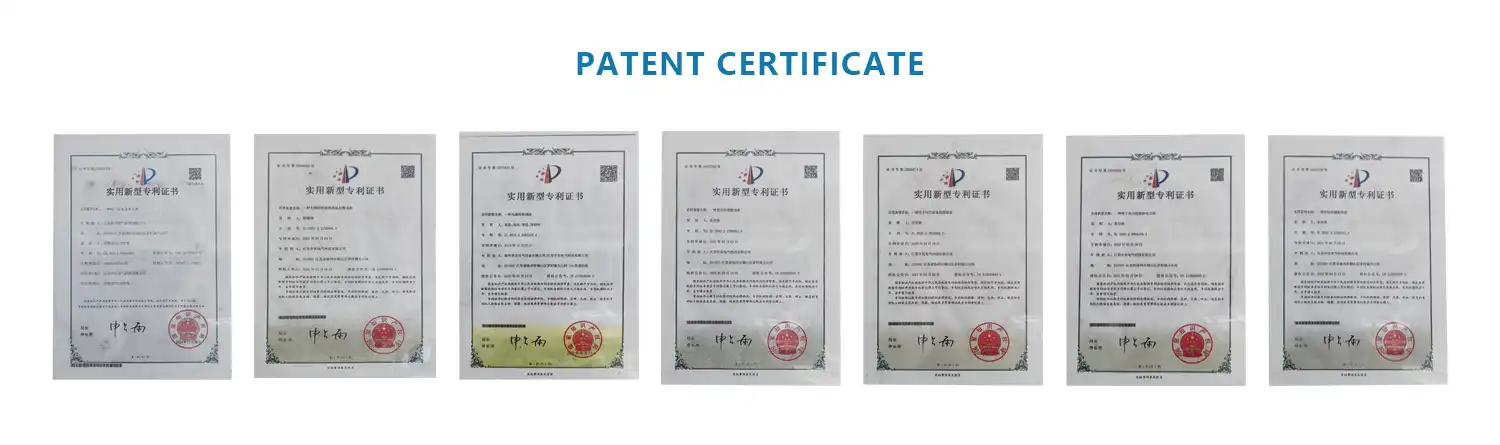
Advanced Amorphous metal dry-type transformers are the best choice for distributing power in business office buildings because they are more reliable, use less energy, and don't need to be maintained. Seventy to eighty per cent less no-load cost brings in a lot of money and helps achieve environmental goals. Our SCBH17 line, which is made with 18 patented innovations and ISO-certified quality systems, has been used successfully in hundreds of projects in the business, industrial, and municipal sectors. With capacities ranging from 30 kVA to 31,500 kVA, these generators can handle jobs of all sizes, and they can also be fully customised to meet specific needs.
FAQ
How do maintenance-free claims translate to actual operational practice?
The term "maintenance-free" means that the Amorphous metal dry-type transformer doesn't need to be inspected for oil, windings, or bushings on a regular basis during its normal working life. Cast resin covering keeps out wetness and contamination. The magnetic features of the flexible core stay stable over time. Some recommended practices are an annual thermographic check and regular load tracking, but these are more like figuring out what's wrong than doing preventative maintenance. Over a 30-year working lifespan, upkeep costs are still very low compared to oil-immersed alternatives that need to be checked for fluid levels regularly and eventually reconditioned.
What energy savings can typical office buildings expect?
When compared to regular silicon steel dry-type units, a 1,500 kVA transformer that works at 30% average load saves about 25,000 kWh per year. At business rates of $0.12/kWh, this saves you $3,000 a year. Benefits are proportionally bigger for bigger buildings with more transformers or higher utilisation factors. When figuring out savings, you should take into account things like local energy rates, real load profiles, and operating hours. Our engineering team helps with buying choices by doing thorough financial analyses.
Which industry standards ensure product quality and performance?
The worldwide standard IEC 60076, the North American standard IEEE C57, and the Chinese standard GB/T 10228 are all met by our Amorphous metal dry-type transformers. No-load losses, temperature rise, and efficiency claims are checked by factory acceptance tests according to IEC 60076-11. Testing for partial discharge according to IEC 60270 shows the stability of the cast resin. IEC 60076-3-based impulse withstand tests prove that the shielding is working together. All paperwork goes with shipments, which makes the legal approval and launching processes easier.
Partner With Tuojie for Your Commercial Office Transformer Solutions
Tuojie has been distributing power for 20 years and has advanced production skills that allow them to provide reliable Amorphous metal dry-type transformer solutions for business office buildings across the country. Our technical team of 15 top engineers offers full support from the original specification stage through commissioning and beyond. We are a recognised manufacturer with ISO 9001, ISO 14001, and OHSAS 45001 credentials. Our 18 patents and over 120 sets of precise production tools help us provide consistent quality. We offer reasonable pricing, reliable lead times, and quick technical support, no matter if your project needs standard catalogue goods or custom solutions for unique uses. You can email our engineering team at tuojie@electricinchina.com or visit electricinchina.com to talk about your unique needs and get full technical offers. We can help with your next business office building project using tried-and-true transformer technology that will save you money on energy costs and last for decades without needing any repairs.
References
1. Institute of Electrical and Electronics Engineers. (2015). IEEE Standard for General Requirements for Liquid-Immersed and Dry-Type Distribution and Power Transformers. IEEE C57.12.01-2015.
2. International Electrotechnical Commission. (2011). Power Transformers - Part 11: Dry-Type Transformers. IEC 60076-11:2018.
3. National Electrical Manufacturers Association. (2019). Energy Efficiency of Distribution Transformers: Standards and Testing Methods. NEMA TP1-2019.
4. McLyman, Colonel Wm. T. (2017). Transformer and Inductor Design Handbook, Fourth Edition. CRC Press.
5. Kulkarni, S.V. and Khaparde, S.A. (2013). Transformer Engineering: Design, Technology, and Diagnostics, Second Edition. CRC Press.
6. Electric Power Research Institute. (2018). Amorphous Core Distribution Transformer Economic Evaluation and Technology Assessment. EPRI Technical Report 3002011816.