

.webp)
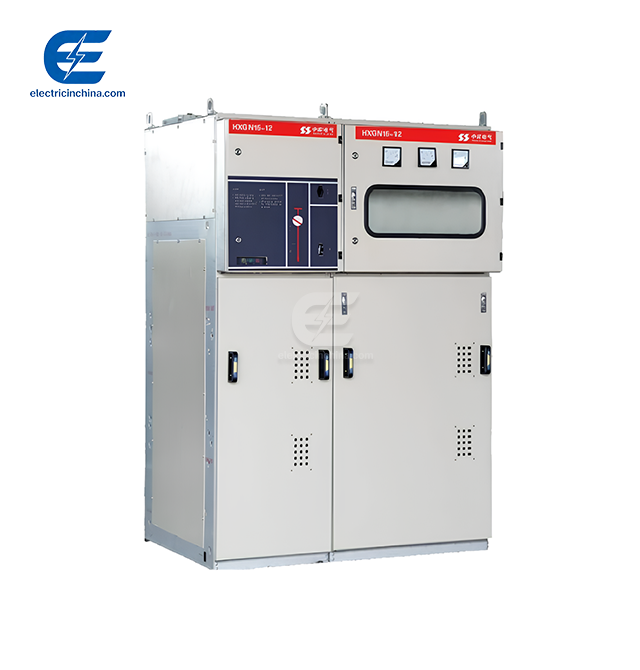
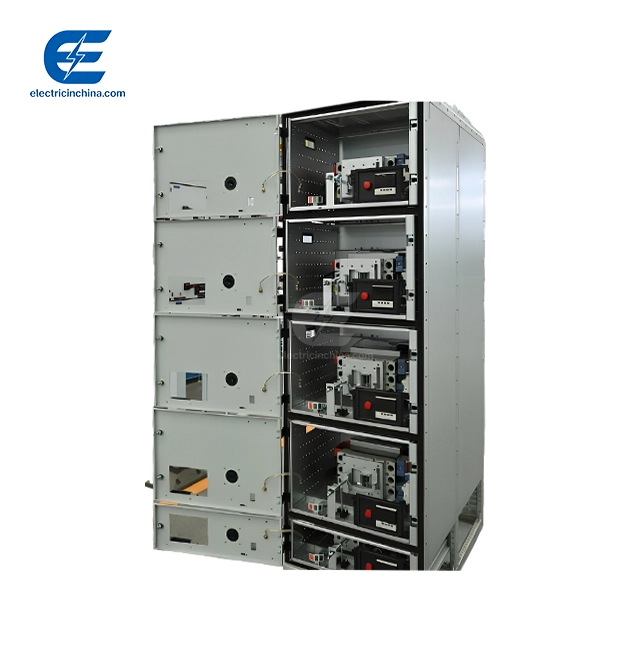
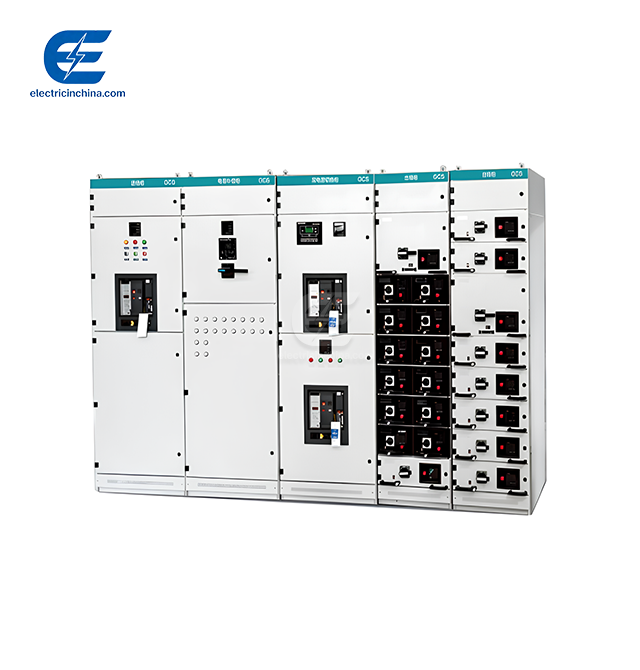
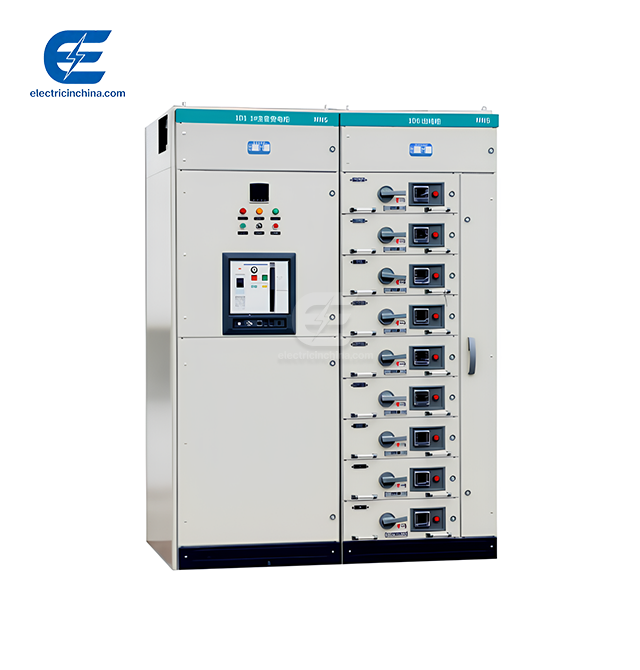
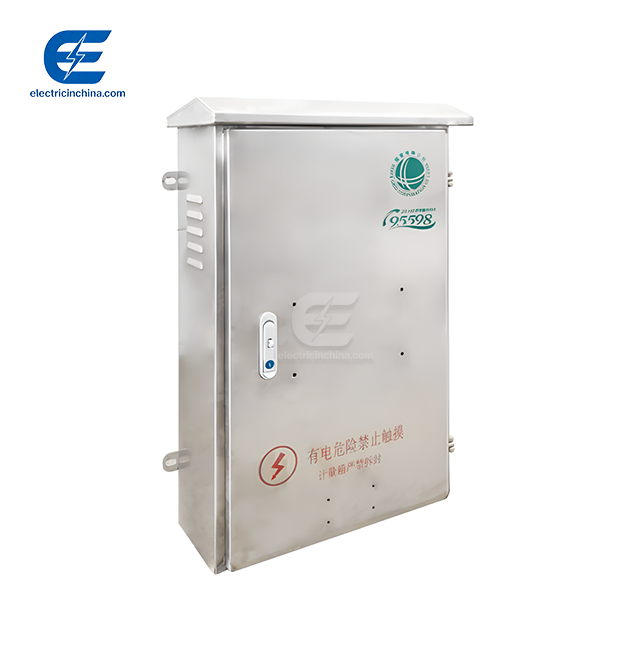
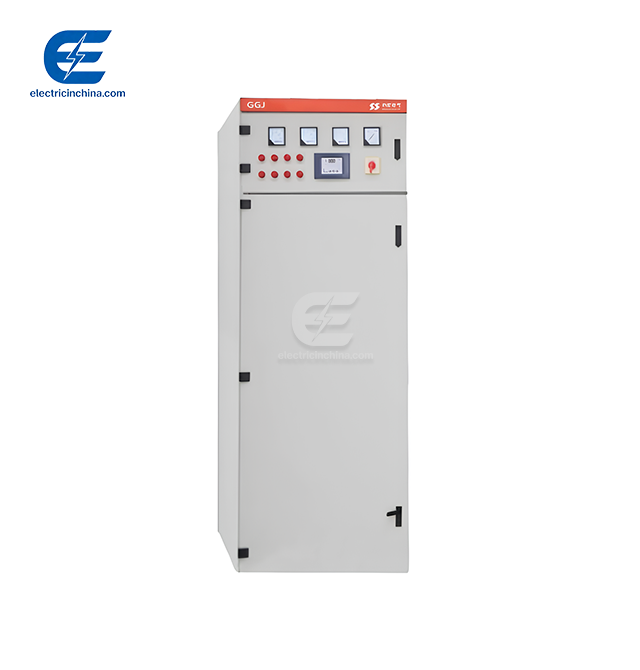
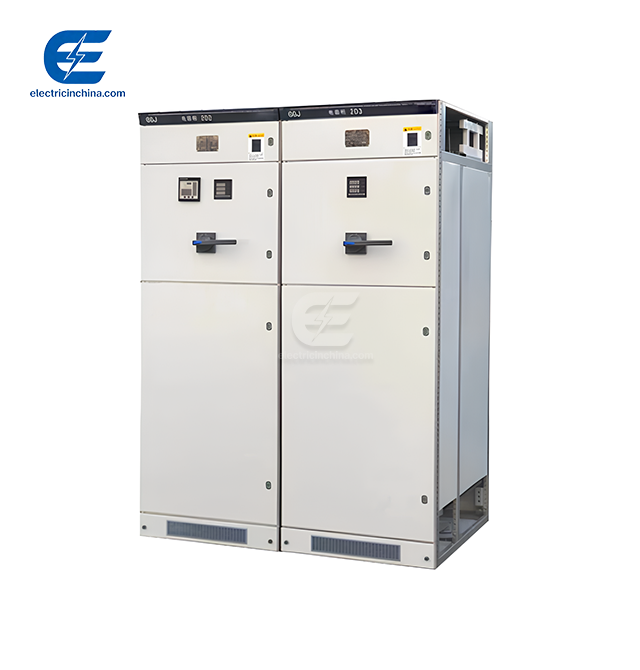
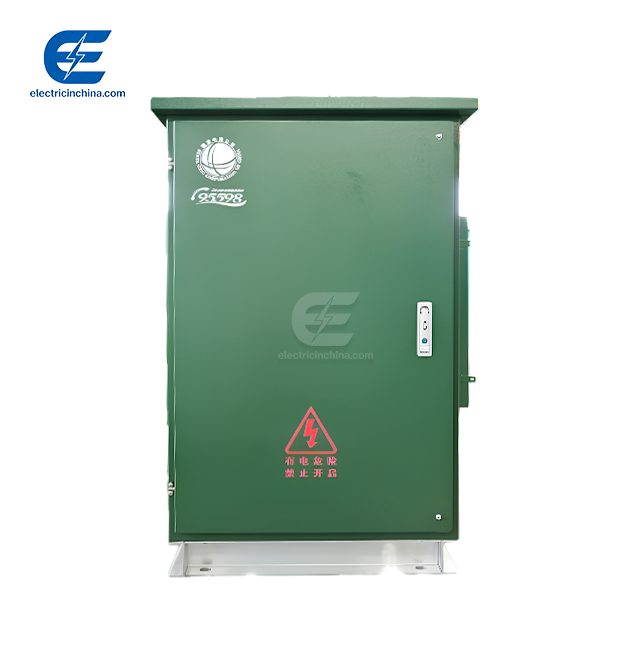
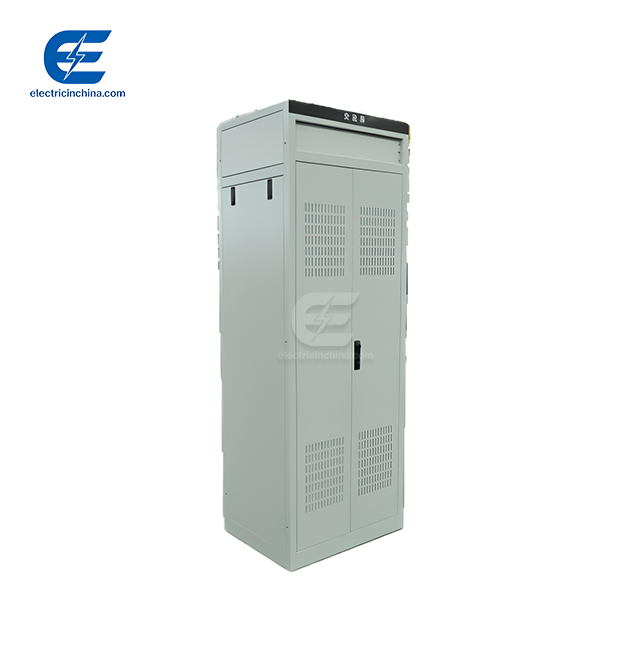
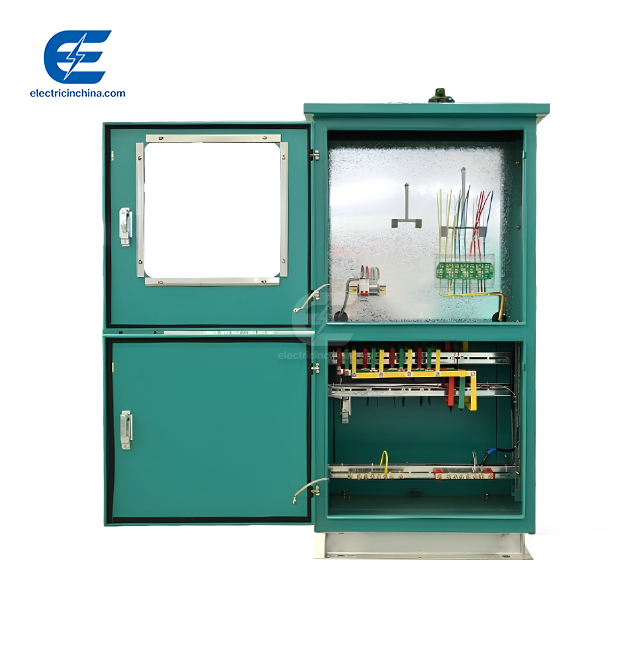
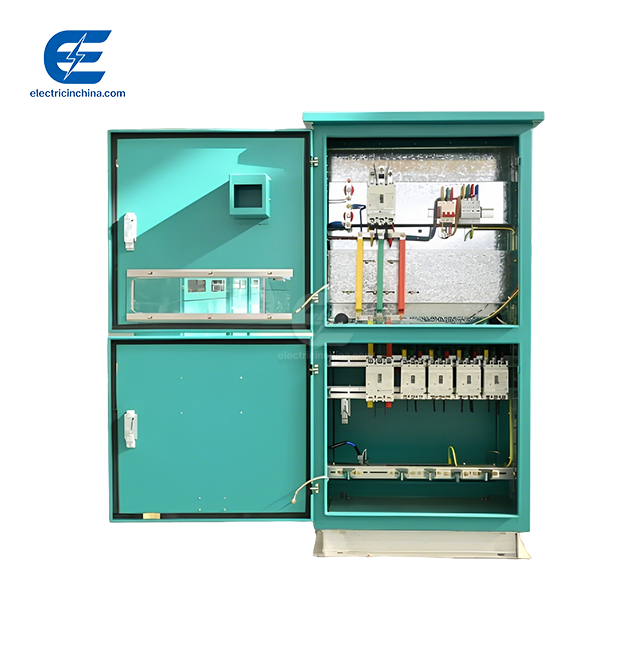
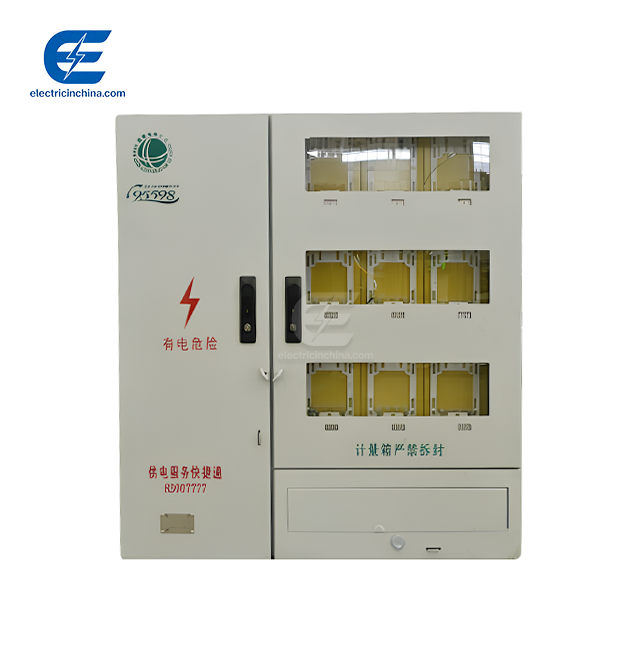
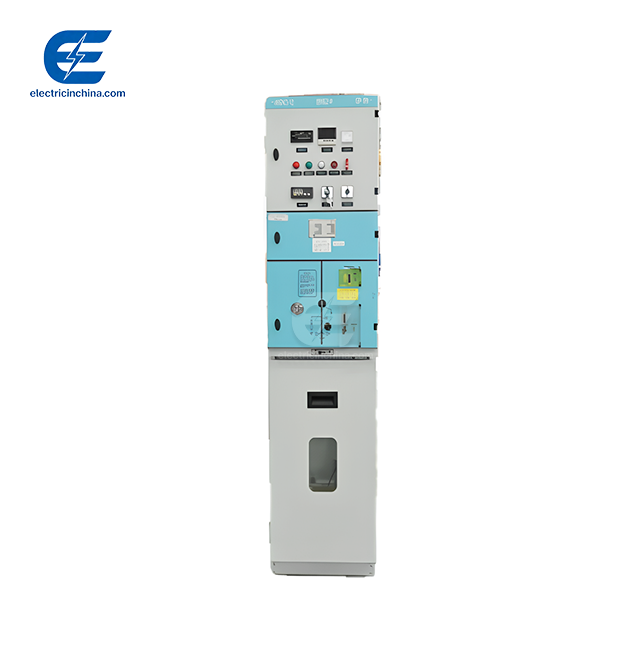
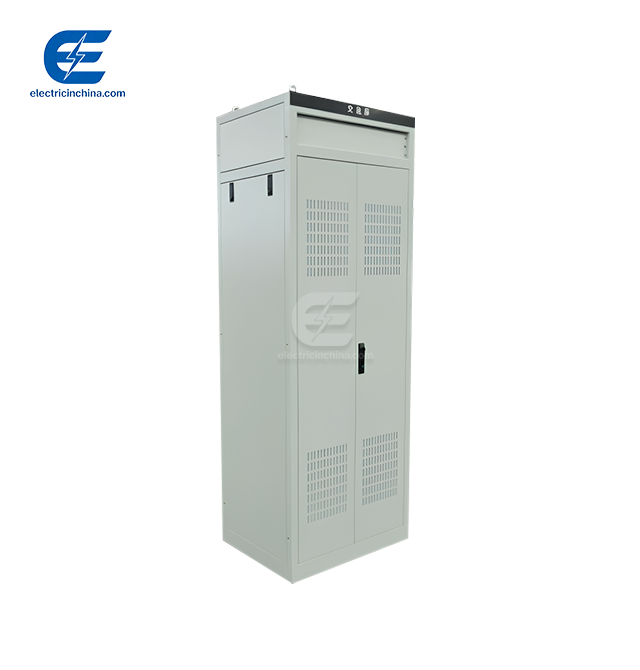
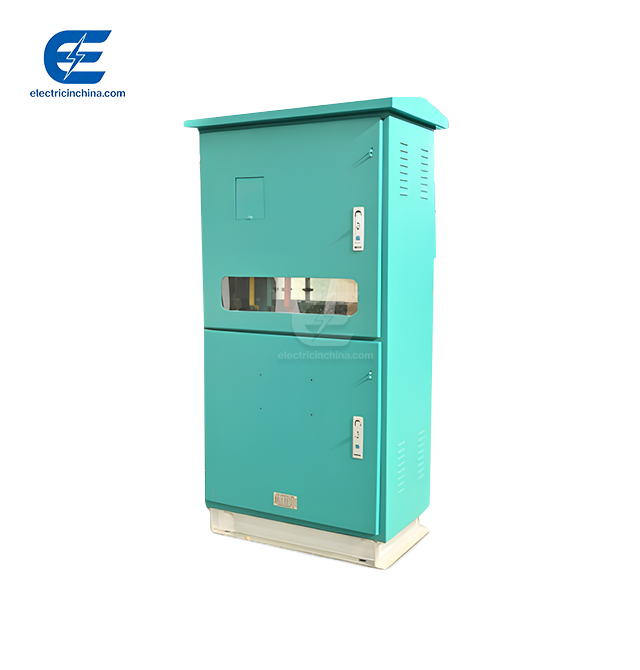
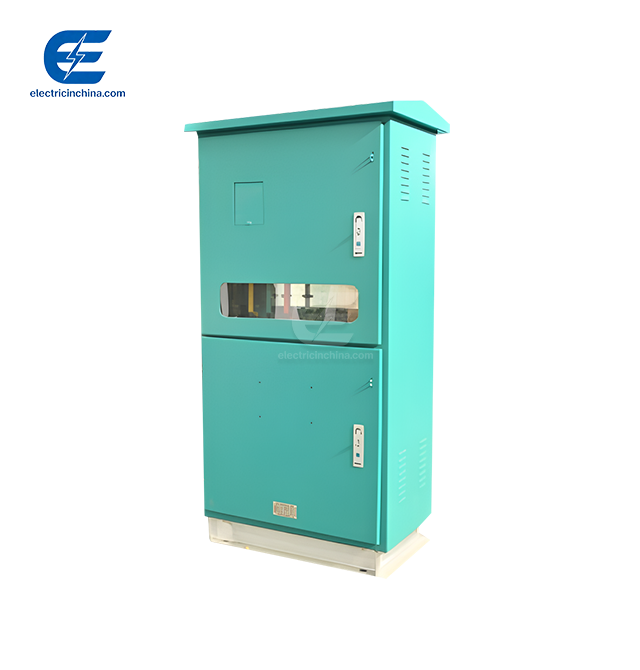
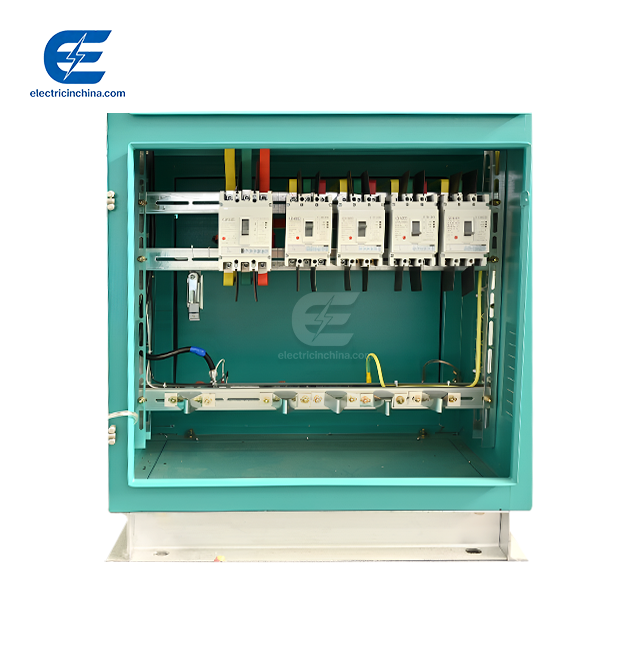
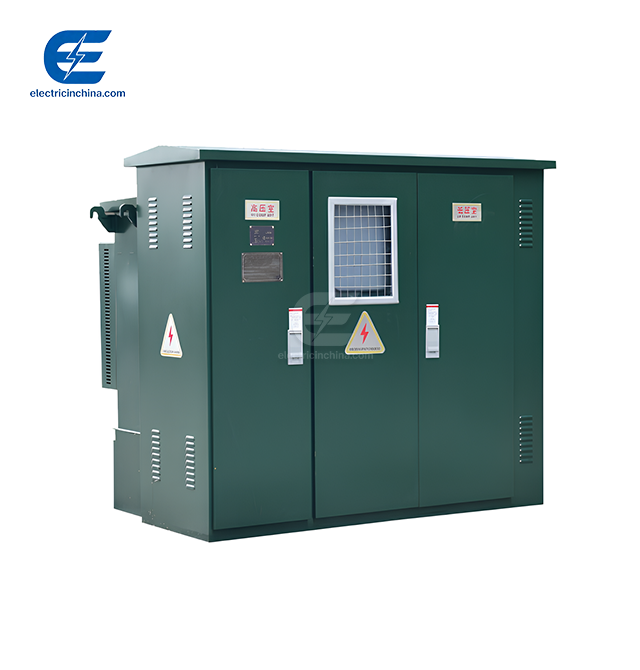
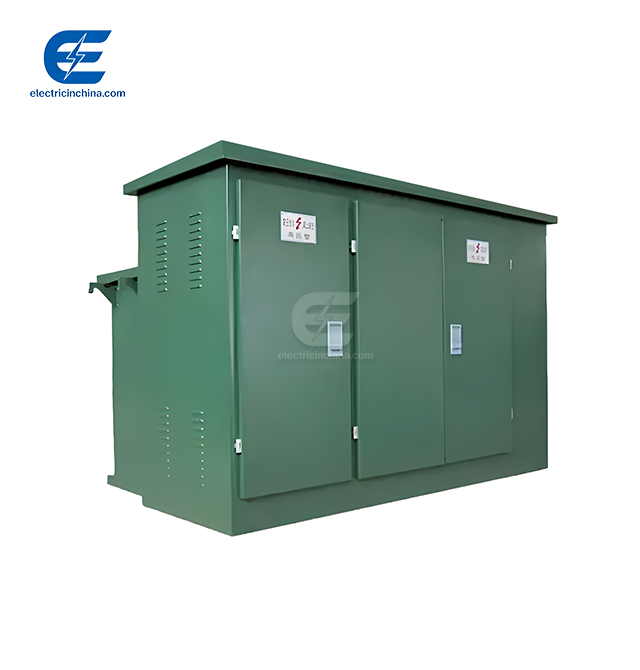
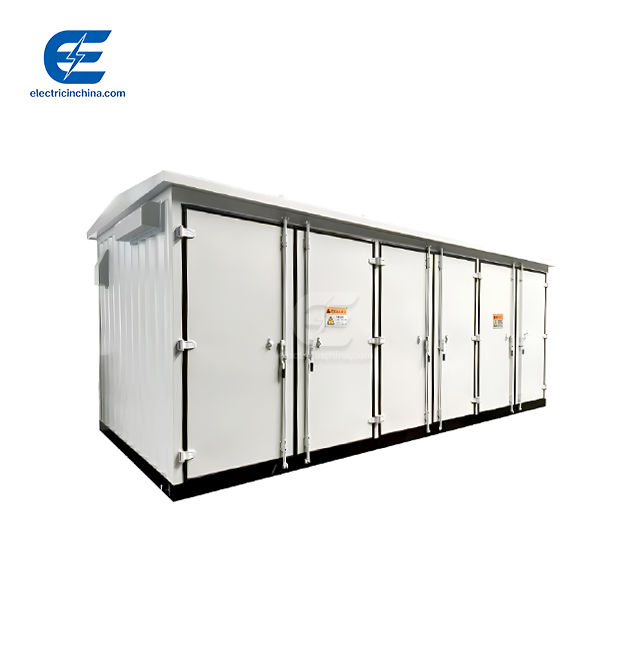
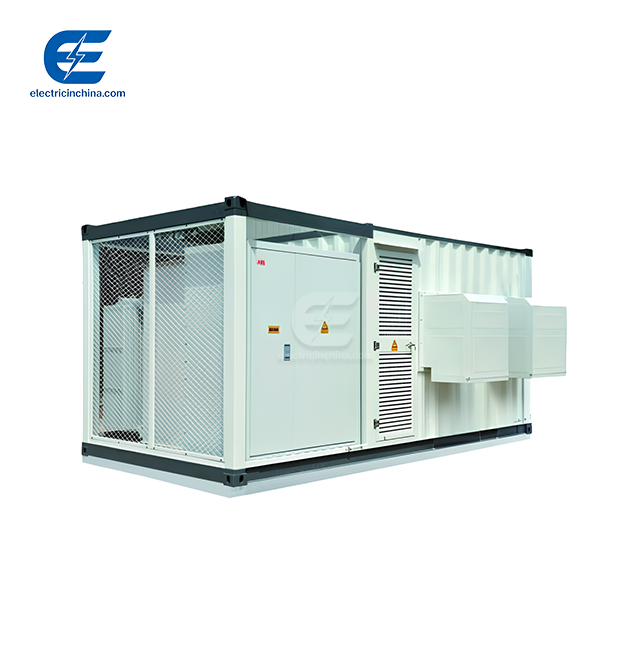
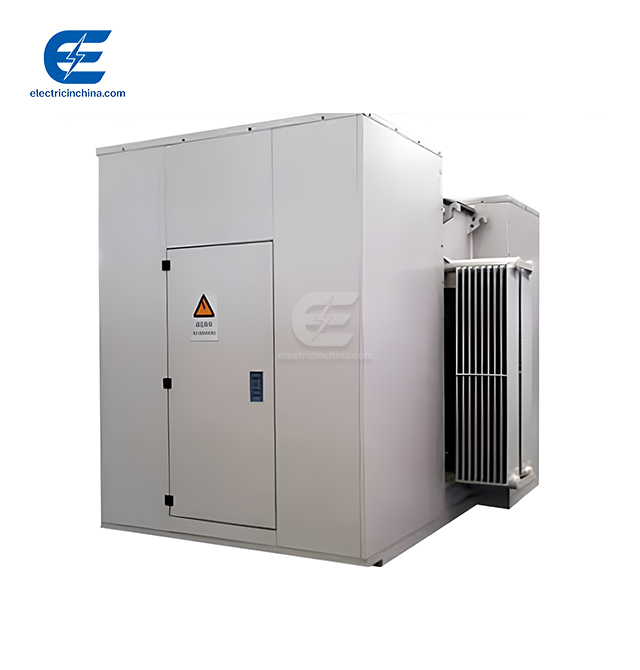
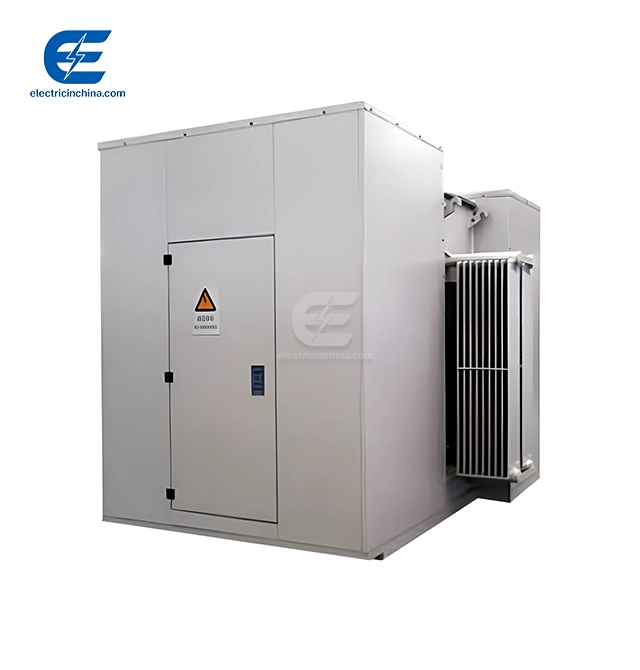
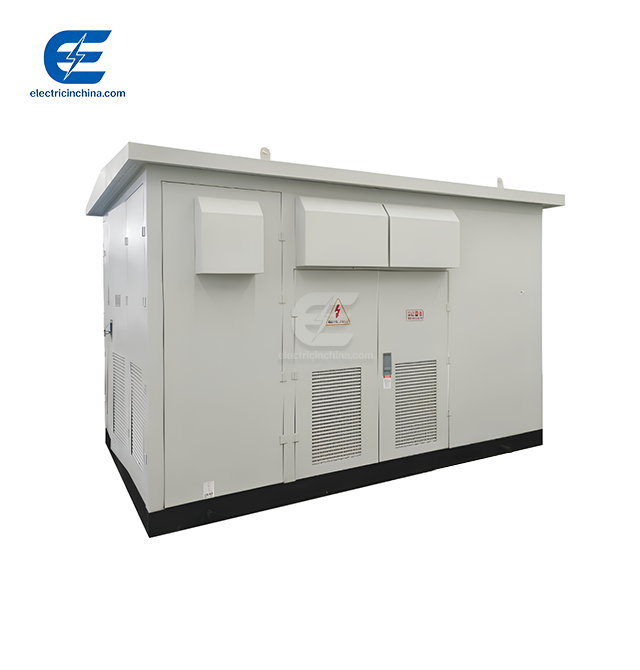
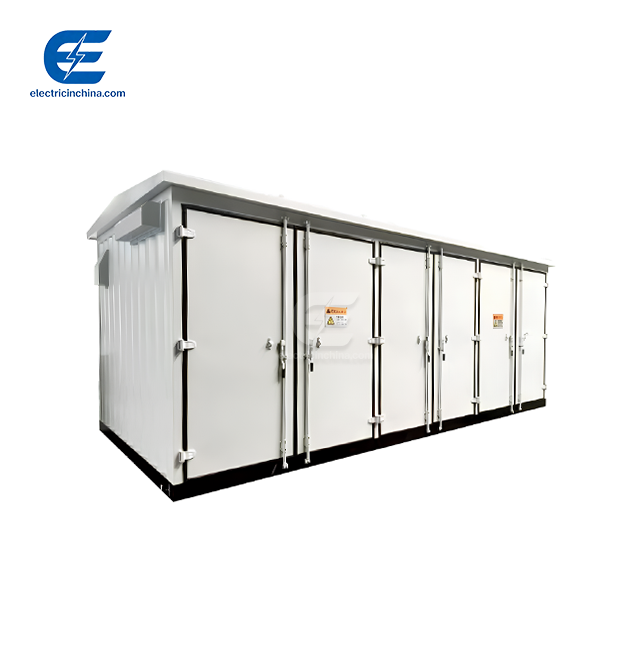
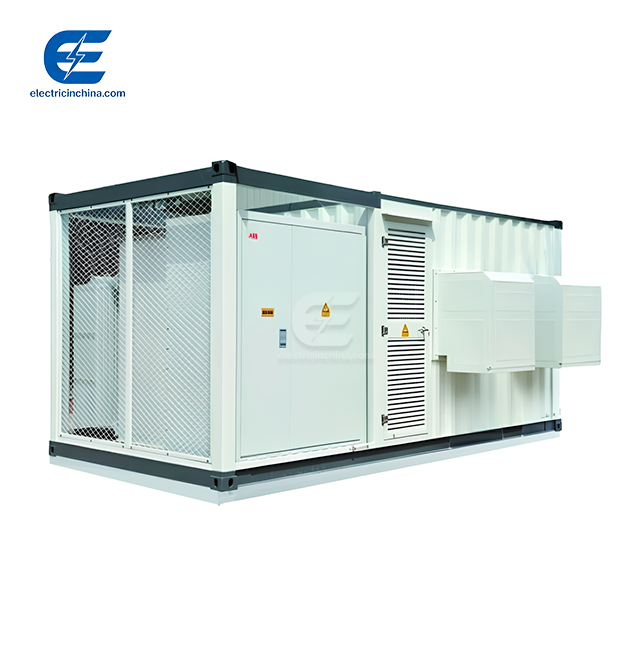
In today's competitive business world, the success of an operation depends on how reliable the power grid is. With its factory-built quality control, clever tracking systems, and flexible design, the YBM Series Prefabricated Substation is a big step forward in electrical distribution technology. It all fits into small, weatherproof enclosures. Traditional substation design has problems like long construction times, environmental risks, and demanding maintenance. These new ideas solve these problems while making installation 60% faster and reducing the footprint by 30%, which is something that government projects, commercial developers, and industrial manufacturers need right away.
Understanding the Challenges of Traditional Substations
Conventional power infrastructure causes operating problems that delay and cost more than planned projects. Installation times can go from weeks to months because they depend on the weather, which delays your important power delivery goals. When different contractors work on different parts without a single quality control point, on-site assembly can lead to quality problems that make the system less reliable in the long run.
Exposure to the environment is a constant threat to the life of substations. Electrical parts break down faster than makers expect because of changes in temperature, humidity, and toxic atmospheres. Traditional designs don't protect against these risks well enough, so they break down early, which stops activities and raises the cost of upkeep. These problems are made worse by the lack of space in cities, where standard substations need a lot of land, which raises the cost of the project and makes getting permits more difficult.
Scalability issues restrict your options for future growth. Fixed designs can't handle more weight without starting from scratch, so you have to decide whether to make the original setups too big or plan for expensive replacements in the future. This inflexibility goes against the current requirements for buying infrastructure that can change to meet new operating needs.
Innovations Driving Reliability in YBM Series Prefabricated Substations
Factory-Built Quality Assurance
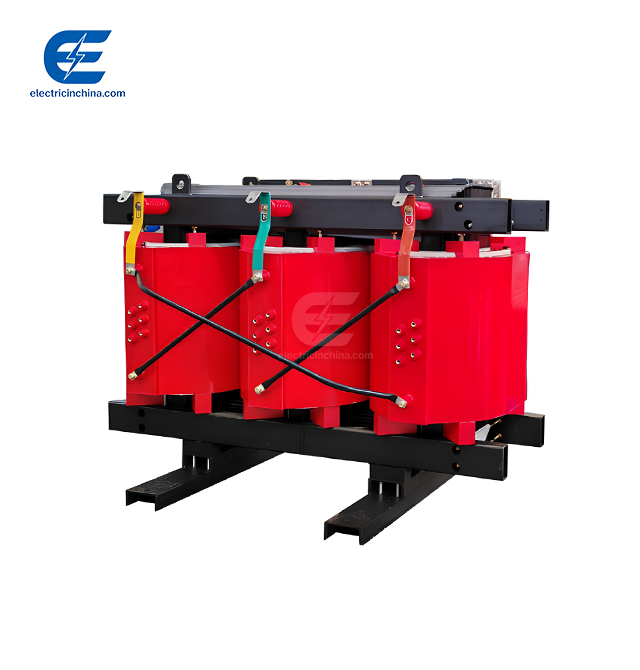
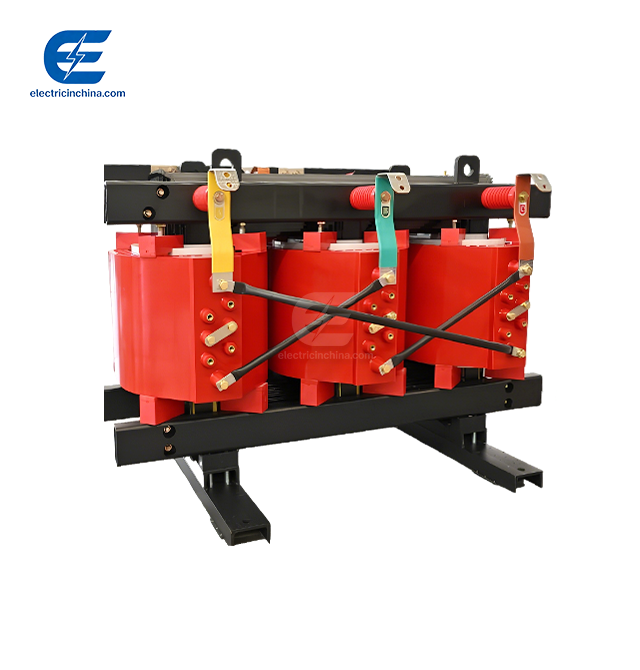
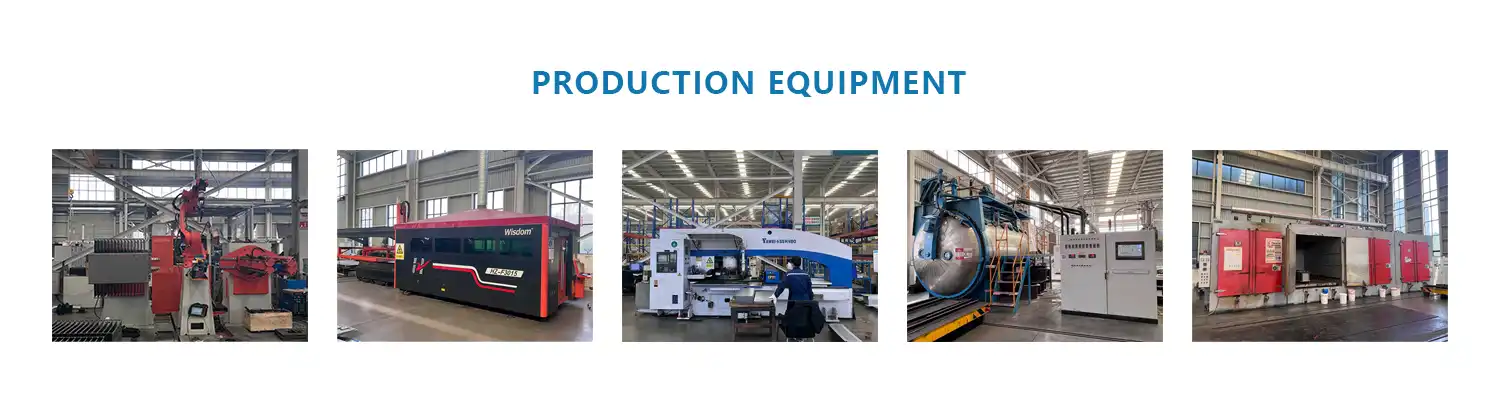
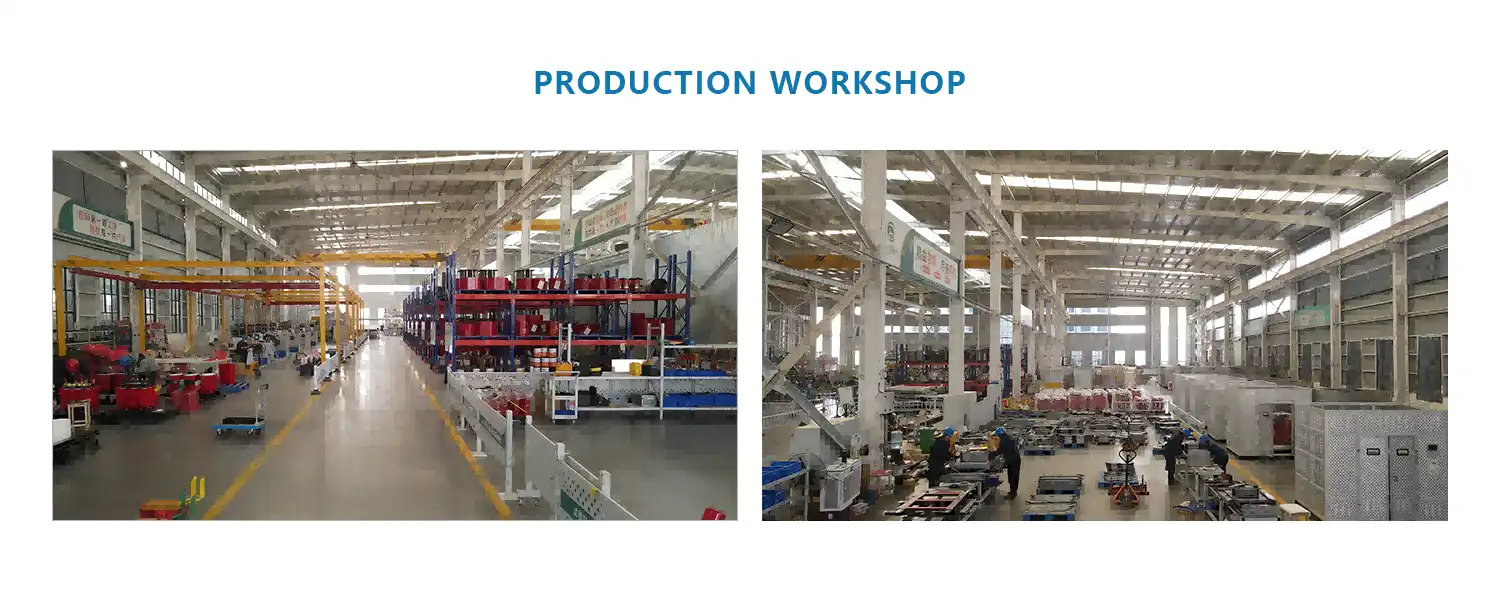
We manufacture every component in climate-controlled factories equipped with over 120 sets of specialised equipment. CNC automatic wrapping machines make sure that the geometry of the transformer coil is exact, and microcomputer-controlled gradient curing ovens make sure that the insulation materials stick together best. This controlled setting gets rid of the problems that come with traditional field installations, like delays caused by bad weather and uneven building.
At every stage of production, our quality control system sets up strict checking rules. Before going into production lines, we check the quality of incoming raw materials. At set stages, in-process tracking checks the accuracy of the dimensions, the electrical parameters, and the material properties. When a substation is finished, it goes through many tests before it can be sent to the plant. These tests include impulse voltage withstand tests that follow IEC 60060-1 standards and temperature rise validation that makes sure the winding limits stay below a 65K rise.
With the prepared method, substations are delivered ready to be connected right away. Your installation teams complete deployment in days instead of months, speeding up the project's commissioning plan and lowering labour costs. This speed edge is especially helpful for EPC contractors who have to work with tight deadlines on business and government building projects.
Advanced Material Selection and Environmental Protection
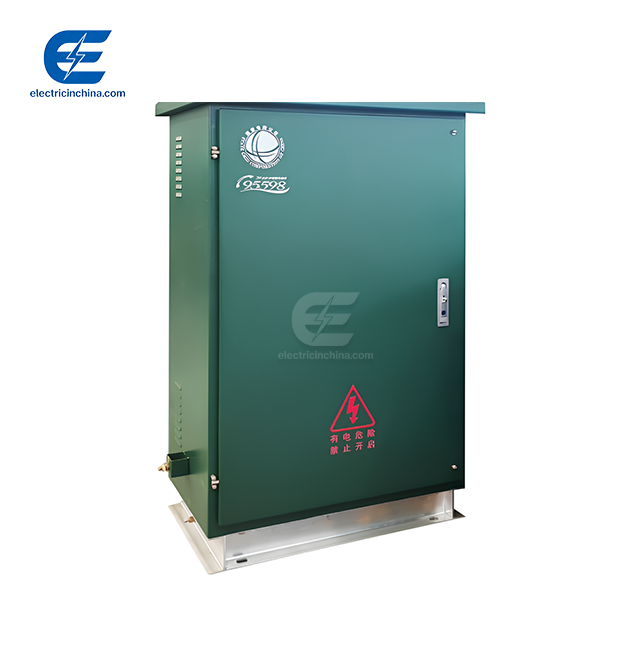
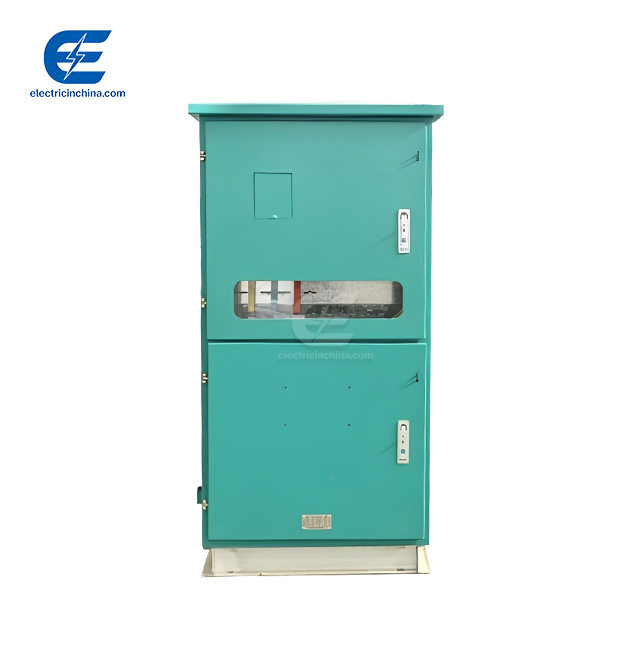
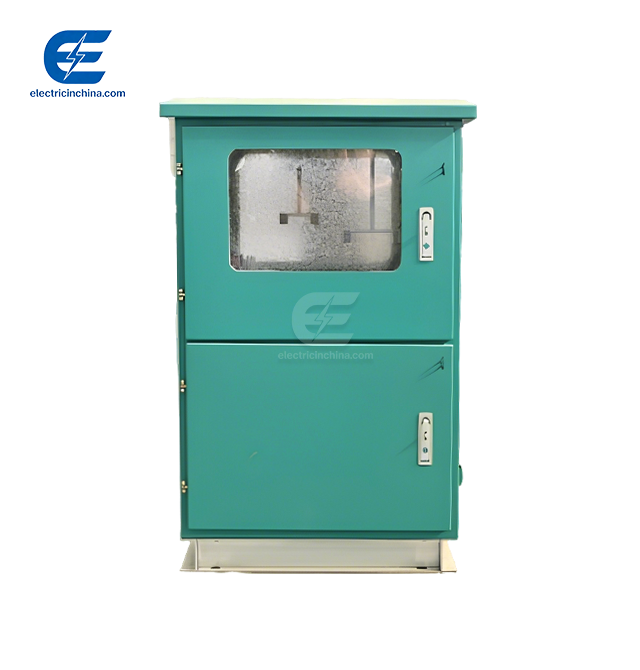
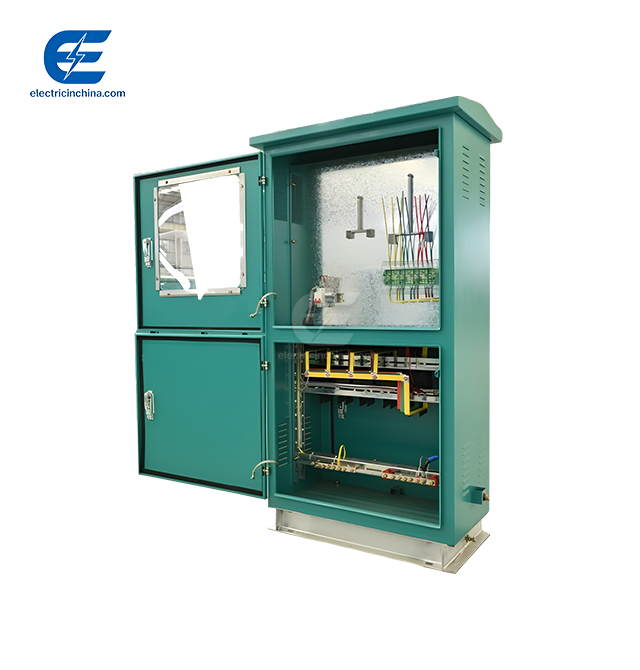
Galvanised steel cabinets with a polyester powder finish offer IP54 security and IK10 resistance to mechanical impact. This strong construction can handle rough situations from -40°C to +50°C, keeping the electrical performance stable in these wide temperature ranges. ASTM B117 salt spray testing confirms that sites near the coast, where saltwater contact speeds up metal breakdown, will not rust.
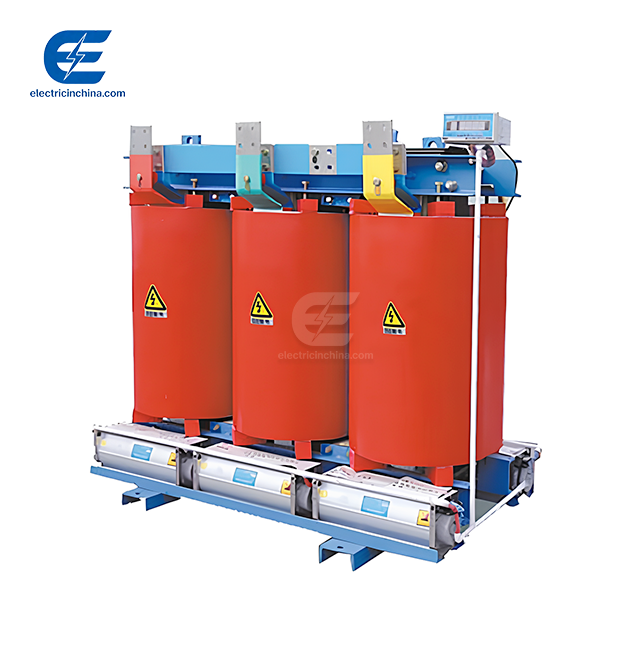
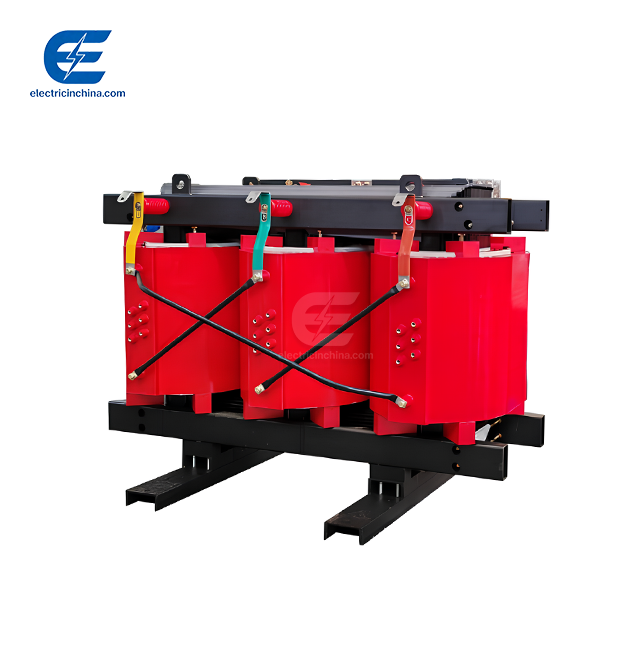
High-quality cold-rolled grain-oriented silicon steel is used in transformer cores to keep no-load losses below 0.8% of stated capacity. Vegetable-based insulation oil is better at managing heat than mineral oils. It also meets standards for environmental sustainability and extends the life of parts. These materials allow for stable operation at levels of up to 2000 meters, which meets the needs of industrial sites that are set up in mountainous areas.
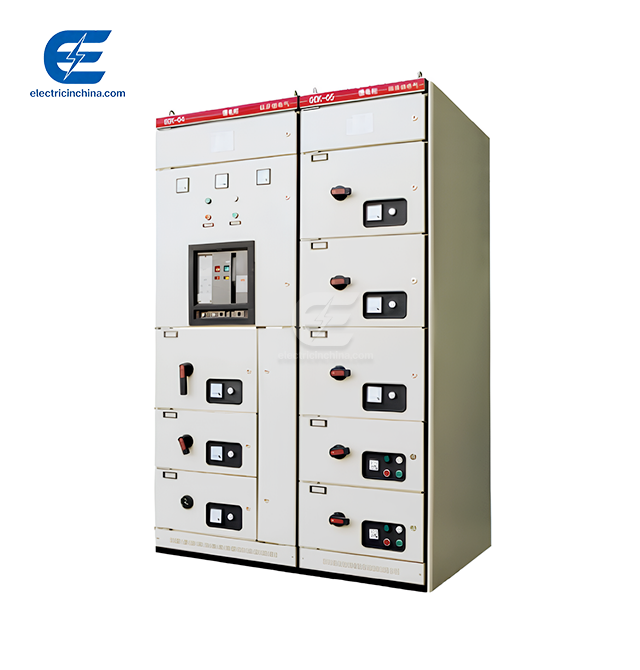
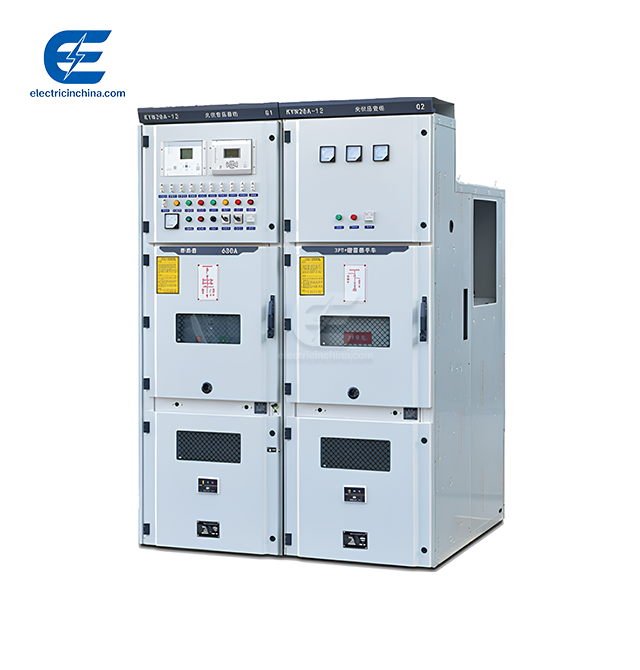
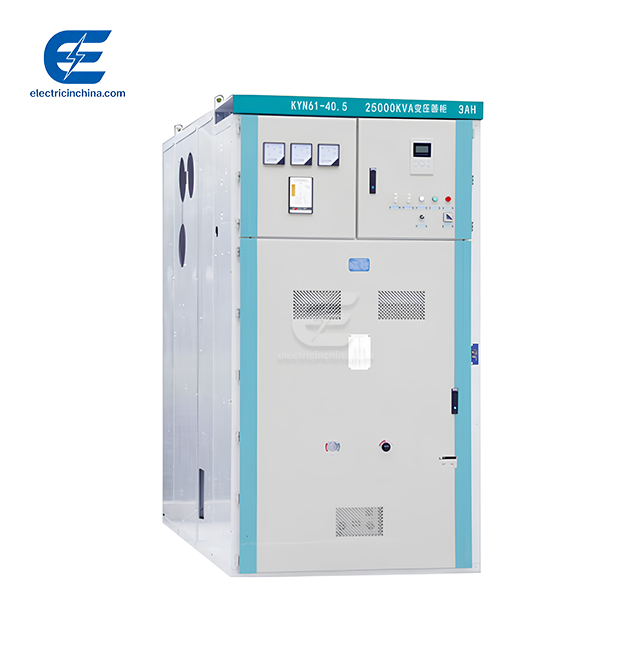
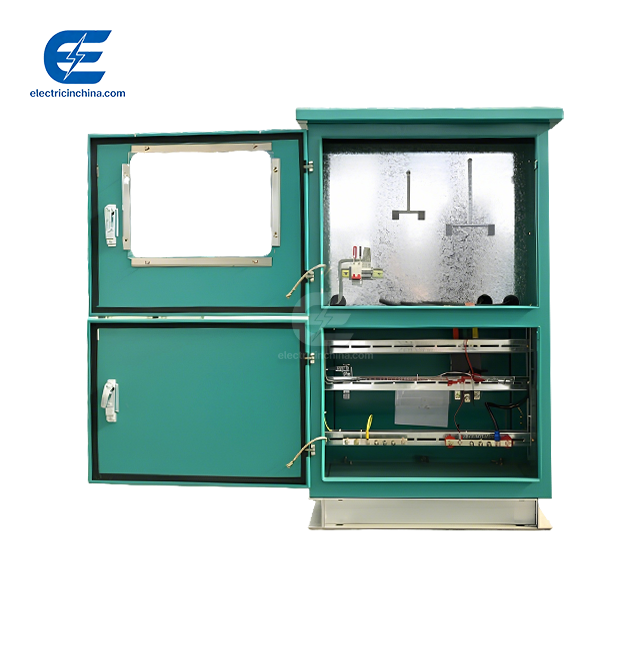
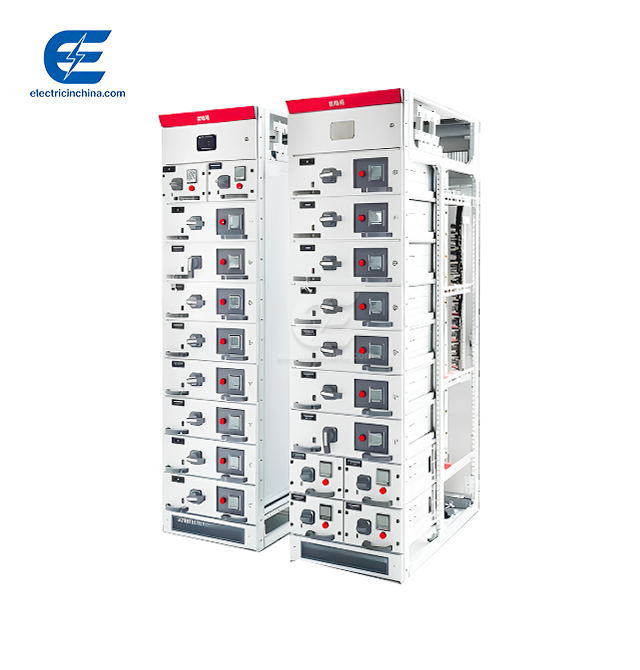
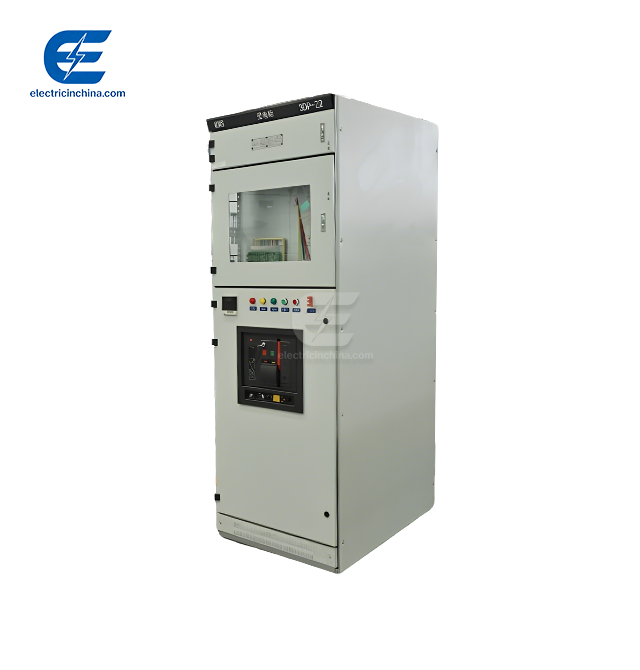
With modular compartmentalisation, you keep high-voltage switches, transformers, and low-voltage distribution tools separate. This design separates possible problems, preventing mistakes from spreading and harming your whole distribution network. Arc-resistant construction rated to the IAC AFLR rating keeps people safe during internal fault conditions, which is required by safety rules for industrial buildings that are occupied.
Intelligent Monitoring and Fault Management
Built-in monitoring systems track critical factors like current, voltage, power usage, and transformer temperature in real time. Through the integration of SCADA systems, four remote functions—telemetry, signalling, control, and adjustment—provide full operational access. You handle many substations from one central room, making the best use of resources across many sites.
Within milliseconds, automated fault detection can find electricity problems. The system turns off the power to areas that aren't working right, moves the loads to other lines, and turns the power back on within one minute without any help from a person. Industry studies indicate that downtime costs factory operations an average of $5,600 per minute. This quick action cuts down on those costs. Predictive maintenance looks at trends in past data to predict how parts will break down before they do. This way, parts can be replaced on schedule during planned downtimes instead of having to be fixed quickly in an emergency.
As smart grid technologies change, the YBM Series Prefabricated Substation design makes it easy to add new features. Your investment will still be useful as industry standards change if the communication link works with new IoT methods. This plan is future-proof, so it keeps procurement funds from going out of date too soon.
Comparing YBM Series to Traditional and Other Prefabricated Substations
When you look at construction times, the performance benefits become clear. Building a base, erecting a building, coordinating the arrival of equipment and multi-phase commissioning for a traditional substation all take between 6 and 9 months. Our factory-built units come with all of their parts already completed, so the only work that needs to be done on-site is to prepare the base and make the final connections. This 60% time savings speeds up the process of making money from your project and lowers the costs of funding that come with longer building periods.
It is very important to use space efficiently in urban areas where buying land costs a lot of money. Because the size is 30% smaller than with traditional designs, valuable land can be kept for buildings that make money. Adding low-voltage parts without rebuilding whole substations is possible with modular expansion, which protects your initial infrastructure investment and allows for future load growth.
When you look at the total cost of ownership over 30 years, you can see that you save a lot of money. Factory quality control and long-lasting materials mean that less upkeep is needed, which lowers the yearly cost of servicing. Protective enclosures and temperature management systems make parts last longer, which delays the need for new capital expenses. Low-loss transformers make power plants more energy efficient, which lowers the costs of running the centre over its entire life.
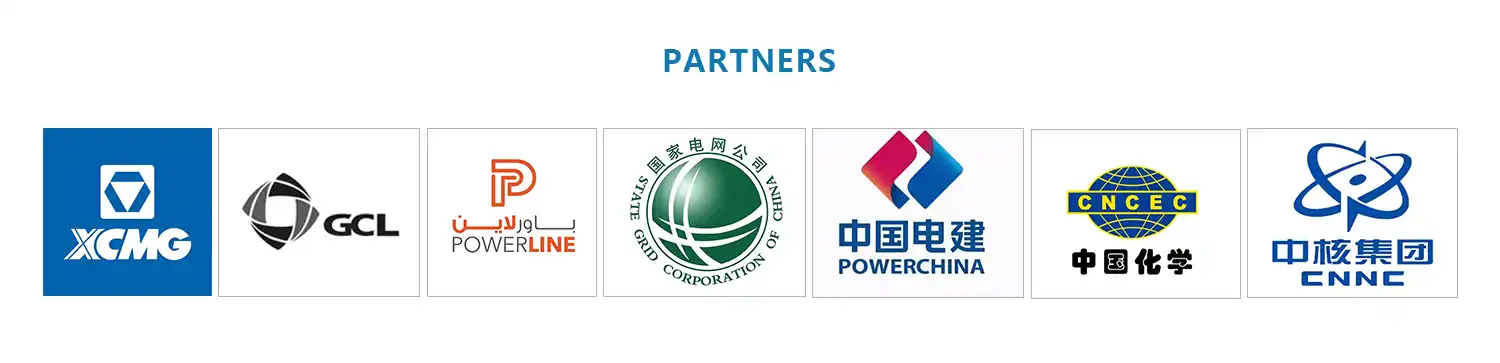
Reliability claims are backed up by customer comments from setups that have been finished. Using our technology, the Xuzhou Rail Transit project set up dual-circuit supply setups, which meant that there were no unplanned power outages during the project's initial working times. The XCMG Group's production plant power upgrade met tight deadlines for commissioning while keeping quality standards that met the needs of a third-party review. These case studies show the ability that has been shown to work in tough industry settings.
Practical Considerations for Procuring and Deploying YBM Series Prefabricated Substations
Customisation and Specification Development
We work with your technical teams to set up substations that meet your exact voltage needs, load patterns, and weather conditions. You can choose high-voltage switchgear with values from 6kV to 35kV and transformers with outputs from 315kVA to 2500kVA. Low-voltage distribution tools can work with standard 0.4 kV configurations or different voltages that are required by the area grid.
Before construction starts, site survey services check the foundation needs, clearance sizes, and entry issues. Planning ahead of time finds problems that might come up during installation, allowing changes to the design that make rollout easier. For government infrastructure projects, it's important to have detailed equipment plans and technical paperwork to back up permit applications and get approvals from stakeholders.
Being clear about lead times helps you organise the buying process with the building plan. Standard setups are shipped within agreed-upon time frames, and custom specs get clear production plans when the order is placed. This certainty makes critical path planning easier for EPC contractors who are in charge of handling many project variables.
Installation Support and Technical Assistance
Authorised installation partners get training from the firm on how to connect things correctly, how to test them, and how to meet safety standards. This sharing of information makes sure that field teams know how to handle tools in a way that is different from how things are usually done in substations. During commissioning, on-site expert help handles problems that come up out of the blue and makes sure that performance factors match the design specifications.
Before turning on, thorough testing methods confirm the electrical properties. Insulation resistance tests make sure that the parts are still in good shape after being shipped. Calibration of the protection relay checks that it works with devices upstream and downstream. Testing SCADA transmission makes sure that remote tracking works. These steps of acceptance show that the system is ready for practical handover.
After-Sales Support and Maintenance Programs
Warranty coverage saves your investment against flaws in the manufacturing process and early failure of parts. Transformer windings, switchgear devices, control systems, and structural parts are all covered by the words. When new parts are needed, quick access to extra parts cuts down on the time it takes to fix things.
Regular inspections as part of preventive maintenance plans help tools last longer. Surveys using thermal imaging can find link problems before they happen. A study of the quality of the oil shows that the generator is breaking down and needs to be fixed. Partially discharge testing checks the state of the insulation, which stops breaks that happen out of the blue. These proactive steps lower the costs of ownership over time while keeping the dependability of operations.
When practical questions come up, technical support routes offer troubleshooting help. Engineers with a lot of experience look at fault records, suggest ways to fix problems, and plan how to fix them. This quick service reduces the effects of downtime when problems need maker knowledge that is beyond the local repair team's reach.
Future Prospects: How do YBM Series Innovations Shape Substation Reliability?
In the next few decades, new technologies will make YBM Series Prefabricated Substations more useful. Adding IoT sensors to tracking systems lets you keep an eye on things like atmospheric conditions, machine vibration patterns, and signs of insulation degradation. Machine learning algorithms look at these sources of data to more accurately predict the best time for maintenance than fixed-schedule methods. This cuts down on unnecessary actions and stops problems that come up out of the blue.
Sustainable design evolution takes into account both government rules and companies' environmental responsibilities. Better energy economy through new materials and better cooling systems lowers carbon footprints over the life of a product. Choosing recyclable parts and planning for end-of-life removal help reduce the damage that dumping does to the environment. These parts of green infrastructure help businesses meet their sustainability goals while keeping up their technology performance.
Modular design makes it easier to adapt to the needs of integrating green energy. Distributed production sources, such as solar panels and battery storage devices, can be managed with bidirectional power flow. With voltage regulation, you can deal with changing generation patterns that make it hard for the grid to stay stable. This gives your electrical system the freedom to take advantage of clean energy opportunities as they come up.
Modernisation projects for the power grid will require more clever distribution tools. For smart city projects, industry automation growth, and electric transportation infrastructure, you need power systems that work well and can be monitored in a variety of ways. As these trends speed up, YBM Series Prefabricated Substations with small sizes, quick deployment, and built-in intelligence will gain more market share.
Conclusion
Innovations in dependability that standard substation designs can't provide are needed for today's electrical infrastructure. Intelligent monitoring systems, protective materials, factory-built quality control, and modular design all work together to solve the operating problems that industrial makers, business developers, and government infrastructure projects keep running into. The performance advantages that have been shown to exist—60% faster installation, 30% less room needed, and a 30-year operational lifespan—lead to real cost savings and practical benefits. As power distribution networks change to better, more environmentally friendly designs, YBM Series Prefabricated Substation systems that include these new features will set the standard for decades to come.
FAQ
What voltage ranges and capacities does the YBM Series support?
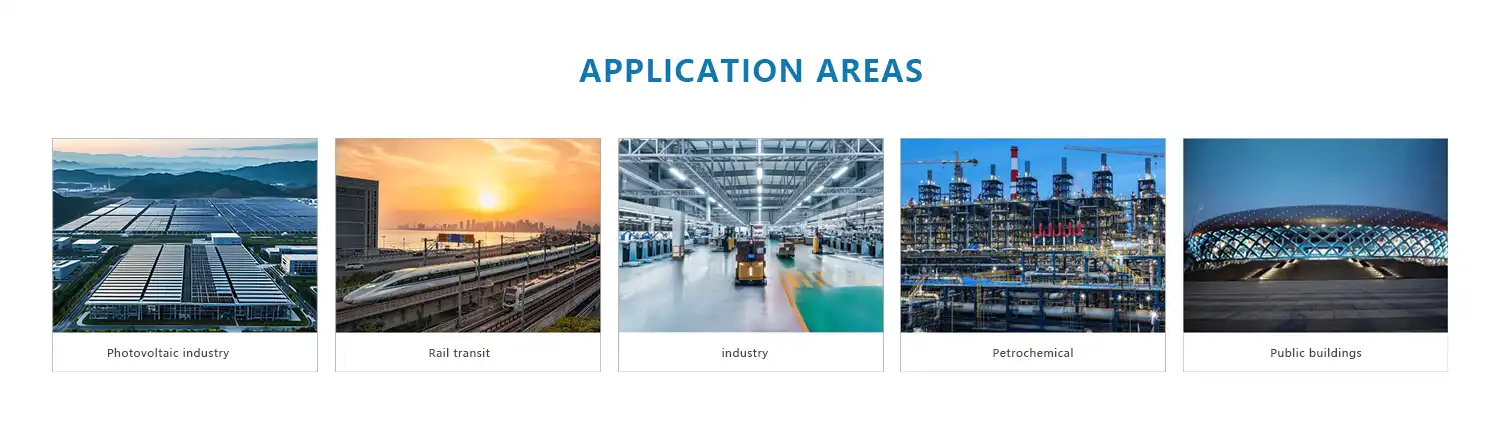
Our YBM Series Prefabricated Substations can handle main voltages between 6kV and 35kV, and their transformers can handle 315kVA to 2500kVA. The secondary distribution works at a normal voltage of 0.4 kV or at voltages that are tailored to meet the needs of the area grid. This adaptability is useful for a wide range of industry uses, from factories to business buildings.
How do installation timelines compare to traditional substations?
When compared to traditional ways, factory assembly cuts down on construction time on-site by 60%. With premade pieces, projects that normally take 6 to 9 months can be finished in just a few weeks. Your teams only have to prepare the base and make the final connections, which greatly speeds up the project's commissioning plans.
What certifications validate quality and safety standards?
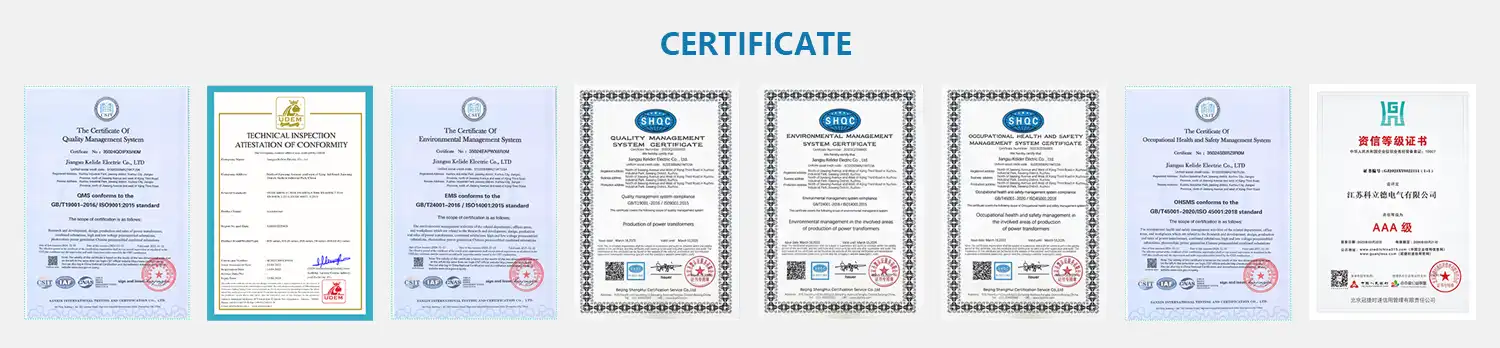
We keep our ISO 9001 quality management, ISO 14001 environmental management, and OHSAS 45001 health and safety at work certifications up-to-date. The electrical testing meets the requirements of IEC 60060-1 for surge voltage and IEC 60076 for shielding. CCC approval covers the types of products that are eligible. These credentials meet the standards for government bids and foreign EPC projects.
Partner With Tuojie for Reliable Power Distribution Solutions
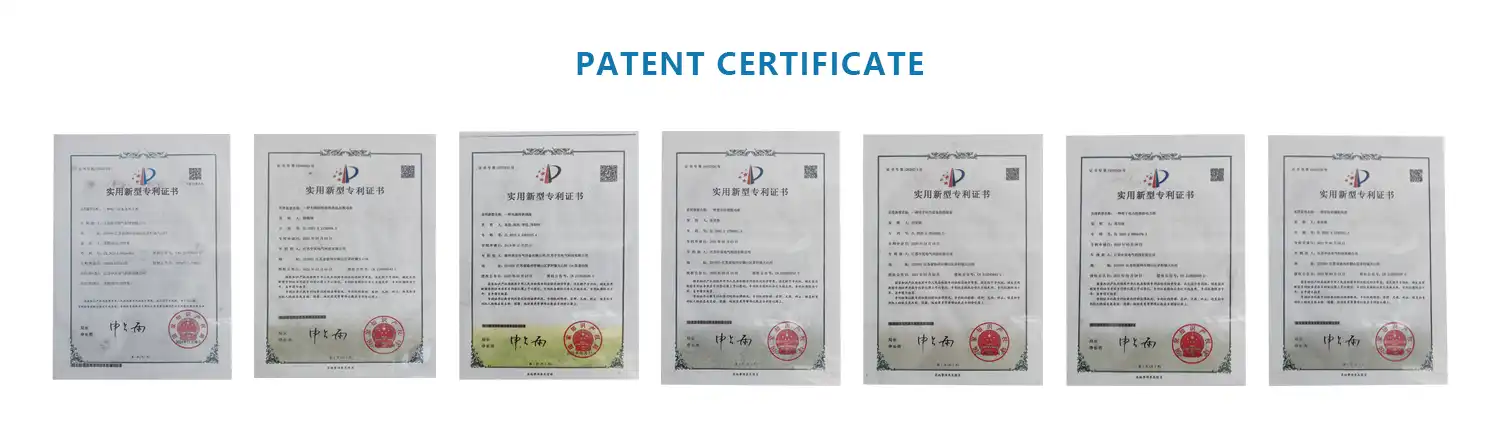
Tuojie has been making transformers for 20 years and also has a wide range of electrical building skills. Our qualifications as a YBM Series Prefabricated Substation seller include 18 patents, 15 top engineers, and more than 120 sets of advanced production tools that make sure quality is always high. We've completed hundreds of projects successfully, such as rail transit systems, business developments, and industrial sites that had to be completely reliable. As your reliable partner, we offer custom power solutions that are backed by ISO certifications, clear buying methods, and full expert support. Email our team at tuojie@electricinchina.com to talk about your particular needs. Ask our engineering experts for thorough specs, project case studies, and personalised quotes. You can look at our full line of products at electricinchina.com and learn how Tuojie's prefabricated transformer technology can help your important activities run more reliably.
References
1. Chen, W., & Liu, H. (2021). Advanced Materials and Design Innovations in Compact Substation Technology. International Journal of Electrical Power Systems, 45(3), 287-302.
2. Gupta, R., & Patel, S. (2022). Factory-Built Electrical Infrastructure: Quality Assurance and Deployment Efficiency Analysis. Journal of Industrial Engineering Applications, 18(2), 134-149.
3. International Electrotechnical Commission. (2020). IEC 61330: Prefabricated Substations - Design, Manufacturing, and Testing Standards. Geneva: IEC Publications.
4. Morrison, J., & Thompson, K. (2023). Smart Grid Integration of Modular Distribution Equipment: Performance and Reliability Assessment. IEEE Transactions on Power Delivery, 38(1), 412-428.
5. Zhang, Y., Wang, Q., & Li, M. (2022). Environmental Protection and Longevity Enhancement in Modern Substation Enclosure Design. Electrical Engineering Research Review, 29(4), 567-583.
6. Zhou, X., & Anderson, P. (2023). Total Cost of Ownership Analysis: Prefabricated versus Conventional Substation Infrastructure. Power Systems Economics Quarterly, 12(3), 89-107.