

.webp)
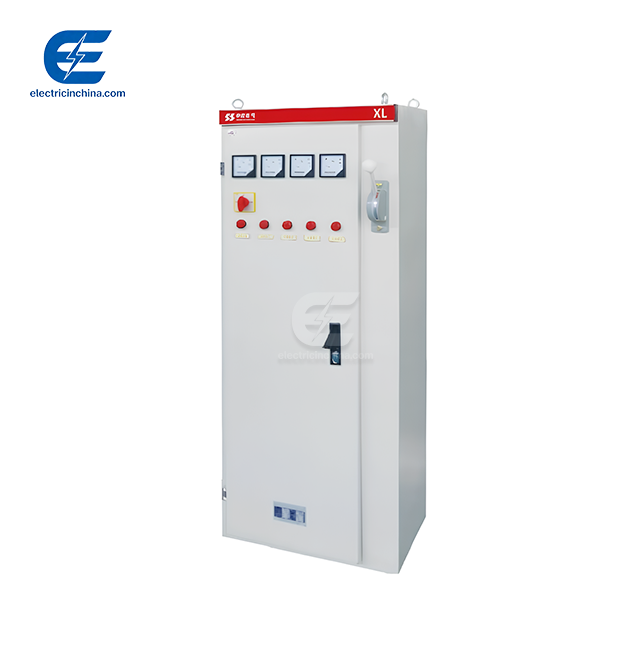
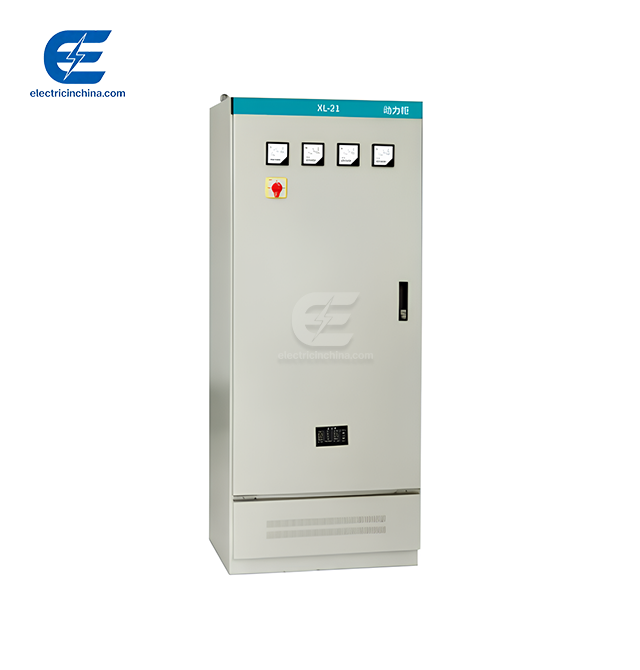
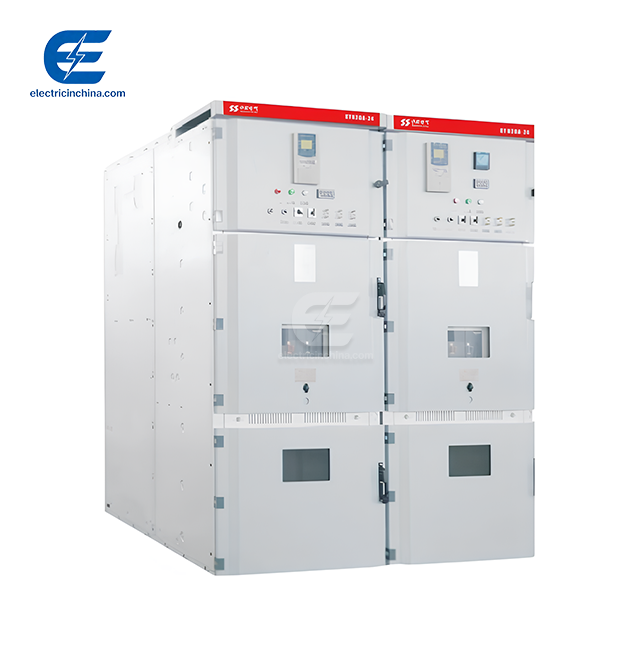
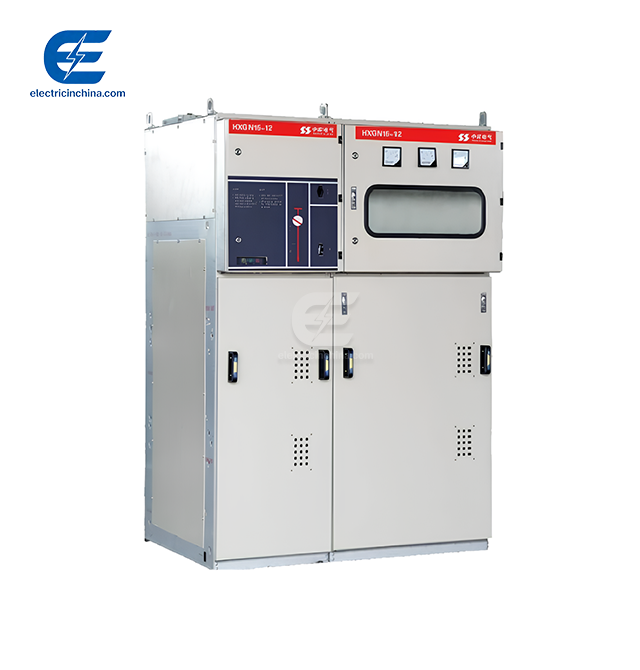
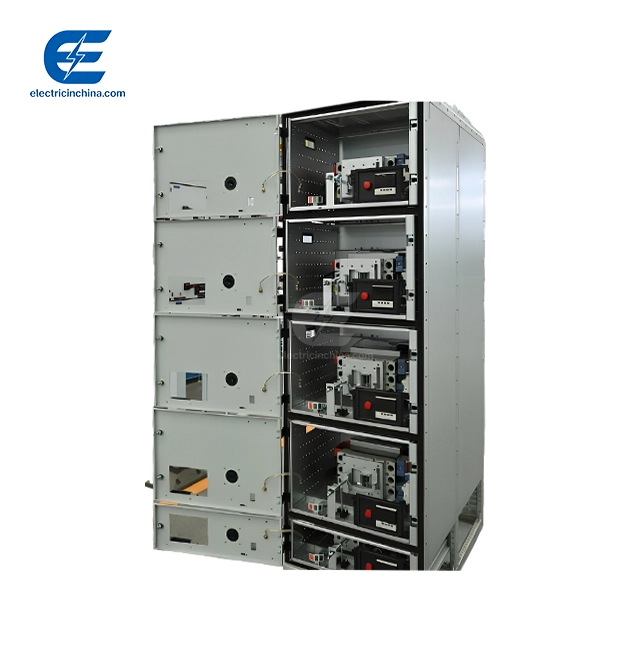
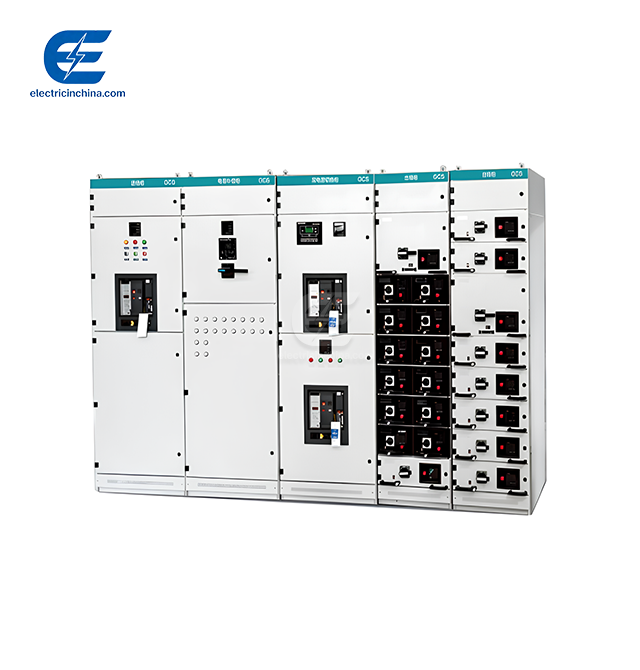
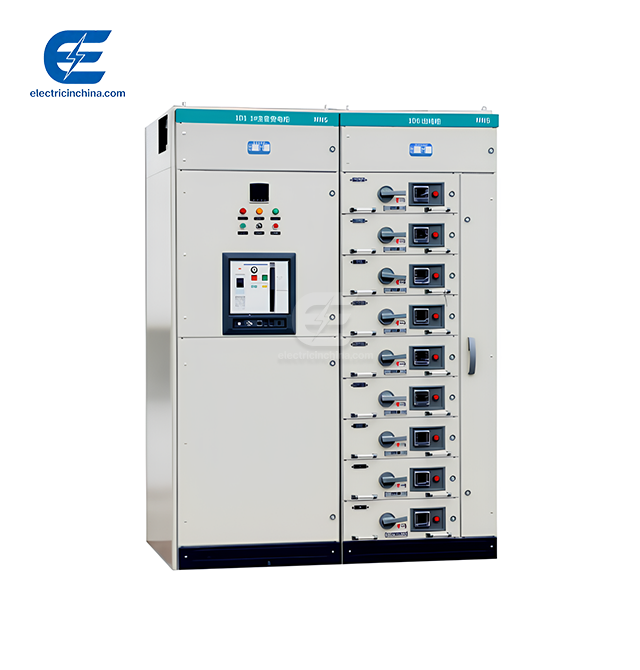
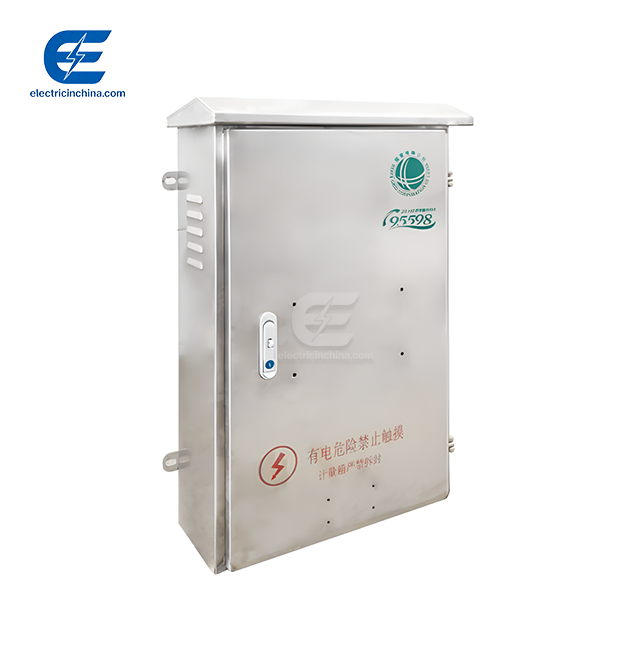
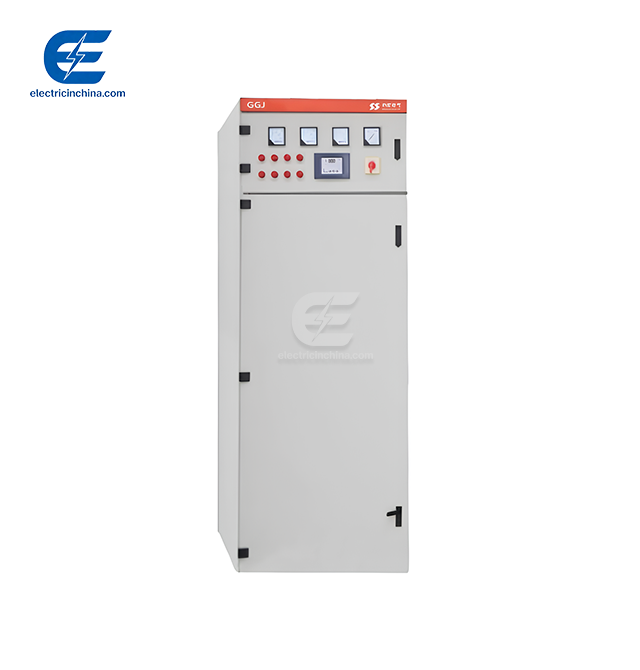
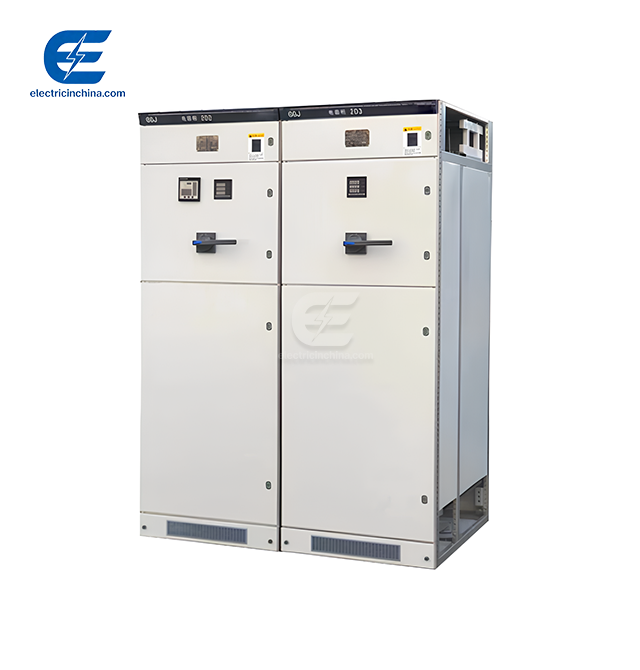
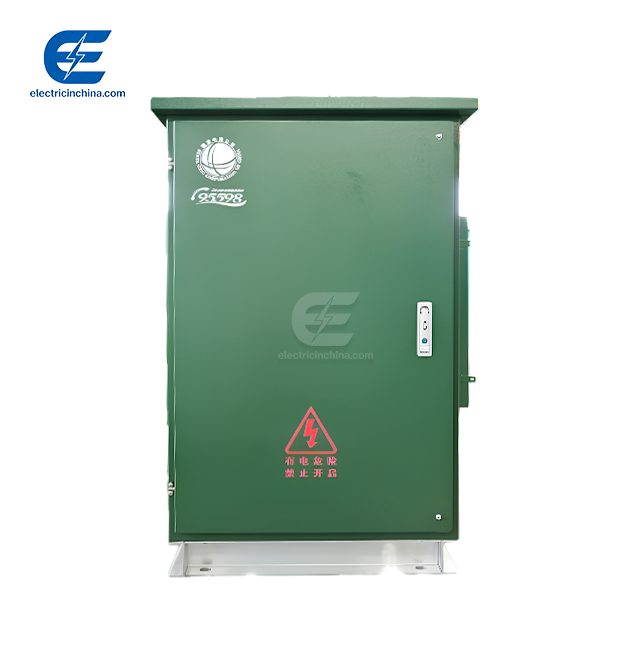
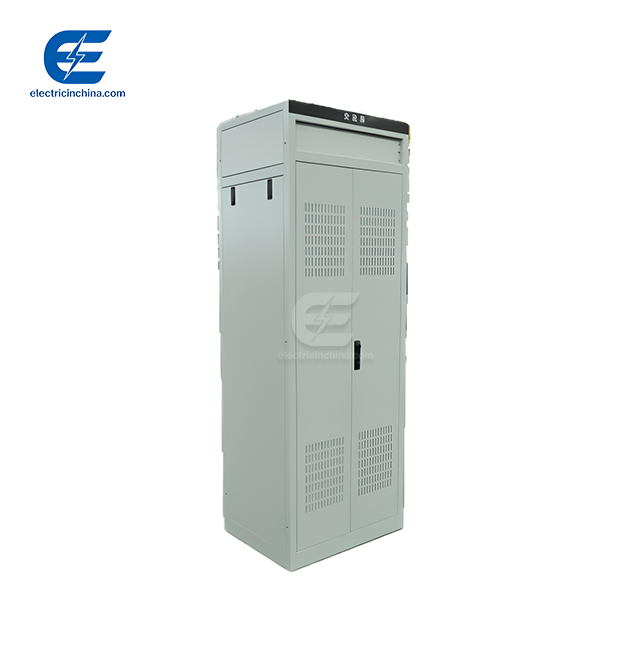
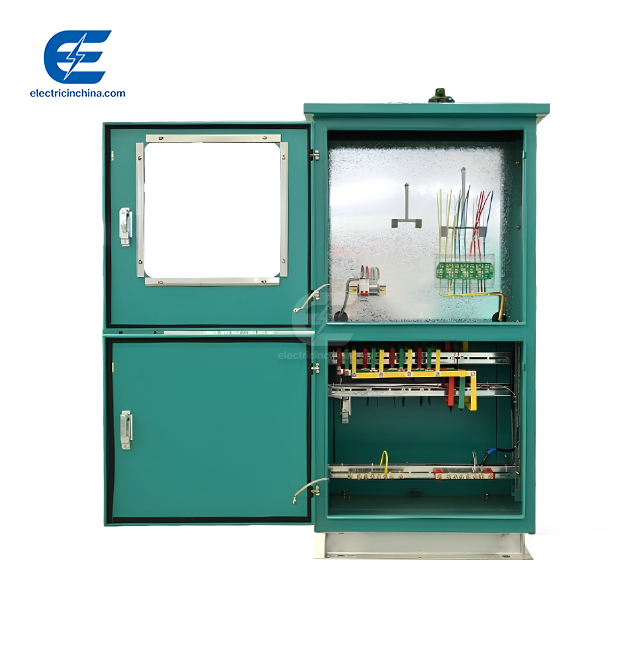
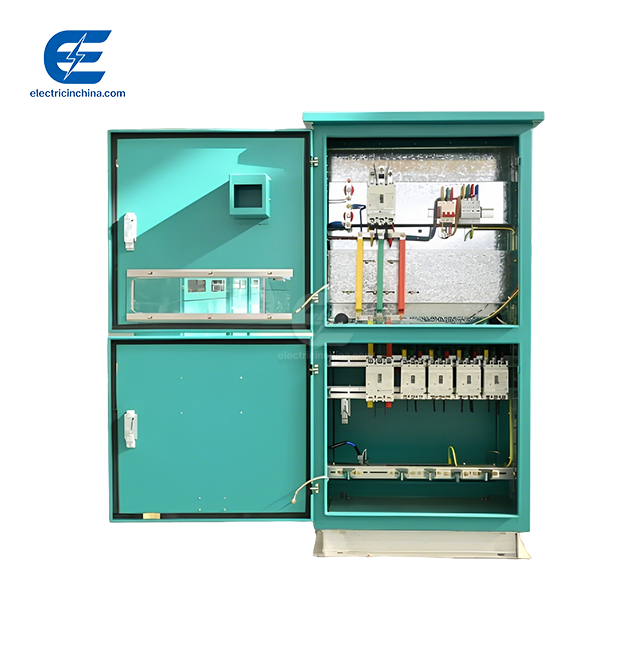
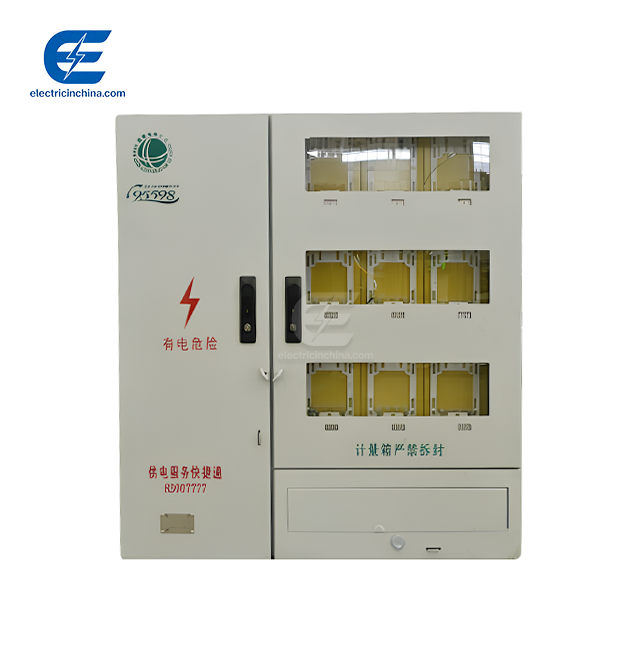
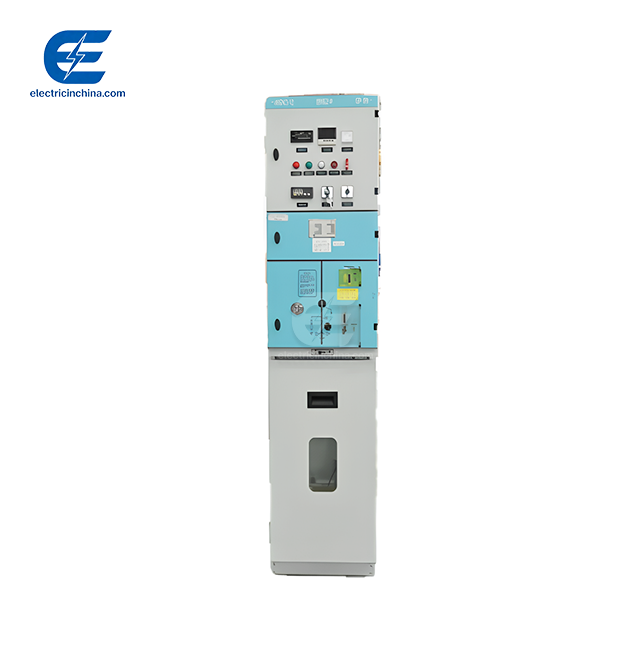
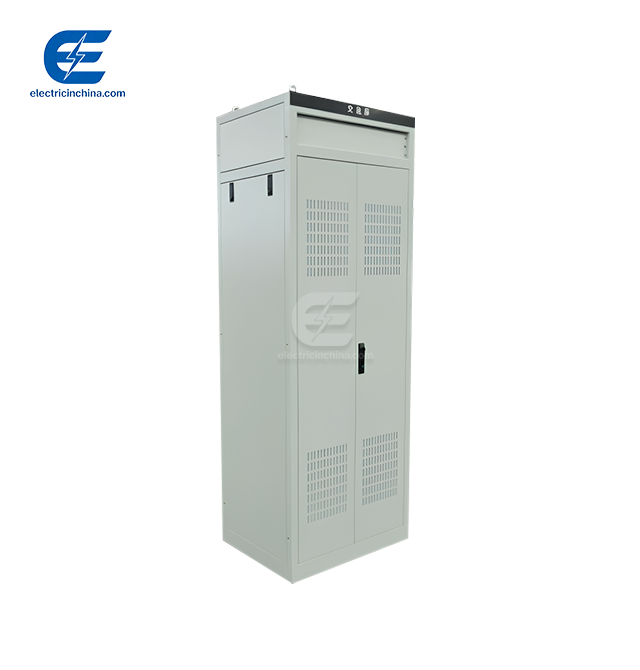
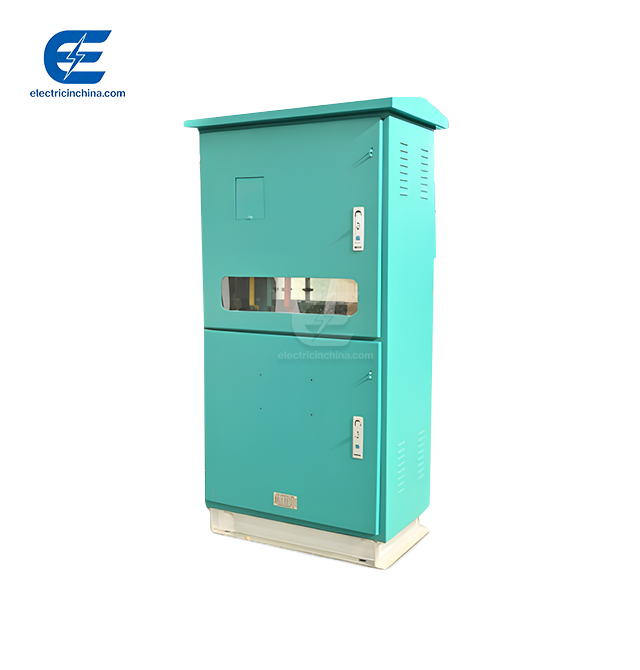
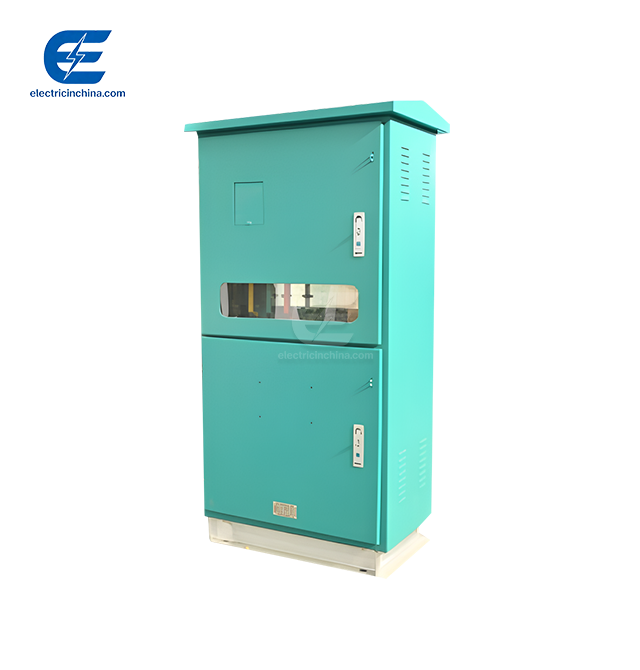
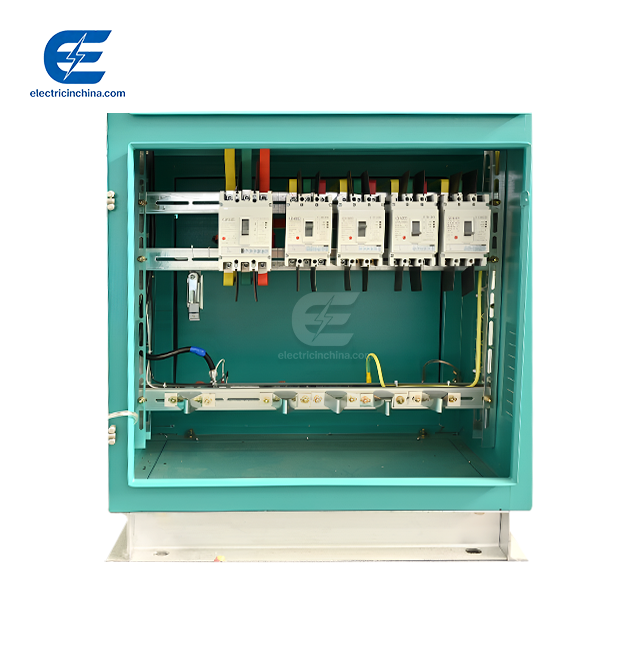
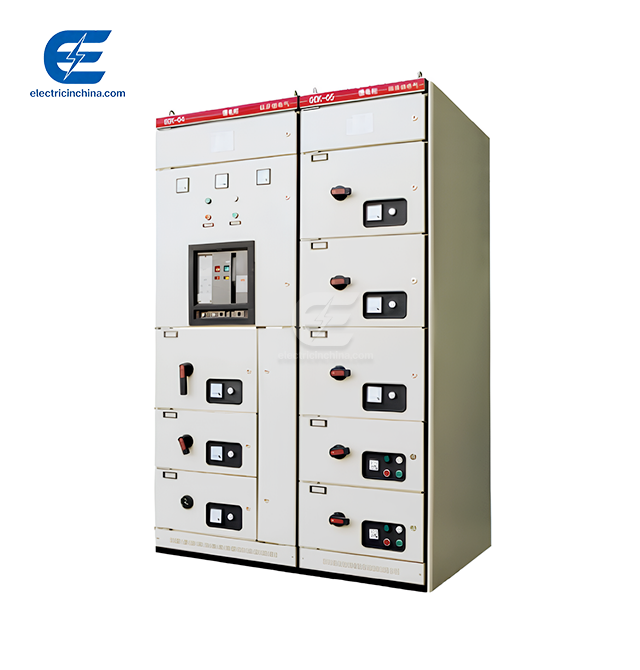
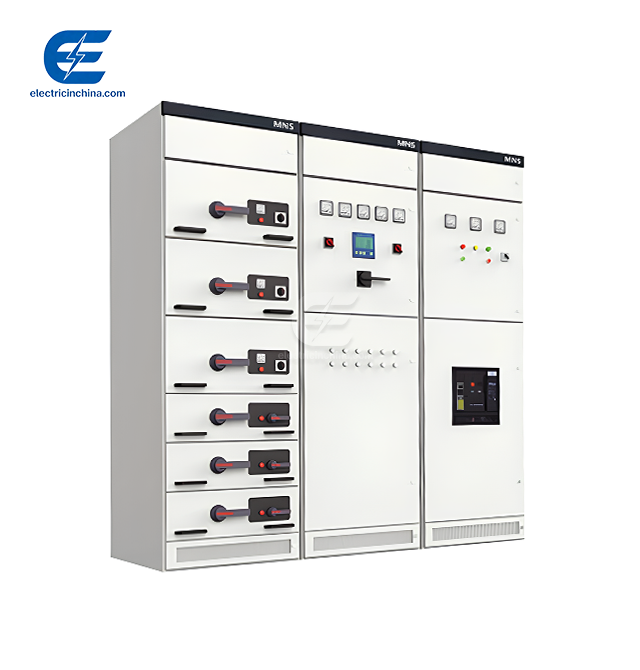
Medium Voltage Withdrawable Switchgear is the cornerstone of modular electrical systems because it allows maintenance without shutting down the entire system. These metal-enclosed distribution systems, designed for voltages from 3kV to 36kV, allow circuit breakers to be physically removed while the busbar remains energised, reducing downtime by up to 80%. This hot-swappable capability meets the critical demands of government infrastructure projects, commercial developments, and industrial facilities, where power interruptions can lead to significant financial losses and operational disruptions.
Understanding Medium Voltage Withdrawable Switchgear
Definition and Core Components
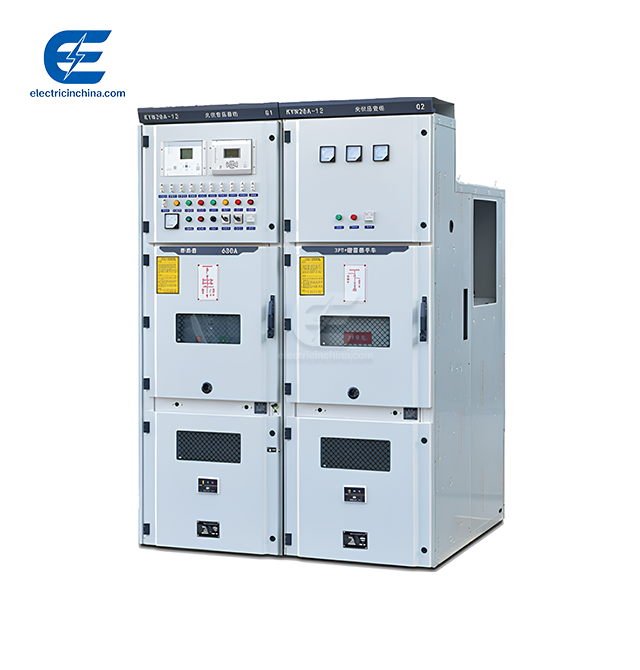
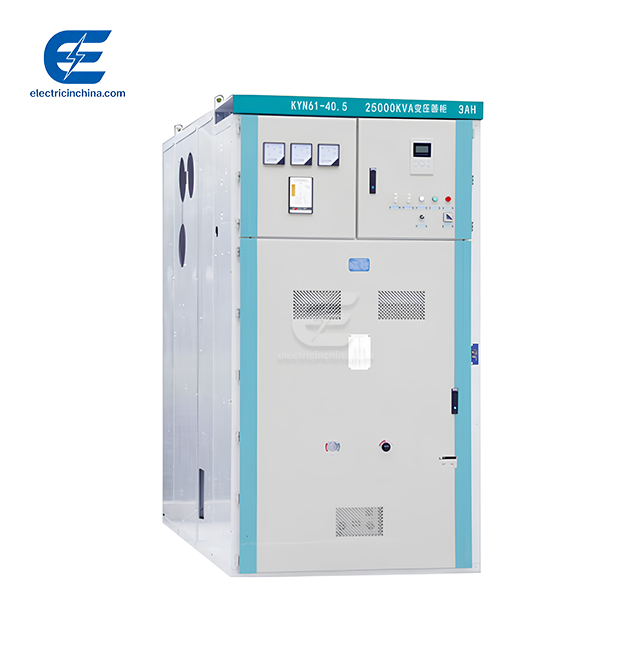
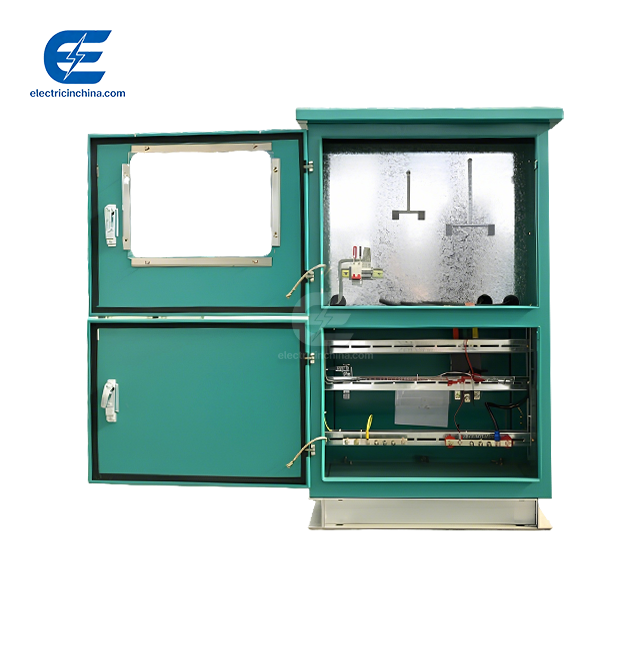
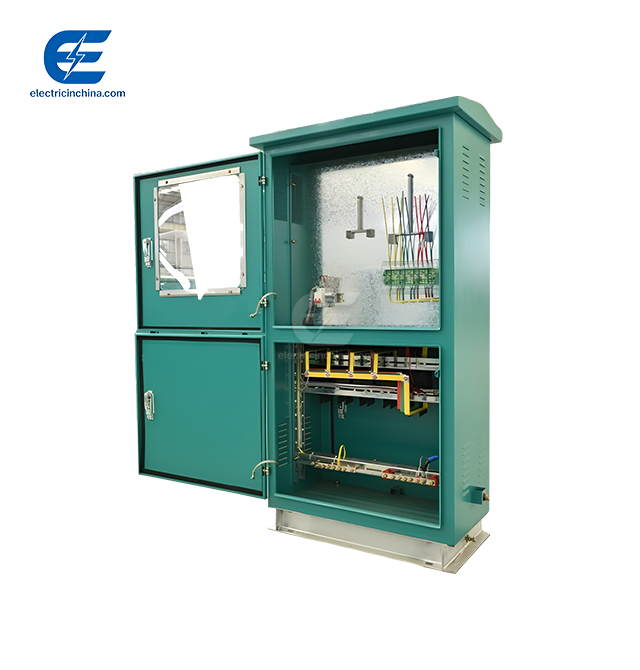
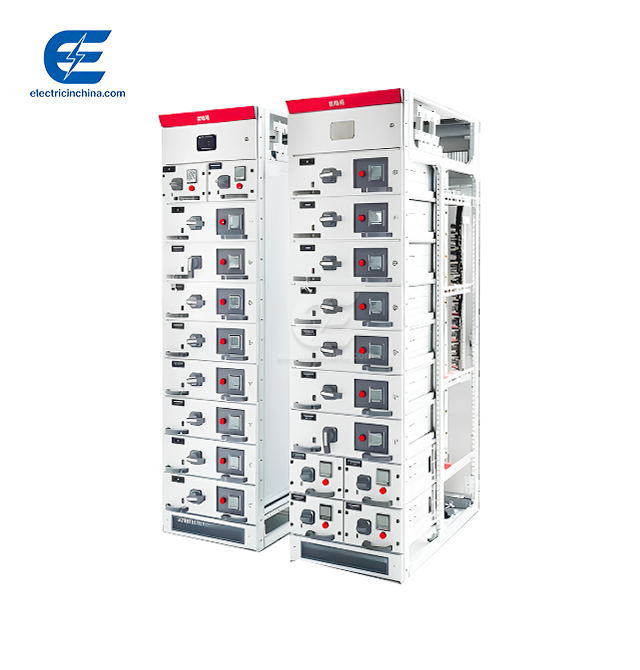
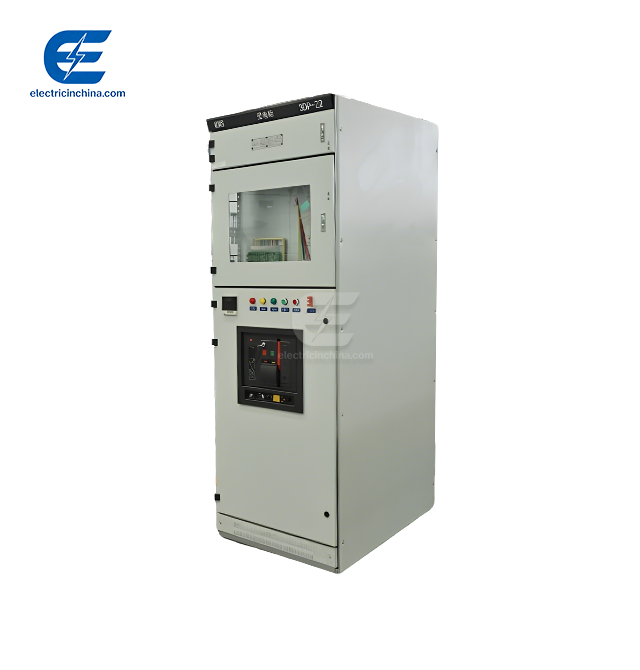
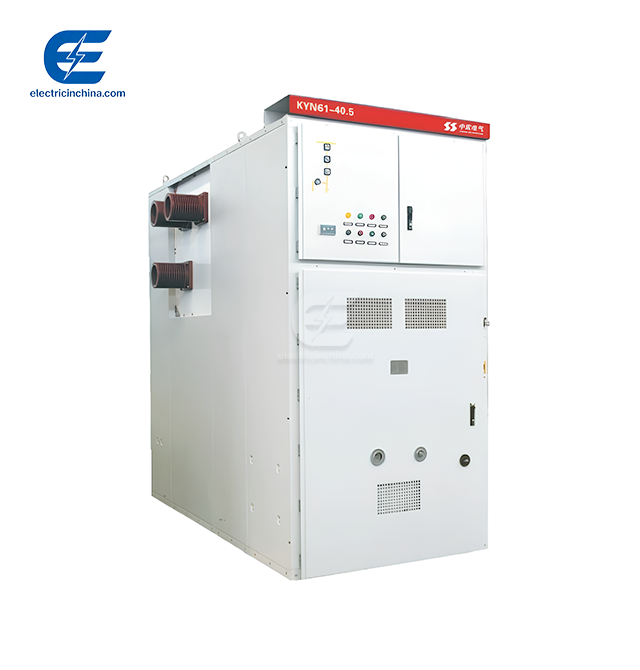
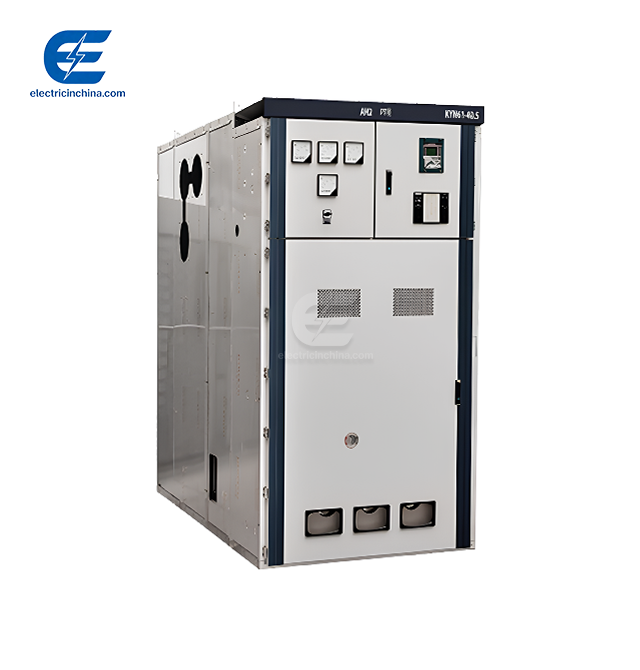
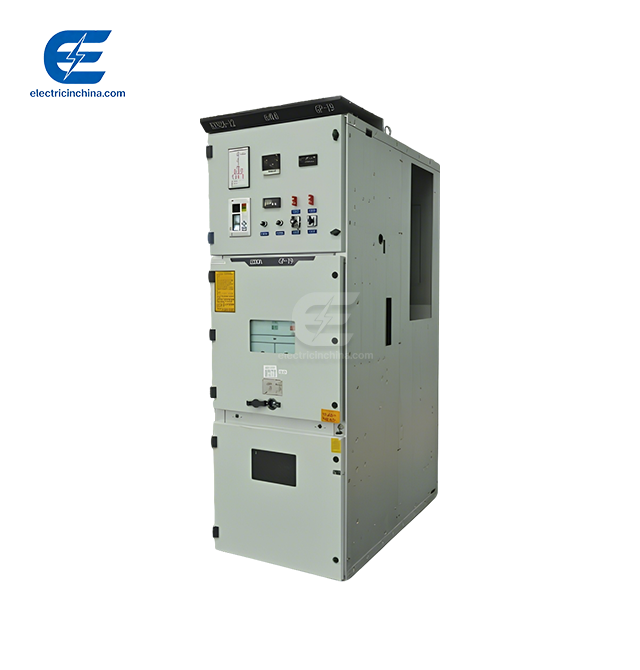
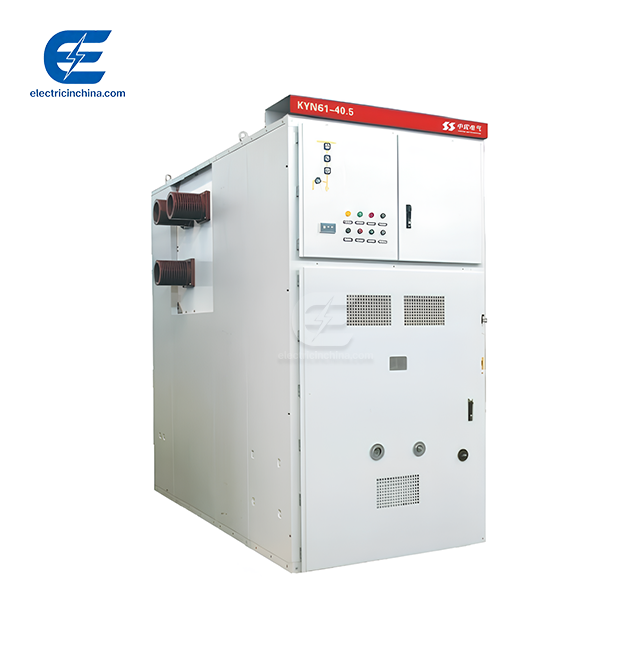
A Medium Voltage Withdrawable Switchgear system is made up of metal boxes that hold circuit breakers, removing switches, busbars, and control gear made for voltages between 3kV and 36kV. The unique feature is its mechanical racking system, which lets trained technicians use special tools to physically take circuit breakers out of their working places. With retractable designs, the primary and secondary disconnect contacts are precision-engineered and have silver-plated surfaces that keep the links strong even after many insertion and removal cycles. This design is different from fixed setups, where the parts stay in place. The compartmentalised structure divides live parts into different chambers, such as control sections, busbar compartments, breaker compartments, and wire compartments. Each chamber is sealed with an ingress protection rating of IP54 or higher.
Operational Functionality and Design Principles
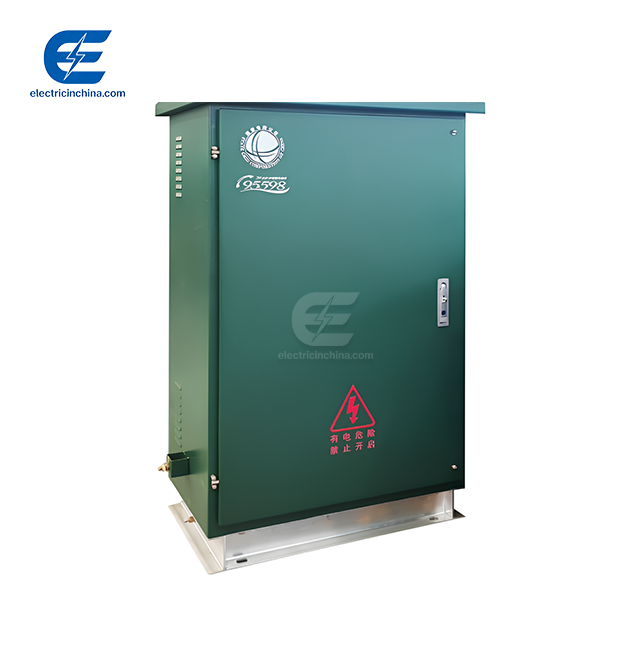
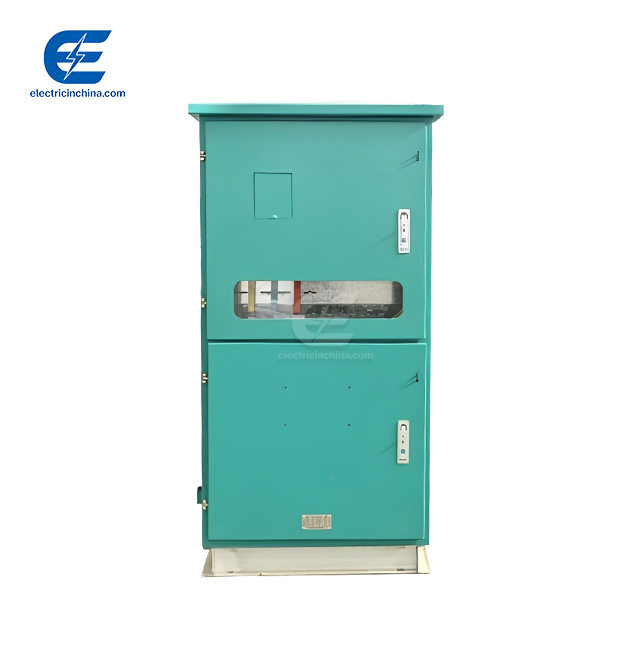
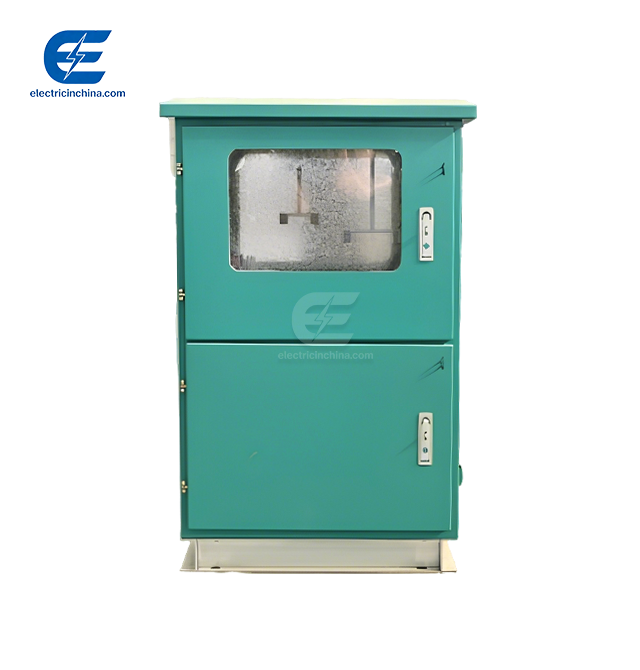
The device that can be pulled has three positions: connected, test, and withdrawn. The circuit breaker works with the main busbars and secondary control circuits to handle the flow of power when it is connected. The "withdrawn" position fully cuts off the breaker for repair or replacement, while the "test" position lets you check that it works without turning on the major connections. As much as 50kA of internal arc fault current can't get through metal-clad construction, which keeps possible failures inside marked areas. Indoor configurations work well in controlled settings like factories and business buildings. Outdoor-rated enclosures, on the other hand, can handle temperature changes from -40°C to +55°C, humidity levels of up to 95% non-condensing, and earthquakes that meet IEEE 693 standards. With this flexibility, Medium Voltage Withdrawable Switchgear is perfect for integrating flexible systems where future growth and change are still important factors.
Advantages of Withdrawable Switchgear in Modular Systems
Enhanced Safety Through Isolation
Buying choices are based on safety concerns, especially for groups in charge of big building projects. Medium Voltage Withdrawable Switchgear handles these worries by incorporating a number of built-in safety features. Compartmentalisation stops arc flashes by keeping possible electrical problems inside reinforced chambers. This keeps repair workers from coming into contact with live parts. When a circuit breaker is pulled out, automatic shuttering systems hide the busbar connections. This keeps people from touching live parts by mistake. Mechanical interlocks make sure that the right steps are taken in the right order, like making sure that ground connections are made before accessing internal parts and that the breaker can't be removed while it's on. Visual position signs make it clear what the state is, which cuts down on mistakes made by people during maintenance processes. These safety features meet OSHA and NFPA 70E standards, which is very important for government workers and business developers who have to worry about responsibility on projects that last for years.
Operational Continuity and Minimal Downtime
Long power outages are not acceptable in factories, data centers, hospitals, and business buildings. Withdrawable designs solve this problem by letting repair work be done on individual circuits while parts next to them keep running normally. When compared to set solutions that need the whole system to be turned off, our Medium Voltage Withdrawable Switchgear cuts down on expected downtime by up to 80%. As part of regular checkups, techs take out circuit breakers to check the insulation, measure the contact resistance, and check the timing. This is done without affecting the parallel circuits that power production lines or important infrastructure. This ability to "hot-swap" is very useful for places where losing power costs more than $100,000 an hour. The modular design supports phased maintenance schedules that spread service activities across operational windows. This makes sure that service delivery never stops, which is very important for EPC contractors who have to meet tight project deadlines and follow penalty terms that depend on system availability.
Flexibility and Scalability for Growing Demands
Modular systems need to be able to handle changes in operations and more work without having to completely rebuild the infrastructure. Medium Voltage Withdrawable Switchgear is great for this because it has standard section sizes that can fit different circuit breaker grades in a single frame. When electrical loads go up, procurement teams can change individual breakers from 630A to 4000A. A rate without changing the busbar configurations or neighbouring sections. This ability to grow is very important for people who are building business areas over time, companies that are making more things, and cities that are planning for infrastructure to grow over many years. The standard size makes it easier to keep track of extra parts, which lowers long-term operating costs. Customisation choices take into account things like corrosive atmospheres in chemical plants, limited room in urban substations, or installations that are outside in bad weather, all while still working with current modular frameworks. This flexibility is a strategic advantage for businesses that are looking at long-term ROI and total cost of ownership.
Comparison: Withdrawable Switchgear vs Fixed and Other Types
Installation Complexity and Operational Differences
For any component repair, fixed switchgear needs the whole panel to be turned off, which causes operating bottlenecks that get in the way of continuous production needs. Circuit breakers are cheaper at first, but they are less flexible in the long run because they are permanently attached. Drawout designs, which are popular in low-voltage settings, can help with removal, but they don't have the strong separation and arc-resistant construction that are needed for medium-voltage settings. Medium Voltage Withdrawable Switchgear strikes a balance between these factors by mixing safe mechanical connections while in use with easy removal methods during repair. Installation is about the same for all types, but for retractable units, the primary and secondary contacts need to be perfectly lined up. This is an issue that is balanced by the fact that they last for decades and are easier to access for upkeep.
Maintenance Requirements and Safety Implications
The most important operational changes can be seen in the maintenance processes. When fixed sites need to be shut down completely, backup power systems are often activated. This requires coordination between many departments. Withdrawable configurations limit repair work to certain circuits, making cooperation easier and getting rid of the need to turn on backup power. Safety effects go beyond preventing accidents and include following the rules. Medium Voltage Withdrawable Switchgear designs naturally meet the needs of Arc Flash Hazard Analysis by limiting the exposure of people to powered tools while doing normal chores. Our compartmentalised design meets the requirements of IEC 62271-200 and IEEE C37.20.2, which is necessary for government bids and insurance coverage. Leading manufacturers like ABB, Siemens, Schneider Electric, and Eaton all make platforms that can be taken out and replaced. However, the specifications for these platforms vary in terms of arc-fault ratings, environmental tolerances, and customisation options. Procurement teams must weigh these differences against the needs of the project and the available budget.
Maintenance and Safety Guidelines for Withdrawable Switchgear
Routine Inspection Protocols
Maintenance plans that work well keep equipment in good shape and stop it from breaking down when you least expect it. We suggest full checks once a year, which should include looking at compartment seals visually for wear and tear, making sure that fixed connections are torqued according to the manufacturer's instructions, and using thermography to find hot spots that show connection wear and tear. Every three years, SF₆-insulated circuit breakers need to be gas analysed to ensure the moisture content is below 150 ppm, and the breakdown products are within the limits set by IEC 60376. Contact travel measurement makes sure that mechanical action stays within the limits set by the plant, which are usually ±5% of the values given. When checking for insulation resistance between phases and ground at 2500VDC, it should be more than 1000 megohms. This proves that the dielectric is solid. With acceptance limits below 10 picocoulombs, partial discharge tests at 1.5 times the rated voltage can find insulation flaws before they cause failures. These proactive steps, which are backed up by our ISO 9001-certified quality management system, stop 90% of possible service delays.
Critical Safety Features and Compliance Standards
Interlocking systems are the main safety feature that stops activities from going wrong. Mechanical interlocks make it physically impossible to remove energised circuit breakers, turn on grounding switches while sections are still open, or close breakers that are in the wrong place. Through control circuit testing, electrical interlocks offer extra security. Arc flash protection includes pressure relief vents that move fault energy away from working areas, compartment walls that are stronger and rated for specific fault currents, and integrated protection plans that clear faults quickly. Third-party testing of our Medium Voltage Withdrawable Switchgear solutions to IEC 62271-200 for metal-enclosed switchgear performance and IEEE C37.20.2 for design proof shows that they meet these standards. At our Xuzhou Rail Transit project, we used a dual-circuit power supply system with switches that could be removed. This made sure that everyone was safe, even when there were a lot of passengers. The XCMG Group facility upgrade showed that we could finish works ahead of plan while still meeting high-quality standards. This allowed clients to start working right away.

Procurement Considerations for Medium Voltage Withdrawable Switchgear
Technical Evaluation Criteria
Finding the right hardware starts with accurately describing the load. Teams in charge of buying things have to be clear about what they need: rated currents from 630A to 4000A, the ability to handle short-circuits equal to or higher than 63kA for three seconds during a power fault, and voltage values that work with distribution networks. Specifications for enclosures are based on the environment. For example, IP54 is required for controlled environments inside, better sealing is needed for placements outside, and special finishes are needed for corrosive environments. System compatibility includes communication methods for integrating with building control systems, protection relay coordination with devices upstream and downstream, and physical measurements that work with limited space. Customisation choices take into account things like seismic needs, altitude compensation for sites higher than 2000 meters, and temperature derating for regions that are very hot or very cold.
Supplier Selection and Value Assessment
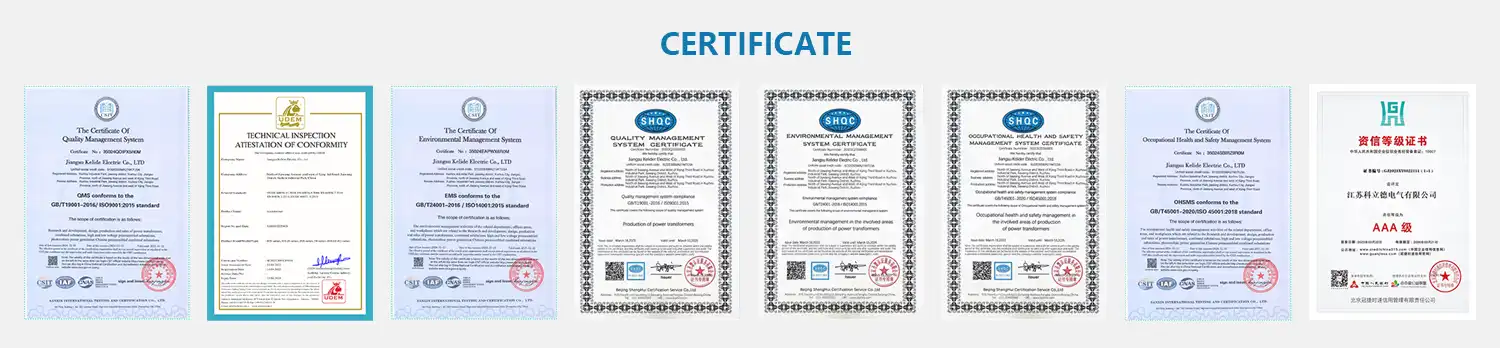
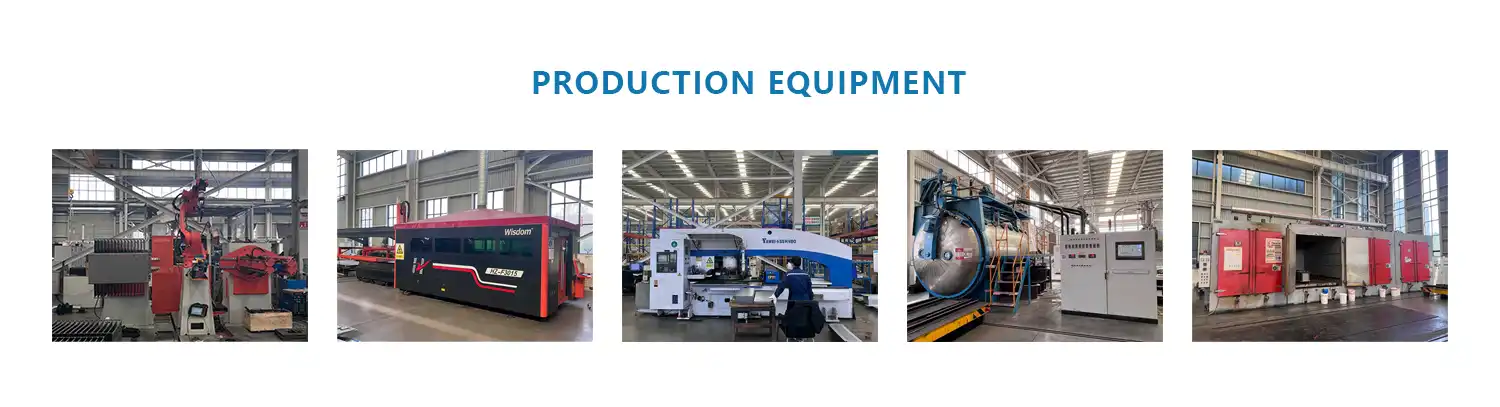
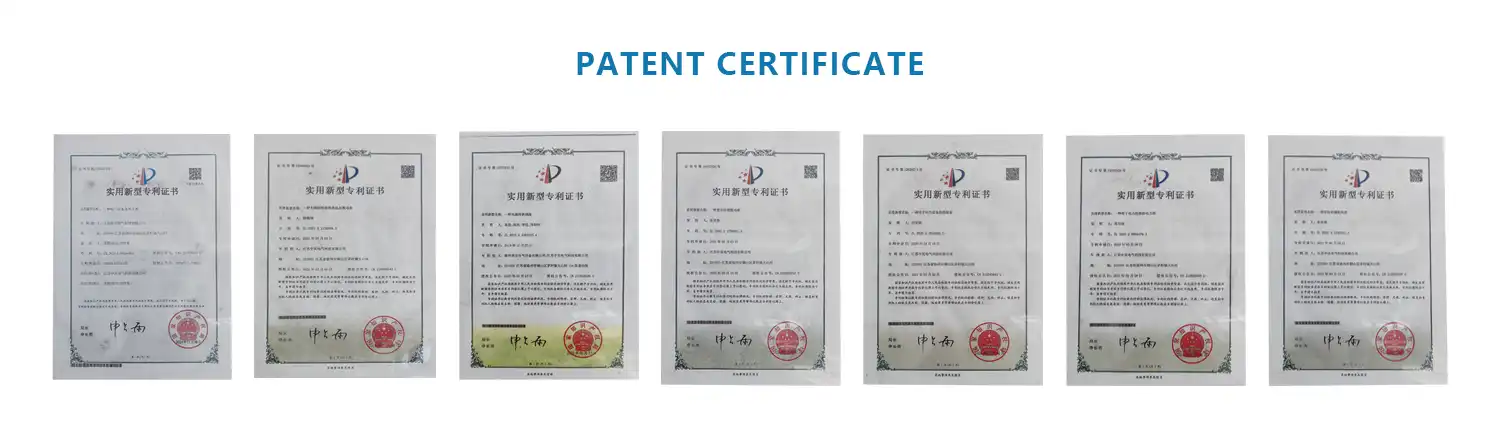
Reliable providers show they can make things by getting certifications like ISO 9001 for quality management, ISO 14001 for environmental standards, and OHSAS 45001 for health and safety at work. Our 18 patents on new Medium Voltage Withdrawable Switchgear technologies are backed by more than 120 sets of advanced production equipment, such as CNC automatic winding machines and microcomputer-controlled gradient curing ovens. For custom Medium Voltage Withdrawable Switchgear, the wait time is usually between 12 and 16 weeks, but there are faster choices for important tasks. The warranty should cover problems with the way the product was made for at least five years, and there should be clear instructions for getting replacement parts, technical training for repair workers, and what to do in an emergency. Total cost of ownership research needs to look at things like original capital spending, expected upkeep costs over a 25-year service life, savings from not having to deal with downtime, and energy efficiency. Our methods, which have been used on hundreds of important projects, including the Xuzhou High-speed Railway East Station Official Power Supply EPC Project, have been shown to be reliable. This lowers lifetime running costs and keeps projects on schedule, which is very important for the success of an EPC contract.
Conclusion
Medium Voltage Withdrawable Switchgear units are the most common type of modular system because they meet the needs for safety, dependability, and operating freedom. Maintaining individual circuits without affecting the whole system solves some of the most important problems that come up in government building projects, business developments, and industrial facilities, where downtime directly costs money. Compartmented designs that meet international standards provide proof of safety compliance, which is needed for tender-based buying, and modular structures allow for future growth without having to replace infrastructure. As electrical distribution systems get more complicated, withdrawable configurations become the best option for companies that value long-term value over initial capital expenditure. This is because they offer lower lifecycle costs, better worker safety, and uninterrupted operations.
FAQ
What maintenance intervals apply to withdrawable circuit breakers?
SF6 circuit breakers usually need full maintenance every five to seven years or 3000 actions, whichever comes first. As part of maintenance, gas analysis is done to look for contamination, contact travel is checked, timing tests are done to make sure the right working speeds are met, and insulator resistance is measured. As part of the yearly checkups, thermographic scanning and an eye check should be done without fully withdrawing the breakers.
How do withdrawable units improve safety compared to fixed installations?
Medium Voltage Withdrawable Switchgear designs get rid of the need to do regular repairs on equipment that is powered up. When the breakers are pulled out, automatic shuttering hides the live busbar connections, and mechanical interlocks stop activities from going wrong. Compartmentalisation keeps arc flash events inside reinforced rooms, which keeps people from being exposed. When compared to fixed configurations that need work on live panels, these measures cut the risk of an accident by over 70%.
Can withdrawable switchgear accommodate future load increases?
Circuit breakers with different current values can fit into standard frames in modular section designs. When switching from 1600A to 3200A breakers, only the breakers need to be replaced. The busbars or adjacent parts don't need to be changed, as long as the original busbar size allowed for growth. This power to grow or shrink is very important for phased developments and industry growth.
Partner with Tuojie for Reliable Medium Voltage Withdrawable Switchgear Solutions
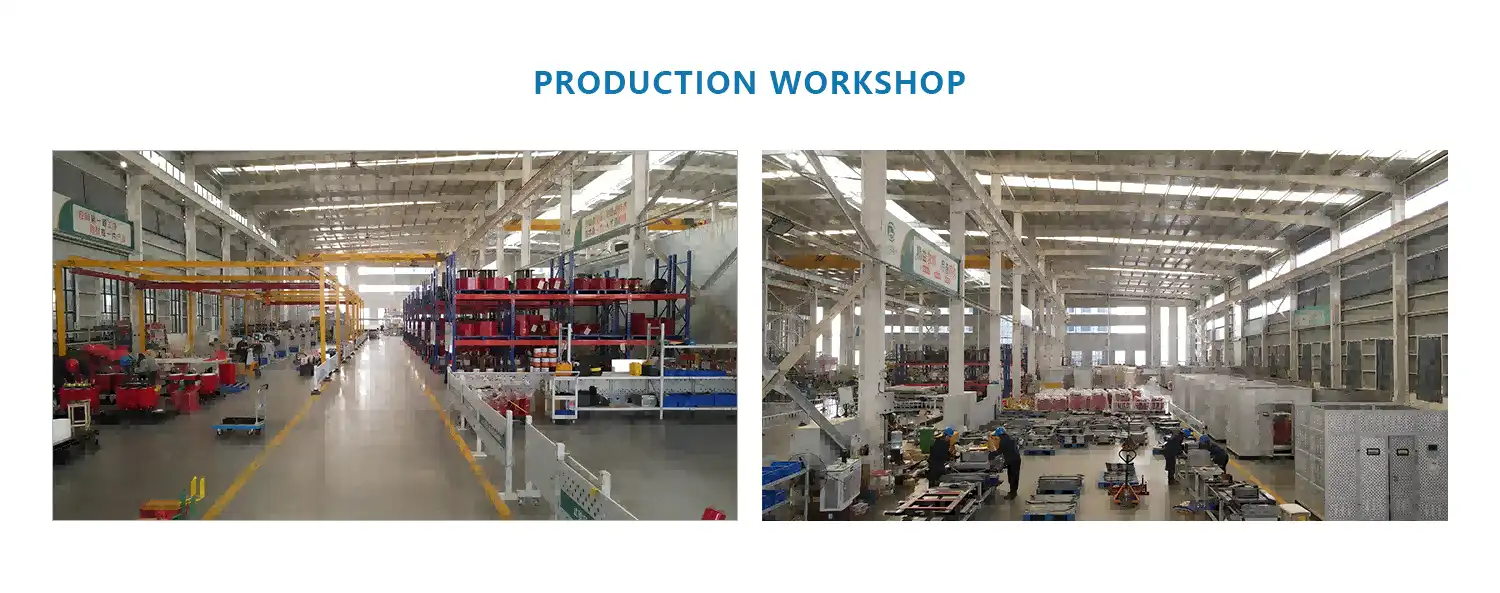
For more than 20 years, Tuojie has been designing and making Medium Voltage Withdrawable Switchgear systems that meet the strict needs of government infrastructure, business developments, and industry projects all over the United States. Our metal-clad, Medium Voltage Withdrawable Switchgear meets the standards for ISO 9001, ISO 14001, and OHSAS 45001, and it has 18 patent-protected ideas created by our 15 top engineers. Our professional testing lab and more than 120 pieces of modern manufacturing equipment help us keep a close eye on quality and make sure that every unit meets IEC 62271-200 and IEEE C37.20.2 standards before it is shipped. As a reliable producer of Medium Voltage Withdrawable Switchgear, we offer unique solutions that are tailored to your load needs, project timelines, and environmental conditions. Our all-in-one service includes expert advice, unique engineering, factory acceptance testing, and ongoing help after the sale. Visit electricinchina.com or email tuojie@electricinchina.com to talk about how our tried-and-true switchgear solutions can make your modular system more reliable while lowering the total cost of ownership.

References
1. International Electrotechnical Commission. "IEC 62271-200: High-voltage switchgear and controlgear – Part 200: AC metal-enclosed switchgear and controlgear for rated voltages above 1 kV and up to and including 52 kV. "Geneva: IEC Standards, 2021.
2. Institute of Electrical and Electronics Engineers. "IEEE C37.20.2: Standard for Metal-Clad Switchgear." New York: IEEE Standards Association, 2022.
3. Smith, J.D., and Roberts, M.L. "Comparative Analysis of Withdrawable and Fixed Medium Voltage Switchgear in Industrial Applications." Journal of Electrical Distribution Systems, vol. 45, no. 3, 2023, pp. 112-134.
4. National Fire Protection Association. "NFPA 70E: Standard for Electrical Safety in the Workplace." Quincy: NFPA Publications, 2024.
5. Anderson, P.K. "Lifecycle Cost Assessment of Medium Voltage Distribution Equipment in Commercial Infrastructure. "Electrical Engineering Quarterly, vol. 28, no. 2, 2023, pp. 67-89.
6. Williams, R.T., Chen, H., and Kumar, S. "Arc Flash Mitigation Strategies in Metal-Clad Switchgear Design." IEEE Transactions on Power Delivery, vol. 38, no. 4, 2023, pp. 2456-2471.