

.webp)
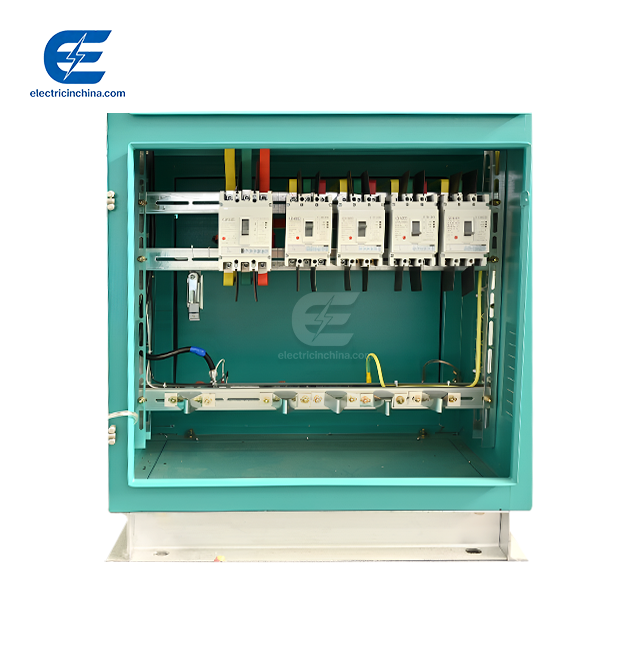
Urban power networks across the US are facing increasing pressure to provide energy that is stable, long-lasting, and affordable. To address pressing issues for government projects, business developers, and industry makers, High efficiency oil immersed transformers have become the reliable backbone of metropolitan electrical infrastructure. When compared to regular types, these high-tech units save 40 to 60% more energy, with efficiency scores between 98.5% and 99.7%. Their proven dependability, ability to support customised power solutions, and ability to meet strict standards make them essential for towns that put performance and environmental responsibility first.
Understanding High-Efficiency Oil-Immersed Transformers
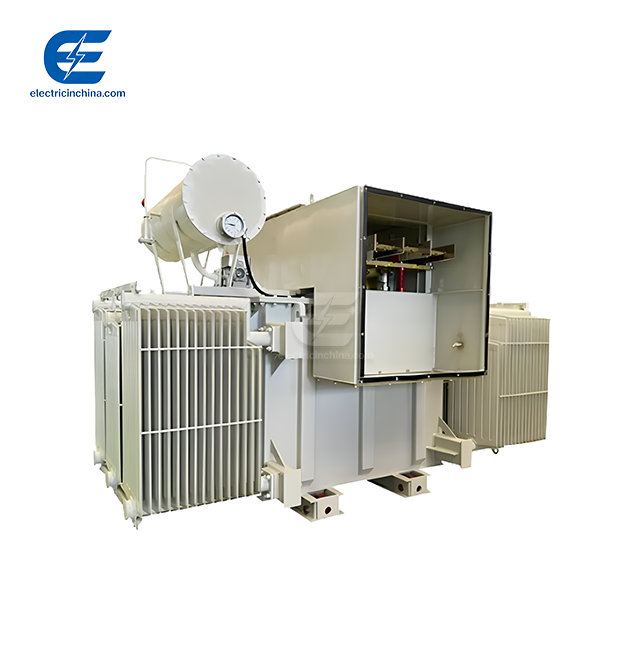
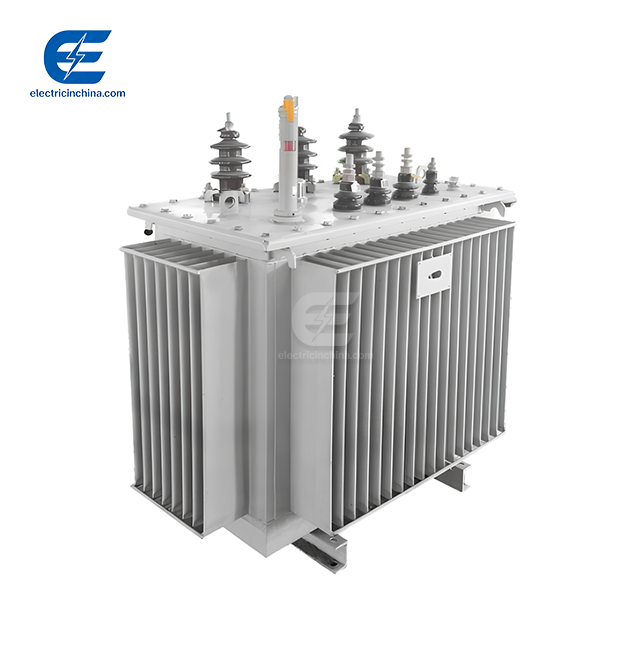
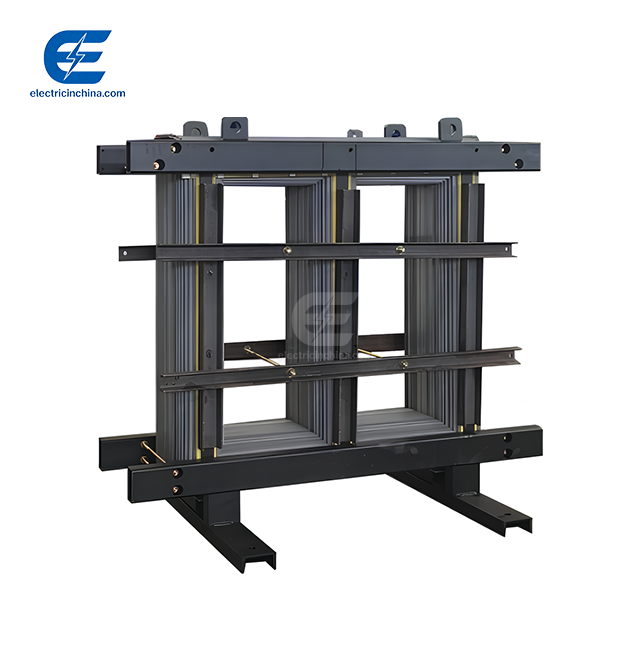
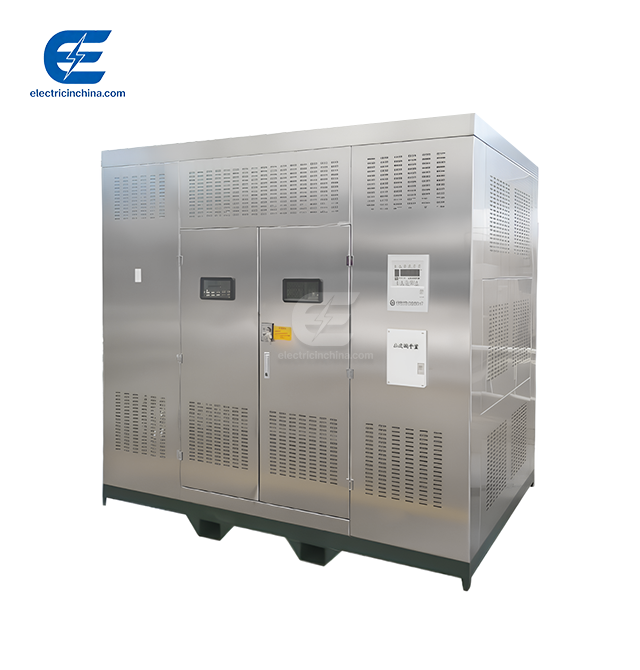
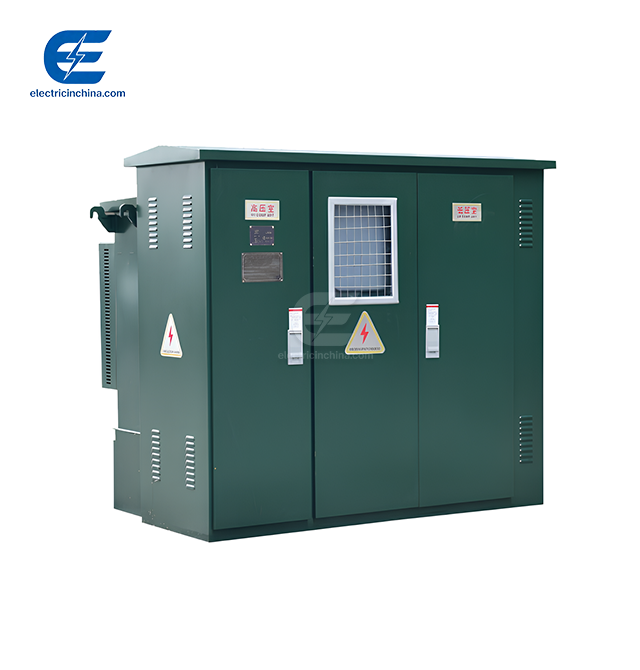
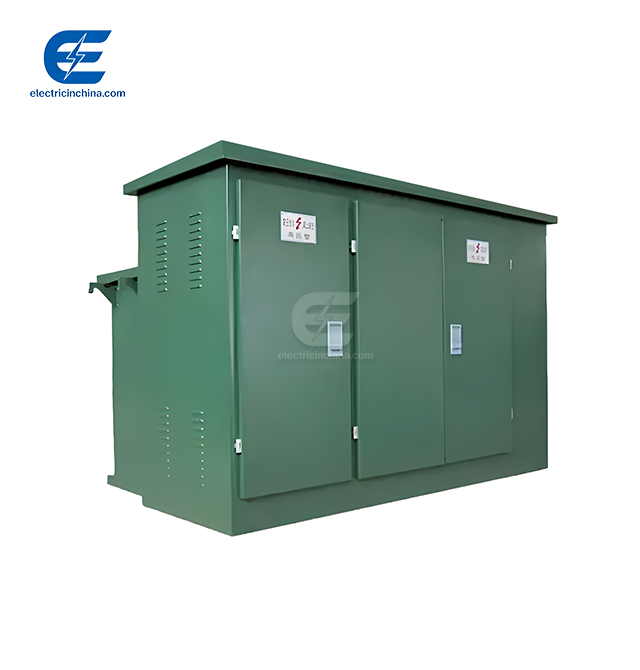
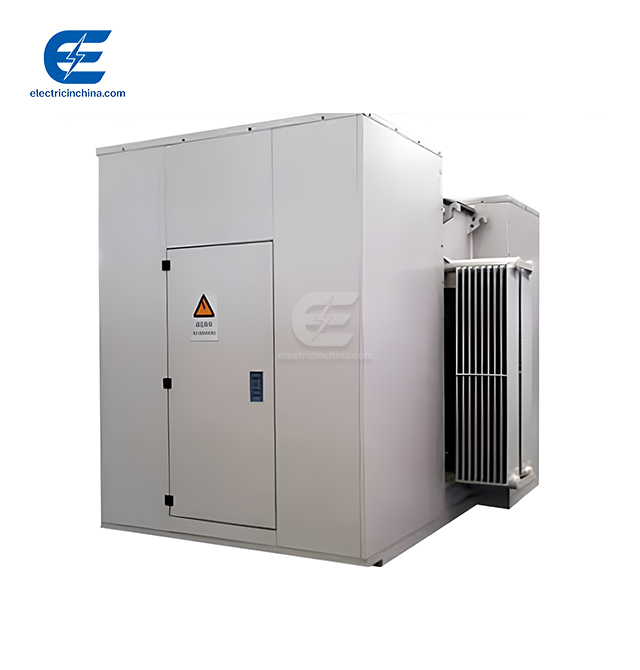
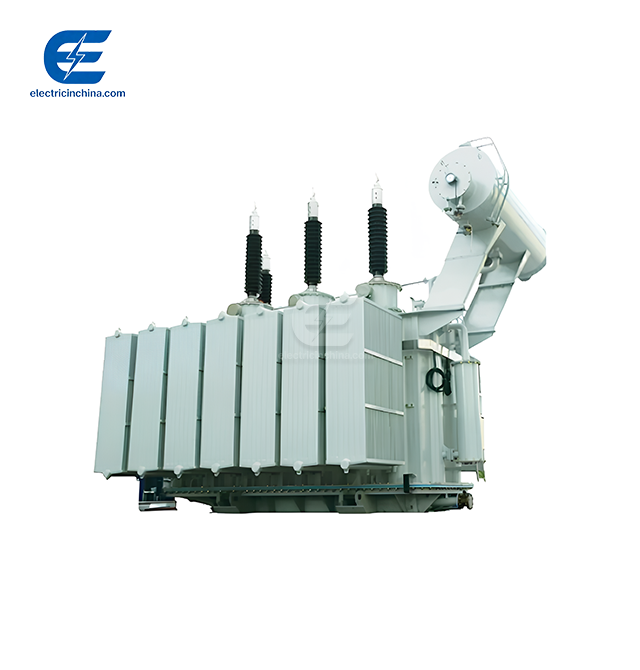
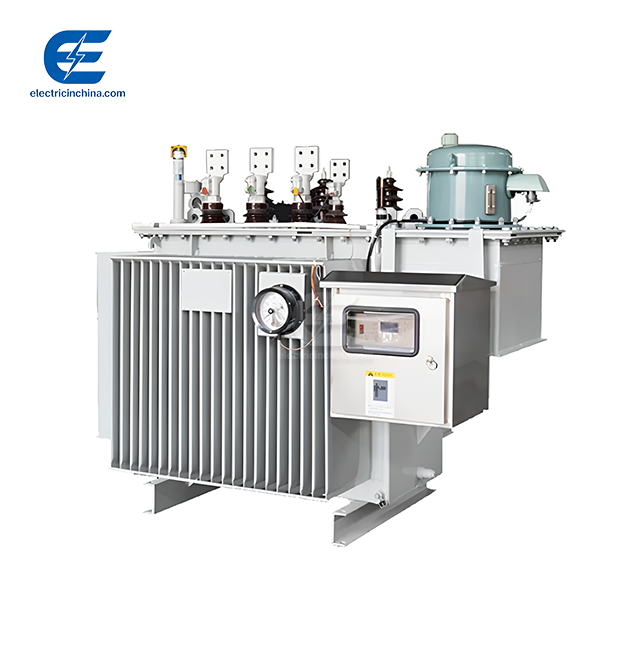
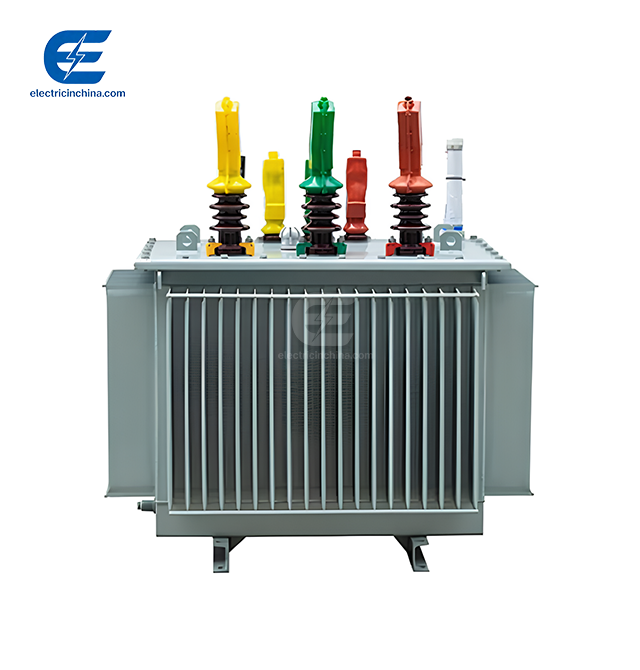
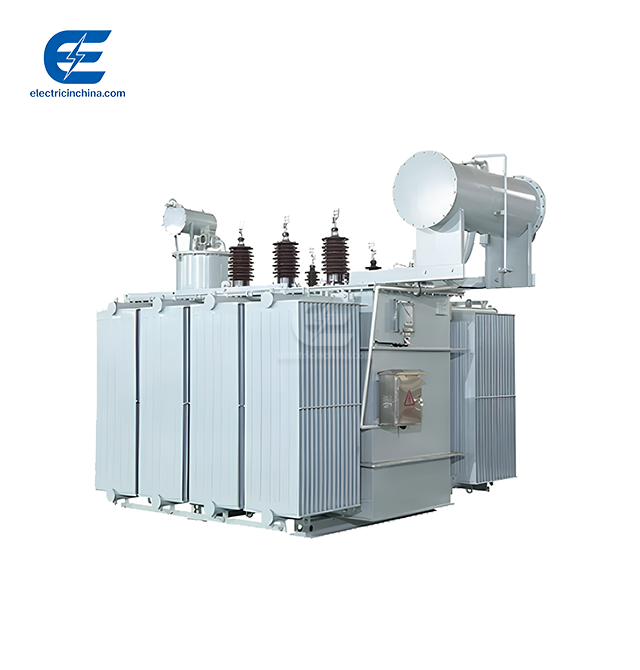
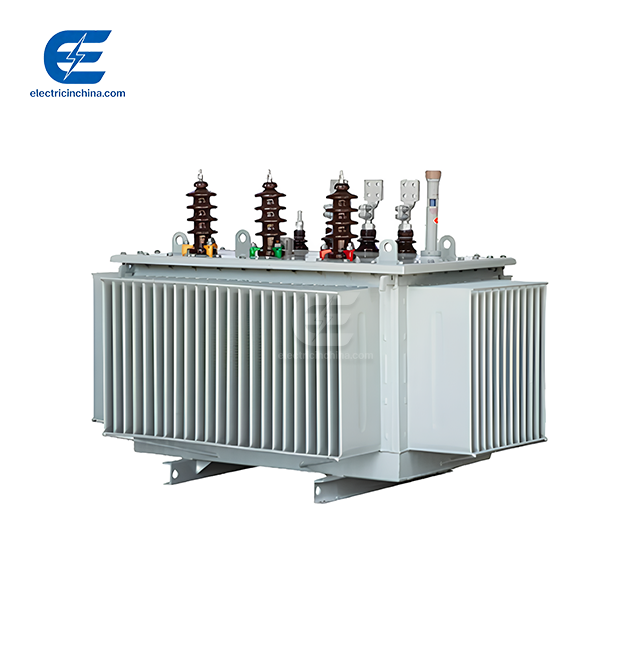
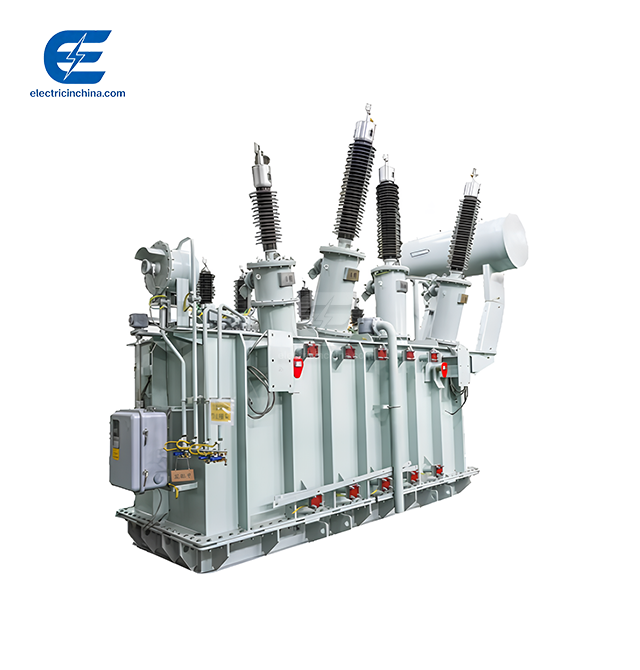
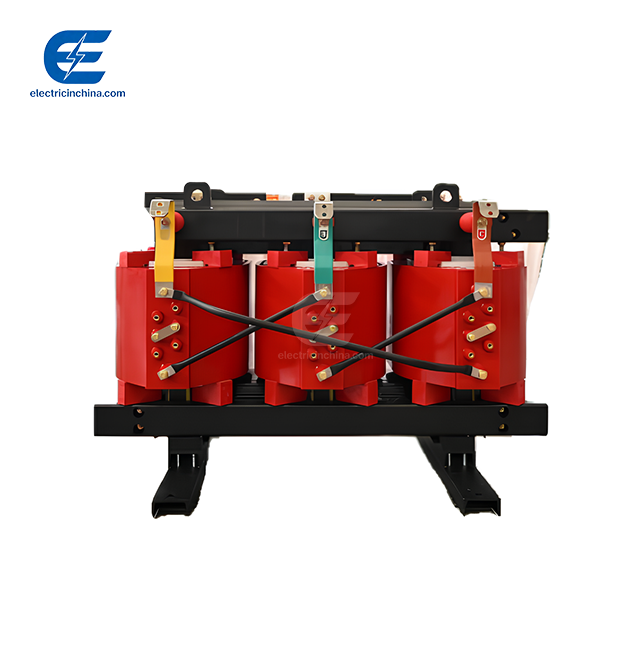
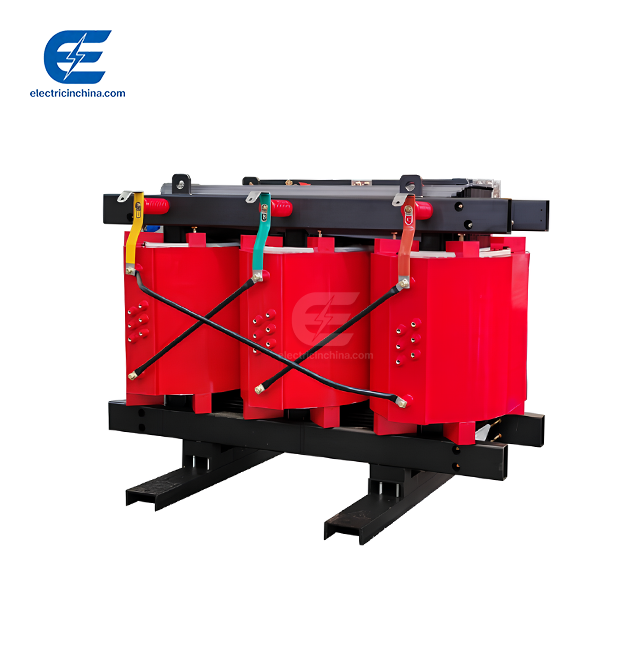
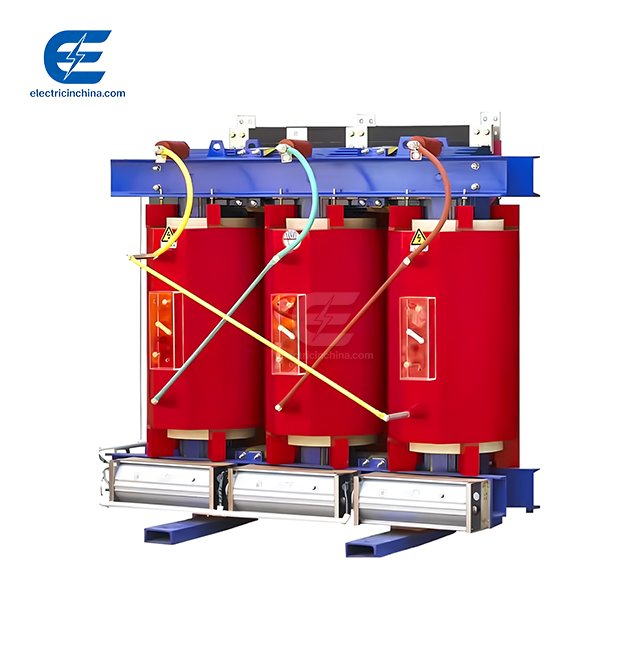
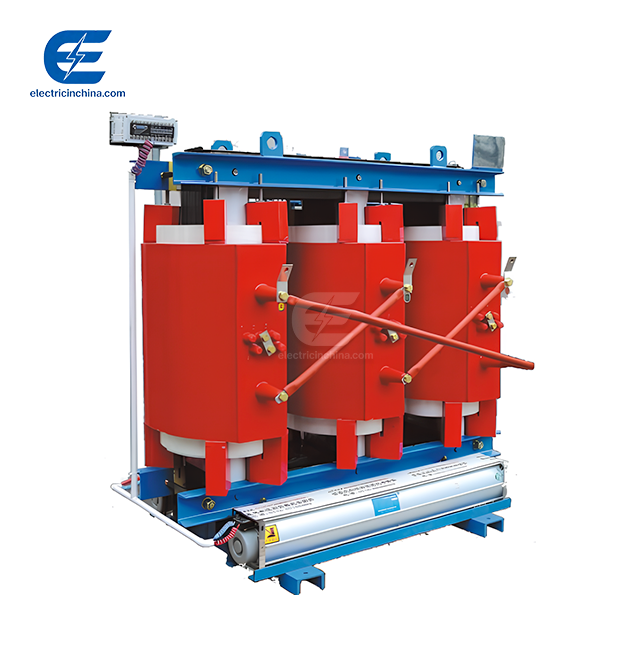
High-efficiency oil-immersed transformers are a big step forward in the technology of power transfer equipment. The insulating oil, carefully made for these devices, cools and protects the internal parts. This creates a stable working condition that wastes as little energy as possible. The oil moves around naturally or through forced cooling systems, getting rid of the heat that is made when the power is changed and keeping the right temperature even when the load changes.
Core Technology and Design Principles
Advanced materials and precise engineering are the building blocks of high performance. Our S13–S22 series transformers have grain-orientated silicon steel cores that cut down on eddy current losses by a huge amount. With this special core material and the best winding arrangements, no-load losses stay between 0.8% and 1.2%, which is a lot less than the 2% to 3% that are common in normal units. What the shielding oil does is cool the core and windings, keep the electricity from flowing, and keep the internal parts from getting wet or rusty.
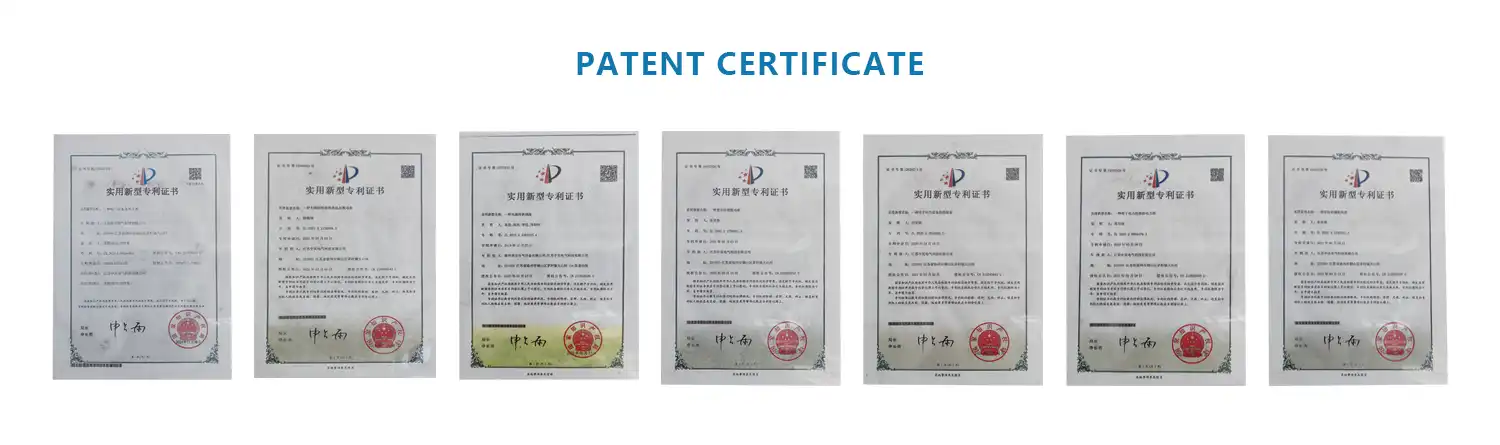
Mineral or synthetic ester oils with a dielectric strength of more than 70 kV and a moisture level of less than 10 ppm are used in modern machines. These requirements make sure that the insulation will last for a long time and meet the environmental standards that are becoming more important for urban sites. Our 15 senior engineers and over 30 intermediate techs have worked together to create 18 patents that improve thermal management and lower operational expenses. This shows how committed we are to coming up with new ideas in this important area of technology.
Efficiency Standards and Performance Metrics
Transformers that are classified as high efficiency must meet strict performance standards. Our goods always get scores above 98.5% for efficiency, and many of them get as high as 99.7% under ideal load conditions. At an 80% load factor, this efficiency directly leads to less energy use. At a normal U.S. power rate of $0.10 per kWh, a 10MVA transformer can save between $15,000 and $25,000 a year.
International standards IEC 60076 and IEEE testing methods are used for performance evaluation. Even when the load is high for a long time, the temperature rise limits stay between 65K and 60K for the windings and oil. The short circuit withstand capability goes up to 25 times the maximum current, which makes it very resilient when the power goes out. Based on these technical factors, oil-immersed designs are the best choice for urban settings where dependability can't be ignored.
Key Advantages Driving Trust in Urban Applications
In cities, people need tools that work perfectly even when things get tough. Procurement managers, EPC contractors, and infrastructure planners frequently choose high-efficiency oil-immersed transformers for important projects for a number of reasons.
Superior Energy Efficiency and Cost Savings
Energy saving has a direct effect on both running costs and the impact on the environment. Total energy losses with our transformer options are less than 1.5%, which means that companies can save 15% to 25% on their power costs compared to traditional equipment. Over a normal 35-year operational lifetime, these saves add up to a lot, and the initial investment costs are usually recouped in seven to ten years.
You can get more cash perks than just saving energy. Less loss means less heat production, which means less cooling is needed and parts last longer. Utility companies and building managers like these efficiency gains because they help meet green goals and legal requirements without lowering performance or dependability.
Extended Operational Lifespan and Reliability
When cities spend money on infrastructure, it needs to last for decades. Due to their strong construction and excellent heat management, high-efficiency oil- immersed transformers can operate for more than 35 years. Continuous oil movement stops spikes that damage insulation faster, and advanced cooling systems keep temperatures stable even when the load changes.
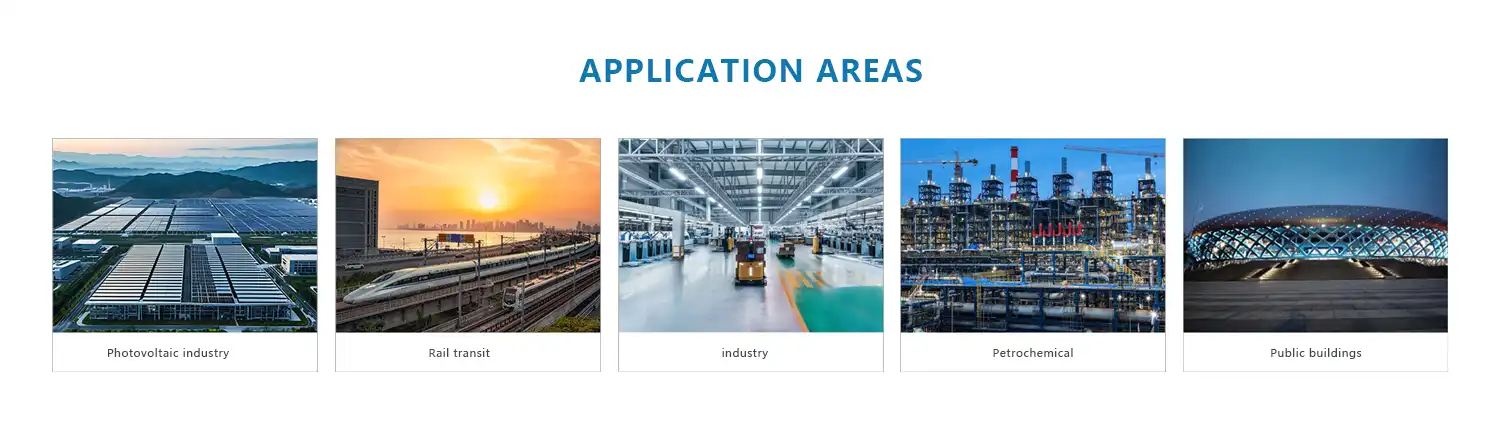
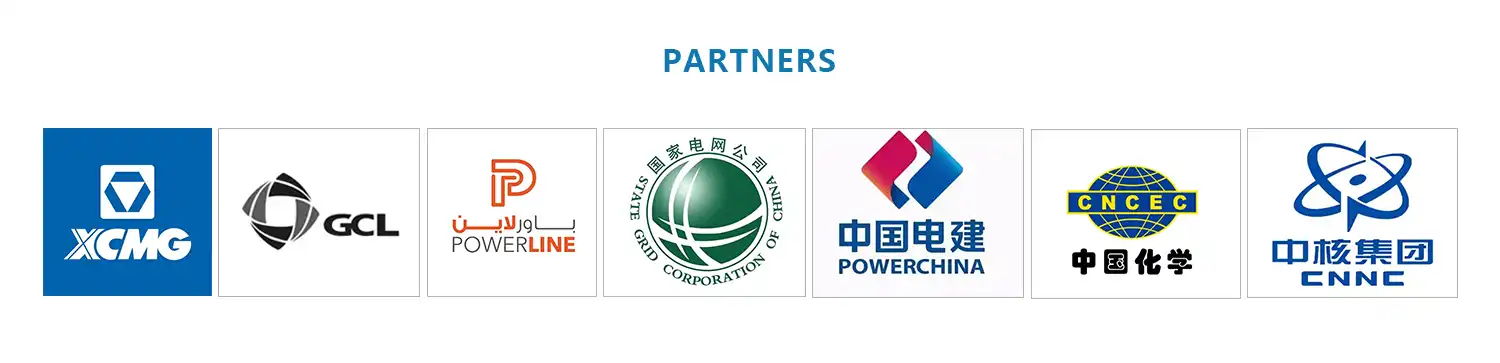
We have finished hundreds of important power projects that show how reliable we are. Both the Xuzhou High-speed Railway East Station power supply EPC project and the Xuzhou Rail Transit Network Control Centre use dual-circuit transformers to make sure that all of their important transportation equipment is completely safe. The XCMG Group's power supply upgrade demonstrated that we could meet strict quality standards and finish projects ahead of schedule, which ensured stable business operations for this large industrial maker.
Reduced Maintenance Requirements
Maintenance times are an important practical factor to consider. Normal transformers need to be serviced every two to three years, but our high-efficiency units need to be serviced every five to seven years. This longer repair cycle cuts down on both direct service costs and downtime.
Condition tracking tools allow for planned repair, which cuts down on unplanned downtime by 85%. Operators can find problems before they become major by doing regular dissolved gas analysis and oil quality testing in line with ASTM D3612 standards. From buying the raw materials to installing them, strict quality control procedures make sure that every unit meets high standards. This stops any problems and makes the units last longer.
Comparing Oil-Immersed Transformers with Dry-Type Alternatives
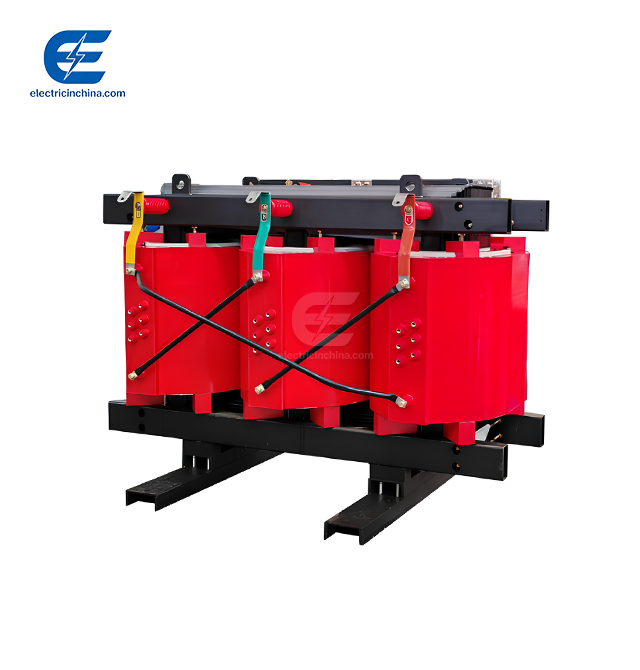
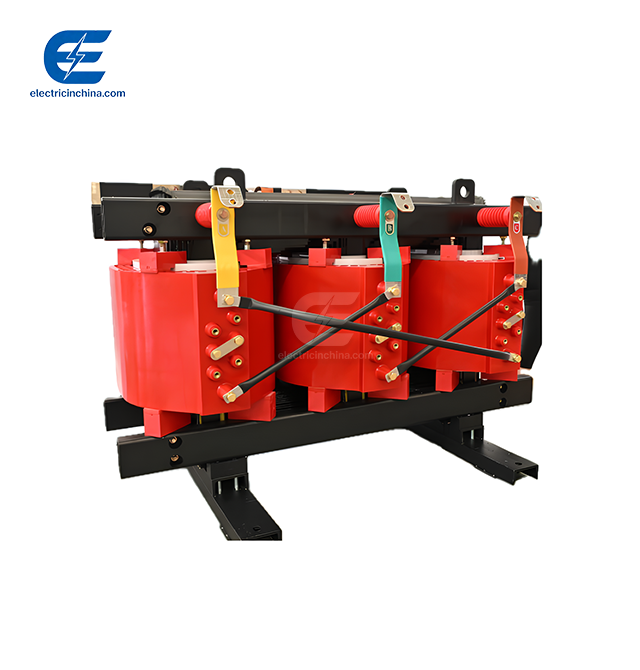
When procurement teams are looking at transformer choices, they often compare dry-type options to oil-immersed models. Knowing the differences helps businesses make choices that are in line with the needs of the project.
Efficiency Performance Under Load Conditions
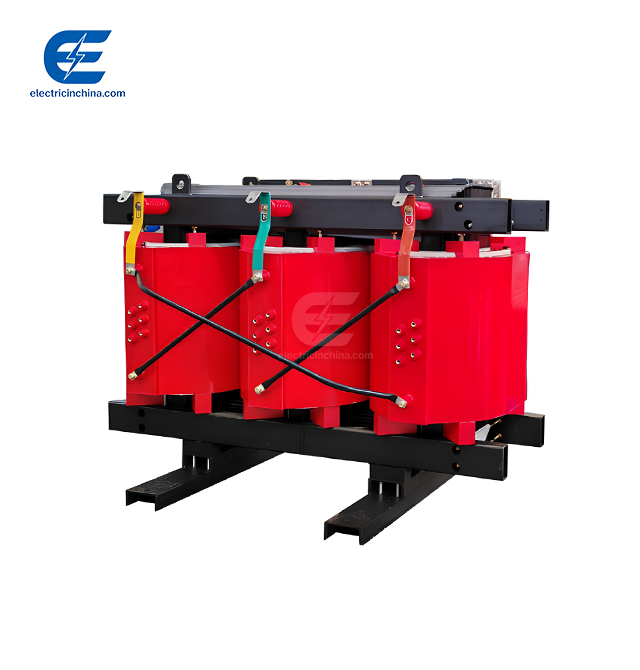
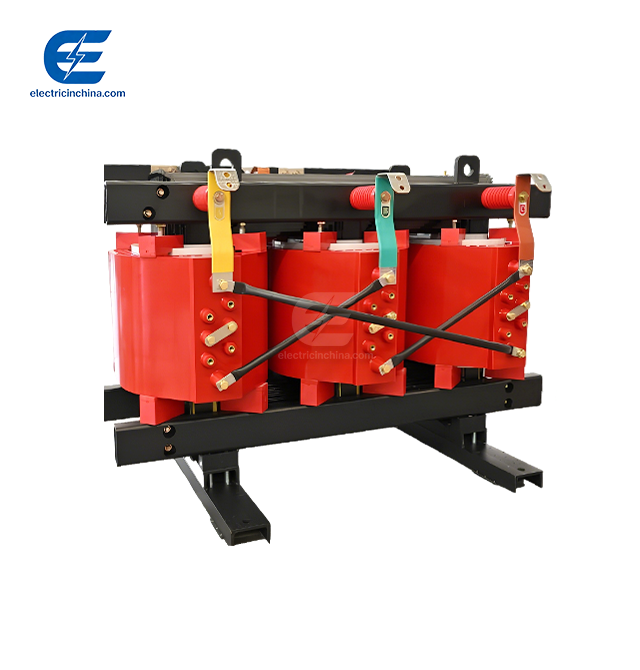
In terms of effectiveness, High efficiency oil immersed transformers always do better than dry-type units, especially when the load is high and changes often. Circulating oil is better at getting rid of heat than air or plastic systems used in dry-type designs because it has better cooling qualities. This thermal edge keeps efficiency rates above 98.5% even when temperatures hit 50°C or humidity levels get close to 95% RH.
Our transformers can work in temperatures ranging from -40°C to +50°C and keep the voltage stable within a ±1% range. These features are very important for green energy systems, where the load changes quickly because of solar and wind power. They need excellent regulatory performance. Steel mills, chemical plants, and data centers are all examples of industrial facilities that use ongoing processes and rely on this level of efficiency to avoid costly downtime.
Total Lifecycle Cost Analysis
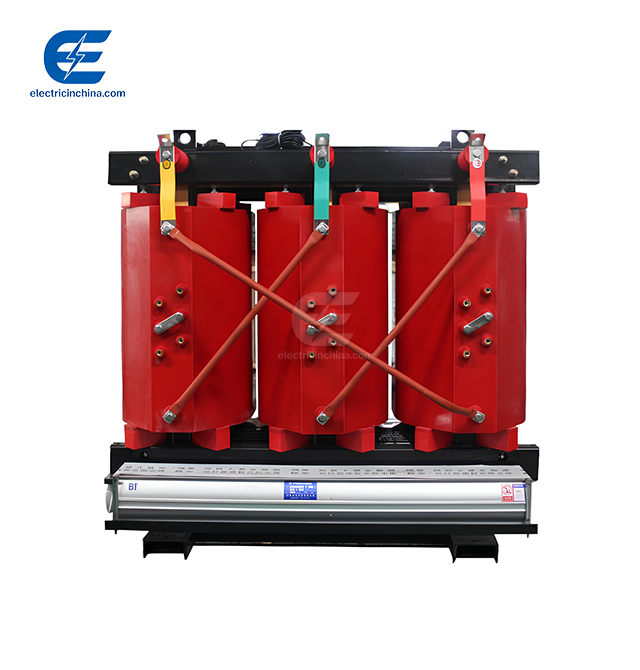
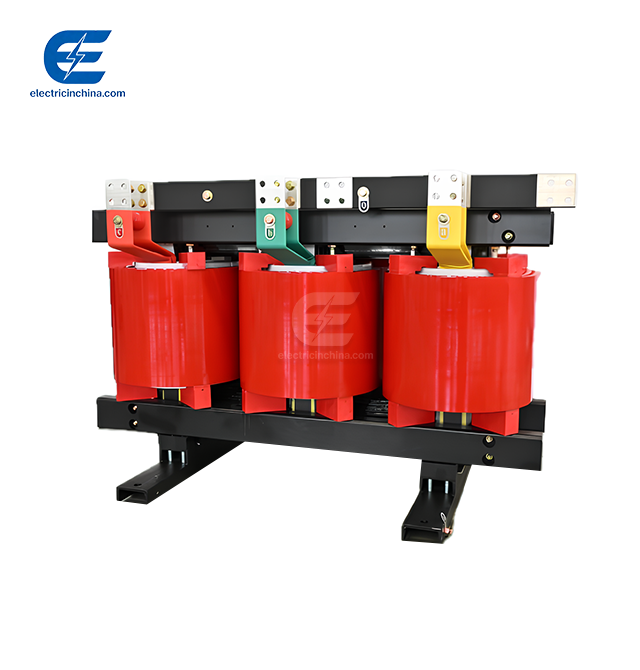
The initial payment is only one part of the total costs of ownership. Although High efficiency oil immersed transformers generally cost more up front than dry-type options, they usually have lower lifetime costs because they last longer and cost less to operate. Over decades, the energy savings add up, and the 35-year or longer service life means fewer repair rounds than dry-type units, which usually last 20 to 25 years.
The cost of maintenance also favours forms that are submerged in oil. The longer service intervals and higher overload capacity—120% to 140% of rated load during emergencies—make operations more flexible and lower the need for extra tools. For medium to large organizations that handle project-based buying, oil-immersed transformers frequently provide a better return on investment when all of these factors are taken into account.
Urban Environmental Considerations
In places with a lot of people, noise levels and safety measures should be carefully looked at. Modern oil-immersed transformers have improved sound dampening, keeping noise levels below 45 dB at a distance of one metre. This makes them ideal for use in hospitals, business buildings and tube lines. Concerns about fire safety that used to favour dry type setups are now addressed by pressure relief systems, Buchholz relay protection, and the ability to watch from afar.
Environmental laws stress compostable ester fluids and lower pollution more and more. Having ISO 14001, RoHS, and REACH standards shows that we care about running an eco-friendly business. High-efficiency oil-immersed transformers are suitable for sensitive locations where community and environmental concerns affect the purchasing choice because these features meet strict urban planning requirements.
Selecting the Right High-Efficiency Oil-Immersed Transformer
The best performance and long-term worth are guaranteed by careful choosing. There are several technical and business factors that need to be carefully considered during the buying process.
Technical Specifications and Standards Compliance
Transformers need to have the right electrical properties for the job they're going to be used for. Power ratings from 50kVA to 500MVA can be used for a range of project sizes, and voltage ratings up to 800kV can be used for transport and distribution needs. Checking that equipment meets IEC 60076 series standards, IEEE C57.12.00, and ANSI specifications makes sure it meets foreign quality standards.
When figuring out load capacity, you should think about high demand, plans for future growth, and situations where the system is overloaded. For each area, our engineering team creates solutions that are specific to the climate and the rules that must be followed. Altitude adjustment for installations up to 3000m, seismic qualification for areas prone to earthquakes, and custom cooling setups for harsh climates are just a few examples of the customisability features that are needed for large-scale urban infrastructure projects.
Supplier Evaluation and Quality Assurance
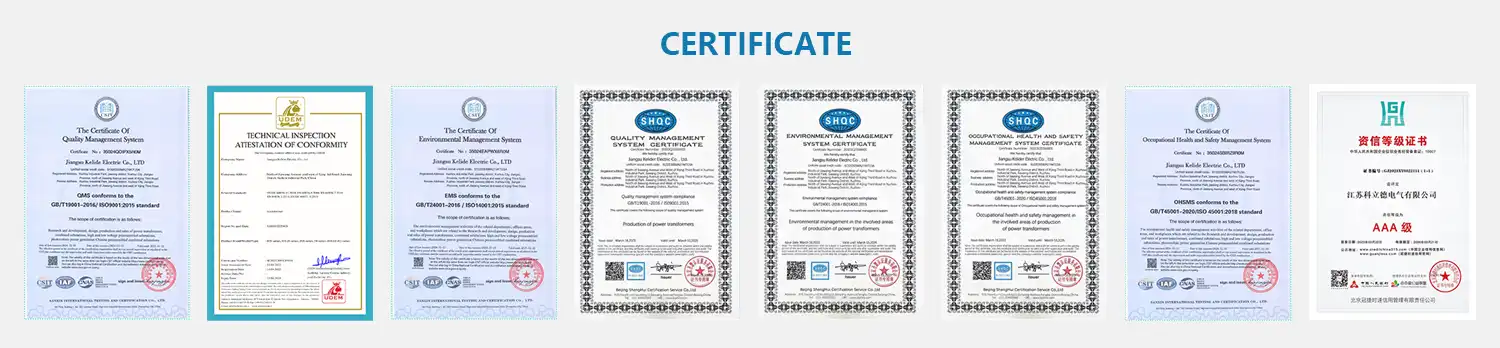
When you choose trusted suppliers, you protect project deadlines and performance promises. Teams in charge of buying things should check that producers keep up with OHSAS 45001 safety standards, ISO 9001 quality management standards, and ISO 14001 environmental standards. Our many certificates, including the National CCC Mandatory Certification for all goods, guarantee the quality of our production and compliance with regulations.
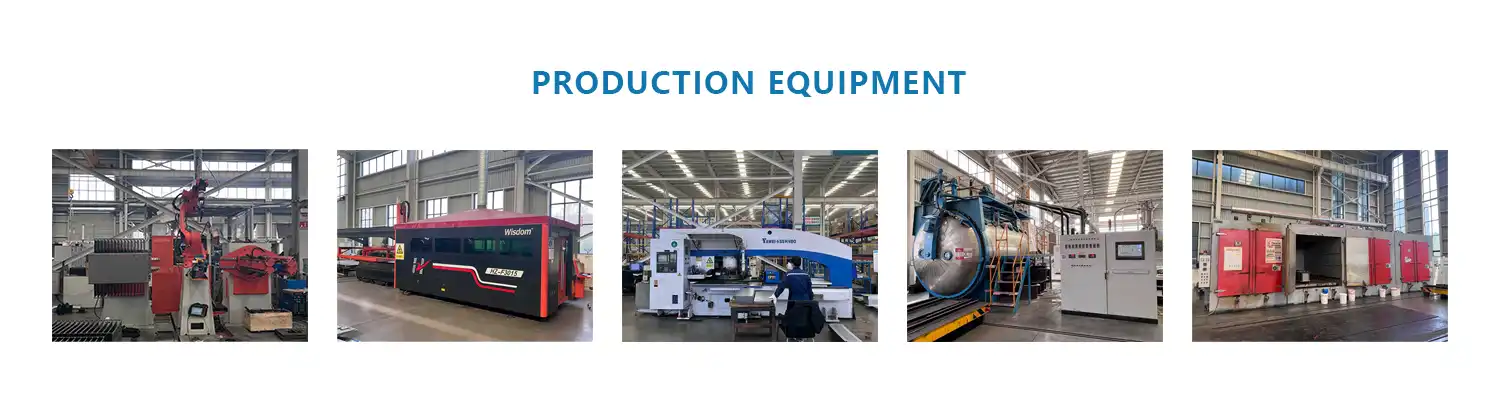
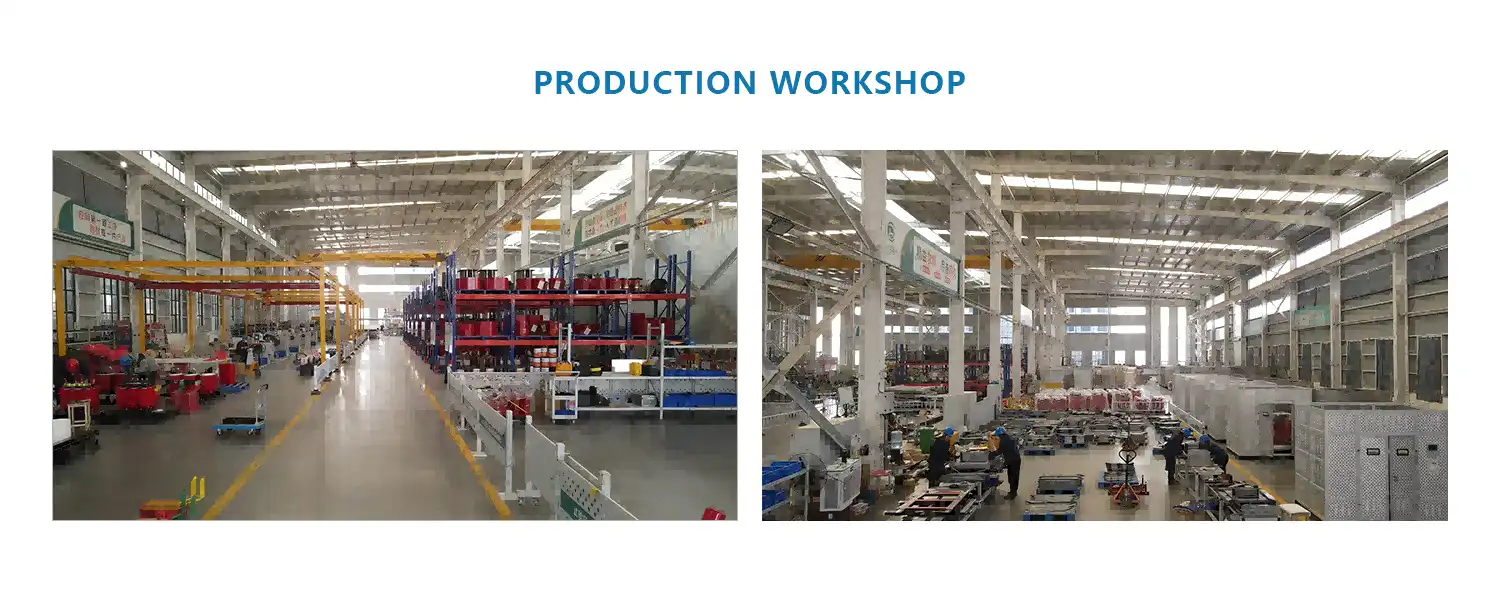
Routine electrical tests, dielectric withstand verification, thermal performance validation, and mechanical integrity checks should all be part of factory acceptance testing procedures. Our professional quality inspection lab does tests that are seen by others and are carefully recorded to make sure that every unit meets the requirements before it is shipped. With more than 20 years of experience in the field and 120 sets of high-tech production equipment, such as CNC automatic winding machines and microcomputer-controlled curing ovens, we offer steady quality and are backed by 18 patents for new transformer ideas.
Procurement Logistics and Customization Options
Businesses that are in charge of big projects gain when their providers offer a wide range of support services. Lead times, coordinating deliveries, and getting help with fitting all have a big effect on project plans. Our ability to provide power supply and distribution options in one place makes buying easier and makes it easier for EPC companies and business developers to coordinate.
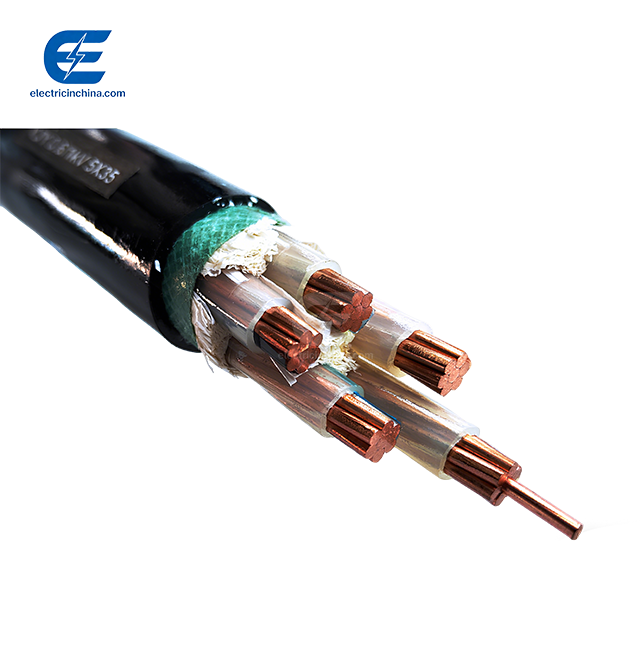
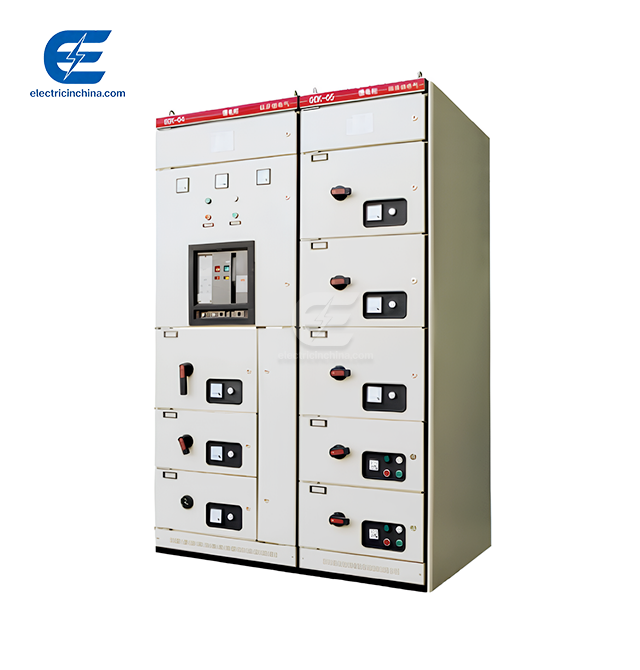
Organizations can get the best specs for different uses by buying in bulk and making changes to existing products. We help our clients buy goods that work well together, like low-voltage switchgear, cables, and safety systems, so that the whole electrical equipment setup is compatible. This unified method, along with quick after-sales service and expert help, solves the main problems of medium-sized to large businesses that need dependable source partnerships for a long time.
Future Outlook and Trends Impacting the Urban Transformer Market
The transformer industry is always changing to adapt to new problems and opportunities in cities. Future progress in High efficiency oil immersed transformer technology will be shaped by a number of trends.
Green Insulating Fluids and Environmental Innovation
Both natural and manufactured ester oils are big steps forward for the earth. When it comes to fire safety, these organic fluids are better than mineral oils. They also have great insulating properties and cooling performance. Adopting green shielding fluids helps with safety issues in cities and following environmental rules, especially for sites near water sources or areas that are sensitive to the environment.
Research into advanced cooling technologies continues pushing the limits of how well they work. Hybrid cooling systems that use both natural airflow and carefully placed forced air cooling use less energy and keep the same level of thermal performance. These new ideas cut down on the small amounts of energy that are lost in high-efficiency designs, which helps cities meet their environmental goals and carbon reduction promises.
Digital Transformation and Smart Monitoring
IoT-enabled tracking tools change how transformers are used and how they are maintained. Predictive maintenance plans are possible with real-time data collection that keeps track of oil temperature, load levels, dissolved gas amounts, and environmental conditions. Operators can see how healthy their equipment is, finding problems before they break down and improving performance across urban power networks.
With remote diagnostics, you don't have to do as many checks on-site, which cuts down on maintenance costs and speeds up response times. Data analytics find trends that show equipment is breaking down or not working right, which helps with taking preventative steps that make equipment last longer. Digitally equipped oil-immersed transformers are becoming building pillars as smart grid projects spread across U.S. cities and need to be able to integrate with other systems.
Regulatory Drivers and Market Demand
Environmental laws and guidelines for the energy economy are having a bigger impact on transformer choices. Modern designs are being used more because of updated efficiency ratings and required performance minimums. Government building projects and business developments that want to get LEED certification or a similar sustainability award give more weight to equipment that performs better in terms of the environment.
These governmental forces can be seen in market demand. For urban projects, it is now common for the requirements to call for efficiency scores above 98%, noise levels below 50dB, and full environmental certifications. When manufacturers put money into research, keep strict quality standards, and offer custom solutions that meet these needs, they place themselves as the best providers for the growing urban infrastructure market.
Conclusion
Due to their proven dependability, excellent performance, and connection with sustainability goals, High efficiency oil immersed transformers have gained urban trust. These high-tech units have efficiency scores of 98.5% to 99.7%, which lowers running costs while meeting the complex needs of power networks in cities. They have a track record of success in government building projects, commercial developments, and industrial facilities. This, along with their many certifications and technical knowledge, makes them the best choice for businesses that need reliable power solutions for the long term. As towns continue to update their electrical systems, these transformers are still necessary for safe, efficient, and environmentally friendly energy distribution.
FAQ
What kinds of upkeep make sure that the machine works at its best?
Regular oil analysis according to IEC 60422 standards, checking the dielectric strength, moisture content, and pH levels, is the first step in good upkeep. An annual study of dissolved gases finds problems before they happen, and thermal imaging finds hotspots that mean there are problems with the cooling system. Compared to traditional transformers that need service more often, our five- to seven-year repair cycles mean less downtime for operations.
How do noise levels compare in places in cities?
Through sophisticated shaking and sound dampening, modern oil-immersed transformers can produce noise levels below 45 dB at a distance of one metre. This performance is good for places that need to be quiet, like hospitals, schools and apartment buildings. Our units meet the sound level standards set by IEC 60076-10, which means they are in line with city noise laws.
What kinds of certificates prove quality and safety?
Reputable makers keep their OHSAS 45001 safety certifications, ISO 9001 quality management standards, and ISO 14001 environmental standards up to date. Some product-specific certificates are National CCC Mandatory Certification, IEC 60076 Compliance, and IEEE Standards Adherence. These references show that the products are made well and follow all the rules, which is important for making B2B purchasing decisions.
Partner with Tuojie for Your Urban Infrastructure Power Needs
High-efficiency oil-immersed transformers that meet the strict needs of urban power networks are what Tuojie designs, makes, and sells. With ISO 9001, ISO 14001, OHSAS 45001, CCC certifications and more than 20 years of experience in the field, we are a reliable High efficiency oil immersed transformer maker for government projects, business developers, and industrial sites. With the help of our 15 senior engineers and a large patent collection, we can make solutions that are specific to your project needs and the conditions of the surroundings.
Whether you need transformer solutions for business developments, infrastructure upgrades, or the integration of renewable energy, Tuojie has reliable goods that are delivered on time and come with full expert support. You can email us at tuojie@electricinchina.com to talk about the details of your project, get full technical paperwork, or set up a meeting with our engineering team. Find out how our High efficiency oil immersed transformers can help you make your urban power distribution more reliable while also cutting costs.
Please go to electricinchina.com to see all of our power sources and delivery options that are made for modern cities.
References
1. IEEE Standards Association. "IEEE Standard for General Requirements for Liquid-Immersed Distribution, Power, and Regulating Transformers." IEEE C57.12.00-2015, Institute of Electrical and Electronics Engineers, 2015.
2. International Electrotechnical Commission. "Power Transformers—Part 1: General Requirements and Tests." IEC 60076-1:2011, International Electrotechnical Commission, 2011.
3. U.S. Department of Energy. "Energy Conservation Program: Energy Conservation Standards for Distribution Transformers." Federal Register, Vol. 78, No. 151, Department of Energy, Office of Energy Efficiency and Renewable Energy, 2013.
4. CIGRE Working Group A2.35. "Economic Assessment of Power Transformer Maintenance and Condition Monitoring Practices. "CIGRE Technical Brochure 642, International Council on Large Electric Systems, 2015.
5. Barnes, Peter R., and Jon W. Beitsch. "Assessment of High-Efficiency Distribution Transformers for Commercial and Industrial Applications." Oak Ridge National Laboratory Technical Report ORNL/TM-2012/438, Oak Ridge National Laboratory, 2012.
6. National Electrical Manufacturers Association. "Guide for Transformer Loss Evaluation." NEMA TP 3-2015, National Electrical Manufacturers Association Standards Publication, 2015.