

.webp)
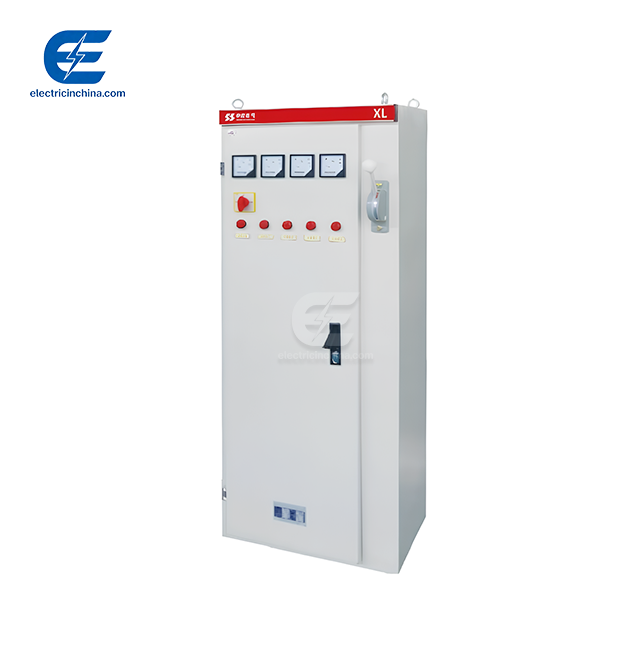
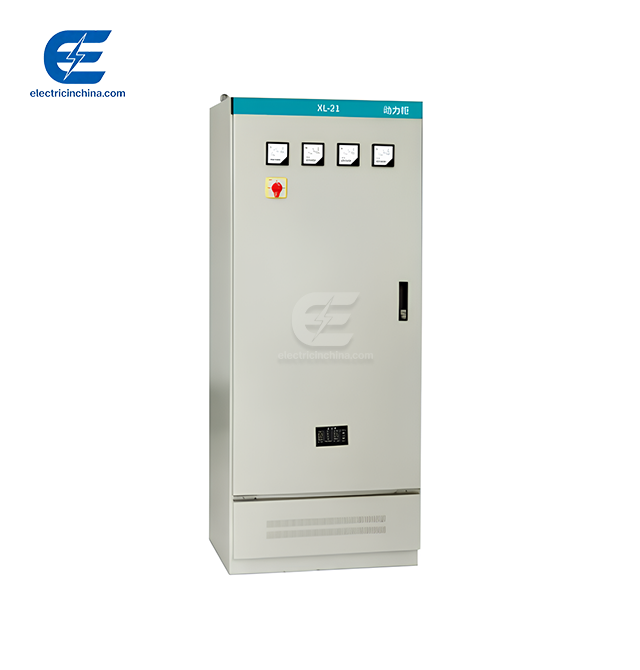
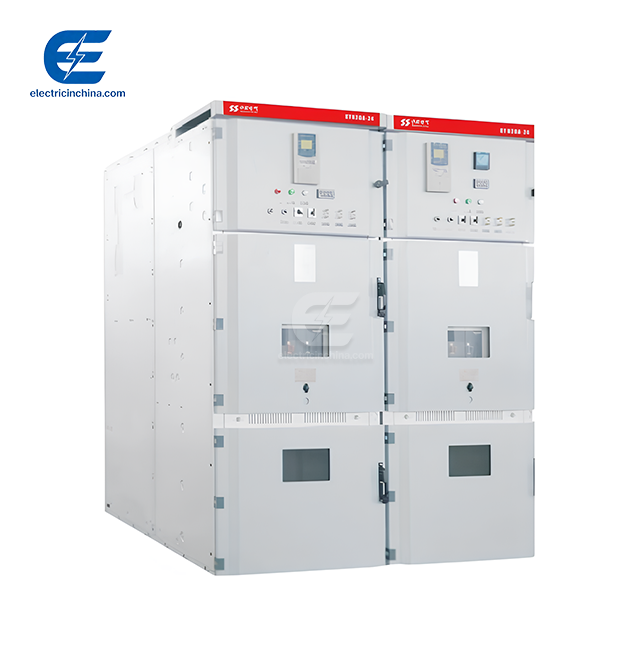
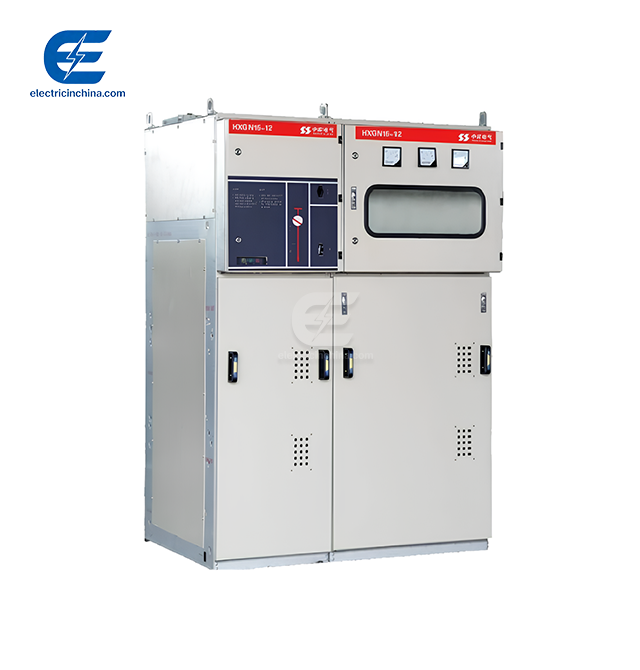
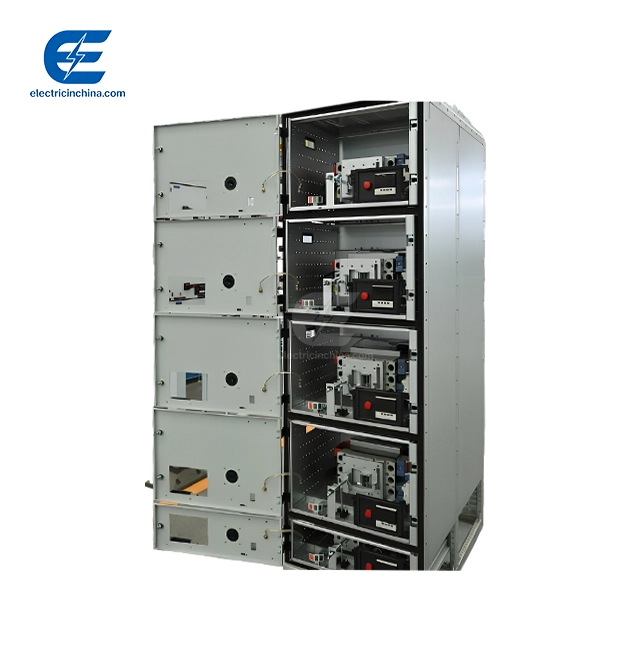
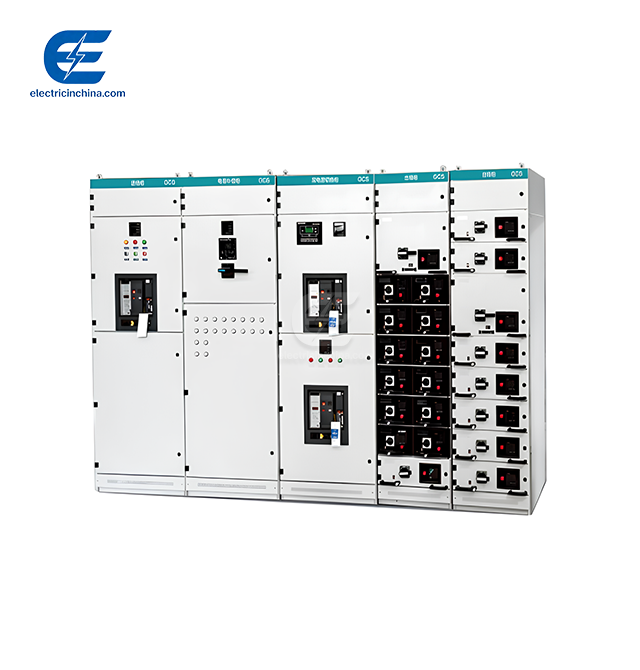
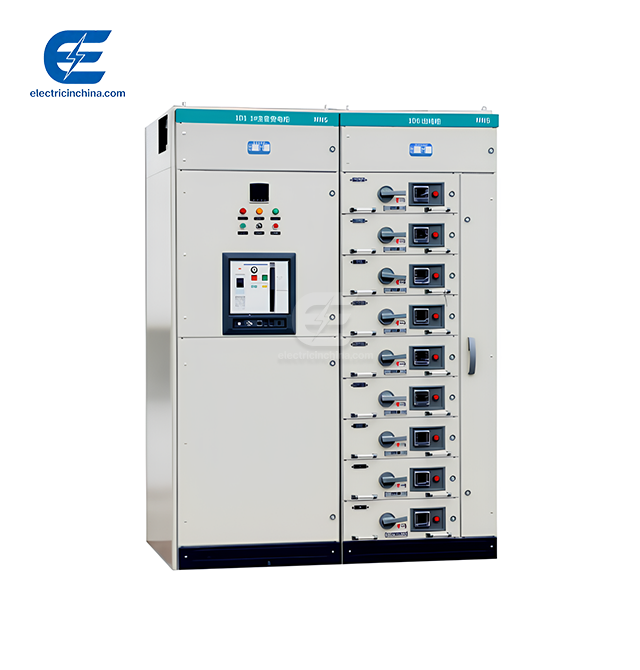
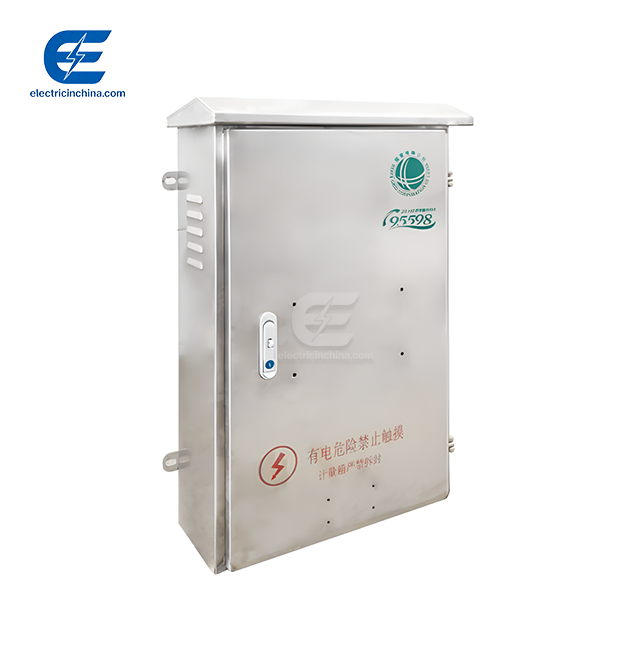
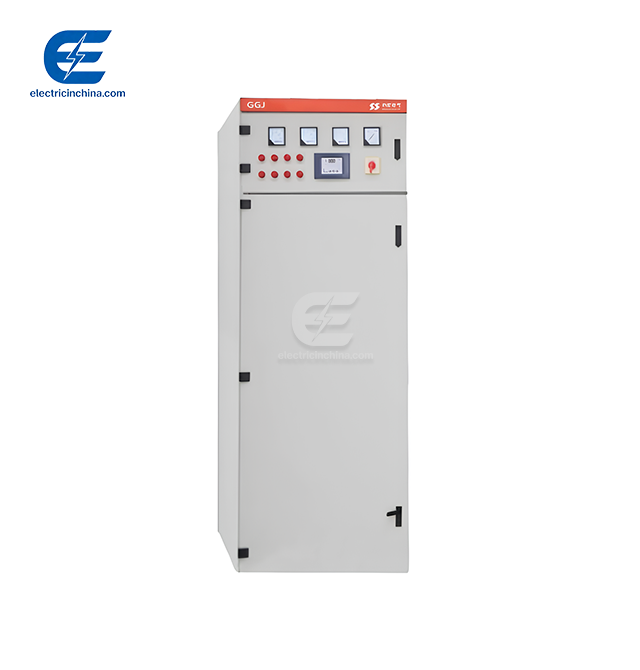
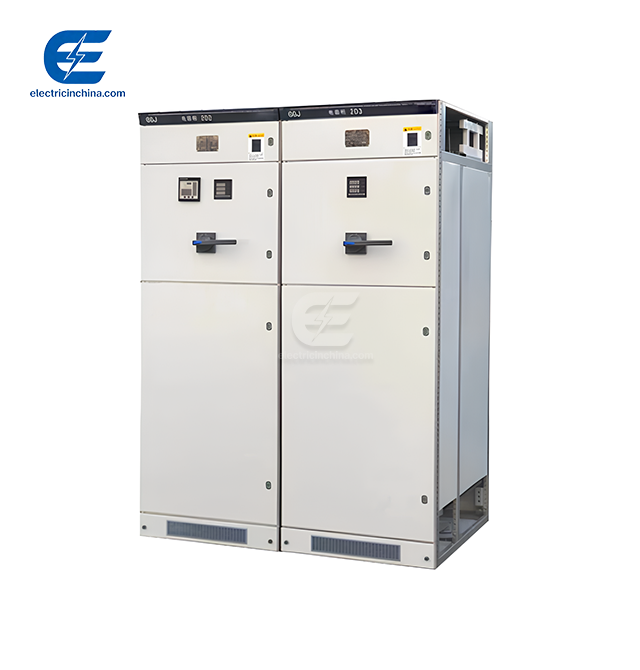
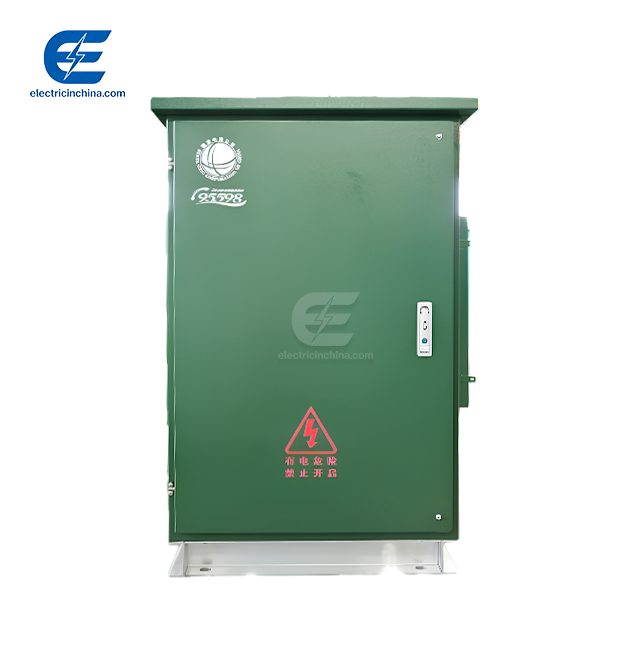
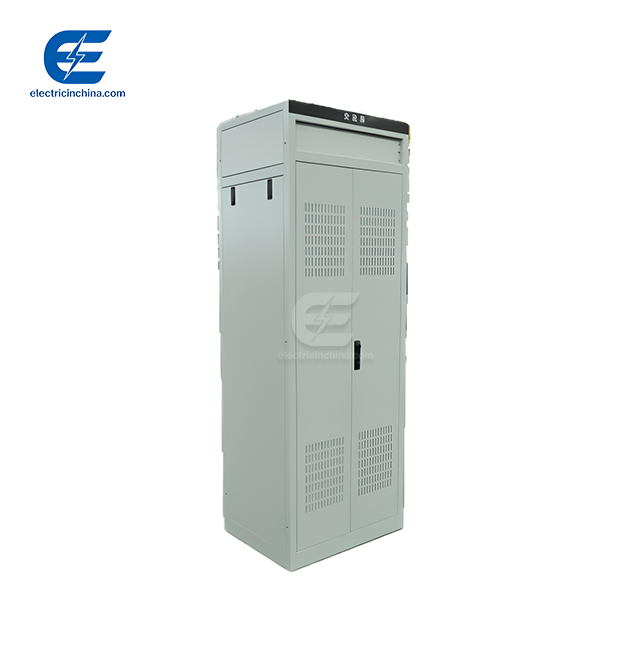
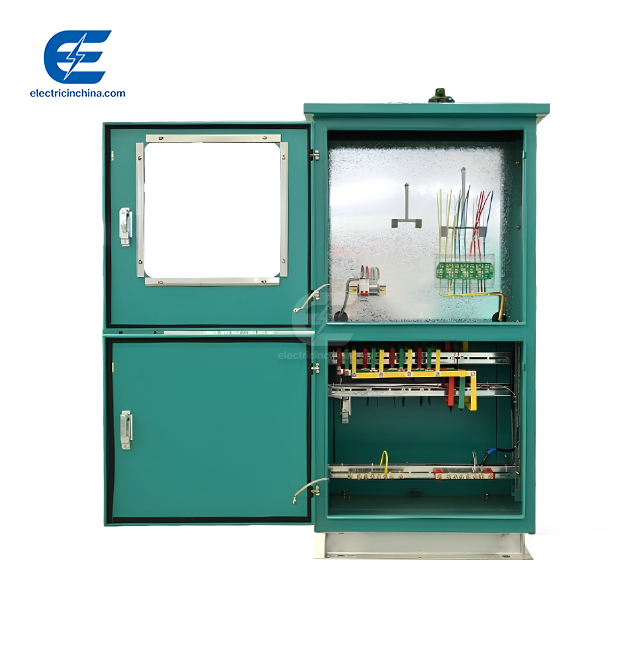
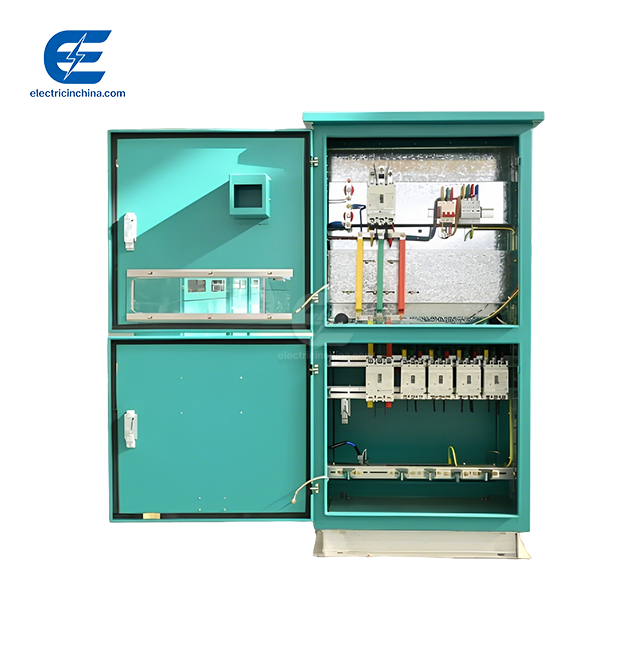
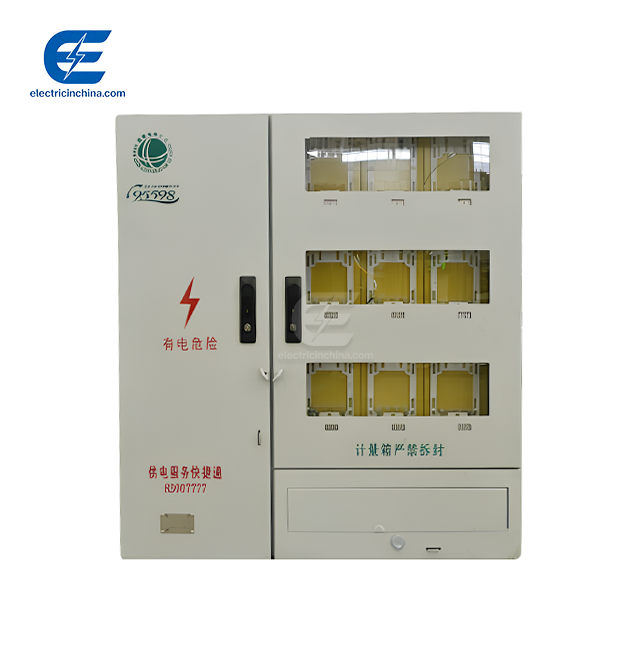
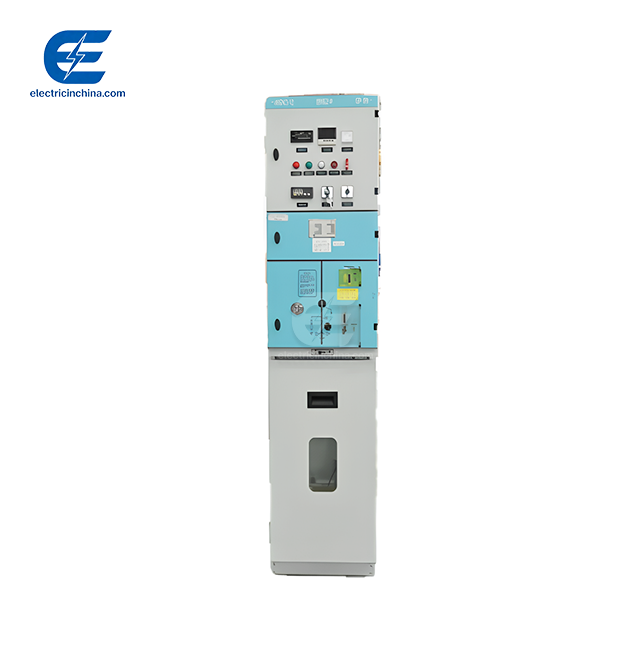
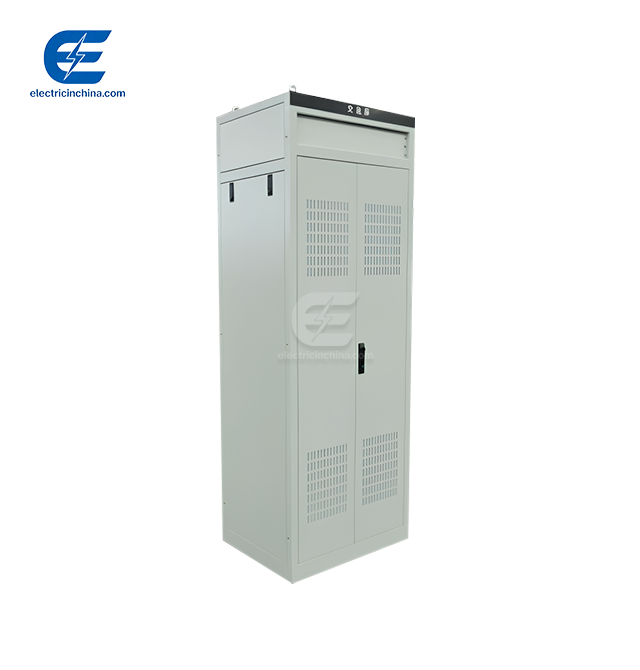
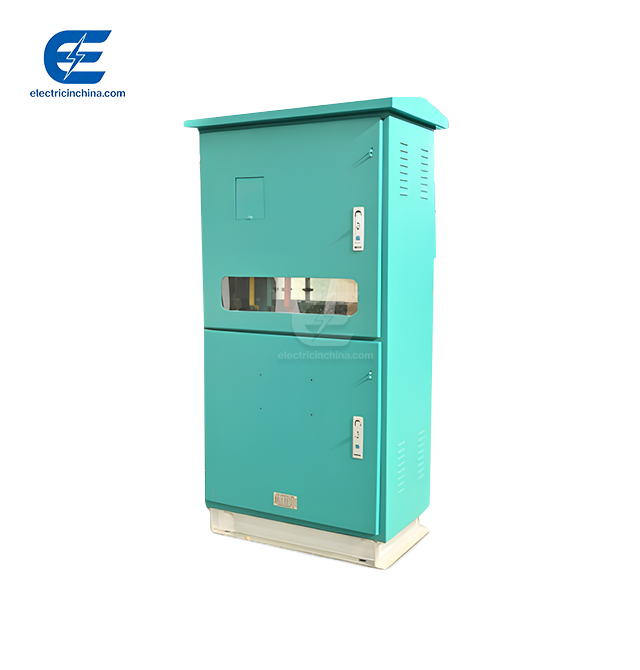
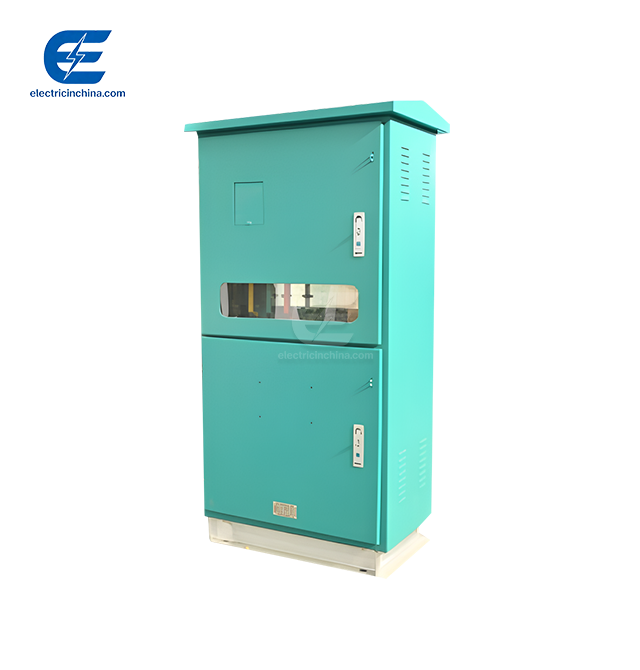
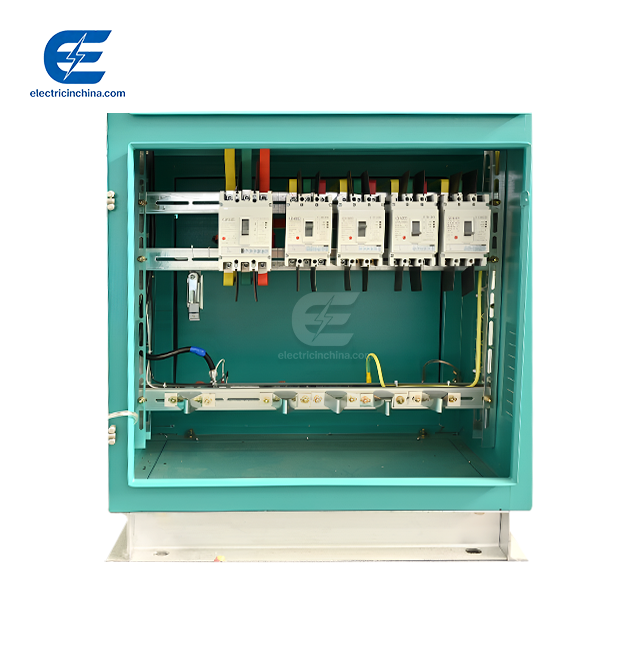
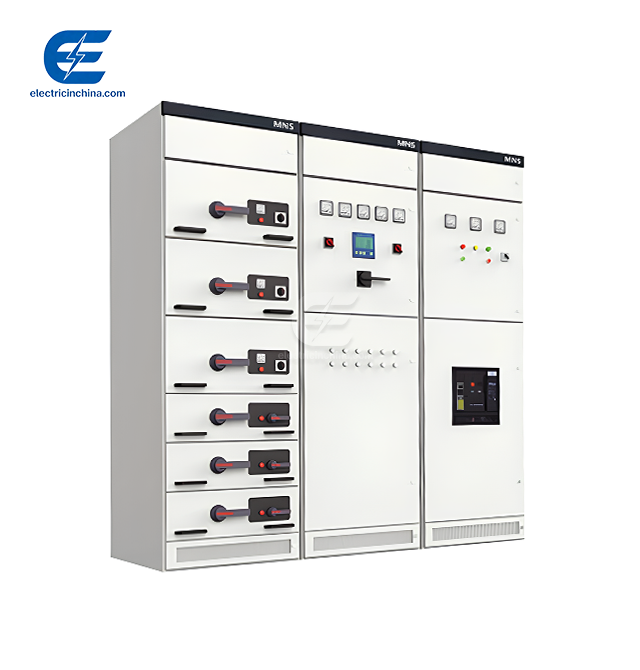
When you upgrade to a PV Compact Substation for Solar Power Plants, you get giant benefits that solve the operating and financial problems you're having right now. Compared to regular substations, these integrated systems cut installation time by 60–70%, and room needs by 30–40%. They do so by combining transformers, switchgear, and safety systems into units that have already been tried in the factory. These substations are reliable in the harshest conditions and meet ISO 9001 quality standards at every stage of production. They can work in temperatures ranging from -40°C to +50°C and have security levels from IP54 to IP65.
Understanding PV Compact Substations in Solar Power Plants
What Makes Compact Substations Different?
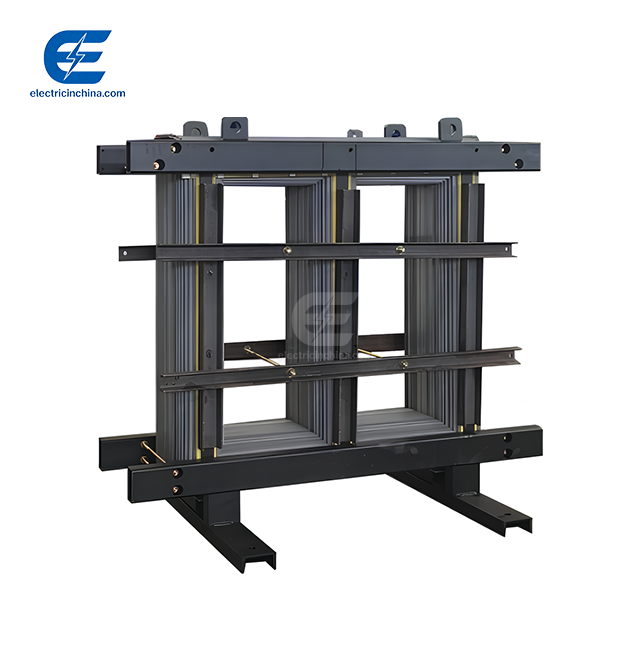
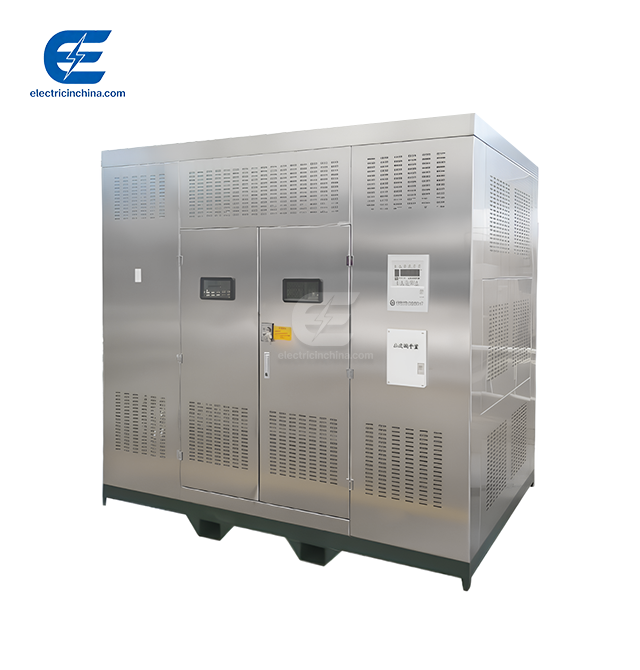
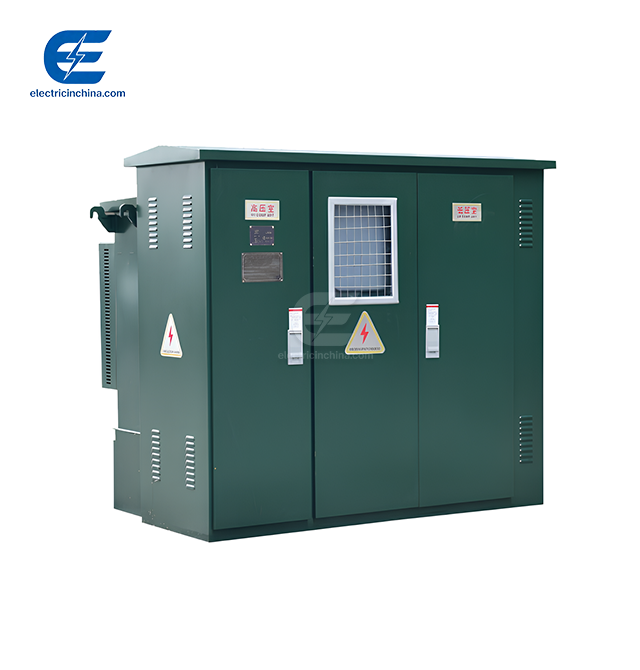
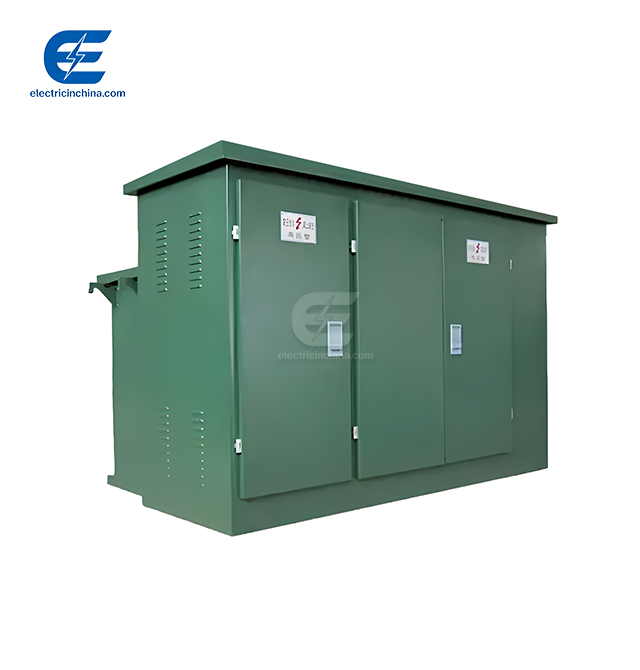
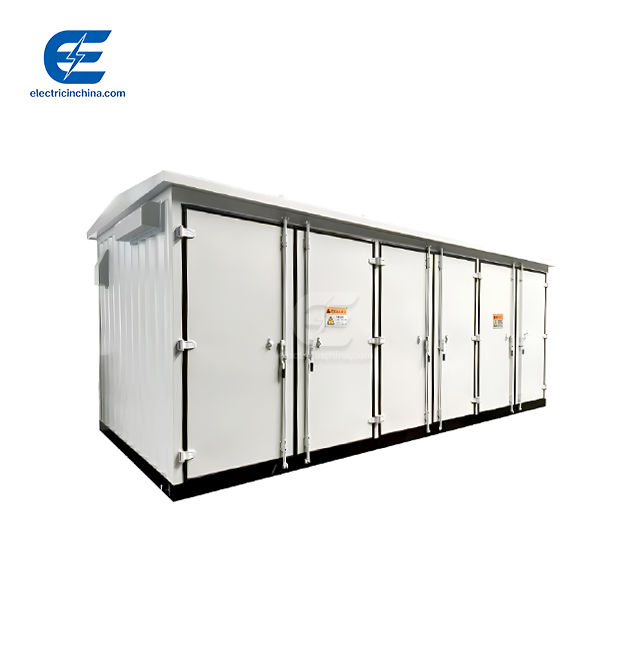
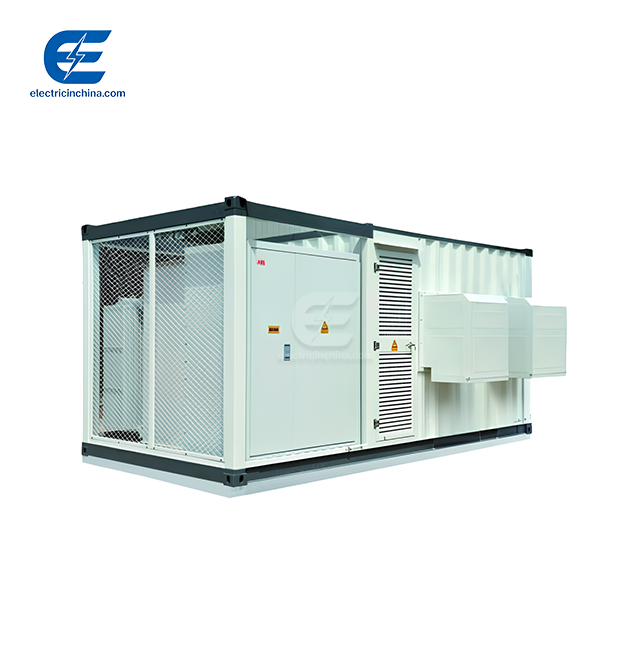
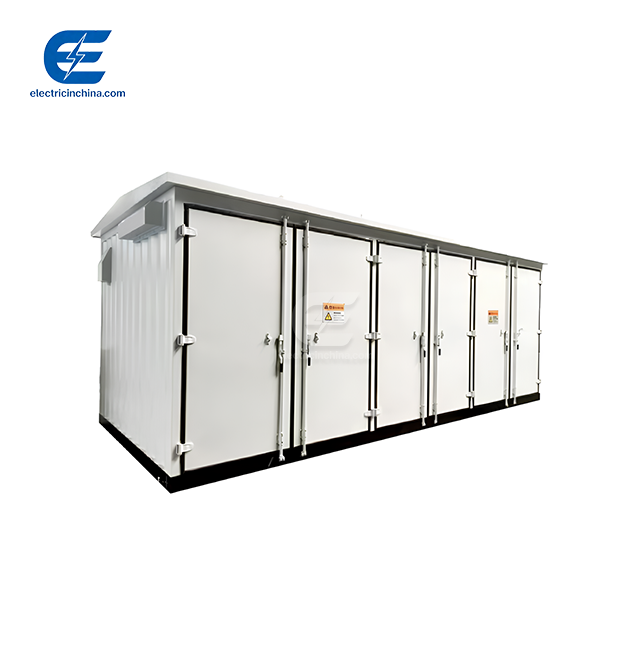
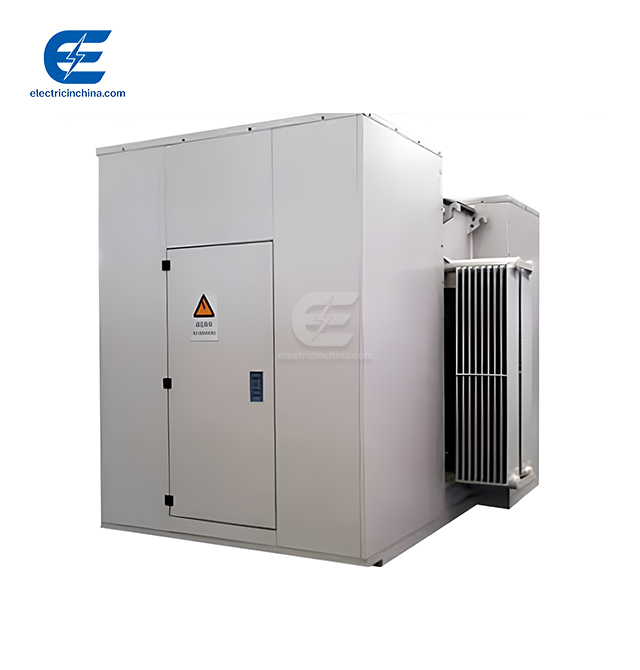
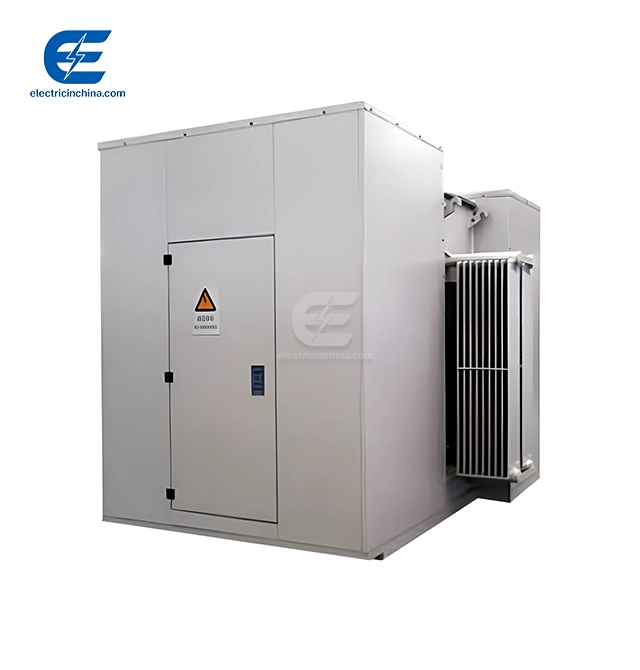
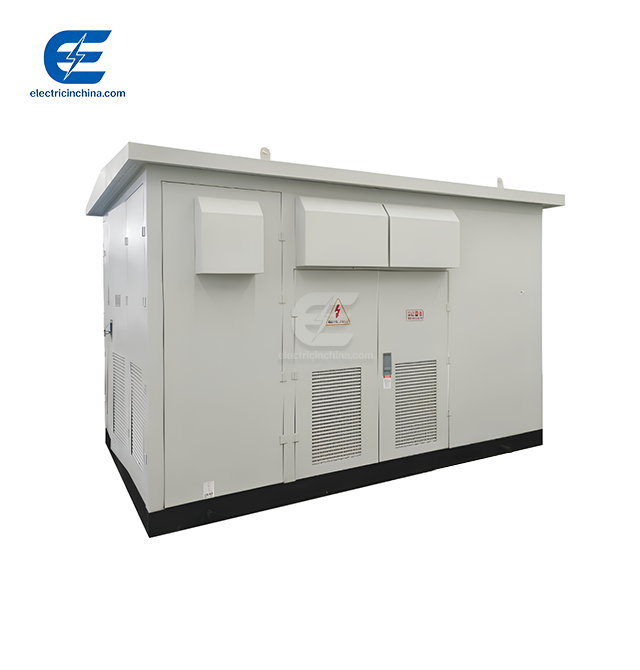
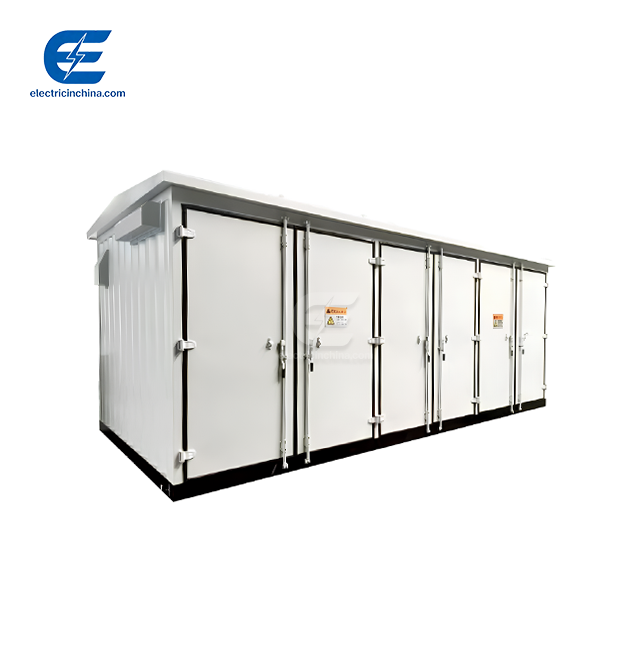
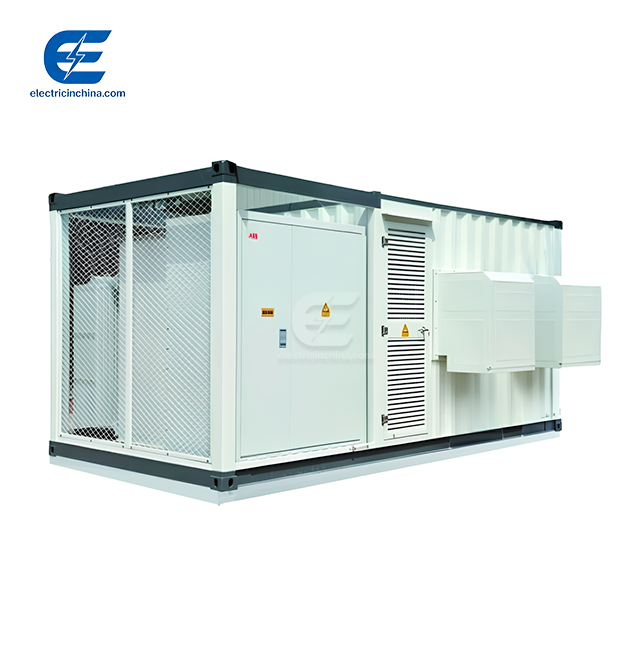
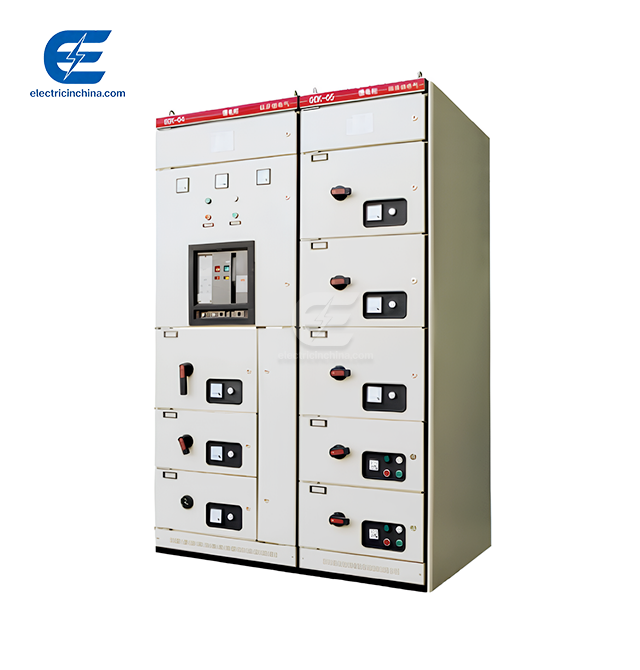
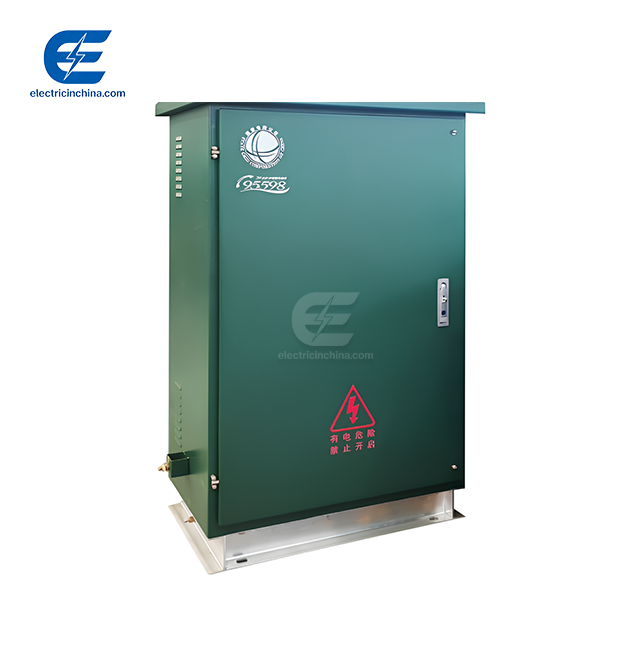
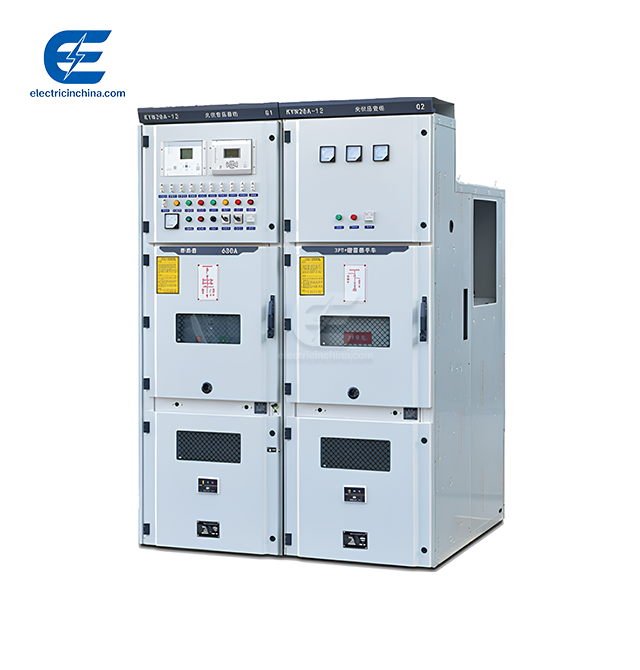
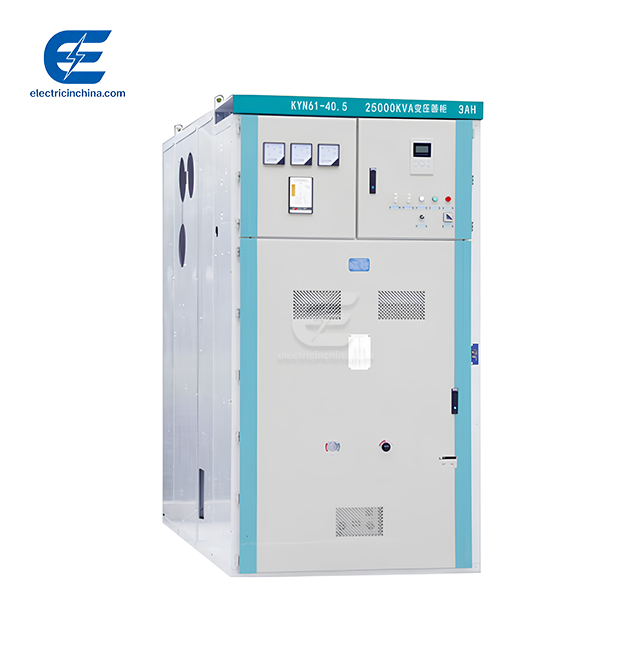
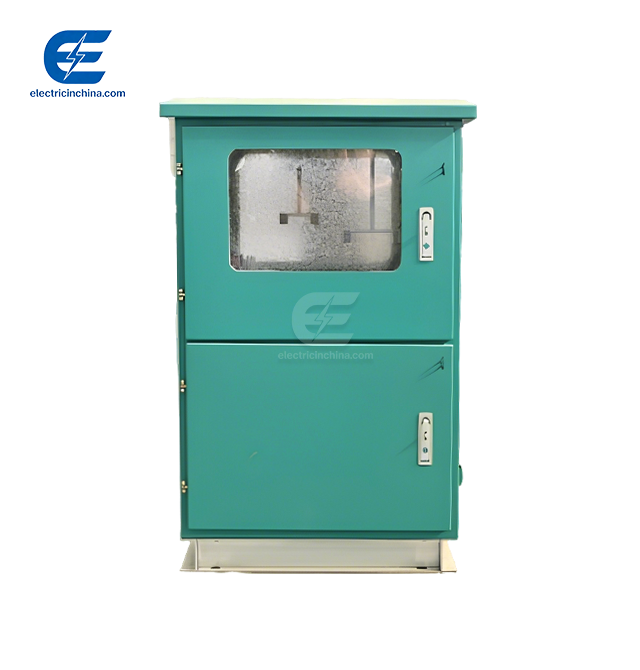
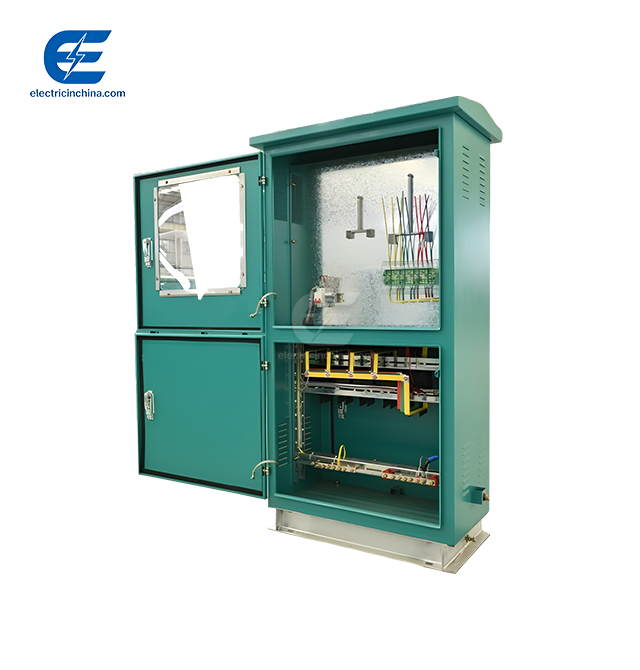
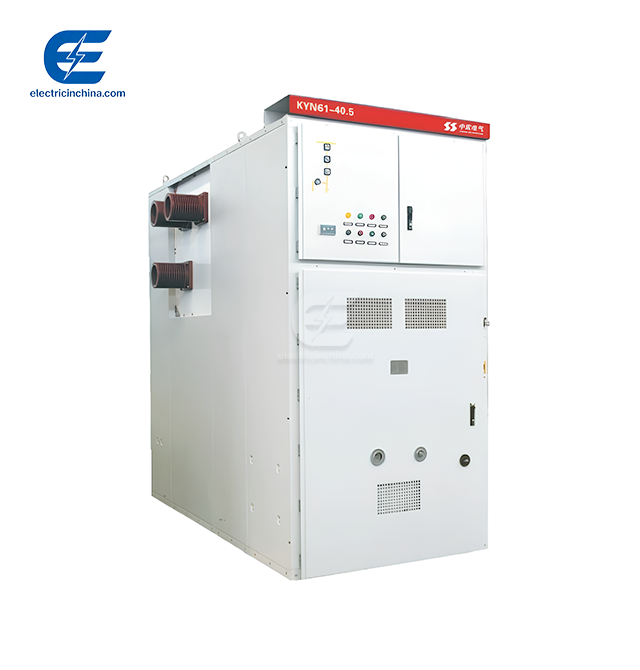
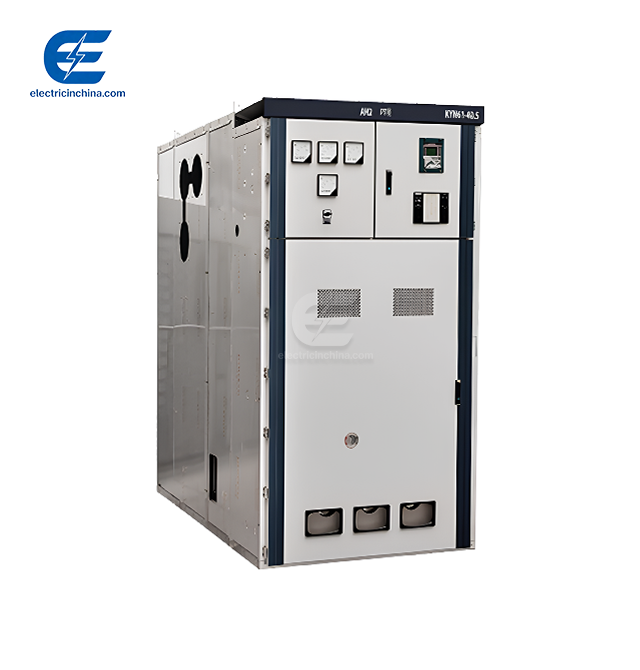
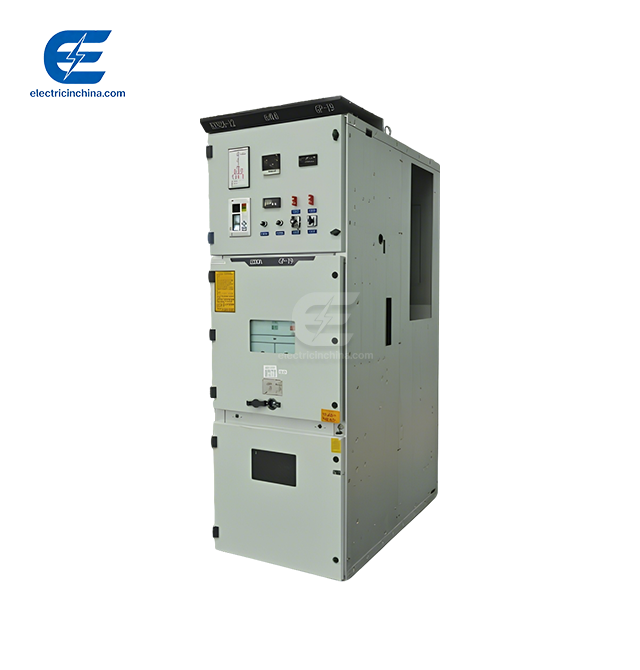
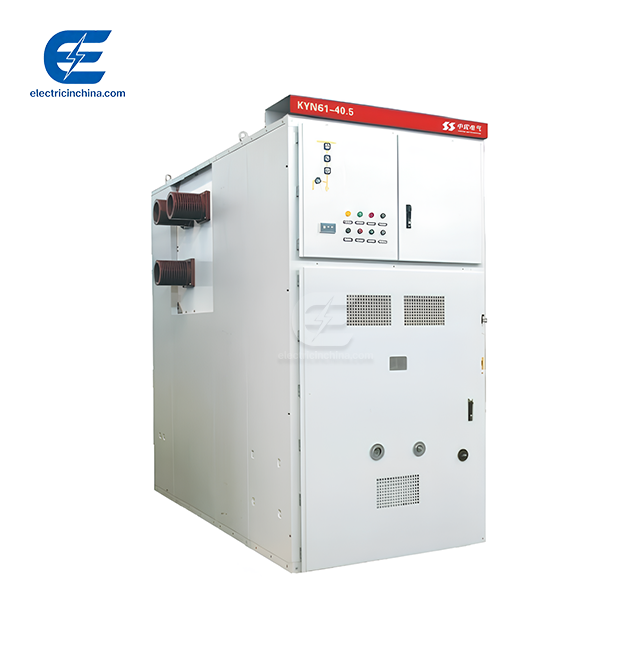
A PV Compact Substation for Solar Power Plants changes the way we build electricity infrastructure for projects that use green energy in a big way. Instead of putting together many parts on many different sites, these systems combine transformers, high-voltage switches, safety relays, and control equipment into a single, prefabricated box. With this integration, a plug-and-play system is created that has already been tested and set up at the factory before it arrives at your site. The main idea behind how it works is to change power and join grids efficiently. In these substations, AC power is raised from 35kV to 110kV, 132kV, or 220kV transfer voltages. This makes it easy for your solar panels to connect to the power grid. Because the enclosures are modular, you can change the power of each unit from 50MVA to 300MVA to meet the needs of the project without having to rethink the whole electrical system.
Integrated Components and Functionality
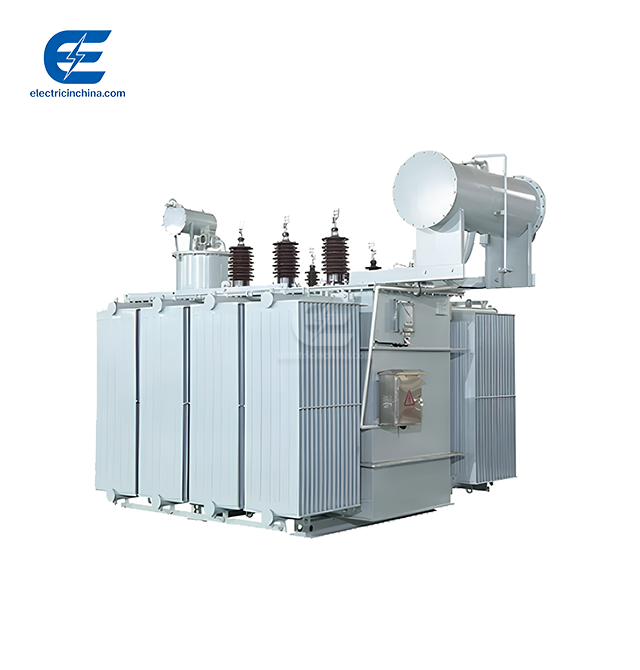
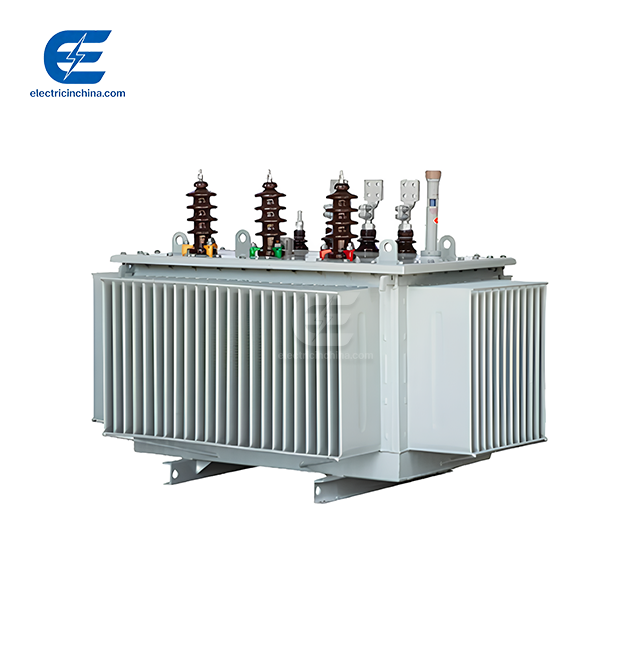
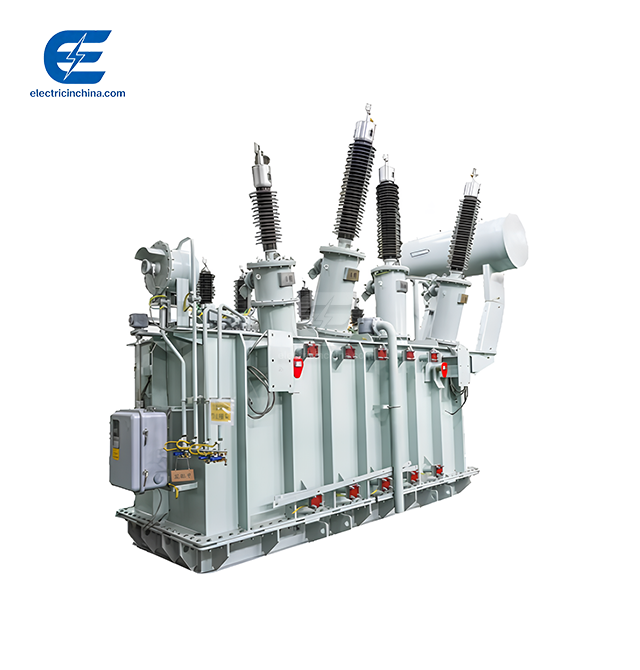
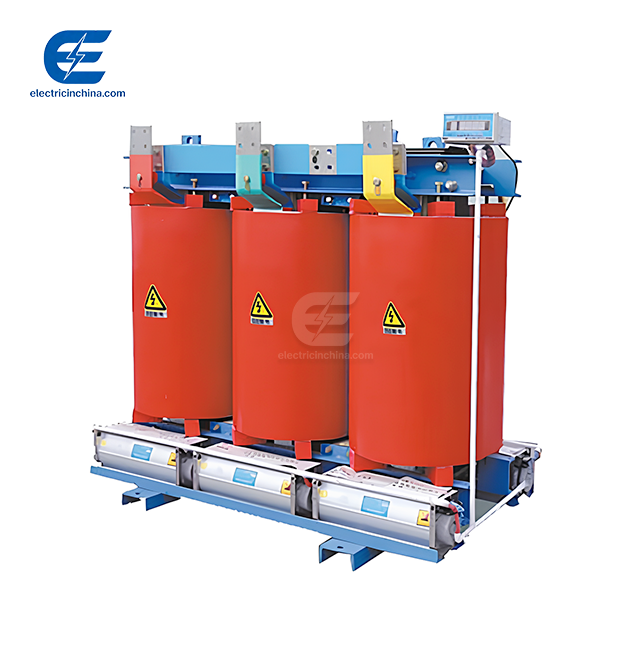
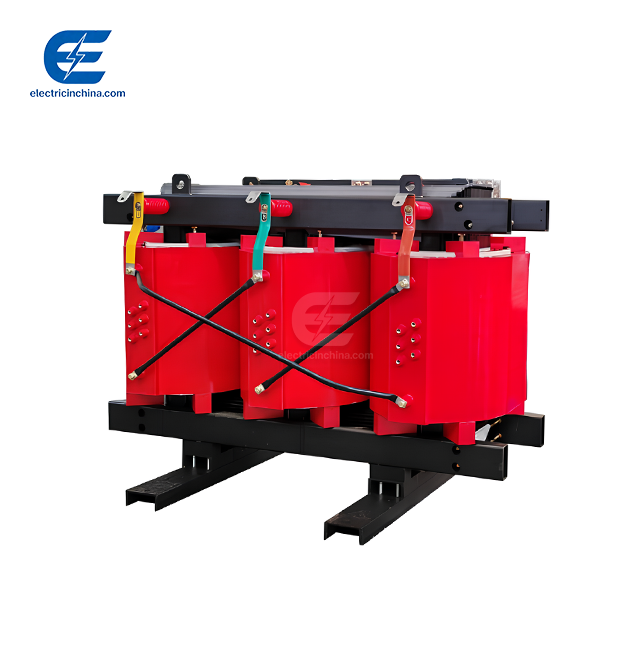
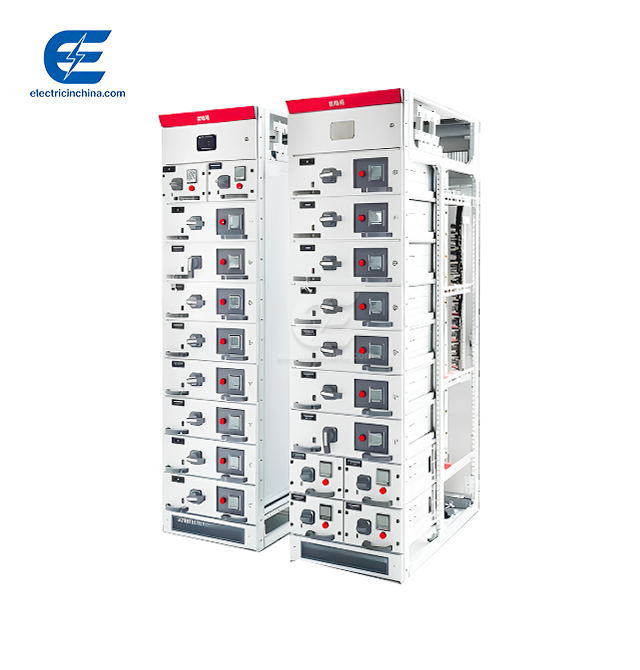
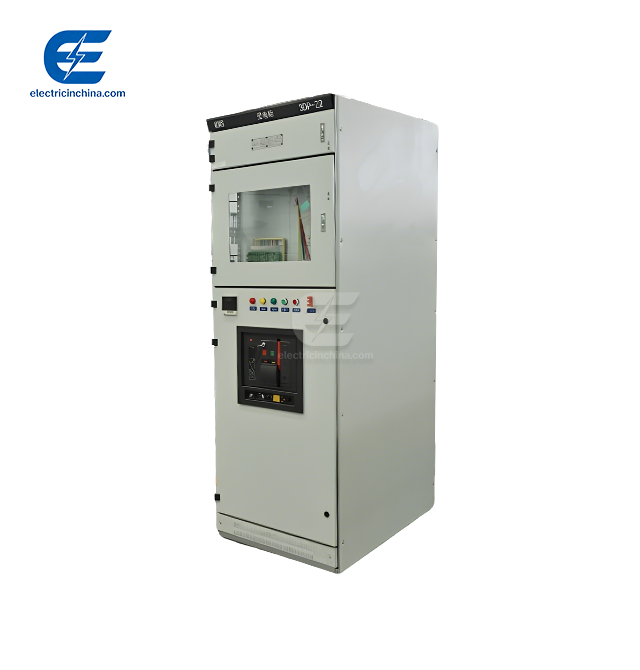
There are a few important parts that work together in modern PV Compact Substation designs for Solar Power Plants. The power transformer changes the voltage by using ONAN/ONAF cooling systems that use mineral oil or ester fluids that are better for the environment. Voltage control is possible within ±10% to ±16% ranges thanks to built-in tap changers. This system can handle changes in solar production throughout the day. The switchgear part uses either SF6 gas-insulated or air-insulated designs with vacuum circuit breakers to safely stop and protect the circuits. IEC 61850 standards let protection relays talk to each other, which allows for real-time tracking and quick problem isolation. When you integrate SCADA, you can see your whole solar system from one place, and you can view performance data from your phone, which helps you find problems before they cause downtime.
Limitations of Traditional Substations and the Need for Upgrades
Space and Time Constraints
Traditional substations occupy important land that could otherwise be used for other things, like solar panels or project growth. A normal substation needs 40m x 30m of level, prepared ground, as well as a lot of civil engineering work like pouring foundations, digging cable ditches and building structures for placing equipment. This size is a big problem for utility-scale solar farms because the cost of land has a direct effect on the project's profitability. Putting in a standard substation takes between 12 and 18 months, with steps like preparing the spot, delivering the equipment, putting it together in the field, wiring it up and starting it up. Each step can take longer because of things like bad weather, planning problems, and quality control issues that come up during field assembly. These longer deadlines delay revenue and increase financing costs during the building phase.
Maintenance and Reliability Challenges
In traditional substations, things in the surroundings damage equipment more quickly. Separate parts need their own weather protection methods, which makes upkeep more difficult. Dust infiltration lowers insulation effectiveness, water causes rust, and temperature changes stress connections. These things make upkeep more difficult and increase the chance of sudden breakdowns. Traditional substation parts are spread out, making analysis and repairs harder. Technicians have to go to various places to figure out what's wrong, which makes unplanned outages last longer. Keeping an inventory of parts for a variety of equipment made by different companies is harder, and planning repair activities carefully is needed to keep safety distances around powered equipment.
Key Benefits of Upgrading to PV Compact Substations
Accelerated Project Deployment
Your project timeline changes when you switch to PV Compact Substation technology for Solar Power Plants. When 70% of the construction is done in the factory, it cuts the timeline from over a year to just 4 to 6 months for the same work. You don't have to do as much work to prepare the spot because all you need is a simple concrete pad that's 15m x 8m x 4m. This price cut directly leads to earlier start-up dates and a faster return on investment. Standardised connectors built into PV Compact Substations for Solar Power Plants make it easier to connect your solar panels and grid connection points. Because of pre-designed wire entry systems, clearly marked end spots, and thorough factory testing, commissioning can be finished two to three weeks after delivery. This predictability gives you the confidence to meet tough project deadlines and financial responsibilities.
Enhanced Operational Reliability
When your income rests on getting as much solar power uptime as possible, reliability is very important. Several technical benefits make PV Compact Substations for Solar Power Plants more than 99.7% available. Consistent quality is guaranteed by controlled factory assembly, where every connection is torqued to specification, every insulation gap meets design requirements, and every safety setting is checked before shipping. This strict manufacturing method gets rid of the factors that can go wrong with equipment that is put together in the field. Critical parts are protected from hard conditions by environmental protection built into the enclosure design. In desert settings, sealed cabinets with positive pressure systems keep dust out, and according to ASTM B117 testing guidelines, corrosion-resistant surfaces can handle salt spray for over 1000 hours in coastal areas. Better cooling systems keep working at elevations of up to 3000 meters, and operating temperatures from -40°C to +50°C handle harsh conditions without lowering performance.
Comprehensive Cost Advantages
The financial benefits of PV Compact Substations for Solar Power Plants go far beyond the cost of buying them. Compared to regular substations, you save 30–40% of room, which frees up important land for more solar capacity or lowers the cost of buying land. Less civil engineering work means less money spent on site preparation because there is less need for large amounts of concrete work, cable trenching, and equipment mounting structures. When building tasks are sped up and fewer specialised tradespeople are needed on site, labour costs go down by a large amount. The combined design cuts down on complicated field wiring by as much as 70%. This saves money on materials and time on testing and terminating. Long-term practical savings come from fewer maintenance needs. Preventive maintenance intervals are longer because enclosed equipment is less affected by environmental stress, and predictive maintenance techniques that avoid costly unexpected outages are made possible by remote tracking.
Optimised Grid Integration
Modern PV Compact Substations for Solar Power Plants are designed to handle the unique electricity problems that come up with solar power. Power flows in and out of transformers throughout the day, so they need to be strong enough to handle the changing sun output from dawn to dusk. Harmonic control features in our systems keep the power quality at a level that meets grid requirements. This keeps your equipment and the utility network safe from distortion problems. Back-feeding can be dangerous during utility repair, but anti-islanding security stops it. This keeps grid workers safe while still meeting interconnection standards. Disconnection spots that are easy to see make maintenance tasks and emergency reaction easier. These features show the complex engineering that goes into making substations that are intended for solar uses and not just modified versions of standard industrial designs.
How to Choose the Right PV Compact Substation for Your Project?
Defining Technical Requirements
Before you can choose the right PV Compact Substation for Solar Power Plants, you need to carefully look over the details of your project. Figure out how much power you'll need at its peak based on the total output of all your solar panels, taking into account future phases of growth if your project uses flexible development. The voltage transformation ratios must fit the output specs of your inverter and the connection needs of the utility grid. For utility-scale installs, these ratios should be 35kV input to 110kV, 132kV, or 220kV output. The environmental factors at a site have a big impact on the tool specs. For desert locations that need better dust protection and cooling, coastal locations need better rust resistance, and high-altitude places need thermal management systems that can handle less dense air. Extreme temperatures determine the type of shielding and any extra heating or cooling that is needed. According to IEEE 693 standards, the amount of seismic action determines the mounting needs for structures.
Evaluating Supplier Capabilities
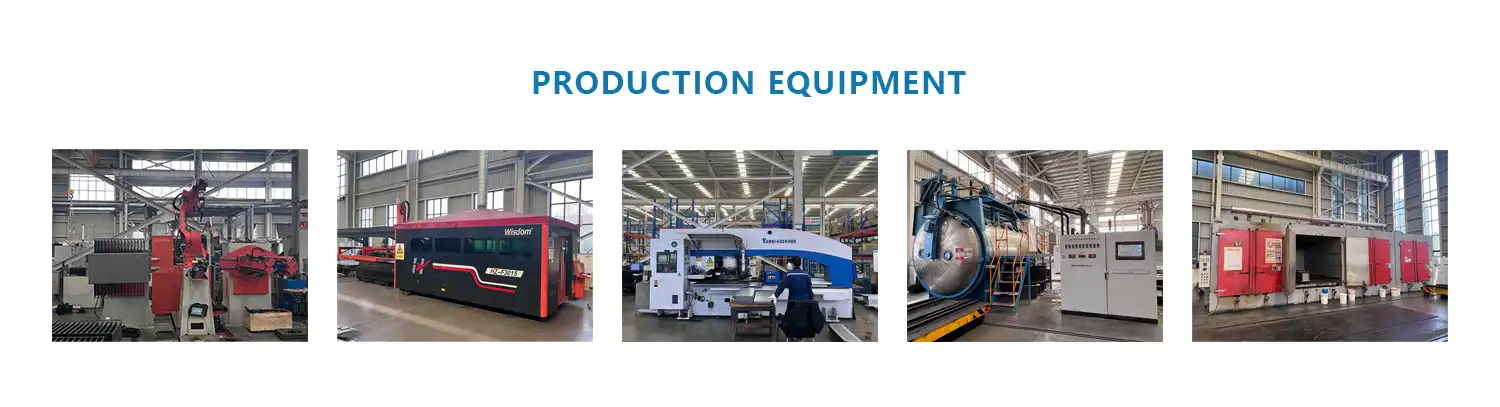
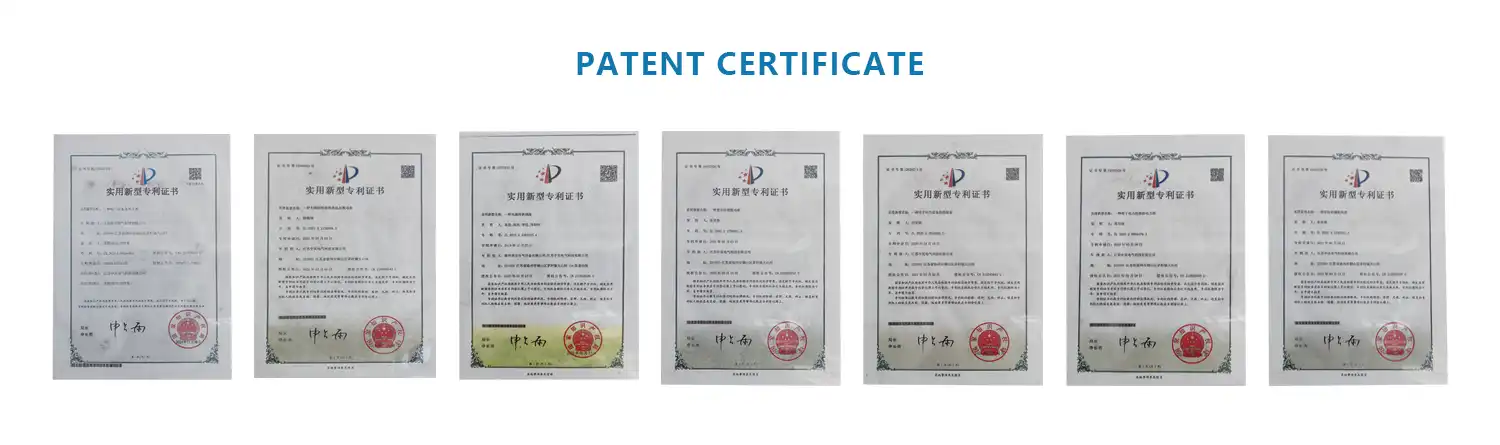
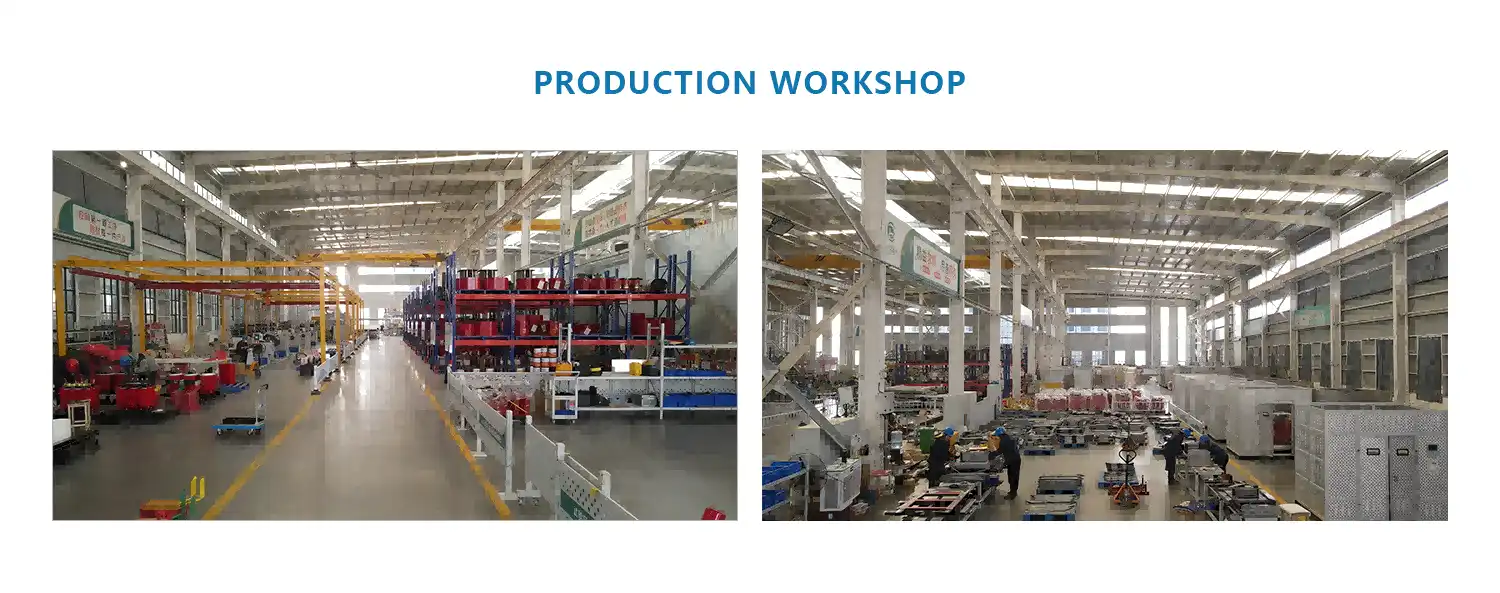
Your choice of PV Compact Substation for Solar Power Plants provider has effects on the success of the project that go far beyond just buying tools. Technical skills are very important; look for companies that have large tech teams. At Tuojie, we have 15 senior engineers, over 30 intermediate technicians, and 17 senior technicians who help them out. This gives us the amount of knowledge we need to meet difficult customisation needs. Our 18 patents show that we are always coming up with new ideas for transformers and switches. The infrastructure for manufacturing decides how consistent the quality is and how reliable the delivery is. We use more than 120 sets of high-tech tools, such as CNC automatic winding machines, CNC static vacuum casting machines, automatic foil winding machines and gradient curing furnaces that are managed by microcomputers. We can meet tight deadlines with this production capacity while still keeping high quality standards throughout the entire manufacturing process.
Quality Assurance and Certifications
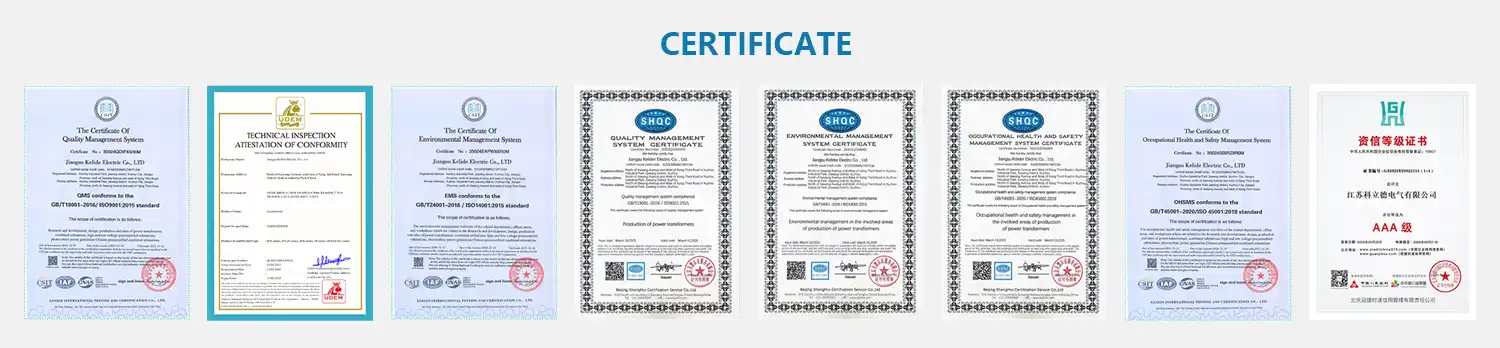
Full quality control systems keep an eye on every step of the production process to make sure your investment is safe. We set up tracking systems that include buying raw materials, inspecting arriving materials, keeping an eye on production, checking finished products, and coordinating deliveries. Our ISO 9001, ISO 14001, and OHSAS 45001 certifications all support this organised method. It makes sure that we are responsible to the environment and safe at work, as well as providing high-quality products. Our low-voltage switches and cables all have the China CCC Mandatory Certification, which means they meet all of China's safety standards. Our professional quality inspection lab does factory acceptance testing according to IEC 62271-200 standards. This includes checking for insulation resistances greater than 1000MΩ at 2.5kV, power frequency withstand tests at 95kV for 35kV equipment, and impulse voltage tests at 170kV lightning impulse levels. Before the equipment leaves our building, it is put through these thorough tests to make sure it works well.
Installation, Maintenance, and Compliance Considerations
Streamlined Installation Process
Installing a PV Compact Substation for Solar Power Plants is much easier than installing a traditional one. To prepare the site, all that's needed is a level concrete pad that's the right size for the unit area (15m x 8m), with enough space for cables to enter and equipment to be accessed. Because the combined structure frame spreads loads evenly, there is no need to do complicated load calculations for each piece of equipment. This makes the foundation requirements simple. We offer full installation support services to make sure that the launch goes smoothly. Our expert teams help plan how to prepare the site, organise transport, and keep an eye on the final positioning and connection work. Field engineering time is cut down by pre-engineered cable entry systems with clearly written termination methods. Factory testing paperwork speeds up the approval process for grid interconnection by utilities.
Proactive Maintenance Strategies
Structured regular maintenance plans are needed to keep the equipment running at its best for the 25–30 years it will be in use. Every year, you should do things like analyse the transformer oil for dissolved gases that could be signs of problems, use thermography to find hot spots in connections, and check the seals and the cooling system's operation visually. Maintenance on switchgear that is done every six months includes checking the contact resistance and, if necessary, making sure the SF6 gas is pure. Modern PV Compact Substations for Solar Power Plants have remote tracking features that allow predictive repair methods that cut down on unplanned outages by 40 to 60%. Continuous data collection keeps track of working temperatures, load profiles, and security system events. This lets computers find patterns of wear and tear before they lead to failures. Mobile-friendly screens let your maintenance teams see what's going on with the substation in real time, so they can take preventative steps that stop expensive emergency fixes.
Regulatory Compliance Requirements
To run a PV Compact Substation for Solar Power Plants, you have to follow strict safety and performance guidelines. Grid code compliance varies by area, but in North America, it usually includes IEEE 1547, which covers voltage ride-through features that keep operations running through ±10% steady-state changes and +15%/-30% rapid conditions. Most of the time, frequency response standards say that the device can only keep working within 50 Hz or 60 Hz ±0.5 Hz bands. To keep power quality problems from happening, harmonic distortion must stay below 5% total harmonic distortion (THD), and power factor control must be able to go from 0.95 leading to 0.95 lagging. Our PV Compact Substations for Solar Power Plants come with all the paperwork you need to show that they meet the requirements of IEC 62271 for high-voltage switchgear, IEC 60076 for power transformers, and IEEE C37.90 for safety switches. This makes the approval process easier with utilities and government agencies.
Proven Performance Across Diverse Applications
Utility-Scale Solar Installations
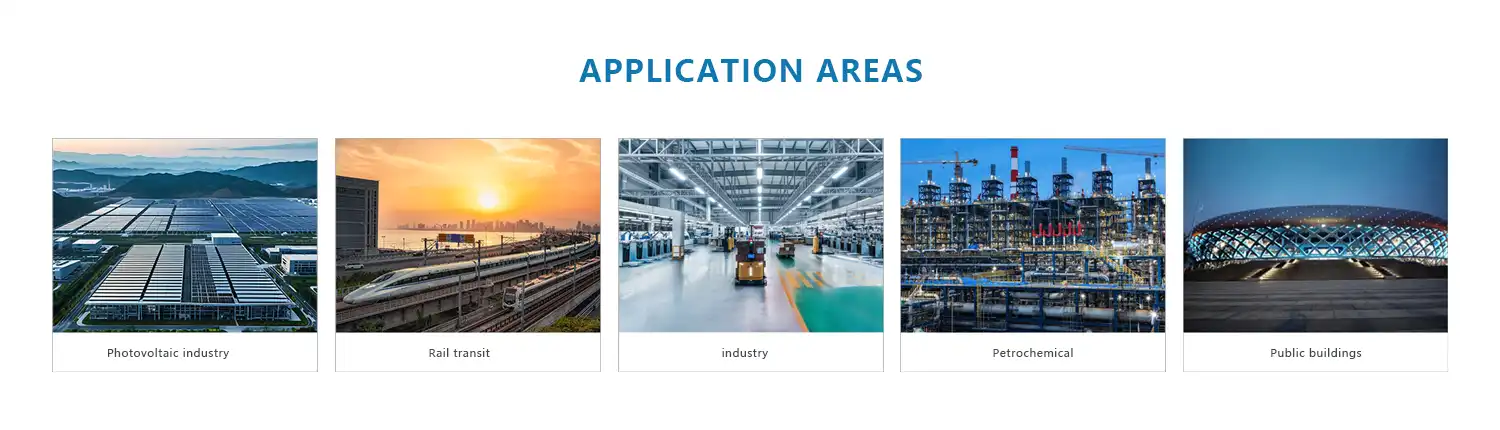
PV Compact Substations for Solar Power Plants are needed to handle huge amounts of power efficiently in large solar farms with capacities ranging from 100 MW to over 1000 MW. In the past, we've done projects that went well in places that were hard to get to. Deserts from the Middle East to Nevada need special features. For example, sealed shelters with positive pressure systems keep sand out, and better cooling systems can handle temperatures that regularly rise above 45°C. Coastal sites from California to Australia need rust protection that can withstand constant exposure to salt spray. Our protective coats have been tested for 1000 hours or more with ASTM B117 salt fog, which means they will last for a long time in tough marine environments. High-altitude projects in places like the Andes and Tibet benefit from cooling systems that are designed to work well in thin air. These systems can keep working at full capacity at elevations of up to 3000 meters, where regular equipment would need to be lowered by a lot.
Industrial and Commercial Projects
When installing 10–50 MW of solar panels, manufacturing sites, airports, and business buildings have special needs that PV Compact Substations for Solar Power Plants can help with. Because of limited space on developed sites, the smaller size is very important. Freeing up 30 to 40 per cent of the area lets you choose where to put buildings or add more parking. Noise-optimised transformer designs that keep sound levels below 65 dB keep tasks nearby or people in the room from being interrupted. Harmonic filtering that is built in keeps sensitive electronics in factories safe from power quality problems. By stopping electrical problems before they spread to other parts of the facility's distribution systems, rapid fault isolation helps keep production from stopping. Better security rules protect industrial networks from threats that could come from equipment that is linked to the power grid. This is becoming a bigger issue as operating technology and information technology systems come together.
Community Solar Programs
Distributed energy projects that support 5–25 MW community solar setups can benefit from aspects of PV Compact Substations for Solar Power Plants that are designed for smaller-scale uses. Aesthetic integration is important in domestic settings. Our fences can have a residential-grade look that fits in with the design of the neighbourhood instead of being an eyesore that looks like an industrial site. Simplified repair procedures make it easier for non-technical workers to work on community-owned sites. Being compatible with smart grids lets people take part in net metering programmes and demand response programmes that help the community's economy the most. Remote tracking through mobile apps makes performance clear, which builds trust among groups with shared ownership. Because of these features, PV Compact Substations for Solar Power Plants are perfect for community solar projects that need to balance technical performance with the need to involve stakeholders.
Conclusion
You should upgrade to PV Compact Substation for Solar Power Plants technology because it is a smart investment that will pay off in every way for your solar plant. When you combine shorter installation times, less land needed, better stability, and lower long-term costs, you get a lot of value for utility-scale developers, industry implementers, and community solar programmes. Your solar system will work well for decades because it can connect to the grid, is resistant to damage from the environment, and has many tracking options. The fact that these systems have worked well in a wide range of settings, from the harshest deserts to the coast, shows how well they were designed. They are backed by strict quality standards and full support throughout the equipment's lifecycle.
FAQ
How long do PV compact substations typically last?
When the right upkeep plans are put in place, these systems will work for 25 to 30 years. Transformers need oil analysis and thermography checks once a year to keep an eye on the health of their insulation, and switchgear needs contact resistance tests every six months. Remote tracking allows for planned maintenance that cuts down on unexpected outages by 40–60% compared to reactive repair methods. This extends the life of equipment by catching small problems early before they become big problems.
Can compact substations be customised for specific project requirements?
There are a lot of customisation choices for voltage levels, capacity rates, and environmental requirements to meet the needs of different projects. We make cooling systems for transformers that work in harsh climates, change security plans to meet the needs of different utilities, and change the layout of enclosures to fit the needs of the site. Our engineering team works with you to come up with solutions that meet your technical needs while still taking advantage of the benefits of PV Compact Substation for Solar Power Plant designs, such as their stability and efficiency.
How do compact substations improve energy efficiency compared to traditional designs?
There are several ways that efficiency gains happen. With integrated designs, there are fewer wire runs between parts, which means there are fewer resistance losses that waste energy as heat. Factory-optimised positioning of the transformer helps thermal management, allowing it to work closer to its maximum capacity without excessive temperature rise. Modern security methods keep things working at their best even when there is a problem, so they last as long as possible. All of these things work together to minimise electricity losses, make the system safer, and make it easier for different parts of the grid to work together.
Partner with Tuojie for Your Solar Power Substation Needs
Tuojie offers complete PV Compact Substation for Solar Power Plants options based on more than 20 years of experience in the field. As a well-known company that has worked on hundreds of important power projects, such as the GCL Photovoltaic Industrial Park, we know what government infrastructure projects, real estate developers, industrial manufacturers, and EPC contractors need in terms of technical requirements and procurement needs. Our ISO 9001, ISO 14001, and OHSAS 45001 certifications show that we are dedicated to quality, safety, and being good to the environment in all of our production processes. We offer complete, custom solutions that are made to fit your needs and the conditions of your area. Our professional engineering teams and state-of-the-art production sites, which are equipped with more than 120 sets of specialised machinery, back these up. Get in touch with us right away at tuojie@electricinchina.com to talk about your project needs and find out how our PV Compact Substation for Solar Power Plants options can help you get your project up and running faster and for less money. You can look at our full line of products at electricinchina.com and ask for details about your next solar project.

References
1. International Electrotechnical Commission. (2021). "High-voltage switchgear and control gear – Part 200: AC metal-enclosed switchgear and control gear for rated voltages above 1 kV and up to and including 52 kV. "IEC 62271-200 Standard.
2. Institute of Electrical and Electronics Engineers. (2020). "IEEE Standard for Interconnection and Interoperability of Distributed Energy Resources with Associated Electric Power Systems Interfaces." IEEE 1547-2018.
3. Anderson, M. & Chen, L. (2022). "Compact Substation Technology in Utility-Scale Solar Applications: Performance Analysis and Economic Benefits." Journal of Renewable Energy Infrastructure, Volume 18, Issue 3, pp. 245-268.
4. National Renewable Energy Laboratory. (2023). "Best Practices for Solar Power Plant Electrical Infrastructure: Design, Installation, and Maintenance Guidelines." NREL Technical Report NREL/TP-5D00-82847.
5. Solar Energy Industries Association. (2023). "Utility-Scale Solar Power Plant Development: Technical and Regulatory Considerations for Electrical Infrastructure." SEIA Industry White Paper Series.
6. Zhang, W., Kumar, R., & Thompson, J. (2021). "Reliability Assessment of Prefabricated Substation Systems in Photovoltaic Applications Under Extreme Environmental Conditions." IEEE Transactions on Power Delivery, Volume 36, Number 4, pp. 2156-2167.