

.webp)
Transformer iron cores need regular maintenance to spot early signs of wear and tear, to remove dust and other impurities, to test for core losses and insulation resistance, to check the mechanical stability of the laminations and bolts, and to treat for rust. Maintenance that is done correctly keeps things running smoothly, stretches their useful life, and stops expensive unexpected downtime. These steps keep the core channelling magnetic flux well while reducing eddy current losses and keeping the structure's integrity even when the load changes and natural stresses rise.
Understanding Transformer Iron Core and Its Maintenance Needs
Learning about the iron heart of a transformer, the iron core, and how to take care of it
How quickly your building changes and sends out electricity depends on the magnetic circuit part of any transformer. This part moves magnetic flow between the main and secondary windings, which lets you change voltage precisely across your whole power distribution network. If this important part doesn't work right, energy losses get worse, costs go up, and equipment stops working reliably.
Modern cores solve basic business problems that have an impact on your bottom line. Through advanced lamination methods, they lose as little energy as possible. They cut down on noise pollution that makes the workplace uncomfortable and causes problems with the law. Even when heated and cooled many times and vibrated by machines, they keep their shape.
Construction and Core Function
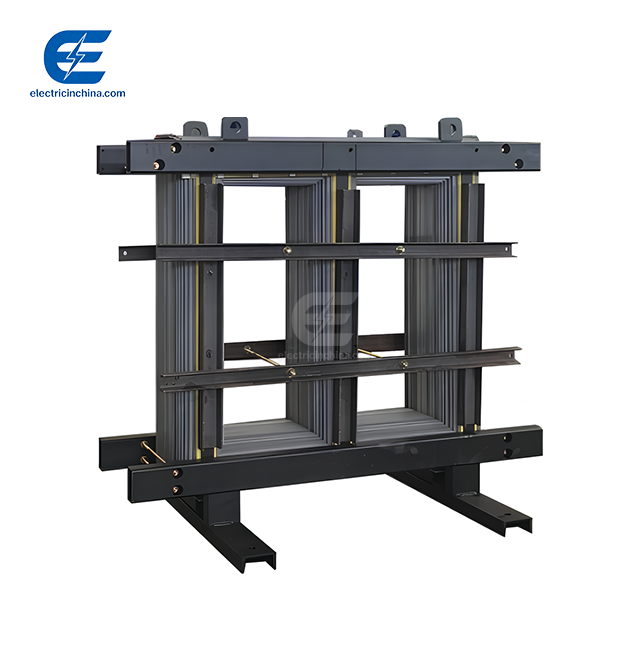
The main part of a transformer is made up of laminated silicon steel sheets. Each thin layer has a unique grain orientation that guides magnetic flux along chosen routes while blocking eddy currents at the same time. Currents that would otherwise make heat and waste energy can't flow through this stacked structure. The silicon content, which is usually around 3%, raises the electrical resistance in each laminate, which further reduces losses.
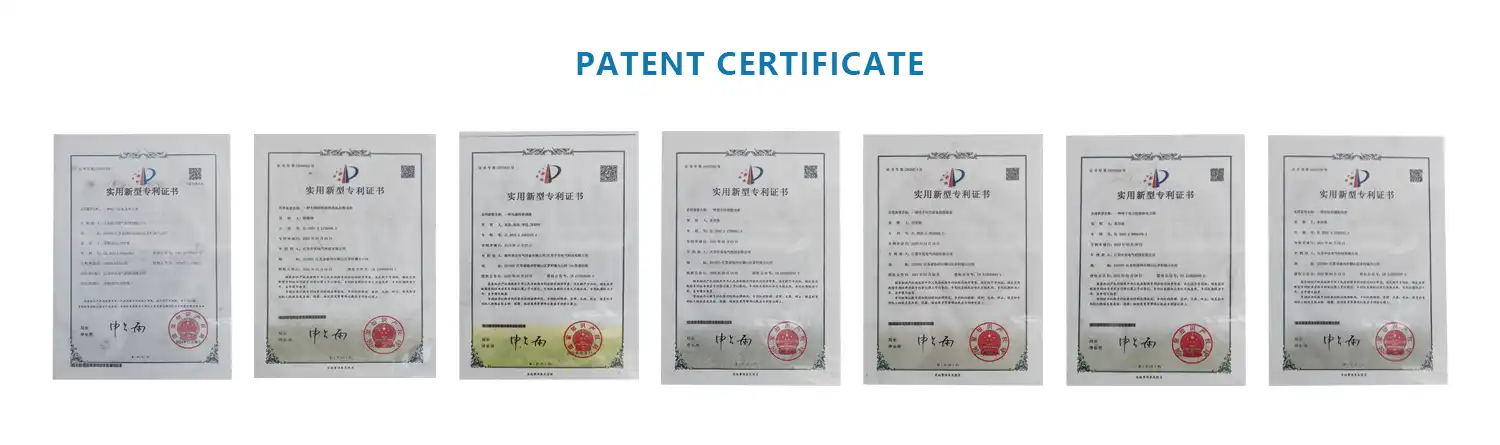
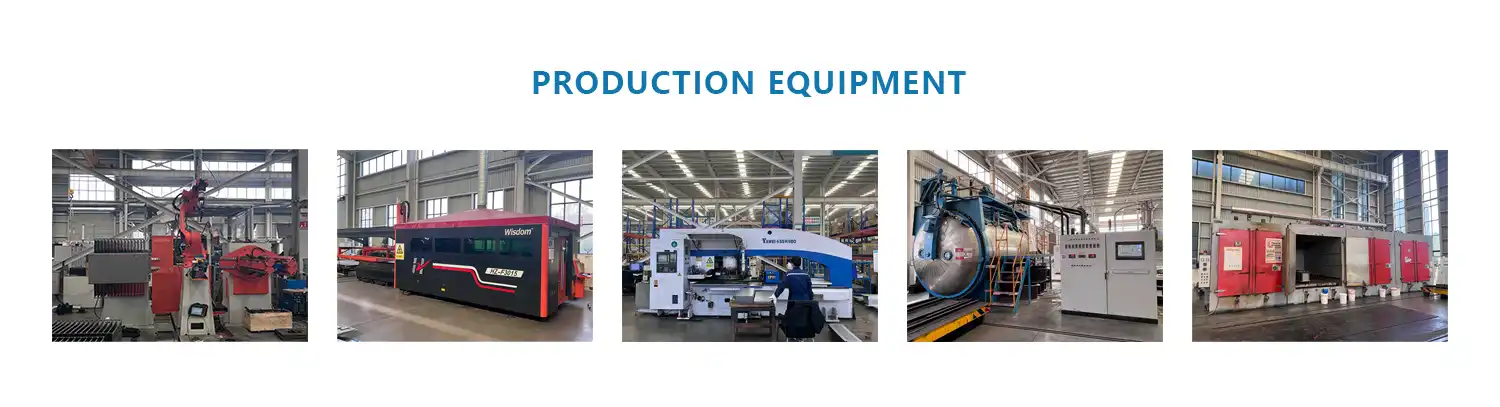
Our goods at Xuzhou Tuojie International Trade Co., Ltd. show how well engineers can do their jobs. Our cores are made with quality grain-oriented silicon steel that has a magnetic permeability of over 1800 H/m and a core loss density below 1.0 W/kg at 1.7T and 50 Hz. They are backed by 18 patents and over 120 sets of advanced equipment. In real terms, this means that your processes will save money.
Common Maintenance Challenges
Core losses are the main thing that support teams worry about. Hysteresis losses happen when magnetic domains line up and adjust over and over again during each AC cycle. When the shielding between the laminations breaks down, allowing unwanted current routes, eddy current losses happen. Both of these things produce heat, which speeds up the breakdown of shielding and shortens the life of devices.
There are several ways that physical damage can show up. When protective coatings fail or moisture gets into containers, corrosion starts to attack steel areas that aren't covered. Thermal growth cycles can put stress on clamping structures, which can make them loosen. This lets individual laminations move and make noise. Breakdown of insulation between layers raises working temperatures and increases the flowing currents.
Environmental factors speed up the breakdown. Changes in temperature cause things to expand and shrink, which puts stress on mechanical parts. When areas aren't covered, humidity makes rust more likely to form. Vibrations from nearby machines or earthquakes can weaken bolts and make the structure less stable. Knowing how these things break down helps you come up with focused repair plans.
Key Principles for Effective Maintenance of Transformer Iron Cores
Successful maintenance plans are different from reactive crisis management because they find problems early on. Inspections done on a regular basis find problems early, when they are still easy to fix and don't cost too much. Unusual sound emissions, high working temperatures, lower efficiency measures, and corrosion that can be seen on areas that can be reached are all warning signs.
Inspection Schedules Based on Application
Different types of transformers need different testing times. Power transfer units that serve important structures should have visual checks every three months and full checks once a year. In business settings, distribution Transformer iron cores usually need to be checked every six months. Because they work in harsh conditions, high-frequency transformers in industrial settings need checking once a month.
Our team at Tuojie has improved these plans over many years of use in the field. We learnt that dual-circuit power supply designs need careful repair planning from projects like the Xuzhou Rail Transit Network Control Center. The XCMG Group plant power supply upgrades showed how repair windows that start early can keep production going.
Routine Maintenance Tasks
Cleaning gets rid of dust and other particles that build up and trap water, which leads to rust. Compressed air does a good job of clearing out trash from ventilation holes and between laminations that can be reached. Particles are collected by hoover devices without spreading them out into the surrounding area. Specialized solutions get rid of oil leftovers and other tough buildups.
Mechanical testing makes sure that the structure is sound. To make sure the binding gear is properly compressed across the laminated stack, torque checks are done on it. A visual inspection can find signs of burning, broken parts, or cracked insulation. Vibration tests find changes that point to mechanical problems before they get worse.
Protocols for testing show secret damage. Core loss readings, which are done with special tools, figure out how much energy is being wasted and how it's changing over time. Insulation resistance tests done between the layers find breakdowns early on, before they have a big effect on performance. Assessments of magnetic performance make sure that the flux distribution stays the same across the core structure.
Proper Handling and Storage
How cores are moved and stored has a huge impact on how long they last. Handling laminated structures carefully is needed to keep the layers from coming apart or damaging the edges. Lifting points must spread the weight of the unit out evenly. Controlled humidity in storage areas stops rust from forming during long-term storage. Surfaces are protected from wetness and dirt in the air by protective coats.
We have 15 senior engineers and more than 30 intermediate workers on our technical team. We make cores with 45° mitre joints and multi-step laminations that are more than 99.5% efficient and make less than 55dB of noise. Because our production is ISO9001-certified, you can be sure that these parts will be ready to use when they get to your building and will last for decades.
Advanced Maintenance Techniques and Technologies
Non-destructive testing has changed the way maintenance teams check the state of key parts without having to take them apart, which can be expensive. These technologies make it possible for predictive maintenance models to plan repairs based on how the equipment is actually working, not on random intervals of time.
Ultrasonic Testing Applications
Ultrasonic waves can get through laminated buildings and find problems inside that can't be seen with the naked eye. When sheets are laminated together, acoustic signals are made that trained techs can hear right away. When cracks spread through structural parts, they cause unique effects. With this method, problems are found while they are still small and easy to fix.
Infrared Thermography Benefits
Thermal imaging cameras show patterns of temperature on the core surfaces and inside the casings. Hot spots show where losses are happening because of shorted laminations or not enough cooling. Temperature differences show where ventilation systems can't move enough air. Trending analysis finds small changes that occur before equipment breaks down, allowing repairs to be made before breakdowns happen.
Our stepped lamination and fully oblique joint methods cut no-load losses by a huge amount, and temperature tracking makes sure that these benefits last the whole service life. Our CNC automatic wrapping machines and microcomputer-controlled gradient curing ovens are used to carefully make each core. This sets a standard for future comparisons by making thermal profiles.
Magnetic Flux Leakage Detection
Innovations in Core Materials
New types of advanced silicon steel are always changing to offer better performance. Eddy current losses are cut down with thinner laminations and better surface coats, which also make the material more resistant to rust. Even though they cost more, amorphous metal alloys are very useful for certain tasks because they work so well. Nanocrystalline materials are new technologies that could change how upkeep is done in the next few decades.
These changes in materials affect how much upkeep is needed. When working with higher-performance metals, you usually need to be more careful and keep the surroundings more controlled. Understanding the unique properties of a material helps repair teams improve their methods and make tools last longer.
Comparison of Transformer Core Types and Their Maintenance Implications
The core design has a big impact on how it works and how much upkeep it needs. Choosing the right core types during buying has a direct effect on how much it costs to maintain and how reliable the system is in the long run.
Laminated Versus Solid Construction
Modern displays mostly use laminated designs because they neatly deal with the problem of eddy currents. High-resistance lines that run perpendicular to magnetic flux are made by thin sheets with insulating coats between them. This design cuts down on flowing currents and the energy loss that comes with them. The main goal of maintenance is to keep the insulation in good shape and the structure stable.
Solid cores, which are sometimes found in older systems or specialized apps, are harder to maintain. More heat is generated when eddy current losses are higher, which speeds up the breakdown of insulation. Thermal stress builds up at points where two shapes don't meet, which makes cracks more likely to form. Because of these traits, they need to be inspected more often and usually need less service before they need to be refurbished.
Core Geometry Considerations
Shell-type and core-type designs make it harder to do upkeep in different ways. Shell-type designs hide the windings inside the magnetic circuit, which makes visual checks harder but better protects them mechanically. Core-type arrangements make it easier to clean and test, but they also let more external forces affect more surface area.
No matter the shape, our great rust protection treatment guards against environmental damage. The strong clamping structure keeps the shape stable even when the temperature changes and there is mechanical stress. Your investment will keep working at its best for as long as it's in use because we design solutions with easy upkeep in mind.
Air Core Alternatives
In some specific situations, air cores are used instead of iron, and the magnetic connection is created only by the way the wires are wound. These designs don't lose any core material, but they need a lot more wrapping material and make bigger stray magnetic fields. It gets easier to maintain because you only have to worry about the insulation of the windings and the frame of the machine, but this comes at the cost of efficiency and size.
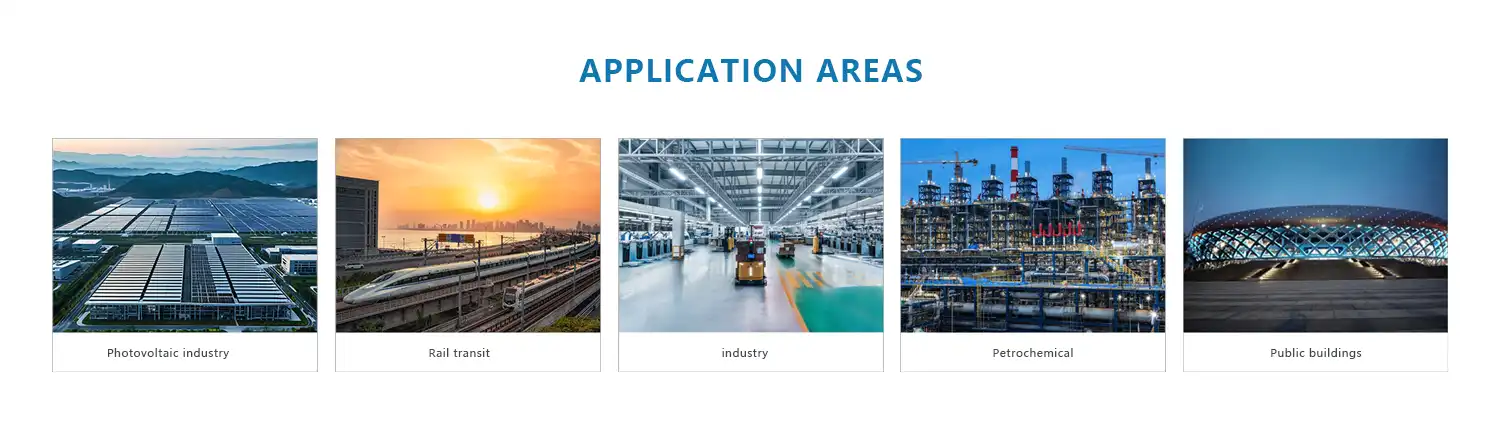
When procurement teams understand these design trade-offs, they can choose cores that fit with business goals and maintenance skills. Projects like the Xuzhou High-speed Railway East Station and the Xinhuai Central Complex show how choosing the right cores can meet strict performance standards while still keeping up with repair plans.
Procurement Considerations and Partnering for Maintenance Support
Choosing where to source materials at the start of the equipment's life significantly affects maintenance costs and overall performance. By working with providers who offer full technical help, you can turn maintenance from a cost centre into a strategic asset.
Supplier Selection Criteria
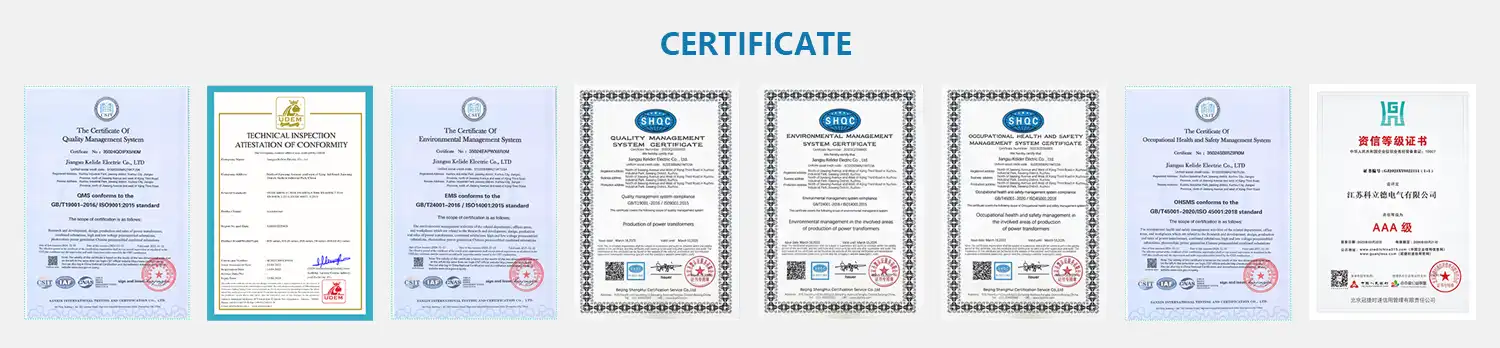
Quality badges are concrete proof of a company's ability to make things. Getting ISO 9001 approval shows that you are dedicated to controlling processes consistently and making improvements all the time. ISO 14001 means that environmental duty is a part of all work. OHSAS 45001 approval verifies safety practices in the workplace that are linked to the dependability of the product.
All of these certificates are still valid at Tuojie, plus the National CCC Mandatory Certification for low-voltage tools. Our professional quality inspection lab uses cutting-edge testing methods to make sure that goods work well before they leave our building. We build the idea of "zero defects" into every step of the production process. This cuts down on insurance claims and failures in the field that slow down your business.
Documentation and Technical Support
Detailed paperwork makes planning and carrying out upkeep easier. Detailed models show the exact sizes and types of materials that are needed for extra parts. Test reports set baselines for performance that can be used to compare future results. Operating guides make it easy to understand how to do inspections and fix problems.
Every connection with a customer is handled by a professional team with more than 20 years of experience in the field. Because we know a lot about this subject, we can provide complete power supply and distribution options that include a wide range of tools and services that add value. When you need help with maintenance, you can talk to experts who know both the product and how it will be used.
Customization and Lead Time Management
Standard goods don't always work perfectly in every situation. Custom production lets cores be made to work best in certain situations, which improves both speed and ease of maintenance. When quality standards are matched with moderate wait times, building plans can be met without losing factory excellence.
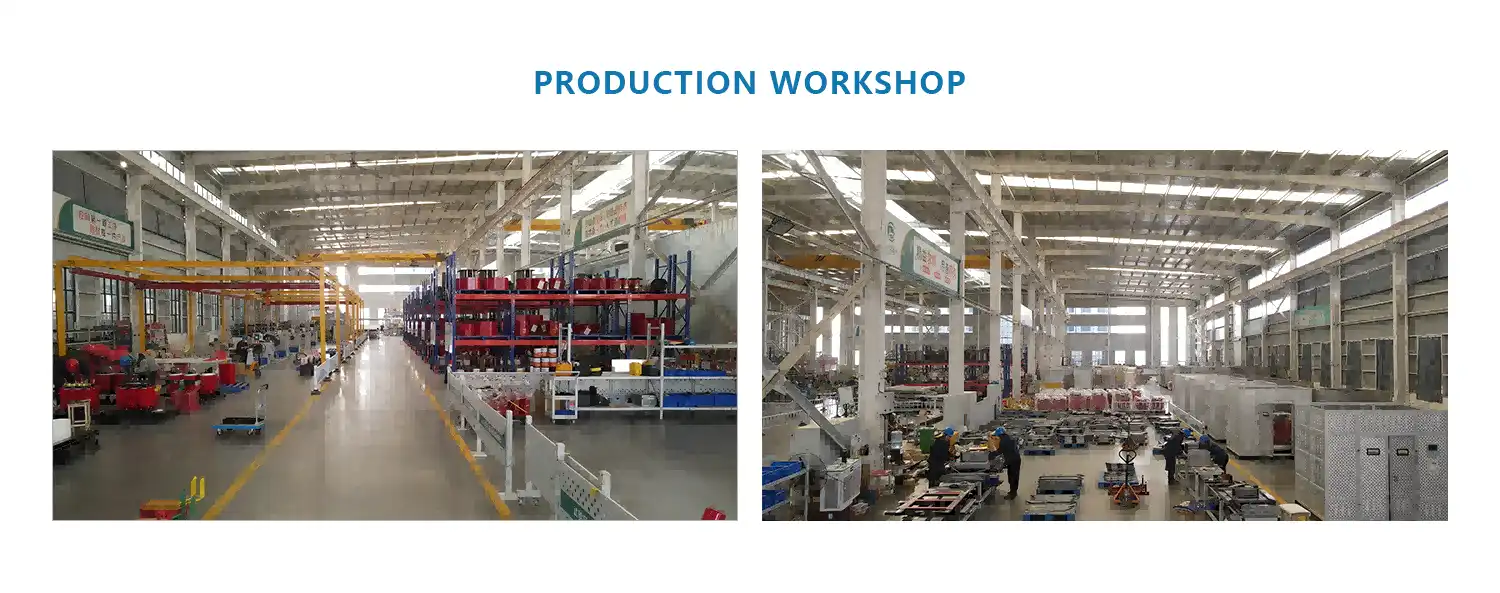
We can offer solutions that are specifically designed to meet the needs and environmental conditions of different countries and areas. We guarantee top-notch goods and on-time delivery. Our high-tech production facilities have CNC automatic winding machines, automatic foil winding machines, and microcomputer-controlled gradient curing ovens that let us quickly meet the needs of our customers.
Long-Term Partnership Benefits
Getting in touch with dependable providers makes managing spare parts and getting expert help easier over the life of an item. Suppliers who know your installed base can guess what repairs will be needed and keep common parts on hand. Technical help teams learn more about your apps over time, which speeds up the problem-solving process.
"Technology first, service paramount, and integrity fundamental" is our business attitude, and it guides every contact with a customer. We think of our customers' needs as our own, so we're always putting money into product research and development. This promise turns one-time purchases into long-term relationships that lower your total cost of ownership.
Conclusion
Good maintenance protects the big investment you made in the transformer's iron core infrastructure and makes sure that power will be distributed reliably for many years to come. Regular checks find problems early, when they are still easy to fix and don't cost a lot of money. Regular cleaning and testing schedules keep things working well and stop them from breaking down faster. Advanced diagnostic technologies enable predictive tactics that make the best use of repair time.
The choice of core type during procurement has a direct effect on the prices and needs of long-term upkeep. Working with suppliers who offer full expert support, quality certifications, and the ability to customize makes planning upkeep easier over the life of the equipment. Over decades of use, these strategy choices add up to make facilities more reliable or less reliable, depending on how often they have unexpected downtime.
The maintenance methods described here can be used for a wide range of situations, from power transmission systems that have to work in harsh conditions to business projects that need to make sure that mixed-use facilities always work at their best. By using these strategies, you can protect your investment and keep up the high standards of business excellence that your clients expect.
FAQ
How often should a professional examine Transformer iron cores?
How often you inspect depends on the needs of the programme and the setting in which it works. Critical infrastructure transformers that serve government projects or rail systems should be visually checked every three months and fully inspected once a year. Commercial systems usually need to be inspected every six months. More regular tracking, maybe once a month, can help find problems early in industrial settings with loads that are harmonically rich or that run all the time.
What danger signs show that repair needs to be done right away?
Strange sound waves could mean that mechanical parts are becoming loose or that laminations are moving. When temperatures rise above their usual ranges, it means that more heat is being lost because of insulation breaking down or not enough cooling. Metrics for efficiency that drop faster than past trends show that problems are starting to appear. Visible rust on easily accessible areas is a sign of faster breakdown that needs to be fixed right away.
Can proper maintenance significantly extend core operational lifespan?
Of course. Cores that are kept according to the manufacturer's instructions usually last 30 to 40 years in tough environments. Units that aren't taken care of may need major repairs or replacement within 15 to 20 years. Disciplined repair plans are necessary because of the difference in lifecycle costs, which include energy waste from decreasing efficiency.
Partner with Tuojie for Superior Transformer Iron Core Solutions
Xuzhou Tuojie International Trade Co., Ltd. stands ready to support your power distribution needs. Their engineering skills have been honed over hundreds of important projects. We have 18 patents, more than 120 sets of advanced production tools, and a technical team with 15 top engineers and 30 or more intermediate technicians who work together to make things. This knowledge gives you cores that are more than 99.5% efficient and have noise levels below 55dB. This performance lowers your running costs and meets the strictest regulatory requirements.
Our custom solutions are backed by ISO 9001, ISO 14001, and OHSAS 45001 certifications, and they can be used for government building projects, business developments, or industry setups. Our Transformer iron core goods are made with high-quality grain-oriented silicon steel, 45° mitre joints, and multi-step laminations that are designed to last for decades with little upkeep. As a producer with a lot of experience making Transformer iron cores, we know how hard it is for EPC workers and project managers to find the right parts.
You can email our team at tuojie@electricinchina.com to talk about how our all-around approach—which includes high-quality goods, expert technical support, and convenient one-stop service—can help your next project run more smoothly. You can look at all of our power delivery options at electricinchina.com.
References
1. Chen, W., & Liu, H. (2019). Ways to Measure and Analyze Transformer Core Loss. Institute for Research on Electric Power Systems.
2. Association for the IEEE Standards. (2018). General Rules for Liquid-Immersed Power, Distribution, and Regulating Transformers (IEEE C57.12.00-2015). The Institute of Electrical and Electronics Engineers.
3. International Commission for Electrotechnical Standards. (2020). This is IEC 60076-18: Measuring the Frequency Response of Power Transformers. Publications about IEC standards.
4. Yours truly, S. V. Kulkarni; Khaparde, S. A. (2017). Design, Technology, and Diagnostics of Transformer Engineering (2nd ed.). CRC Press.
5. You, A. J. Moses, Anderson, P. I., and Phophongviwat, T. (2021). Improvements in the electrical steel and core materials used in high-efficiency transformers. The number 505 of the Journal of Magnetism and Magnetic Materials is 166726.
6. Wang, Z., & Zhang, J. (2022). Using non-destructive testing methods to come up with predictive maintenance plans for power transformer assets. The number 142 of the International Journal of Electrical Power & Energy Systems is 108347.