

.webp)
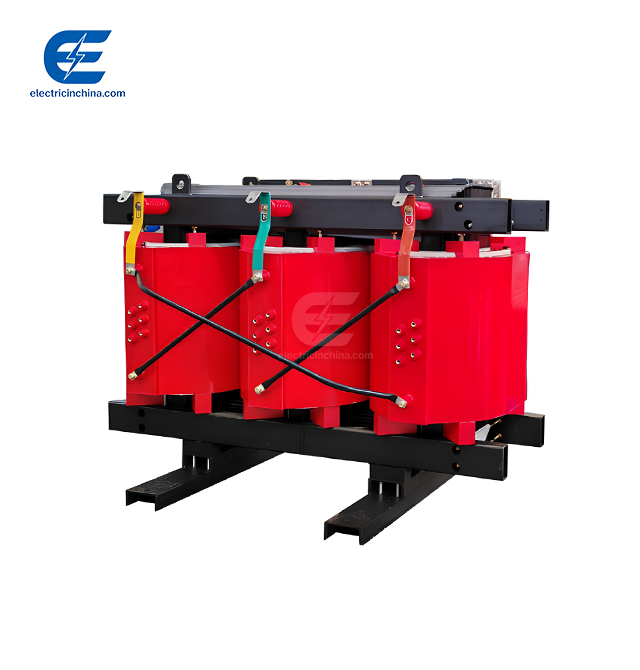
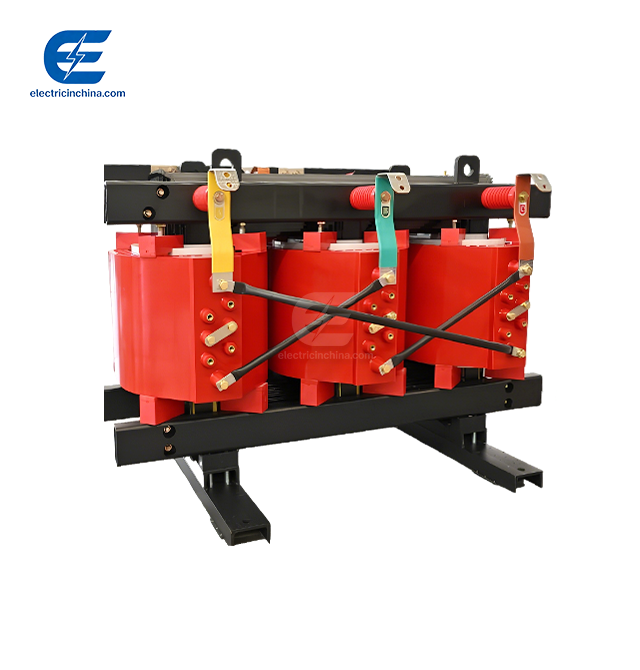
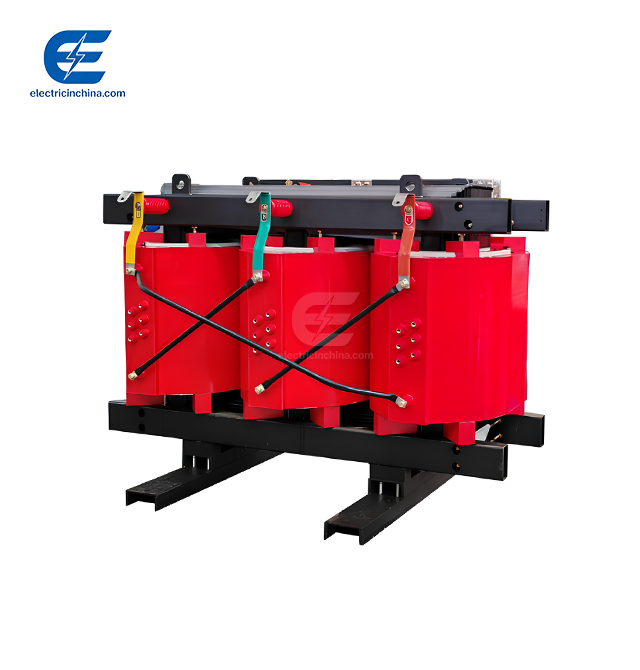
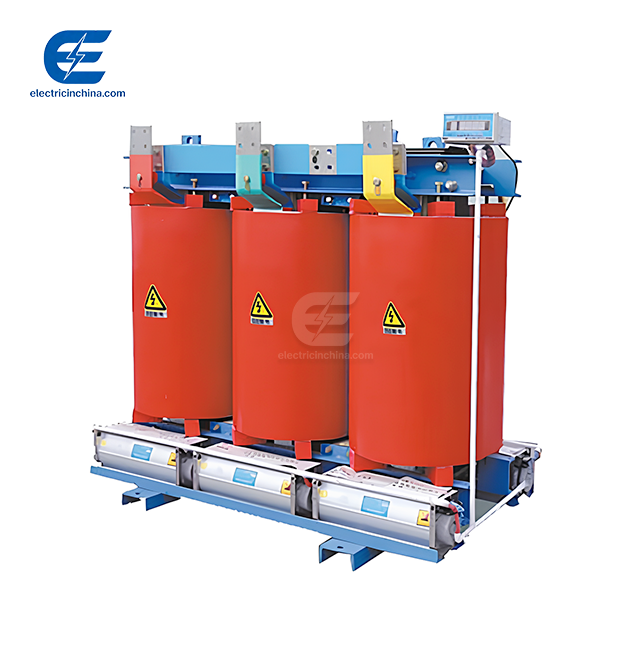
Overheating in dry-type power transformers poses serious risks to operational safety, equipment longevity, and energy efficiency across industrial facilities. Unlike oil-immersed units, dry-type transformers rely on air circulation for thermal management, making them vulnerable to temperature spikes when cooling pathways become obstructed or load demands exceed design specifications. Addressing overheating requires understanding its root causes—from electrical overloads and poor ventilation to insulation degradation—and implementing targeted solutions such as load balancing, enhanced cooling systems, and proactive maintenance protocols. This guide provides procurement managers and facility engineers with practical insights to safeguard transformer performance and prevent costly downtime.
Understanding Overheating in Dry-Type Power Transformers
What Defines Overheating in Transformer Systems
Overheating happens when temperatures inside the machine go above the rated thermal limits set by the manufacturer. This is usually measured at hot spots in the winding. Modern dry-type power transformers use Class F or Class H insulation systems, which can handle winding temperatures of up to 155°C or 180°C while they are running all the time. When environmental factors or operational pressures raise these temperatures above these levels, insulation materials age faster, which makes their service life much shorter. IEEE C57.96 standards say that for every 8°C rise above the recommended temperature, the insulation's life is cut in half. This means that small heat problems become big reliability issues.
Primary Heat Generation Mechanisms
Internal heat production comes from two main types of loss. Copper losses happen because of resistive heating in the winding conductors, and they get worse as the load current squared goes up. Magnetic hysteresis and eddy currents in composite steel cores cause core losses that stay pretty much the same no matter what the load is. We've seen that advanced amorphous alloy dry-type power transformers have 70–80% less no-load losses than traditional silicon steel cores. This means that they produce a lot less baseline heat. Environmental factors make these natural losses even worse. For example, low air flow, high temperatures, and dust buildup all make it harder for heat to escape, which causes thermal stress that threatens the stability of operations.
Critical Temperature Monitoring Techniques
For thermal management to work, temperatures must be accurately and continuously monitored. Embedded Pt100 resistance temperature detectors (RTDs) keep an eye on hot spots in the windings and sound alarms at set levels before damage happens. Fiber-optic distributed temperature sensing (DTS) systems are used in new setups to map the thermal profiles of whole winding assemblies. We suggest pairing hardware sensors with smart tracking tools that can connect to the Internet of Things and show real-time data and make predictions. With these digital solutions, maintenance teams can find thermal problems early on and plan to fix them before they need to be shut down for emergencies.

Common Causes of Overheating in Dry-Type Power Transformers
Electrical Overloads and Load Imbalance
The most common cause of overheating is continued running above the stated capacity. When load currents are higher than the design ratings, copper losses go through the roof, stopping natural convection cooling from working. Unbalanced three-phase loads make this problem worse because uneven phase currents make each loop carry a large amount of heat. Data from real infrastructure projects show that even a 10% difference in load can raise temperatures in hotspots by 15 to 20°C. Large to medium-sized businesses that run multiple loads in parallel need to use continuous phase monitoring to stop uneven thermal stress that wears down insulation too quickly.
Inadequate Ventilation and Cooling Pathways
In air-cooled dry-type power transformer systems, managing heat starts with making sure there is enough movement. When installed in small spaces without enough space between them, natural convection is slowed down, which traps warm air around the cores and windings. We've seen many instances where changes to enclosures or the placement of equipment next to them accidentally blocked ventilation grilles, leading to temperature spikes during times of high demand. When dust and other particles build up on cooling surfaces, they act as insulators and make it harder for heat to move. Regular checks should make sure that the minimum clearance lengths are met. For natural air units, this is usually 1 meter on all sides, and for forced-air systems, it's open fan intake zones.
Insulation Aging and Material Degradation
Insulation systems slowly break down over time because of the temperature, electrical, and mechanical pressures that build up over time. Epoxy resin cast coils are better at resisting moisture, but they get microcracks when they are heated and cooled over and over again beyond their design limits. Vacuum pressure impregnation (VPI) treated windings keep their structure more solid, but they can still get contaminated and wet, which speeds up the breakdown process. When transformers are used in seaside areas with a lot of humidity or in places with acidic air, the insulation breaks down more quickly. Insulation resistance tests and partial discharge analysis are done on a regular basis to find signs of wear and tear before they become catastrophic.
Environmental and Installation Factors
The thermal performance margins are greatly affected by the operating conditions in the environment. When installed in tropical climates or electrical rooms with poor ventilation, where temperatures often exceed design assumptions, transformers that are rated for 40°C ambient operation lose a lot of their power. Direct sunlight hitting outdoor shelters adds a lot of heat load. If the base isn't set up correctly, it can block bottom airflow, which cuts off important cooling paths. Moving transformers from crowded equipment rooms to specialized, climate-controlled areas with designed ventilation systems has been shown to lower temperatures by 12 to 18°C.

Quick and Effective Solutions for Overheating
Load Management and Phase Balancing
By using full load tracking systems, operators can change how the electricity is used across phases and time intervals, which stops situations of sustained overload. Dynamic load shifting is possible during peak times by installing automatic load transfer switches. Here are some tried-and-true ways to handle loads that will keep dry-type power transformers safe:
• Phase current monitoring systems keep an eye on the amperage levels of all three phases and send out alerts when the imbalance gets too big, letting workers redistribute the load before it causes thermal damage.
• Demand response programs work with building control systems to get rid of loads that aren't necessary when there is extreme weather or grid stress.
• Transformer capacity planning includes growth reserves of 20–30%, which makes sure that the base ratings can handle future load growth without having to replace equipment too soon.
• Load factor optimization plans for high-demand equipment to run during cooler evening hours, taking advantage of changes in temperature to make cooling more efficient.
These load management practices are the basis of preventive thermal protection, which keeps operations flexible while increasing service life. When real-time tracking is added, overheating incidents and the need for emergency repair are cut down in a measured way.
Upgrading Cooling System Configurations
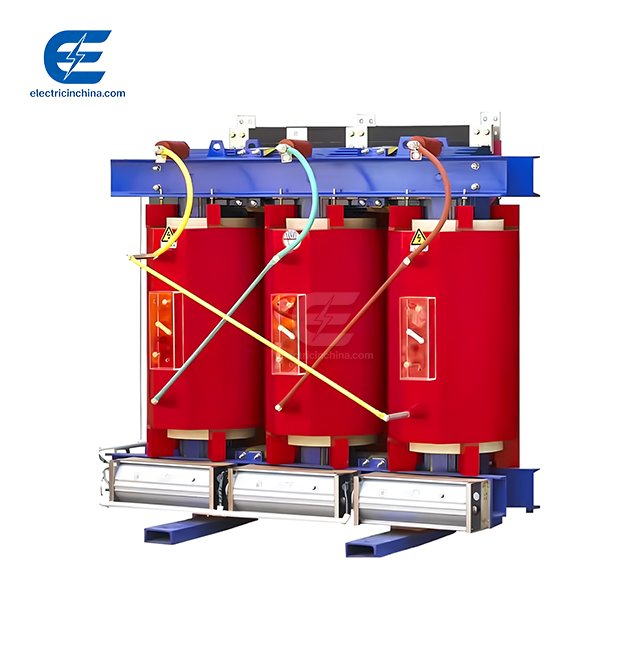
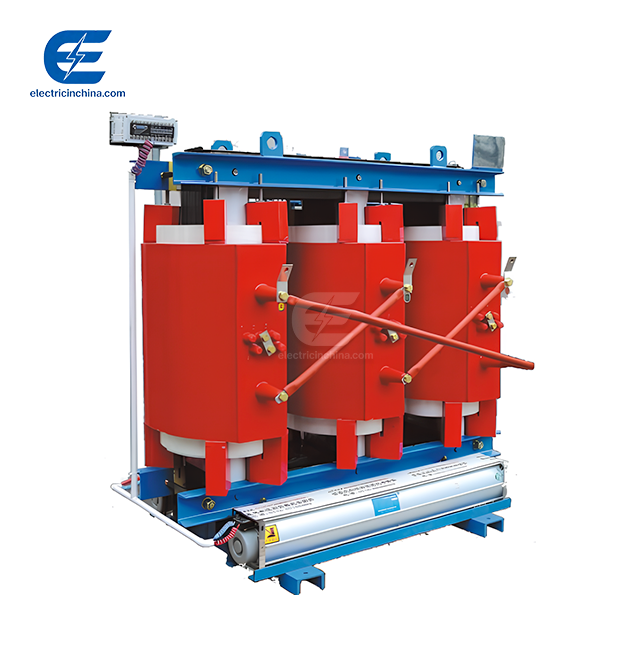
When you switch from natural airflow to forced-air cooling, the temperature performance improves right away. Adding external fan assemblies to old transformers increases their ability to get rid of heat by 30 to 40 percent, which means they can handle more load within their current footprints. HVAC-assisted cooling solutions keep electrical rooms at a stable temperature all year, so seasonal temperature changes don't affect the thermal margins. For new installs, we suggest choosing Class H insulation systems because they offer 25°C more thermal headroom than Class F options. This is especially helpful in situations where the load patterns change or are hard to predict.
Preventative Maintenance and Inspection Protocols
Setting up strict maintenance schedules stops performance from slowly getting worse over time. Cleaning the air holes every three months gets rid of dust and other debris, returning the heat transfer efficiency to its original level. Every year, thermographic surveys find developing hot spots that can't be seen with regular temperature monitoring. This lets repairs be made before insulation damage happens. Five-year inspections should include testing the insulation's resistance, measuring the winding's resistance, and doing a partial discharge study to get an exact picture of how much service life is left. These planned fixes are a lot cheaper than repairs that need to be done right away and unplanned downtime.
Professional Installation and Site Optimization
Many problems with overheating can be avoided by placing the transformer correctly during the initial installation. Hiring experienced EPC workers makes sure that you follow the manufacturer's clearance and air rules. Before deciding where to put equipment, site surveys should look at the ranges of temperatures and humidity, the amount of dust that is present, and the need for future growth. Dedicated transformer rooms with dedicated HVAC systems keep equipment in a controlled environment that extends its life. We've worked with industrial makers and real estate developers to create the best electricity distribution plans that put thermal management first from the start of the project.

Comparing Dry-Type Transformer Cooling and Safety Solutions
Fire Safety and Environmental Advantages
With dry-type power transformers, there are no fire or environmental risks from the shielding oil. This makes them safer to place near occupied areas and areas that are important to the environment. Because they are non-flammable (F1 classification), these units don't need any special fire suppression equipment. This means that commercial real estate and infrastructure projects can save money on installation costs. Since there are no liquid dielectrics, there are no risks of soil and groundwater pollution. This eases worries about sustainability for government projects and factories that have to follow strict environmental rules. When there is overheating, dry-type designs keep thermal incidents inside the unit enclosure. This stops failures that put people and equipment nearby in danger.
Advanced Cooling Technologies
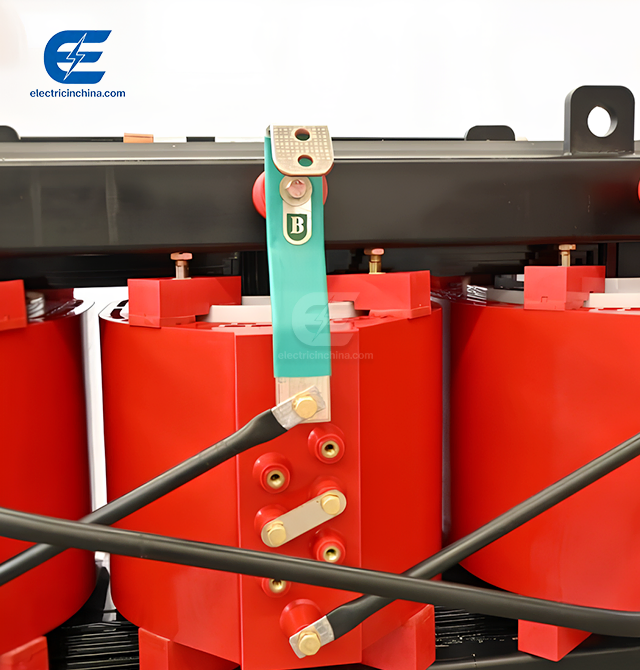
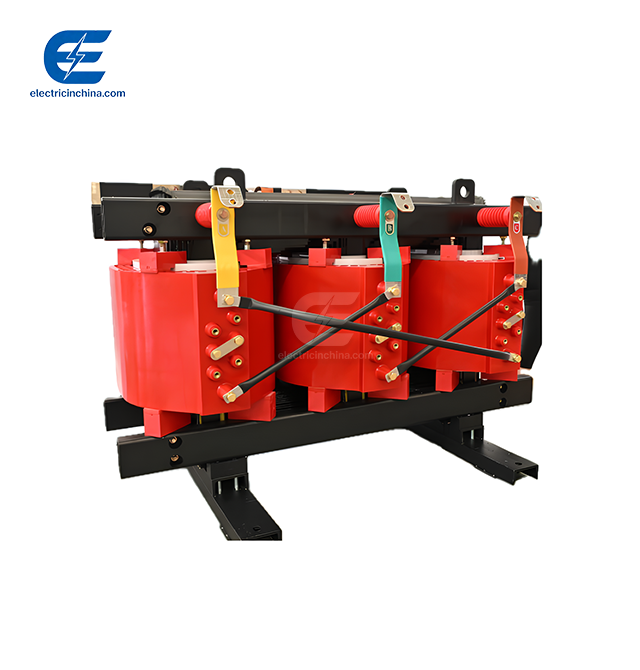
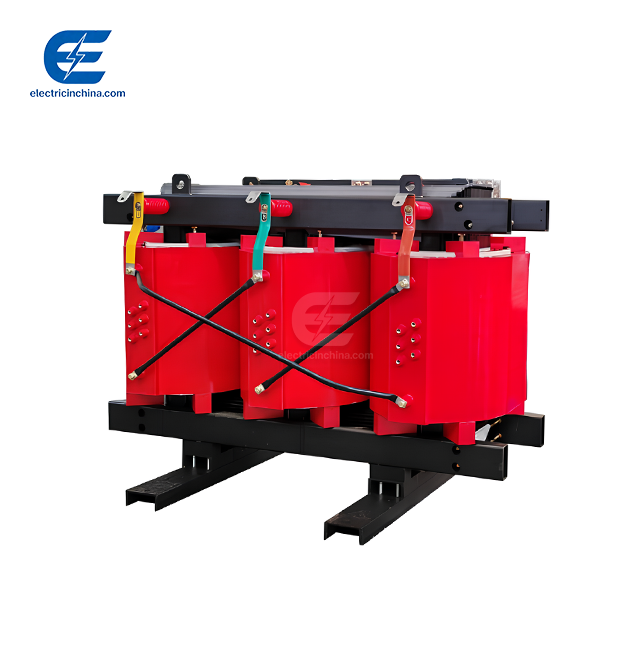
Modern methods of manufacturing greatly improve thermal performance. Cast resin technology encases windings in epoxy compound, which is better at transferring heat and being strong than traditional designs that are coated with varnish. Our SCBH15 and SCBH19 series models use vacuum pressure impregnation methods to get rid of air gaps. This makes thermal conduction lines that go from the winding conductors to the outside cooling surfaces that are continuous. Cores made of amorphous alloys cut core losses by 70%, which means that cooling systems have to get rid of a lot less baseline heat. These technological advances make it possible for designs to be smaller while still being more thermally efficient. This is especially useful for installations in cities that don't have a lot of room.
Smart Monitoring and Predictive Maintenance
When IoT connectivity is combined with built-in thermal sensors, reactive maintenance changes into predictive reliability management. Cloud-based analytics systems use machine learning algorithms to find decline trends based on real-time temperature data. Automated alarm systems let repair workers know right away when temperatures get close to warning levels, so they can take action before an accident happens. Facility managers can keep an eye on many spread-out sites from a central control room with remote tracking. This makes the best use of resources across large infrastructure portfolios. We've put these smart systems in place for EPC companies that are in charge of large industrial sites, and the number of unplanned outages has gone down significantly.

Selecting and Procuring High-Quality Dry-Type Power Transformers for Overheating Prevention
Critical Specification Parameters
When making purchasing decisions, thermal ratings that match the actual operating conditions should be given more weight than meeting the bare minimum of code requirements. Choose the right insulation class and make sure there are enough safety gaps. For example, Class H systems should be used in places where the temperature is above 35°C or where the load changes. Carefully look over the temperature rise specs; units with rise ratings of 80K work better with heat than those with rise ratings of 100K. The names of the cooling methods (AN for natural air, AF for forced air) have a direct effect on the capacity and operational flexibility. Metrics for energy efficiency, especially no-load loss numbers, show how much heat is generated at rest, which has a big effect on the total costs of running the system by using high-quality dry-type power transformers.
Supplier Reputation and Technical Support
Working with well-known manufacturers guarantees access to tested technology and full support services. International names like ABB, Siemens, and Schneider Electric have great reputations, but we've built our business on offering the same high quality with better customization options and quick service. Our ISO 9001, ISO 14001, and OHSAS 45001 certifications show that we are dedicated to meeting the quality and safety standards needed for government building projects. We have 18 patents and more than 120 sets of advanced manufacturing equipment, such as CNC automatic winding machines and microcomputer-controlled gradient curing ovens. Our technical skills are on par with those of our global competitors, and we can deliver faster and give you more personal attention.
Customization and Application Engineering
Standard catalog items don't usually cover the specific installation problems that come up in big infrastructure and industrial projects. We make custom solutions by changing voltage ratings (10kV, 20kV, and 35kV), capacity ranges (50kVA to 2500kVA), impedance values, connection types, and IP security levels to fit the needs of each location. Our 15 senior engineers and 30 intermediate workers work together with buying teams to make sure that the equipment they choose works well with the electrical systems that are already in place. This consultative approach has been very helpful for EPC contractors who are in charge of multi-phase projects that need to coordinate the ordering and installation of equipment.
Warranty Coverage and After-Sales Service
Reliable sellers are different from transactional vendors because they offer comprehensive guarantee programs and quick customer service after the sale. We stand behind our goods with a full warranty and have specialized technical support teams that can help you fix problems and make the most of your purchases. Our "one-stop service" model includes more than just selling equipment. It also includes overseeing installation, helping with commissioning, training operators, and providing ongoing maintenance support. We have finished hundreds of important power projects, such as the Xuzhou Rail Transit Network Control Center and upgrades to the XCMG Group factories. This means we know how important it is to deliver on time and perform well so that projects don't get delayed or cost more than planned.

Conclusion
There are clear reasons why dry-type power transformers get too hot: too much load, poor ventilation, insulation wear, and external stresses. These problems can be fixed by managing them well and choosing the right tools. Load balancing, upgrading cooling systems, sticking to strict check schedules, and choosing equipment with the right rating and advanced thermal management features are all ways to protect equipment assets and keep operations running smoothly. Modern technologies, such as amorphous metal cores, vacuum pressure impregnation, and smart tracking systems, make heat performance better while also making things safer and more environmentally friendly. Partnering with experienced suppliers who offer unique solutions and full support makes sure that transformer setups meet the high standards of reliability needed for industrial, business, and infrastructure uses.
FAQ
What temperature monitoring methods prove most effective for preventing overheating?
Using integrated RTD sensors to continuously check the temperature of the windings, along with regular thermographic scans, gives full thermal surveillance. IoT-enabled monitoring tools help modern installations keep an eye on temperature trends and send out warnings before critical levels are reached, which lets repair workers do their jobs before they break down.
How do dry-type transformers compare to oil-filled units regarding overheating risks?
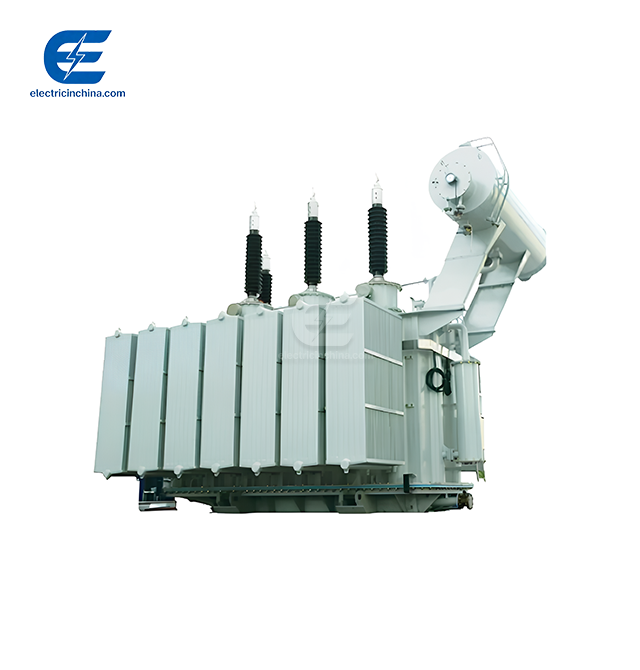
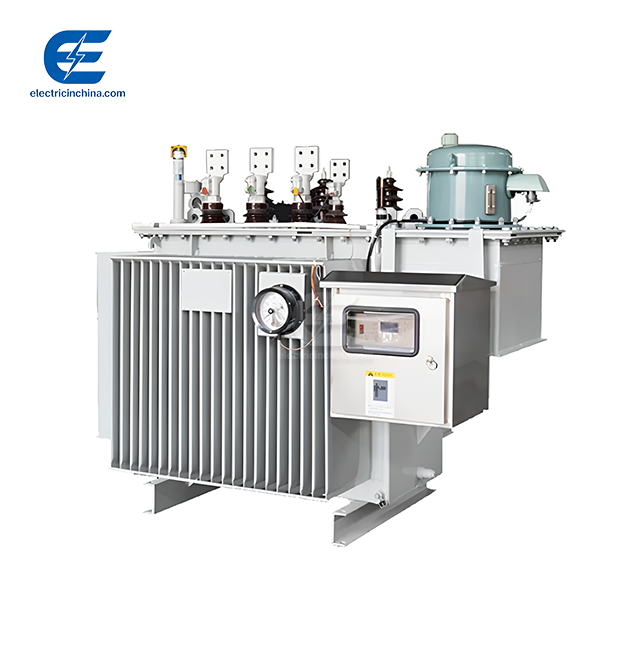
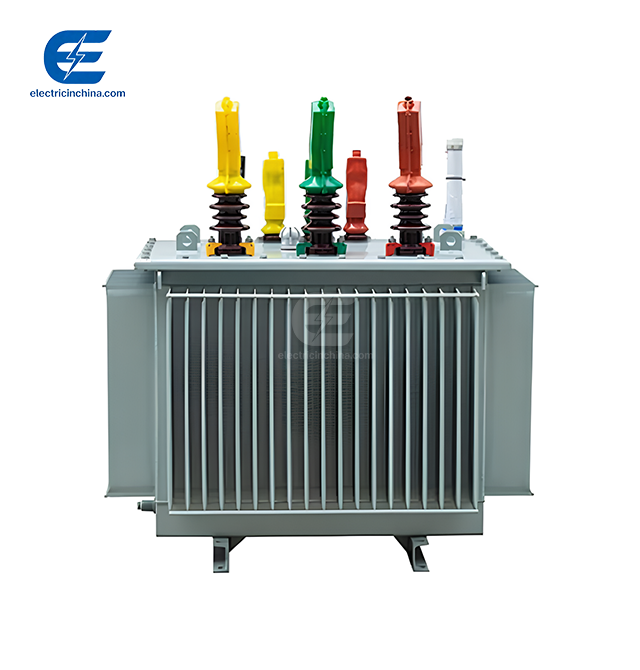
Dry-type transformers are safer in case of burning because they don't use flammable insulating fluids or other environmental dangers that come with them. In extreme overload situations, oil-filled units can handle more heat, but dry-type power transformer designs with forced-air cooling and Class H insulation work just as well in most commercial and industrial settings without the need for fire suppression.
What maintenance frequency prevents thermal failures effectively?
Visual inspections and cleaning every three months, along with full assessments once a year that include thermographic scanning and insulation testing, are enough to keep things from breaking down. Facilities that need to handle a lot of work or are in harsh environments can benefit from monthly checks and faster repair processes that are tailored to their operational risk profiles.
Partner with Tuojie for Reliable Dry-Type Power Transformer Solutions
Tuojie is an expert in designing dry-type power transformers that are made to solve the problems of overheating that infrastructure projects, industrial manufacturers, and business developers face. We are a maker with over 20 years of experience working with government EPC companies and big sites. We offer unique solutions with amorphous alloy cores, cutting-edge cooling technologies, and built-in thermal monitoring systems. Our ISO-certified factories and thorough quality control make sure that every unit meets the highest standards for safety and dependability. You can email our technical team at tuojie@electricinchina.com to talk about your unique application needs, get full specifications, or set up a visit to our site. We help with everything, from coming up with the initial specifications to overseeing the installation and providing ongoing maintenance. This way, we can make sure that your electrical distribution infrastructure works safely and within the best thermal parameters. Visit electricinchina.com to see all of our products and learn how our all-in-one power supply solutions can help you finish your project successfully.

References
1. Institute of Electrical and Electronics Engineers, "IEEE Guide for Loading Dry-Type Distribution and Power Transformers," IEEE Standard C57.96-2019, 2019.
2. International Electrotechnical Commission, "Power Transformers - Part 12: Loading Guide for Dry-Type Power Transformers," IEC 60076-12:2008, 2008.
3. National Electrical Manufacturers Association, "Guide for Loading and Application of Dry-Type Distribution and Power Transformers," NEMA Standards Publication TP 1-2019, 2019.
4. Zhang, H., and Li, M., "Thermal Analysis and Cooling Optimization of Dry-Type Transformers in High-Altitude Environments," Electric Power Systems Research, vol. 194, 2021.
5. American Society for Testing and Materials, "Standard Test Method for Measurement of Temperature Distribution on Transformer Windings by Fiber-Optic Sensing," ASTM D8128-18, 2018.
6. Chen, W., Pan, C., and Wang, Y., "Overheating Failure Analysis of Dry-Type Transformers in Urban Power Distribution Networks," IEEE Transactions on Power Delivery, vol. 35, no. 3, 2020.