

.webp)
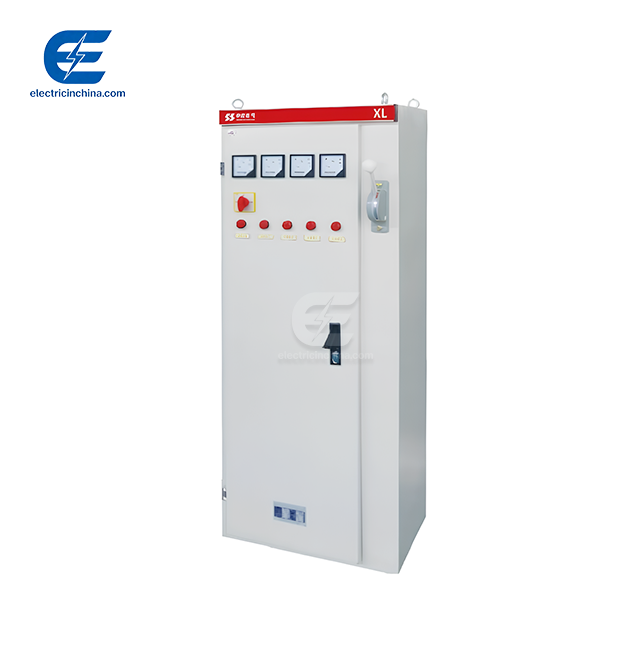
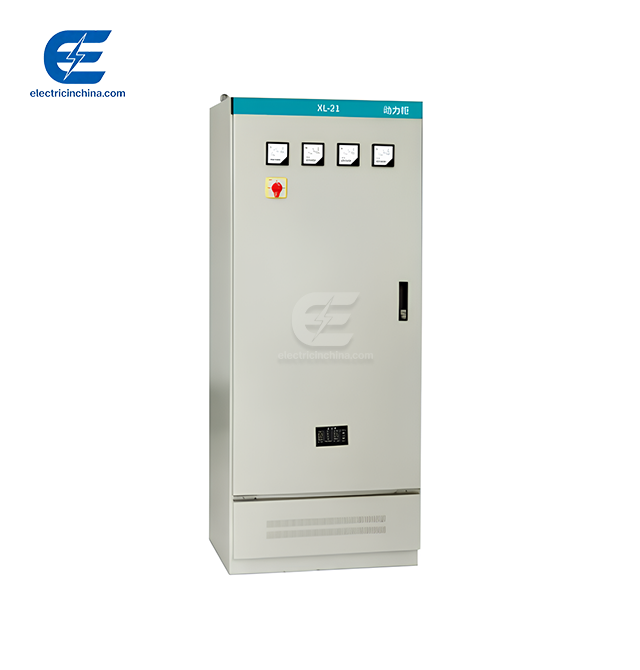
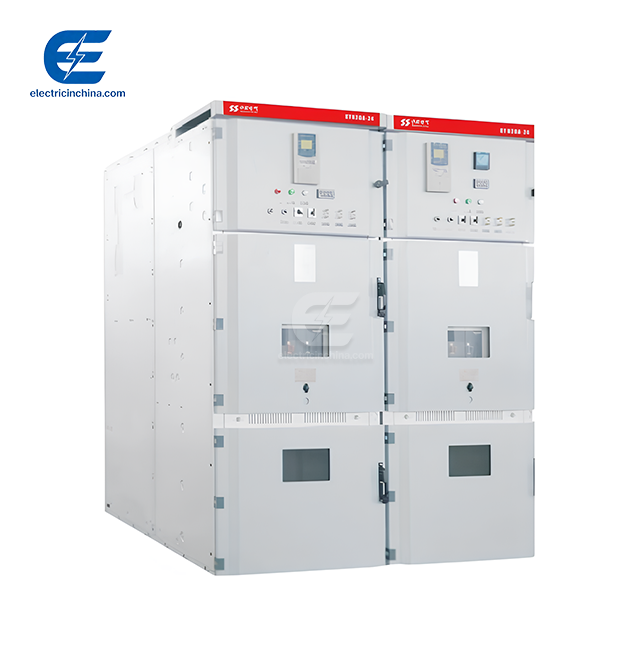
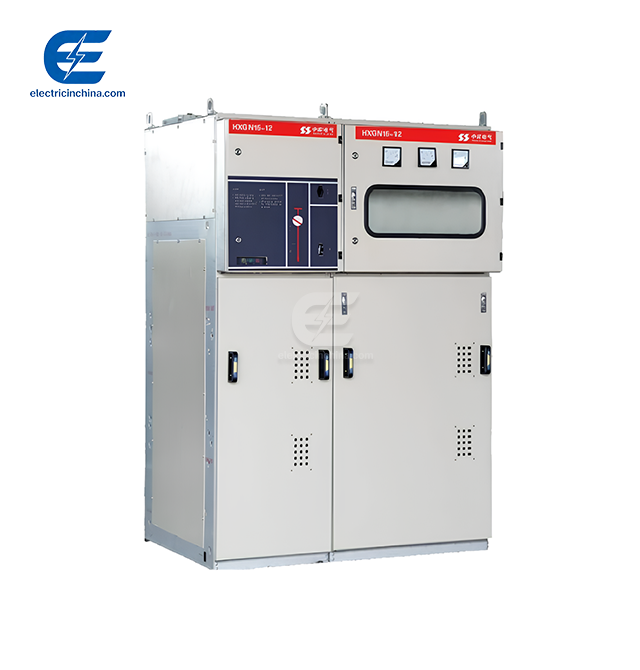
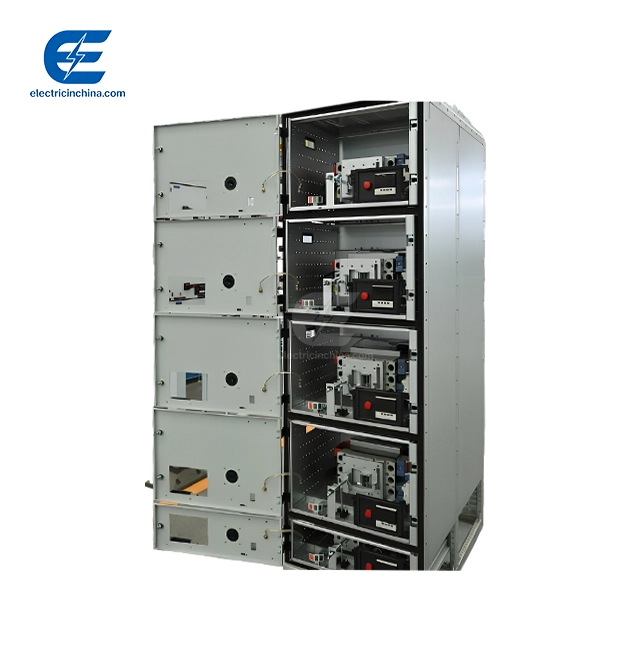
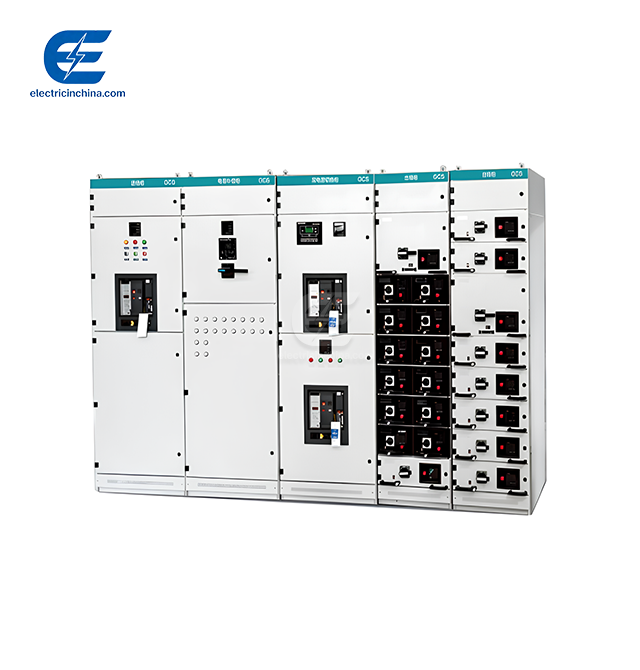
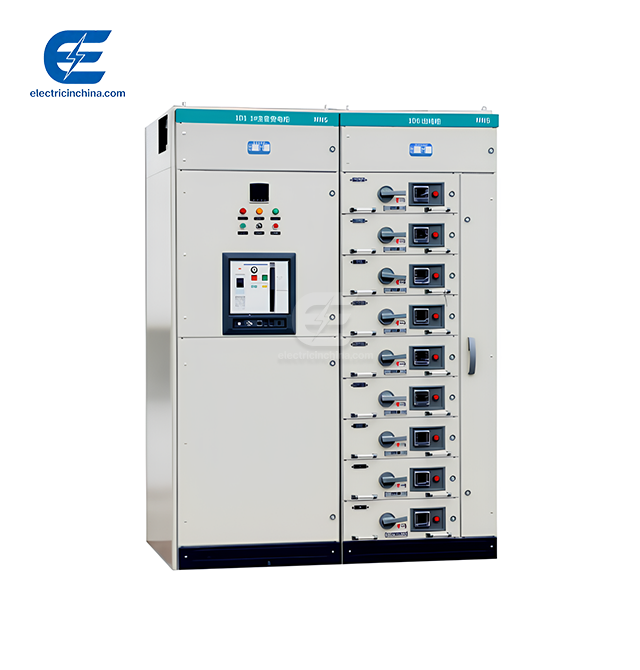
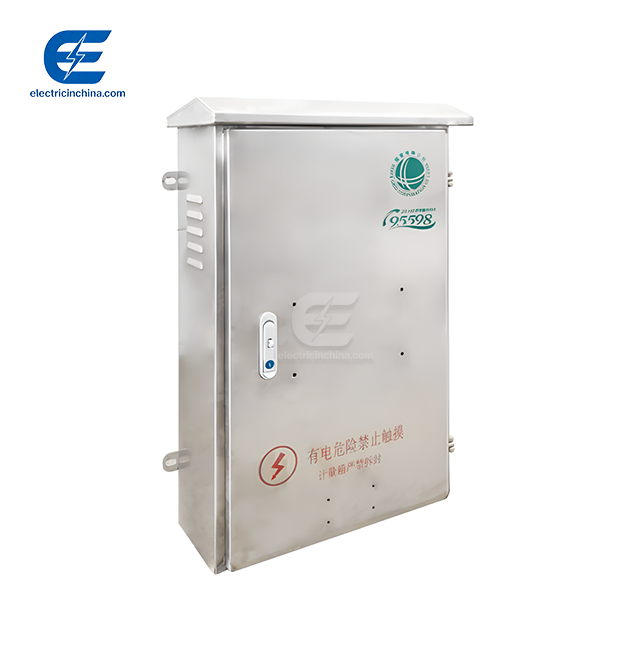
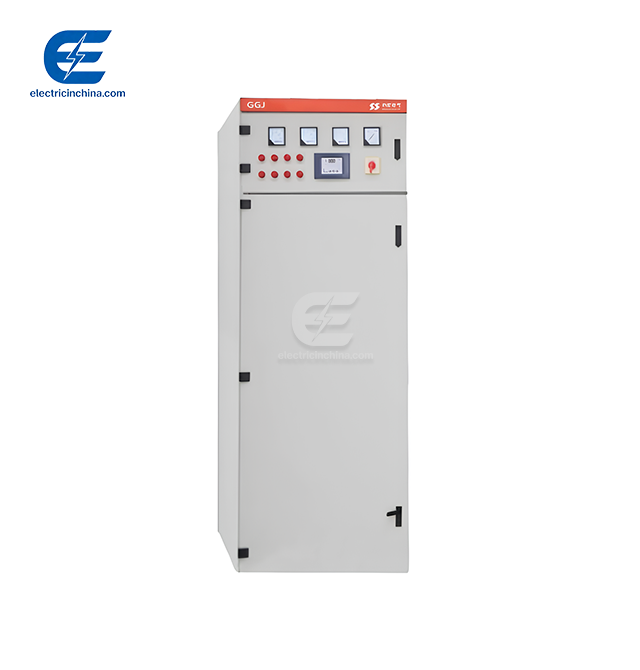
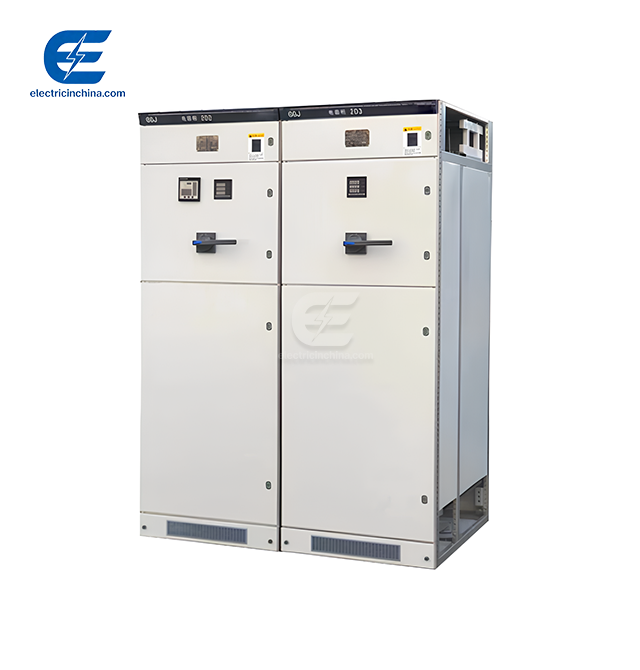
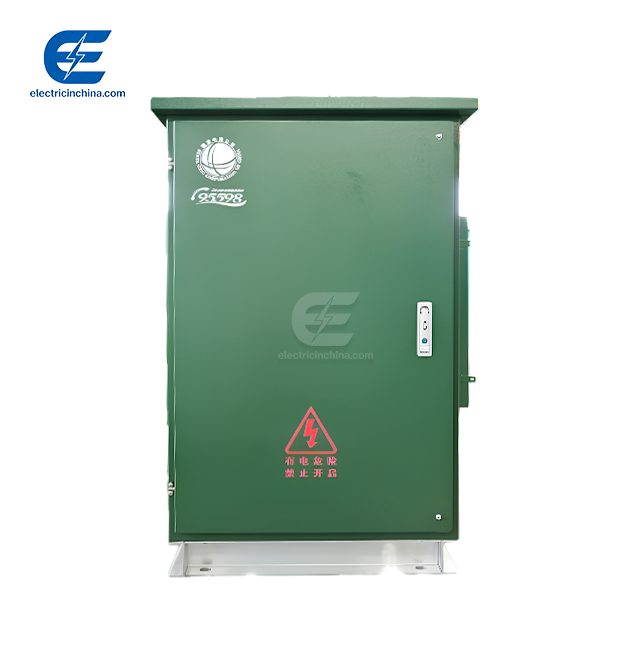
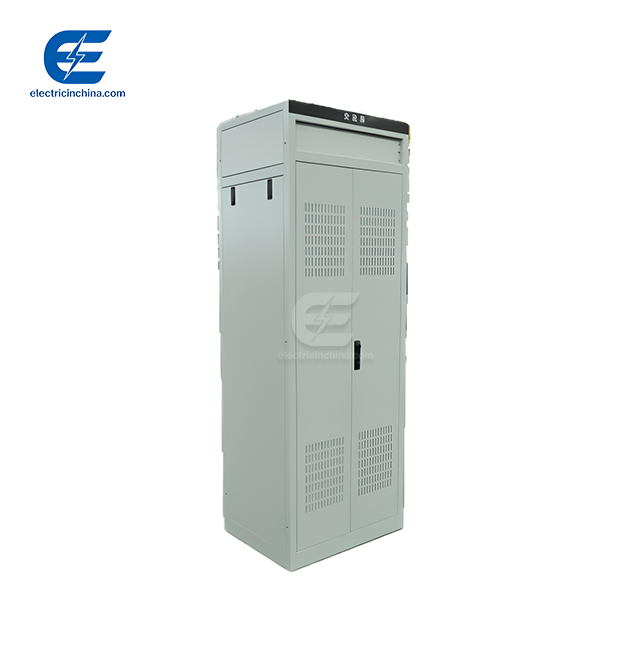
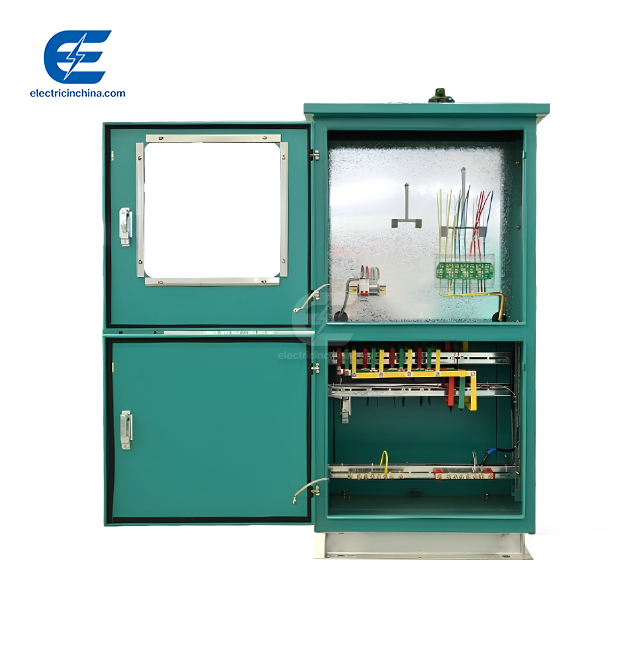
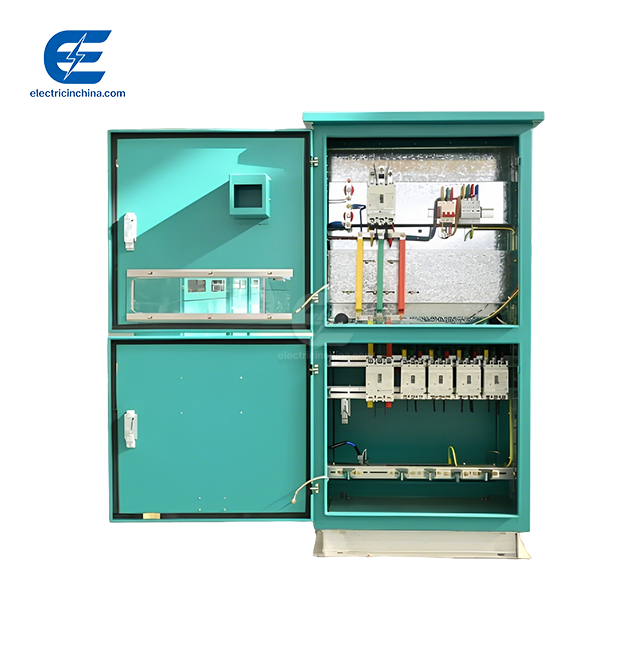
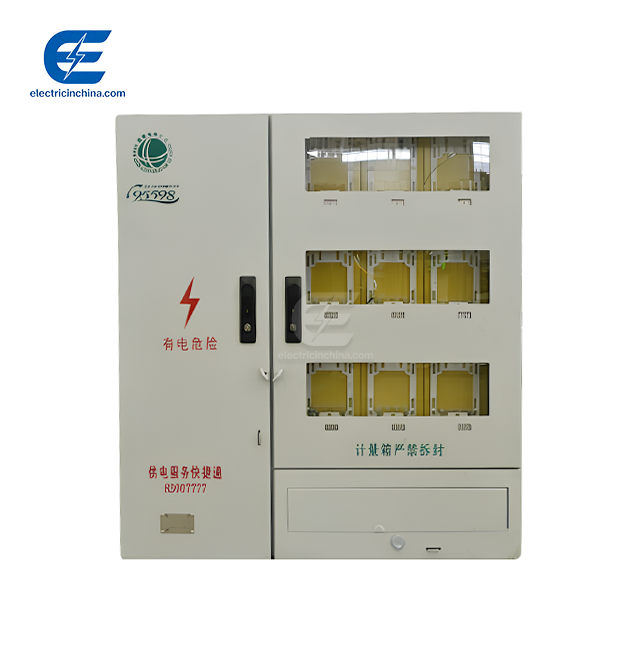
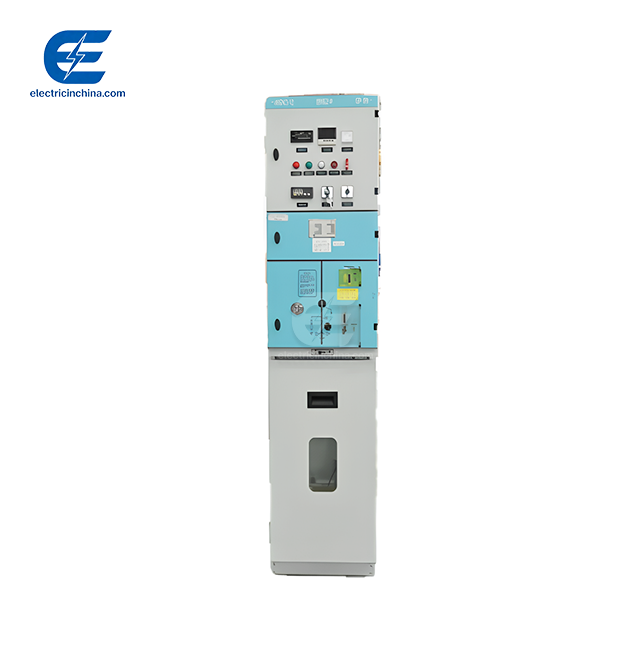
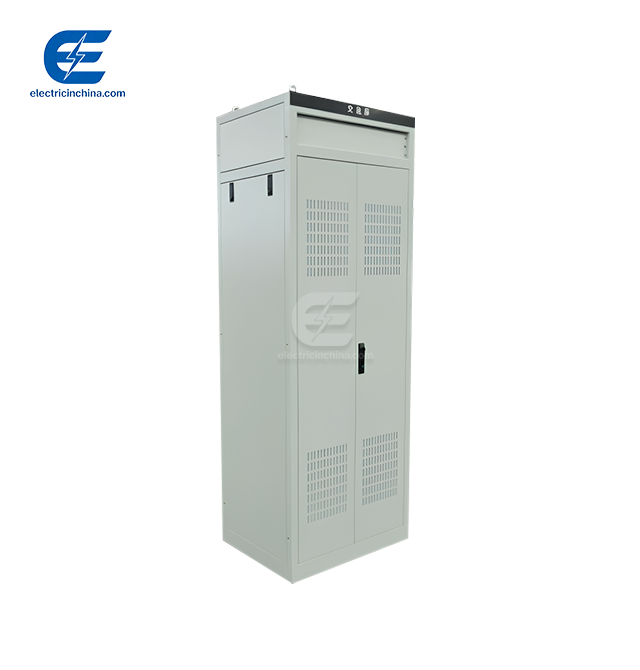
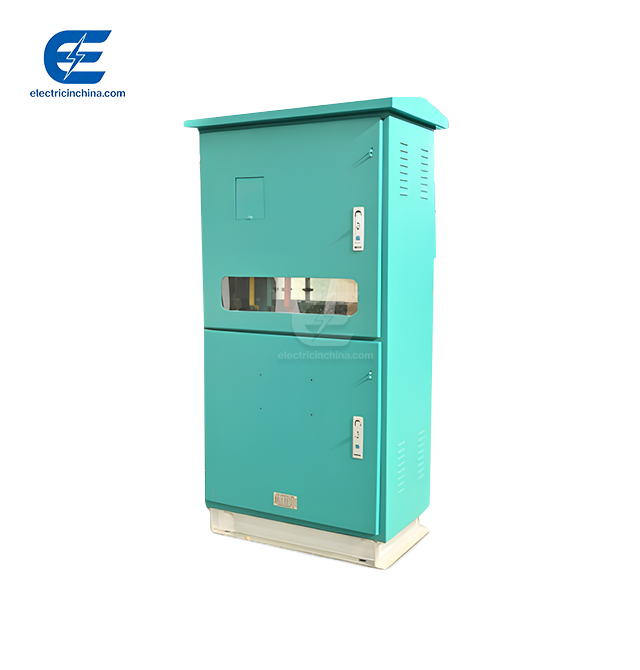
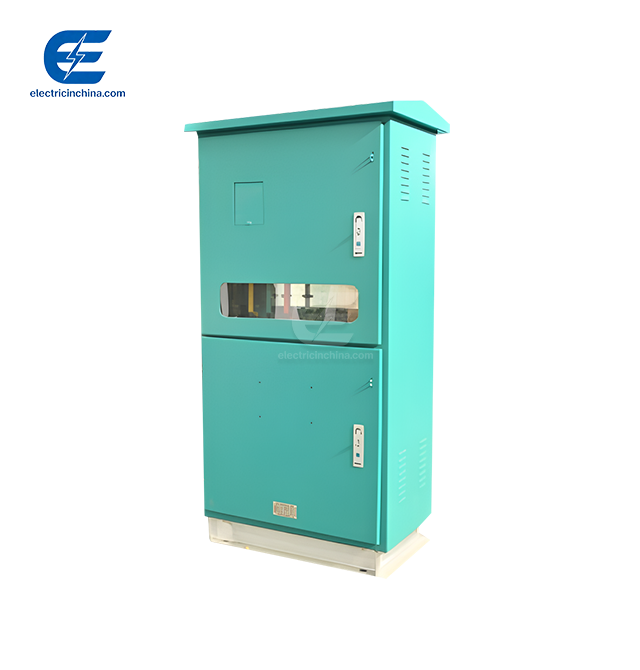
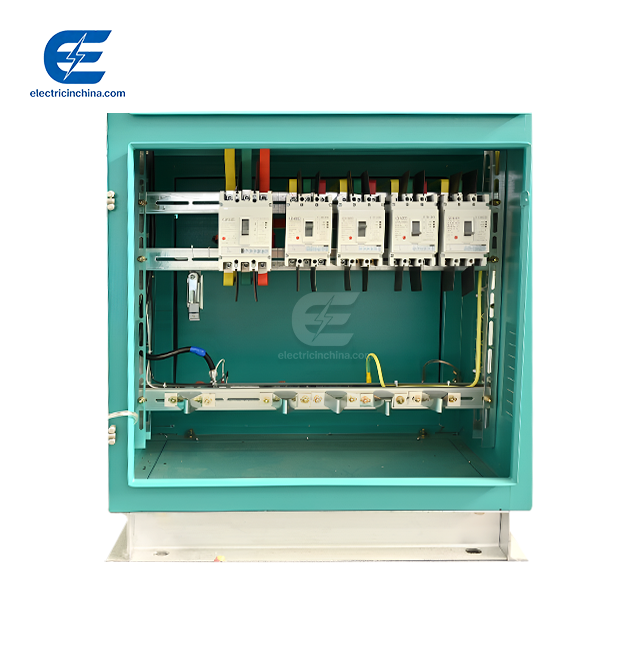
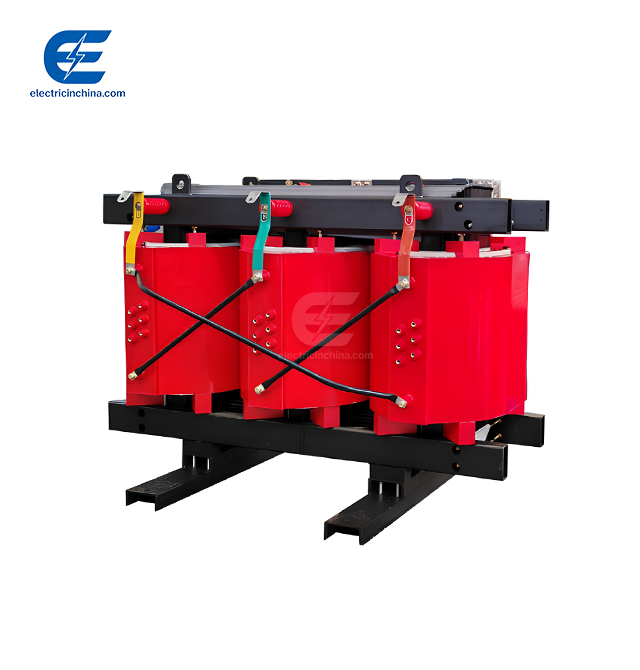
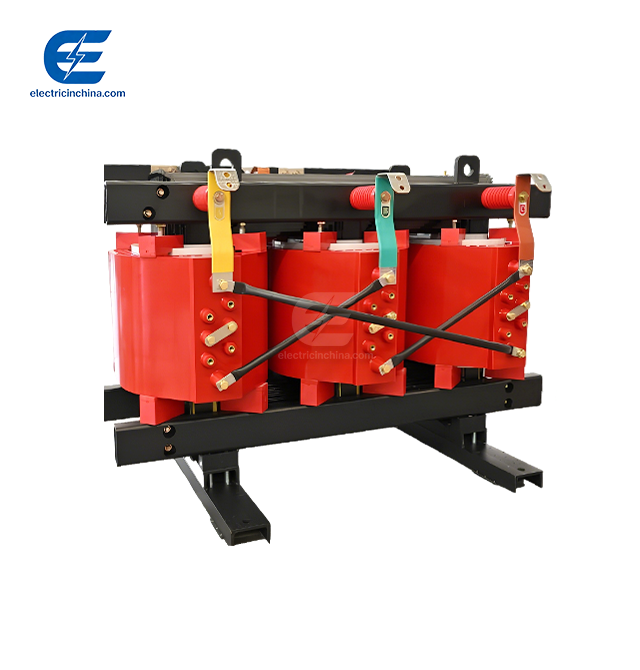
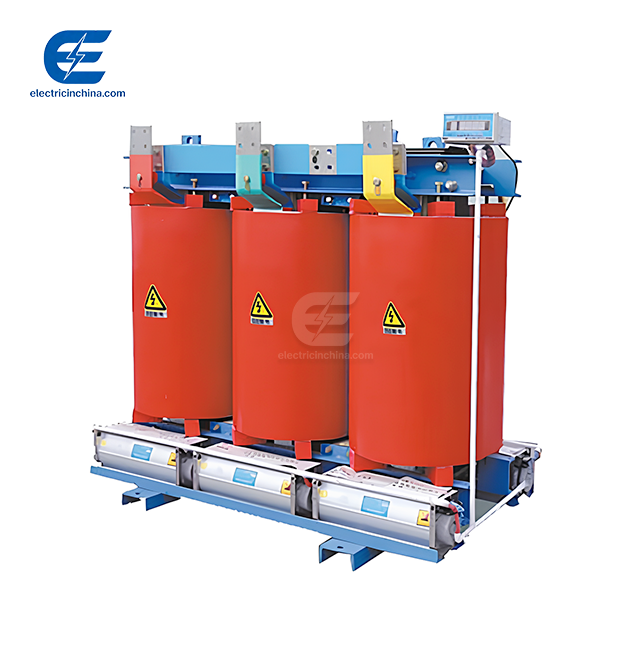
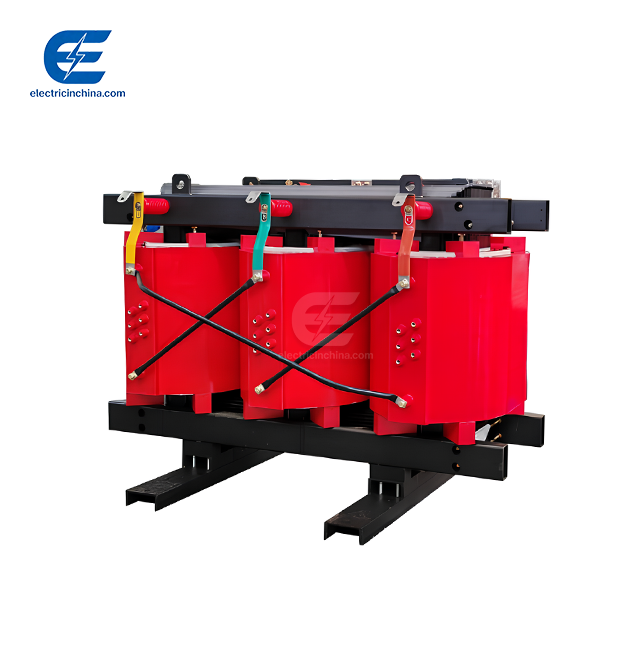
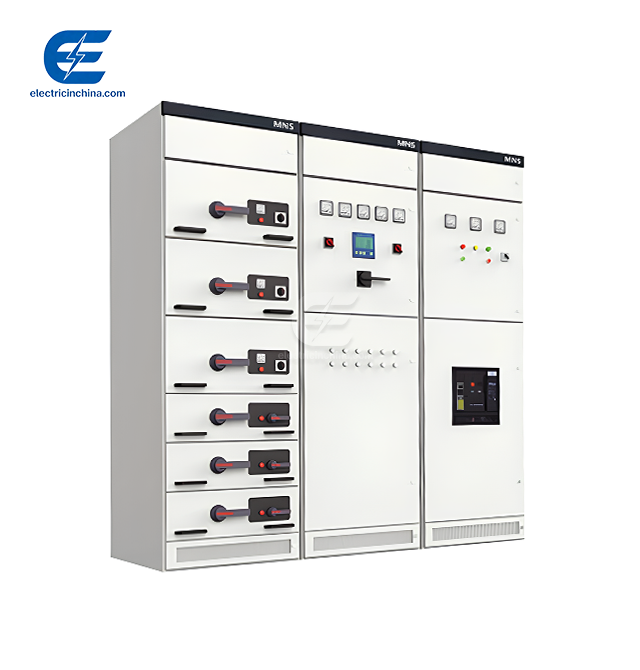
Solar Power Compact Substation Transformer units are essential components in photovoltaic installations, converting generated electricity to grid-compatible voltage levels. These specialized transformers face unique operational challenges in solar environments, where temperature extremes, dust accumulation, and continuous load variations can trigger various faults. Understanding common failure modes and implementing effective troubleshooting procedures ensures uninterrupted power generation, extends equipment lifespan, and protects infrastructure investments. This guide addresses critical fault scenarios and practical remediation techniques tailored for procurement managers, EPC contractors, and facility engineers responsible for maintaining reliable solar power systems.
Understanding Common Faults in Solar Power Compact Substation Transformers
In solar installations, compact substation transformers are put through tough working conditions that speed up wear and cause certain types of failures. By recognizing these fault signatures, problems can be found and fixed more quickly and effectively.
Overheating and Thermal Stress Issues
The most common problem with transformers that affects their efficiency is still too much temperature rise. In solar substations, the temperature often rises above 40°C, especially in sites in the desert, where cooling works much less well. Cases that are stained, oil that expands in strange ways, and insulation materials that break down are all signs of overheating. The difference in temperature between the core and the winding gets too big, which speeds up the aging process and lowers the dielectric strength. Continuous monitoring with fiber-optic temperature sensors gives operators early warning so they can change load profiles or improve ventilation systems before major damage happens.
Insulation Breakdown and Dielectric Failures
Insulation degradation is a major threat to the stability of the transformer. When moisture from the environment mixes with voltage stress and temperature cycling, it degrades dielectric materials over time. As insulation gets older, partial discharge activity gets stronger, creating hot spots that grow into full failures. When we check the equipment, we see tracking lines on the bushings, oil that is contaminated with carbon particles, and measures of lower insulation resistance. The dissolved gas analysis shows that there are high levels of hydrogen and acetylene, which means that there is active electrical discharge inside the transformer structure.
Tap Changer Operational Failures
When contact surfaces get worn down from arcing and mechanical wear, it's hard for on-load tap switches to control voltage. In order to account for changes in the amount of sunlight during the day, Solar Power Compact Substation Transformer units with automatic voltage control systems frequently adjust their taps. Voltage output and switching problems are caused by oxidation of the contacts, loss of spring tension, and imbalance of the drive mechanism. Audible arcing sounds during tap changes and voltage instability patterns are signs that parts of the tap changer are breaking down and need to be fixed right away.
Oil Contamination and Chemical Degradation
It insulates and gets rid of heat, which are two things that transformer oil does. Both functions are harmed by contamination caused by water getting in, oxidation, and particle buildup. As chemical bonds break down, oil becomes more acidic, which attacks metal parts and speeds up rust. When the moisture level is above 10ppm, the breakdown voltage drops by a lot, which raises the risk of a fault. Regular oil samples and lab analysis find contamination trends before they affect operating safety. This helps with choices about whether to replace or regenerate the oil.

Systematic Troubleshooting Methods for Compact Substation Transformers
To properly fix a problem, you need to do a thorough study that includes visual inspection, diagnostic tests, and analytical analysis. This organized method cuts down on the time needed for diagnosis and keeps root causes from being wrongly identified.
Initial Problem Identification Through Observation
The first step in troubleshooting is a full sensory assessment. A visual inspection shows oil leaks, cracked bushings, failed gaskets, and rust formations that show moisture is present. Changing sounds you can hear, like humming or crackling, could mean that the core lamination is loose or there is partial discharge activity. Thermal imaging cameras find hotspots on tank surfaces, bushing connections, and cooling equipment, pointing out places where heat is being generated in a way that isn't normal. Writing down these observations gives you a starting point for trend analysis and makes it easier to talk to technical support teams.
Categorizing Faults by Origin
Troubleshooting works best when problems are put into groups like electrical, mechanical, or environmental. Electrical flaws are found by measuring resistance and power factor. They include insulating failures, short circuits in the windings, and problems with the grounding system. Mechanical problems include loosening core bolts, broken cooling fans, and problems with structural vibrations found by vibration research equipment. Extreme temperatures, high or low humidity, and contamination from dust or salt spray are some of the environmental factors that can be measured through oil quality tests and monitoring of the environment. This framework for categorizing things helps engineering teams use the right diagnostic tools and fix methods.
Advanced Diagnostic Testing Procedures
Sophisticated testing protocols make it possible to definitively identify faults. Hydrogen and methane levels show that the system is overheating, while acetylene levels show that high-energy arcing is happening. By making a picture of the winding shape, frequency response analysis can show how it has changed due to short-circuit forces or shipping damage. A partial discharge test can tell you how good or bad the insulation is; discharge magnitudes above 500pC mean the insulation is breaking down and needs to be fixed. Insulation power factor testing checks the quality of the dielectric under controlled conditions. It can find effects of moisture and age that can't be seen with resistance measurements alone. When these diagnostic processes are done by trained technicians using properly calibrated tools, they give us useful information that helps us make choices about maintenance.
Real-World Case Resolution Examples
A 2.5 MVA solar booster transformer was switching on and off during a recent job. The thermal imaging showed uneven heating patterns on the low-voltage bushings, and the DGA showed high levels of ethylene. An investigation found that loose wire connections were causing resistance heating and damage to some insulation in certain areas. After retightening the connections to the required torque levels and drying the insulation, the machine was ready for safe use again. In a different case, vibrations from the core were sent through supporting structures. Through modal analysis, resonance frequency matching transformer magnetostriction overtones were found. The problem was fixed by adding vibration isolation pads and strengthening the structural supports. This shows how targeted mechanical changes can solve complex fault interactions.

Preventive Maintenance Tips to Avoid Common Transformer Faults
Preventative maintenance plans greatly lower the number of unexpected breakdowns and increase the service life beyond what was originally planned. Setting up structured inspection schedules and condition-based interventions helps keep performance at its best.
Scheduled Inspection and Testing Protocols
Visual exams are done every three months to check the outside conditions, such as paint wear, bushing cleaning, gauge readings, and signs of leaks. As part of the yearly electrical testing, insulation resistance is measured, turns ratio is checked, and coil resistance is checked to make sure the electrical integrity. DGA, moisture content, acidity, and dielectric strength measurements are used by oil analysis programs every two years to track trends in contamination. These planned tasks find signs of slow degradation before they have an effect on operations. Keeping detailed check records lets you look at patterns that show parts wearing out faster, which means they need to be replaced sooner.
Electrical and Mechanical Component Care
Reliability is directly affected by how well connections work. Over time, thermal cycles cause bolted connections to become less tight because of the effects of expansion and contraction. Every year, thermographic studies are done under stress to find hotspots that are growing at terminals and busbar joints. Retorquing links right away stops damage from getting worse. Maintaining the cooling system makes sure that temperature control works well. Cleaning the radiator fins gets rid of the dust that builds up on the surfaces and makes heat transfer less effective. Making sure the cooling fan works, greasing the bearings, and checking the control circuits are all important parts of keeping forced-air cooling running well in hot solar settings.
Environmental Condition Optimization
Controlling the air in the center makes transformers last a lot longer. Putting in air filter systems in dusty places stops contamination from getting in through breathers and closing systems. Keeping the drainage system around generator bases in good shape stops water from building up and speeding up corrosion. Managing temperature with strategic shading, reflective coatings, and enough airflow lowers thermal stress. Applying anti-corrosion treatments and running washing processes often gets rid of salt deposits before they get inside shelters in seaside settings. When you combine these environmental controls with genuine replacement parts and lubricants that are approved by the manufacturer, you get operating conditions that keep equipment in good shape for decades.

Performance Optimization and Reliability Enhancement Strategies
In addition to preventing problems, proactive performance enhancement provides real operational benefits by increasing efficiency and allowing for planned maintenance.
Addressing Efficiency Losses
Magnetic fields and eddy currents in laminated steel cause core losses. Keeping the torque on the core bolts tight and making sure the lamination surfaces are clean can help reduce these losses. Losses of copper in windings go up as load current and winding resistance go up. Managing the temperature keeps the resistance low, which lowers the I/R losses. We've seen that keeping the temperatures of the windings below the design limits through efficient cooling increases efficiency by 0.3 to 0.5 percent. This means that big solar installations can save a lot of energy. Optimizing voltage by choosing the right taps under different load conditions makes the system work even better overall.
Mitigating Dielectric Stress and Partial Discharge
Keeping electrical stress under control is important for the life of an insulation system. Making sure that voltage control keeps the working voltage within the limits set by the designer stops overvoltage situations that speed up the aging of insulation. Putting in surge arresters guards against short-term overvoltages caused by lightning strikes and switching activities. Online monitoring systems for partial discharge can see when insulation is becoming weaker, so repairs can be planned before the failure happens. When partial discharge activity goes above normal levels, insulation regeneration methods, such as vacuum drying and oil filtration, fix the dielectric integrity without having to replace the whole transformer.
Leveraging Advanced Monitoring Technologies
Modern IoT sensor networks change the way upkeep is done for a Solar booster transformer from focusing on time to focusing on conditions. Monitoring of temperature profiles, load current, voltage levels, and environmental parameters all the time gives data analytics tools that look for strange trends in how things work. AI-powered predictive maintenance algorithms look at past patterns to guess when a part will break weeks before it does. When parameters go above certain limits, these systems send out automatic alerts that let you act quickly. Remote tracking lets one person keep an eye on all of a group's solar installations, which makes the best use of repair resources. Equipment health score algorithms set the order of maintenance tasks based on the real state of the equipment instead of random plans. This makes the maintenance budget work better while reducing the risk of downtime.

Why Choose Compact Substation Transformers for Solar Power Applications
There are some benefits to using compact power transformers that make them better for solar installation needs than using different components.
Space Efficiency and Deployment Speed
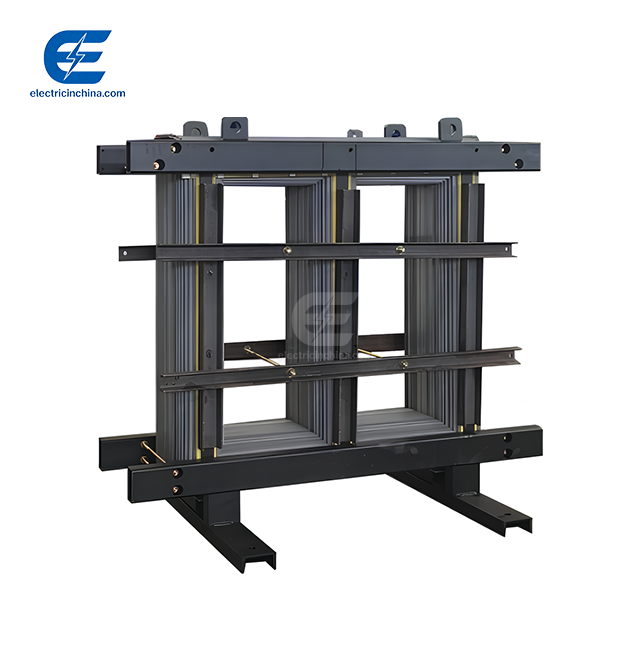
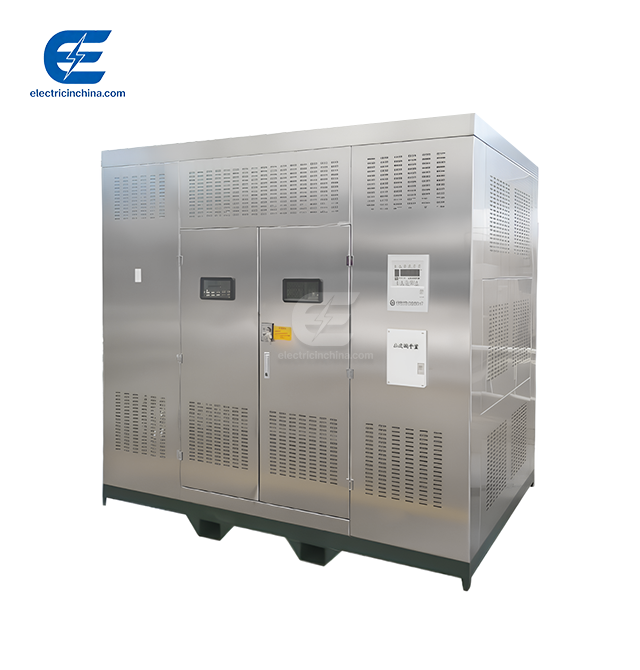
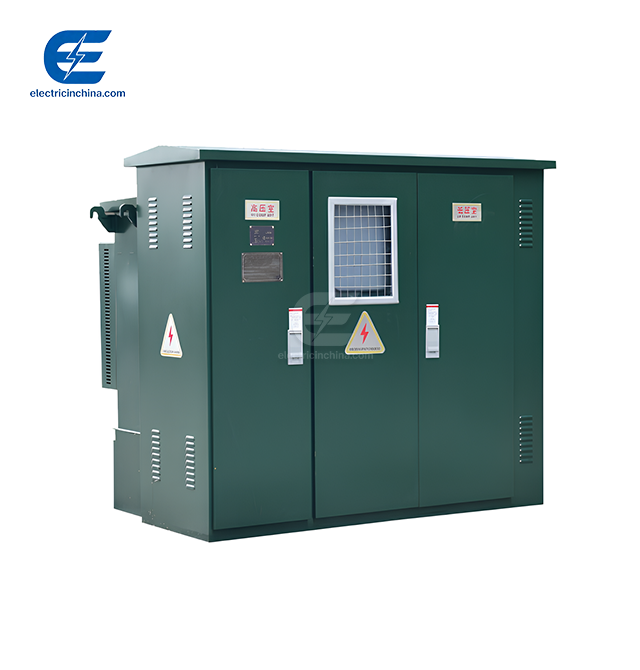
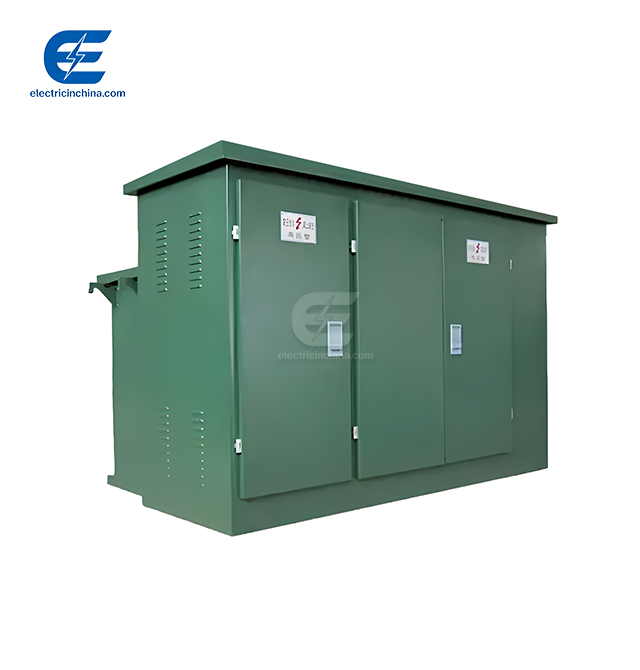
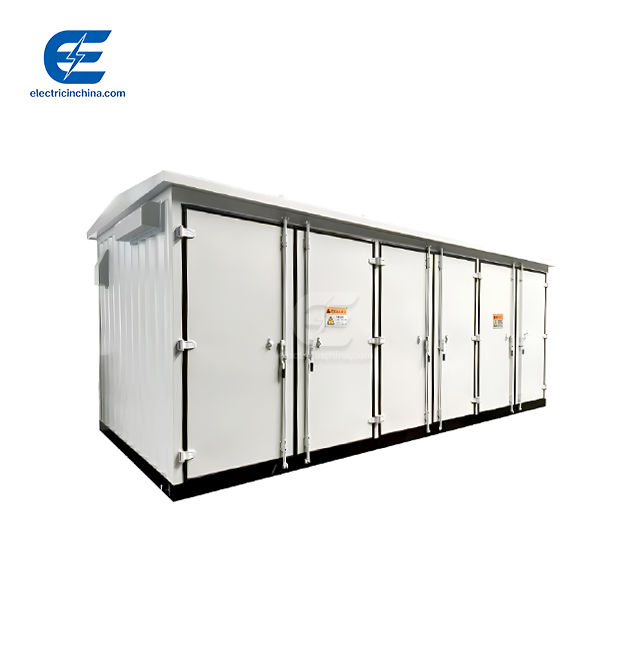
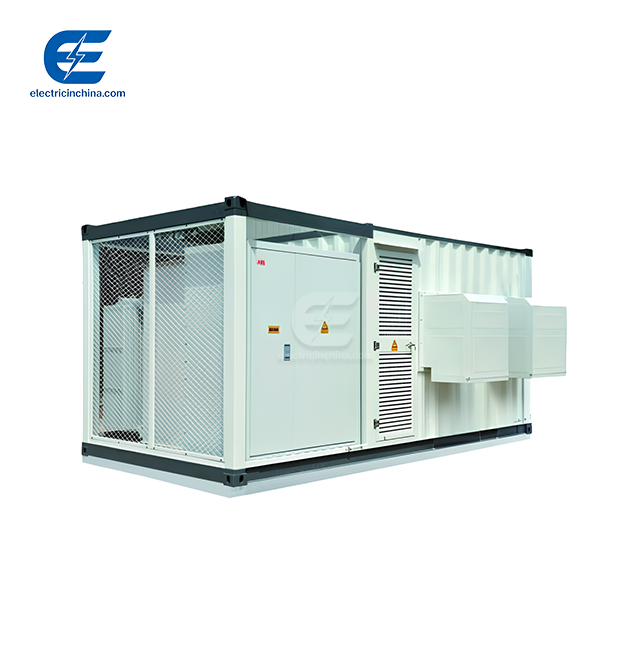
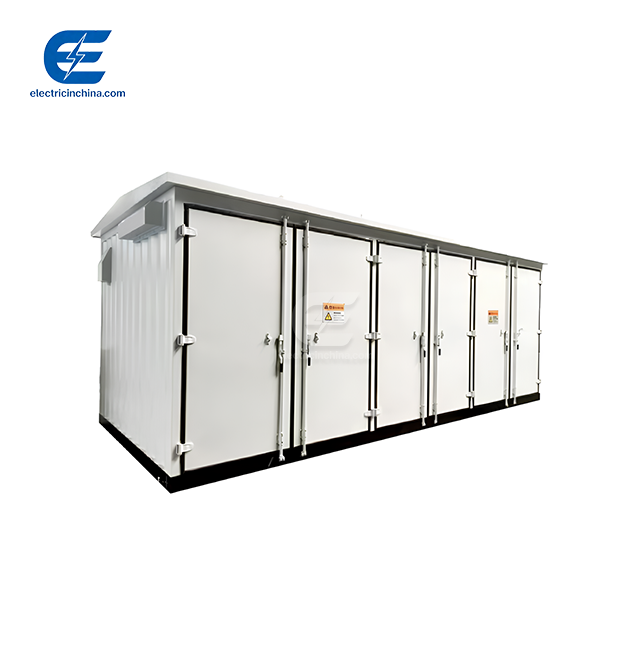
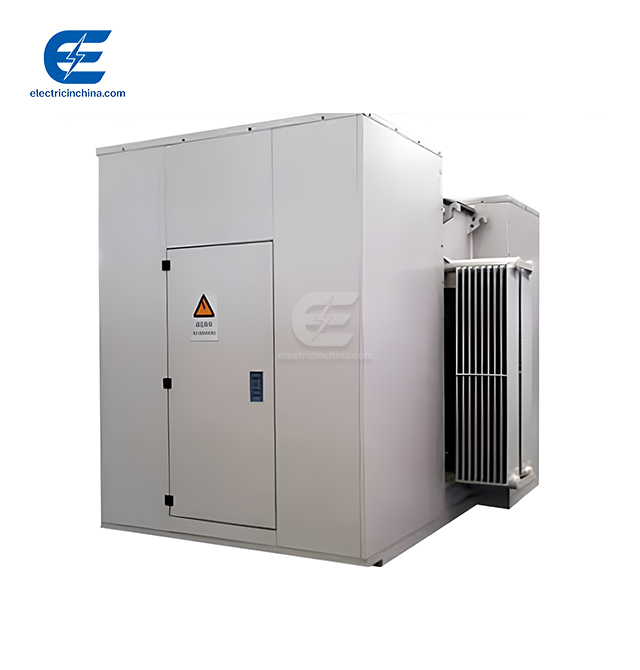
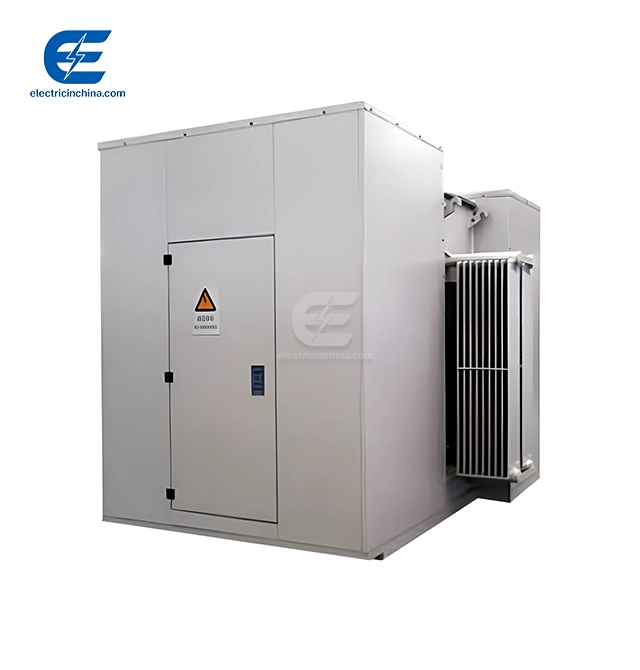
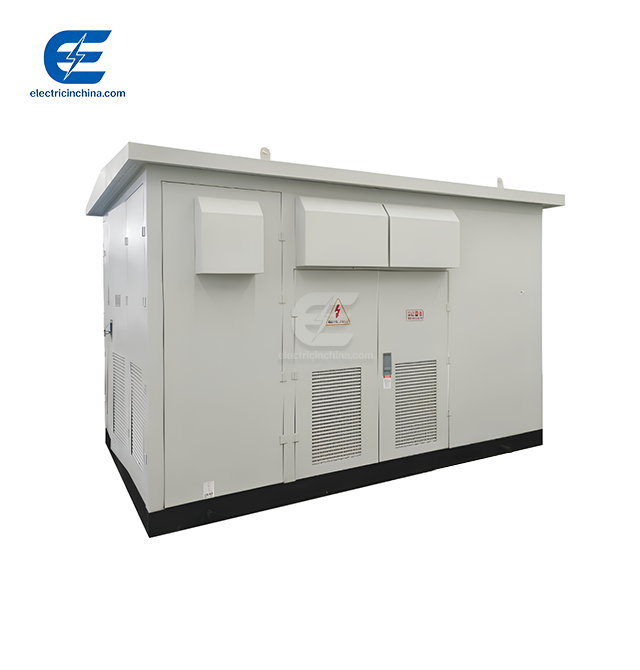
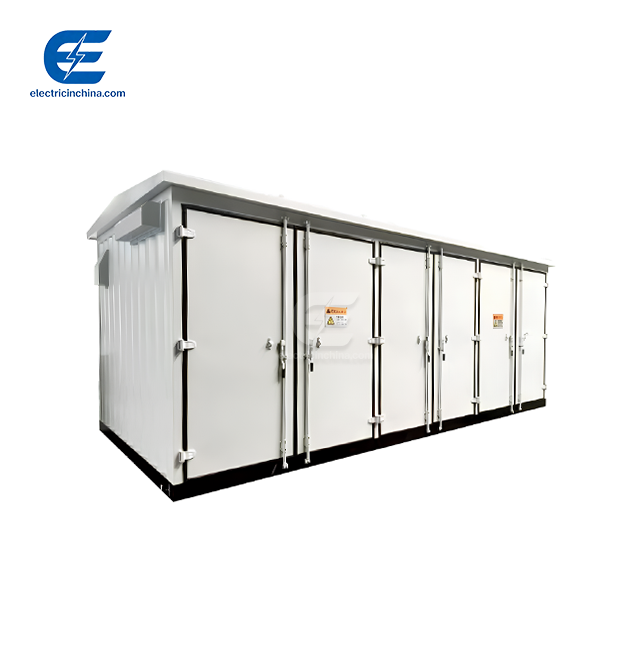
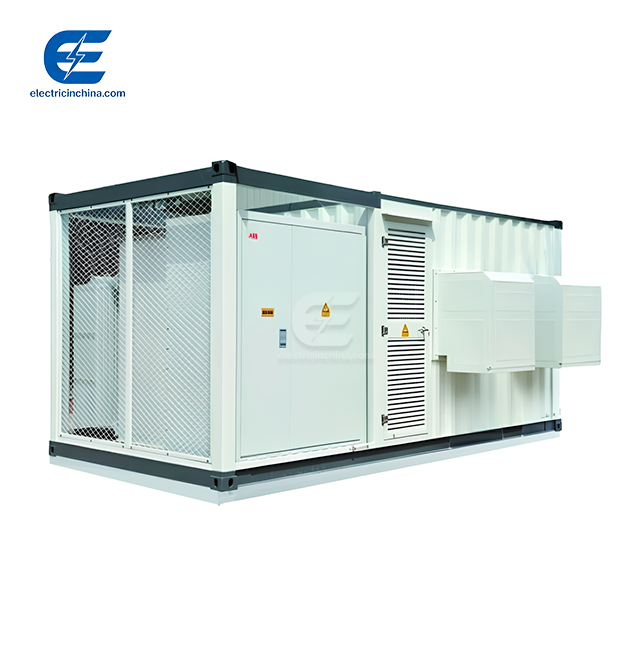
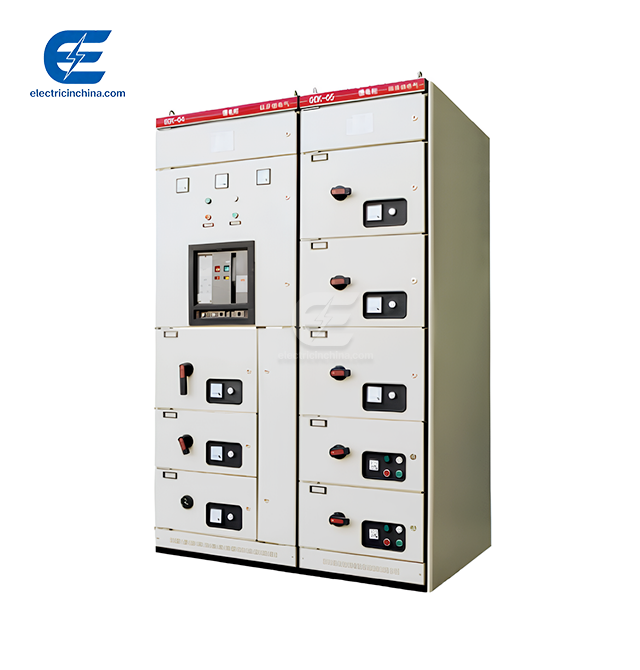
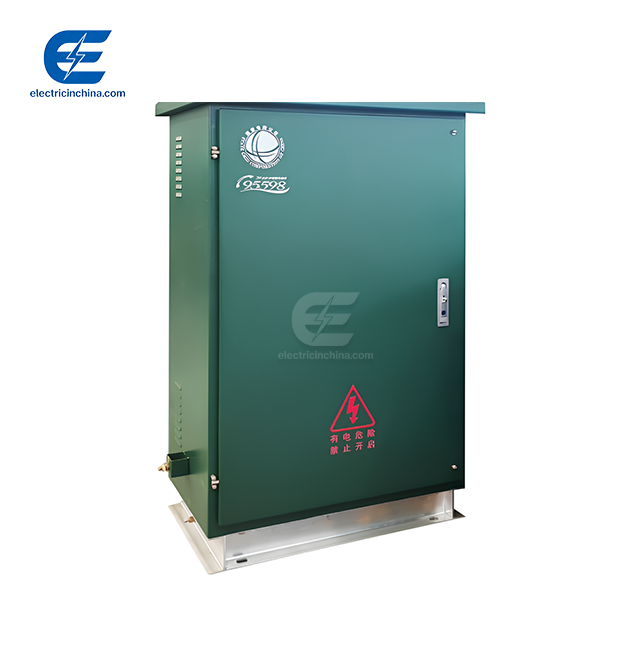
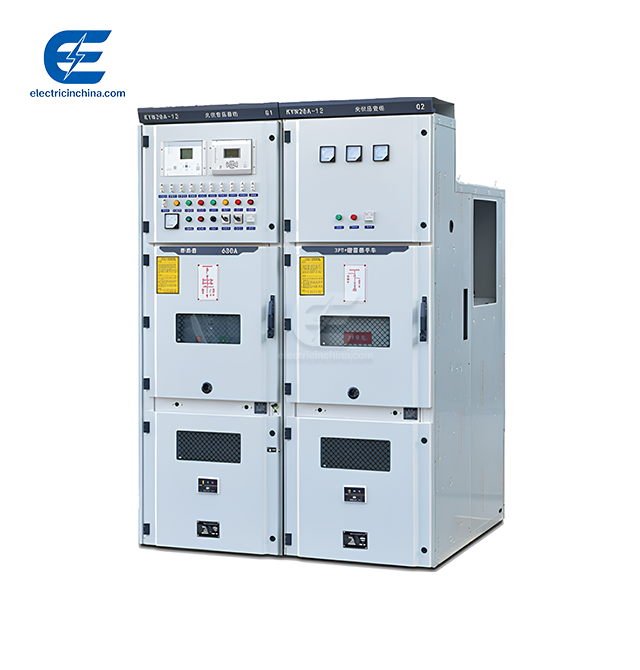
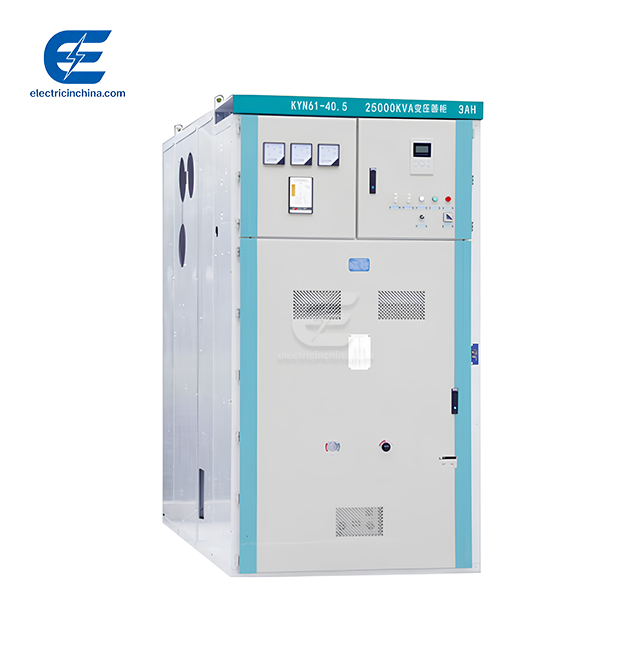
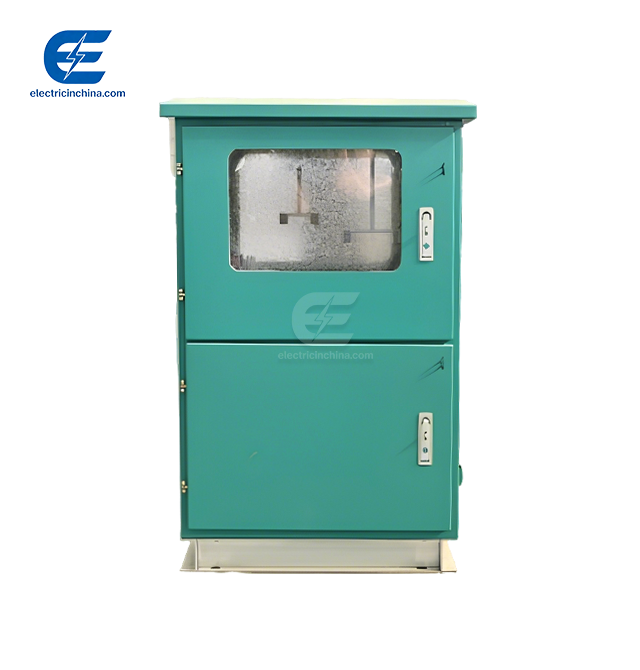
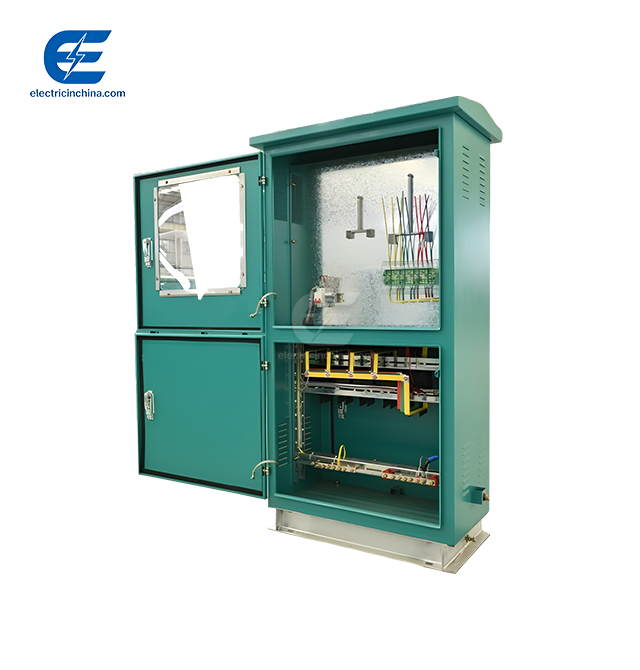
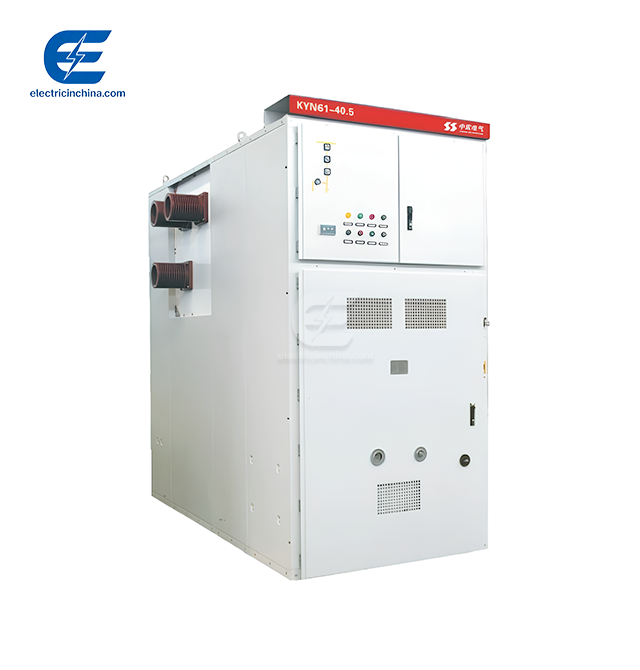
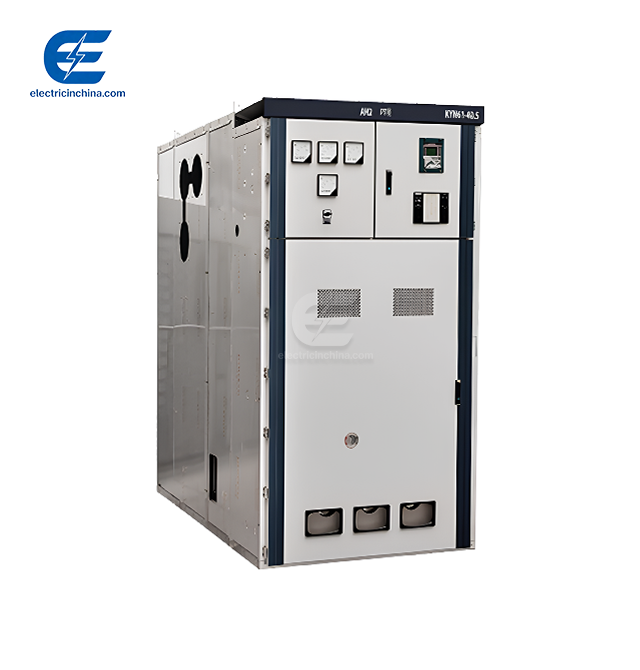
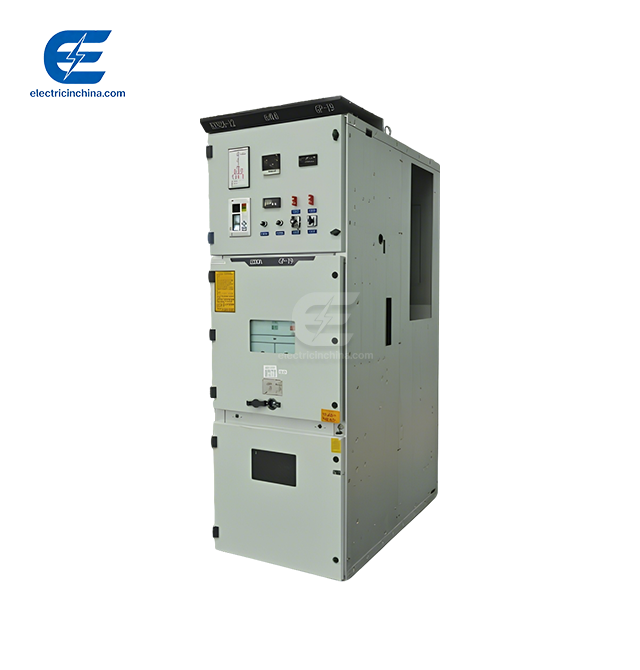
These integrated units put the transformer, switchgear, and protection systems all in one box. Compared to traditional configurations, this makes the installation space up to 60% smaller. For large-scale utility solar farms that want to make the most money possible by making the best use of their land, a compact form makes room for more panel stacks. Factory pre-assembly and thorough testing get rid of the need for a lot of construction to be done on-site. In the past, installations took weeks to put together in the field. Now, they only take days, which speeds up project commissioning and revenue generation. This deployment edge helps EPC workers who have to stick to tight project plans and developers who want to see a quick return on their investment the most.
Enhanced Safety and Environmental Compliance
When it comes to protecting against the elements and unauthorized entry, an enclosed building is the best choice. Integrated grounding devices and safety interlocks keep people from touching energized parts by mistake. Fire control devices and insulating fluids that are less likely to catch fire lower the risk of fire, which meets insurance and government standards. A sealed building keeps soil from getting dirty from possible oil leaks, which makes environmental compliance easier in sensitive areas. These safety features are in line with stricter rules about workplace safety and environmental protection that affect infrastructure projects.
Flexibility for Variable Load Demands
Solar production changes naturally with the seasons and the length of the day. For solar applications, compact substation transformers have features that deal with these changing conditions. These include automatic tap changers that increase the voltage regulation range, thermal capacity for peak loads that happen from time to time, and protection systems that work with the inverter's features. This design improvement makes sure that the system works well throughout the whole range of conditions that photovoltaic installations face, from starting up at dawn to reaching its peak in the middle of the day and turning off in the evening.
Supplier Selection Criteria for B2B Procurement
When looking at Solar Power Compact Substation Transformer providers, you need to look at more than just the initial buy price. The quality of manufacturing has a direct effect on long-term dependability. ISO 9001 certification and recorded quality control methods show that production standards are being followed in a planned way. Technical support services, such as application engineering help, operational support, and quick debugging, are very useful throughout the duration of an item. Manufacturers should back their products with warranties that last at least five years and make it clear what the warranty covers. After-sales service networks that make extra parts available and offer field service keep power blackouts from lasting too long when something goes wrong. Suppliers whose finances are stable can keep their support promises for the entire multi-decade service life of transformers.
We at Tuojie know what these priorities are because we've worked on government infrastructure projects, commercial developments, and industrial manufacturers for more than 20 years. 15 senior engineers and more than 30 intermediate workers work together on our technical team to create Solar Power Compact Substation Transformer solutions that meet the needs of a wide range of applications. The factory has more than 120 sets of advanced equipment, such as CNC winding machines, vacuum casting systems, and gradient curing ovens, which allow for custom solutions that are made to fit the needs of each setting. Our quality management systems are certified by ISO 9001, ISO 14001, and OHSAS 45001, and we have 18 patents that show our dedication to constant innovation. Before being shipped, each unit goes through strict testing procedures that check its electrical performance, thermal properties, and ability to withstand the elements. This makes sure that the units will work reliably in even the most difficult solar installations.

Conclusion
To take care of a Solar Power Compact Substation Transformer, you need to know how common faults happen, follow organized troubleshooting steps, and stick to planned preventative maintenance schedules. Overheating, insulation degradation, tap changer failures, and oil contamination are the main types of faults that are found and fixed using a wide range of diagnostic tests and targeted interventions. Predictive maintenance methods that reduce unplanned outages and make the best use of maintenance resources are made possible by advanced tracking technologies. For the best equipment reliability and financial returns, it's important to choose qualified providers that put an emphasis on manufacturing quality, expert support, and long-term service promises. If you pay attention to these things, compact substation transformers will support your goals for solar power production for decades.
FAQ
What maintenance indicators suggest compact transformer service requirements?
Some important monitoring factors are insulation resistance that is trending below historical levels, oil moisture content that is higher than 10ppm, DGA results that show unusual gas generation rates, temperature rise patterns that are not following established norms, and partial discharge activity that is rising above background levels. Changes in the color of the oil, problems with the gauges, or changes in the noise level should also be looked into. Using continuous monitoring systems lets you schedule maintenance based on conditions instead of random time intervals. This makes the best use of maintenance resources and lowers the risk of failure.
How do compact transformers differ from traditional designs in solar contexts?
The compact units have a transformer, switchgear, metering, and security all built into waterproof cases that are made to work in outdoor solar settings. Traditional installations with different parts need building supports and take up more space. Compact designs have better cooling systems to deal with high atmospheric temperatures, sealed construction to keep dust out, and voltage control features to deal with variations in generation. Factory pre-testing confirms the performance of a combined system, while field-assembled versions need a lot of commissioning. Because of these differences, solar applications can be set up faster, for less money, and with better reliability.
What service life expectancy should procurement managers plan for?
When properly cared for, Solar Power Compact Substation Transformer units usually last 30 years or more. The actual service life relies on the surroundings, how often the load changes, and how well the equipment is maintained. Units that work in controlled settings and get regular preventative maintenance often last longer than their original life. On the other hand, sites that are exposed to extreme temperatures, water, or lack of upkeep may need major repairs or replacement within 20 years. Setting up thorough monitoring systems, keeping detailed records of maintenance, and working with dependable suppliers who can meet long-term service needs will help equipment last longer and give you the best return on your investment.
Partner with Tuojie for Reliable Solar Infrastructure Solutions
The economy of the project and the trust of stakeholders are directly affected by how reliable your solar power is. Tuojie offers engineered Solar Power Compact Substation Transformer options with full expert help and a track record of successful projects. Our one-stop approach includes application engineering, custom manufacturing, quality assurance testing, logistics coordination, and service after the sale for the whole lifecycle of the equipment. Whether you're building utility-scale solar farms, business installations, or government infrastructure projects, our team can help you find solutions that work with your surroundings and meet your performance needs. We keep a large inventory to support fast shipping plans that are important for EPC project timelines. Get in touch with our engineering team at tuojie@electricinchina.com to talk about your needs with a reliable Solar Power Compact Substation Transformer provider. You can look at our product line, read project case studies, and get detailed information at electricinchina.com to help you make smart purchasing choices. Let us show you how working with Tuojie can give your solar infrastructure the reliability, performance, and support it needs.

References
1. IEEE Standard C57.152-2013, "IEEE Guide for Diagnostic Field Testing of Fluid-Filled Power Transformers, Regulators, and Reactors," Institute of Electrical and Electronics Engineers, 2013.
2. International Electrotechnical Commission, "IEC 60076-7: Power Transformers - Part 7: Loading Guide for Mineral-Oil-Immersed Power Transformers," Edition 2.0, 2018.
3. Tenbohlen, S., et al., "Enhanced Diagnosis of Power Transformers Using On- and Off-Line Methods: Results, Examples and Future Trends," CIGRE Session Papers, Study Committee A2, 2020.
4. Abu-Elanien, A.E.B. and Salama, M.M.A., "Asset Management Techniques for Transformers," Electric Power Systems Research, Vol. 80, Issue 4, pp. 456-464, 2010.
5. Patel, M.R., "Wind and Solar Power Systems: Design, Analysis, and Operation," Third Edition, CRC Press, Taylor & Francis Group, 2021.
6. Zhang, Y. and Liu, W., "Fault Diagnosis and Condition Monitoring of Power Transformers in Solar Photovoltaic Plants," Renewable Energy Technology and Applications Journal, Vol. 15, No. 3, pp. 287-301, 2022.