

.webp)
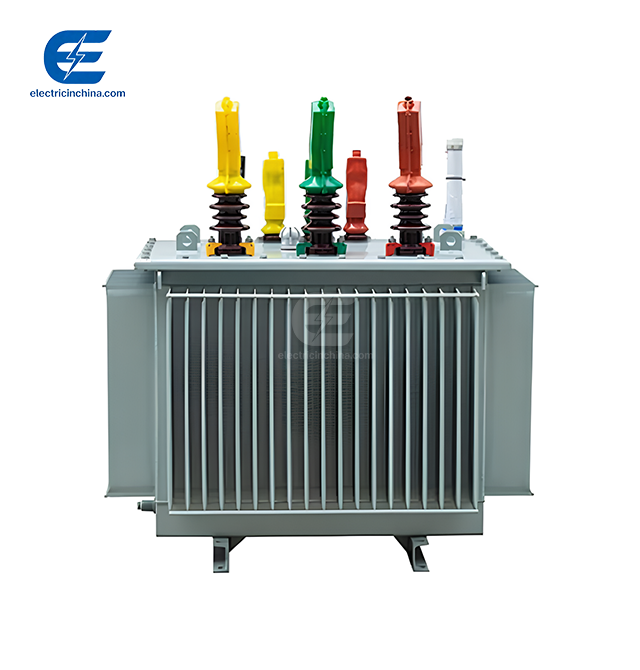
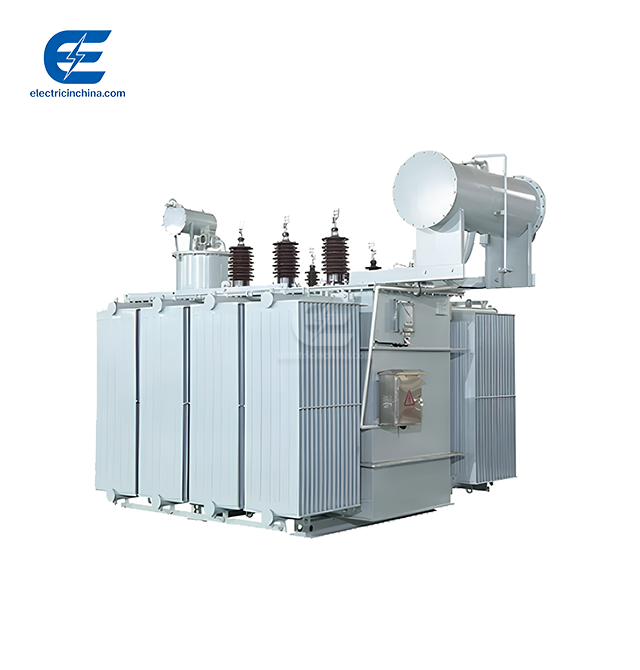
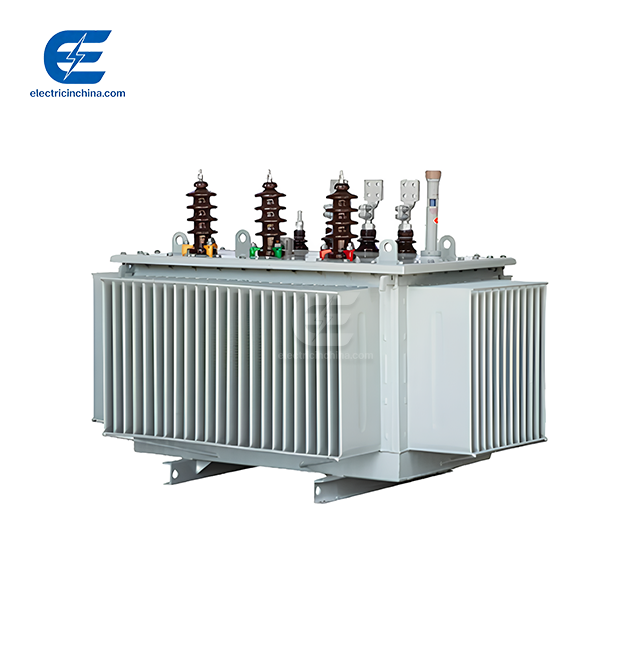
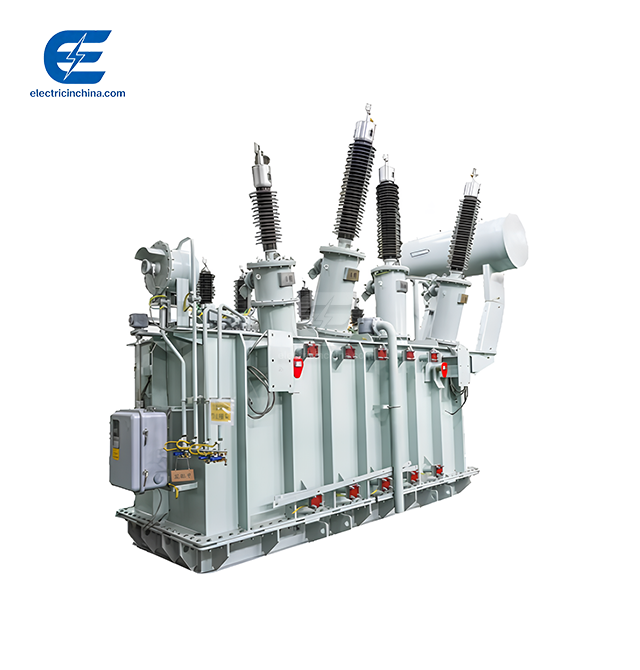
Selecting an oil-immersed power transformer with optimal energy efficiency requires evaluating no-load losses, load losses, efficiency ratings, cooling system design, and compliance with international standards such as IEC 60076 and IEEE C57. Prioritizing transformers with low-loss silicon steel cores, advanced cooling configurations like ONAN or ONAF, and certified oil quality ensures reduced operational expenses and enhanced sustainability. Reputable manufacturers offering customization, proven project experience, and comprehensive testing documentation provide the reliability needed for infrastructure, industrial, and commercial applications where long-term performance directly impacts total cost of ownership.
Core Energy Efficiency Criteria for Selection
Load Losses and No-Load Losses
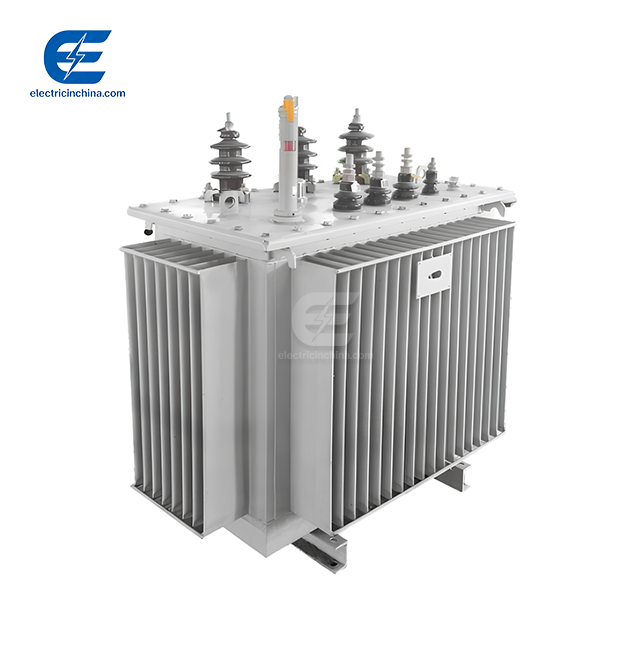
No-load losses, which are also known as core losses, happen all the time, no matter how much the Oil-immersed power transformer is loaded. They are caused by the core material becoming magnetized. Modern S13 series units have better silicon steel compositions and more precise lamination techniques than older S9 designs, which cut no-load losses by about 25–30%. The amount of load on an Oil-immersed power transformer affects its load losses, which are made up of resistive losses in the windings and eddy currents. To accurately figure out how much energy will be used across all expected operational profiles, procurement professionals should ask for detailed loss data at 25%, 50%, 75%, and 100% load. An Oil-immersed power transformer that is loaded 60% of the time and has high load losses may use more energy each year than a unit that has slightly higher no-load losses but better load performance.
Efficiency Standards and Certifications
International efficiency standards let you compare how well different Oil-immersed power transformers work. IEC 60076 sets the rules for testing and figuring out how much damage has happened. These rules are used all over the world, while IEEE C57 rules guide usage in North America. Independent testing has shown that Oil-immersed power transformers that meet GB/T 6451 level 13 efficiency have low-loss qualities that can be trusted. Third-party certification documents should be required by procurement specifications. These should include results for insulation resistance exceeding 1000MΩ, no-load loss verification, and impedance voltage testing. These approvals show that the Oil-immersed power transformer is reliable and uses energy efficiently, which is very important for bids and for following the terms of an EPC contract.
Transformer Oil Quality and Testing
The Oil-immersed power transformer's oil's insulating strength has a direct effect on both safety and efficiency. Good oil keeps the breakdown voltage above 30kV, which stops internal arcing that causes losses and speeds up the wear and tear on the insulator. Monitoring hydrogen, acetylene, and carbon monoxide levels with dissolved gas analysis (DGA) can find problems before they get worse. This lets maintenance be planned ahead of time. Long-term dependability is ensured by measuring interfacial tension, keeping acidity within certain limits, and keeping the moisture level below 10ppm. Power factor testing confirms the quality of the insulation when it shows numbers below 0.5% at the maximum voltage. This means that there are very few dielectric losses during operation.
Cooling System Configurations
Choosing the right cooling technology strikes a balance between the original cost and the ongoing costs. While ONAN systems are easy to use and don't use any extra power, they do need bigger radiators. ONAF designs take up less space on the ground and can handle higher ratings, but they need power to run the fans. When room is limited, or temperatures are very high, oil forced air (OFAF) or oil forced water (OFWF) systems are the best way to cool things down. Cooling system energy use compared to Oil-immersed power transformer losses shows the real total efficiency. This is especially important for units that are constantly loaded in data centers or industrial facilities that are open 24 hours a day, seven days a week.

Comparing Oil-Immersed vs. Alternative Transformer Types
Performance Against Dry-Type Transformers
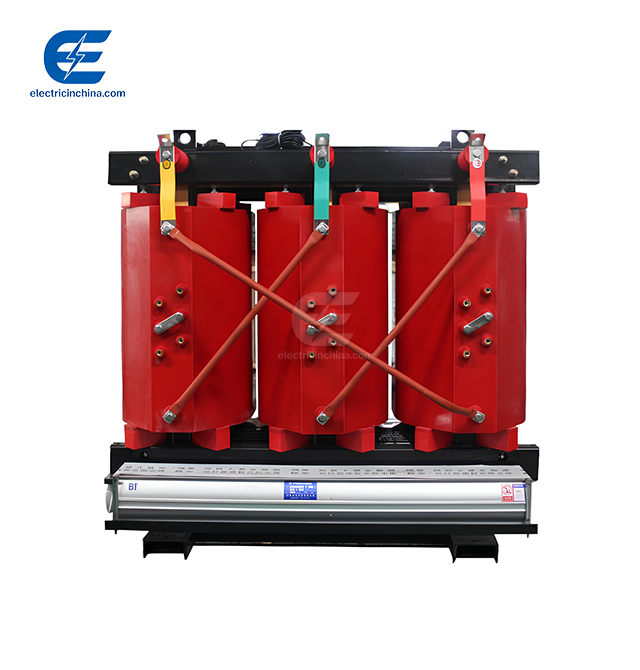
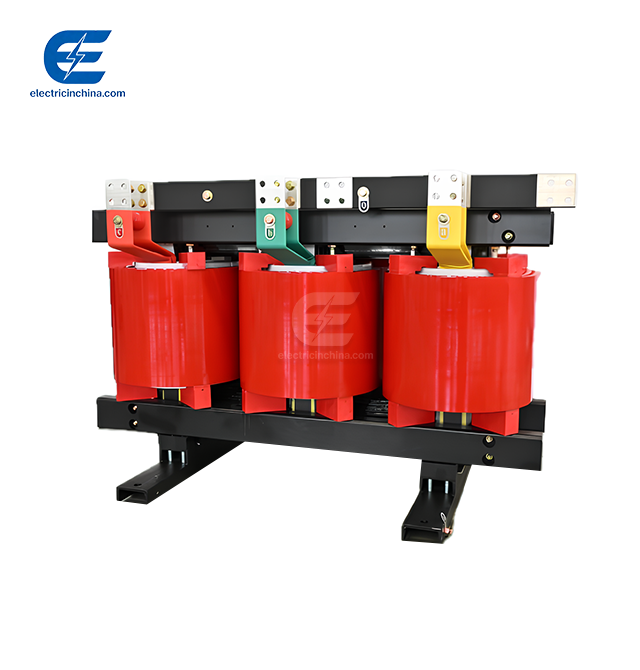
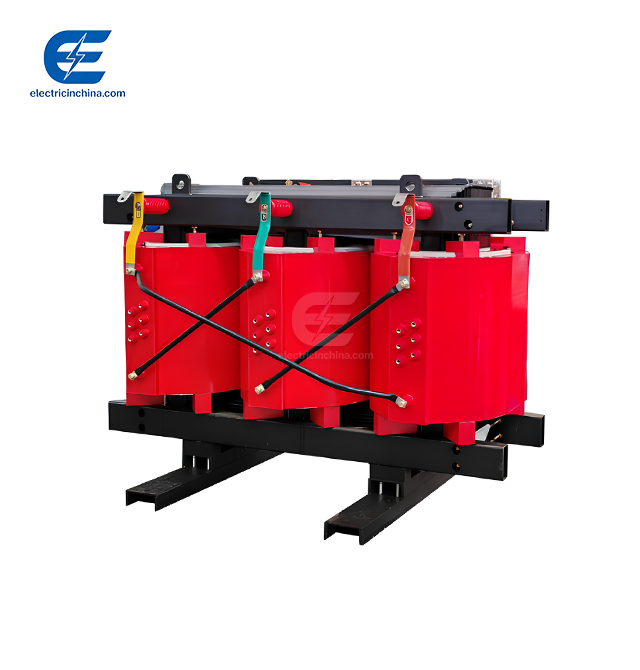
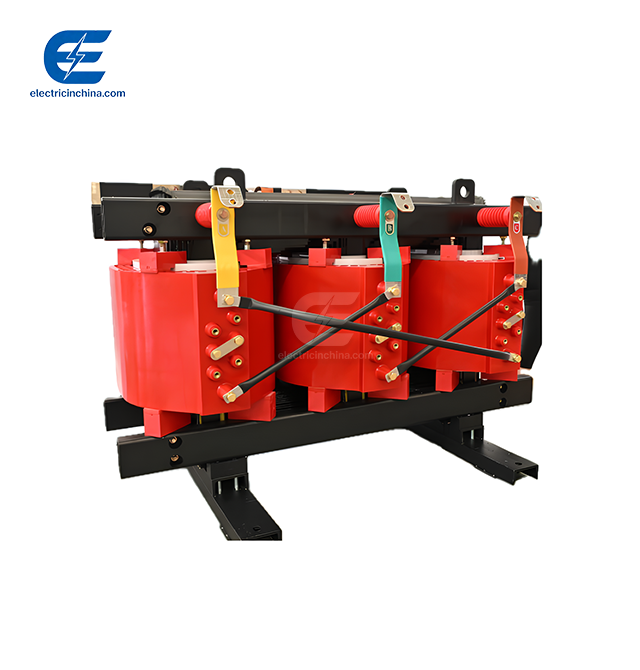
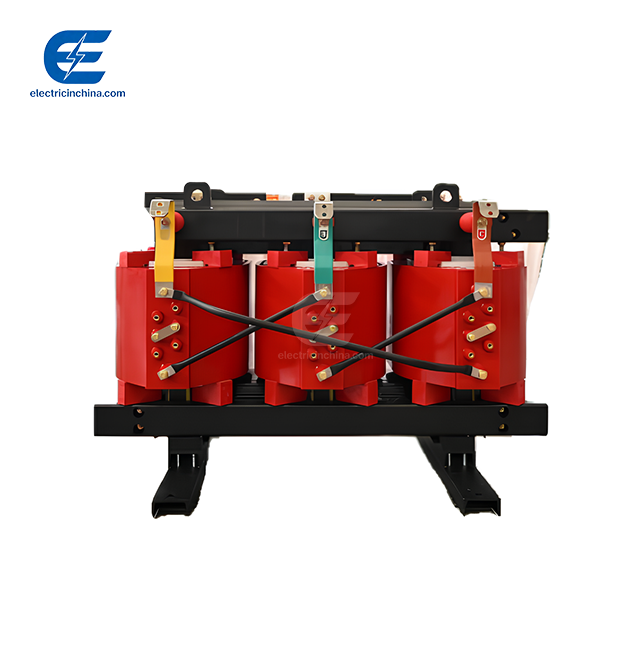
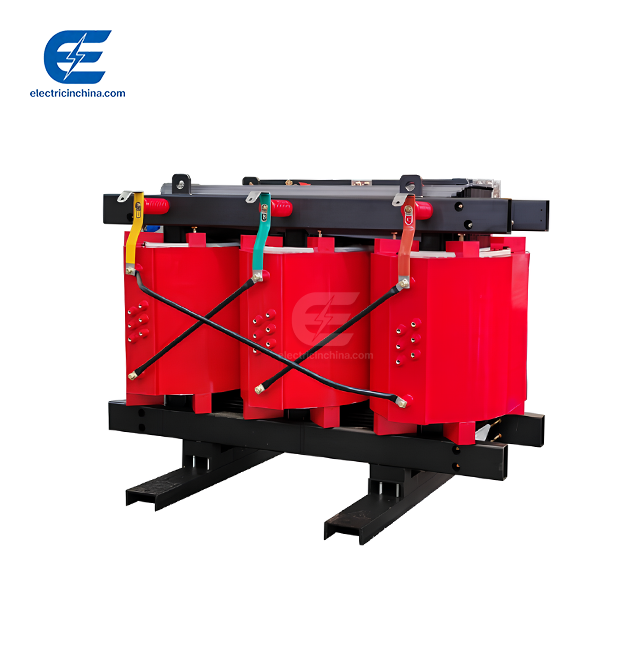
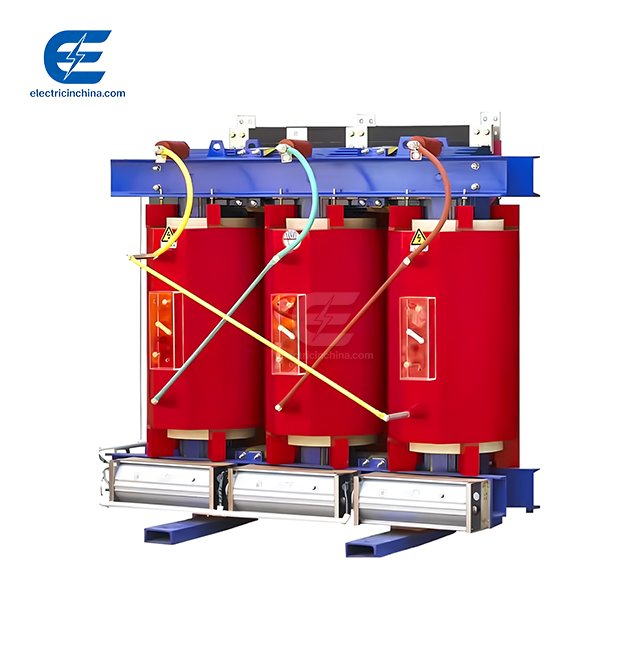
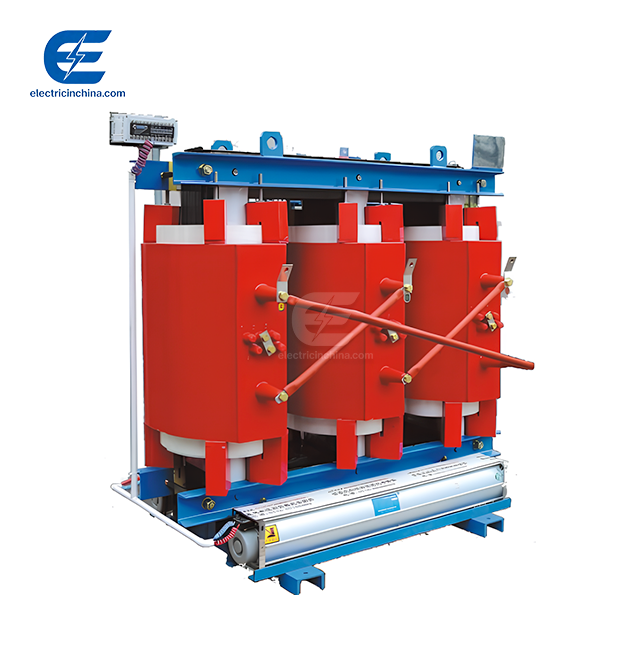
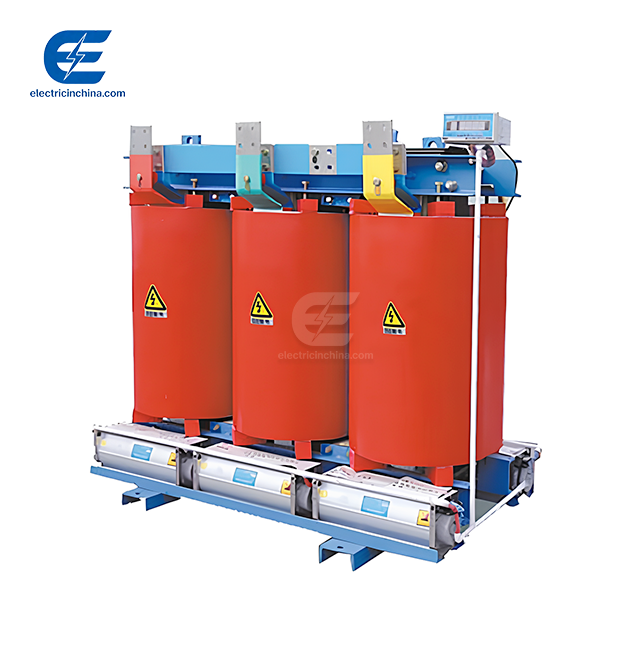
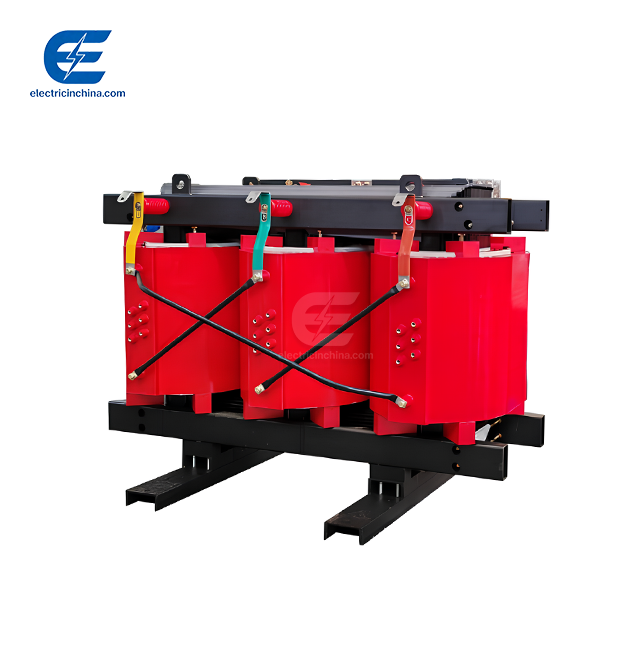
There are no fire risks with dry-type transformers that use solid insulation materials, but they have higher losses and less overload capacity. For the same ratings, dry units usually have 15 to 20 percent higher total losses because they cool less efficiently. They work well for indoor setups near people, where environmental rules don't allow oil-filled equipment. However, Oil-immersed power transformer designs have better lifetime economics for industrial sites that focus on energy saving and handle high continuous loads. When used in industrial settings, the S9 series keeps working well even when there is dust, shaking, and daily temperature changes of more than 30°C, which can be hard for dry-type insulation systems.
Gas-Insulated and Air-Cooled Alternatives
Gas-insulated transformers that use sulfur hexafluoride (SF6) are small and very resistant to fire, but they cost a lot more to buy and need special care to keep them working. Their main use is in urban substations that don't have a lot of room, not in industrial projects that need to save money. Air-cooled designs aren't as efficient or able to hold as much as liquid-cooled designs, so they can only be used in low-power situations. For government infrastructure projects, real estate developments, and industrial manufacturers that need proven reliability and the best energy performance, Oil-immersed transformer configurations offer a lower total cost of ownership through standard maintenance procedures, lower losses, and easy access to technical support.
Application Suitability Analysis
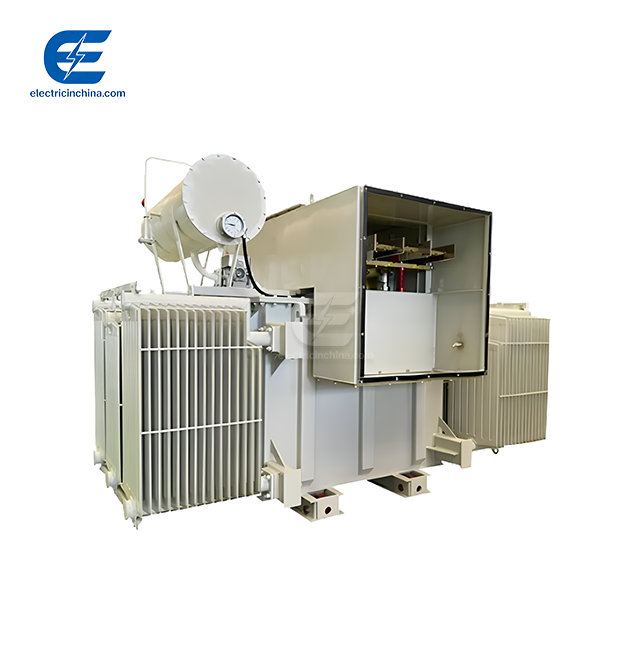
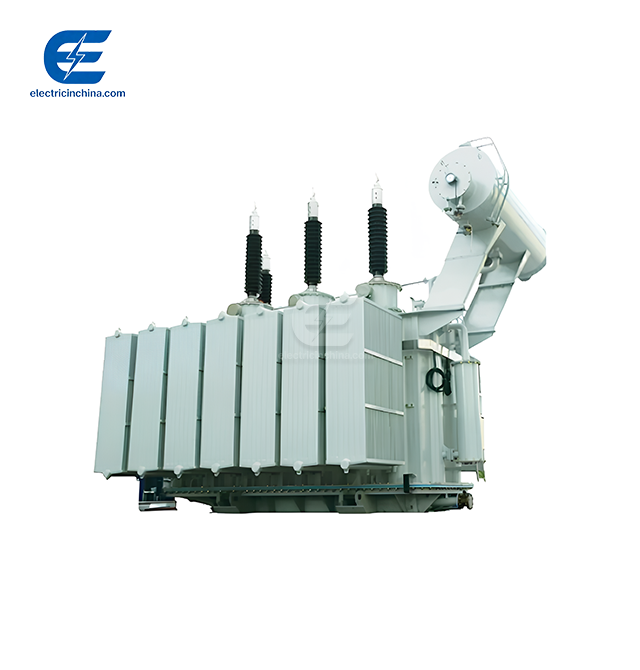
When buying something, the type of transformer must match the needs of the activity. Municipal utility substations that serve business areas can use 5–25 MVA oil-immersed power transformers that have small footprints and noise levels below 50dB for placement close to people. For rural electricity projects that use 1–10 MVA oil-immersed power transformers in agricultural areas, the tanks need to be strong enough to resist extreme weather and limited access for upkeep. Industrial building substations that handle 10–50MVA loads from production processes need 99.9% uptime reliability, which Oil-immersed power transformer technology always provides. Procurement professionals can make investment choices based on long-term efficiency, stability, and operating fit when they understand these application settings.
Maintenance and Operational Best Practices to Maximize Energy Efficiency
Routine Oil Quality Monitoring
Setting up regular oil testing plans keeps Oil-immersed power transformers working well and increases their usefulness. An annual oil sample can find signs of wear and tear before they affect performance. Units that are used in tough settings or that are loaded heavily should be tested more often. Some important factors are the dielectric breakdown voltage, the amount of water, the acidity, and the quantities of dissolved gases. If the oil has more than 15ppm of moisture, it needs to be filtered or replaced to keep the insulation from breaking down and the dielectric losses from going up. Maintaining oil quality within the manufacturer's guidelines provides the best cooling efficiency and reduces energy waste as much as possible over the life of the Oil-immersed power transformer.
Insulation Condition Assessment
Every year, power factor testing measures how well the insulation system is working. Values above 1% mean that the insulation is breaking down and needs to be looked into because damaged insulation causes more internal current leakage and resistive losses. Through characteristic gas ratios, dissolved gas analysis patterns show how flaws are forming. High levels of hydrogen, along with normal levels of hydrocarbon gases, show partial discharge activity, while high levels of acetylene show arcing flaws. Taking care of these problems through focused maintenance stops the loss of efficiency and major breakdowns that cause long periods of downtime and lost income for industrial and commercial sites.
Temperature Monitoring and Load Management
By putting fiber-optic temperature monitors on hotspots in the winding, you can keep an eye on the temperature in real time. This lets you control the load before the heat causes the efficiency to drop permanently. Continuously running Oil-immersed power transformers above their rated temperature speeds up the aging of the insulation, which leads to higher resistance and losses over time. Using temperature-based load-sharing rules during times of high demand keeps Oil-immersed power transformers working efficiently and extends their life. For industrial uses with changing loads, keeping track of loading patterns and matching them with temperature data helps make maintenance schedules more efficient and find ways to balance loads, which makes the whole system work better.
Predictive Maintenance Implementation
Condition-based repair strategies lower costs and improve efficiency at the same time thanks to modern diagnostic technologies. Partial discharge tracking finds problems with insulation below 100pC levels, so fixes can be made before they become inefficient. Frequency response analysis finds mechanical deformation caused by short-circuit forces that make losses worse. In addition to standard time-based upkeep, these predictive methods cut down on unplanned downtime that affects business and industry processes. With full diagnostic data at their fingertips, maintenance teams can achieve the lowest total cost of ownership by making targeted changes that keep the Oil-immersed power transformer's energy efficiency high throughout its lifetime.

Procurement Considerations for Energy-Efficient Oil-Immersed Transformers
Specification Development and Rating Selection
To make accurate specifications, you need to carefully look at the electrical loads, voltage needs, and operating conditions. The KVA grade should allow for 15-20% of expected load growth while avoiding oversizing, which makes operations less efficient. The choice of voltage class (10kV, 35kV, or higher) relies on how the distribution system is built and how far the transfer is. Specifications for impedance voltage affect how short-circuit protection works and how voltage is controlled when there is a load. In the procurement papers, there should be goals for efficiency, the highest losses that can happen at certain loading spots, and compliance with the appropriate IEC or IEEE standards. Detailed technical specifications make it possible to compare competing bids in a fair way during the tender process.
Evaluating Manufacturers and Quality Credentials
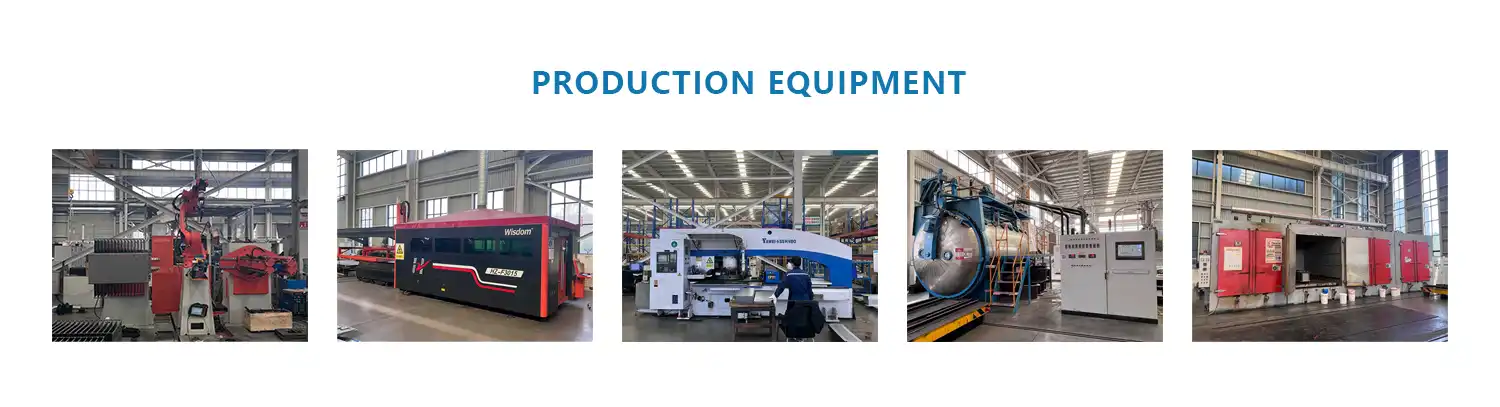
Choosing respected makers with a track record of successful projects lowers the risks of procurement and guarantees long-term dependability. Getting ISO 9001 certification shows that you have a quality management system in place, and getting ISO 14001 and OHSAS 45001 certifications shows that you care about safety and the environment. Manufacturers who have CCC certification for the right types of products have to follow Chinese quality standards, which are being used more and more in international projects. Asking for proof of finished projects with similar goals and working conditions proves technical ability. Visits to factories show how advanced the manufacturing process is. For example, CNC automatic winding machines and microcomputer-controlled gradient curing ovens show that process control is mature.
Customization Capabilities and Technical Support
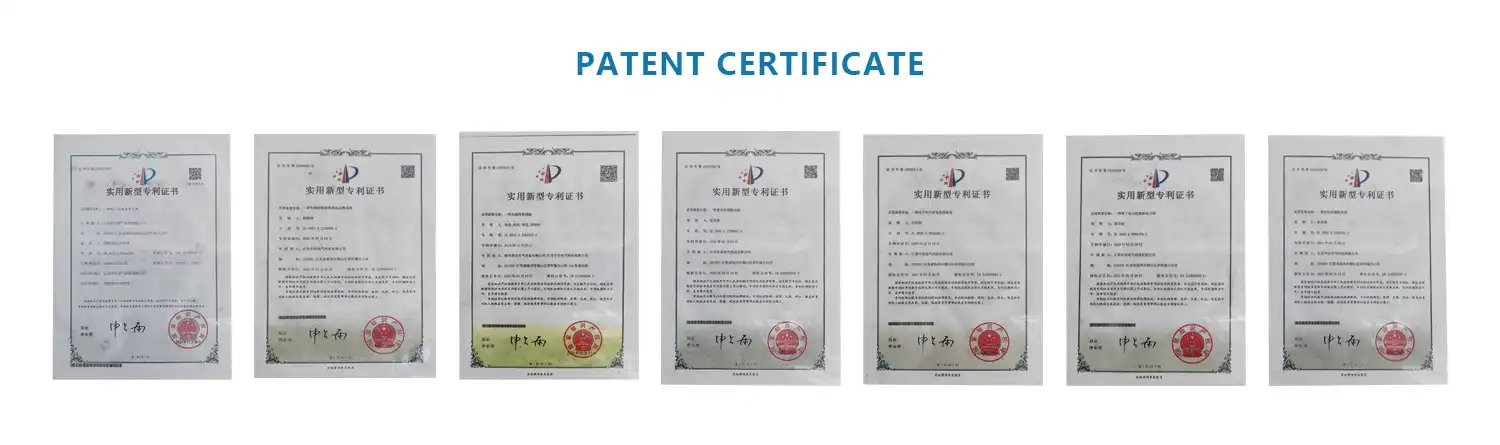
Complex projects often need custom solutions that take into account things like space limitations, environmental conditions, or the need to work with other systems. Manufacturers who offer design freedom, like custom impedance values, non-standard voltage ratios, or higher safety levels, are worth more than just listing their products in standard catalogs. In competitive buying situations, sellers who offer technical support services like pre-sales engineering help, installation supervision, and full commissioning services set themselves apart. Companies that keep large technical teams with senior engineers and specialized technicians can provide quick support that keeps project delays to a minimum. At Tuojie, our 15 senior engineers and over 30 intermediate workers create unique solutions that meet the needs of different regions. These solutions are backed by 18 patents that show they are always coming up with new ideas.
Delivery Timelines and Logistics Considerations
Lead times have a big effect on project plans, especially for EPC contracts that have clear due dates. When you place an order for a standard Oil-immersed power transformer configuration, it usually takes 8 to 12 weeks for the factory to finish it. For customized units, it may take 16 to 20 weeks. Logistics for foreign shipping, clearing customs, and getting to project areas from within the country must all be planned for during the procurement process. Manufacturers who have been exporting for a long time can easily handle the paperwork that is needed, which cuts down on delays. Requesting specific production plans with dates for key milestones makes it possible to coordinate with building schedules ahead of time. For government infrastructure projects and business real estate projects with tight deadlines, suppliers who have consistently delivered on time in previous projects lower the risk of delays to the plan.
Cost Analysis and Value Assessment
A full cost analysis looks at more than just the original buy price. It also looks at the total cost of ownership. To compare Oil-immersed power transformers with different loss traits, you have to figure out their capitalized loss values based on how they are expected to be loaded and how much energy they will use over their 25–30 year working lifetimes. An Oil-immersed power transformer that costs 10% more at first but loses 20% less often has better lifecycle economics. When doing a procurement study, you should think about things like predicted failure rates based on manufacturer dependability data, upkeep cost estimates, and the item's residual value. This all-around approach lets you choose energy-efficient solutions that are the best value for money for government projects and commercial developments.
Conclusion
A thorough analysis of the technical specifications, operational needs, and lifecycle costs is necessary when choosing the most energy-efficient Oil-immersed power transformer. Putting low-loss core materials, advanced cooling systems, strict oil quality standards, and foreign certifications at the top of the list of priorities guarantees the best performance for business, industrial, and infrastructure uses. When you look at different technologies in different working situations, you can see that Oil-immersed power transformer systems are still better for heavy-duty tasks that need to be as reliable as possible. Performing preventative maintenance on an Oil-immersed power transformer keeps it running efficiently for as long as possible, which maximizes the return on investment. When purchasing professionals work with skilled manufacturers who offer customization options, past project experience, and full technical support, their companies are set up for long-term success in a market that is becoming more energy-conscious.
FAQ
How often should transformer oil testing be performed to maintain efficiency?
Oil-immersed power transformers that are working normally should have their oil checked at least once a year. Units that are heavily loaded, work in harsh conditions, or switch between tasks often need to be tested every six months. Quarterly dissolved gas analyses are helpful for critical facilities that need to be up and running all the time. Testing schedules should be in line with what the manufacturer suggests and what the laws are in your area. Extra samples should be taken after strange events like lightning strikes or system failures. Regular testing finds wear and tear before it affects performance, so repairs can be done on time.
What are typical causes of energy loss in oil-immersed transformers?
Load losses are caused by resistive heating in the windings and links, while no-load losses are caused by magnetism in the core of the Oil-immersed power transformer. Bad oil quality makes dielectric losses worse and makes cooling less effective. Hotspots and more resistance are caused by links that are too loose. Moisture or particles that get into insulation make it less effective. When you run Oil-immersed power transformers above their rated temperature, the insulation ages faster, which raises the resistance over time. Regular care that takes these things into account keeps the system working well for as long as it's needed.
Can upgrading to modern transformer models significantly reduce operational costs?
Replacing old S9 or S11 series transformers with new S13 technology cuts no-load losses by 25–30%, which saves a lot of energy for Oil-immersed power transformer units that are always running. Comparing the amount of money saved on upgrades to the amount of money lost on losses based on local energy rates and load patterns is needed to figure out payback times. Government benefits to make facilities more energy efficient may be another reason to change. Oil-immersed power transformers that are more than 20 years old often pay for themselves in three to five years through higher efficiency and lower maintenance costs.
Partner with Tuojie for Superior Oil-Immersed Power Transformer Solutions
Tuojie specializes in developing, producing, and providing high-efficiency Oil-immersed power transformers that meet the strictest international standards. Our many certificates, such as ISO 9001, ISO 14001, OHSAS 45001, and CCC, show that we are always dedicated to quality and safety. We have been in this business for more than 20 years and have completed hundreds of important power projects in the industrial, commercial, and government sectors. These include upgrades to the Xuzhou Rail Transit Network Control Center and the power supply for the XCMG Group. Our professional quality inspection labs and more than 120 sets of advanced production equipment allow us to make solutions that are perfect for your environment and operational needs. To talk about your project needs and get reasonable quotes from a reliable Oil-immersed power transformer manufacturer, contact our team today at tuojie@electricinchina.com. Visit electricinchina.com to look through our large selection of products and learn how our all-in-one power distribution systems provide high stability, on-time delivery, and long-term value.

References
1. International Electrotechnical Commission. (2018). Power Transformers – Part 1: General Requirements. IEC 60076-1 Standard.
2. Institute of Electrical and Electronics Engineers. (2015). IEEE Standard General Requirements for Liquid-Immersed Distribution, Power, and Regulating Transformers. IEEE C57.12.00.
3. Heathcote, M.J. (2007). J&P Transformer Book: A Practical Technology of the Power Transformer (13th Edition). Newnes Publishing.
4. Kulkarni, S.V. & Khaparde, S.A. (2012). Transformer Engineering: Design, Technology, and Diagnostics (2nd Edition). CRC Press.
5. Harlow, J.H. (2012). Electric Power Transformer Engineering (3rd Edition). CRC Press.
6. GB/T 6451-2015. (2015). Three-Phase Oil-Immersed Power Transformers – Technical Parameters and Requirements. National Standards of the People's Republic of China.