

.webp)
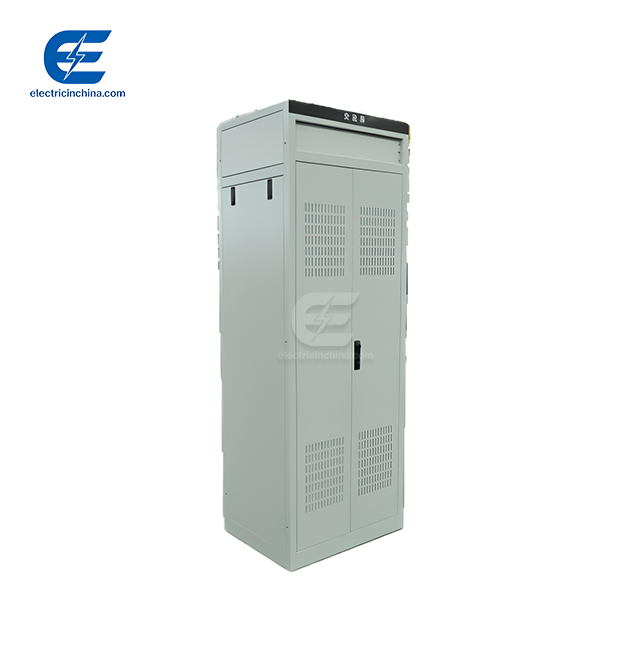
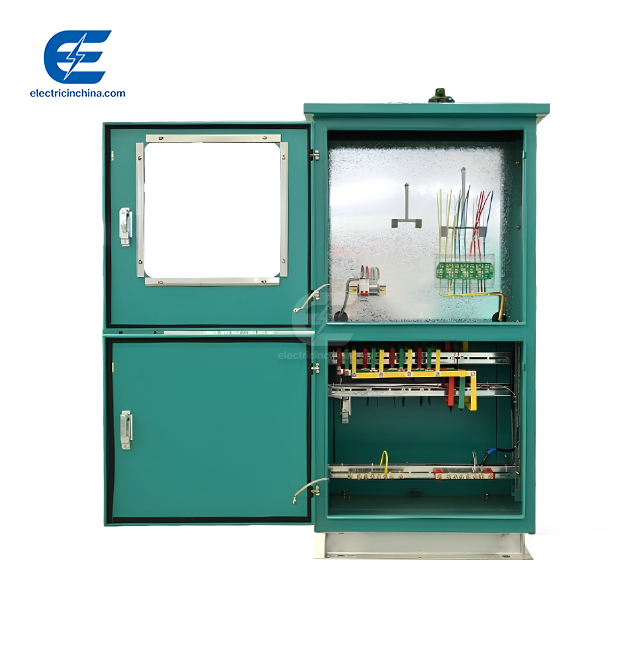
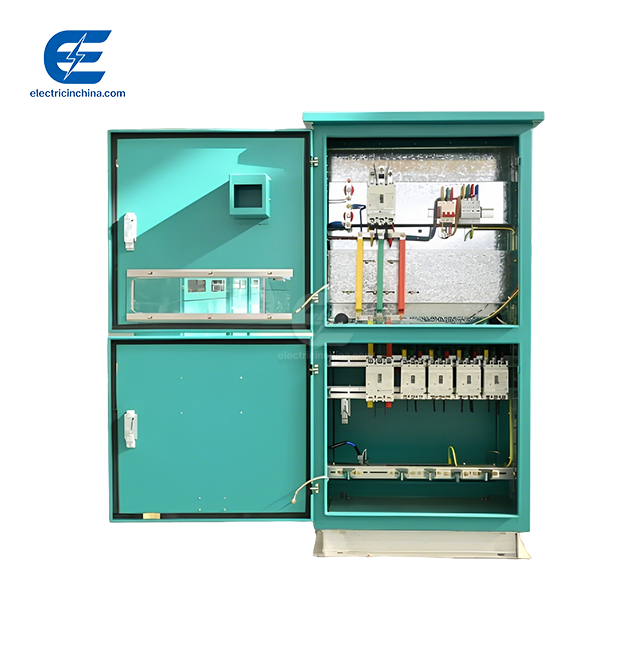
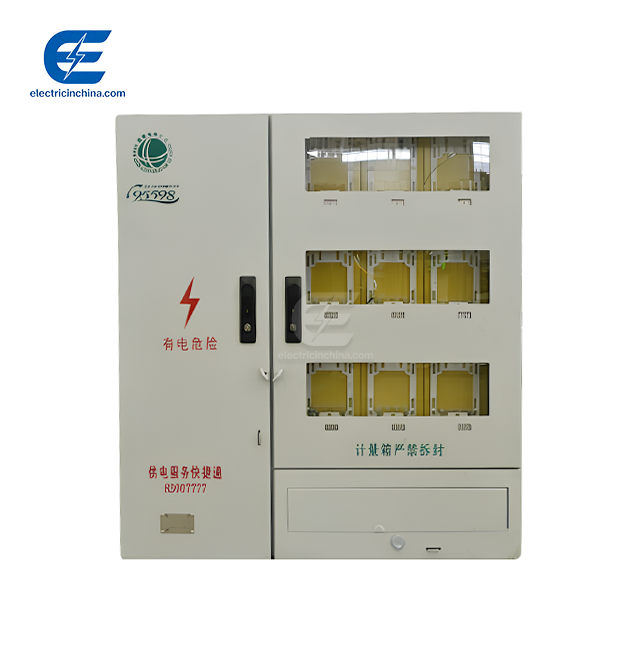
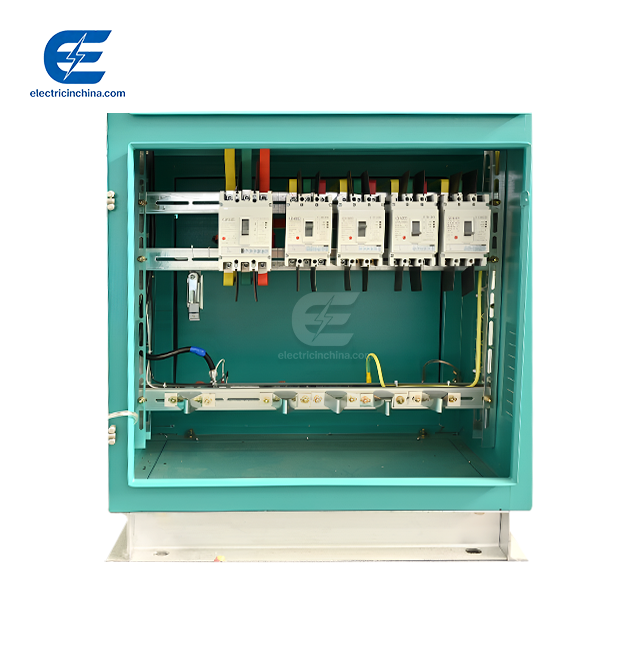
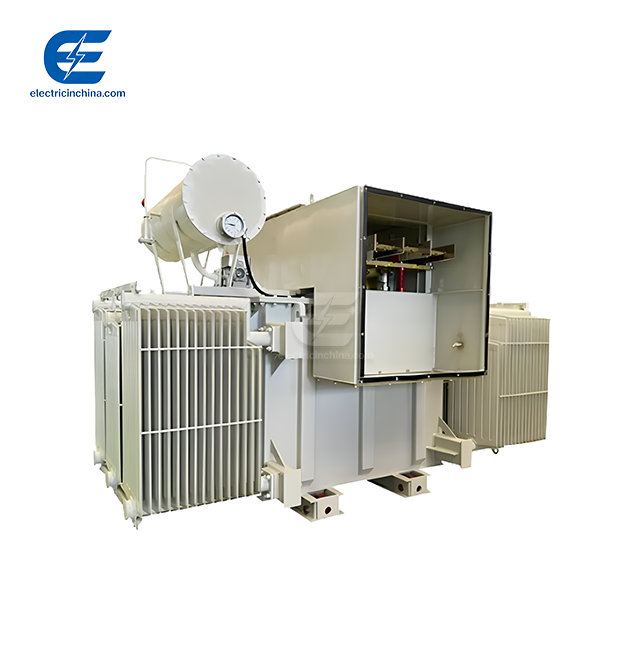
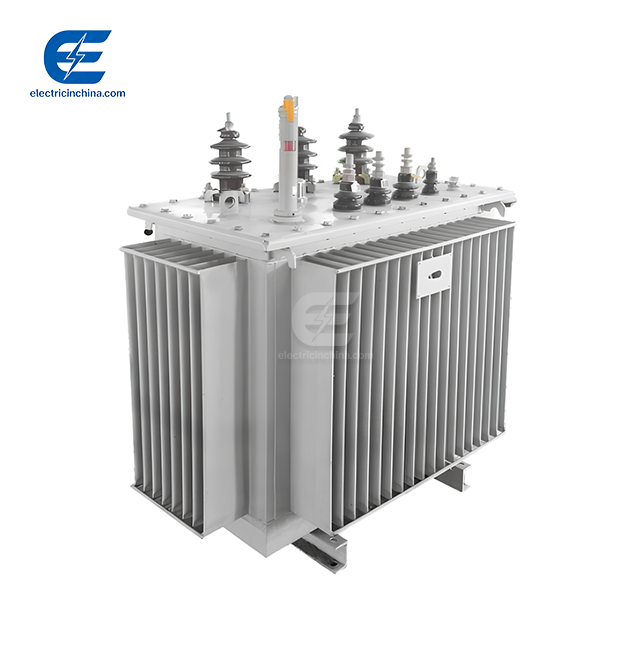
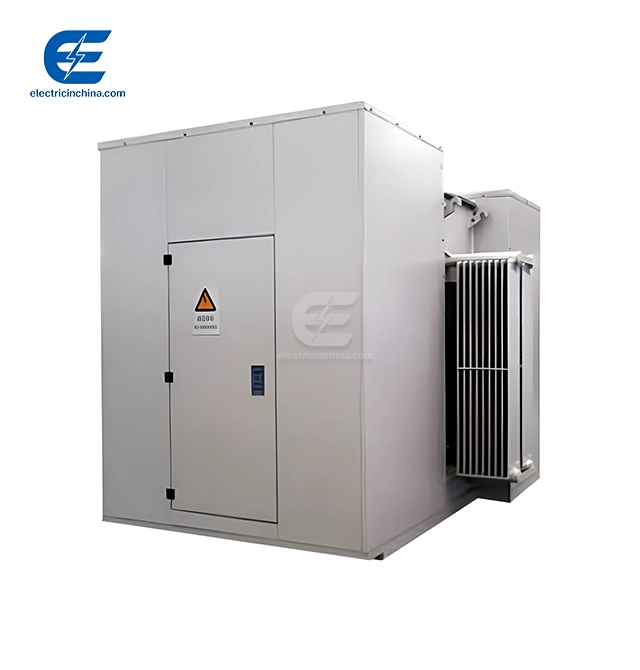
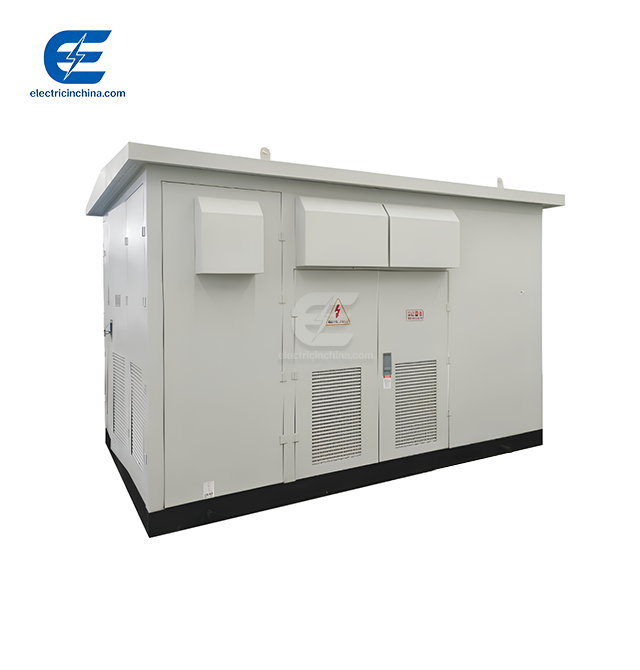
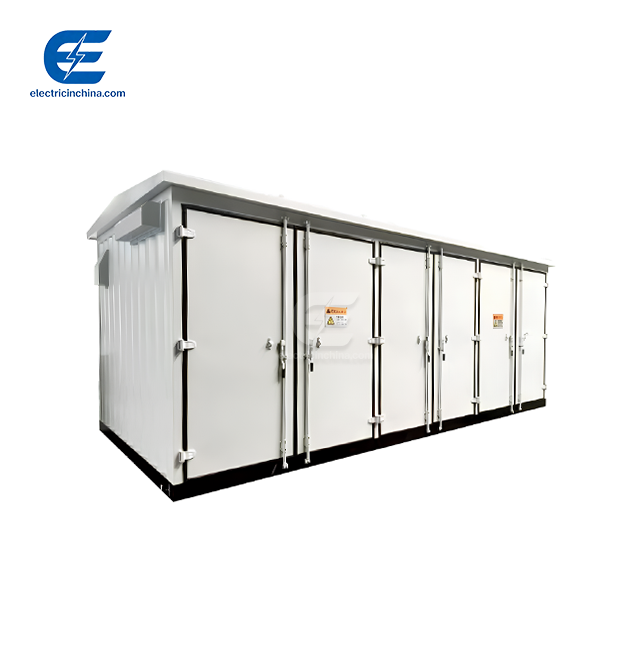
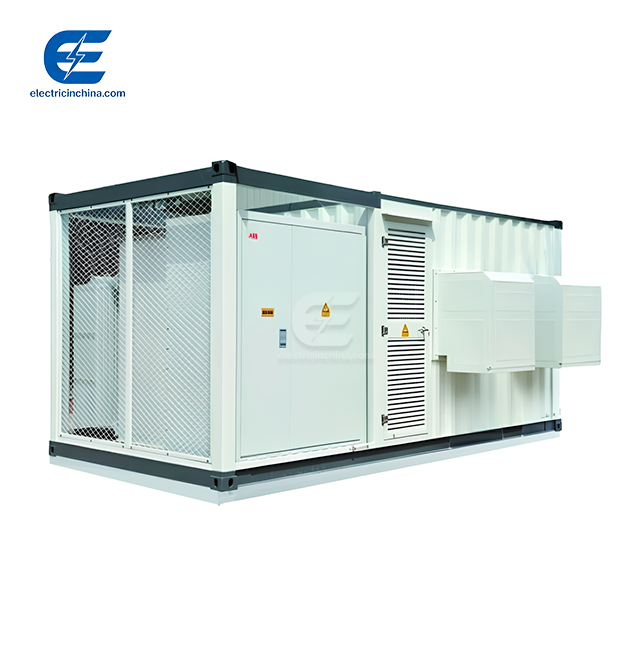
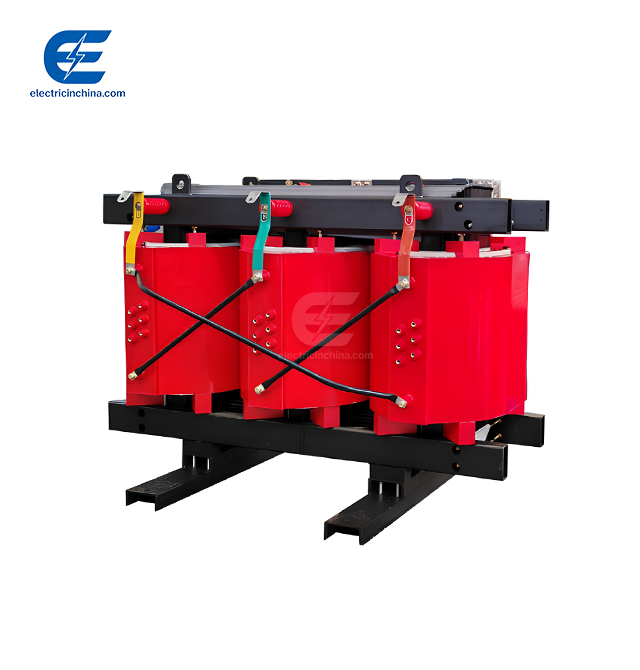
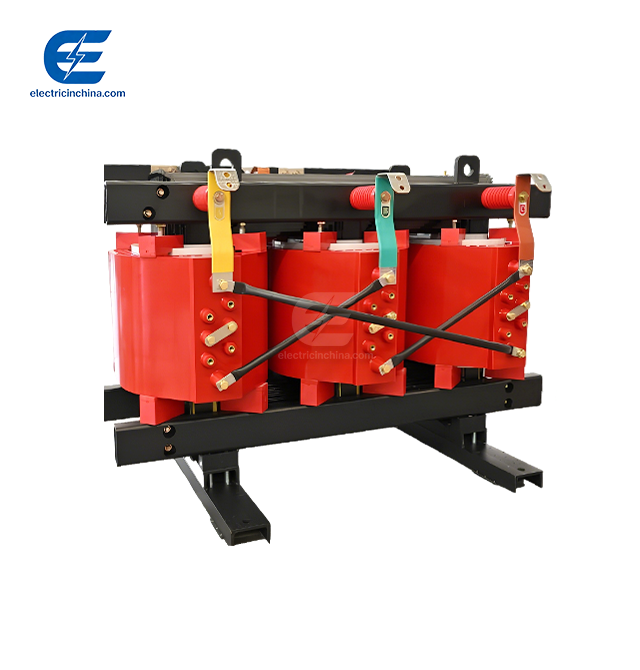
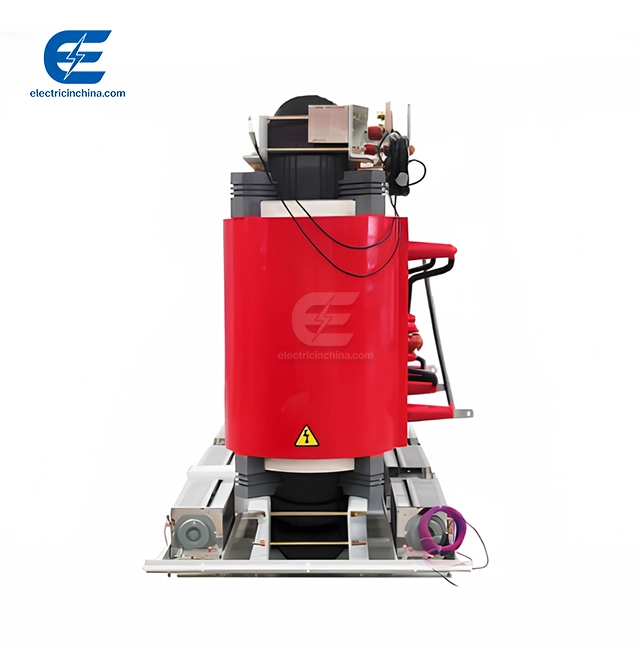
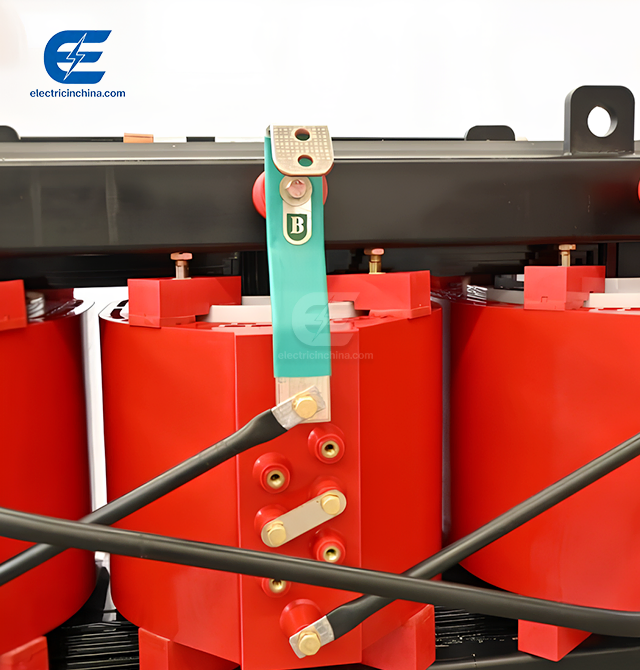
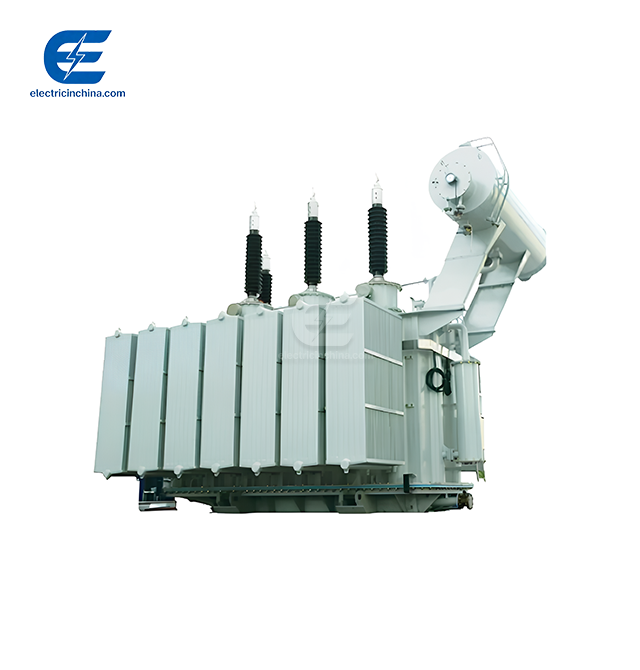
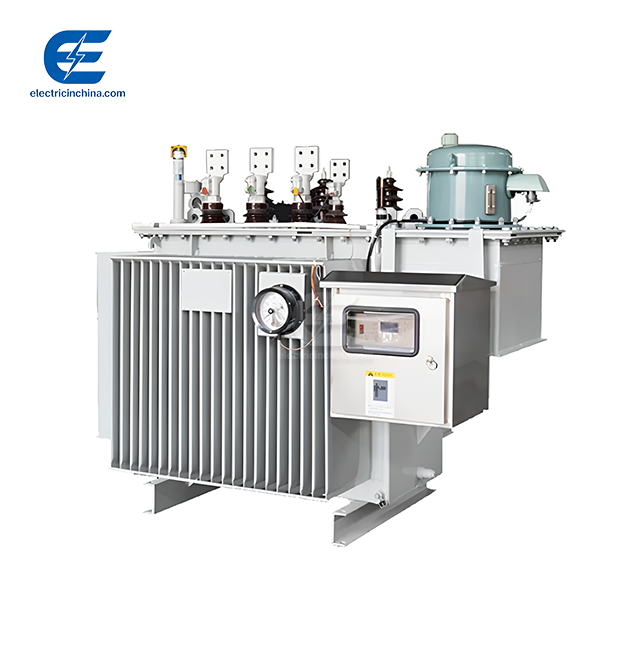
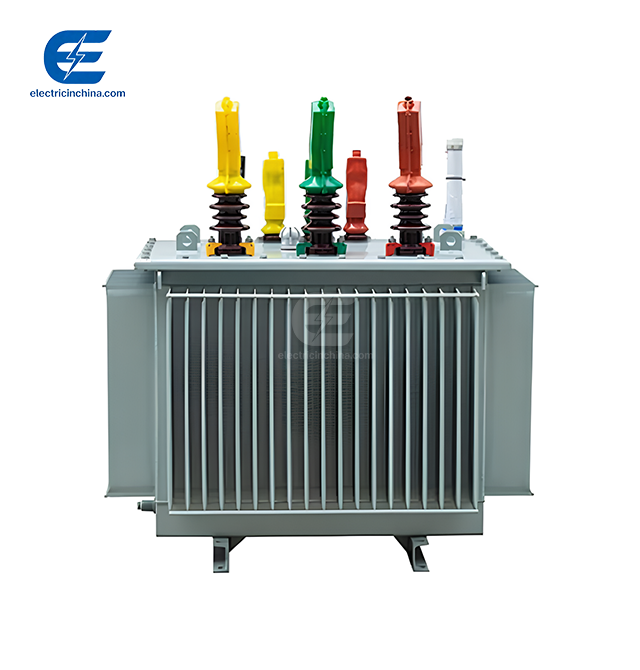
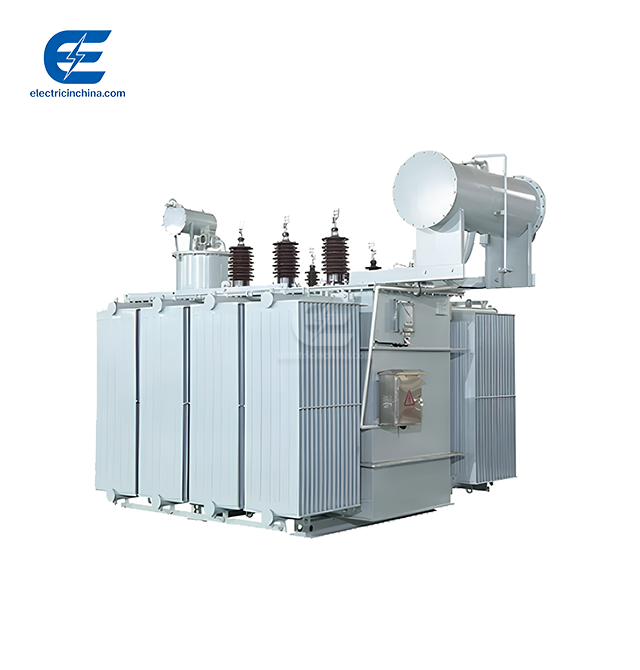
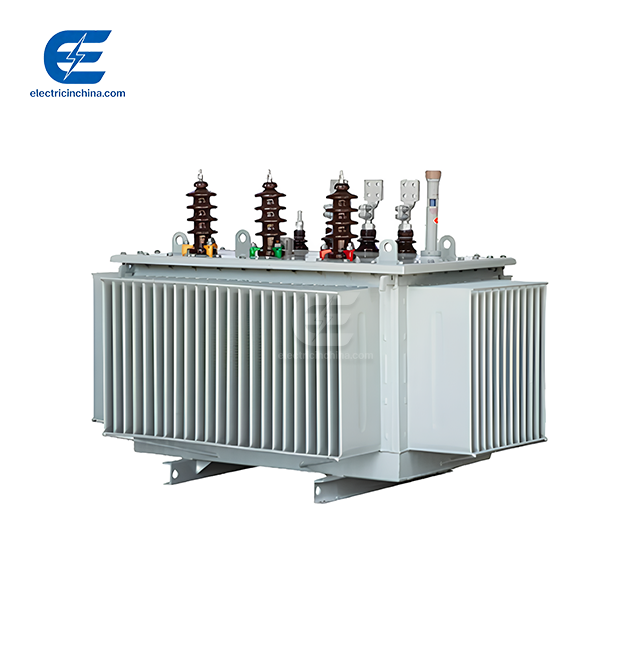
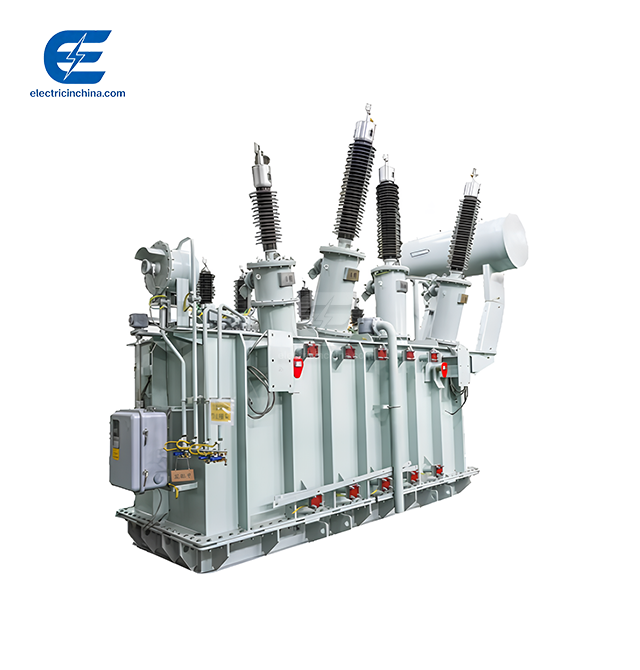
When selecting electrical infrastructure for outdoor installations, reliability under challenging environmental conditions becomes paramount. Oil type transformer 10kV-35kV units excel in outdoor applications due to their superior insulation properties, exceptional thermal management, and robust construction that withstands moisture, temperature fluctuations, and physical stress. The mineral oil serves dual functions—maintaining dielectric strength between high-voltage components while continuously circulating to dissipate operational heat. This combination delivers dependable performance across diverse climates, from tropical humidity to extreme cold, making these transformers the preferred choice for infrastructure projects, industrial facilities, and utility networks requiring uninterrupted power distribution outdoors.

Why Oil-Immersed Transformers Are Ideal for Outdoor Use
Outdoor installations come with their own problems that Oil type transformer 10kV-35kV designs are designed to solve with their built-in benefits and proven performance traits.
Superior Environmental Protection
Oil type transformer 10kV-35kV Sealed oil-filled construction protects against all the environmental stresses that would quickly break down dry-type alternatives. Moisture getting into outdoor equipment is the main reason why insulation fails, but it can't damage internal parts if the tank stays whole. Dust and other airborne pollutants that leave tracks on visible insulation can't get to windings that are buried in oil. Depending on the application, our transformers have protection classes ranging from IP23 to IP54. They also have gasketed inspection covers and welded seams that keep water and snow out.
When small partial releases happen, the oil itself can fix itself, unlike solid insulation systems that break down permanently. We have proof of this benefit from dissolved gas analysis results from units that work in coastal areas with salt spray. Oil-immersed transformers kept their electrical integrity after 15 years of constant use, while similar dry-type units had to be completely rewound.
Thermal Management Advantages
The weather outside can change a lot from day to night and from season to season. Changes in load and temperature in the environment don't affect the oil circulation. When summer heat and high demand come together, the lower viscosity of hot oil actually speeds up circulation, making cooling work better just when it's needed the most. On the other hand, when the machine is used in the winter, the thermal mass of the oil keeps the inside temperature from changing too much, which keeps the insulation on the windings from getting too hot during cold starts.
Modern designs, like our S11 and S20 series, use cooling systems that work best for them. Through natural heat exchange with the air around you, ONAN (Oil Natural Air Natural) cooling works well for most situations. ONAF (Oil Natural Air Forced) systems with thermostatically controlled fans that turn on during peak loads are better for sites with more space. These setups allow temperatures to rise no more than 65K for the windings and no more than 60K for the top oil. These are well within the safety margins that ensure decades of service life.
Built-In Safety and Monitoring Features
Modern oil-immersed transformers have a lot of safety features that make them safe to use outside. By safely letting out expanding gases, pressure relief devices keep tanks from bursting during internal faults. Buchholz relays find gas buildup from faults that are just starting to happen, giving early warning before failures happen. Temperature monitoring with winding temperature indicators and oil temperature gages lets you keep an eye on things from afar and manage loads automatically. Because field reliability rests on finding all faults, we build these safety features in as normal features instead of expensive add-ons.
The risk of fire, which is often brought up when oil-filled equipment is used, can be successfully controlled by following the right fitting procedures. Since mineral oil's flash point is higher than 140°C, it needs to be exposed to sources of ignition for a long time. Our transformers meet the requirements set by IEEE C57.12.00 for mechanical strength and electrical gaps. This keeps fault situations that could create arc energy to a minimum. When installations are going to be done near buildings, we require fire-resistant barriers or extra suppression systems that meet local fire codes.
Real-World Performance Evidence
We just finished working on the Xuzhou Rail Transit Network Control Center project. Medium-voltage transformers keep important train equipment running all year long outside. The design of the dual-circuit power source that we used needs to be completely reliable in all kinds of weather. After three years of working in temperatures ranging from -15°C to 40°C and with humidity levels close to 95% in the summer, our oil-immersed transformers have never stopped working without a reason. Regular oil analysis shows that the electrical and chemical properties stay within the acceptable ranges. This proves that the protective benefits of sealed oil-filled construction are still valid.
In the same way, industrial clients who work in chemical processing environments say that our transformers work better than their old dry-type installations, which needed to be cleaned more often and had problems related to contamination.

Comparing Oil-Immersed Transformers with Dry-Type Gauges in Outdoor Settings
Technology trade-offs should be looked at objectively before they are bought. Both tools are useful for different things, but when used outside, they become very clear what those differences are.
Performance and Efficiency Characteristics
Due to better heat transfer, oil-immersed transformers show measurable improvements in efficiency. No-load losses for our S11 series range from 0.8kW at 500kVA to 18kW at 10MVA, which is 15–25% better than traditional designs. As the capacity goes up or down, load losses range from 5.5kW to 85kW. These numbers mean that the machines are 98.5–99.2% efficient, which means that they will cost less to run over their 25-year service lives. The S20 series improves performance by using new core materials and better winding methods.
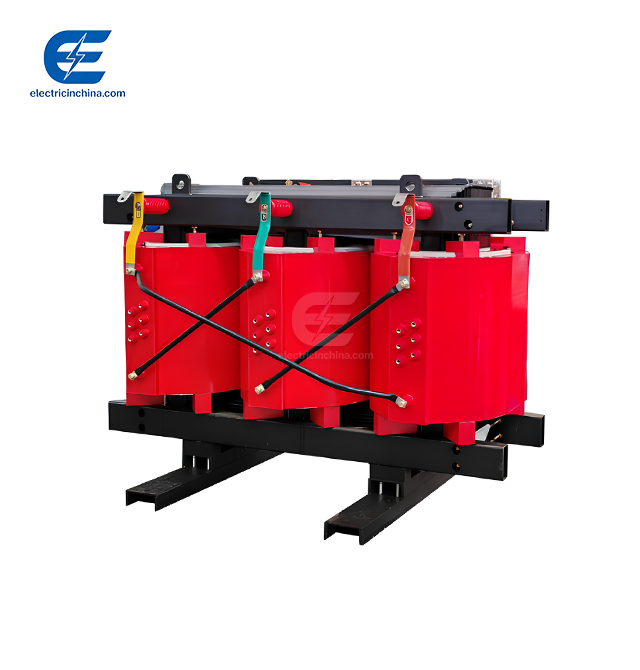
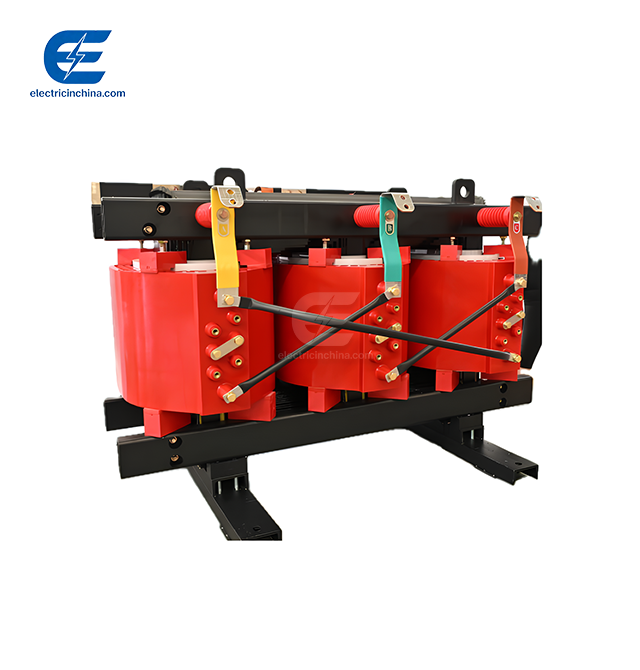
Dry-type transformers work well in controlled indoor environments but have trouble getting rid of heat outside. When the ambient temperature goes above 30°C, derating is needed, which lowers the available capacity just when cooling loads are at their highest. Oil type transformer 10kV-35kV units, on the other hand, keep their full rating up to 40°C atmospheric without degrading, so they always have the same capacity no matter the weather.
Cost Analysis and Total Ownership
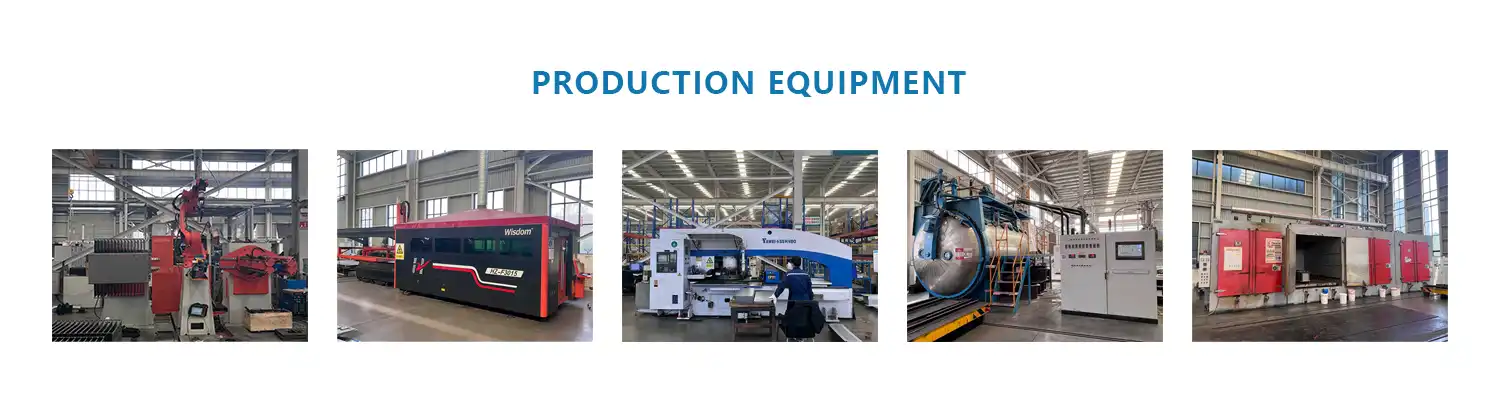
When they are first bought, oil-immersed transformers are usually 20–30% cheaper than similar dry-type units of the same size and voltage class. This lower cost comes from the ease of production and the economy of materials. When building a sealed tank, insulation methods are not as complicated as when using resin-cast windings. Our CNC winding machines and vacuum casting systems, among other automatic production tools, help us keep our prices low while keeping uniform quality.
Long-term upkeep costs are lower for medium-voltage oil-immersed transformers because they need less care and parts are easier to get to. Routine maintenance mostly includes visual inspections and testing of the oil once a year, which can be easily done by facility maintenance staff using standard sampling procedures. Major overhauls usually happen every 15 to 20 years, while every 10 to 12 years for dry-type units that work outside. After looking at the purchase price, upkeep costs, and performance losses over 25 years, we found that oil-immersed transformers saved 35 to 40 percent of the total cost of ownership.
Environmental and Safety Compliance
Environmental rules that guide transformer placements are always changing. Mineral oil with PCB values below 2ppm is used in our oil-filled transformers, which meet EPA standards for non-PCB classification. We give you specs for secondary containment that are big enough to hold 110% of the total oil volume. This keeps soil and groundwater from getting contaminated in the rare event of a catastrophic failure. These containment systems can be easily installed on pad-mounts or plinths outside without having to do a lot of complicated civil work.
Fire safety rules are based on the NFPA and state building codes. When sites are within certain distances of buildings, we design and build fire barriers or suggest water spray control systems. Our expert team uses certifications from management systems like ISO 9001, ISO 14001, and OHSAS 45001 to provide full compliance paperwork that helps with the permit process.

Maintenance Tips and Lifespan Optimization for 10kV-35kV Oil-Immersed Transformers
To get the most out of an asset's life and keep it from breaking down without warning, it needs to be maintained regularly and with the help of trained technical staff.
Routine Inspection Protocols
We suggest that you check the oil level in the conservatory sight glasses every three months, look for leaks at the gasket surfaces and weld seams, and make sure the pressure relief valve is still working properly. Every year, full checks should be done to record the state of the bushings, the connections to the ground, and how clean the radiator is. Our field service techs use thermography to find hot spots that mean links are loose or there are problems inside the system before they cause a major failure.
Monitoring operating parameters with installed instruments allows for continuous condition assessment. Winding temperature sensors show how much load there is and if there is enough airflow. Oil temperature gauges show that the cooling device is working. Buchholz relay settings need to be checked on a regular basis to make sure that the gas buildup monitoring sensitivity stays at the right level.
Oil Analysis and Testing Methods
The most useful tool for predicting when oil-filled transformers will need maintenance is dissolved gas analysis. We require DGA testing once a year according to ASTM D3612 standards, and the data must be interpreted according to IEEE C57.104 recommendations. Certain gas ratios show signs of faults. For example, high hydrogen levels mean there is a partial discharge, while high ethylene and acetylene levels mean there is heat breakdown or arcing. If the problem is found early, it can be fixed before the insulation fails or the windings get damaged.
Physical and chemical qualities of oil are both tested at the same time. According to ASTM D1816, tests for breakdown voltage should be higher than 30kV, which shows that the dielectric is solid. Karl Fischer titration measurements of moisture content must stay below 20ppm to keep insulation from breaking down. According to ASTM D974, acidity testing can find oxidation byproducts. If the levels are higher than 0.04 mg KOH/g, the oil needs to be reconditioned or replaced. Our quality laboratory keeps up with qualified testing, so clients can easily get approved analysis without having to wait for a third party.
Common Issues and Troubleshooting
One of the most common upkeep problems is oil leaks, which usually happen where gaskets meet or where radiators join. We keep full gasket kits on hand so that they can be quickly replaced in the field. The materials used are oil-resistant and meet the manufacturer's requirements. Leaks that won't go away could mean that the tank is corroded and needs to be fixed with a weld. Our service techs use certified welding methods to do this.
Different things can cause overheating symptoms, such as an oil temperature rise that is higher than what is expected or a winding temperature alarm going off. Airflow is limited when there isn't enough ventilation around radiators, which is usually caused by too much debris or plant growth. When you overload beyond the label limit, you get too much heat. Localized hot spots are caused by internal problems. Systematic fixing finds the root causes of problems. Fixes can be as simple as cleaning the radiators or as complex as redistributing the load or inspecting the inside of the machine during planned maintenance periods.

Procurement Considerations for B2B Buyers: Choosing and Ordering 10kV-35kV Oil-Immersed Transformers
To strategically source medium-voltage transformers, you have to balance technical needs with budget limits and the processes of the supply chain. Both international and local standards are met by our Oil type transformer 10kV-35kV items, which support projects in a variety of legal settings.
Technical Specification Development
A correct transformer size starts with a correct load estimate. Together with our clients, we look at linked loads, demand factors, and plans for future growth. Transformers work best when they are between 60 and 80% of their total capacity. This gives them room to grow while keeping no-load losses to a minimum. The main voltage class (10kV, 15kV, 20kV, or 35kV) must match the voltages supplied by the power company. Secondary voltages are usually 400V, 690V, or 6.6kV, but this can change depending on the needs of the equipment.
The impedance standard changes the short-circuit current and the ability to work in parallel. For medium-voltage units, the standard impedance ranges from 4 to 8 percent. Lower impedance makes voltage control better, but it also raises the possible fault current, which could mean that bigger safety devices are needed. A higher resistance lowers the fault current but raises the voltage drop when the load is on it. We help our clients choose the best impedance while keeping performance and system protection in mind.
Standards Compliance and Certification
International standards set rules for quality and make sure that different systems can work together. The IEC 60076 series controls the design and testing of power transformers around the world, while IEEE C57.12.00 is only used in North America. Both standards are met by our Oil type transformer 10kV-35kV items, which support projects in a variety of legal settings. We keep our UL, CSA, and CE certifications up to date so that tools can be used in different areas without having to wait for legal delays.
Quality management licenses show that the manufacturing process is controlled and follows strict rules. Our ISO 9001:2015 approval shows that we make sure quality is always a priority, from planning to production to delivery. The OHSAS 45001 and ISO 14001 environmental management systems show that a company is committed to using safe and responsible production methods. All low-voltage parts must have CCC approval in order to be sold in China.
Supplier Selection and Partnership
Picking the correct Oil type transformer 10kV-35kV provider has a big effect on the success of the project, going beyond just buying tools. The reliability of delivery depends on how much can be manufactured. Our 120+ sets of equipment, such as CNC winding machines, vacuum casting systems, and automated testing stations, give us the flexibility to meet project deadlines. A technical team of 15 senior engineers and 30 or more junior techs helps with engineering, from writing the specifications to starting up the system.
Having project knowledge shows that you can handle complicated needs. Transformers have been provided successfully to government infrastructure like rail transit, hospitals that need vital power, business real estate developments, and industrial sites. For the Xuzhou High-speed Railroad East Station EPC project, we had to coordinate the delivery of several transformers with building goals, which showed how good we are at managing projects. Upgrading the power at the XCMG Group factories required faster delivery times, which we met by putting output in order of importance.
Customization and Services that add value
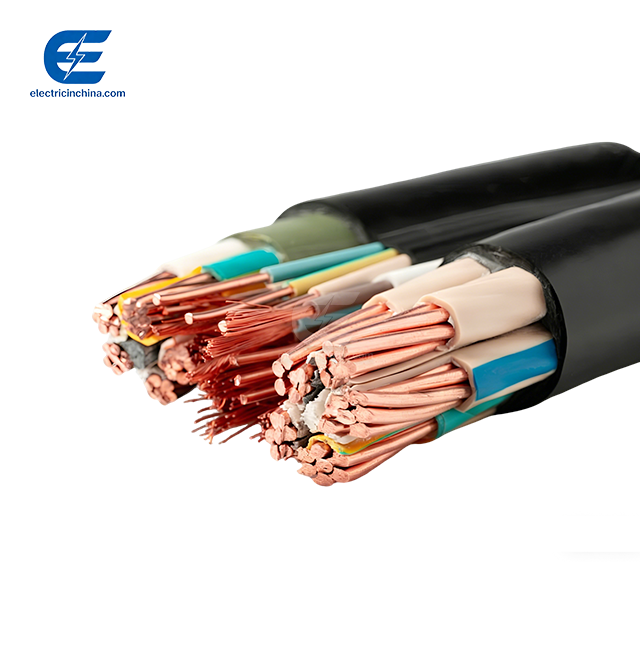
Standard catalog items can be used for many things, but for unique projects, they often need to be customized. We change cooling systems for harsh climates, make custom voltage ratios for special equipment, and improve protection ratings for harsh environments. Our buying aid program helps clients find matching equipment like switchgear, cables, and protective switches so they can get all the parts they need for a substation from a single seller.
Services that fix and improve old transformers make them last longer. We've brought older setups up to date by adding better tracking systems, more cooling power, and better safety features. These changes make the equipment work better for a lot less money than buying new, which makes them appealing to repair programs that are trying to stay within their budgets.
Conclusion
Electrical equipment that is designed to work reliably in harsh environments and last a long time is needed for outdoor power transfer infrastructure. Oil type transformer 10kV-35kV technology meets these needs by using tried-and-true design principles that have been improved over many years. Because they have better insulation, better thermal management, better environmental protection, and better cost-effectiveness, these transformers are used in most outdoor installations around the world. The right specifications, high-quality construction, and regular maintenance will make sure that the system works reliably for decades, supporting important infrastructure, industrial production, and community power needs.
FAQ
What maintenance interval should we plan for oil analysis and replacement?
Once a year, all kinds of tests should be done on the oil, such as checking for dissolved gases, measuring wetness, checking for breakdown voltage, and checking acidity. The actual replacement time is based on results that meet ASTM D1816 and IEC 60422 standards. Normal conditions call for an oil change every 15 to 20 years, but constant tracking shows that action needs to be taken sooner if contamination or wear and tear speeds up.
How do these transformers perform in seismic zones, and what mounting requirements apply?
If you properly fix oil-filled transformers according to IEEE 693 qualification guidelines, they can handle seismic action up to Zone 4. Tank designs use flexible bushing connections to keep stress from concentrating and strengthened mounting pads to spread ground motion forces. We provide paperwork for seismic certification and mounting specs that make installation possible in areas that are prone to earthquakes.
Can these transformers work together, and if so, what timing needs to be met?
In order to work in parallel, the voltage ratios must match, the impedance must be within a 7.5% tolerance, and the vector group configuration must be the same. According to IEEE C57.12.00 guidelines, load sharing accuracy can reach 90–11% equal spread between units when it is set up correctly. We help our customers set up security and impedance coordination so that parallel operation is stable.
Partner with Tuojie for Reliable Oil Type Transformer 10kV-35kV Solutions
Tuojie has been making high-quality transformers for more than 20 years and can help you with your outdoor power distribution projects. Our Oil type transformer 10kV-35kV are reliable and affordable, and they come with a lot of certifications, such as ISO 9001, ISO 14001, and CCC. Our engineering team creates custom solutions that meet strict requirements and tight deadlines for any project, whether it's for government infrastructure, business growth, or industrial facilities. As a reliable producer of Oil type transformer 10kV-35kV, we've finished hundreds of important projects, ranging from rail transit systems to solar parks. Email us at tuojie@electricinchina.com to talk about your needs and get full technical proposals with cheap quotes that are made just for you.

References
1. International Electrotechnical Commission. (2011). Power Transformers - Part 1: General (IEC 60076-1). Geneva: IEC Publications.
2. IEEE Power and Energy Society. (2010). IEEE Standard for General Requirements for Liquid-Immersed Distribution, Power, and Regulating Transformers (IEEE C57.12.00). New York: Institute of Electrical and Electronics Engineers.
3. Myers, S.D., Kelly, J.J., & Parrish, R.H. (2018). A Guide to Transformer Maintenance. Facilities Instructions, Standards & Techniques Series, Volume 3-30.
4. Heathcote, M.J. (2007). The J&P Transformer Book: A Practical Technology of the Power Transformer (13th ed.). Oxford: Newnes.
5. Harlow, J.H. (Ed.). (2012). Electric Power Transformer Engineering (3rd ed.). Boca Raton: CRC Press.
6. ASTM International. (2012). Standard Test Method for Dissolved Gases in Electrical Insulating Oil by Gas Chromatography (ASTM D3612-02). West Conshohocken: ASTM Publications.