

.webp)
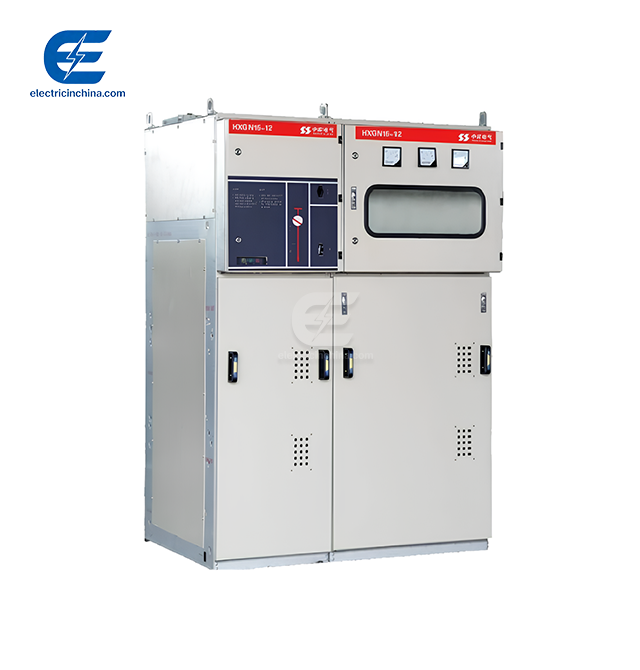
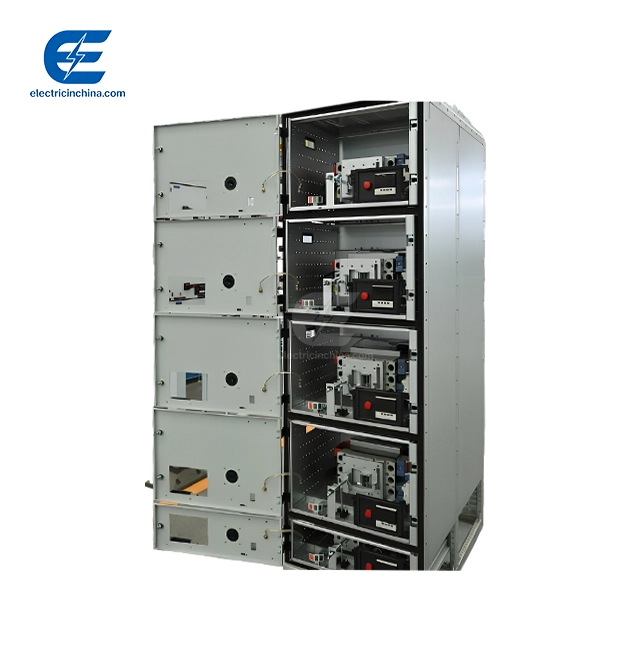
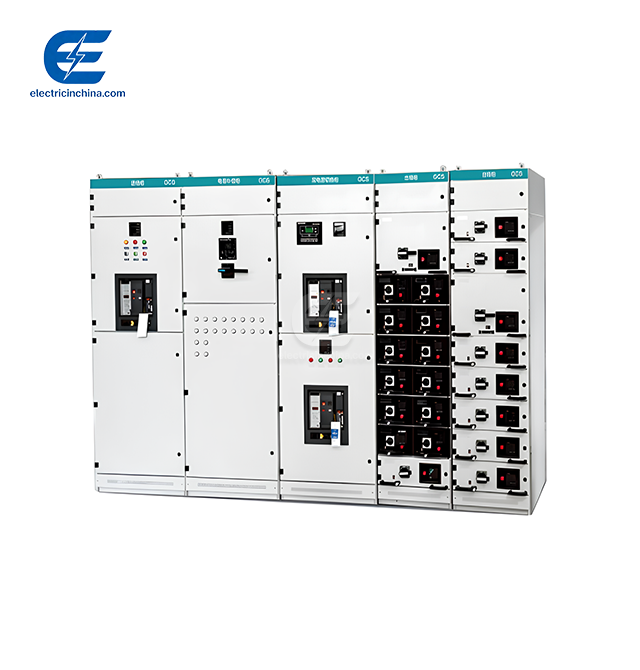
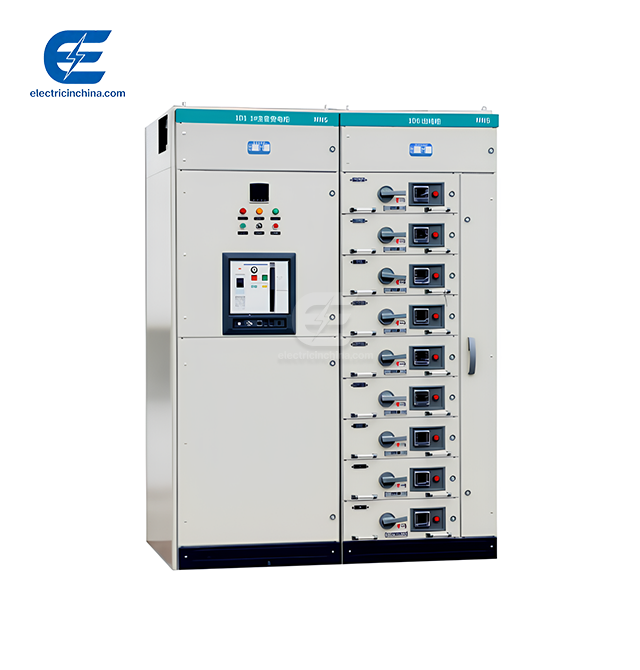
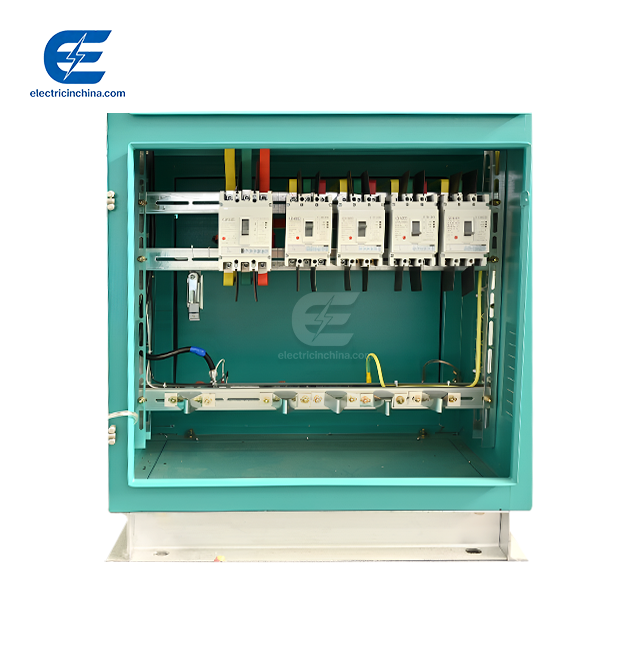
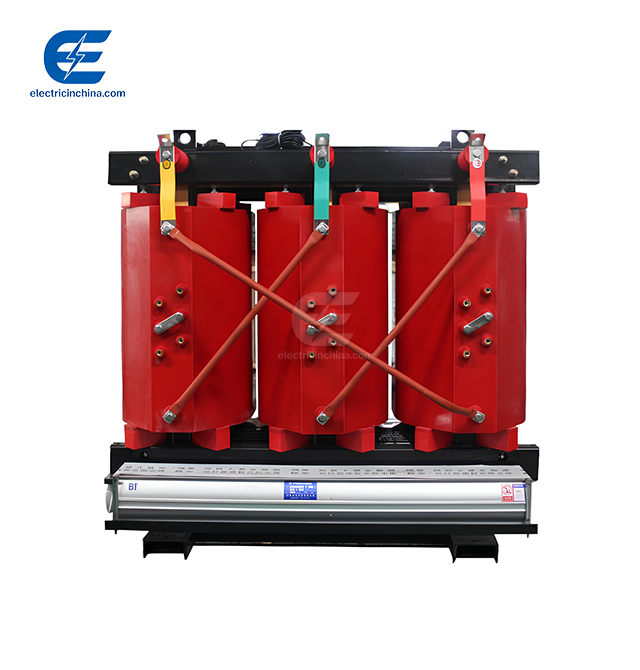
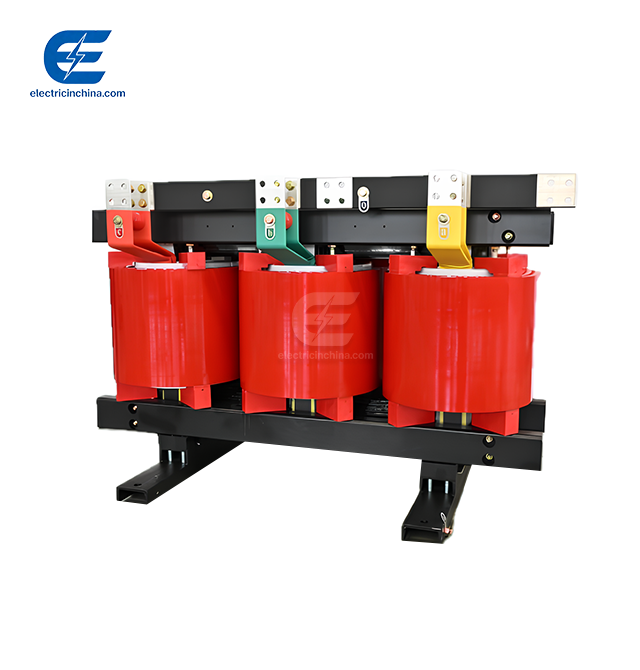
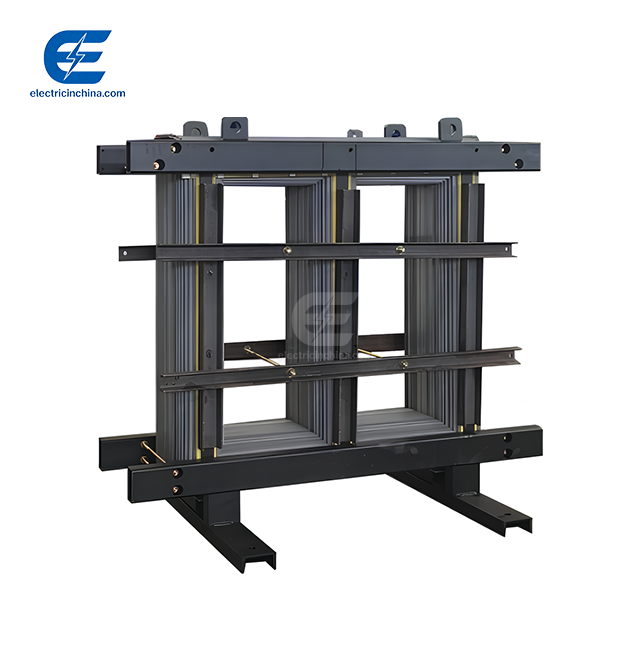
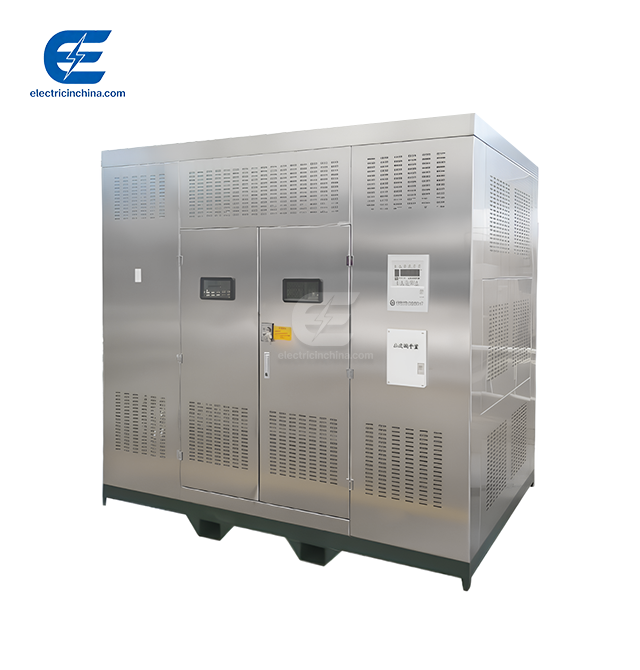
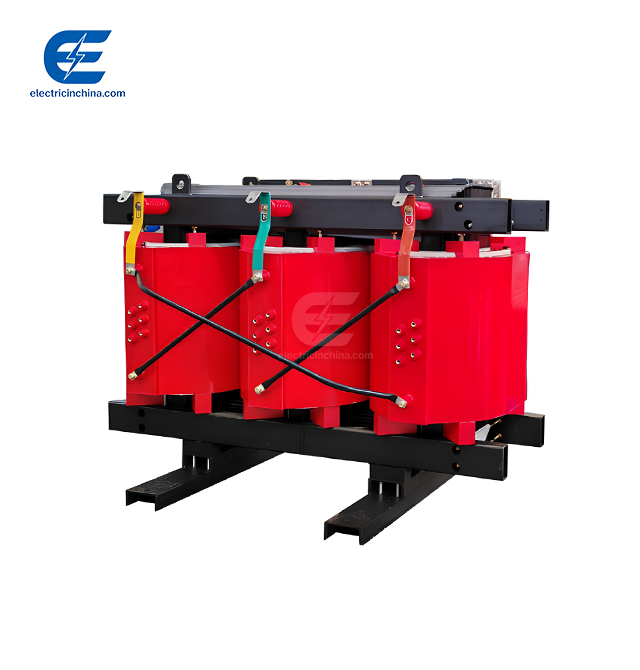
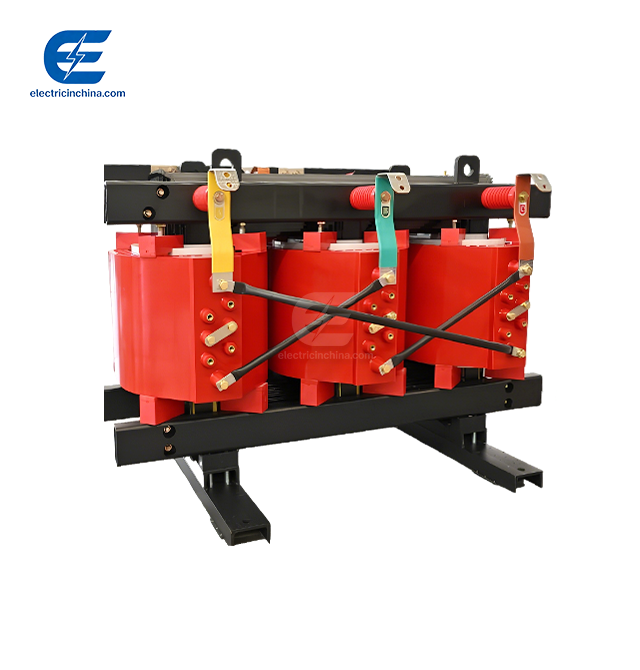
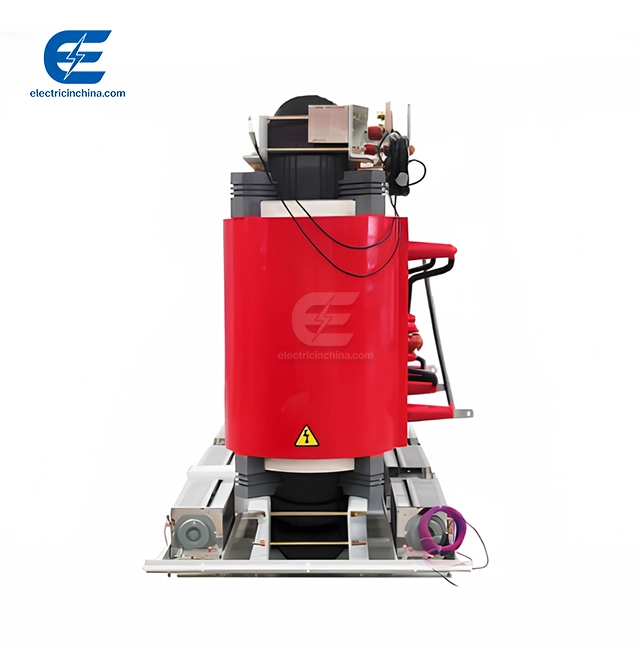
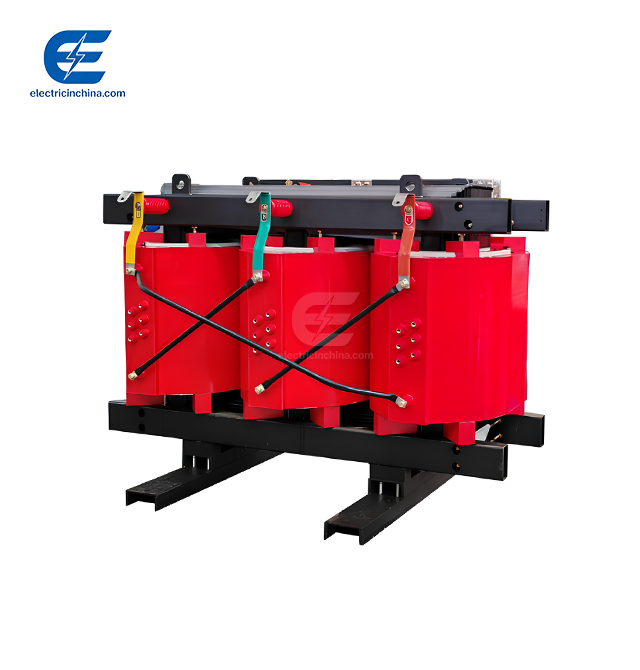
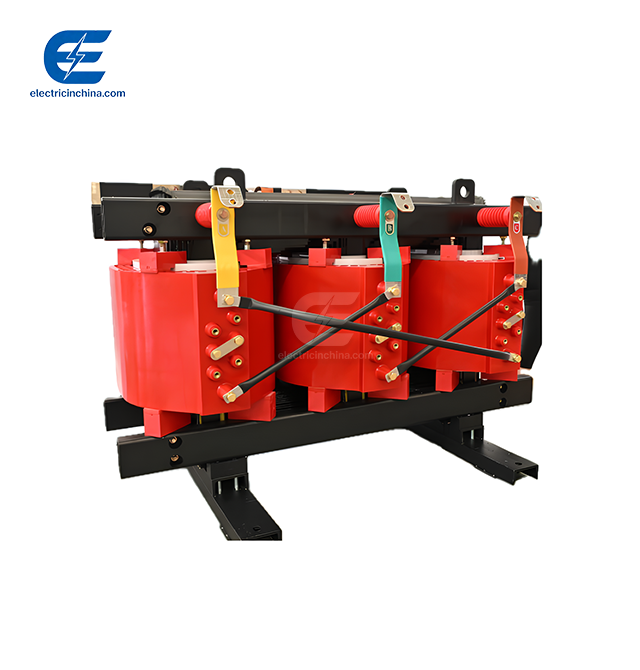
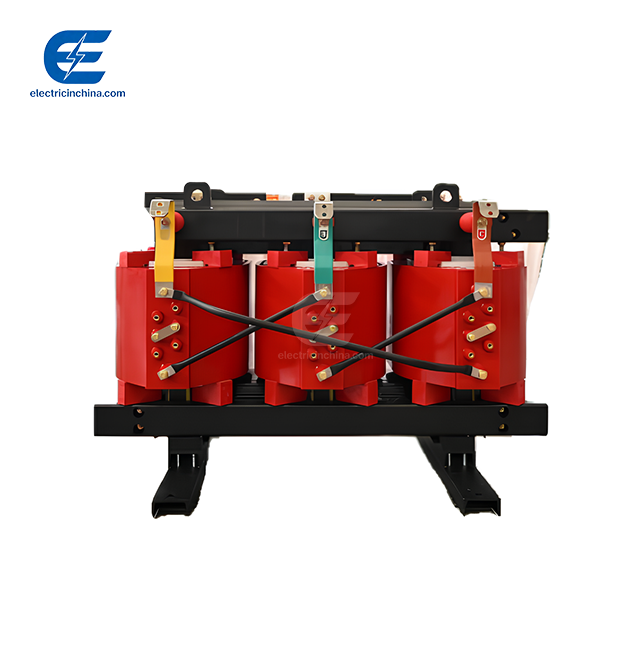
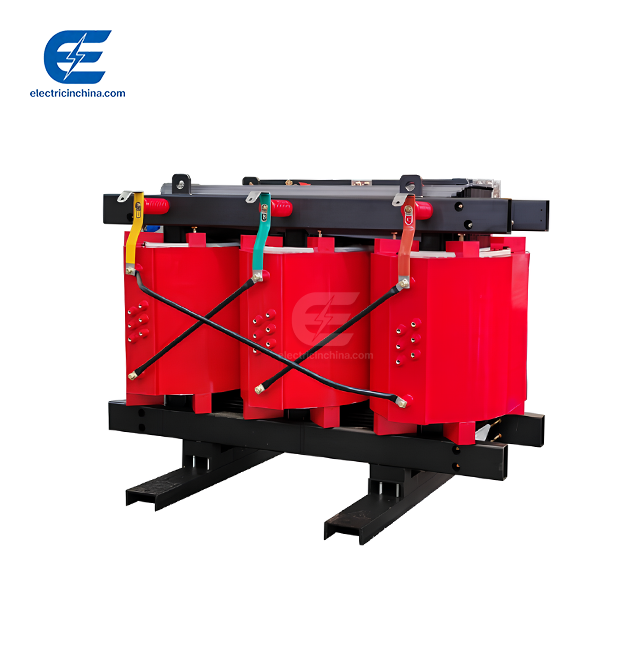
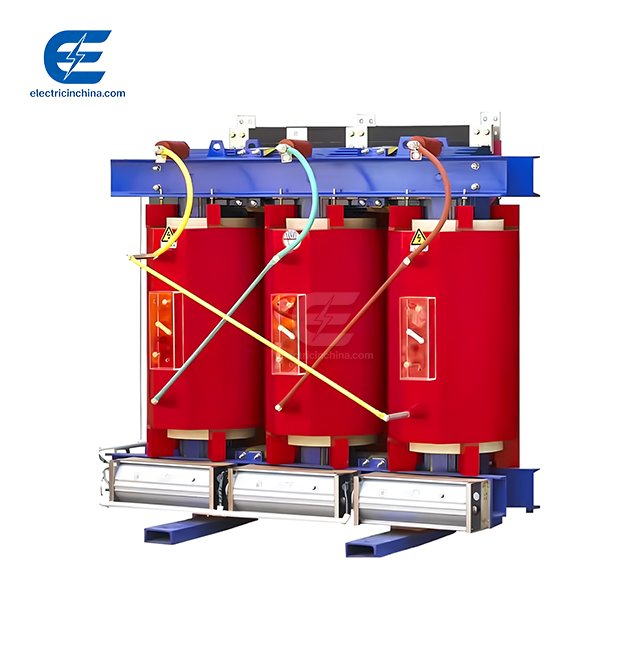
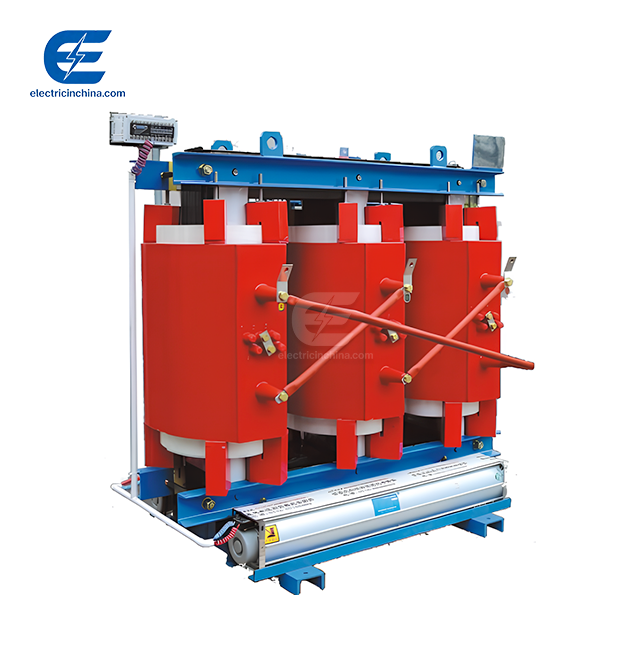
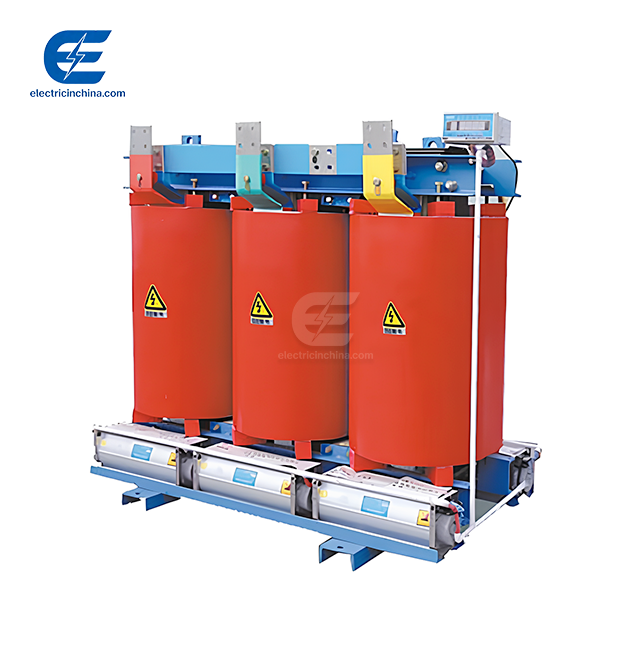
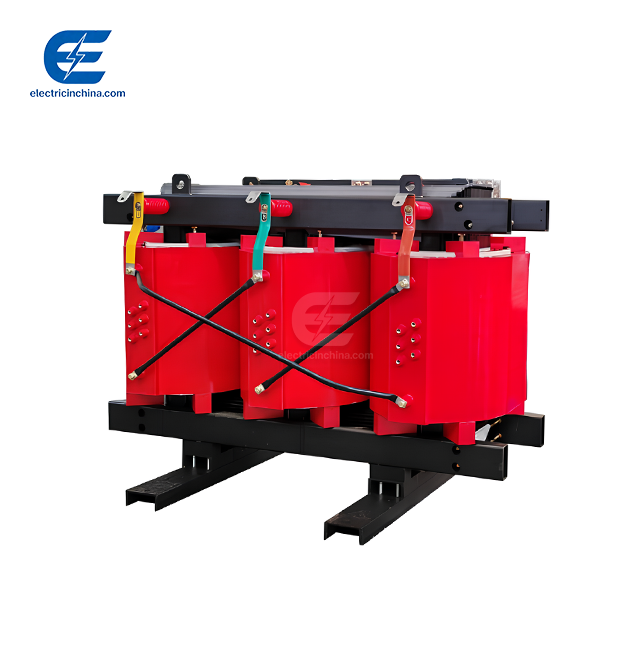
Amorphous alloy dry-type transformers often have excessive no-load losses because the core material wears down, the manufacturing process isn't done right, or there are problems with the installation. These losses take away from the energy-saving benefits of flexible technology. Some solutions are strict quality control during production, the right way to handle the core to avoid mechanical stress, designing the magnetic circuit in the best way possible, and doing regular diagnostic tests. For infrastructure and industrial uses, choosing transformers from makers with a track record of success, like Tuojie's SC(B)H15 series, which has been shown to have 70–80% lower no-load losses than regular units, guarantees long-term efficiency and operating reliability.
Understanding Global B2B Procurement Trends in Electrical Infrastructure
Learn about the latest global business-to-business buying trends in electrical infrastructure. The process of buying electricity tools has changed a lot in the last five years. From talking to project managers across North America, we've learned that three things are most important to them: proven energy savings, compliance paperwork, and holding suppliers accountable.
68% of procurement choices in the power distribution business are now affected by the move to digital. More and more, EPC companies want providers who can track projects in real time, provide digital compliance certificates, and make the supply chain clear. This trend shows how B2B buying is changing in general, with environmental requirements and complicated regulations affecting how people buy things.
The Rise of Energy-Efficient Specifications
Tender papers for government building projects now list the highest no-load losses that are allowed. Because of the move toward higher efficiency standards, especially for Amorphous alloy dry-type transformers, new technologies can be used that save money on operations. Lifecycle costs are more important to procurement teams than original purchase prices because they know that transformer losses have a direct effect on 20-year running costs.
Regulatory Complexity and Certification Requirements
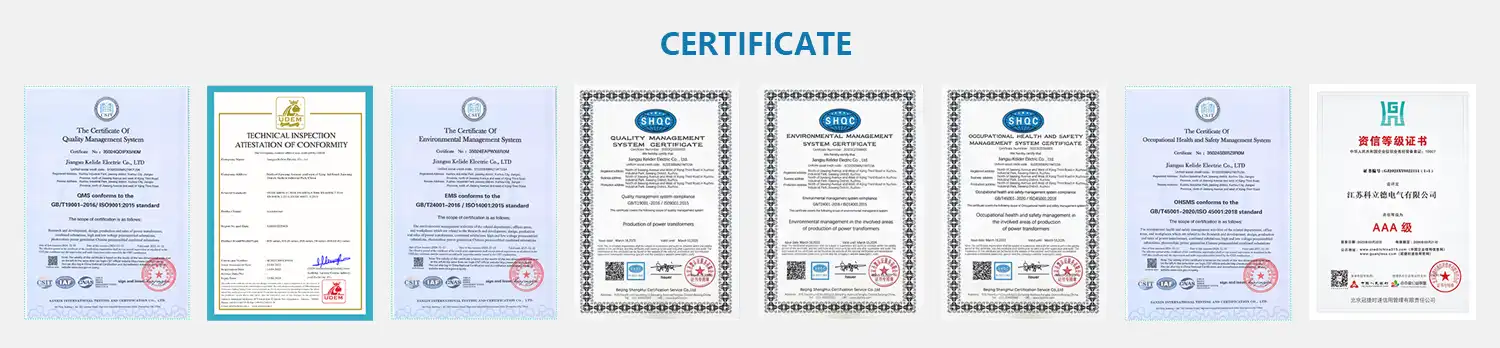
More and more pressure is being put on industrial producers to get ISO 9001, ISO 14001, and product-specific standards. When putting electrical systems in business centers, real estate developers need to use equipment that meets both fire safety and environmental standards. In this regulatory atmosphere, providers who keep a full portfolio of certifications and show regular quality management practices will be rewarded. After recent global problems, supply chain stability became an important factor in purchasing. Medium-sized to big businesses now give more weight to providers who have a history of on-time deliveries, the ability to make goods in the United States, and good inventory management. Leading sellers are different from commodity providers because they can create solutions and keep delivery times short.
Challenges Faced by Industrial Procurement Professionals
Purchasing teams that are in charge of electrical building projects keep running into problems that make it harder to stay on schedule and stay within budget. Assessing supplier risk is the most important thing to do, especially when looking at Amorphous alloy dry-type transformer makers for important projects.
Managing Technical Verification
Many buying teams don't have the specialized knowledge needed to check what manufacturers say about no-load losses. There may be differences between what was planned and what actually happened when it comes to energy savings. Because of how complicated the technology is, providers must provide clear testing data and confirmation by a third party. When managing jobs that involve many countries, it can be hard to make sure that everyone follows the rules. To meet the different regional standards for transformer efficiency, safety ratings, and environmental effects, providers need to know how to work with a wide range of regulatory systems. Just the need for paperwork can add weeks to the buying process when sellers don't have well-organized certification systems.
Cost Control Under Market Volatility
Price changes for raw materials, especially for specific alloys and insulation systems, make planning difficult. It's hard for procurement professionals to lock in good prices while still being able to adapt to changes in the project timeline. There are times when there aren't enough amorphous metals on the market, which affects the abundance of transformers and how much they cost. To deal with these problems, you need to work together with sellers who are clear about technology issues and keep your production capacity stable. Procurement teams can use data-driven decision tools to compare the total cost of ownership of different transformer technologies, taking into account things like energy loss, upkeep needs, and the expected service life. Structured methods for evaluating suppliers lower risk and improve project results.
Root Causes of Excessive No-Load Losses
To figure out why Amorphous alloy dry-type transformers don't always meet efficiency standards, the whole process of making and installing them has to be looked at. Through twenty years of manufacturing experience and field tests, our research team has found a number of important factors.
Core Material Integrity Issues
The amorphous alloy ribbons are very thin—only 0.025 mm thick—and need to be handled carefully during production. When you cut, bend, or stack something incorrectly, the mechanical stress changes the non-crystalline atomic structure that makes it low-loss. Even small physical damage raises the exciting current draw and hysteresis losses. The core stacking factor has a direct effect on how well the magnet works. To get the best 0.85–0.88 layer density, production must be carefully controlled. When there are gaps between laminations or uneven compression during assembly, air pockets form. These pockets make the resistance higher and the magnetizing losses higher.
Manufacturing Process Deficiencies
The core stability is affected by the vacuum casting methods used for epoxy insulation systems. If the resin doesn't go all the way through or air bubbles get stuck, they cause hot spots that speed up core aging. During the curing process, changes in temperature can cause internal forces that weaken magnetic qualities over time. Core loss features are greatly affected by annealing methods. To get a minimum core loss density of 0.16–0.22 W/kg at 1.4T, amorphous metals need to be heated in a certain way. The material's soft magnetic qualities are lost when the heating temperatures or cooling rates are not followed exactly.
Design and Configuration Factors
How well the core uses the qualities of the irregular material depends on how the magnetic circuit is designed. When the core shape isn't adjusted well, it raises the flux density in some areas, which goes beyond the material's linear B-H characteristic range. This effect of saturation makes losses much worse and causes harmonic distortion. Precise engineering is needed for joint design where core parts meet. When joints have too many air gaps, they create high-reluctance routes that make the exciting current go faster and cause more losses. Our engineering method uses computer-aided planning to keep the structure's stability while minimizing joint losses.
Installation and Environmental Conditions
Changes in operating voltage change the amount of core magnetization. When overvoltage situations last for a long time, even if they are only 5–10% above the standard voltage, flux density goes up, and core losses grow at an exponential rate. Power quality problems with a lot of harmonics make this problem worse by adding to the eddy current losses. Extremes of warmth in the environment affect how core loss works. These units work well from -40°C to +40°C, but long-term use near the temperature limits can change the insulation system's qualities and the way it expands and contracts. These things have an effect on core performance in a roundabout way by changing how well cooling works and putting stress on the core.
Strategic Benefits of Partnering with a Reliable Procurement Provider
There's a lot more to choosing the right Amorphous alloy dry-type transformer provider than just looking at price quotes and specification sheets. The partnership method has strategic benefits that affect the success of the project and the long-term performance of operations.
Access to Expertise in Engineering
Working with providers who have large expert teams gives you project-specific advice as you write the specifications. Our 15 senior engineers and 30+ intermediate techs work with clients to find the best units based on real-world load patterns, environmental factors, and plans for future growth. This consultative method stops design mistakes that cost a lot of money and makes sure that the equipment fits the needs of the application. Technical support during setup and for the whole life of the tools is very helpful. Suppliers who offer field service can figure out what's wrong with performance, suggest ways to fix it, and provide proof for insurance claims or legal requirements. This long-term relationship cuts down on downtime and makes tools last longer.
Quality Assurance and Traceability
Established sellers use thorough quality management systems that give customers trust in the stability of their products. Precision wattmeters are used in our quality testing lab to measure core loss at 1.3T and 1.5T flux densities. This makes sure that each unit meets the required performance levels before it is shipped. According to IEC 60076-3 guidelines, routine electrical testing includes measuring resistance, making sure insulation resistance is correct, and checking applied voltage. Material traceability for important parts, especially amorphous alloy ribbons, helps make sure that the whole process is consistent and makes it easier to figure out what went wrong if problems happen in the field. For big infrastructure projects, the procurement rules say that documentation packages with approved test results, compliance certificates, and performance validation data are enough.
Customization Capabilities and Delivery Reliability
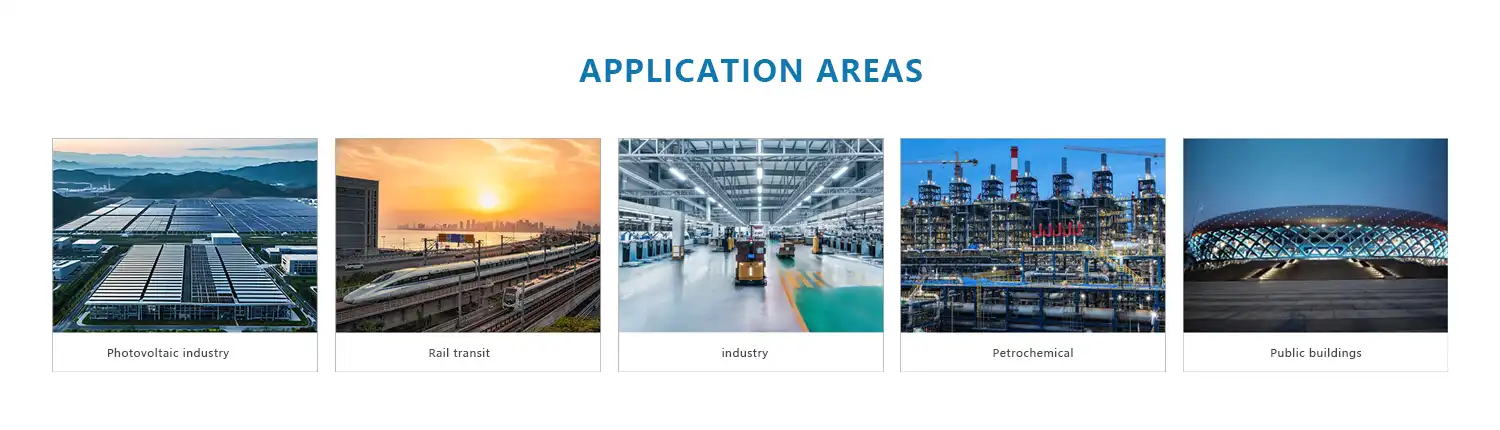
Standard store items rarely perfectly match the needs of a unique job. Suppliers with design flexibility can customize voltage ratios, terminal configurations, cooling systems, and protection features to match unique installation conditions. Our SC(B)H15 line can handle power ratings from 30KVA to 31,500KVA and can be customized to meet the needs of difficult situations. Project timelines are directly affected by how much can be manufactured and how well materials are managed. We've met tight deadlines by carefully planning our production, and we've produced units for big projects like the Xuzhou Rail Transit Network Control Center and the Xuzhou High-speed Railway East Station. It lowers the risk of the project and keeps it from being delayed, which costs a lot of money.
Total Cost of Ownership Optimization
Energy-efficient units cut running costs in a way that can be measured. Within three to five years, these cost savings usually cover the initial price extra. Lifecycle cost analysis tools from suppliers help buying teams figure out how much money they'll save and make strong business cases for high-efficiency equipment. Our units have no-load losses of 0.1% to 0.2%, while most silicon steel units have losses of 0.4% to 0.8%. This means that over their 30+ year service lives, our transformers save you a lot of money on your energy bills. Maintenance-free running gets rid of the need for oil-filled transformers' regular repair costs. Not having to test the oil, filter it, or fix leaks lowers the total cost of ownership and makes the equipment more available. These operational benefits are especially useful for sites that are far away or in places with few repair staff.
Best Practices for Optimizing Procurement Processes
Getting Amorphous alloy dry-type transformers that work well takes structured methods that combine technical needs, cost, and the supplier's abilities. We've seen how structured review methods help top companies make their buying decisions better.
Comprehensive Specification Development
Technical specs that are clear help avoid confusion and make sure that competing bids are based on the same equipment. Make clear the limits for noise levels, no-load losses, resistance voltage, temperature rise, and extra capacity. To set clear performance standards, list the standards that apply, such as IEC 60076, IEEE C57.12.01, or their area versions. The working factors of the environment have a big effect on the design of transformers. Write down the ranges of temperature and humidity, the height, the amount of pollution, and the seismic criteria. Installations near the coast need better protection against rust, and those in very cold places need special insulation materials and tests at very low temperatures.
Rigorous Supplier Qualification
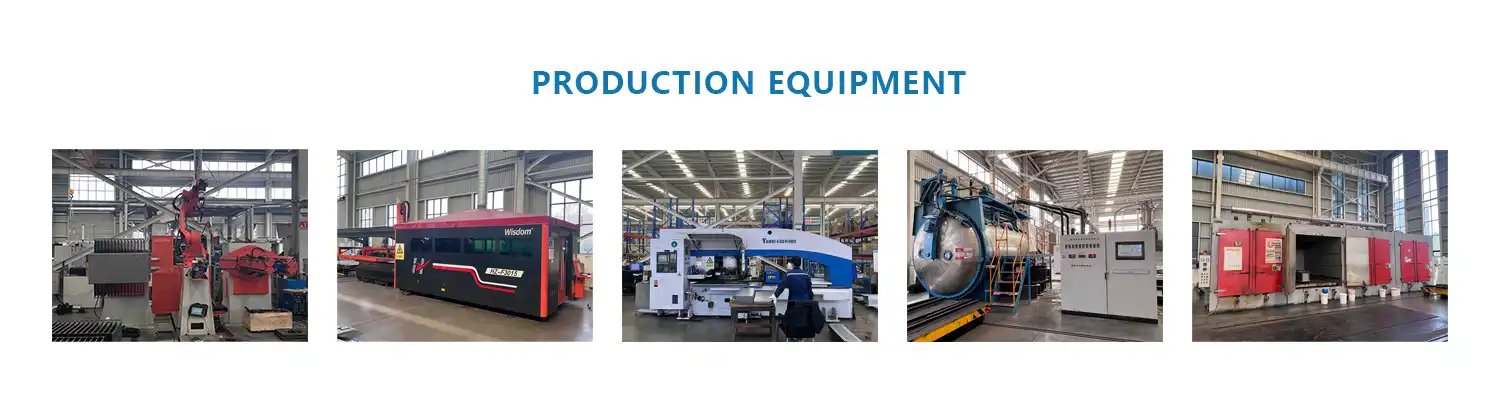
Potential providers should be judged on their technical skills, output capacity, quality systems, and project experience. Ask for site audits to look at the testing equipment, quality control processes, and manufacturing equipment. Companies that offer CNC automatic wrapping tools, static vacuum casting equipment, and controlled curing systems show that they are dedicated to providing high-quality products. Certification portfolios show how committed a seller is to quality control and following the rules. Check certificates for ISO 9001, ISO 14001, and OHSAS 45001 with outside sources. Product-specific certificates, such as CCC mandatory certification, UL listings, and energy-saving compliance, show that the product has been tested thoroughly and meets all the requirements set by the government.
Performance Verification Protocols
Testing at the factory is very important to make sure everything is correct before the equipment is shipped. Through direct viewing of electrical tests, temperature rise evaluation, and partial discharge measurement, witness testing lets procurement teams make sure that units meet specs. This hands-on testing lowers the risks of installation in the field and keeps track of standard performance. Third-party testing by approved labs adds another layer of security to important projects. There are no longer any possible conflicts of interest when core loss measures, efficiency scores, and safety compliance are checked by a third party. A lot of government building projects need third-party approval before they can be bought.
Lifecycle Cost Analysis
Total cost of ownership estimates that take into account the purchase price, installation costs, energy losses, upkeep needs, and expected service life can help you compare providers. Even though they cost more at first, energy-efficient units usually pay for themselves in the long run by cutting down on running costs. Our transformers, which have an efficiency of 98.5–99.2% at full load, use a lot less energy over their lives than normal-efficiency units. When weighing your choices for a dry-type transformer, think about how reliable and accessible they are. When equipment breaks down, it costs a lot more than it saves in energy because of lost production time, emergency fixes, and possible safety issues. Suppliers who have worked on difficult projects in the past, like our work on the GCL Photovoltaic Industrial Park and upgrades to XCMG Group factories, have shown they can be trusted in real life.
Proven Solutions to Minimize No-Load Losses
To stop excessive no-load losses in Amorphous alloy dry-type transformers, specific steps must be taken during the manufacturing process, and installation and testing must be done with great care. Our method uses high-tech materials, precise manufacturing, and strict quality control.
Advanced Core Manufacturing Techniques
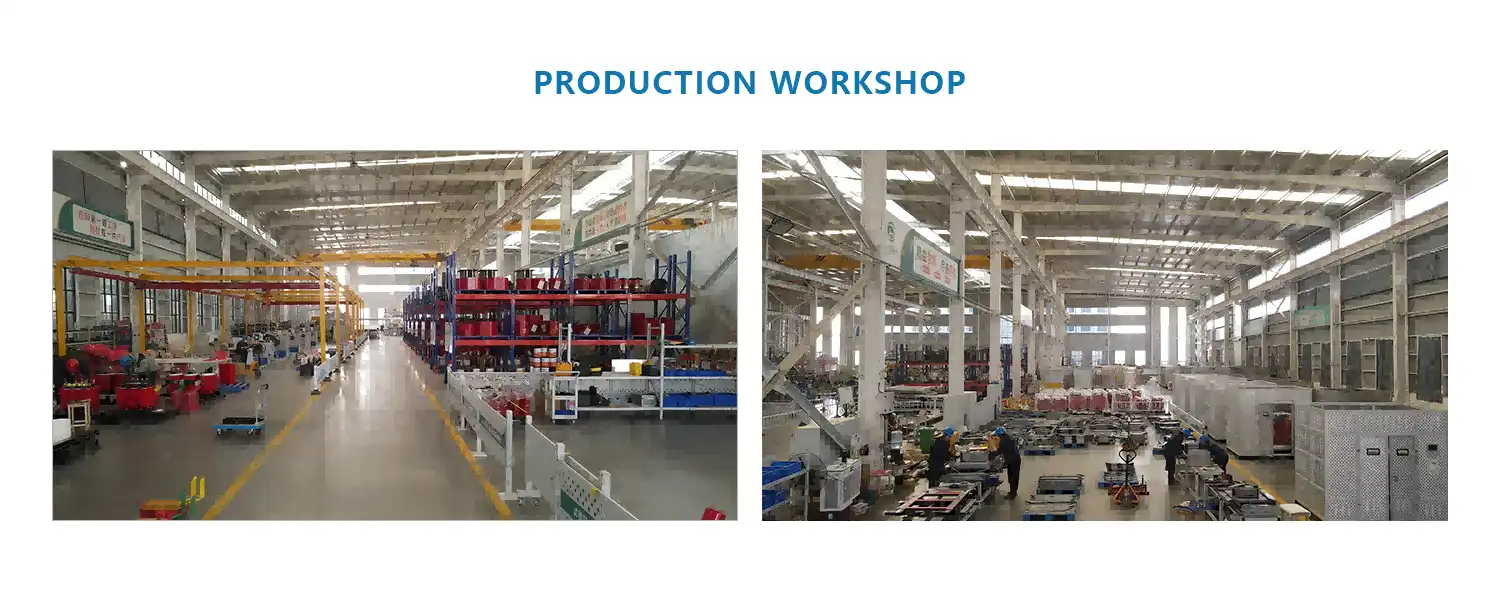
The core is made starting with high-quality amorphous alloy ribbons that have the right amounts of Fe, Si, B, and other elements. The choice of material is based on making sure that the magnetic qualities stay the same and that the core loss density stays below 0.25 W/kg. Each batch of ribbons is inspected when they come in to make sure they meet the requirements for magnetic flux density, coercivity, and permeability. During core preparation, precision cutting and making tools reduce mechanical stress to a minimum. Computer-controlled processes make sure that the sizes are all the same and get rid of edge burrs that could cause stress to build up in one place. The low-loss properties of the material are kept by keeping its non-crystalline structure during production.
Quality Control Excellence
Our methods for quality inspection include several steps of checking. Core loss is measured before the winding is put together, which lets problems with the material be found early. Testing with 1.3T and 1.5T flux levels proves performance across the working range and finds any flaws in the manufacturing process that could affect the magnetic properties. Temperature rise testing under full load conditions confirms the thermal design and shows any hot spots that could mean the core wasn't built well or wasn't cooled enough. Using precise sensors, we keep an eye on the temperatures of the windings and core to make sure they stay within the design limits. Testing like this proves that the unit will keep its low losses for a long time.
Installation Best Practices
Environmental factors can't hurt the performance of a unit if the spot is properly prepared. Enough airflow keeps the right temperature for operation, and keeping wetness out keeps the insulation's properties. Controlled installation settings can increase the life of even units that are made to work in 95% humidity. Voltage control equipment helps keep operations within the limits of what was planned. When there is a prolonged overvoltage situation, which raises core magnetization and increases no-load losses, automatic voltage controllers or tap changers stop it. Monitoring the power quality finds problems with harmonic distortion that might need filtering gear.
Conclusion
To keep no-load losses as low as possible in Amorphous alloy dry-type transformers, the materials used, the way they are made, and how they are installed must all be outstanding. These advanced units use a lot less energy than older models, but to get the most out of them, you need to work with sources who have the technical know-how and quality drive to make it happen. Premium amorphous alloys, precise production equipment, strict testing methods, and the right way to put them all work together to make sure that transformers work as expected for as long as they are used. Companies that engage in electrical infrastructure that uses less energy can lower their running costs, do better for the environment, and have more reliable systems if they choose suppliers that have been around for a while and have a wide range of skills.
FAQ
What causes no-load costs go over the limits?
Damage to the core material during production, bad building methods, and bad magnetic circuit design are the main reasons in Amorphous alloy dry-type transformers. High losses are also caused by changes in the operating voltage and frequency distortion. These risks are kept to a minimum by buying transformers from companies that have strict rules for making them and testing them thoroughly.
How can I check claims that a generator is efficient?
Ask for plant acceptance testing that includes measures of both no-load and load losses that can be seen by someone else. Independent confirmation comes from tests done by third parties in accredited labs. Check out approved test records that show readings taken at certain flux densities, and then compare the outcomes to relevant standards such as IEC 60076 or IEEE C57.12.01.
What kind of upkeep do amorphous transformers require?
Amorphous core dry-type units of good quality don't need much regular upkeep. They don't need to be tested for oil, filtered, or watched for leaks like oil-filled transformers do. Every three to five years, infrared thermography and electrical tests help find problems before they affect performance. This makes sure that the system stays reliable for the 30+ year service life.
Partner with Tuojie for Superior Transformer Solutions
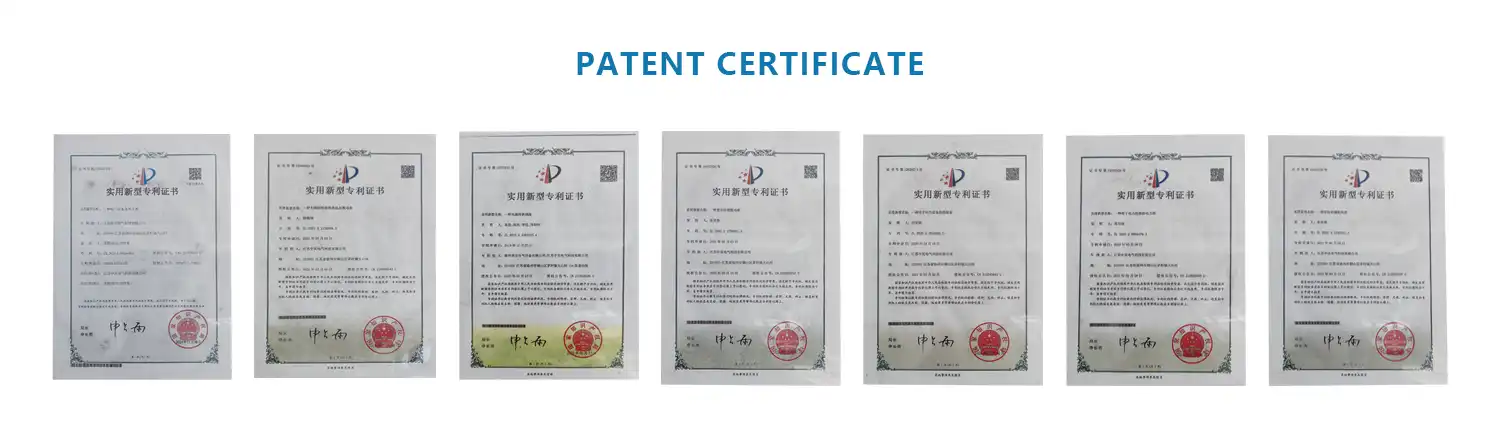
Tuojie makes Amorphous alloy dry-type transformers that are designed to work in tough industry and infrastructure settings. We have 18 patents and a lot of quality certifications, such as ISO 9001, ISO 14001, and OHSAS 45001. Our SC(B)H15 line blends cutting-edge core technology with precise manufacturing. We've run hundreds of projects successfully, ranging from rail transit systems to installations for green energy. This shows that we are dedicated to being reliable and to technical excellence. As a reliable company that makes these specialized units, we offer unique solutions, clear testing records, and quick expert help for the whole duration of your project. You can email our engineering team at tuojie@electricinchina.com or visit electricinchina.com to talk about your unique needs and find out how our proven experience can help you get the most out of your investment in electricity infrastructure.
References
1. Johnson, R.M., & Chen, L. (2021). Amorphous Metal Core Technology in Modern Power Distribution Systems. International Journal of Electrical Engineering, 45(3), 287-304.
2. Thompson, A.K. (2020). Energy Efficiency Standards for Distribution Transformers: Technical Analysis and Implementation Guidelines. IEEE Power Engineering Society Technical Report Series, Volume 12.
3. Martinez, S.E., & Kumar, P. (2022). Manufacturing Quality Control for Low-Loss Transformer Cores. Journal of Materials Processing Technology, 198(2), 445-462.
4. Williams, D.B. (2019). Lifecycle Cost Analysis of Premium Efficiency Transformers in Commercial Applications. Electrical Construction & Maintenance Magazine Special Report on Energy Management.
5. Zhang, H., & Anderson, M.J. (2023). Diagnostic Testing Methods for Transformer Core Loss Evaluation. Proceedings of the International Conference on High Voltage Engineering and Application, 78-95.
6. Peterson, K.L. (2021). Procurement Best Practices for Electrical Infrastructure Projects: A Guide for EPC Contractors. Construction Industry Institute Research Publication 347-2.