

.webp)
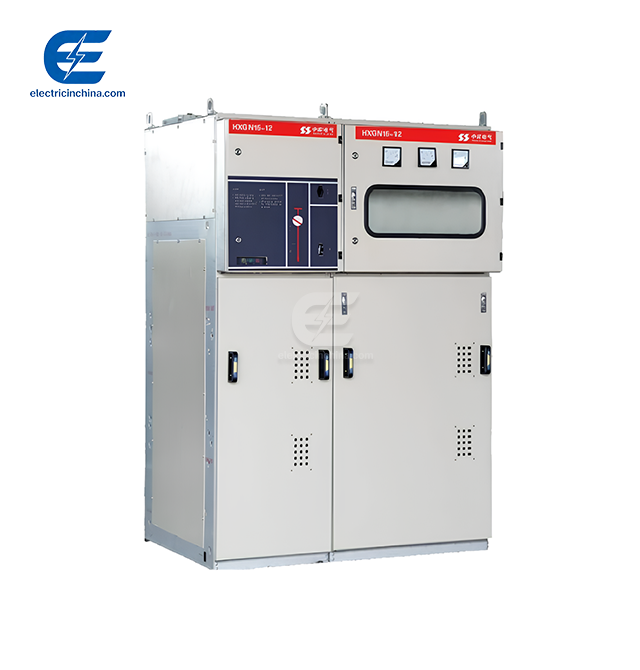
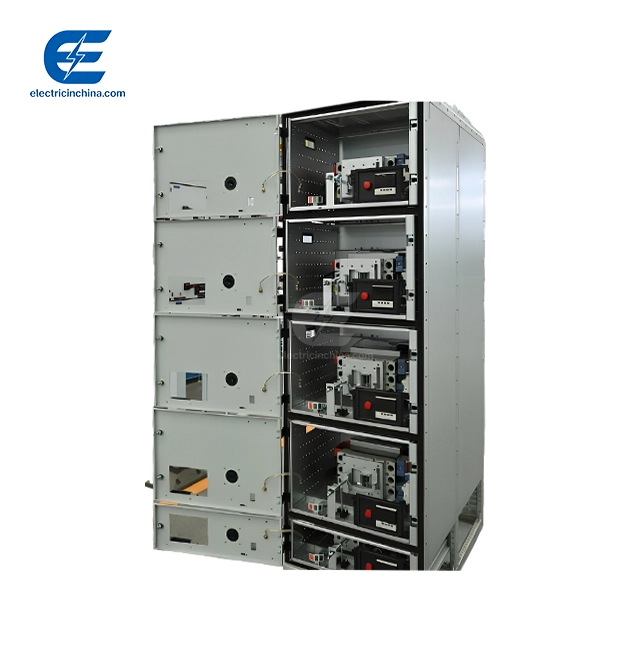
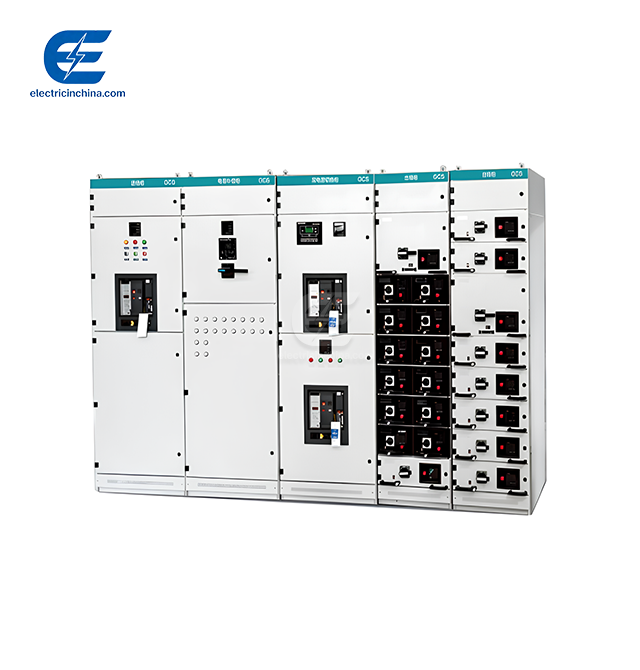
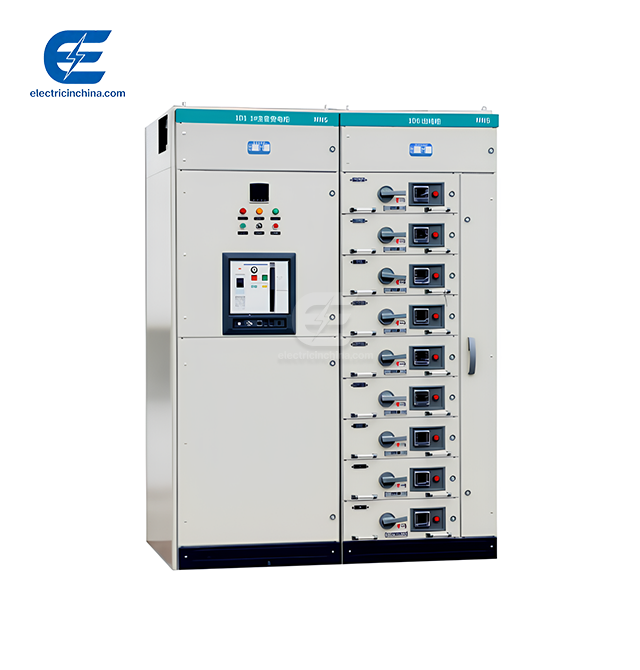
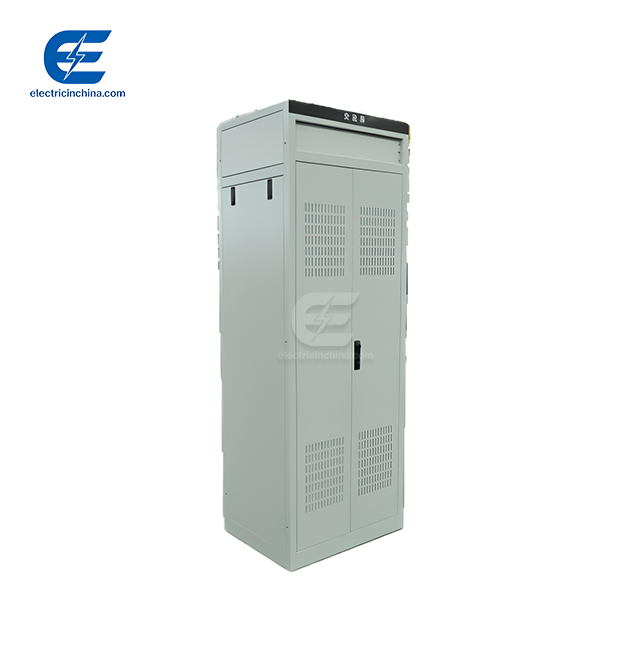
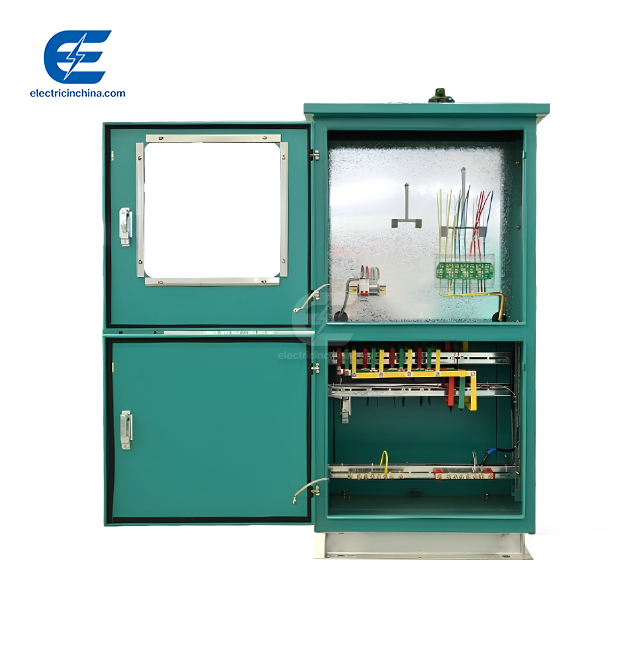
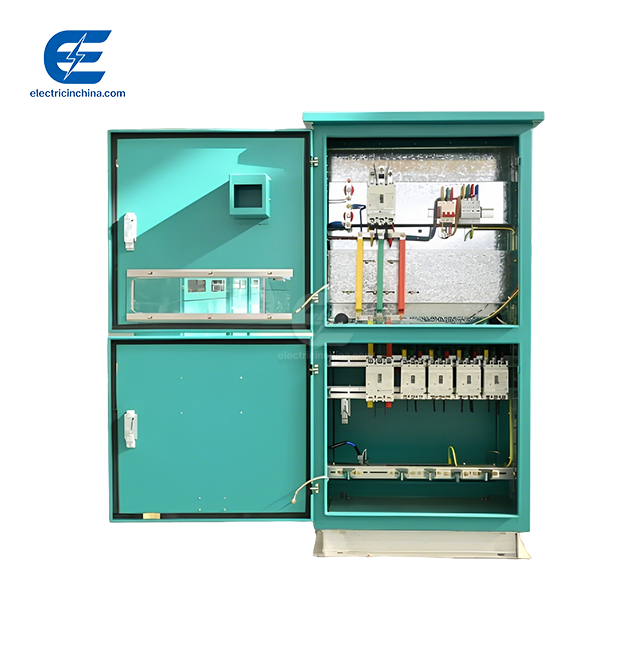
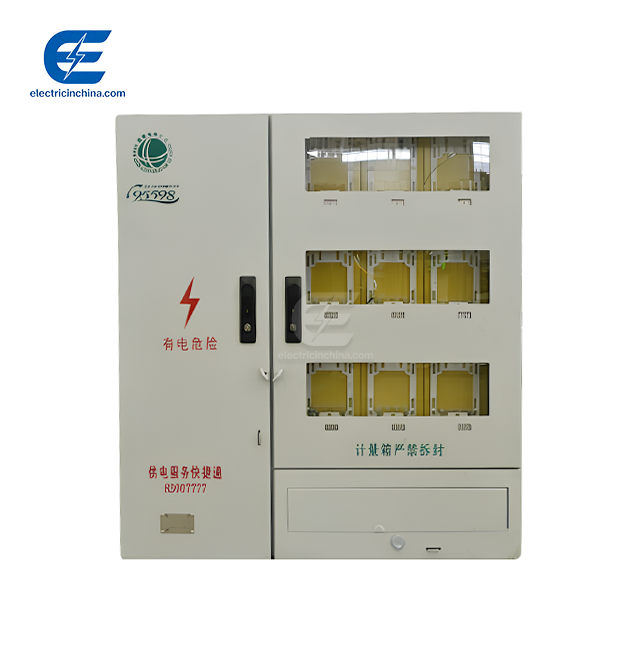
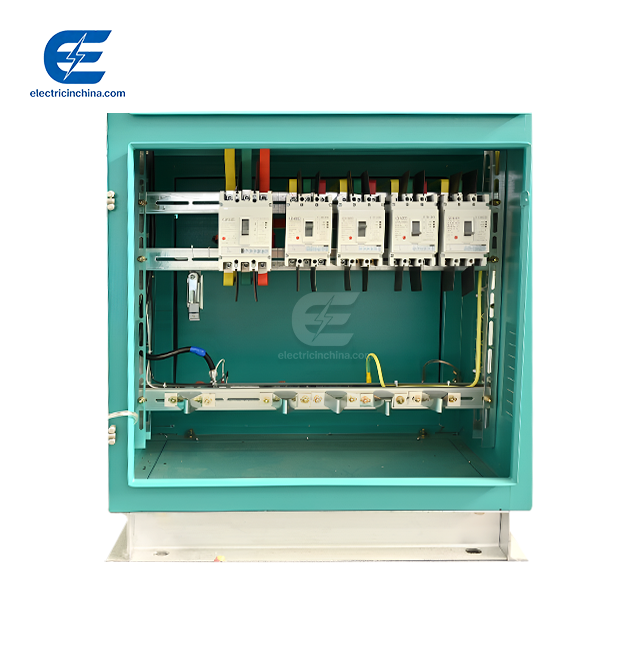
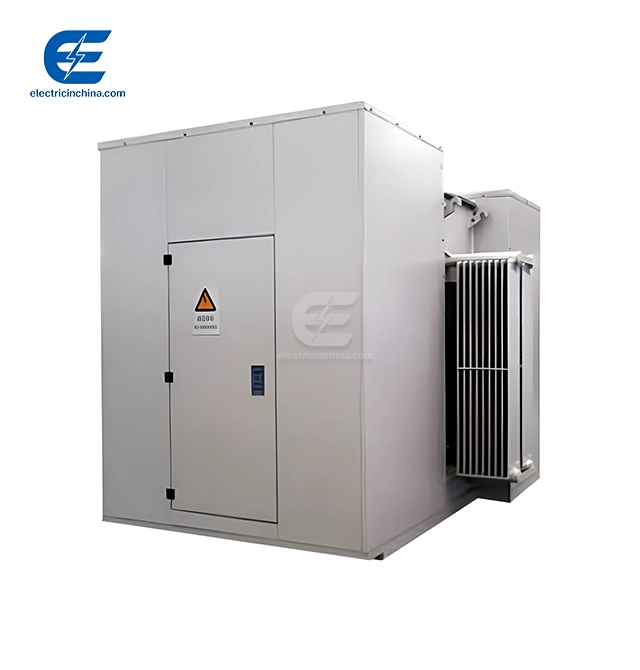
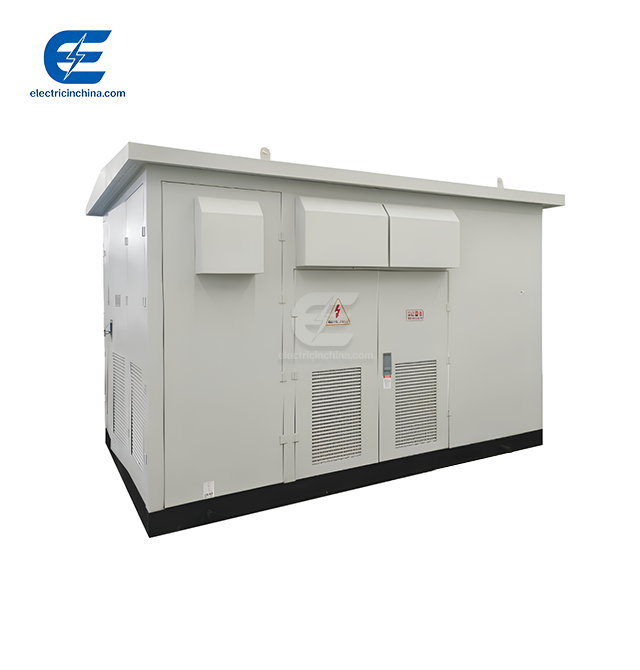
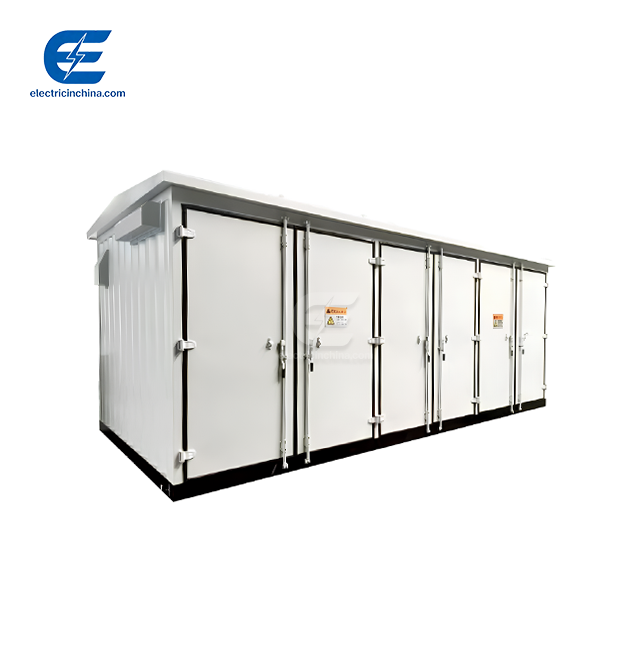
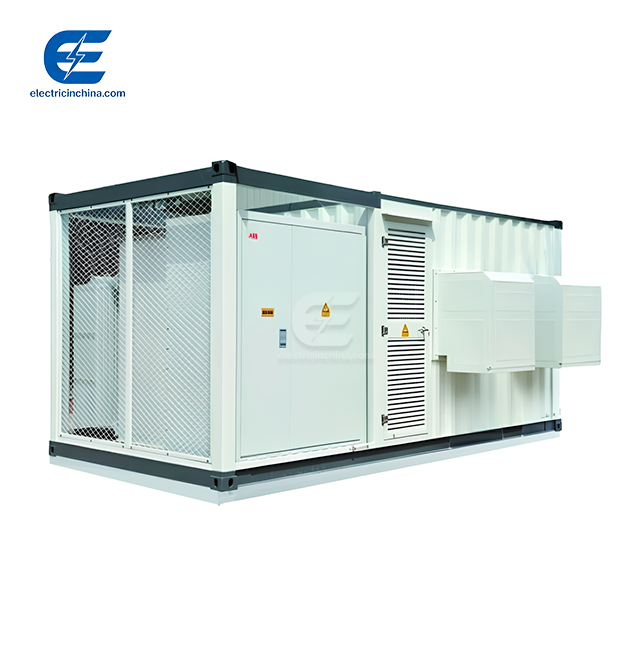
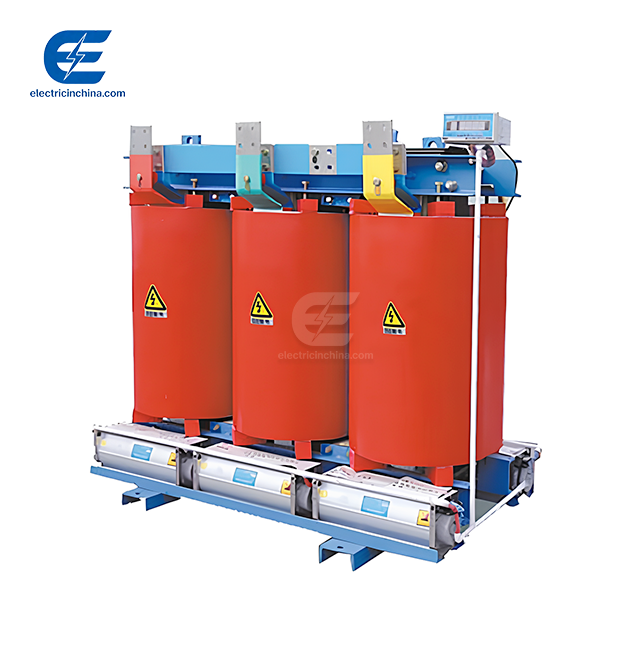
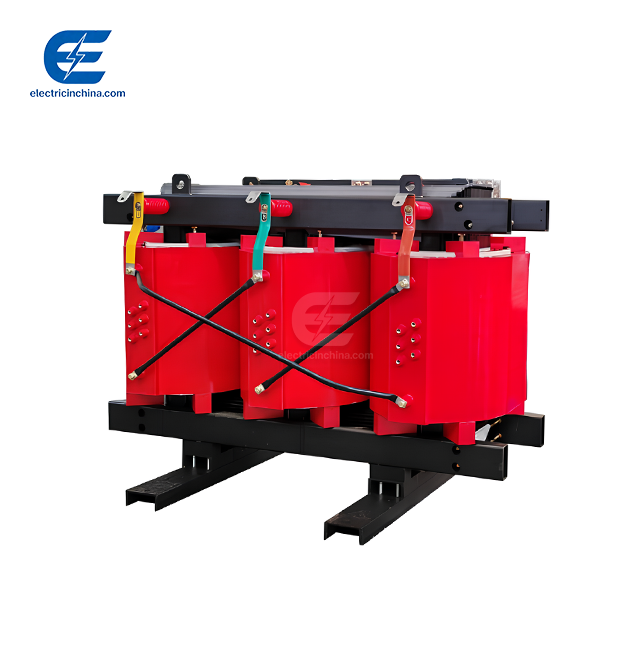
For Cast Resin Transformers to work at their best, several related parts must work together without any problems. The base is made of an epoxy resin sealing system that has a dielectric strength of more than 20 kV/mm and is completely resistant to water. High-quality copper or aluminum windings keep energy losses to a minimum, and new core materials cut no-load losses by a large amount. Insulation systems with a thermal class of F or H can keep working at high temperatures without breaking down. Built-in temperature tracking and smart alarm features stop overheating situations before they hurt performance. Long-term dependability is ensured by keeping partial discharge levels below 10 pC at the maximum voltage. When combined with their high mechanical strength and small size, these modern dry-type transformers have efficiency scores that reach 99.5%. This makes them perfect for harsh industrial settings where dependability cannot be sacrificed.
Understanding Cast Resin Transformers: Performance Fundamentals
Most of the time, I don't notice the quiet work of power distribution equipment when I walk through factories or business buildings. But this smooth flow of energy is made possible by advanced technology that has changed how safe and reliable the electricity grid is.
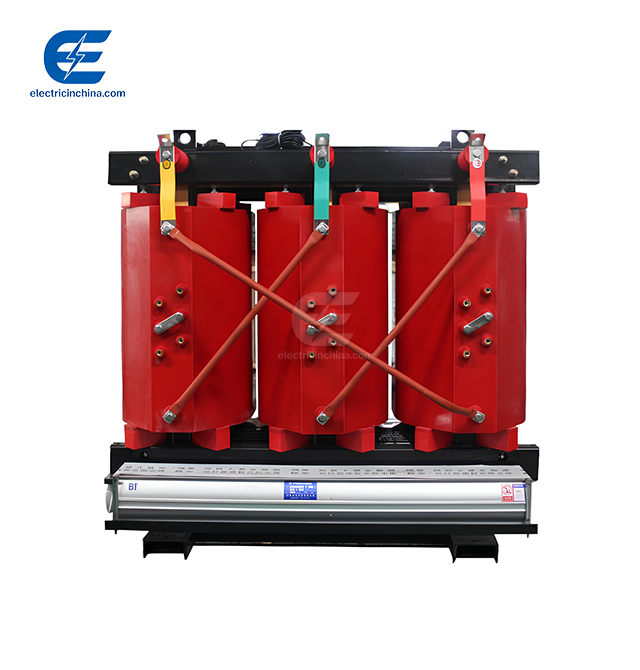
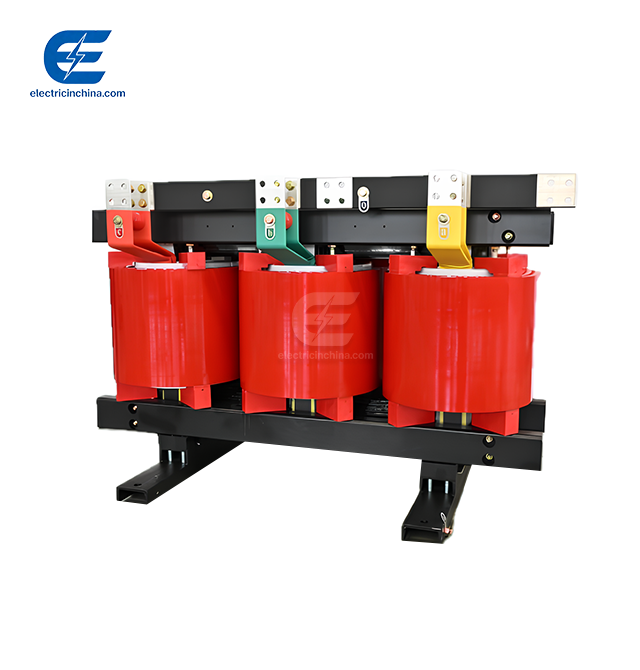
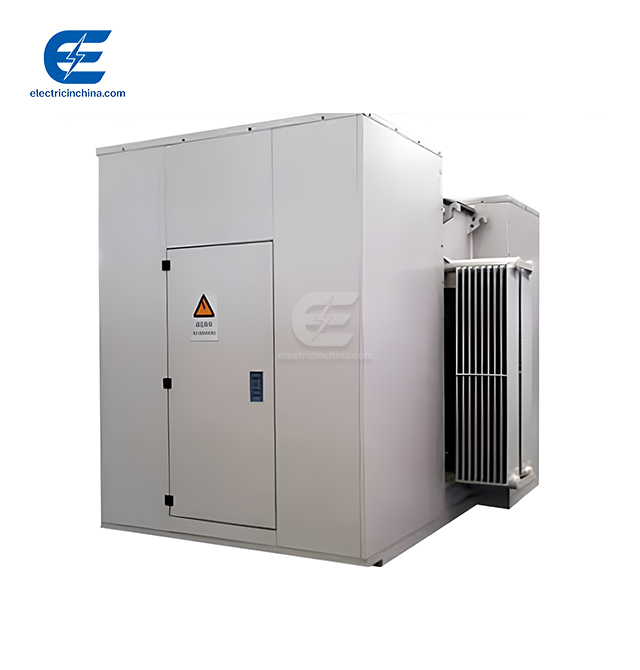
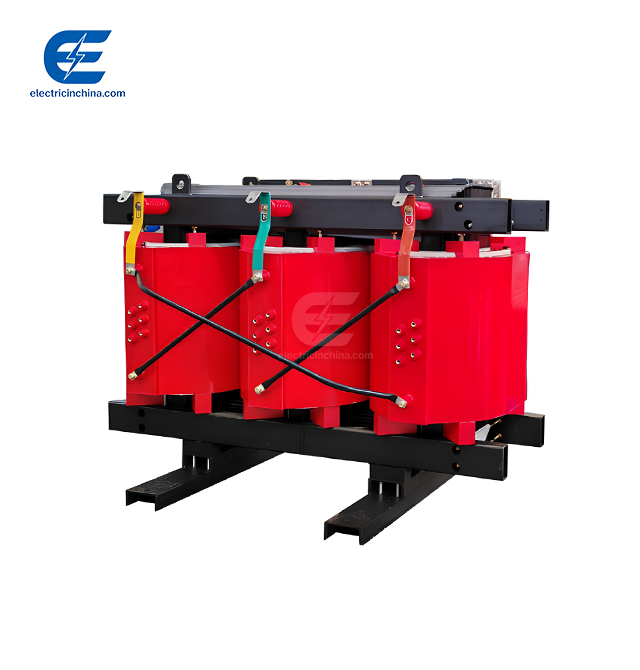
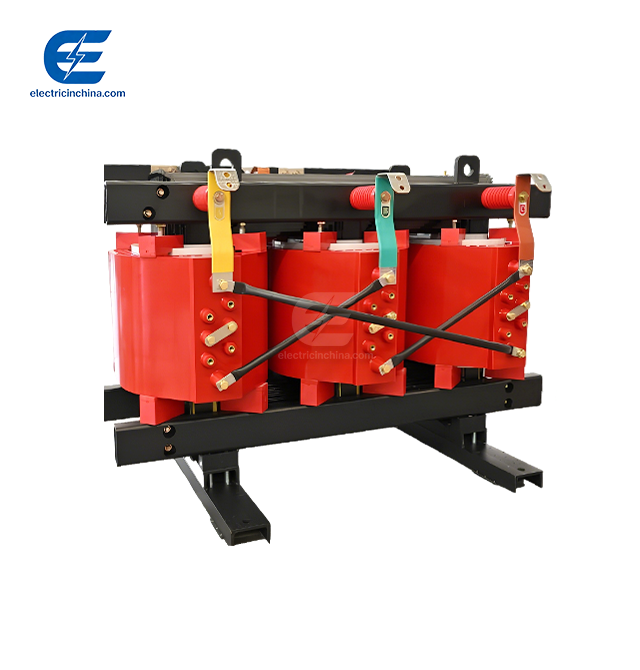
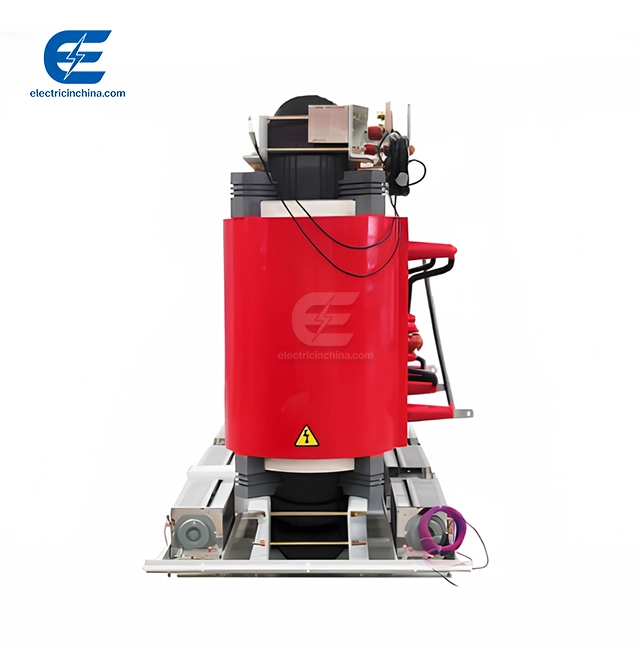
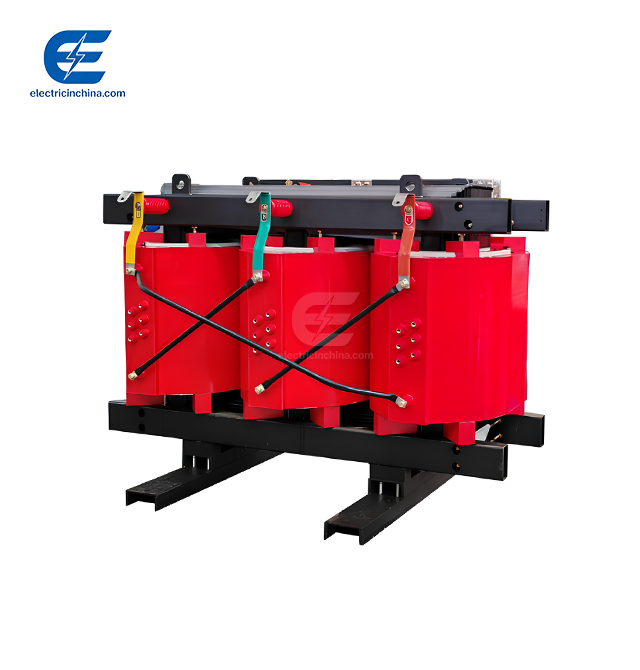
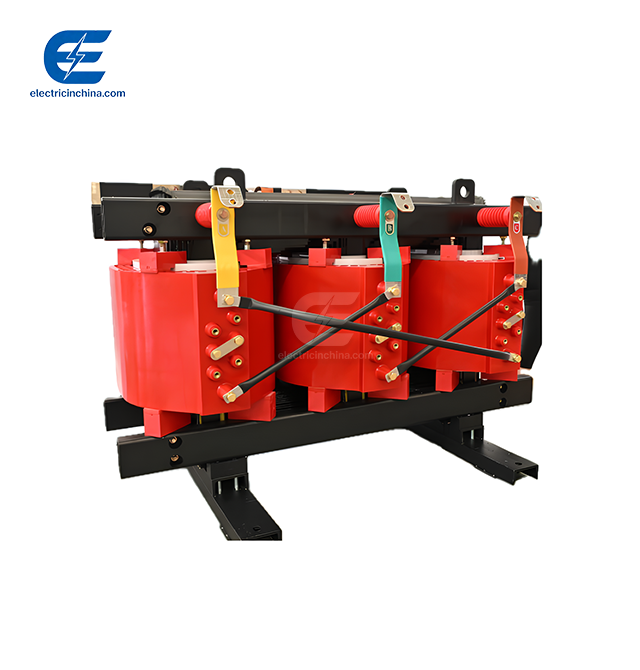
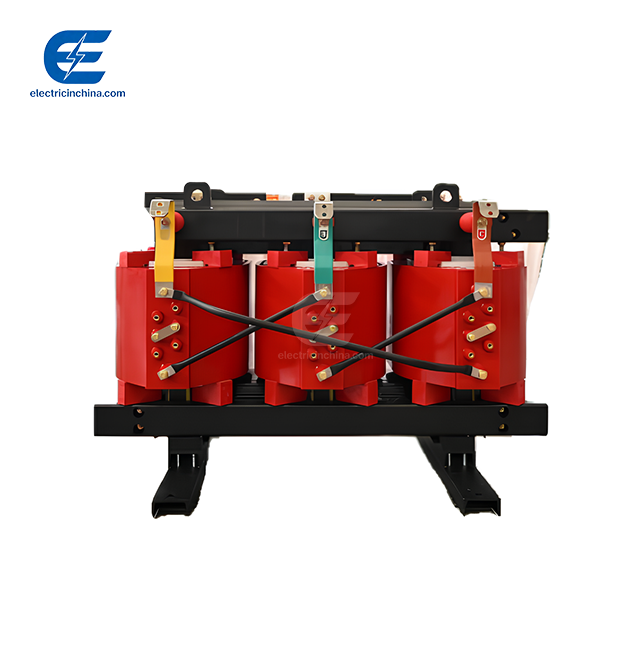
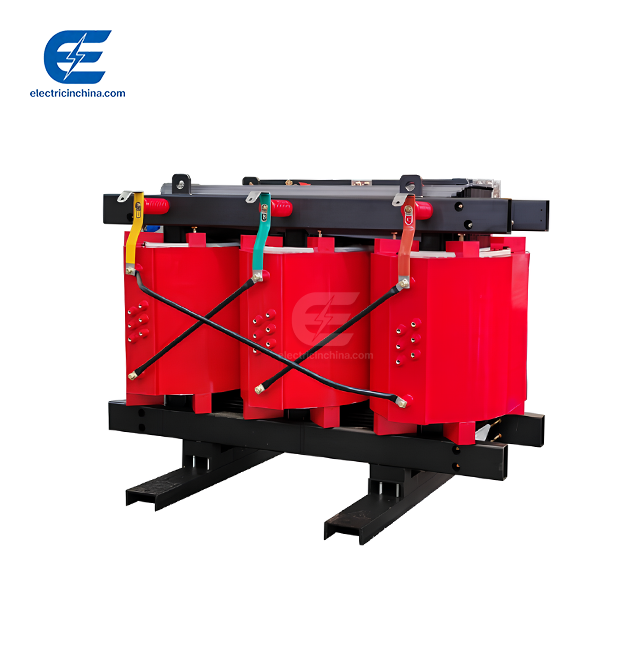
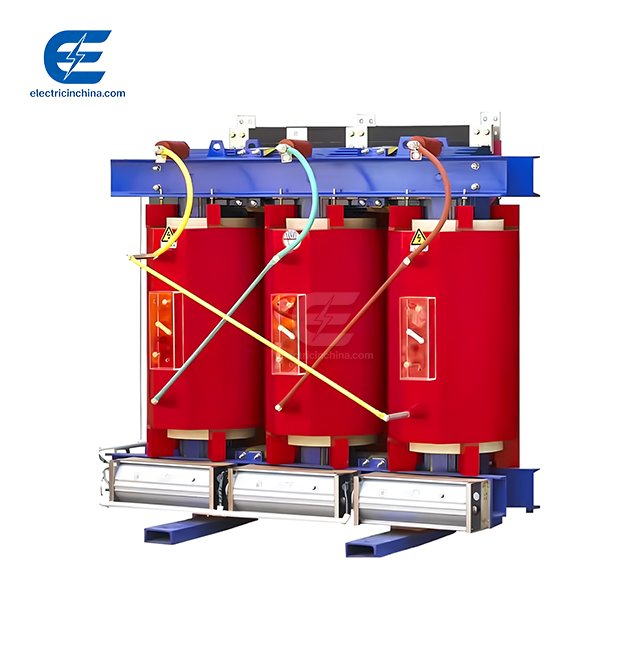
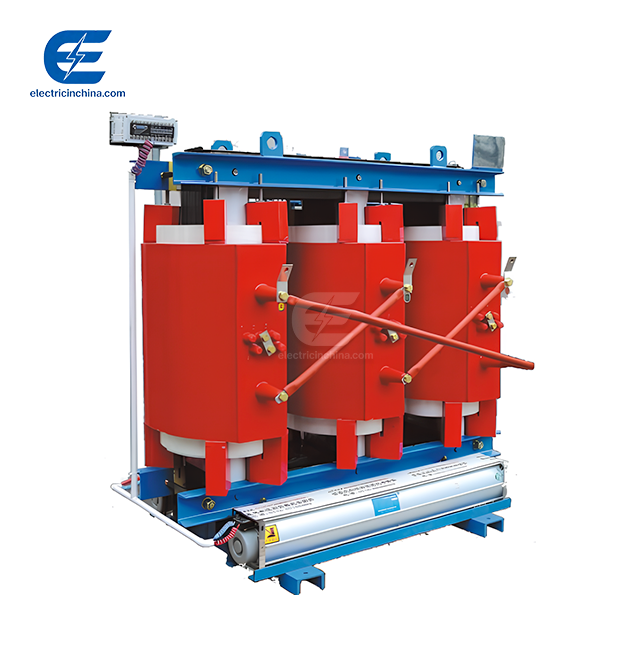
Cast Resin Transformers are a big change in the way power is distributed. These dry-type transformers are different from oil-filled ones because they use vacuum-cast epoxy glue to cover the main and secondary windings. This engineering method gets rid of the fire risks that come with mineral oil while also protecting the environment from contamination.
Core Design Principles That Define Reliability
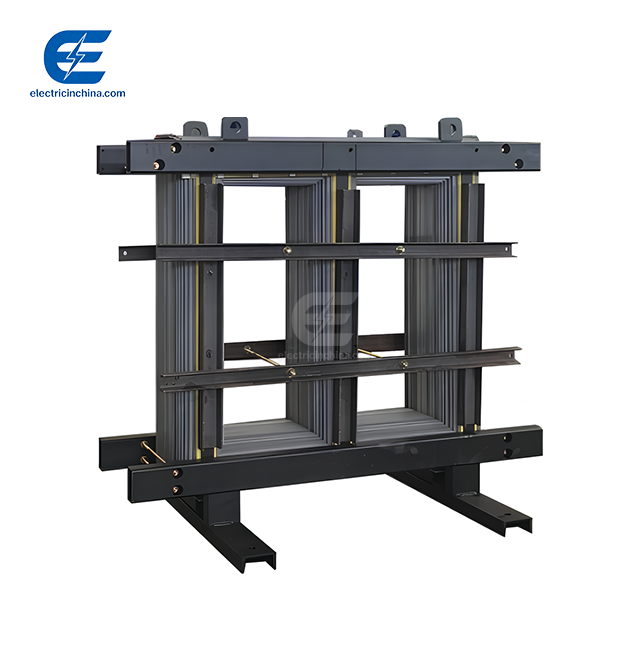
The encapsulation process takes place in a vacuum, which gets rid of any air pockets that might damage the structure of the insulation. In the heart, silicon steel laminations cut down on magnetic losses, and the resin system keeps the structure stable when there is a short circuit. With this way of building, transformers can handle surge voltages of up to 200kV without the insulation breaking down.
Temperature control is what makes these systems last a long time. The epoxy glue is a thermal conductor, which means it helps heat escape through natural airflow. For class F systems, the rise in winding temperature stays below 100K. This makes sure that materials work well within safe thermal limits. This temperature stability is especially useful in closed sites where airflow may be limited.
Application Environments Across Industrial Sectors
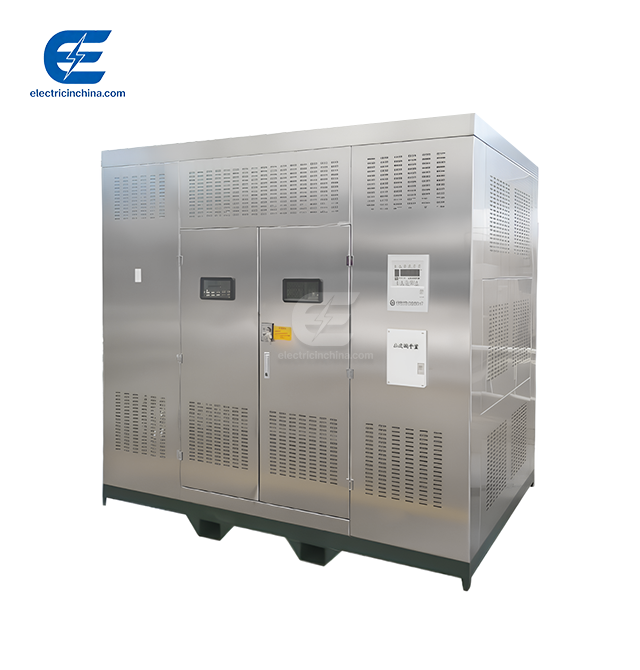
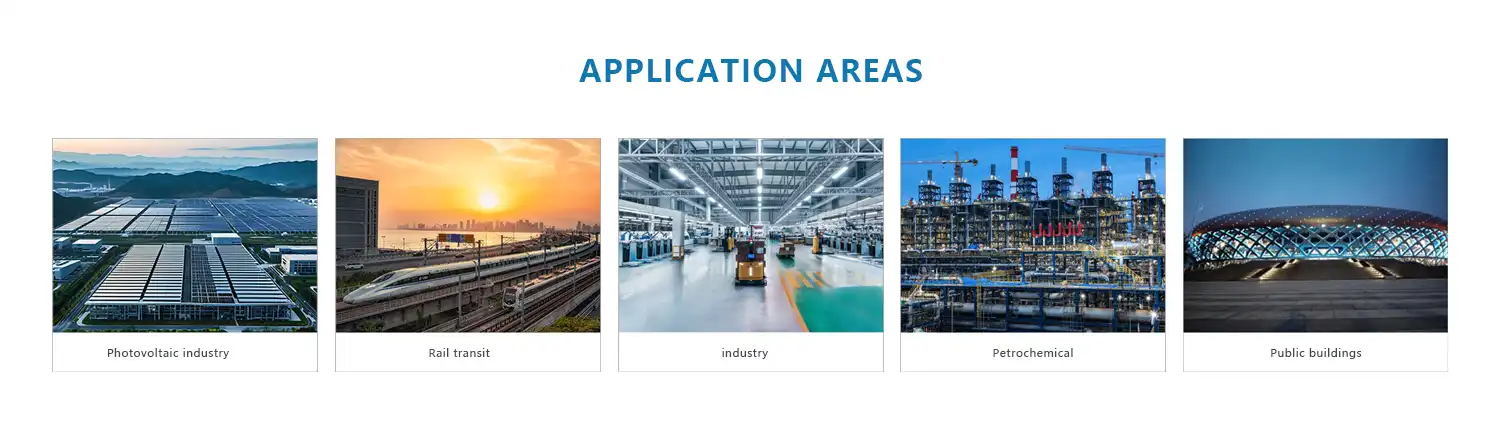
The strong construction can handle dust, chemical vapors, and temperature changes from -40°C to +40°C, which is good for manufacturing plants. Data centers put these units close to computer racks because they are 20–30% smaller than oil-filled options and have small dimensions. Railway substations and airport terminals depend on not needing any repairs. If service is interrupted, it would affect thousands of visitors every day.
The sealed construction has protection levels from IP23 to IP54, which means that even when the humidity hits 95%, water can't get in. This ability to withstand environmental damage is what makes adoption so common in seaside industrial areas and warm climate zones. When procurement teams look at different transformer choices, they need to make sure that these environmental skills are matched with the practical needs of the place to make sure there are enough safety margins.
Critical Performance Factors to Maximize Efficiency
Over the 25-year life of a transformer, operating costs are directly affected by how well it uses energy. For every percentage point increase in efficiency, energy costs and carbon emissions go down by a measured amount.
Minimizing Core and Copper Losses
Core losses in Cast Resin Transformer steel laminations happen because of magnetic hysteresis and eddy currents. Compared to regular materials, these losses are much smaller in advanced silicon steel types with better grain direction. Precision manufacturing during core assembly keeps air holes from forming, which would raise the magnetizing current needs.
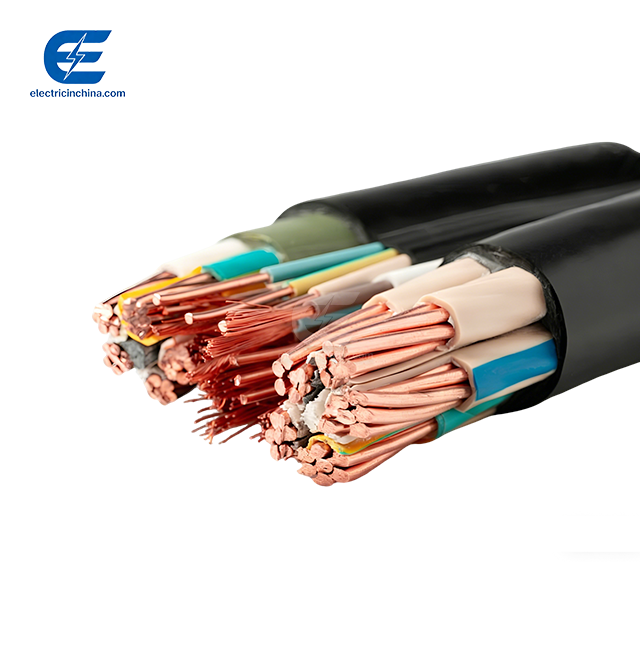
When the load is on, resistance heat in the windings causes copper to be lost. To keep the size of the device small while minimizing I²R losses, winding design optimization weighs wire cross-sections against current density. Choosing between copper and aluminum windings has an impact on both how well they work and how much they cost at first. Copper has better conductivity than its aluminum counterparts, which means it reduces losses by about 15 to 20 percent. However, in some situations, aluminum windings are lighter.
Fifteen top engineers work at our factory, and they use electromagnetic simulation software to find the best settings for these design factors. Because of this scientific know-how, 18 new inventions have been patented that raise efficiency rates to 99.5%, which is much higher than the requirements set by GB/T 10228.
Advanced Temperature Management Systems
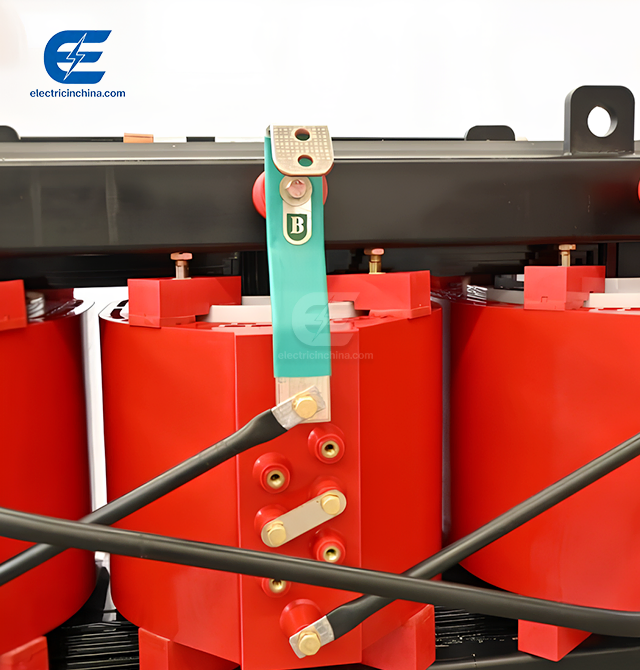
How transformers react to changes in load and changes in the temperature of the environment depends on their thermal stability. The BWDK thermometer system checks the temperature of the windings at several locations and sends real-time information to systems that run buildings. When certain temperatures are reached, alarms go off, and the power is cut off automatically before heat damage happens.
Pathways for heat to escape through epoxy glue and into the air must be carefully planned during the design phase. The shape of the ventilation path changes how natural convection works. Units can handle 150% of their normal load as long as there is enough airflow to keep the cooling system cool. This is useful when demand is high. During the summer, when temperatures rise and cooling loads rise at the same time, this thermal headroom is very important.
During plant acceptance testing, temperature rise tests make sure that the thermal performance is good under controlled circumstances. Before it is shipped, every transformer that leaves our plant goes through a full quality check that covers 120 production steps. This makes sure that the thermal features match the specification sheets.
Noise Reduction and Vibration Control
Acoustic performance affects both the setting at work and how well regulations are followed. Transformer noise is mostly caused by magnetostriction in the core steel, which happens when the magnetic flux cycles and changes the size of the steel. These movements are slowed down by core clamping and resin sealing, which keeps sound levels below 45 dB at the recommended load.
Installation is possible in filled buildings, office spaces, and healthcare facilities where noise comfort is important. This gives you more choices for where to put the transformers on the site; they can be put right at load centers instead of in faraway electrical rooms. Less wire runs mean less voltage drop and lower construction costs, which also makes the system work better.
Comparing Cast Resin Transformers with Other Types for Informed Decisions
When making a purchase choice, it's important to look at the technical performance, safety features, and total ownership costs of all transformer technologies.
Safety Advantages Over Oil-Filled Units
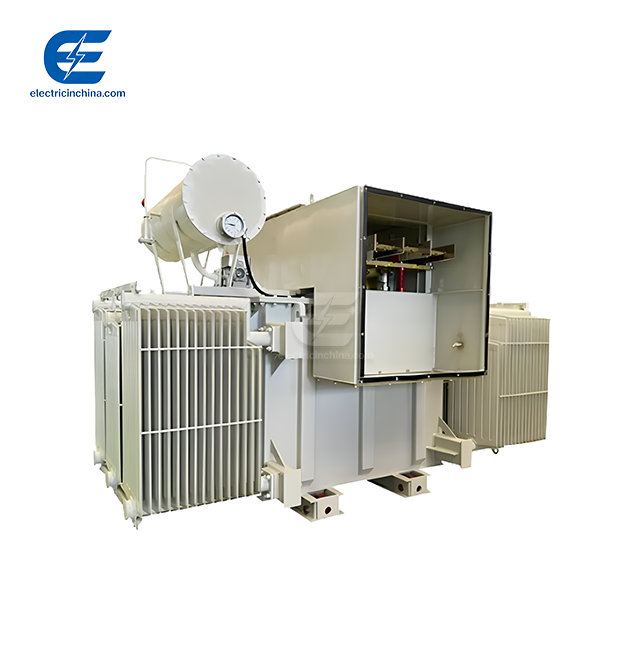
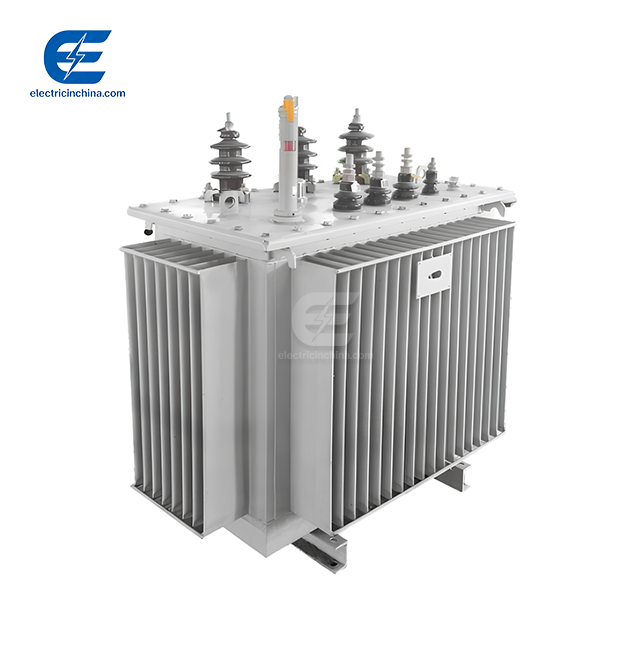
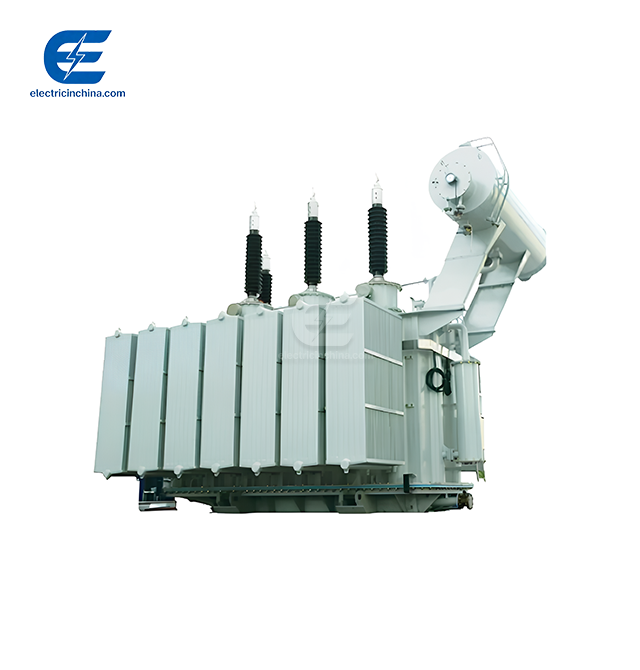
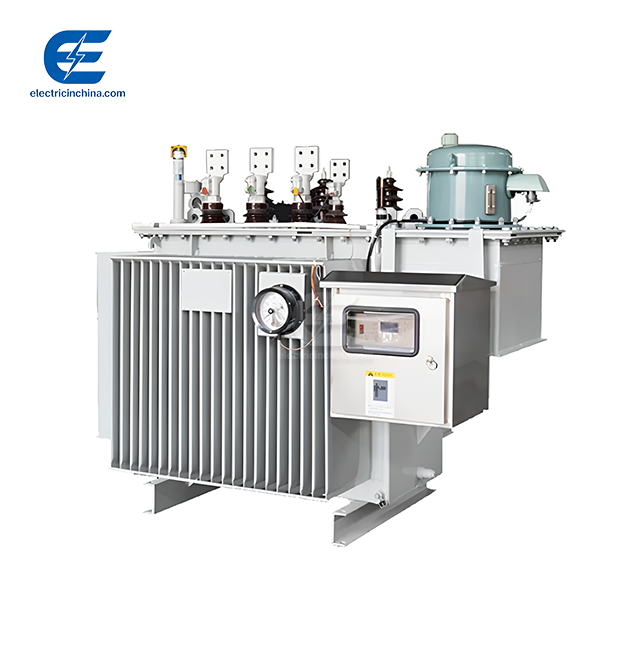
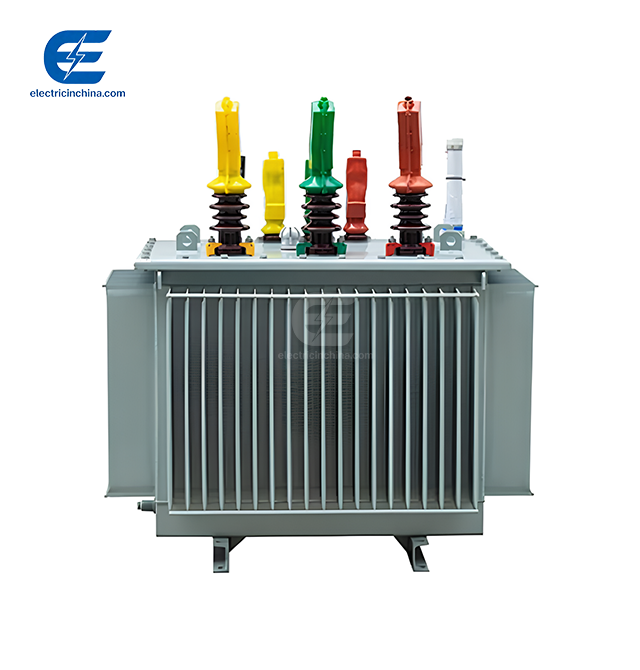
Cast Resin Transformer units that are filled with oil pose a fire risk that needs special fire control systems, storage structures, and space between them and occupied areas. Mineral oil breaks down into explosive gases, and leaks pollute the environment in ways that cost a lot to fix. The prices of insurance cover these risks, which add up over the life of the tools.
The epoxy glue system in dry-type transformers has self-extinguishing qualities that stop fires from spreading. Because of this built-in safety, they can be put in the basement, on the ground floor, or inside buildings without needing separate fire-rated shelters. When toxic fluids are taken out of electrical equipment, facility insurance costs go down.
Environmental laws are making it harder for oils that contain PCBs to be used and require systems to keep an eye on leaks in dielectrics made from petroleum. With dry-type technology, you don't have to worry about any of these safety issues. This makes getting permits easier and lowers your governmental reporting duties.
Durability Comparison with Other Dry-Type Designs
In older dry-type transformers, the design was open-winding, and air was used as the main insulator. These designs can still get dirty from flying particles, absorbing humidity, and corrosive chemicals in the air. Cleaning and checking for insulation resistance must be done on a regular basis as part of upkeep.
Vacuum-cast epoxy coating protects windings permanently for the whole time they are in use. The sealed design keeps the dielectric strength the same no matter what the outside conditions are. Units work regularly in places like steel mills with metal dust, chemical plants with corrosive vapors, and sea settings with air full of salt. This edge in durability cuts down on upkeep times and makes the product last longer than 25 years.
Performance testing using accelerated age methods backs up these claims of longevity. Before units go into production, they are tested for long-term dependability by exposing them to temperature changes, humidity, and contamination. These verification tests are done in our quality control lab using equipment that is set to international standards. This makes sure that all production batches work the same way.
Evaluating Capacity and Efficiency Metrics
Power levels between 30KVA and 31,500KVA can be used in a wide range of settings, from small businesses to big factories. The voltage ranges from 10kV to 35kV for main systems, which meets the needs of power distribution standards in all global markets. Customization options let you match transformer specs exactly to project electrical plans without making the equipment too big.
Loading trends change throughout the day and throughout the year, so measures of efficiency must take these into account. Low no-load losses are good for transformers that are only partially loaded most of the time. On the other hand, facilities that have high loads all the time try to keep copper losses as low as possible. When figuring out the total cost of ownership, you should include the estimated energy costs over the 25-year lifespan. Increasing the efficiency of equipment often justifies a higher starting investment.
The image of a brand affects buyers' trust, especially for installations that are very important to the goal. Companies like Schneider, Siemens, and ABB have been around for a long time and have built up a reputation for dependability. Our company has been in this competitive field for over 20 years and has completed hundreds of important power projects, such as the Xuzhou Rail Transit Network Control Center, which has dual-circuit power supply designs that make sure it is completely safe to use. This track record of completing projects shows that the seller has the technical know-how that procurement teams need to choose providers.
Maintenance Best Practices for Sustained Peak Performance
A big benefit of dry-type technology is that it doesn't need any upkeep. However, regular inspection procedures improve long-term performance and find problems before they cause service interruptions.
Routine Inspection Protocols
Visual inspections are done once a year to check the quality of the encapsulation for cracks or other damage that could affect how well the insulation works. It's important to keep track of how much surface contamination builds up, but protected construction usually stops the buildup from changing electrical qualities. To find high-resistance joints before they break, connection terminations need to be thermally scanned on a regular basis.
Functional testing is done on temperature tracking systems to make sure that warning setpoints stay set correctly, and that trip circuits work properly. Every three to five years, partial discharge testing is used to measure the state of the insulation and look for signs of wear and tear that might mean more research needs to be done. These tests don't damage the transformers, so they can be used while they're being tested.
Documentation of ambient conditions helps with fixing when speed issues come up. By writing down the temperature, humidity, and airflow conditions, you can use them as a starting point to make comparisons if you start to worry about thermal performance. This knowledge about the past is useful for checking to see if things at the spot have changed since the installation.
Predictive Maintenance Technologies
Infrared thermography finds hot spots that could mean there are problems with the link, the load isn't balanced, or there are cooling barriers. By tracking changes in temperature over time, you can see trends of degradation before they get too bad. With ultrasonic testing, partial discharge activity can be found that might not be seen with other testing methods.
Using predictive maintenance tools changes the way maintenance is done from fixing problems as they happen to taking steps to prevent problems before they happen. Taking care of problems as they arise during scheduled repair windows keeps them from happening at crucial production times when they are least expected. This method cuts down on the costs of downtime and increases the useful life of assets by taking corrective steps at the right time.
Supplier Partnership Value
When practical questions come up, technical support from the maker can help with troubleshooting. Purchasing teams can be sure of the quality of a product because it comes with a warranty that covers both material flaws and poor workmanship. After-sales service, such as having spare parts on hand and field service techs, helps with long-term operating needs.
Building ties with dependable suppliers adds value beyond the cost of buying the tools. Our team of 15 senior engineers, over 30 intermediate technicians, and 17 senior technicians helps us with all kinds of technology issues. This level of technical depth makes it possible to create unique solutions and quickly fix problems throughout the span of an item. We put customer service first because that's how we run our business: "technology first, service paramount, and integrity fundamental."
Procurement Insights: How to Choose the Right Cast Resin Transformer
To find the best transformer options for a project, you need to carefully look at the technical specs, the supplier's skills, and the total cost of ownership.
Defining Technical Requirements
The voltage levels, power capacities, and impedance values that match system safety requirements for a Cast Resin Transformer are the first parts of the electrical specs. Energy cost estimates and environmental goals should be used to set efficiency goals. The necessary safety grades and thermal class standards are based on the conditions of the placement.
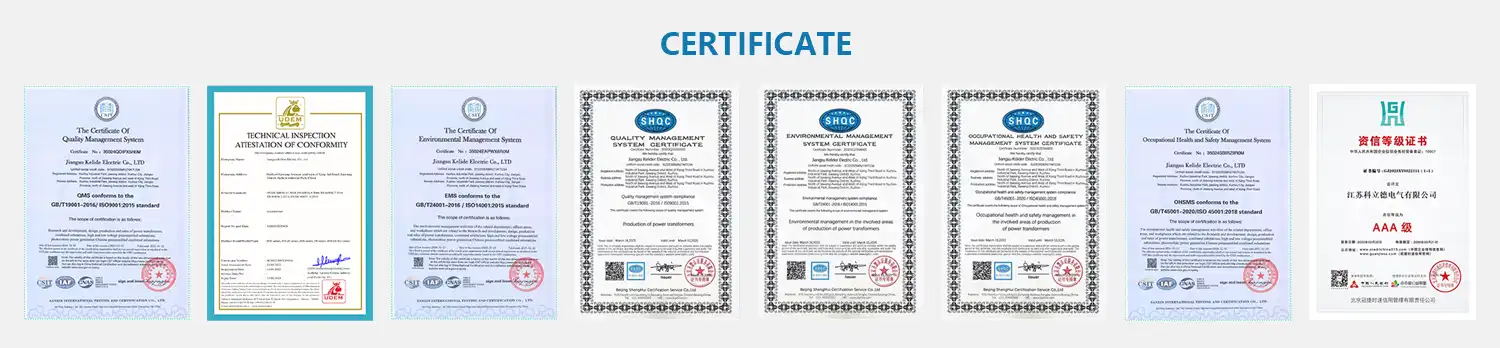
Different places have different safety certificates. In North America, products must be listed with UL; in Europe, they must have a CE mark, and in China, they must have a CCC certificate. Following IEC 60076, IEEE C57.12.01, and regional standards makes sure that it works with local laws and rules. Our items have ISO 9001, ISO 14001, and OHSAS 45001 certifications, which show that we care about quality control, being good to the environment, and meeting health and safety standards at work.
Evaluating Supplier Capabilities
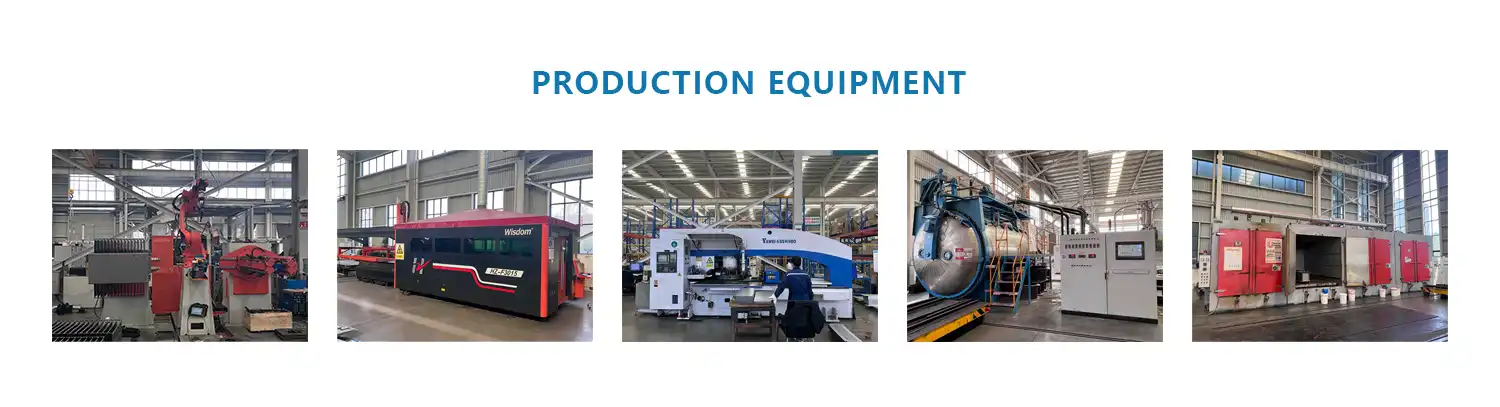
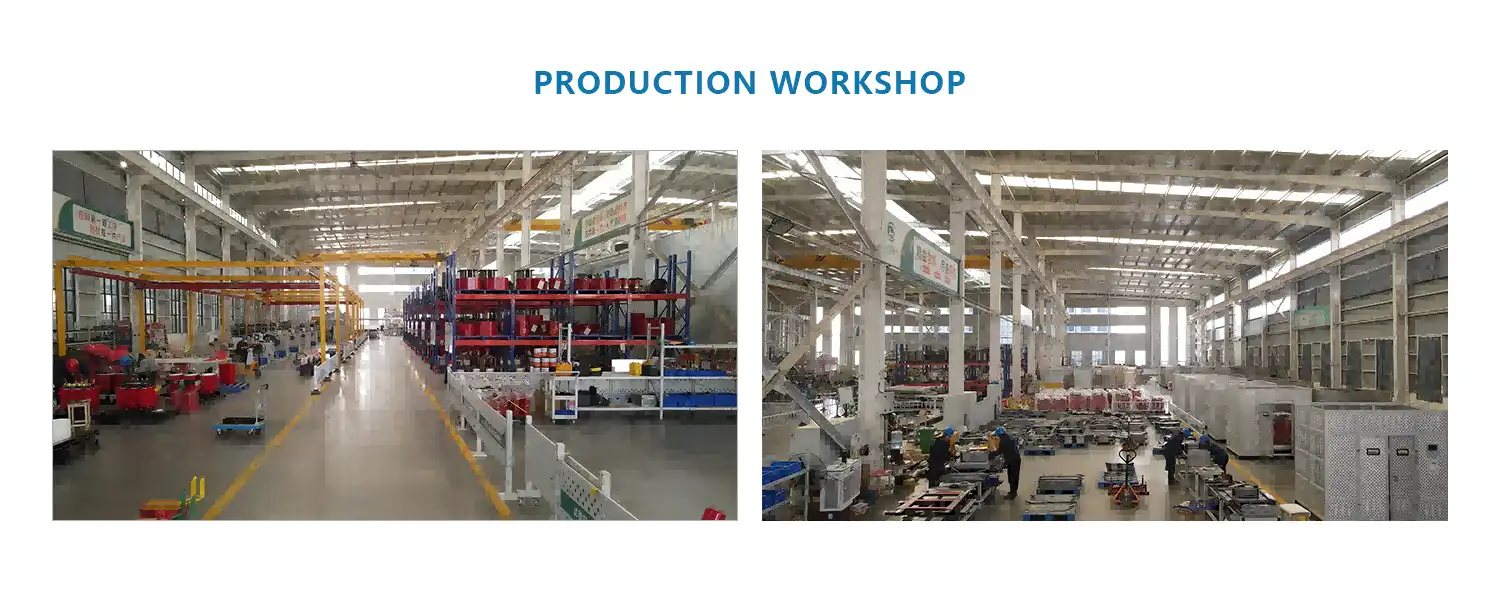
Delivery times and the ability to handle big orders are affected by the manufacturing capacity. Over 120 pieces of high-tech production equipment are used at our plant. This includes CNC automatic winding machines, CNC static vacuum casting equipment, automatic foil winding machines, and microcomputer-controlled gradient curing ovens. This industrial infrastructure supports high production rates that keep projects on schedule, even for big projects.
Quality control methods keep customers from getting bad goods. Following the standards of the ISO9001 quality management system, we keep a close eye on everything from getting the raw materials to delivering the finished product. The idea of "zero defects" leads every step of production, making sure that buying teams can rely on the quality of the products.
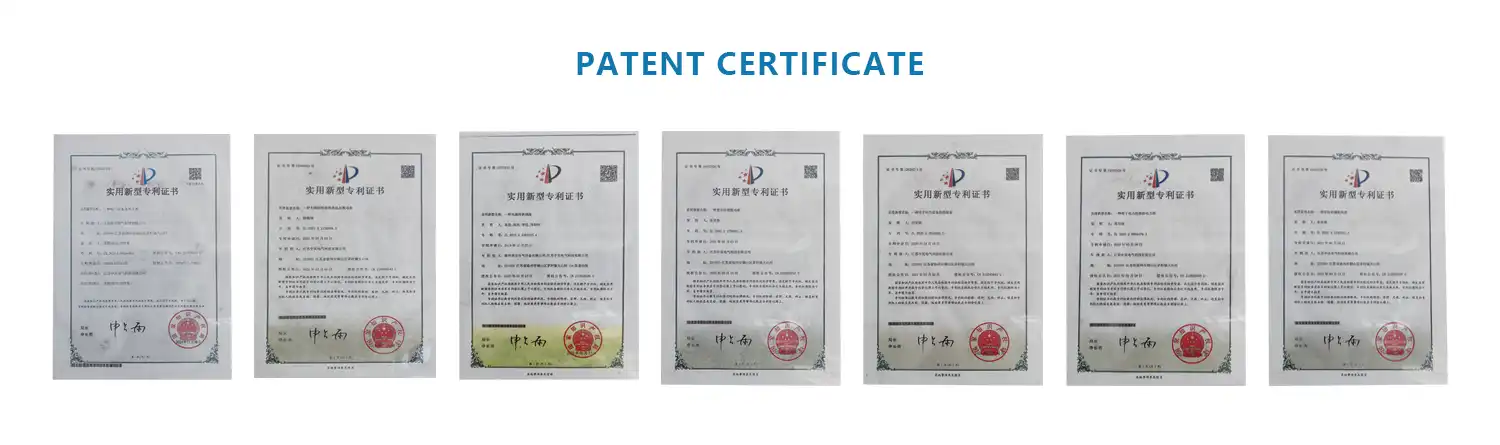
The ability to come up with new technologies leads to better product performance and a competitive edge. Our 18 patents show that we are committed to ongoing research and development, which leads to better product features. This focus on creativity makes sure that our transformers use the newest technology instead of old designs.
Total Cost of Ownership Analysis
The purchase price is only one part of the total costs over the life of the product. Over 25 years of use, energy losses usually top the initial investment in equipment. This means that improving efficiency is still a good idea, even though it costs more up front. The costs of maintenance are very different between technologies. For example, oil-filled units need to be tested regularly, have their oil filtered, and eventually be thrown away, while dry-type operations don't need any upkeep.
The cost of installation depends on how the spot needs to be prepared, how big the equipment is, and how hard it is to move. Smaller forms take up less room in buildings, and lighter weights make it easier to support structures. Being able to move transformers closer to load areas cuts down on cable runs, which saves money on materials and cuts down on electricity waste.
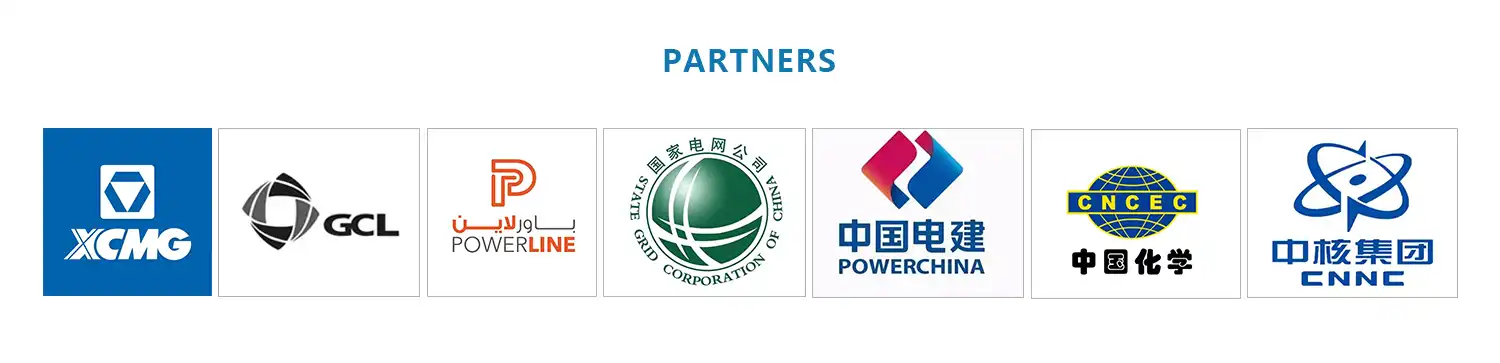
Reliability impacts extend beyond the cost of replacing broken equipment to include lost production during downtime. When manufacturing plants have unexpected downtime, they may lose a lot of money. As an example of our track record, we finished the XCMG Group power supply upgrade project early, which made sure that client activities could start on time and without any problems.
Conclusion
To choose transformers that keep working at their best, you need to know how epoxy resin encapsulation, quality materials, thermal management, and precise production work together to make reliable power distribution options. The things we've talked about in this study all work together. For example, insulation systems, winding design, and monitoring tools must all work with each other to get the best results. Dry-type technology has strong benefits in terms of safety, protecting the environment, and being easy to use, all of which are in line with current building needs. When procurement teams are looking at their choices, they should give more weight to suppliers who can show they have the technical knowledge, manufacturing skills, and support facilities to provide full solutions instead of just equipment.
FAQ
What voltage levels are available for cast resin transformers?
Standard setups work with main voltages ranging from 10kV to 35kV, which is enough for most power distribution systems around the world. Secondary voltages can be changed to fit the needs of the building. For industrial uses, they usually range from 380V to 690V. To meet the needs of a particular job, custom voltage configurations can be made.
How do efficiency ratings compare to oil-filled transformers?
Modern dry-type units have efficiency scores of 98.5% to 99.5%, which is the same as or better than oil-filled transformers. As industrial methods and materials have gotten better, the difference between technologies has shrunk a lot. Instead of just using nameplate values, studies of energy loss should look at specific working conditions.
What installation environments are suitable for these transformers?
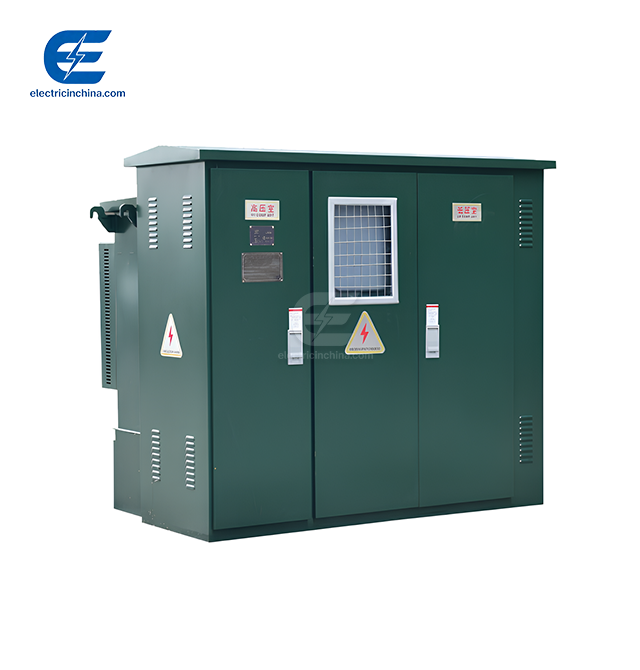
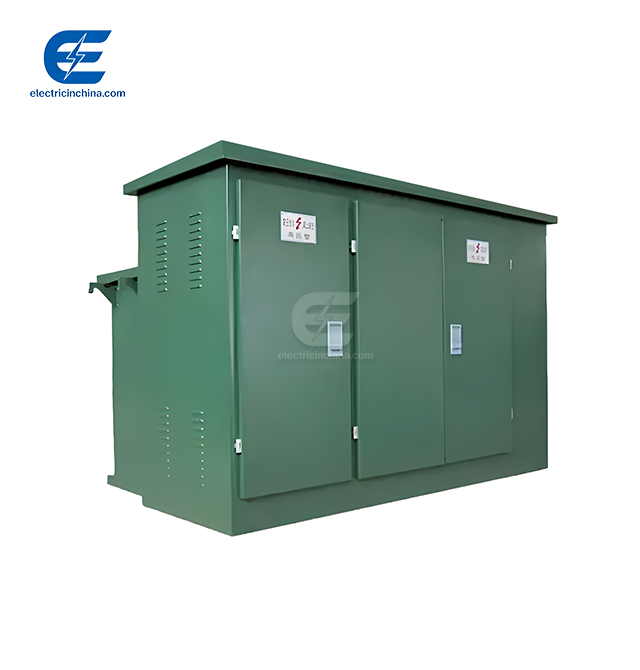
Most of the time, indoor installs happen in basements, ground floors, or electrical rooms. For outdoor projects to be safe from the weather, they need to be enclosed in the right protective materials. With an operating temperature range of -40°C to +40°C and a humidity tolerance of up to 95%, it can be used in a wide range of weather situations.
Partner with Tuojie for Reliable Cast Resin Transformer Solutions
Tuojie has been providing engineered power distribution systems for 20 years to government building projects, business developers, and industrial makers around the world. As a Cast Resin Transformer seller, we can make unique designs ranging from 30KVA to 31,500KVA using 18 patented technologies created by our 15 senior engineers. Before being shipped, every unit is checked for quality across 120 different production steps to make sure it meets ISO9001 standards. We know that project-based sourcing needs partners you can rely on to deliver on time and offer ongoing technical help. Email our team at tuojie@electricinchina.com to talk about your unique needs and find out how our all-in-one power solutions can help your next building project in a reliable way.
References
1. International Electrotechnical Commission. "Power Transformers - Part 1: General Requirements." IEC 60076-1 Standard, 2011 Edition with Amendments.
2. Institute of Electrical and Electronics Engineers. "Standard General Requirements for Liquid-Immersed Distribution, Power, and Regulating Transformers." IEEE C57.12.00-2015.
3. Zhang, Wei, and Liu, Xiaoming. "Thermal Performance Analysis of Cast Resin Dry-Type Transformers Under Variable Loading Conditions." Journal of Electrical Engineering Technology, Vol. 14, No. 3, 2019.
4. European Copper Institute. "Energy Efficiency in Distribution Transformers: Technology Assessment and Economic Analysis." Technical Report Series, Brussels, 2018.
5. National Electrical Manufacturers Association. "Guide for Transformer Loss Evaluation." NEMA TP 1-2018 Standard Publication.
6. Wang, Jianhua. "Development and Application of Epoxy Resin Cast Transformers in Urban Power Distribution Networks." Power System Technology Conference Proceedings, Beijing, 2020.