

.webp)
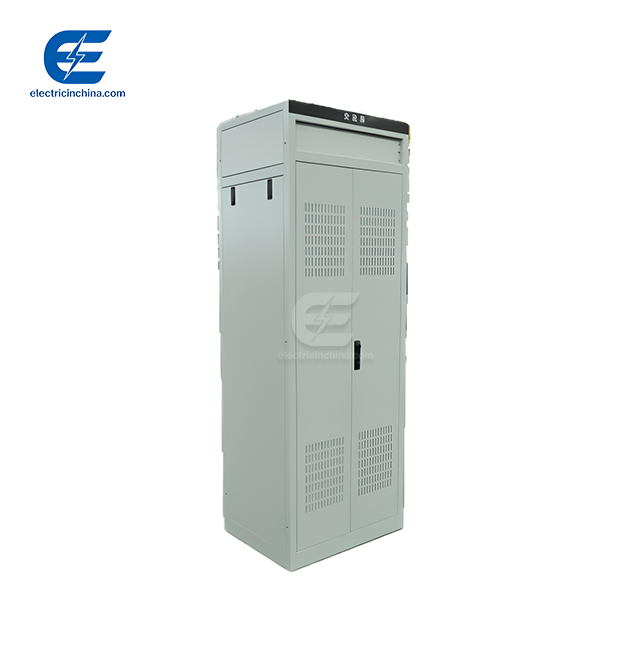
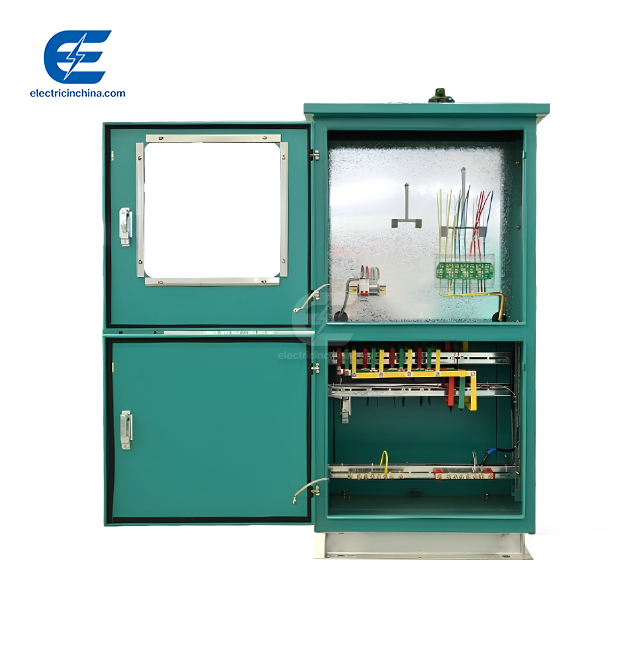
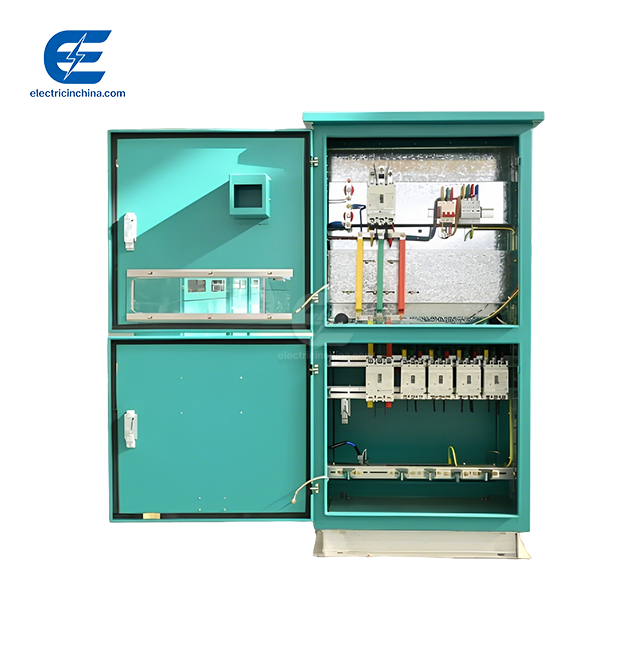
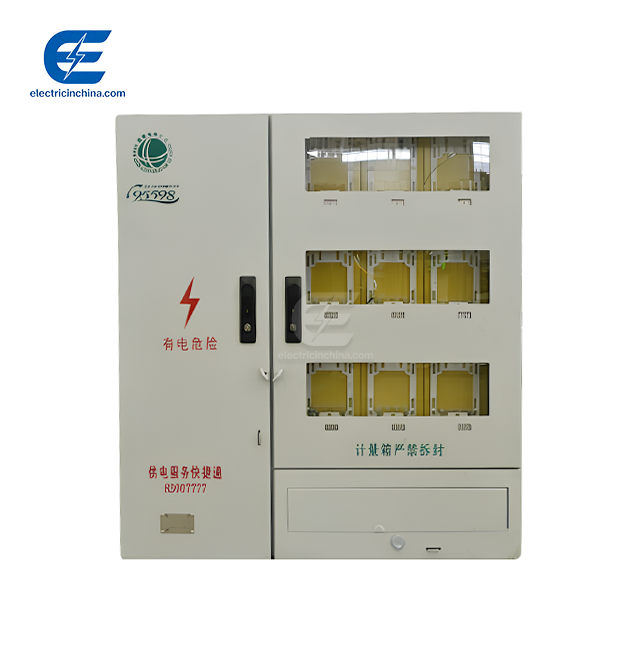
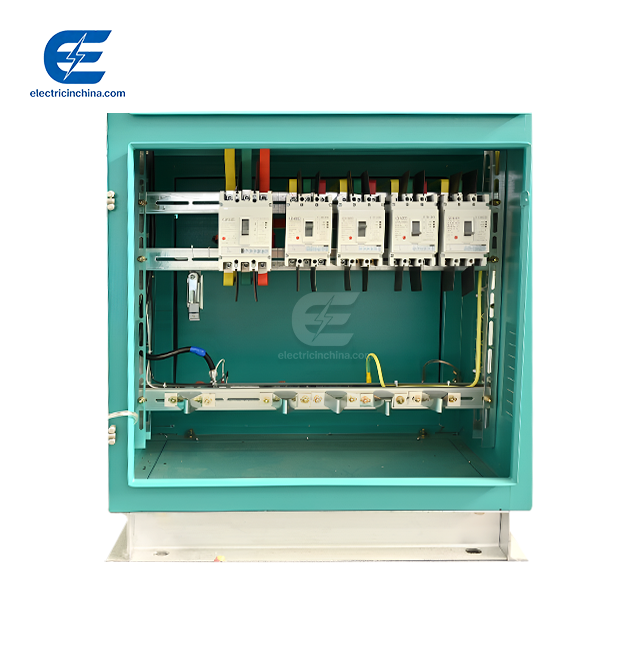
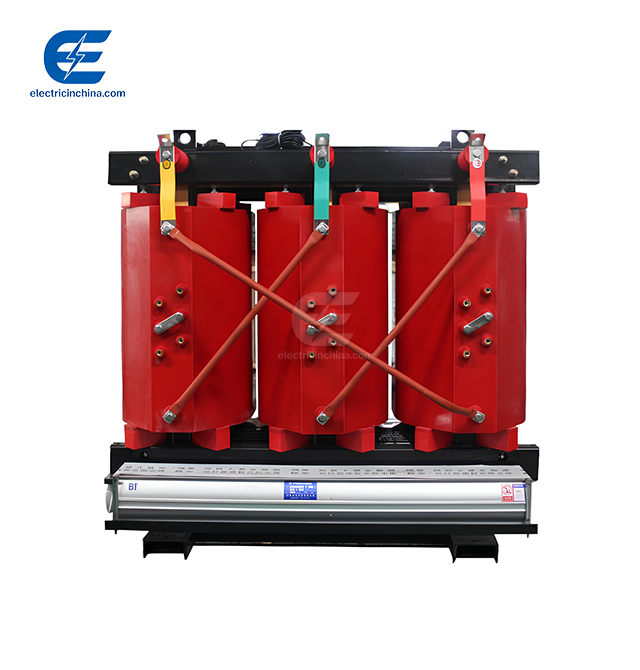
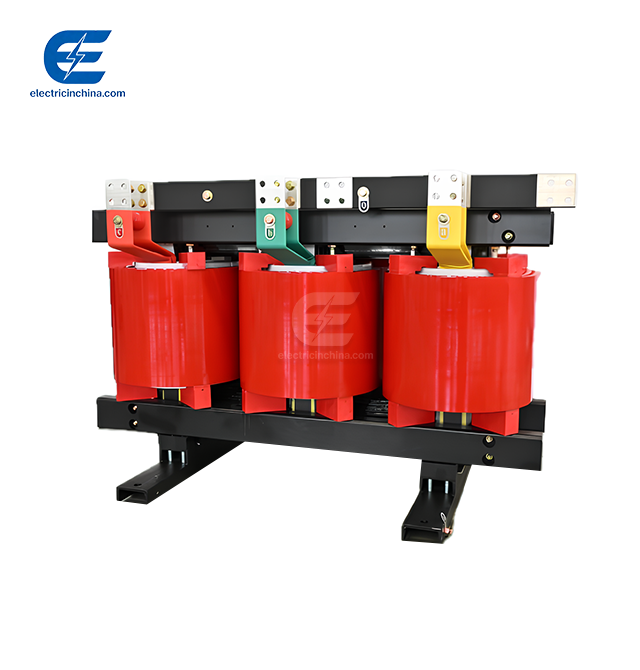
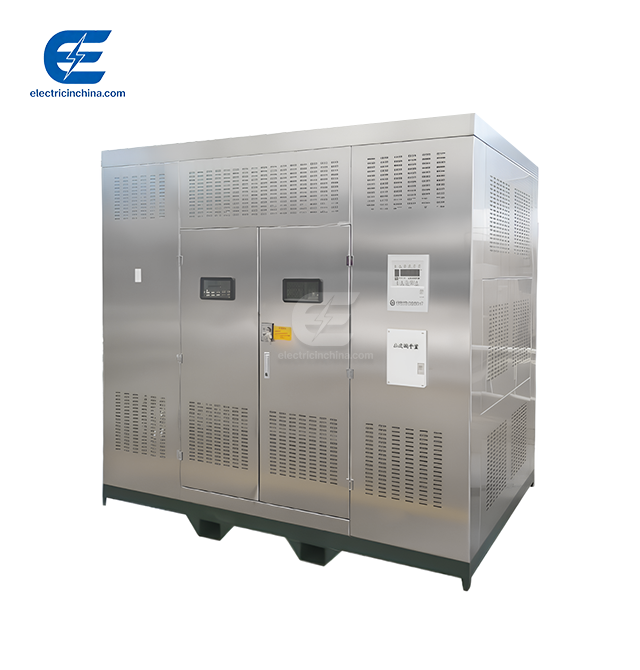
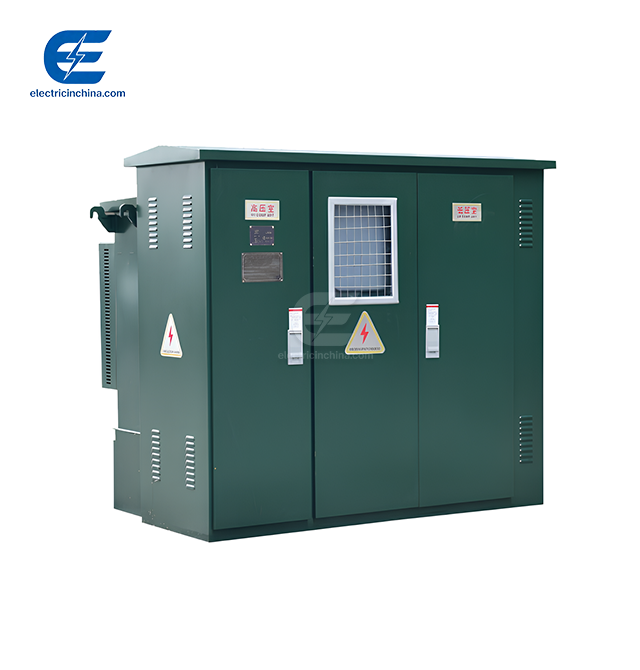
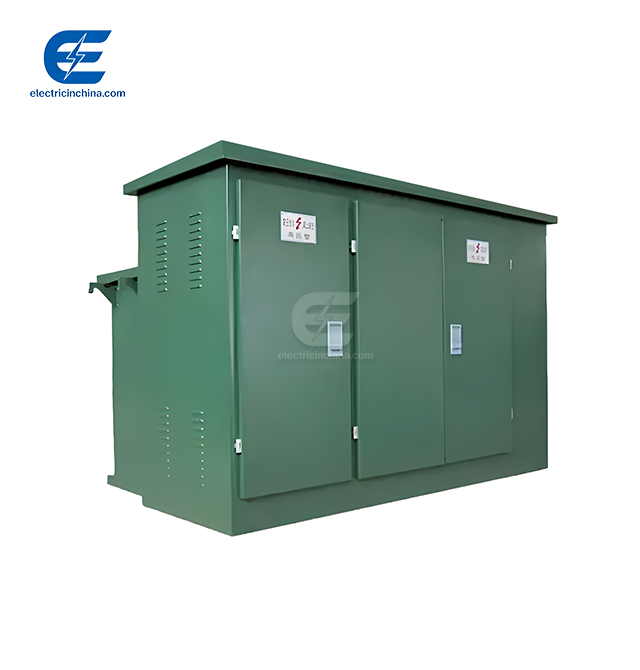
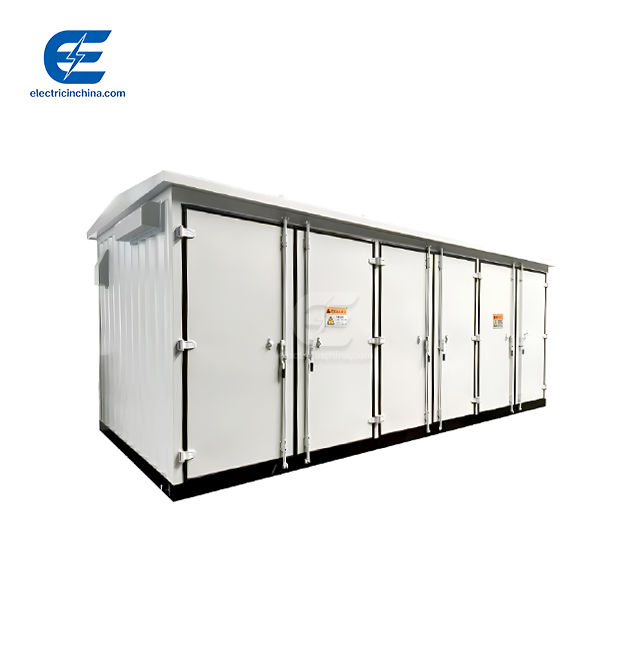
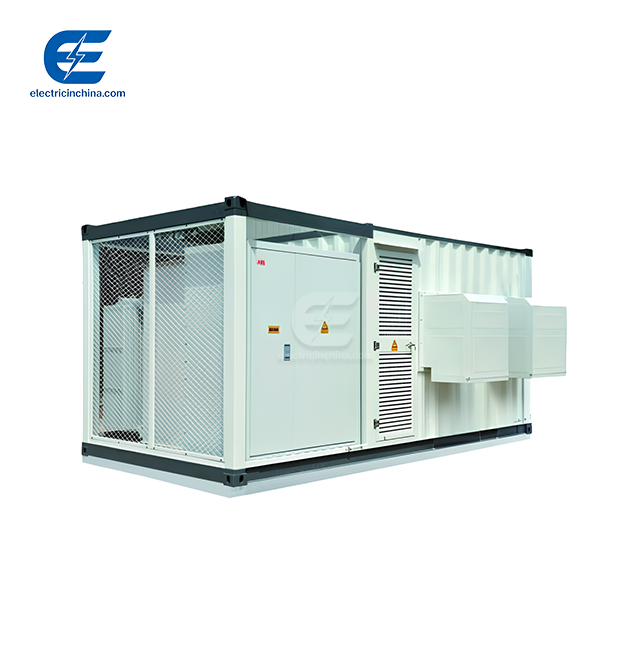
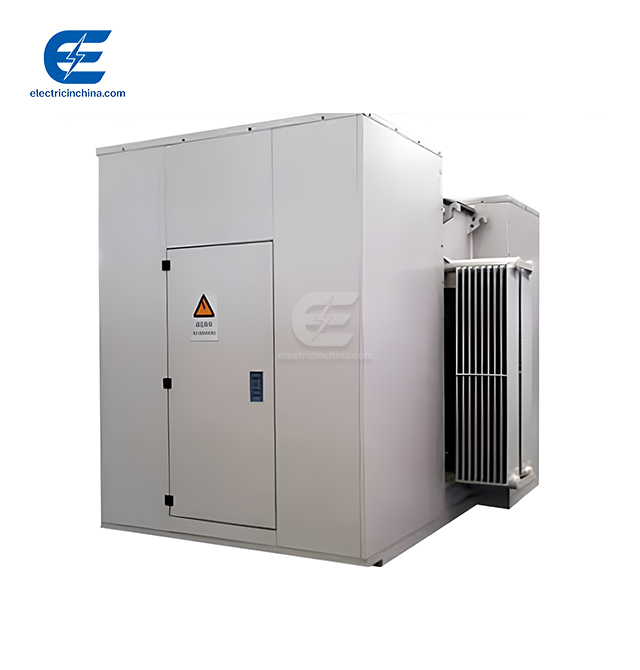
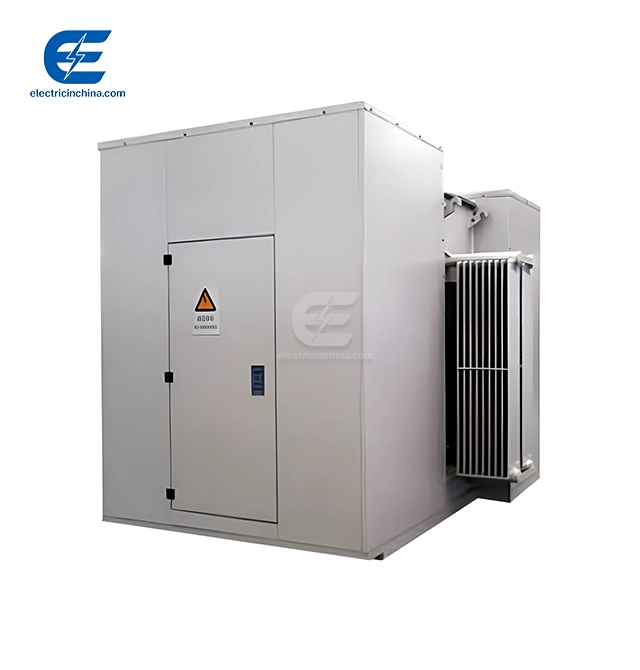
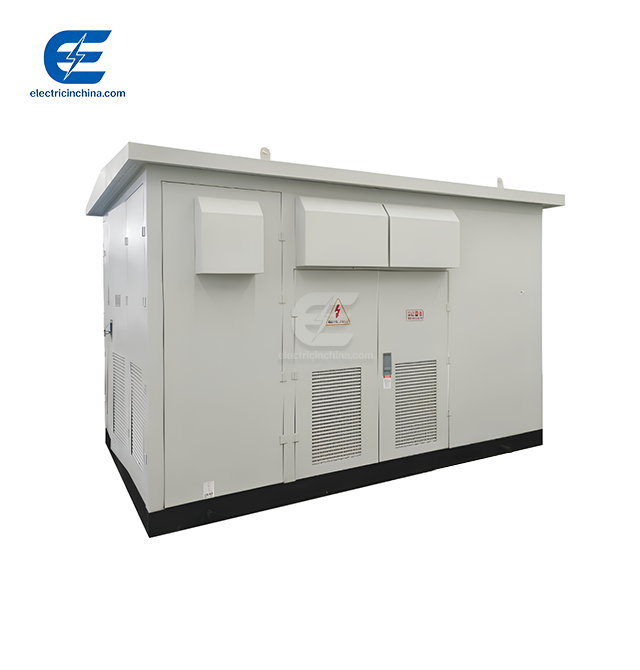
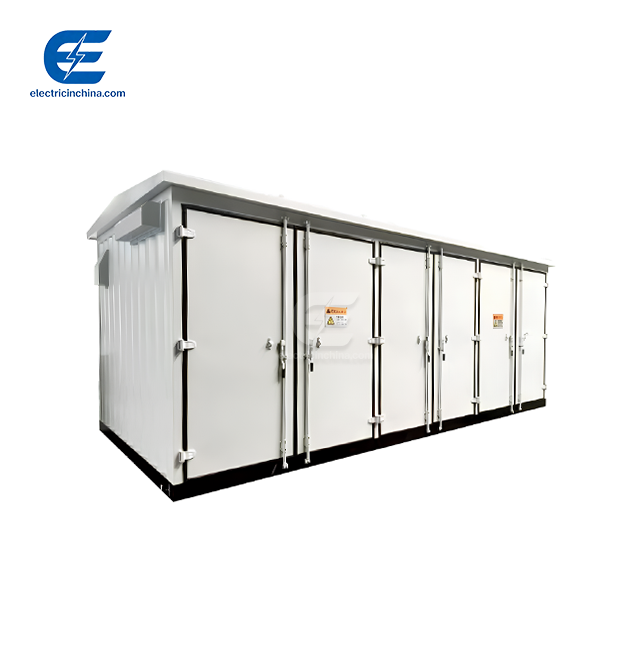
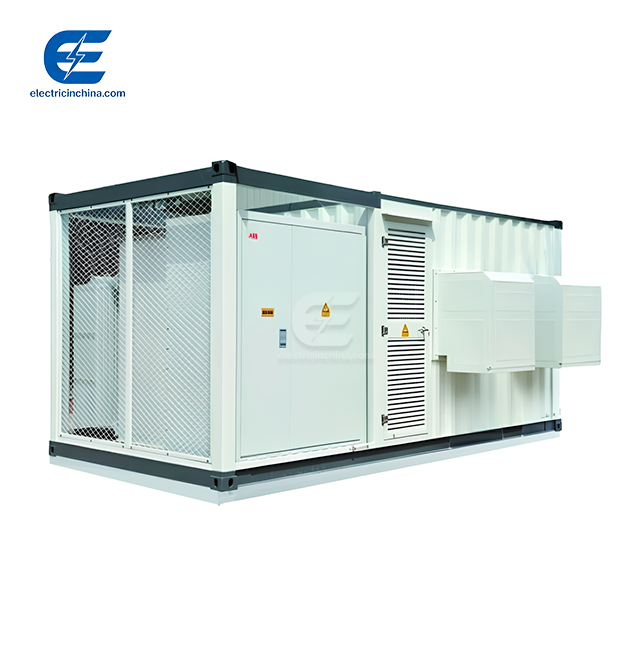
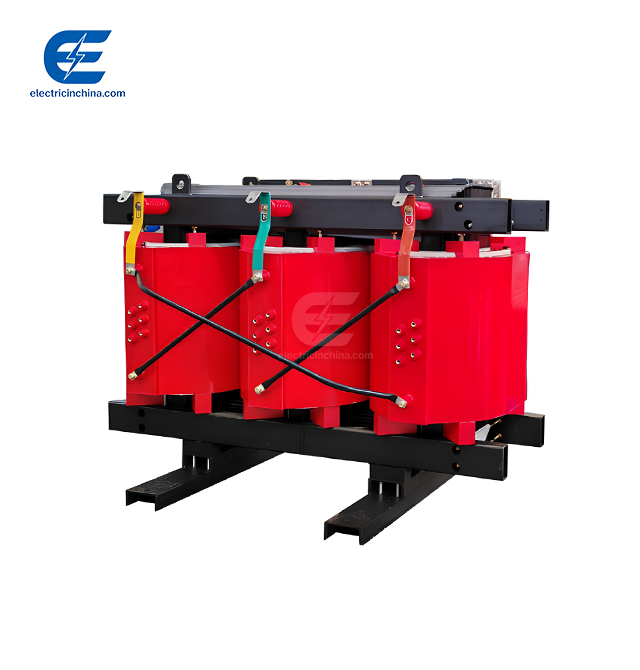
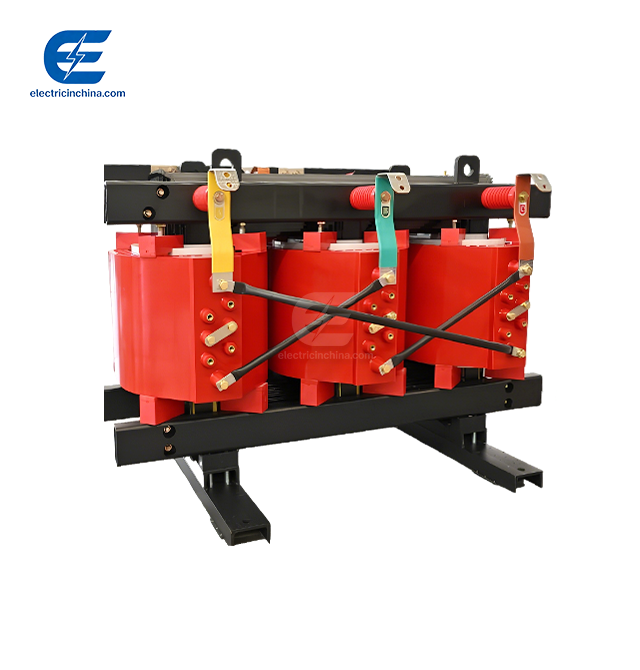
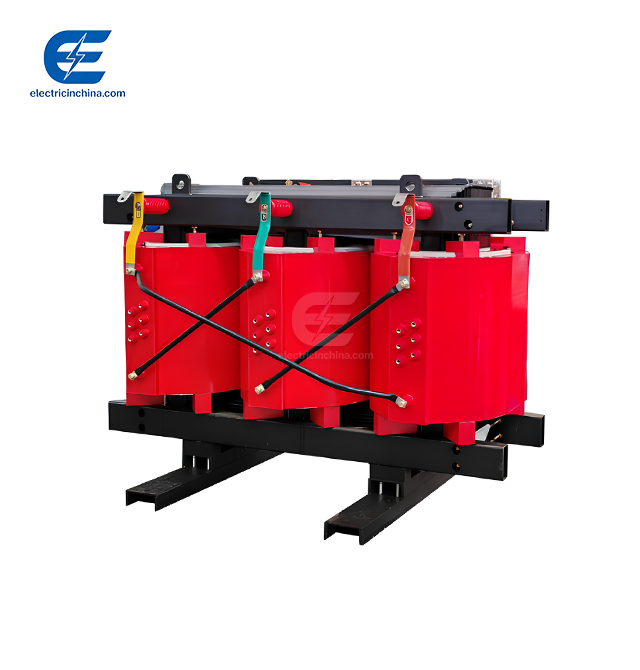
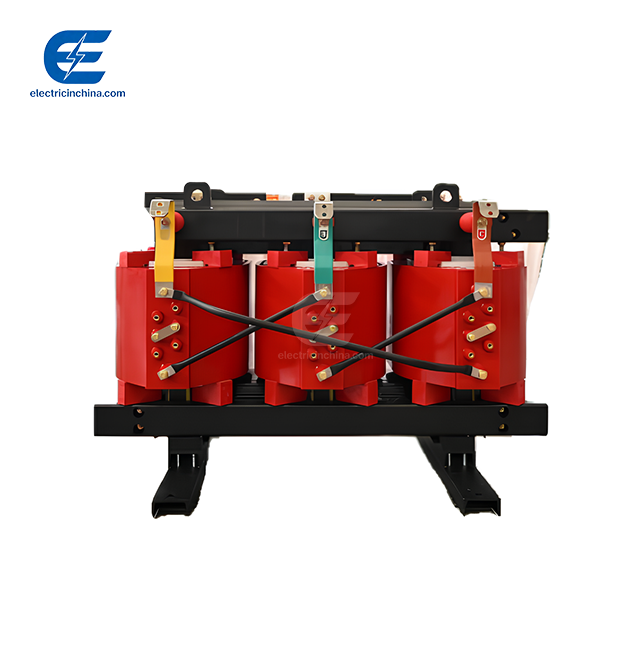
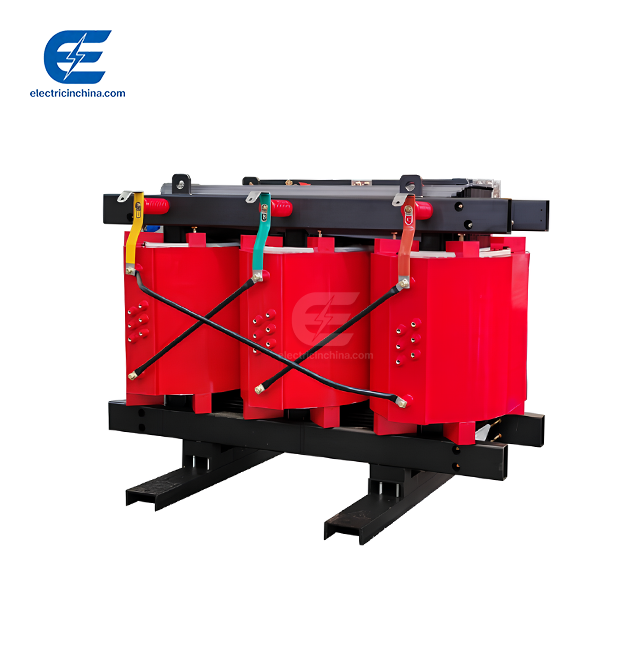
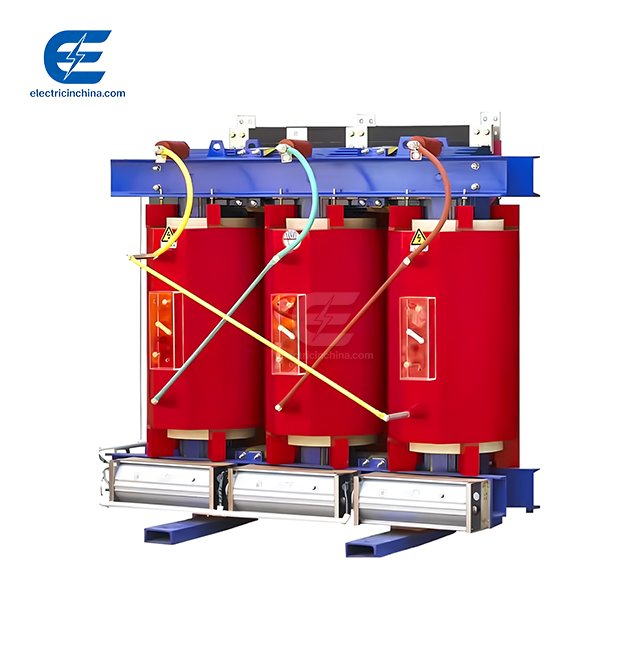
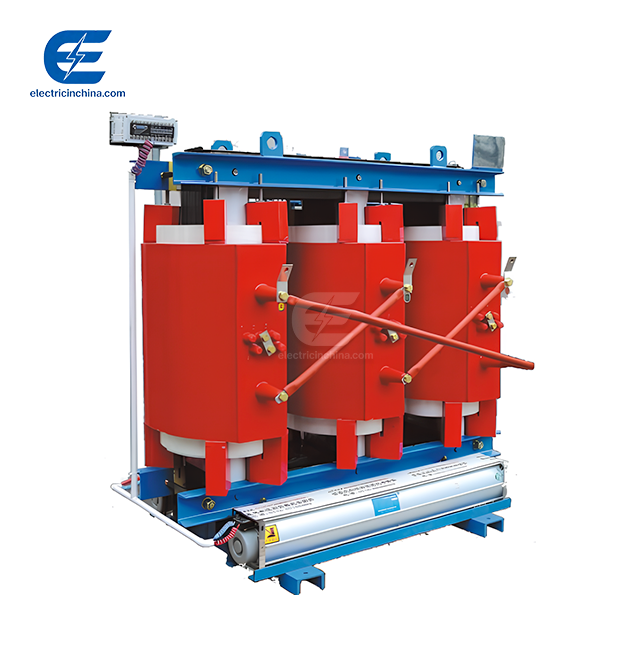
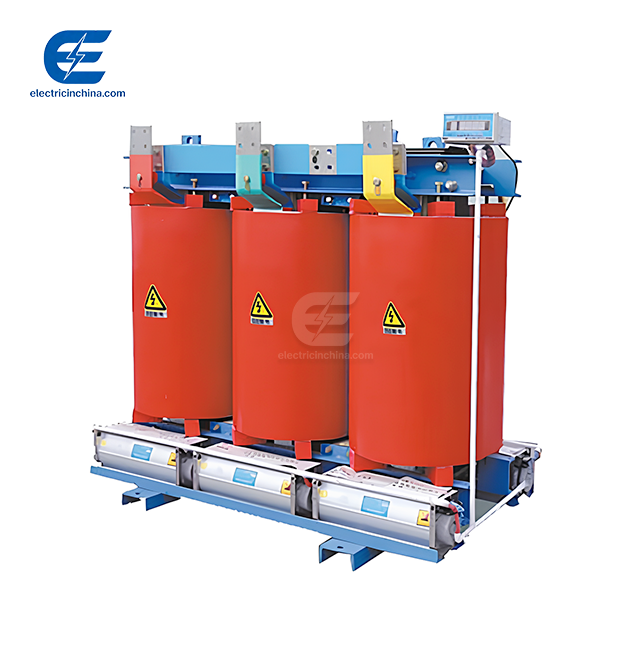
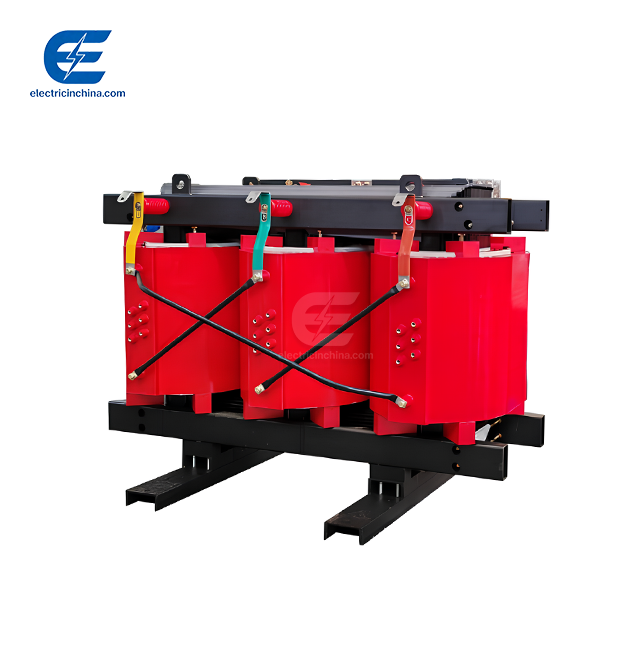
Transformers made of cast resin that are specifically made for solar uses are more efficient because they lose less energy and handle heat better. The SCB12 Cast Resin PV Transformer has an efficiency rate of over 98.5% because it reduces losses during power conversion, both when there is no load and when there is a load. Advanced epoxy resin encapsulation technology gets rid of heat problems caused by oil while keeping performance fixed as temperatures change. Compared to traditional oil-immersed models, these dry-type units lose 40–60% less energy during operation. This directly increases the energy output and return on investment of your solar system.
Understanding Cast Resin Technology and Its Role in Energy Efficiency
Learn about cast resin technology and how it can help save energy. When looking at different transformers for your solar project, knowing the basic changes in technology can help you make a smart purchase choice. Traditional transformers that are filled with oil have been used for decades, but they have some problems that make them less energy efficient and less safe to use.
The Core Difference: Dry-Type Construction
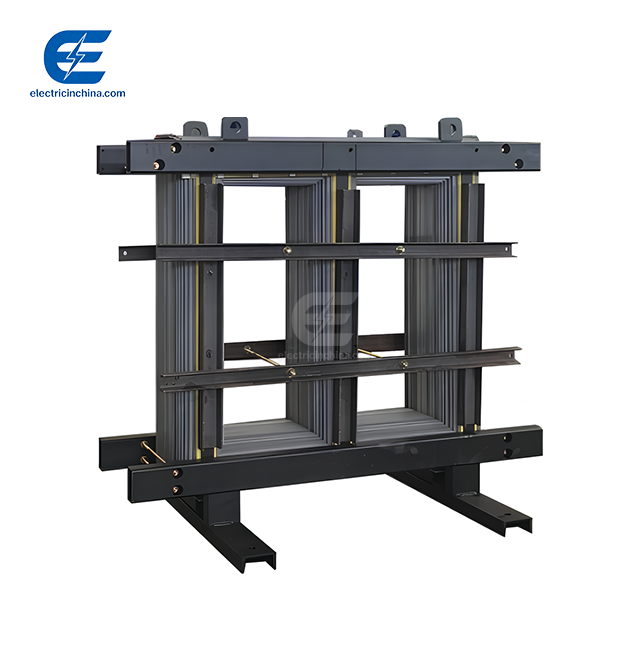
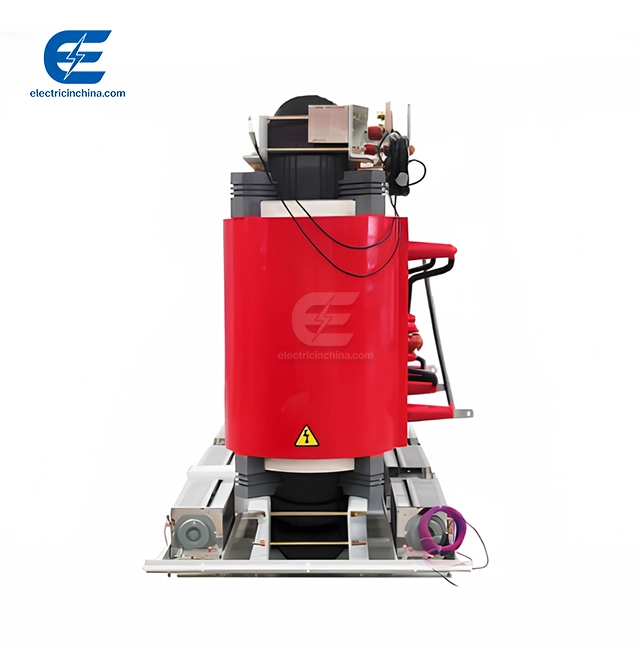
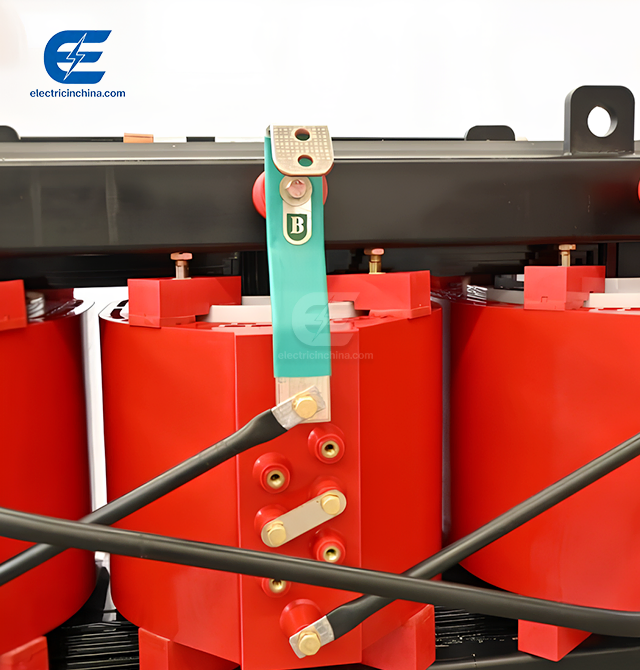
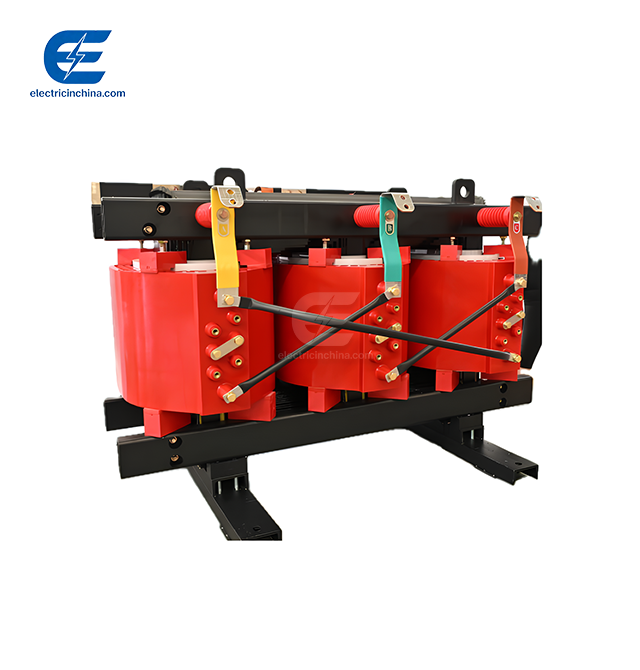
Instead of oil protection, cast resin transformers use epoxy resin to cover the windings. This building method gets rid of the heat energy losses that happen when oil breaks down and its thickness changes. As part of our manufacturing process, we use vacuum casting at controlled temperatures to make a rigid insulation system that keeps the transformer's dielectric properties stable over time. The resin coating makes a shield against moisture that stops efficiency loss caused by humidity, which is a common issue in coastal and high-humidity solar setups.
Technical Specifications That Drive Efficiency
The design factors of cast resin PV transformers have a direct effect on how well they use energy. Voltage values from 10kV to 35kV can meet a range of grid link needs while keeping partial discharge levels below 10pC. This low discharge cutoff lowers corona losses, which are losses of energy that happen invisibly in regular designs. Insulation class F/H grades (155°C/180°C) let the unit work at higher temperatures without losing efficiency, which is hard for oil-filled units to do without wearing out faster.
Power ratings from 30kVA to 2500kVA make the panels useful for a wide range of projects, from business roofs to large solar farms used by the government. The small size (20–30% smaller than oil-immersed options) means that less enclosure is needed, which means that less energy is used for thermal control. When you think about how cooling systems add a lot of extra weight to solar setups, this smaller size means that your building will use less energy overall, which can be measured.
Performance Optimization: How Cast Resin Transformers Enhance Energy Efficiency
Normal transformers weren't made to handle the unique problems that come up with solar systems. Rapid changes in power due to clouds, harmonic distortion from transformers, and very high or very low temperatures all have an effect on efficiency. These problems can be fixed with cast resin technology.
Reducing Core and Winding Losses
No-load losses happen all the time when a transformer is turned on, which means that energy is constantly being lost. Our cast resin design cuts down on these costs by using better core materials and more accurate production tolerances. The solid resin insulation stops the eddy current losses that happen in oil gaps, which makes the idle efficiency better in a way that can be measured. When you carefully determine the winding resistance and lower the stray flux, load losses go down. With all of these changes, efficiency goes above 98.5%, which means that less solar energy is lost during conversion and transport.
Superior Thermal Management
Losses in efficiency are directly linked to heat production—every watt lost as heat is energy that doesn't make it to your grid connection. There are several ways that cast resin transformers control their heat function. With its great heat transfer properties, the epoxy coating moves heat away from the windings more effectively than oil flow. The temperature rise stays below 65K even when the rated load is applied continuously. This keeps the efficiency from dropping, which happens when transformers work at high temperatures.
During peak sun production, forced air cooling makes this thermal edge last longer. Our SCB12 Cast Resin PV Transformers can handle 150% overload capacity with extra cooling, and their efficiency stays stable during times of high light. With this overload feature, you don't have to give up economy during the busiest hours, when energy return is at its highest. When tested to 25 times the maximum current for 2 seconds, short-circuit withstand capability ensures that grid changes don't hurt less durable designs and lower efficiency isn't lost.
Handling Inverter Harmonics Without Efficiency Penalties
Modern PV inverters make harmonic currents that older transformers were not made to handle. These harmonics cause more losses in the cores and windings, which lowers the total efficiency of the system and could lead to it breaking down too soon. We've solved this problem by making K-factor grades from K-4 to K-13 that are especially designed for use in inverters. Specialized core materials and coil shapes that have been tested and approved by IEEE C57.110 standards make sure that harmonic currents don't cause too much heat or a loss of efficiency. Even though high-frequency switching inverters have common harmonic profiles that are common, your system still works at its quoted efficiency.
Comparing Cast Resin PV Transformers with Other Transformer Types
To make choices about what to buy, you need to be able to compare different products objectively. If you compare cast resin to other options, you can see how much more efficient it is.
Cast Resin vs. Oil-Immersed Transformers
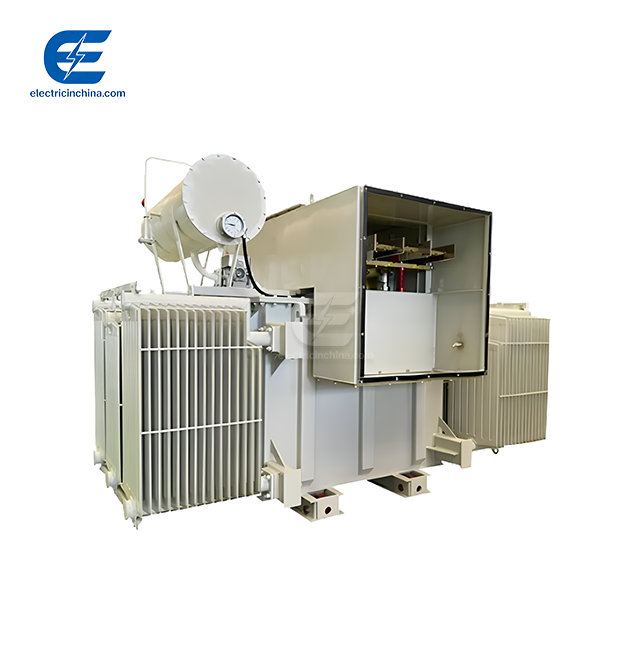
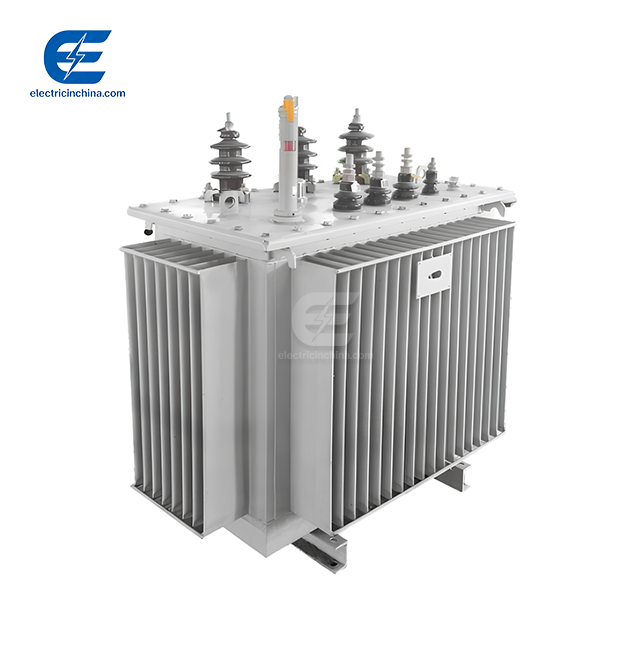
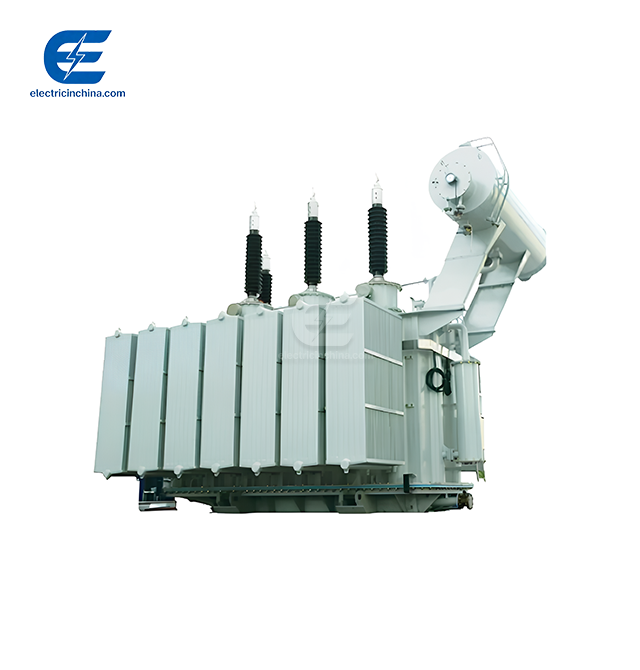
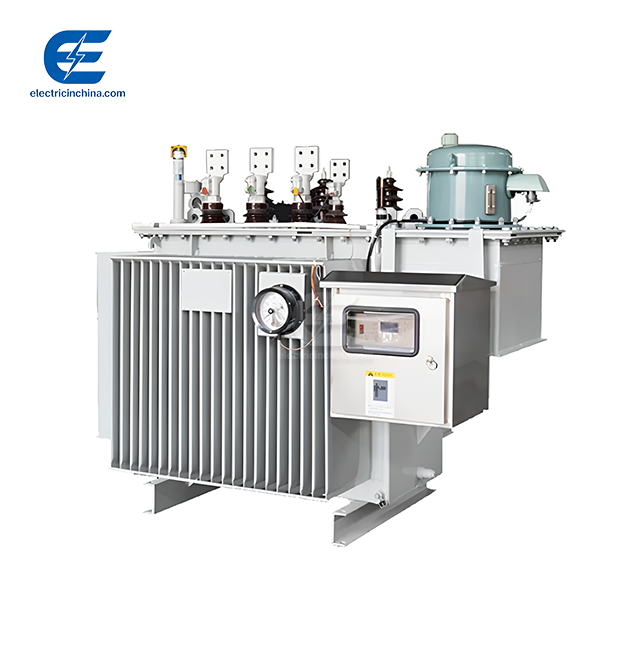
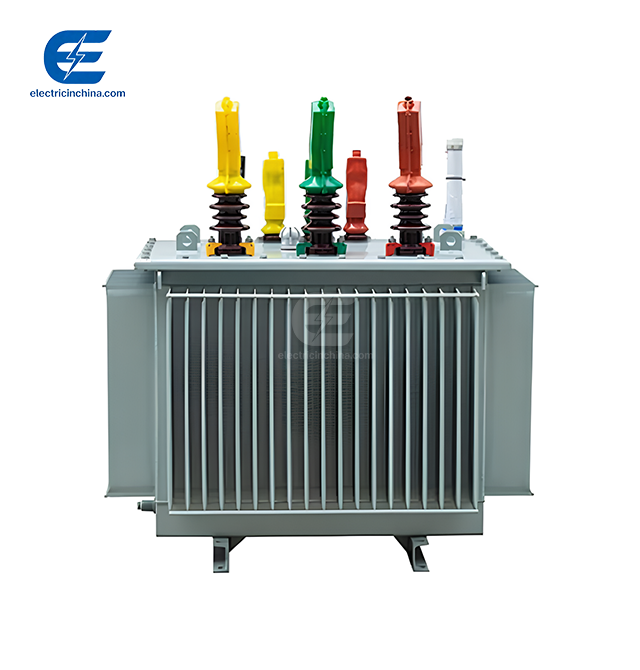
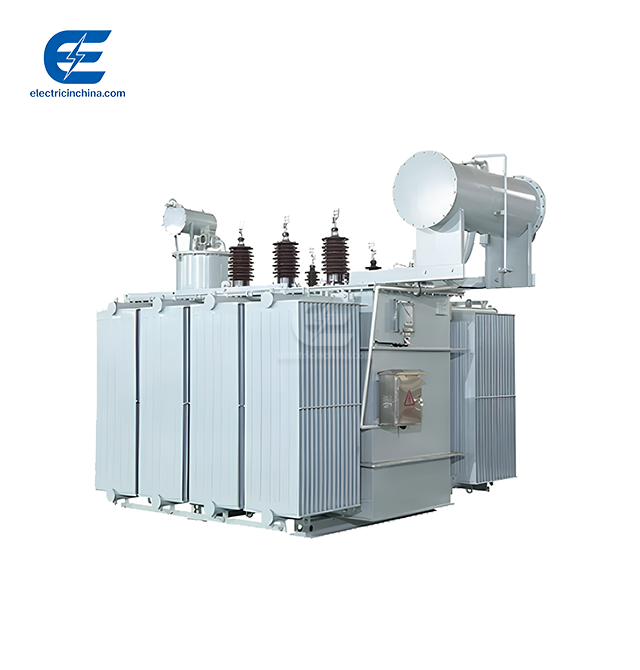
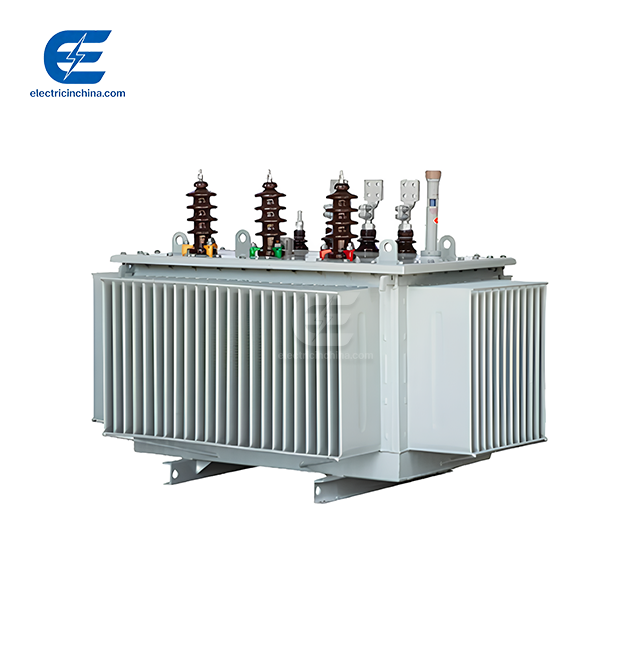
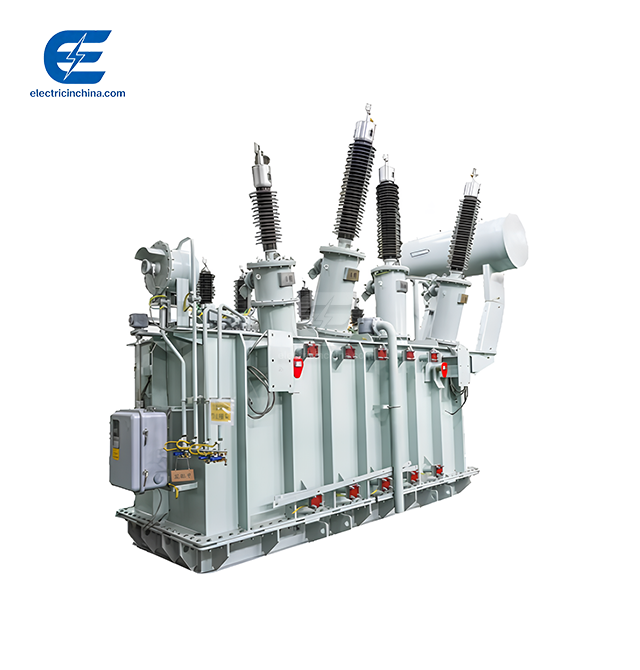
Transformers that are filled with oil are less efficient by nature. When oil is cold, its viscosity goes up, which makes heat transfer less efficient and raises the temperature of the transformer. This heat stress speeds up the aging of the insulator and makes the unit less efficient over time. Maintenance jobs like testing and filtering the oil on a regular basis take downtime that lowers the production of energy. Because of the risk of fire, there must be sufficient spacing between components and safety systems, which make installation more expensive and make it harder to use on rooftops.
All of these worries go away with cast resin. The solid insulation keeps its qualities the same from -25°C to +40°C, even though the viscosity changes. Moisture resistance lets the unit work at 100% humidity without losing efficiency or needing the drying-out times that oil-filled units need after being turned off. The design doesn't need any upkeep, so there are no efficiency losses from oil that is getting old or dirty. Environmental safety gets rid of the chance that dirt and groundwater will become polluted, which is a liability issue in solar projects that care about the environment.
Cast Resin vs. Traditional Dry-Type Transformers
Different dry-type transformers don't work the same way. It is better for resisting wetness and heat in current cast resin construction than in older dry-type designs that used varnish-soaked windings. The full resin covering in cast resin pieces gives better security and better heat transfer. In practice, this means lower running temps and steady efficiency over a 25-year or more design life. The flame-retardant features meet strict building codes without adding extra steps that waste energy.
Long-Term Efficiency and Total Cost of Ownership
The effects of efficiency go beyond the initial loss of energy. Less maintenance, like eye checks, connection torque checks, and regular thermographic scans instead of oil sampling, filtering, and dielectric testing, leads to less downtime and lower costs over the life of the machine. Studies show that the total costs of ownership are 40–60% lower than with oil-filled options. Because there is less chance of a fire, insurance companies often offer lower rates, which are good for the project's finances. Because of these things, cast resin is the most cost-effective option for solar producers who care about the environment.
Practical Applications and Maintenance Strategies to Sustain Efficiency
Different solar setups have different needs that affect the choice of generator and how well it works.
Utility-Scale Solar Farms
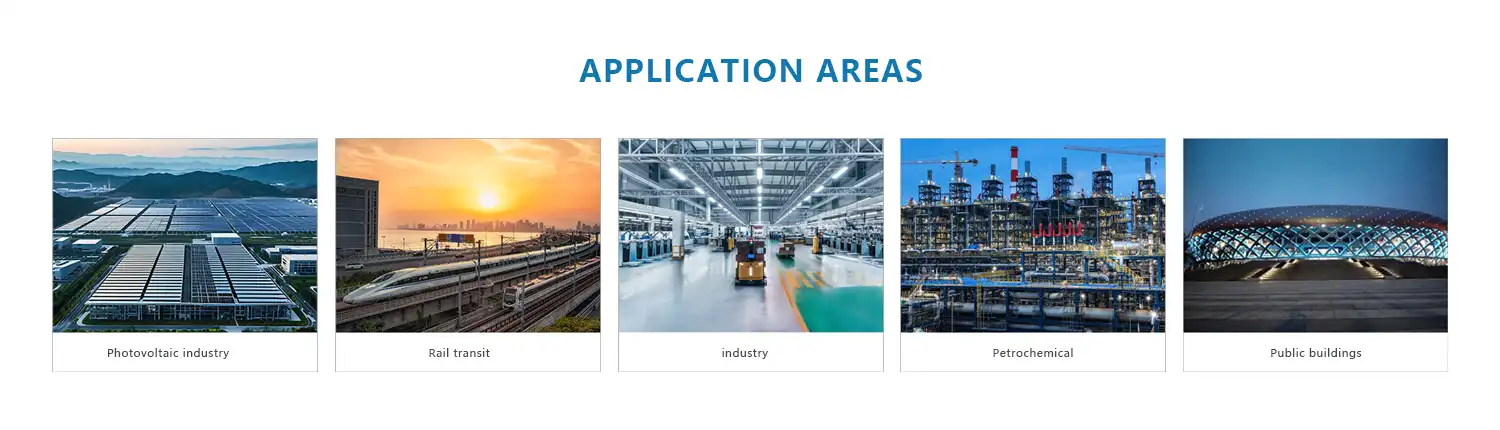
Cast Resin PV Transformer is especially helpful for large ground-mounted systems from 50MW to 500MW that are located in desert and seaside areas. Epoxy resin insulation has stable thermal qualities, so it doesn't lose its effectiveness in temperatures ranging from -40°C to +60°C. Salt spray and dust storms speed up the breakdown of oil-filled transformers, but they don't have much of an effect on sealed cast resin construction. In these tough situations, projects in the Middle East, Australia, and the southwestern United States have shown that they can be done.
Commercial Rooftop Solar Systems
There are strict rules about fire safety for multi-megawatt sites in shopping malls, office buildings, and factories. Cast resin is flame-resistant, which meets building rules and insurance standards without lowering its effectiveness. The smaller size of the design makes it easier to place, which lowers costs. Not having to hold oil also makes it easier to get permits in cities. Rooftop apps gain the most from being able to restart right away after shutting down—no drying-out time means no lost production during maintenance windows.
Maintaining Peak Efficiency Through Operational Best Practices
Systematic maintenance methods are needed to keep things running smoothly for decades. Visual checks done on a regular basis can find weak links that cause resistance and lower efficiency. Thermographic scans find "hot spots" before they hurt efficiency. Thermal cycling can slowly lower efficiency, but connection torque testing stops this from happening. When you do these simple things every three or six months, they keep the speed benefits that made your initial purchase worth it.
Monitoring temperatures lets you know early on when problems are starting to happen. Trending data shows small changes that let you know when something needs to be cleaned or inspected. Ambient conditions affect a transformer's ability to load. Knowing the derating factors for temperature and altitude will keep you from operating outside of efficiency curves without meaning to. Our expert team can help you figure out the best loading patterns to get the most energy to the load while keeping long-term dependability.
Buying Guide and Supplier Insights for Cast Resin PV Transformers
Choosing what to buy affects the success of a project from the time it is first installed until decades after it has been running. If you choose the right production partner, you can be sure that the tools you receive will help you save time and money as promised.
Critical Certification and Quality Standards
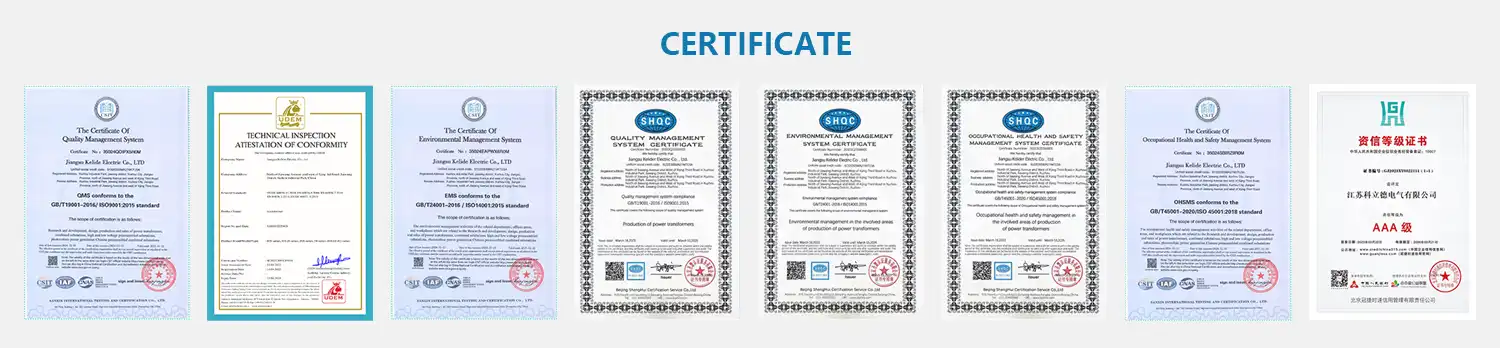
International approvals for Cast Resin PV Transformer back up claims of performance and make sure the product will work with your project. You should make sure that the product meets the requirements of IEC 60076 and GB/T 10228-2008. It should also have any market-specific approvals, such as UL ratings for North American projects. The ISO 9001 and ISO 14001 standards show that quality control and environmental management are done in a planned way. These qualifications aren't just pieces of paper; they show that the manufacturing process regularly makes transformers that meet efficiency standards.
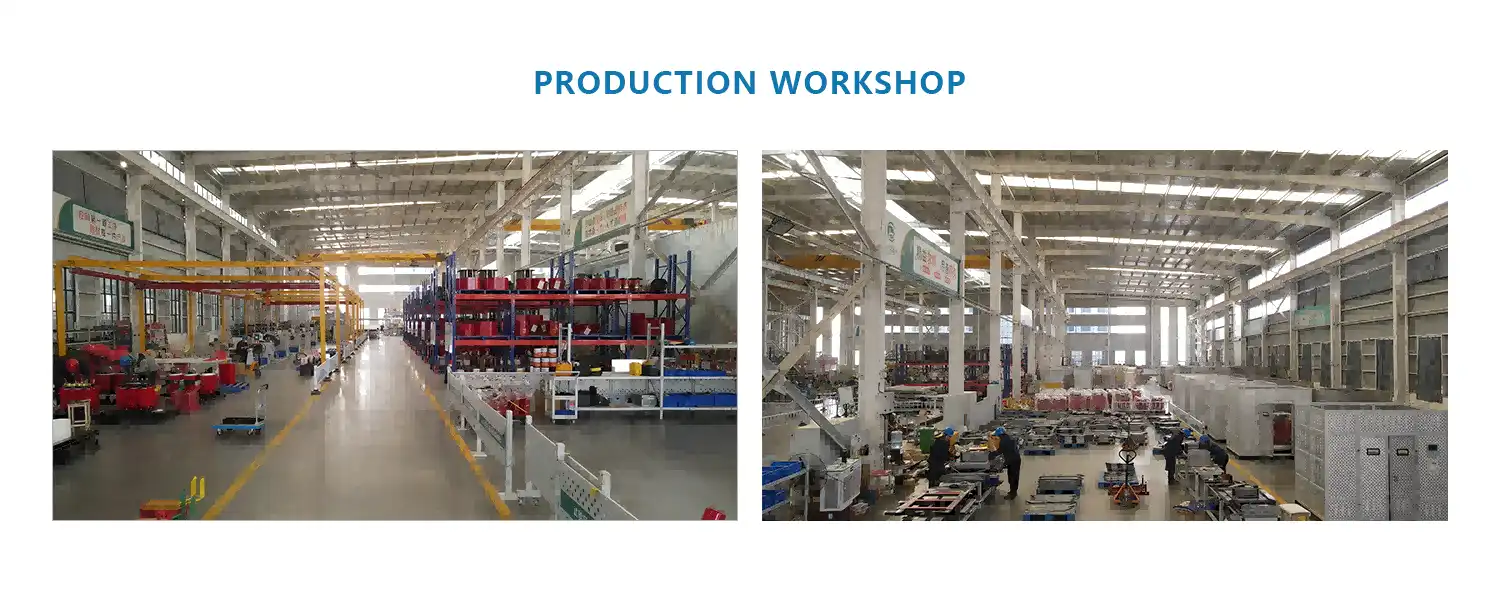
Type test results from recognized labs like KEMA or CESI back up claims of performance in a reliable way. Protocols for factory acceptance tests should include testing the insulation resistance (at least 1000MΩ at 2.5kV), measuring the partial discharge, checking the temperature rise, and making sure the ratios are correct. Professional quality inspection labs with state-of-the-art production facilities are kept up to date to support these thorough approval processes.
Customization Capabilities for Project-Specific Requirements
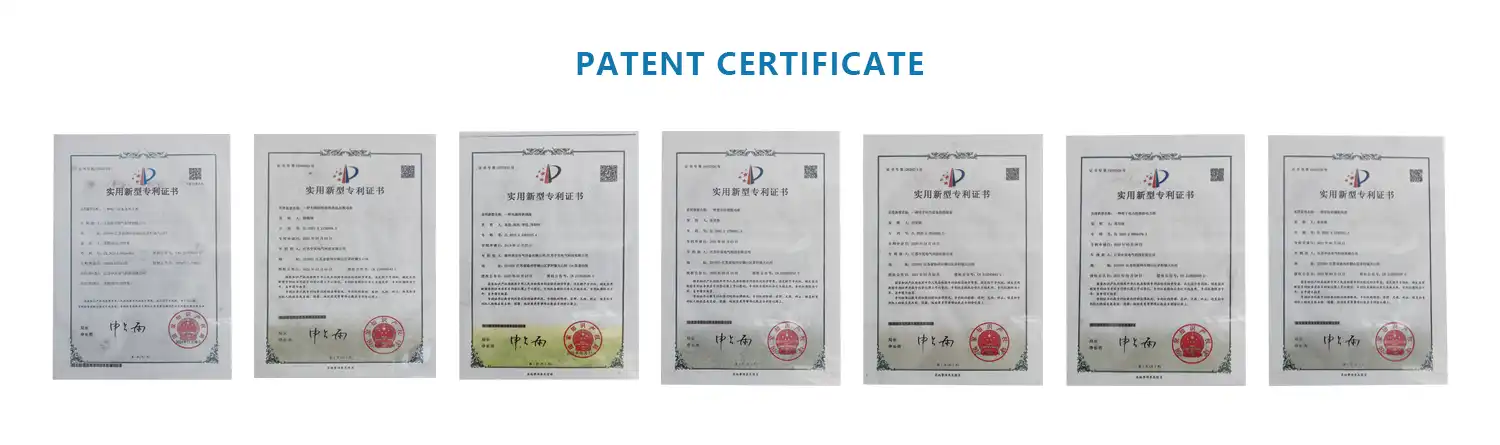
Standard store items don't always perfectly fit the needs of each job. Manufacturers who let you change things like voltage ratios, tap setups, environmental protection grades, and specialized cooling can give you options that work best for your needs. Our technical team of 15 senior engineers and 18 patents lets us do custom engineering to deal with unusual site conditions or interface needs. This level of scientific detail makes sure that your transformer works at its best in your particular setup.
Lead Times and Delivery Reliability
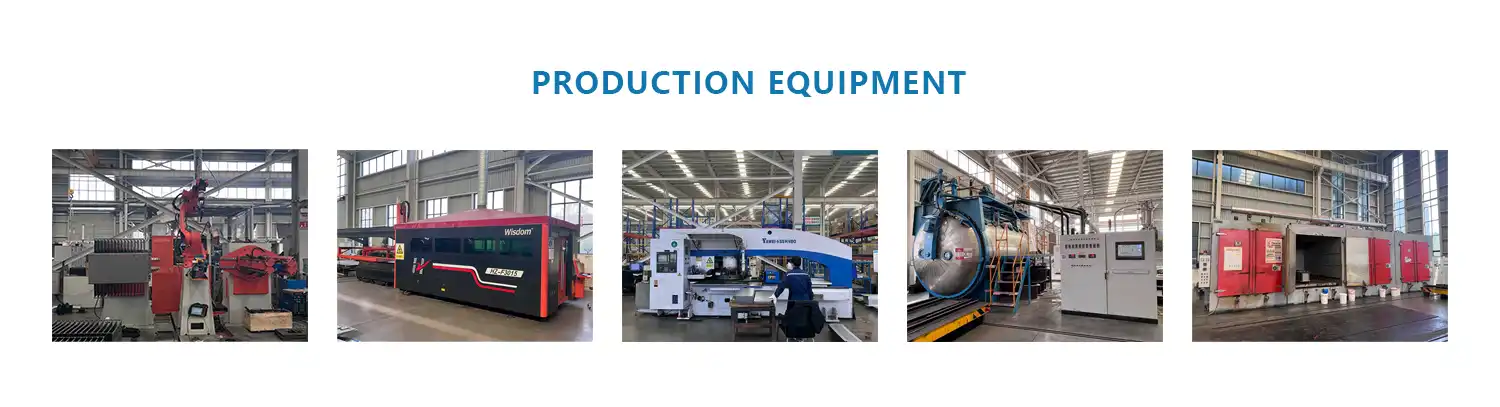
When stuff arrives affects how long a project takes. Delays that cost a lot of money can be avoided by knowing realistic wait times and the track records of suppliers. Our strict ISO9001 quality management system makes sure that we keep our delivery promises without lowering the quality of the products we make. Over 120 sets of specialized equipment, such as CNC automatic winding machines, vacuum casting systems, and gradient curing ovens, allow for both standard and fast delivery plans for projects that need to be done quickly.
After-Sales Support and Technical Assistance
Optimization of efficiency doesn't end with placement. Manufacturers who offer full technical support, maintenance training, and quick responses to operating questions can help you get the most energy out of your generator for as long as it lasts. As your solar system gets older, we offer ongoing help that takes into account changing grid needs, tracking efficiency, and improving performance. This partnership method saves your investment and keeps the cost savings that made you decide to buy in the first place.
Conclusion
In conclusion, cast resin PV transformers make solar projects more cost-effective and increase the amount of energy they produce. The SCB12 Cast Resin PV Transformer line is more than 98.5% efficient thanks to lower losses, better thermal control, and new insulation technology. Compared to oil-filled options, these dry-type units don't lose efficiency because of upkeep. They also protect people and the environment better. Cast resin technology is the best choice for long-term value for government building projects, business developers, and industry manufacturers. It has high technical performance, low lifecycle costs, and a history of reliability. As long as you choose the right suppliers and keep up with upkeep, your investment will keep working well for 25 years or more.
FAQ
What lifespan can I expect from cast resin PV transformers?
Cast resin transformers usually last 25 to 30 years with little upkeep, which is the same or longer than oil-filled units and gets rid of the problems with oil breakdown. Accelerated age tests according to IEC 60076-11 make sure that the insulation system will stay in good shape for a long time. The epoxy resin covering doesn't break down as oil does, so the electrical and heat qualities stay the same for the life of the design. This makes sure that your investment is safe and that the efficiency stays high for decades of solar energy production.
How do these transformers perform during grid disturbances?
The short-circuit strength of cast resin units has been tested to 25 times the maximum current for 2 seconds. This strong design will keep your property safe during faults that are common in utility interconnections. Better control of voltage during power changes caused by clouds keeps the grid link stable even when sun irradiance changes quickly. Because resin-encapsulated windings are mechanically strong, they don't move around like less robust designs do when the system is disturbed.
What maintenance reduces efficiency over time?
Visual inspections, link torque checks, and regular thermographic scans are all that need to be done for maintenance. There is no need to sample, filter, or test the dielectric, so lifetime costs are 40–60% lower than with oil-filled units. These streamlined steps cut down on downtime while still making sure the generator stays at its recommended efficiency. Monitoring temperature changes and link resistance regularly stops efficiency from slowly going down, keeping performance high throughout the operating lifetime.
Partner with Tuojie for Your Solar Transformer Needs
Tuojie has been making cast resin transformers that power important solar sites around the world for more than 20 years. Our SCB12 Cast Resin PV Transformer line gives your project the speed, dependability, and flexibility it needs. We are a qualified producer of cast resin transformers with ISO 9001, ISO 14001, and OHSAS 45001 certifications. Our solutions are backed by strict quality control and technical know-how.
Our engineering team has helped with hundreds of successful projects, ranging from large solar farms for utilities to installations on the roofs of businesses. We know how hard it is for you to buy things when you have to stick to tight deadlines, budgets, and promises of performance. Our "one-stop" method includes designing and making products, providing technical help, and providing full service after the sale. Email our team at tuojie@electricinchina.com to talk about your particular needs. We'll give you full technical specs, calculations of how efficient they are, and choices for customization that are made just for your project. Visit electricinchina.com to see all of our products and learn why developers in the business, industry, and government sectors choose Tuojie as their first choice for SCB12 Cast Resin PV Transformers.
References
1. Institute of Electrical and Electronics Engineers. "IEEE Standard General Requirements for Dry-Type Distribution and Power Transformers." IEEE C57.12.01-2020, 2020.
2. International Electrotechnical Commission. "Power Transformers - Part 11: Dry-Type Transformers." IEC 60076-11:2018, International Standard, 2018.
3. Zhang, Wei, and Liu, Xiaoming. "Thermal Performance Analysis of Cast Resin Dry-Type Transformers in Photovoltaic Applications." Journal of Electrical Engineering & Technology, vol. 16, no. 4, 2021, pp. 2145-2156.
4. National Electrical Manufacturers Association. "Guide for Transformer Loss Evaluation." NEMA TP 2-2018, Standards Publication, 2018.
5. Solar Energy Industries Association. "Best Practices for Electrical Equipment in Utility-Scale Solar Power Plants." Technical White Paper Series, 2022.
6. Chen, Jun, and Wang, Hao. "Comparative Life Cycle Cost Analysis of Distribution Transformers for Renewable Energy Integration." Renewable Energy Systems Journal, vol. 189, 2022, pp. 877-891.