

.webp)
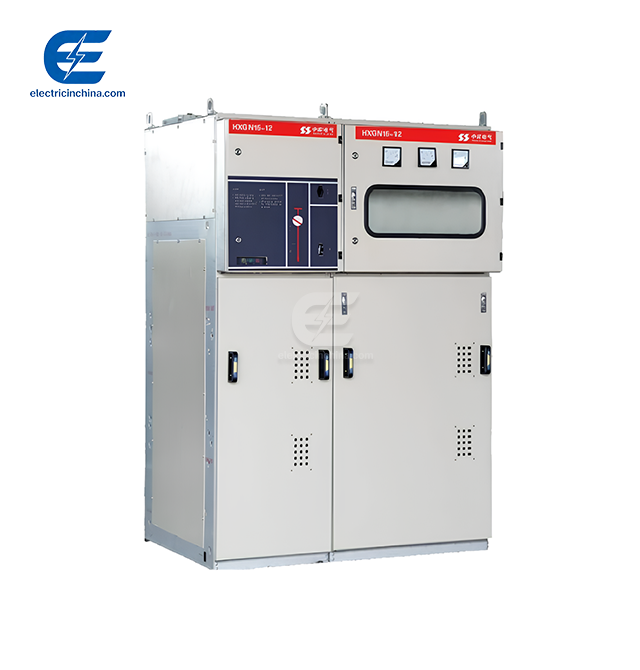
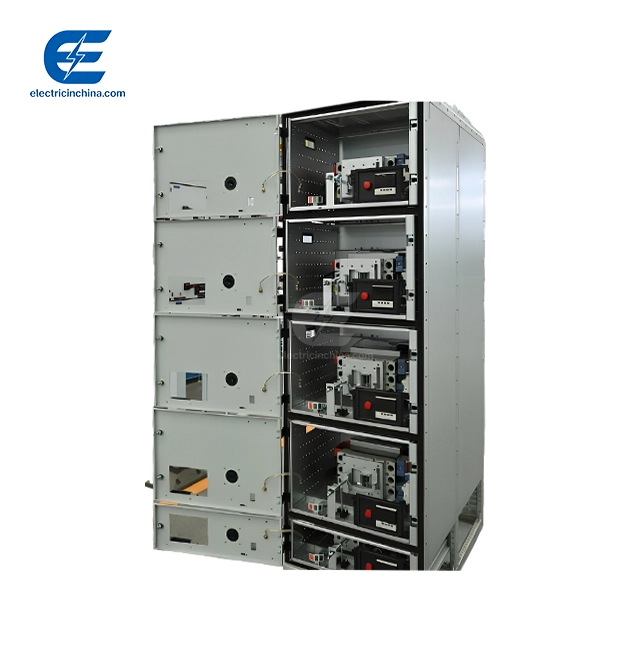
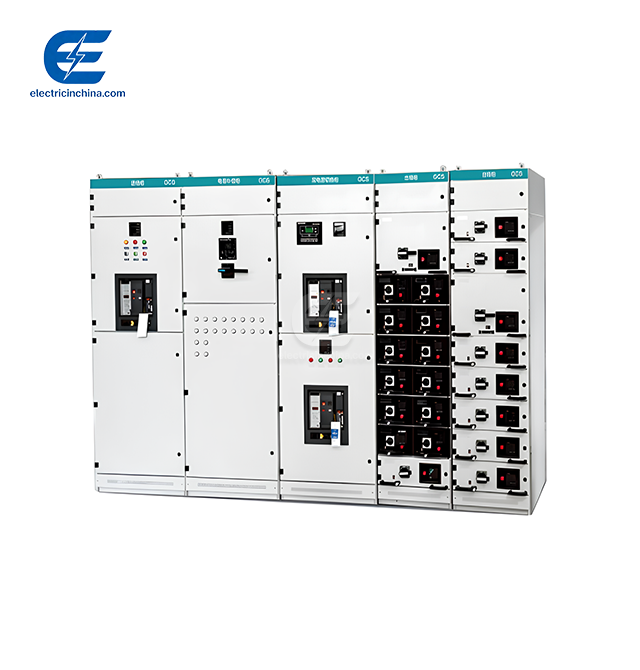
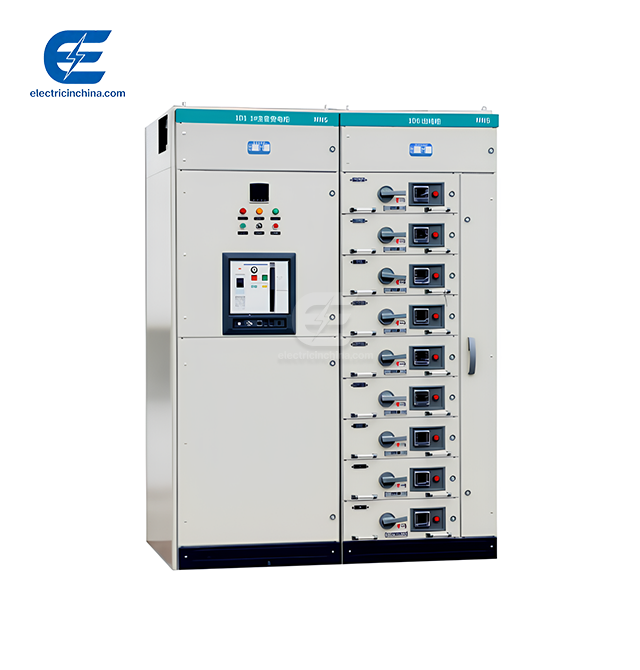
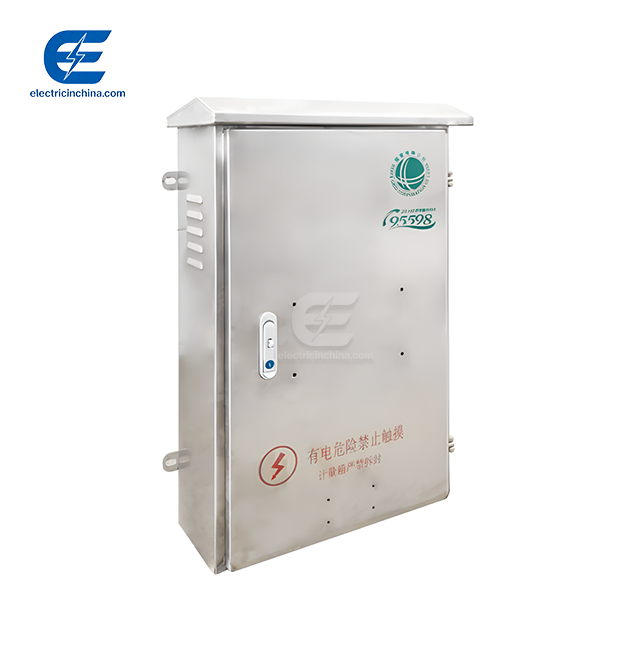
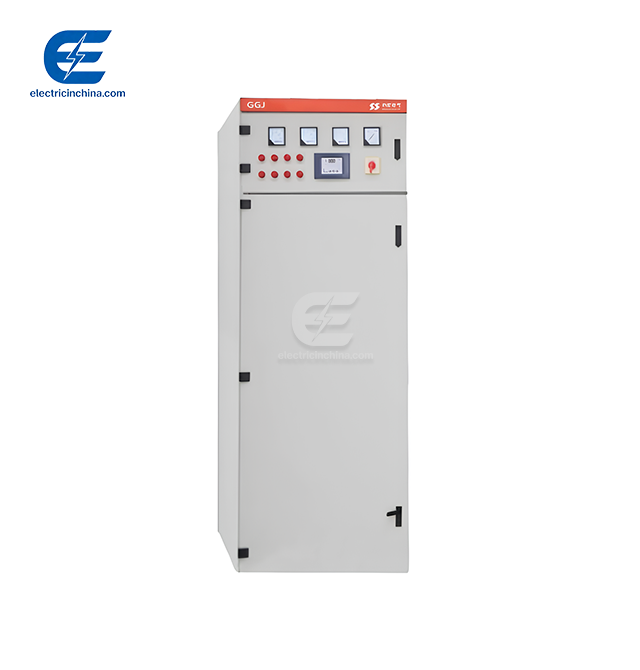
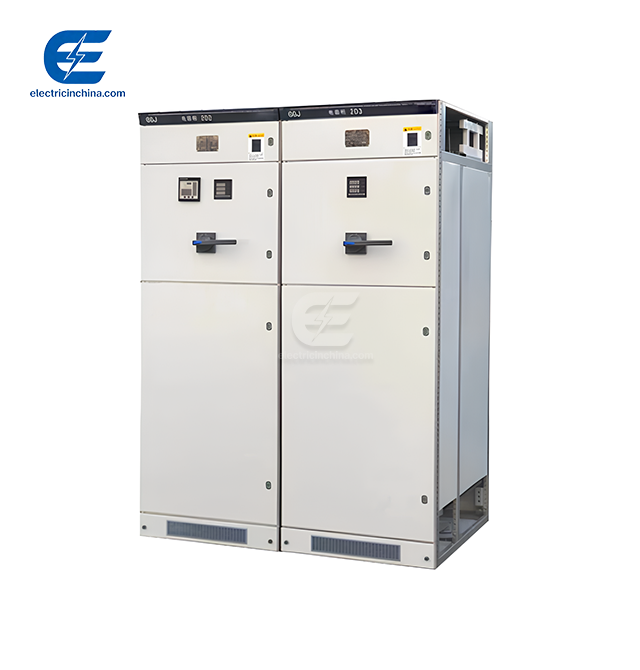
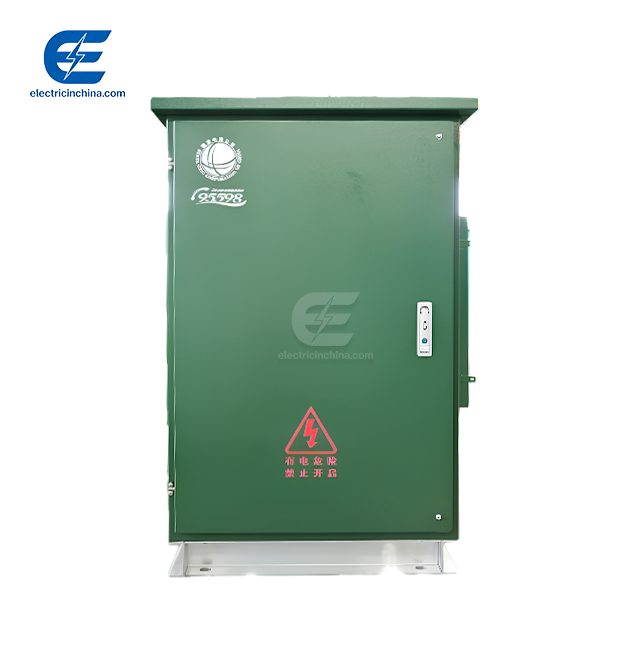
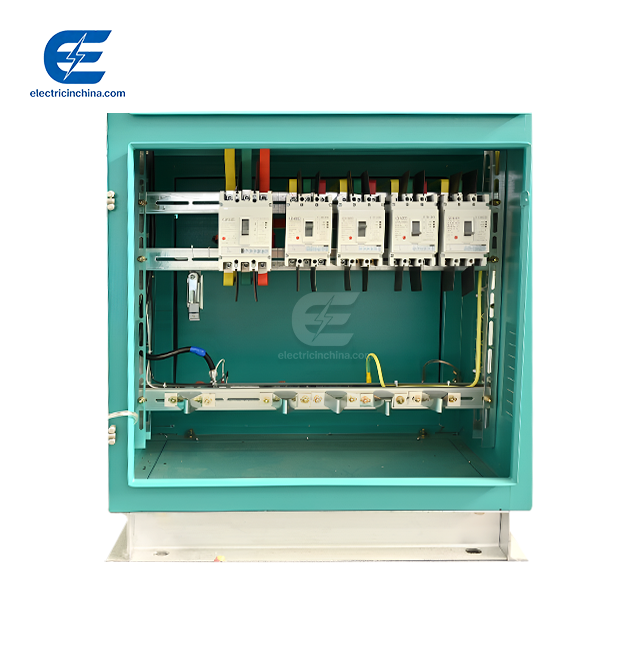
The success of your utility-scale solar power plant depends on the tools you use to connect your photovoltaic panels to the power grid. Transformers, switchgear, safety systems, and smart controls are all built into a single, factory-tested PV Compact Substation for Solar Power Plants. This is the next generation of standard power delivery infrastructure. Modern improvements in digital tracking, flexible design, thermal management, and materials science have made things much more efficient, cut down on installation times by 60–70%, and reduced the working area by 30–40%. Government building projects, real estate investors, industrial makers, and EPC contractors all want proven reliability, quick rollout, and a clear return on investment. These improvements directly address those needs.
Understanding PV Compact Substations in Solar Power Plants
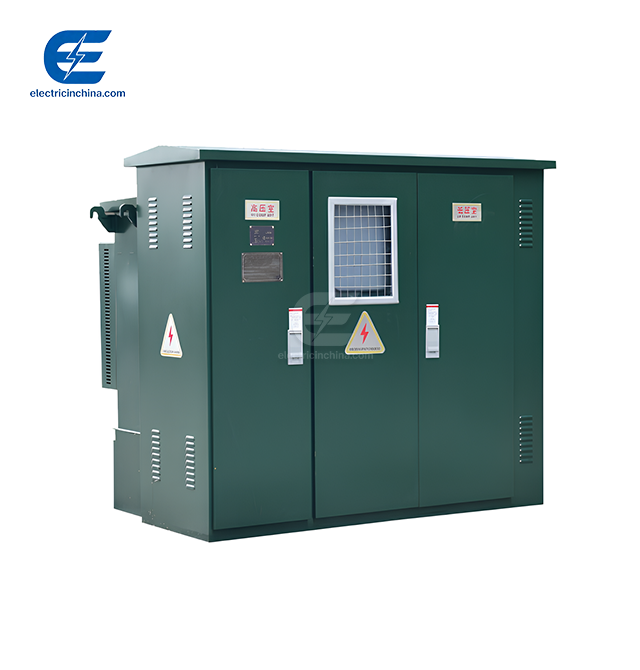
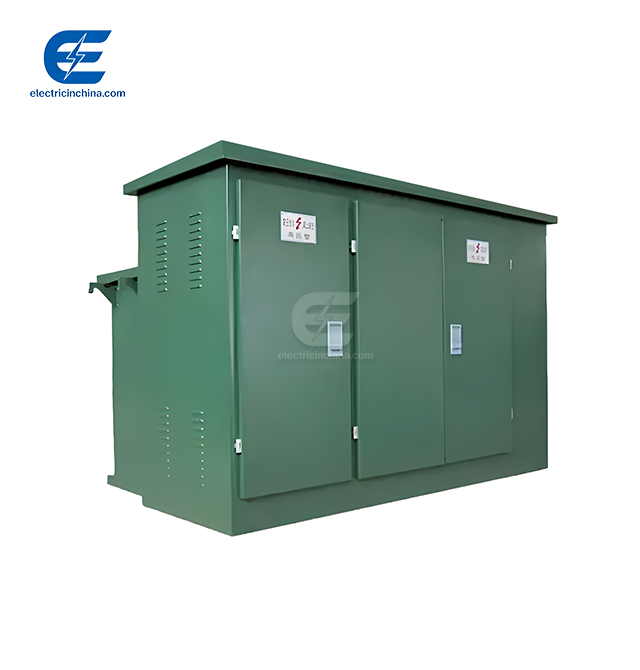
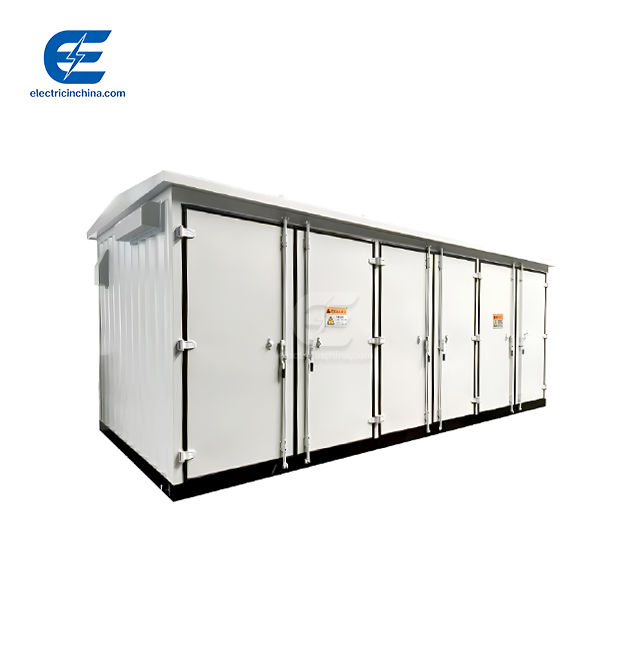
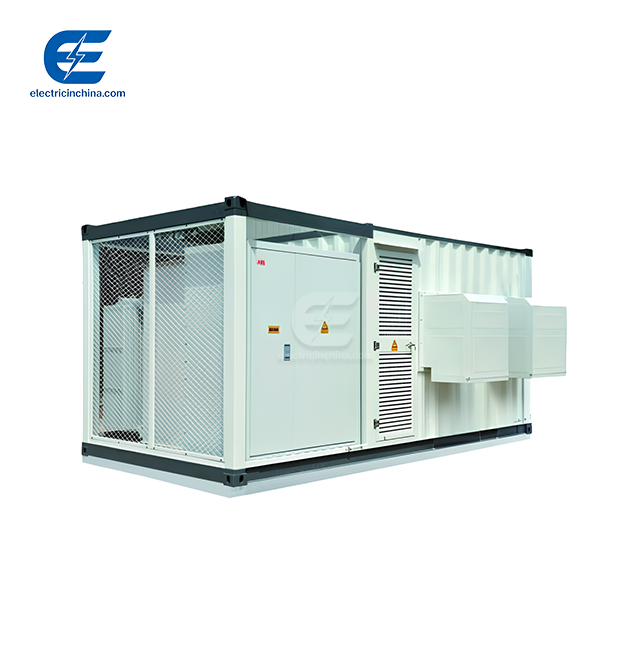
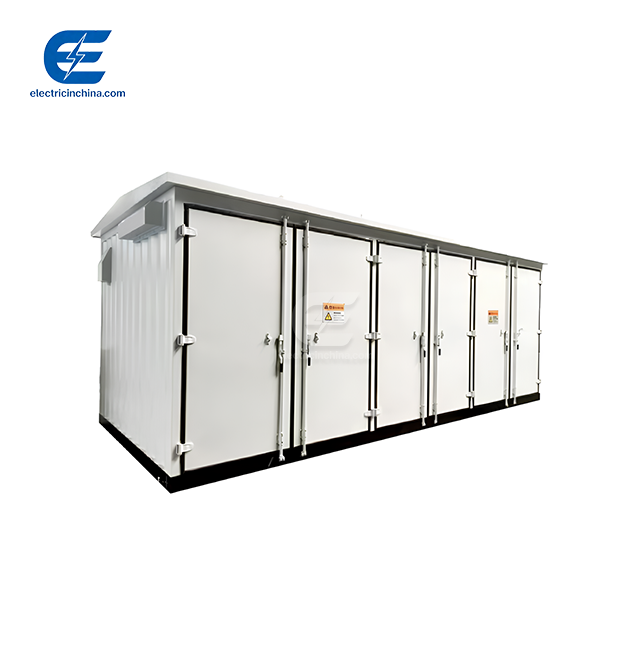
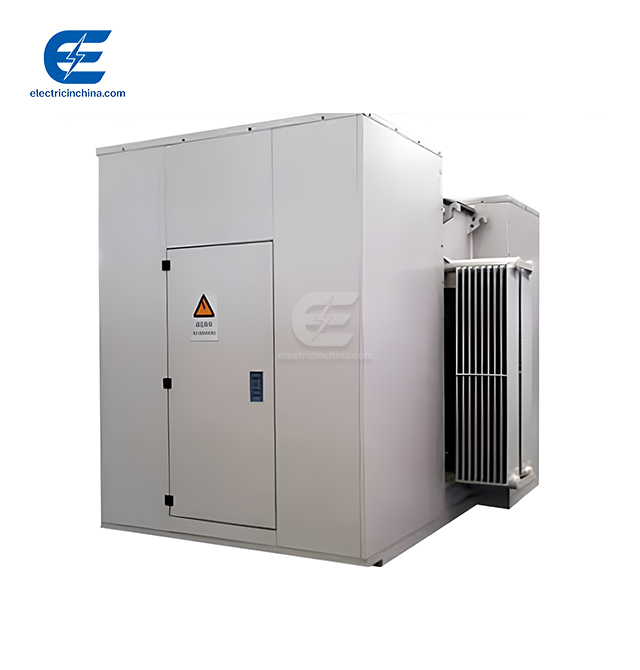
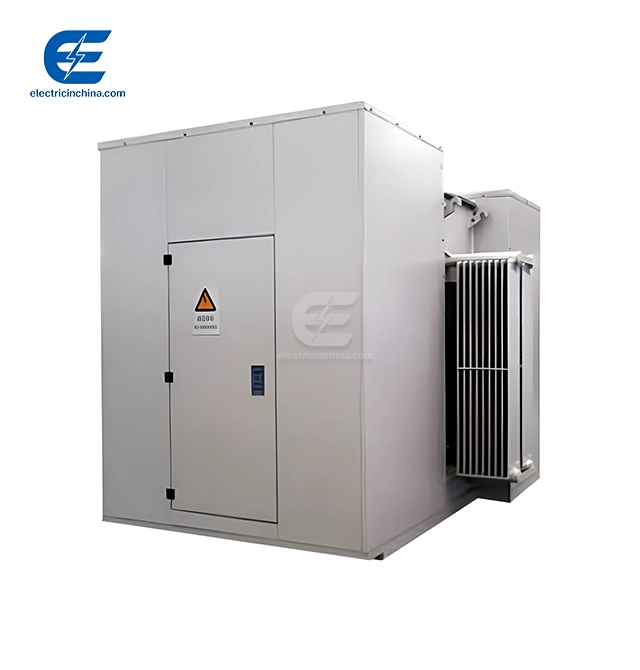
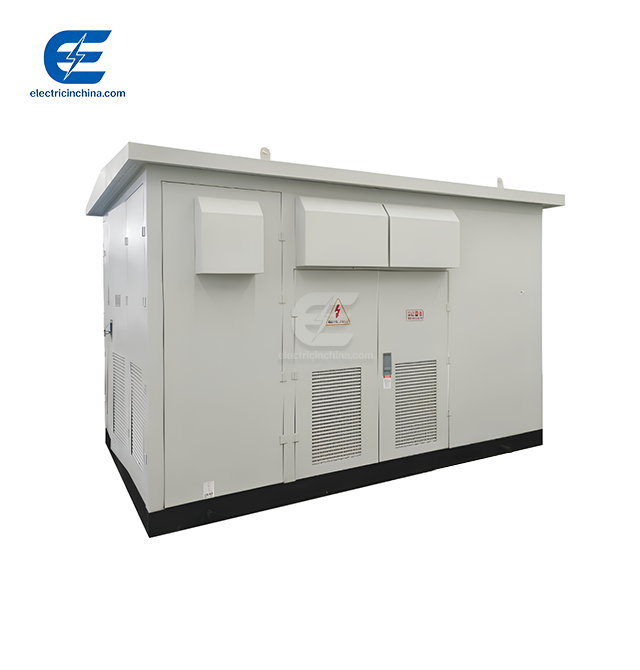
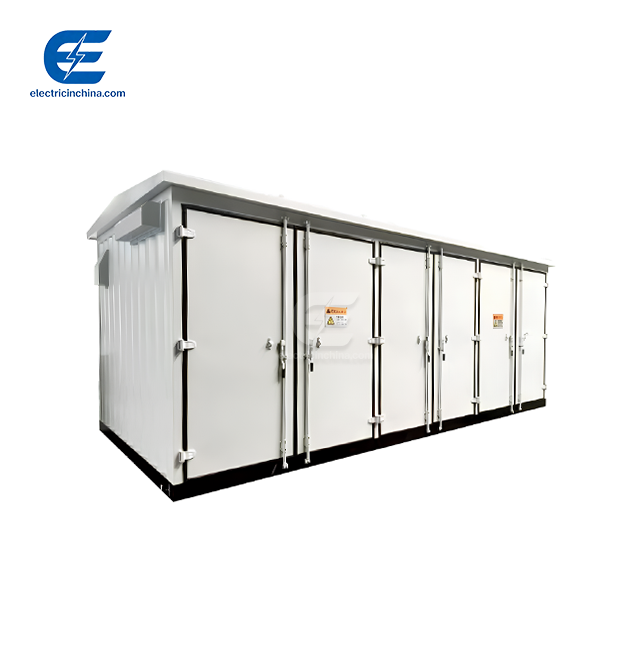
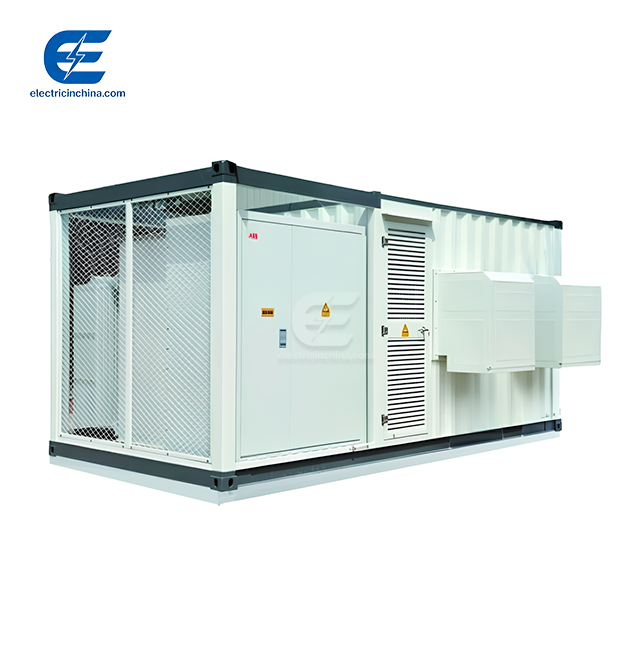
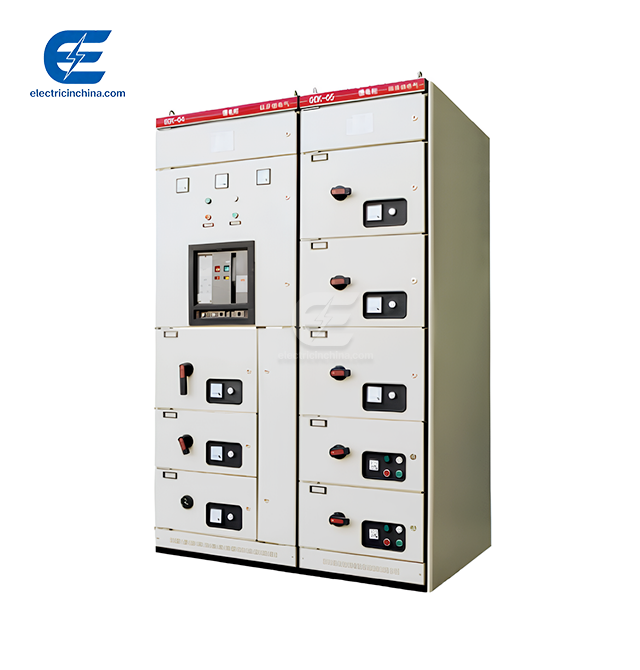
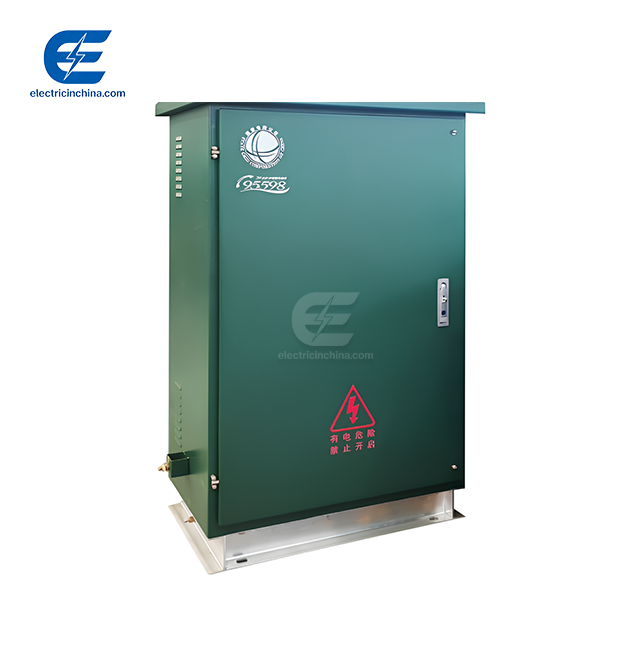
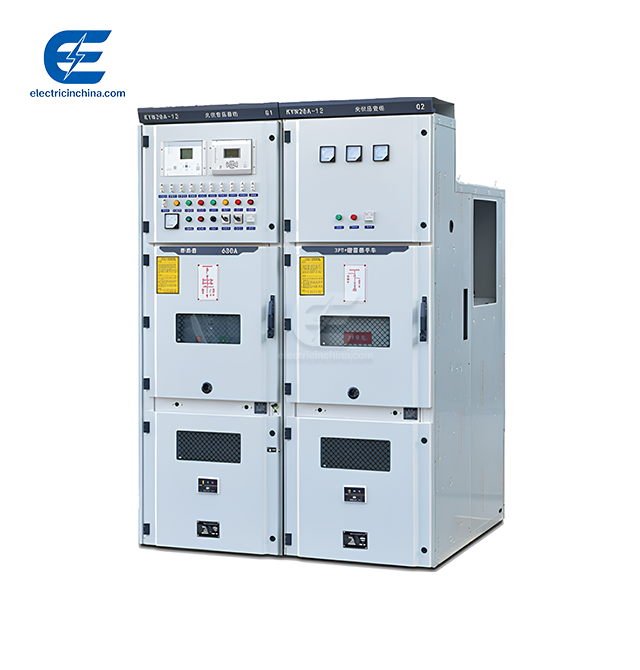
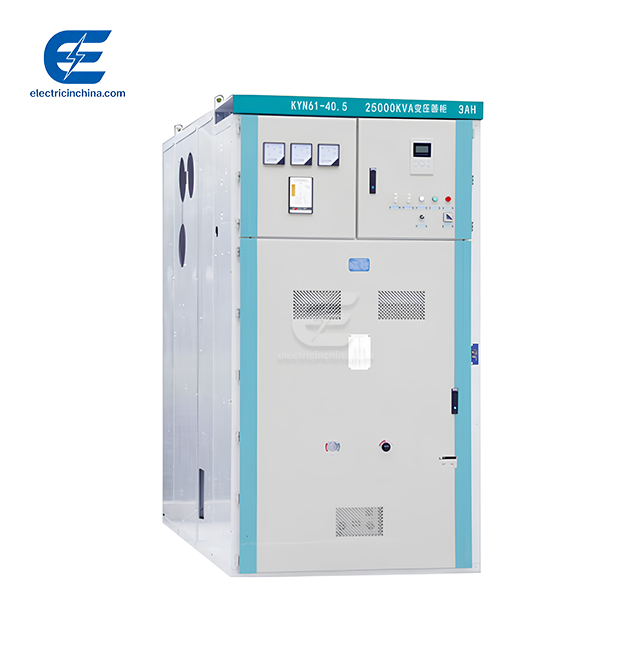
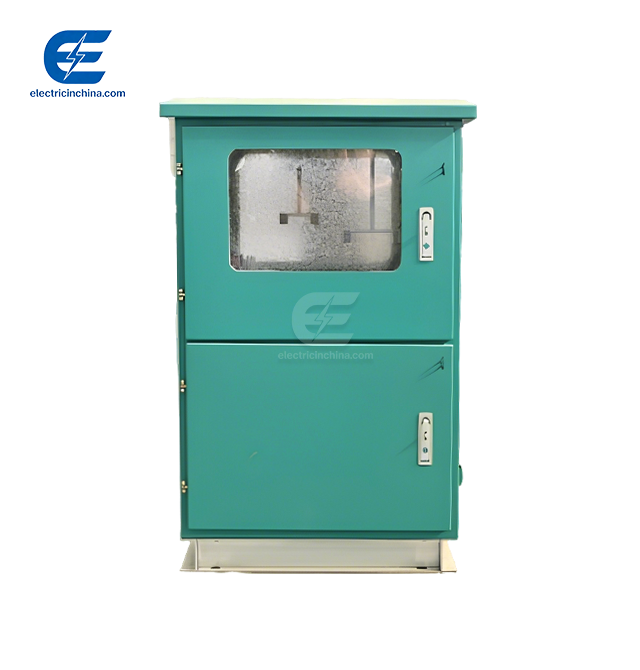
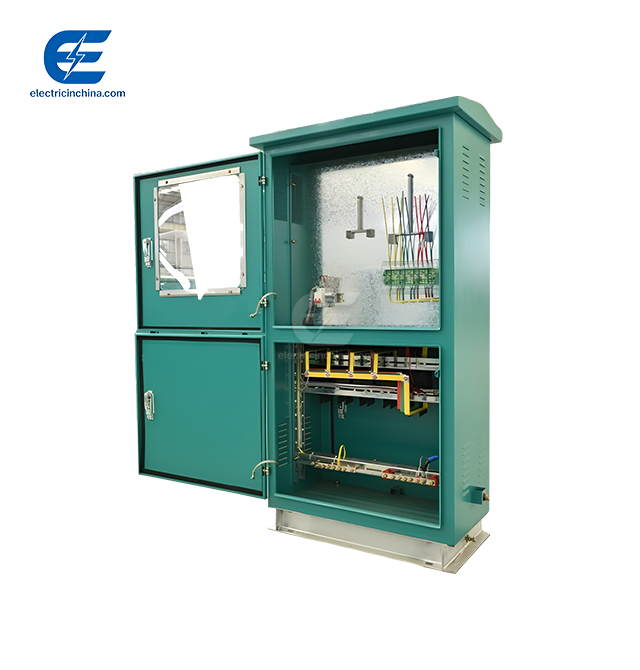
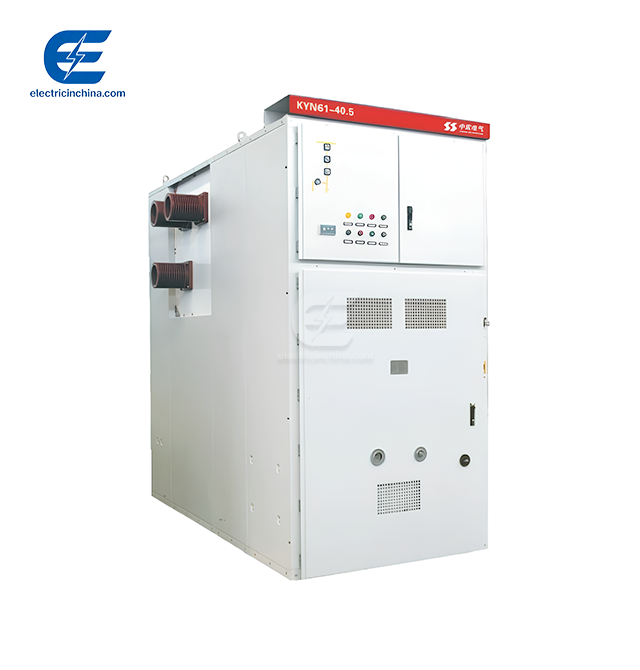
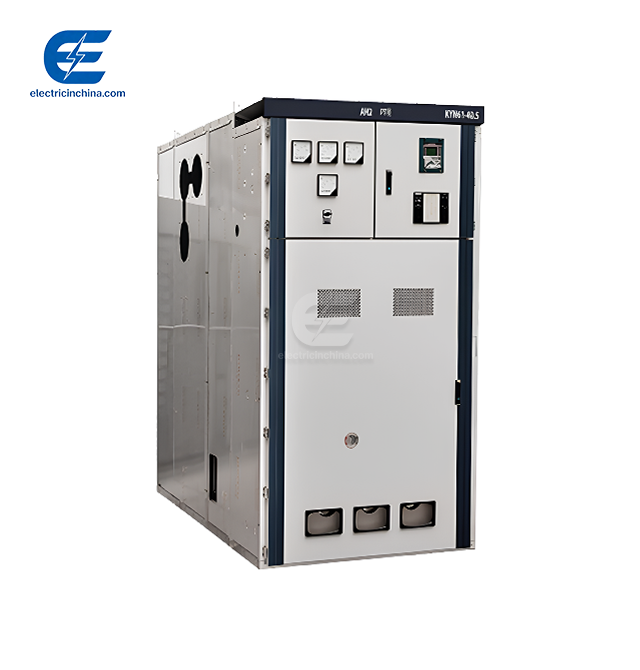
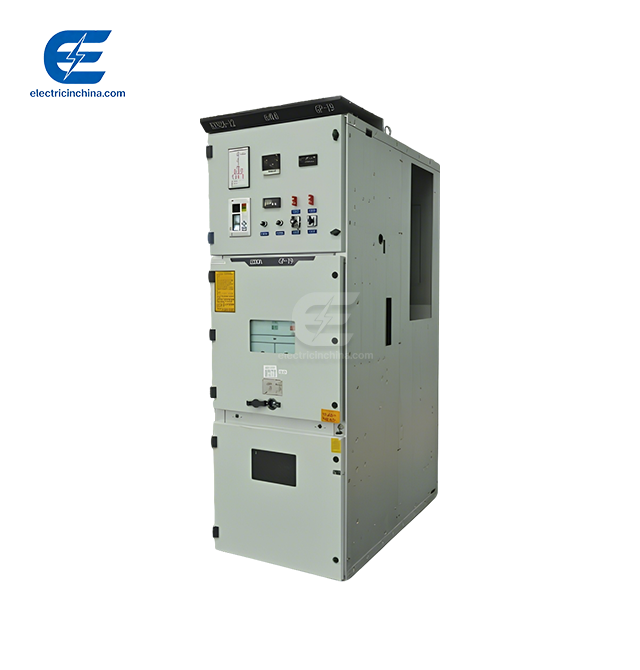
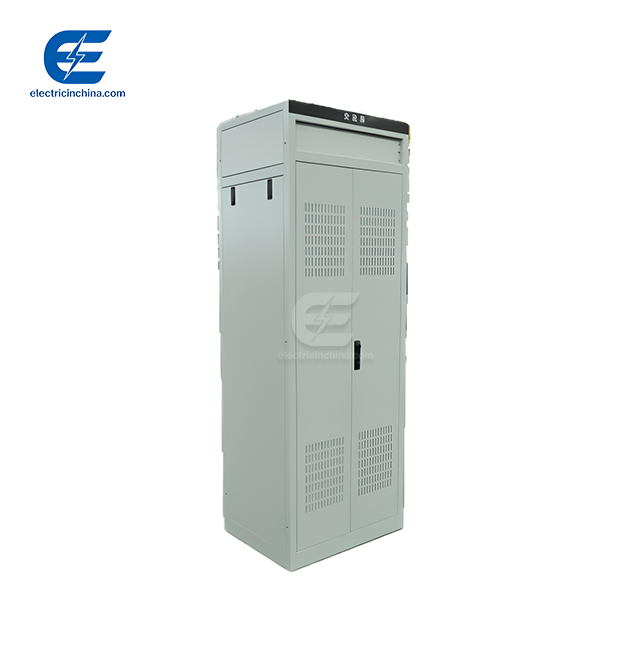
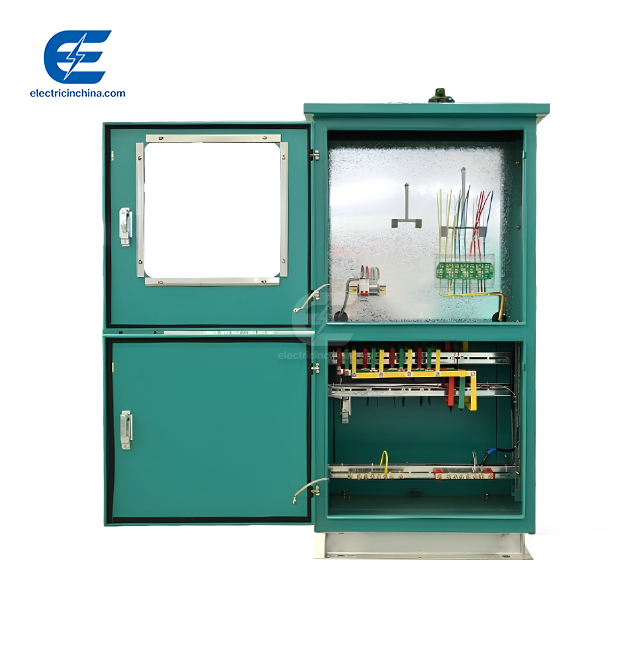
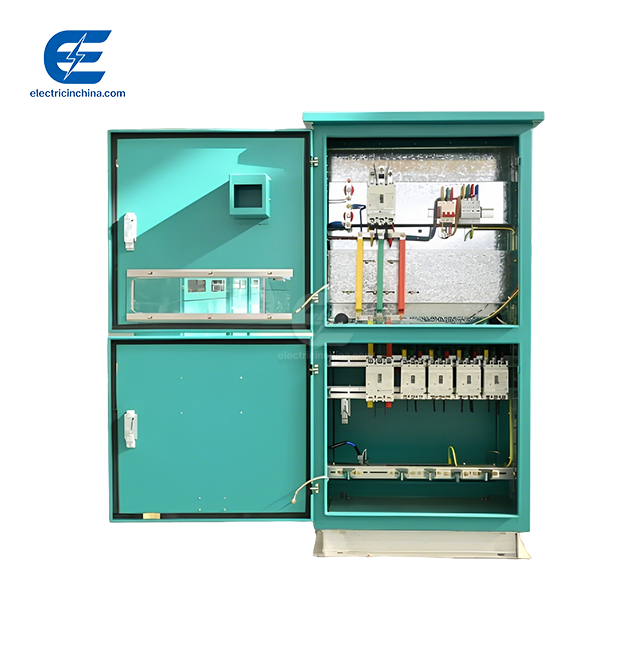
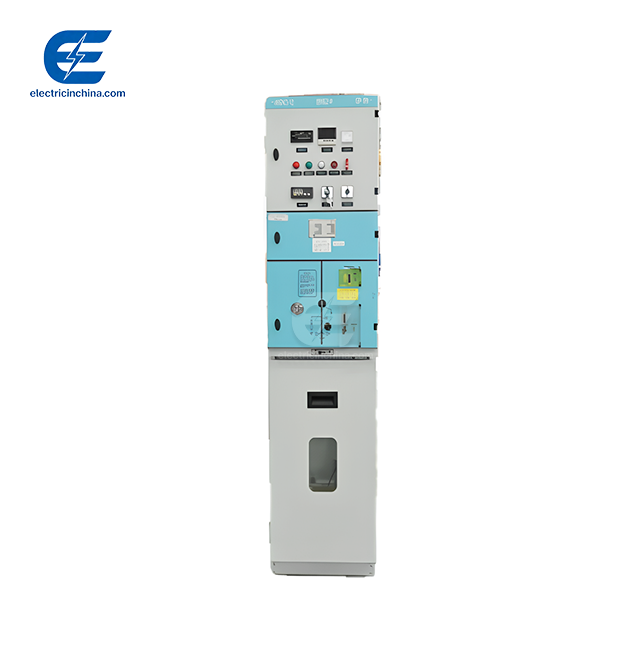
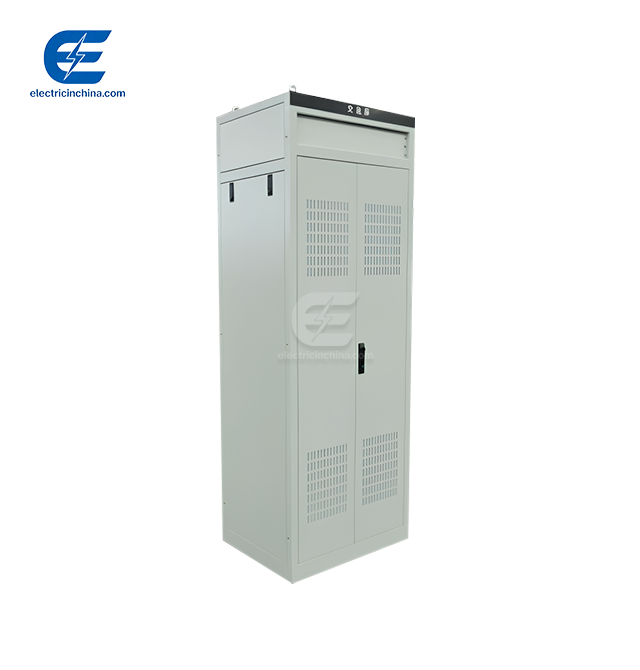
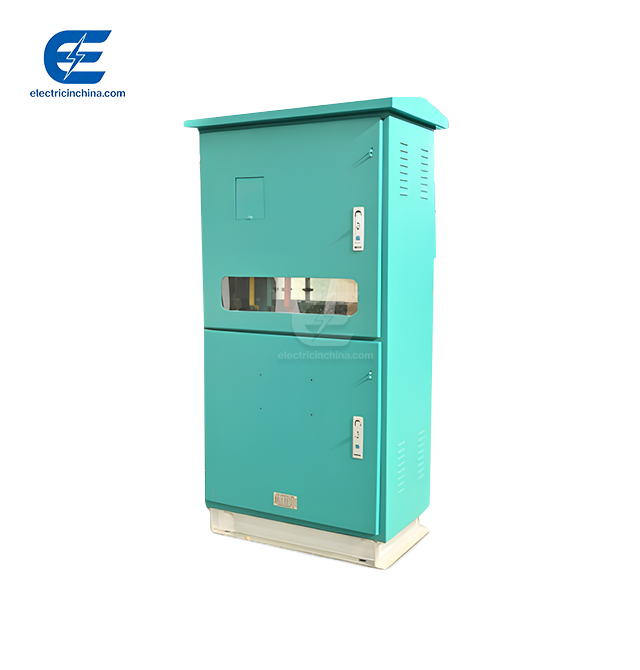
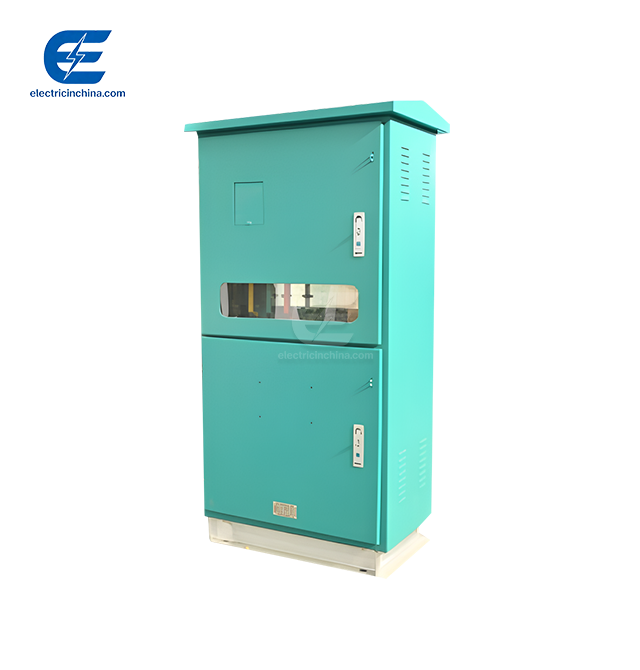
The combined construction of a PV Compact Substation for Solar Power Plants makes it very different from other designs. Instead of putting together different parts on-site, this method includes weatherproof enclosures that hold voltage transformation equipment, high-voltage switchgear, safety relays, and other systems. This combination helps solar systems that need to step up the power from 35kV to 110kV, 132kV, or 220kV for transmission.
Core Components and Their Functions
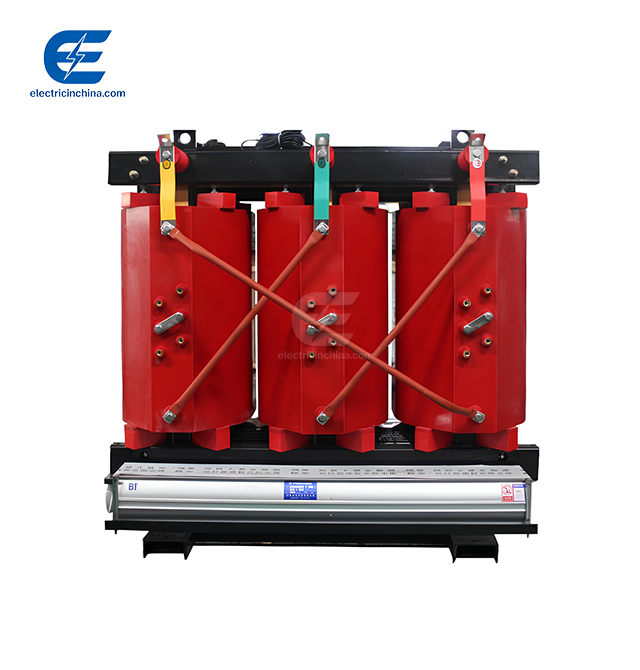
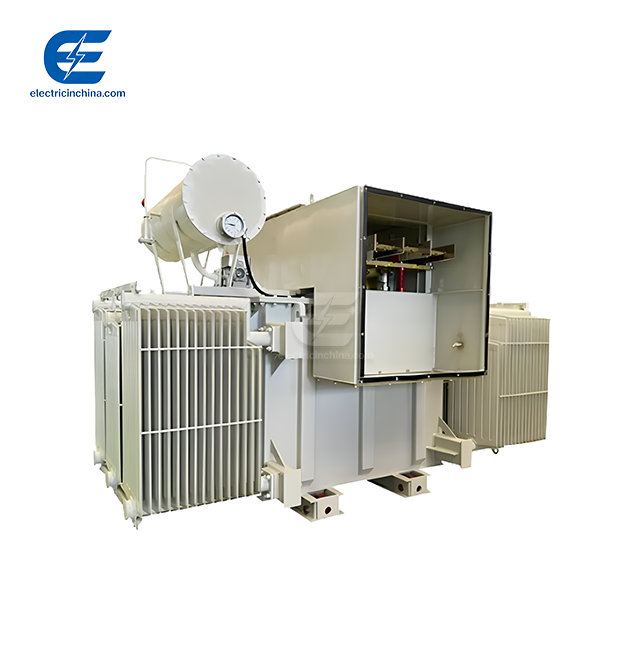
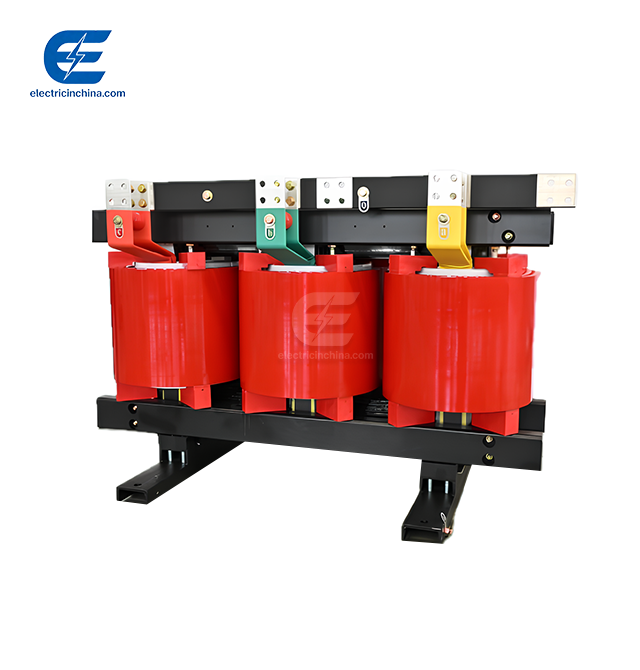
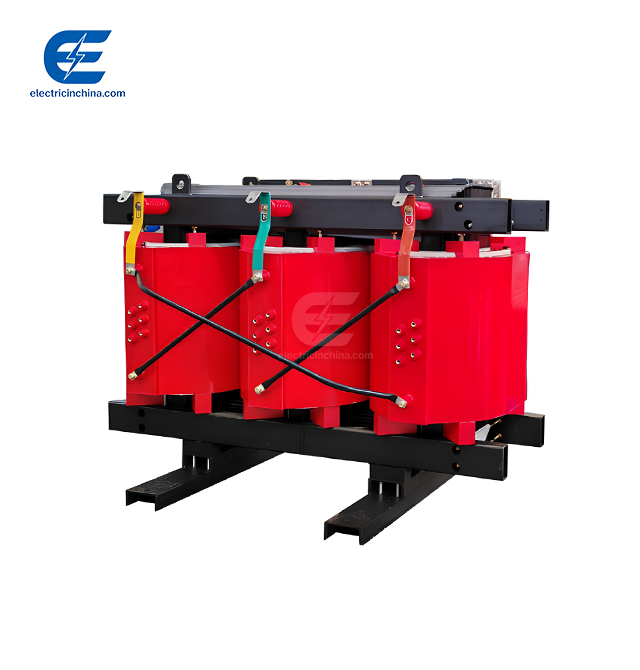
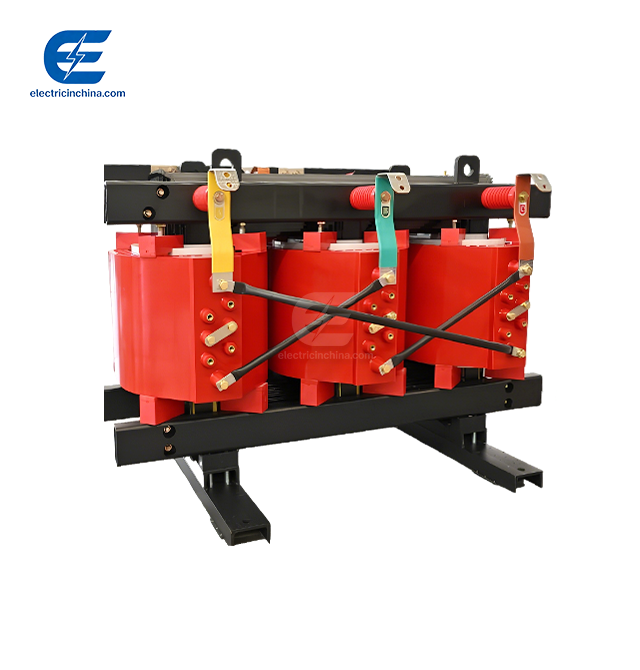
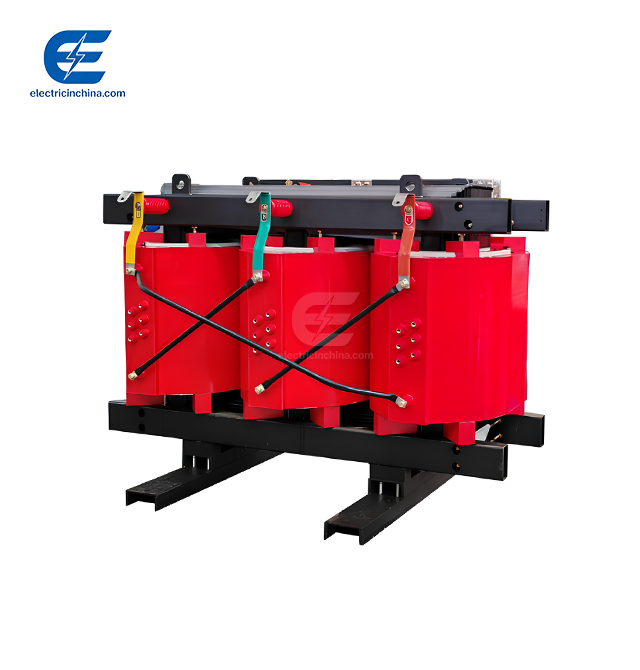
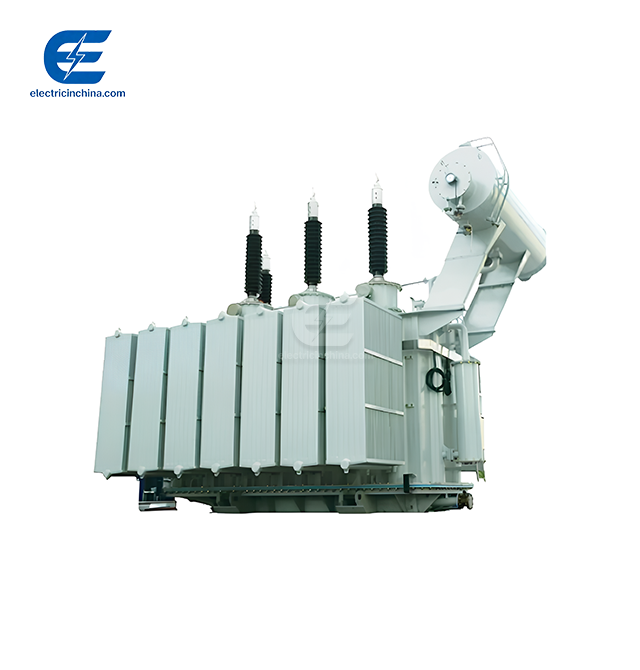
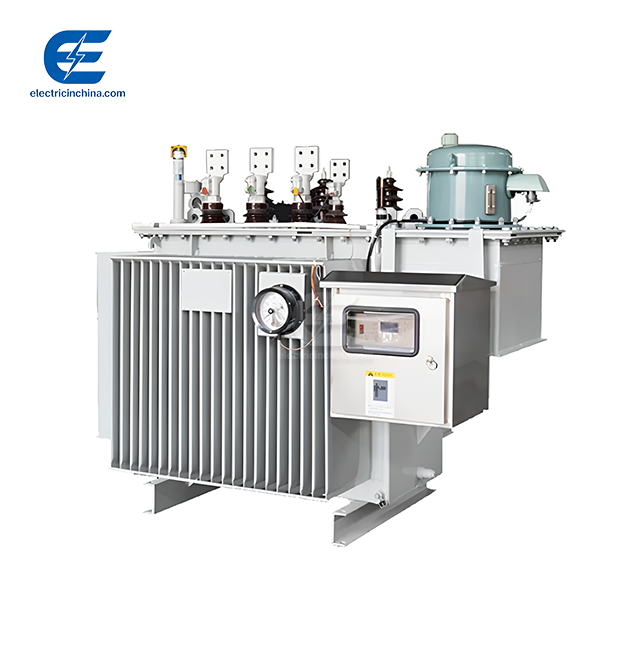
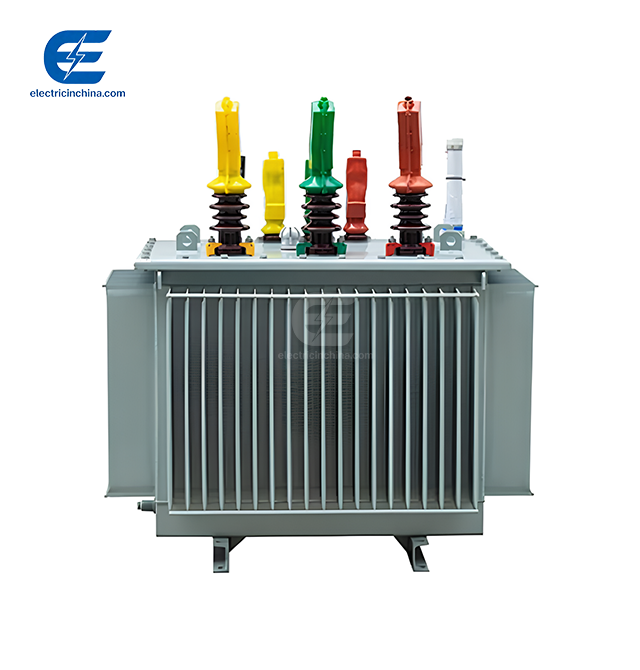
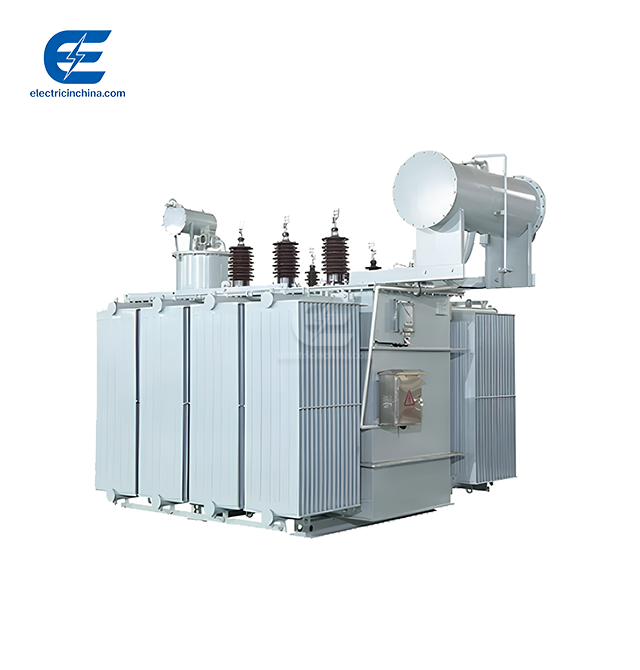
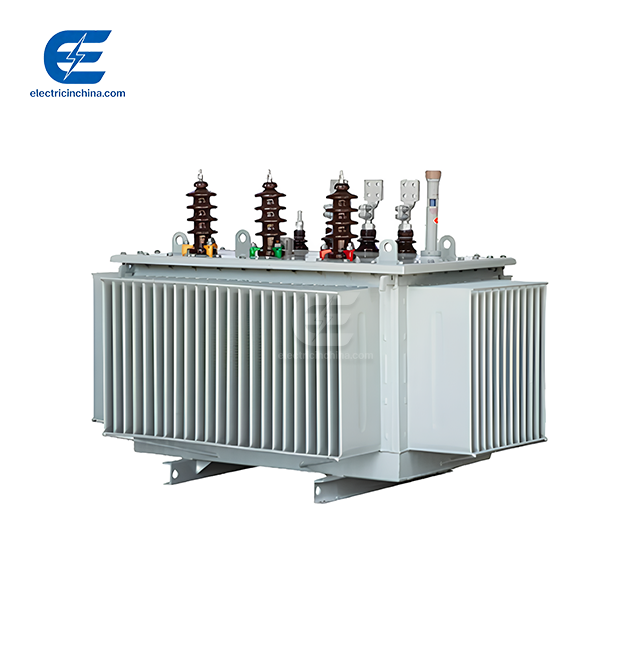
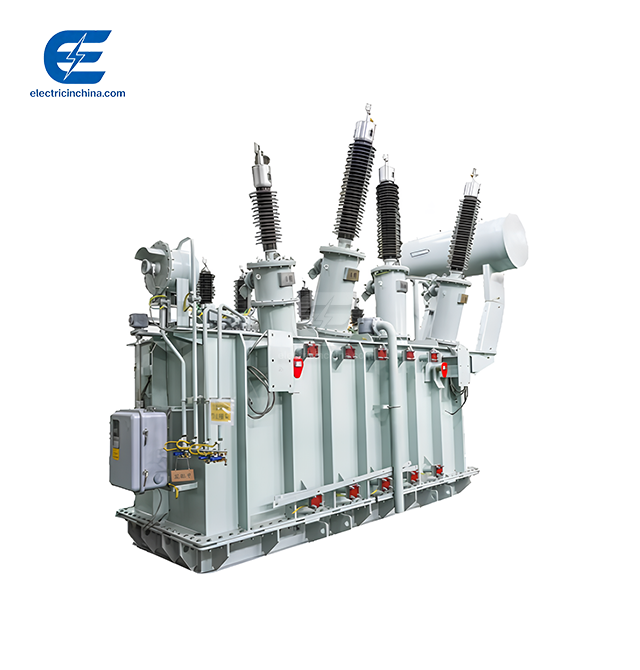
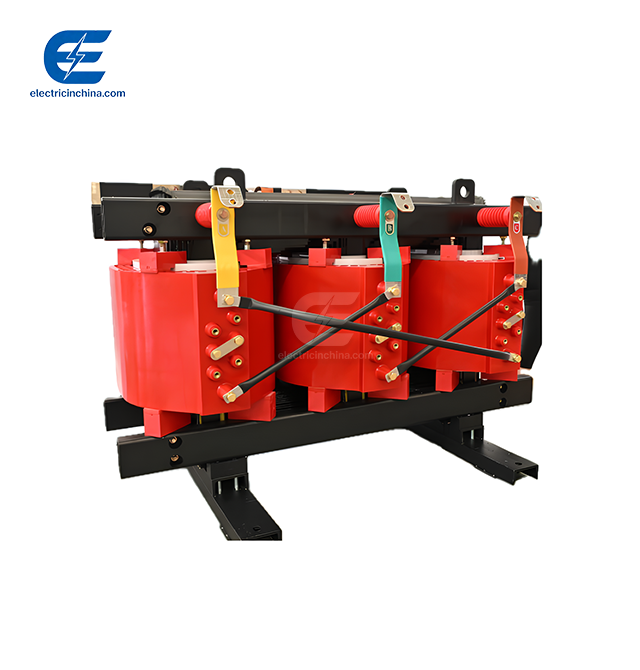
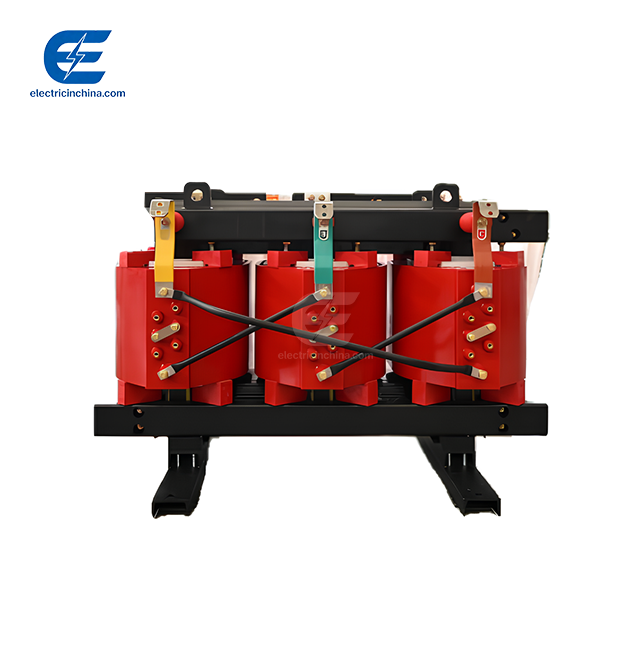
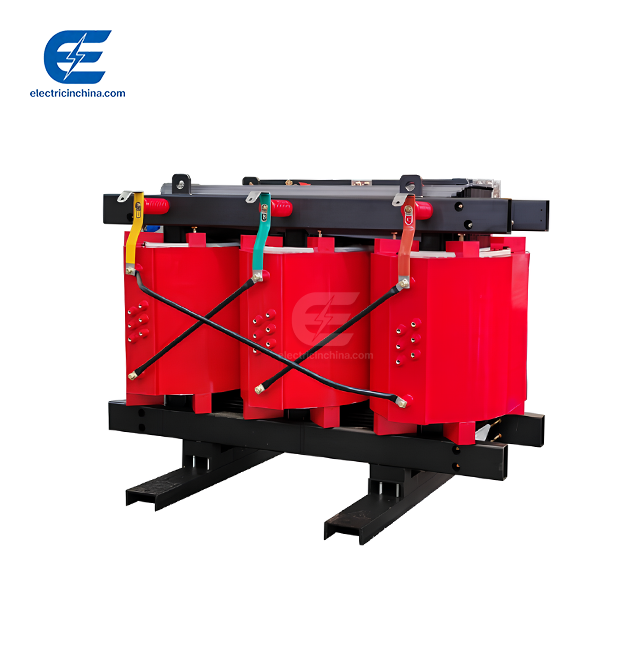
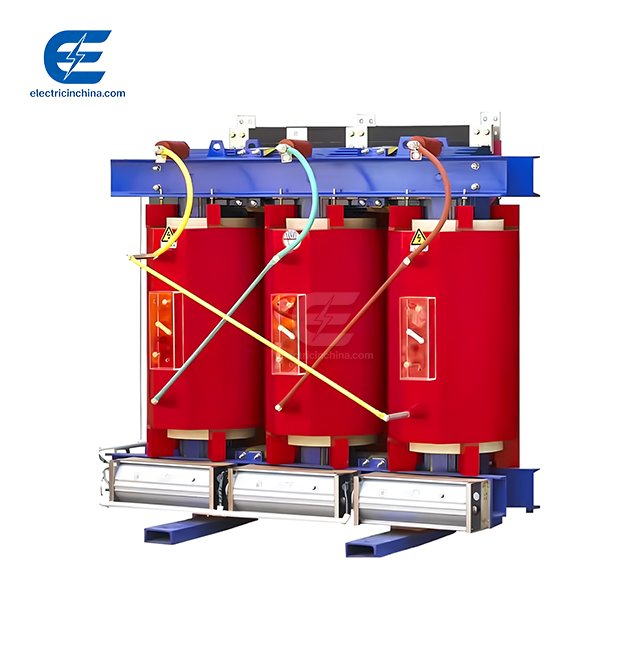
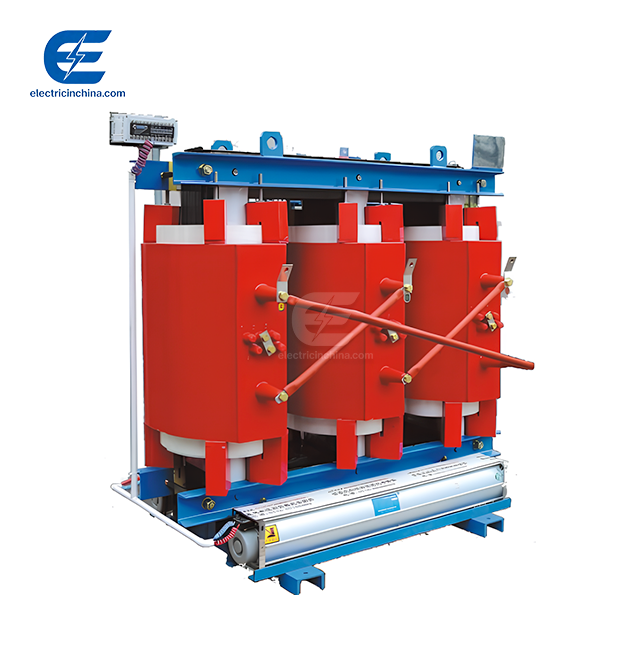
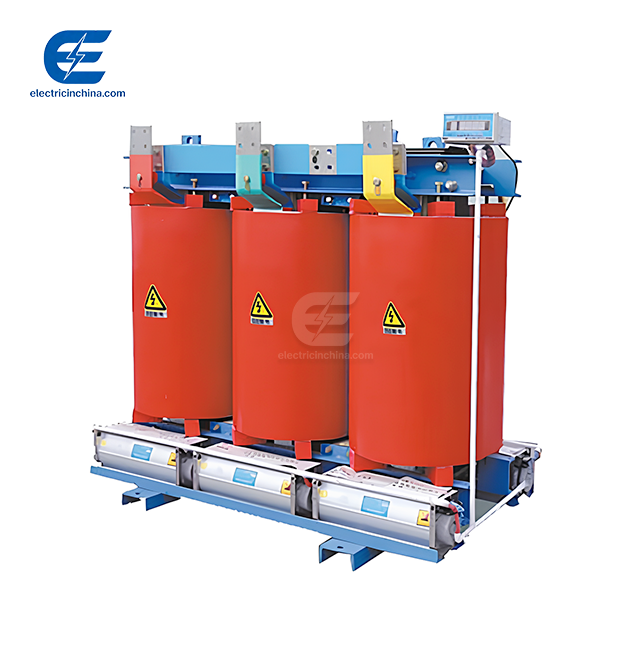
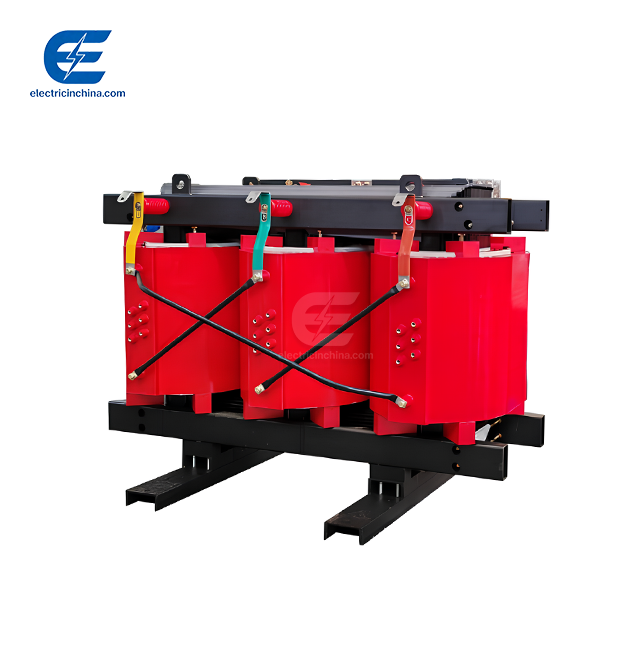
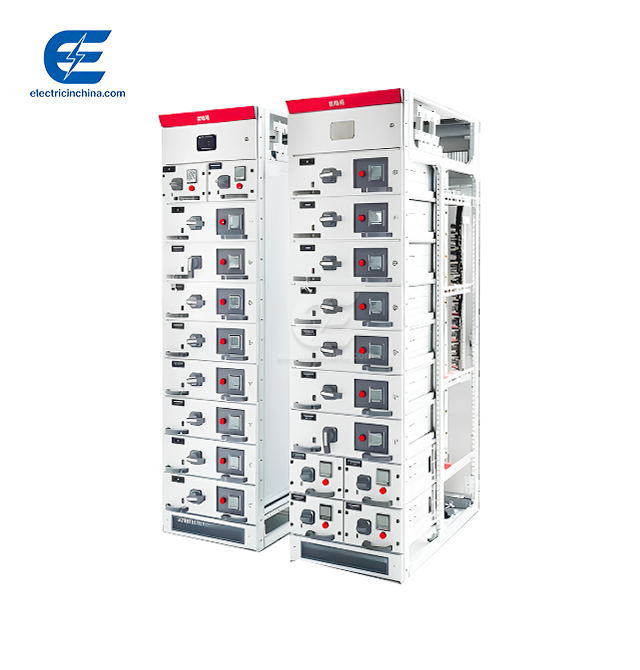
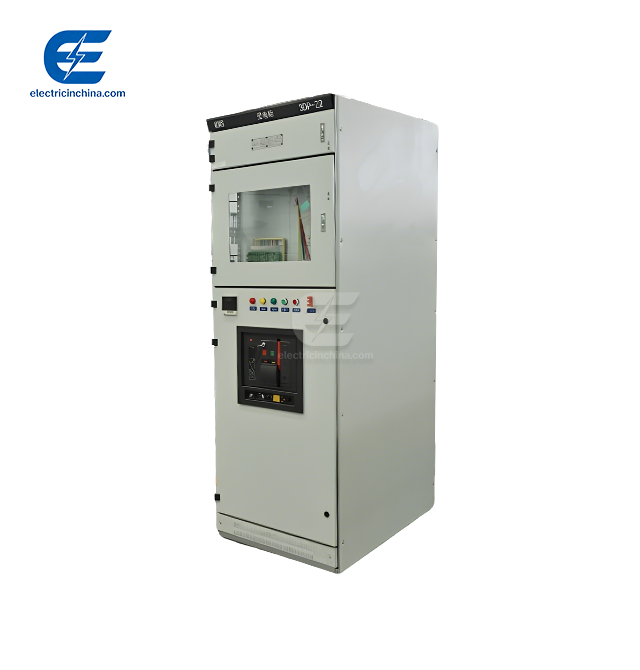
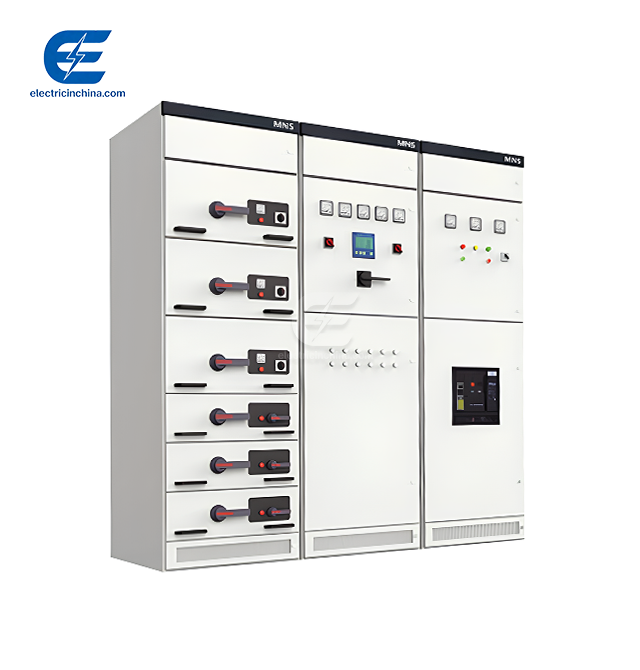
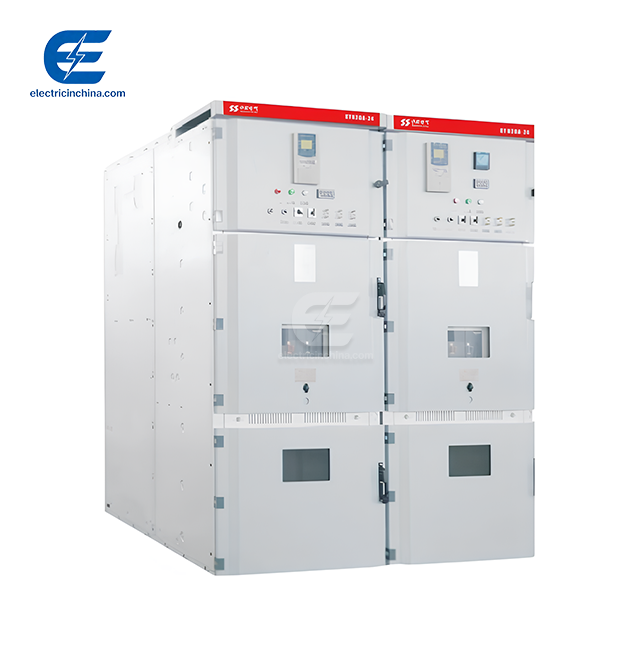
The varying power output that comes with solar energy is handled by the transformer inside a PV Compact Substation for Solar Power Plants. Unlike thermal power plants, whose output stays the same throughout the day, solar farms' output changes throughout the day. Our systems use transformers that can handle heavy loads without breaking down, so they can handle these irregular flows. The switchgear part has vacuum circuit breakers and disconnectors that make isolation points obvious. This stops dangerous back-feeding during repair, which is a very important safety feature for utility workers.
When electricity problems happen in PV Compact Substations for Solar Power Plants, protection devices react within milliseconds. Differential switches find problems inside the circuit, and overcurrent and earth fault safety keep it safe from problems outside the circuit. These devices talk to each other using IEC 61850 standards, which lets the electricity grid of the solar plant respond in a coordinated way.
Voltage and Capacity Specifications
For solar uses, PV Compact Substations for Solar Power Plants can usually handle power loads of 50MVA to 300MVA per unit. The voltage values range from 35kV/110kV to 35kV/220kV, and tap switches can adjust the voltage by ±10% to ±16%. This ability to be adjusted keeps the quality of the power stable even when solar production changes and the grid goes through changes. Our systems can work in temperatures ranging from -40°C to +50°C, so they can be used in places like Arctic study sites and deserts in the Middle East.
Innovations Driving Efficiency in PV Compact Substations
Over the past ten years, the growth of green energy infrastructure around the world has sped up technological progress in the creation of PV Compact Substations for Solar Power Plants. Modern units are different from older ones in a number of important ways.
Modular and Scalable Design Architecture
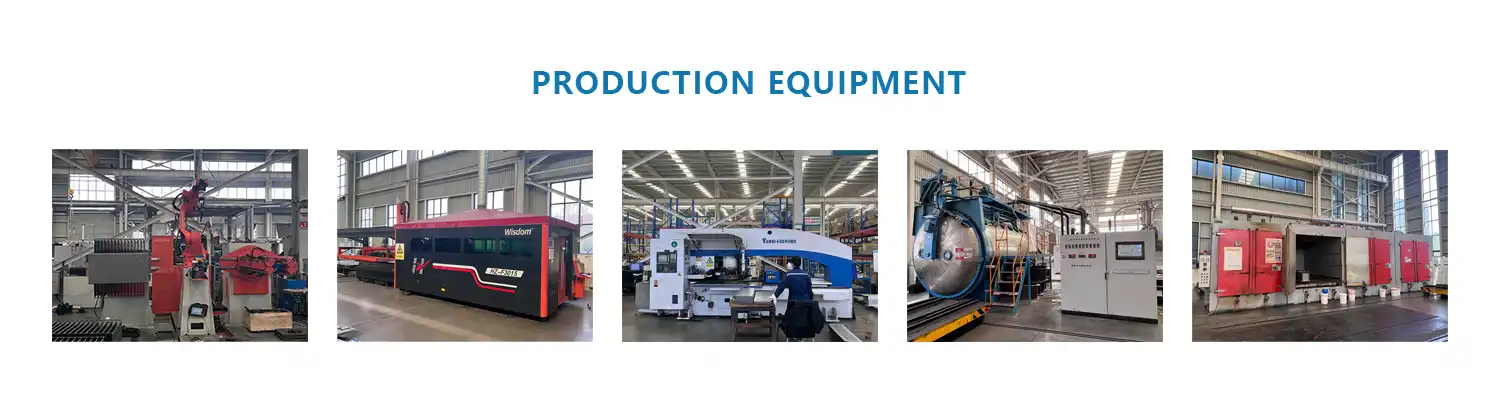
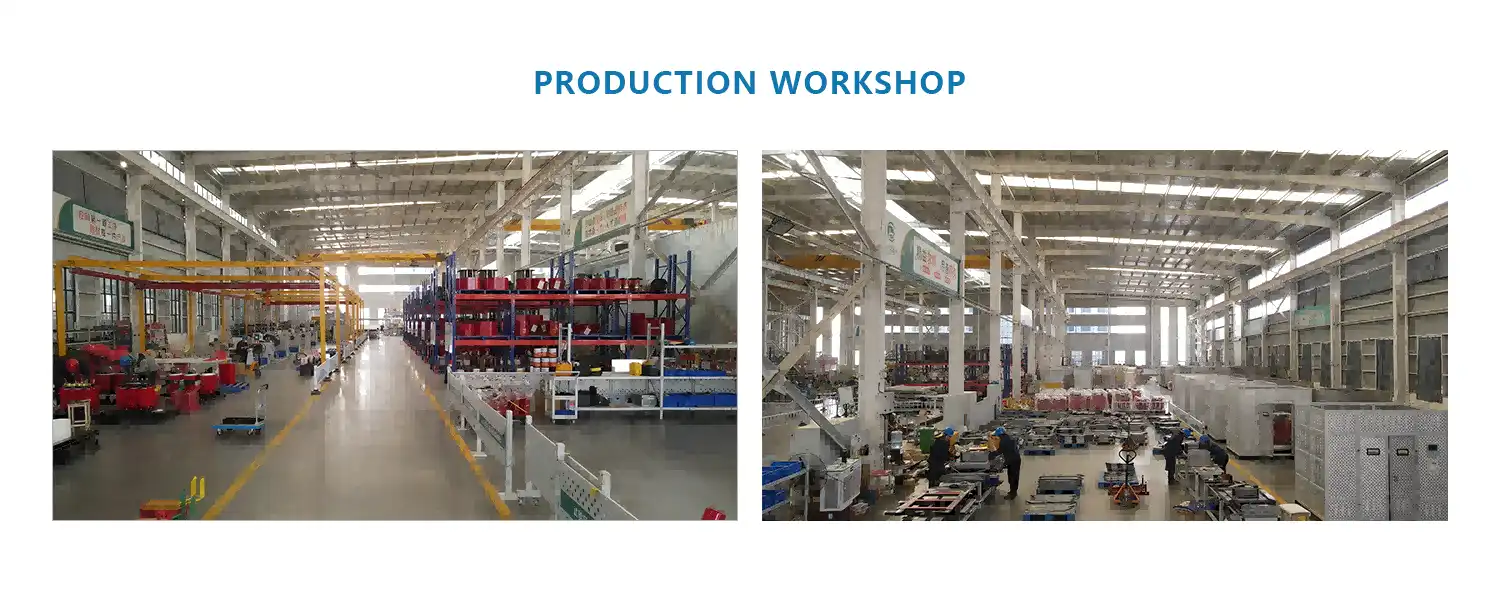
Modularity is a big part of modern PV Compact Substations for Solar Power Plants, which lets multiple units work together as solar farms grow. This flexibility is important for developers who want to build in stages because it lets them start using the first capacity quickly while still leaving room for future growth. Our factory has more than 120 sets of high-tech tools, such as CNC automatic winding machines and CNC static vacuum casting machines, which make sure that every modular part is made precisely. Before being sent out, each part is tested in the workshop, so there are no surprises when it's put together in the field.
The modular method cuts assembly times by a huge amount. Traditional substations need to be built on-site over the course of 12 to 18 months. This includes a lot of civil engineering work and complicated wiring. Compact designs come mostly finished; all that needs to be done is to prepare the base and connect them to incoming feeds. Installation times are cut down to 4 to 6 months, and the system can be put into use within 2 to 3 weeks of shipping.
Intelligent Monitoring and Predictive Maintenance Systems
Modern PV Compact Substation for Solar Power Plants units have monitors all over their important parts that measure temperatures, tremors, partial discharge activity, and electrical factors all the time. This information flows to SCADA systems, which show the health of machines in real time. Our units use IEC 61850 transmission protocols, which make them compatible with a wide range of tracking tools used by operators around the world.
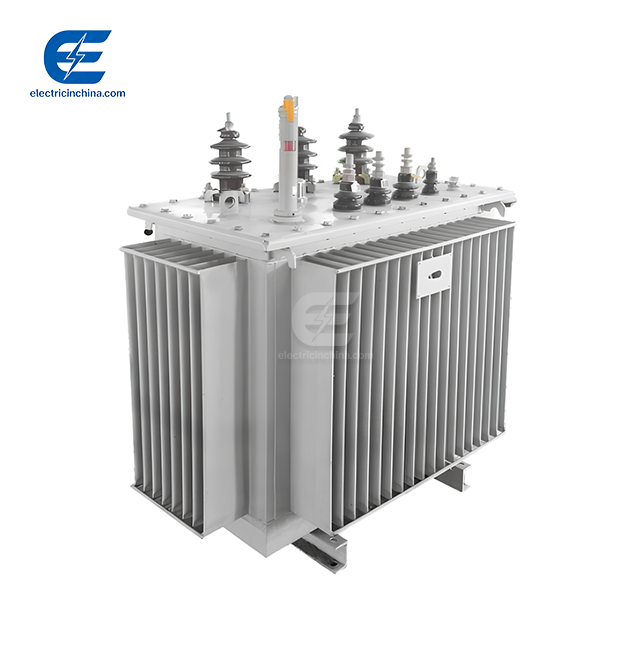
Predictive maintenance programs look at sensor data to find trends of wear and tear before they happen. Dissolved gas analysis devices can find early signs of flaws in oil-filled transformers by monitoring changes in gas concentrations. Compared to reactive repair methods, this proactive technique cuts down on unplanned outages by 40 to 60%. Engineers can look at performance data from afar with mobile-accessible screens, so they don't have to go to setups in difficult places as often.
Advanced Thermal Management Solutions
Transformers lose efficiency at the same rate as their working temperature. Too much heat speeds up the aging of insulation and raises resistance losses. New developments in cooling systems deal with these issues in a number of different ways. For mild temperatures, natural convection cooling (ONAN) is still the norm. However, forced air cooling (ONAF) increases capacity in hot places. During production, microcomputers run our gradient curing ovens, which improve insulation qualities so they can handle heat stress.
Better cooling goes all the way to the switchgear sections, where moving air and getting rid of heat affect how well the contacts fight resistance and the arc extinguisher works. In desert sites, sealed shelters with positive pressure systems keep dust out and keep the heat transfer working well. Coastal projects get coatings that are resistant to rust, which have been tested for more than 1000 hours under ASTM B117 salt spray conditions. This protects the heat-dissipating surfaces for the 25–30 years that the equipment is in use.
Eco-Friendly and Lightweight Materials
Sustainability issues now affect the design of PV Compact Substations for Solar Power Plants in ways other than their use for green energy. Manufacturers are using ester-based transformer solutions more and more instead of mineral oil. These biodegradable fluids are safer in fires and are better for the environment, but they don't affect how well the electricity system works. Lightweight composite materials used in structural parts lower the cost of shipping and make the base requirements easier. This is especially helpful for places that are far away and hard to get to.
In our design theory, we focus on using materials that can withstand harsh environments while having the least amount of effect over their entire life. When compared to standard steel buildings, aluminum alloy enclosures are stronger and lighter. These materials have security grades of IP54 to IP65, which means that water and dust can't get in and mess up the electrical integrity or cooling efficiency.
Comparing PV Compact Substations with Conventional Substations
Knowing the actual differences between small and regular designs makes it clear why solar makers are choosing integrated solutions more and more.
Space Efficiency and Installation Speed
For the same amount of power, conventional substations need areas that are about 40m x 30m, with lots of trenches for cable hookups and different buildings for control equipment. Smaller options are only 15m × 8m × 4m, which frees up land for more solar panels, which is a big plus in places where buying a site costs a lot. This 30–40% smaller size has a direct effect on the project's costs, especially for installations on rooftops and in cities where room is limited.
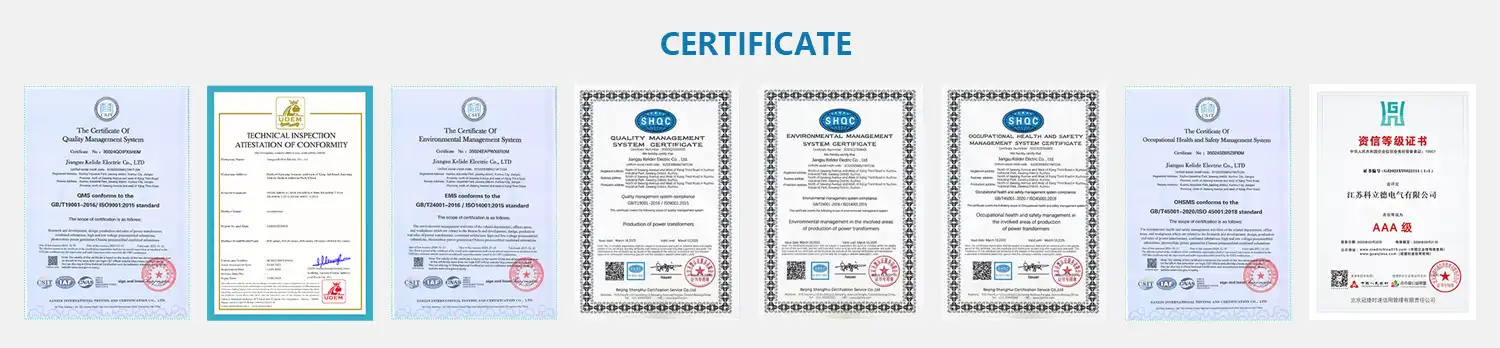
The factory integration of PV Compact Substations for Solar Power Plants gets rid of the planning problems that come with normal building. In the old way of doing things, different companies would put in foundations, transformer tanks, wiring panels, and safety systems one after the other. These parts are already built in and checked at the plant when compact units are sent out, which cuts the critical path by months. Our complete quality management system, which is approved to ISO 9001, ISO 14001, and OHSAS 45001, makes sure that every unit meets the requirements before it is sent out.
Reliability in Challenging Environments
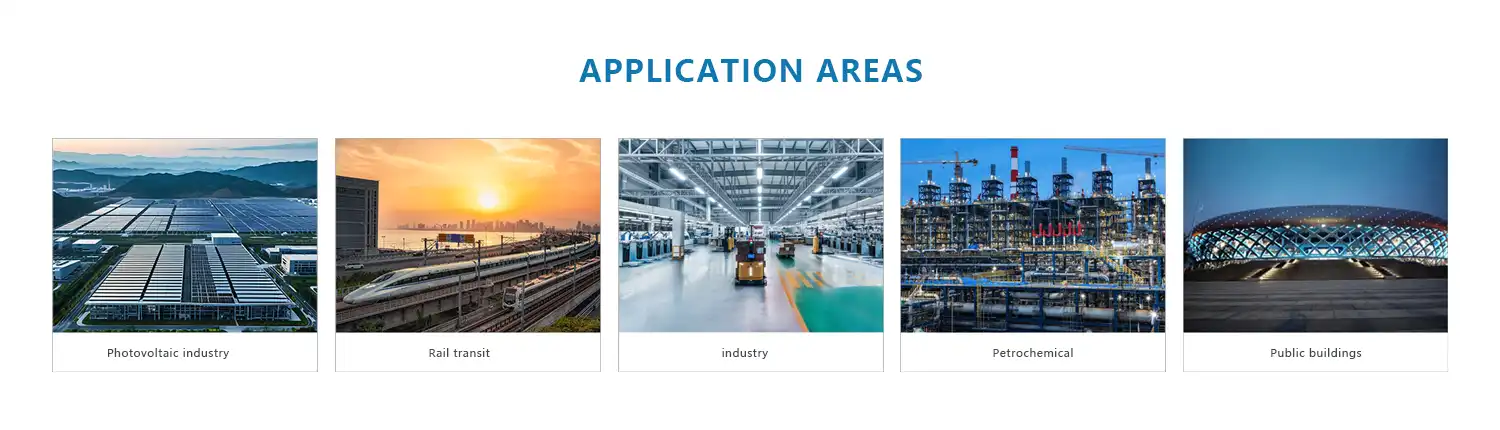
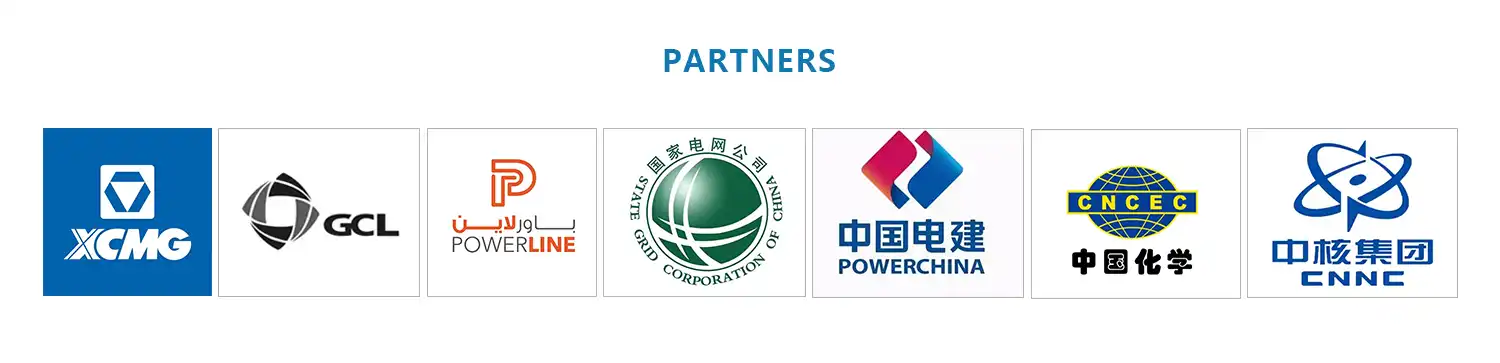
Deserts, seaside areas, and high-altitude plateaus are common places where solar setups are put because the land isn't good for farming or building. These places have environmental stresses that put electrical tools to the test. PV Compact Substation for Solar Power Plants units are more reliable because they are sealed and have temperature control built in. Our substations have uptime rates of 99.7% or higher, even in the worst conditions. Projects like the GCL Photovoltaic Industrial Park and many other large-scale industrial installations have shown this to be true.
In deserts, tiny particles get into regular substations and build up on the insulators and heat exchanges, and cause problems. This path is blocked by sealed boxes with air filters, which keep the cooling working well and stop tracking on insulation surfaces. IEC 61936 standards are met for seismic protection, which is very important for sites in areas where tectonic plates are moving. Higher up, above 3000 meters, cooling devices are better to make up for the lower air flow.
Total Cost of Ownership Analysis
When civil engineering costs and construction work are taken into account, the initial capital costs for PV Compact Substations for Solar Power Plants are lower than those for traditional options. The cost of the main equipment may be 10-15% higher, but this is balanced out by less work needed to prepare the site, faster approval, and less installation labor. Over the 25–30-year operating life, more money is saved through better upkeep. Inspections are easier when there are fewer parts, and going to remote places is less necessary when you can watch them from afar.
These benefits, over time, have been seen in projects like the Xuzhou Rail Transit Network Control Center and the XCMG Group power supply improvements. The rail transit project used a dual-circuit power supply system in PV Compact Substations for Solar Power Plants to make sure operations were safe and to meet tight deadlines. The XCMG installation was finished early, which proved that we can meet tight schedules for projects without lowering the quality of our work.
Selecting the Right Compact Substation for Your Solar Project
When buying solar power infrastructure, you have to think about technical specs, the supplier's skills, and the needs of the particular project. This level of complexity calls for a methodical review.
Capacity Planning and Scalability Considerations
Before you choose a center, you should know how much power the solar plant can produce now and in the future. To account for secondary loads and power factor adjustment, a 100MW plant that generates at 35kV needs a transformation capacity of about 110–120MVA. Phased advances are helped by PV Compact Substations for Solar Power Plants that are made to work in parallel, which lets the capacity grow slowly as more solar panels are added. Our team of 15 senior engineers and more than 30 intermediate techs can help you plan your capacity in the best way possible for your place.
Evaluating Supplier Capabilities
Global companies like ABB, Siemens, and Schneider Electric are in the PV Compact Substation for Solar Power Plants market, as well as smaller companies that focus on green energy uses. Evaluation factors should include more than just the specs of the equipment. They should also include the ability to manufacture, quality processes, and assistance after the sale. Our building has more than 120 sets of high-tech machines, such as microcomputer-controlled gradient curing ovens and automatic foil wrapping machines. These machines allow for precise production, which has a direct effect on long-term dependability.
Customization Versus Standardized Solutions
While turnkey solutions offer predictable prices and quick setup, they may come with features that aren't needed for your application. Custom designs improve performance and cost to meet specific needs, but they take longer to develop. The best method usually combines standard platforms with parts that are made just for the spot to deal with problems that are unique to that area. Our knowledge from working on commercial real estate, industrial projects, and city building projects, like the Xuzhou High-speed Railway East Station and Huaihai Biomedical Industrial Park, lets us make templates that can be used for a wide range of needs.
Maintaining and Optimizing Efficiency Over the Lifespan
For equipment to work efficiently for decades, it needs to be managed in a way that goes beyond the initial design.
Preventive Maintenance Protocols
Routine repair for PV Compact Substation units includes many different tasks. Every year, transformer oil needs to be tested for its acidity, breakdown voltage, moisture level, and dissolved gases. These factors show the state of the insulation and find flaws that are starting to form before they cause a catastrophic failure. A thermographic check finds hot spots that could mean that links are loose or breaking down. Our method for quality management includes help after the sale, making sure that maintenance suggestions are based on real-world situations instead of general schedules.
For gas-insulated designs, switchgear needs to have contact resistance tested every six months and SF6 gas quality checked. Depending on how often they are used, vacuum circuit breakers need to have their contacts checked for wear every 5 to 7 years. Protection switches are functionally tested to make sure that the trip settings are still correct. These tasks usually take two to three days per unit every two years, which isn't too much of an issue compared to unplanned failures.
Predictive Technologies and Remote Diagnostics
Condition-based maintenance, which moves from set plans to data-driven interventions, is made possible by IoT sensors built into key parts. Transformer cooling pumps have vibration sensors that can tell when bearings are wearing out weeks before they break. Partial discharge monitors find switchgear insulation that is breaking down, which lets replacements be planned for planned outages. These features are built into our PV Compact Substations for Solar Power Plants as normal, and the data streams they provide are compatible with the most popular asset management systems.
With remote monitoring, problems can be fixed faster. During fault investigations, engineers can see data in real time and often find the root causes before they even get to the scene of the problem. This feature is especially useful for setups in remote areas where getting expert teams there can take days. Being able to tell the difference between real problems and false alarms keeps people from having to travel when they don't have to. This cuts down on running costs while keeping up high uptime.
Upgrading and Retrofitting Options
During the life of a transformer, technology keeps getting better. As monitoring tools get better and communication methods get better, new security strategies appear. These new technologies can be added to PV Compact Substations for Solar Power Plants without having to replace whole ones thanks to modular designs. Plug-in changes can be made to control panels and safety relays, which extends their useful life while protecting the capital invested in transformers and switchgear, which have physical lives of 30 years or more.
Another type of fix is upgrading capacity. If solar farms grow bigger than planned, they might need more change power. By installing a second PV Compact Substation for Solar Power Plants next to the first one in parallel, this capacity can be added without stopping current activities. This method works because compact designs are built with a modular framework that keeps things running smoothly during growth phases.
Conclusion
Solar power infrastructure is now much more efficient thanks to advances in PV Compact Substation for Solar Power Plants technology, such as modular design, smart tracking, advanced temperature management, and environmentally friendly materials. These systems have measurable benefits, such as 60–70% faster installation, 30–40% less space use, and higher reliability that has been proven in challenging uses around the world. When purchasing solar projects, procurement workers can gain a competitive edge by choosing equipment that includes these new technologies. This way, their systems will work at their best for many years to come. Modern PV Compact Substations for Solar Power Plants are the best choice for government infrastructure, commercial development, industrial manufacturing, and EPC contracting projects that need proven reliability and quick deployment. This is because they combine factory testing, integrated design, and predictive maintenance.
FAQ
What lifespan can we expect from a PV compact substation?
PV Compact Substations for Solar Power Plants that are well-built and well-kept will work reliably for 25 to 30 years. Transformers usually last longer than other parts because their insulation systems are designed to last 30 years or more at normal working temperatures. Depending on how often they are used, switchgear systems need to be fixed or replaced every 15 to 20 years. As communication standards change, protection systems need to be updated every 10 to 15 years. Our thorough quality control, which includes getting the raw materials and helping with the installation, makes sure that your equipment meets these life goals.
How do these substations perform in extreme weather compared to conventional designs?
PV Compact Substations for Solar Power Plants are more resistant to bad weather because they have factory-sealed shelters and built-in temperature control. Hurricane tests show that the building can withstand winds of more than 200 mph. Arctic installations can safely work at -40°C with the help of extra heating devices. Protection against flooding meets IP67 standards for important parts. During storm seasons, lightning protection systems with linked surge arresters offer 99.9%+ uptime. These features go beyond those of regular substations, where installing different pieces of equipment creates more weak spots.
What grid compliance requirements should we consider for different regions?
Grid code compliance is different in each country, but in North America, it usually means following IEEE 1547 standards, and in other countries, it means following IEC standards. Some important specs include the ability to handle voltage changes of ±10% in steady state and +15%/-30% in sudden situations. The frequency response must stay within the 50/60Hz ±0.5Hz bands for proper function. Power factor control ranges from 0.95 ahead of time to 0.95 behind. Harmonic distortion must remain below 5% THD. Before shipping, our plant tests to make sure that compliance is met, and full commissioning records are kept track of.
Partner With Tuojie for Your Next Solar Power Project
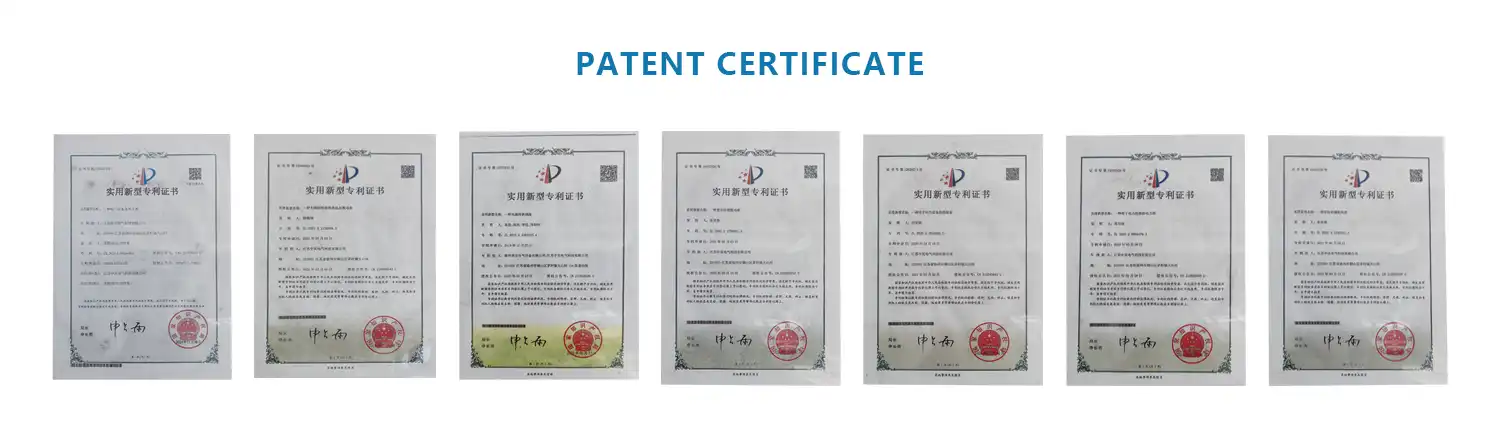
Tuojie has been planning and building electricity infrastructure for demanding uses for more than 20 years. Our PV Compact Substation for Solar Power Plants blends tried-and-true transformer technology with cutting-edge control and tracking systems. It has 18 patents and is ISO 9001 certified. Whether you're an EPC contractor in charge of utility-scale solar farms, a government agency building green infrastructure, or an industrial maker adding on-site power, our expert team works together to make sure you get solutions that are perfect for your project. We keep a large stockpile to support quick deployment, and we can help you get all the tools you need in one place. Email our engineering team at tuojie@electricinchina.com to talk about the details of your project and get full technical documents. Check out our full range of products and services at electricinchina.com to see why top developers choose Tuojie as their reliable PV Compact Substation for Solar Power Plants as a source for important power infrastructure.
References
1. International Electrotechnical Commission. (2019). High-voltage switchgear and controlgear – Part 200: AC metal-enclosed switchgear and controlgear for rated voltages above 1 kV and up to and including 52 kV. IEC 62271-200 Standard.
2. Institute of Electrical and Electronics Engineers. (2018). IEEE Standard for Interconnection and Interoperability of Distributed Energy Resources with Associated Electric Power Systems Interfaces. IEEE 1547-2018.
3. Zhang, L., & Kumar, R. (2021). Thermal Management Innovations in Compact Substations for Renewable Energy Integration. Journal of Electrical Engineering & Technology, 16(4), 1823-1836.
4. Schneider Electric. (2020). Compact Substations for Solar Power Plants: Design Considerations and Best Practices. White Paper Series on Renewable Energy Infrastructure.
5. Abu-Siada, A., & Islam, S. (2022). Predictive Maintenance Strategies for Power Transformers in Solar Applications. IEEE Transactions on Power Delivery, 37(2), 1156-1164.
6. Martínez-Velasco, J. A., & Alepuz, S. (2020). Power Substations in Photovoltaic Systems: Configuration, Protection, and Grid Integration. Springer Renewable Energy Engineering Series.