

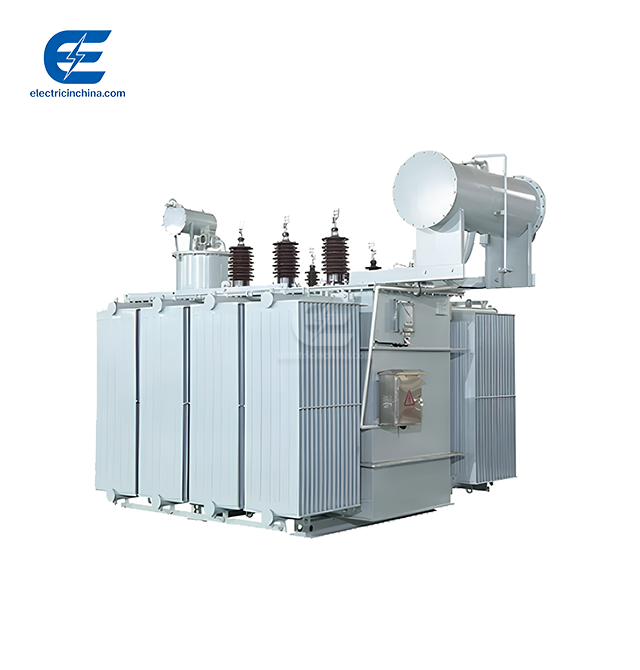
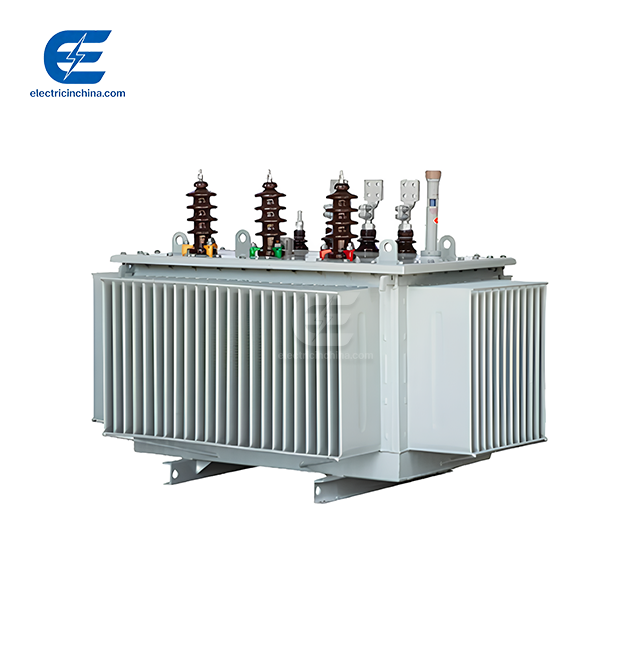
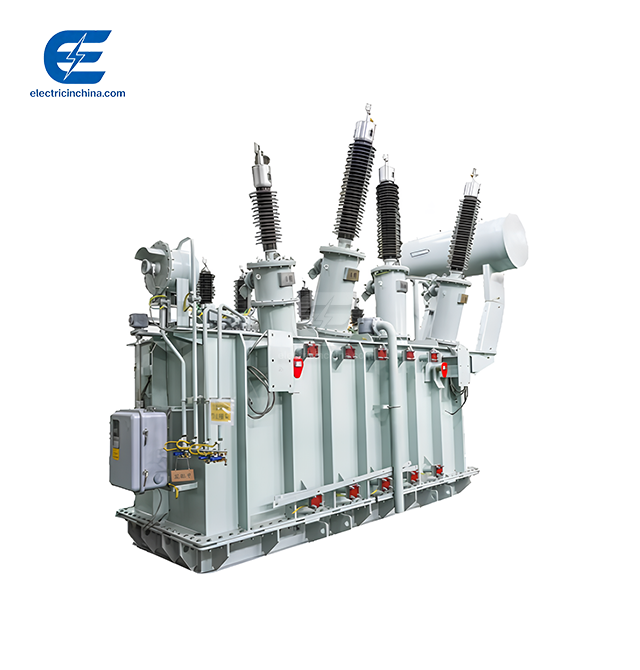
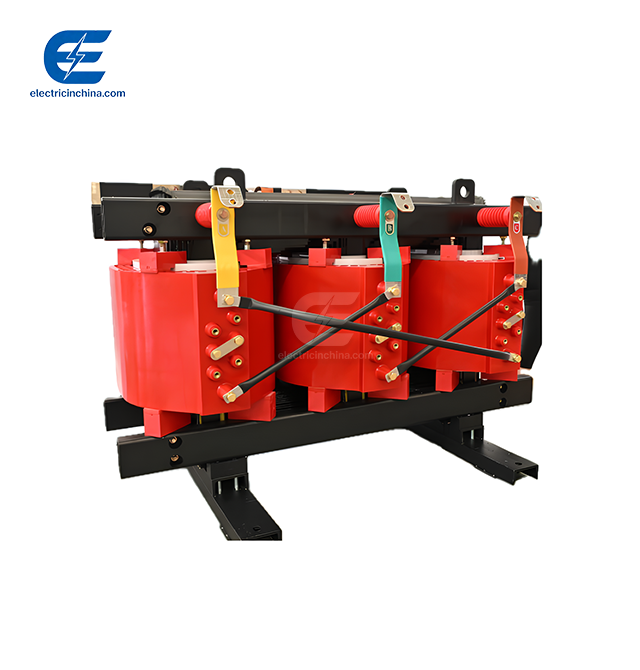
.webp)
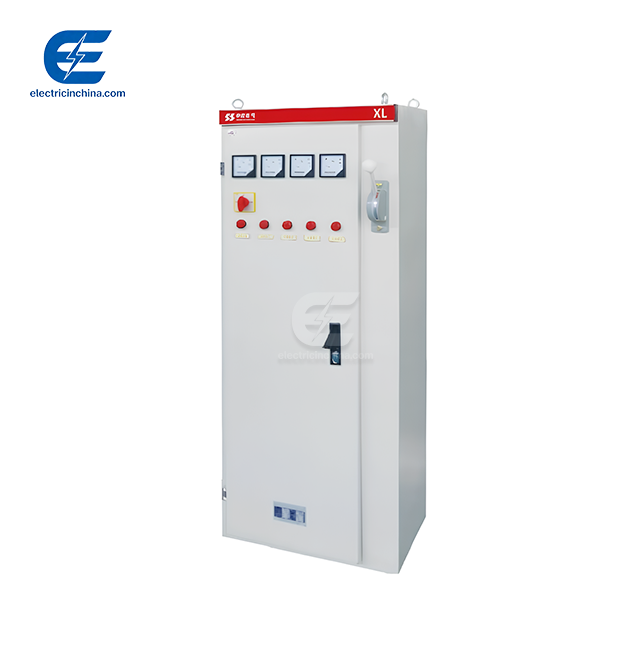
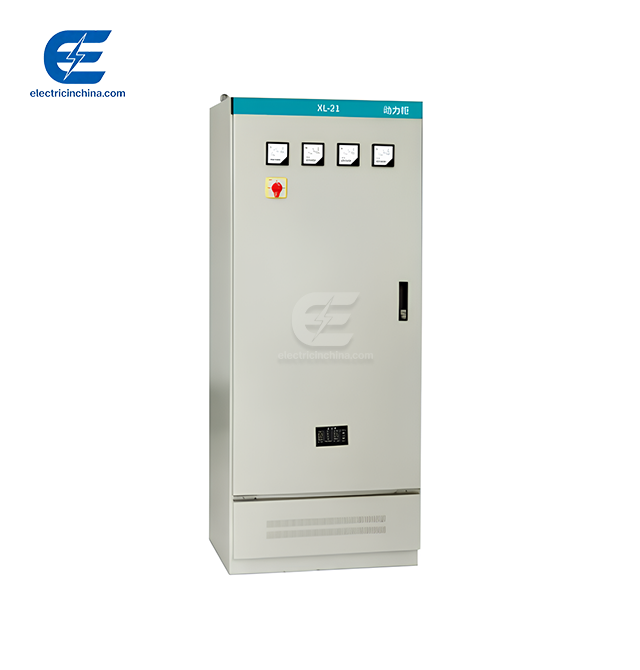
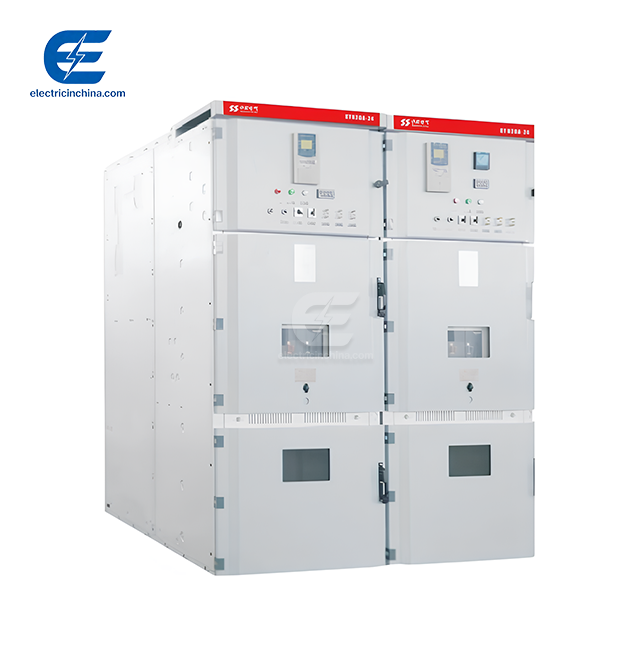
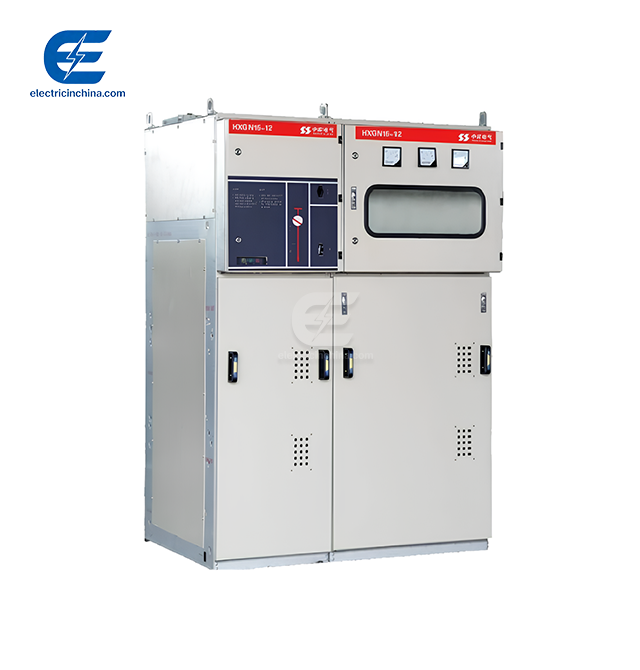
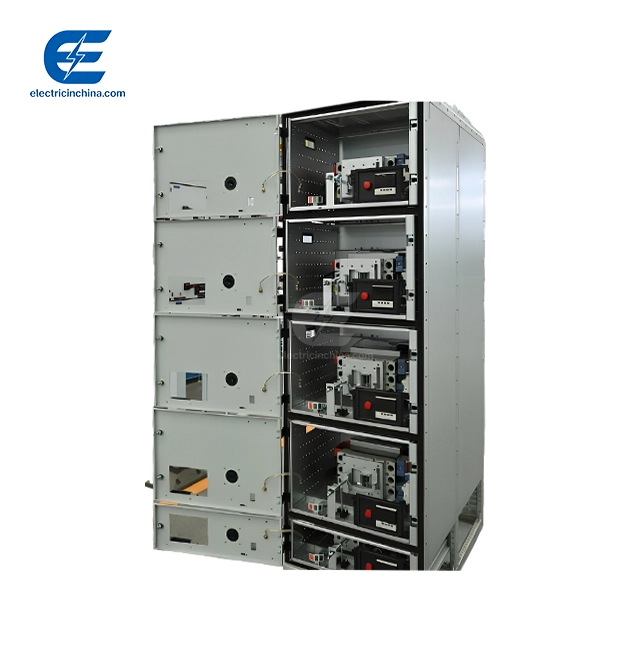
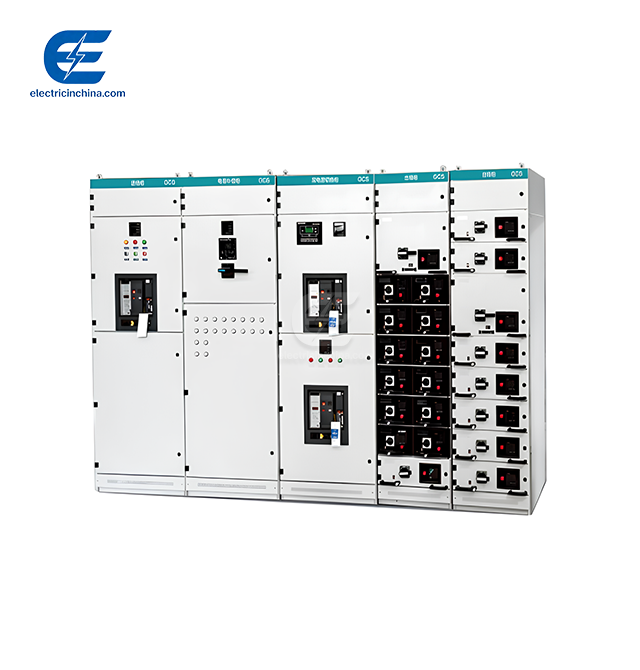
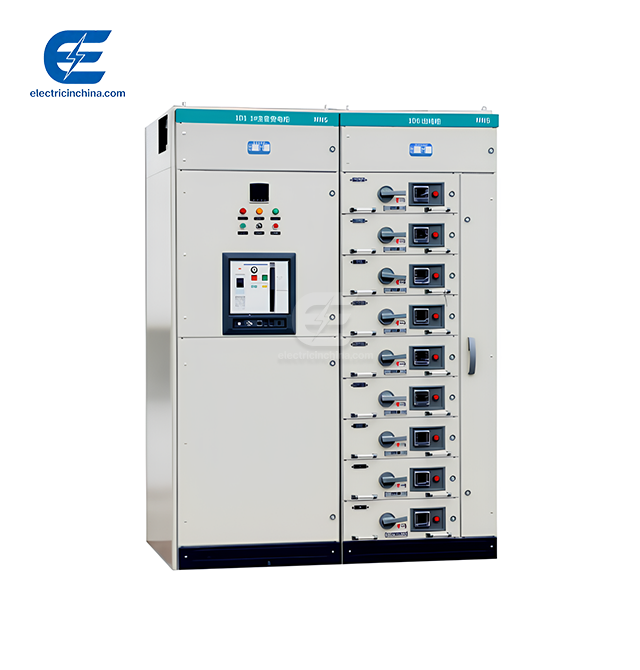
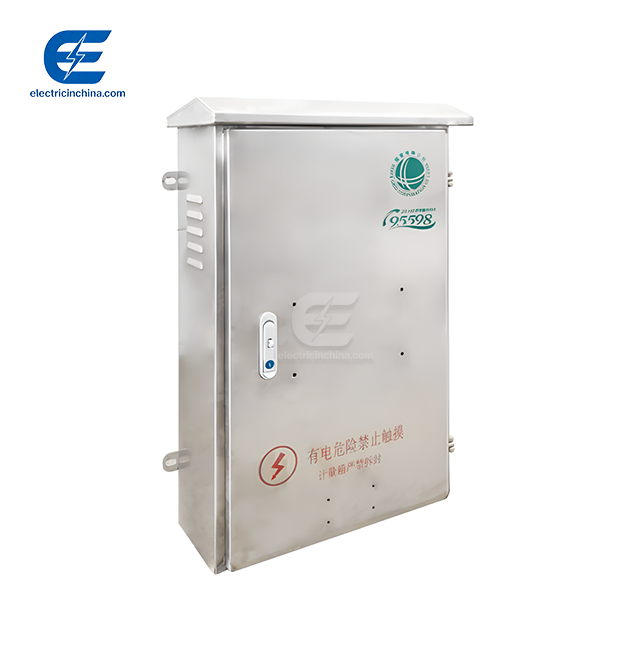
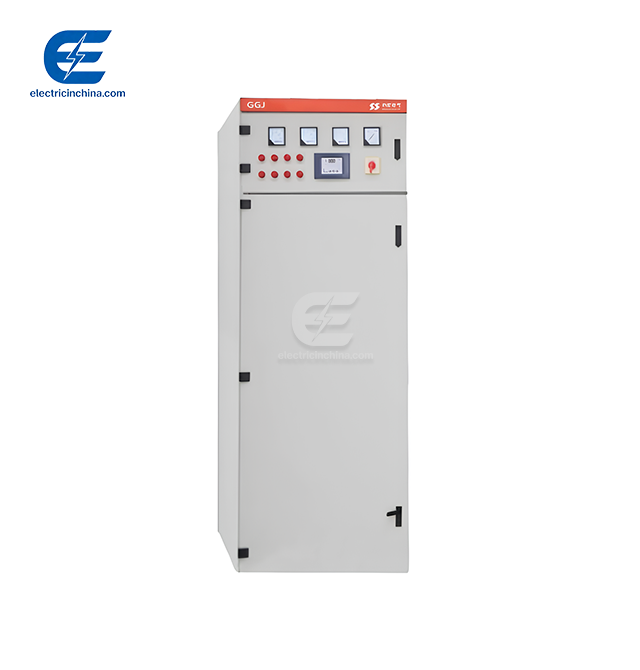
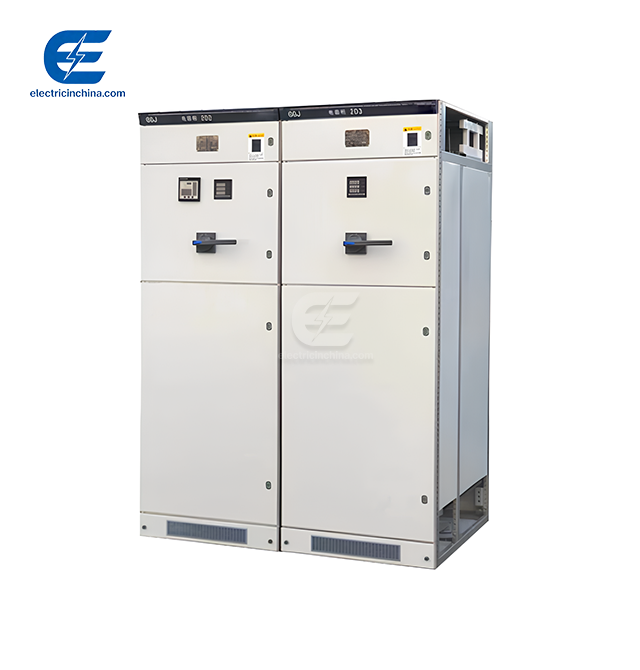
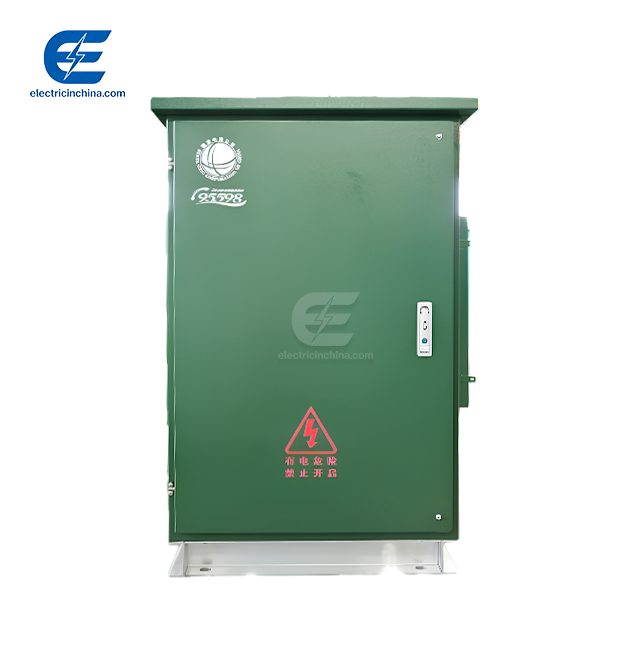
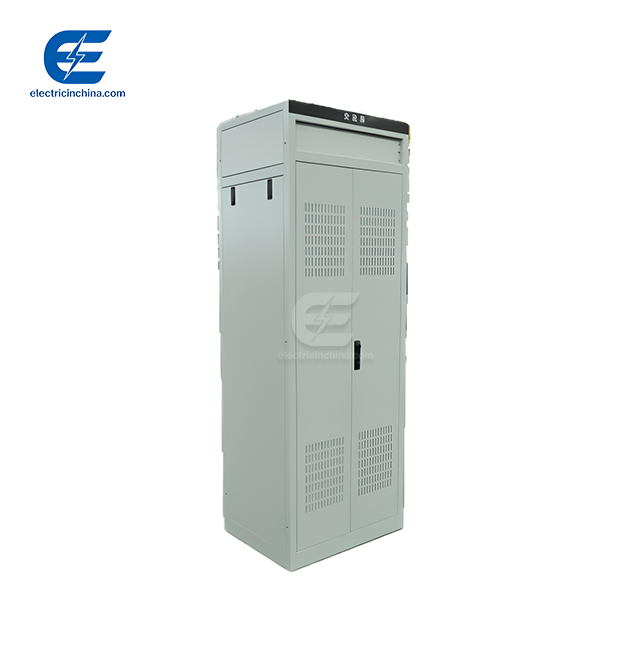
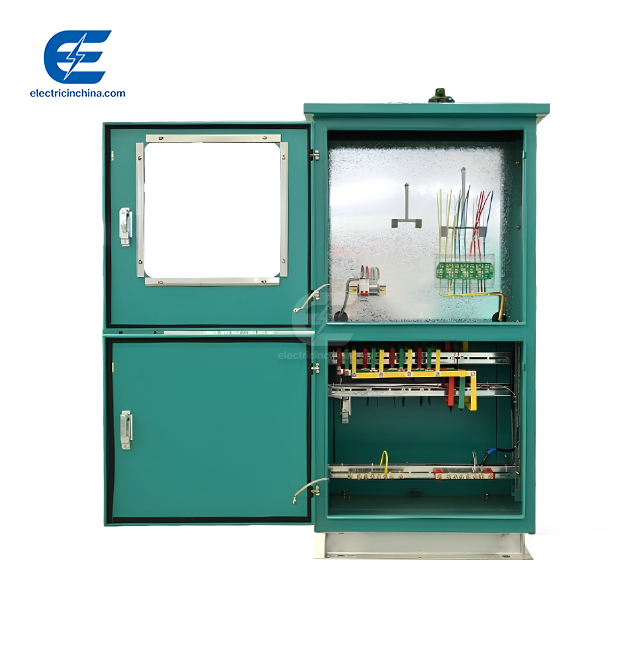
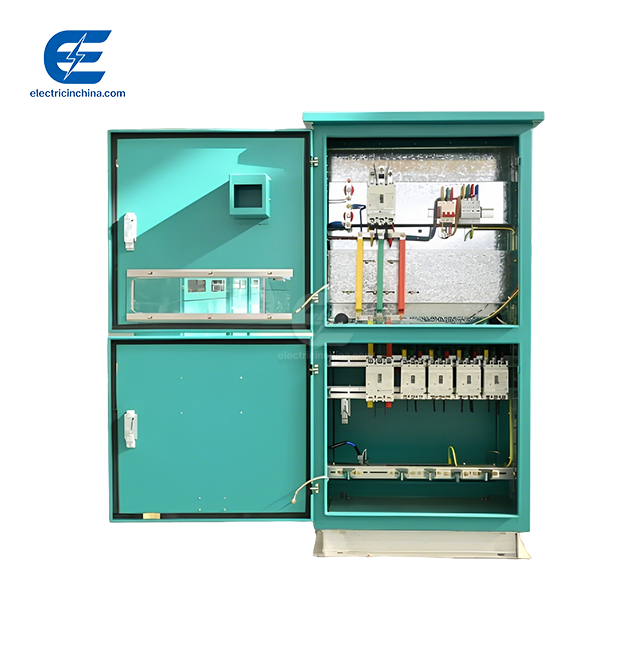
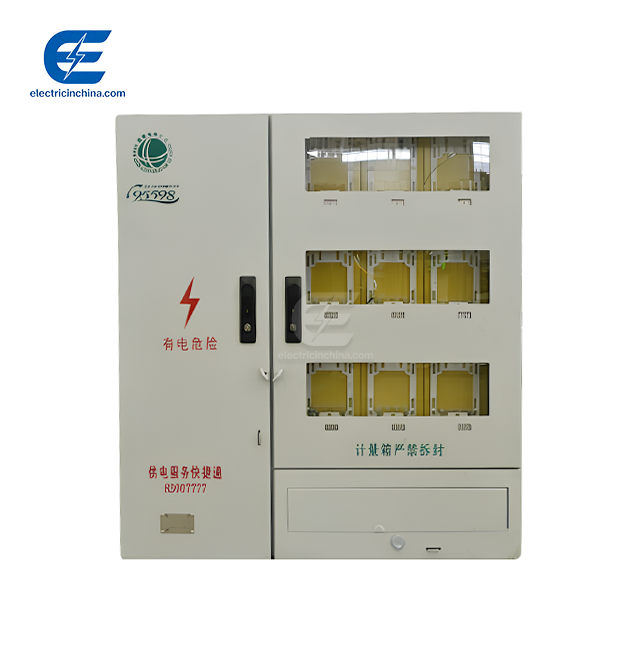
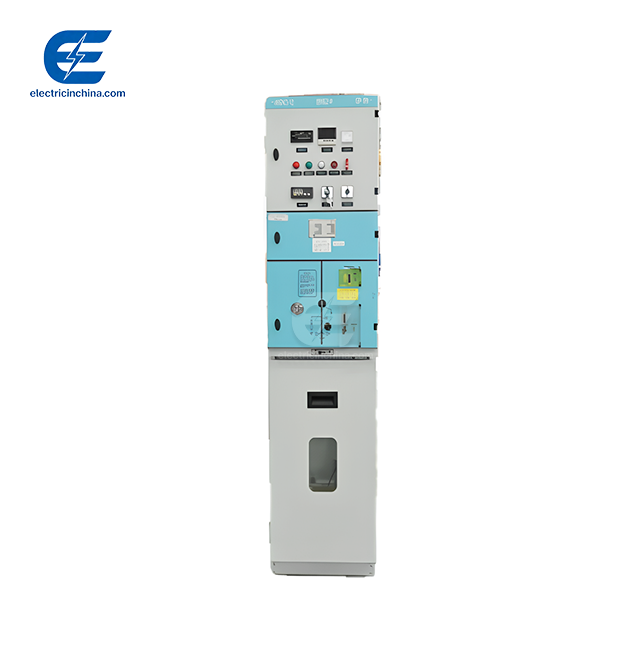
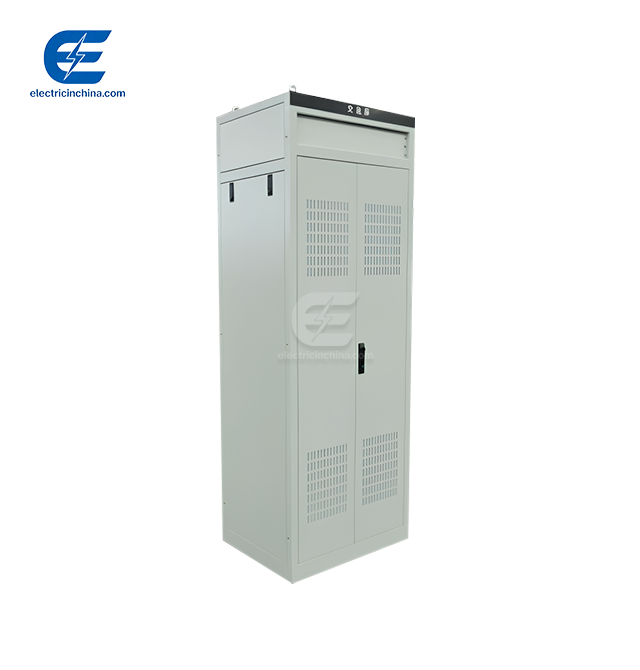
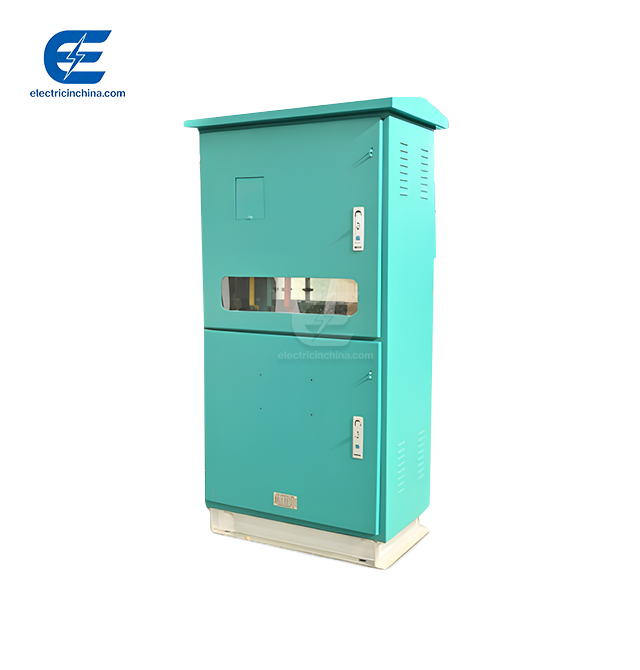
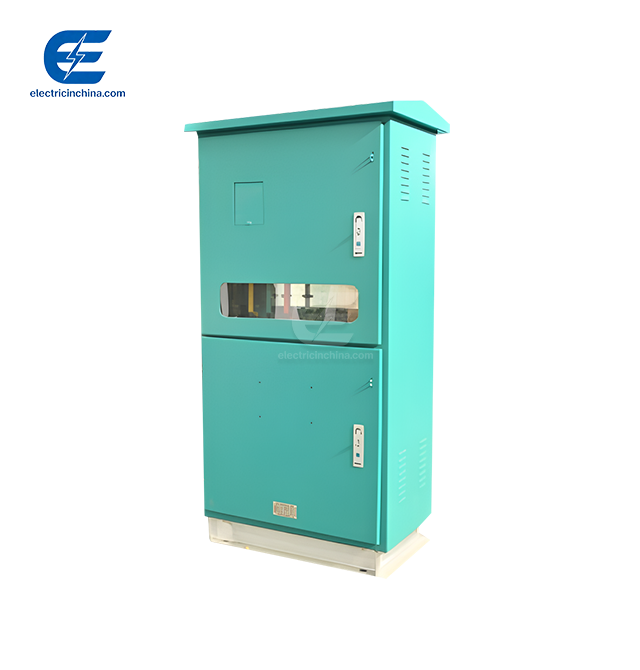
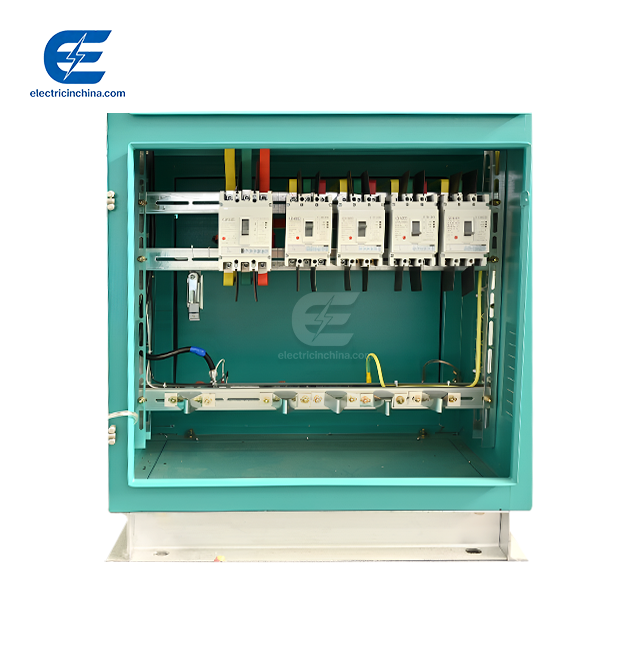
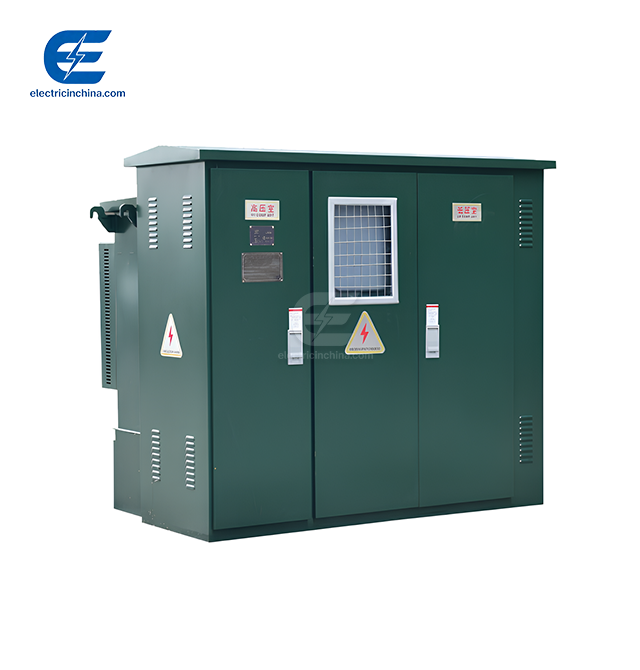
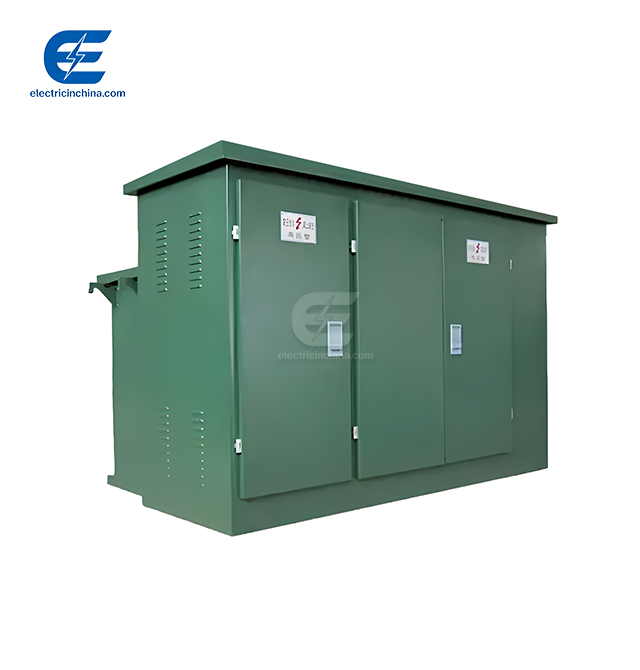
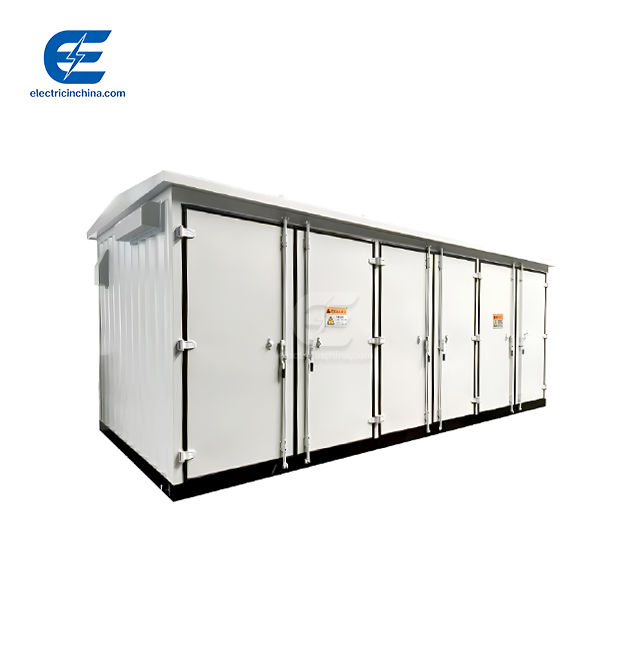
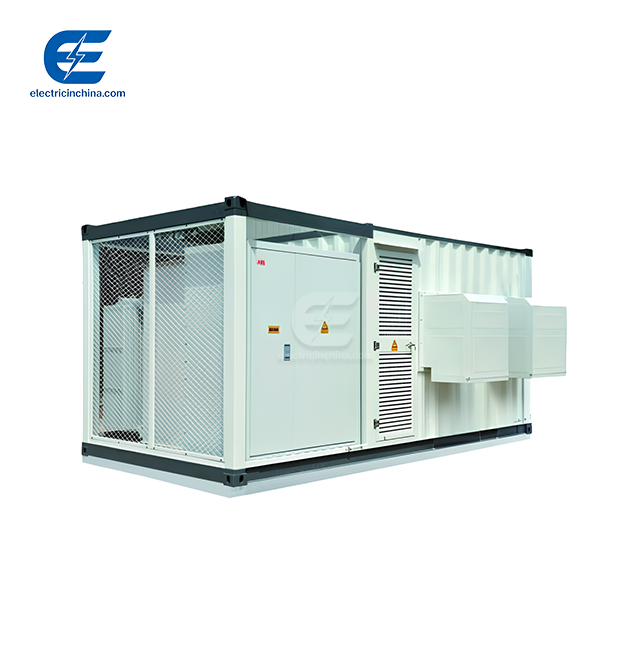
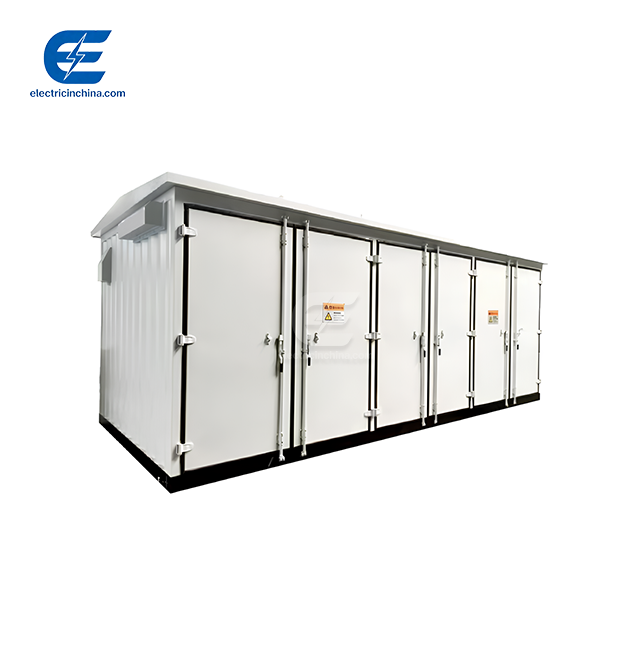
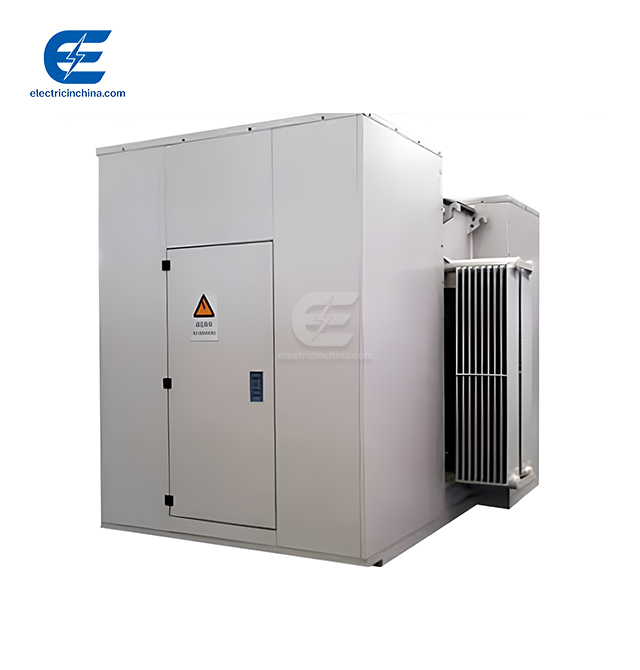
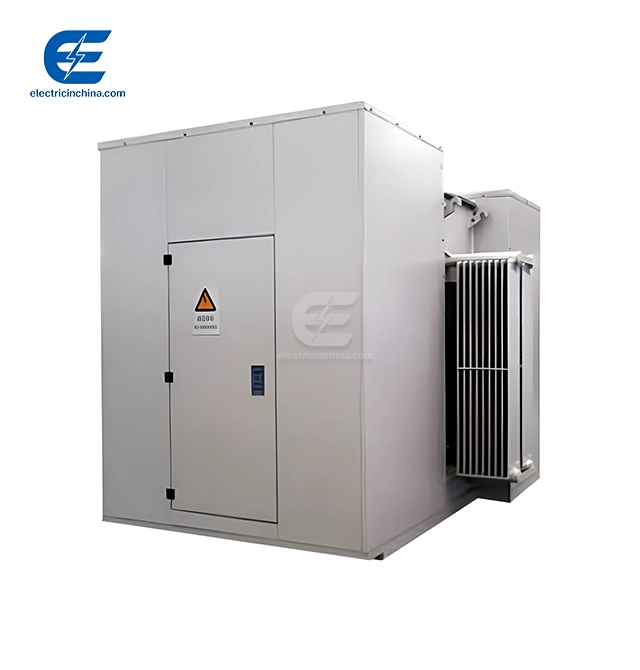
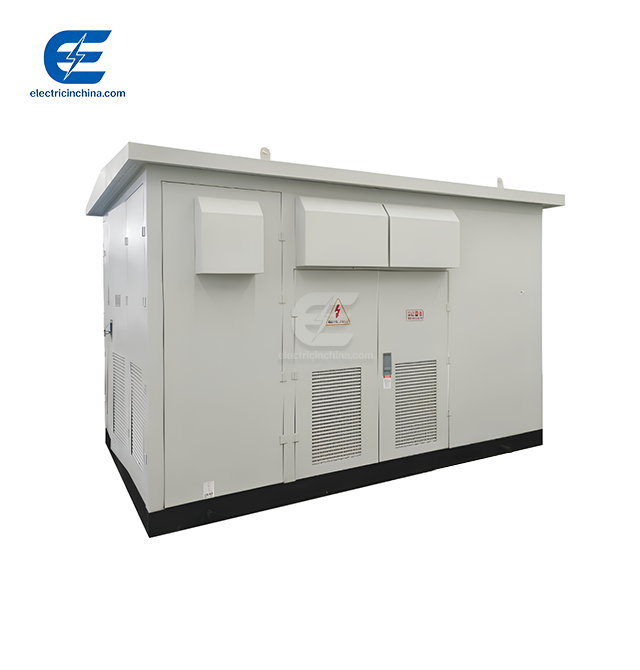
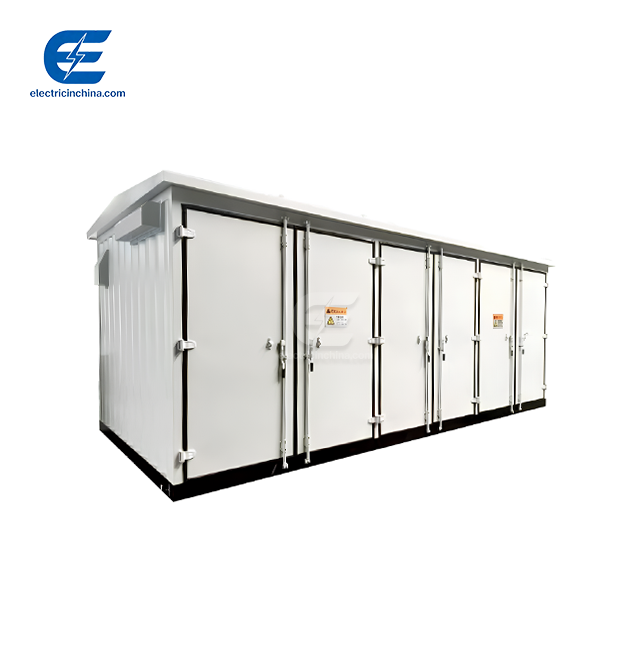
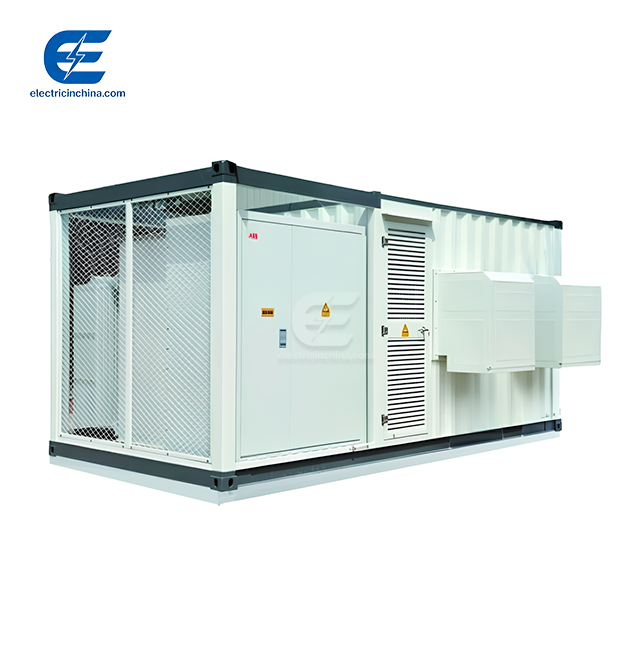
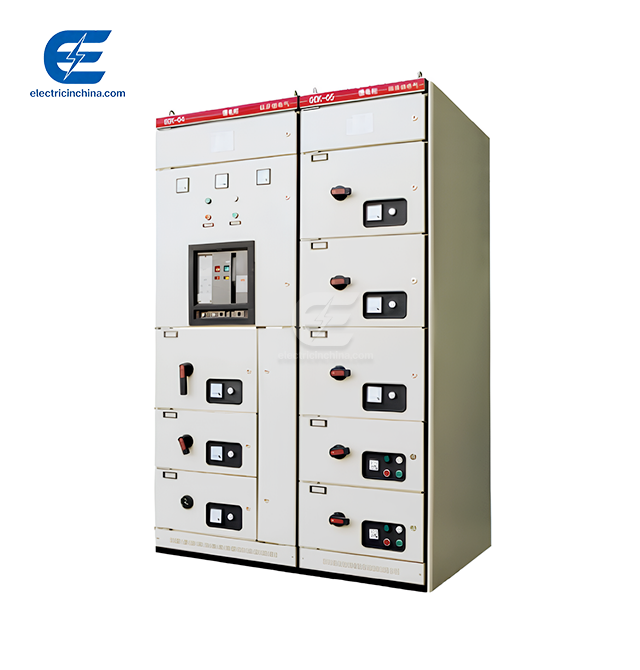
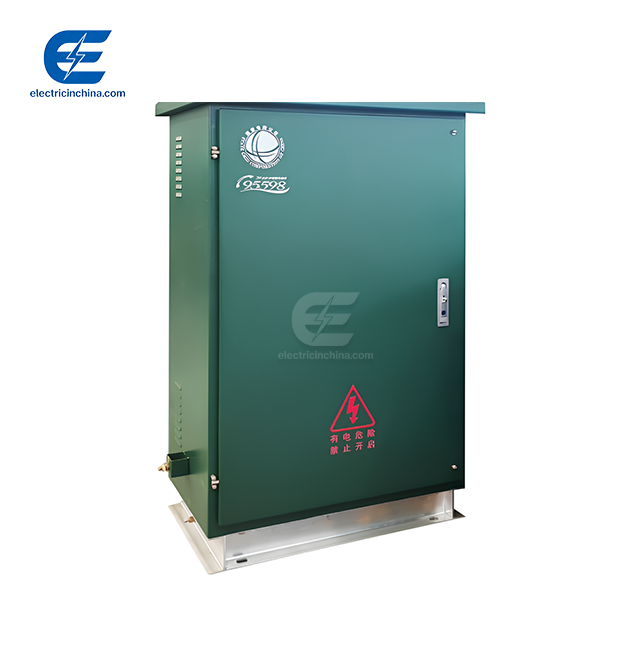
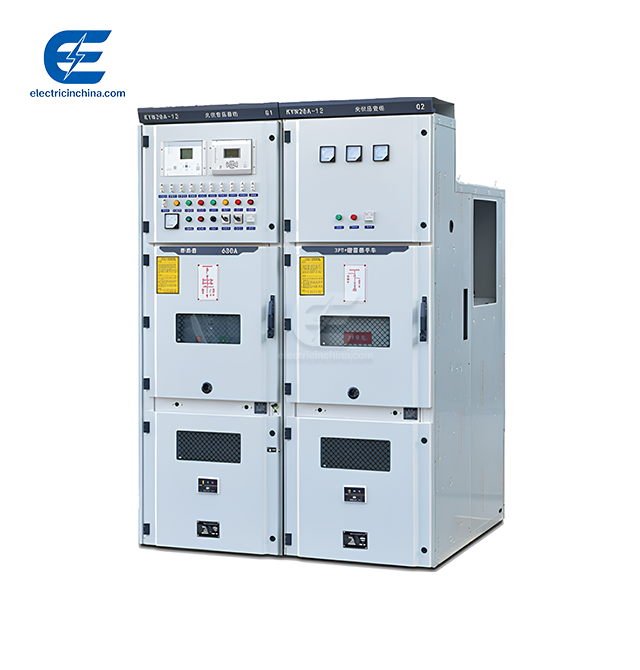
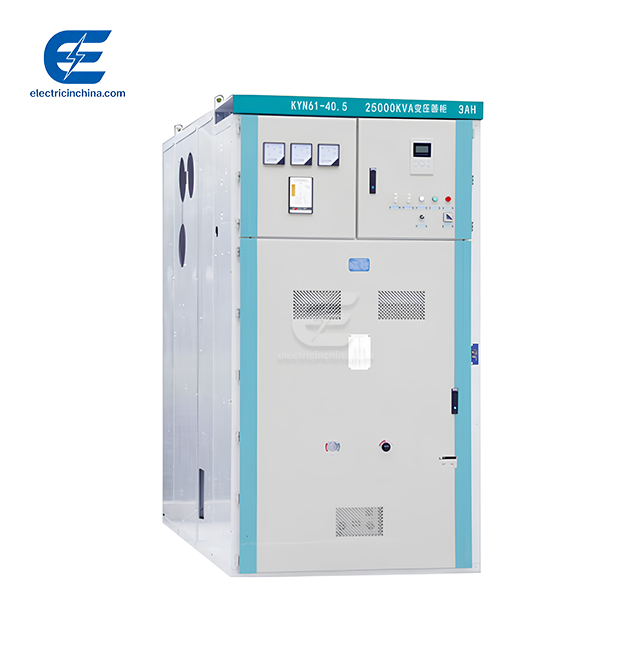
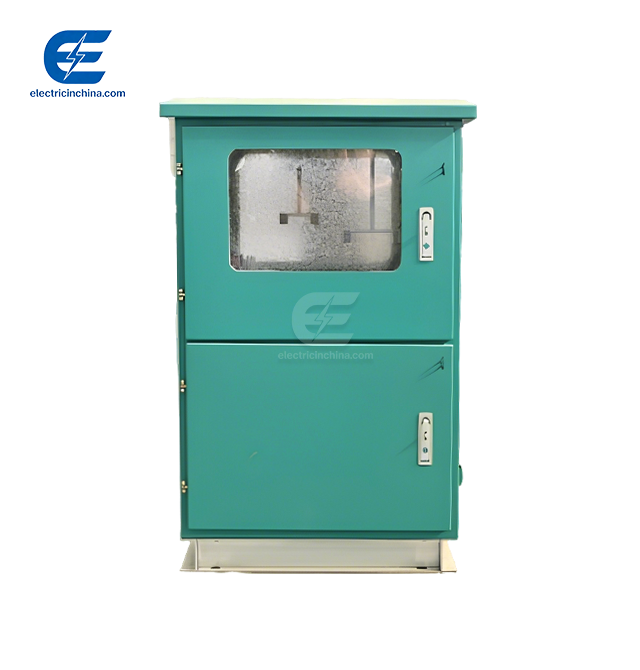
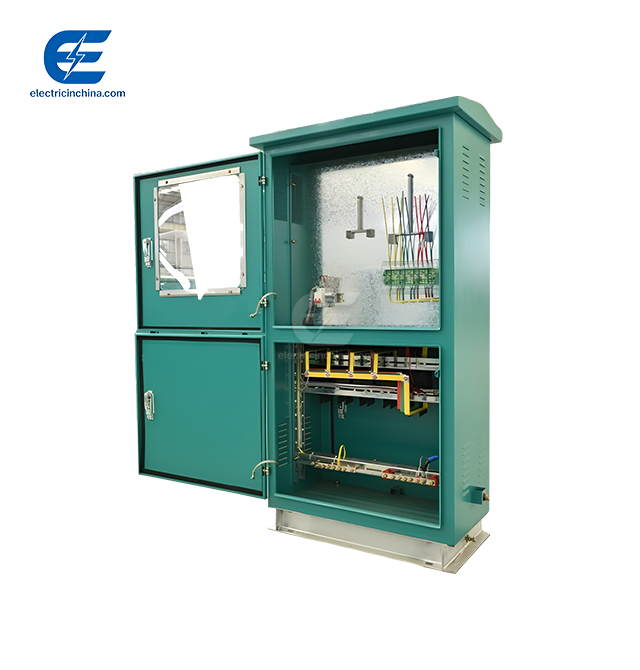
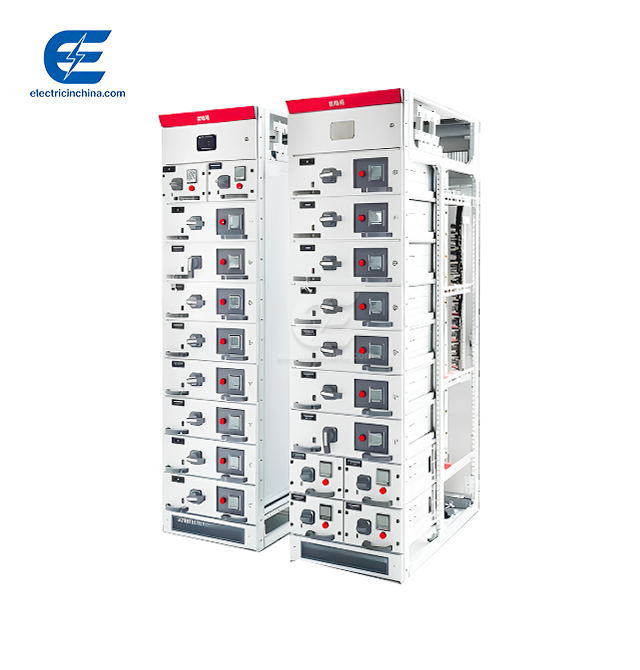
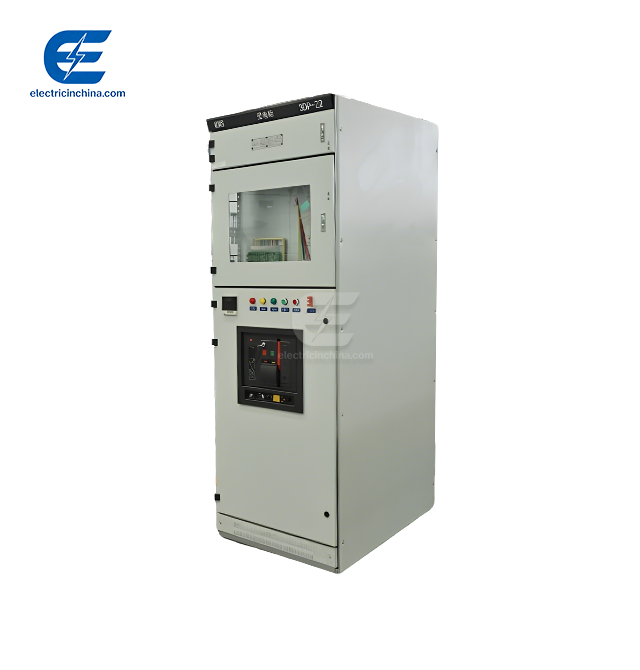
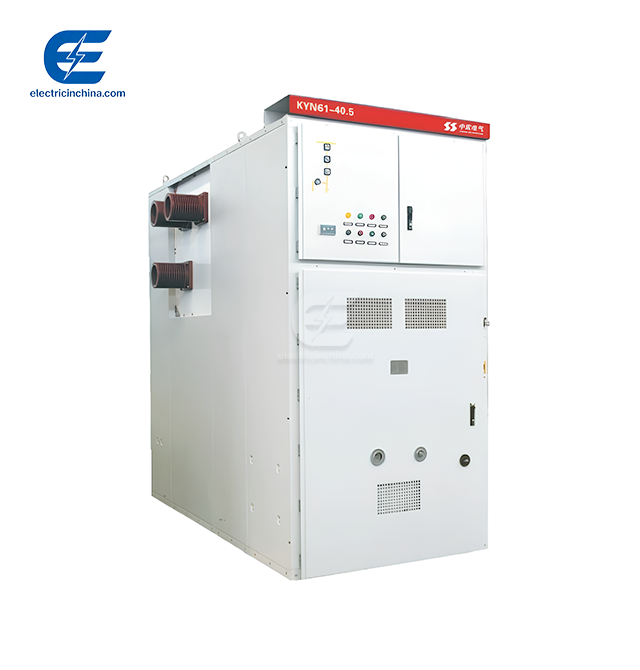
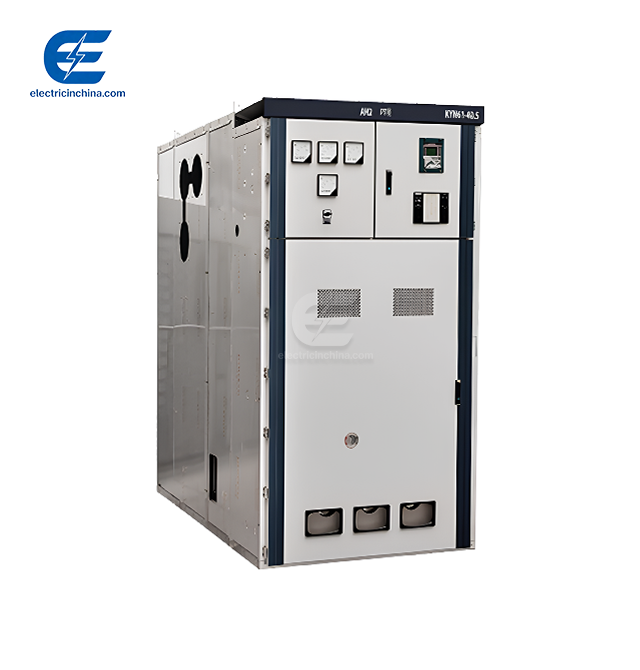
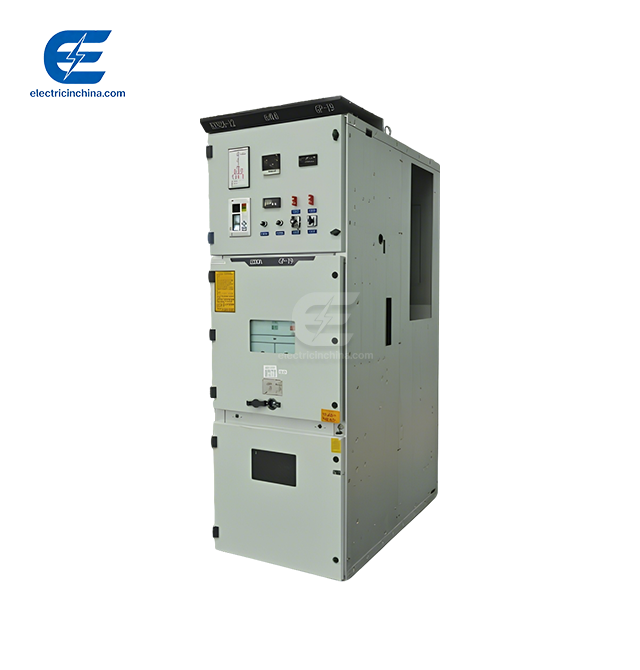
Prefabricated substations are made in a factory, so mistakes made by people installing them are avoided. They also have fire-resistant materials built in, which stop fires from spreading, and advanced monitoring systems that find thermal problems before they get worse. Our YBM Series Prefabricated Substation has flame-resistant insulation materials that have been tested to handle high temperatures, automatic circuit protection that acts within milliseconds of a fault happening, and sealed modular sections that keep high-voltage parts separate. When compared to traditional on-site built substations, these designed safety features greatly reduce the chance of electrical fires by creating multiple protective walls.
Understanding Fire and Safety Risks in Traditional Substations
Electrical Fault Vulnerabilities
According to data on workplace safety, about 68% of transformer fires are caused by short circuits and insulation failures. When traditional substations are made on-site, the links are put together in conditions that aren't always stable. For example, changes in temperature and humidity, as well as inconsistent torque specs, can cause weak spots. Over time, these links build up resistance, which creates heat that breaks down insulation. The failure process speeds up and can't be stopped until thermal runaway happens.
Human Error During Construction
Putting things together on-site opens up a lot of chances for mistakes. Mistakes in wiring, bad grounding, or not enough space between powered parts all increase the risk. When working in bad weather or against the clock, even experienced teams run into problems. There isn't a regular schedule for quality checks, so problems can go unnoticed until the machine is put into service or, even worse, while it's running and people's safety is at risk.
Environmental and Aging Infrastructure Challenges
Equipment breaks down faster than makers expect because of moisture getting in, dust building up, and changing temperatures. A lot of the time, conventional substations don't have good environmental sealing, which lets contaminants damage the insulation. Without regular maintenance, small problems in old structures turn into major threats. Regulatory fines for safety violations add financial costs to practical risks, making things harder for site managers who can't see how the equipment is doing.
Key Safety Features of YBM Series Prefabricated Substations
Fire-Resistant Material Engineering
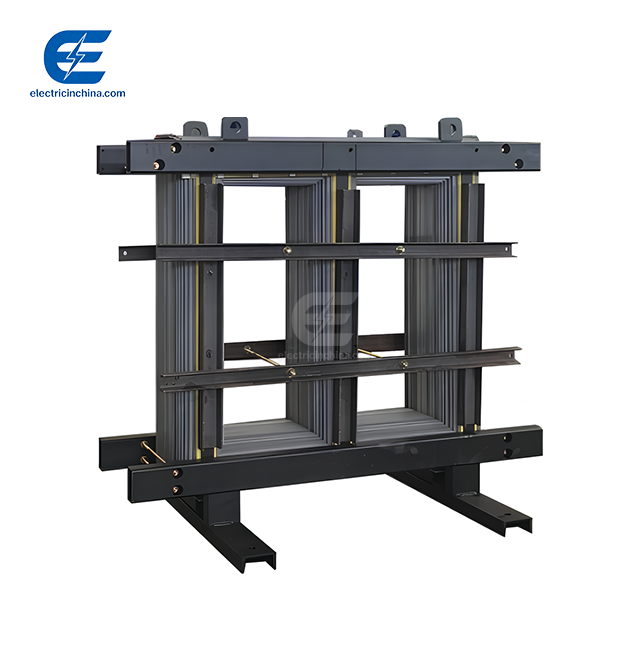
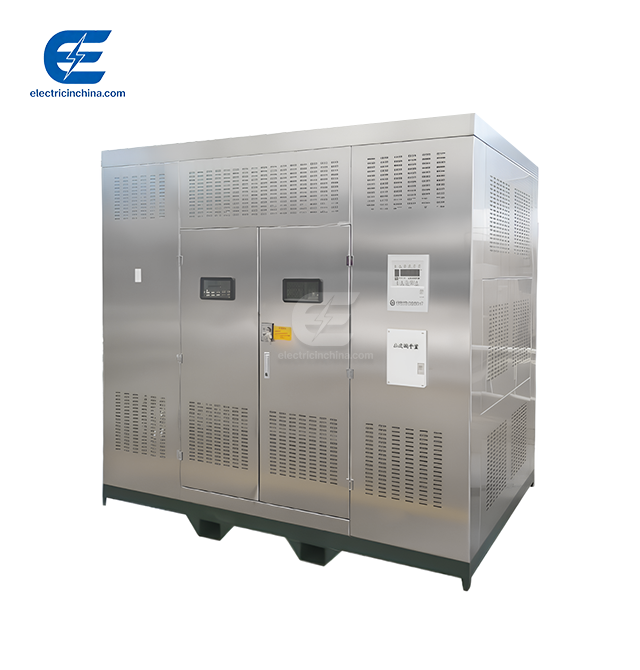
Every choice of material in our modular transformer design was made with fire safety in mind. The case is made of stainless steel that has been coated with polyester powder. This gives it IP54 protection against the elements and IK10 resistance to kinetic impact. This design makes a barrier that keeps out outside sources of fire and keeps any internal heat events inside. High-quality cold-rolled grain-oriented silicon steel that stays structurally sound under heat stress is used in our transformer cores. Vegetable-based shielding oil is better at controlling temperature than mineral oils because it has higher flash points and better thermal diffusion.
Integrated Electrical Protection Systems
Real-time temperature tracking is a very important step forward in the safety of substations. With monitors built right in, our units constantly check the current, voltage, power, and temperature of the generator. The system has four external functions that work well with SCADA networks: monitoring, signaling, control, and correction. Automatic fault detection works without any help from a person. It finds problematic areas and moves loads within one minute to stop problems from getting worse. When there is too much current, circuit breakers stop fault currents of up to 25kA for three seconds. This protects much more than what is normally needed in a distribution system.
International Certification and Quality Standards
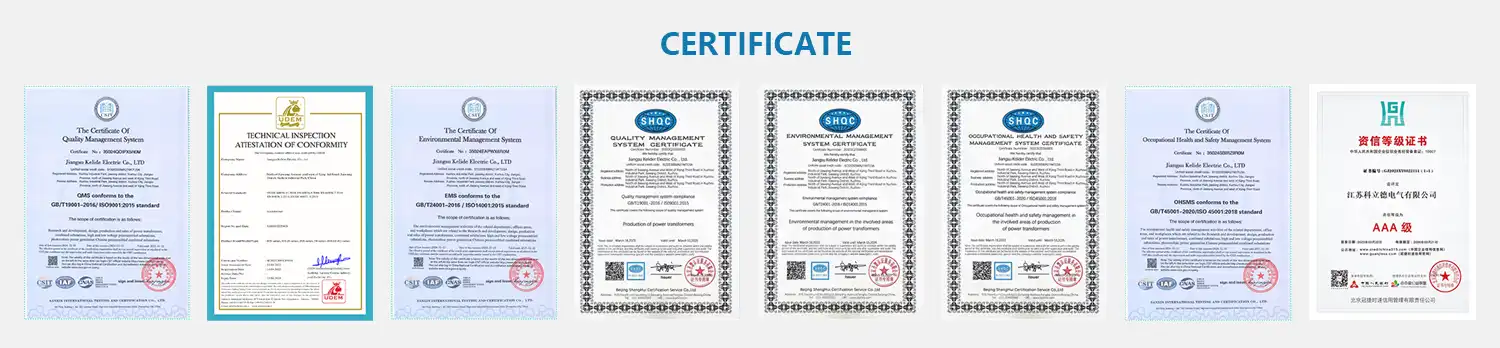
Certification shows that we are serious about safety by letting an outside group check it. We have ISO 9001 certification for quality management, ISO 14001 certification for environmental management, and OHSAS 45001 certification for health and safety at work for our YBM Series Prefabricated Substation. These are not just compliance checkmarks; they are part of our manufacturing processes and are used in a planned way. IEC 60060-1 standards say that every built substation unit has to go through impulse voltage resistance testing. This makes sure that the insulation is still good when 95kV lightning strikes it. To make sure the material is strong, we test it at 38kV for 60 seconds using power frequency. Testing for temperature rise confirms that winding temperatures stay below a 65K rise even when the load is at full. This provides thermal safety gaps.
We separated the high-voltage equipment (6–35kV), the transformers (315–2500kVA), and the low-voltage equipment (0.4kV) using modular compartmentalization in our design. This design stops faults from spreading from one area to another. If there is an arc fault in one section, the sealed design will keep it inside, saving the nearby equipment and people. These safety measures work on their own without any help from a user, which is very important in the first few seconds of an electrical accident.
How YBM Series Prefabricated Substations Work to Minimize Fire Hazards
Factory-Controlled Assembly Excellence
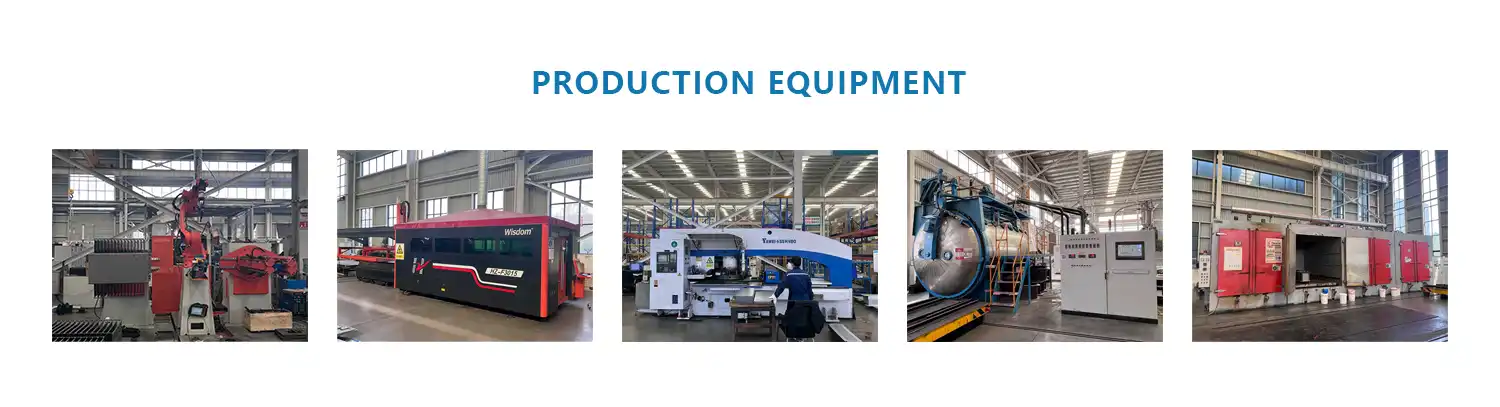
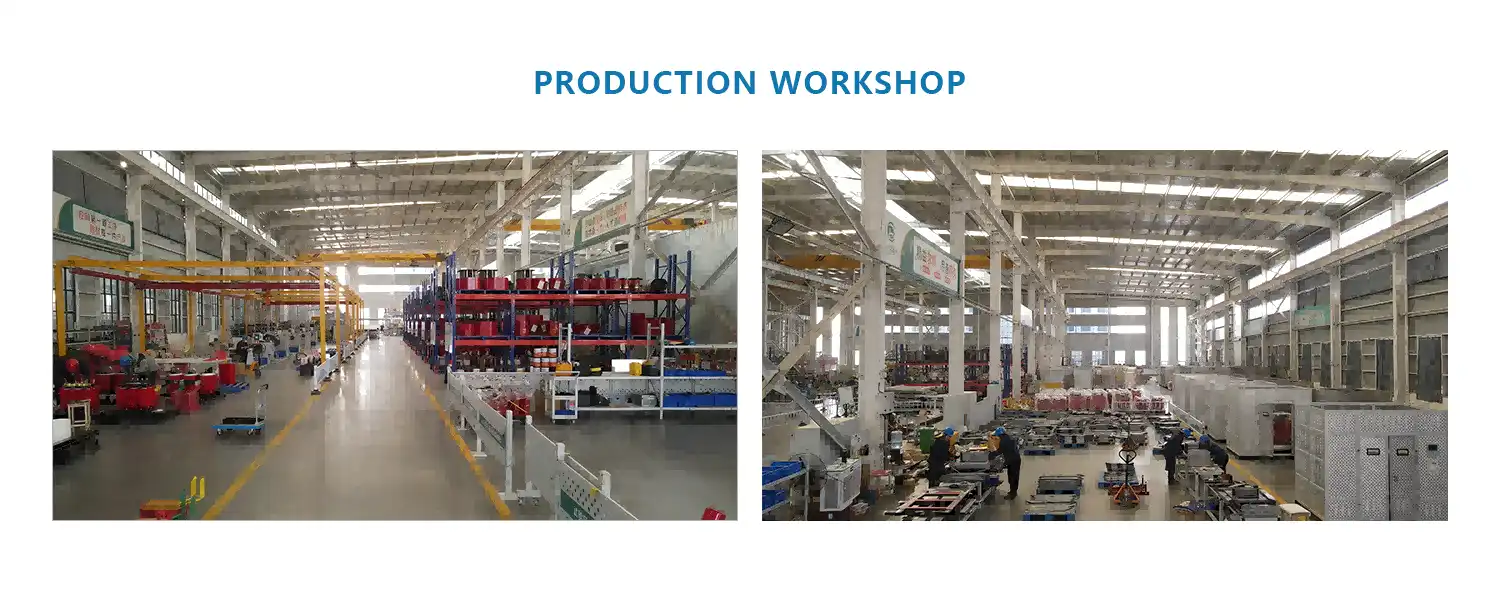
Building a traditional transformer on-site takes months, leaving parts open to the weather and causing quality to vary. Through the way we make things, we've totally changed this process. Our climate-controlled building has more than 120 sets of high-tech tools, such as CNC automatic winding machines, CNC static vacuum casting machines, and microcomputer-controlled gradient curing furnaces, that are used to put together every part. This controlled setting makes sure that the quality is always the same, which you can check by looking at the paperwork.
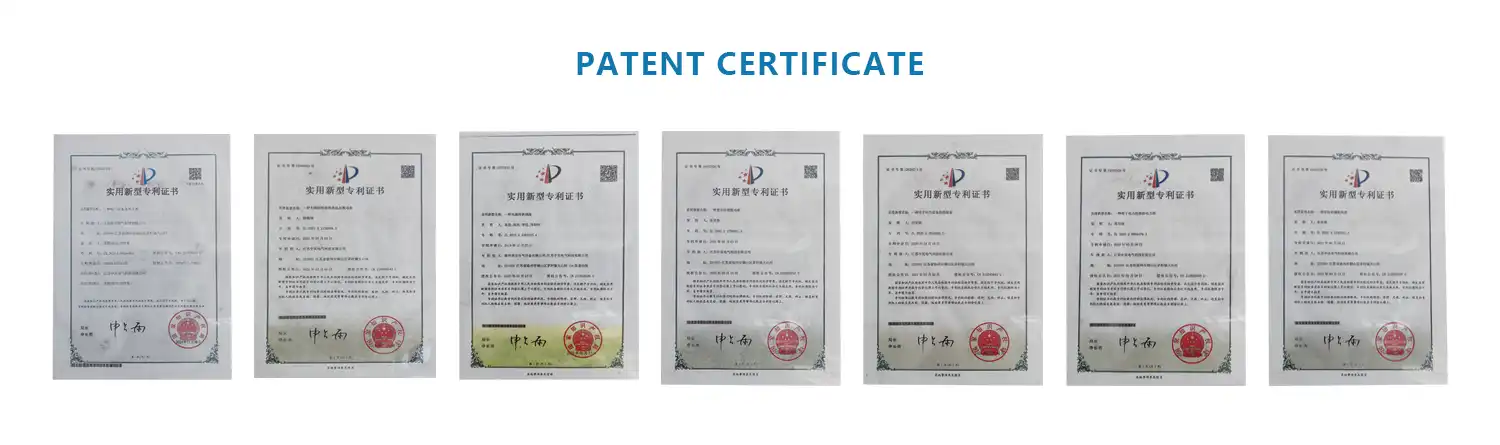
There are 15 senior engineers, over 30 intermediate technicians, and 17 senior technicians who are in charge of production on our technical team. They have come up with 18 patentable ideas that make things safer and better at what they do. The plant assembly process is governed by strict quality management standards, which include close supervision from the time the raw materials are bought until the final product is delivered. Before it is shipped, every YBM Series Prefabricated Substation unit goes through a lot of tests, such as partial discharge testing below 50pC at rated voltage, thermal imaging scans, and making sure that all of the safety and control systems work properly. Your substation comes ready to connect, which cuts the time it takes to install from months to days and gets rid of the safety risks that come with field building.
Thermal Management and Ventilation Design
When heat builds up, shielding breaks down, and electrical equipment eventually stops working. We've solved this problem by using both natural and forced air methods in our improved thermal design. The flexible compartment layout lets air move around parts that produce heat. Ventilation holes are placed in a way that creates turbulent currents that move warmer air away while bringing cooler air across important areas. Our tests that go from -40°C to +50°C make sure that the performance works in a wide range of temperatures, so it can be used reliably in a variety of locations. The materials keep their defensive qualities at levels up to 2000 meters, where the thinner air makes cooling less effective.
Lightning and Surge Protection Integration
Overvoltages that happen quickly because of lightning hits and switching processes pose a big fire risk in electrical distribution. These things can't happen with our combined surge protection systems because they have coordinated arresters that stop voltage spikes before they reach sensitive equipment. The grounding design creates fault current paths with low impedance, which makes sure that safety devices work properly when there are disturbances. This unified method is better than field-assembled protection plans, where teamwork often fails because of mistakes in installation or parts that don't work with each other.
Through constant state tracking, built-in diagnostics make it possible to find hazards early on. The system warns workers of new problems, like hotspots appearing, insulation wearing down, and connections coming loose, before they get worse and become dangerous. This ability to predict the future makes tools last up to 30 years longer while keeping safety levels the same during that time. Maintenance teams can access troubleshooting data from afar, which cuts down on site trips and the time spent inspecting equipment that is on.
Comparing YBM Series with Other Prefabricated Substations on Safety and Fire Prevention
Material Selection and Construction Quality
Material engineering tells you the difference between good modular substation providers and great ones. When competing goods list enclosure materials, they often just list general ones that meet minimum environmental standards, without thinking about how long they will last in harsh circumstances. We put our galvanized steel construction through ASTM B117 salt spray testing to make sure it is ready for use in coastal areas where rust speeds up the breakdown of equipment. The polyester powder layer adds to the structure's chemical protection against pollutants from industry that weaken it.
The quality of the transformer's build directly affects the risk of fire. Standard electrical steel with bigger core losses that make too much heat is used by lower-tier producers. Our cold-rolled grain-oriented silicon steel keeps no-load losses below 0.8% of maximum capacity, which keeps insulation systems from having to deal with too much heat stress. Using shielding oil made from vegetables is better for the earth and less likely to catch fire than using mineral oils in other designs. These important choices cost more up front, but they improve safety in a way that can be measured, which lowers the total cost of ownership for the YBM Series Prefabricated Substation.
Comprehensive Protection System Architecture
Certifications for safety show big differences between makers. Basic prefabricated units get environmental protection scores, but they don't have the built-in problem recognition and automatic response features that keep accidents from happening. Without any help from a person, our system can identify faults, move loads, and restore power within one minute. This is a very important feature for times when it is not being handled. Competing goods need human acknowledgement and hand switching, which adds reaction times that make outages last longer and cause more damage.
The arc-resistant design that meets the IAC AFLR rating protects against the most dangerous electrical events. Internal arcing cracks create very high temperatures and pressures that can break through normal barriers and send molten metal and plasma toward people. Our designed pressure relief lines keep the structure's integrity while directing fault energy away from areas where it is used. This amount of security is higher than what is found in most premade substations that don't have arc fault containment features.
Customer Validation Through Project Experience
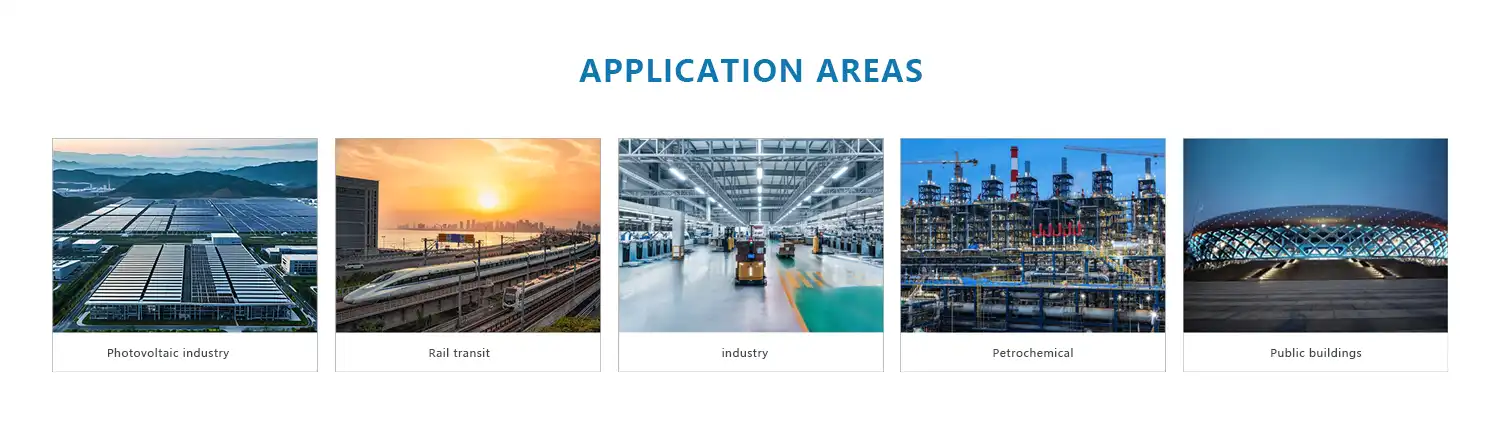
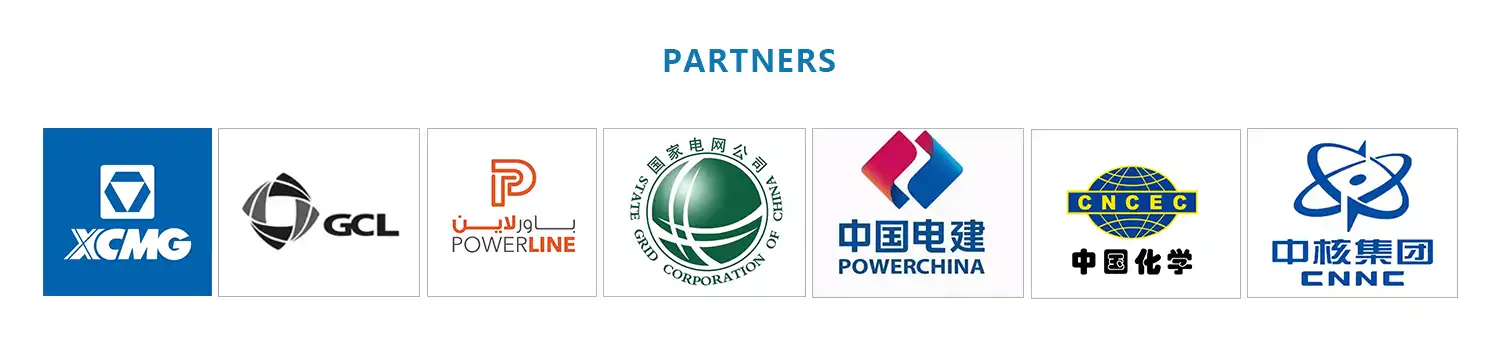
Our safety record in real-world working situations is shown by the hundreds of infrastructure projects we've finished. When we worked on the Xuzhou Rail Transit Network Control Center, we used a dual-circuit power supply plan to make sure that train systems would always be safe to use, even if the power went out. We met the high standards for reliability set by the Xuzhou High-speed Railway East Station EPC project by trying everything thoroughly and checking the quality. Our solutions have been chosen by industrial clients like XCMG Group for important factory operations where power quality and safety have a direct effect on how efficiently the operations are run.
In addition to what the maker says, these project links give extra proof. The Xuzhou Power Supply Company's quality review of the Tianyu Yayuan project set a new record for performance. This shows that our safety features lead to measurable operating excellence. Customers always say how reliable the company is, how helpful the technical support staff is, and how confident they feel dealing with a company that sees safety as a core value rather than a legal requirement.
Best Practices for Installing and Maintaining YBM Prefabricated Substations to Maximize Safety
Pre-Installation Site Assessment and Preparation
Installation should start before the equipment gets there. We suggest thorough site studies that check the base requirements, clearance needs, and environmental conditions. The base has to be strong enough to hold the unit up and have enough drains to keep water from building up. Clearances around the cage make sure that airflow is good and keep repair workers safe. Our technical team helps with these evaluations by giving thorough specs and consulting on the site.
The design of the grounding system is very important to the performance of the safety system. Soil resistivity testing is what we need to do to find the best electrode setup for reaching our resistance goals. There are several connections between the grounding network and the substation. This makes two failed current paths available. When the YBM Series Prefabricated Substation is properly bonded to the site's grounding, possible differences that could cause shock risks during fault conditions are stopped. These steps of planning lay the groundwork for safe long-term operation.
Quality Control During Commissioning
Checking the quality of the installation for a prefabricated substation stops problems from happening months or years later. We give you full commissioning methods that test all of your protections under fake fault conditions. Calibration of the relay makes sure that circuit breakers work correctly when there is an overcurrent or a ground problem. It was proven through measures of insulation resistance that no water got in during shipping or installation. Thermal image scans find problems with connections before the unit goes into service, when fixing them doesn't take as much work as fixing them while the unit is running.
Our 15 top engineers and technical staff help with starting, which makes sure that the right steps are taken to start up the system. They make sure that the SCADA integration works right and that tracking data gets sent to control centers properly. This hands-on help during the important commissioning part stops setup mistakes that could put safety systems at risk. As-built drawings, test results, and baseline performance data are all part of the paperwork we provide. These serve as points of reference for future upkeep reviews.
Ongoing Maintenance Strategies and Support
Routine repair keeps safety systems working well for the 30-year life span of the equipment. We suggest that ventilation systems, door seals, and the state of the area be checked on a regular basis. Cleaning parts gets rid of dust and other contaminants that hurt insulation. Protection switches stay calibrated, and circuit breakers work within certain timing parameters by being tested on a regular basis. By taking these preventative steps, new problems are found before they become dangerous.
Our in-depth training programs improve your team's practical understanding and ability to fix problems. Technical support is always available for the lifetime of a product, so questions can be answered quickly. Our dedication to customer happiness and safety is shown by the guarantee and after-sales support system. We keep an inventory of extra parts for important parts to make sure that replacement parts are always available. This keeps downtime to a minimum during unplanned maintenance events. This support infrastructure adds to the stability benefits of our prefabricated substation design. You can be sure that safety and efficiency will continue long after installation.
Conclusion
Because of the risk of fire and safety in electricity distribution, engineers need to be proactive instead of reactive when an event happens. The YBM Series Prefabricated Substation does this with factory-controlled production that gets rid of installation variables, fire-resistant materials that stop heat events, and built-in tracking that finds problems before they get worse. Our 60% faster installation and 30% smaller footprint are good for business, and the complete defense systems make things safer and lower long-term liability and maintenance costs. Our built substations are designed to protect your infrastructure investment and staff safety. They come with certifications from ISO 9001, ISO 14001, and OHSAS 45001, as well as decades of proven project experience.
FAQ
What specific safety advantages do YBM Series substations offer compared to traditional construction?
YBM Series Prefabricated Substations offer many safety benefits because they are assembled in the factory, which ensures consistent quality control and gets rid of the common installation mistakes that happen in the field. The sealed modular design separates the high-voltage, transformer, and low-voltage parts, so faults can't spread from one part to another. Automatic fault monitoring systems and materials that don't catch fire react to dangers within seconds, defending equipment and people better than in regular substations.
How frequently should we inspect prefabricated substations to mitigate fire risks?
We suggest periodic inspections every three months to check the state of the cage, the operation of the ventilation system, and the integrity of the door seal. As part of yearly full inspections, thermal imaging scans, insulation resistance tests, and proof of safety relays should be carried out. Our tracking systems give you constant condition data that lets you know about problems that are starting to happen between planned checks. This lets you do preventative maintenance that fixes problems before they become fire risks.
Can YBM substations be customized to meet specific urban or industrial safety requirements?
Of course. Our engineering team creates unique configurations of the YBM Series Prefabricated Substation that take into account the limitations of the place, the surroundings, and the needs of the operation. We've provided answers for infrastructure in cities, business developments, and industrial sites with specific needs. The modular design lets you add more space or change features without having to update the whole system. This gives you freedom as your power distribution needs change.
Partner With Tuojie for Advanced Prefabricated Substation Solutions
Tuojie is ready to help you with your next power distribution project. Our YBM Series Prefabricated Substation options are designed to be as safe and reliable as possible. We have been making fixed substations for over 20 years and offer factory-tested units that are backed by ISO 9001, ISO 14001, and OHSAS 45001 standards. The technical team at our company makes power options that are unique to your business and the situations you're working in. You can email us at tuojie@electricinchina.com to talk about your infrastructure needs and find out how our all-around method, which includes everything from planning to installation support, guarantees both on-time delivery and long-term operational excellence. You can look at full specs and project case studies at electricinchina.com.
References
1. National Fire Protection Association. (2021). "Electrical Equipment Fire Risk Assessment in Industrial Facilities." NFPA Journal of Applied Fire Science Research, Volume 34, pp. 156-178.
2. International Electrotechnical Commission. (2019). "IEC 61330: Prefabricated Electrical Distribution Equipment Standards and Safety Requirements." IEC Technical Standards Publication.
3. Chen, W., & Liu, H. (2020). "Thermal Management in Compact Electrical Substations: Design Principles and Performance Analysis." IEEE Transactions on Power Delivery, Volume 35, Issue 4, pp. 1842-1851.
4. American Society for Testing and Materials. (2022). "ASTM B117: Standard Practice for Operating Salt Spray Testing Apparatus for Electrical Equipment Enclosures." ASTM International Standards.
5. Zhang, Y., Kumar, P., & Anderson, R. (2021). "Arc Fault Containment in Modular Substation Design: Comparative Analysis of Protection Methods." Electric Power Systems Research Journal, Volume 198, pp. 107-119.
6. Institute of Electrical and Electronics Engineers. (2020). "IEEE C57.12.29: Standard for Prefabricated Substations - Safety and Performance Requirements." IEEE Power & Energy Society Standards Publication.