

.webp)
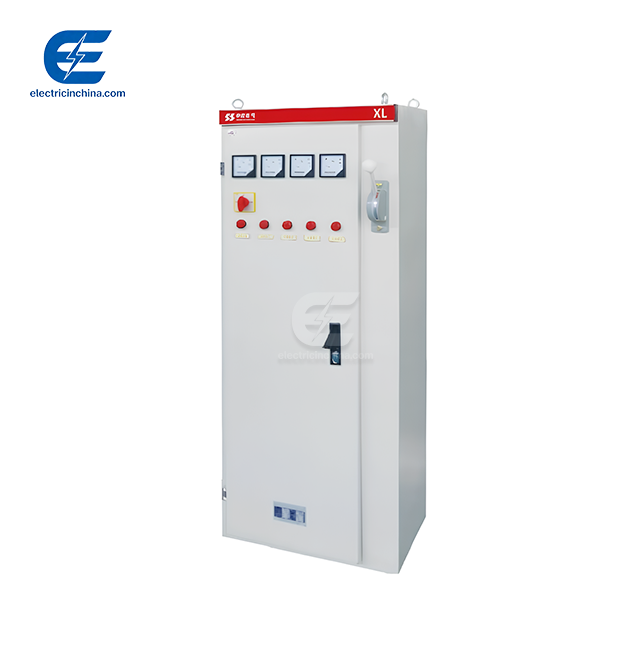
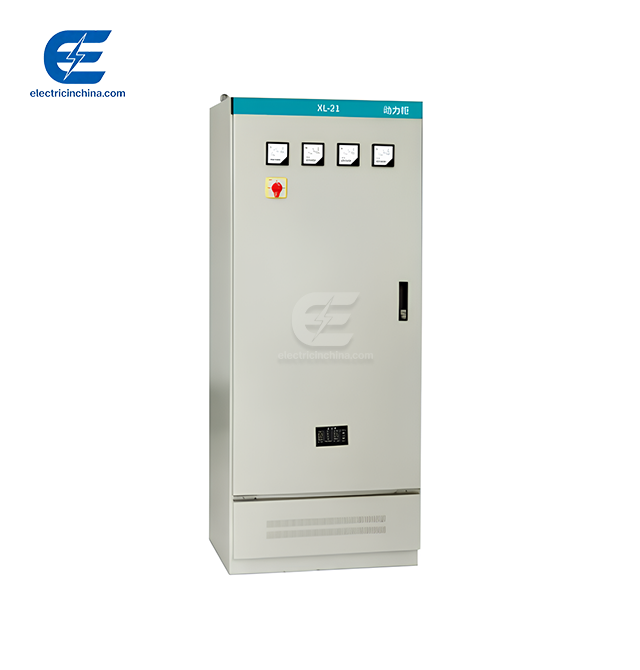
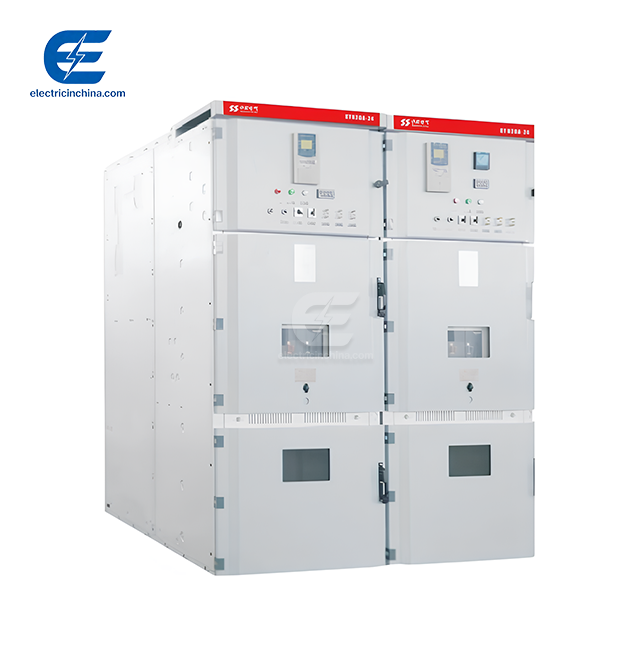
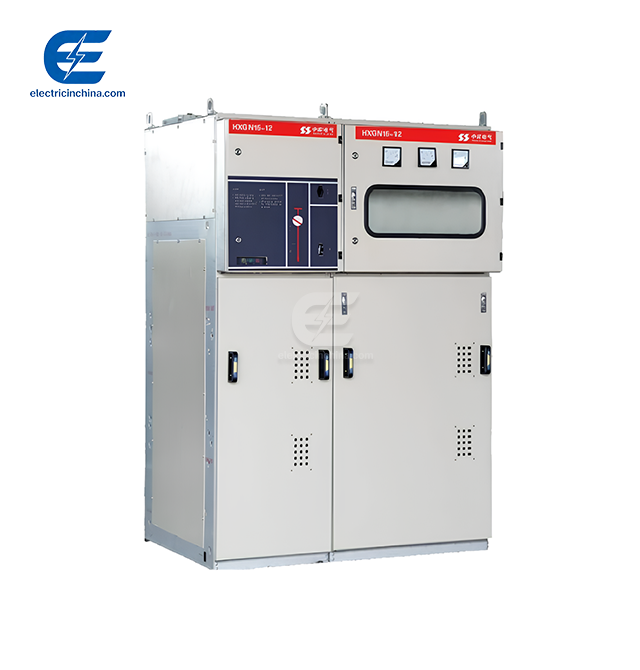
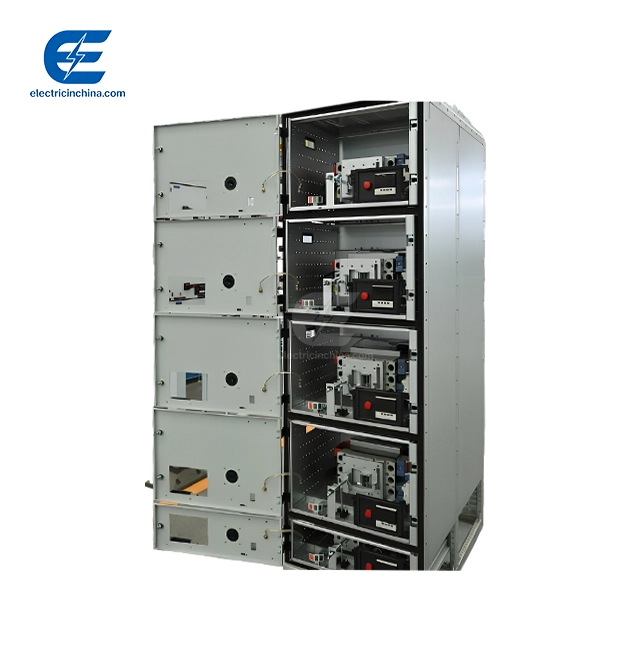
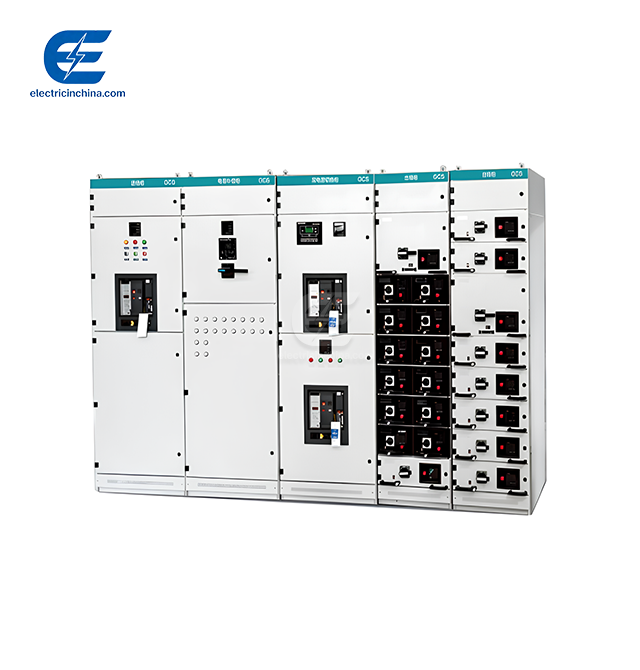
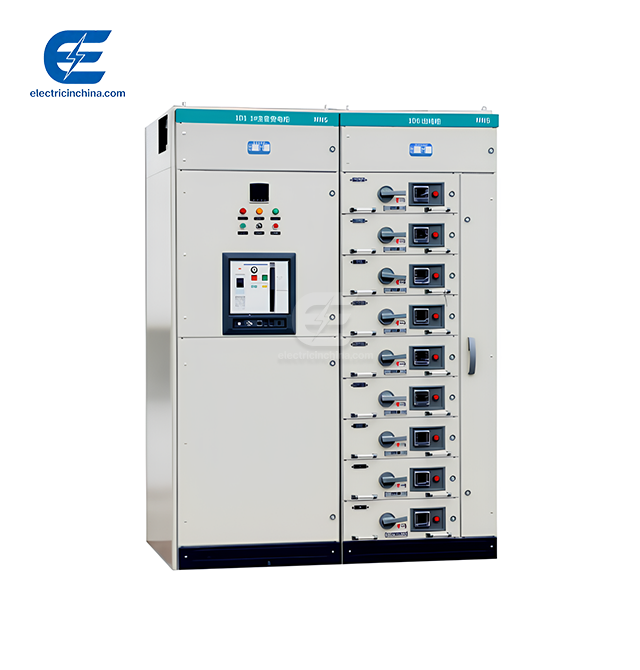
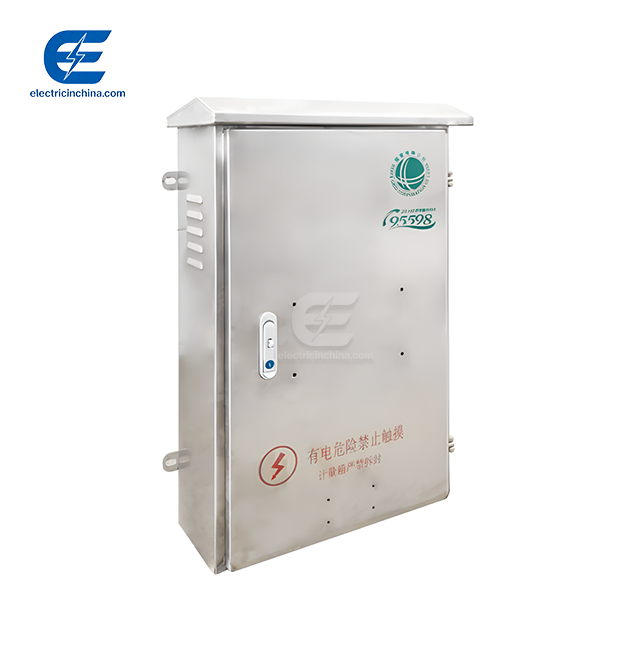
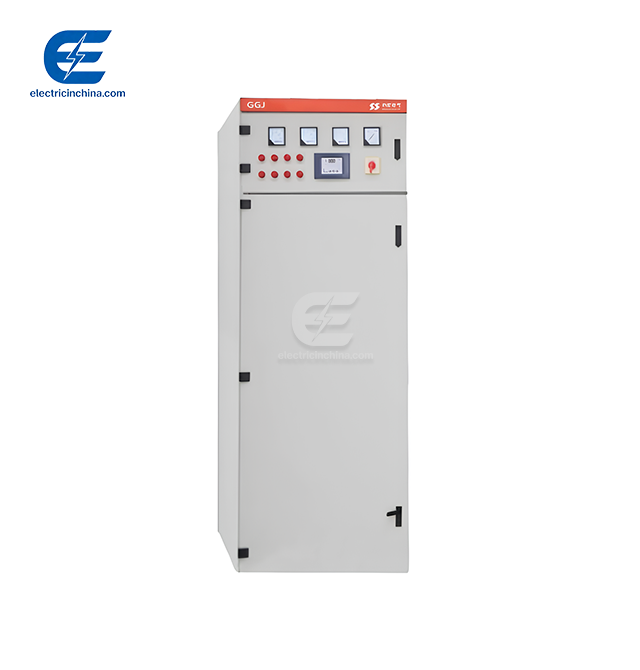
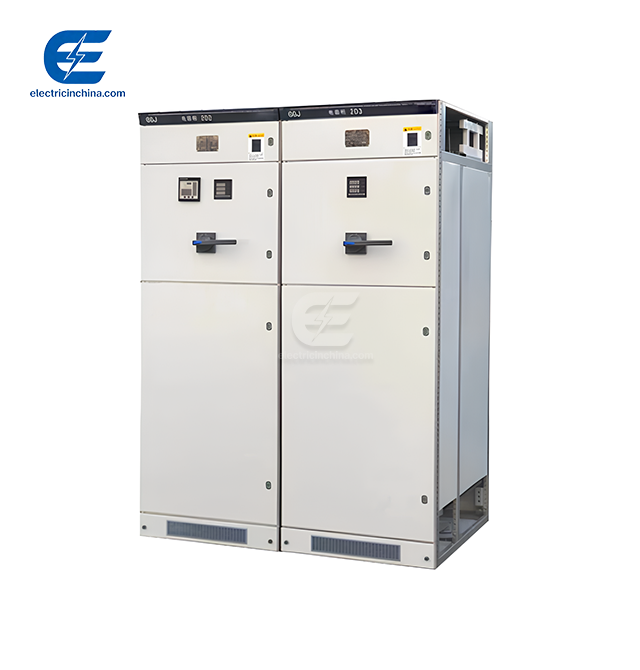
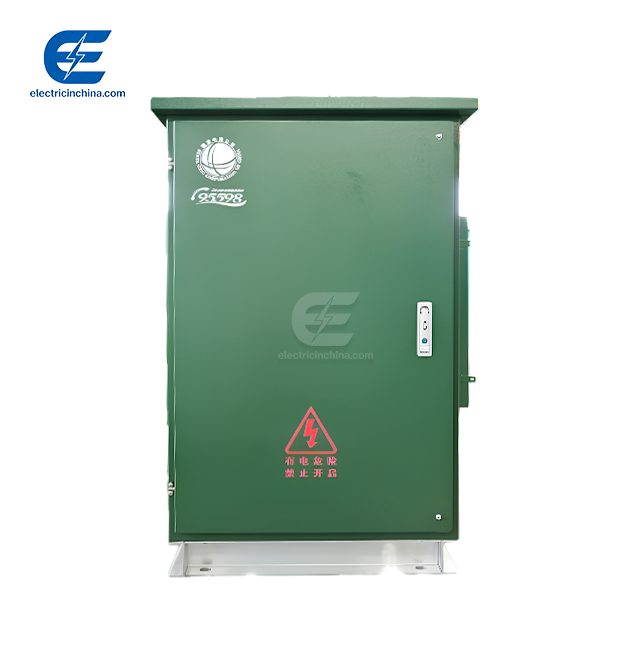
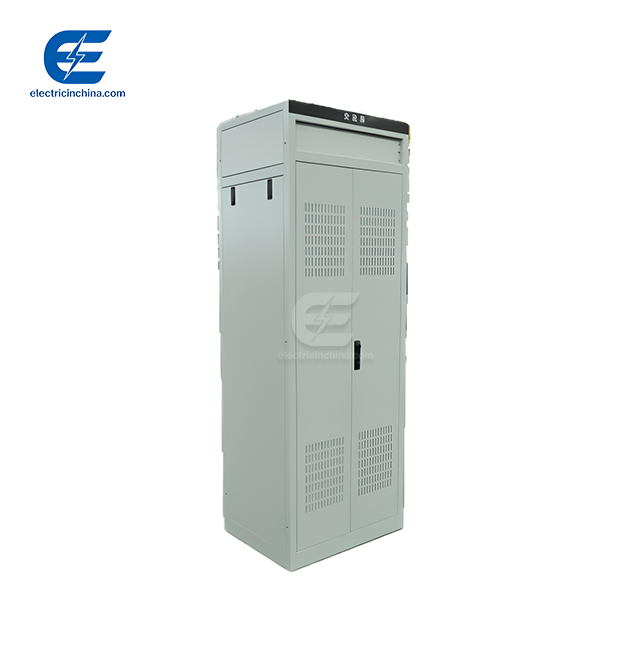
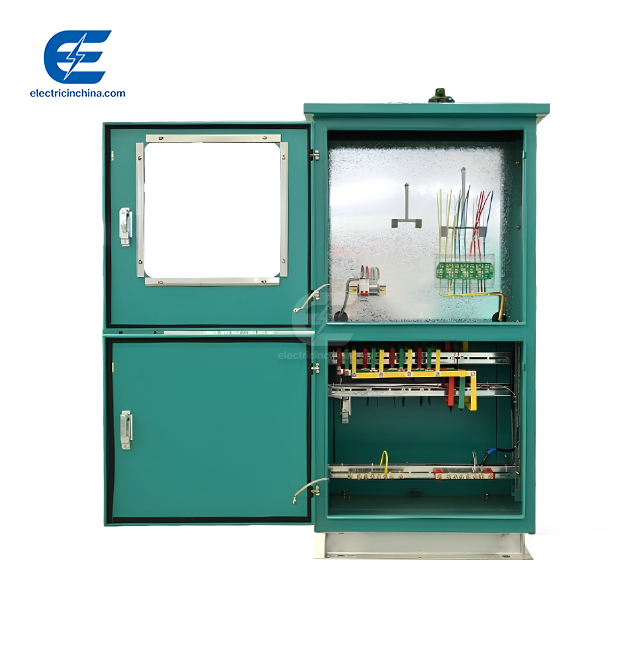
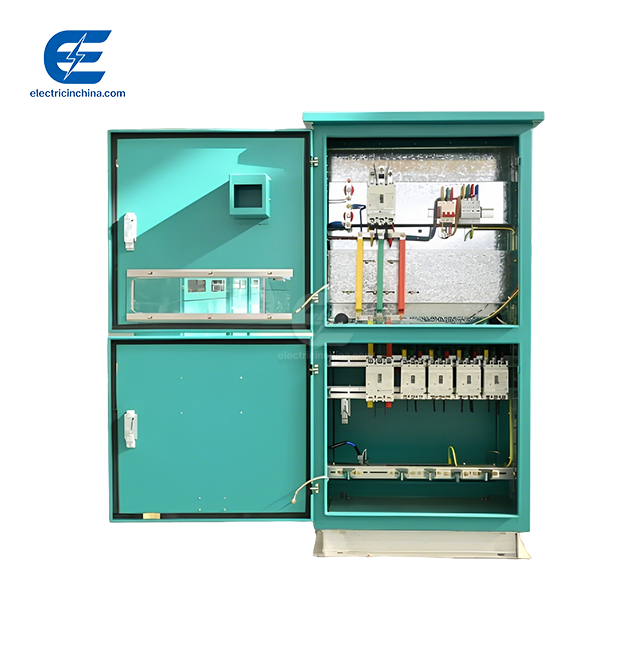
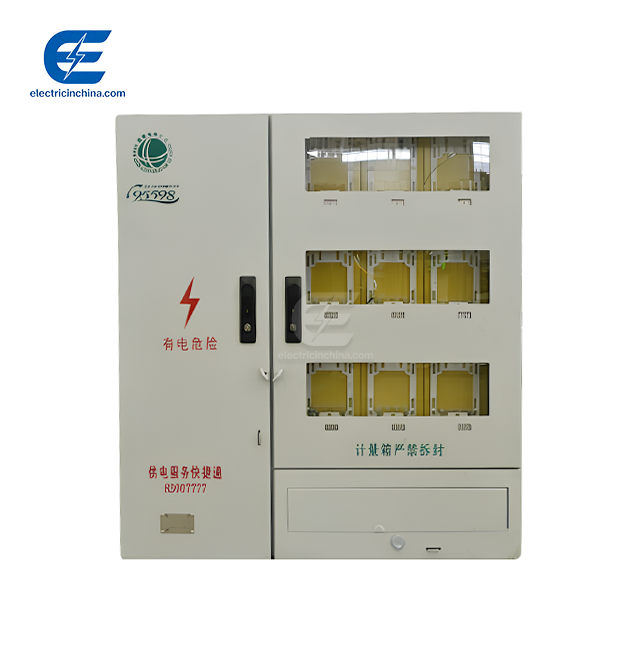
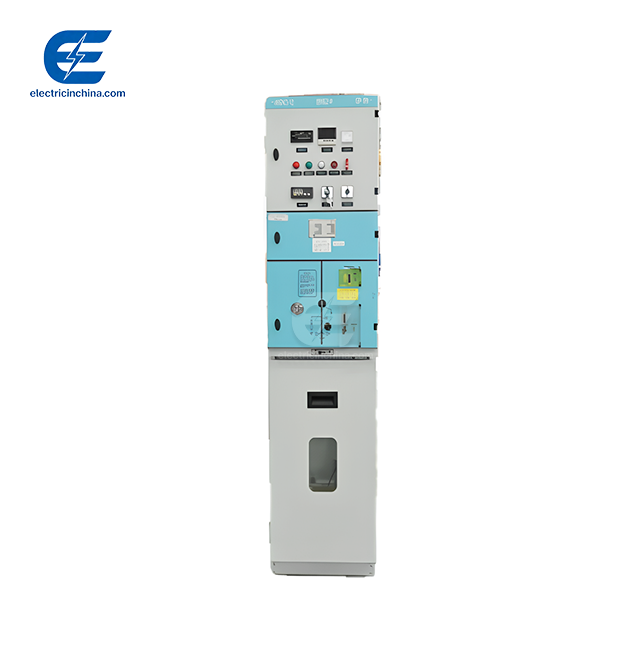
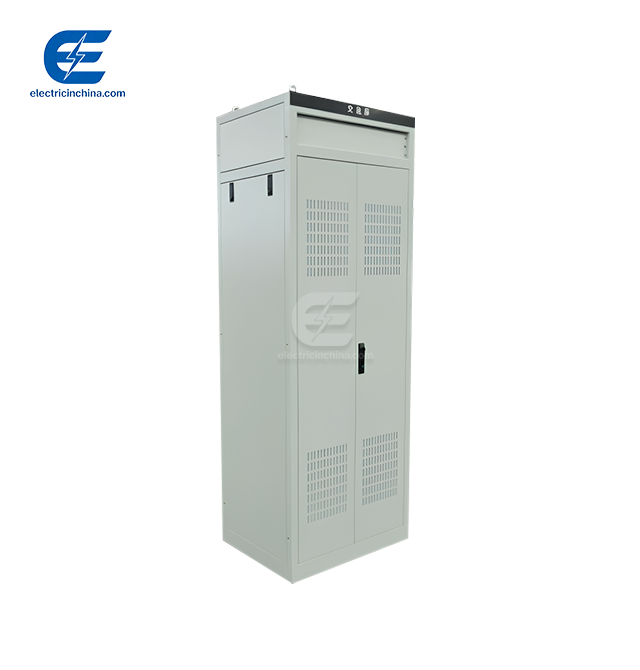
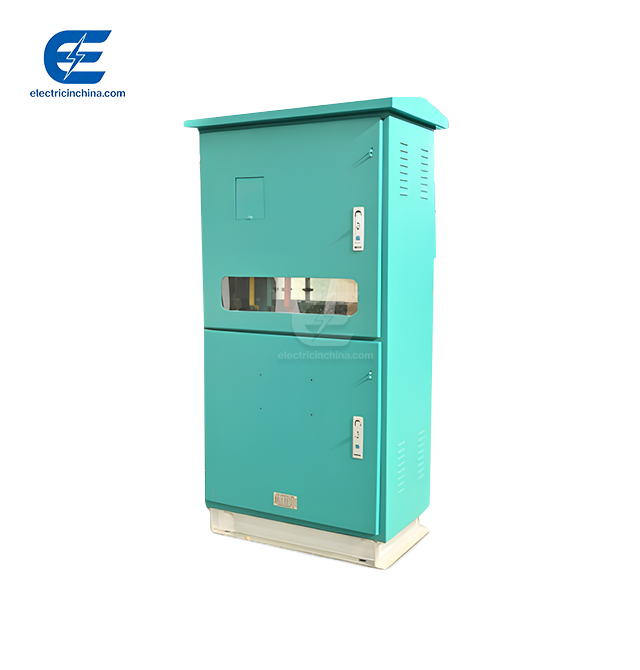
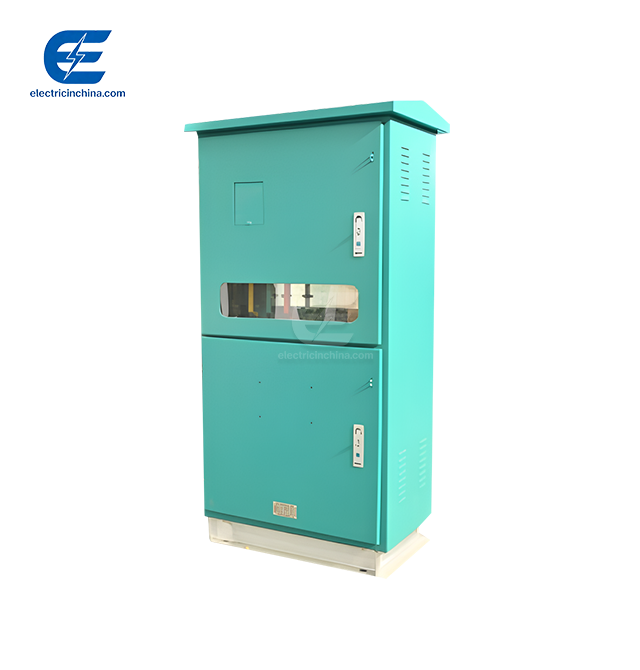
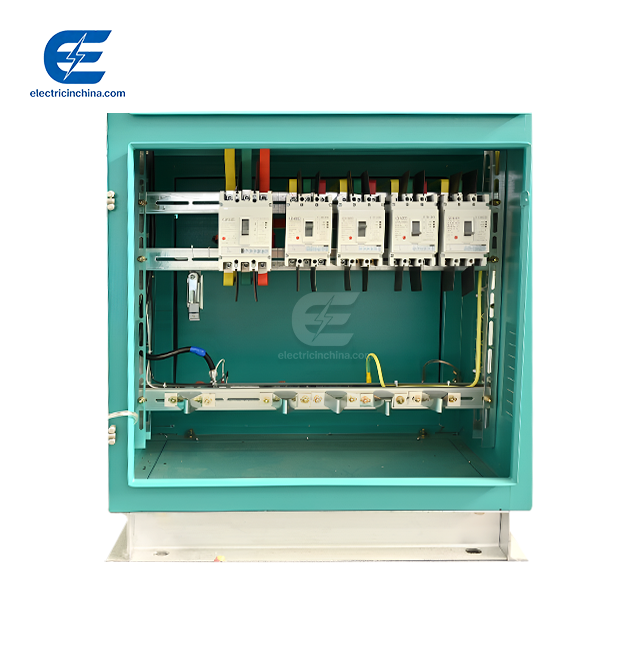
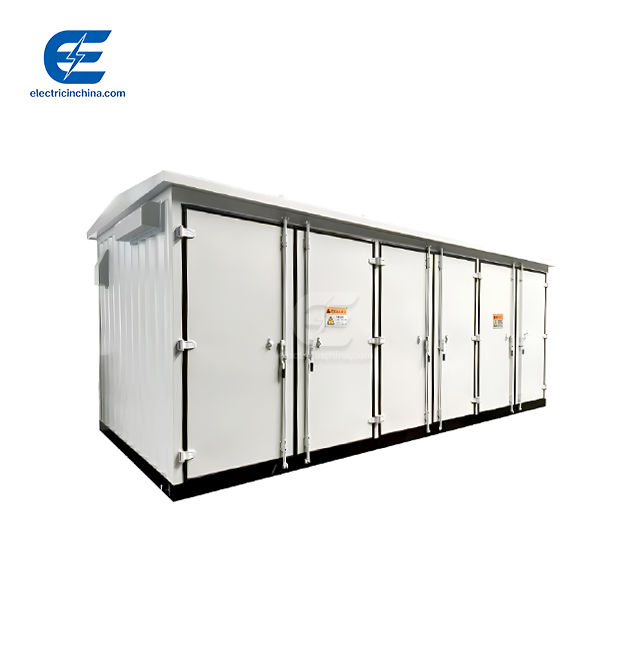
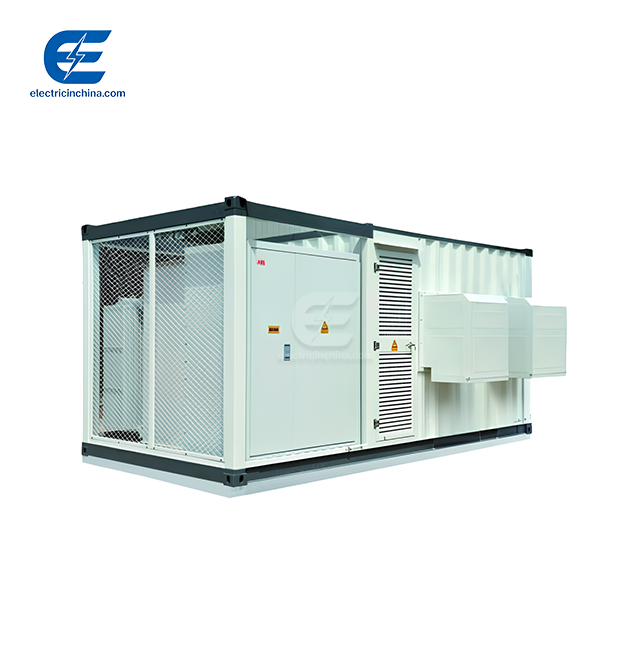
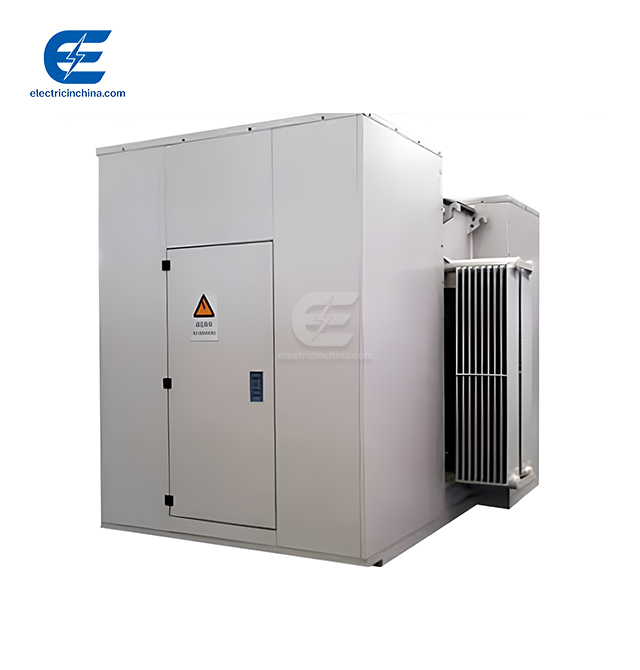
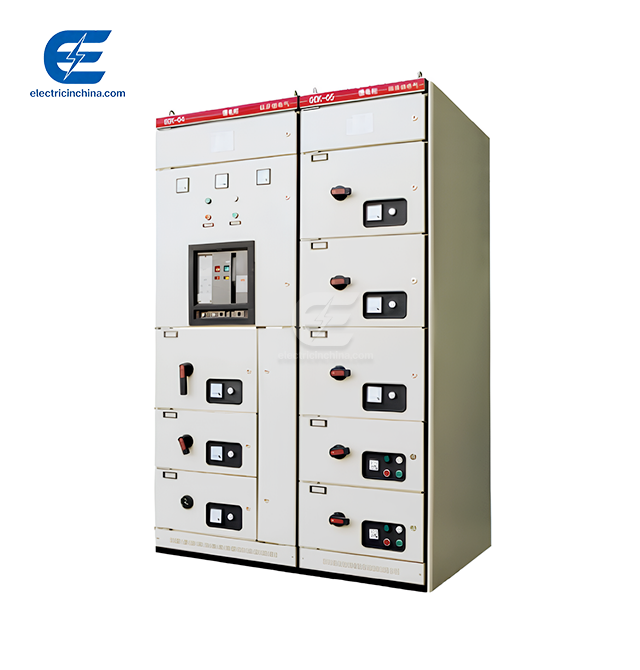
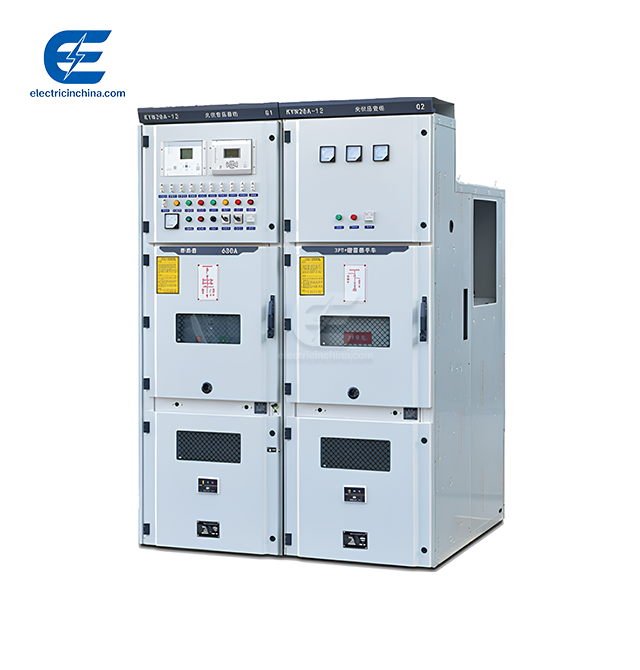
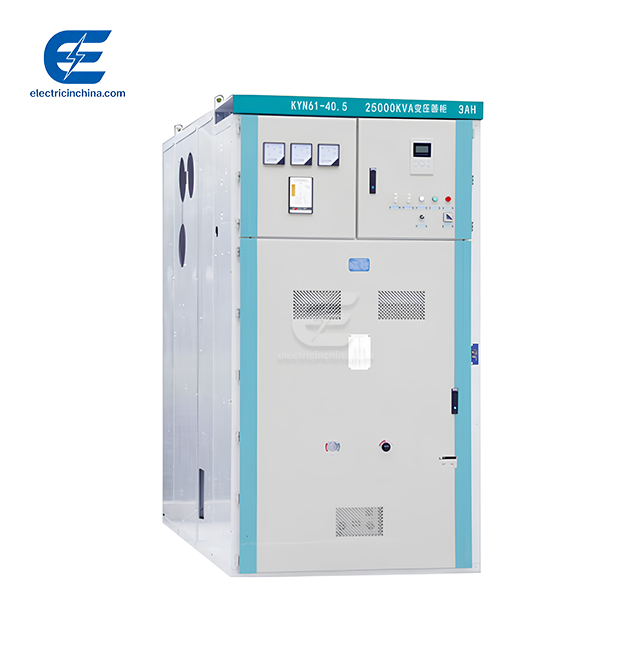
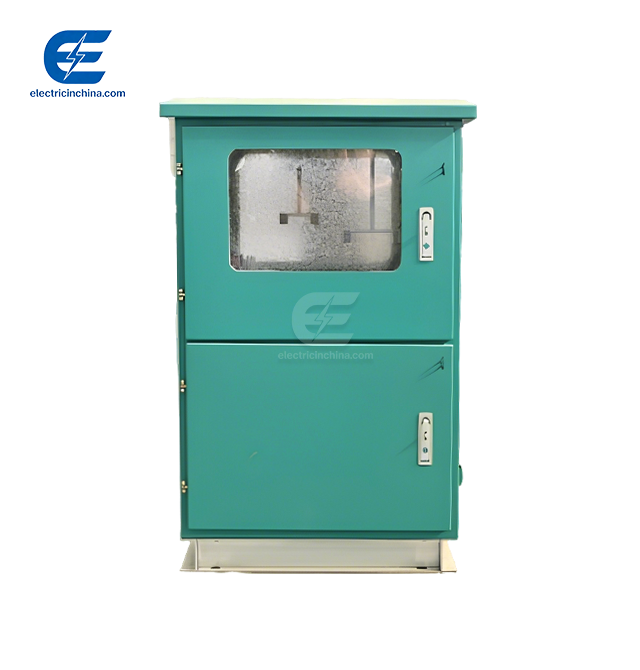
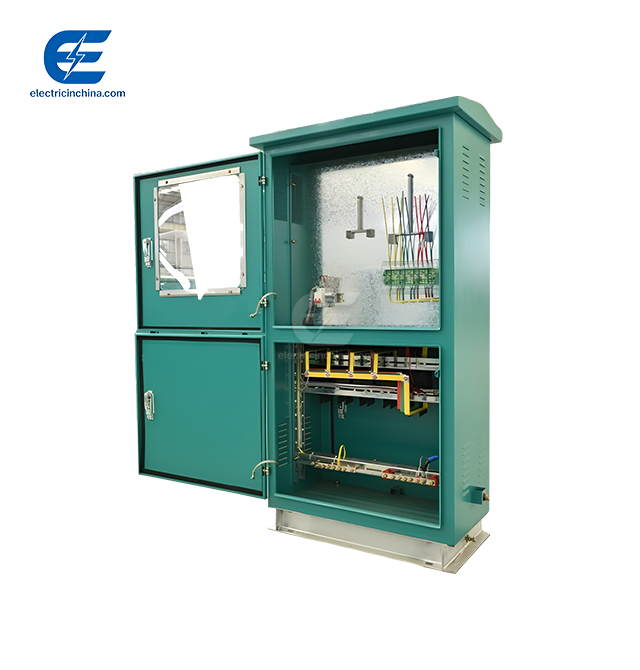
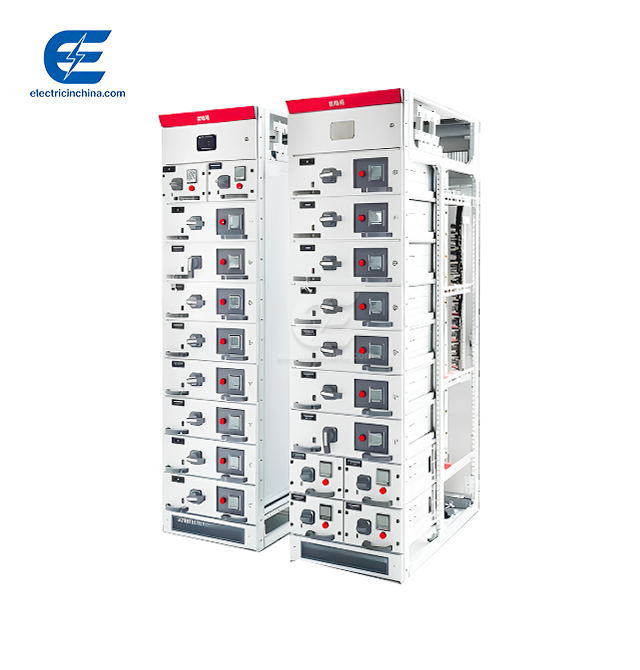
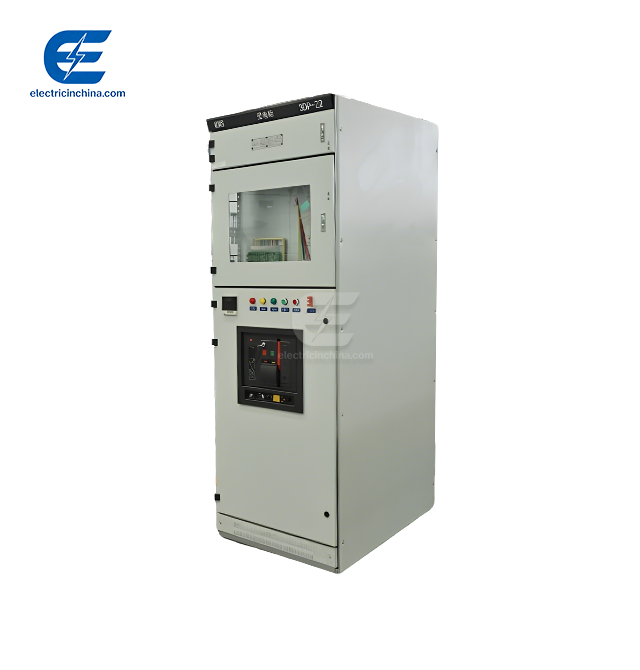
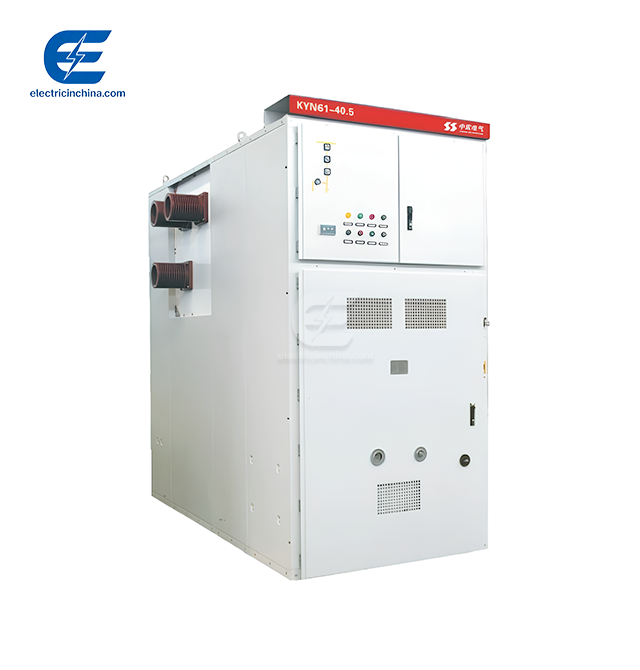
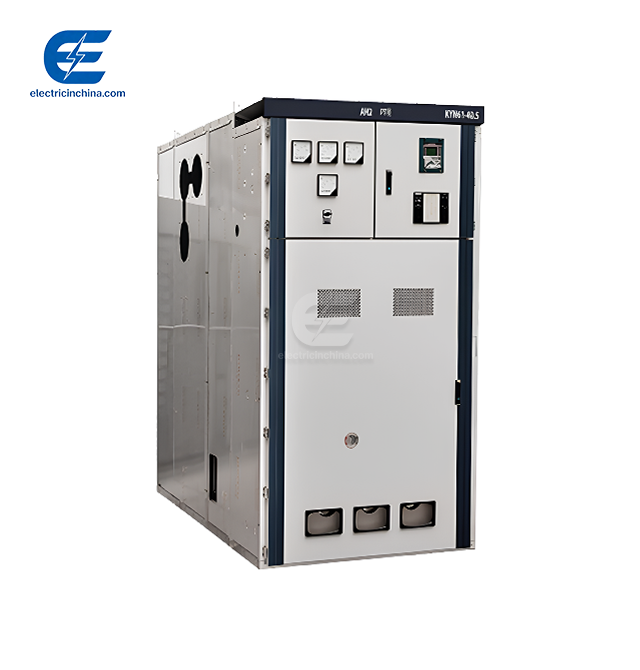
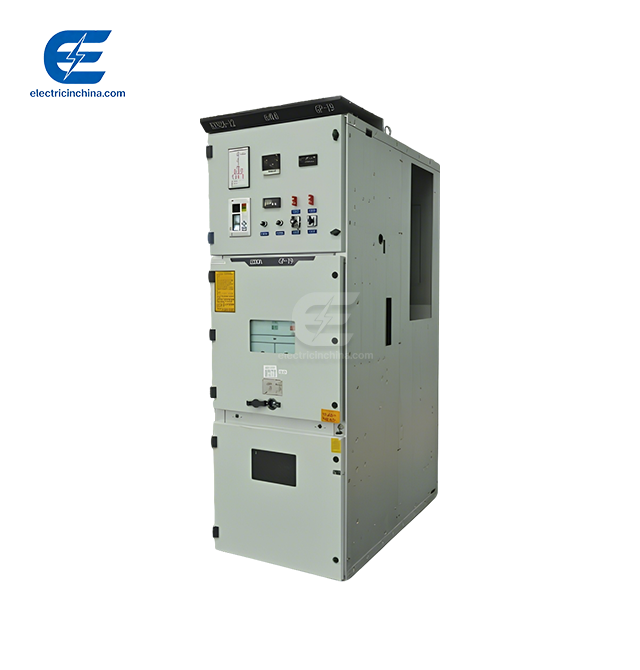
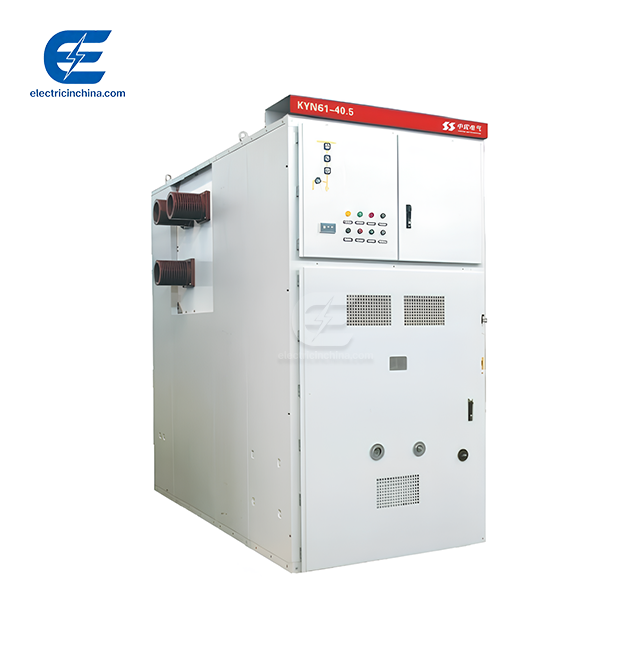
Medium Voltage Withdrawable Switchgear changes the way power is distributed safely by mixing advanced safety features with the ability to mechanically isolate. This electrical distribution system is made of metal and works with voltages between 3kV and 36kV. It has circuit breakers that physically move out of service places. The removable design lets repairs be done without turning off the power to the whole panel. This cuts down on downtime by up to 80% and keeps people safe with separated construction. Better interlocking mechanisms keep people from touching live parts by mistake, and arc fault containment systems can handle internal faults of up to 50kA. This makes industrial and business sites safer places for technical staff to work.
Understanding Medium Voltage Withdrawable Switchgear
It is important to understand the basic structure of Medium Voltage Withdrawable Switchgear when looking at electrical distribution options for industry or government building projects. This technology is a big step forward from standard fixed installations; it provides safety and operating flexibility that has never been seen before.
What Makes Withdrawable Design Different
The racking system on the withdrawable mechanism makes it different from fixed switchgear. Circuit breakers are mounted on carriages with wheels that move along tracks that are precisely directed. This setup lets techs physically separate switches from busbars while keeping the system powered on. During withdrawal, the main contacts fully break away, leaving a clear air gap that proves isolation.
Our metal-enclosed distribution systems can handle voltages from 3kV to 36kV and currents up to 4000A. The enclosure is split into different rooms for control equipment, busbars, wire links, and circuit breakers by the compartmentalized structure. Each room has its own separate entry points with interlocked doors that keep people from getting in without permission or by mistake.
Critical Components and Their Safety Functions
Power distribution is based on the busbar system, which is made up of silver-plated copper wires that can handle steady rated currents. Insulating walls keep the stages apart while keeping clearances that go beyond what is required by IEC 62271-200. These walls stop phase-to-phase problems and keep possible arc flash events inside certain areas.
Protection devices are built into every part of the system. Current transformers keep an eye on the load and find any strange current flows. Voltage transformers make it possible to measure things accurately and coordinate relays. Ground fault prevention systems find problems with shielding before they get worse and become dangerous. Our designs include SF6 or vacuum circuit breakers that stop fault currents in 40 to 60 milliseconds, protecting people and equipment from damage.
Operational Principles Behind Safe Maintenance
Mechanical interlocks are one of the most important safety innovations. When these devices are in the right place, they stop the breaker from being inserted while the contacts are still closed or the door from opening while the circuits are still live. The interlocking system makes a physical barrier against mistakes made by people, which are what cause about 70% of electricity accidents in workplace settings.
The racking device can take three clear positions: connected, test, and withdrawn. When it's in the linked position, both the main and secondary contacts are fully engaged, which sets up electrical continuity so that the device can work normally. The test setting keeps the control circuits connected while cutting off the main power. This lets you try functionality without turning on the main circuits. In the removed position, all connections are fully cut off, making it safe to remove from the enclosure.
Visual position markers show the state of the breaker using mechanical flags or digital screens. Color-coded marks make things clear: green means "withdrawn," yellow means "test position," and red means "connected." This instantly visible input keeps people from making mistakes while switching.
Core Safety Features of Withdrawable Switchgear
Safety engineering is more than just being able to isolate things. These days, Medium Voltage Withdrawable Switchgear systems have many layers of safety that work together to keep people, tools, and operations running smoothly.
Advanced Interlocking Systems
Our switchgear setups have five-point linking systems that control how everything works. The system won't let you open the door unless the circuit breaker is in the "retracted" state. Breaker racking can't go forward if the control power is still off. Grounding switches only work when the breaker is fully pulled out. This makes sure that the circuits are empty before repair starts.
It turns out that these mechanical safety measures work better than just computer controls. Software changes or problems with control systems can't get around physical walls. The linking system works without extra power, so security is kept up even if the battery or control circuit fails.
Arc Flash Containment Engineering
When an arc flash happens, it releases a huge amount of heat energy—up to 35,000°F—that can seriously hurt or kill people. Our divided design can handle internal arcs of up to 50kA for one second, which meets the strict IEEE C37.20.7 requirements for arc-resistant switchgear. Channels for relieving pressure move dangerous gases up and away from people working with them. Internal pressure spikes can't break reinforced steel walls that have special protective coats on them.
This is the main enclosure that keeps your workers safe:
Segregated Compartments: Circuit breakers, busbars, wires, and controls are kept separate in their own rooms. Arcs can't spread because of insulating walls between sections. Even if there is a problem in one part, it doesn't affect the circuits next to it. By separating them, this keeps the system working and keeps the event as small as possible.
Dead-Front Construction: All the live parts stay inside behind metal walls that are grounded. At the front of the tools, where people do normal work, there are no exposed wires. Automatic shutters hide busbar connections when the breakers are pulled back, so that they don't get touched by mistake. These doors work automatically and don't need to be controlled electronically or by hand.
Pressure Relief Systems: Arc blast energy is directed through specific paths by vents that are put in a smart way. When our designs are placed against walls, they push pressure up, and when they are independent, they push pressure down. Flame arrestors in vent ducts cool gases below the point of combustion before letting them out, which stops other fires from starting.
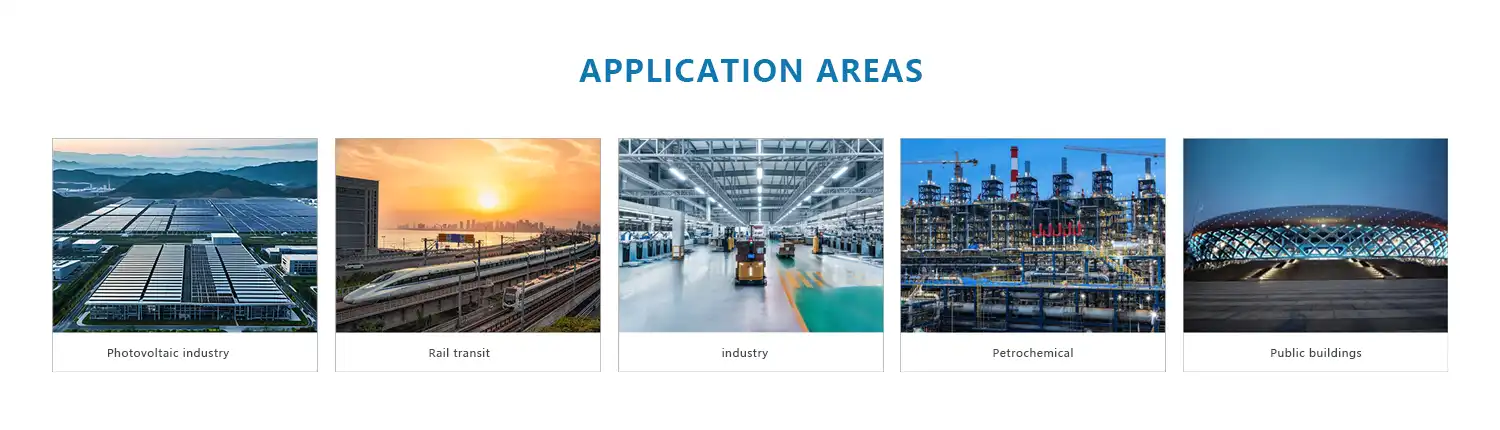
These safety measures lower the arc flash incident energy levels at working distances. This means that workers don't have to wear as much personal protective equipment, which is helpful when the level of danger is high. Our systems have been certified for hundreds of projects, including the Xuzhou Rail Transit Network Control Center, which needed to be completely reliable for passenger safety. This is because the construction is divided into sections.
Simplified Maintenance with Reduced Risk Exposure
For breaker repair, traditional fixed switchgear needs to be completely turned off, which means the whole building has to be shut down. This is not needed with the withdrawable form because it can be hot-swapped. Technicians replace broken breakers while vital loads continue to be powered on by circuits next to them. Life-support systems in hospitals keep running, production lines keep running, and data centers keep service.
Maintenance windows get a lot smaller—tasks that used to need the building to be shut down for eight hours are now done with 60-minute breaker swaps. This steady flow of operations immediately leads to lower costs. Businesses that make things try to avoid losing more than $100,000 an hour in production. Tenant services are kept up in commercial buildings. The government's infrastructure always does what it needs to do to provide public services.
Compliance with International Safety Standards
For metal-enclosed switchgear, we strictly follow IEC 62271-200, and for indoor systems, we follow IEEE C37.20.2. Each unit goes through strict factory acceptance tests, which include a 60-second test of its dielectric strength at 125% of its rated voltage. Before equipment moves, high-potential testing finds shielding problems. Protection relay coordination at rated current levels is confirmed by primary injection tests.
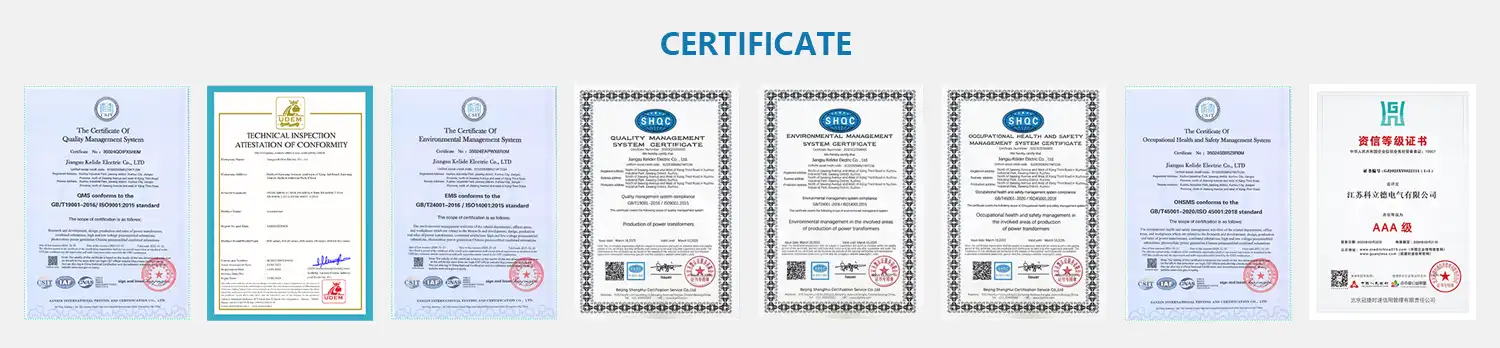
We keep our ISO 9001 quality management certification, our ISO 14001 environmental compliance certification, and our OHSAS 45001 workplace health standards up to date. All of the goods have National CCC Mandatory Certification, which shows that they follow Chinese safety rules. Our professional quality checking center puts each production batch through more than 50 different tests. This makes sure that the products work the same way in all kinds of settings.
Comparing Withdrawable Switchgear with Other Medium Voltage Solutions
When making a procurement choice, you need to compare different technologies in an objective way. Knowing how the different types of Medium Voltage Withdrawable Switchgear work in different situations can help you choose the best options for your needs.
Withdrawable vs. Fixed Switchgear
In fixed locations, circuit breakers are permanently bolted inside enclosures. For maintenance, the whole circuit has to be turned off, and breaker replacement is often needed instead of repair. Withdrawable units give you more options; broken breakers can be rolled out on carts to be fixed in the workshop or replaced with extra units. Because of this, the average time to fix goes from days to hours.
Even though they cost more at first, lifecycle costs favor designs that can be withdrawn. Being able to keep busbars charged stops production losses caused by power outages. Having spare breakers on hand helps with quick repair. For fixed systems to work, full extra parts need to be kept up, which means more capital is stuck in inventory.
Withdrawable Switchgear vs. Ring Main Units
Ring main units are used in distribution networks. They have small, sealed cases with three switch points. RMUs work great outside and in places with limited room. Their sealed structure protects against the climate very well, but it makes maintenance less flexible.
Withdrawable switchgear works best in bigger sites that need to change the load or equipment often. The modular design lets the capacity grow without having to replace whole sections. This flexibility helps industrial plants that are growing. RMUs don't have a lot of room for growth, so they usually need to be installed in parallel instead of all at once.
Functional Safety Distinctions for Procurement
When reviewing providers, look at more than just basic compliance statements. Look at specific safety certifications. Ask for proof that arc fault testing was done by a recognized laboratory. Check the results of the mechanical interlock tests to make sure they show the right way to apply the order. Ask for proof that the system worked reliably after being stacked and unstacked thousands of times.
Use pressure containment grades to judge the strength of the compartmentalization. Our IP54-rated shelters keep dust and water spray out, which is important for tough industrial settings. Temperature performance is just as important. Our systems work reliably from -40°C to +55°C, so they can be used in places around the world with climates that are very different from each other.
Optimizing Power Distribution Safety: Installation, Maintenance, and Troubleshooting
Installing, maintaining, and fixing problems are all parts of improving the safety of Medium Voltage Withdrawable Switchgear. The right way of installing equipment makes sure that it works at its best for many years. By using tried-and-true methods from the start of a job to its end, common mistakes can be avoided.
Installation Best Practices for Risk Mitigation
Site evaluation comes before choosing tools. Check the weather ranges, humidity levels, altitude, and seismic activity in the area. Our engineering team creates custom solutions to environmental problems, like coatings that don't corrode for chemical plants, better seals for places with a lot of humidity, and seismic bracing that meets IEEE 693 standards for places that are prone to earthquakes.
The design of the foundation supports the weight of the equipment and can handle the mechanical forces of fault currents. In big switchgear, short-circuit currents create electric forces that are stronger than 50,000 pounds. If there isn't enough structural support, equipment could move during faults, which could compromise the stability of the room. Our installation instructions spell out the base needs to make sure the mounting is solid.
Proactive Maintenance Strategies
The working environment and job cycle determine how often inspections should be done. In most programs, there are visual checks once a year, thorough exams every three years, and full testing every five years. Harsh settings need more frequent care—every month for outdoor installations or places where flying contaminants are present.
Visual checks find problems right away, without having to turn off the equipment. Thermographic scans find hotspots that show where connections are loose, or parts are overloaded. Temperatures at terminations that are more than 10°C above atmospheric indicate that problems are starting to appear. Fixing these problems stops the insulation from breaking down, which can cause breakdowns.
Common Troubleshooting Scenarios
Many practical problems are caused by problems with the control circuits. Systematic voltage readings across control transformers show that the source is working correctly. Extra contact checking makes sure that the linking circuit stays connected. Breakdown lines are found by checking the insulation between the control circuits and the main power source. Our expert support helps with remote tests and walks your repair staff through the steps of fixing problems.
Mechanical binding can sometimes make it hard for racks to work smoothly. Checking a roller bearing shows that dirt or oil has built up or that the lubricant has broken down. The positioning of the guide rails makes sure that the track is straight. The alignment of the primary contact affects the resistance to entry. If the alignment is off, it needs to be fixed by a professional to avoid damage.
Selecting and Procuring Medium Voltage Withdrawable Switchgear for Your Business
Strategic procurement of Medium Voltage Withdrawable Switchgear takes into account technology needs, cash limitations, and the costs of running the business in the long term. Structured review methods help choose the best suppliers and set the right standards for tools.
Supplier Evaluation Criteria
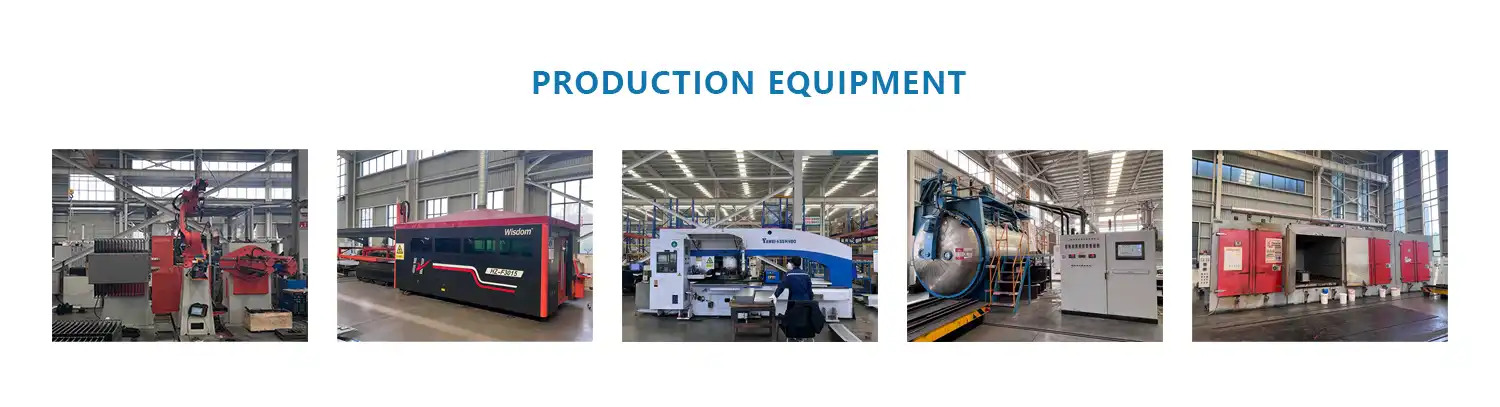
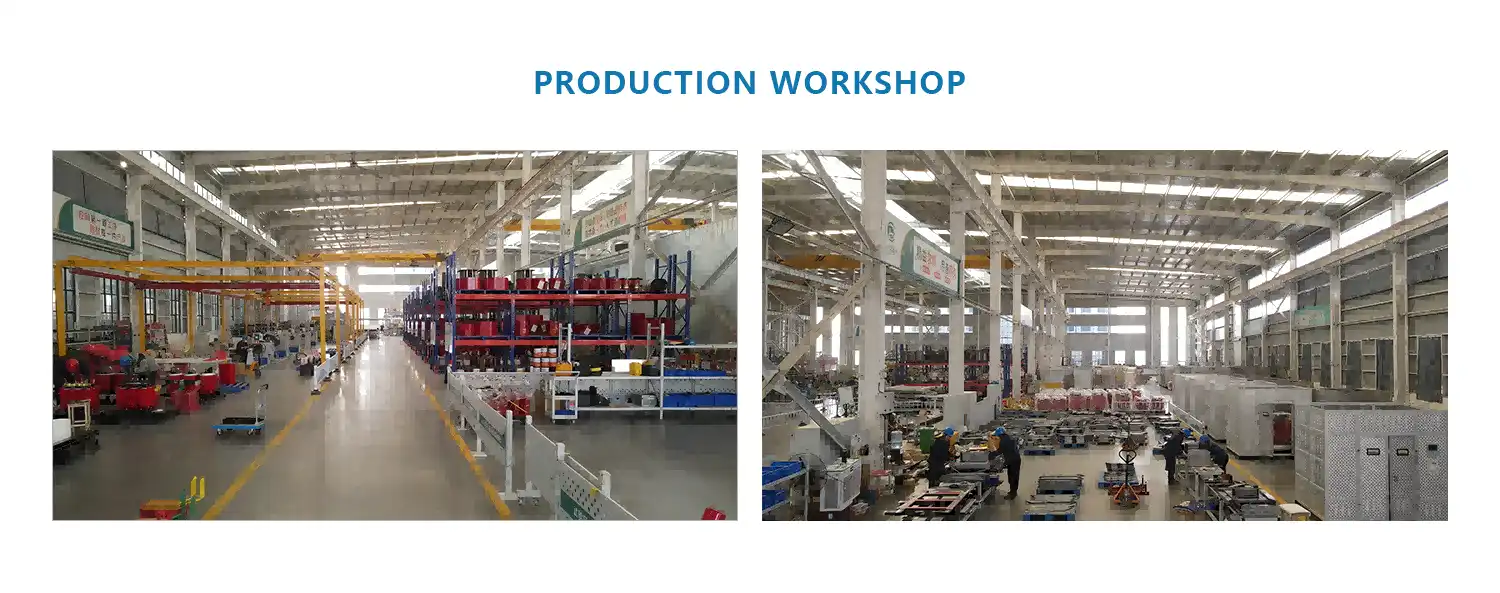
Check out how well a Withdrawable Switchgear factory can make things by doing an audit of it. The complexity of the production tools shows how consistent the quality is. CNC automatic winding machines, vacuum casting systems, and gradient curing ovens are all big investments in capital that smaller providers can't afford. Our more than 120 sets of tools allow for exact manufacturing tolerances and quality that can be relied on.
Engineering help shows that you have technical knowledge. When compared to suppliers who only sell stock items, those who offer customized solutions show more skill. There are 15 top engineers on our team, and they can change designs to work with unusual voltage levels, harsh environments, or specific safety needs. This level of engineering was useful for the XCMG Group power supply upgrade, where tight deadlines were met with custom setups that didn't put safety at risk.
Brand Comparison and Key Selection Factors
Global makers like Schneider Electric, Siemens, ABB, and GE offer systems that have been used for a long time and are reliable. Although these names offer great performance, they come with higher prices that reflect their marketplaces. Most of the time, regional providers offer the same level of technical performance with faster wait times and better customer service.
Look at the total cost of ownership, which is more than just the buying price. Over the course of their 20-year service lives, equipment with better efficiency scores uses less energy. Better reliability cuts down on downtime costs that are much higher than the cost of capital in key sites. Accessibility for maintenance affects labor costs; designs that need special tools or a lot of disassembly raise ongoing costs.
Customization and Bulk Purchasing Advantages
Large projects can get better prices because of bulk buying, but the specifications can still be changed as needed. Standardizing on common platforms across multiple sites cuts down on the need to keep extra parts on hand. Our engineering team works with EPC companies to find ways to make things more uniform without sacrificing the needs of each project.
Custom protected relaying meets the specific needs of each business. Overcurrent protection that works in both directions for looped systems, reverse power protection for connecting production units, and different types of load sharing work without any problems. Our methods can work with the desires of third-party relays while still coordinating interlocking.
Conclusion
In conclusion, using Medium Voltage Withdrawable Switchgear technology makes power transfer much safer by combining several safety features that work together. Having the ability to physically separate, advanced interlocking systems, and arc fault containment makes working conditions safer than in standard fixed installations. A compartmentalized design keeps electrical problems inside while letting repair happen without having to shut down the whole building. These benefits for safety directly translate into practical benefits, such as less downtime, fewer accidents, and longer machine life. Even though they cost more at first, organizations that put employee safety and business consistency first find that withdrawable systems offer measured value. The fact that this technology has been used in hundreds of sites shows that it is useful in modern electrical systems.
FAQ
How does withdrawable switchgear compare to fixed designs in safety performance?
When repair workers are completely physically separated from powered components, Medium Voltage Withdrawable Switchgear designs offer higher safety. The racking system makes air gaps that can be seen, which proves separation. With set designs, you have to work close to live busbars to remove the breaker. Statistics on accidents show that 60% fewer electrical injuries happen with systems that can be taken out. Arc faults are better contained in a compartmentalized building, and operating mistakes that cause most electrical accidents are stopped by mechanical interlocks.
What maintenance intervals sustain optimal safety performance?
Visual checks done once a year find clear problems without shutting down the power. Every three years, there are thorough checks that include thermographic scans, measuring contact resistance, and checking the insulation. Every five to seven years, full maintenance is done, which includes servicing the breakers, checking the safety relays, and greasing the moving parts. More regular care is needed in harsh settings or heavy-duty cycles. By following the manufacturer's suggested plans, you can stop degradation that weakens protected features.
What factors determine supplier suitability for critical projects?
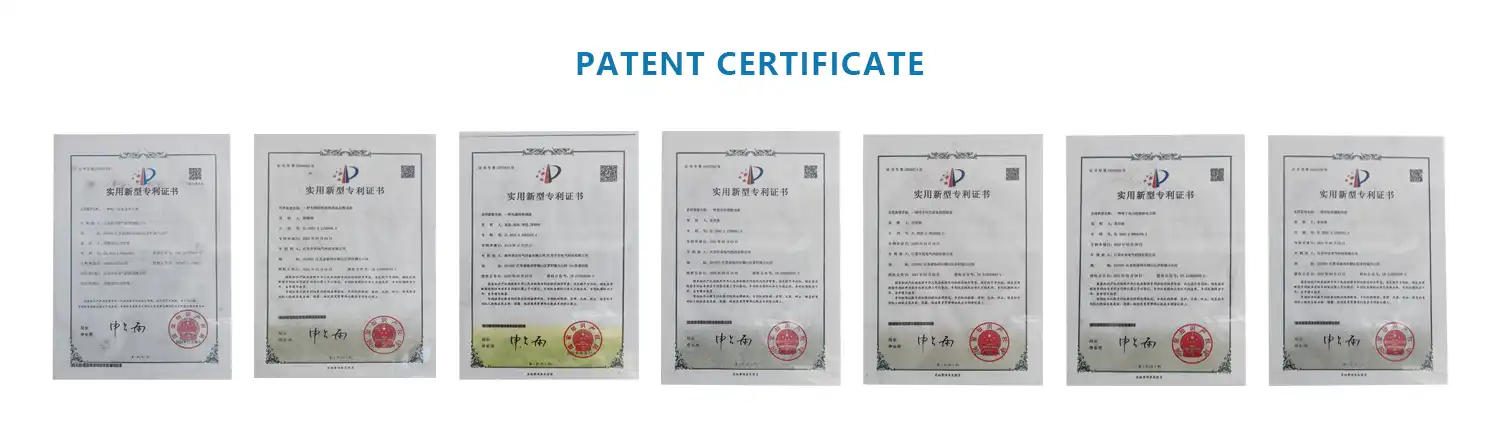
Look at the company's production skills, professional know-how, and project experience. Suppliers with a lot of production tools keep the standard high. Site-specific needs are met by engineering teams that can be customized. Installments that are finished show that they can be run. Systematic quality management is proven by a wide range of certifications, such as ISO 9001, ISO 14001, and product-specific approvals. Patent portfolios show that you are committed to ongoing growth by going above and beyond basic standards of innovation.
Partner with Tuojie for Superior Electrical Distribution Solutions
Medium Voltage Withdrawable Switchgear electrical safety represents too critical a concern to compromise through inadequate equipment selection. Tuojie brings over 20 years of specialized experience designing and manufacturing power distribution systems that protect personnel while ensuring operational continuity. Our solutions combine tried-and-true safety features with the ability to be customized to fit your specific needs, whether you're managing government infrastructure, industrial facilities, or business developments.
We recognize that every project presents distinct challenges. Our engineering team collaborates with you throughout the procurement process, from initial specification development through commissioning support. As an established manufacturer, we maintain complete control over quality through our professional inspection laboratory and 120+ production equipment sets.
Contact our technical team at tuojie@electricinchina.com to discuss your power distribution safety requirements. We provide detailed specifications, application engineering, and competitive quotations for projects of any scale. Visit electricinchina.com to explore our complete product portfolio and discover how our certified, patent-protected solutions deliver the reliability your operations demand. Let us demonstrate why organizations across infrastructure, manufacturing, and commercial sectors trust Tuojie as their preferred medium voltage withdrawable switchgear supplier.

References
1. Johnson, M. & Roberts, K. (2021). Arc Flash Hazard Mitigation in Medium Voltage Switchgear: Design Principles and Safety Standards. Institute of Electrical Engineers Press.
2. Chen, L. (2020). Comparative Analysis of Withdrawable and Fixed Switchgear Architectures for Industrial Applications. Journal of Power Distribution Engineering, 45(3), 178-195.
3. National Fire Protection Association. (2022). NFPA 70E: Standard for Electrical Safety in the Workplace. NFPA Publications.
4. International Electrotechnical Commission. (2021). IEC 62271-200: High-Voltage Switchgear and Controlgear - Part 200: AC Metal-Enclosed Switchgear for Rated Voltages Above 1 kV and Up to 52 kV. IEC Standards Database.
5. Williams, T. & Anderson, P. (2019). Reliability Engineering for Medium Voltage Power Distribution Systems. McGraw-Hill Technical Publications.
6. Zhang, H. (2022). Life Cycle Cost Analysis of Medium Voltage Switchgear Technologies in Critical Infrastructure Applications. Power Systems Research Quarterly, 28(2), 45-67.