

.webp)
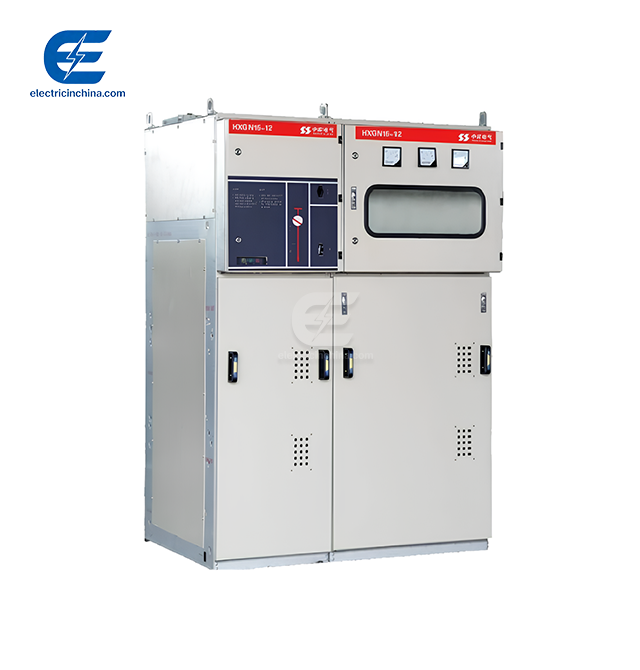
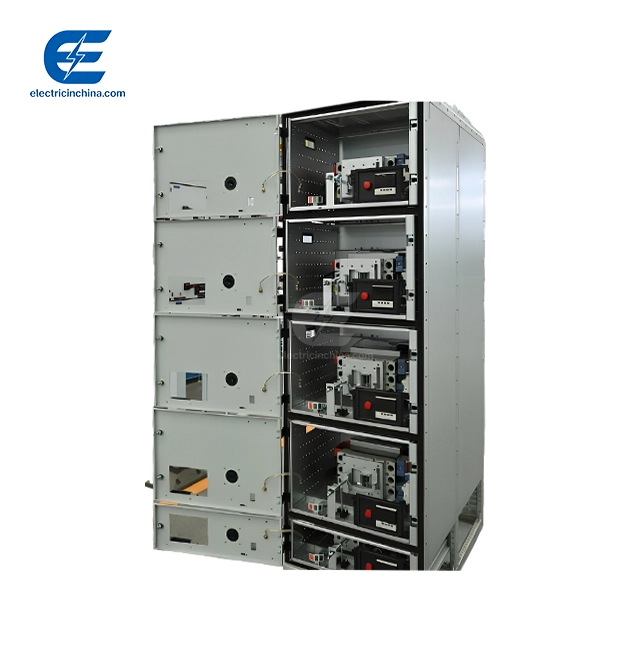
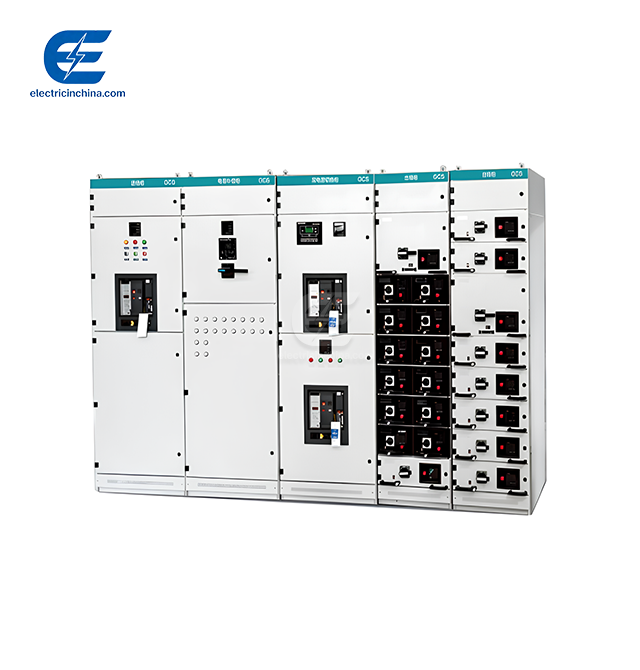
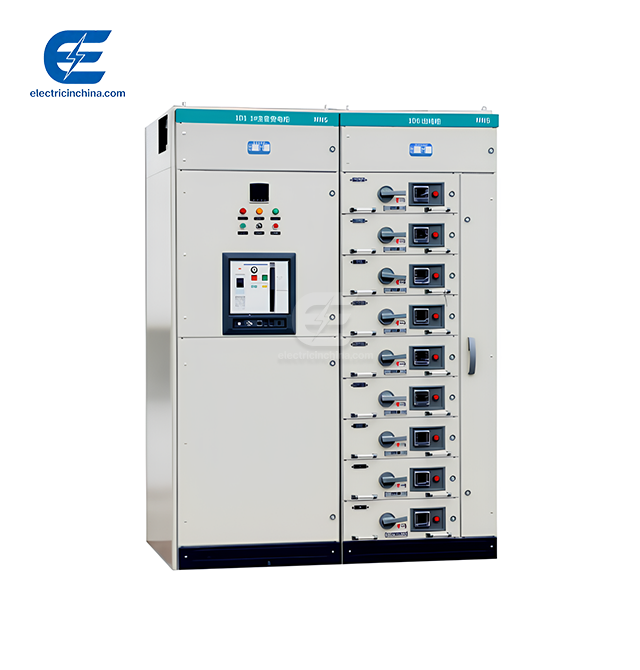
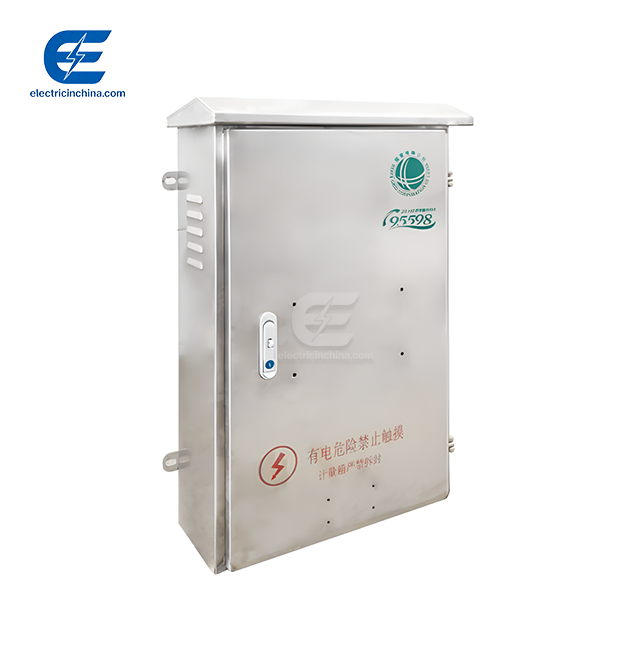
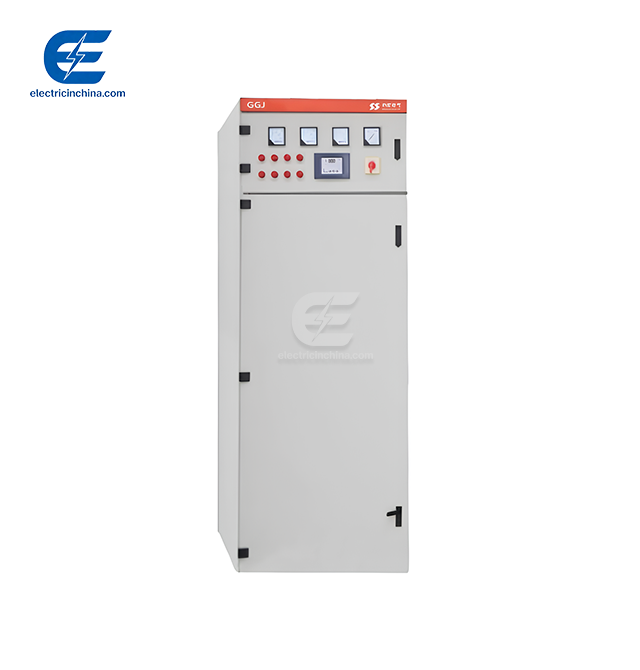
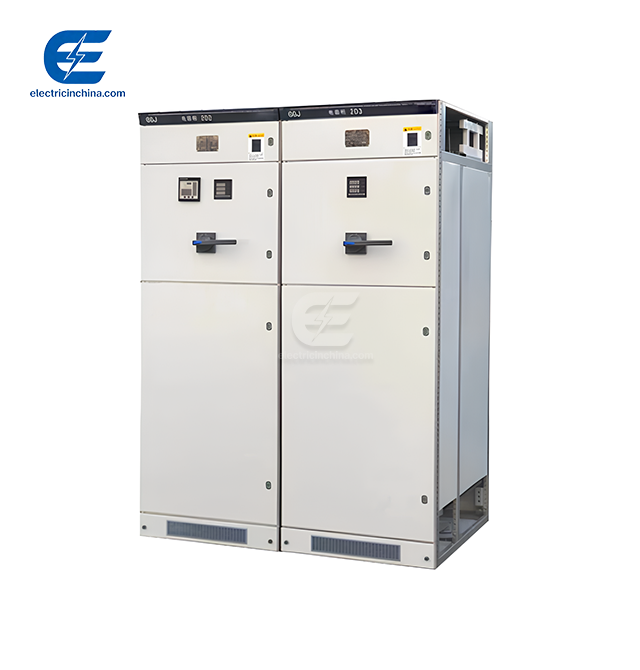
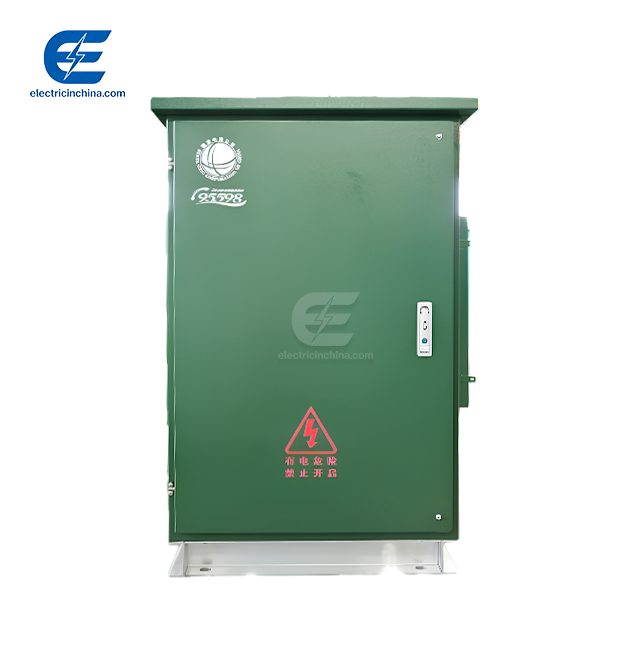
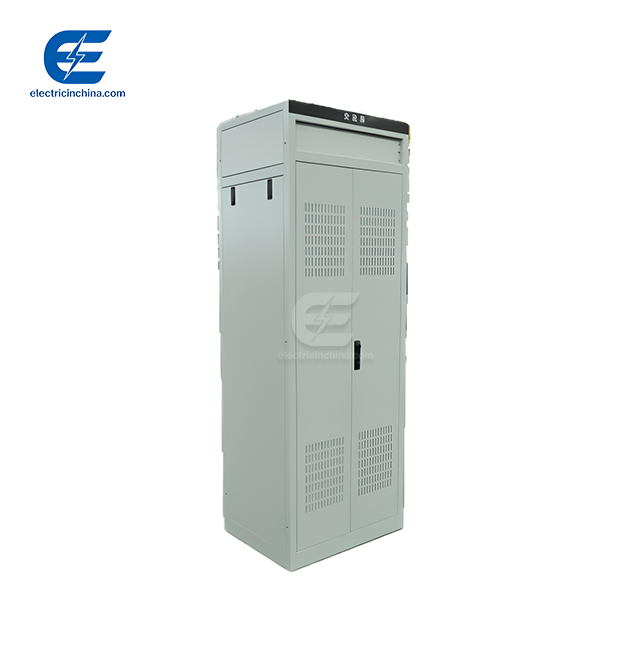
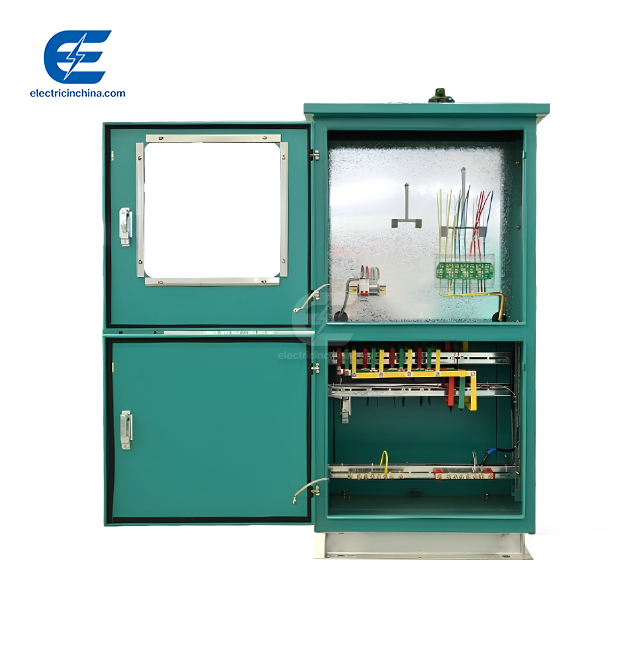
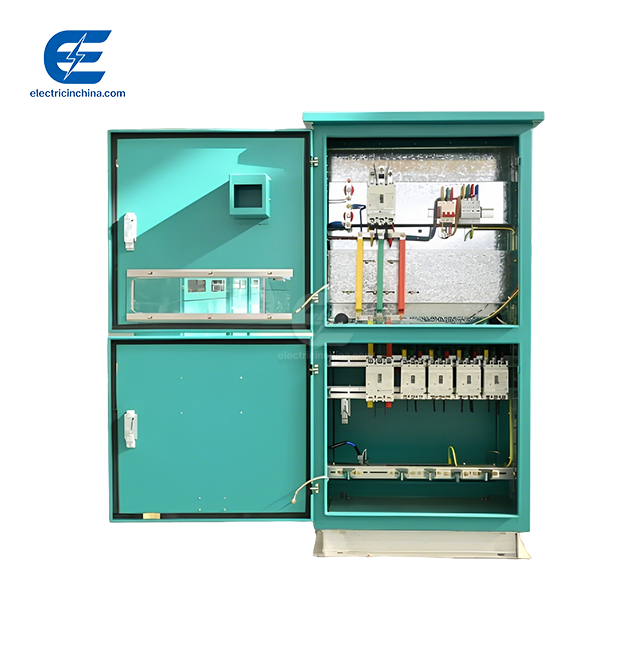
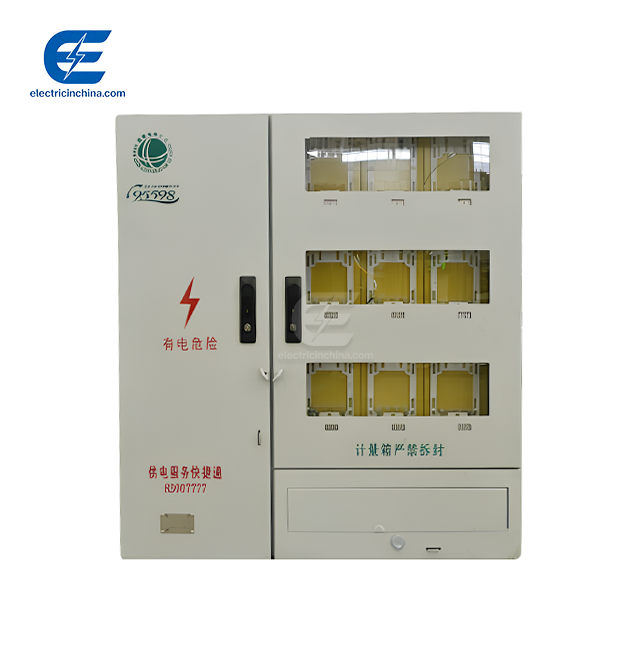
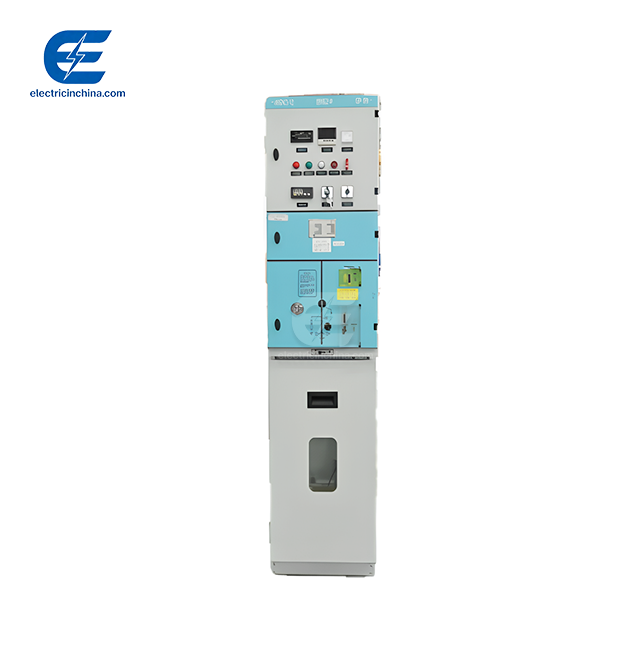
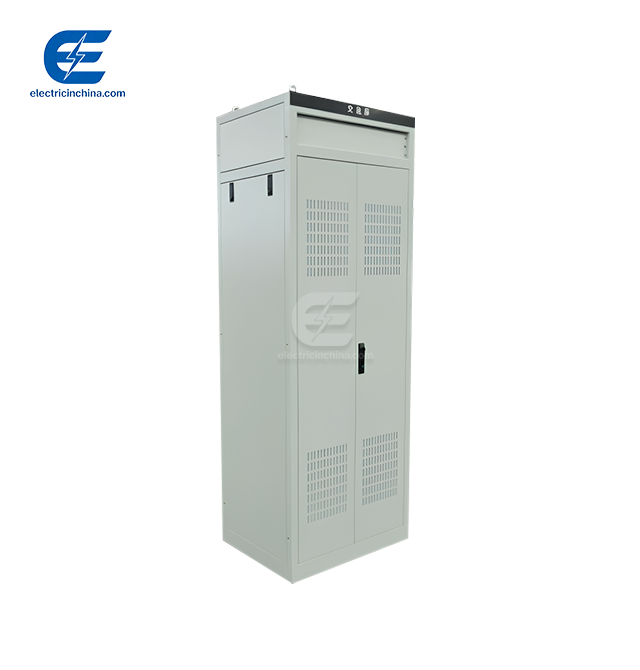
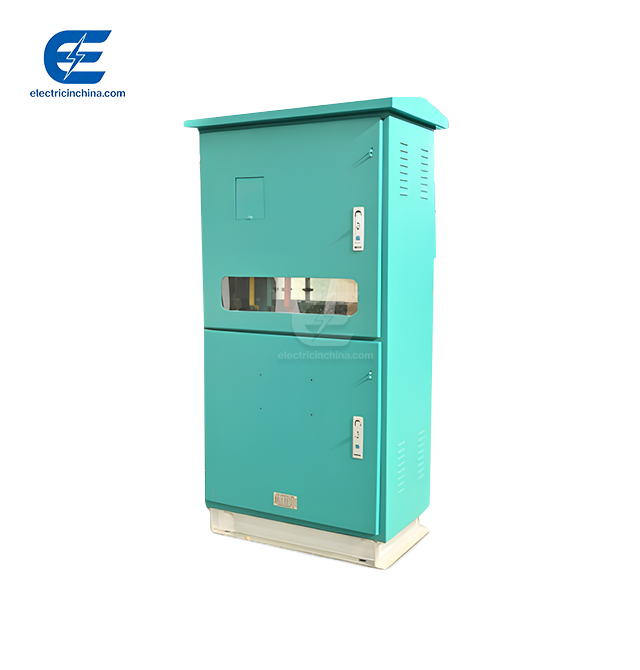
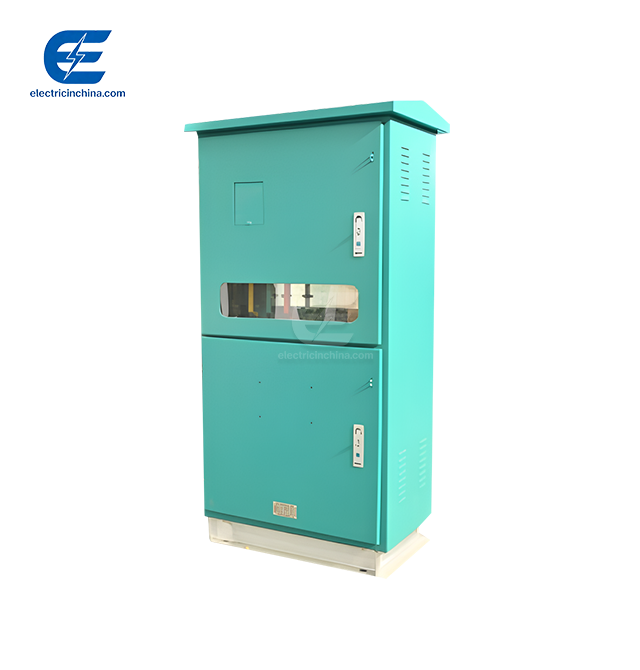
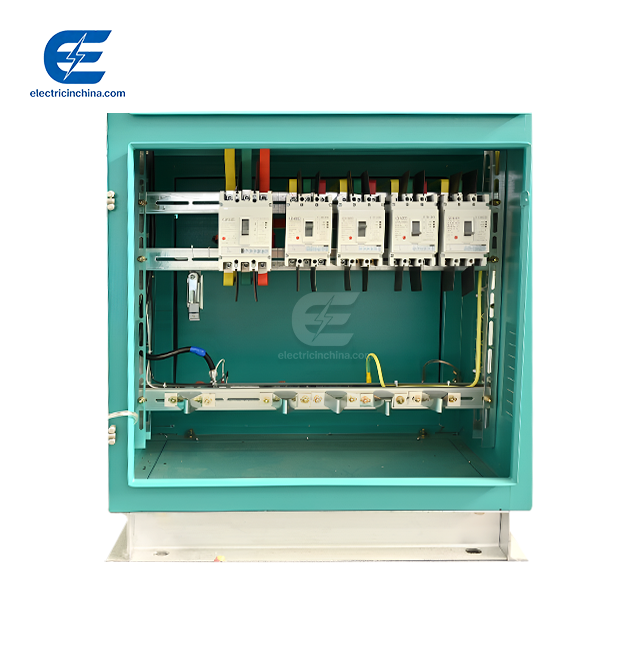
When planning a utility-scale solar installation, picking the right power technology has a direct effect on the time it takes, the cost, and how well it works in the long run. PV Compact Substation for Solar Power Plants is a factory-built unit designed especially for solar use. They include transformers, switchgear, safety systems, and tracking tools. These systems raise the voltage from medium levels (usually 35kV) to transmission standards (110kV–220kV). They do this by solving important problems like how fast they have to be installed, how much space they take up, and how reliable the grid integration is. When conventional substations are built using traditional site building, they need a lot of separate component installation and general construction work. Knowing these basic differences helps buying teams make choices that are in line with the needs of the project and the organization's goals.
Understanding PV Compact Substations and Conventional Substations
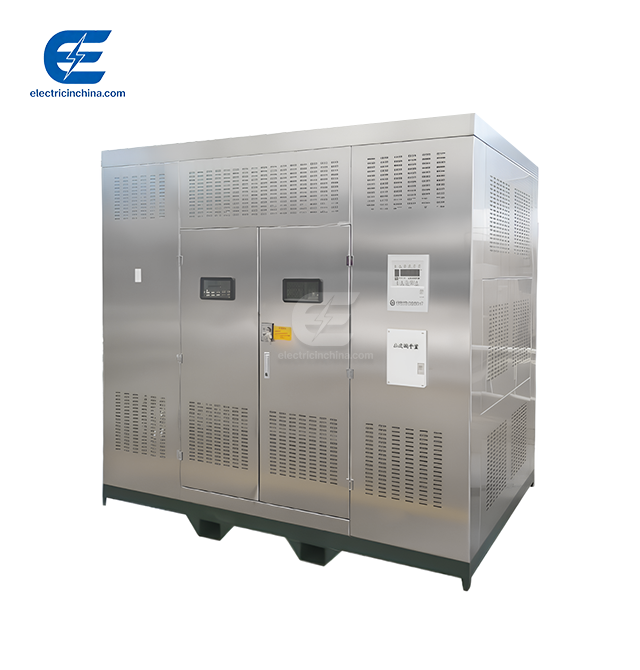
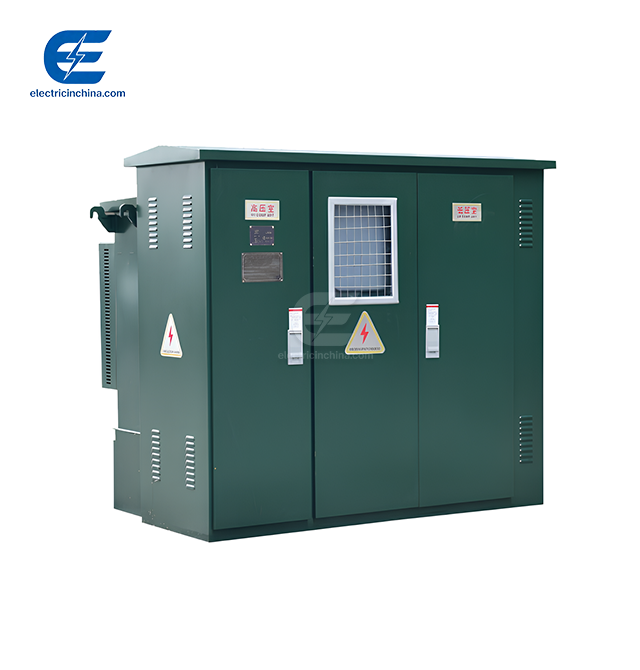
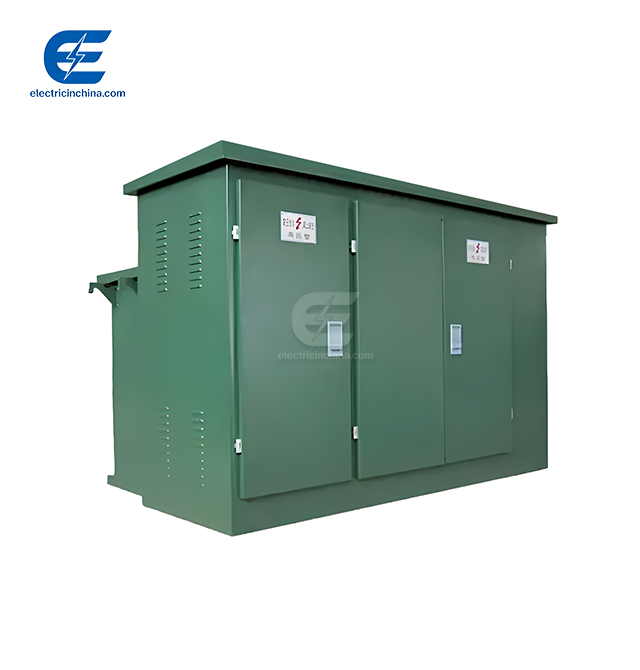
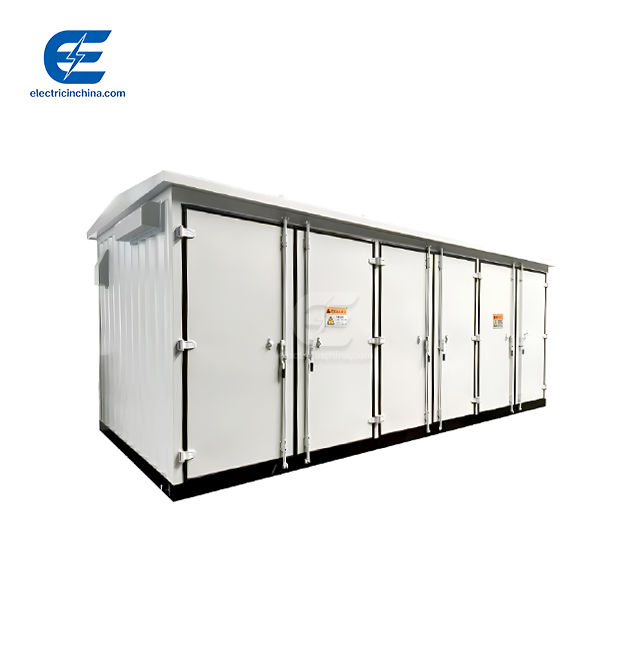
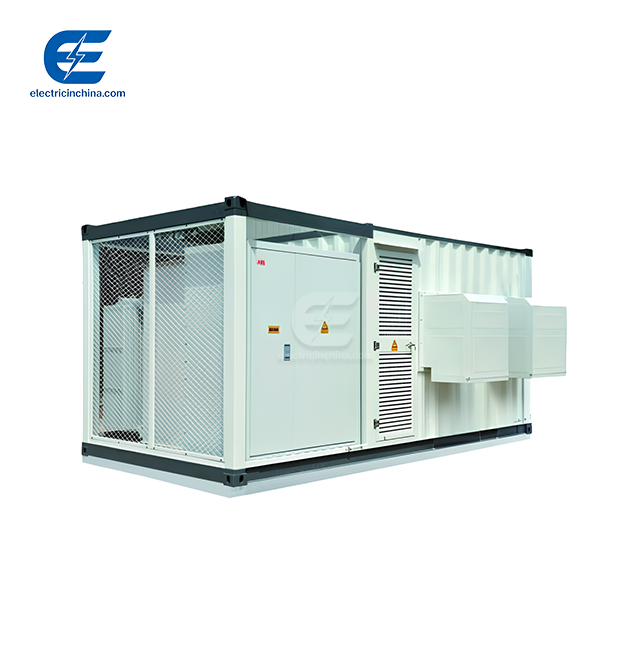
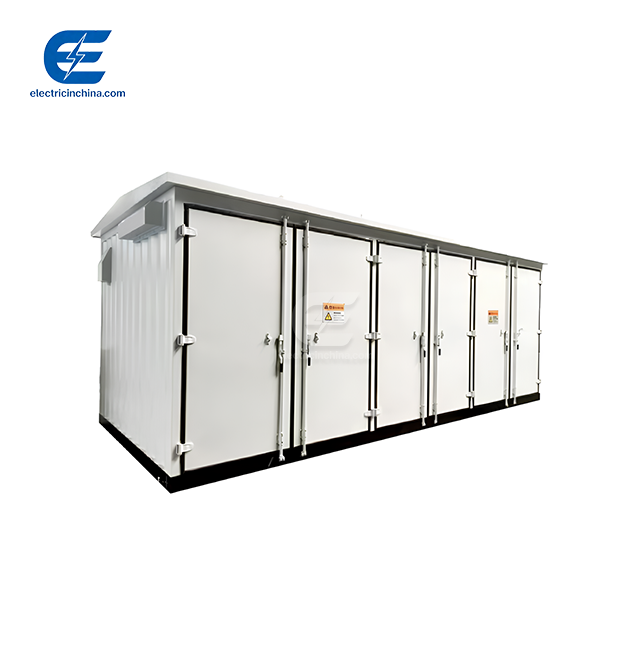
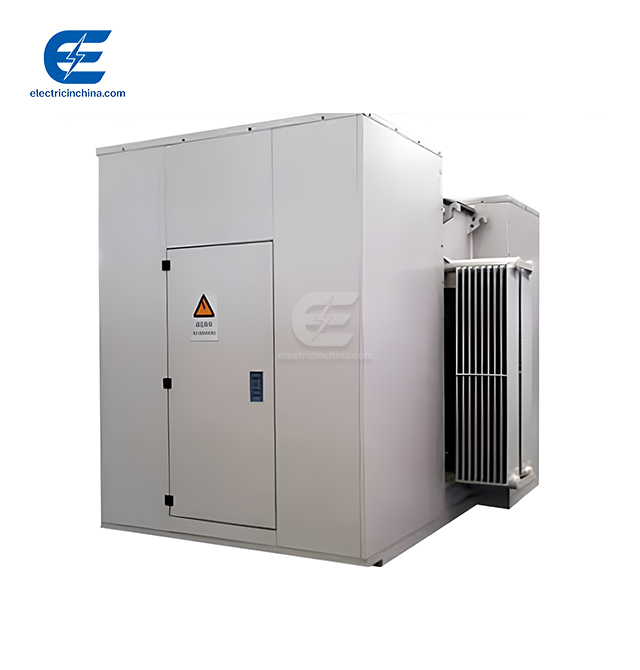
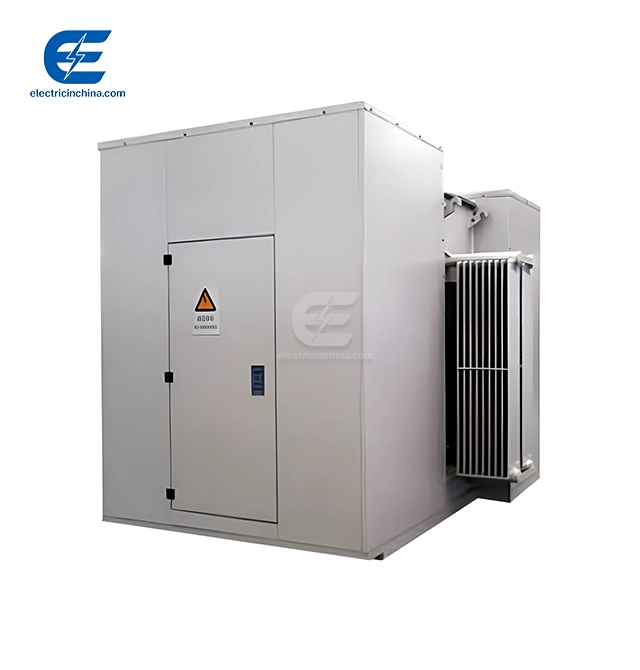
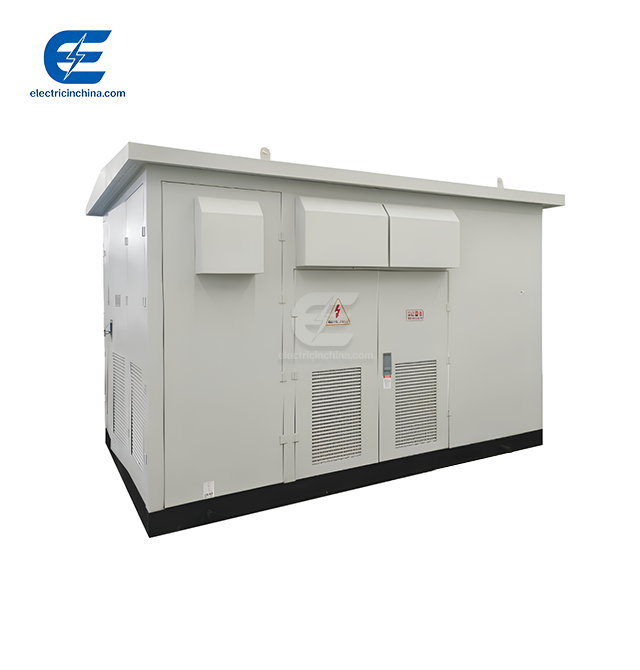
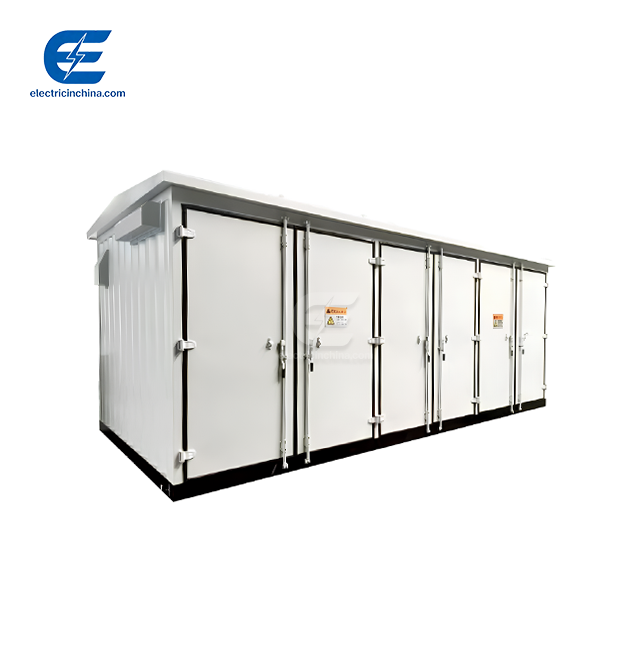
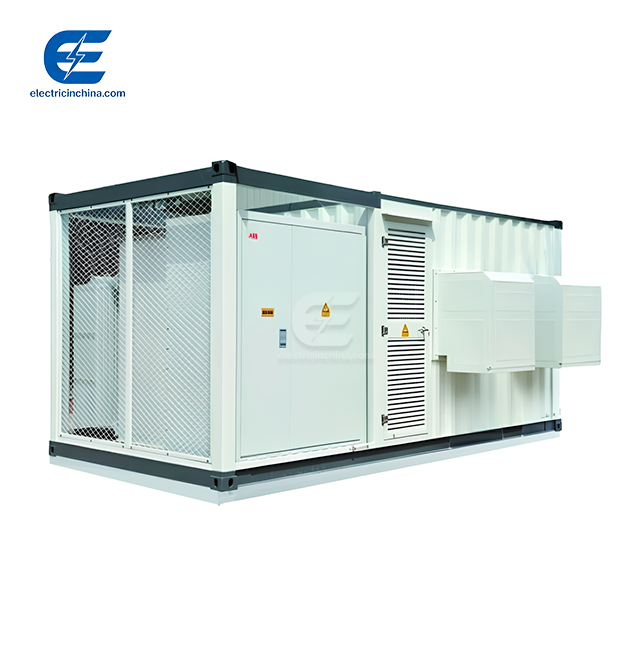
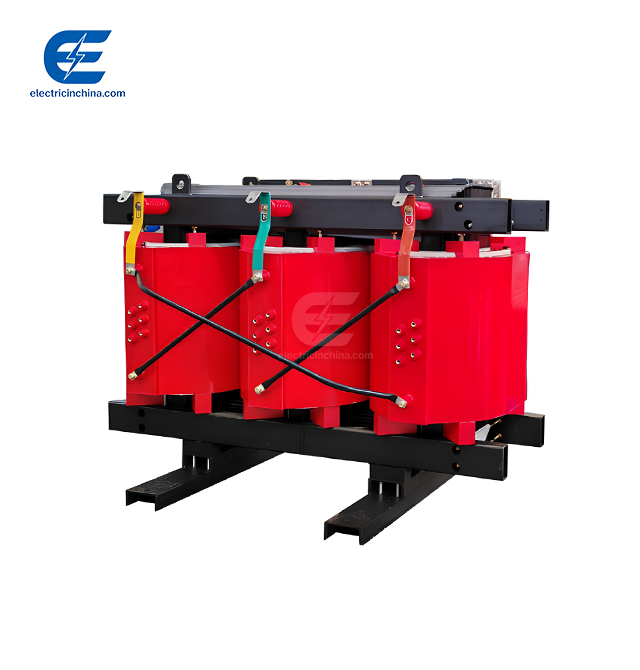
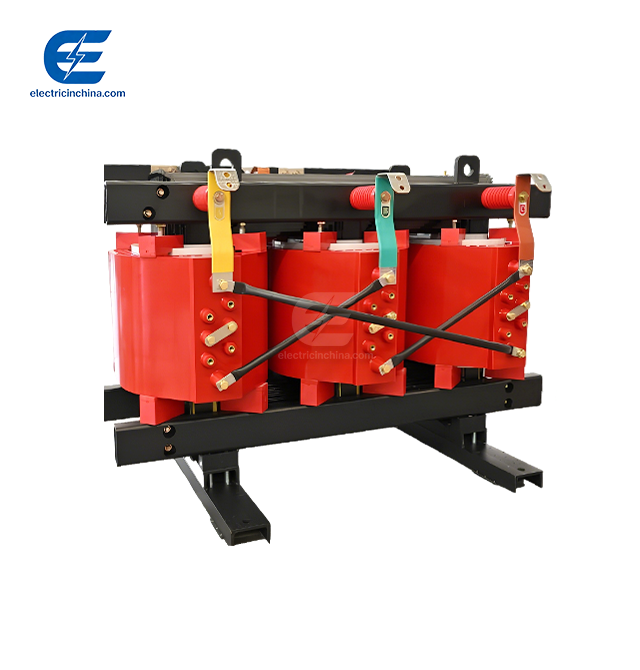
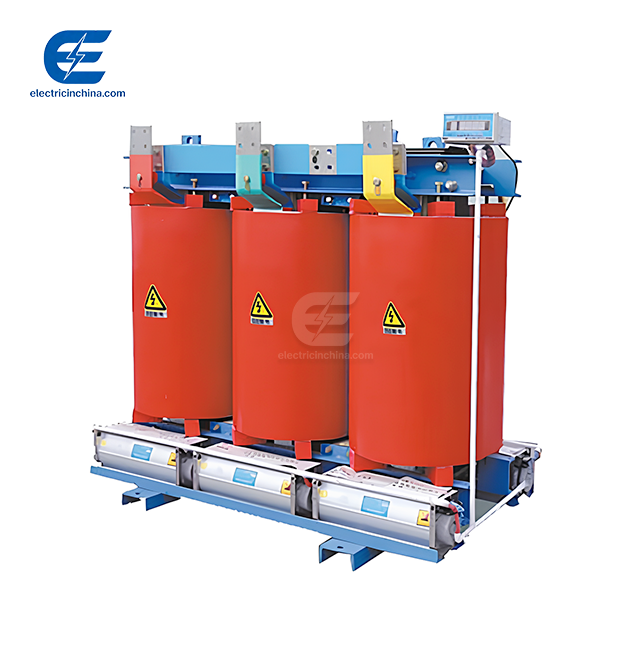
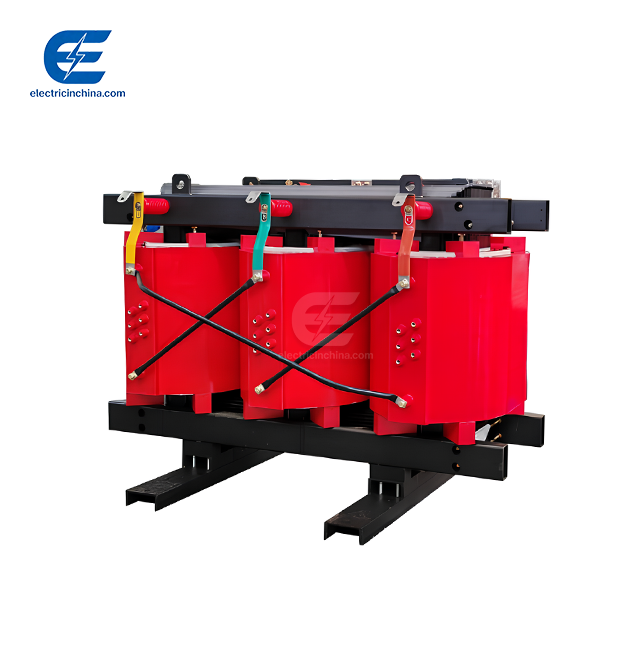
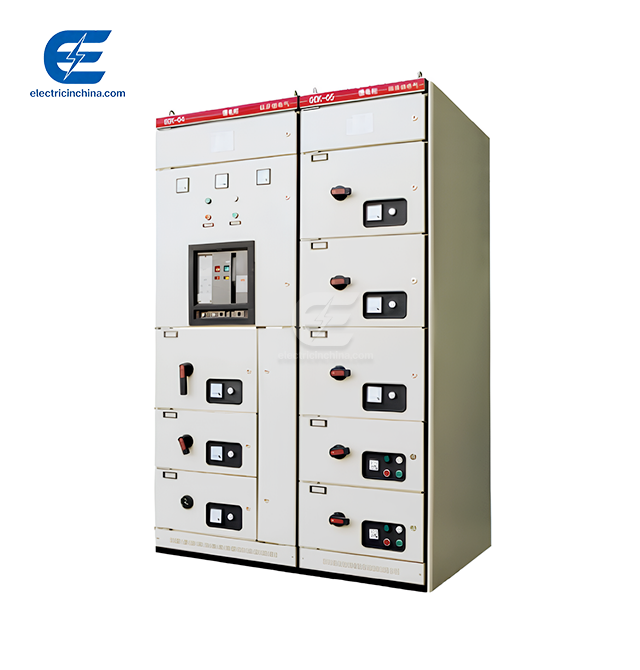
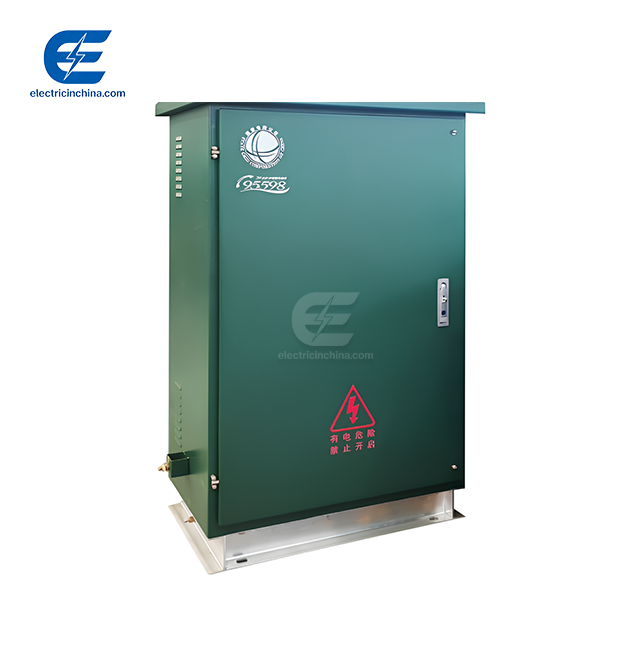
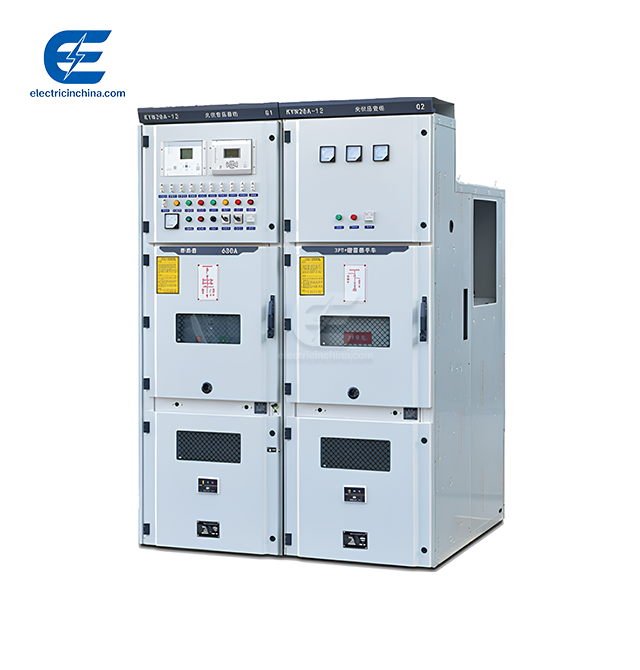
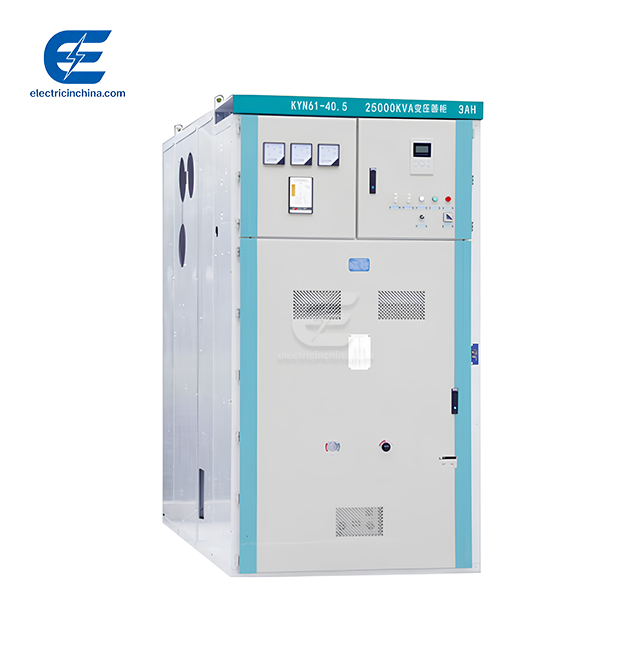
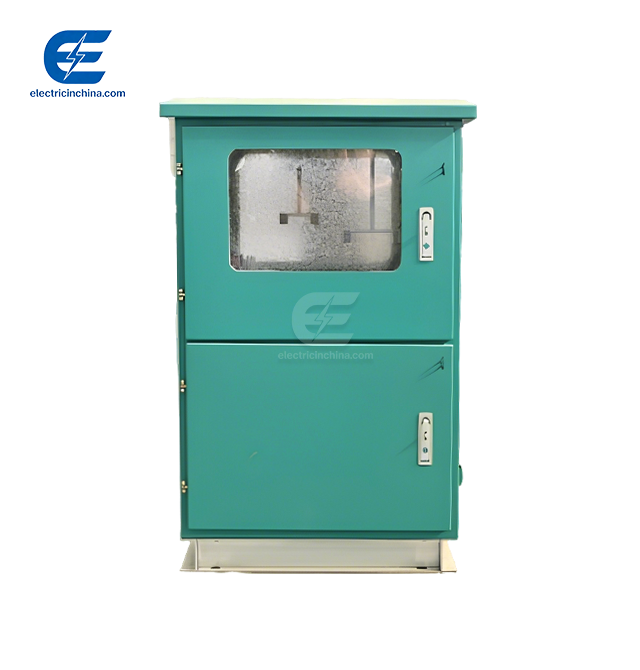
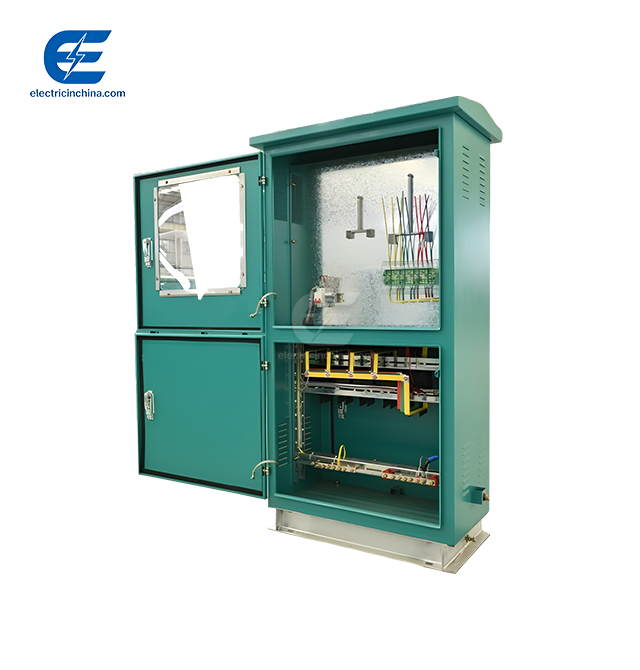
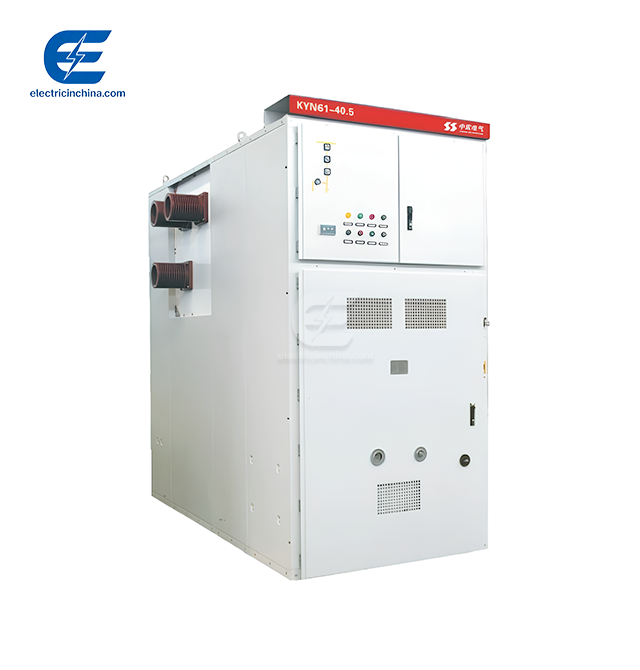
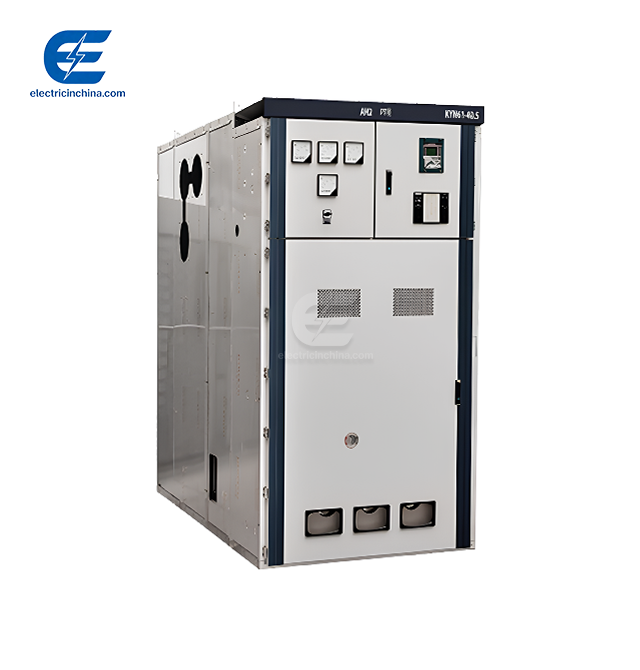
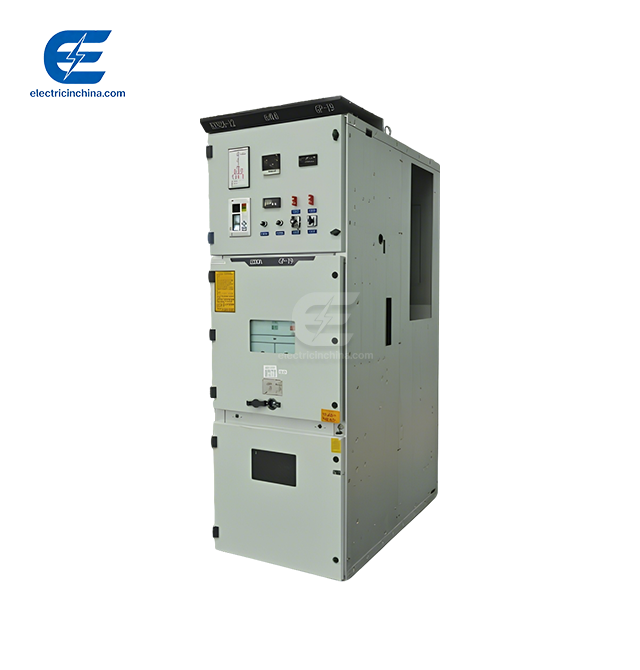
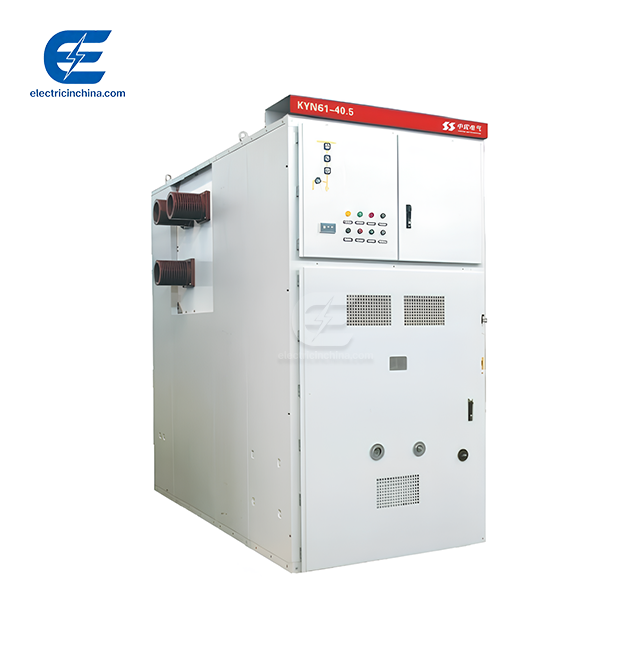
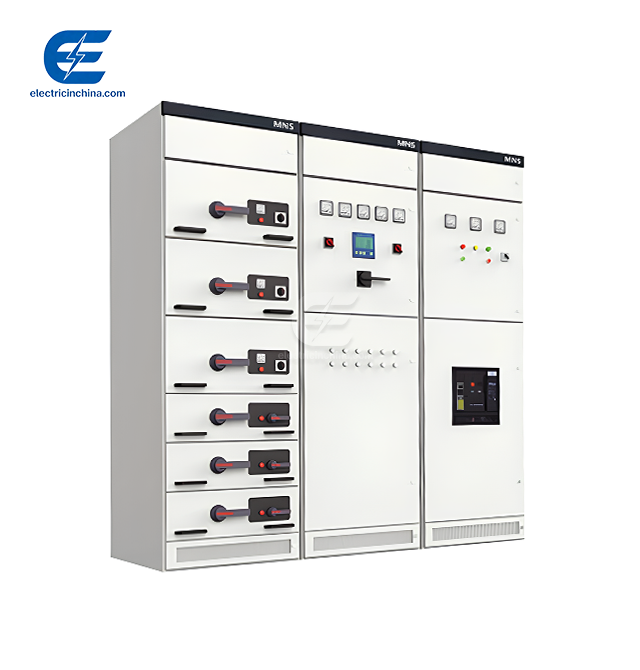
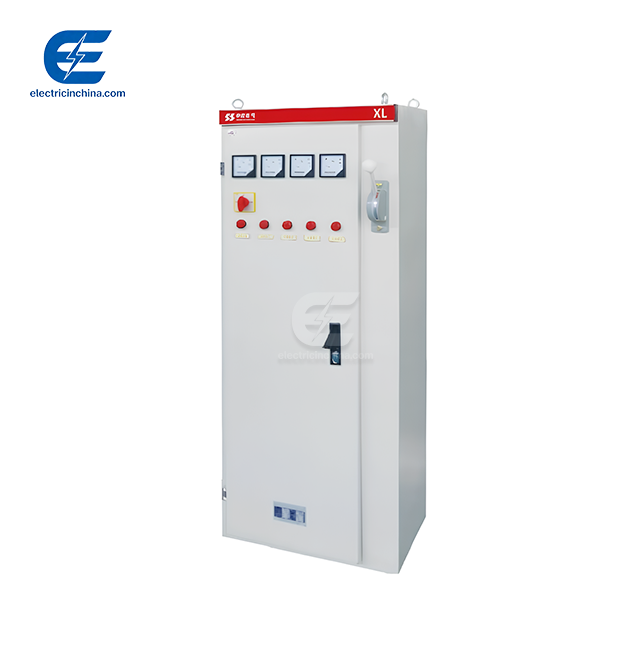
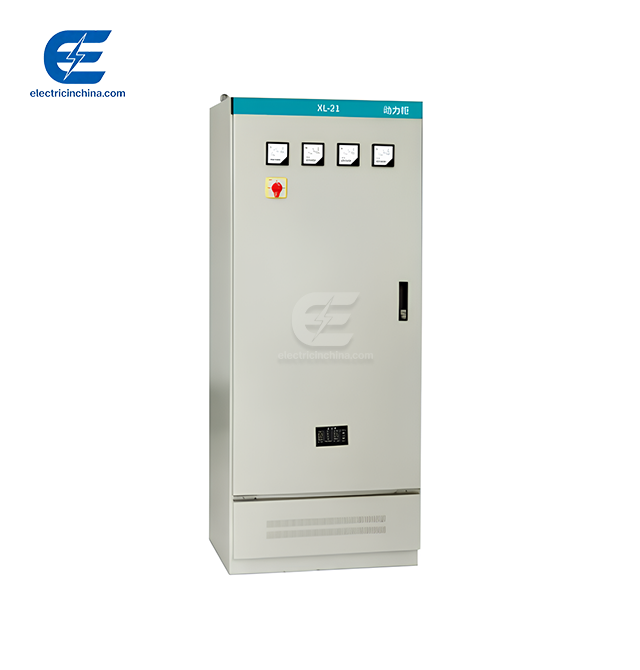
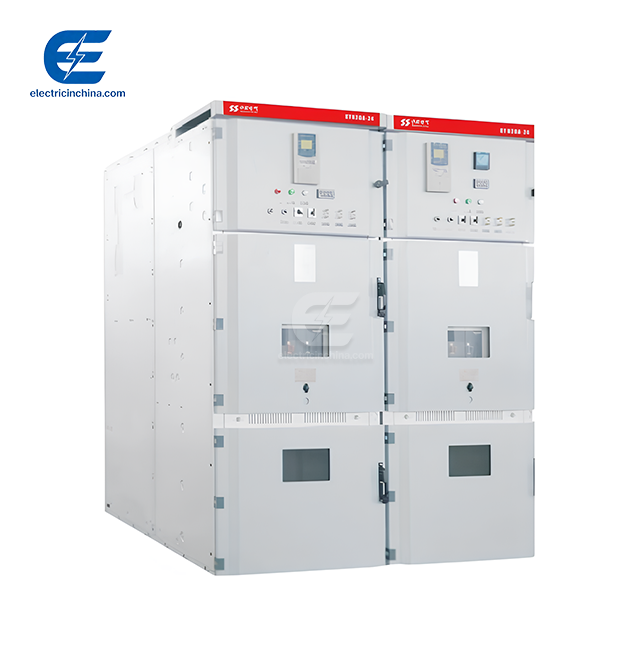
For solar power projects to work, the electrical infrastructure between generation panels and transportation networks needs to be built. PV Compact Substations for Solar Power Plants are modular systems that come with all of the necessary parts already put together and tested in the workshop. Each unit has weatherproof enclosures rated IP54 to IP65 that hold step-up transformers with capacities between 50MVA and 300MVA, medium and high-voltage switchgear, safety relaying systems, backup power sources, and digital control interfaces.
Traditional building methods are used to build conventional substations. Engineers plan layouts that work with the site, civil builders build supports and control buildings, equipment makers bring transformers and switchgear, and installation crews connect everything on-site. This method usually covers 40m x 30m areas and takes 12 to 18 months from breaking ground to opening for business.
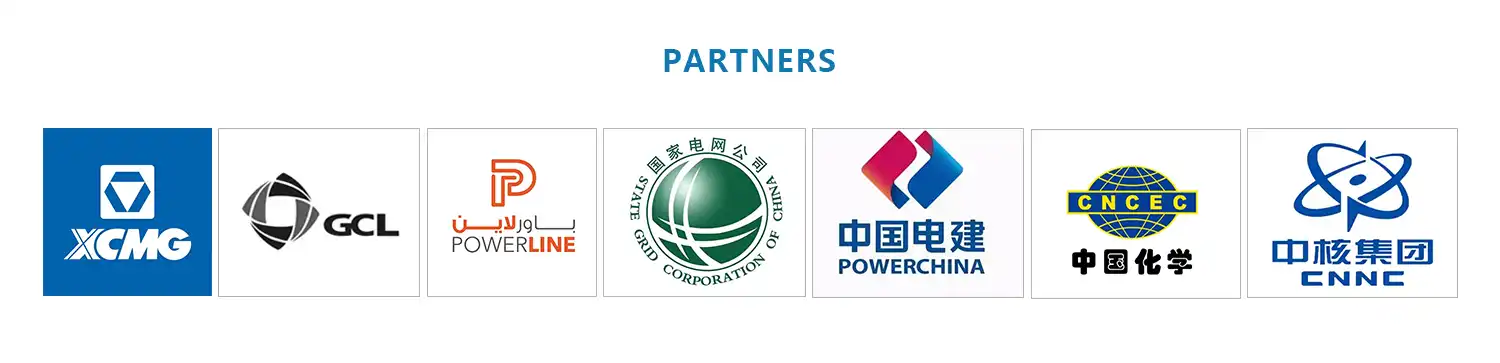
Both systems do the same things with electricity: they change power, protect circuits, and keep the grid in sync. The main difference is in how the work is delivered and how it is integrated. Our company has finished a huge number of power infrastructure projects, such as the GCL Photovoltaic Industrial Park and the Xuzhou Rail Transit Network Control Center. These projects have given us a lot of experience with different approaches and how they work in different situations.
Role in Solar Energy Systems
Substations in solar systems get their power from groups of inverters that work at middle voltage levels. The power is then raised to a level where it can be sent to the energy grid by transformers. Protection systems keep an eye on the flow of current, cut off flaws, and stop dangerous islanding conditions from happening during repair. Control equipment lets SCADA work with it so that performance can be tracked in real time and problems can be fixed remotely.
Component Architecture
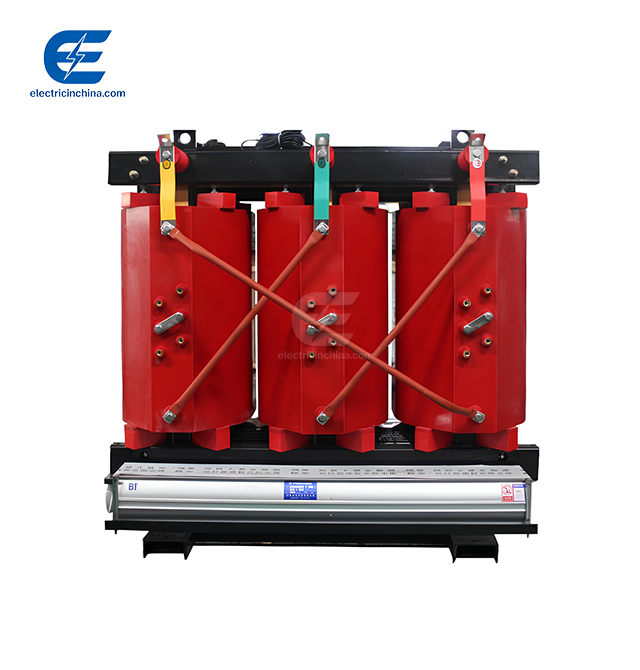
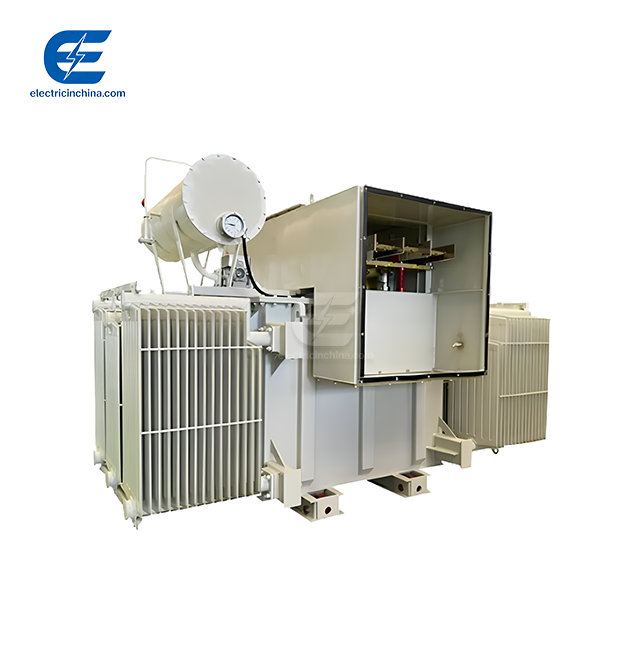
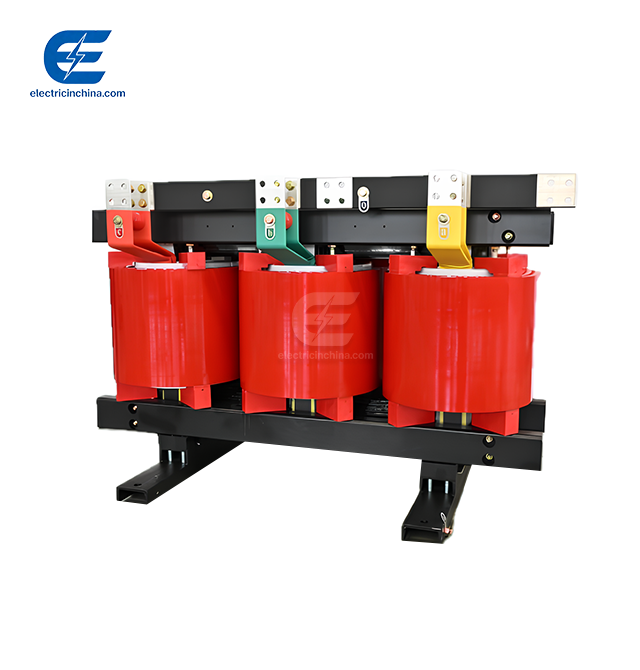
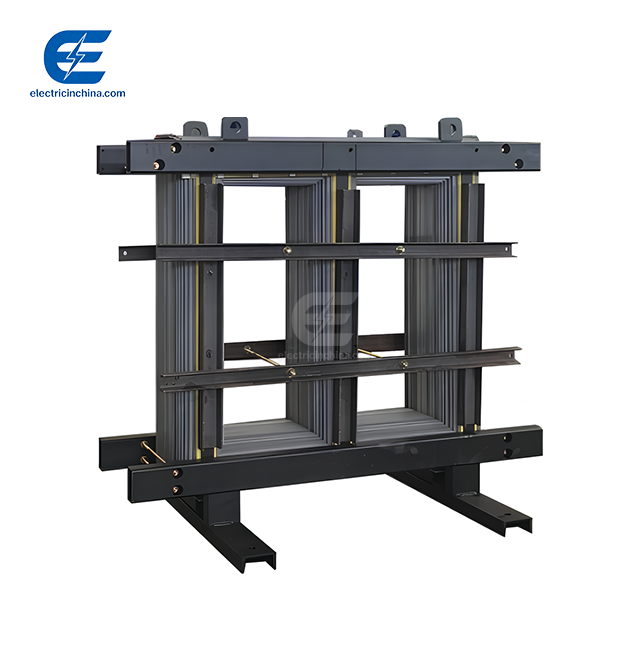
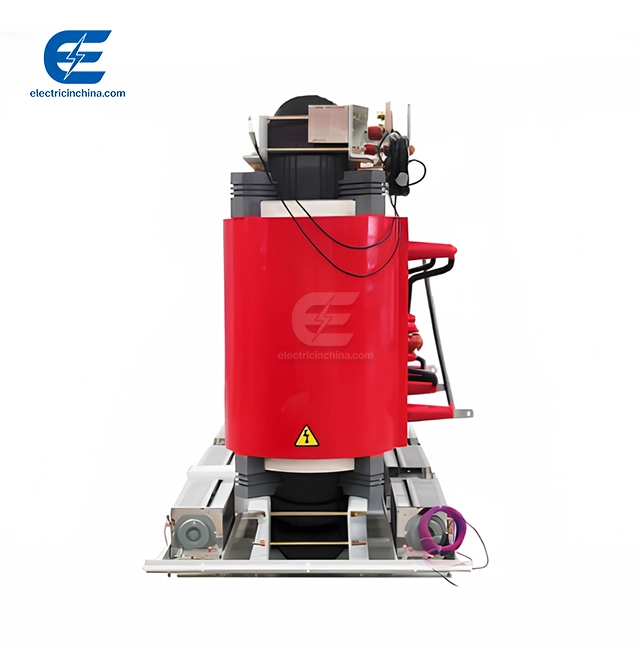
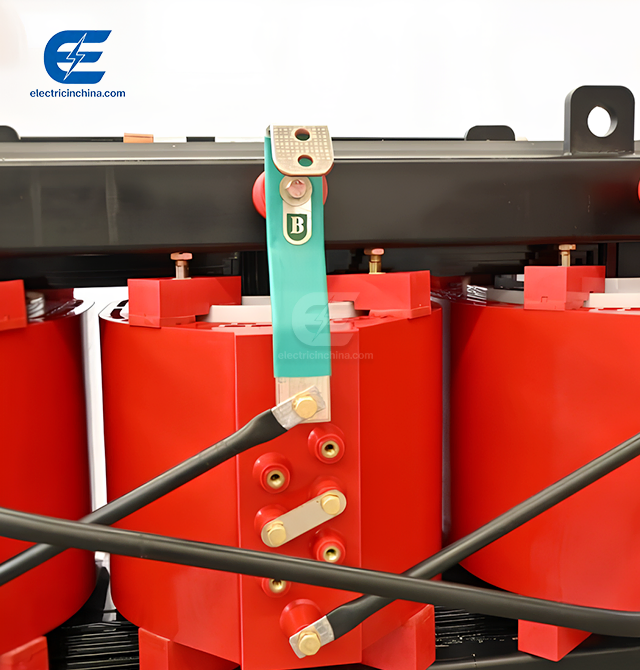
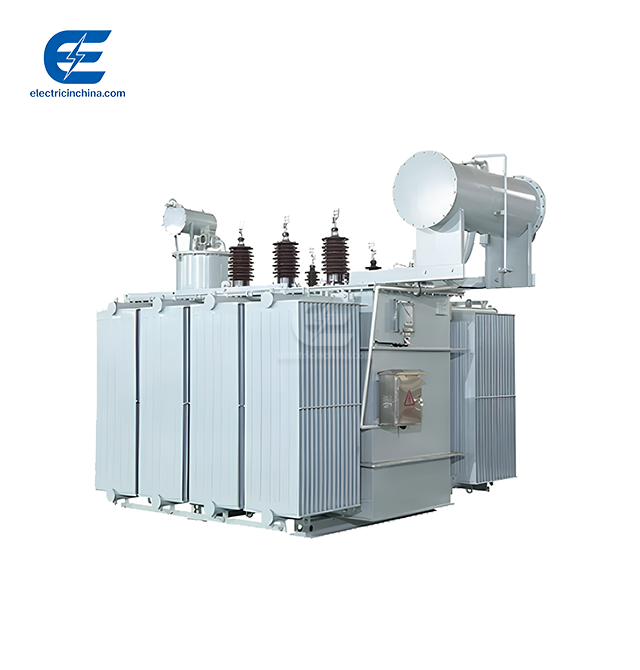
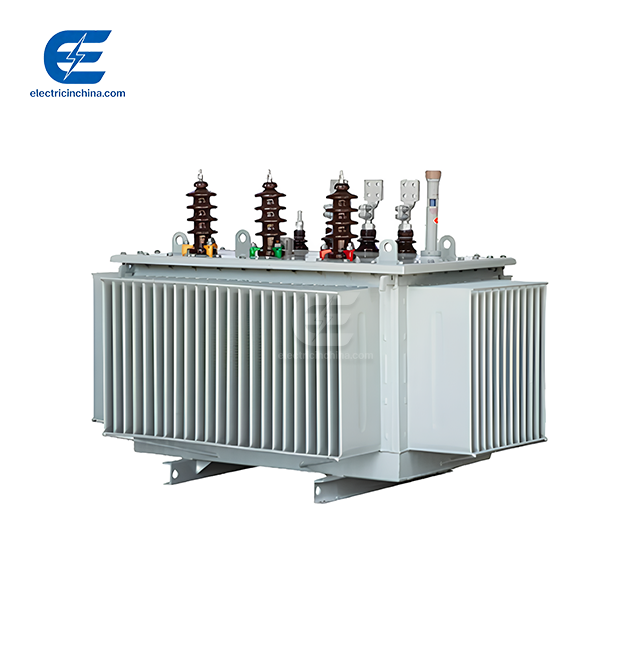
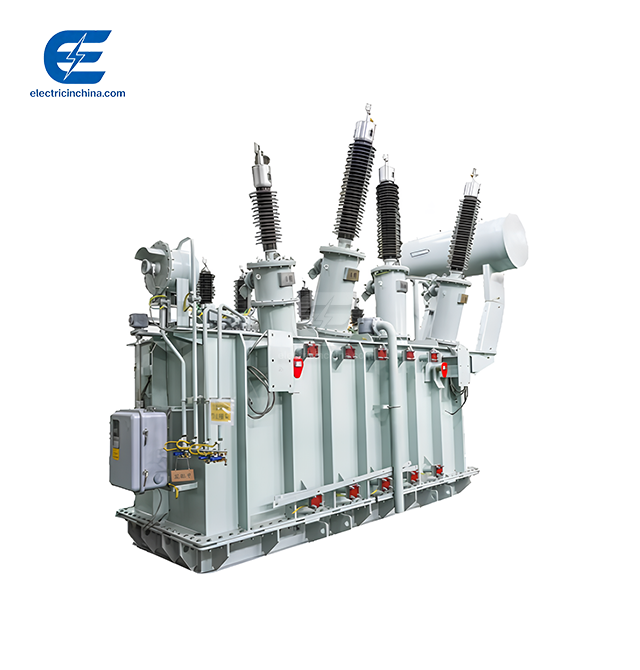
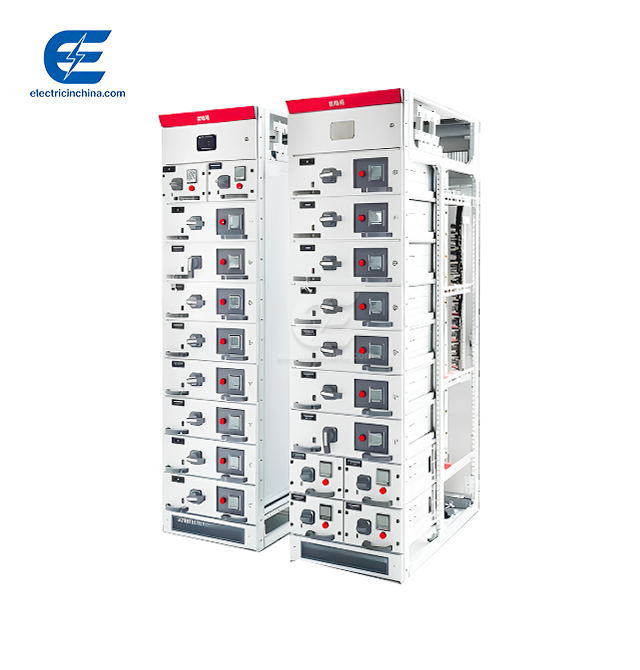
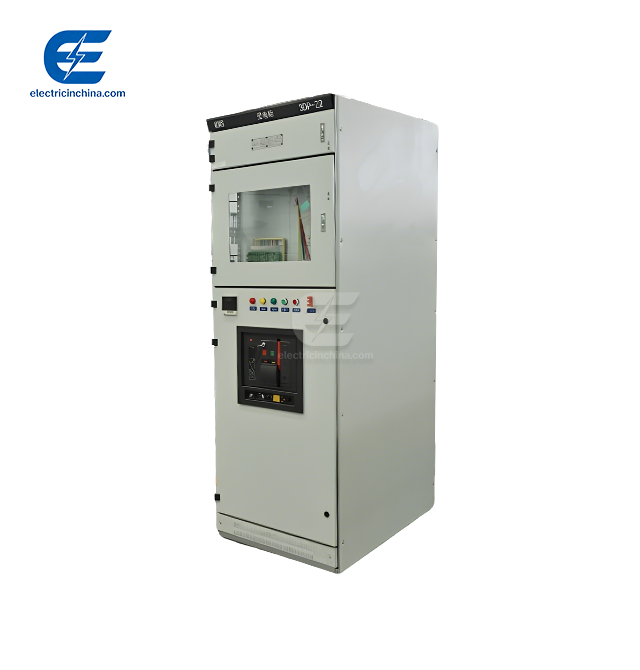
Our factories make PV Compact Substations for Solar Power Plants that have transformers with ONAN/ONAF cooling configurations that use mineral oil or ester fluids that are better for the environment. Sections of switchgear use SF6 or air-insulated technology and vacuum circuit breakers. Protection relays work with current grid control systems without any problems because they follow the IEC 61850 transmission methods. Fire suppression systems, wire management paths, and extra power distribution are all already built, so there is no need for complicated field engineering.
In traditional designs, procurement teams have to arrange each of these parts individually. Then, site experts oversee the connecting, testing, and starting-up tasks that compact units do during plant acceptance testing.
Key Differences Between PV Compact and Conventional Substations
To choose the right substation technology, you need to know how the design theory affects how the system works. These differences have an impact on things like capital costs, project schedules, upkeep procedures, and environmental compliance.
Design and Space Requirements
When designing a PV Compact Substation for Solar Power Plants, vertical integration and flexible construction are given the most weight. When compared to standard plans, our standard units take up about 30–40% less room, with footprints measuring about 15m x 8m x 4m. This is possible because the factory places the parts in the best way possible, so there aren't any extra wiring paths or service areas like there are in site-built setups.
In traditional substations, equipment is spread out over bigger areas to make room for repair access, temperature control zones, and the safety clearances that are required by local electrical codes. This method gives you options for future growth, but it takes up valuable land that could be used for more solar panels, which has a direct effect on the project's costs.
Installation Timeline and Methodology
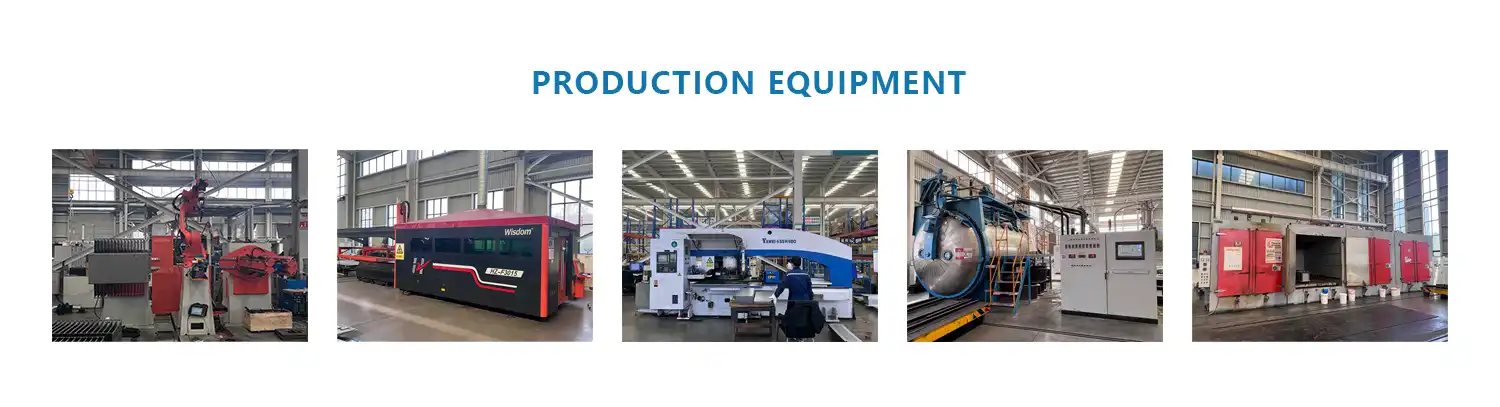
Speed of deployment is a key economic edge for modern solar projects. Our PV Compact Substations come 80% finished from factories that have more than 120 pieces of high-tech equipment, such as CNC automatic winding machines and microcomputer-controlled gradient curing ovens. Within 4 to 6 months, installation teams finish placing the base, making the final electrical connections, and turning the system on.
Using standard building routines makes projects take a lot longer than they should. It usually takes 12 to 18 months for civil works, coordinating the arrival of equipment, putting it together on-site, testing the connections, and staging commissioning. Delays caused by bad weather, problems in the supply chain, and a lack of workers can add to the problems with timing that factory-built systems don't have as much of.
Operational Reliability and Maintenance
Beyond the initial cash investment, the total cost of ownership is based on how well the asset performs over time. PV Compact Substations for Solar Power Plants go through strict factory acceptance testing, which includes changing temperatures, checking the dielectric strength, measuring partial discharge, and simulating a load. This validation makes sure that uptime rates of 99.7% or higher are always met, even in harsh environments.
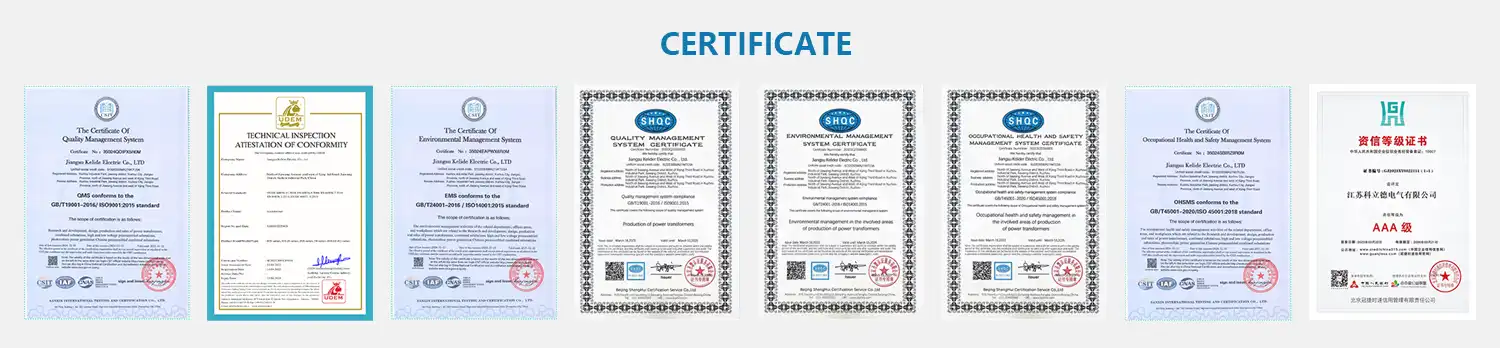
Our ISO 9001, ISO 14001, and OHSAS 45001-certified quality management system keeps an eye on every step of the production process. Getting raw materials is done according to strict rules that are checked by inspecting the goods as they come in. Statistical quality control is used in production processes to keep the quality of the products consistent. Before they can be sent out, finished goods are thoroughly checked to make sure they meet customer requirements.
Environmental Performance and Standards Compliance
Sustainability factors are becoming more and more important in purchasing decisions. Fewer building activities, better use of materials, and built-in noise control make compact substations less harmful to the environment. Designs for transformers make noise levels below 65dB, which means they can be put in places near homes or sensitive biological zones.
Our engineering team, which is made up of 15 top engineers and more than 30 intermediate techs, has been awarded 18 patents for new technologies that protect the environment. These improvements meet the needs of grid codes in many countries around the world, such as IEEE 1547 in North America, G59/G99 in the UK, VDE-AR-N 4110/4120 in Germany, and regional standards in developing markets.
Advantages of PV Compact Substations for Large-Scale Solar Projects
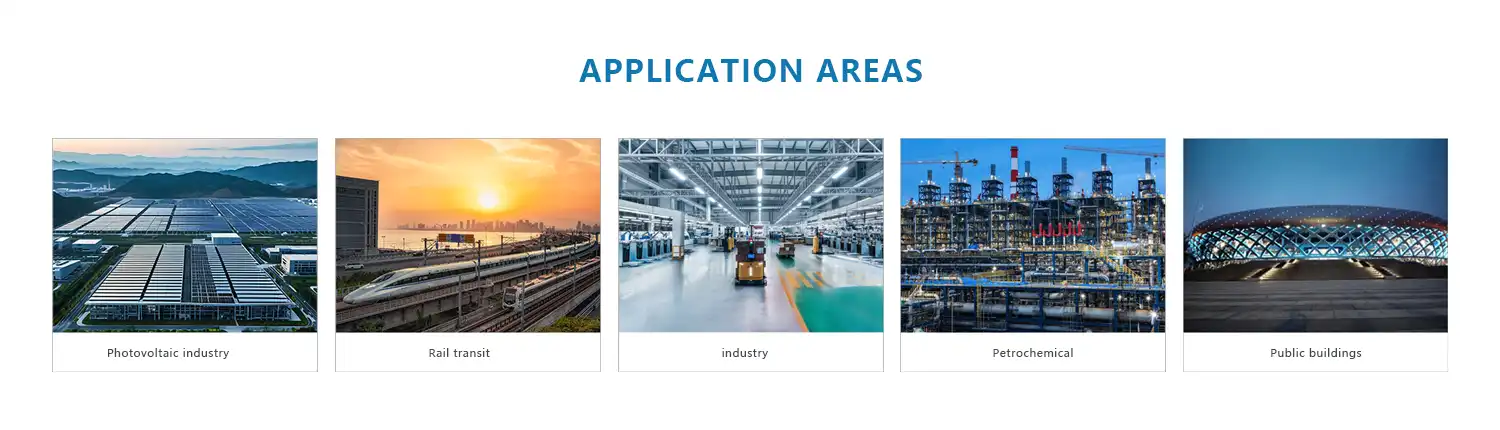
Utility-scale solar projects with capacities ranging from 100MW to 1000MW or more need infrastructure solutions that balance performance, cost, and speed of rollout. We've worked on projects like the XCMG Group power supply upgrade and the Fantawild Adventure business complex, which show that small substation technology can meet these needs.
Capital and Operating Cost Efficiency
An initial investment study shows strong economic reasons to choose compact options. Unit costs for each method seem to be about the same, but when you add up all the costs, including civil engineering, installation labor, commissioning services, and indirect costs like longer project funding, the total cost of the project is very different.
Our PV Compact Substation for Solar Power Plants combined designs get rid of the need to buy different low-voltage cabinets and simplify the wiring that needs to be done on-site, which is what most builders do. To prepare a site, you only need to do a small amount of groundwork instead of building big concrete structures and machinery sheds. Installation workers do mechanical mounting and electrical terminations without the need for expert construction contractors. This cuts down on the cost of labor and the difficulty of planning schedules.
Enhanced Safety and Protection Systems
Solar systems have special electrical problems that need complex ways to keep them safe. Power flow that comes and goes because of cloud cover transients, harmonic distortion from inverter switching, and the need to keep from getting "islanded" during grid problems all require strong transformer and switchgear specs.
Our PV Compact Substations have transformers that can handle high loads and the varying output from the sun throughout the day. Harmonic filtering keeps the power quality at a level that meets grid compliance standards. This protects both the utility infrastructure and the equipment that is used on-site. Back-feeding can be dangerous during maintenance, but visible disconnect spots with anti-islanding security stop it. This keeps utility workers safe.
Real-World Performance Validation
Our work on a variety of projects shows that small substations have real benefits. For the GCL Photovoltaic Industrial Park project, it had to be set up quickly and on limited land. Compact units made it possible to finish projects faster while still meeting the high standards of dependability needed for industrial operations.
The power distribution system in the Huaihai Biomedical Industrial Park had to provide very high-quality power for sensitive study tools. Having built-in frequency control and voltage regulation made sure that strict performance standards were met. Using traditional methods would have needed more tools to prepare the power, which would have made the system more complicated and added more places where it could fail.
Comparison Criteria – Choosing the Right Substation for Your Solar Project
To choose the best electricity infrastructure, you need to carefully look at technical details, cost factors, and the skills of the suppliers. This framework helps people who work in buying make tough choices that are in line with the needs of the project and the organization's goals.
Technical Performance Metrics
When making a choice, voltage values and power capacities are very important. Projects need to list the change ratios that match the output voltages of solar panels to the needs of connecting to the grid. The most common versions are 35kV/110kV to 35kV/220kV, and each unit can handle 50MVA to 300MVA. Larger sites may use more than one substation to support staged growth or back-up operations.
The maximum output of the solar plant plus a safety limit should be included in the load capacity specs. Transformer tap switches that offer voltage control within ±10% to ±16% make it possible to adapt to changes in the grid and the output of the inverter. The design of the cooling system affects how much it can handle when the temperature outside is high, which is often when the sun is producing the most energy.
Financial Analysis Framework
When making a buy choice, you need to look at all the costs, not just the price of the equipment itself. Civil planning, installation labor, commissioning services, and project management overhead should all be part of a capital expense analysis. Our small solutions usually cut installation times by 60 to 70%, which directly leads to lower finance costs and earlier income generation.
When estimating operating costs, it's important to think about things like planned upkeep, spare parts supplies, insurance fees, and the costs of unplanned outages. Making things more reliable and cutting down on downtime by even small amounts can save a lot of money over many years of running. Remote diagnostics cut down on the cost of technicians' journeys and make it possible to keep an eye on solar portfolios that are spread out physically.
Supplier Evaluation Considerations
Technical details and pricing terms rely on the supplier's skills and dependability in the business world. The criteria for evaluation should look at the company's ability to make things, its quality control systems, its project experience, and its infrastructure for providing help after the sale.
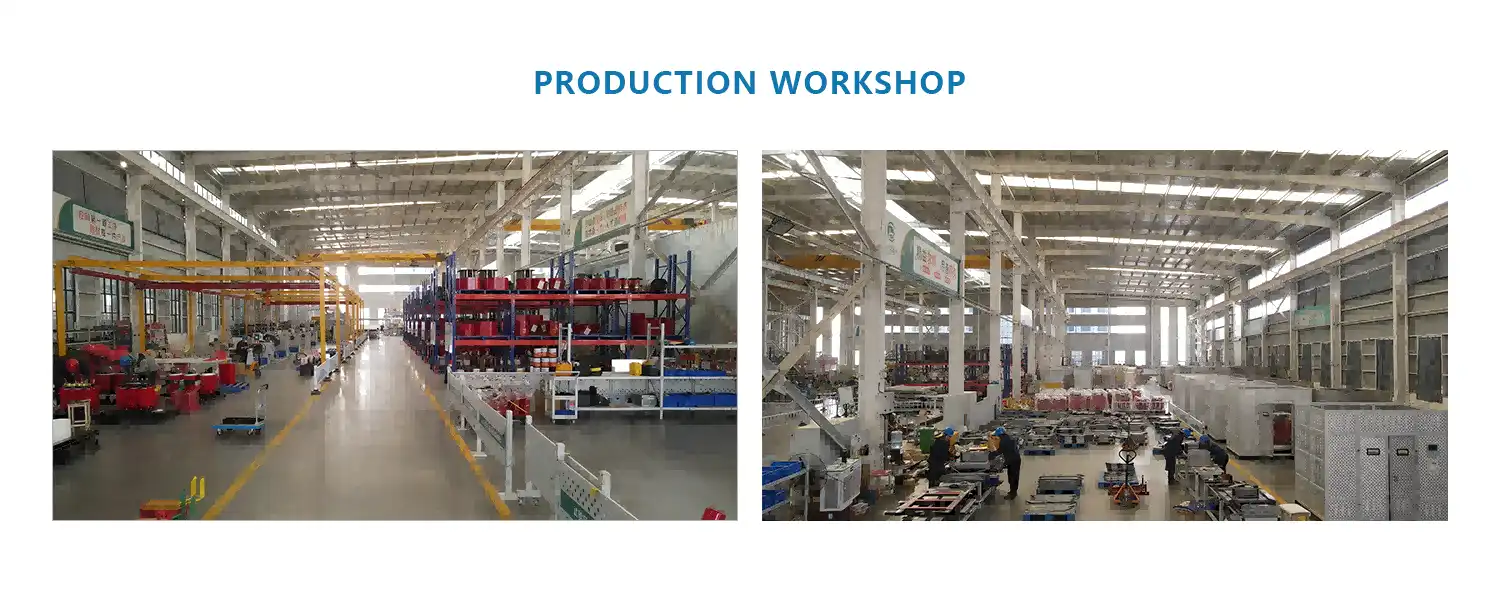
Our production sites have more than 120 sets of high-tech tools that help us make a lot of things every year to meet the needs of big projects. Precision transformers can be made with CNC automatic winding tools, static vacuum casting systems, and gradient sealing ovens. Quality inspection labs make sure that raw materials are safe, keep an eye on the production process, and compare the specs of the produced goods with what the customer wants.
Procurement and Post-Purchase Considerations for PV Compact Substations
To successfully carry out a project, you need to know about the whole process, from the original question to the long-term operation. This part talks about the real-world problems that buying teams face when they have to choose and set up compact substation options.
Ordering Process and Customization Options
The buying process for a PV Compact Substation for Solar Power Plants starts with a full list of requirements. The engineering teams should provide information about the solar plant's power output, voltage conversion rates, grid-connecting standards, the environment, and any special rules that the government needs to follow. Our expert staff looks over these factors and either suggests good standard configurations or custom designs that meet the specific needs of each project.
For jobs with similar requirements, standard models can save you money and time on delivery. When installation has to deal with odd problems, like being at a very high altitude, in an earthquake zone, being exposed to rust along the coast, or not having enough room, customization can be very helpful. Our 18 patents in transformer and security system technology let us come up with new ways to solve problems when the old ways don't work.
Installation and Commissioning Best Practices
The successful operation of a compact substation relies on how well the site is prepared and how well the installation is done by professionals. The foundation standards are a lot easier than for regular buildings, which usually involve reinforced concrete pads that are cut to the manufacturer's specs. Civil builders should work with equipment providers to make sure there are enough holes for fixing and ways for cables to get in and out.
Logistics for delivering equipment need to be planned ahead of time, especially for installation places that are far away. The size and weight of the transport affect the route choice and the size of the crane. Our project management teams set up shipping and offer expert help for tasks like unloading and positioning. Installation teams follow specific processes created during factory testing to finish mechanical mounting, final electrical terminations, and links to other systems.
Long-Term Maintenance and Support
The speed of operations relies on preventative repair plans that are right for the type of equipment being used. PV Compact Substations can use prediction methods that use data from remote tracking to spot problems before they happen. Analysis of transformer oil should be done once a year to check for wetness, acidity, and dissolved gas amounts that show how things are inside. Thermography checks find strange temperature patterns that could mean there are problems with the connections or that the insulation is wearing down.
Maintenance on switchgear usually happens every six months. This includes checking the contact resistance, making sure the SF6 gas is pure for gas-insulated systems, and making sure the gears work properly. Testing the protection switch makes sure it works right and that the settings are correct. Our technical documentation includes thorough repair plans and step-by-step instructions to help the operations teams of clients or contracted service providers.
Conclusion
Choosing between standard and small substation technology has a huge effect on the financial, tactical, and strategic success of a solar project. PV Compact Substations for Solar Power Plants offer measurable benefits by cutting installation time by 60–70% and space by 30–40%. They also improve dependability with 99.7%+ availability rates and thorough factory testing to ensure uniform performance. You can be sure of the quality of our solutions and the fact that they can be customized thanks to the fact that we have over 120 sets of advanced equipment and a technical team that holds 18 patents. When looking at different infrastructure options, procurement teams should think about how much the whole project will cost, how long it will take to install, how flexible the operations can be, and what the provider can do. This way, they can make choices that are in line with the project's goals and limitations.
FAQ
What are the core advantages of PV compact substations over conventional models?
Compact substations put all of their parts together in factory-tested pieces, which cuts the time it takes to place from 12 to 18 months to 4 to 6 months and uses 30 to 40 percent less land. Factory assembly makes sure that the quality is always the same by using controlled production environments and checking everything thoroughly before shipping. With remote tracking, repairs can be planned ahead of time, which cuts down on unplanned outages by 40–60%. These benefits lead to lower overall project costs, faster income creation, and better long-term dependability, which is especially helpful for large-scale solar installations.
How does maintenance differ between compact and conventional substations?
Compact units have SCADA integration and online diagnostics, which let you plan repairs ahead of time. Performance statistics that can be accessed from a mobile device can spot problems before they become failures. Maintenance needs are usually met by checking the generator oil once a year and the switches every six months. Conventional designs often need to be inspected and fixed by hand more often and more quickly. The easier repair schedule lowers operational costs and raises system uptime, especially for solar portfolios that are spread out geographically and are handled by centralized operations teams.
Can compact substations be customized for specific project requirements?
Of course. Standard designs meet common needs, but customization can be used to deal with specific issues, such as harsh temperatures, sites at high altitudes, corrosion problems along the coast, or strict noise limits. Our engineering team creates custom solutions that may include specialized cooling systems, better environmental protection, or changed electrical parameters. This adaptability guarantees the best performance in a wide range of settings, from large power plants in the desert to limited business rooftop installations.
Partner with Tuojie for Reliable PV Compact Substation Solutions
Tuojie is an expert at providing fully integrated PV Compact Substations for Solar Power Plants that are designed to meet the specific needs of government building projects, business developers, industry manufacturers, and EPC contractors. We have ISO 9001, ISO 14001, and OHSAS 45001 standards to back up our wide range of design, manufacturing, and lifetime support services. We have worked on hundreds of important power projects over the past 20 years, so we know how important it is to have reliable tools, custom solutions, and quick expert help. Being a top producer of PV Compact Substations for Solar Power Plants, we make sure that our prices are fair, that we keep an eye on quality, and that we can deliver on time, which is what project deadlines require. Contact our engineering team at tuojie@electricinchina.com or visit electricinchina.com to discuss your unique needs and get full technical proposals that are made to fit the parameters of your solar project.
References
1. International Electrotechnical Commission. "IEC 62271: High-voltage switchgear and controlgear standards." Geneva: IEC Publications, 2021.
2. Institute of Electrical and Electronics Engineers. "IEEE 1547: Standard for Interconnection and Interoperability of Distributed Energy Resources with Associated Electric Power Systems Interfaces." New York: IEEE Standards Association, 2018.
3. Solar Energy Industries Association. "Utility-Scale Solar Power: Best Practices in Project Development and Substation Design." Washington: SEIA Technical Reports, 2020.
4. Renewable Energy World Magazine. "Comparative Analysis of Substation Technologies for Photovoltaic Applications." Editor: Michael Eckhart, published March 2022.
5. International Renewable Energy Agency. "Electrical Infrastructure for Solar Power Plants: Technology Assessment and Selection Criteria." Abu Dhabi: IRENA Technical Papers, 2021.
6. Asian Development Bank. "Technical Guidelines for Solar Energy Integration and Grid Connection Infrastructure." Manila: ADB Energy Publications, 2023.