

.webp)
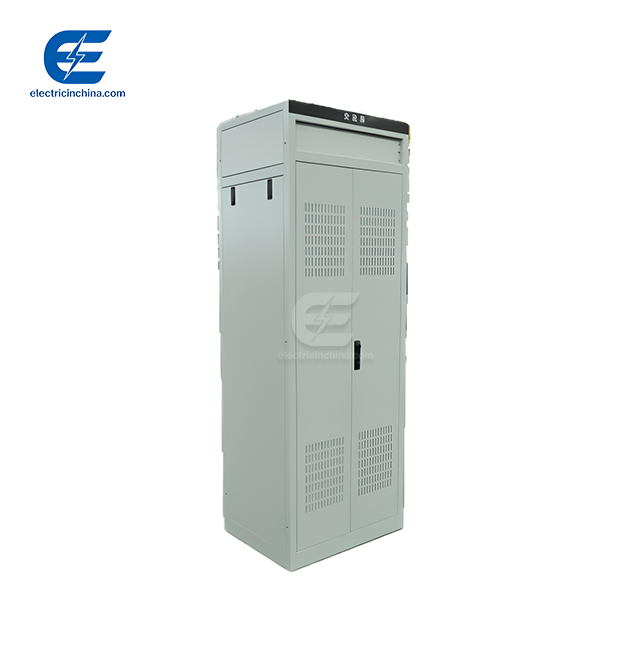
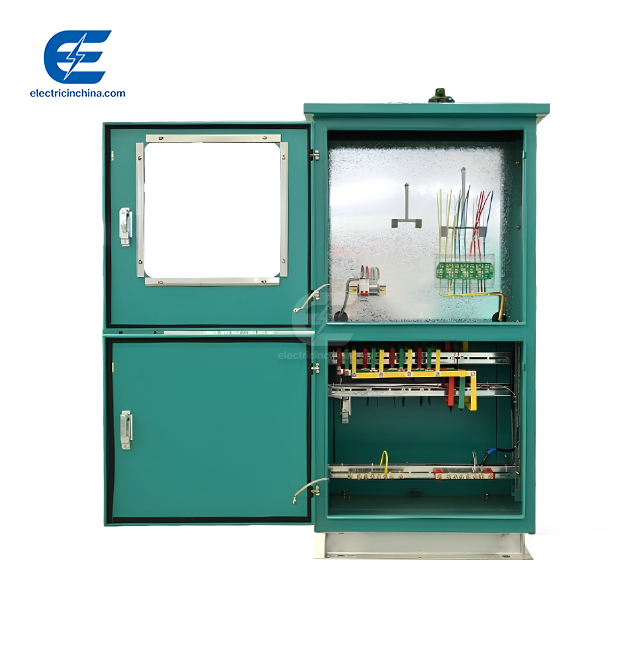
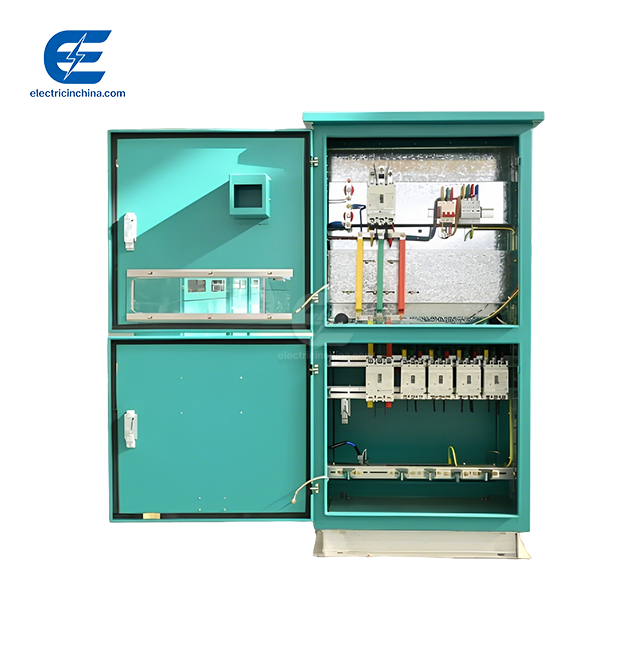
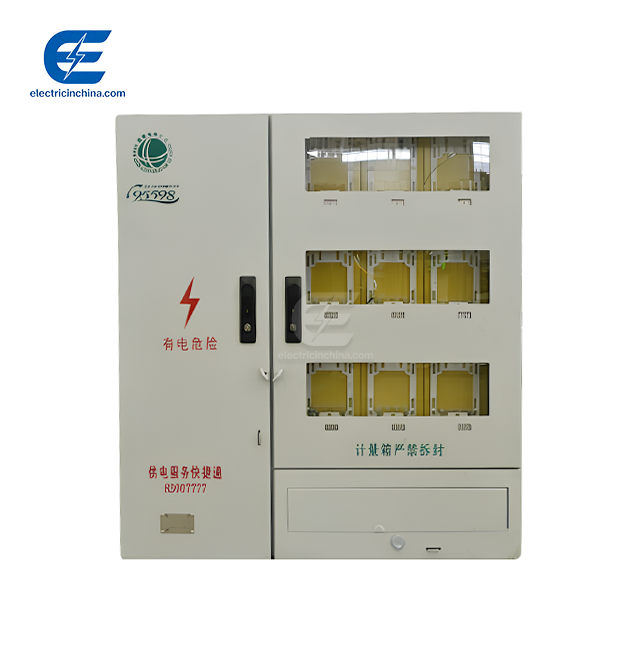
To choose the right Cast Resin Transformer capacity, you must first know how much power your building currently has, how much it will need during high-demand times, and how it plans to grow in the future. To make sure there are enough safety gaps and room for load growth, capacity should match 125 to 150% of estimated peak demand for most industrial and business uses. Environmental factors like temperature extremes, humidity levels, and installation location, along with operational requirements like voltage specifications and load characteristics, will help you choose the right-sized dry-type transformer that meets performance, safety, and cost-effectiveness needs.
Understanding Cast Resin Transformers and Their Capacity
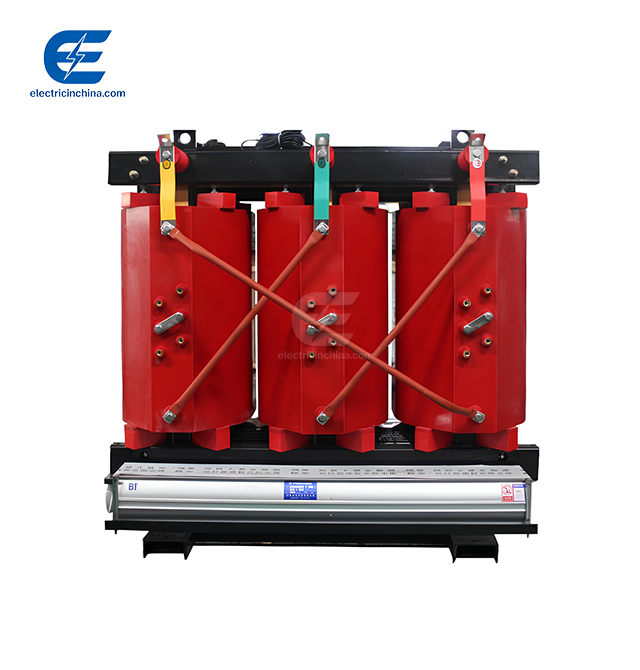
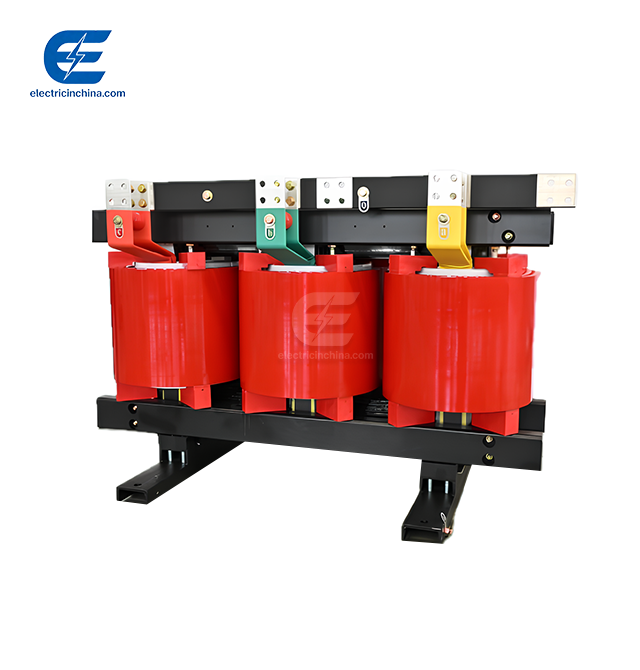
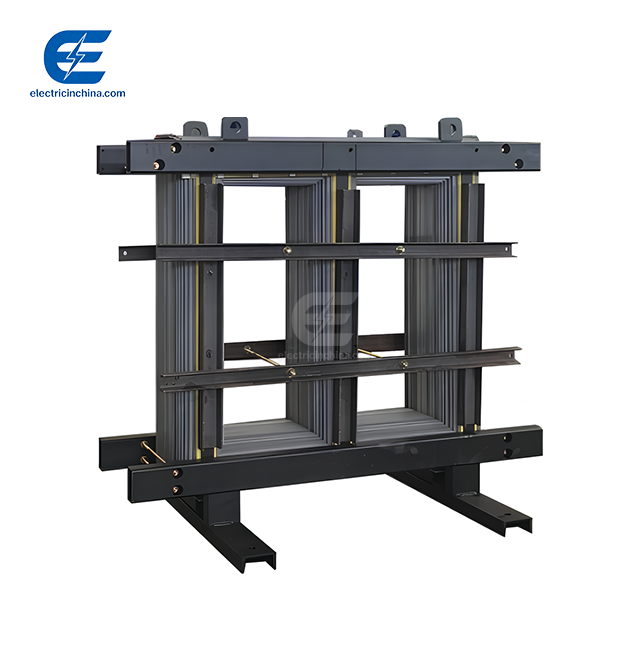
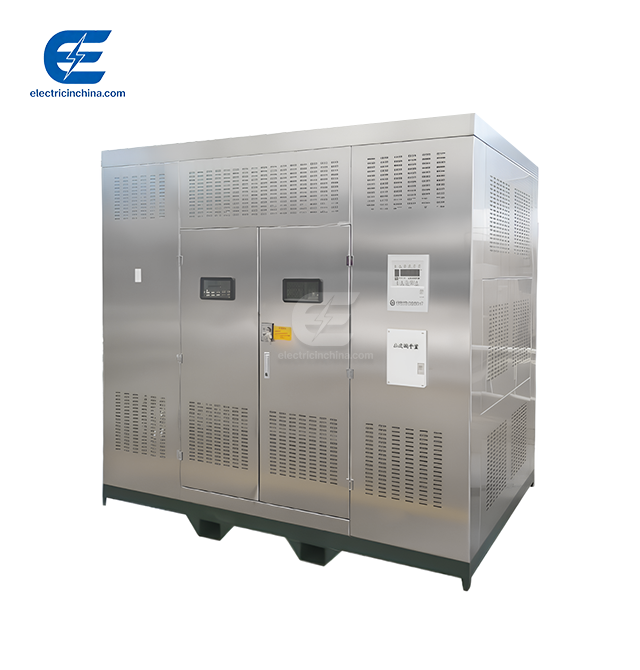
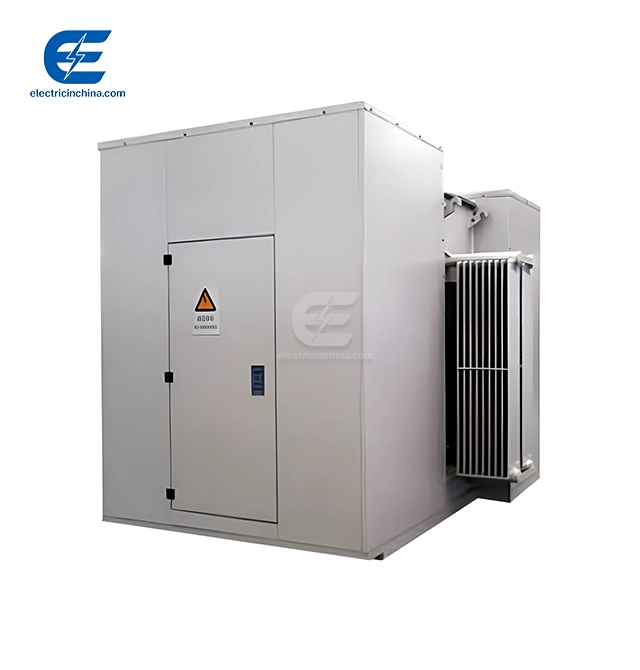
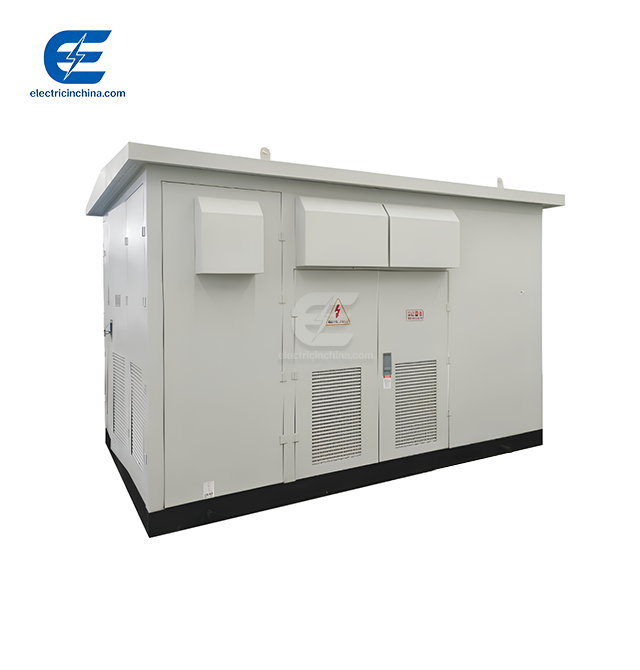
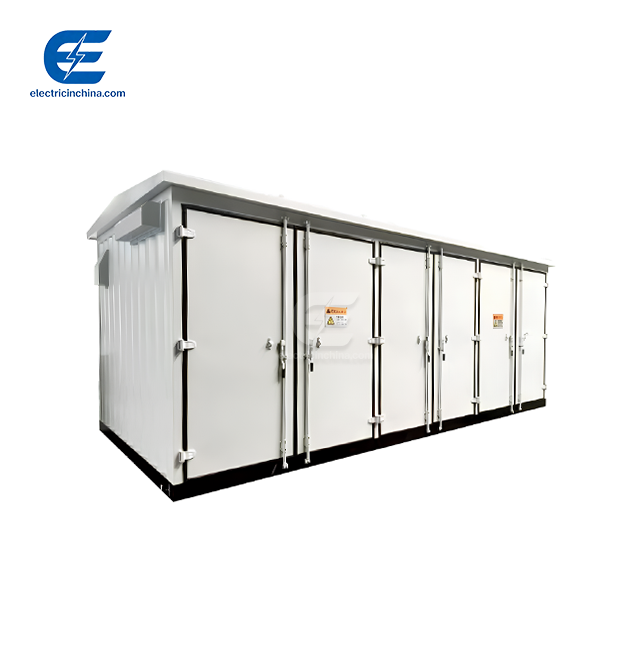
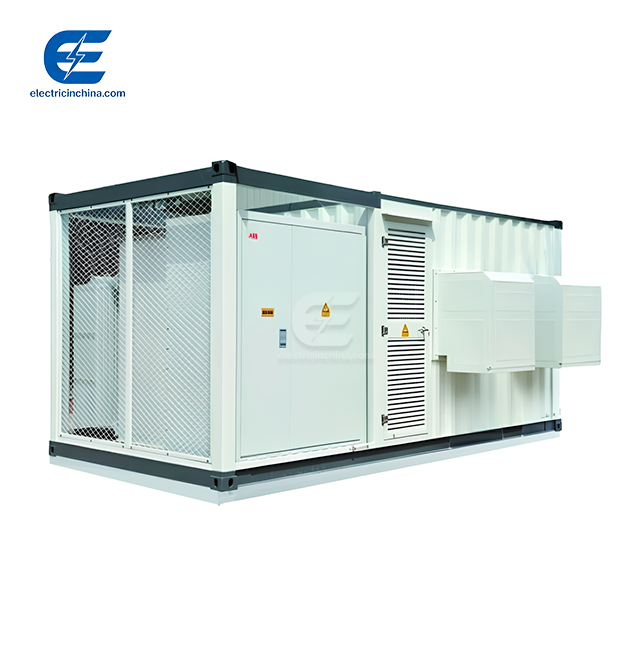
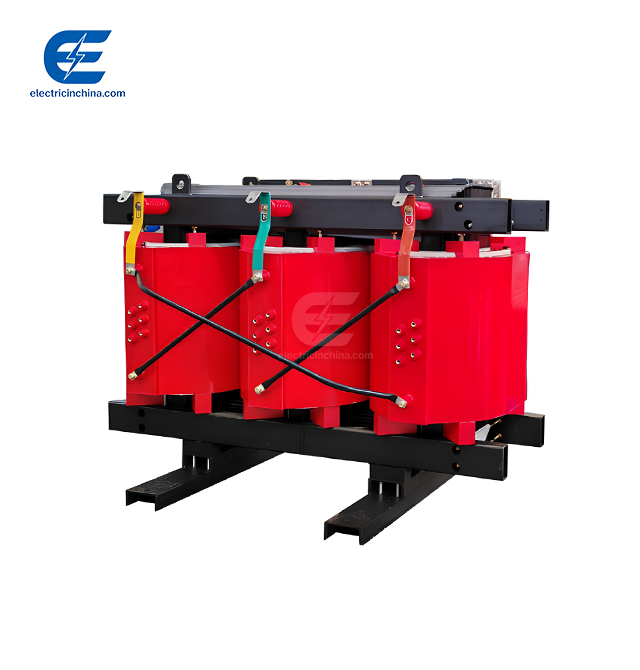
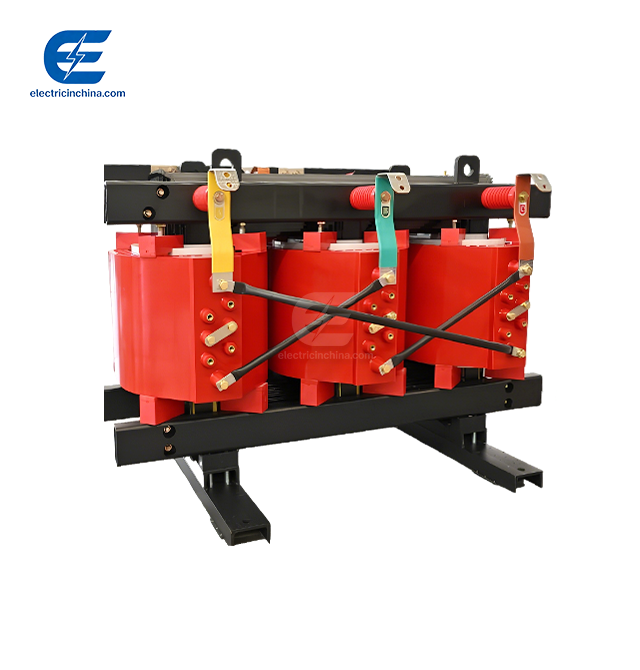
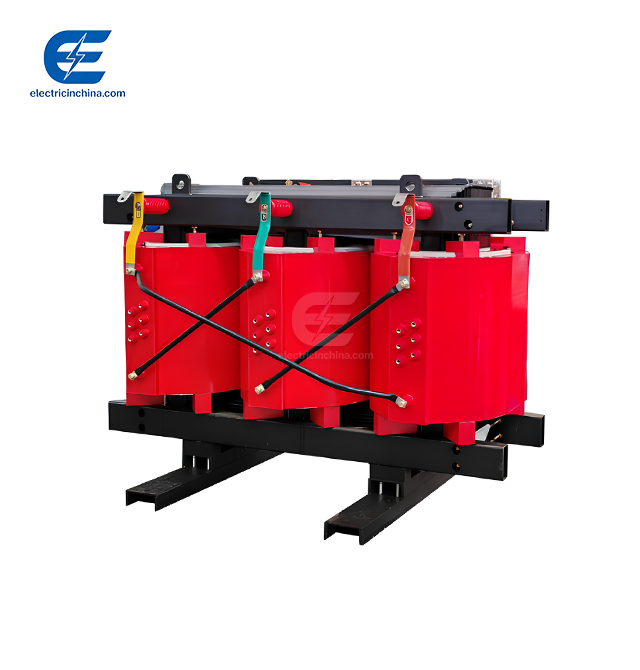
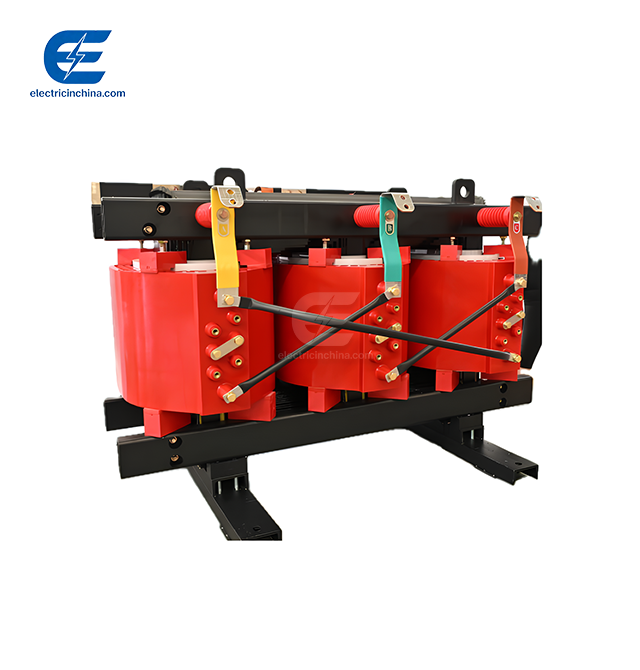
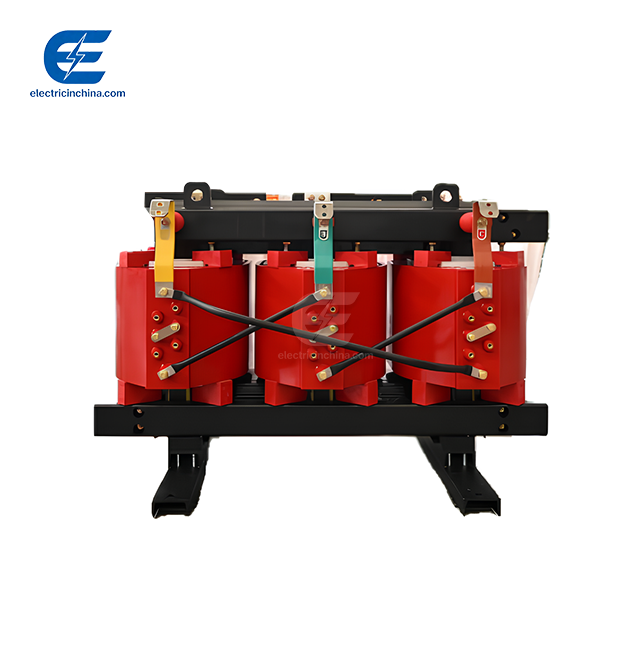
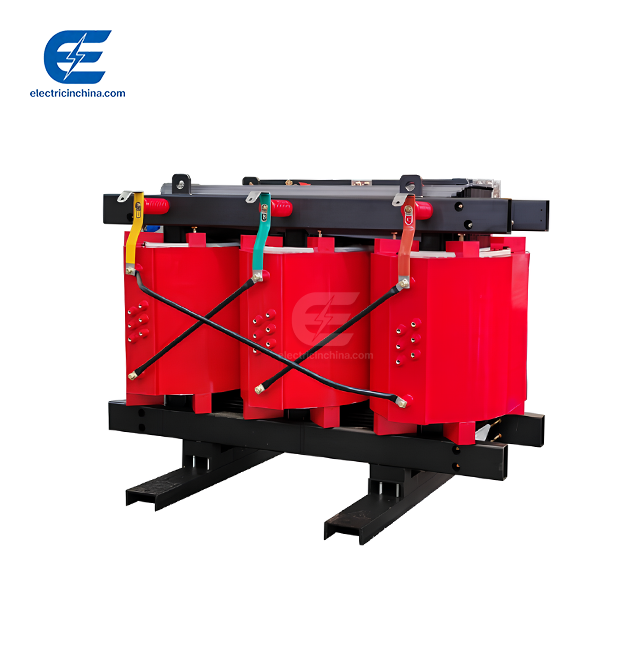
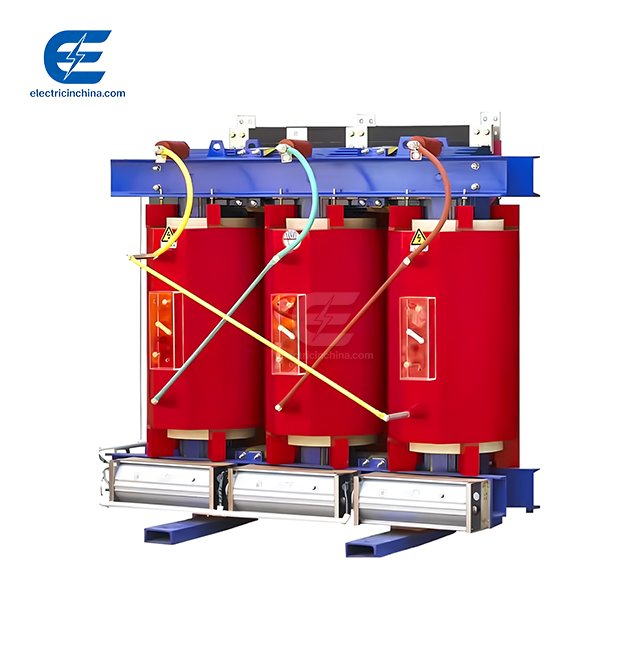
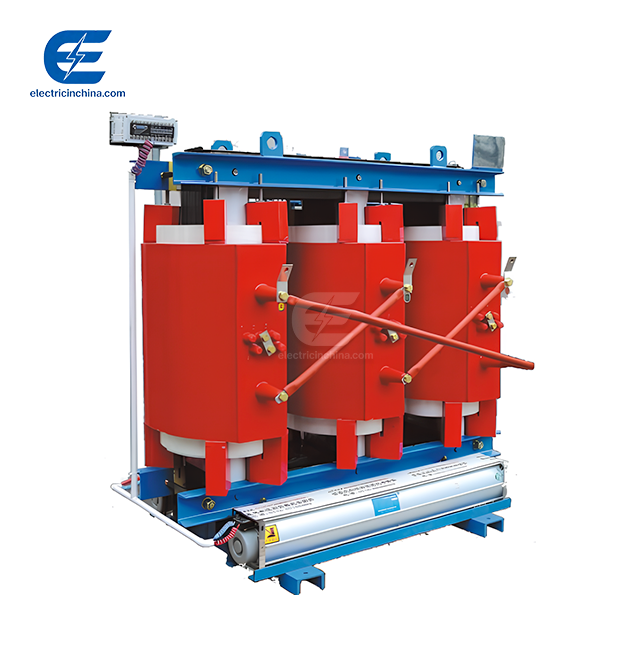
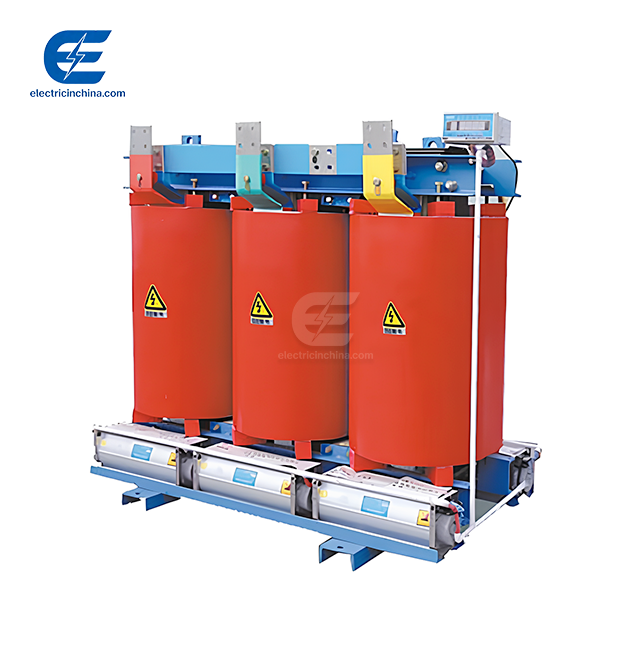
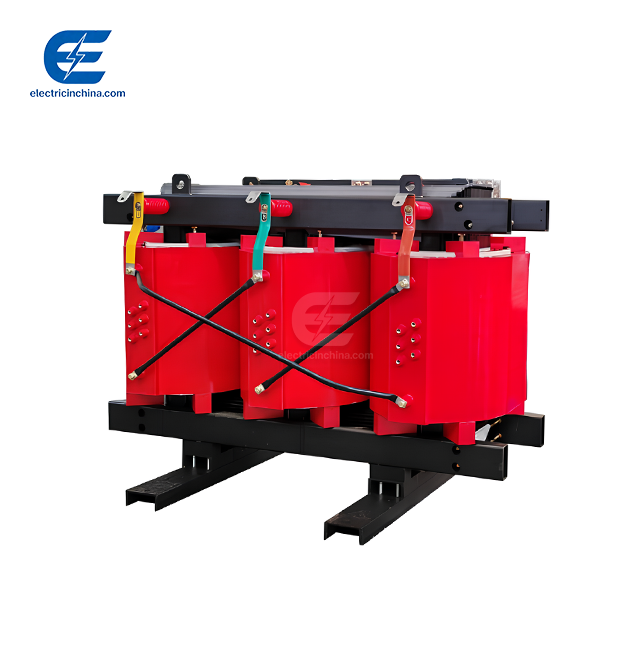
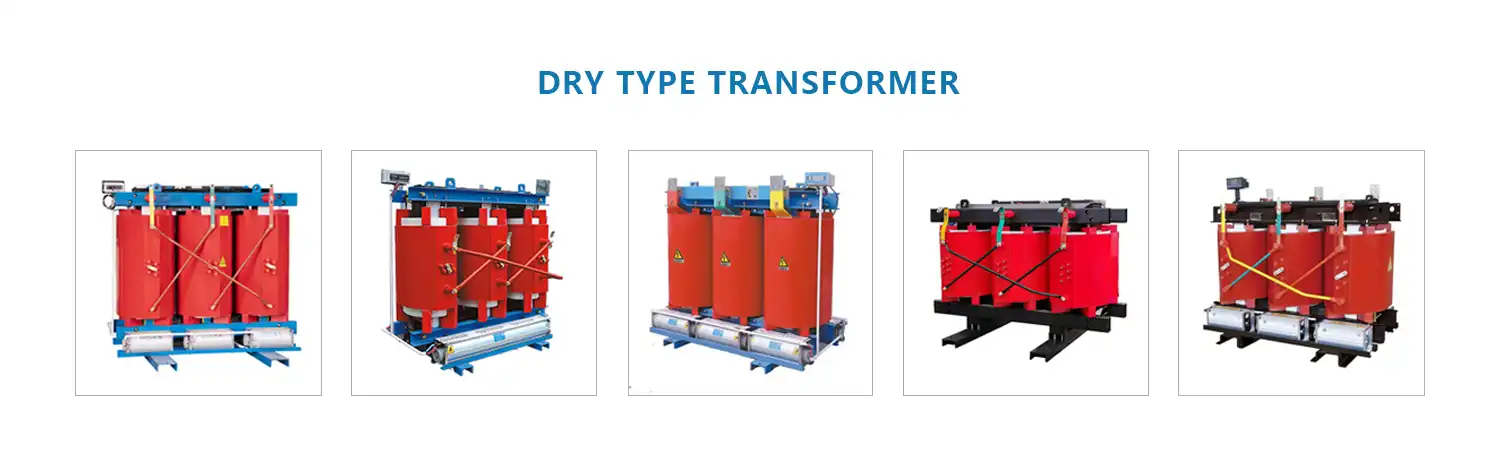
Cast Resin Transformers are a big step forward in the technology used to distribute power. Through innovative epoxy resin encapsulation, these dry-type units get rid of traditional oil cooling systems. This makes equipment that is sealed, environmentally friendly, and good for challenging uses.
What Makes Dry-Type Transformers Different
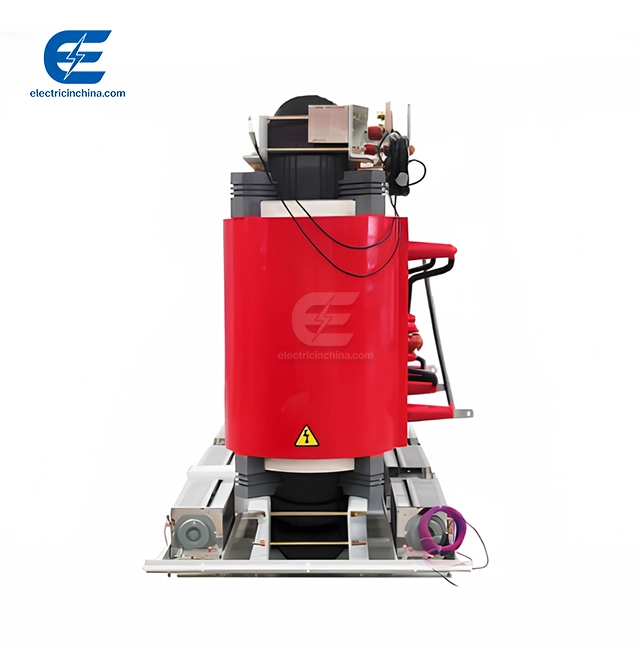
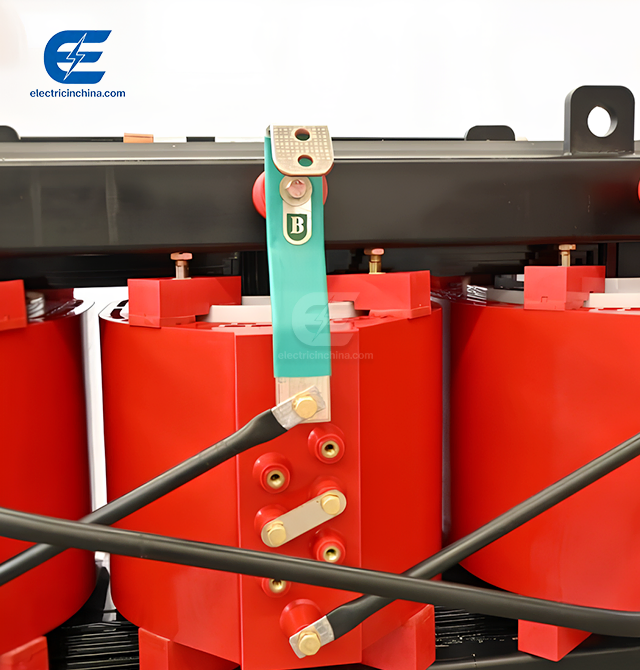
Cast Resin Transformers are different from oil-filled units because the main and secondary windings are fully covered in epoxy resin while the transformer is vacuum-filled. This way of making things gives them better protection while getting rid of the fire risks that come with using flammable cooling oils. The epoxy coating gives the insulating performance great; it's strong, and it doesn't get wet in a variety of working conditions. These transformers work well in temperatures ranging from -40°C to +40°C, and they keep working well even when the humidity level reaches 95%. Because they are sealed, dust, chemicals, and water can't get in. This makes them perfect for tough industrial settings where regular equipment has trouble.
Why Capacity Selection Matters
Choosing the right transformer capacity has a direct effect on the safety of operations, the life of the equipment, and the total cost of ownership. Undersizing makes the working conditions dangerous because too much heat breaks down insulation materials, speeds up aging, and raises the risk of failure. When parts are used beyond their stated capacity, their service life is reduced, and they could fail catastrophically during times of high demand. On the other hand, oversizing leads to wasteful capital expenditures and lowers operating efficiency. Transformers that are regularly underloaded have higher no-load losses, a lower power factor, and a low return on investment. If you buy a 2000 kVA unit when you only need a 1200 kVA unit, you will lose money and time over the years that the technology is in use. By understanding these forces, you can make choices about buying that meet technical needs while also meeting performance goals and staying within your budget.
Core Criteria for Selecting Cast Resin Transformer Capacity
To choose the right size, you need to carefully look at a lot of different technical and practical factors. This organized method makes sure that your investment meets your present wants and can also be used in the future.
Application-Specific Load Analysis
Different types of industries have different load factors that directly affect how much capacity is needed. Heavy machinery in factories causes high inrush currents when the machines are first turned on, so transformers need to be able to handle overloads. For data centers to work, the power needs to be stable and reliable, with little harmonic distortion. During business cycles, commercial buildings have different peak loads at different times.
The first step is to figure out the total connected load. Include all the rates for electrical devices, use the right demand factors that show the chance of multiple operations happening at the same time, and add in safety margins. For industrial uses, 125 to 150 percent of the estimated peak demand is usually needed. For commercial uses, 115 to 130 percent may be enough, based on the variety of loads.
Critical Technical Parameters
There are more scientific ways to measure a Cast Resin Transformer's capacity than just its kVA number. The main and secondary voltage values must be right for your distribution system. Standard configurations include main voltages of 10kV, 20kV, and 35kV, and secondary voltages can be changed to meet the needs of the building.
To figure out the load factor, divide the usual load by the peak load for certain time periods. When load factors are high (above 0.7), demand trends are stable enough for smaller capacity gaps. Low load factors mean that there is a lot of variation, which means that more power backups are needed. Peak demand analysis figures out how much power is needed at its peak during working cycles, which helps set base capacity levels.
Ratings of efficiency have a big effect on the long-term prices of running a business. Modern epoxy resin transformers are more than 98.5% efficient, and the best ones are 99.5% efficient. Higher-efficiency types cost more, but they save a lot of money over their 25-year service lives because they lose less energy. Lower partial discharge levels (below 10 pC) guarantee stable operation and a longer life for the insulated system.
Balancing Performance and Investment
To optimize costs, you need to find a balance between the original cost of cash and the ongoing costs of running the business. When making a purchase choice, people shouldn't just look at the purchase price, but also the total cost of ownership. Higher-efficiency units that can handle overloading better may be worth the extra money up front because they use less energy and need less upkeep.
The working factors of the environment affect both the capacity ratings and the choice of equipment. For elevations above 1000 meters, derating studies are needed, which show that the capacity drops by about 0.4% for every 100 meters of elevation. When ambient temperatures are higher than the normal reference conditions, more derating or better cooling needs to be done. These things have a big effect on the actual power that is available for your system.
Comparing Cast Resin Transformer Capacity with Other Transformer Types
Knowing how the different types of transformer technologies stack up can help you make smart decisions about what to buy. Depending on the needs of the product and the way it is used, each design method has its own benefits.
Capacity Range and Performance Characteristics
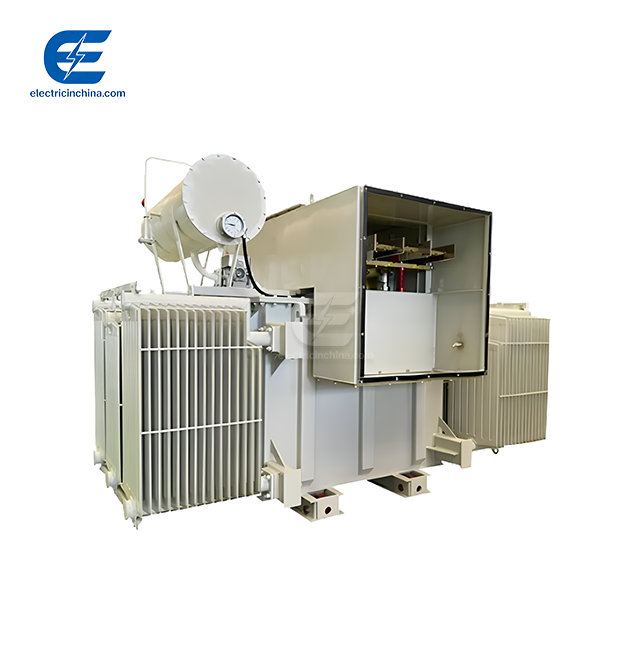
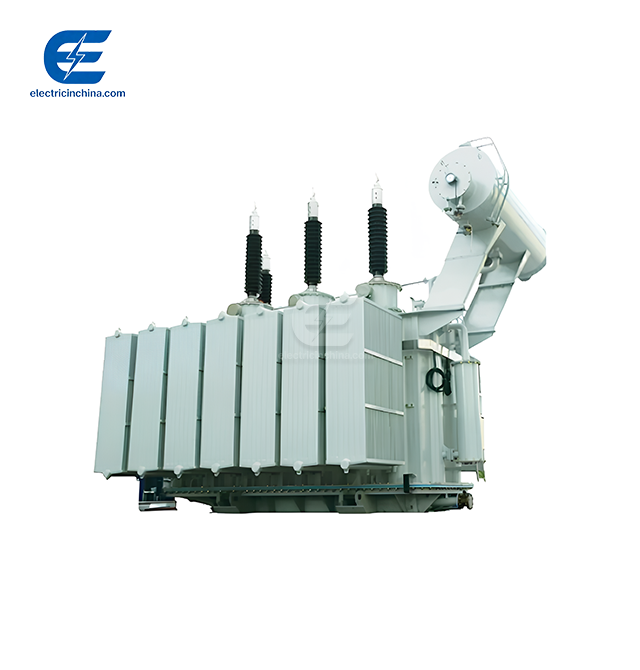
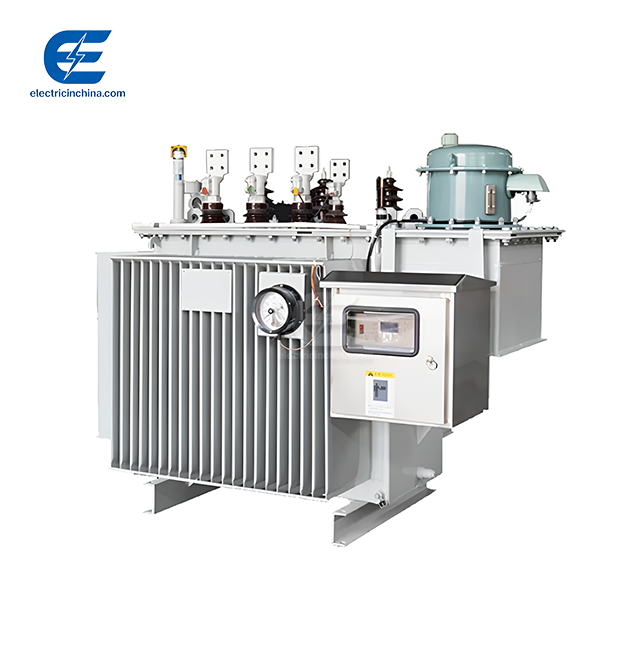
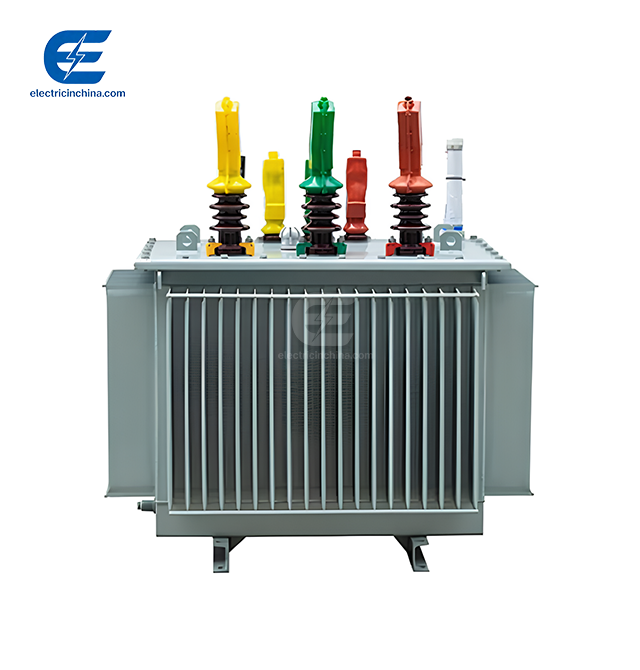
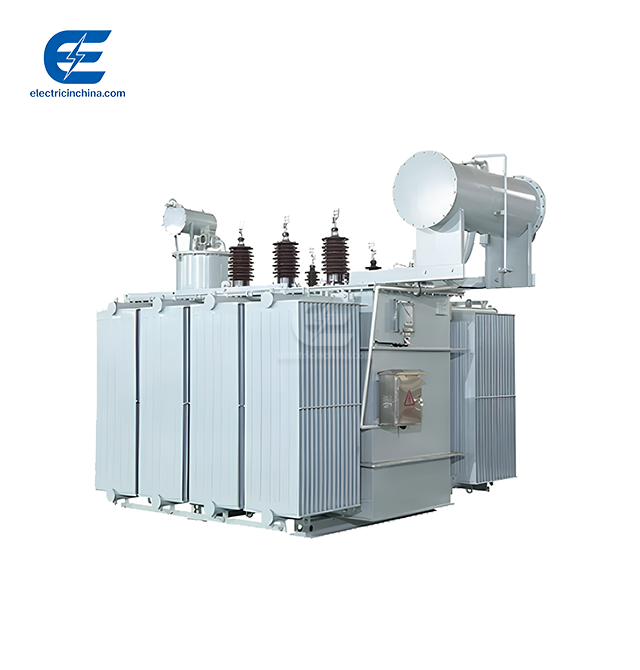
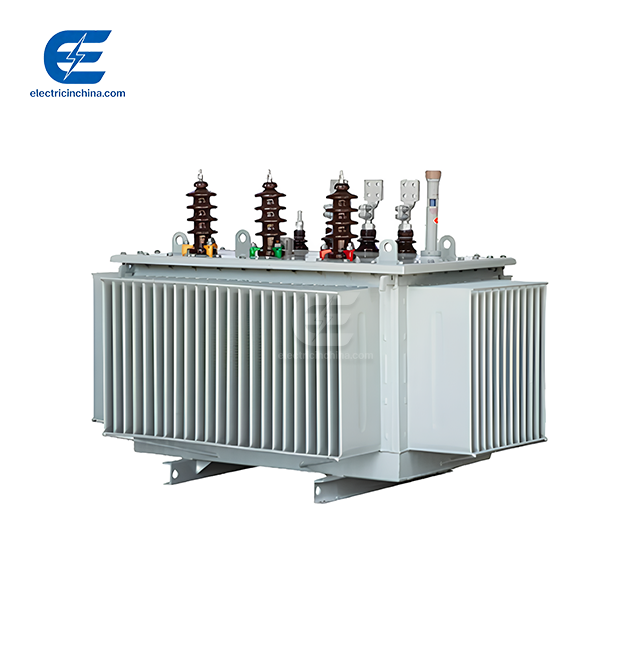
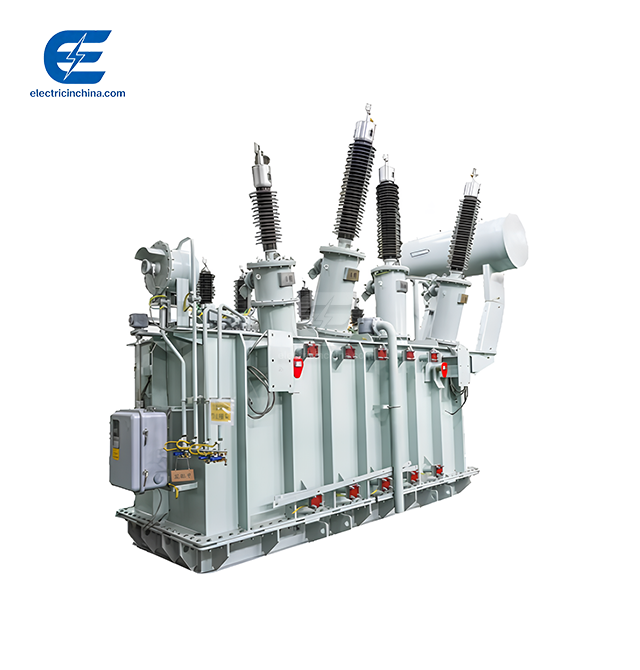
Cast Resin Transformers can handle most industry and business tasks, with their capacity ranging from 30 kVA to 31,500 kVA. Oil-filled transformers can handle higher power levels, but they pose fire and environmental risks. Dry-type transformers with ventilated casings have similar capacity ranges, but epoxy resin encapsulation provides better shielding and protection from external factors.
Amorphous core transformers are very efficient because they use modern magnetic materials, but they are very expensive and can only handle a certain amount of power. Distribution transformers are used in utility uses that need different voltage configurations and levels of safety than equipment at the building level.
Maintenance and Safety Considerations
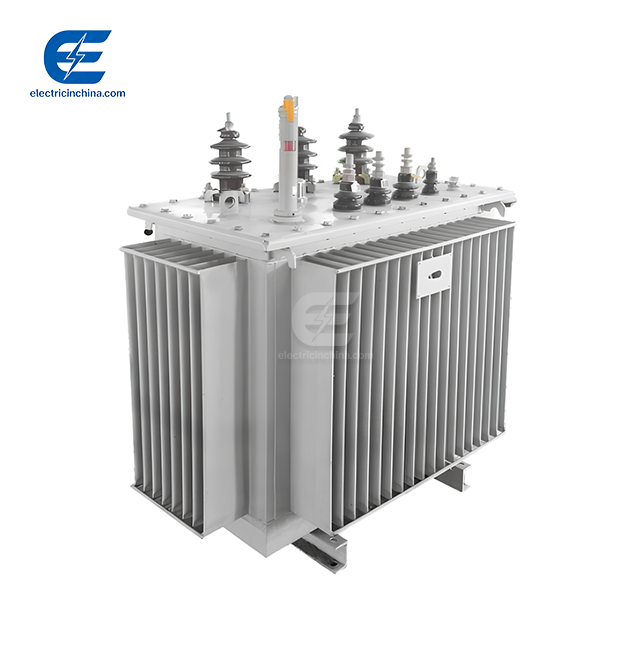
Oil-filled units need to be tested, have oil samples taken, and maybe even have generator oil replaced at some point during their working life. These upkeep tasks cost money and cause problems with operations all the time. Environmental laws make it hard to get rid of things and raise worries about responsibility when oil leaks happen.
Epoxy resin transformers get rid of all of these upkeep problems. The costs of running the business are cut by a huge amount when there are no oil changes, regular tests, or pre-drying steps after shutdowns. The benefits of fire safety are especially useful in confined areas, cities, and places where standard transformers pose too many risks. The cost of insurance goes down when dangerous cooling oils are taken out of buildings.
Manufacturer Capabilities and Support
Some of the biggest names in the industry, like Siemens, ABB, Schneider Electric, GE, and Hyundai, have wide ranges of products with different capacities, levels of efficiency, and guarantee terms. Beyond just looking at the product specs, judging a supplier's skills also means checking how quickly they respond to technical help requests, how many extra parts they have, and how well their service network covers the area.
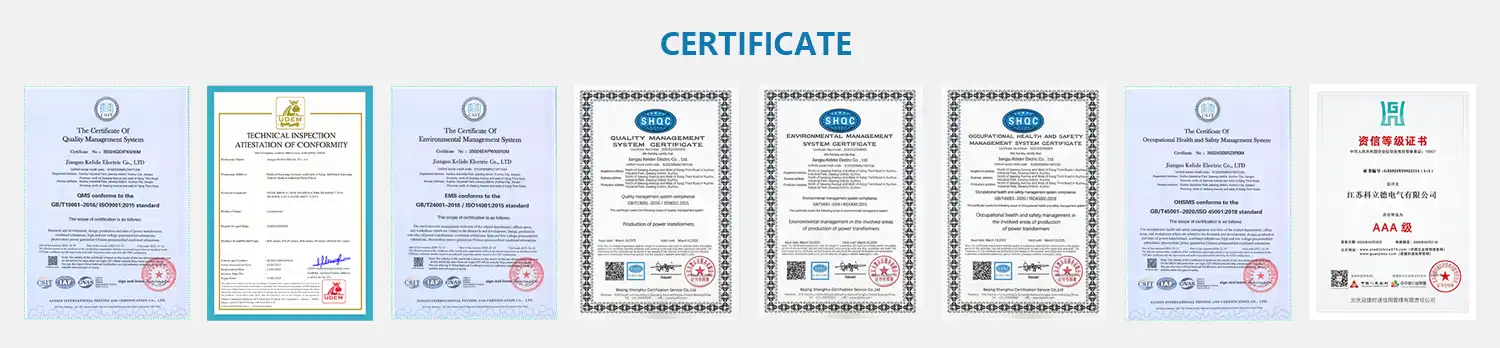
Over the course of 20 years in the business, our engineering team has created transformer systems that use 18 unique technologies. This high level of technical knowledge makes it possible to create custom setups that meet the needs of each customer in a wide range of uses. Quality management systems that are approved to meet the standards of ISO 9001, ISO 14001, and OHSAS 45001 make sure that products are always made well and are reliable.
Practical Steps to Determine the Right Capacity for Your Needs
To turn technical knowledge into useful capacity selection, you need to carefully look at your unique working situation. Procurement professionals can use these useful steps to help them make decisions.
Industry-Specific Application Requirements
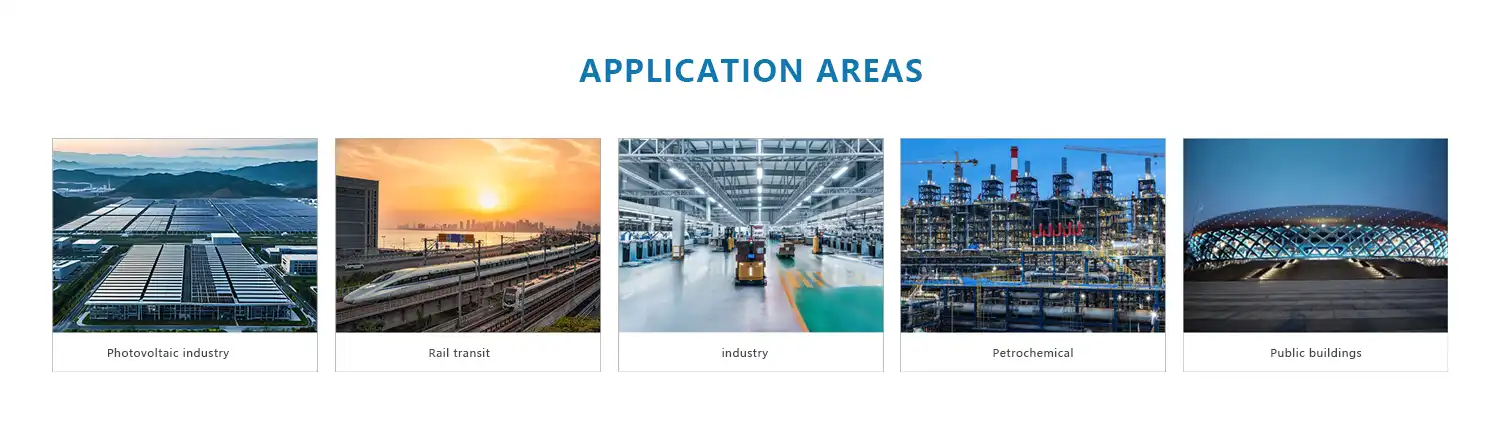
Cast Resin Transformers that can handle large motor starting currents and repeated load changes are needed in heavy manufacturing facilities. Units that can handle 150% overload for long periods of time are useful in steel mills, chemical plants, and car factories. Our epoxy resin transformers can handle these tough conditions because they are built to last and have excellent heating properties.
Different types of loads are found in commercial buildings like office towers, shopping malls, and mixed-use projects. These uses stress small installation areas, low noise levels (below 45 dB), and design adaptability. When fire risks are removed through dry-type buildings, it is possible to put things inside near load centers, even in basements or on the ground floor.
For renewable energy setups, especially solar systems, specific transformer designs are needed that take harmonic content, voltage control, and grid interconnection standards into account. The units in our SCB12 line are listed with UL and IEC 60076 for North American markets, and they are very reliable, which is important for running a solar farm.
Environmental Factor Assessment
The installation setting has a big effect on the capacity values of transformers and the choice of equipment. Standard capacity ratings can be used indoors where the temperature and humidity are managed. When equipment is installed outside, it is exposed to extreme temperatures, moisture, and airborne contaminants, so it needs higher security grades, ranging from IP23 to IP54.
Coastal areas with salty air need materials that don't rust easily. Strong seals and mechanical strength are needed in industrial settings where chemicals, dust, or vibrations are present. Because of how altitude affects how well cooling and insulation work, sites that are higher than 1000 meters need to make changes to their ability.
Each transformer unit has a temperature tracking system built in to make sure it is safe. BWDK thermometers constantly check the temperatures of the windings, setting off alarms and disconnecting the wires before damage happens. These smart tracking features protect your investment and make sure operations are safe.
Future-Proofing Your Investment
When building infrastructure for the next 10 to 25 years, it's important to choose capacities that can handle expected growth. By looking at growth plans, planned process additions, and changing working needs, early capacity limits can be avoided. Adding 20–30% more power to the first installations is often a better use of money than replacing transformers too soon or adding parallel units.
Using modular infrastructure lets you add more space in stages that match the growth of your building. Planning electricity distribution systems to allow for more transformer installs allows for growth without having to spend a lot of money up front. The current spending limits and the long-term operating flexibility of this strategic method are both taken into account.
Our manufacturing skills cover a range of capacities, from 30 kVA to 31,500 kVA, so we can make options that are just the right size for your needs. Our engineering team comes up with the best configurations for your project, whether it needs small 100 kVA units for business use or strong 5000 kVA transformers for industrial buildings.
We built power distribution systems for big building projects like the Xuzhou Rail Transit Network Control Center. These systems use dual-circuit designs to make sure they are completely safe to use. Our ability to provide effective solutions for a wide range of uses is shown by commercial projects like the Xinhuai Central Complex and industrial installations for XCMG Group.
Maintenance, Efficiency Tips, and Ensuring Long-Term Reliability
Paying attention to operating and repair procedures is needed to get the most out of transformers and extend their service life. Epoxy resin transformers don't need regular upkeep, but there are a few things that can be done to make them more reliable in the long run.
Operational Best Practices
Load control on a Cast Resin Transformer has a big effect on how long equipment lasts. Consistently running close to maximum capacity improves efficiency and prevents damaging overloading. Monitoring systems that keep track of real-time loads, temperature profiles, and working hours allow proactive management that stops things from wearing out too quickly.
Keeping transformers from being overloaded too often saves the shielding systems and makes them last longer. Our units can handle 150% of their rated load when cooled by forced air and 130% of their capacity for two hours when cooled by natural air. However, running at these levels all the time speeds up the aging process. Dielectric strength and mechanical qualities are kept safe by keeping normal working temperatures below the insulation class limits, which are 155°C for Class F systems and 180°C for Class H systems.
Monitoring and Inspection Protocols
Visual checks that are done regularly find possible problems before they get worse and cause failures. Checking for strange sounds, smells, or changes in color can help you spot problems before they get too bad. Using thermographic scans, hot spots can be found that show problems with connections or areas where shielding is breaking down.
Advanced monitoring tools let you keep an eye on performance all the time. Predictive repair plans are helped by real-time data on things like temperature trends, loading patterns, and operating oddities. These tracking tools are especially useful in mission-critical systems where failures can have very bad results.
Insulation resistance testing checks the quality of the covering and finds signs of contamination or wetness getting in. Testing once a year sets performance standards that let you look at trends over the life of the tools. According to IEC 60076-3 guidelines, measurements should be more than 1000 MΩ at the rated voltage.
Warranty and Service Support
Your investment is protected by a full guarantee and quick service help. You should look at a supplier's expert support, spare parts supplies, and how quickly they can respond to service requests in the field when judging their skills. When companies back their goods with strong warranties, it shows that they believe in the quality of the design and the manufacturing.
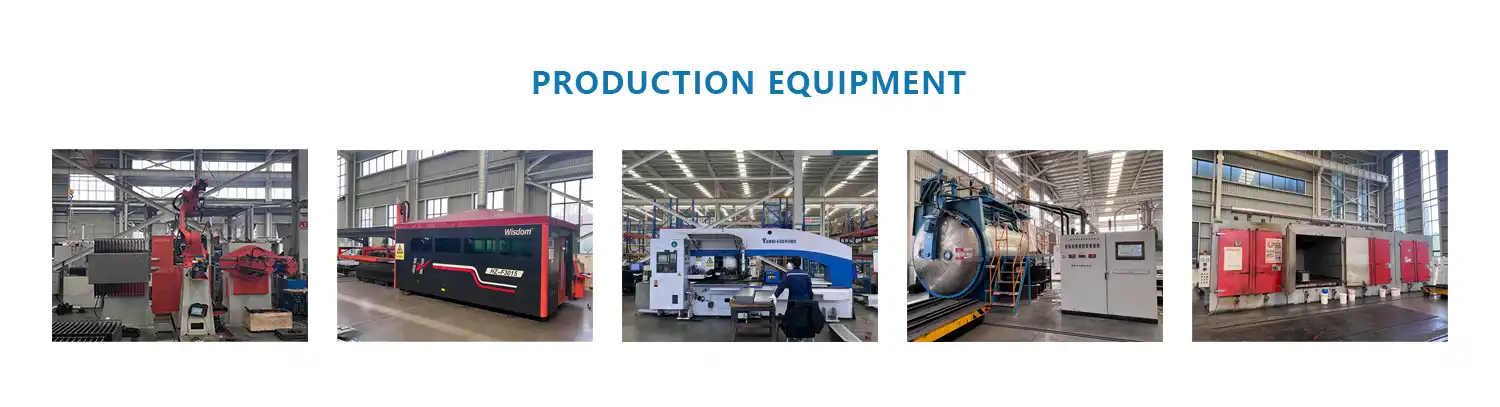
Every transformer goes through a lot of tests before it is shipped because our quality control system is based on the idea of zero defects. Over 120 high-tech manufacturing systems, such as CNC automatic winding machines and microcomputer-controlled gradient cure ovens, make it possible to produce precisely what is needed.
Each unit goes through a lot of tests before it leaves the plant. These tests check the dielectric strength, insulation resistance, partial discharge levels, and temperature rise traits. No-load and load loss readings confirm the efficiency requirements, and short-circuit withstand tests confirm the mechanical strength. This careful quality control keeps broken goods from getting to customers.
These steps make sure that the performance stays high for the 25 years that epoxy resin transformers usually last. When you choose the right size and run your business with care, you can get the best return on your investment and the lowest total cost of ownership.
Conclusion
To choose the right Cast Resin Transformer capacity, you need to carefully look at the load needs, the surroundings, and the growth predictions for the future. When you know about the special benefits of epoxy resin encapsulation—like protecting against fire, protecting the environment, not needing any upkeep, and being reliable- these dry-type transformers become the best choices for modern infrastructure.
Careful load analysis helps match capacity to real demand, which stops both dangerous undersizing and useless oversizing. The best buying choices are made by taking into account the unique needs of the application, the technical factors, and the lifecycle costs. Our wide range of manufacturing skills, track record on completed projects, and dedication to quality guarantee that we can provide you with effective power distribution solutions that meet your specific business needs.
FAQ
What factors most significantly influence capacity requirements?
Baseline capacity needs are set by total linked load, demand factors that show the chance of simultaneous operation, and peak demand trends. Adding 25 to 50 percent more than the estimated minimums is what safety margins do to account for future growth. Through derating factors, environmental elements like temperature, altitude, and placement location can change the real capacity that is available.
How do efficiency ratings impact long-term costs?
Differences in efficiency of even 1% cause big changes in energy costs over 25-year service lives. Transformers that run constantly at 1000 kVA with 98% efficiency instead of 99% efficiency waste more than 87,600 kWh of energy each year. This efficiency gap costs thousands of dollars a year at normal business energy rates.
Can transformer capacity be upgraded after installation?
The transformer's capacity is based on its core size, winding structure, and temperature design, and it can't be changed. To increase capacity, the whole unit has to be replaced instead of just being changed in the field. Planning for enough starting capacity with room for growth keeps repair costs from happening too soon. Installing parallel transformers gives you options for growth when your equipment can handle more than one unit.
Partner with Tuojie for Your Cast Resin Transformer Needs
Tuojie has more than 20 years of experience making Cast Resin Transformers, and 15 top engineers and 18 protected technologies back up what they say. Our wide range of capacities, from 30 kVA to 31,500 kVA, covers a wide range of industrial, business, and infrastructure needs with unique solutions that are best for your operations.
We are a reliable provider of Cast Resin Transformers, and our ISO 9001, ISO 14001, and OHSAS 45001 certifications show that we meet high-quality standards. Before it is sent out, every unit is thoroughly tested using more than 120 advanced production systems. This makes sure that there are no problems with the performance. Our track record includes hundreds of successful installations in tough project settings, such as rail transit systems, business developments, and industrial sites.
Email our technology team at tuojie@electricinchina.com to talk about your power needs and get specific information that fits your needs. We offer full project support, from the original load analysis to commissioning, along with prompt service after the sale to protect your long-term investment. Visit electricinchina.com to see all of our products and learn how our engineered solutions can help your vital processes get power in a safe and efficient way.
References
1. International Electrotechnical Commission. IEC 60076 Series: Power Transformers - General Requirements and Test Procedures. Geneva: IEC Publications, 2011.
2. Institute of Electrical and Electronics Engineers. IEEE C57.12.01: Standard for Dry-Type Distribution and Power Transformers. New York: IEEE Standards Association, 2015.
3. National Electrical Manufacturers Association. NEMA Standards Publication TP 1: Guide for Determining Energy Efficiency for Distribution Transformers. Rosslyn: NEMA, 2016.
4. American National Standards Institute. ANSI C57.12.91: Test Code for Dry-Type Distribution and Power Transformers. Washington: ANSI Publications, 2011.
5. Canadian Standards Association. CSA C802.1: Minimum Efficiency Values for Dry-Type Transformers. Toronto: CSA Group, 2017.
6. Heathcote, Martin J. The J&P Transformer Book: A Practical Technology of the Power Transformer. 13th Edition. Oxford: Newnes Publications, 2007.