

.webp)
When choosing power distribution tools for building projects, the way dry-type transformers are built has a direct effect on how reliable they are and how much they cost over their entire life. Epoxy resin casting and resin sealing are two different ways of making transformers that have a big impact on how well they work. For casting, the windings and cores are fully submerged in epoxy resin in a vacuum, which makes a single structure. Encapsulation, on the other hand, only covers certain parts of the generator with plastic, leaving other parts open to better control heat. These structure choices have a big impact on the mechanical stability, thermal dissipation, and weather resilience of amorphous metal dry-type transformers. These are all important things to think about when figuring out the long-term return on investment for government contracts and industry installations.
Understanding Epoxy Resin Casting and Resin Encapsulation in Dry-Type Transformers
How your transformer handles electrical stress, weather problems, and operating needs over many years of use depends on the manufacturing process you choose.
The Epoxy Resin Casting Process
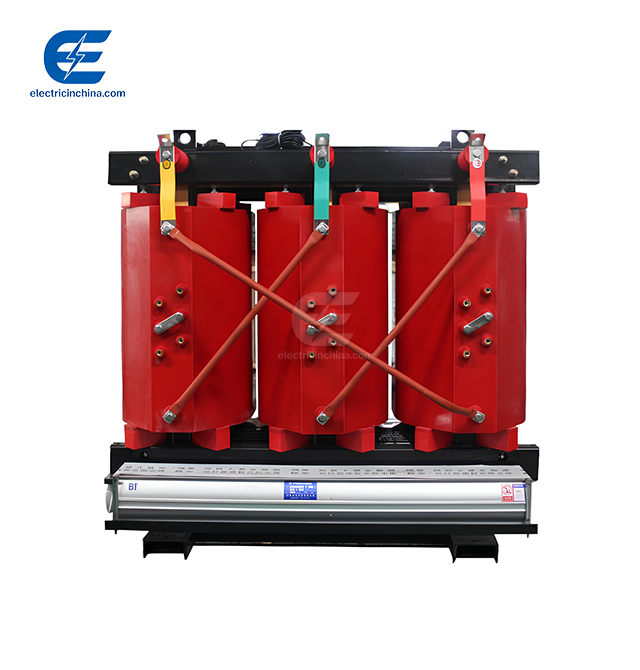
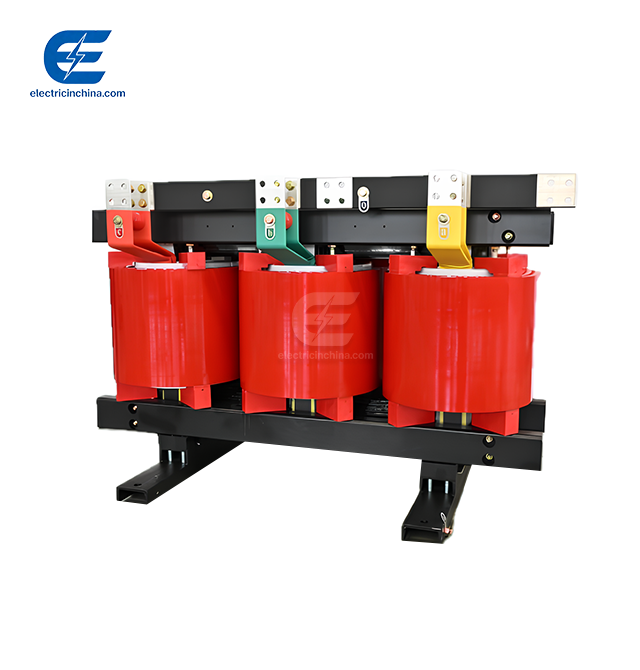
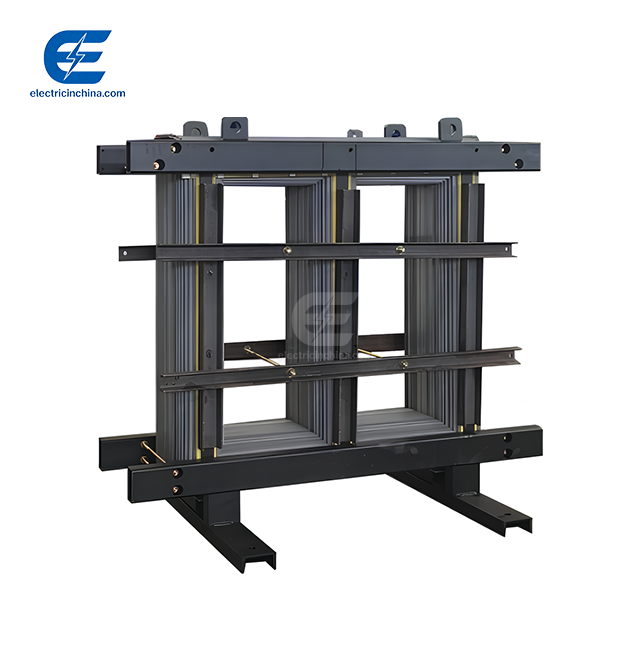
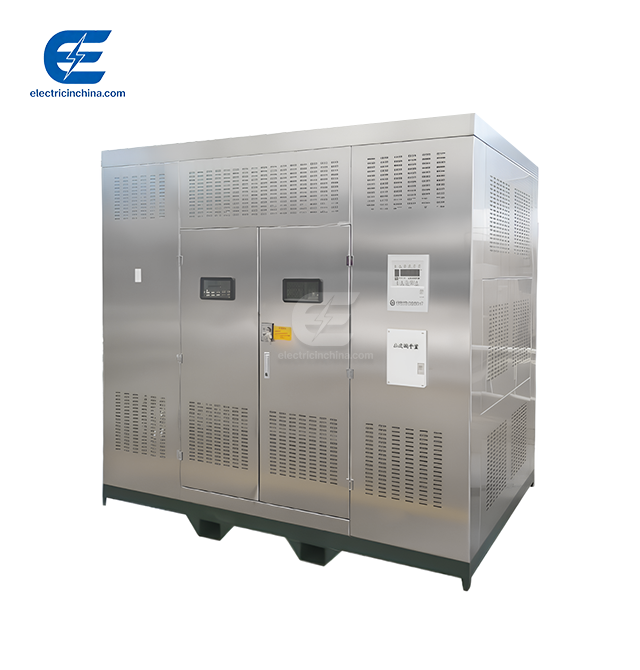
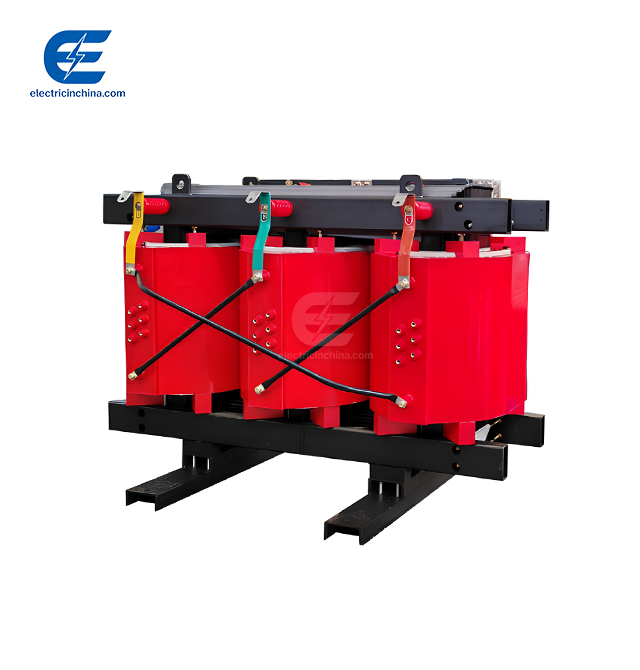
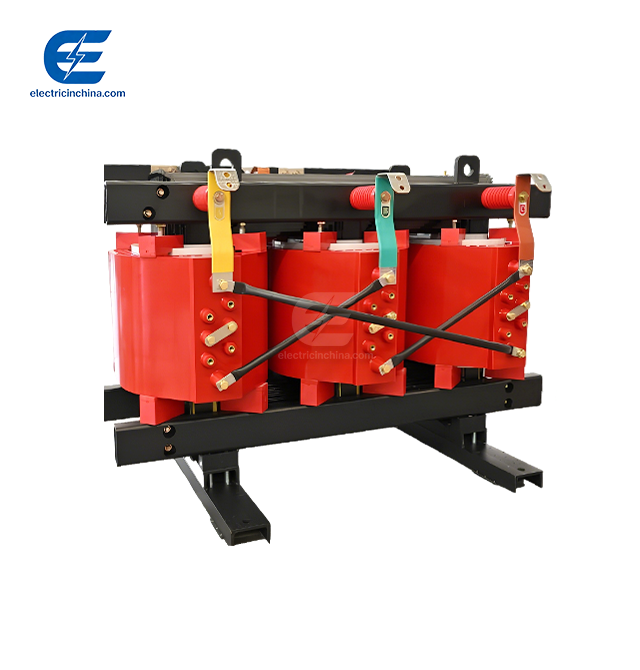
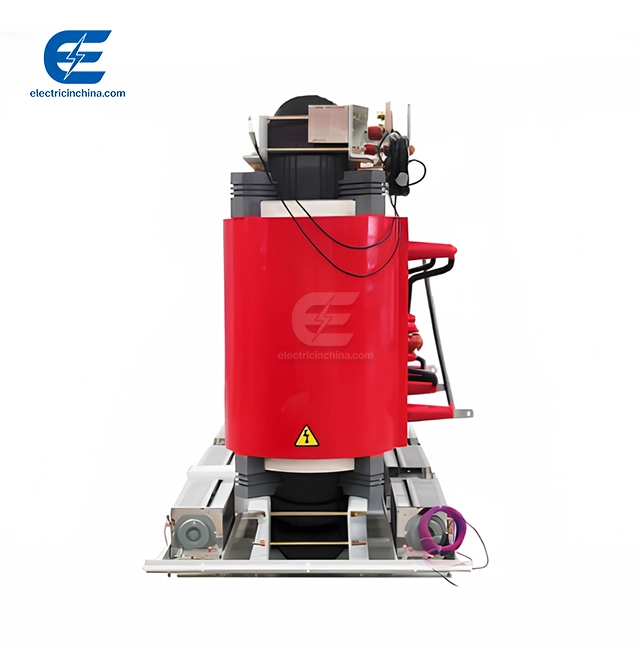
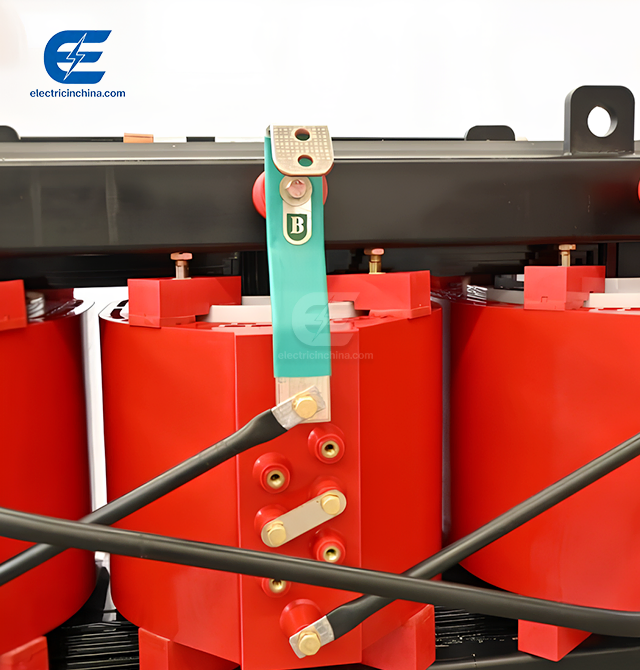
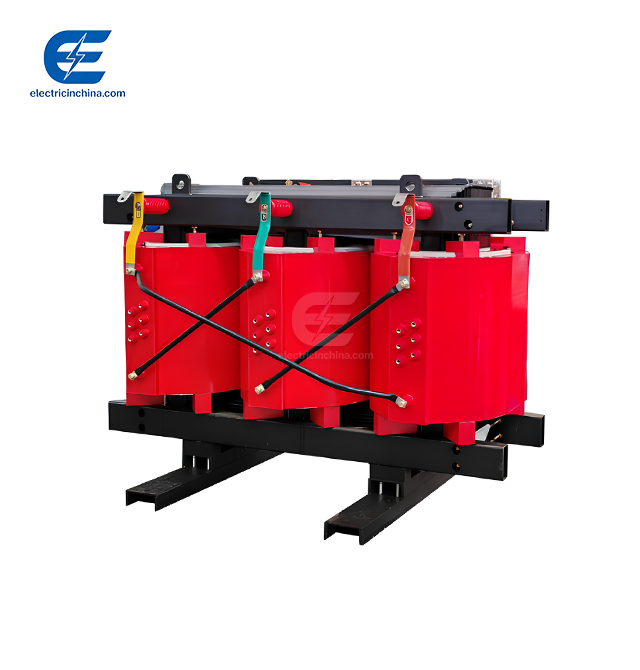
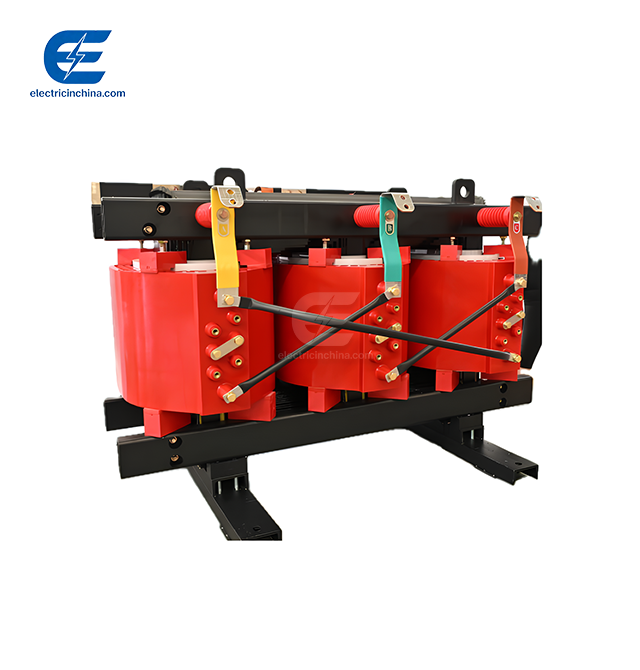
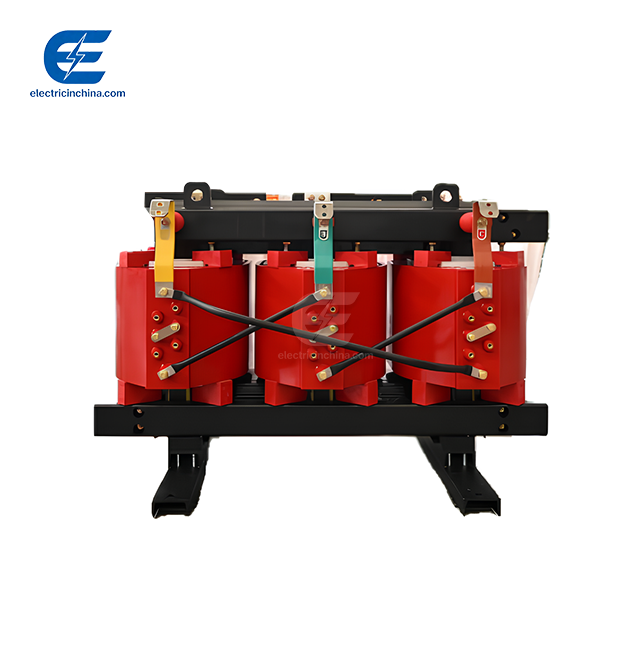
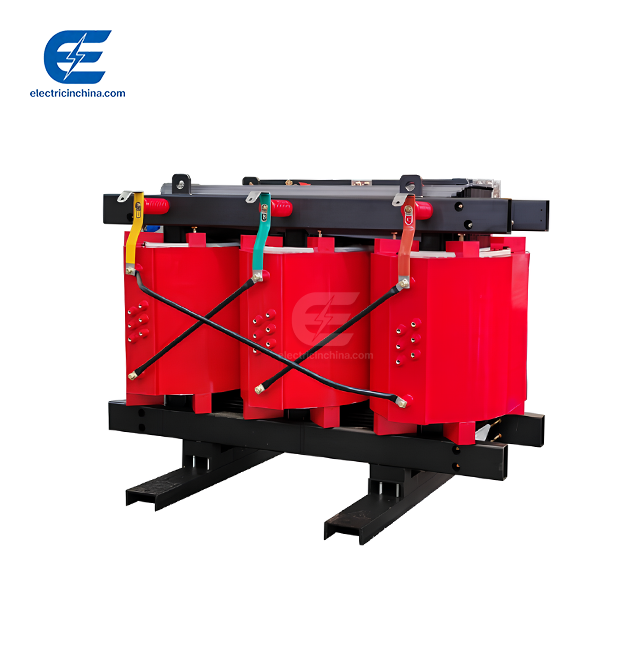
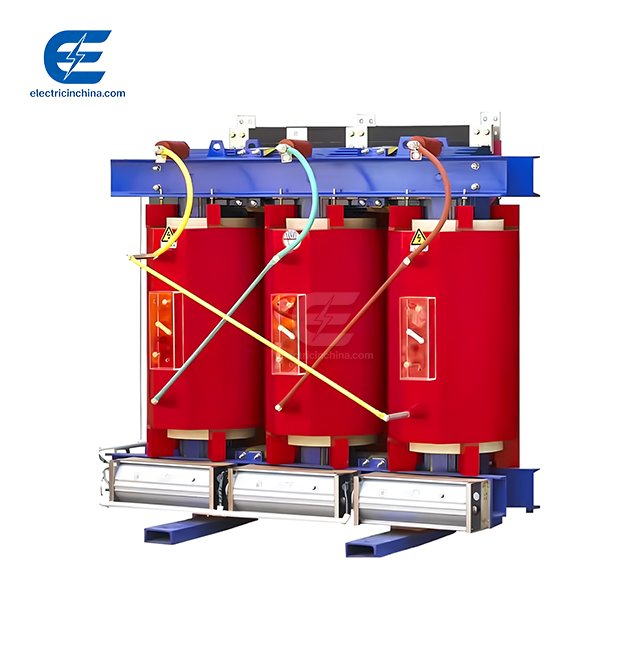
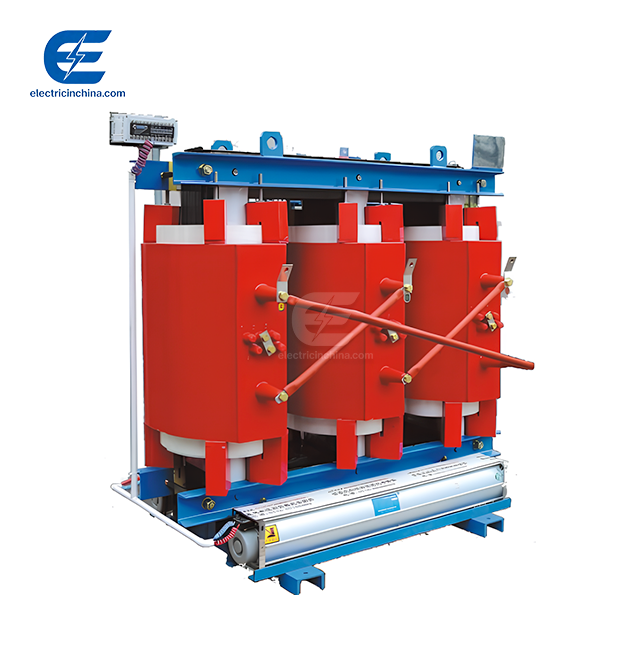
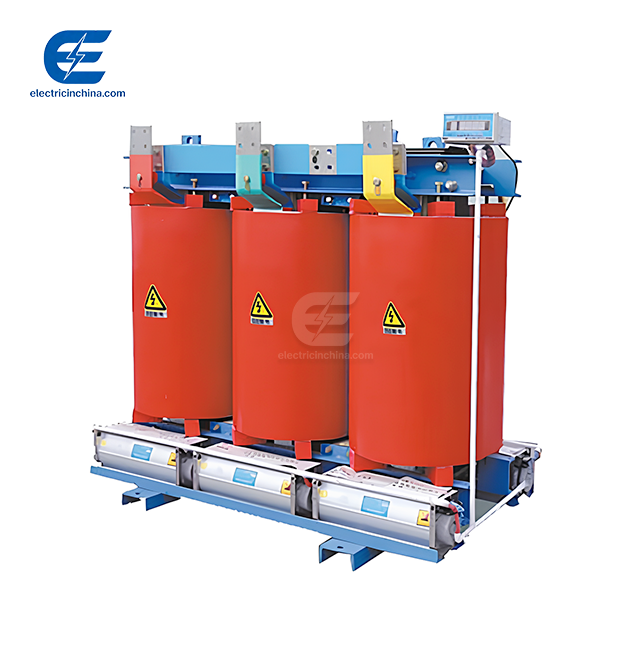
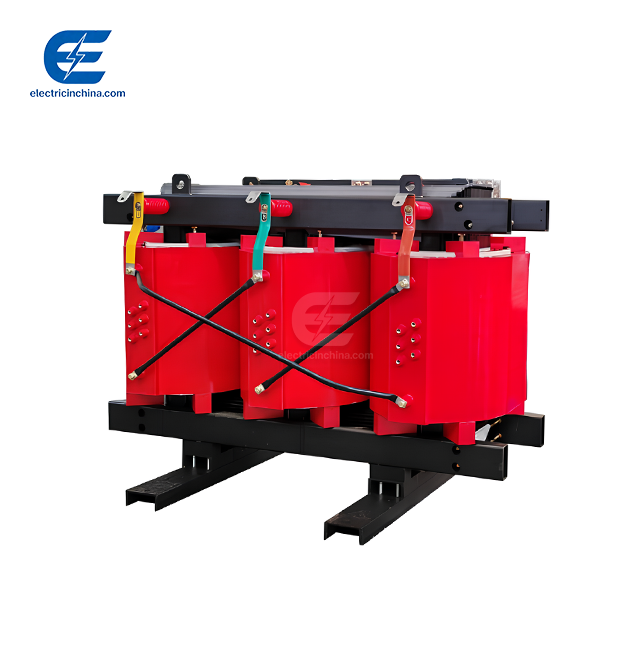
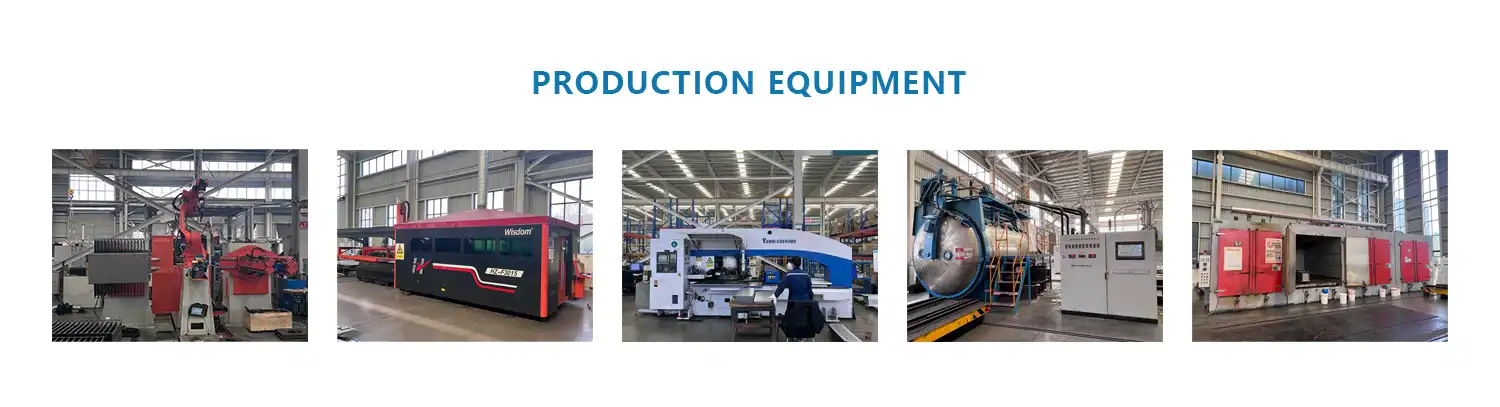
By covering all of the transformer's internal parts, epoxy resin casting makes a single structure. We put the core and windings that have been put together into precise molds. Then, we use pressure to insert a specially made epoxy resin that gets rid of any air pockets. This method gives you very high dielectric strength and mechanical stiffness. Once the glue has hardened, it makes a shell that keeps out water, chemicals, and physical damage. This casting method is used to give our SCBH17 amorphous metal dry-type transformers IP23 security ratings. This means they can be used in tough industrial settings where dust, humidity, and temperature changes can be a problem for other types of equipment. To make something, you need high-tech tools and exact control. Over 120 sets of high-tech equipment are used at our plant. These include CNC static vacuum casting tools and microcomputer-controlled gradient curing furnaces. During production, these devices keep the vacuum levels, hardening temperatures, and viscosity of the glue constant. As a result, the glue is spread out evenly, with no gaps or weak spots that could affect how well the soundproofing works. Because of how precisely they are made, cast resin transformers can achieve partial discharge levels below 10pC, which is in line with IEC 60270 standards that procurement managers set as a top priority for important building projects.
Resin Encapsulation Methodology
In resin encapsulation, different steps are taken by covering only certain generator parts instead of fully submerging them. With this method, epoxy resin is put on the windings and key joints, but the core and some structural parts are left uncovered. The main benefit is that it helps control temperature—exposed areas allow natural convection to cool them down, which lowers working temperatures and makes insulation last longer. Encapsulated designs usually have lower production costs than full casting designs, but they might need higher IP-rated shells to keep up the same level of environmental protection. Our manufacturing team looks at the needs of the product to find the best way to apply the resin. Encapsulation works especially well for transformers that work in controlled settings where keeping the transformers cool is more important than keeping them away from dirt and other things. The method makes it easier to check for problems and fix small areas of damage if they happen. However, current casting methods are so much better that most upkeep issues are no longer a problem for properly specified units.
Key Structural Distinctions
Three important success areas are affected by the main difference between these methods. The solid resin structure can withstand short-circuit forces up to 20 times the maximum current without deforming because it was cast. Encapsulation helps heat escape through uncovered areas more effectively, which could lower hotspot temperatures by 10 to 15°C under the same loading conditions. Protection from the environment also varies. Cast units naturally keep out water and other contaminants, while enclosed designs rely on outer covers to provide the same level of protection. Knowing about these trade-offs helps buying teams match the requirements for transformers with how they will be used on the job sites.
The Role of Epoxy Resin Casting and Encapsulation in Amorphous Metal Dry-Type Transformers
Because amorphous metal dry-type transformers made of amorphous metal cores have special qualities, it's even more important to use the right glue coating methods. When compared to regular silicon steel, these new magnetic materials have 70–80% lower no-load losses, but their weak ribbon structure needs careful mechanical support.
Mechanical Stability Enhancement
Amorphous metal cores are made up of thin metal bands that don't have a solid atomic structure. The magnetic qualities of this material are very strong—permeability values of 80,000 to 100,000 μH/m and coercivity values below 0.5 A/m—but the strips are very fragile. This problem can be solved by epoxy resin casting, which surrounds the core assembly fully and spreads mechanical pressures evenly throughout the structure. The resin works as both a support structure and a sound dampener, keeping the ribbon from moving when electromagnetic forces and temperature changes happen. Our 15 top engineers have improved the casting settings just for amorphous cores, making sure that the resin fills in all the gaps between the ribbon layers without putting too much pressure on them, which could hurt their magnetic performance.
Thermal Management and Efficiency Synergy
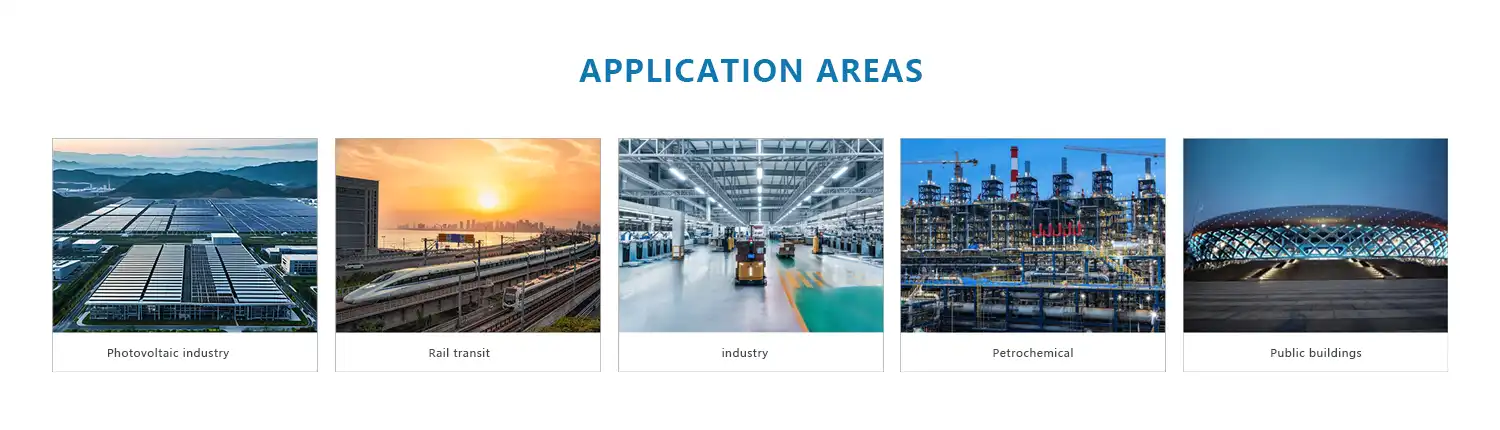
Hundreds of successful installations in industry and local projects have shown that this thermal performance works as promised. The Xuzhou Rail Transit Network Control Center project needed complete dependability. Our amorphous metal dry-type transformers with cast resin construction have been used nonstop for years without any problems related to temperature. The design of the dual-circuit power supply depends on each transformer working at full capacity during both regular and emergency loads. This shows how useful advanced plastic technology can be in mission-critical situations.
Environmental Resilience
Harsh working conditions speed up the aging of transformers in a number of ways. For example, wetness getting into the insulation breaks it down, chemicals attacking materials, and high-temperature stresses on internal parts. The cast plastic construction naturally protects against these risks. The seamless epoxy layer stops water from getting in, which is what normally leads to tracking and partial release. Chemical protection keeps you safe from industrial pollutants that you might find in factories and sites near the coast. When used in temperatures ranging from -25°C to +40°C, our transformers keep their full dielectric strength. The insulation systems have been shown to last longer than 30 years through rapid aging tests.
Comparing Epoxy Resin Casting and Resin Encapsulation: Key Factors for B2B Procurement Decision-Making
To make smart choices about structural technology, you need to look at more than just the beginning specs. We help teams in charge of buying things look at the whole picture.
Initial Investment Versus Long-Term Value
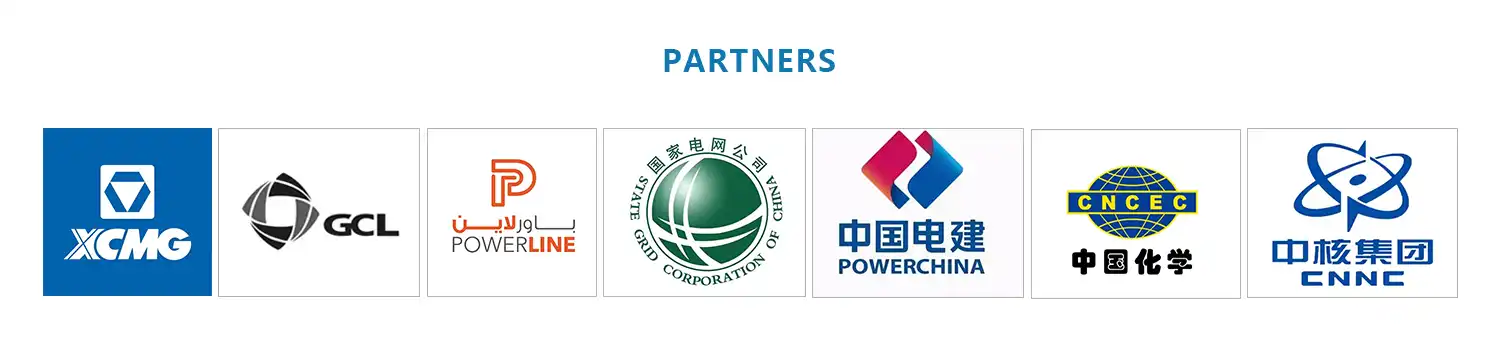
Cast plastic transformers usually cost 15–25% more than enclosed counterparts when they are first bought. This difference in price is due to more complicated manufacturing methods, the need for specialized tools, and longer curing times. Still, the investment pays off in a measured way: it makes the system more reliable and lowers the cost of upkeep. Our project data from setups like the XCMG Group power supply upgrade shows that the original premium is paid back within 3–5 years of operation by cutting down on unplanned downtime and service costs. This lifecycle view is more important than just the buying price for companies that are in charge of building portfolios.
These economic gains are made bigger by the fact that amorphous metal technology saves energy. Compared to regular silicon steel designs, a 1000kVA unit that runs all the time saves between 15,000 and 20,000 kWh per year. At commercial energy prices, this means that the yearly operating costs will go down by $1,500 to $2,000. Over the course of 30 years, each transformer will save more than $45,000 to $75,000, which will more than cover any starting costs. We offer thorough energy analysis tools that help buying teams figure out how much money these savings are based on how the building is used and the rates charged by local utilities.
Performance Benchmarks for Critical Applications
Different types of applications have very different operational needs. Data centers and hospitals need to be able to run very quietly, with noise levels below 40dB. These goals are met by our cast resin amorphous metal transformers, which have low magnetostriction cores and resin construction that dampens noise. In industrial manufacturing settings, short-circuit withstand capability may be important. Cast construction provides mechanical strength that keeps the structure intact during fault conditions, topping 20 times the maximum current. The resin matrix stops the winding from deforming, which could lead to turn-to-turn insulation failure. This is an important safety factor for EPC workers who are choosing equipment for dangerous areas.
As nonlinear loads become more common, the ability to handle harmonics has become more important. Harmonic currents are made by variable frequency drives, LED lighting systems, and green energy generators. These currents put stress on transformer insulation and increase losses. Our SCBH17 amorphous metal dry-type transformer can handle K-factors of up to K-13 and keep total harmonic distortion below 3%. Testing according to IEEE 519 standards showed that the cast resin insulation system can handle the extra heat stress from harmonic loading without breaking down faster. This feature is necessary for projects that connect photovoltaic panels to the power grid and for modern business buildings that have a lot of electrical equipment.
Sustainability and Corporate Responsibility
As companies try to meet their carbon reduction goals, environmental success has a bigger impact on the purchases they make. Amorphous metal transformers directly help reach these goals because they are very efficient. Units that are more than 98.5% full-load efficient waste very little energy as heat. Compared to traditional options, this efficiency edge stops hundreds of metric tons of CO2 emissions over the course of a product's lifetime. The dry-type construction gets rid of the environmental risks that come from oil leaks that pollute groundwater and soil, which can be a problem for homes near public water sources or sensitive ecosystems.
These goals for sustainability are in line with how we make things. We keep our ISO 14001 environmental management certification up to date and run our factories in a way that reduces trash and energy use. Some of the 18 patents we have cover new ideas that cut down on material use while still meeting performance standards. These skills are important for procurement pros who are in charge of environmental compliance-based seller qualification programs.
How to Choose the Right Structural Technology for Your Amorphous Metal Dry-Type Transformer
A systematic review is needed to match transformer specs to application needs. We walk our clients through this process for making decisions.
Application-Specific Technical Requirements
The voltage class and volume are the starting points for making specifications. The power ranges from 10kV to 35kV, and our product line goes from 30kVA to 31,500kVA. Cast resin construction works better for higher voltage uses because the insulation system has a higher safety cushion against electrical stress, as the dielectric strength is the same throughout. In controlled settings, encapsulated designs may work fine for lower voltage units, but we usually suggest casting for stability and long-term dependability.
Evaluating Supplier Capabilities
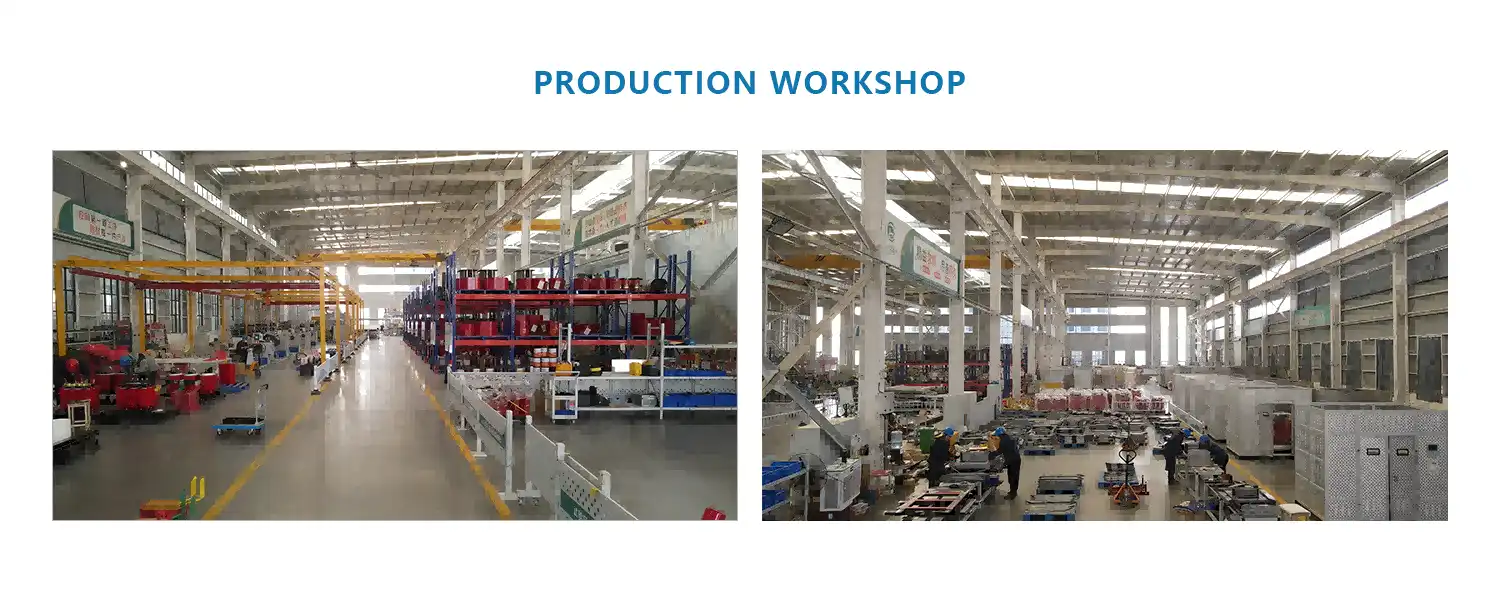
Choosing a supplier has effects that last for decades after the equipment is delivered. We suggest that procurement teams look at several signs of skill. Manufacturing capacity is important. Our facility has more than 120 sets of specialized tools that can produce uniform quality across big order numbers. When customization is needed, technical knowledge is very important. Our team of 15 senior engineers and more than 30 intermediate workers offers engineering help from developing specifications to completion. Because we knew so much, we were able to finish the Xuzhou High-speed Railway East Station Official Power Supply EPC Project early and meet tight deadlines without lowering the quality of the work.
Customization and Value-Added Services
Standard store items rarely perfectly meet the needs of a specific job. We offer a wide range of customization options, such as different voltage ratios, resistance values, connection groups, tapping ranges, and IP protection grades. This versatility comes in handy for green energy projects like solar systems that are linked to the power grid. In these cases, the parameters of the transformer need to match the features of the inverter and the requirements of the local utility for connecting to the grid. Our engineering team works directly with EPC companies to create solutions that are best for each job.
Future Trends in Resin Technologies and Amorphous Metal Dry-Type Transformers
Transformer speed and power are always getting better thanks to new ideas. Knowing about these changes helps procurement teams make spending choices that look to the future.
Advanced Resin Material Development
The main goal of research into the next generation of epoxy mixtures is to make them stronger and better at conducting heat while keeping their good dielectric qualities. Adding nanoparticles to materials could help heat move more efficiently, which could lower working temperatures by 5 to 10°C at the same load. Better thermal performance makes insulation last longer and increases its ability to handle overloading, which are both useful qualities for sites that will be getting more crowded over time. Working together with material suppliers to try to evaluate these new resins is something we do before putting them into production plans.
Better mechanical qualities meet the needs of areas that are prone to earthquakes. In order for transformers to survive earthquakes that would hurt regular buildings, resin formulas that are stronger against impact and flexural stress are used. We just finished testing according to the vibration standards of IEC 60068-2-6 using enhanced resin systems. The results showed that the structure stayed strong at acceleration levels higher than usual for shipping and installation. These skills make it possible to use the technology in difficult geographical places.
Digital Integration and Predictive Maintenance
When Dry-type transformer technology and digital tracking tools come together, they change the way services are provided. Inbuilt sensors keep an eye on things like winding temperatures, atmospheric conditions, load currents, and partial discharge activity. Connecting to the cloud lets you watch things from afar and use predictive analytics to find problems before they become major. We are working on solutions that combine our amorphous metal dry-type transformer platforms with IoT tracking hardware. These solutions will let site managers see the health and performance of transformers in real time.
This digital connection helps preventative maintenance plans that keep machinery running smoothly and extend its life. Temperature trending research shows when the cooling system is breaking down or when there is too much harmonic stress. Monitoring partial flow finds insulation degradation that needs to be looked into. Decisions about when to expand capacity are based on data from load analysis. These features are especially useful for apps that are part of key infrastructure and where unplanned outages can have very bad results.
Market Evolution Toward Sustainable Solutions
Pressure from regulators and companies that want to be environmentally friendly is speeding up the use of transformer technologies that use less energy. Many places now have minimum energy standards that are hard for standard silicon steel designs to meet. Amorphous metal technology makes it easy to follow the rules and lowers running costs, which is good for the project's finances. We think the market will continue to move toward these new materials, which will be helped by improvements in manufacturing scale that lower costs.
The transformer economy is becoming more and more recognized by green building standards as a way to help reach sustainability goals. Credits are given by LEED and similar programs for choosing power equipment that uses less energy. Our transformers help with these certification efforts and provide the proof needed for green reports. We keep environmental product declarations up to date with numbers that show how the product will affect the environment over its entire life. This helps buying teams compare embodied carbon to business performance.
Conclusion
For dry-type transformers, choosing between epoxy resin casting and sealing means weighing technical performance, cost, and the needs of the individual application. The cast resin construction provides better mechanical safety, environmental resistance, and acoustic performance. These benefits are especially useful when mixed with amorphous metal cores in tough situations. The higher starting cost is paid back over many years of trouble-free running and big energy savings. We can provide reliable power distribution systems that meet the high standards of government infrastructure, business development, and industry projects thanks to our manufacturing skills, technical knowledge, and track record of successful projects. For the next 30 years, the choice you make today will affect how much it costs to run and how reliable it is.
FAQ
How do I verify actual energy savings from amorphous metal cores?
Ask the factory for testing results that meet the requirements of IEC 60076-11 and show the recorded no-load losses at the stated voltage and frequency. Compared to standard silicon steel designs, our test results show 70–80% savings. Use this method to figure out how much you'll save each year: kWh saved equals no-load loss difference times 8,760 hours. At the rate of energy at your building, this gives you a way to measure the financial returns that make investment decisions worthwhile.
What maintenance requirements apply to cast resin transformers?
Cast plastic construction gets rid of the need for upkeep that comes with equipment that is filled with liquid. It is suggested that thermographic inspections be done once a year to make sure that normal thermal patterns are being observed, that mechanical hardware be checked for tightness on a regular basis, and that measures of partial discharge be recorded if online tracking systems are used. While oil-filled units need to have their fluid tested and breathers serviced, cast resin transformers don't need any upkeep for their design life of more than 30 years.
Can these transformers handle the noise loads that come from current electronics?
Of course. Our SCBH17 amorphous metal dry-type transformer can handle K-factor values of up to K-13, making it perfect for places with LED lights and variable frequency drives that cause harmonic distortion. The cast resin insulation system can handle extra heat stress from harmonic currents and keep overall harmonic distortion below 3%. This keeps sensitive electronic loads safe from problems with the power quality.
Partner With Tuojie for Your Next Transformer Project
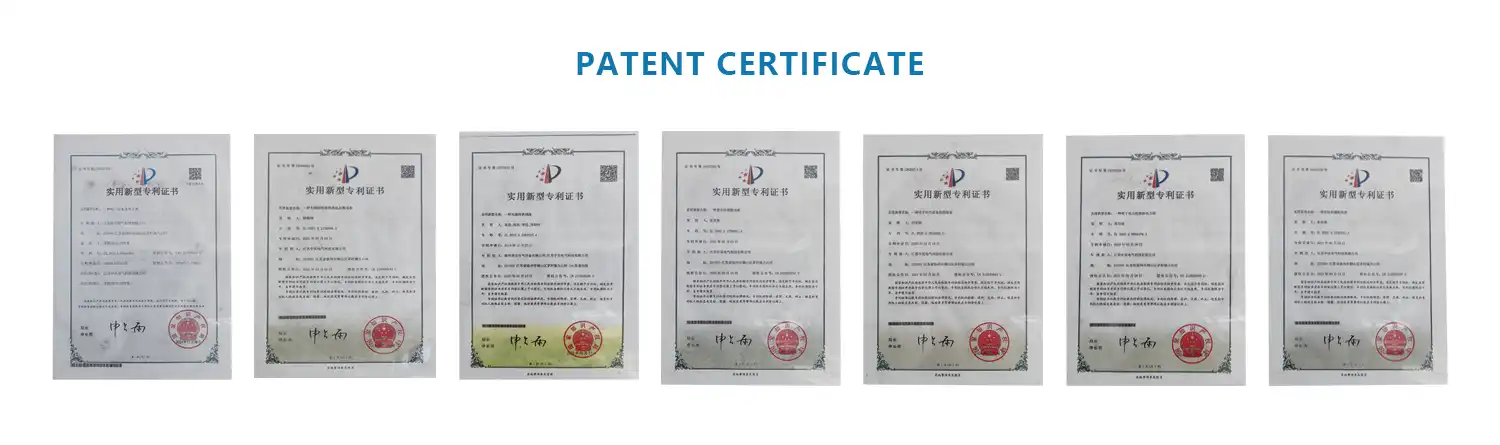
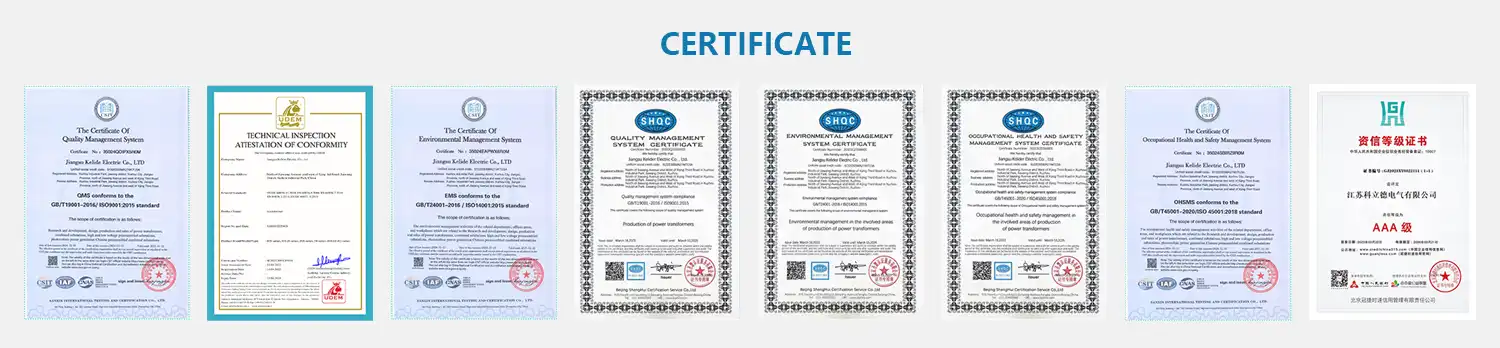
Tuojie offers tried-and-true amorphous metal dry-type transformer solutions that are backed by 18 patents, ISO9001 certification, and the successful finishing of hundreds of projects for businesses and cities. Our engineering team changes specs like voltage ratios, impedance values, and protection ratings to fit your exact needs, whether you're building important infrastructure, business properties, or solar installs. As a well-known company that makes amorphous metal dry-type transformers, we offer full help from developing specifications to testing, making sure that your project stays on schedule and meets its performance goals. Talk to our technical experts at tuojie@electricinchina.com about how our advanced plastic casting technology and energy-efficient designs can lower your lifetime costs and make your products more reliable for tough uses.
References
1. International Electrotechnical Commission. "Power Transformers - Part 11: Dry-Type Transformers." IEC 60076-11:2018 Standard Documentation.
2. Institute of Electrical and Electronics Engineers. "IEEE Recommended Practice and Requirements for Harmonic Control in Electric Power Systems." IEEE Standard 519-2014.
3. Smith, J.R. and Chen, L. "Advances in Amorphous Metal Core Technology for Distribution Transformers." Journal of Electrical Engineering and Technology, Vol. 15, No. 3, 2020, pp. 1247-1259.
4. Anderson, P. M. "Cast Resin Insulation Systems: Manufacturing Processes and Performance Characteristics." International Conference on High Voltage Engineering and Application Proceedings, 2019.
5. European Copper Institute. "Energy Efficient Transformers: Technical Guide for Procurement Specifications." Brussels: European Copper Institute Publications, 2021.
6. Zhang, W. and Kumar, S. "Comparative Analysis of Dry-Type Transformer Insulation Technologies Under Harmonic Loading Conditions." IEEE Transactions on Power Delivery, Vol. 36, No. 2, 2021, pp. 892-901.