

.webp)
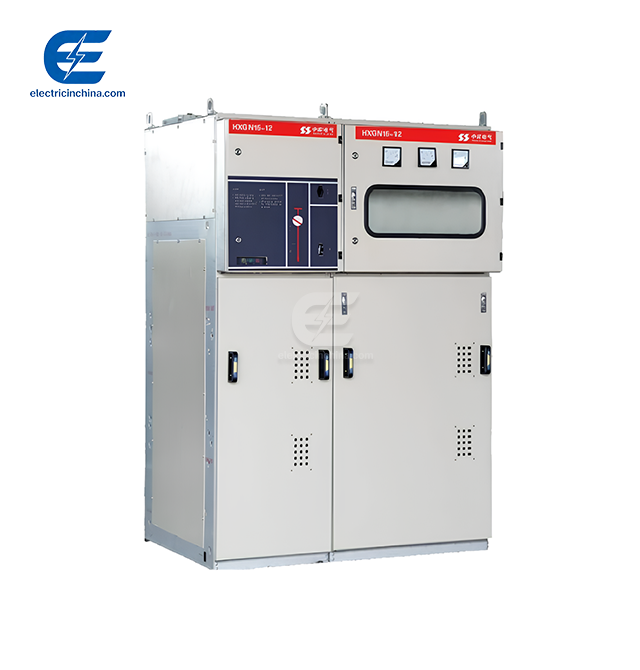
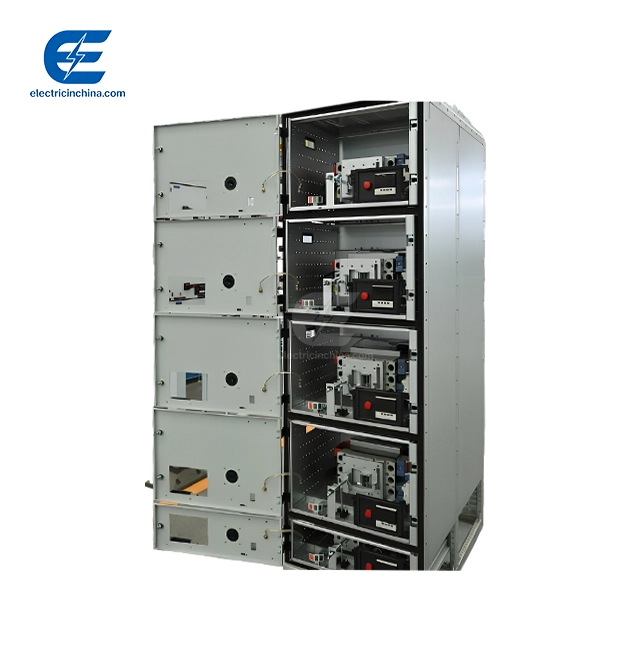
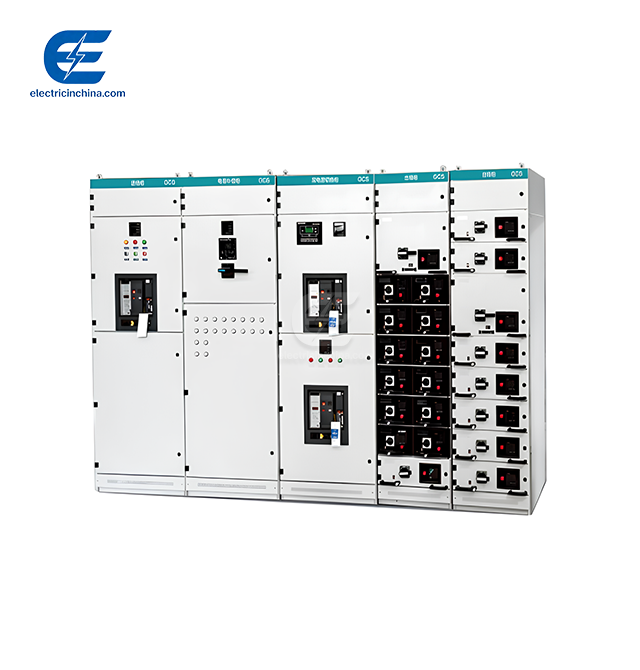
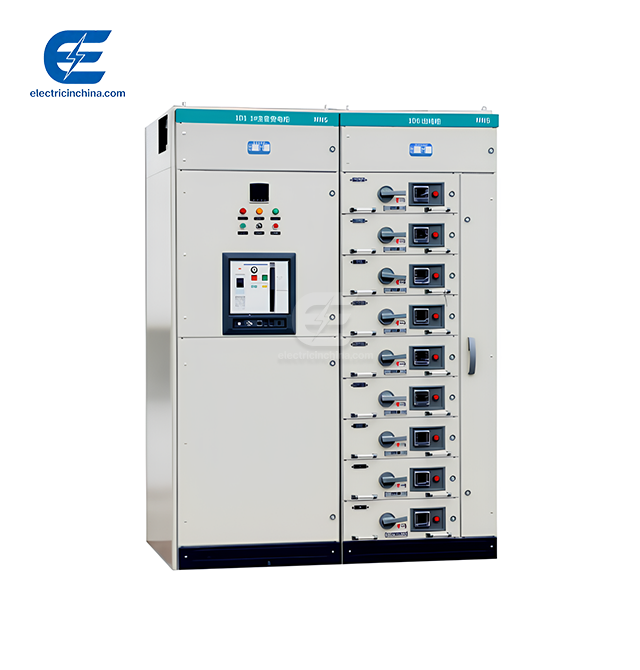
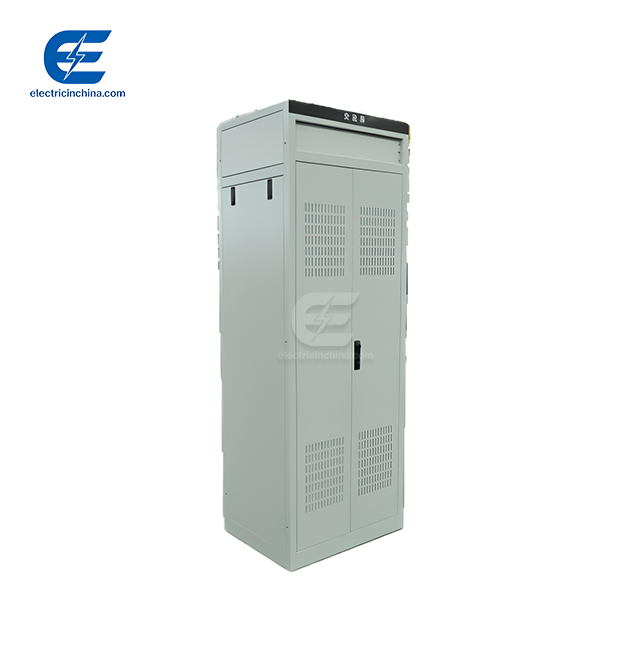
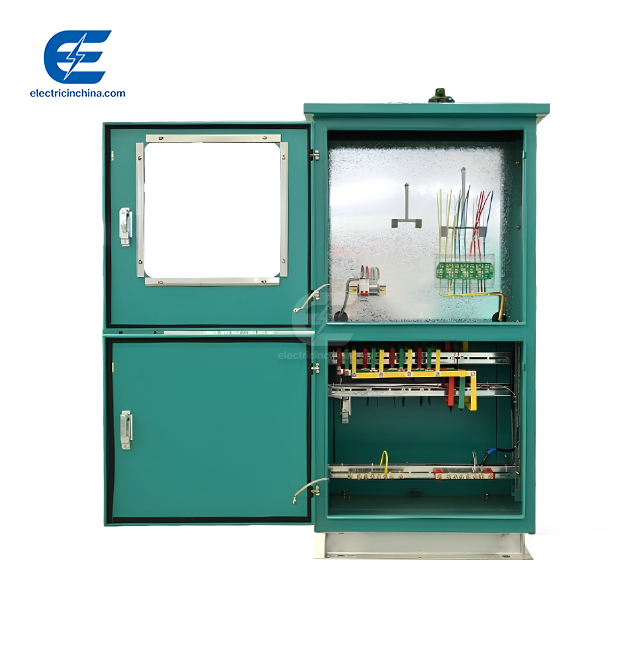
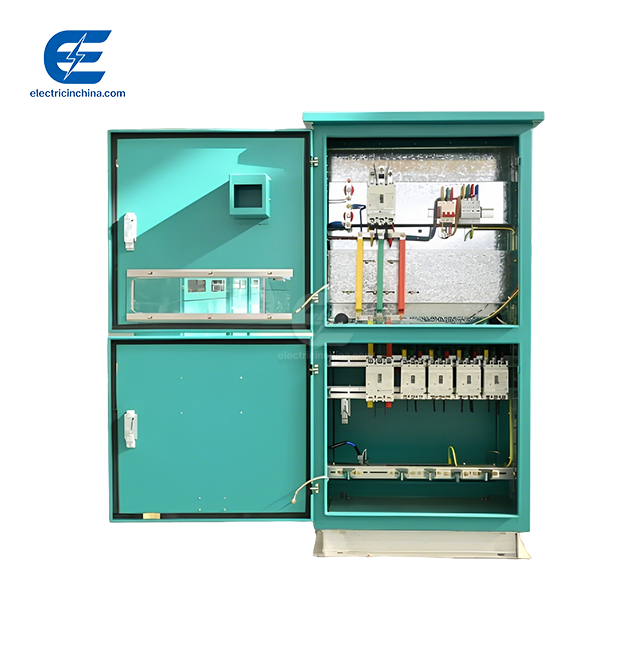
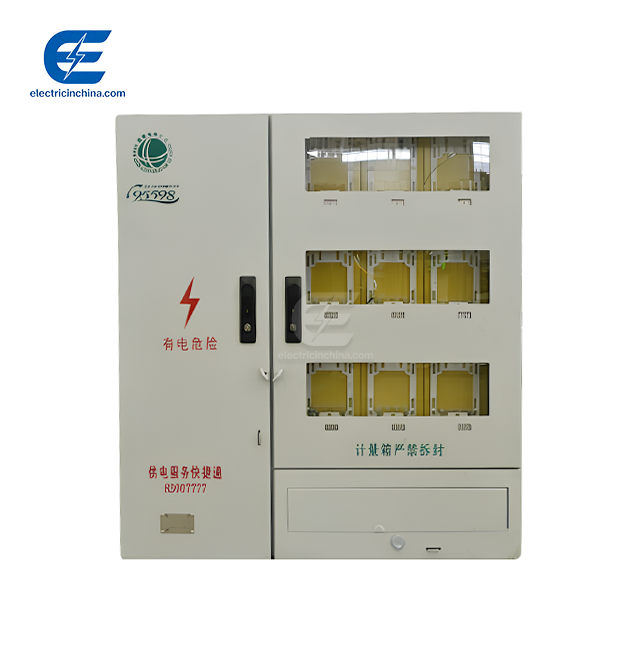
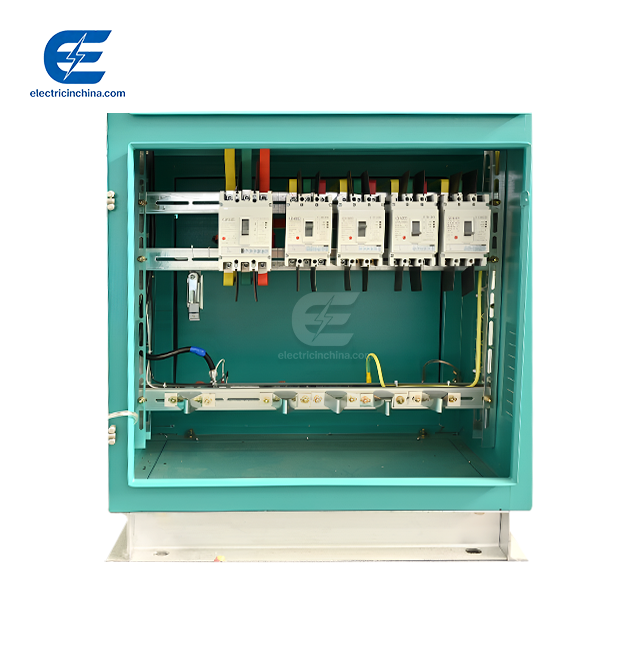
New inventions, like improved grain-oriented silicon steel, amorphous metal alloys, and nanocrystalline materials, are making transformer iron-core performance much better. These improvements bring down core losses to less than 1 W/kg, raise magnetic permeability above 1800 H/m, and lower noise levels to below 55dB. Modern methods for laminating, precise 45° corner joints, and computer-aided design optimization make it possible to achieve efficiency rates higher than 99.5%. These improvements are reflected in Xuzhou Tuojie International Trade Co., Ltd.'s Transformer iron core solutions, which save energy and work reliably in demanding industry settings such as power transmission, green energy, and business infrastructure.
Understanding Transformer Iron Cores and Their Performance Challenges
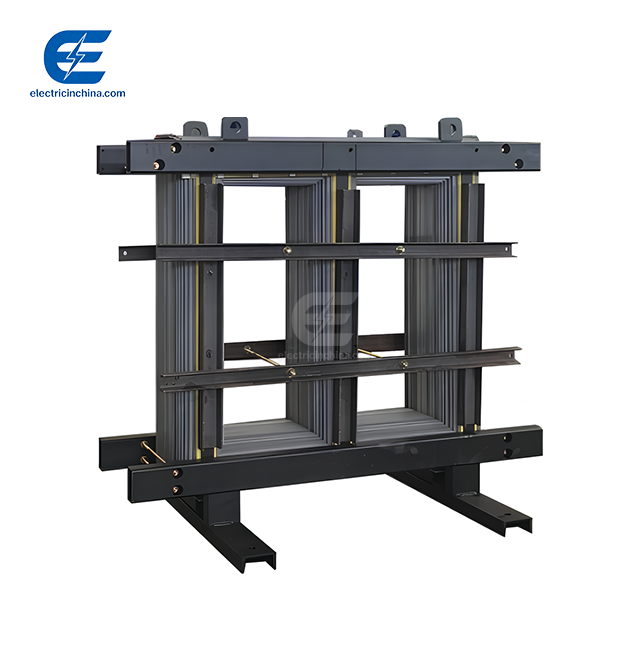
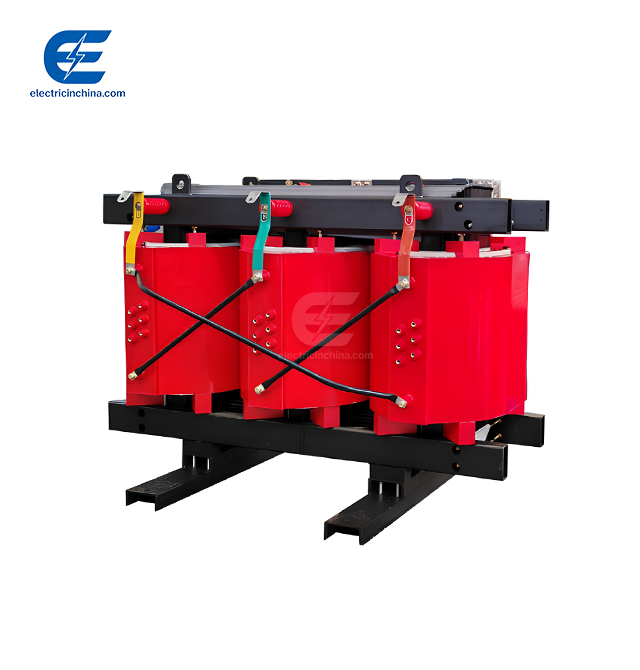
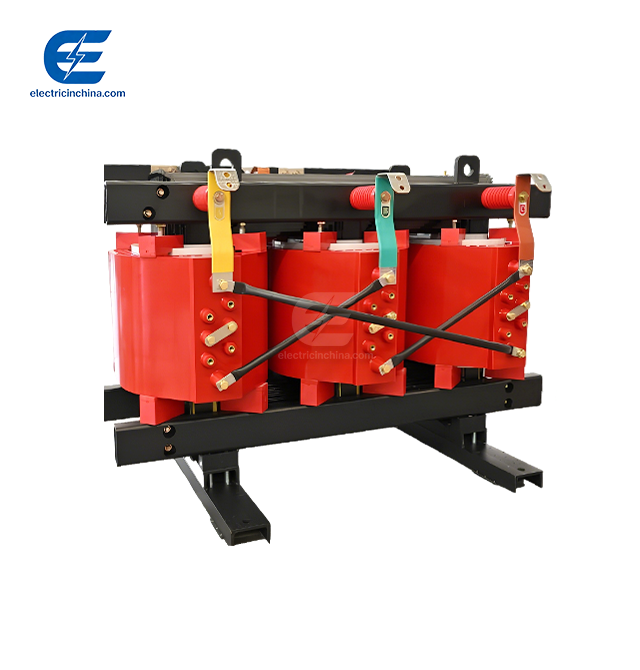
Every transformer is built around a magnetic circuit that guides electromagnetic flux between the main and secondary windings so that the voltage can be changed. How well your power distribution network works and how much energy you waste as heat are directly related to this key feature.
Traditional core designs have three problems that keep coming up in modern electrical systems. When the position of the magnetic domains inside the steel resists changes with each AC cycle, hysteresis losses happen. This wastes electrical energy as heat. Eddy currents cause electrical flows go around inside the core material, which leads to more losses that raise the cost of doing business. Under magnetic fields, magnetostriction changes the size of the steel, which causes noises that can be heard. This is a big problem for sites near homes or facilities that are sensitive to noise.
These problems with performance have real effects on the businesses of procurement managers and building planners. Higher core losses lead to higher energy bills that build up over many years of use. Too much noise makes it hard to follow the rules and hurts relationships in the community. Temperature rises caused by failure shorten the life of equipment and make it need to be serviced more often.
Knowing about these bottlenecks helps you think more carefully about ideas and choose solutions that really add value over time instead of just meeting the requirements.
Innovations in Transformer Iron Core Materials
Discoveries in material science are changing what can be done in Transformer iron core performance. When electrical steel was switched to specialized metals, there were measurable gains in all key metrics.
High-Grade Grain-Oriented Silicon Steel
A decade ago, it was impossible for premium silicon steel with carefully managed crystal direction to reach levels of magnetic permeability that are now possible. Our cores are made of materials that have a permeability of more than 1800 H/m. This means that your transformer will need a lot less magnetizing current to create the right magnetic field. When the silicon content is just right, around 3%, it causes electrical resistance within the steel, which greatly reduces the formation of eddy currents without lowering the strength.
The grain alignment process lines up the crystal structure of the steel with the direction of the magnetic flux. This makes a "magnetic highway" that the flux can follow with little resistance. By making it easier for magnetic domains to change orientation during each cycle, this directional feature lowers hysteresis losses. In real life, this means that the core loss density is less than 1.0 W/kg at normal working settings of 1.7T and 50Hz. This means that there are lower no-load losses and lower operating costs.
Amorphous Metal and Advanced Alloys
Amorphous metal bodies are very different from the usual crystalline patterns. Because these materials don't have the regular arrangement of atoms that normal steel does, there are no grain boundaries where magnetic resistance builds up. Because of this, the core losses are very low—often 70% less than with normal silicon steel. But amorphous cores are harder to make because they are more brittle and require more complicated building methods, which limits their usefulness in some situations.
Nano-crystalline materials for Transformer iron cores are between amorphous and crystalline forms. They have great magnetic properties and better mechanical qualities. These new materials look especially good for distribution transformers, which can gain a competitive edge by being small and efficient. The choice of material has to take into account performance requirements, environmental conditions, mechanical stress requirements, and total lifetime costs. This is where having skilled engineering support is very helpful.
Lamination Innovations
Eddy current routes through the transformer's iron core structure are kept to a minimum by modern laminate methods. Thinner laminations with better insulation layers make it harder for current to flow while keeping the structure strong. Our fully oblique joint and stepped lamination methods make sure that magnetic flux moves smoothly between core sections without causing hotspots in areas with high resistance. When these improvements are made to make use of CNC automatic winding machines, they provide precision that can't be matched by human methods.
Cutting-Edge Design Principles Enhancing Transformer Iron Core Efficiency
Precision Lamination and Assembly
Multi-step laminations with 45° miter joints are used in advanced core designs to greatly lower magnetic resistance at corner transitions. When you use traditional butt joints, air gaps form between the joints. These gaps block flux routes and make more magnetizing current necessary. The shape of the miter joint makes sure that there is constant steel-to-steel contact along the flux direction. This keeps the magnetic circuit intact throughout the core structure.
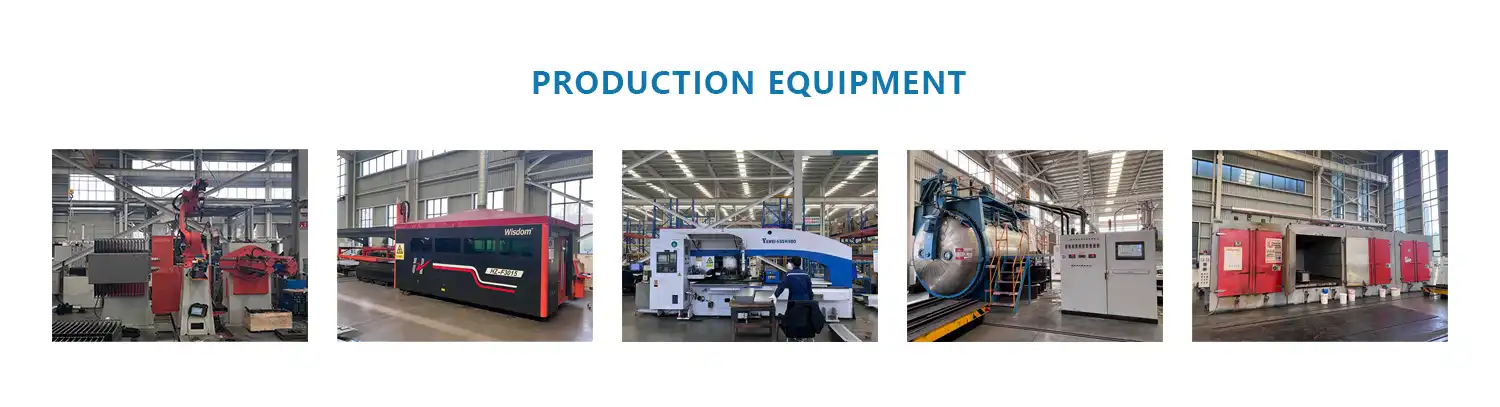
In our production process, we use gradient curing ovens that are controlled by microcomputers and use exact temperature profiles while the core is being put together. This controlled curing improves the bonding between the laminations while also easing stress on the steel to bring back its magnetic qualities, which can be lost during cutting and shaping. The locking structures keep their shape even when the temperature changes and the transformer is under a lot of mechanical stress. This makes sure that the transformer works the same way no matter what the load or temperature is.
Computer-Aided Design Optimization
Engineers can now use finite element analysis tools to model how magnetic fields will behave in core geometries before they are made. These simulation tools can guess the distribution of flux densities, find possible saturation points, and find the best core dimensions for a given set of working conditions. Modeling performance cuts down on development times and makes sure that designs meet economic goals on the first production run.
Optimization methods that are driven by AI look at thousands of different design options across many factors at the same time, such as core geometry, lamination patterns, material grades, and cooling setups. This computer-based method finds answers that our natural senses might miss, pushing the limits of speed while still making things that can be made. These tools are used by our technical team of 15 senior engineers and over 30 intermediate workers to make custom solutions that meet your specific operational needs and environmental limits.
Real-World Performance Validation
The Xuzhou Rail Transit Network Control Center project shows how new ideas in design can lead to real benefits. This important infrastructure application needed to be completely reliable, so dual-circuit power supply setups were used to make sure it could run all the time. Our cores kept their efficiency above 99.5% while making noise levels below 55dB, which met the strict standards for installation in cities. The fact that the project was finished early proved both our planning methods and our production skills.
Cores that can handle a wide range of loads, such as lights, HVAC systems, and specialized equipment with different power factors, were needed for commercial uses like the Xinhua Central Complex. Our core designs include thermal control features that keep things running smoothly even when the number of people using the building changes, which is common in mixed-use spaces. For example, these sites in the real world show that new ideas in design can lead to reliable operation in tough circumstances.
Comparison of Transformer Iron Core Solutions in the Market
Performance Metrics That Matter
Three measures should be the main focus of your evaluation of key technologies. Costs are directly affected by how efficient something is; every percentage point of loss is energy wasted that builds up over the transformer's 25–30-year life. Noise levels affect how flexible an installation can be and how well the community accepts it, especially for substations or installations on rooftops in cities. Durability affects how often upkeep is needed and how long an item lasts, which has a bigger effect on the total cost of ownership than the purchase price.
Laminated silicon steel cores are reliable and have great mechanical strength for moving and installing. They can handle fault current shocks of more than 63kA without breaking, and they work efficiently in temperatures ranging from -40°C to +60°C. Amorphous cores are more efficient, but they need to be handled more carefully and may not work as well in places with high temperatures. Toroidal designs have a small shape and naturally low magnetic leaks, but they are hard to make for very high power levels.
Manufacturer Capabilities and Customization
The technical skills, output capability, and application knowledge of leading Transformer iron core makers set them apart. Xuzhou Tuojie International Trade Co., Ltd. stands out because it has over 120 sets of advanced equipment, such as CNC automatic winding machines and automated foil winding systems, and 18 patents that cover key design and manufacturing processes. This mix of intellectual property and production infrastructure makes it possible to customize products to meet the needs of each customer.
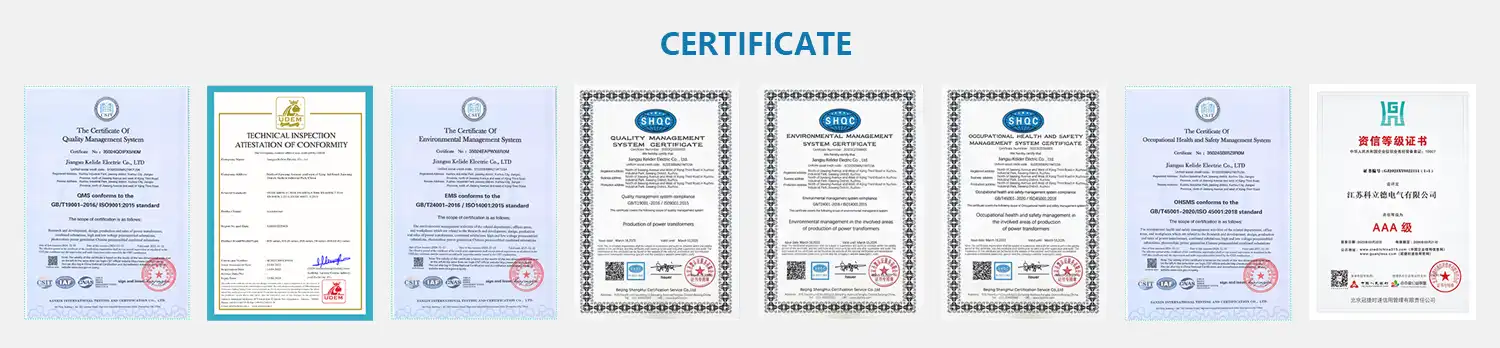
Our quality control system, which is ISO9001-certified, keeps a close eye on everything, from buying raw materials to helping with installation. Every step of the production process is based on the "zero defects" theory, which makes sure that all cores that leave our plant meet the standards. We've provided solutions for a wide range of situations, from setups at 4000 meters above sea level to offshore green energy sites with salt spray, showing how flexible we are.
Procurement Considerations
To choose the right core technology, you need to make sure that the basic specs match the way your application actually works. In factories with changing frequency drives, distribution transformers need cores that can handle harmonics better. Material that is very stable around magnets works well in renewable energy uses where the load changes often. For infrastructure projects in seismic zones to stay strong during earthquakes, they need stronger mechanical locking.
Reliability in a supplier goes beyond the quality of the product to include shipping times, expert help, and the ability to get parts for a long time. As an example of our track record, the XCMG Group plant power supply upgrade was finished ahead of schedule, which kept their business project deadlines intact.
When your project's key path rests on getting tools, this operating reliability is important. When you buy in bulk, you should think about more than just the unit price. You should also think about how customizable the product is, how easy it is to get professional help, and how well the company can support your investment after the sale.
Future Trends and Their Impact on Transformer Iron Core Performance
Emerging Material Technologies
By carefully controlling structures at the atomic level, nanotechnology is creating materials with magnetic qualities that have never been seen before. These next-generation materials offer even lower core losses while keeping their mechanical power and ability to stay stable in harsh environments. Engineered electromagnetic properties in meta-materials could make it possible for completely new core shapes that go against what we usually think about when we create things.
Sustainability concerns are leading to the creation of core materials that can be recycled and manufacturing methods that have less of an effect on the world. The electrical equipment business is getting more and more attention about where it gets its materials, how much energy it uses in production, and how it gets rid of old equipment. As more laws support the circular economy, cores that are made to be taken apart and their materials recovered will become competitive differentiators.
Regulatory and Market Dynamics
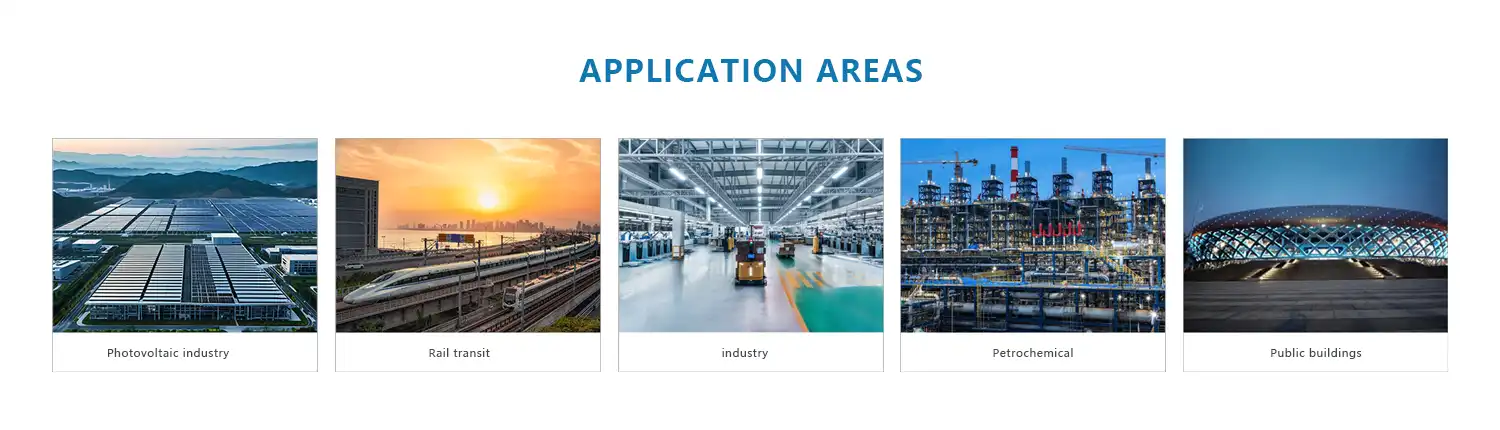
Around the world, rules about the energy economy for Transformer iron core products are getting stricter. Many places have set base efficiency standards that older transformer designs can't meet. Low-efficiency goods are being taken off the market by the U.S. Department of Energy's efficiency standards, the European Union's Ecodesign Directive, and other similar programs around the world. These legal trends help companies that already have a lot of new ideas and the technical know-how to quickly change their plans to meet new standards.
The use of smart grids is increasing the need for transformers with better tracking tools and dynamic load control features. As grid-connected green energy makes loading patterns more variable, cores must keep their efficiency over a wider range of working conditions. The ability to provide real-time performance data through built-in monitors goes above and beyond the basic requirements. This makes predictive maintenance possible and helps the system run more efficiently.
Strategic Preparation for Buyers
Instead of being focused only on current product specifications, procurement workers should build relationships with suppliers that have shown they can come up with new ideas. The generator you choose today will last for decades. Working with companies that are dedicated to constant improvement means you can get upgrades and technical help as your needs change. When you sign a flexible purchase agreement that lets you make changes to specifications and requests for customization, you protect yourself against requirements that change.
If you use innovation-ready buying practices, you should compare proposals based on technical depth, engineering support skills, and past project execution, not just specification sheets. As part of our all-around approach, we help customers find goods that work well together, giving them one-stop options that make project coordination easier. We've been providing solutions for over 20 years to the city engineering, business real estate, and industrial sectors, so we know how hard it is for procurement teams.
Conclusion
Core performance skills have changed because of new materials, design methods, and production processes. Modern grain-oriented silicon steel, precise lamination methods, and computer-aided optimization make it possible to get above 99.5% efficiency and noise levels below 55dB. These measured gains lead to lower running costs, less damage to the environment, and higher reliability, which is a good reason to invest in more advanced core technology. When discoveries in material science, advanced design tools, and proven manufacturing success come together, they allow procurement teams to choose solutions that work better than usual while still meeting strict certification requirements.
FAQ
What's the difference between laminated and solid cores?
Laminated cores use thin steel sheets with shielding coats between them to stop the flow of eddy currents. This cuts energy loss by a huge amount. Eddy currents can flow easily through solid cores, which are only used in certain DC applications. This causes too much heat and bad efficiency. The lamination thickness, which is usually between 0.2 and 0.35 mm, strikes a balance between how easy it is to make and how much loss is prevented. Thinner laminations offer better performance at a higher cost of production.
How do core materials affect overall transformer efficiency?
Core material sets the no-load losses that happen all the time when the transformer is turned on, no matter what the load is. When compared to regular electrical steel, premium grain-oriented silicon steel cuts these losses by 30 to 40 percent, which saves energy that builds up over decades. The magnetic permeability changes the amount of magnetizing current needed, which in turn changes the power factor and the amount of reactive power used. The choice of material has the biggest effect on the overall cost of ownership over the life of the product.
What innovations reduce transformer noise?
Stepped lamination patterns with precise miter joints make sure that the flux density distribution is even, which reduces magnetostriction. Modern clamping devices stop movements before they become sound. When choosing materials, steel types that have naturally low magnetostrictive values are favored. Tight standards are kept by manufacturing quality control to stop loose laminations that cause rattling while the machine is running. When these new technologies work together, they lower the noise level to below 55dB, which is acceptable for use in cities.
Partner with Xuzhou Tuojie for Advanced Transformer Iron Core Solutions
Transformer iron core options from Xuzhou Tuojie International Trade Co., Ltd. are made for demanding industrial uses where dependability and efficiency are key to operating success. Our 18 patents and ISO9001-certified production methods make sure that the magnetic permeability of our cores is higher than 1800 H/m and that they lose less than 1.0 W/kg. We've finished hundreds of important power projects in municipal infrastructure, business growth, and industrial buildings, showing that we can get things done. Contact our technical team at tuojie@electricinchina.com to discuss customized specifications for your project requirements. As an established Transformer iron core manufacturer with over 120 sets of advanced production equipment, we provide bulk pricing, rapid delivery, and comprehensive technical support that protects your investment throughout its operational lifetime.
References
1. Amoiralis, E.I., et al. "Global Transformer Design Optimization Using Deterministic and Stochastic Optimization Techniques." IEEE Transactions on Industry Applications, vol. 54, no. 5, 2018, pp. 4048-4057.
2. Hasegawa, R. "Present Status of Amorphous Soft Magnetic Alloys." Journal of Magnetism and Magnetic Materials, vol. 215-216, 2000, pp. 240-245.
3. Moses, A. J. "Energy Efficient Electrical Steels: Magnetic Performance Prediction and Optimization." Scripta Materialia, vol. 67, no. 6, 2012, pp. 560-565.
4. Pfützner, H., and Schönhuber, P. "Problem of Loss Separation for Crystalline and Consolidated Amorphous Soft Magnetic Materials." IEEE Transactions on Magnetics, vol. 27, no. 3, 1991, pp. 3426-3432.
5. Somkun, S., and Moses, A. J. "Magnetostriction Anisotropy and Rotational Magnetostriction of a Non-Oriented Electrical Steel." IEEE Transactions on Magnetics, vol. 46, no. 2, 2010, pp. 302-305.
6. Willard, M.A., et al. "Recent Advances in the Development of Magnetic Materials for High-Temperature Applications." Journal of Applied Physics, vol. 91, no. 10, 2002, pp. 8159-8164.