

.webp)
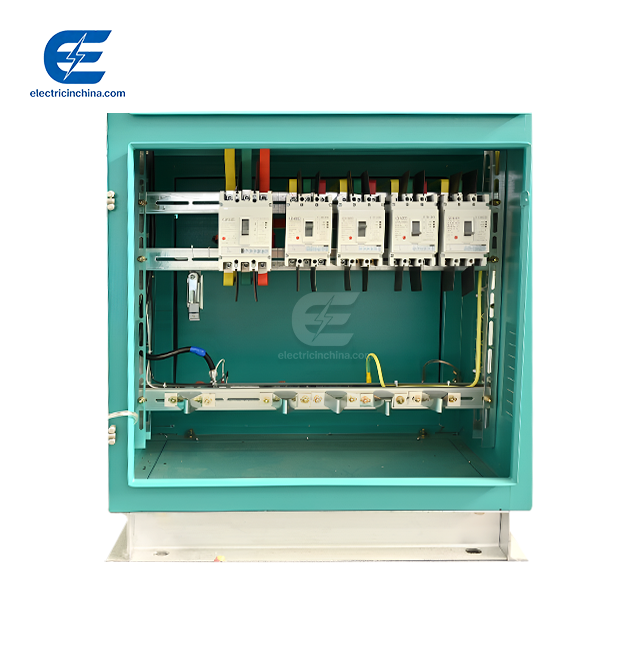
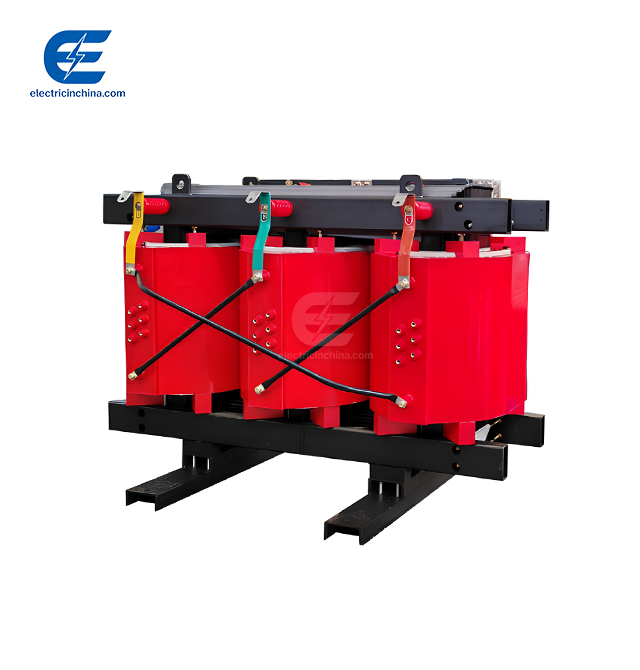
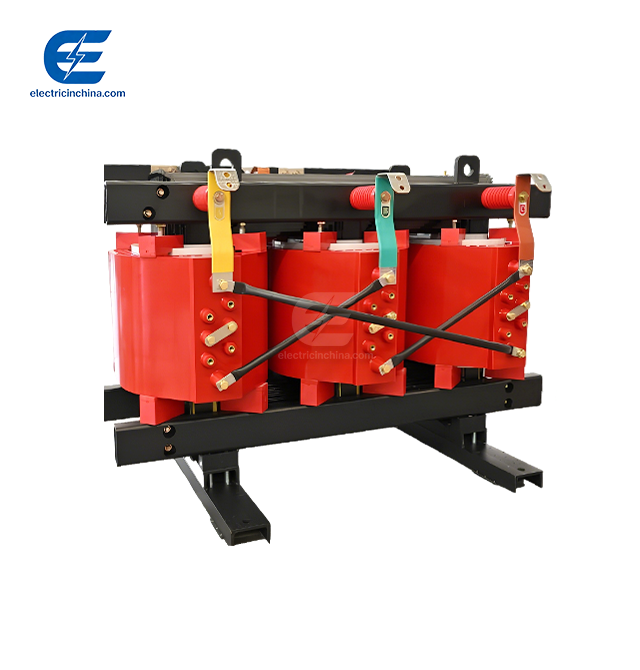
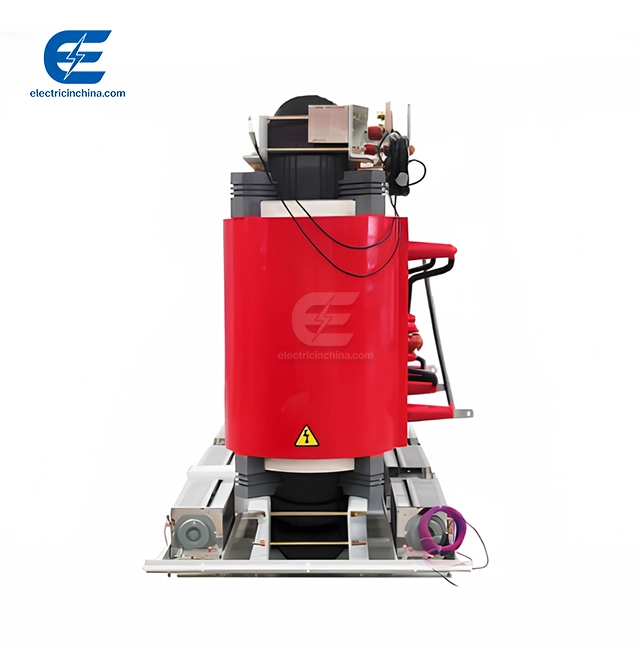
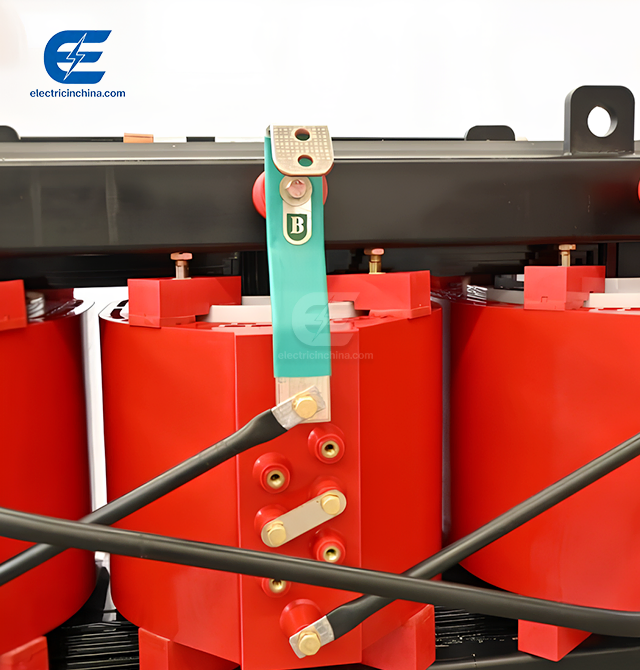
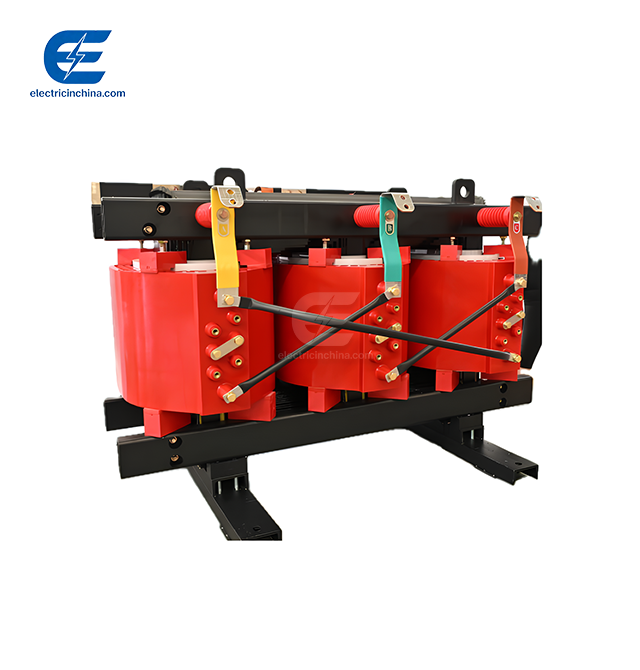
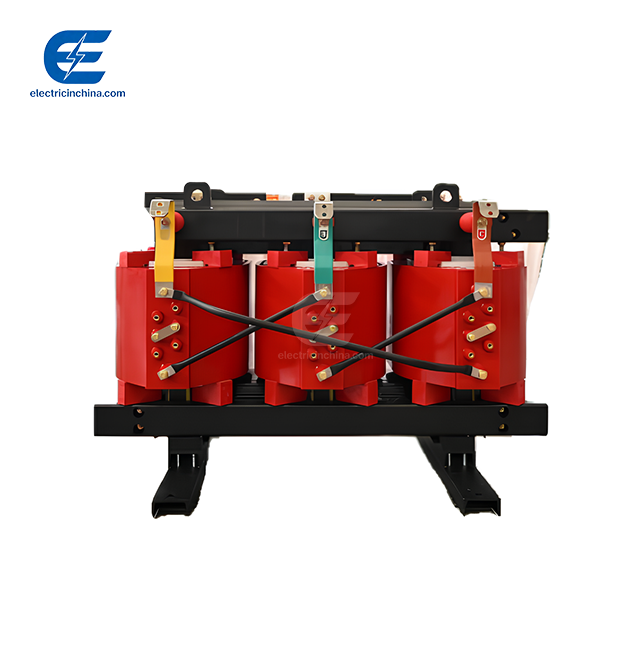
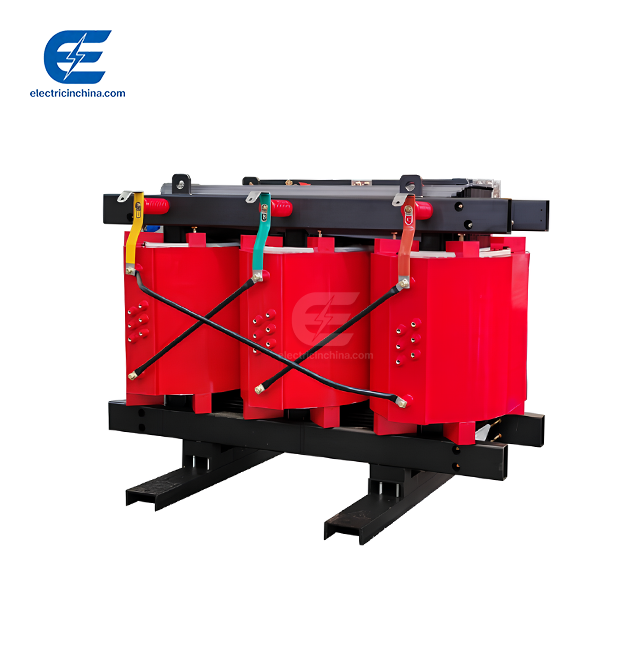
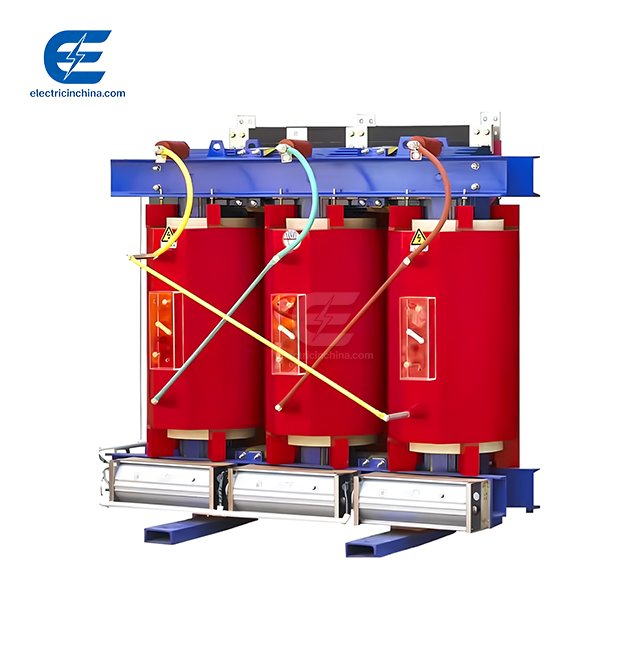
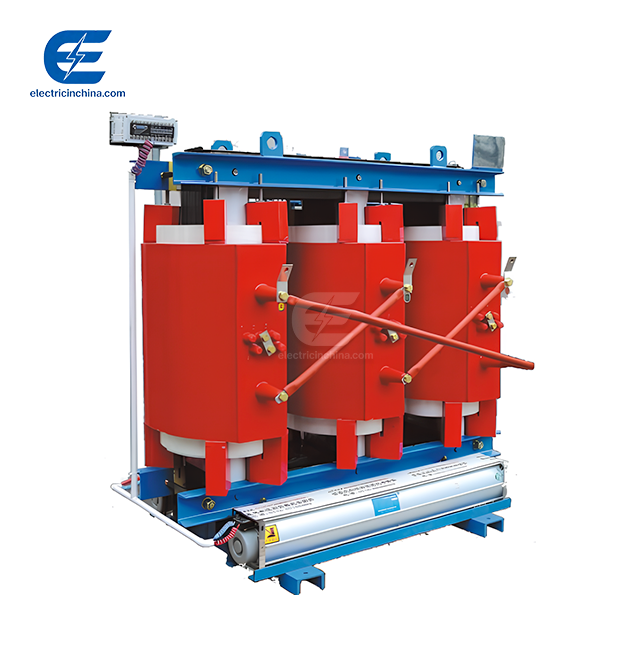
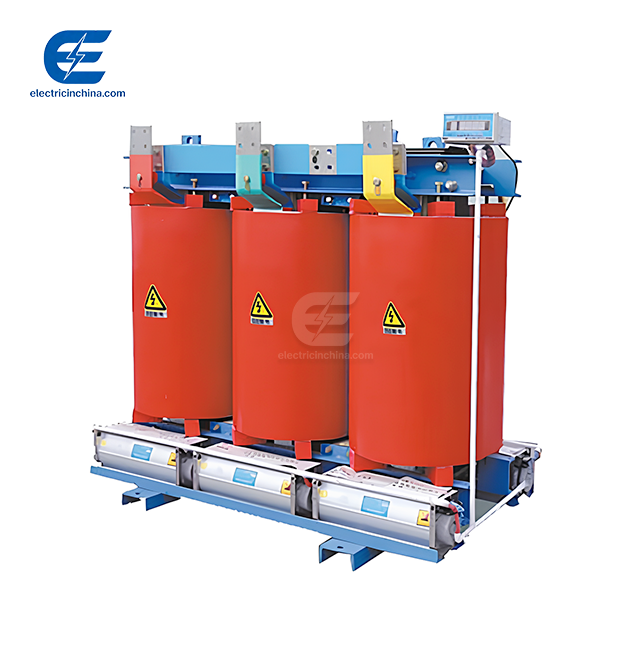
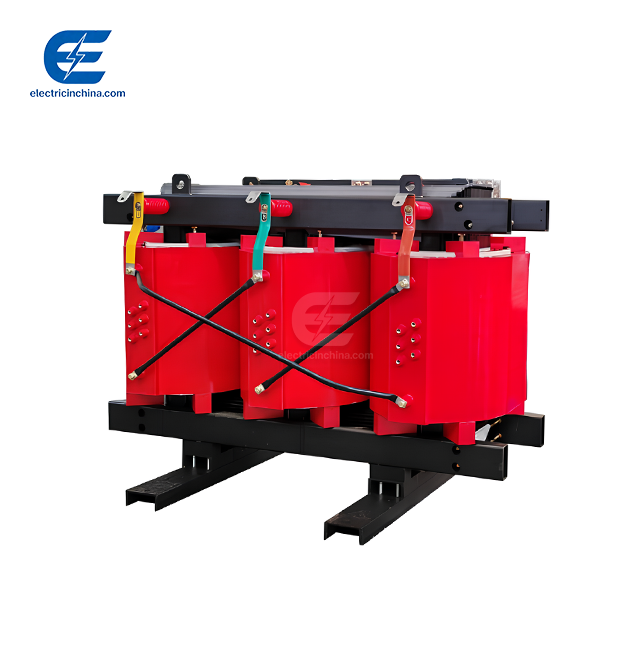
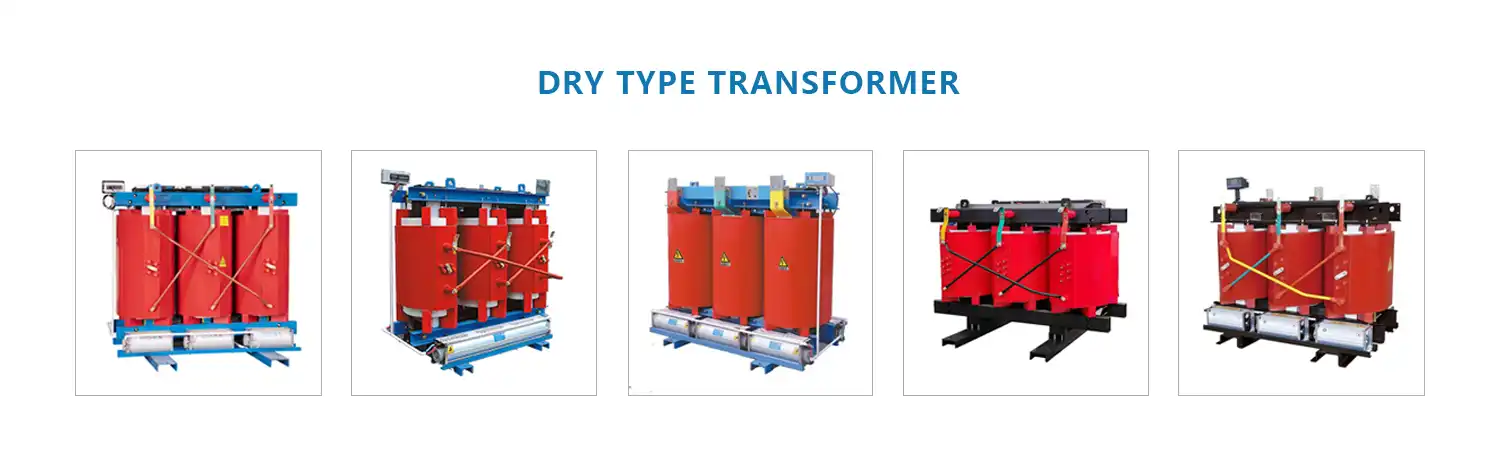
Maintaining the quality of the insulation in Amorphous alloy dry-type transformers is important for keeping the equipment running longer and avoiding costly breakdowns. Regular thermal imaging checks, electrical diagnostic tests like partial discharge measurements, controlling the environment to lower humidity levels, and cleaning procedures that keep things in good shape are all parts of good maintenance. Predictive repair plans can find insulation degradation before it leads to major failures thanks to advanced online tracking systems. Our SC(B)H15 series transformers have Class F/H insulation systems that are designed to work reliably for 30 years or more with little to no upkeep in a wide range of commercial settings.
Understanding Insulation Aging in Amorphous Alloy Dry-Type Transformers
One of the biggest problems with dependability in electricity distribution systems is that insulation wears down over time. The materials that split conductive parts and keep electricity from breaking down slowly break down due to several stress processes that build up over years of continuous use.
Thermal Stress and Its Impact on Insulation
Changes in temperature are the main cause of solid insulation systems getting old. Organic insulation materials age about twice as fast for every 10°C rise in working temperature. With our vacuum casting method, we make an epoxy resin coating that keeps its shape at room temperatures ranging from -40°C to +40°C. The insulation grid expands and contracts because of the heat that is generated during load cycles. Class F insulation systems can work continuously at 155°C, and Class H materials can handle 180°C, which gives them large thermal reserves. When the motor is not loaded, the Amorphous alloy dry-type transformer technology we use makes 70–80% less heat than traditional designs. This means that shielding materials are under a lot less thermal stress.
Environmental Factors Accelerating Insulation Breakdown
Ingress of moisture is one of the worst external factors that can hurt the performance of insulation. Water molecules get into tiny holes in solid shielding, weakening the insulator and making paths for electricity to flow. When humidity levels are above 60%, this degradation process goes much faster, especially near the coast and in warm regions. Vacuum casting methods are used in our manufacturing process to get rid of any internal gaps and make structures that are resistant to wetness and can withstand 95% relative humidity. This technical method fixes a major weakness in power transfer equipment that is put in places with tough conditions. Chemical pollutants, such as industrial pollutants, salt spray, and floating particles, stick to insulator surfaces and make tracks that make electrical separation less effective. These toxins are taken care of by regular cleaning and checking procedures before they do any lasting damage.
Electrical Stress from Operational Loads
Electrical stresses like voltage spikes, switching transients, and harmonic distortion damage the insulator's dielectric qualities over time. Partially discharged electricity—localized electrical breakdown within insulation flaws—speeds up age by breaking down insulating materials chemically and physically. Modern power systems that use variable frequency drives and green energy add harmonic currents that make things hotter and put more stress on the electricity. Our transformer designs keep total harmonic distortion below 3% even when loads aren't applied in a straight line. This keeps shielding systems from breaking down faster than they should. Transient overvoltages can be stopped by equipment that meets the IEC 60076-3 standards for impulse voltage withstand capability. From 95kV to 200kV, basic insulation level (BIL) grades make sure that there are enough electrical clearances based on the voltage class and the installation surroundings.
Key Maintenance Methods to Combat Insulation Aging
Proactive repair plans greatly increase the useful life of equipment while also lowering the chance that it will break down without warning. The following methods have been shown to work well in a wide range of industrial settings and environmental situations.
Visual and Thermal Inspection Protocols
Visual checks done on a regular basis find early danger signs like changes in color, cracks, or physical damage to insulation surfaces. Most setups only need to be inspected every three months, but equipment in harsh environments or important uses should be checked every month. Keeping records of what was found during inspections allows for trend analysis, which shows patterns of steady decline. Infrared thermography finds strange patterns of temperature that can mean that insulation is wearing down, links are loose, or there are problems inside. We suggest that normal setups get thermal surveys once a year, and equipment that supports important loads should get them every six months. Differences in temperature of more than 10°C between similar parts should be looked into right away.
Electrical Diagnostic Testing Procedures
Using megohm meters to test insulation resistance gives a numeric picture of the insulation's state. The lowest resistance values that are allowed depend on the voltage class and the temperature. Usually, tests are done at 2500V DC for one minute. If the resistance number is less than 100M, it means that wetness may be getting in or the insulation is breaking down, which needs to be looked into further. The dielectric dissipation factor is measured by tan delta tests. Power loss traits show how good the insulation is. This test method doesn't damage the object being tested; it finds internal flaws, heat aging, and moisture damage before they fail. Every year, tan delta readings set a standard and keep track of small changes that show the condition getting worse over time.
Environmental Control and Protective Measures
Keeping the environment at the right temperature and humidity levels greatly slows down the aging process of insulation. Climate control systems that keep temperatures stable and lower humidity levels are helpful for setups that are inside. Outdoor equipment needs safe shelters with enough airflow to keep condensation from forming and keep parts from being exposed to direct weather. Ventilation systems need to move enough air to get rid of heat without adding too much wetness or dirt. Our IP23 to IP54 protection grades strike a balance between the need to protect against the elements and control the temperature. The right enclosure to use relies on where it's going to be installed. Coastal places and industrial areas with a lot of airborne pollution need better protection levels.
Preventive Cleaning and Moisture Control
Getting rid of contaminants through regular cleaning protects the surface properties of insulation and stops tracking failures. Vacuum or dry compressed air systems get rid of small particles without adding water. For tough deposits, you may need to use special cleaning products that are safe for insulation materials and follow the manufacturer's instructions. Getting rid of moisture through controlled warmth or desiccant drying makes insulation resistant again after it gets in. After the right drying steps, equipment with lower insulation resistance values can often get back to full function. Our technical support team gives thorough instructions on how to get rid of moisture based on the type of insulation and the amount of contamination.
Comparison of Maintenance Practices Between Amorphous Alloy and Conventional Dry-Type Transformers
When it comes to upkeep, Amorphous alloy dry-type transformers need different methods than standard silicon steel designs. By knowing these differences, repair plans and the use of resources can be made more efficient.
Unique Characteristics of Amorphous Core Systems
Amorphous alloy cores with a strip width of 0.025 mm make structures that are more sensitive to mechanical stress than silicon steel laminations. When doing repair work, people must be careful not to hit the weak core structure when they are handling it. The right way to lift and move things keeps them from getting damaged mechanically, which lowers their performance. Because core losses are lower, working temperatures are lower, which is better for keeping insulation in place. When our equipment is running at 98.5 to 99.2% efficiency, it makes a lot less extra heat, which makes shielding materials less stressed by heat. This natural benefit makes insulation last longer when used with the right care methods.
Tailored Maintenance Protocols for Enhanced Performance
Because of better efficiency and less heat stress, amorphous core equipment can have longer periods between inspections than traditional designs. For standard installations, we suggest full evaluations every year, and for important uses, we suggest evaluations every six months. This method strikes a balance between the need for dependability and the cost of upkeep. It takes special tests to figure out why Amorphous alloy dry-type transformer cores have certain electrical properties. Exciting new measures are not the same as silicon steel standards, so they need to be interpreted in a way that is specific to amorphous alloy technology. Our technical paperwork gives you reference numbers that let you accurately evaluate the situation.
Cost-Benefit Analysis of Maintenance Investment
Lower lifetime costs are directly linked to less frequent upkeep. This is because fewer workers are needed and inspections can be done more often. The 30+ year service life we get from good maintenance methods makes the most of the money we spend on tools. When making purchases, people shouldn't just look at the initial purchase price, but also at the total costs of ownership. Energy savings from lower core losses add up over the life of the equipment and often cover the initial cost increases within three to five years of operation. Lowering monthly energy costs is especially important for equipment that is used all the time or when there isn't much work to do, because most designs don't work well in those situations.
Procurement Considerations Related to Insulation Maintenance
Choosing the right equipment has a big effect on how much upkeep it needs over time and how reliable it is to use. When writing a purchase order, it's important to think about the quality of the insulating system, how well the maker can support it, and how long the system will last.
Specifications for Superior Insulation Systems
Different thermal margins are available for Class F and Class H insulation ratings, depending on the purpose and climate. Our basic products use Class F insulation, which is good for most business and industrial setups. Class H insulation is available for places with very high temperatures or needs the most thermal capacity. Vacuum casting processes get rid of empty spaces in insulation structures, making them much more resistant to wetness and stronger than traditional methods of production. This quality trait lowers the need for upkeep and increases the service life, which justifies small price increases by saving money over the product's lifetime.
Supplier Capabilities and Support Services
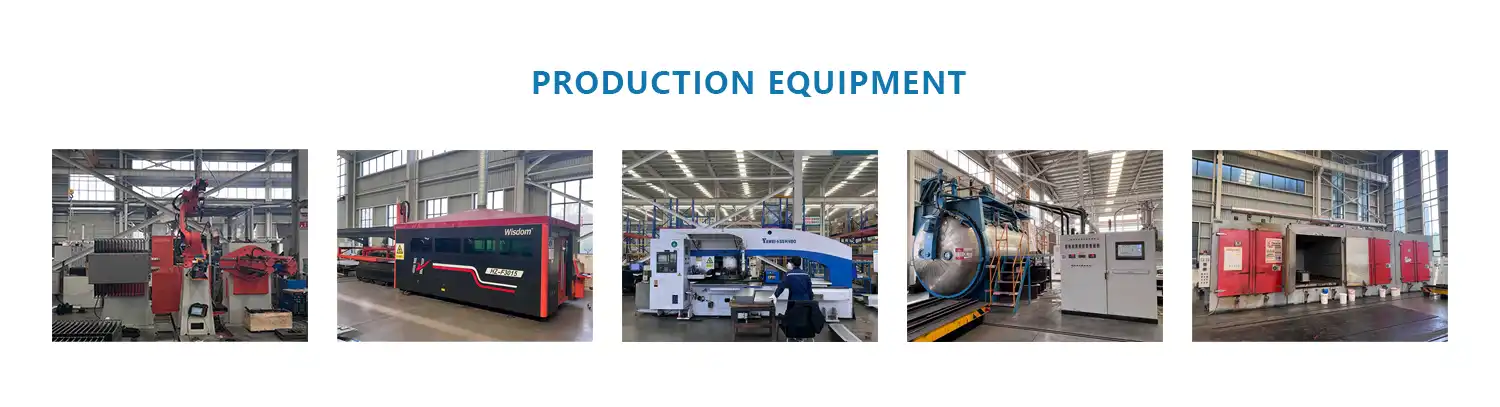
Delivery times and the ability to make changes are directly affected by the manufacturing capacity and expert resources. Our factories have more than 120 sets of high-tech tools, such as CNC automatic winding machines and microcomputer-controlled gradient curing ovens, which let us make products to specific needs while keeping lead times low. During the selection, installation, and use of tools, technical support from skilled engineering teams is very helpful. Our team includes 15 senior engineers and more than 30 intermediate workers who are skilled in a wide range of tasks. This level of technical detail makes sure that the right equipment is chosen and that it gets quick help throughout its lifecycle.
Integration with Comprehensive Maintenance Programs
Maintenance training programs offered by suppliers help staff use effective preservation strategies. On-site training by our technical support team covers inspection processes, diagnostic testing techniques, and troubleshooting methods that are unique to amorphous core technology. Equipment availability during repairs is affected by the supply of spare parts and the wait time for replacement parts. We keep large inventories of parts and can quickly send essential parts, so there is as little downtime as possible during maintenance.
Case Studies and Best Practices for Effective Insulation Aging Maintenance
Implementation examples from real life show that thorough maintenance plans work well in a wide range of working settings and uses.
Municipal Infrastructure Success Story
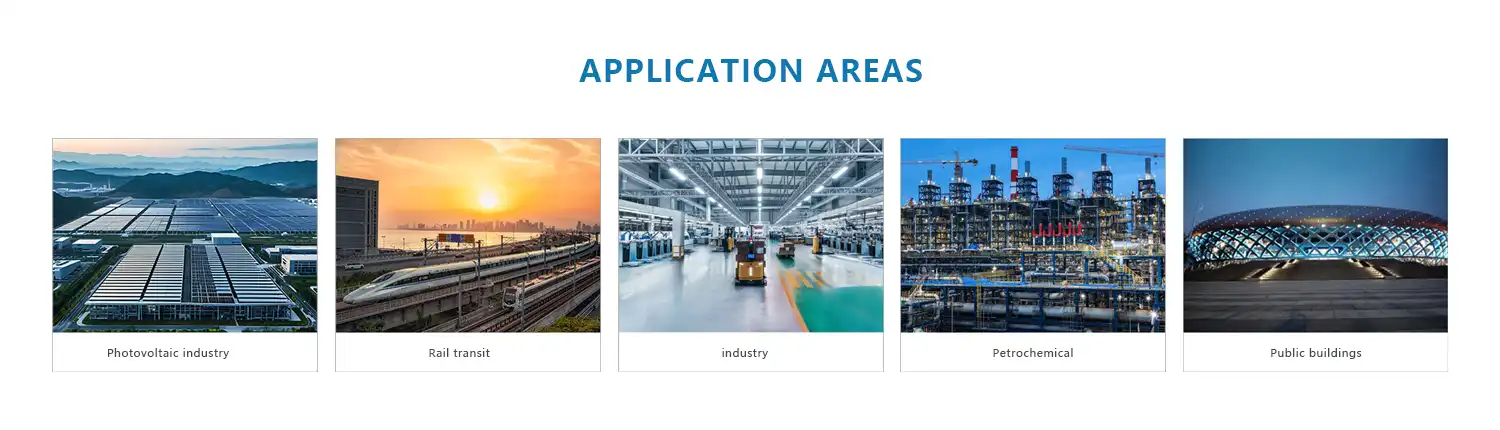
For the Xuzhou Rail Transit Network Control Center project, a dual-circuit power supply design was needed to make sure that train systems could always work with dry-type transformer units. As requested, we provided custom-built units with better protection that could be installed underground in places with controlled humidity. After five years of nonstop use, the system has been available more than 99.9% of the time thanks to quarterly thermal image scans and yearly electrical diagnostic testing. Using live partial discharge tracking to find developing insulation problems that were fixed during planned maintenance windows kept service from being interrupted. This proactive approach proved that advanced monitoring tools are useful in applications that use vital infrastructure.
Commercial Development Application
The XCMG Group plant upgrade project needed to be finished early and run at full capacity right away. Our 315kVA to 2500kVA units, which worked at 11kV to 0.4kV, made sure that power was distributed reliably and met strict fire safety standards for indoor installation. Maintenance checks every six months and constant temperature monitoring make sure that industrial manufacturing operations can keep running smoothly. There were no longer any worries about oil pollution, and the system used less energy than the old equipment it replaced. There are records of energy savings of more than 60% for no-load losses, which means that the technology quickly pays for itself.
Industrial Manufacturing Environment
Chemical processing plants in the GCL Photovoltaic Industrial Park needed power distribution that was safe from explosions and could handle variable frequency drive loads with little harmonic distortion. Our moisture-resistant insulation systems can handle the changes in temperature and humidity that are common in chemical industrial settings. Predictive maintenance routines using tan delta testing identified patterns in how insulation slowly aged, which led to preventative actions. Controlled drying methods brought back insulation resistance values without replacing any equipment. This shows how important diagnostic tests and the right repair techniques are.
Best Practices Checklist
- Establish baseline measurements. During commissioning, take standard measures of things like insulation resistance, tan delta values, and thermal profiles under different loads. Write down these reference numbers so that you can use them as a guide for future exams. Baseline data lets you see small changes that mean problems are getting worse.
- Implement scheduled inspection: Set up regular inspection schedules that are right for the criticality of the product and the conditions of the surroundings. Comprehensive reviews of standard installations should be done once a year, but studies should be done every six months for important uses and harsh environments. When inspection methods are consistent, it's possible to make useful comparisons between measurement times.
- Maintain detailed maintenance. Keep thorough records of repair tasks, including results of tests, inspections, and steps taken to fix problems. Historical data show how people are getting older and prove that care programs work. Digital record systems make it easier to analyze data and help with strategies for planned repair.
- Train facility personnel. Teach the people who work in the building how to properly run it, how to do inspections, and how to spot problems. Skilled workers can spot problems as they arise during normal operations, allowing early action before small problems become major failures.
- Partner with experienced suppliers. Work with suppliers who have been in business for a while and can offer expert help, legitimate replacement parts, and quick service. Long-term partnerships with reputable makers guarantee access to specialized knowledge and the right replacement parts for the whole span of the equipment.
Conclusion
To handle insulation aging in Amorphous alloy dry-type transformers effectively, you need to know how it breaks down, follow the right repair procedures, and buy high-quality tools from makers with a lot of experience. By mixing regular inspections, diagnostic tests, environmental control, and predictive tracking, the maintenance methods we've talked about here make tools last longer and work more reliably. Buying choices that focus on the quality of the insulation system, the technical skills of the maker, and a full range of support services can help lower lifecycle costs by reducing the need for upkeep and improving performance. These maintenance methods have worked well in a wide range of settings, as shown by the hundreds of public, private, and industrial installations where they have been used. Your investment in technology should be protected by tried-and-true maintenance methods and expert technical help.
FAQ
How frequently should insulation maintenance be performed on amorphous alloy dry-type transformers?
Every year, full inspections that include thermal imaging, insulation resistance tests, and visual inspection are a good idea for standard setups. Every six months, equipment that handles heavy loads or works in difficult conditions needs to be checked over. Visual inspections every three months and continuous temperature tracking add extra safety for important uses. How often maintenance is done should be changed based on how the Amorphous alloy dry-type transformer is used, how much it is loaded, and how old it is. When new equipment is put in place, it needs to be closely watched for the first year to set a baseline of performance.
Can insulation aging be reversed once it has begun?
Insulation aging cannot be completely reversed, but certain degradation effects can be mitigated through appropriate intervention. Moisture contamination, causing reduced insulation resistance, often responds well to controlled drying procedures that restore dielectric properties. Surface contamination removal through proper cleaning techniques prevents tracking failures and preserves insulation integrity. However, thermal degradation, causing chemical breakdown of insulation materials, represents permanent damage requiring component replacement. Early detection through diagnostic testing enables intervention before irreversible damage occurs, emphasizing the importance of proactive maintenance programs.
Partner with Tuojie for Reliable Amorphous Alloy Dry-Type Transformer Solutions
Xuzhou Tuojie International Trade Co., Ltd. is ready to support your power distribution requirements with advanced transformer technology backed by comprehensive technical expertise. As a leading Amorphous alloy dry-type transformer supplier, we deliver customized solutions meeting the demanding requirements of government infrastructure projects, commercial developments, and industrial facilities throughout the United States. Our SC(B)H15 series transformers combine 70-80% reduced no-load losses with 98.5-99.2% efficiency ratings, supported by Class F/H insulation systems engineered for decades of reliable operation. Contact our technical team at tuojie@electricinchina.com to discuss your specific application requirements and discover how our proven maintenance strategies can maximize your equipment investment while minimizing operational costs.

References
1. Chen, W., & Liu, J. (2021). Insulation Aging Mechanisms in Amorphous Core Distribution Transformers. Journal of Electrical Engineering and Technology, 16(4), 1847-1856.
2. International Electrotechnical Commission. (2018). Power Transformers - Part 11: Dry-type Transformers (IEC 60076-11). Geneva: IEC Publications.
3. Kumar, S., & Patel, R. (2020). Predictive Maintenance Strategies for Dry-Type Power Transformers Using Partial Discharge Analysis. IEEE Transactions on Dielectrics and Electrical Insulation, 27(3), 981-989.
4. National Electrical Manufacturers Association. (2019). Guide for Determining Energy Efficiency of Distribution Transformers (NEMA TP-1). Rosslyn: NEMA Standards Publication.
5. Wang, M., & Zhang, Y. (2022). Comparative Study of Insulation Systems in Amorphous and Silicon Steel Core Transformers. International Journal of Electrical Power & Energy Systems, 138, 107-118.
6. Wilson, A. (2020). Transformer Maintenance and Diagnostics: Practical Guidelines for Asset Management. Boston: Technical Publishing International.