

.webp)
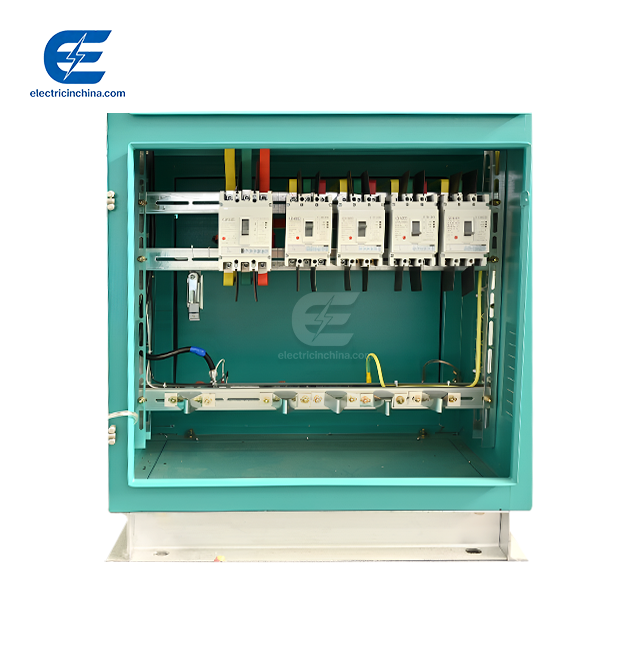
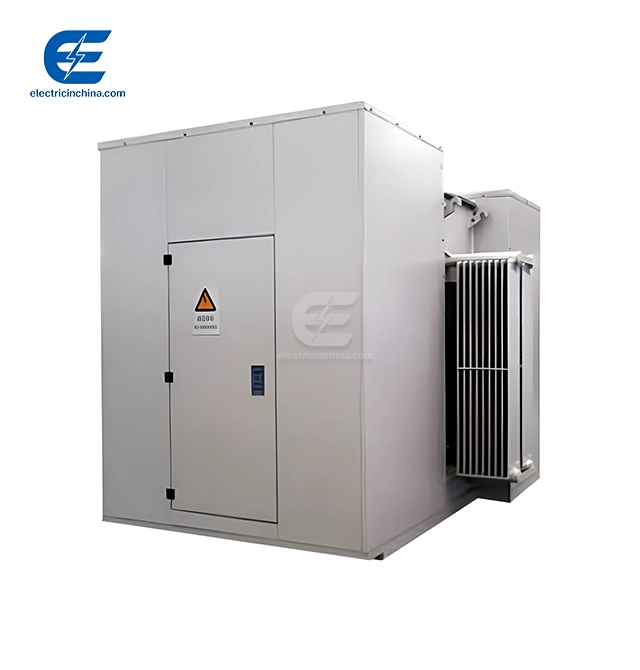
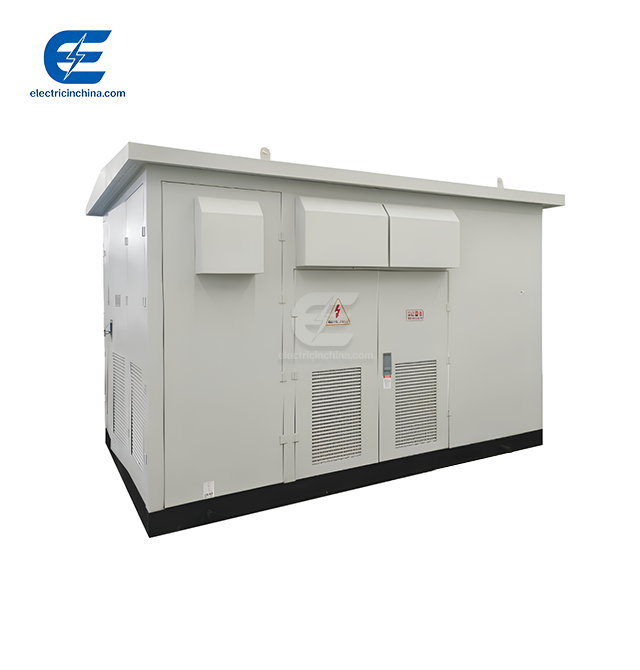
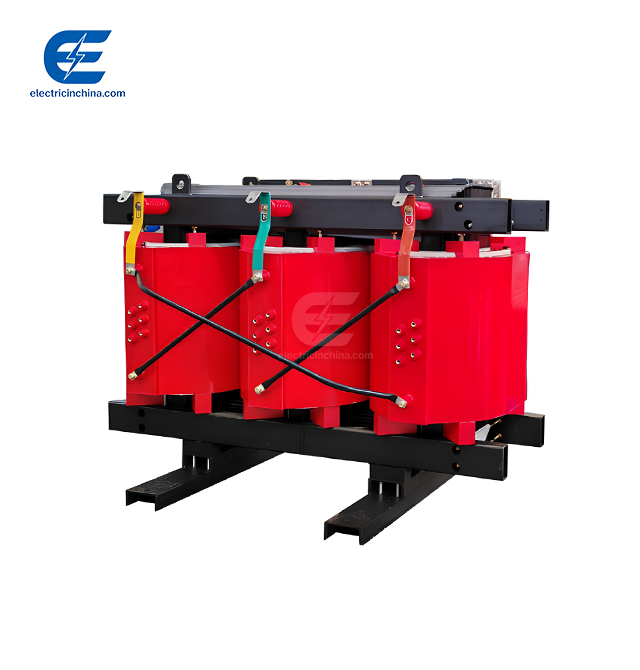
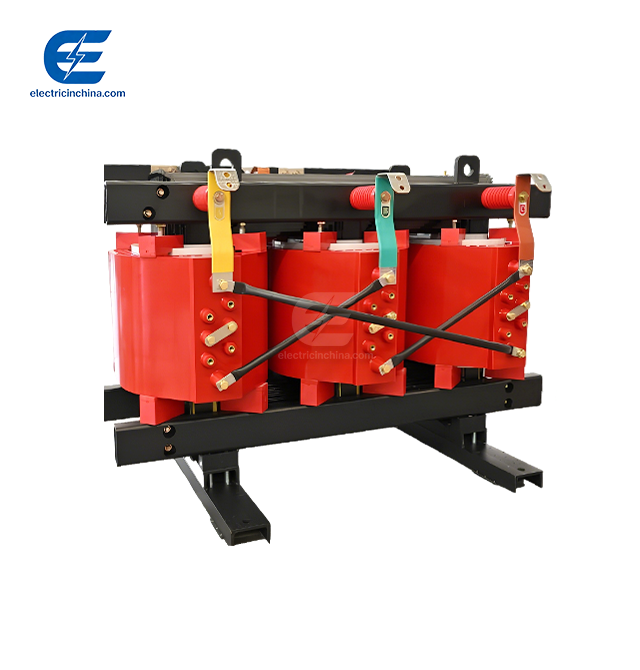
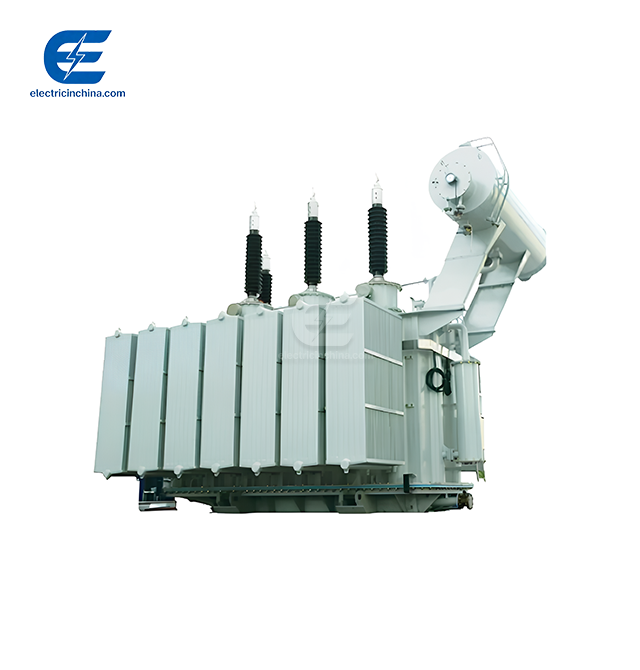
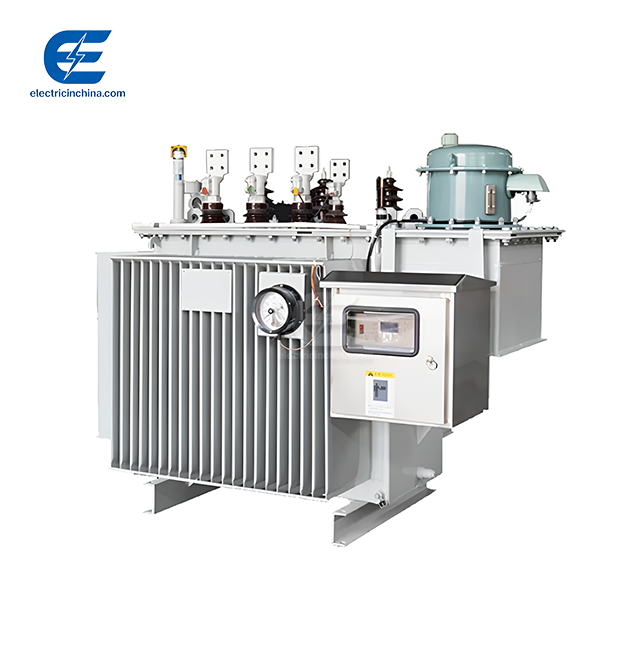
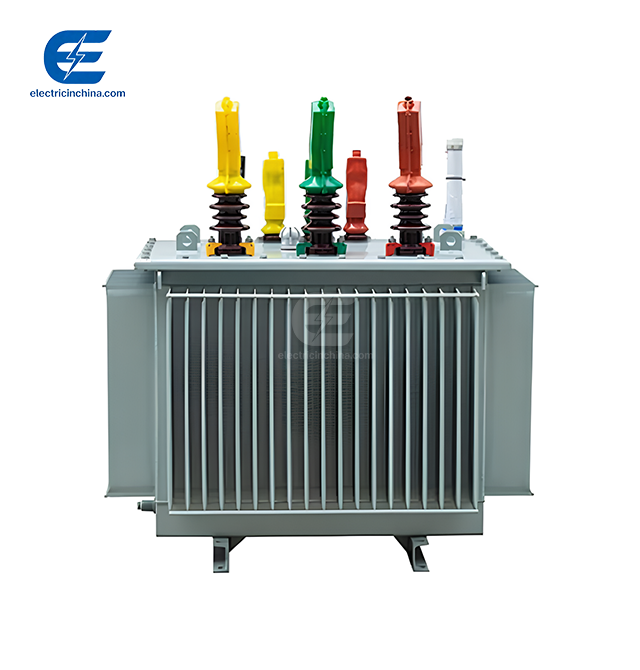
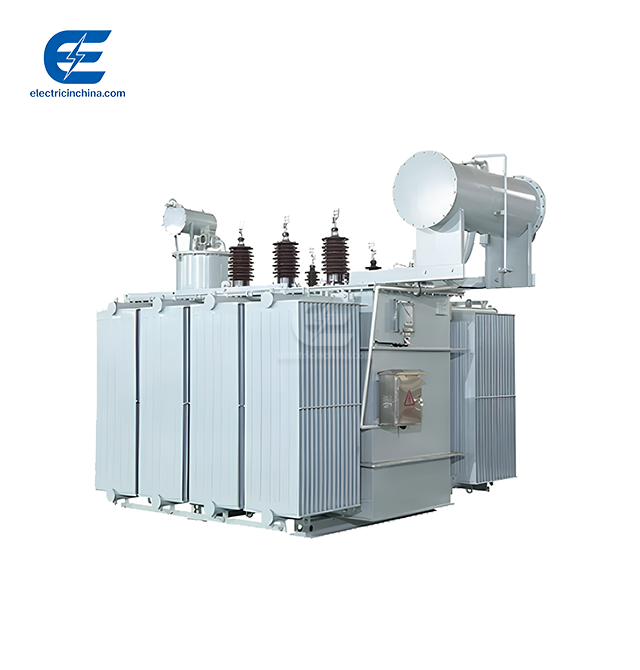
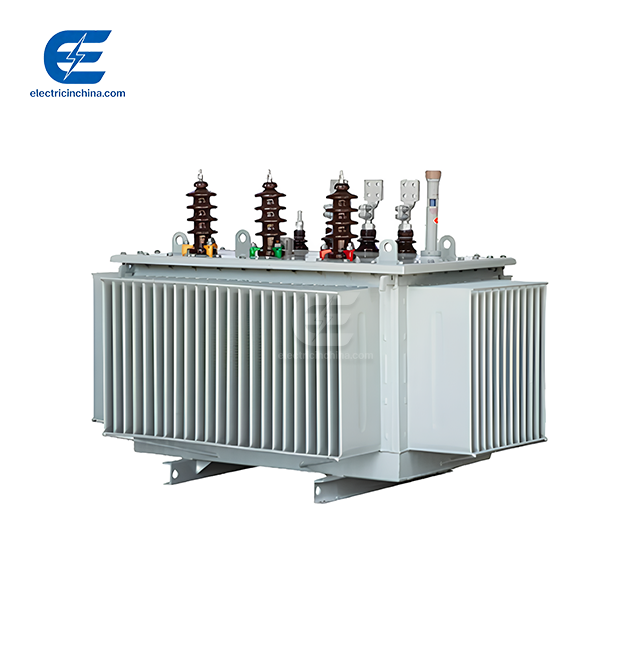
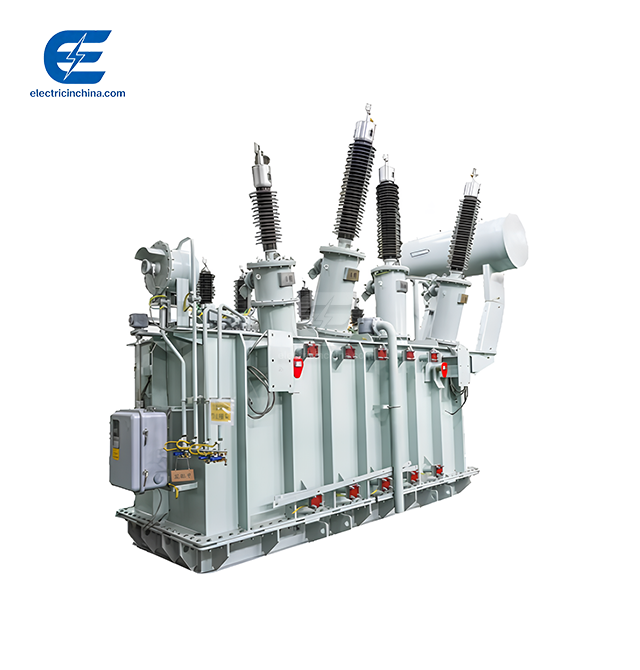
Oil-immersed power transformers for Industrial Use serve as the backbone of critical infrastructure, yet they frequently encounter operational challenges that threaten system reliability. Common faults in oil-immersed power transformers include insulation degradation detected through partial discharge monitoring, oil contamination affecting cooling efficiency, winding overheating caused by excessive electrical loads, tap changer mechanical failures, and cooling system inefficiencies. These issues originate from environmental stresses like temperature extremes and humidity, electrical surges from variable frequency drives, material ageing, and insufficient preventive maintenance protocols. Recognising these fault patterns early allows procurement managers to select appropriate transformer solutions and implement maintenance strategies that minimise unplanned downtime across manufacturing operations.
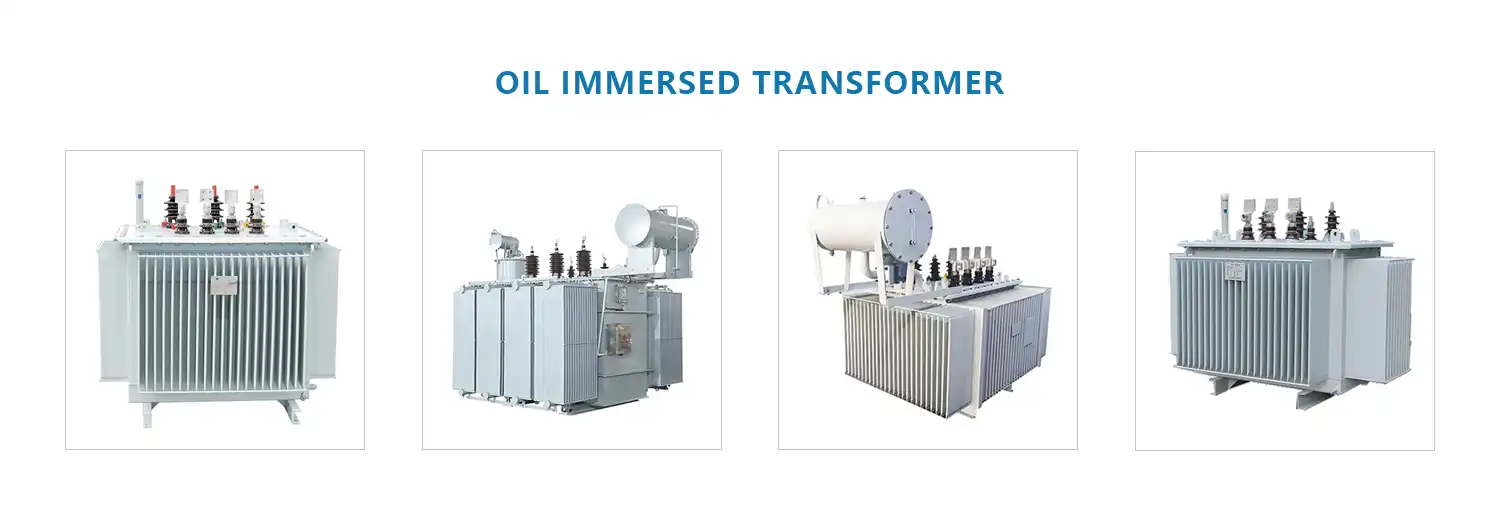
Understanding Common Faults in Industrial Oil-Immersed Power Transformers
Transformer failures rarely happen without any signs. Knowing how faults happen in oil-immersed units helps procurement teams choose the right tools and make smart investments in repair.
Insulation Breakdown and Partial Discharge
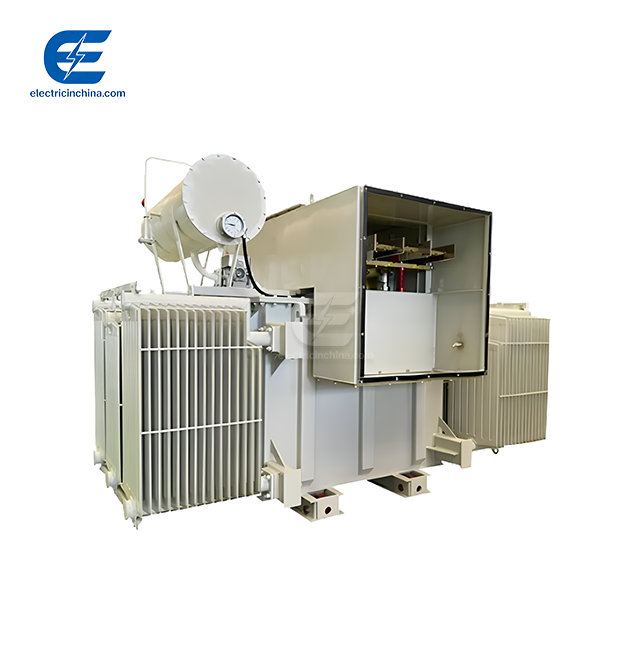
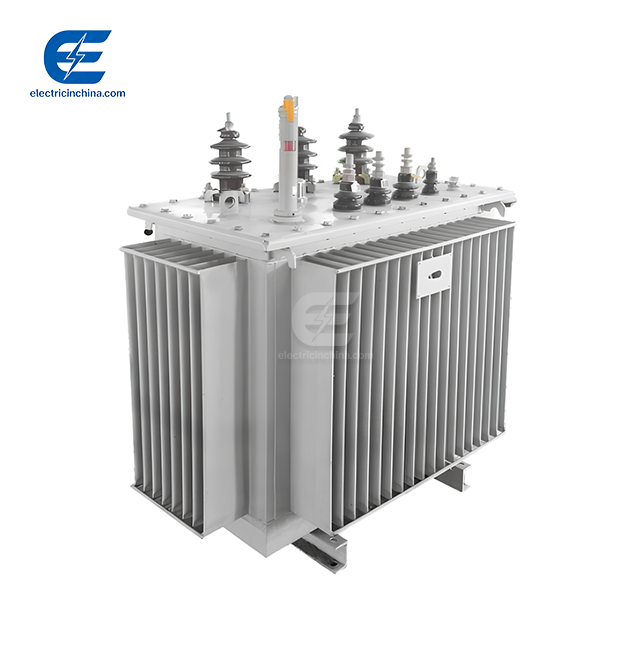
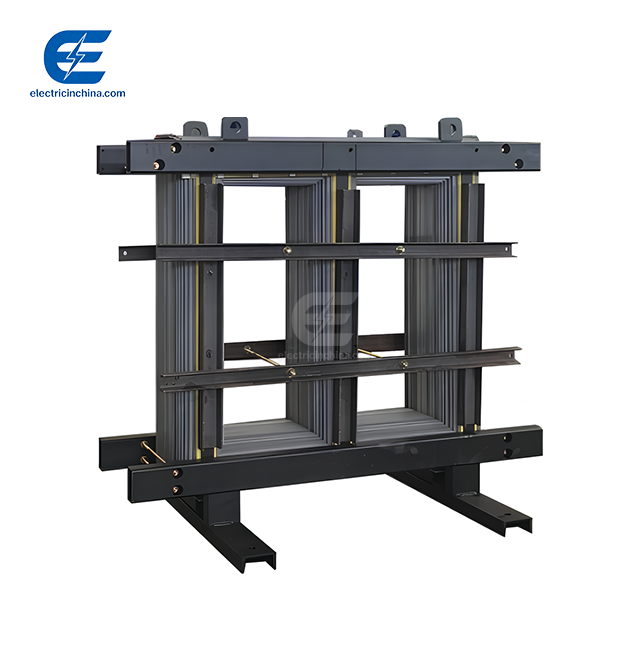
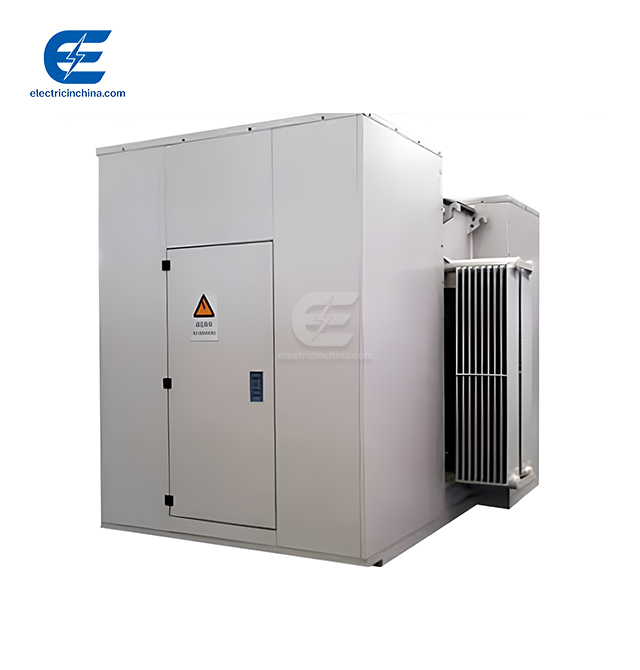
Under electrical stress and thermal cycling, power transformers' insulation systems slowly break down. When insulation flaws cause localised electrical discharges that don't cover the whole insulation gap, the phenomenon is called partial discharge. These releases make gases that dissolve in transformer oil and leave behind chemical signs that can be detected. Over time, partial discharge activity speeds up the breakdown of insulation, which could cause a catastrophic failure if it is not fixed. To lower this risk, our S9 Oil-Immersed Power Transformer for Industrial Use is made with high-quality shielding materials that are tried cautiously during production. Before leaving our plant with over 120 sets of advanced production equipment, each unit goes through impulse voltage tests that are higher than industry standards. This makes sure that the insulation coordination meets the most stringent industrial standards.
Oil Contamination and Leakage Issues
Oil used in transformers can be used as both an insulator and a cooler. The dielectric strength and cooling efficiency are greatly decreased when moisture, oxidation byproducts, or particulate matter get into the material. Moisture levels above 10 to 12 parts per million weaken insulation, and acidic compounds from oil breakdown damage metal parts and cellulose insulation. When gaskets fail or welds become weak, oil leaks out, putting the environment at risk and lowering the cooling capacity. Our transformers' sealed tank design keeps them from coming into contact with air, which stops oxidation and moisture pollution that can happen with other designs. In chemical processing plants, where corrosive atmospheres speed up wear and tear, this protection is very helpful.
Winding Overheating and Hot Spots
The winding temperature goes above the safe limits when transformers are overloaded for a long time or when cooling systems don't work well enough to get rid of the heat. Localised hot spots form at links, tap points, or places where oil flow is limited. These high temperatures make insulation age much faster—every 8–10°C rise in temperature can cut the life of insulation in half. Our transformer design keeps rises in coil temperature below 65K, even when the load is difficult. The smart oil circulation system and optimal radiator configuration make sure that heat is spread evenly, stopping hot spots that could damage the machine's functionality.
Tap Changer Mechanical Failures
On-load tap switches change voltage ratios to account for changes in the supply, but because they are so complicated mechanically, they can fail. Contact wear from arcing during switching operations, clogged switching oil compartments, and broken drive mechanisms are all things that make voltage regulation less effective. It is important to do regular repairs on tap changers because these parts are responsible for about 40% of transformer failures in commercial settings. Tap changers are especially hard to use in mining operations because of the vibrations and harsh conditions. Because our construction is sealed and our mechanical design is strong, there is less chance of contamination. This means that the voltage is stable across the entire operational range.
Cooling System Inefficiencies
Enough heat removal decides how much a transformer can hold and how long it will work. When a cooling system fails, it's usually because the radiator gets clogged with dirt, the fan motor stops working in forced cooling systems, or the oil pump stops working in directed flow systems. When there isn't enough cooling, temperature changes cause protective relays to trip, stopping important industrial processes. Due to the high level of dust in steel factories, cooling problems are especially common there. Our oil-immersed transformers are sealed, so dust and other particles can't get in and lower the efficiency of the radiators. This means that the heaters always work at the same level of heat, even in harsh industrial environments where regular transformers have trouble.
Systematic Troubleshooting Approach for Oil-Immersed Power Transformers
Structured diagnostic methods that find root causes instead of just fixing symptoms are needed for effective problem resolution. This method increases the service life of transformers while lowering the cost of upkeep.
Diagnostic Tools and Problem Definition
Modern tests for transformers use a number of methods that work together. Dissolved Gas Analysis (DGA) looks at the gases that are released when insulation breaks down and electrical faults happen. Hydrogen shows partial discharge, acetylene shows arcing faults, and carbon monoxide shows cellulose breakdown. Thermal imaging finds changes in temperature that could mean that connections are loose, cooling lines are blocked, or parts are overloaded. Insulation resistance testing checks the stability of the dielectric, and power factor testing finds insulation that is wet or old. Visual checks show physical harm, oil leaks, and worn-out gaskets. Based on decades of experience in the field, our technical team of 15 senior engineers has created thorough diagnostic protocols that allow us to accurately identify problems and plan effective repair strategies.
Root Cause Analysis Methods
Finding the underlying fault mechanisms stops failures from happening again. When DGA shows high levels of flammable gases, certain types of faults can be seen in the correlation patterns. For example, high hydrogen levels with low hydrocarbon levels show partial discharge, while high ethylene and methane levels show thermal faults. When you mix temperature data from tracking systems with load records, you can tell if overheating is caused by too much load or not enough cooling. When insulation test results go down over time, it means that things are getting worse and need to be fixed right away. Some of the 18 patents we got are for diagnostic innovations that make fault spotting more accurate. This lets maintenance teams fix problems before they become major, expensive failures. This analytical approach helped us a lot when we successfully upgraded the XCMG Group plant. By finding problems early, we were able to keep production going without stopping.
Corrective and Preventive Actions
Right away, corrective actions stabilise the condition of the transformer, and preventative actions fix the problems that cause them. If tests on the oil show that it is contaminated, filtering or replacing the oil will restore the dielectric strength. When a partial leak is found, the insulation needs to be carefully checked out and plans made for repair or replacement. When there is overheating, the load needs to be lowered, and the cooling system needs to be improved. If your tap changer is giving you trouble, you need to clean the contacts, change the oil, and service the drive mechanism. In addition to fixing the problem right away, installing condition monitoring systems, setting up regular maintenance schedules, and upgrading protective relays can stop faults from happening again. As part of our full after-sales service, we offer upkeep plans that are specifically designed for industrial settings to ensure long-term dependability. This method is shown by the installation at the GCL Photovoltaic Industrial Park, which has been running smoothly since it was first put in place thanks to proactive upkeep procedures.
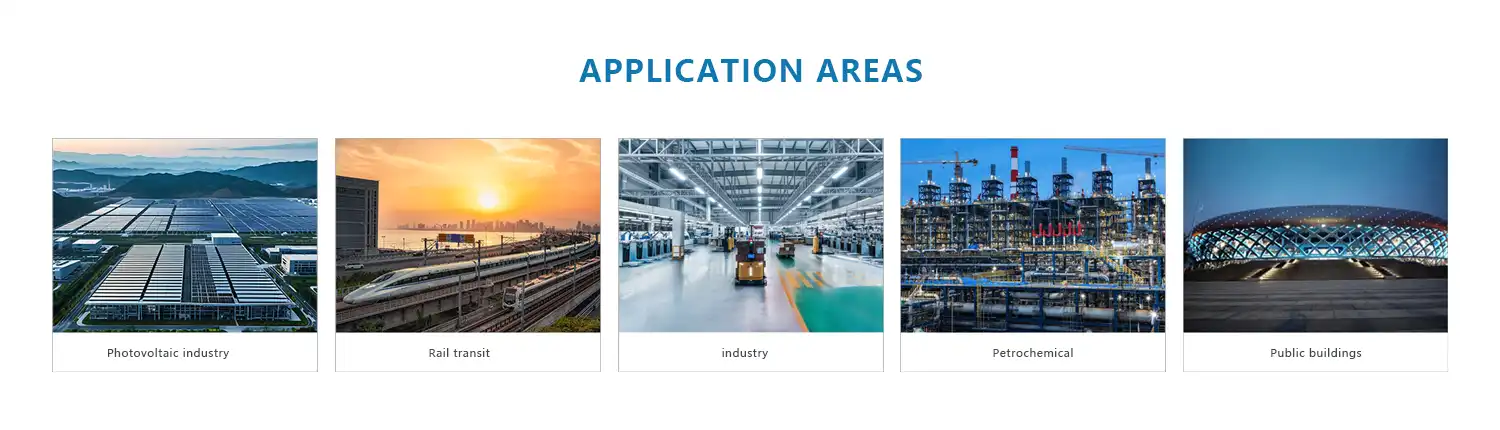
Maintenance Tips to Prevent Common Faults in Oil-Immersed Power Transformers
Preventive maintenance greatly lowers the number of faults and increases the operational life of transformers. Investing in strategic maintenance pays off big time because it increases availability and lowers the cost of emergency repairs.
Oil Testing and Filtration Practices
Analysis of the oil on a regular basis finds wear and tear before it affects performance. Every year, DGA testing finds early faults by looking at typical gas patterns. Breakdown voltage testing makes sure the dielectric strength is above the 30 kV minimum threshold. Analysis of the moisture content makes sure that levels stay below critical limits, and checking for acidity keeps an eye on how oxidation is progressing. When tests show that the oil is breaking down, oil filtration gets rid of the water and particles that are in it, restoring its properties without having to pay for a whole new oil. When chemicals break down and make acids and sludge that filtration can't get rid of, oil replacement is needed. The sealed tank design of our transformers keeps oxidation and moisture out, which greatly extends the oil's useful life compared to conservator tank designs that leave the oil in contact with the air.
Electrical and Mechanical Inspection Schedules
Inspections that are planned ahead of time find problems before they become major ones. Trending in annual insulation resistance testing lets you know when things are starting to break down, and thermographic scans done during heavy operation show you any hot spots that need to be fixed. Testing the transformer's turns ratio makes sure that the windings are solid, and analysing the sweep frequency response finds mechanical movement caused by shipping damage or faulty forces. Depending on how often the switches are used, tap changers need to be inspected once a year and have their contacts cleaned, and oil changed every three to five years. During bushing checkups, tracking, pollution, and loss of power factor are looked for. Verifying the tightness of the connection stops hot spots at the terminal points. These regular checks are the basis of reliability programs at places like our chemical plant sites, where power reliability is important for keeping the process going.
Cooling System Maintenance
Thermal management determines how much weight an Industrial oil conversion item can hold and how long it will last. Filters that block airflow need to be cleaned off of Industrial oil conversion radiator surfaces on a regular basis. Fan motors need to be oiled and tested to make sure that forced cooling works when the Industrial oil conversion load is high. In directed flow systems, keeping an eye on the Industrial oil conversion oil level stops pump cavitation. Calibration of the Industrial oil conversion temperature gauge provides accurate tracking, and checking of the pressure relief device protects against changes in the internal pressure. Our Industrial oil conversion transformer design includes service points that are easy to get to. This makes upkeep of the Industrial oil conversion cooling system easier and reduces the amount of work that needs to be done while still ensuring a full check. Advanced Industrial oil conversion cooling and the right placement of radiators keep the efficiency above 98.5% across the entire operational range, from 30KVA to 31500KVA.
Predictive Maintenance Technologies
Modern tracking systems let you plan repairs ahead of time so that you can do it at the best time. Online DGA monitors keep an eye on the rates at which gases are produced all the time. This lets workers know about developing faults days or weeks before regular tests would find them. Temperature sensors in several winding locations quickly pick up on any thermal problems. Load tracking tools keep an eye on patterns of demand, which lets you use the best loading techniques to keep assets from overheating and get the most use out of them. During operation, partial discharge monitors find places where the shielding isn't working right. With these built-in tracking tools, maintenance can go from being based on a plan to being based on conditions, which lowers costs and raises reliability. Our engineering team can recommend monitoring systems that are best for different industrial uses, like steel plants that need to keep an eye on harmonics or mines that need to keep track of vibrations.
Comparing Oil-Immersed Transformers with Alternative Solutions in Industrial Use
The choice of technology has a big effect on operational costs, the need for maintenance, and the likelihood of faults happening. Comparative characteristics help buyers make choices that meet the needs of the building.
Oil-Immersed versus Dry-Type Transformers
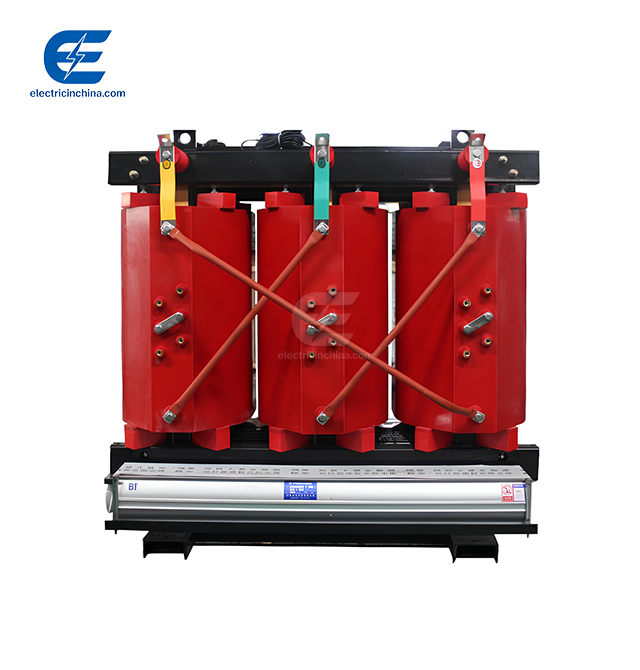
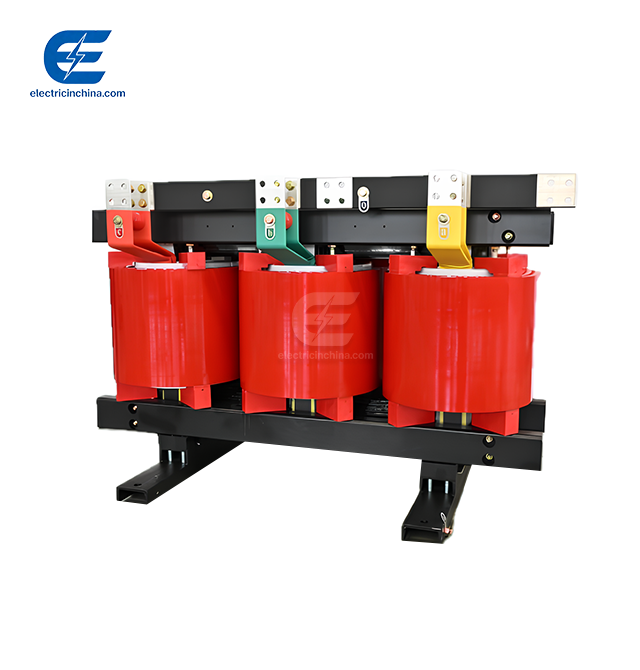
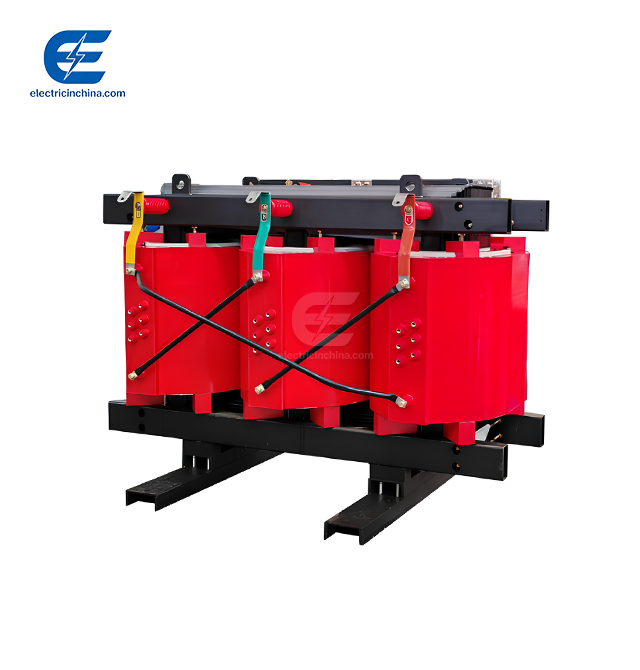
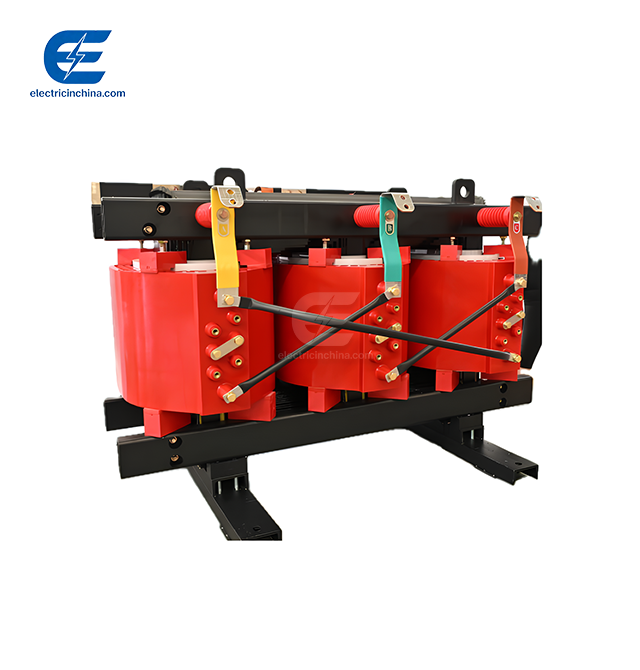
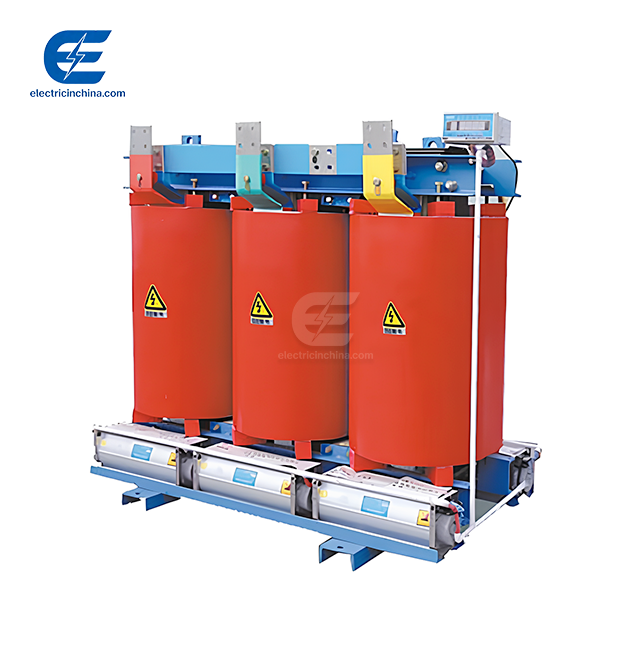
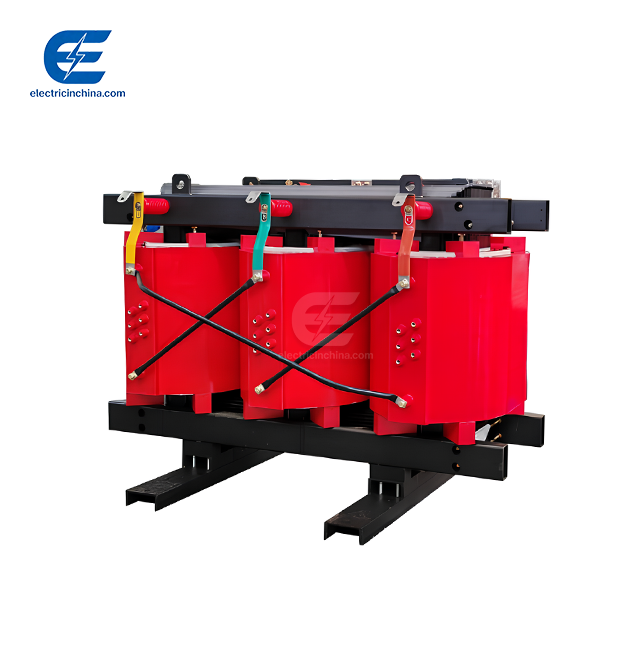
Compared to dry-type options, oil-immersed designs are better at cooling because they allow for higher power levels and better extra capacity. When small electrical discharges happen, the oil insulation system can fix itself and has great dielectric properties. Because of these benefits, oil-immersed transformers are better for heavy industrial loads and uses that need to be able to handle extended overloads. But dry-type transformers don't use dangerous oils, so they are easier to put in places where fire safety rules don't allow oil-filled equipment. Different types of maintenance are needed for different types of units. Oil units need to have their oil tested and possibly replaced on a regular basis, while dry-type designs don't need much maintenance but can't do diagnostics like oil analysis can. For factories that value dependability, load flexibility, and long service life, oil-immersed technology has strong benefits that our advanced engineering helps to bring out the best in.
Transformer Oil Selection Considerations
Performance, maintenance, and the environment are all affected by the type of oil used. Mineral oils work well and don't cost too much. They have a long history of service and are used in standard testing processes. Synthetic esters are better at resisting fire because they have higher flash points and break down more slowly. This makes them ideal for places that need to be safer around fire or are concerned about the environment. Natural esters that come from plants are biodegradable and less toxic, but they may need to be replaced more often because they are more likely to oxidise. Our standard transformer designs use high-quality mineral oil that is best for industrial use. Other oil specifications are available for facilities that need to meet strict environmental or safety standards. With its excellent insulating properties and effective cooling properties, mineral oil keeps its performance stable in harsh working conditions like those found in chemical processing plants and mines.
Cooling Method Variations
Natural cooling systems use oil convection and radiator heat transfer without any mechanical help. They are easy to use and require little maintenance. For forced air cooling, fans are added to radiators to help them get rid of more heat. This lets them handle more work while still taking up less room. Directed oil flow with pumps gives the biggest generators or those that are under a lot of stress the most cooling power. Each method strikes a mix between cost, complexity, and thermal efficiency. Different cooling needs can be met by our range of transformers, which are designed in a flexible way that lets you match the cooling system to the installation limitations and load patterns. The strong sealed construction keeps out contamination no matter what cooling method is used. This keeps the thermal efficiency high throughout the operational life and supports the 25–30 year service life our industrial customers expect from big investments in capital equipment.
Why Choose Tuojie Industrial Oil-Immersed Power Transformers
Our transformer solutions combine tried-and-true dependability with new fault-finding technologies that cut down on downtime and improve safety in demanding industrial settings. The S9 series Oil-Immersed Power Transformer for Industrial Use works reliably at levels ranging from 30KVA to 31500KVA. It is used in chemical plants, mines, and factories where power outages have a direct effect on output. Each unit is 98.5% efficient and has a strong overload capacity for times of high demand. Our original designs, which are protected by 18 patents, include advanced monitoring system integration points. These allow for planned maintenance strategies that stop unplanned power outages. Our world logistics network makes it easy to get spare parts quickly after the sale. We also offer guarantee coverage and organised upkeep programs. We make custom solutions to meet the needs of different industries, like controlling harmonic distortion in steel plants or making designs that are safe for chemical plants that could explode. Our competitive pricing and flexible wait times make it possible for us to handle big orders, and our expert team helps with application engineering during the equipment selection, installation, and commissioning stages.
Conclusion
Oil-immersed power transformers for Industrial Use are important investments in infrastructure that need to be carefully chosen and maintained regularly. When procurement teams know about common problem mechanisms like insulation degradation, oil contamination, coil overheating, tap changer failures, and inadequate cooling, they can come up with the right answers and set up repair programs that keep equipment running as long as possible. Systematic methods for troubleshooting that use DGA, thermal imaging, and electrical tests find problems early so they can be fixed before they get worse and cost a lot to fix. Regular maintenance, including oil checks, electrical system inspections, and cooling system servicing, extends the life of transformers and reduces operational risks. Our transformer solutions give industrial operations the dependability, efficiency, and tracking tools they need. They come with full expert support and have been tested and proven to work in a wide range of difficult situations.
FAQ
How often should industrial transformers be checked for oil?
Most industrial installations test their oil once a year to set baseline trends. DGA, breakdown voltage, moisture content, and acidity analysis give a full picture of the oil's condition. Facilities that have to deal with tough conditions like frequent crowding, high temperatures, or dirty surroundings can benefit from testing every six months, which finds damage earlier. Testing every three months is recommended for critical applications where sudden failures could cause big losses in production or safety risks. This is especially true for older transformers that are getting close to the end of their 20-year service life. Online DGA tracking systems keep an eye on things all the time, so there are no set testing times. They also send out instant problem reports.
What signs indicate a transformer needs immediate repair attention?
Sudden temperature rises above normal operating ranges are a sign of cooling failures or growing internal problems that need to be looked into right away. Visible oil leaks are a sign of a failing seal that will get worse quickly if not fixed. Strange noises like humming, buzzing, or cracking can be a sign of missing parts, core problems, or electrical discharge activity. As soon as DGA results show that flammable petrol levels or rates are rising quickly, it's time to take action. When protective relay processes stop service, it means that there are serious electrical problems that need to be carefully looked at before the equipment can be put back into service.
Can advanced monitoring equipment predict transformer failures before they occur?
Modern monitoring systems keep an eye on a lot of different parameters all the time, looking for strange patterns that mean problems are starting to form. Online DGA monitors notice when the rate of gas production goes up days or weeks before a failure, giving time to act. Keeping an eye on temperatures in several places helps find cooling issues or winding hot spots early. During the early stages, partial discharge monitors can find insulation gaps. When load tracking and temperature modelling are used together, they can predict the chances of overheating, which lets load management be proactive. These connected systems allow for planned maintenance methods that greatly lower the number of unexpected breakdowns while also lowering the cost of maintenance by using condition-based intervention time instead of set plans.
Contact Tuojie for Reliable Transformer Solutions
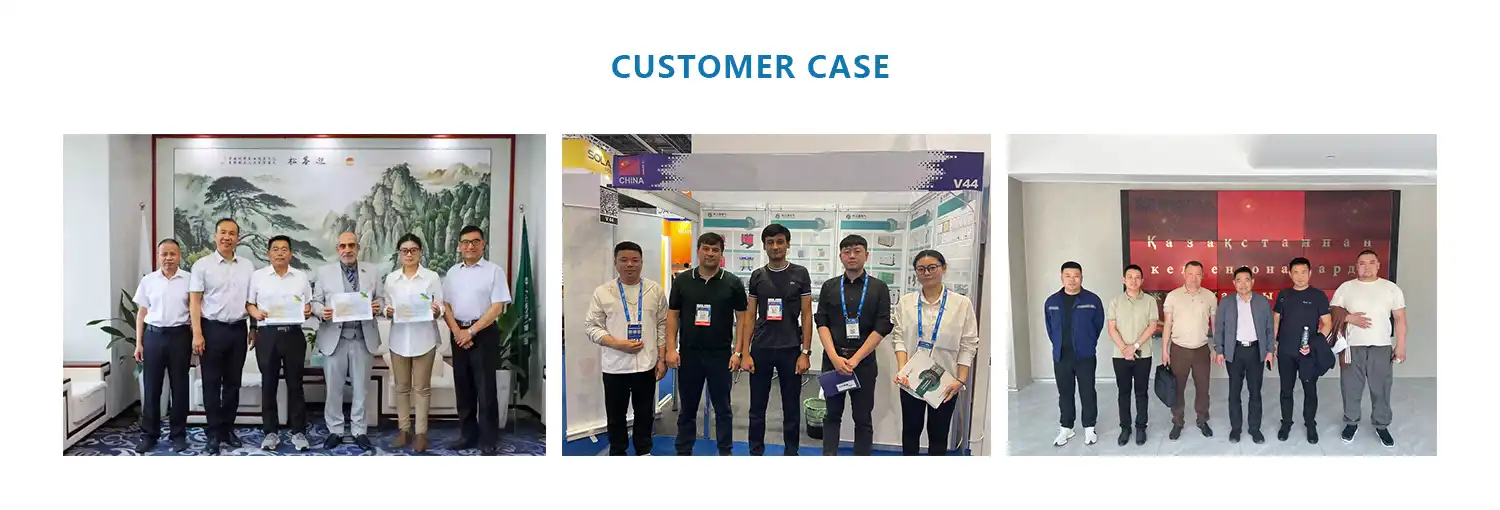
Tuojie has been making high-quality transformers for over 20 years and brings that experience to demanding industrial uses where dependability directly affects the success of operations. Our engineering team, which includes 15 senior engineers and 30 intermediate technicians, creates custom power solutions that meet the needs of your facility. This includes controlling voltage changes in steel mills, making sure chemical plants stay open all the time, and giving mining sites in remote areas reliable power. We use our ISO 9001-certified methods and high-tech testing tools to keep a close eye on quality throughout the whole production process. This way, we can be sure that every Oil-Immersed Power Transformer for Industrial Use meets strict performance standards before it is sent out. We have a history of installing things correctly at major facilities, like the GCL Photovoltaic Industrial Park and the XCMG Group manufacturing upgrades. These jobs were finished on time and met our clients' needs for reliability. For full specs, application engineering help, and quotes, email our expert team at tuojie@electricinchina.com or go to electricinchina.com. Work with a transformer provider that wants to help your business succeed by giving you great goods and full service.
References
1. IEEE Standards Association. "IEEE Guide for Loading Mineral-Oil-Immersed Transformers and Step-Voltage Regulators." IEEE Std C57.91-2011, Institute of Electrical and Electronics Engineers, 2012.
2. Harlow, James H. "Electric Power Transformer Engineering, Third Edition." CRC Press, Boca Raton, Florida, 2017.
3. International Electrotechnical Commission. "Power Transformers - Part 7: Loading Guide for Mineral-Oil-Immersed Power Transformers." IEC 60076-7:2018, International Electrotechnical Commission, Geneva, Switzerland, 2018.
4. Duval, Michel and DePablo, Antonio. "Interpretation of Gas-in-Oil Analysis Using the New IEC Publication 60599 and IEC TC 10 Databases." IEEE Electrical Insulation Magazine, Volume 17, Issue 2, March-April 2001, pages 31-41.
5. Zhang, Guanjun and Wang, Youyuan. "Fault Diagnosis of Power Transformers: Application of Fuzzy Set Theory, Expert Systems and Artificial Neural Networks." Institution of Engineering and Technology, London, United Kingdom, 2018.
6. Tenbohlen, Stefan et al. "Enhanced Diagnosis of Power Transformers Using On- and Off-Line Methods: Results, Examples and Future Trends."CIGRE Session Papers, International Council on Large Electric Systems, Paris, France, 2012.