

.webp)
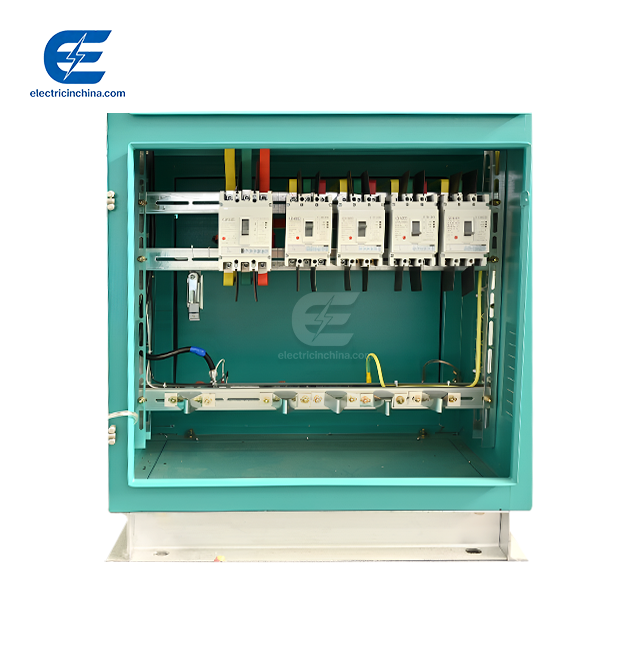
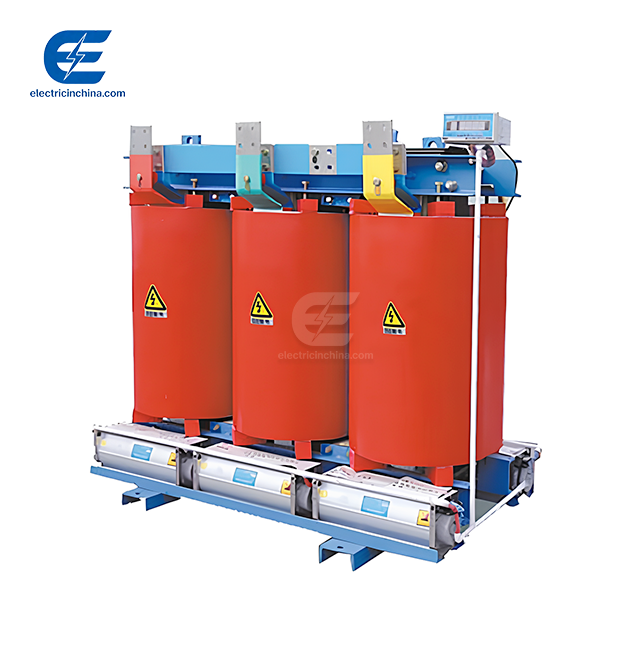
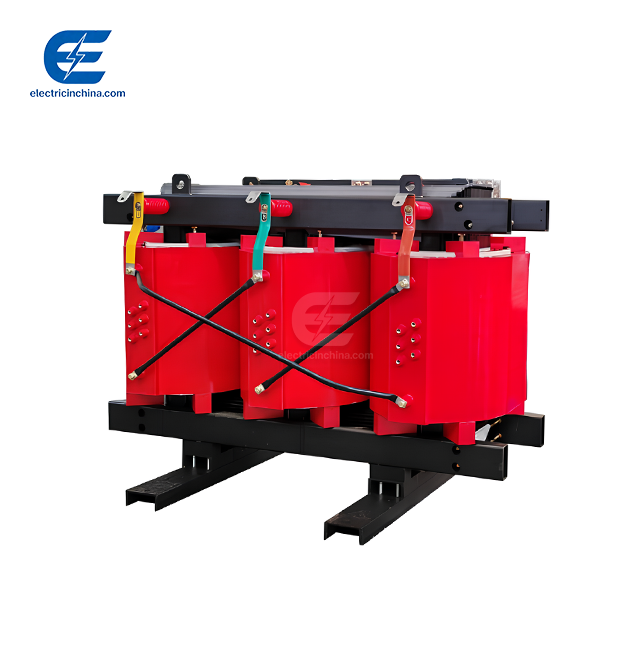
When infrastructure projects demand power distribution equipment that delivers exceptional energy efficiency alongside proven reliability, cast resin amorphous alloy transformers emerge as the optimal solution. These advanced electrical devices integrate amorphous metal core technology with epoxy resin insulation, achieving 70-80% lower no-load losses than conventional silicon steel units. For government contractors, commercial developers, and industrial manufacturers managing medium to large-scale installations, this technology is a transformative approach to sustainable power infrastructure that directly affects operational budgets and environmental compliance objectives.
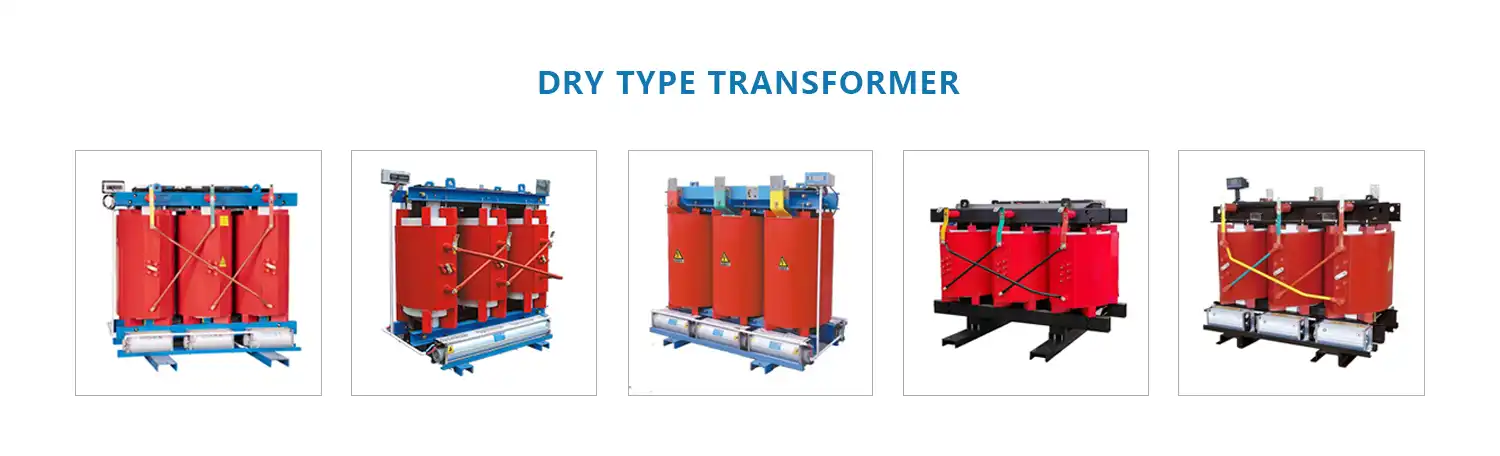
Understanding Cast Resin Amorphous Alloy Transformers
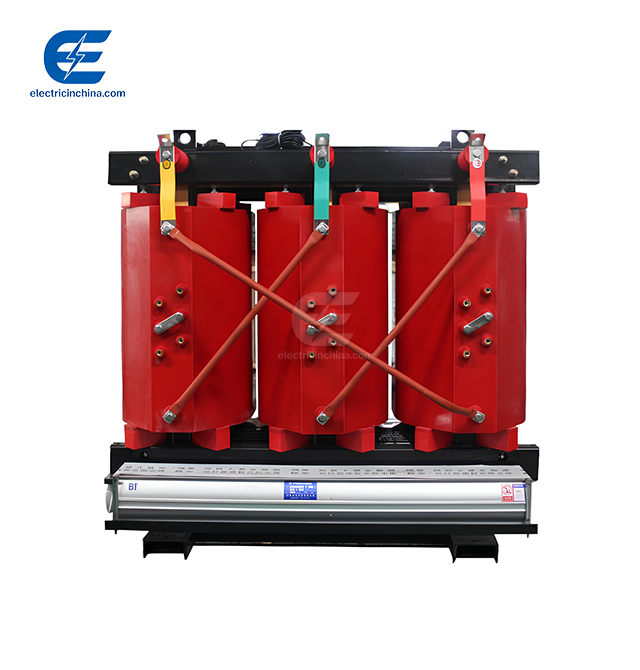
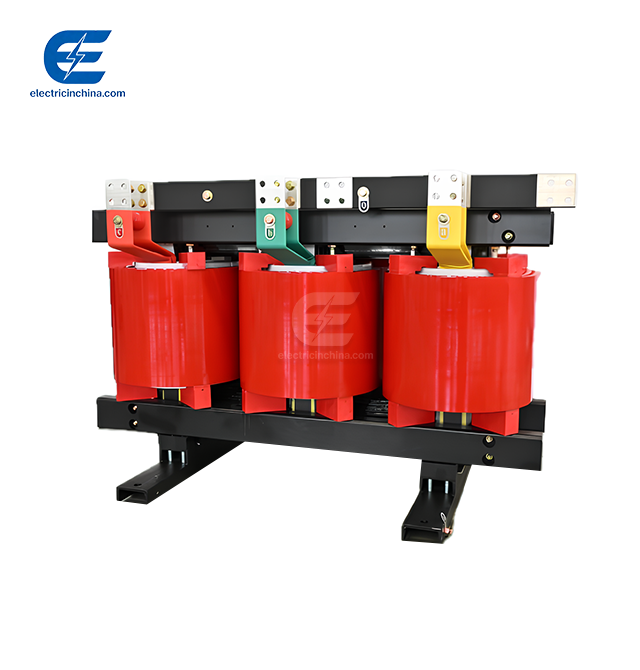
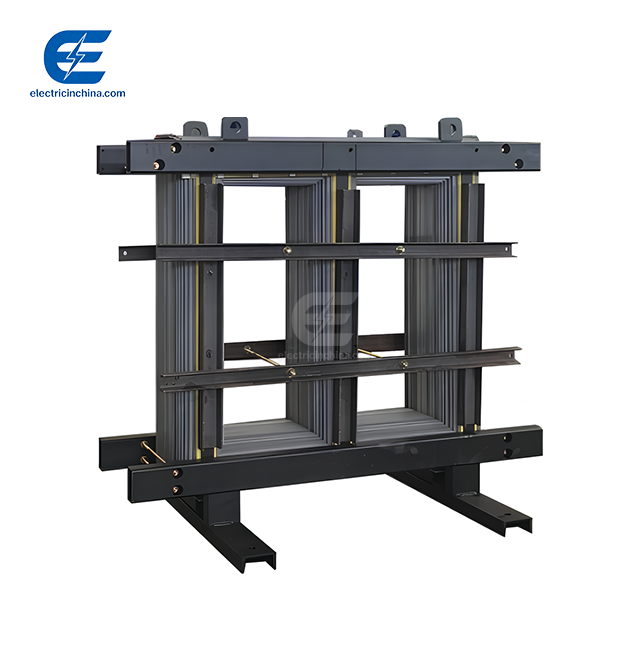
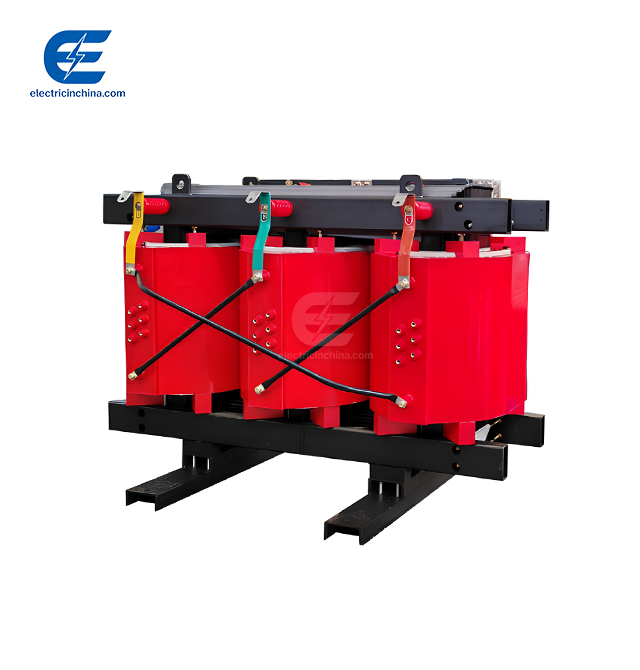
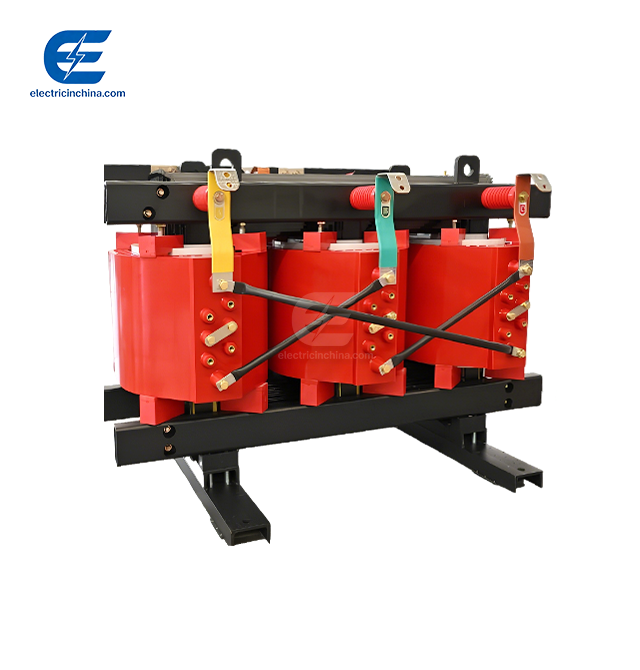
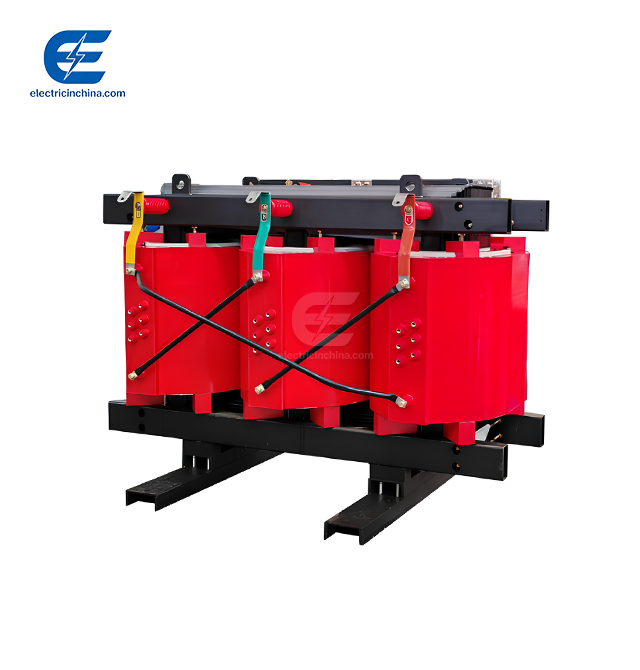
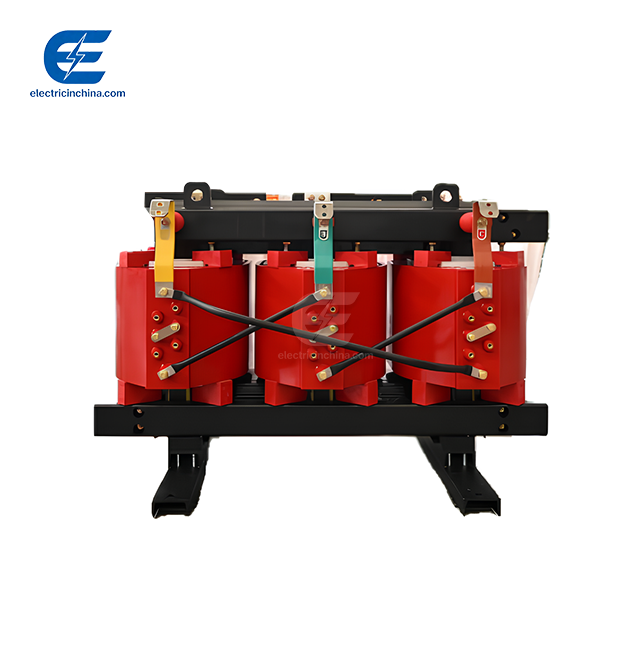
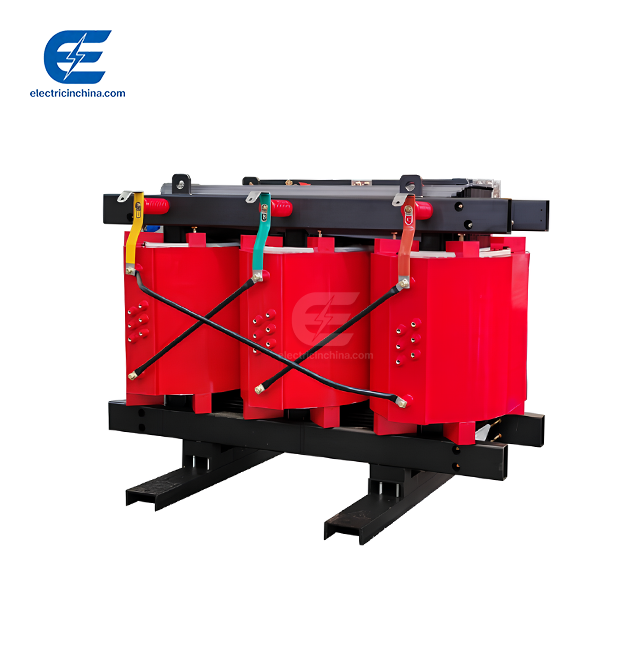
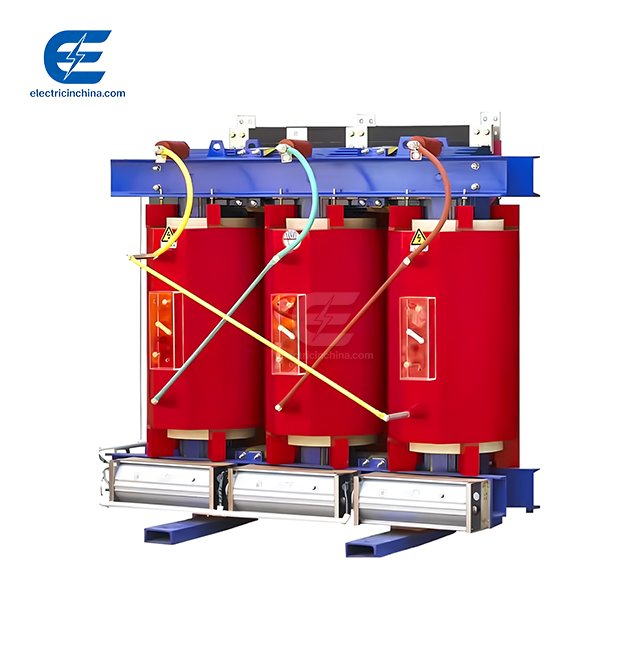
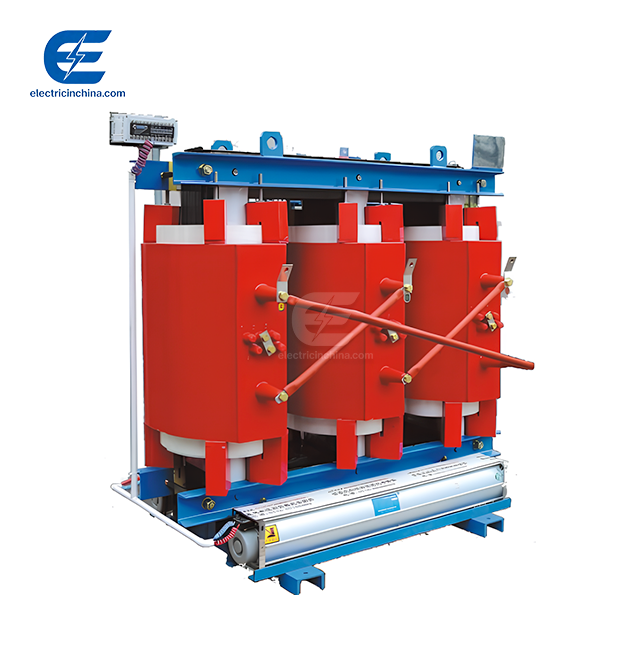
The basic structure of these Cast Resin Amorphous Alloy Transformers is very different from traditional ones because of two important changes. Ribbons of iron, nickel, cobalt, boron, and carbon are arranged in a non-crystalline atomic structure to make up the core of the amorphous alloy. This special mix of materials keeps energy loss to a minimum during magnetic flux switching. Core loss density is only 0.2–0.3 W/kg, compared to 1.1–1.3 W/kg for silicon steel options.
The Dual-Technology Foundation
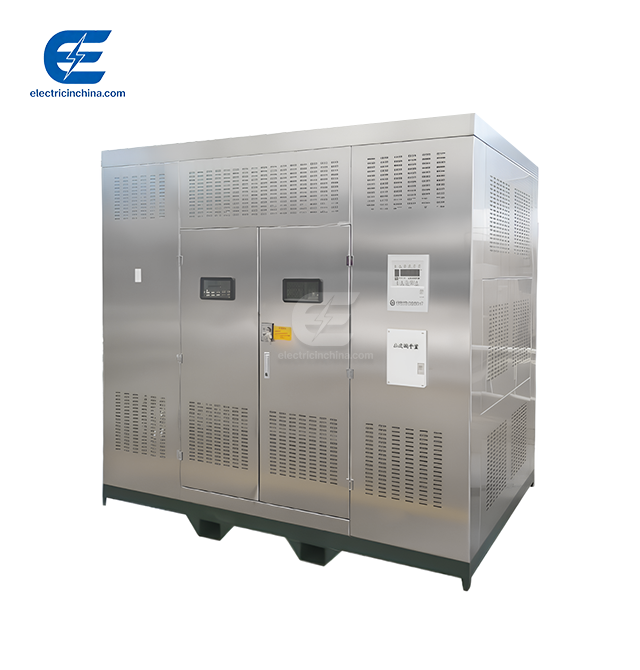
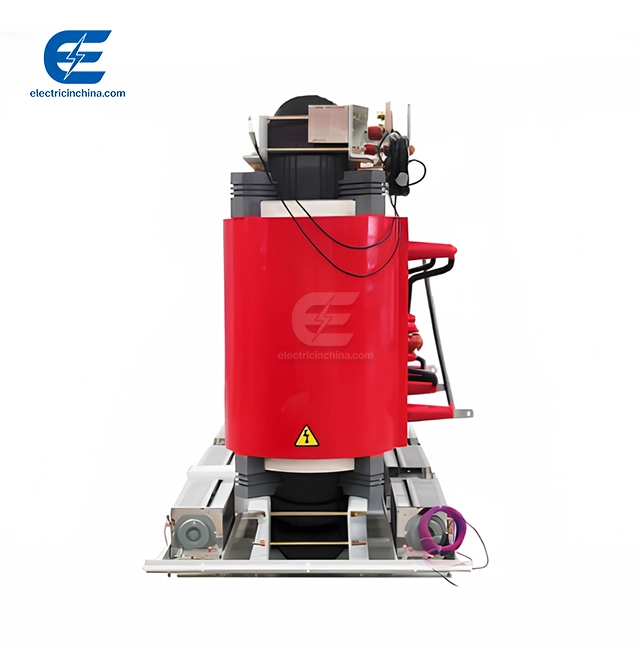
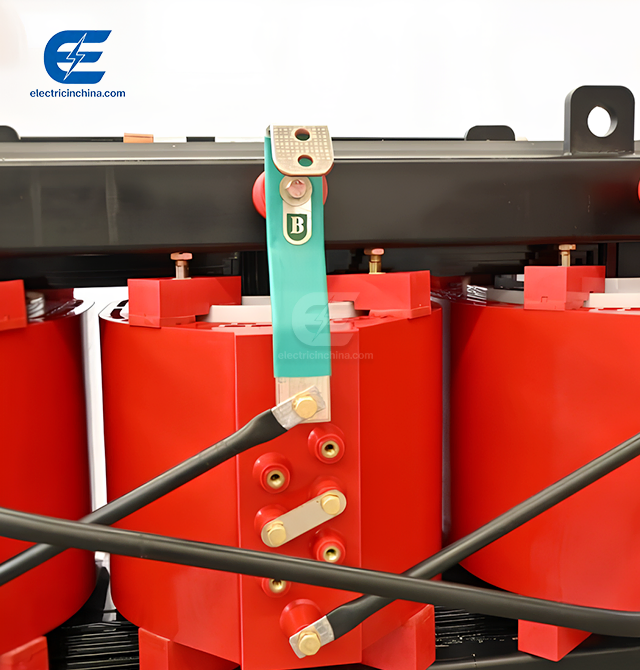
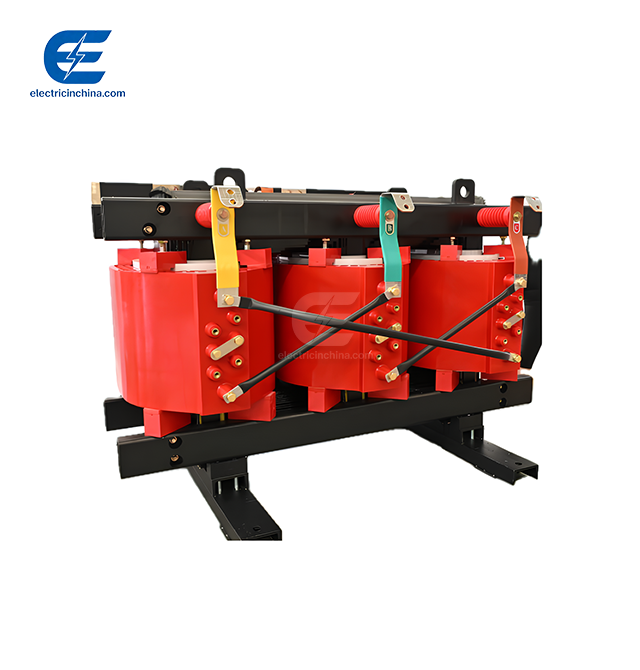
By covering transformer windings with flame-resistant epoxy that meets UL94 V-0 standards, cast resin insulation eliminates all liquid dielectrics. This building method solves many problems at once: there are no longer any fire hazards, there are no longer any risks of environmental contamination, and maintenance schedules are a lot easier to follow. At full load, operating efficiency is between 98.5 and 99.2%, which turns theoretical benefits into real cost savings over the lifespan of a project.
Operational Principles That Matter
These devices work by using electromagnetic induction, and material science has improved this process. The amorphous core's randomly arranged atoms lower hysteresis losses while keeping magnetic flux densities between 1.3 and 1.45 Tesla. Because the resin is so effective at transferring heat, thermal management is improved, and installations can be done in small areas without the need for complicated air systems. Partially discharged levels stay below 10 picocoulombs, which guarantees long-term insulation stability even in harsh electrical settings.
Compliance With Global Standards
The requirements for modern purchases include strict certification paperwork. High-quality cast-resin amorphous alloy transformers meet IEC worldwide standards as well as market needs in North America, Europe, and Asia. Environmental performance is in line with ISO 14001 standards, which meet the requirements for sustainability that are becoming more popular in government and business bids. This regulatory compatibility makes it easier to get projects and installations approved in more than one country.
Advantages of Cast Resin Amorphous Alloy Transformers over Traditional Types
When the total cost of ownership is properly looked at, project economics favour improved Cast Resin Amorphous Alloy Transformer technology. Traditional silicon steel transformers immersed in oil incur hidden costs that accumulate over time. On the other hand, modern dry-type designs with amorphous cores offer measurable financial and operational benefits.
Energy Efficiency That Transforms Budgets
The 70-80% drop in no-load losses leads to long-term cost savings. When compared to other options, a 1,000 kVA unit that runs constantly saves between 15,000 and 20,000 kWh per year. With industrial energy rates ranging $0.10 to $0.15 per kWh in big markets, a single transformer can save you $1,500-3,000. These cuts have a big effect on lifecycle budgets and sustainability reporting metrics for infrastructure projects that use more than one unit.
Safety Enhancements for Urban Installations
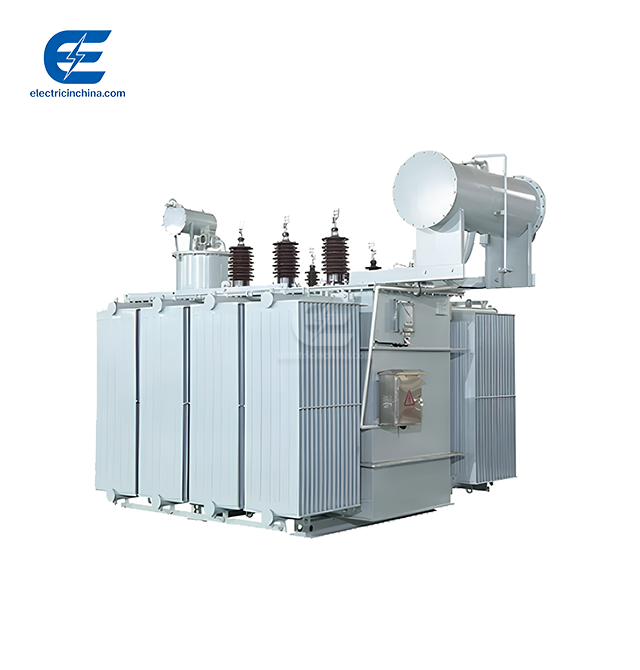
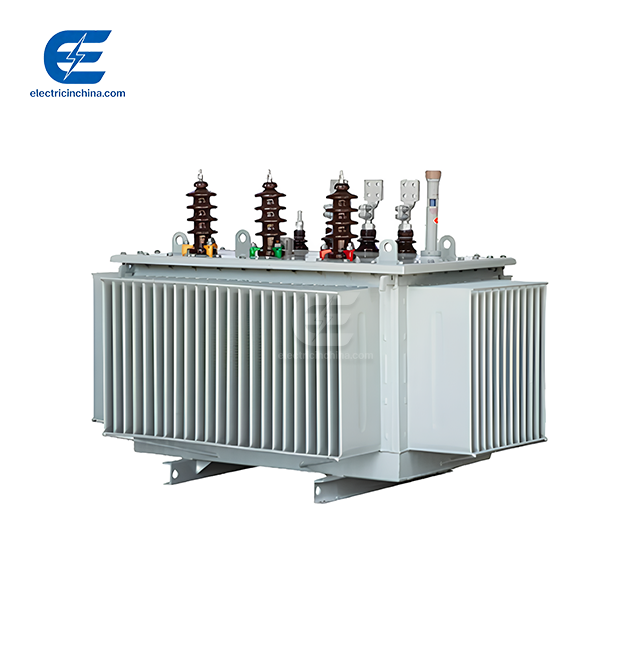
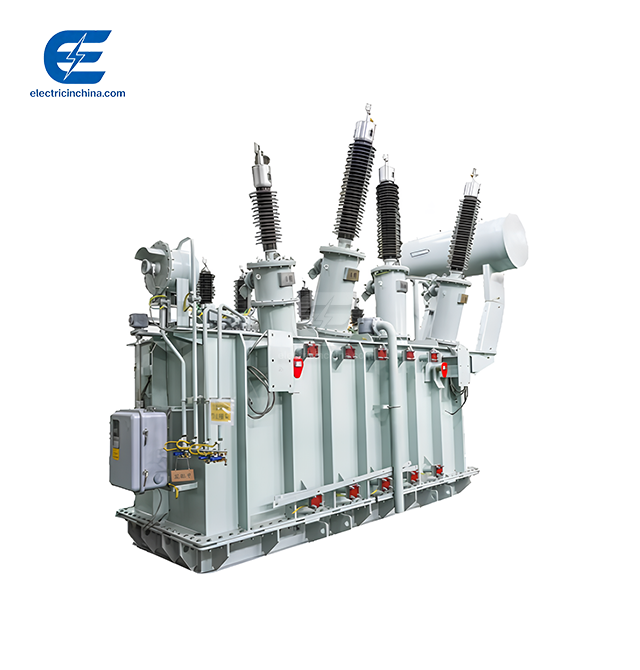
In mixed-use projects and high-density areas, commercial developers put fire safety first. Transformers filled with oil pose a risk of hydrocarbon fires and require containment systems, fire control equipment, and regular government checks. Epoxy resin insulation gets rid of all of these problems, so it can be installed in basements, parking garages, and mechanical spaces on roofs without the need for special fire protection equipment. This gives builders more options, which lowers costs and speeds up project timelines.
Maintenance Simplification
Oil-immersed units need to be tested, filtered, and eventually have their dielectric fluids replaced when they get old. These repair tasks need specialised contractors, cause problems with operations, and cost a lot to get rid of hazardous trash. Our design works well for more than 30+ years without any maintenance and has a 99.5% reliability rating. It is resistant to chemicals, dust, and corrosive atmospheres, and it only absorbs less than 0.1% water.
Environmental Performance
The lack of petroleum-based insulation removes the risk of soil and groundwater pollution and makes it easier to get rid of at the end of its useful life. Amorphous metal cores lower greenhouse gas emissions by using less energy, which helps companies meet their sustainability goals and green building approval standards. Noise levels drop a lot, and operation is usually 10 to 15 decibels quieter than with older designs. This is important for places like hospitals, schools, and housing projects where noise levels affect people's comfort.
How to Choose the Best Cast Resin Amorphous Alloy Transformer for Your Needs:
To make a cast-resin amorphous alloy transformer procurement choice, technical specs must be carefully compared to project needs. Structured evaluation frameworks that match equipment skills with practical needs are helpful for purchasing managers and engineering teams.
Defining Operational Parameters
Choosing a transformer is based on how much load it needs to carry. Find the total connected load, use the right demand factors, and include room for future growth. The voltage requirements must match the features of the power source and the distribution devices further down the line. The electrical architecture determines whether the configuration is single-phase or three-phase, and the choice of vector group affects how well harmonics work and how grounding is done.
Environmental Constraints
Important design features are determined by the installation surroundings. Small areas and zero-oil design are good for indoor use, but outdoor use needs the right ingress protection grades and UV-resistant materials. Extreme temperatures affect how cooling systems are made. Our units work effectively from -40°C to +40°C, so they can be used in a wide range of climate zones. The dielectric performance changes with elevation, and above 1000 metres, we need to derate.
Certification Requirements
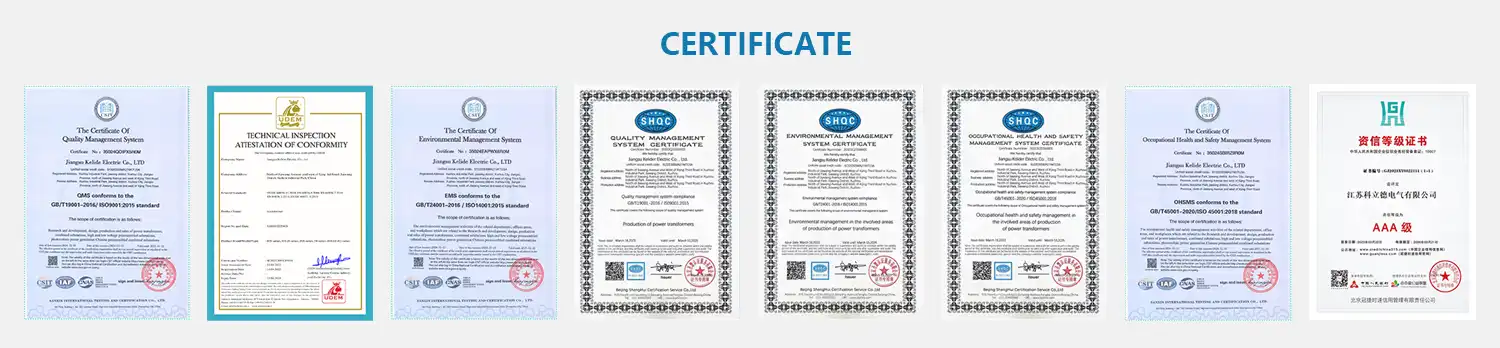
Usually, project requirements call for well-known quality badges. ISO 9001 quality management systems show that the manufacturing process is being controlled. CCC approval shows that the product meets the standards of the Chinese market, while CE marking makes it easier to use in Europe. UL listings meet safety standards in North America. Checking the identities of suppliers stops them from not following the specs, which slows down the acceptance and payment deadlines for the project.
Customization Capabilities
Standard catalogue items rarely perfectly fit the needs of a specific project. Customising the capacity makes sure that the right size is chosen without spending too much on overdesign. Adjusting the voltage ratio takes into account changes in the power supply and the need for equipment compatibility. Changing the impedance has an effect on the fault current levels and how well the safety devices work together. Different grounding methods and harmonic mitigation techniques can be used with different connection group configurations. Terminal setups make installation easier in tight areas where cables need to go in a certain way.
Leading Brands and Trusted Suppliers of Cast Resin Amorphous Alloy Transformers
Supplier choice has a huge effect on the results of a project that goes beyond the specs of the tools. Reliable manufacturing partners of Cast Resin Amorphous Alloy Transformers protect project assets by offering expert help, a guarantee of delivery, and long-term service.
Evaluating Manufacturing Capabilities
The reliability of shipping for large orders and projects with multiple stages is based on production capabilities. We use more than 120 sets of specialised machinery, such as CNC automatic winding machines, CNC static vacuum casting systems, automatic foil winding machines, and gradient curing furnaces that are controlled by microcomputers. This infrastructure supports quality that stays the same across large volumes of production while also meeting the needs of custom engineering. There are 15 senior engineers, over 30 intermediate technicians, and 17 senior technicians on our technical team.
Quality Management Systems
Failures in the field and guarantee claims can be avoided with full quality control. Every step of the production process is supervised by our quality management, including checking the purchase of raw materials, inspecting arriving materials, testing while the product is being made, evaluating the finished product, and making sure everything is okay before delivery. The "zero defects" attitude, which is backed by professional testing labs and approved by ISO 9001 standards, makes sure that equipment meets all the requirements before it is shipped.
Innovation and Patent Portfolio
Leading manufacturers are different from commodity suppliers because they use new technologies. Our 18 patents show that we are constantly investing in research into core materials, insulation systems, and ways to control heat. This ability to come up with new ideas leads to better performance, lower costs, and application-specific improvements that suppliers using generic designs can't offer.
Service Infrastructure
Technical support goes beyond just delivering products. Application engineering helps with making specifications and putting systems together. Commissioning services make sure that the installation and start-up go smoothly. Training programs teach practical skills to people who work in facilities. Usually, warranties last between 24 and 36 months and cover problems with the way the product was made. Repair services and spare parts are also available to keep operations running smoothly throughout their entire lives.
Practical Considerations for Procurement and Deployment
To get a full picture of a project's economics, financial planning needs to look at more than just the purchase price for Cast Resin Amorphous Alloy Transformers. Lifecycle cost modelling shows what the real value is and helps with choices about where to put cash.
Lifecycle Cost Analysis
The initial costs of buying something make up about 20-30% of the total costs of ownership over 30 years. Energy use makes up most of operational costs, so making things more efficient is very valuable. For thirty years, an Epoxy resin cast amorphous alloy dry-type transformer, namely the Cast Resin Amorphous Alloy Transformer, that saves 20,000 kWh per year at $0.12/kWh saves a total of $72,000. Eliminating maintenance frees up regular costs of $500-2,000 a year for things like oil testing, filtering, and disposal.
Lead Times and Project Scheduling
Standard catalogue combinations usually ship within 6-8 weeks, which works well for quick building plans. It takes 10-14 weeks to validate the design, get the materials, build, and test custom-engineered units. For complex jobs with many customised transformers, it may take 16-18 weeks to finish the order. Including suppliers early on in the planning process keeps schedules from clashing and lets value engineering work its best.
Technical Documentation Requirements
Having a lot of documentation makes engineering review, planning the installation, and commissioning easier. Datasheets list the electrical properties, physical dimensions, weight, thermal performance, and environmental ratings of a product. Outline drawings show how to attach something, how the terminals are arranged, and how much space is needed. Handling, installation, testing, and maintenance steps are all covered in instruction manuals.
Installation and Commissioning Considerations
When installed correctly, efficiency and dependability are at their best. When strict acoustic requirements are met, the foundation design must take into account the weight of the equipment, which is usually between 2 and 4 tons for 1000 to 1500 kVA units. Clearances make sure that there is enough airflow for cooling and maintenance. To keep resin insulation from getting damaged by stress, cable ending must be done according to the manufacturer's instructions.
Conclusion
Advanced Cast Resin Amorphous Alloy Transformer technology has real benefits for building projects that put safety, energy economy, and lifecycle costs at the top of their list of priorities. The mix of amorphous alloy cores and cast resin insulation meets important buying factors, such as being reliable, safe for the environment, lowering running costs, and making maintenance easier. We have been making power distribution equipment for over 20 years, which means we can help with government, business, and industrial projects that need approved quality, customisation options, and delivery certainty. Solutions that meet the strictest project requirements in international markets are possible thanks to the combination of more than 120 sets of advanced manufacturing systems, thorough quality management, and technical know-how.
FAQ
Why do amorphous alloy cores outperform traditional silicon steel?
The non-crystalline atomic structure of Cast Resin Amorphous Alloy Transformers lowers hysteresis losses by 70–80% compared to silicon steel, which has crystalline grains. During alternating current cycles, magnetic regions reorient with very little energy loss. A core loss rate of 0.2 to 0.3 W/kg instead of 1.1 to 1.3 W/kg means that power is saved and heat is not produced as much.
Are cast resin transformers suitable for outdoor installations?
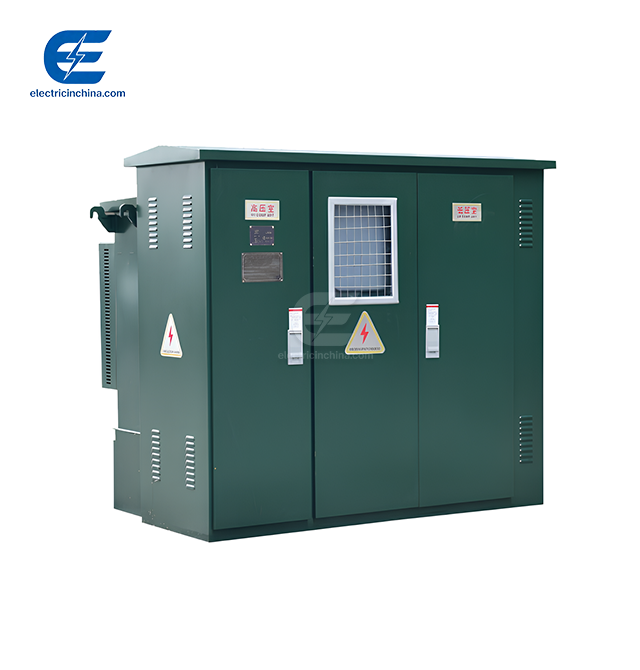
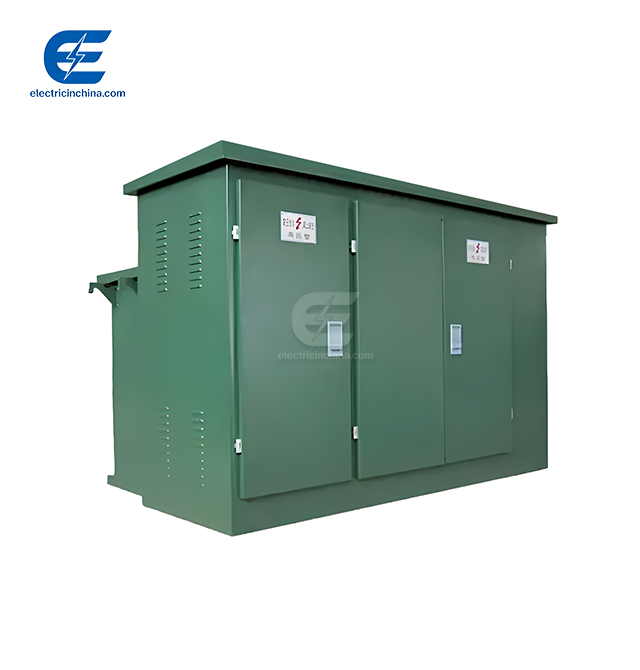
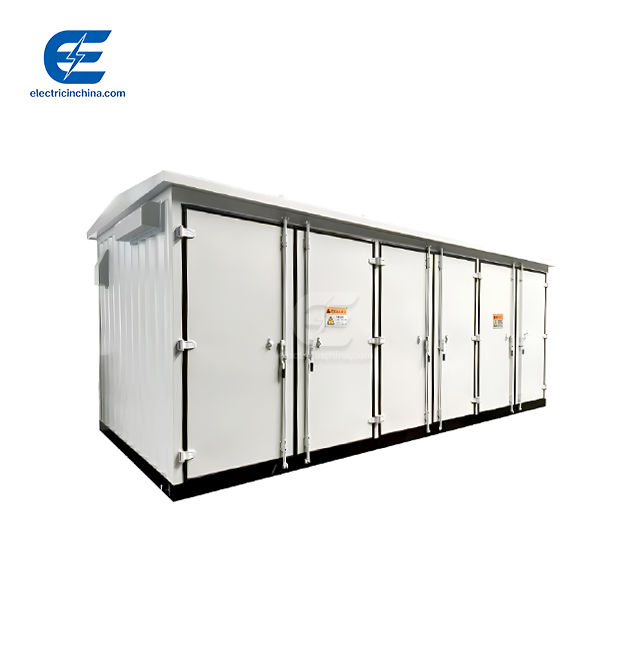
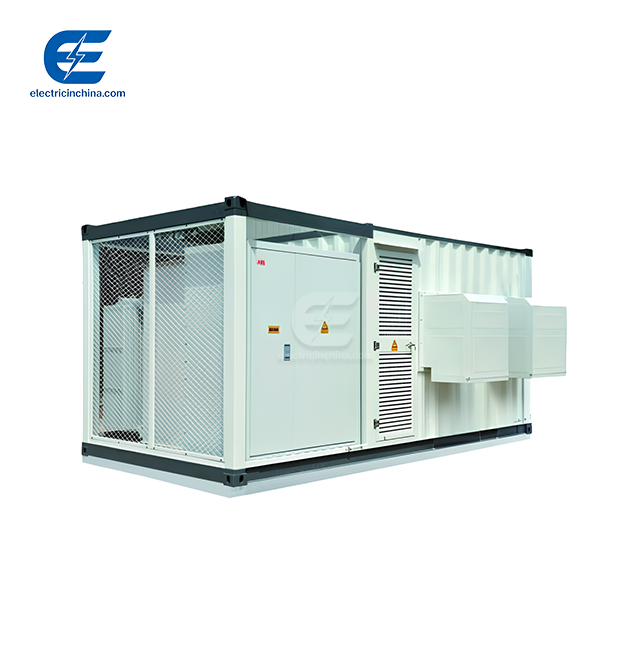
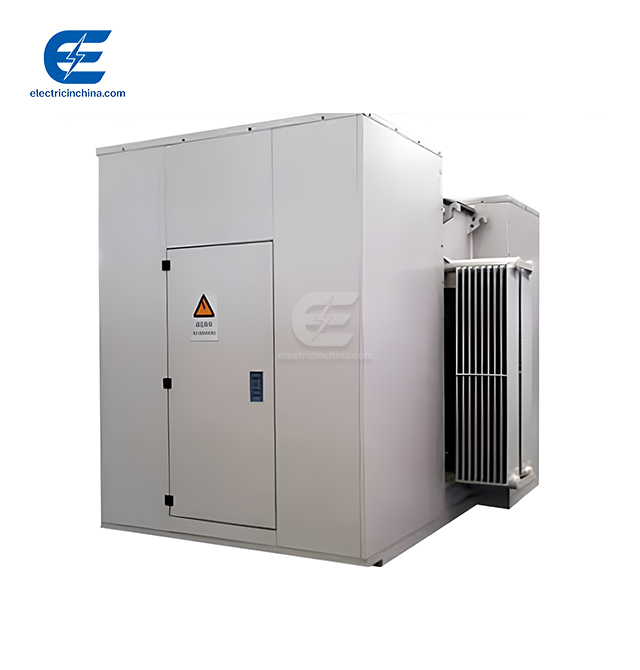
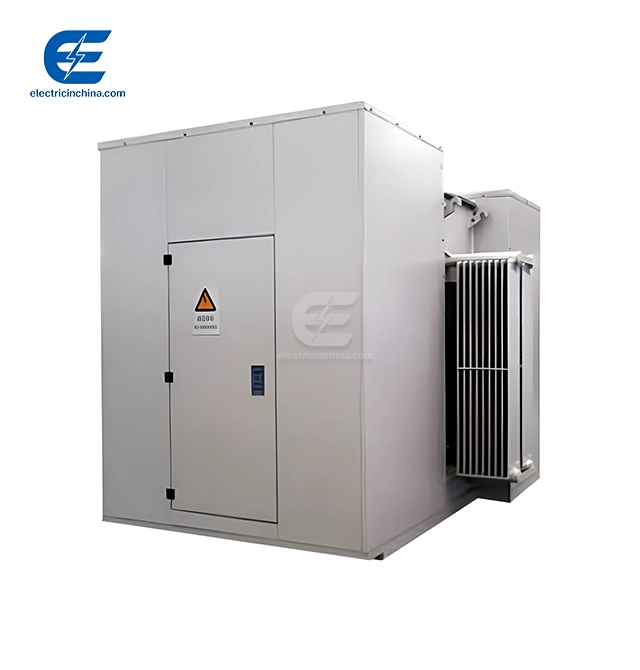
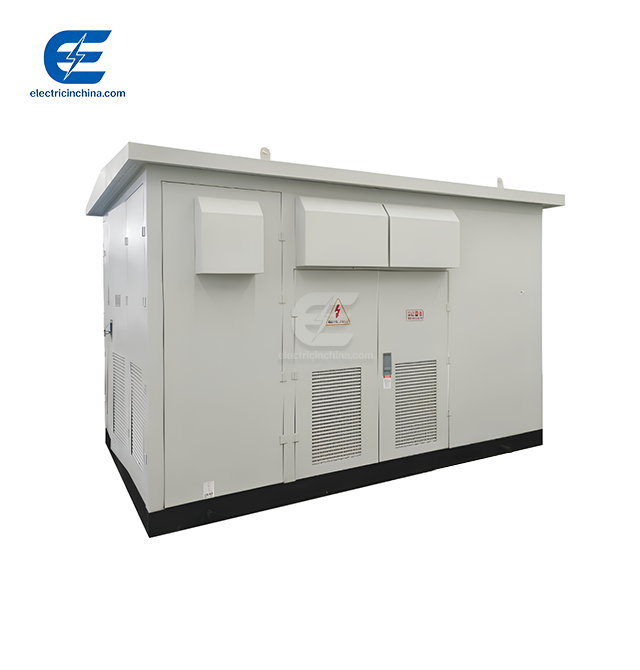
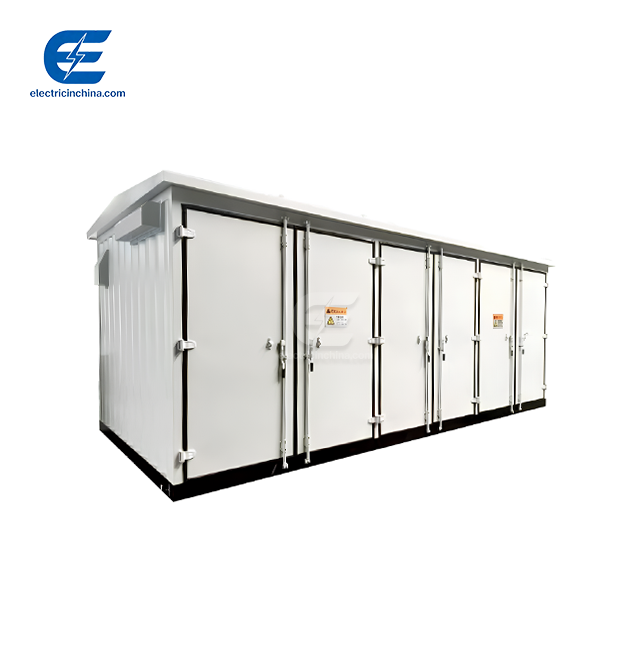
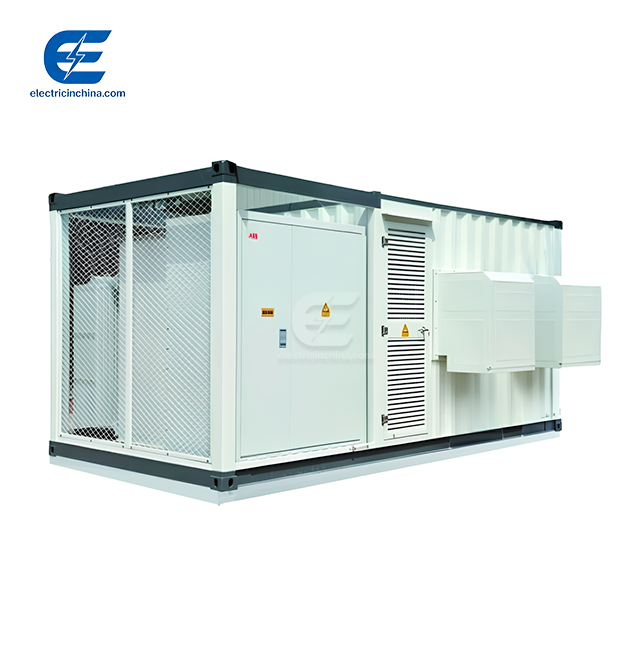
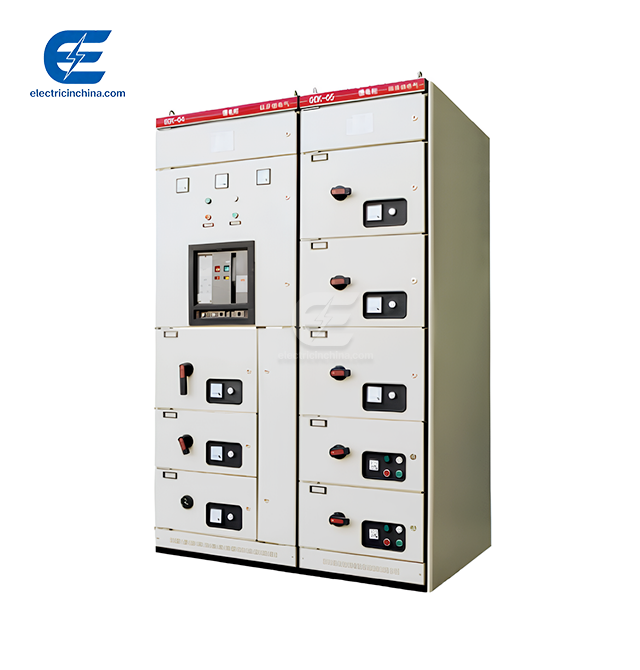
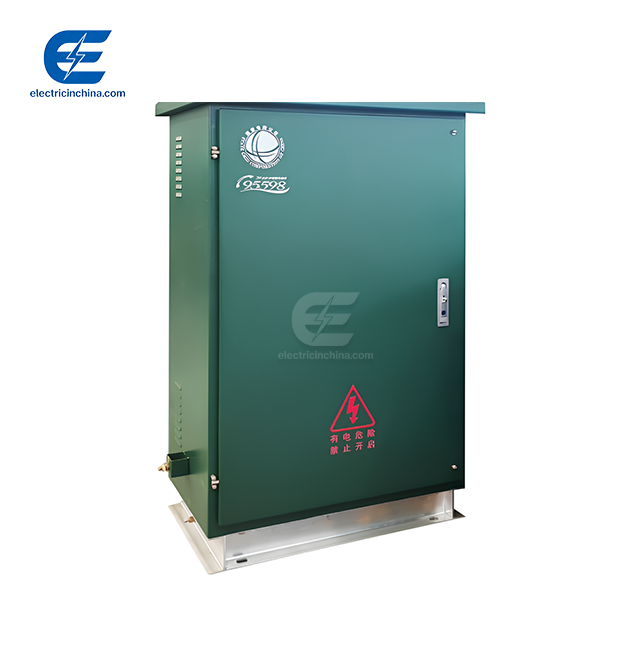
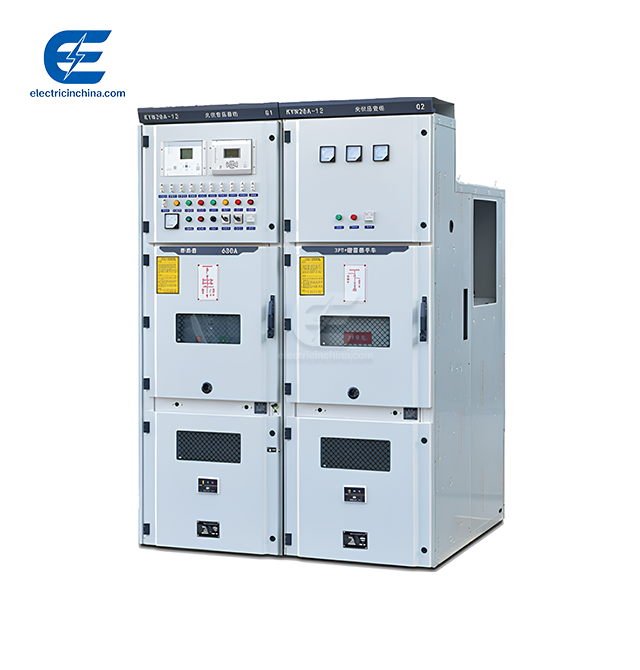
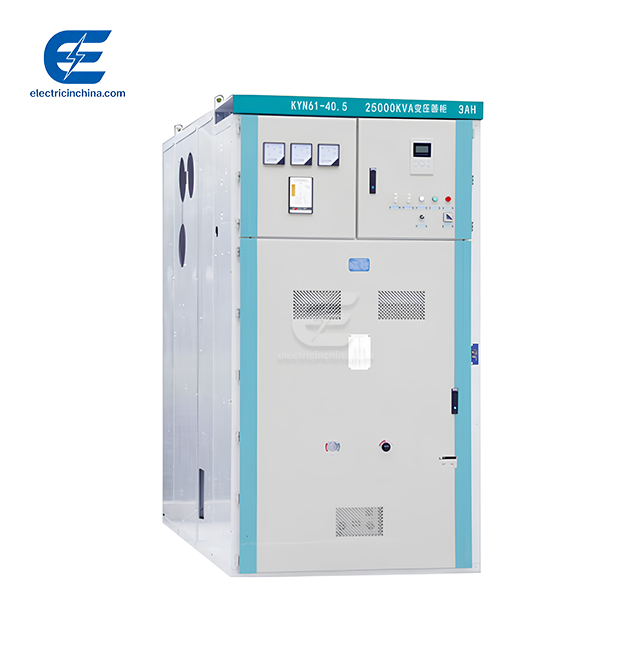
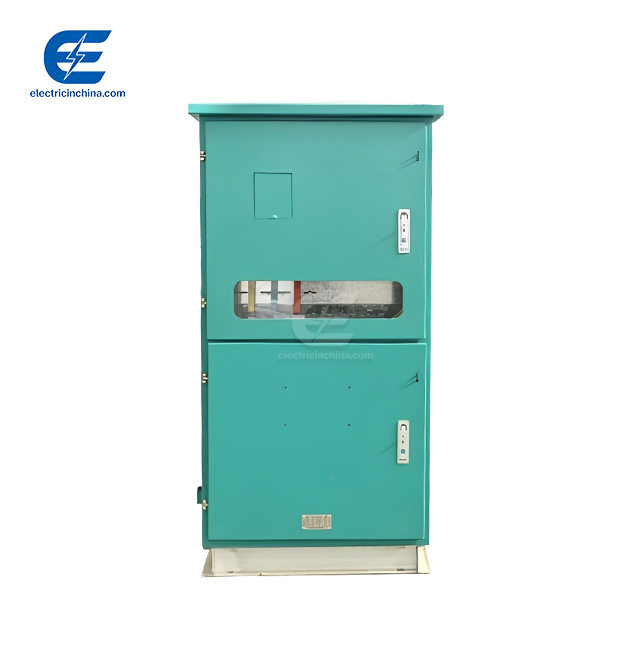
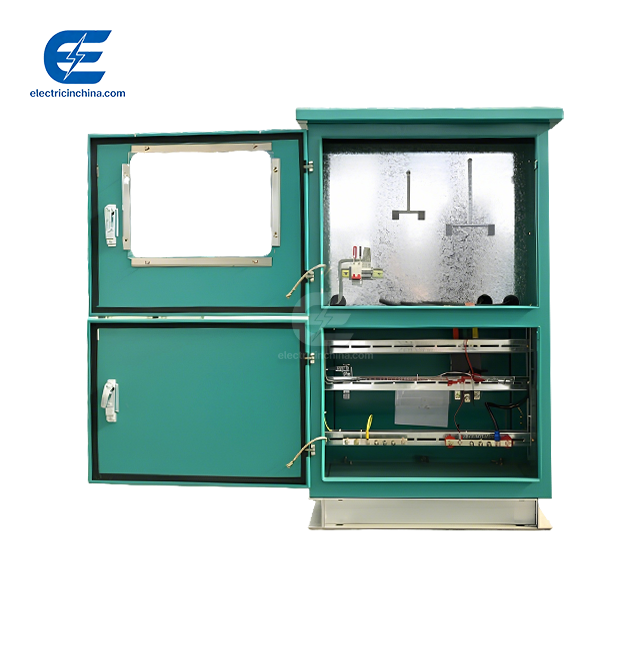
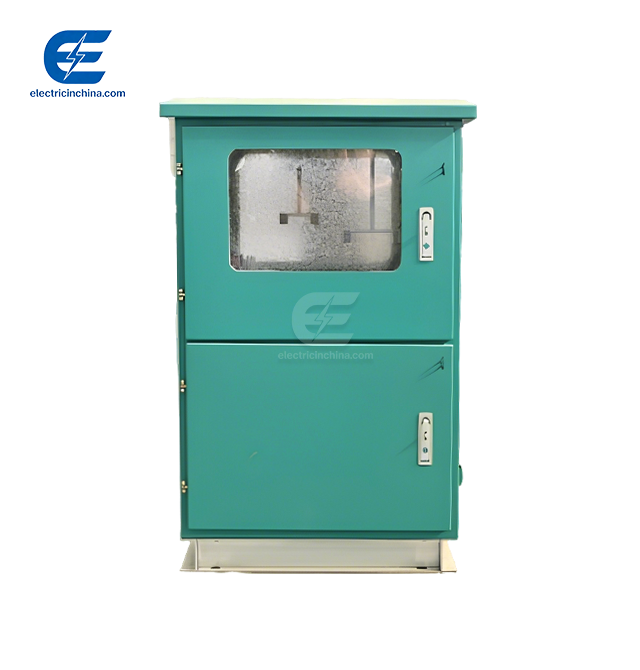
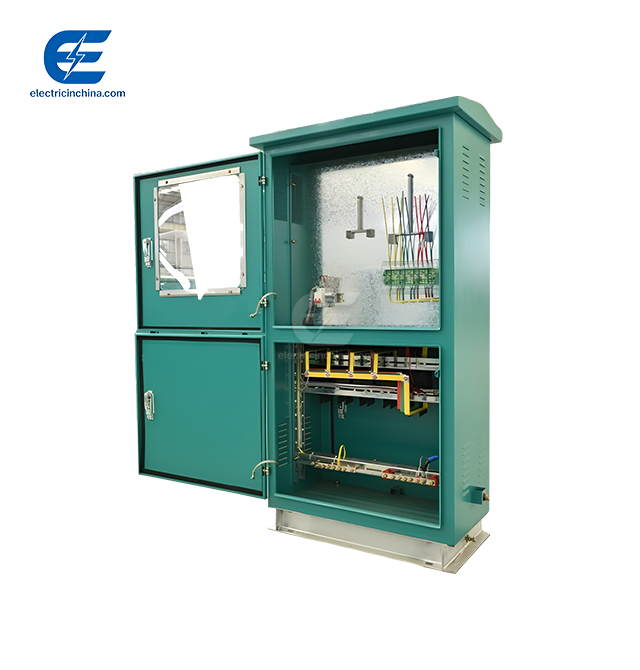
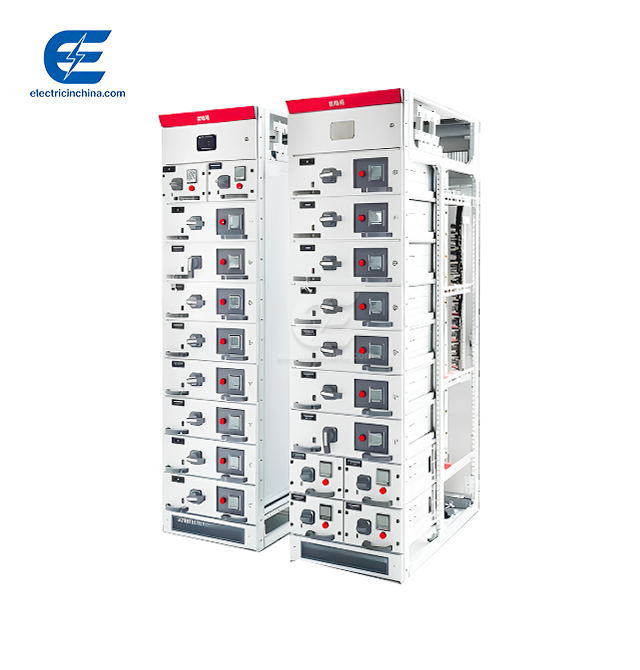
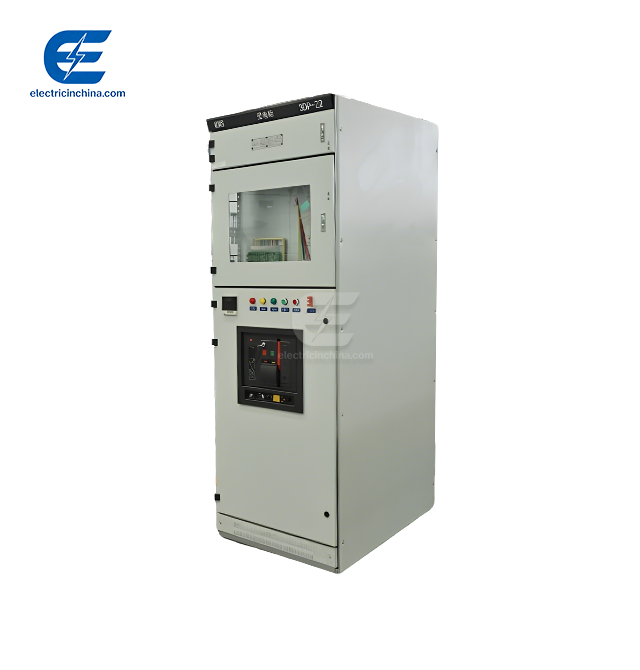
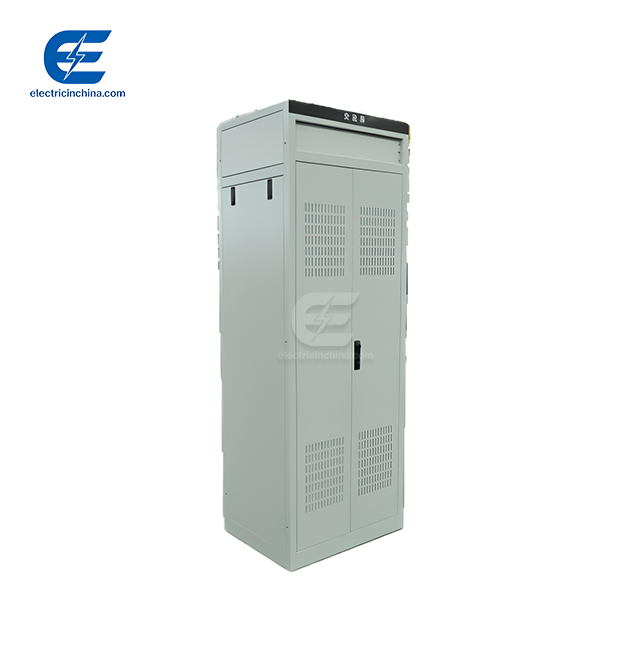
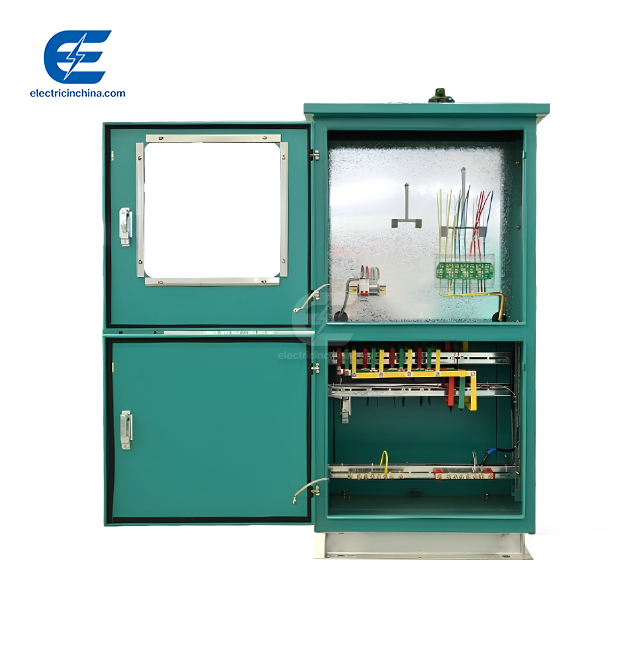
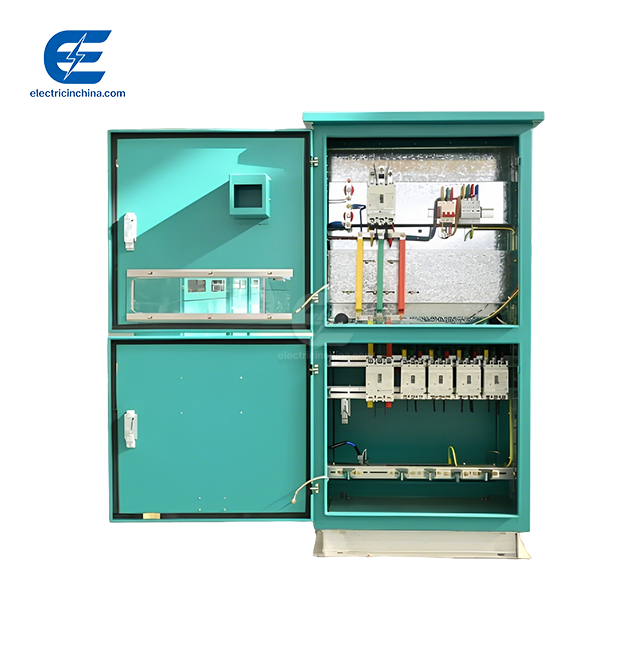
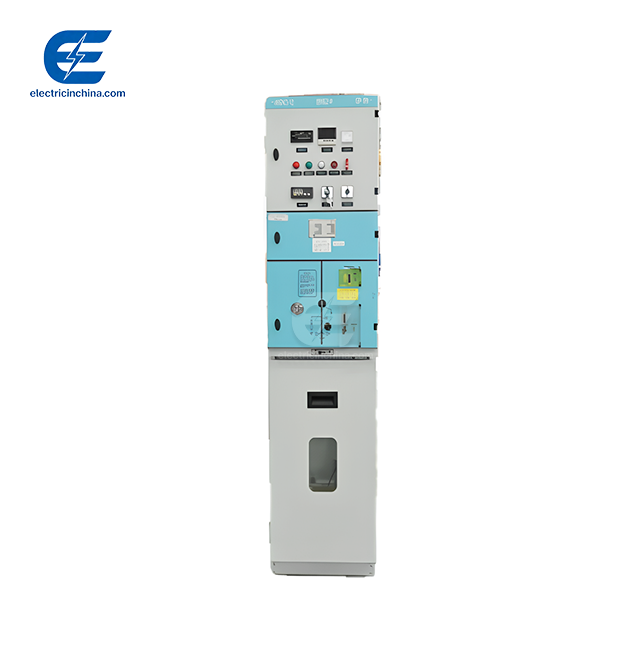
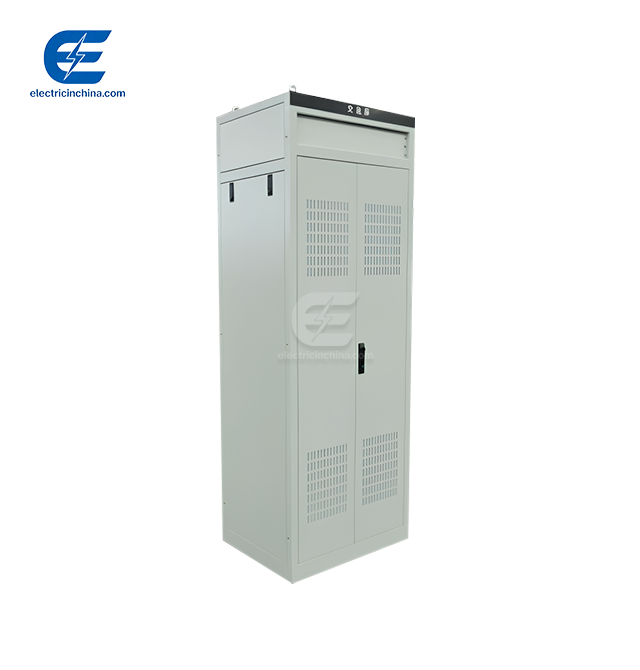
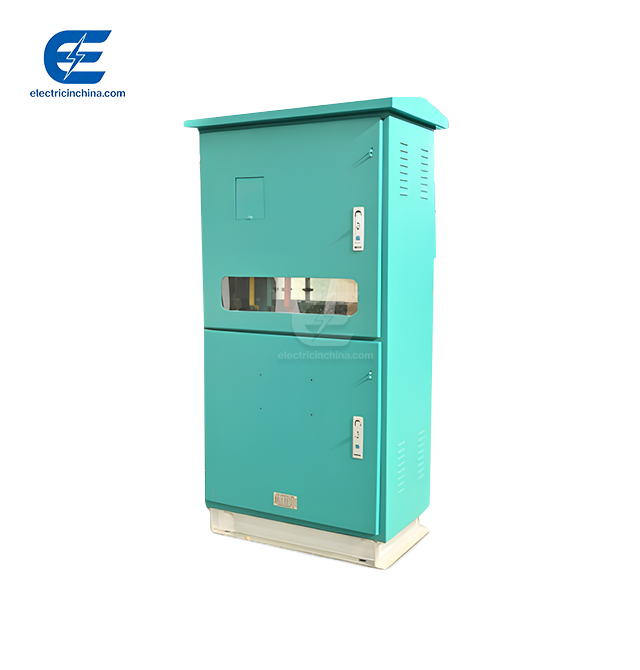
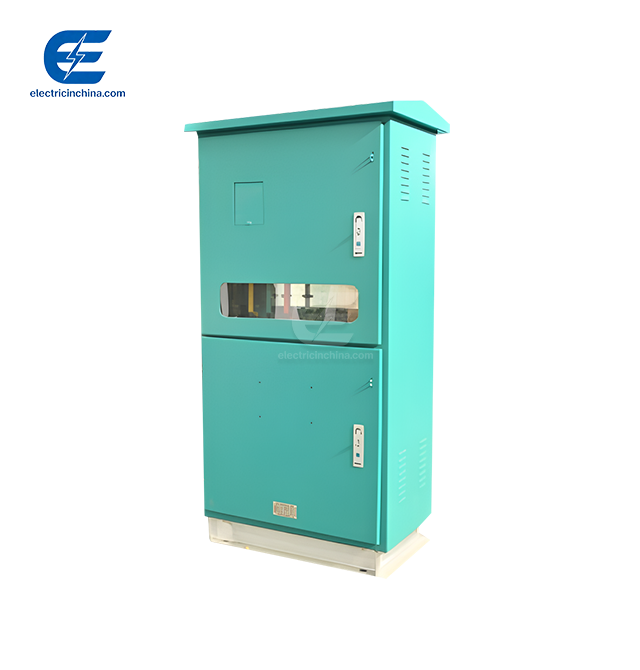
When the enclosure is designed correctly, it can be used outside. The resin insulation itself is resistant to water and dirt, but being out in the weather means it needs to be protected with a housing that has the right IP ratings. A lot of projects use weatherproof booths or pad-mounted structures that hold both the transformer and the switchgear.
How do maintenance requirements compare with oil-immersed units?
Transformers that are filled with oil need to be tested, their fluids processed, and eventually replaced. These tasks need to be done by qualified professionals and create dangerous waste. Dry-type construction with epoxy insulation doesn't need any upkeep; it just needs to be looked at, and the link torque checked every so often. This difference gets rid of ongoing service fees and problems with operations.
What customization options support specific project requirements?
To meet particular needs, voltage ratios, capacity levels, impedance values, vector groups, and termination configurations can be changed. The amount of IP protection changes depending on the situation. Some features, like temperature sensors, electronic safety relays, and communication interfaces, work with building control systems. We work with tech teams to make ideas work better in certain situations.
Partner With Tuojie for Your Next Power Infrastructure Project
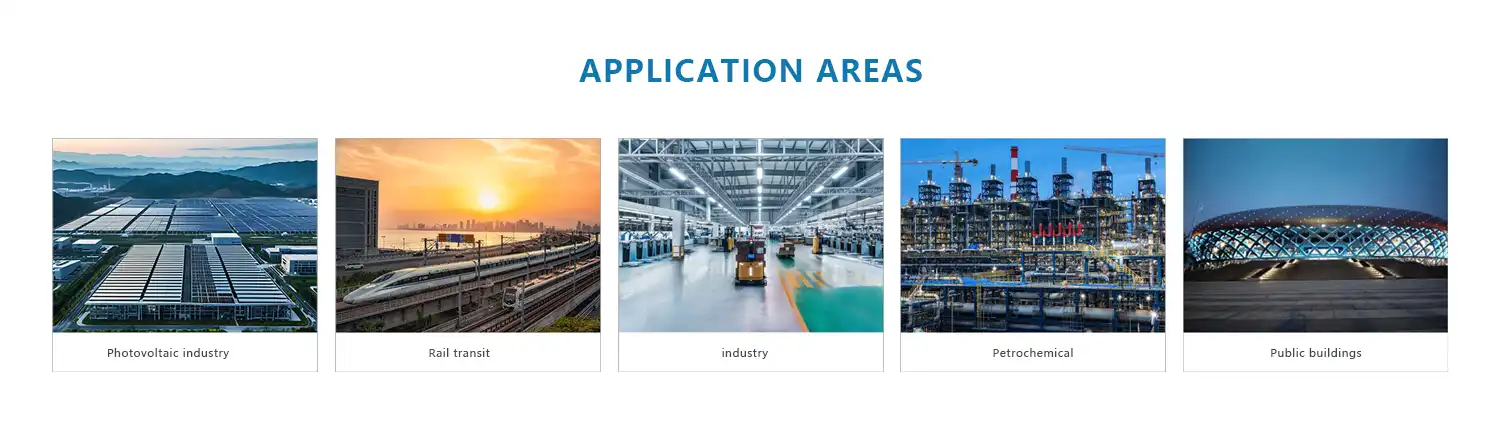
Tuojie offers complete electrical solutions by combining cutting-edge Cast Resin Amorphous Alloy Transformers with more than 20 years of experience completing projects. Our ISO 9001, ISO 14001, and OHSAS 45001 certifications, along with the fact that all of our low-voltage products meet CCC standards, show that we are committed to quality and meet international purchasing standards. We have been making these transformers for a long time and can help with government infrastructure, business development, and industry projects that need custom power distribution solutions. With the help of our expert team and more than 120 sets of specialised tools, we can make designs that meet your exact voltage, capacity, and environmental needs. You can email us at tuojie@electricinchina.com to talk about the details of your project, get detailed information, or get cheap quotes. You can look at our full line of transformers, switchgear, and integrated power systems at electricinchina.com. These systems have been used successfully in hundreds of projects around the world, such as rail transit networks, commercial complexes, and industrial parks.
References
1. Smith, J.R. & Williams, K.L. (2021). Amorphous Metal Alloys in Power Distribution: Performance Characteristics and Economic Analysis. IEEE Transactions on Power Delivery, Volume 36, Issue 4.
2. Zhang, H. & Martinez, E.F. (2022). Cast Resin Insulation Systems for Medium Voltage Transformers: Reliability and Environmental Performance. International Journal of Electrical Engineering.
3. Johnson, M.D. (2020). Lifecycle Cost Analysis for Power Distribution Equipment: Comparative Study of Transformer Technologies. Energy Efficiency in Industrial Applications, Academic Press.
4. European Copper Institute (2021). Transformer Selection Guide for Energy-Efficient Building Services. Technical Publication Series, Brussels.
5. National Electrical Manufacturers Association (2022). Standards Publication for Medium Voltage Dry-Type Distribution Transformers. NEMA Technical Standards Document TP-2.
6. Anderson, P.R. & Chen, L.Y. (2023). Sustainable Electrical Infrastructure: Material Science Innovations in Power Distribution. Renewable Energy and Power Quality Journal, Volume 18.