

.webp)
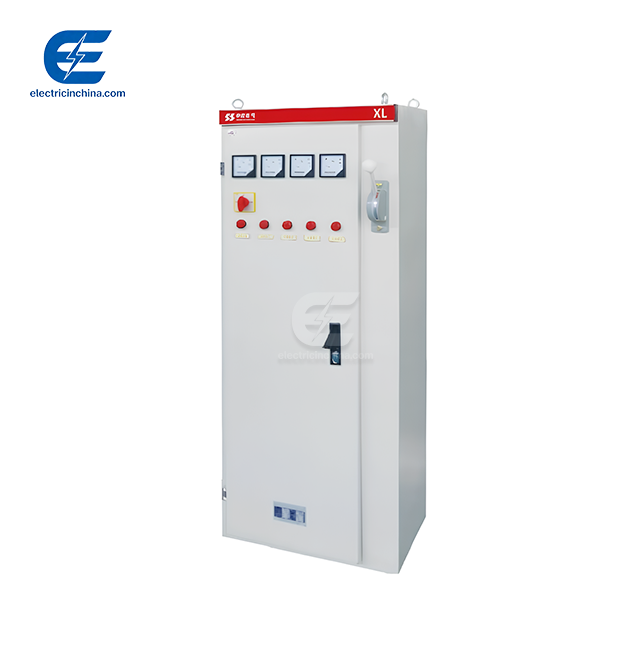
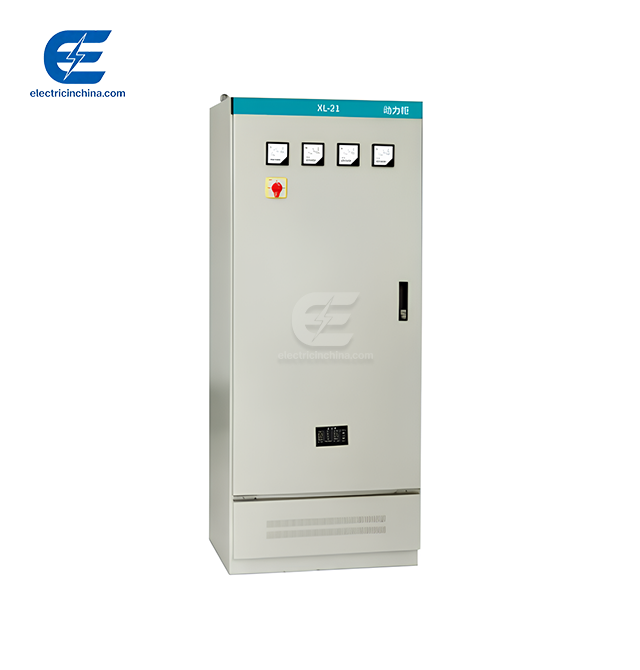
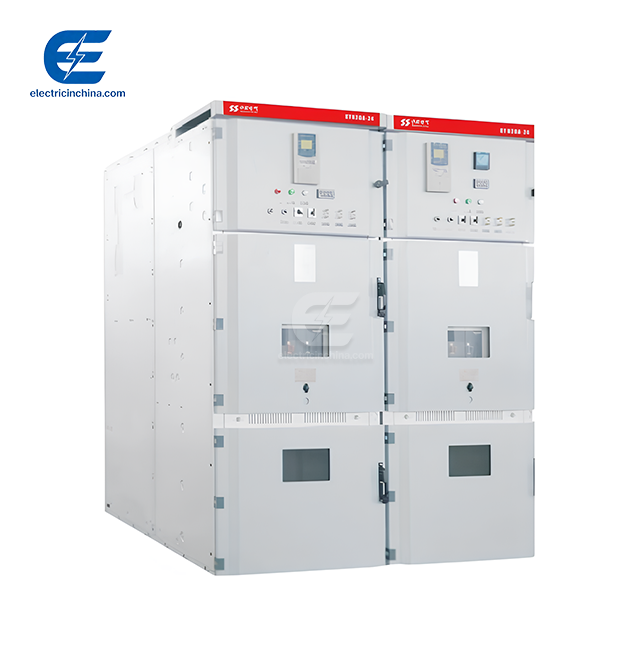
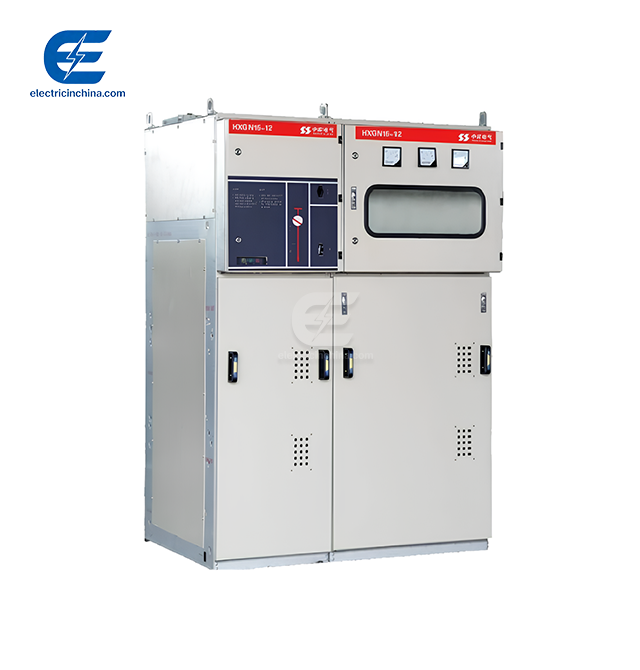
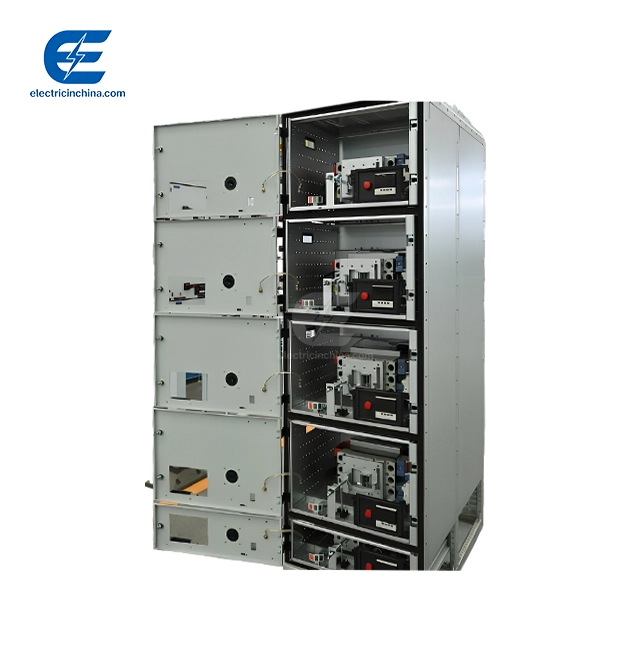
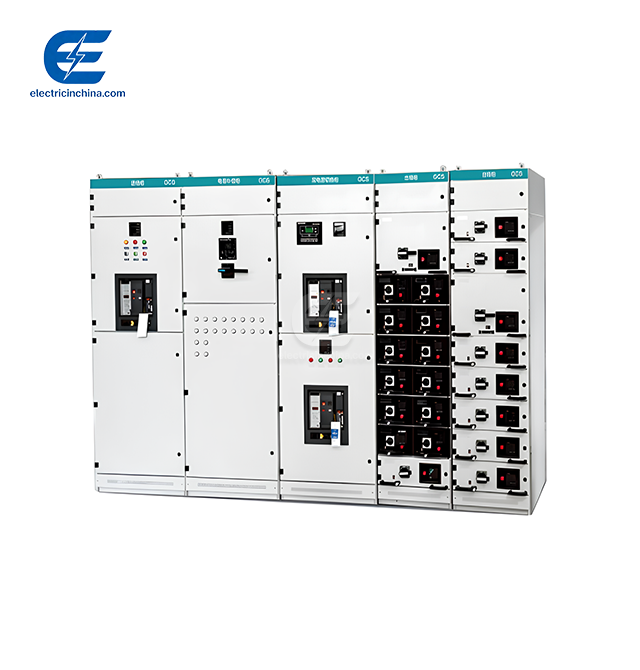
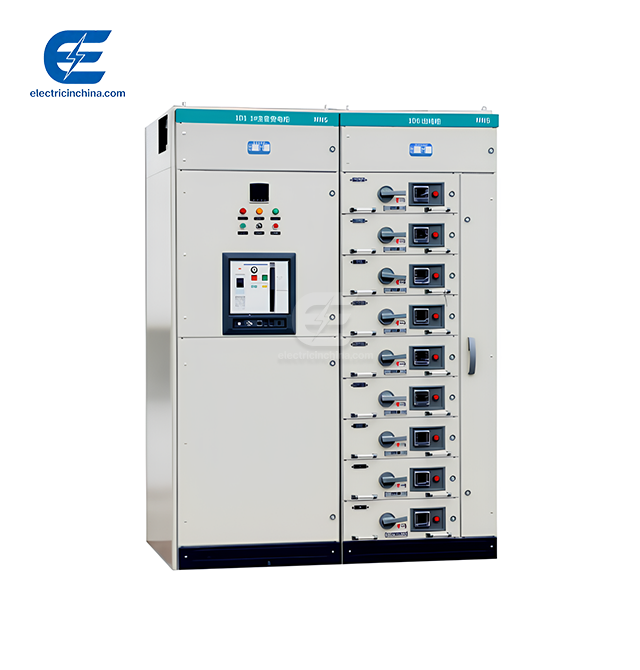
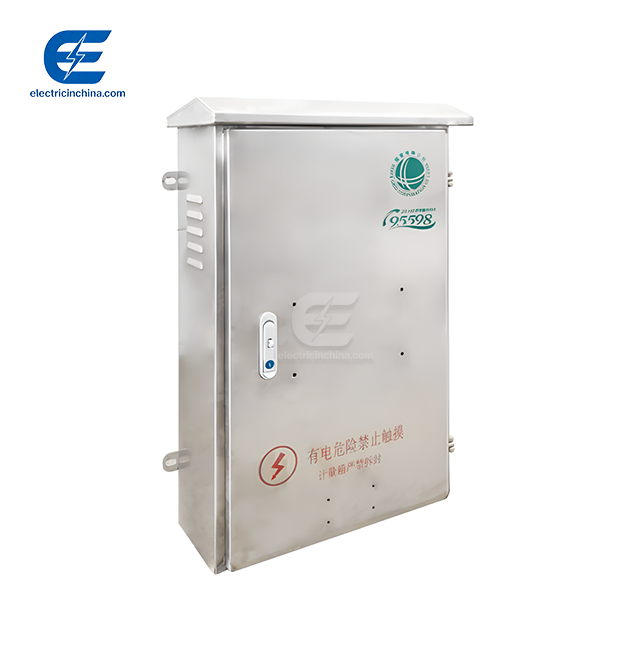
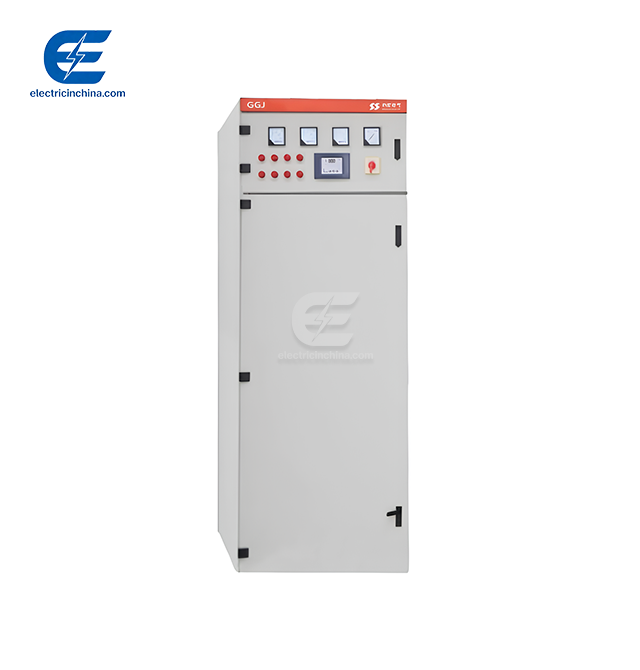
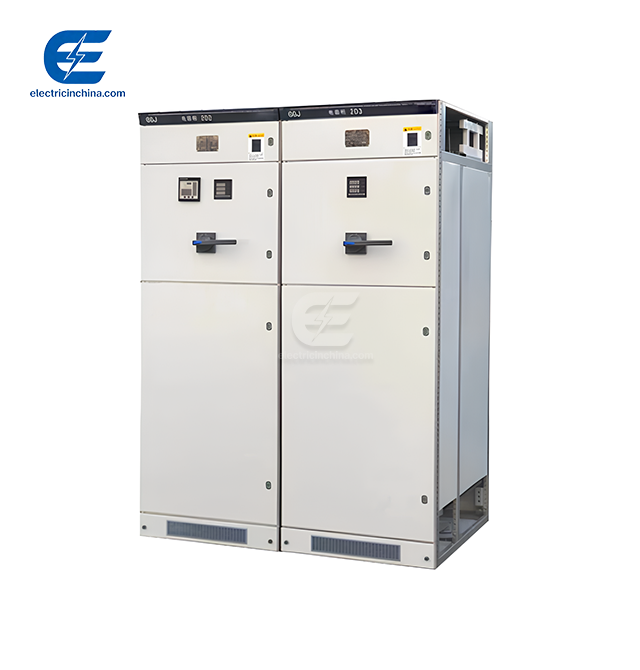
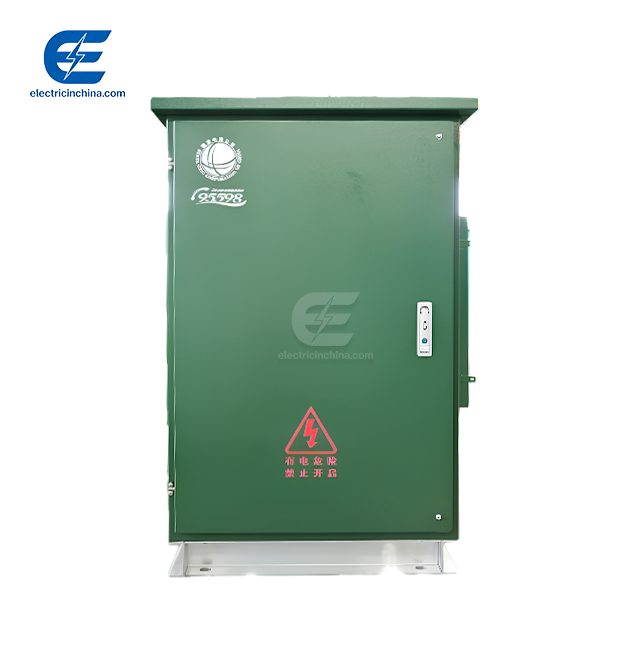
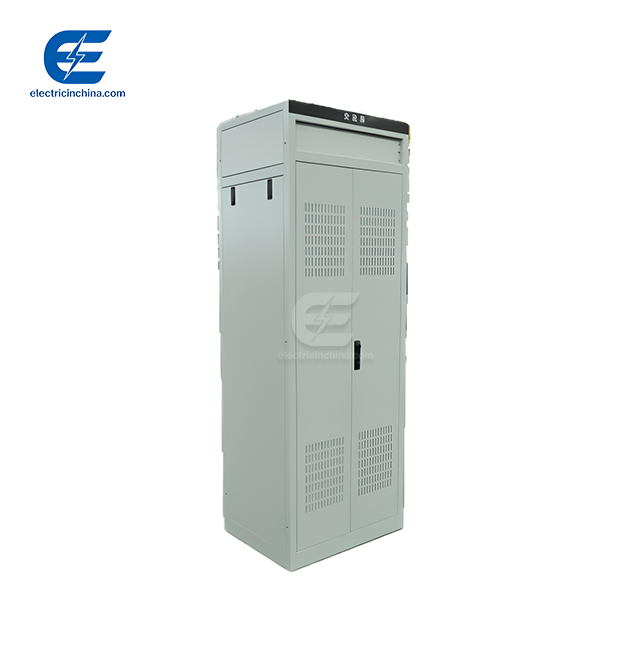
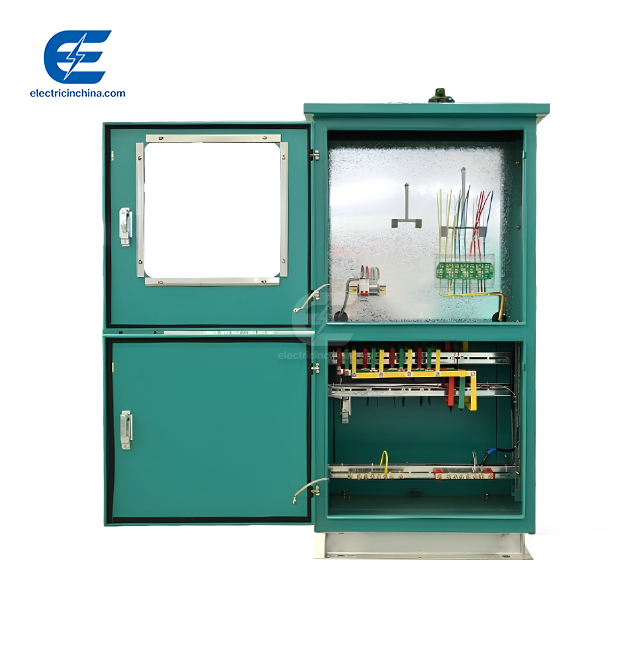
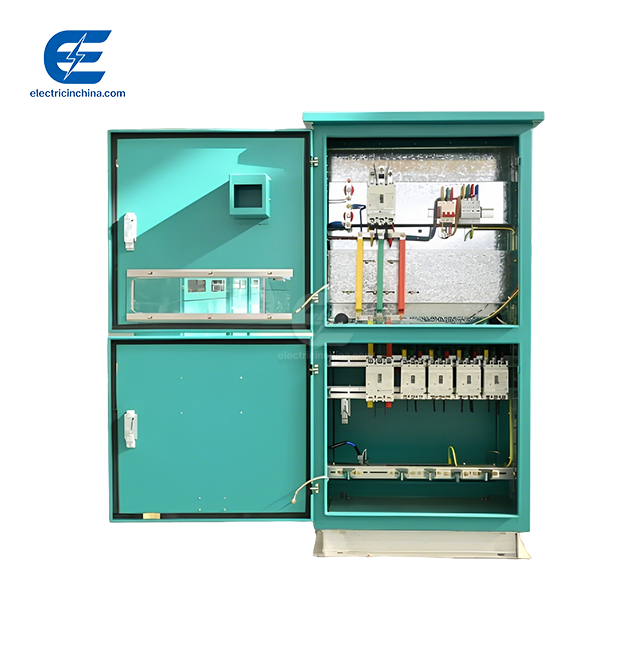
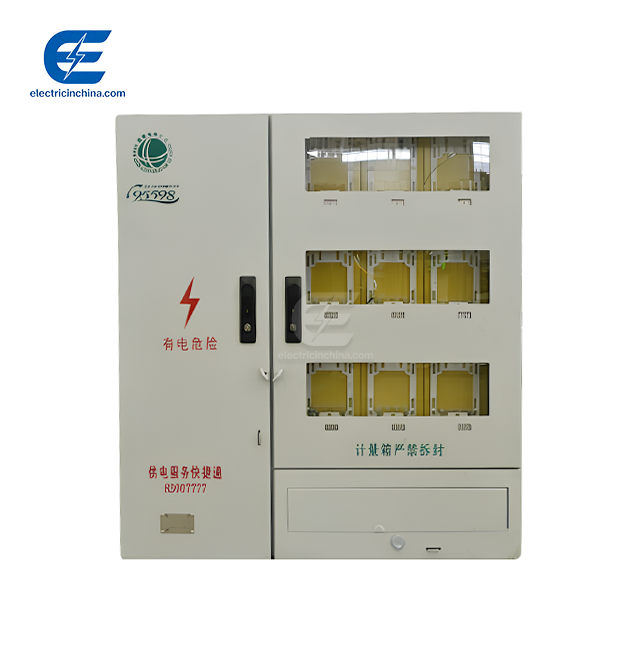
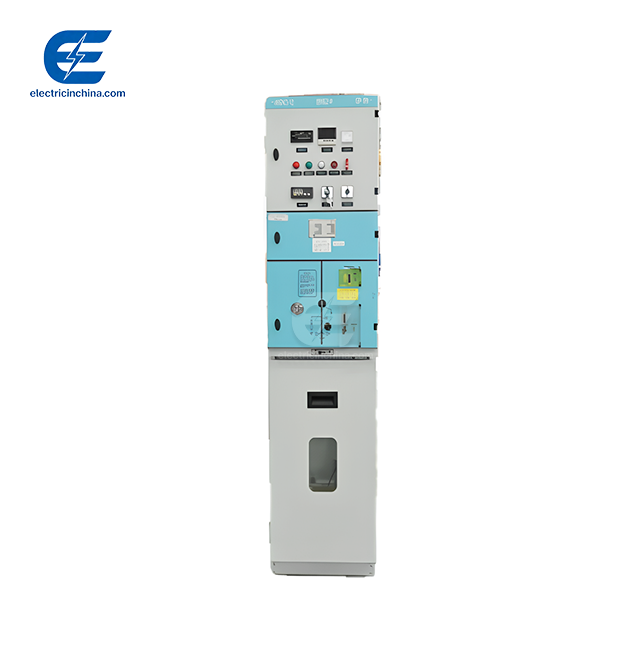
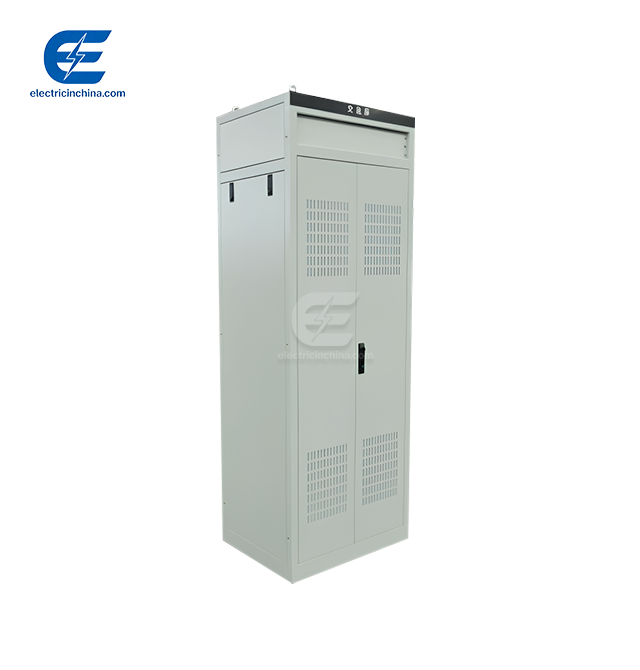
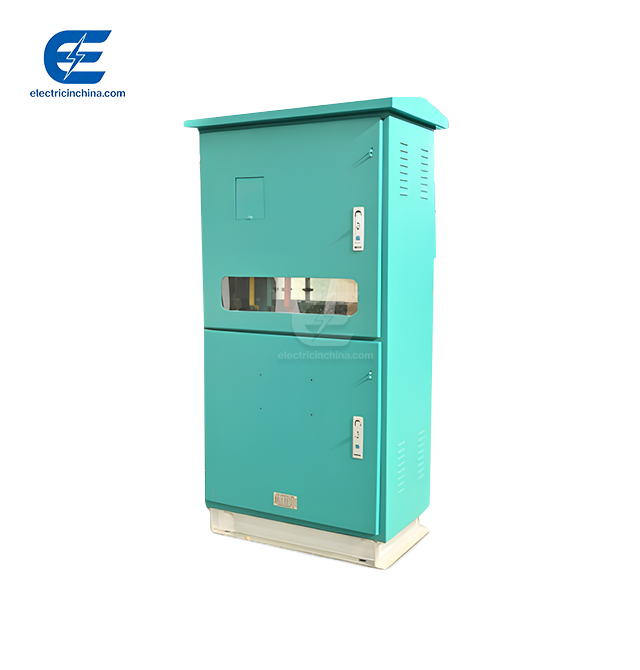
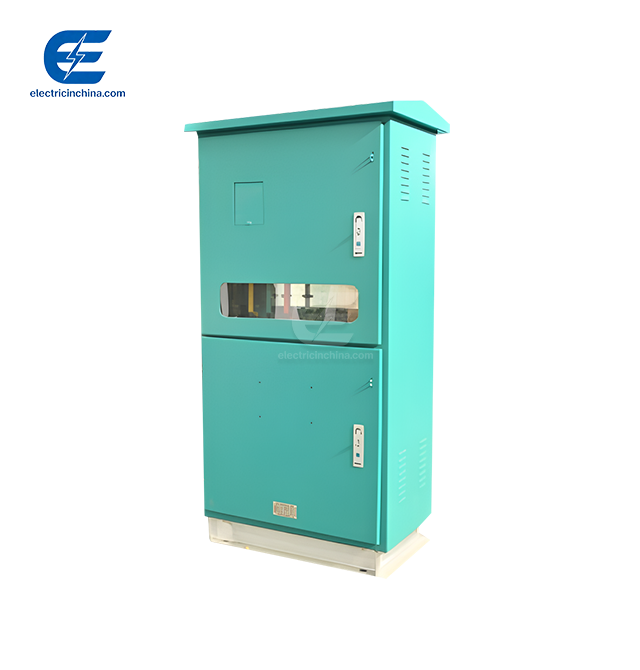
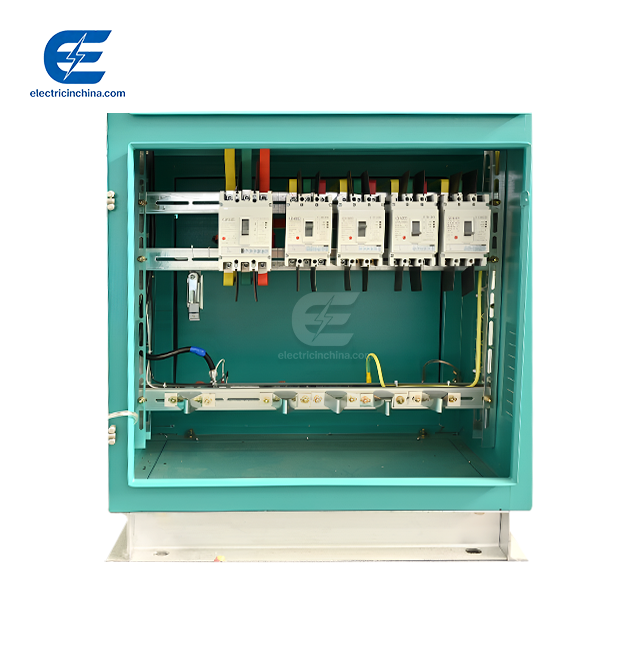
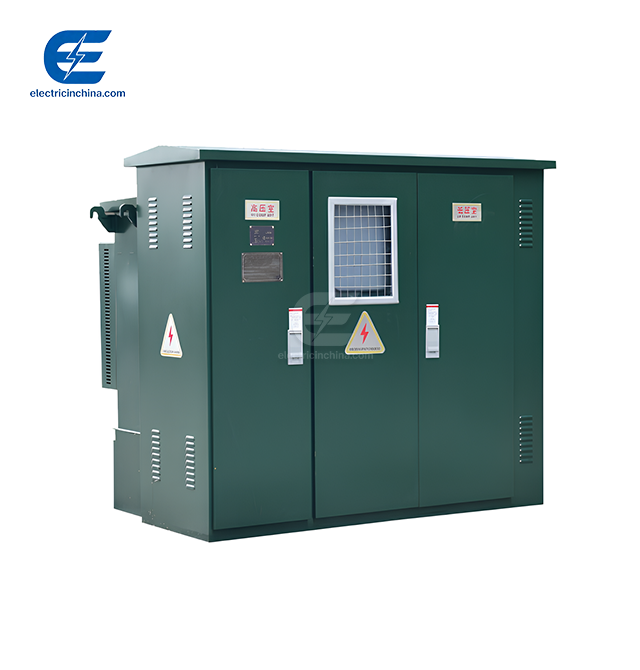
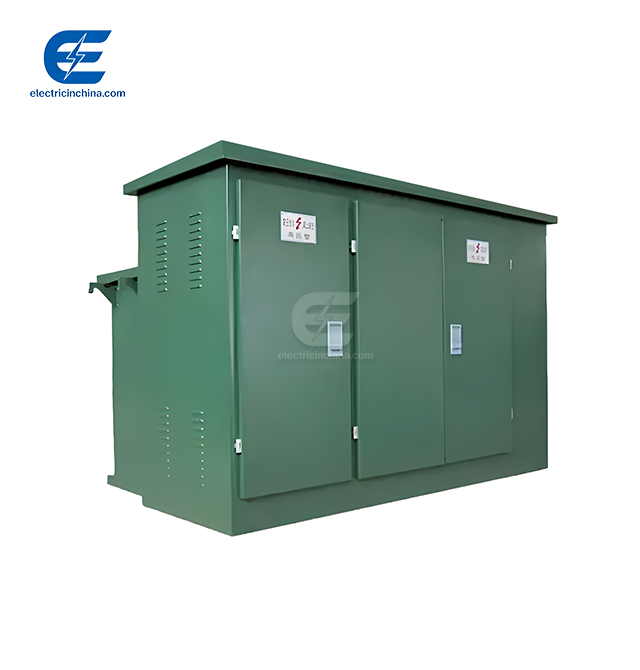
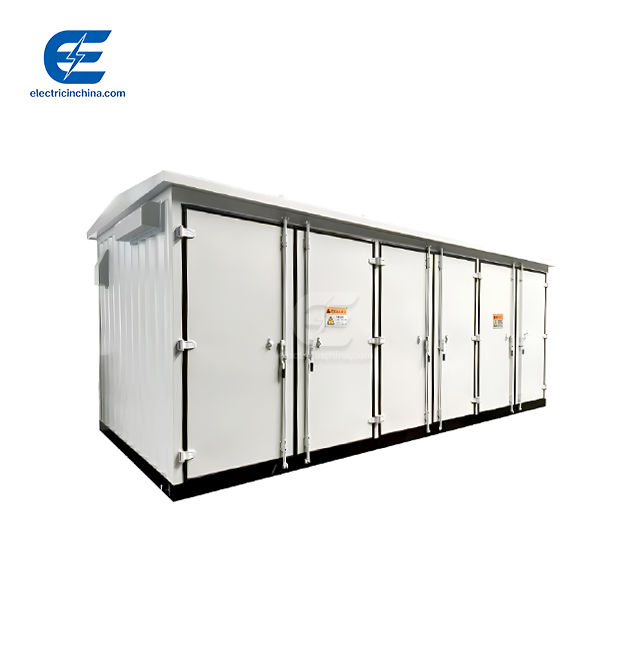
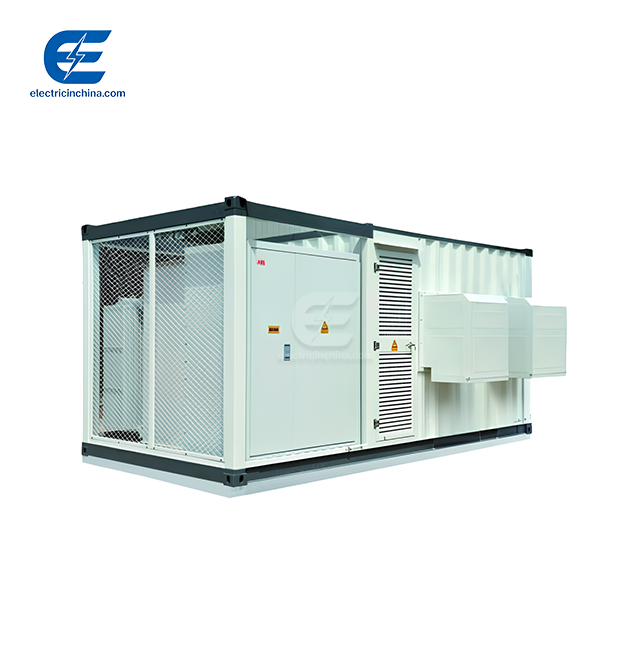
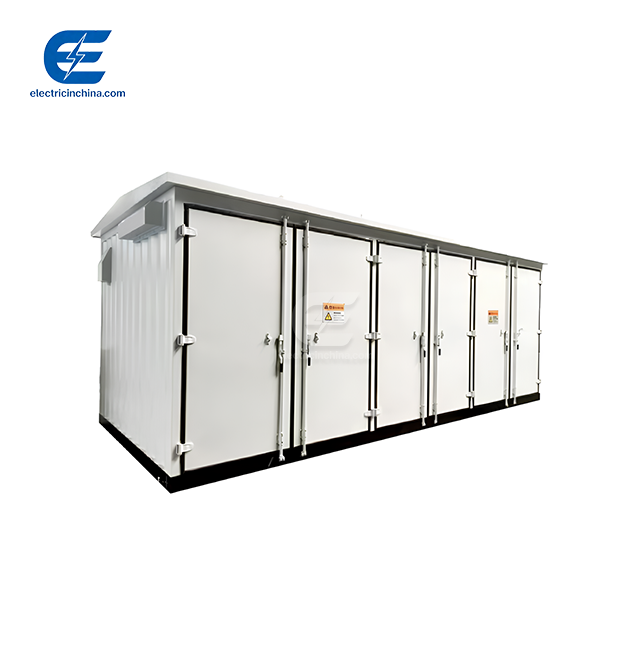
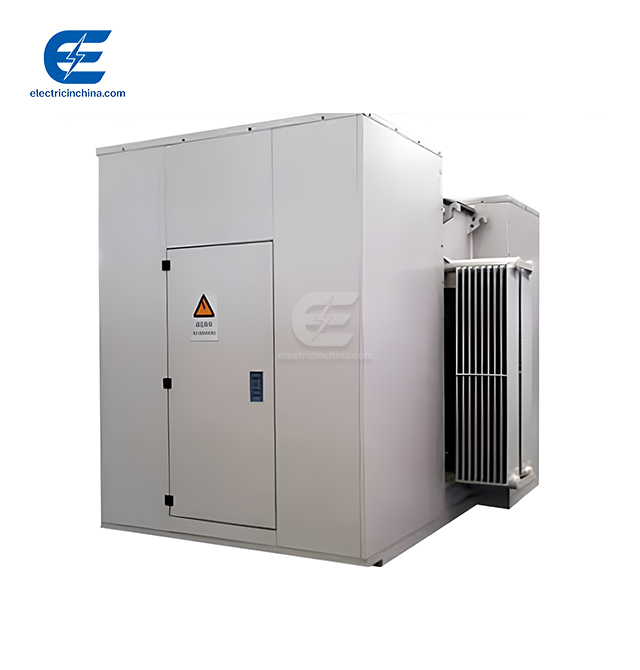
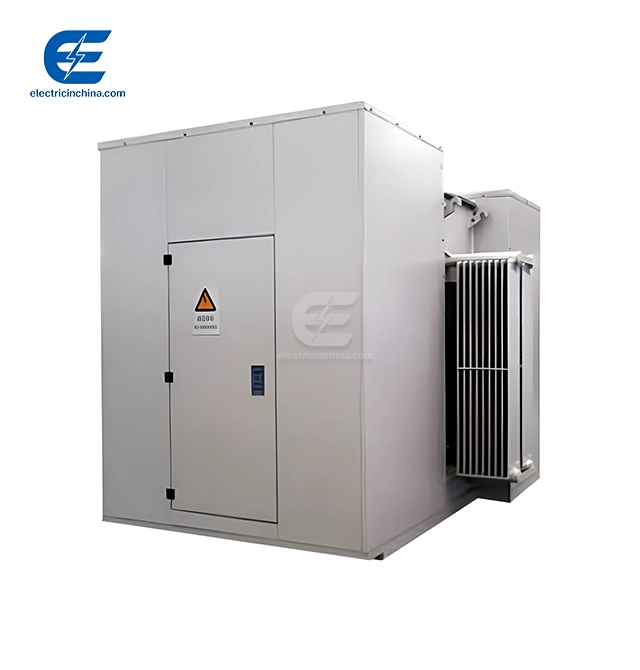
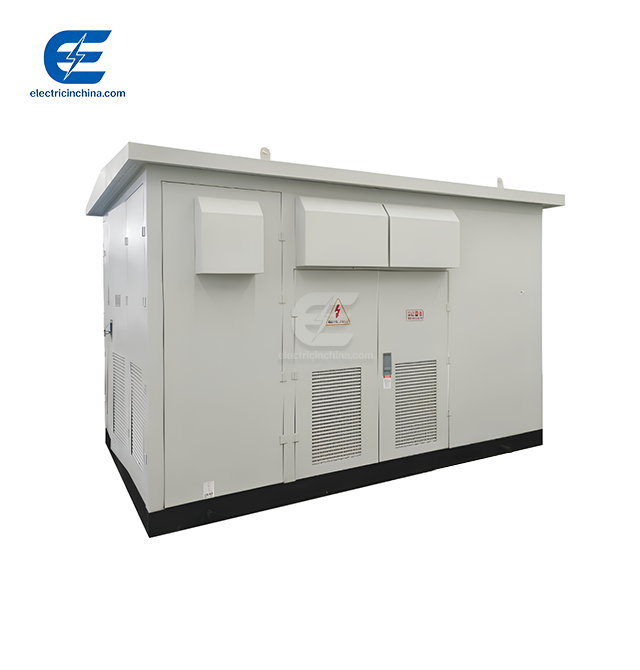
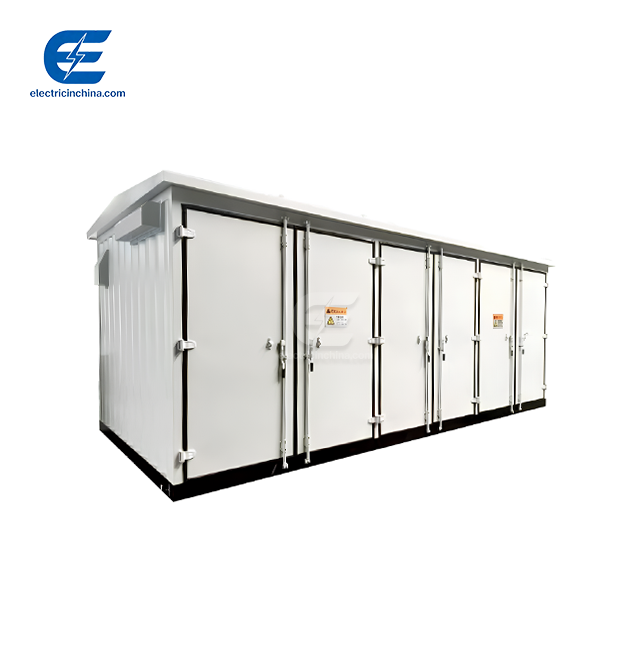
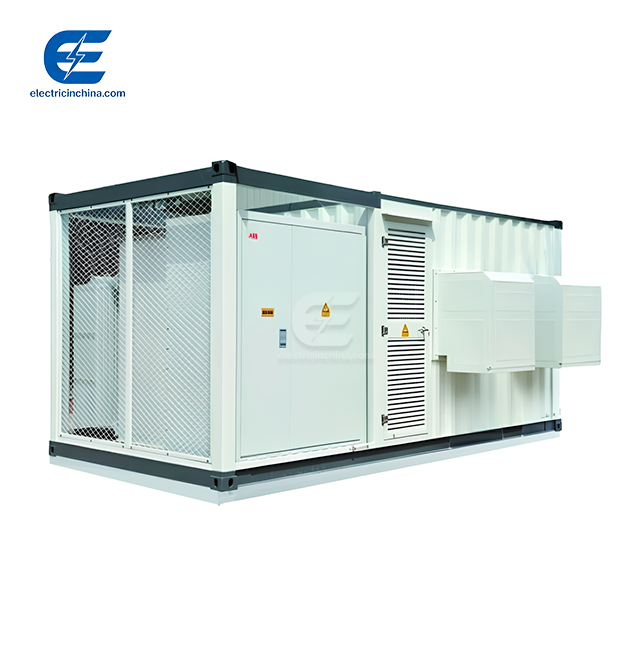
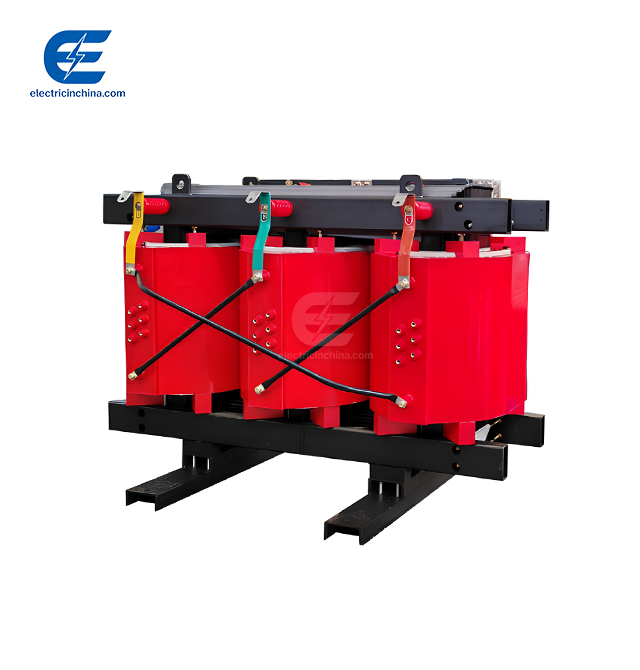
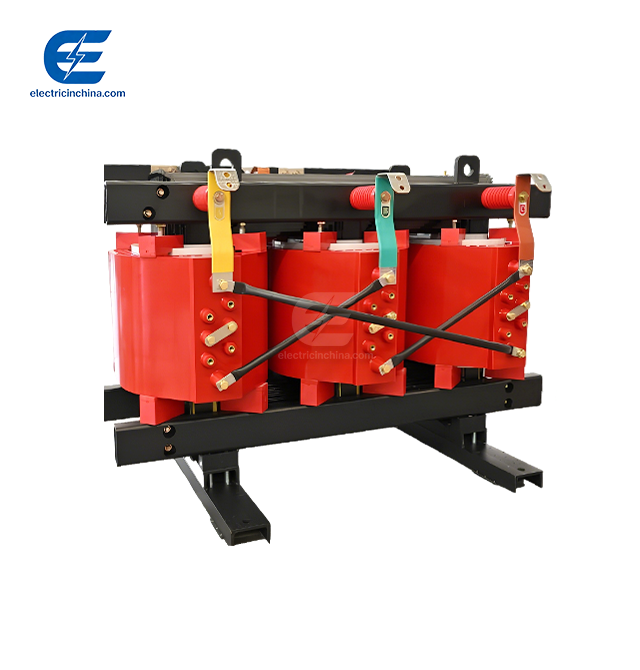
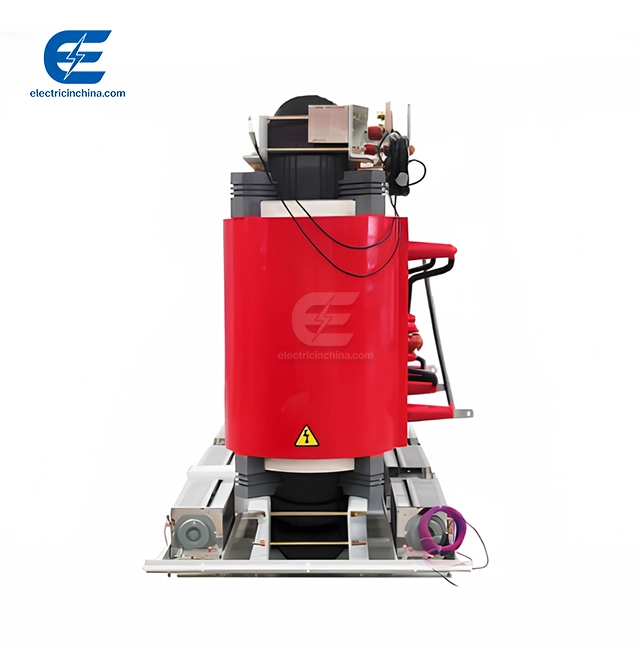
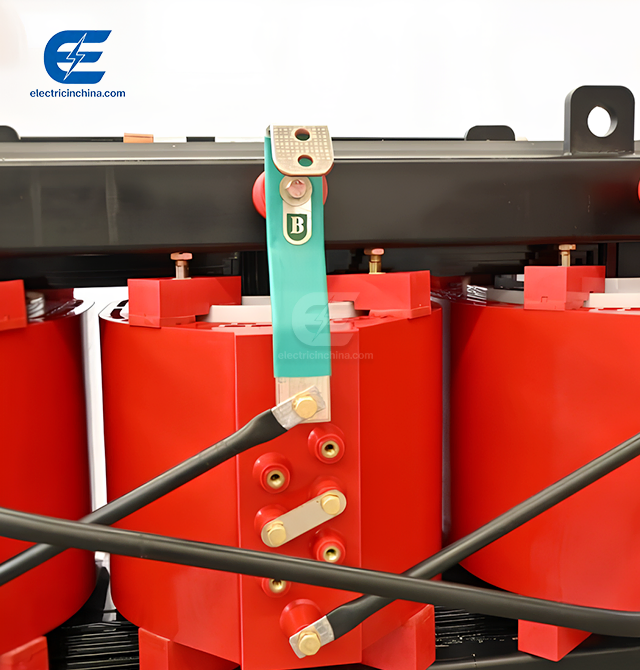
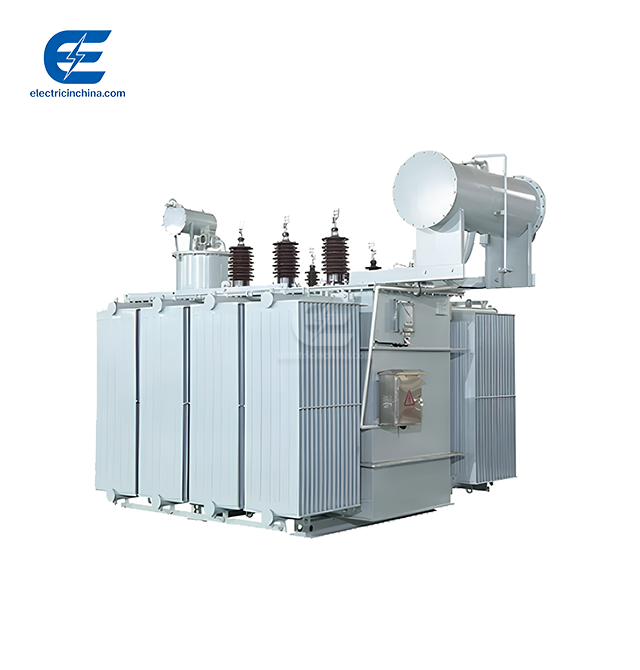
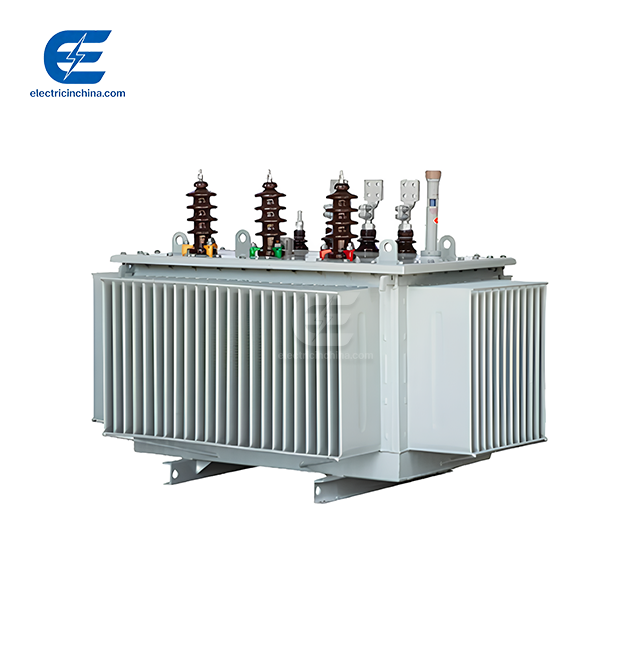
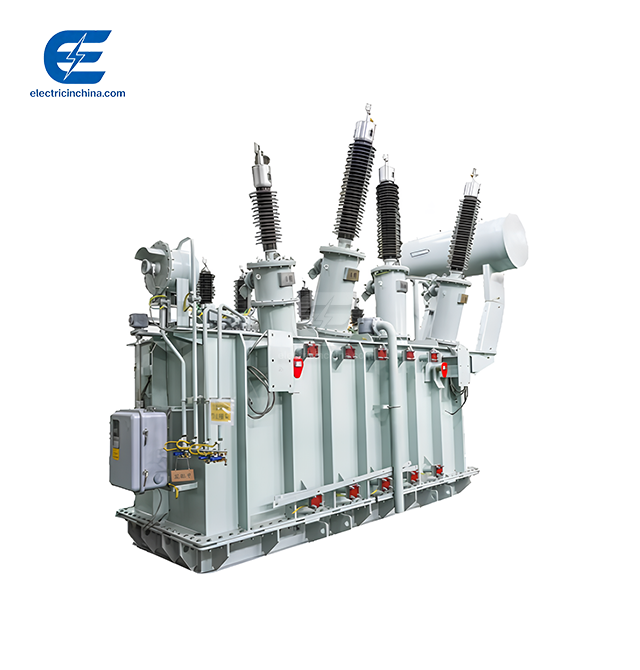
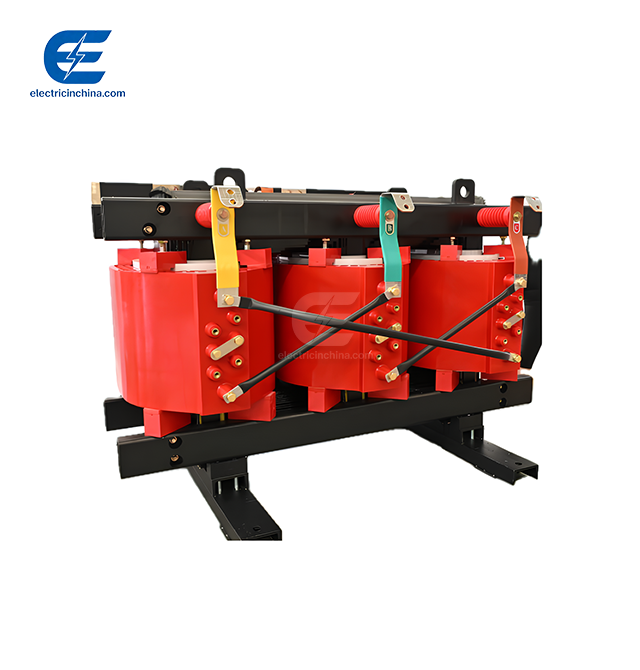
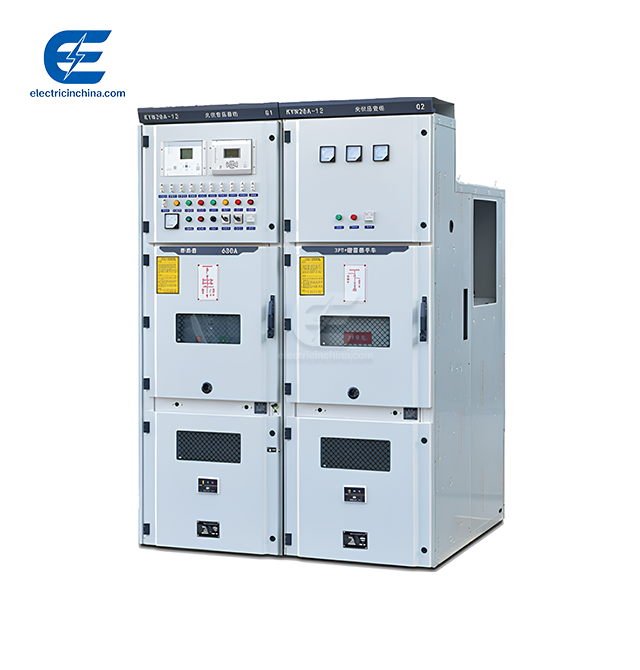
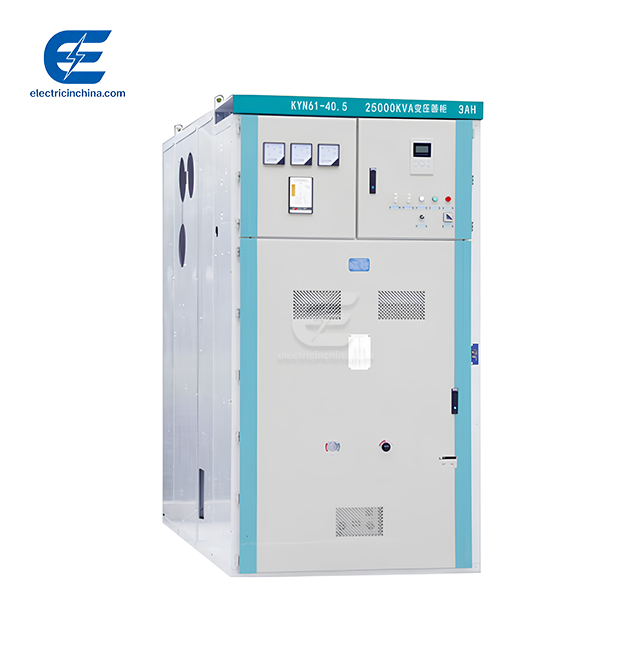
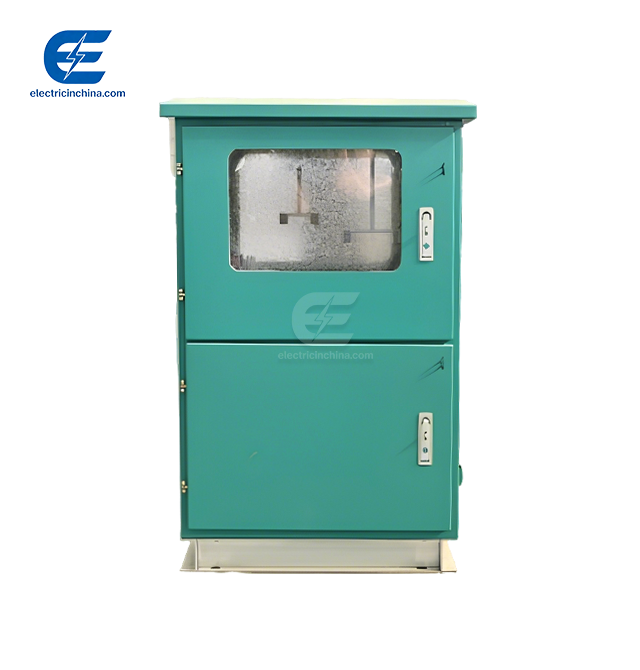
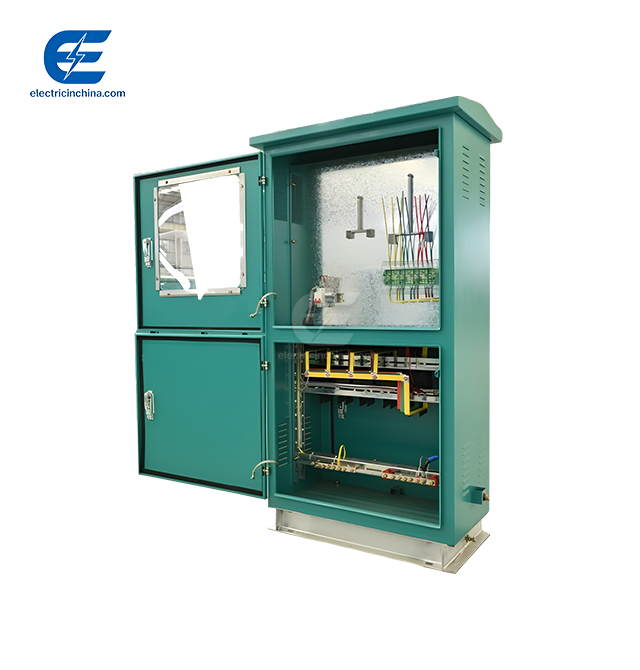
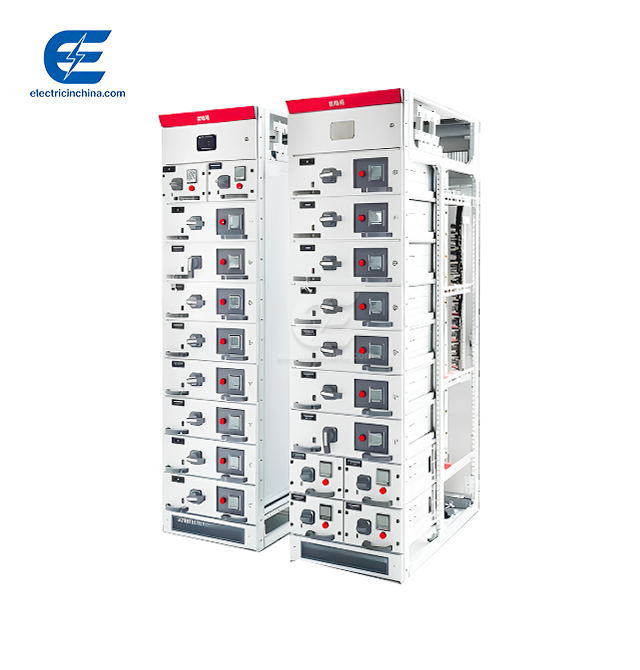
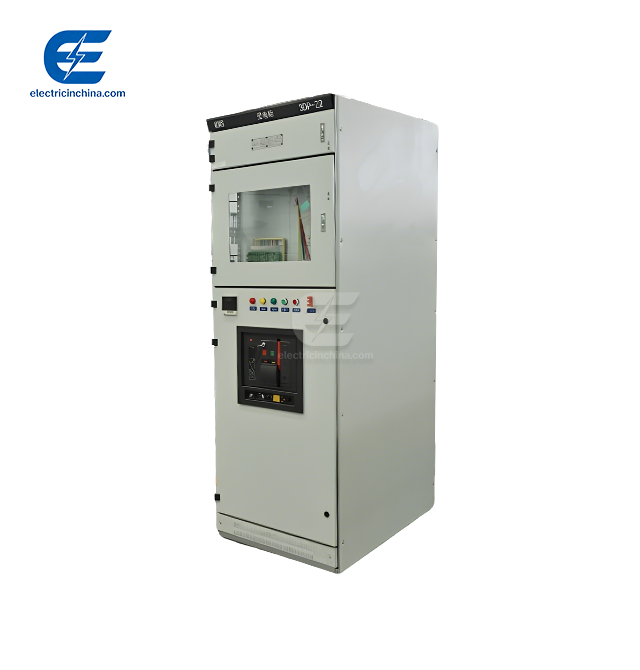
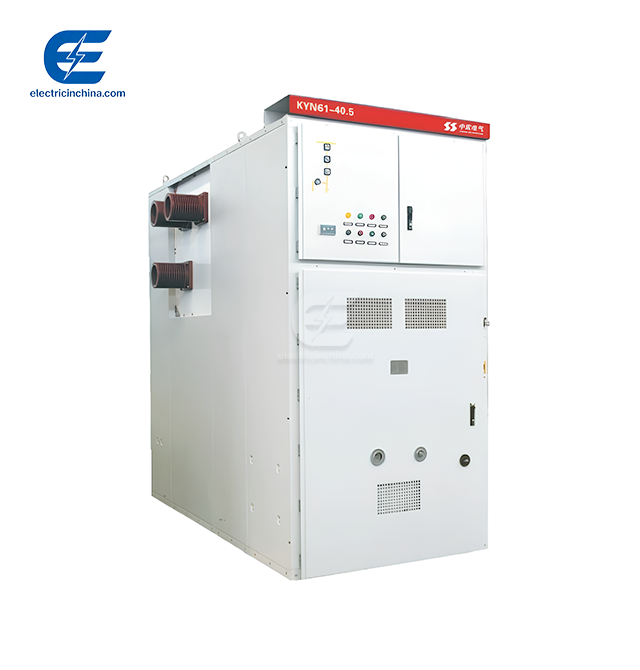
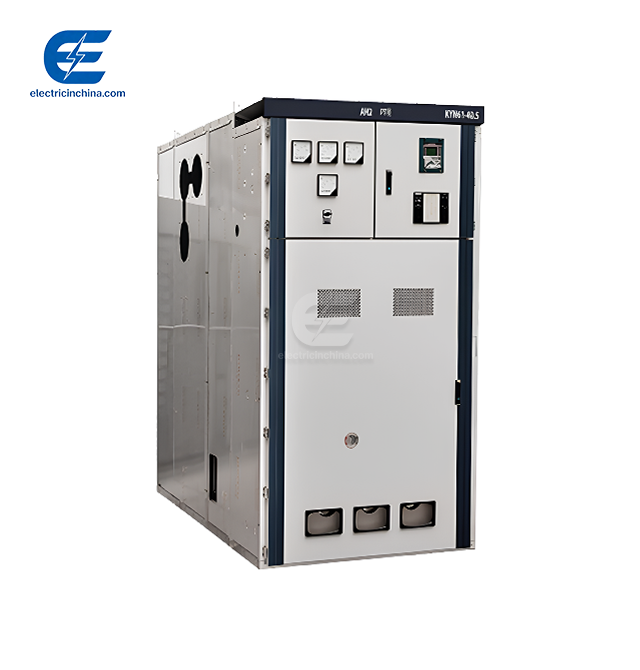
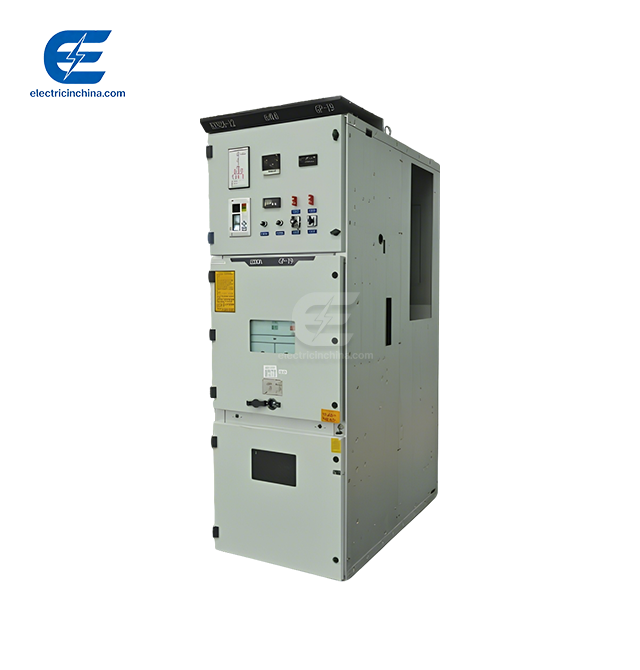
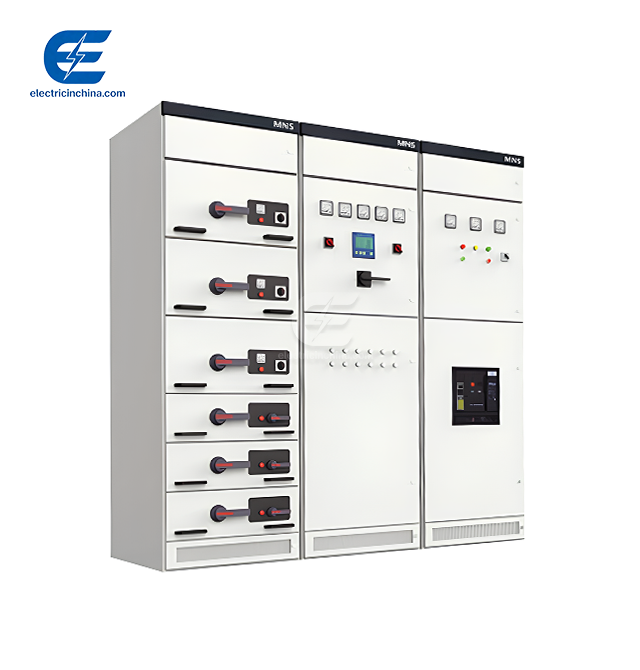
Rural power distribution faces unique challenges that traditional infrastructure struggles to address efficiently. Integrated Modular Substation technology offers a transformative approach by delivering pre-engineered, factory-tested electrical systems specifically designed for remote and underserved areas. These compact units combine transformers, switchgear, control systems, and protection equipment into standardized modules that drastically reduce installation time while maintaining exceptional reliability. Rural communities benefit from faster electrification, reduced infrastructure costs, and sustainable power solutions that seamlessly accommodate renewable energy sources, making modular substations the preferred choice for government projects, EPC contractors, and utility modernisation initiatives across challenging terrain.
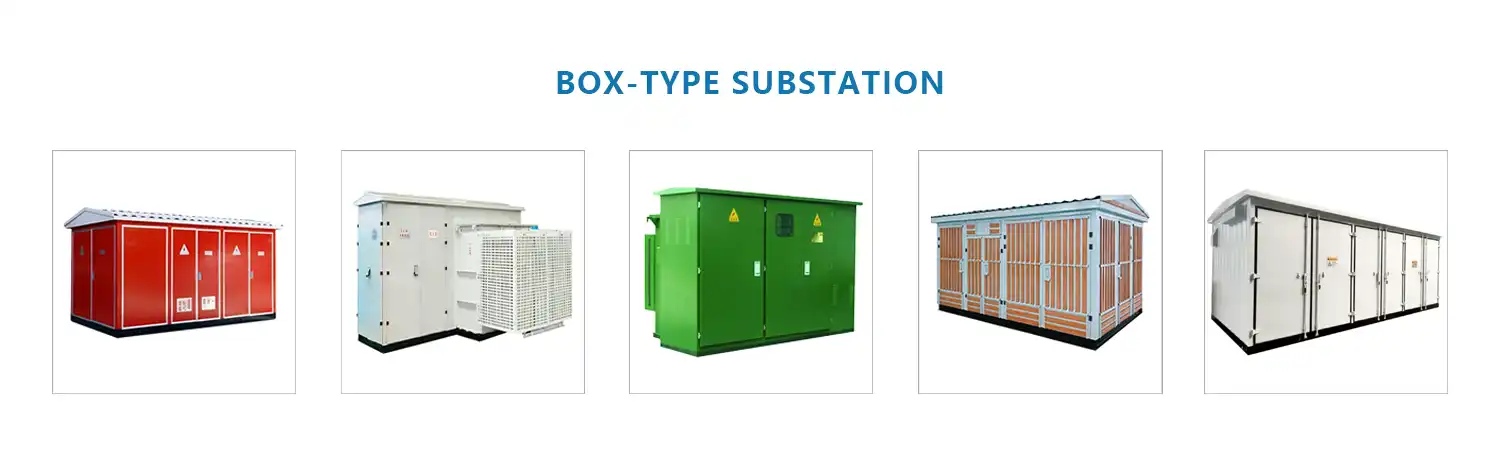
Understanding Integrated Modular Substations in Rural Power Distribution
What Makes Modular Substations Ideal for Rural Applications?
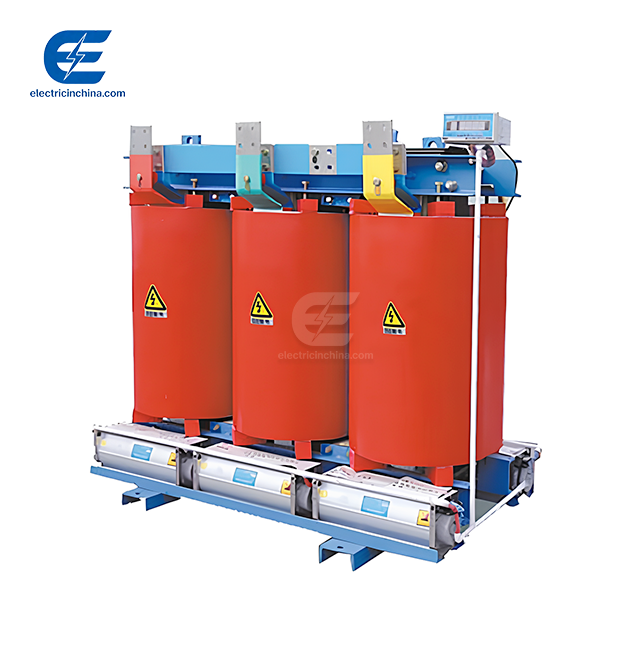
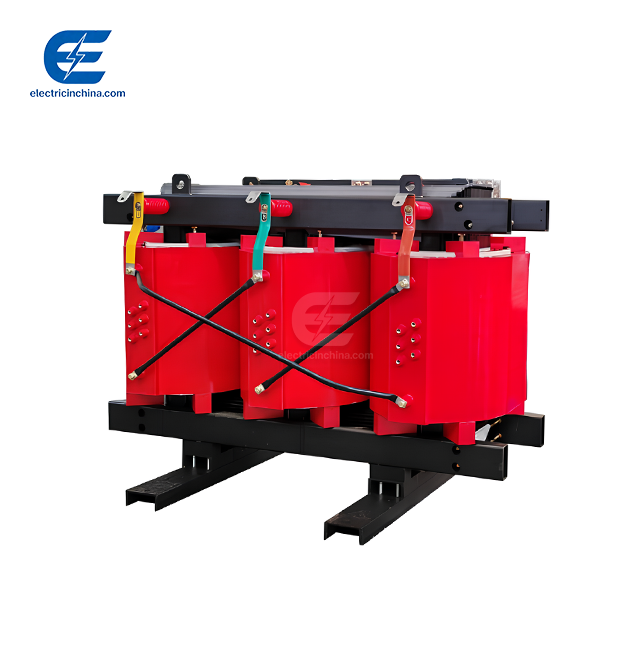
The main problems that rural electrification projects face are taken care of by Integrated Modular Substation design. Field-built setups usually take 18 to 24 months to finish, but our factory-assembled method gets systems up and running in just 6 to 12 months. This shorter timeline is due to thorough testing and pre-assembly happening in controlled factory settings. Before we ship them, we validate every transformer, circuit breaker, and control panel.
Our systems can handle voltages from 4.16 kV to 138 kV and power up to 100 MVA, making them suitable for a wide range of rural distribution needs. When compared to traditional substations, the small size takes up to 70% less land. This is a giant benefit when working in areas with limited ideal terrain or protected environmental zones. When the units arrive, we have already completed 90% of the testing. This makes commissioning easier and speeds up the connection to the existing grid.
Core Components and Design Principles
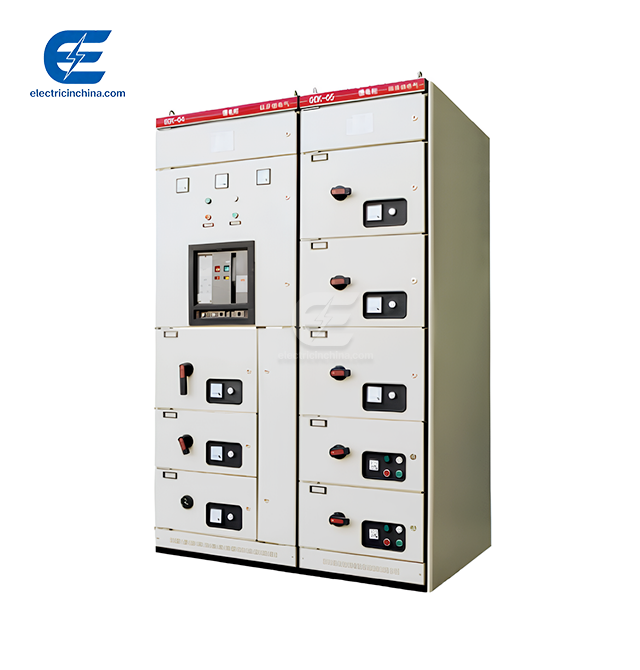
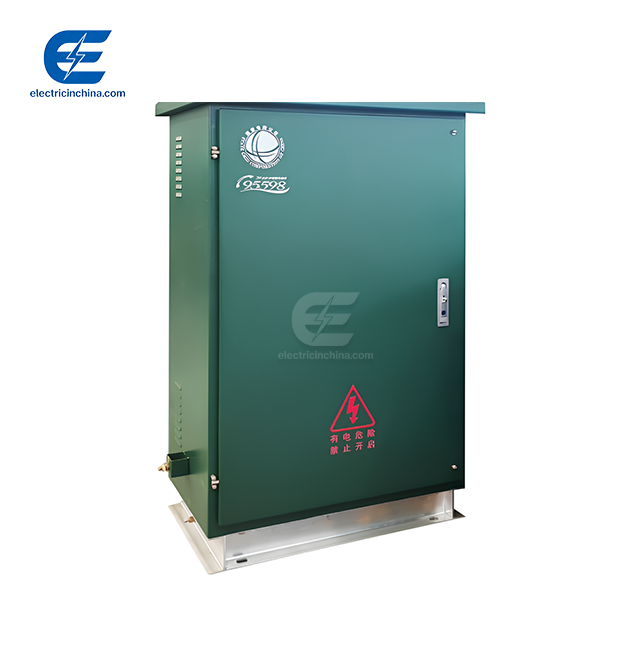
The design combines transformers that meet IEEE C57.12.00 standards with switchgear that meets IEEE C37.20 standards. All of this is contained in weatherproof casings that are rated IP54/IP65. This amount of safety makes sure that the system will work properly even in dust storms, heavy rain, temperatures ranging from -40°C to +50°C, and the high humidity that is common in rural areas. Our design theory emphasises making sure that equipment lasts as long as possible and keeps working, because we know that repair visits to rural areas often take longer than expected.
Advanced tracking tools that work with IEC 61850 communication methods provide you with real-time information about how things are running. This lets you plan preventative maintenance that keeps your equipment working longer and stops it from breaking down when you least expect it. We make sure that every Integrated Modular Substation has two sets of protection systems that work together to achieve 99.5% availability. This approach has been proven by a lot of field deployments in local, commercial, and industrial projects, such as the Xuzhou Rail Transit Network Control Center and XCMG Group plant expansions.
Addressing Rural Infrastructure Limitations
Rural grids have to address big holes in their infrastructure, a lack of construction materials, and problems with accessibility that make projects take longer and cost more. There are several ways that Integrated Modular Substations get around these problems. On-site civil work drops by about 70%, so there is no need for as much foundation work and less damage to the environment. Our ISO 9001-certified manufacturing facility has over 120 advanced production systems, such as CNC automatic winding machines and microcomputer-controlled gradient curing furnaces. This means that we need fewer staff during installation because most of the assembly and quality control happens there.
Transportation issues are taken care of by using standard module sizes that follow DOT rules and let bigger parts be put together on the job site when needed. This versatility is very useful when going to remote villages via dirt roads or places where bridge weight limits apply. The 15 senior engineers and over 30 intermediate technicians who make up our engineering team change configurations to fit each site's needs while keeping standard interfaces for future growth.
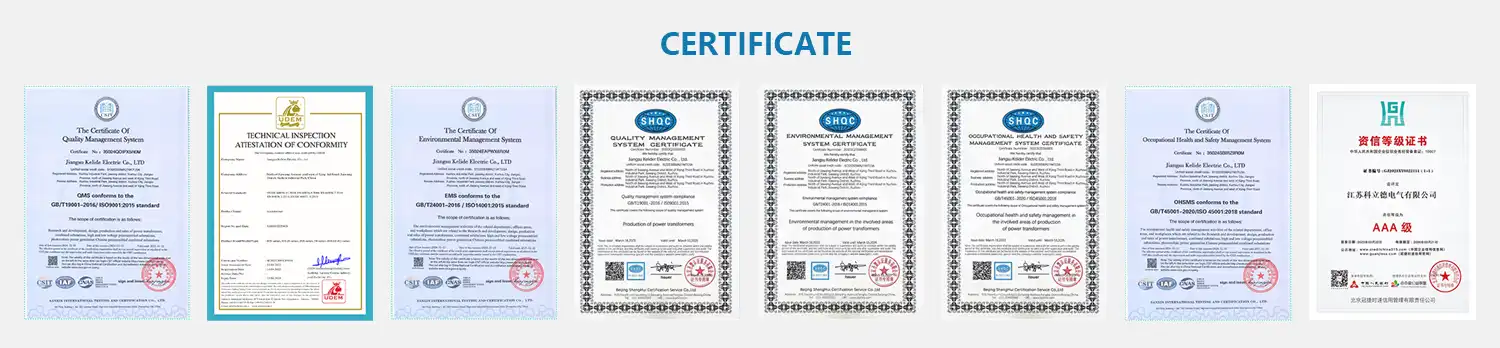
Typical Application Scenarios of Integrated Modular Substations in Rural Power Distribution
Remote Village Electrification and Mini-Grid Development
In the United States, thousands of rural areas still lack reliable electricity and rely on outdated infrastructure that needs replacing. Modern electricity service can reach people who don't have it easily thanks to Integrated Modular Substation technology that makes decentralised power distribution networks possible. The systems work well with distributed generation resources and can support mini-grid designs that connect to the power grid and produce green energy locally.
Installation speed is especially important when getting money from the government means finishing a project by a certain date to keep the grant. We have helped a lot of village electricity projects go live 4 to 6 months earlier than planned, which has made sure they follow the rules and accelerated economic growth in the area. The small size makes it easier to buy land in places where property rights are complicated or where environmental concerns prevent choosing good spots.
Integration with Renewable Energy Systems
In rural areas, solar farms and wind installations need strong interconnection systems that can handle different types of generation. The harmonic filtering and reactive power compensation in our Integrated Modular Substations are specially designed for use with renewable energy sources. These features keep power quality standards in check while accommodating the changing output from solar panels and wind turbines.
The plug-and-play configuration accelerates the development of renewable projects, which means that solar installations can start making money much faster than with traditional methods. This speed advantage helps developers meet the due dates for power purchase agreements and take advantage of tax breaks that are available. Standardised interfaces that follow IEC 61850 standards make it easier for generation equipment, storage systems, and utility SCADA networks to communicate with each other. This makes it possible to build integrated green energy hubs that make the rural grid more resilient.
Agricultural and Industrial Facility Power Distribution
Modern farms and factories in rural areas need reliable power distribution that can handle the changing loads of irrigation systems, processing equipment, and climate control systems. Our Integrated Modular Substation solutions give these applications the operating stability they need while also being able to grow as needs do. Standardised interfaces let facilities add units without any problems as demand rises, supporting capacity increases of 50 to 100% without interrupting service.
The GCL Photovoltaic Industrial Park power transfer project and the Huaihai Biomedical Industrial Park distribution system show that we can handle complicated industrial tasks. For these installations, the configurations had to be tailored to specific operational conditions while still meeting delivery deadlines that were important for getting the facility up and running on time. By standardising components, our method reduced the number of spare parts we needed to keep on hand by 50%. This approach made maintenance easier and reduced long-term running costs.
Utility Infrastructure Modernization Projects
Utility companies in rural areas face increasing pressure to update substations built decades ago, as they have outdated technology and insufficient capacity to meet current demand. Service interruptions are kept to a minimum with Integrated Modular Substation replacement strategies because new units can be put in next to existing facilities and turned on before old equipment is taken out of service. This method ensures continuity for customers whose medical equipment, farming operations, or business activities need power to keep running.
As extreme weather events happen more often, making the grid more resilient becomes more and more important. Our weatherproof steel enclosures meet IEEE 693 standards for seismic qualification and protect important equipment from environmental hazards like floods, high winds, and earthquakes. The Xuzhou High-speed Railway East Station Official Power Supply EPC Project shows how exceptionally capable we are at building mission-critical infrastructure that can't be compromised on dependability. It uses a dual-circuit power supply system to make sure that all operations are completely safe.
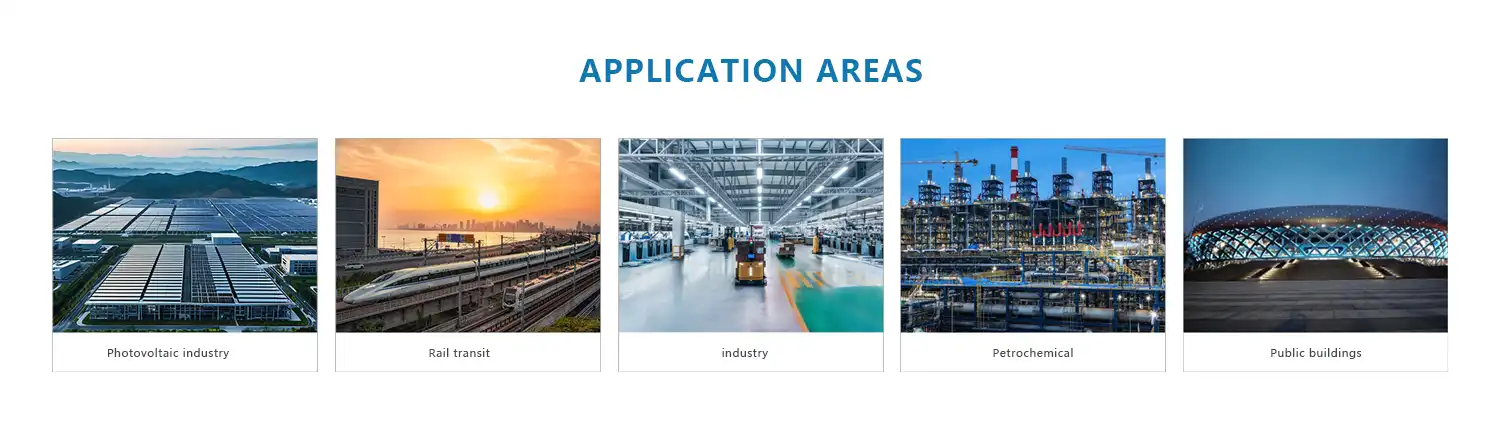
Comparing Modular Solutions to Traditional Substation Approaches in Rural Contexts
Cost-Efficiency Analysis
When you compare Integrated Modular Substation construction to traditional construction, one of the main benefits is lower capital costs. Traditional field-built substations require a lot of work to prepare the site, a lot of different equipment providers, a lot of planning between different contractors, and long building times that add up to higher costs for labour and funding. Our integrated method brings these parts together, which lowers the overall project cost by 30 to 40 percent in most remote situations.
Several things lead to operational cost savings. Standardised parts make it easier to keep track of inventory and reduce the need to store extra parts. Since technicians work with configurations they are used to across multiple installations, maintenance tasks become easier. Condition monitoring systems used in predictive maintenance programs improve performance throughout the lifecycle of an asset. This stops expensive repairs from being needed in an emergency and makes equipment last longer than usual.
Reliability and Performance Metrics
When compared to urban sites, rural substations have to be very reliable because they are farther away and take longer to fix. We get better performance by fully testing everything in the factory. Testing with full power at the recommended voltage and current levels makes sure that the communication protocols, protection coordination, and control system integration are all correct before the product is shipped. This approach is very different from field-built facilities, where testing usually only happens 60% of the time before they are turned on, which raises the failure rate for infant mortality during early operation.
Our history of deployment across hundreds of projects shows that we consistently achieve 99.5% availability ratings, which IEEE reliability studies have confirmed. The Tianyu Yayuan project broke all records in Xuzhou Power Supply Company's quality checks, earning praise from the industry for its outstanding performance. This history of reliability gives purchasing managers peace of mind when choosing equipment for long-term, important infrastructure projects.
Maintenance and Safety Advantages
Integrated Modular Substation design theory, in which all major parts take up a small, easy-to-reach space, makes maintenance simple. Compared to traditional substations that spread out over big outdoor yards, technicians can do regular checks more quickly and efficiently. Our enclosed architecture protects both equipment and maintenance workers from the weather. This makes service work safer and lowers their exposure to environmental hazards.
We follow strict international safety standards, such as IEEE C57.12.00 for transformers and the IEEE C37.20 series for switchgear, as well as IEC 61850 for communication systems. Better electromagnetic compatibility performance according to IEC 60721 standards ensures that the system will work reliably in electrically noisy situations, such as those found in green energy and industrial settings. When you put these certifications together with our ISO 9001, ISO 14001, and OHSAS 45001 quality management systems, you get third-party proof that we follow the rules and reduce risk, which is important for procurement.
Key Considerations for Procuring Integrated Modular Substations for Rural Use
Evaluating Supplier Capabilities and Track Record
To choose the right provider, you need to carefully look at their technical skills, production ability, and track record of completing projects. Our factory has more than 120 high-tech production systems, such as CNC static vacuum casting machines, automatic foil winding machines, and specialised testing tools that make sure the products are made perfectly. With this infrastructure and 18 patents that show we're always coming up with new ways to use technology, we're one of the best in the business at providing complex, custom Integrated Modular Substation solutions.
Project knowledge can help you figure out how reliable a seller is. We have worked on a wide range of projects, from government infrastructure like the Xuzhou Rail Transit Network Control Center Comprehensive Development Project to commercial developments like Xinhuai Central Complex and Huaihai Xintiandi, and industrial facilities like the XCMG Group power supply upgrade, which was finished ahead of schedule. This wide range of experience shows that we can adapt to different project needs and are dedicated to meeting tight deadlines without sacrificing quality.
Understanding Customization Options and Lead Times
A lot of the time, rural projects have special problems that need custom Integrated Modular Substation engineering solutions. During the design process, we work closely with clients to make sure that we take into account things like the environment, the load, how the new structure will fit in with the current infrastructure, and any plans for future growth. Our expert team looks at the conditions of the site, comes up with the best ways to set things up, and provides detailed paperwork to help with the approval and permitting processes.
Lead time management is crucial when project schedules have to meet government deadlines or build during certain times of the year. Standard setups usually ship between 8 and 12 weeks, while customised Integrated Modular Substations need between 12 and 16 weeks, based on how complicated the specifications are. Our production planning makes sure that testing, logistics, and production all work together to ensure that deliveries happen on time and meet project milestones. During fabrication, we keep communication open by giving regular updates on work and responding quickly to any changes to the plan.
Warranty and After-Sales Support Structures
A full guarantee protects your investment and gives you peace of mind about how it will work in the long run. We offer full system warranties for two years and generator warranties for ten years. We also offer 24/7 remote diagnostics to ensure that we fix any operating problems quickly. Our philosophy for after-sales service is based on customer success, because we know that how well your equipment works directly affects your operational goals and community service commitments.
Regular inspections, predictive maintenance using condition-tracking systems, and the ability to fix things quickly are all part of maintenance support programs. We keep important spare parts in stock in the United States, which reduces the time it takes to replace parts compared to international suppliers. Training programs for your maintenance staff make sure that fully integrated modular substation equipment is used and cared for correctly, which extends its life and improves its performance over many years of use.
Ensuring Optimal Performance and Safety in Rural Distribution Applications
Regulatory Compliance and Safety Standards
International and regional safety laws set minimum performance standards for electricity infrastructure. Our Integrated Modular Substation designs go above and beyond these standards by including extra safety features that work well in rural areas where infrastructure isn't closely monitored. Following the rules set by IEEE C57.12.00, IEC 61850, and other similar organisations ensures that the product meets utility needs and makes the approval process easier for regulators.
According to IEEE 693, seismic qualification testing makes sure that a structure is strong enough to withstand an earthquake. This evidence is shown by shaking the structure on a shake table at certain reaction bands. According to IEC 60721 standards, environmental testing proves that the device can work in a range of temperature, humidity, and altitude conditions. These thorough validation processes, which are carried out in our ISO-certified testing centre, ensure the reliability of performance in tough working settings.
Environmental Protection and Durability Features
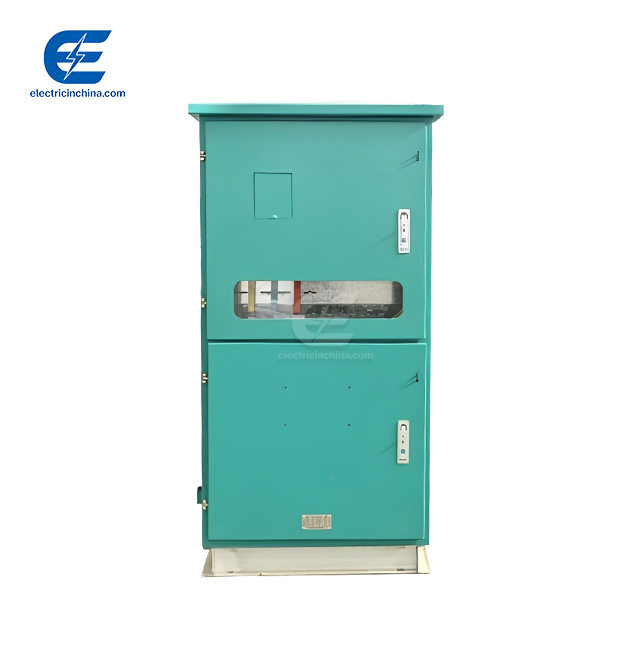
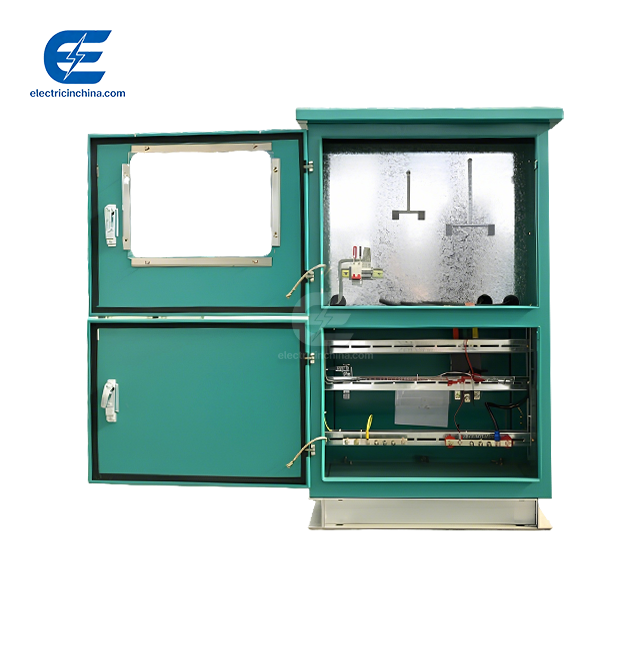
In rural areas, substations are exposed to tough weather conditions such as high and low temperatures, dust and moisture, and wildlife and plants growing in and around them. Our Integrated Modular Substation enclosure systems are made of galvanised steel and have IP54/IP65 protection ratings. They create sealed environments that keep out contaminants while still letting air flow properly so heat can escape. Coatings that don't rust make equipment last longer in humid coastal areas or places where chemicals used in farming are present.
Temperature operation ranges from -40°C to +50°C to accommodate climates that range from harsh winters in the northern plains to sweltering summers in the south. Advanced insulation systems maintain dielectric integrity at very high and very low temperatures, while thermal management features prevent hotspots that can speed up component breakdown. These qualities of durability lower lifetime costs and ensure consistent performance over the 30–40-year work lives that are common for utility infrastructure investments.
Scalability and Smart Grid Integration
To make rural electrical infrastructure ready for the future, you need to think about how load will grow and how grid technologies will change. Our Integrated Modular Substation architecture includes the ability to grow from the very beginning of the planning process. This means that as communities grow and power needs rise, we can easily add more capacity. Using standard interfaces lets you add more modules without affecting the current service. This helps phased investment plans that match capital spending with revenue growth.
Infrastructure in rural areas can now be a part of advanced distribution control systems thanks to smart grid features. IEC 61850 communication standards make it easier to connect to utility SCADA platforms, which lets you watch from afar, automatically isolate faults, and control voltage in a coordinated way. These features make operations more efficient and strengthen the system's stability by letting you respond to problems faster and plan maintenance better. As the use of renewable energy grows, smart control systems keep the grid stable even though generation patterns change. They do this job by managing two-way power flows and coordinating distributed resources.

Conclusion
For rural power delivery to work, infrastructure needs to be able to handle the problems that come with being in remote areas with few resources and difficult weather. Integrated Modular Substation technology has been shown to have benefits such as factory-controlled production, shorter project timelines, smaller footprints, and higher dependability measures. When combined with renewable energy sources, our engineered systems work seamlessly. They also allow for scalable capacity expansion and offer cheaper alternatives to traditional building methods. With our many years of project experience, extensive licenses, and dedication to customer satisfaction, we help government agencies, EPC contractors, and utility companies update the electricity infrastructure in rural areas quickly and safely.
FAQ
How do modular substations handle extreme weather conditions common in rural areas?
Our Integrated Modular Substations have weatherproof cases with ratings of IP54/IP65 that keep out dust, wetness, and other contaminants. They also work successfully in temperatures ranging from -40°C to +50°C. According to IEEE 693, seismic qualification makes sure that the structure stays strong during earthquakes, and wind load design protects equipment during the severe storms that usually happen in rural areas at speeds of up to 150 mph.
Can modular systems expand as rural community power needs grow?
Of course. We create standard Integrated Modular Substations that can handle growth in capacity of 50 to 100 per cent without stopping service. As demand grows, more modules can be added without any problems to existing installations. This lets investors plan their money in stages so that capital expenditures match the timelines for community development while keeping operations running smoothly during the expansion process.
What testing validates equipment performance before rural site delivery?
In our plant, we test every part with full power at the recommended voltage and current levels. As required by IEEE C37.2 standards, we check the coordination of protection, the integration of control systems, and communication protocols. This thorough pre-commissioning cuts down on startup problems by 90% compared to alternatives that are built on-site. This accelerates the project's completion and makes sure it works reliably from the start.
Partner with Tuojie for Your Rural Electrification Projects
With more than 20 years of experience, Tuojie has been delivering power infrastructure solutions in tough environments. As a manufacturer of Integrated Modular Substations with ISO 9001, ISO 14001, and OHSAS 45001 certifications, we offer full support from the initial planning phase to installation and servicing for life. Our technical team of 15 senior engineers creates custom configurations that work with your site's conditions, government rules, and operational goals. We use more than 120 advanced production methods to make sure the quality is perfect, and our 18 patents show that we are always coming up with new ideas. Email our team at tuojie@electricinchina.com to talk about your country's power distribution needs and find out how our modular solutions can speed up project timelines, cut costs, and ensure high stability. You can look at all of our services at electricinchina.com.
References
1. Institute of Electrical and Electronics Engineers (2019). "IEEE Standard for General Requirements for Liquid-Immersed Distribution, Power, and Regulating Transformers," IEEE C57.12.00-2015.
2. International Electrotechnical Commission (2020). "Communication Networks and Systems for Power Utility Automation - Part 1: Introduction and Overview," IEC 61850-1:2013.
3. Rural Utilities Service, United States Department of Agriculture (2021). "Electric Program Guidelines: Design Standards for Rural Electrical Distribution Systems."
4. American National Standards Institute (2018). "ANSI C37.20 Series: Metal-Enclosed Low-Voltage and Medium-Voltage Power Circuit Breaker Switchgear Standards."
5. National Rural Electric Cooperative Association (2020). "Guide to Rural Electric System Planning and Distribution Automation Technologies."
6. Electric Power Research Institute (2022). "Technical Assessment of Modular Substation Technologies for Remote and Underserved Communities."