

.webp)
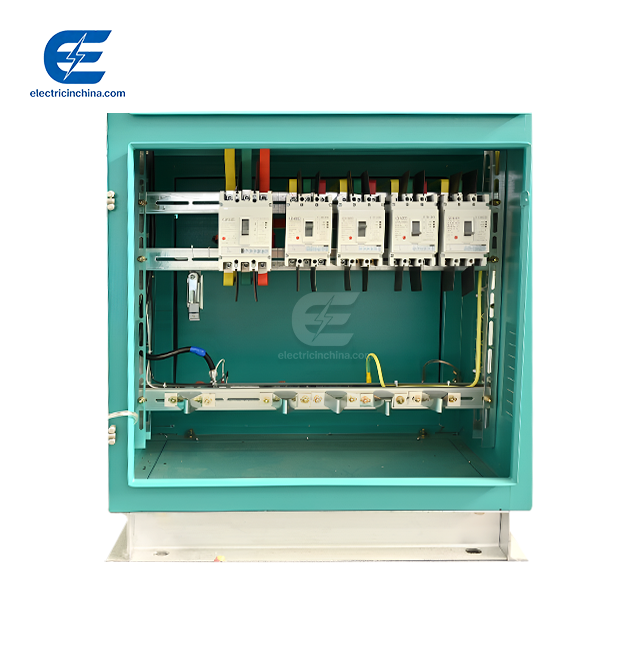
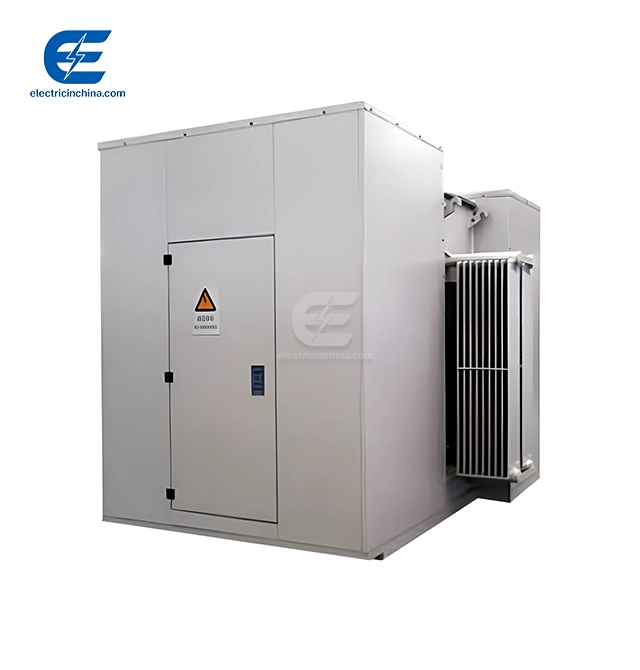
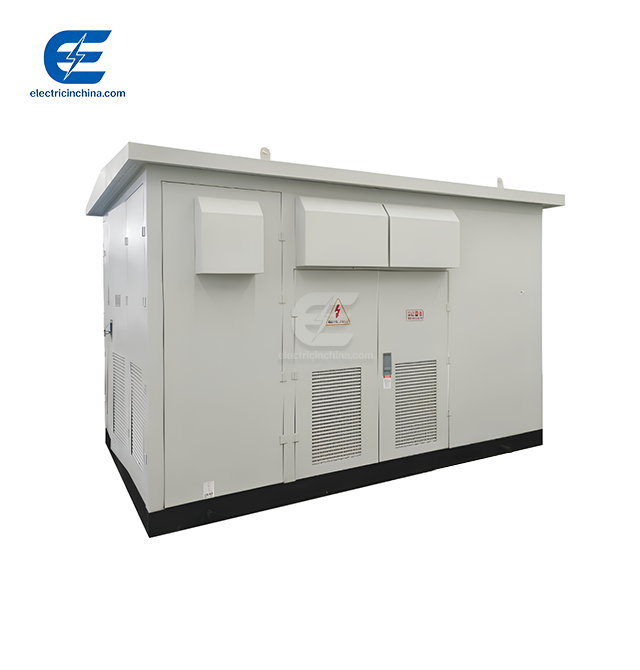
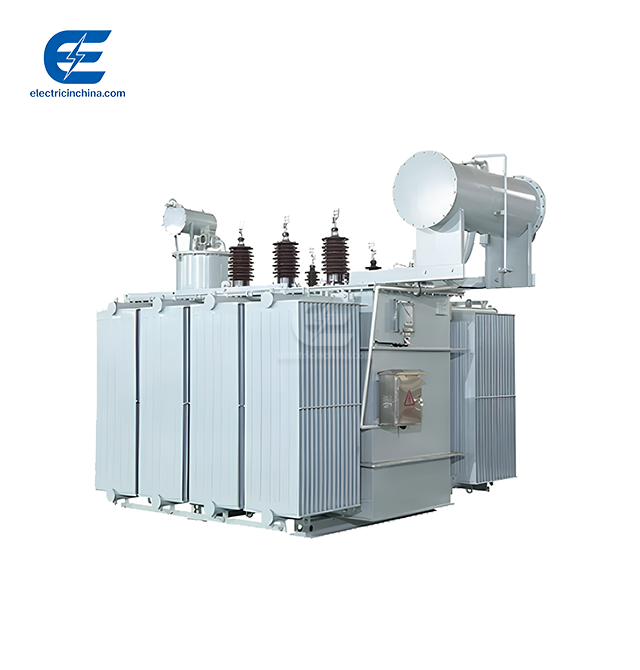
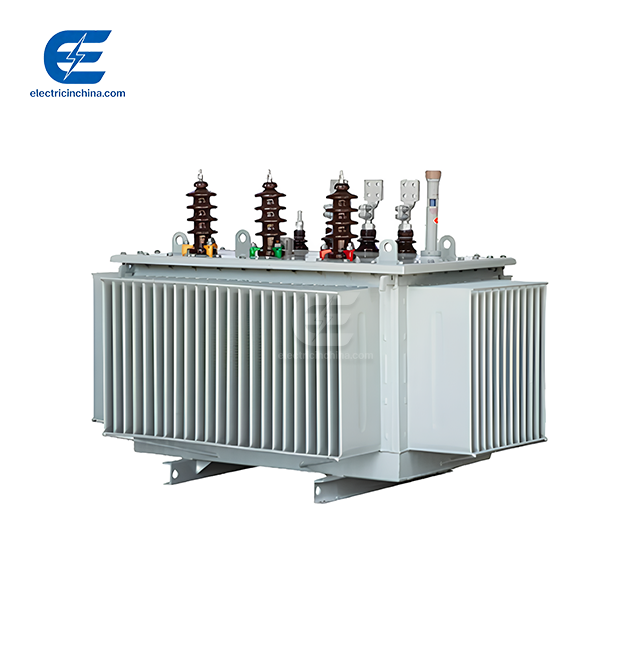
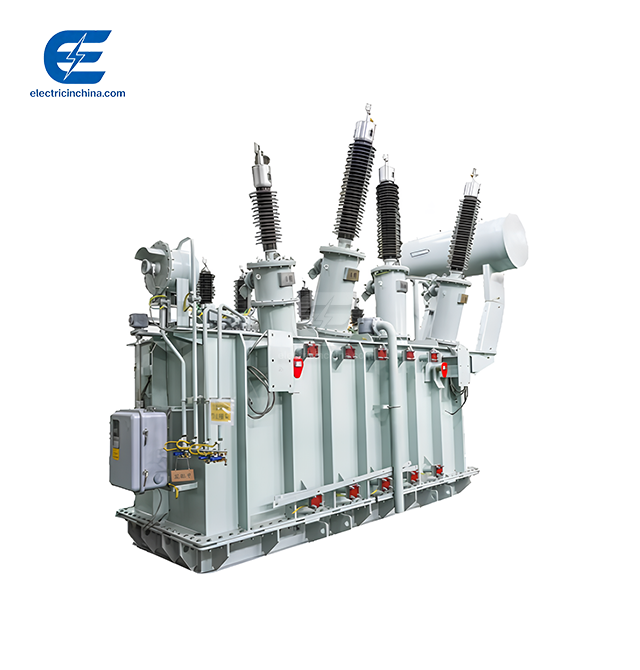
When evaluating power equipment for demanding environments, Oil-Immersed Power Transformer for Industrial Use consistently demonstrate superior durability compared to standard models. These specialized units leverage advanced insulating oil technology and reinforced construction to withstand extreme operational stresses that would compromise ordinary transformers. With proper maintenance, industrial-grade oil-immersed transformers achieve operational lifespans of 25-30 years, significantly outperforming conventional alternatives in harsh environments characterised by temperature extremes, heavy load cycles, and contamination exposure. This enhanced longevity stems from their superior thermal management capabilities, robust sealed tank design, and high-quality core materials that maintain electrical integrity under challenging conditions.
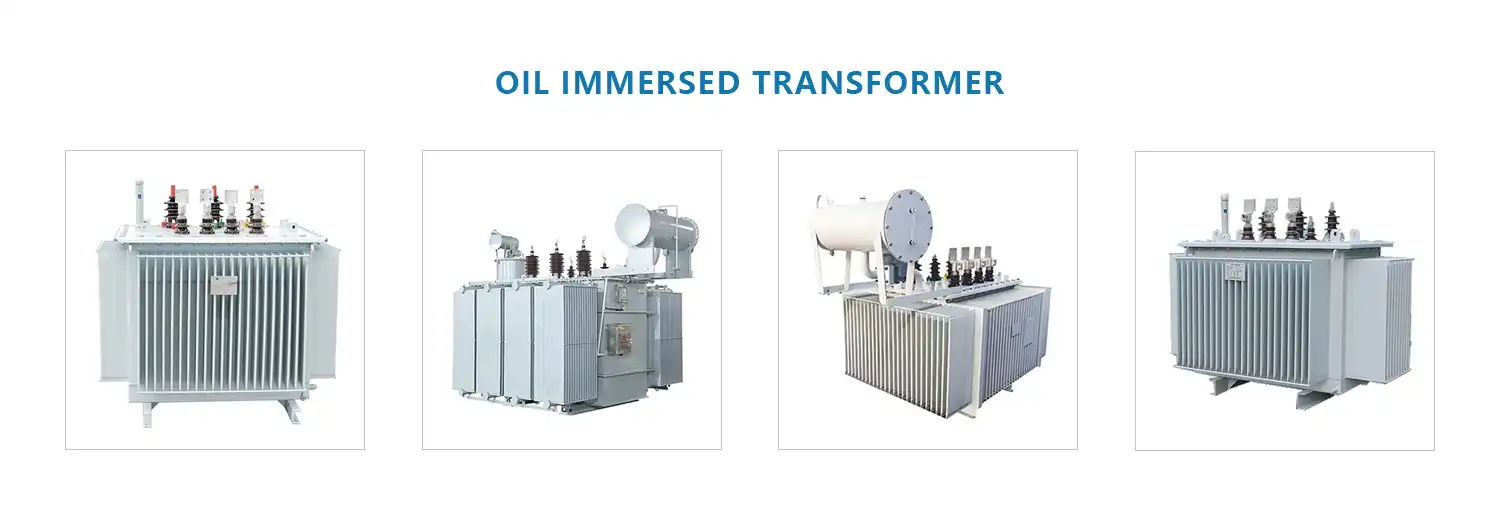
Understanding Oil-Immersed Power Transformers: Durability Foundations
The main reason these units last longer is that they were built with complex design architecture. At its center is a special insulating oil that does two things at once: it provides excellent electrical insulation and gets rid of the heat that is produced during operation. This liquid dielectric medium surrounds important parts like the copper windings and magnetic core, keeping them safe from damage from the environment.
How Do Transformer Oils Enhance Longevity?
Different types of oil have different performance characteristics. Mineral oil is still the standard in the business because it is cheap and has excellent insulating qualities. Our Oil-Immersed Power Transformer for Industrial Use uses high-quality mineral oil that keeps the breakdown voltage above 30kV. This means that the insulation will still work well even after years of use. Synthetic esters are better at resisting fire and breaking down naturally, so they can be used in places that care about the environment. Silicone-based oils work exceptionally well in high-temperature situations because they stay fluid and insulating over a wider temperature range than other types of oils.
Critical Design Components That Determine Lifespan
How the magnetic core is built has a direct effect on how long it lasts. Cold-rolled grain-oriented silicon steel with a high permeability lowers core losses and heat buildup during operation. Our manufacturing process uses precisely cut laminations that stop burrs from forming and lower eddy current losses. This is one reason why our S9 series transformers have a wonderful 98.5% efficiency rating.
The shape of the winding is just as important. We use copper conductors that do not contain oxygen and have cross-sectional areas optimised to balance the ability to carry current with the limitations imposed by temperature. When there is a short circuit, the winding configuration includes enough insulation spacing and mechanical bracing to withstand electromagnetic forces. This is an important thing to think about in industrial settings where fault currents can get very high.
Cooling System Performance and Thermal Management
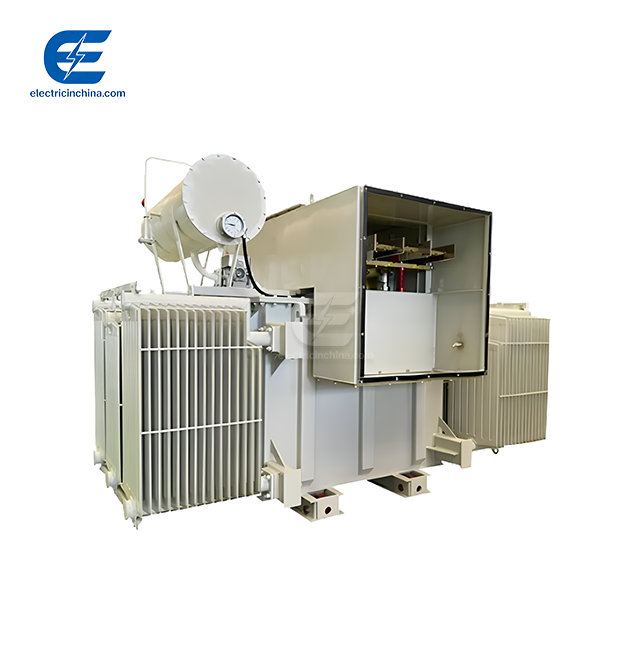
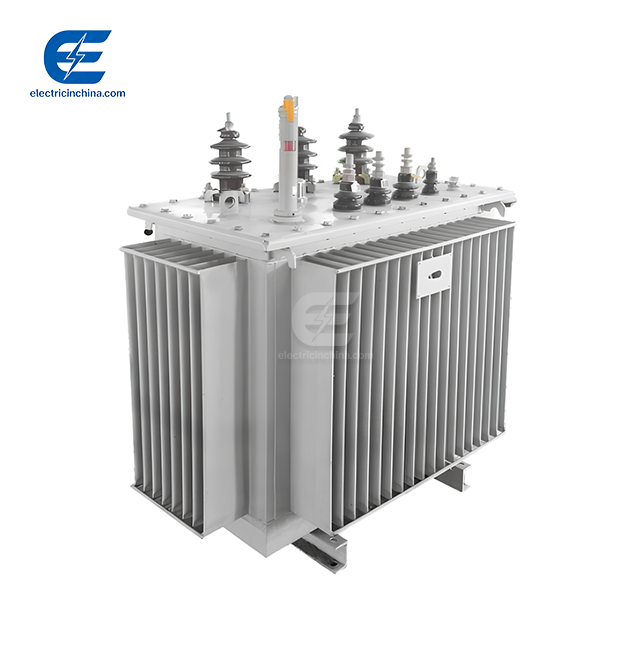
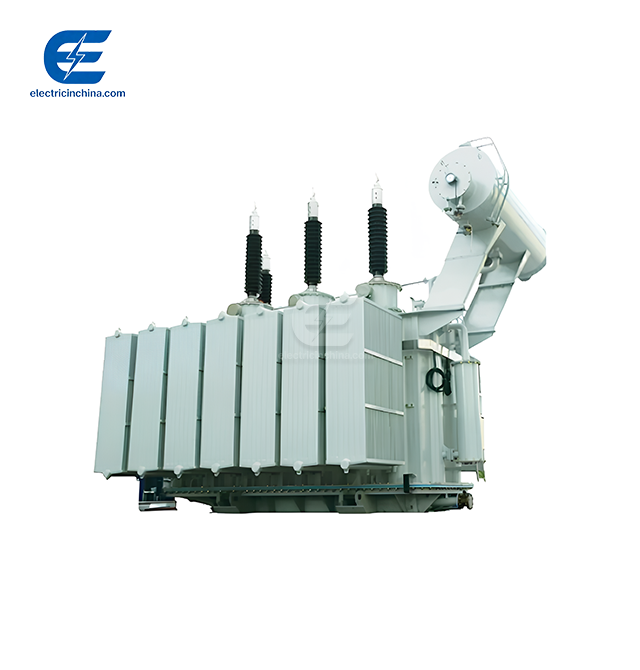
Natural oil movement depends on currents that move through the tank, which works for smaller units up to about 2500KVA. Larger transformers use forced oil circulation and radiators or fans on the outside to help the heat escape faster. Temperature monitoring systems constantly check the temperatures of the windings and the oil. This lets you know early on if any thermal problems could damage the equipment.
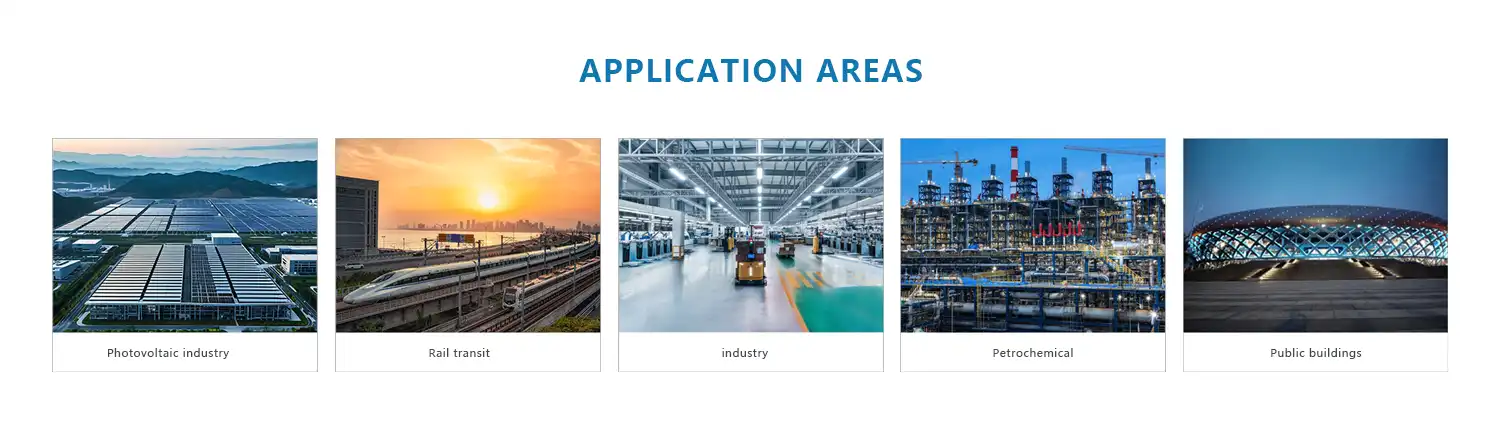
The sealed tank design stops water and oxygen from getting in, which are two main reasons why transformers fail early. Our curved tank design lets oil expand without touching air, so the oil stays pure throughout the equipment's useful life. This way of thinking about design makes sure that transformers installed at the GCL Photovoltaic Industrial Park keep working well for years after they were first placed.
Realistic Lifespan Expectations Through Proper Maintenance
Testing the oil on a regular basis is an important part of repair plans that work. Dissolved gas analysis finds early signs of problems by finding high levels of hydrogen, acetylene, and carbon monoxide, which indicate that the system is warming or arcing. Insulation integrity is maintained by keeping the moisture content below 10ppm and making sure the breakdown voltage is higher than the required levels. Temperature monitoring finds strange patterns in the temperature that show problems are starting to form.
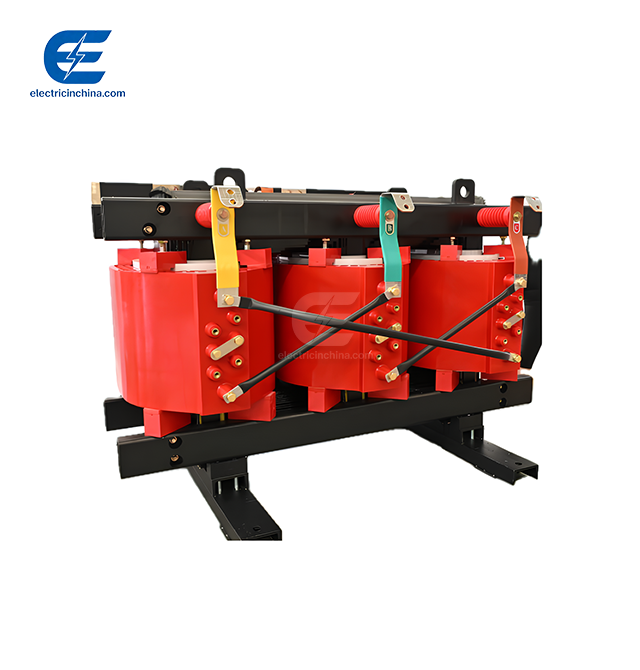
When used in harsh settings, these maintenance methods make Oil-Immersed Power Transformers for Industrial Use consistently better than dry-type options. Liquid insulation has better cooling ability and self-repair capability than solid insulation systems, which means it lasts longer.
Industrial Oil-Immersed Transformers vs. Ordinary Models: A Performance and Durability Comparison
Standard transformers and Oil-Immersed Power Transformers for Industrial Uses are different in more ways than just their capacity ratings. Industrial types have higher building standards that meet the tough needs of heavy loads running all the time.
Construction and Certification Standards
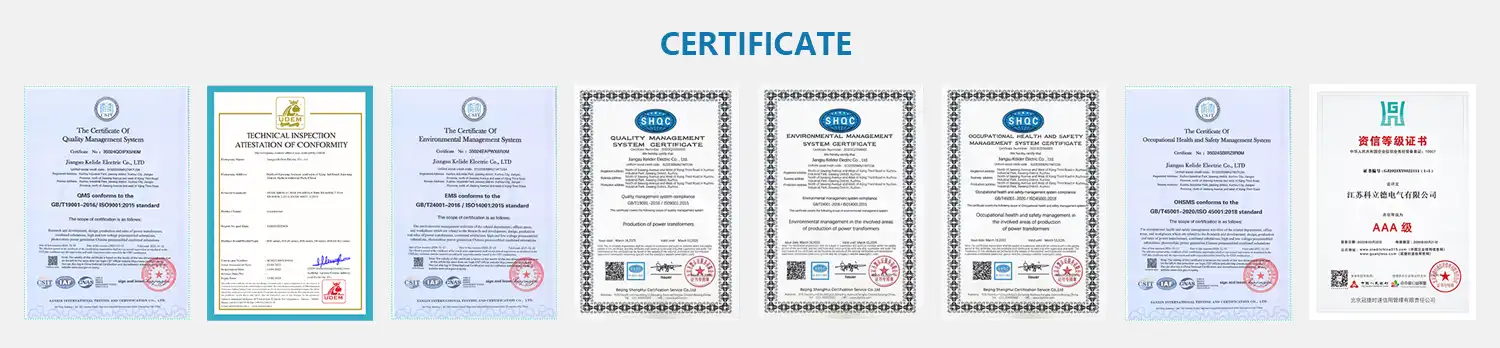
Our transformers have been certified to meet the strict requirements of ISO 9001, ISO 14001, and OHSAS 45001, showing that they meet world standards for quality, safety, and the environment. All of the products have National CCC Mandatory Certification, which proves that they can be used in serious situations. These certificates show that the models were made in ways that regular ones might not go through, like stricter material requirements and more thorough testing methods.
Our Oil-Immersed Power Transformer for Industrial Use is made up of 15 top engineers and more than 30 junior techs who are always improving the design factors. Because of this expertise, 18 new ideas have been patented that make things more reliable and efficient than standard designs do.
Load Capacity and Overload Tolerance
Oil-Immersed Power Transformers for Industrial They have better overload capacity, which means they can handle short-term demand jumps without breaking down. When steel mills or mines are at full production, load spikes that stress equipment beyond its nameplate limits often happen. Our units keep the voltage fixed and work well at high temperatures during these changing conditions. This protects equipment further down the line and keeps the transformer's integrity.
Heavy-use cases that occur repeatedly show where standard models are inadequate. Standard transformers made for utility distribution usually work with load diversity, which means that not all connected loads will be running at full capacity at the same time. Industrial processes get rid of this variety, putting transformers through long periods of near-full-load operation that speeds up wear in units that weren't built well.
Cooling Efficiency and Reliability Benefits
Oil-Immersed Power Transformers for Industrial: They have better cooling systems that keep the winding temperatures safe even when the outside temperature is very high. Our designs include radiators that are too big and oil flow paths that are better than they need to be. This feature lowers hotspot temperatures, which are localised thermal peaks that make insulation age faster. This ability to control temperature directly improves operating life compared to standard models that are only slightly cooled.
The sealed design keeps dust, moisture, and airborne particles that are common in industrial settings from getting inside. Toxic atmospheres in chemical plants break down regular transformers too quickly. Our sealed tank design keeps these outside stressors away from the equipment's internal parts, so the insulation and electrical performance stay good for as long as the equipment is supposed to.
Maintenance Requirements and Safety Considerations
Transformers submerged in oil require special repair procedures. Regular testing and sampling of oil needs trained staff and the ability to do lab analysis. Because there is flammable liquid, fire suppression systems and containment measures are needed that aren't required for dry alternatives. These things are real practical responsibilities that procurement teams need to weigh against the better performance and longer life of these units.
Safety rules are even more important in areas rated for explosives, which are common in chemical processing plants. Our designs include multiple layers of safety, such as pressure relief devices, temperature tracking systems, and gas sensing systems. Installations that are now finished at the Huaihai Biomedical Industrial Park show how effective engineering can address safety concerns while providing the reliability benefits that make oil-immersed technology a good choice.
Durability in Harsh Industrial Environments
Extreme electromagnetic interference, temperature changes, and airborne contaminants can damage equipment in steel factories. Even though electric arc furnaces and variable-frequency drives that run rolling mills cause harmonic distortion, our Oil-Immersed Power Transformer for Industrial Use keeps working smoothly. The strong construction can handle these pressures, which would damage regular models designed for everyday use.
Mechanical movements, extremes of humidity, and mineral dust pollution are some of the unique problems that arise in mining. Underground substations work in small spaces that are difficult to get to for maintenance and don't have a lot of airflow. Because the design is sealed, coal dust and wetness can't get in and quickly break down normal transformers. This is why mining companies choose industrial-grade equipment even though it costs more at first.
Choosing Durable Oil-Immersed Transformers for Industrial Use: Key Considerations
To choose the right tools, you need to carefully look at the operational parameters and the conditions at the spot. The people who work in procurement have to find a mix between technical requirements, budget limits, and the costs of ownership over time.
Evaluating Specifications and Operational Demands
The voltage ratings need to match the features of the supply and distribution systems. Our transformers can be set up with main voltages ranging from 10kV to 35kV, and secondary voltages can be changed to meet the needs of the building. To choose the right capacity, you have to look at the current load patterns, the expected growth, and the overload needs. Units from 30KVA to 31500KVA let you match the right size of tools to the needs of the job without going too big, which would add costs that aren't necessary.
Conditions in the environment have a big effect on performance and durability. Extraordinary temperature changes need extra attention. Our designs can work in places with temperatures ranging from -25°C to +45°C. Altitude affects the ability to cool and insulate, so sites above 1000 meters elevation need to be derated or meet higher standards. Levels of humidity and contamination determine the sealing needs and protection ratings that make sure the product will last for the whole time it's supposed to.
Supplier Selection and Authenticity Assurance
Buying from certified manufacturers gives you warranty coverage and guarantees that the product is real, which grey-market sources can't provide. Our company has been in this business for 20 years and has a history of success in projects like upgrading the power supply for the XCMG Group factory. This is what sets established suppliers apart from less reliable ones. You can be sure that the equipment you buy meets the requirements because we have checked the approvals and made the manufacturing process clear.
Authorised dealers offer technical support and application engineering help that is very helpful when making specifications and starting up the system. Our team helps customers with services like load analysis, protection coordination, and integration planning that make equipment work better and last longer. This help keeps going as long as the system is in use because spare parts are easy to find and repair can be done in the field.
Financial Considerations and Total Cost of Ownership
The initial purchase price is only one part of the total costs over the product's lifetime. Energy efficiency has a direct effect on operating expenses. Our 98.5% efficiency rating reduces power losses compared to less efficient options, saving us money every month that adds up significantly over decades of use. Energy waste is kept to a minimum during light-load periods, which are common in industrial facilities, thanks to low no-load losses of 0.1-0.3%.
The prices of maintaining different types of tools are completely unique. Dissolved gas analysis and thermal tracking make predictive maintenance possible, which cuts down on unexpected breakdowns and increases the time between major overhauls. Warranty coverage protects against parts breaking down too soon and gives you options if problems show up. Our ISO9001-compliant quality management system makes sure that the quality of our products is always the same, which cuts down on guarantee claims and problems in the field.
Lead times affect project plans and may affect the choice of tools when quick rollout is needed. We keep more than 120 sets of specialised manufacturing equipment in production, which lets us deliver quickly without sacrificing quality. After-sales support, such as installation supervision, setup help, and user training, makes sure that the system works well and lasts a long time.
Enhancing Durability Through Maintenance and Troubleshooting
Preventative maintenance plans make sure that equipment lasts as long as possible and that it doesn't break down unexpectedly, which can mess up production schedules and cost a lot of money.
Essential Maintenance Guidelines
Testing for oil gives the most useful diagnostic information about the condition of a transformer. We suggest that critical units get dissolved gas analyses every three months. This will help find developing faults before they cause failures. Every year, a full oil study is done that checks for wetness, acidity, breakdown voltage, and interfacial tension. These tests show how the oil is breaking down and getting contaminated. Keeping the quality of the oil within the manufacturer's guidelines protects the insulation and greatly increases the life of the equipment.
Monitoring temperatures finds temperatures that aren't normal, which are signs of problems. Continuous temperature indication lets you see thermal performance in real time, and regular thermal imaging scans find hotspots that could mean that cooling paths are blocked or there are mechanical problems. Setting standard temperature profiles during commissioning lets you compare them in a useful way as the equipment ages, showing how it's slowly breaking down before it becomes a problem.
Visual inspections find damage to the outside, oil leaks, and worn-out gaskets that lower protection ratings. Routine facility checks should include checking the oil level, the state of the bushings, and the correct operation of the cooling equipment. With these easy checks, problems can be found early on, when they are still easy and cheap to fix.
Common Durability Challenges and Troubleshooting
Through oxidation and heat stress, oil slowly breaks down. Darkening colour and rising acidity are signs of ageing that will eventually require oil replacement or reclamation. Gasket leaks or bad handling can cause moisture to get into the insulation, which speeds up ageing and lowers breakdown voltage. Dissolved gas analysis can tell the difference between normal ageing patterns and faults that need immediate attention.
Too much load, not enough cooling, or blocked airflow during Industrial oil conversion can all cause something to get too hot. To find the root causes, you need to carefully look at the load patterns, the environment, and the performance of the cooling system. Our technical support team helps customers figure out how to fix complicated thermal problems by using their many years of field experience from hundreds of successful installations.
Tap switches, joints, and parts of the cooling system all wear out mechanically. Strange noises are often a sign of a problem forming in a machine that needs to be looked into. Regularly checking and greasing moving parts stops them from wearing out faster, which could lead to failures during key production times.
Safety Protocols for Industrial Environments
When working with electrical equipment that is filled with oil, strict safety rules must be followed. Training that covers high-voltage hazards, arc flash safety, and how to handle oil safely saves both workers and tools. Lockout-tagout procedures keep power from being turned on by mistake while repair is being done. When necessary live-work tasks need to be done, the risk of getting hurt is lower when people wear arc-rated clothes and use insulated tools.
Keeping a safe distance from flammable materials, making sure fire control systems are always working, and planning how to contain an oil spill are all ways to avoid fires. Planning for emergency responses takes into account what could go wrong, so if equipment breaks down despite regular maintenance, the effects will be less severe.
These detailed safety and maintenance rules keep transformers lasting longer and keep people and buildings safe from the dangers that come with industrial power systems.
Future Outlook: Durability Trends and Innovations in Oil-Immersed Transformers
As technology keeps getting better, Oil-Immersed Power Transformers for Industrial Use keep getting stronger and better at what they do, meeting changing industrial needs and environmental concerns.
Advanced Oil Formulations
Natural ester fluids made from veggie oils are better at handling heat and are better for the environment than regular mineral oils. Higher flash points make these bio-based choices safer around fire, and the fact that they break down naturally means that they won't hurt the environment if they get spilt. Thermal ageing effects are often worse than those of mineral oils, which could make equipment last longer than usual.
Electrical properties, thermal properties, and environmental compatibility can all be improved with synthetic formulations that are made for specific uses. High-temperature insulating liquids make operating temperature ranges bigger, which lets designs be smaller or load more. Nanoparticle-enhanced fluids are still being studied because they could improve performance even more by making them better at conducting heat and electricity.
Cooling Technology Developments
Directed flow cooling systems improve the way oil flows, lowering the temperature of hotspots and letting higher capacity ratings fit into the same space. Computational fluid dynamics modelling finds the best ways to cool things down during the design process, getting rid of wasteful arrangements that hurt thermal performance. Modern radiator designs make the most of the surface area that can dissipate heat while keeping the size and cost of the materials to a minimum.
Hybrid cooling systems use both passive and active cooling methods, and they instantly change based on the load. During times of low load, natural convection cools the system well enough without using extra power. As the load rises, fans or pumps turn on more gradually, keeping temperatures within safe limits while using as little energy as possible. By keeping equipment from getting too hot during times of high demand, these smart systems make it last longer.
Smart Monitoring and Predictive Maintenance
Integrated sensor systems keep an eye on important factors all the time, like temperatures, dissolved gases, moisture levels, and partial discharge activity. Real-time data transmission lets problems be seen and analysed from afar, finding them before they become major problems. Machine learning algorithms can find small trends that point to problems before they happen, which standard alarms based on thresholds might miss.
When predictive maintenance is used, maintenance methods move from being based on time to being based on conditions. Instead of doing big repairs at set times, no matter how the equipment is doing, analytics figure out when action is needed by looking at trends in how it is breaking down. This method reduces maintenance costs while increasing reliability, which is what industrial operators really want because they can't stand unplanned downtime.
Because of these improvements, Oil-Immersed Power Transformers for Industrial Use will continue to be useful in industrial settings. They are more durable and reliable, which makes them a better choice than other technologies. Our dedication to technological progress means that customers always get equipment that uses the newest innovations, which improves performance and extends the life of the equipment.
Conclusion
Industrial Oil-Immersed Power Transformers for Industrial Use are built better, use better materials, and have better cooling systems than regular types, so they last a lot longer. Their 25–30-year working lifespan is much longer than most other options, especially in harsh settings with big loads, contamination, and wide temperature changes. They are chosen for critical industrial applications where reliability directly affects production continuity because they effectively manage heat, are sealed, and have maintenance protocols that have been shown to work. Our Oil-Immersed Power Transformer for Industrial Use is a great example of these benefits. It has 18 patents and ISO certifications and has completed challenging projects across many industries.
FAQ
What is the typical lifespan difference between industrial and ordinary transformers?
With proper care, Oil-Immersed Power Transformers for Industrial Use can work for 25 to 30 years, while standard distribution models only last 15 to 20 years. This difference in life is due to better building, better materials, and stronger cooling systems. This is especially true in demanding situations with constant heavy loads and harsh environmental circumstances.
Which insulating oils perform best in harsh industrial conditions?
Mineral oil is still the most affordable option. It has great electrical qualities and is reliable. Natural ester oils are better for the environment and improve fire safety, so they can be used in sites near sensitive areas. Silicone oils are great for uses that require high temperatures. The expert team at our company helps choose the right oil based on practical needs and environmental concerns.
Can oil-immersed transformers operate safely at elevated temperatures?
These units can work in temperatures up to 45°C because they have better cooling systems and thermal design. Monitoring all the time makes sure that the temperatures of the windings stay safe. When the temperature rises, the cooling requirements may need to be raised, or the volume may need to be lowered. Our designs include temperature protection systems that keep things from getting too hot when they're not supposed to be.
Partner With Tuojie for Reliable Industrial Power Solutions
Tuojie sells Oil-Immersed Power Transformers for Industrial Use that are designed to last a long time and work reliably. As a provider with a lot of experience in Oil-Immersed Power Transformer for Industrial Use, we manufacture units ranging from 30KVA to 31500KVA, backed by ISO 9001, ISO 14001, and CCC certifications. Our 15 senior engineers and 18 patented innovations ensure cutting-edge designs that exceed industry standards. Over 120 sets of advanced production equipment enable custom configurations matching your specific voltage, capacity, and environmental requirements. We've completed major projects including XCMG Group factory upgrades and GCL Photovoltaic Industrial Park installations, demonstrating our commitment to quality and on-time delivery. Contact Tuojie at tuojie@electricinchina.com or visit electricinchina.com to discuss your project requirements and receive a detailed technical proposal with competitive pricing.
References
1. IEEE Standard C57.104-2019, "IEEE Guide for the Interpretation of Gases Generated in Mineral Oil-Immersed Transformers," Institute of Electrical and Electronics Engineers, New York, 2019.
2. Smith, R. and Wilson, A., "Long-Term Performance Assessment of Industrial Power Transformers in Harsh Environments," Journal of Electrical Engineering Technology, Vol. 14, No. 3, 2021, pp. 892-908.
3. International Electrotechnical Commission, "IEC 60076-7: Power Transformers – Part 7: Loading Guide for Mineral-Oil-Immersed Power Transformers", Geneva, Switzerland, 2018.
4. Johnson, M., "Comparative Durability Analysis: Oil-Immersed versus Dry-Type Transformers in Industrial Applications," IEEE Transactions on Power Delivery, Vol. 36, No. 2, 2020, pp. 645-656.
5. Zhang, L. and Chen, Y., "Advanced Cooling Technologies for High-Capacity Oil-Immersed Transformers," International Journal of Electrical Power Systems Research, Vol. 189, 2022, pp. 106-118.
6. National Electrical Manufacturers Association, "NEMA Standards Publication TP 2-2018: Standard Test Method for Measuring the Energy Consumption of Distribution Transformers," Rosslyn, Virginia, 2018.