

.webp)
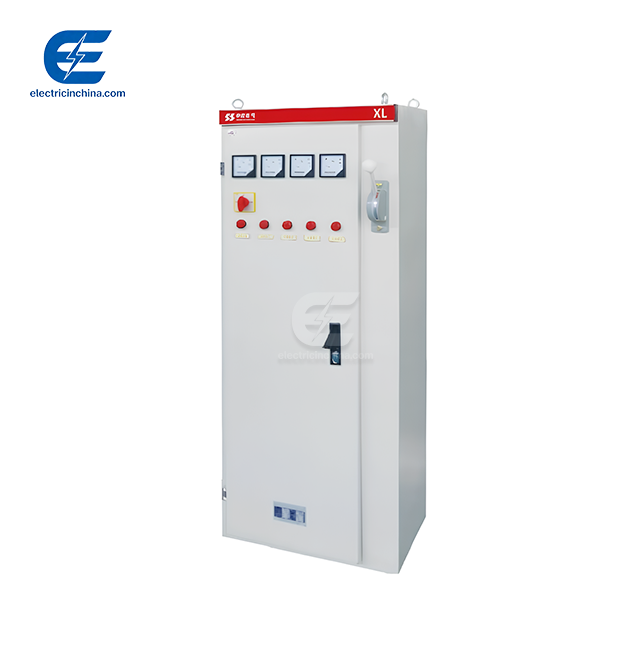
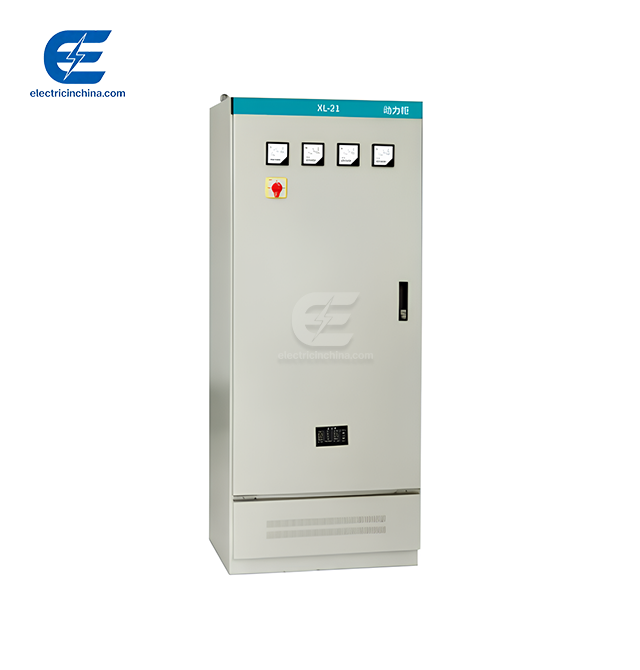
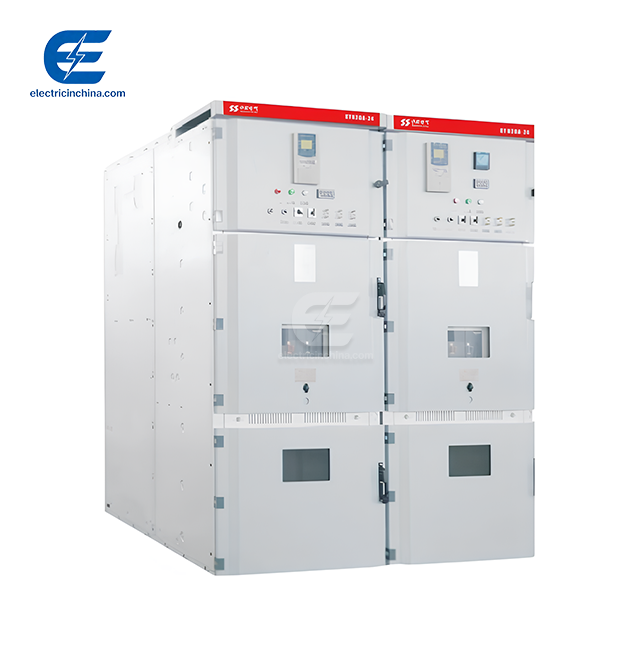
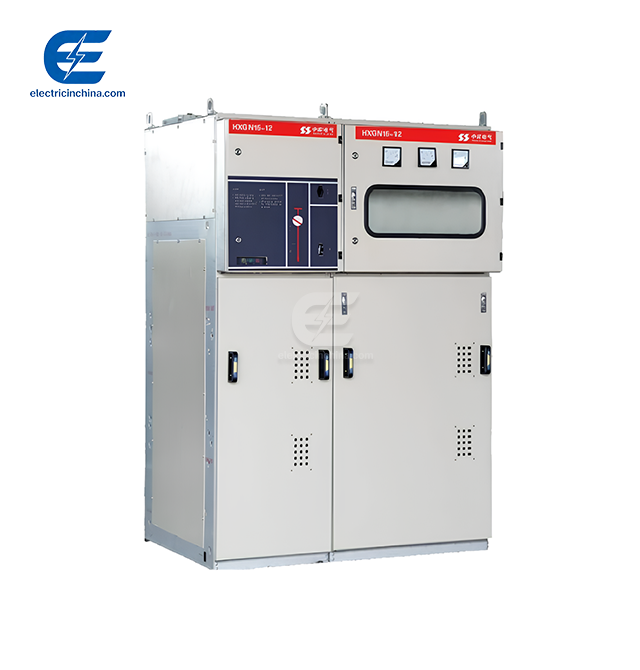
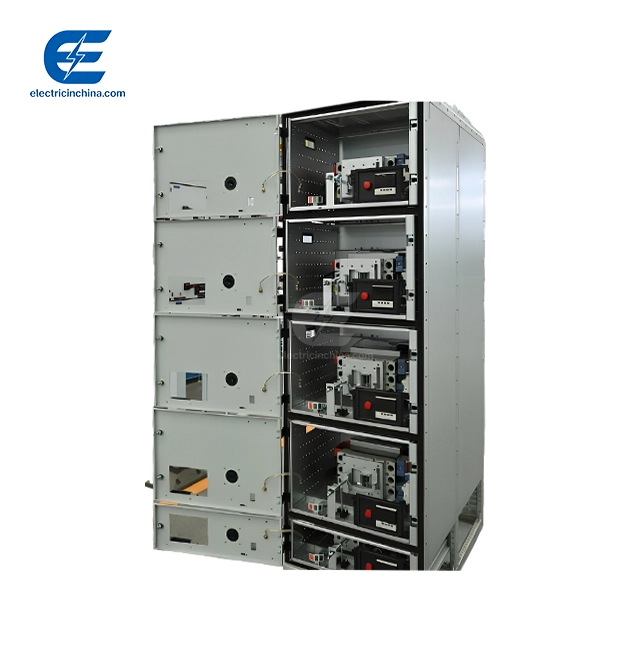
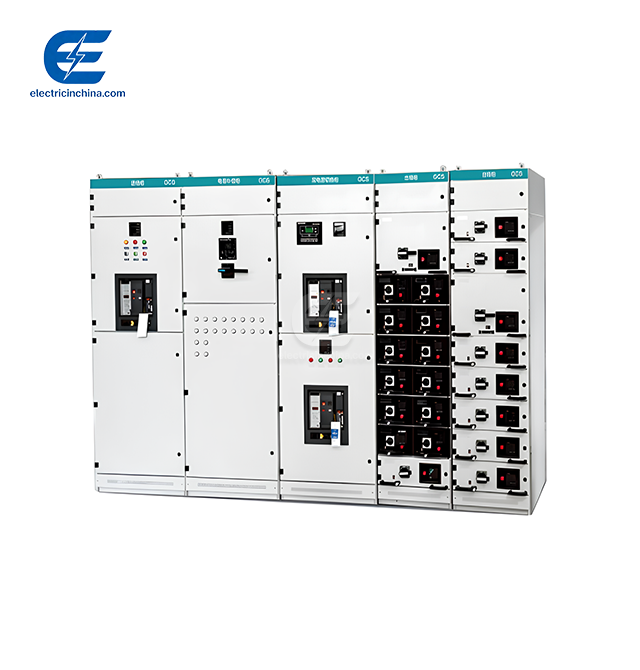
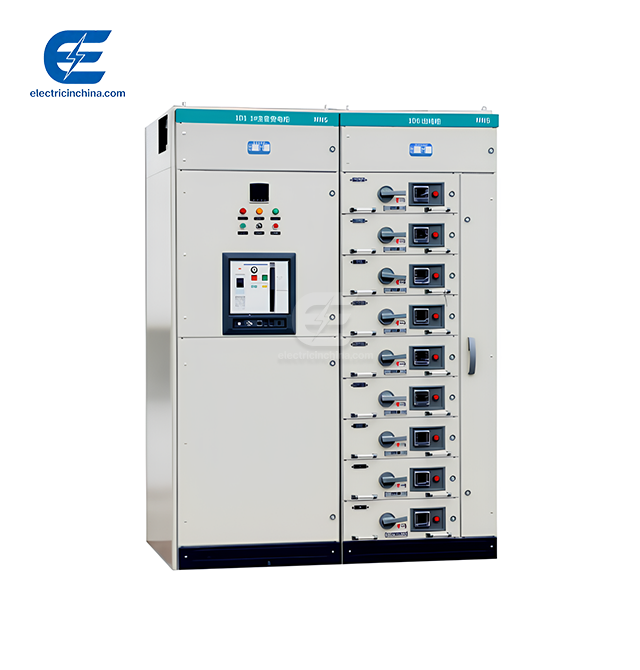
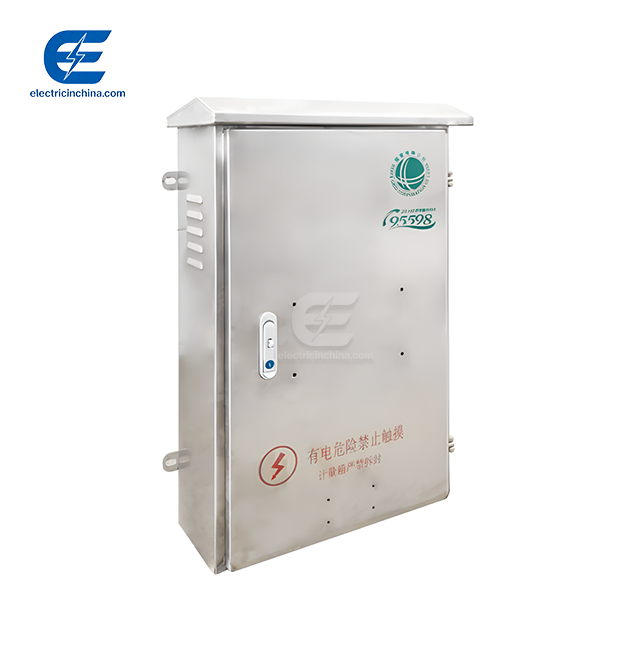
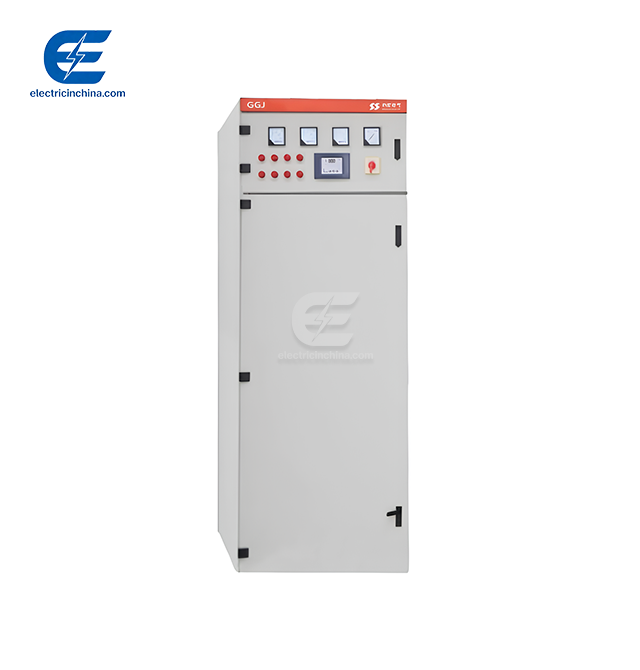
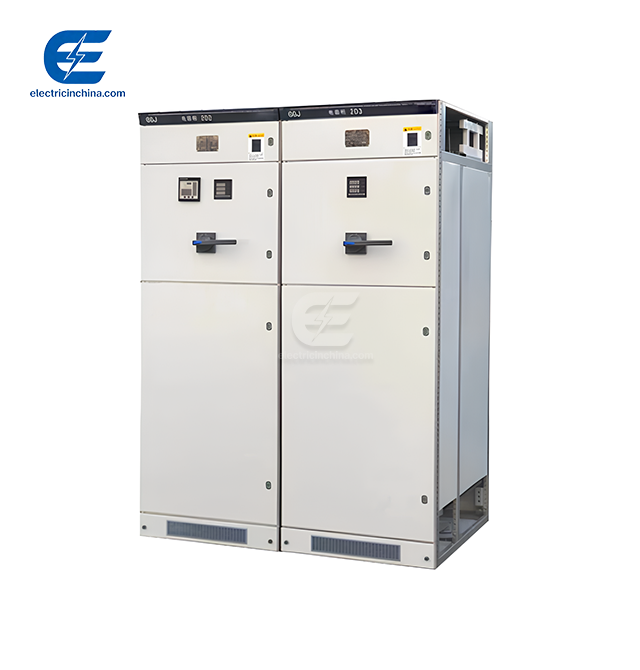
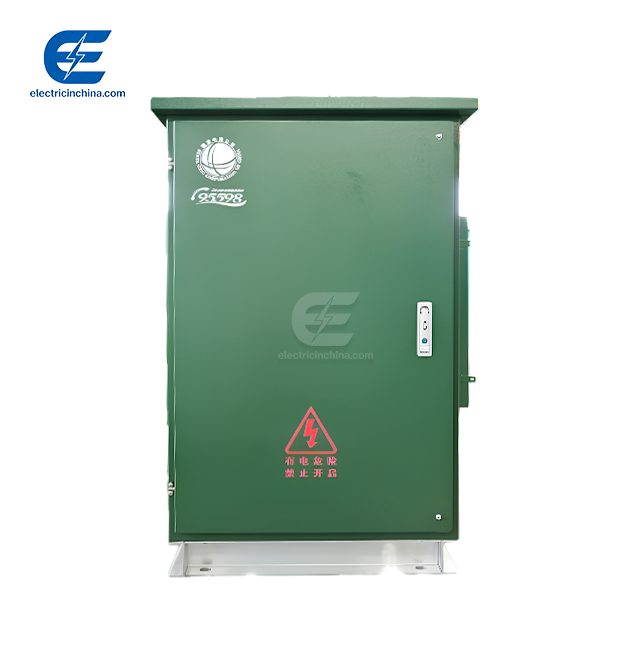
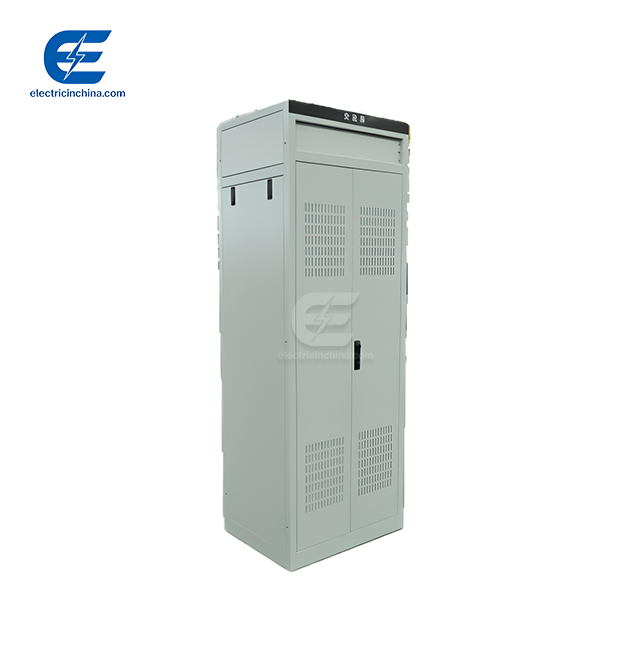
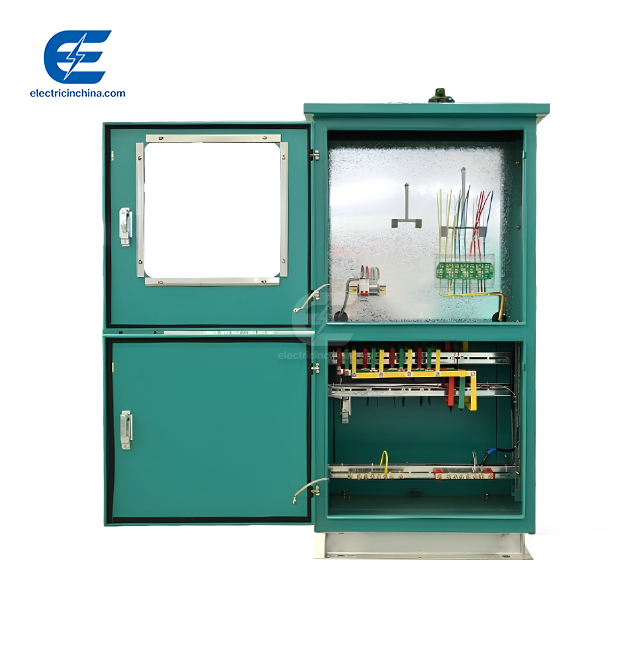
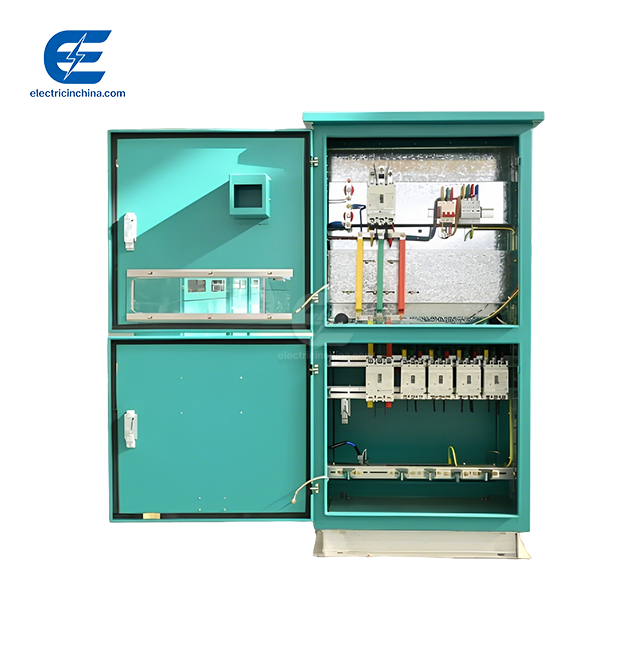
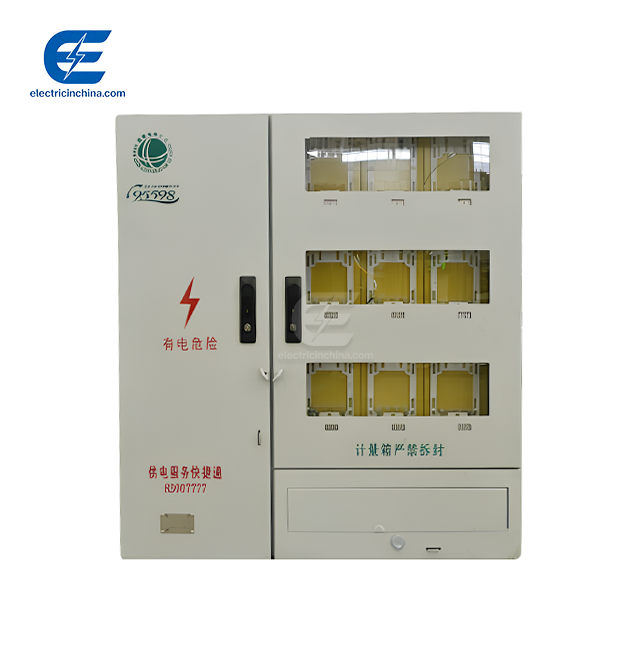
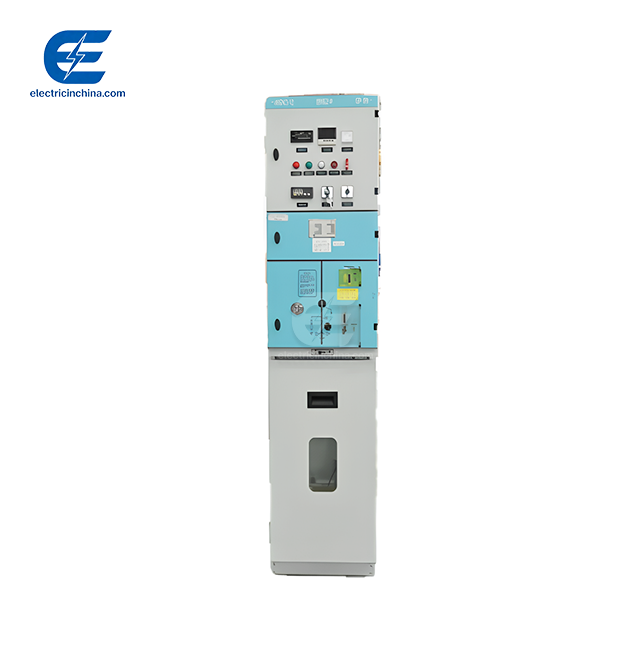
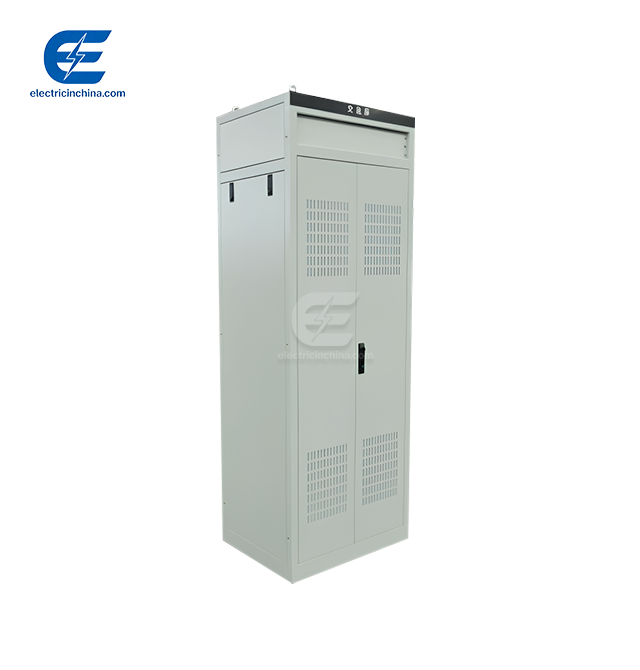
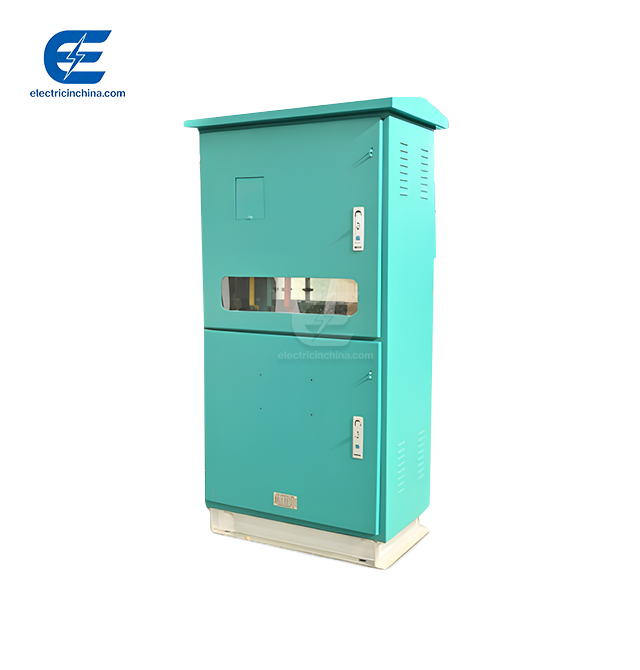
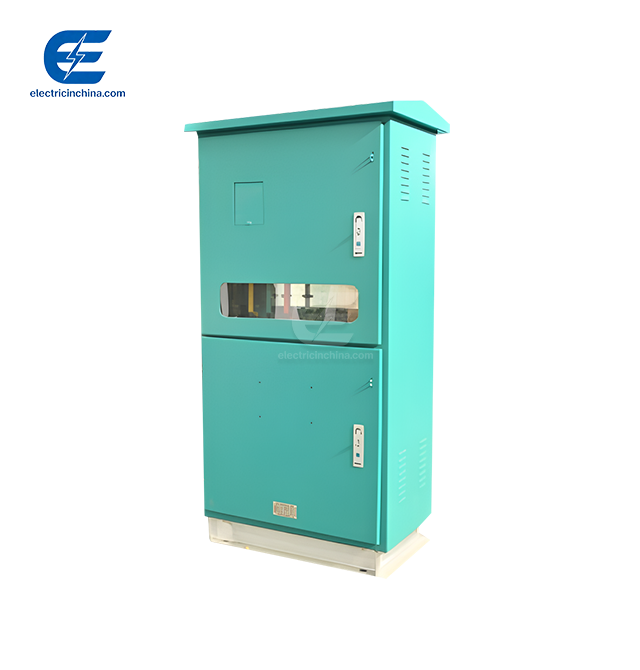
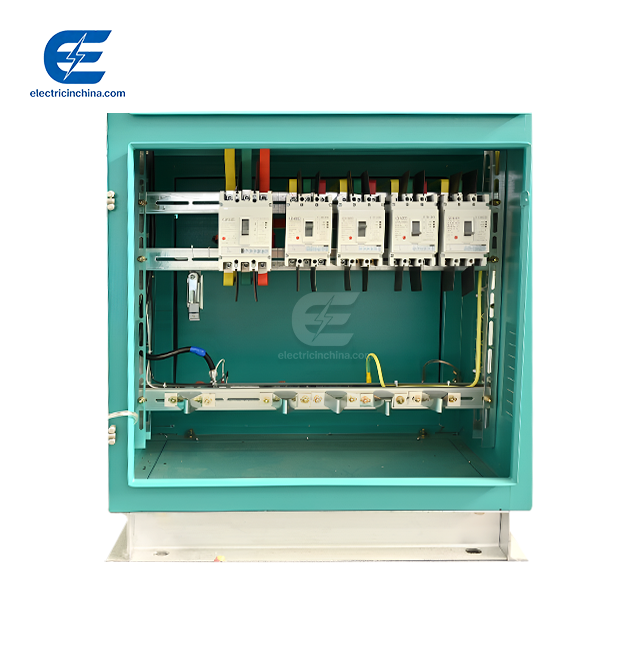
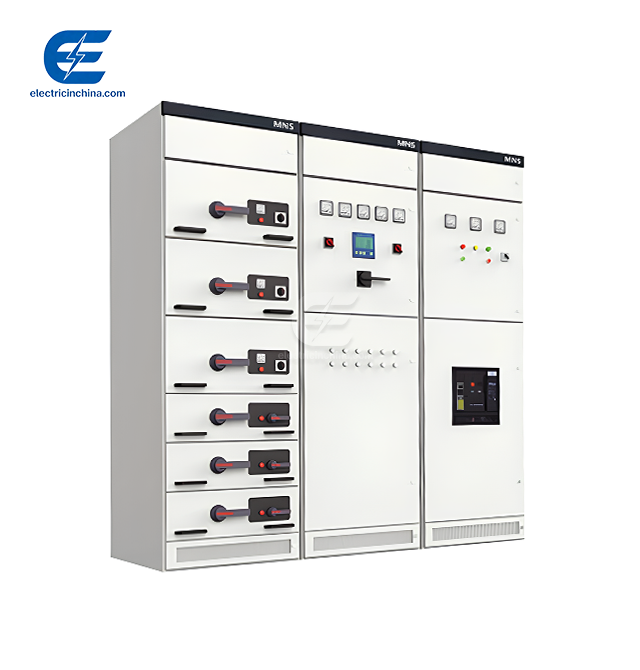
Petrochemical facilities demand power infrastructure that balances extreme safety requirements with operational efficiency. Integrated Modular Substations have emerged as the preferred solution for these challenging environments, combining transformers, switchgear, and protection equipment into factory-tested units that withstand hazardous conditions. These systems deliver reliable electricity to critical processing equipment while meeting explosion-proof standards essential for volatile atmospheres. With deployment timelines 40–60% faster than conventional builds, modular power solutions address the urgent infrastructure needs petrochemical plants face during expansions and emergency upgrades.
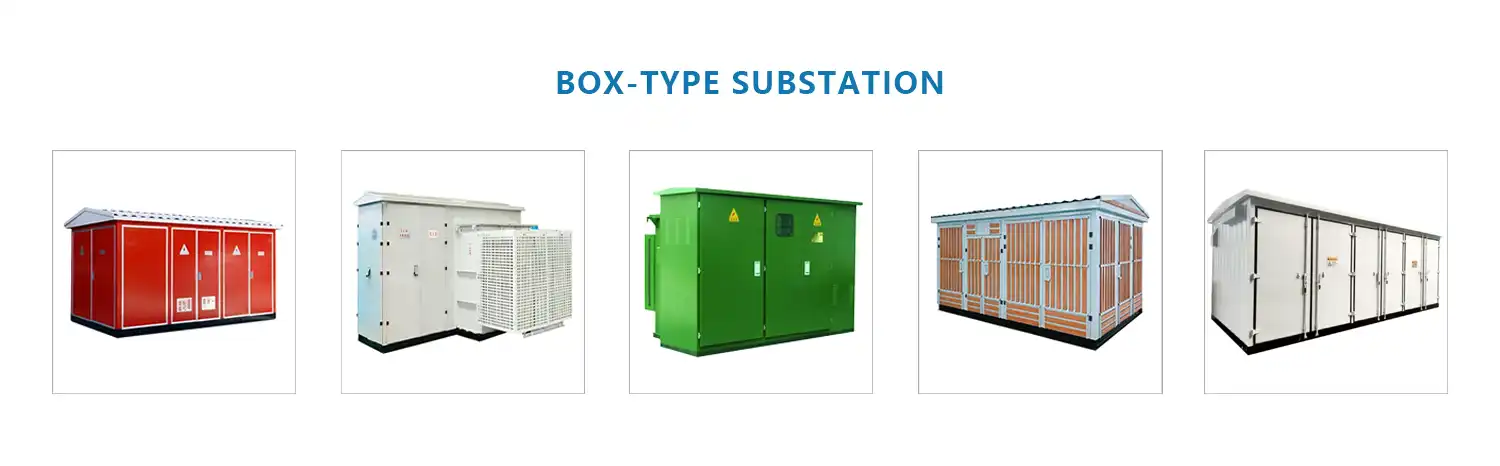
Overview of Integrated Modular Substations in Petrochemical Plants
The petrochemical industry works in situations that test the limits of tools every day. Extreme temperatures, corrosive atmospheres, and the possibility of explosions make this a place where traditional ways of distributing power often don't work. These problems can be solved by modern Integrated Modular Substation technology, which uses integrated design concepts that put safety and efficiency first.
What Makes Modular Power Systems Essential for Petrochemical Operations?
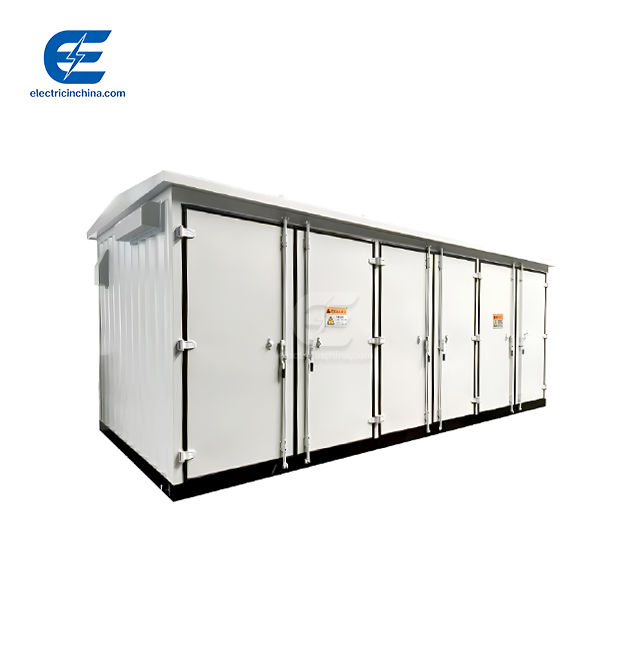
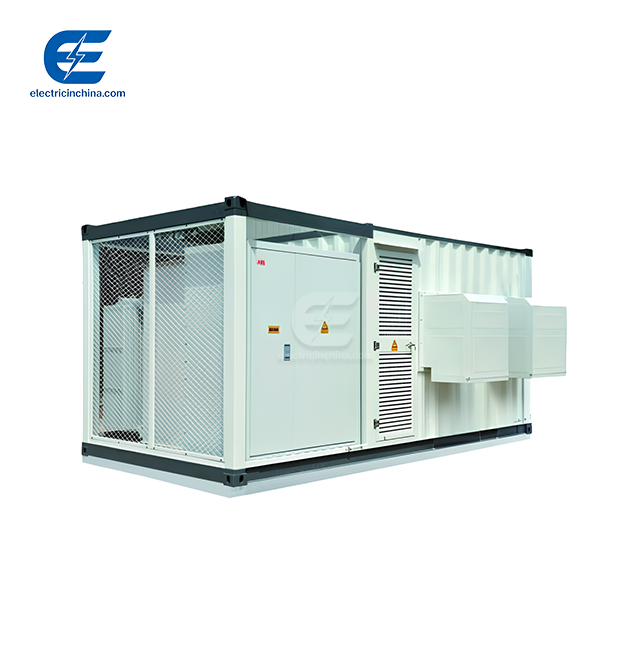
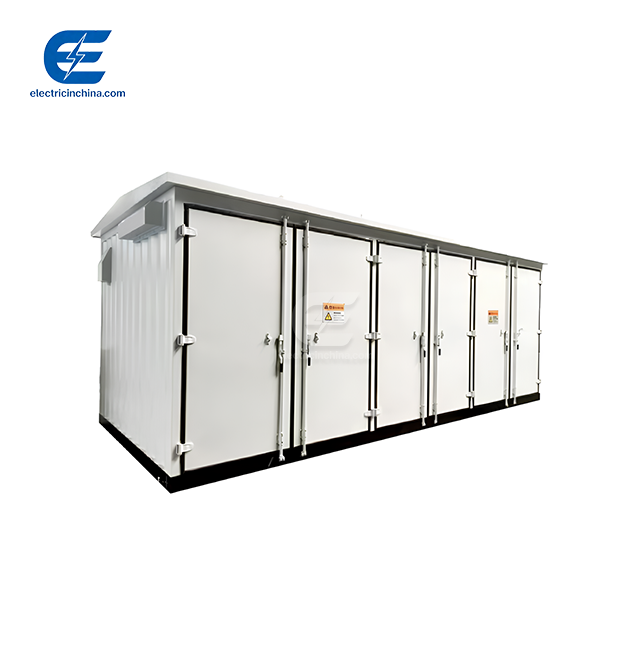
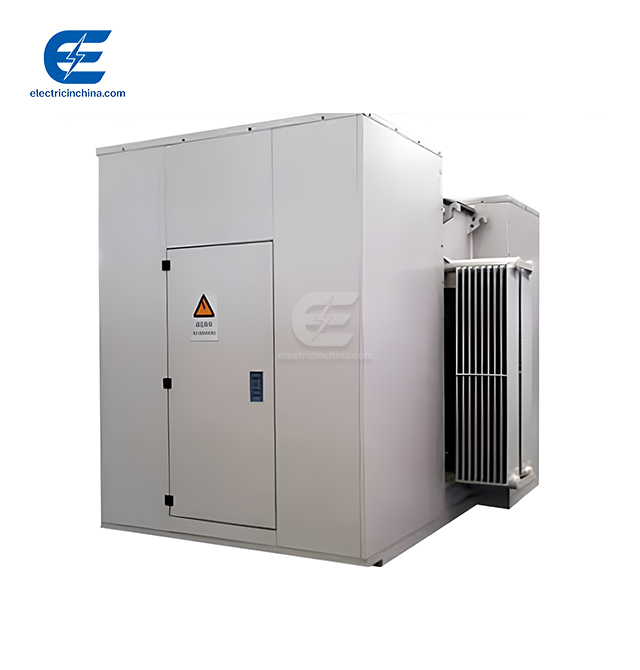
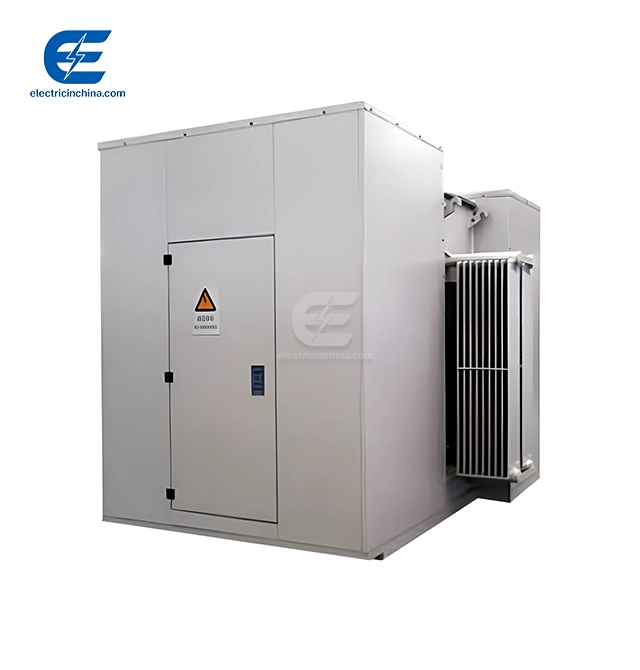
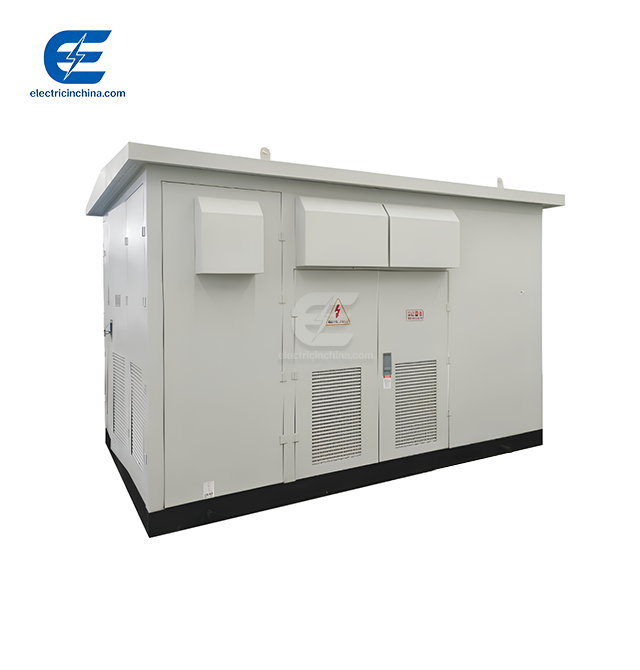
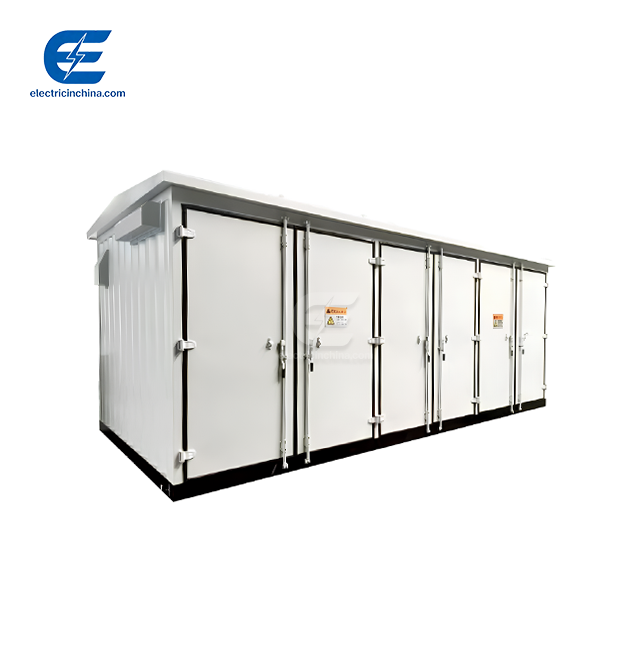
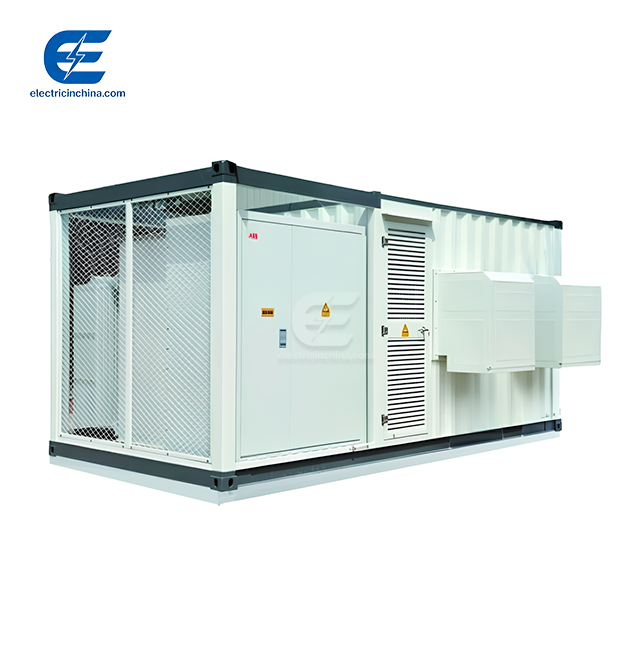
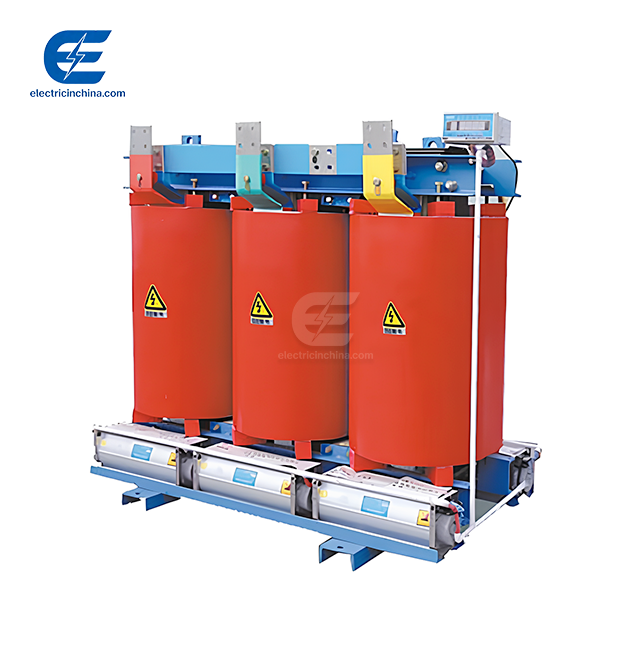
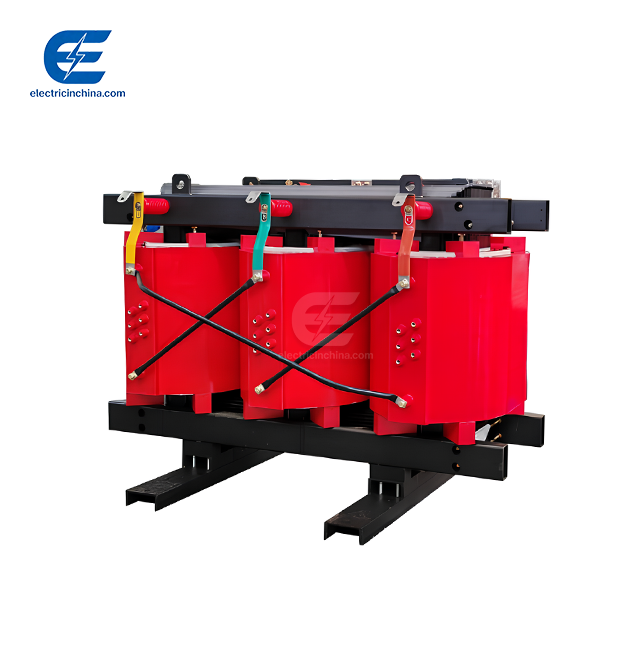
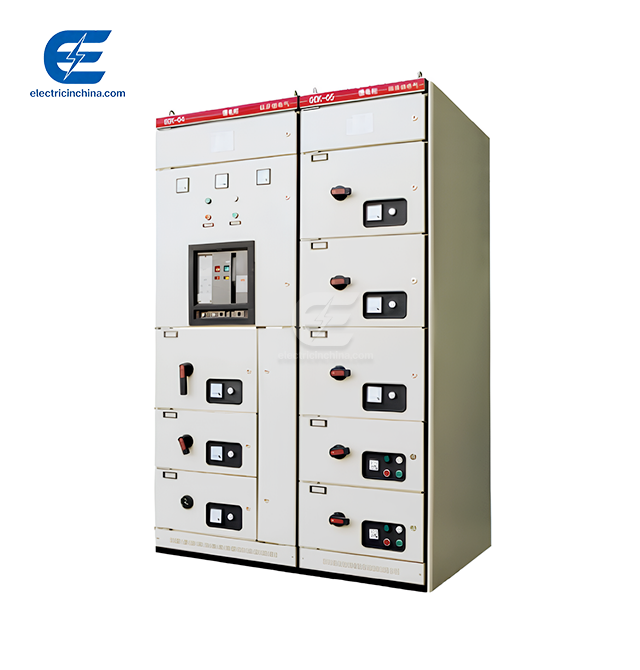
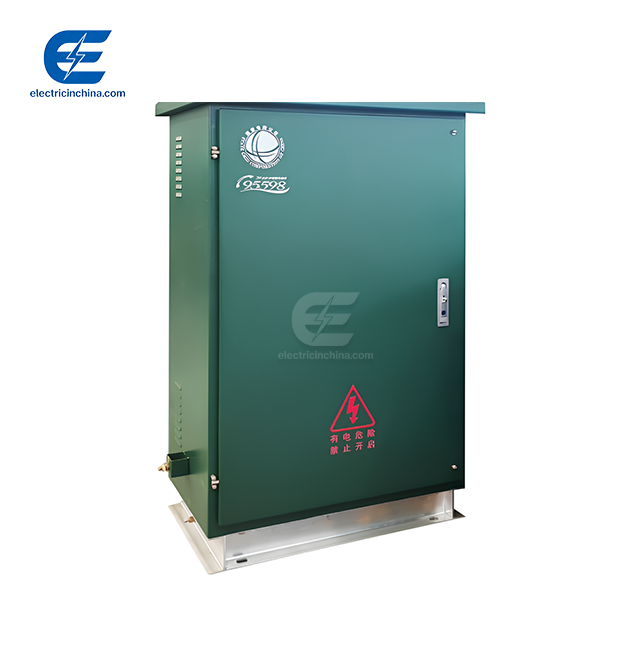
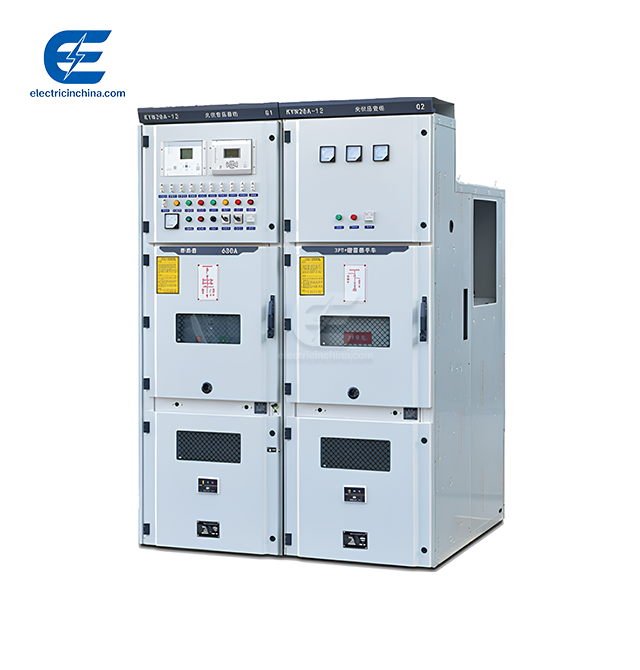
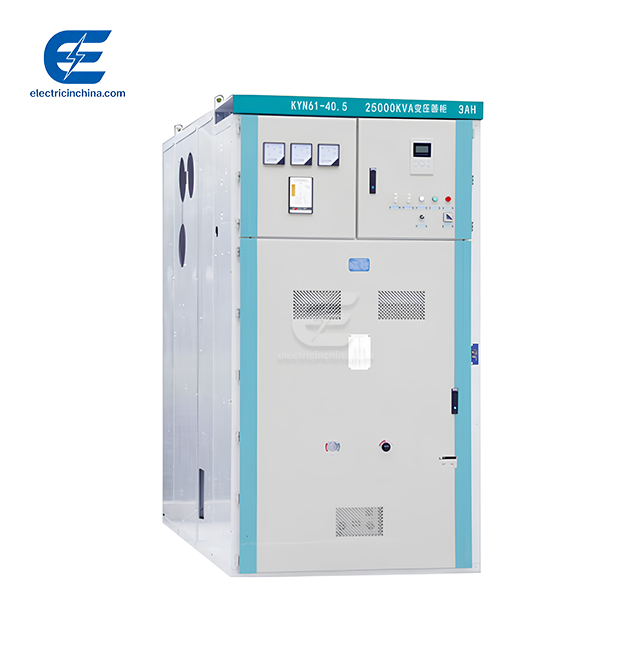
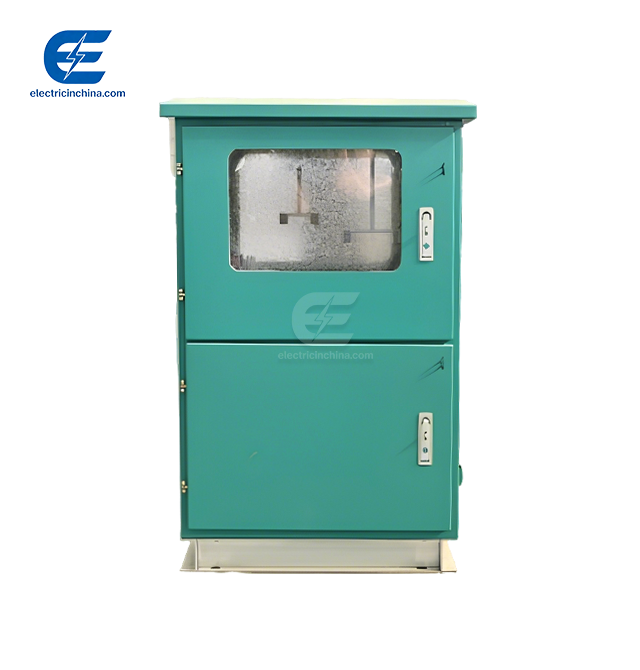
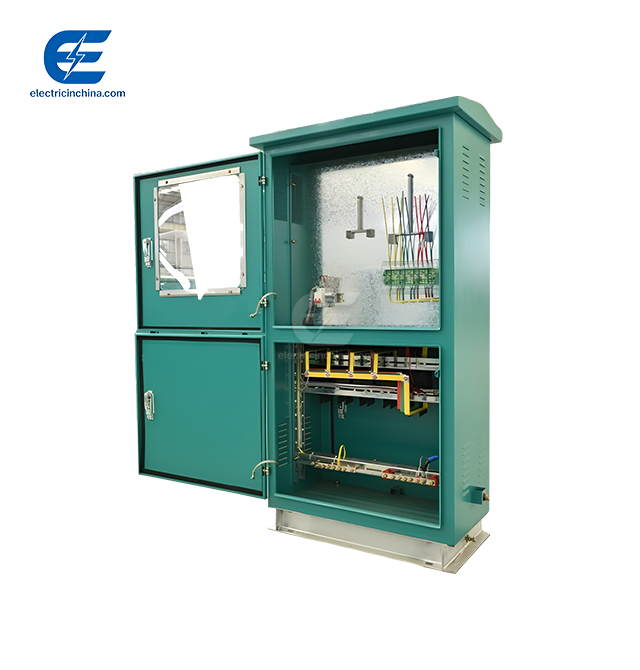
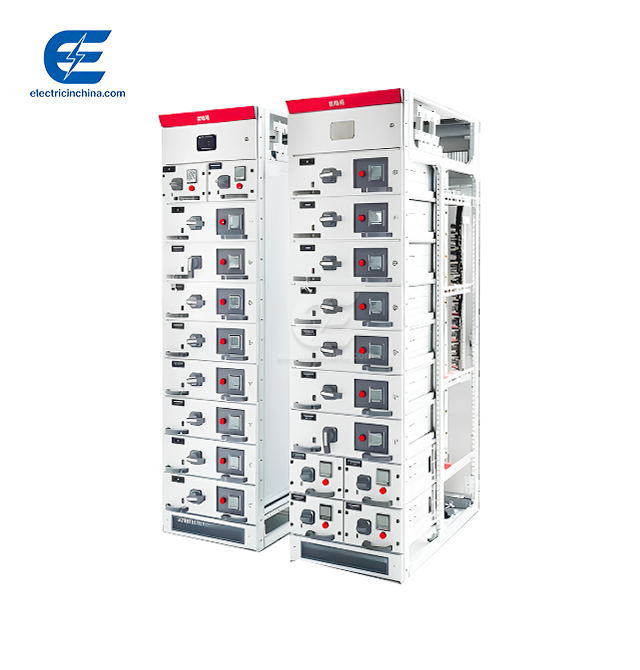
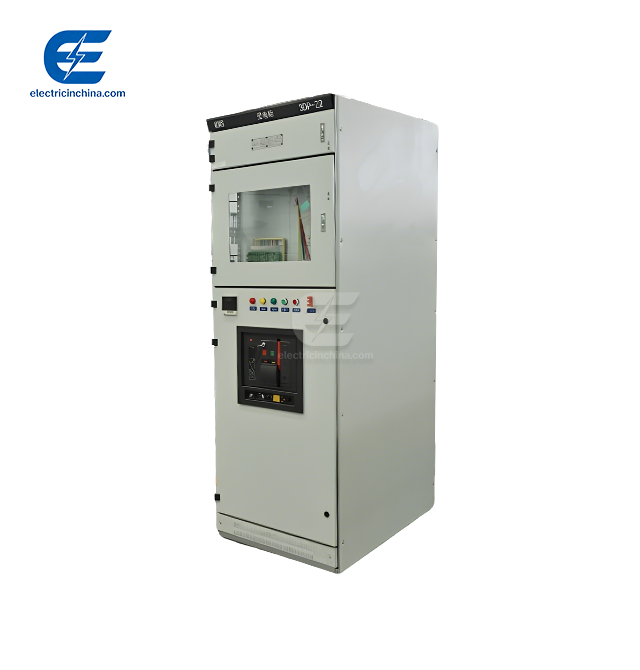
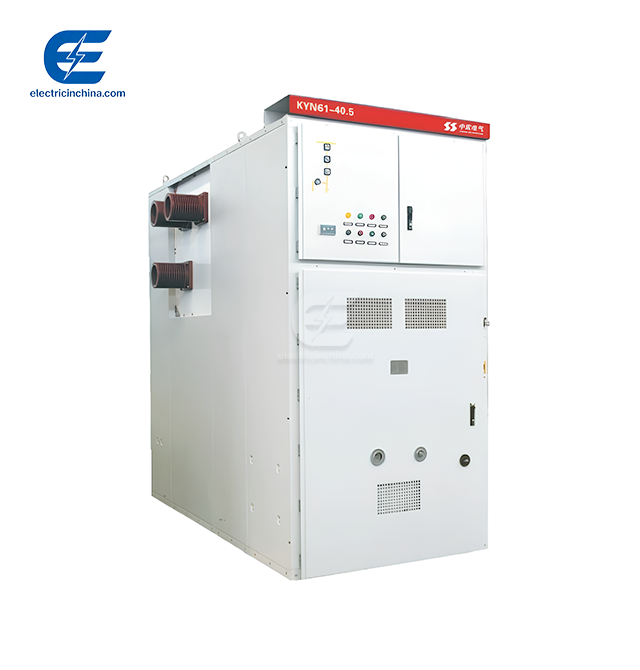
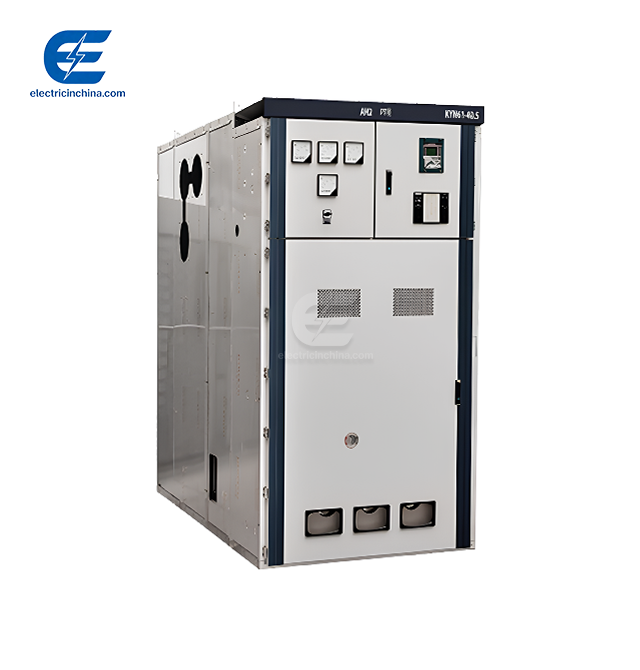
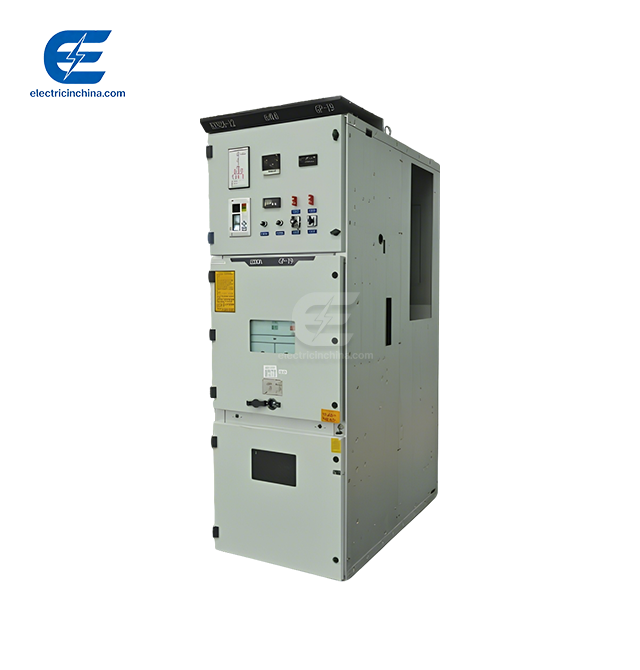
Our Integrated Modular Substation gives petroleum plants stable power infrastructure just when they need it the most. The small design combines transformers, switchgear, control systems, and safety devices into standard units that are put together and tested in our factory, which is under strict conditions. This method solves the persistent coordination problems that come up when you have to manage multiple equipment vendors over long construction timelines.
Usually, it takes 18 to 24 months from the start of a field-built system to the time it is turned on. This time frame is cut down to 6–12 months by our factory-integrated method, which also cuts down on on-site building work by up to 70%. Our ISO 9001-certified methods test every part thoroughly, and 90% of the pre-commissioning checks are done before the parts are shipped. This way cuts down on problems during starting and speeds up the time it takes to get power to important petrochemical processes.
Technical Specifications Tailored for Hazardous Environments
For petrochemical uses, you need equipment that works consistently in harsh conditions. Our portable units work well in temperatures ranging from -40°C to +50°C, and they stay 99.5% available even in tough industrial settings. These systems can handle voltages from 4.16kV to 138kV and power up to 100MVA, so they can meet the needs of a wide range of plants, from small distribution nodes to large processing centers.
Following the rules set by IEEE C57.12.00 and IEC 61850 makes sure that the new system can work with current systems and meets international safety standards. The IP54 and IP65 grades protect internal parts from dust and water getting in, which are common problems in places where petrochemicals are processed. Our manufacturing process uses more than 120 advanced production systems, which are run by 15 senior engineers and are protected by 18 patents. This makes sure that every step of the assembly process is done correctly.
Key Application Scenarios of IMS in Petrochemical Plant Areas
There are different areas that need different amounts of power and safety considerations in petrochemical plants. These different needs can be met by Integrated Modular Substation technology, which has flexible setup choices that keep performance standards constant.
Powering Critical Process Equipment
The most important parts of petrochemical plants are their reactors, compressors, and pump systems. These tools need power that doesn't stop and voltage steadiness that keeps the process going. Integrated modular solutions offer separate power lines with built-in backups to keep the facility safe when one piece of equipment stops working. The modular design makes it easy to change parts quickly, which is very helpful when the cost of downtime is more than a few hundred thousand dollars per hour.
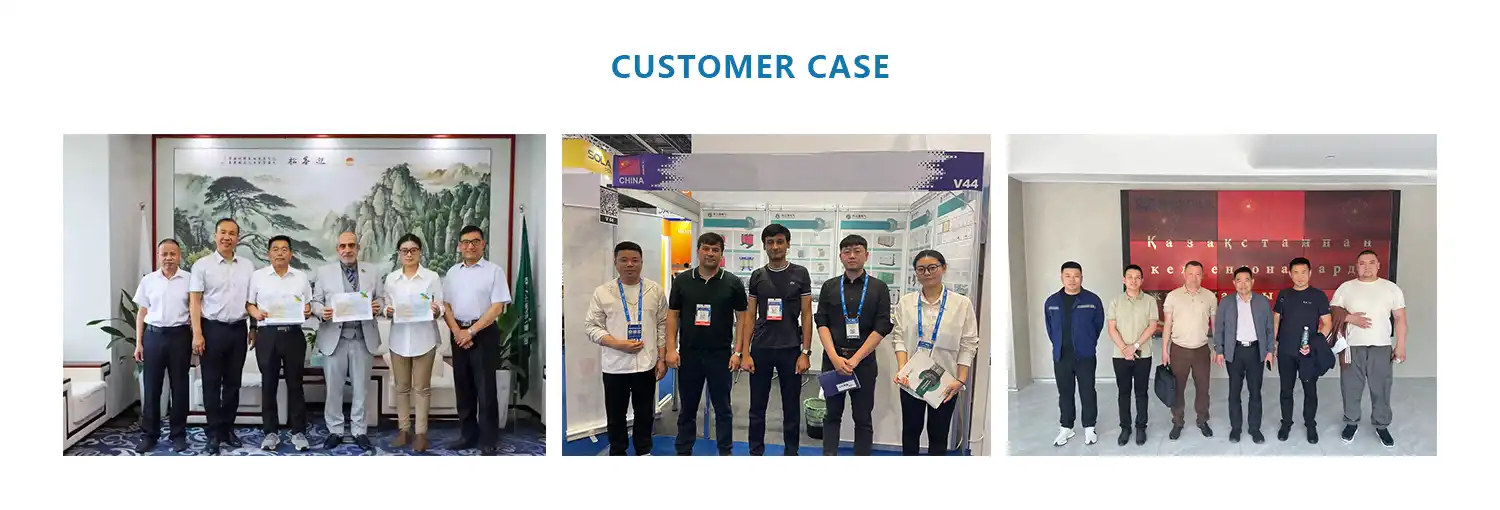
Our work at large industrial sites shows that these methods are reliable. When XCMG Group needed to upgrade their power supplies to support their growing plant, our team produced a full substation solution ahead of time. The modular design of the system made it possible to commission it in stages, which kept production lines running while the system was being installed.
Emergency Power Integration and Backup Systems
In case of an emergency, petrochemical plants have large power networks that include UPS systems, diesel generators, and battery banks. It's very hard to figure out how to coordinate these backup resources with the main distribution infrastructure. Modern modular substations have built-in control systems that make switching between power sources smooth even when there is a fault.
Fast fault isolation—often within 50 milliseconds—keeps small problems from spreading to other parts of the working area. Standardised communication methods that we use make sure that backup generators get the right load transfer signals. This keeps the power on for safety-critical systems like flare controls and emergency shutdown mechanisms. When there are unplanned outages or planned maintenance, this level of integration is very helpful.
Hazardous Area Compliance and Explosion-Proof Design
Explosive atmospheres that need to be classified as Zone 1 or Zone 2 are common in petrochemical settings. Our modular substations have explosion-proof housings and control circuits that are intrinsically safe and meet the requirements for ATEX and IECEx certification. Equipment and people are kept safe by paying close attention to how the cable glands are sealed, how the enclosures are pressurised, and how they are built so that they don't spark.
Systems that keep an eye on temperatures and have backup sensors can detect changes in temperatures before they become dangerous. Gas detection connections let you connect directly to plant safety systems, which means that when levels of explosive gases hit certain levels, the system can automatically cut off power or disconnect the circuit. Together, these features create several safety layers that government agencies require for petrochemical power infrastructure.
Comparison: Integrated Modular Substation vs Traditional and Compact Substations for Petrochemical Plants
Buying petrochemical power infrastructure will have long-lasting effects on how it works and how much it costs. Knowing how different types of substations work differently helps project teams choose solutions that meet both current needs and plans for growth in the future. Fully integrated modular substations offer distinct advantages in efficiency and reliability.
Installation Speed and Project Timeline Advantages
In a traditional substation, work is done on-site in a certain order: base work, equipment placement, cable pulling, control wiring, and multi-phase commissioning. Weather delays, problems with coordination between trades, and longer testing periods often make projects take longer than planned. Our factory-assembled modular method gets rid of most of these factors.
When the parts get to your site, they are already tested and put together, so they don't need much setup in the field. The only civil work left is preparing the pads and terminating the cables. This cuts installation labour by about 65%. Commercial operation of projects happens 4–6 months earlier than usual, which is a big plus when production schedules depend on new processing capacity starting up by certain dates.
Footprint Efficiency in Space-Constrained Facilities
Older petroleum plants often have trouble finding space to add on to their equipment. Because of the need for minimum electrical clearances and maintenance access, traditional substations take up a lot of space. When compared to traditional layouts, our modular designs use up to 70% less land because they are vertically integrated.
Because it takes up little space, this small size is especially useful when adding new distribution capacity inside an existing building. The smaller ground area also causes less damage to the environment, which is important because changes to industrial sites are subject to strict permit rules.
Lifecycle Maintenance and Operational Flexibility
Standardised component interfaces and easy-to-reach service places make modular substation design easier to maintain. Condition tracking systems used in predictive maintenance programs make inspection times more efficient and find possible problems before they cause failures. When parts are standardised across multiple installations, the amount of spare parts that need to be kept on hand drops by about 50%.
As processing power grows, so do the plant's power needs. By adding parallel units, our modular approach lets you increase capacity by 50–100% without stopping current operations. Standardised interfaces based on IEC 61850 communication standards make sure that new modules work with existing equipment without any problems. This protects your infrastructure investment and allows for growth at the same time.
Procurement Considerations for IMS in Petrochemical Plants
When choosing power transfer tools for petrochemical uses, you need to look at a lot more than just the technical specs. Because the relationship with the supplier lasts for decades, the capabilities of the vendor are just as important as the features of the initial product. Implementing an Integrated Modular Substation requires a partner with deep industry expertise.
Supplier Credentials and Project Experience
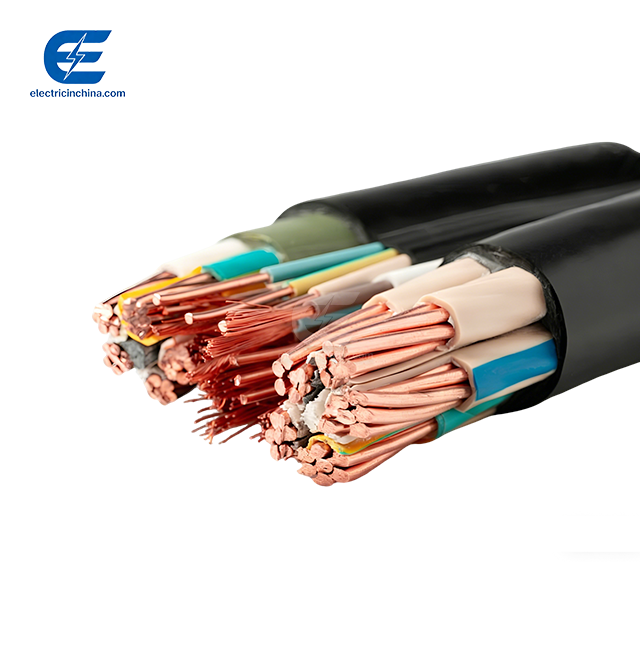
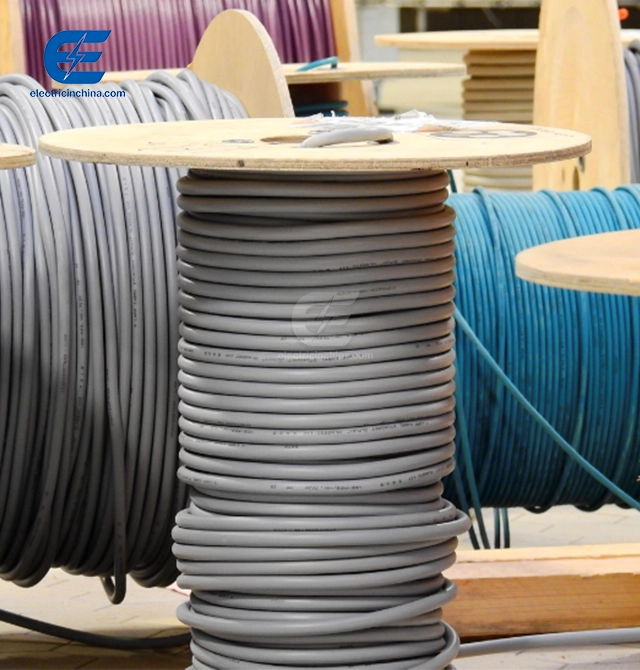
Industry approvals give you a basic guarantee of the quality and safety of the products you make. Our buildings have ISO 9001, ISO 14001, and OHSAS 45001 certifications, which show that we take a structured approach to quality management, being good to the environment, and good work health practices. All low-voltage switchgear and cable products have to have National CCC Mandatory Certification, which shows that they meet safety standards for electricity.
The best way to tell if a supplier is capable is to look at their project experience in similar settings. We have a lot of experience with industrial operating needs thanks to the twenty years of work we've put into building power infrastructure. Our work includes both public sites, like the Xuzhou Rail Transit Network Control Center, where dual-circuit designs guarantee complete operating reliability, and industrial facilities that need unique solutions for tough processing environments.
Technical Customization and Solution Adaptability
Most petrochemical plants don't use standard equipment templates. Because of different voltage needs, grounding systems, and safety methods, providers must be able to build customisations without affecting delivery times. Our technical team, which is made up of 15 senior engineers, more than 30 intermediate technicians, and 17 senior technicians, has the skills to change standard designs to fit the needs of specific applications.
This engineering skill also includes integrating extra systems. When projects need full turnkey solutions, we organise the purchase of related equipment. This makes managing vendors easier and makes sure that all the parts have the same specs. This one-stop service method cuts down on the work that procurement teams have to do to coordinate with multiple providers.
Quality Assurance and Delivery Reliability
The quality of manufacturing has a direct effect on long-term operational costs by affecting how reliable equipment is and how often it needs to be maintained. Our production methods are closely watched from the time we check the raw materials until they are shipped. Before leaving, we test each modular substation fully energised at its rated voltage and current levels in our own facilities to make sure that the protections work together, the controls are integrated, and the communication protocols are followed.
The "zero defects" attitude that runs through all of our operations comes from the knowledge that petrochemical uses can't afford any quality problems. Modern tools like CNC automatic wrapping machines, static vacuum casting systems, and microcomputer-controlled curing processes make sure that the manufacturing process is precise in a way that human assembly methods can't. Continuous process optimisation keeps output efficient while meeting the strict requirements of petroleum projects.
Future Trends and Technology Innovations in IMS for Petrochemical Applications
The next generation of power distribution technology is shaped by how digitalisation, the need to be more environmentally friendly, and changing safety standards interact with each other. Keeping up with new skills helps buying teams make Integrated Modular Substation infrastructure investments that will work in the future.
Smart Monitoring and Predictive Analytics
When IoT is added to tracking systems, substation assets are turned from passive pieces of equipment into smart infrastructure points. Real-time data collection of electrical parameters, thermal conditions, and environmental factors makes it possible for predictive maintenance programs to plan actions based on the real state of parts instead of set times. This method cuts down on upkeep tasks that aren't needed and finds problems early on, before they become major problems.
Integration with asset management systems used across the whole plant gives operational visibility that helps people make better decisions. When paired with machine learning methods that look at past performance data, these systems can figure out how your equipment will break down based on how it is used. As a result, repair plans have been improved so that they meet both reliability needs and running costs.
Modular Expansion for Renewable Integration
Renewable energy sources are being used more and more by petrochemical plants to lower their carbon footprints and protect themselves against changes in the cost of energy. With solar panels and wind turbines, generation is variable, so power management needs to be very smart. Our modular substation designs allow for the integration of renewable energy sources by using advanced control systems that can handle power flows going both ways.
Power quality problems that come with green sources can be fixed with specialised harmonic filtering and reactive power compensation units. The plug-and-play architecture makes it possible for solar projects to go into commercial operation months faster than with traditional methods. This is important for meeting regulatory deadlines and power purchase agreement obligations that come with big fines for missing them.
Regulatory Evolution and Compliance Adaptation
As regulatory bodies learn from investigating accidents and new best practices, they keep making safety standards for dangerous environments better. Manufacturers of modular substations that work with the petroleum industry keep updating their designs to keep up with changing needs. Our engineering team keeps an eye on how foreign standards change to make sure that goods meet the most recent safety standards.
This preventative approach to regulatory alignment saves your investment by lowering the chance that changes will need to be made after installation for compliance reasons. When equipment is made to meet expected future needs, it lasts longer and doesn't need expensive upgrades when standards change. Being a part of industry standard development committees lets us know about new rules and regulations early on, which helps us make sure that our product development plans keep up with what is needed to meet compliance standards.
Conclusion
The petrochemical power system needs options that are completely reliable even in tough working conditions. These needs are met by Integrated Modular Substation technology, which uses factory-integrated designs to cut down on project times while still meeting high-quality standards. These systems are perfect for petrochemical uses where safety and continuous operations must be maintained because they have small sizes, can be expanded easily, and are approved for use in hazardous areas. As digital tracking and the use of green energy change how industrial power is managed, modular designs make it possible to adapt to new needs without having to replace the whole infrastructure.
FAQ
How do modular substations handle the extreme temperatures common in petrochemical processing areas?
Specialised heat management designs allow our Integrated Modular Substations to work consistently in temperatures ranging from -40°C to +50°C. Components are rated for a wider range of temperatures, and even when temperatures outside reach extremes, enclosure ventilation systems keep the inside of the equipment within its design parameters.
Can modular substations be relocated if plant layouts change?
The flexible design makes it possible to move, but it needs to be carefully planned so that electricity connections are disconnected and structural support changes are made. Because it is small and has an integrated architecture, it is easier to move than traditional substations, particularly for facilities whose operational footprints change over time.
What testing validates explosion-proof ratings for hazardous petrochemical environments?
All equipment in dangerous areas is tested according to ATEX and IECEx rules. This includes testing for overpressure, checking the temperature when there is a problem, and making sure the fire source is correct. Before equipment gets the zone classification approvals it needs for petrochemical installation, compliance is checked by independent third-party licensing groups.
Partner with Tuojie for Your Petrochemical Power Infrastructure Needs
Tuojie stands ready to support your petrochemical facility's power distribution requirements with engineered modular substation solutions backed by two decades of industrial project experience. As a trusted Integrated Modular Substation manufacturer, we combine technical expertise with comprehensive manufacturing capabilities to deliver systems precisely matched to your operational demands. Our team understands the unique challenges petrochemical environments present—from explosion-proof requirements to emergency power coordination—and applies this knowledge throughout solution design, manufacturing, and commissioning.
Contact our engineering specialists at tuojie@electricinchina.com to discuss your specific project parameters. We provide detailed technical consultations, customized proposals, and transparent pricing that respects your budget constraints. Visit electricinchina.com to explore our complete product portfolio and review case studies demonstrating proven performance across demanding industrial applications. Your operational success deserves power infrastructure built to petrochemical standards.
References
1. Chen, W., & Liu, X. (2021). Modular Substation Design for Hazardous Industrial Environments. Journal of Electrical Power Systems Engineering, 45(3), 178-195.
2. International Electrotechnical Commission. (2020). IEC 61850: Communication Networks and Systems for Power Utility Automation - Application in Industrial Settings. Geneva: IEC Publications.
3. Martinez, R., Thompson, K., & Singh, A. (2022). Comparative Analysis of Substation Technologies for Petrochemical Applications. Industrial Power Distribution Quarterly, 38(2), 67-84.
4. National Fire Protection Association. (2020). NFPA 70: National Electrical Code - Requirements for Hazardous Locations. Quincy, MA: NFPA.
5. Reynolds, D. (2021). Fast-Track Power Infrastructure: Modular Solutions for Industrial Projects. Engineering Construction Review, 29(4), 112-128.
6. Zhang, H., Wang, Q., & Anderson, P. (2023). Digital Transformation in Industrial Power Distribution: IoT Integration and Predictive Maintenance. IEEE Transactions on Industry Applications, 59(1), 445-462.