

.webp)
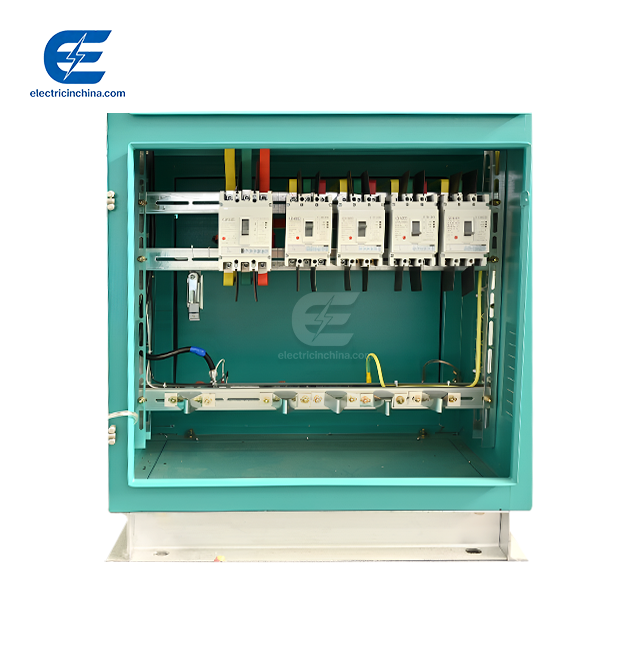
When choosing between amorphous alloy and silicon steel core materials for dry-type power transformers, the difference in core losses can dramatically affect your project's energy efficiency and long-term operational costs. Amorphous alloy cores typically reduce no-load losses by 70% to 80% compared to traditional silicon steel, translating into substantial energy savings across the transformer's 30-year lifespan. Understanding these performance differences helps procurement managers, EPC contractors, and project engineers select the most cost-effective and reliable transformer solutions for government infrastructure, commercial real estate, and industrial applications. Throughout my two decades working with power distribution systems, I've witnessed the transformative impact that core material selection has on project outcomes. Modern industrial power distribution relies heavily on transformer efficiency to meet sustainability targets and reduce operational expenditure. This guide provides a thorough comparison between amorphous alloy and silicon steel sheets—two predominant core materials used in distribution transformers—focusing on core losses and performance implications. By addressing crucial technical and economic factors, this overview supports procurement professionals and design engineers in optimizing transformer selection to meet stringent industrial standards and sustainability goals. Understanding these differences aids in making well-informed decisions that enhance asset performance and reduce lifecycle costs.
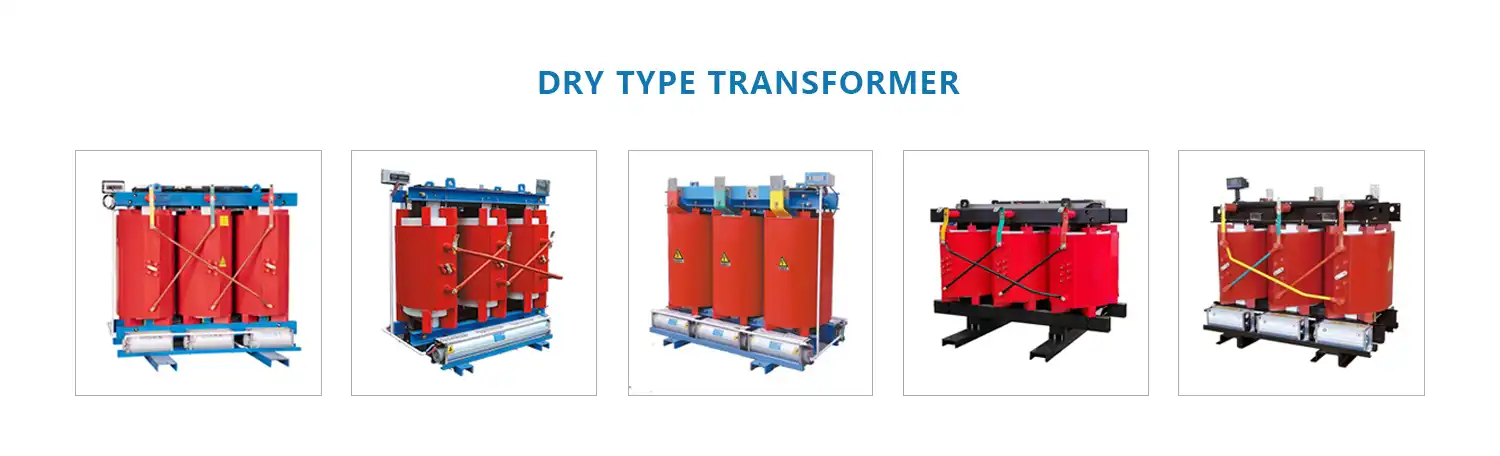
Comparative Analysis of Amorphous Alloy and Silicon Steel Sheets
Energy Savings Through Reduced No-Load Losses
The difference in performance between these core materials is especially clear in uses that are constantly powered up, which are popular in business and industry. A 1000kVA amorphous metal transformer loses about 500 to 700 watts when there is no load on it, while a similar silicon steel unit loses 2000 to 2500 watts. If you use electricity at a rate of $0.10 per kWh for 20 years, this difference saves you about $26,000 in energy costs per transformer unit, which is a great return on investment for medium to large installations.
Thermal Performance and Equipment Lifespan
The operating temperature has a big effect on how quickly insulation wears out and how long a transformer lasts generally. Amorphous metal transformers make a lot less heat when they're not in use because they lose less heat in the core. This means that the windings are cooler and the shielding systems are less stressed by heat. When the load is the same, the SCBH15 and SCBH19 series transformers with amorphous cores keep their Class H insulation values while running 15-20°C cooler than similar silicon steel units. This thermal edge makes equipment more reliable in harsh industrial settings and extends the time between repair visits.
Acoustic Performance Considerations
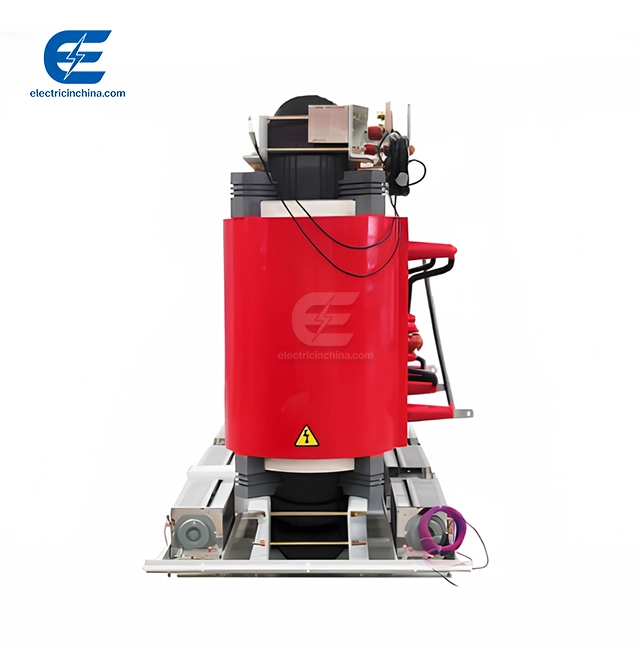
Noise emissions are a big deal for installations in hospitals, business buildings, and areas with lots of people. Because they have less magnetostriction, amorphous metal cores usually make sound pressure levels 3 to 5 decibels lower than silicon steel versions. Modern dry-type power transformers use a vacuum-cast epoxy resin encapsulation that further reduces vibration transmission. This gives a full picture of how choices in core materials affect the performance of transformers, the work environment, and following the rules.
Design Considerations and Application Suitability
Engineering Adaptations for Different Core Materials
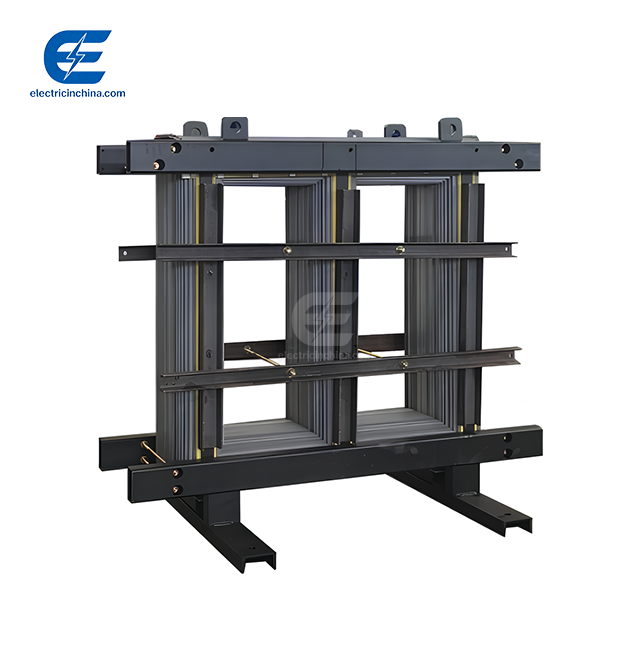
Because amorphous alloys and silicon steel have different physical and magnetic properties, they need to be designed in different ways for dry-type power transformers. Because amorphous ribbon material is brittle, it needs to be handled carefully during core assembly and laminated using specific methods to avoid damage. Multiple wound layers and protected frames are used in the core design to spread mechanical stress evenly. Silicon steel cores are more mechanically robust, which makes stacking them easier and allows for smaller forms with the same power ratings.
Application-Specific Selection Criteria
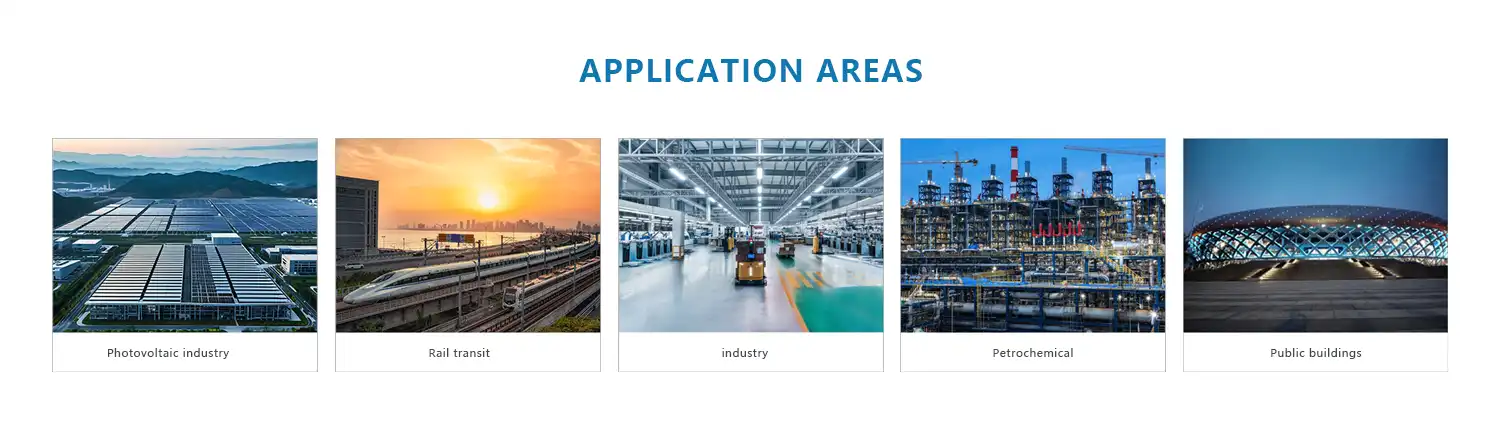
To find the medium-to-large-scale of each industrial situation, you have to look at things like load profiles, voltage needs, and environmental factors. Amorphous alloy transformers work best in places that are constantly powered on and have loads that don't change much, like business office buildings, data centers, and factories with steady production plans. We have amorphous metal distribution transformers for 10kV, 20kV, and 35kV with capacities between 50kVA and 2500kVA that can be used for a variety of building projects. Customization options for voltage levels, impedance specs, connection setups, and IP protection ratings make sure that the best match is made for each project.
Regulatory Compliance and Safety Standards
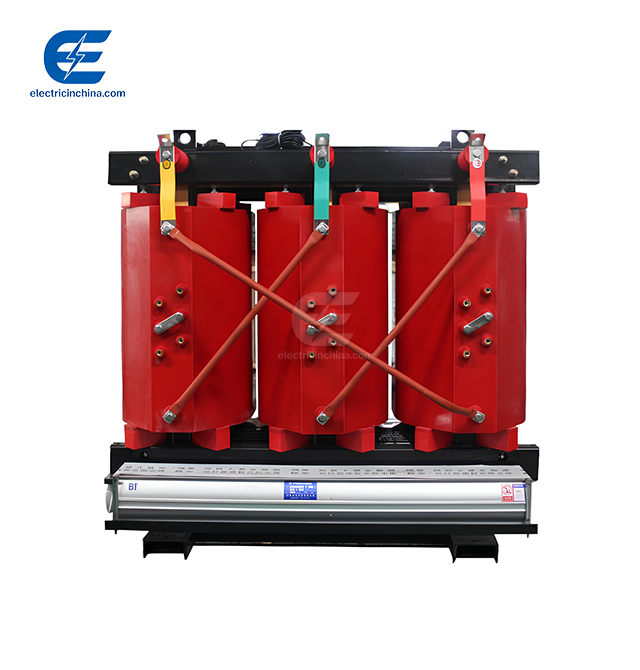
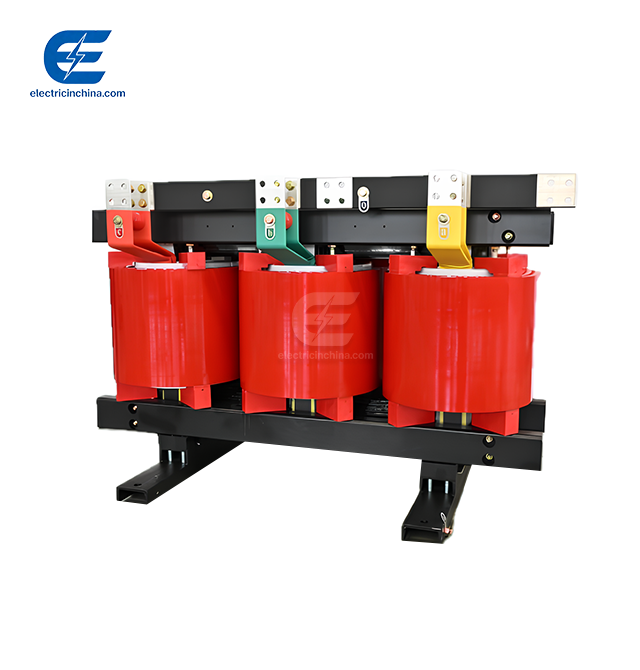
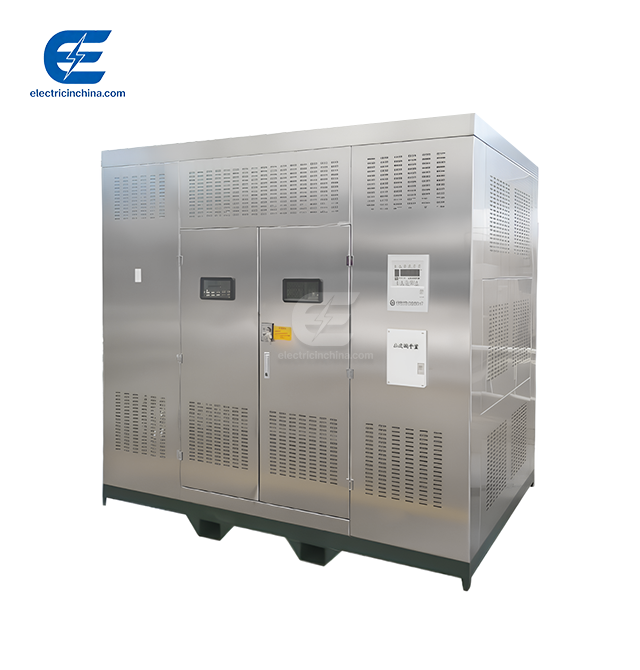
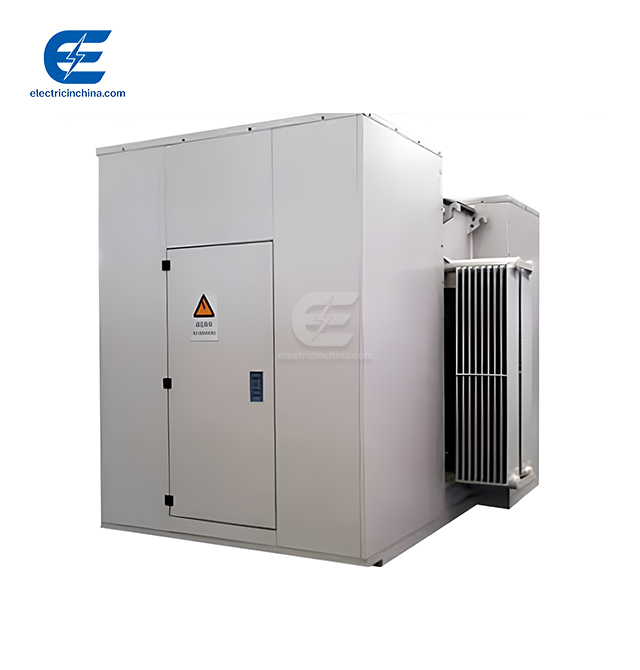
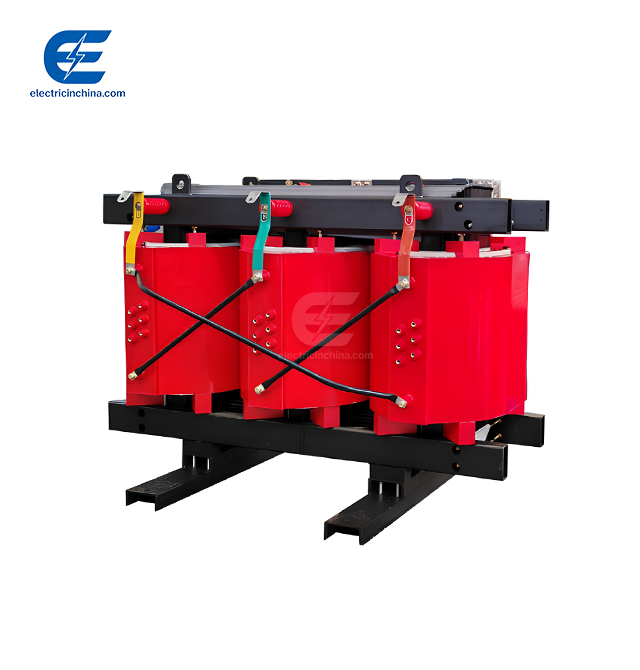
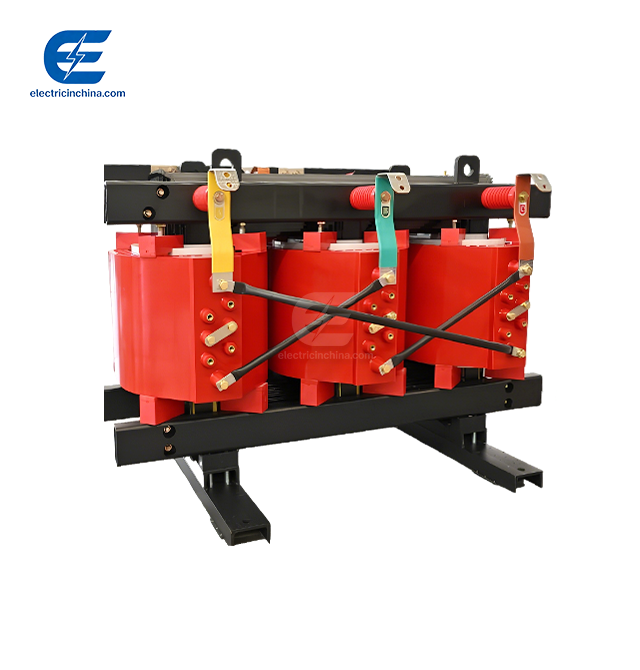
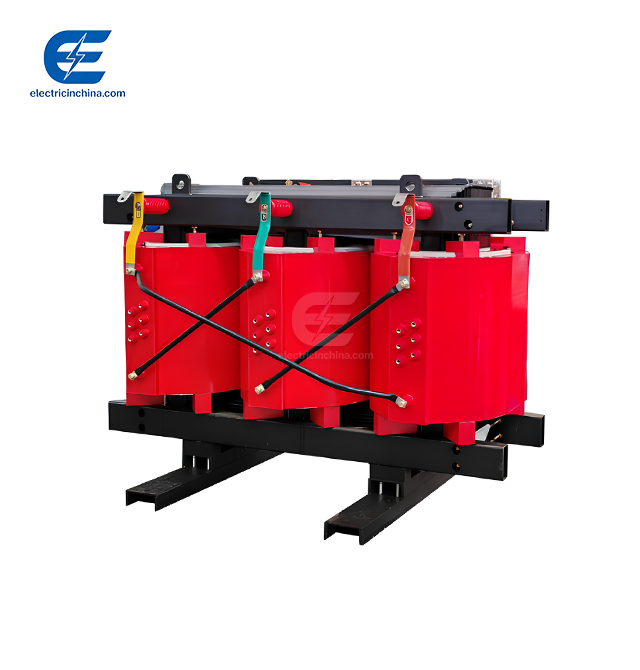
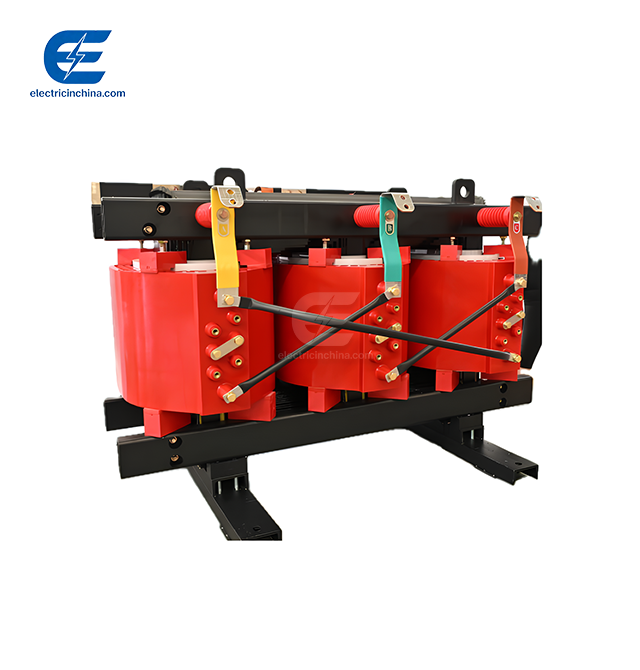
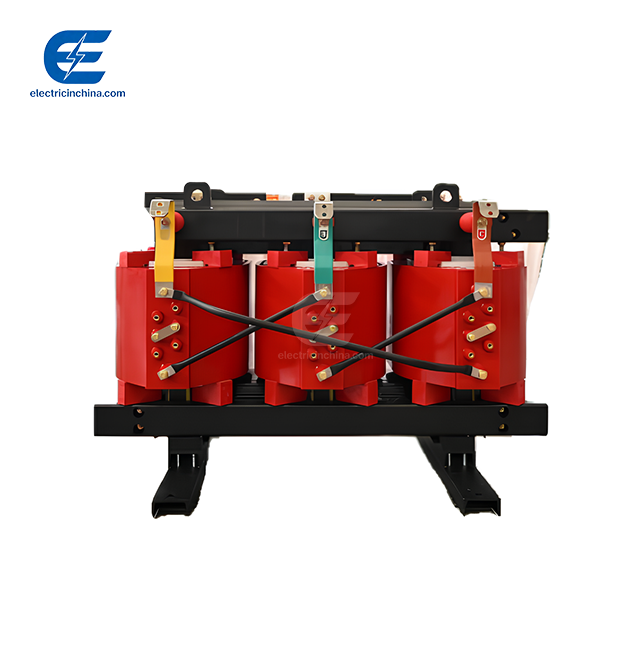
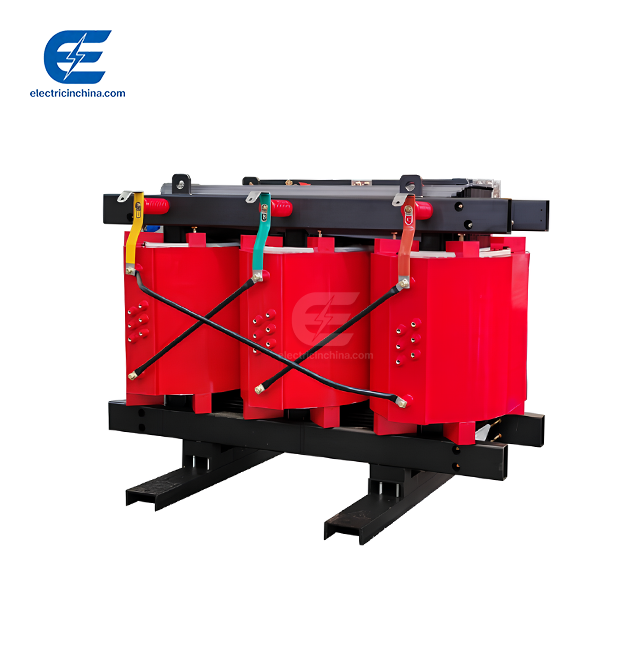
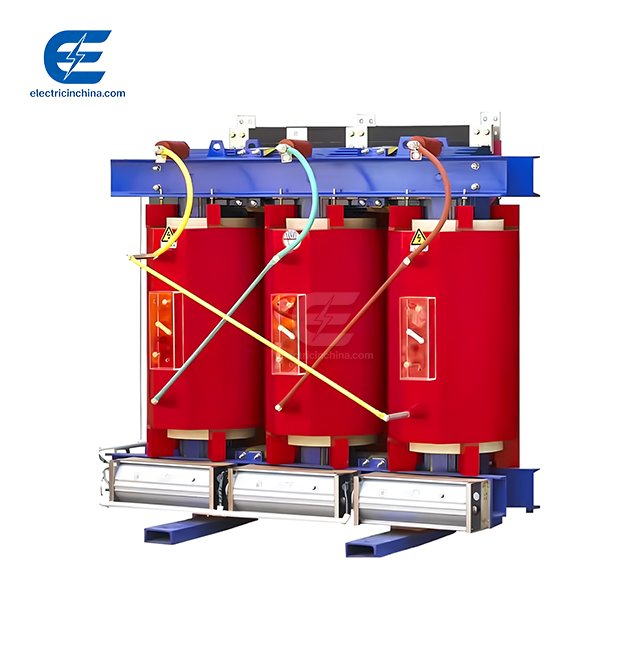
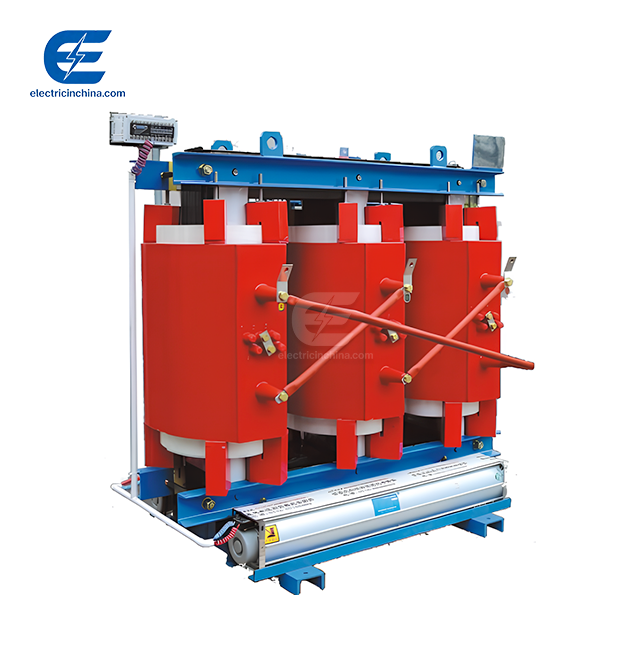
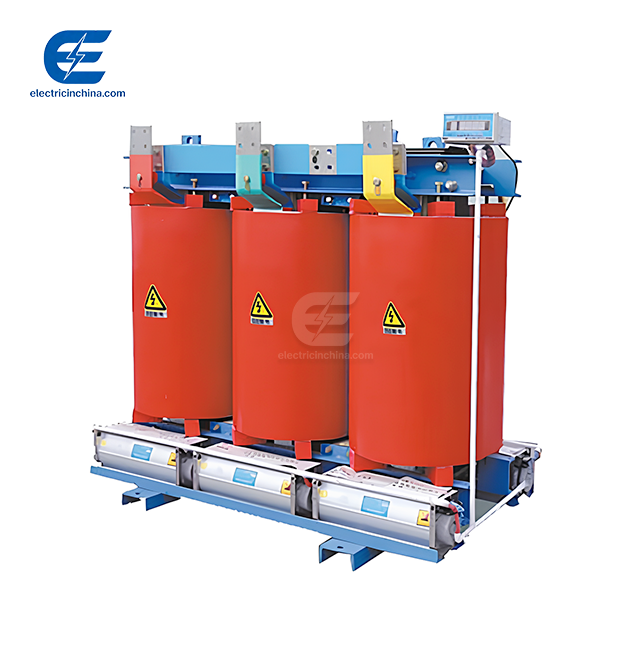
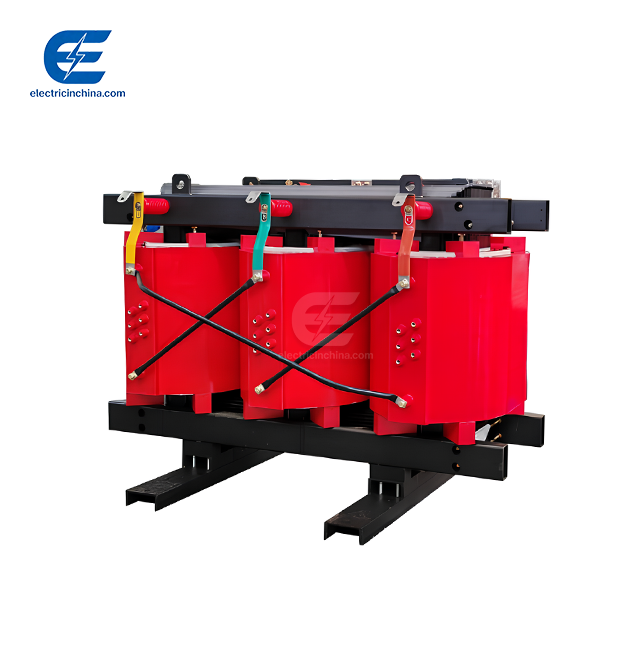
Safety standards and rules for the business have a big impact on the choice of materials. The SCBH15 type 35kV transformer is an example of modern energy-efficient distribution technology. It has an amorphous metal core and epoxy resin vacuum-cast coils. The design solves important problems in the industry, like the high losses when the unit is not in use and the environmental safety risks that come with using oil-immersed units. Because resin-cast transformers don't catch fire and don't pollute the environment, they are the best choice for high-density load centers and sites that need to be careful with the environment.
Economic and Procurement Insights for B2B Buyers
Total Cost of Ownership Analysis
Procurement choices extend beyond initial purchase price to cover lifetime costs including energy consumption, upkeep requirements, and replacement intervals. Amorphous alloy transformers usually cost 20–30% more up front than silicon steel versions, but they usually pay for themselves in three to five years of constant use thanks to the energy savings from lower no-load losses. The design that doesn't need to be maintained cuts down on ownership costs even more by getting rid of the need for regular oil testing, filtering, and disposal costs that come with liquid-filled alternatives.
Supply Chain and Delivery Considerations
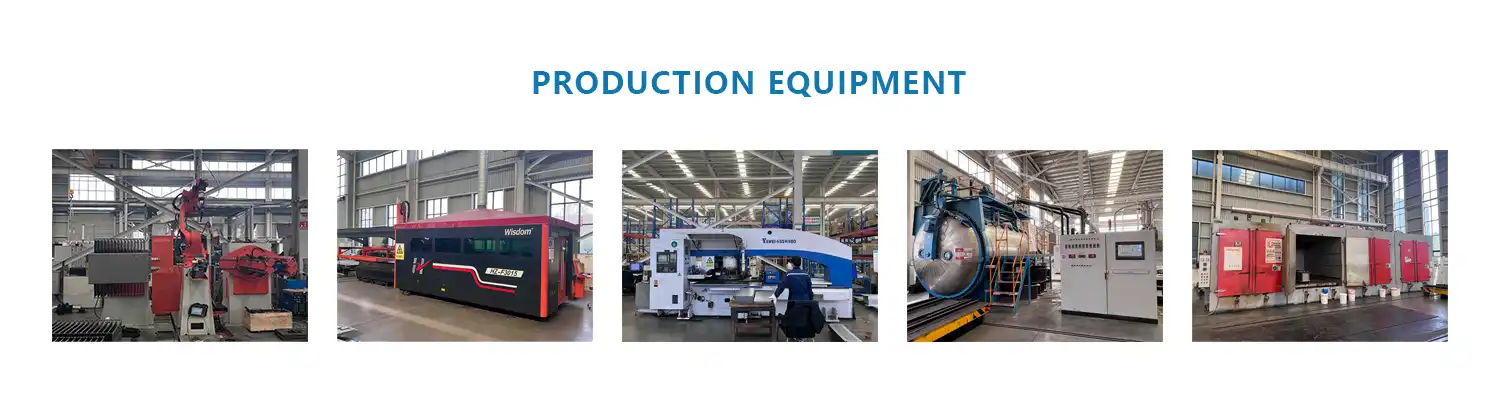
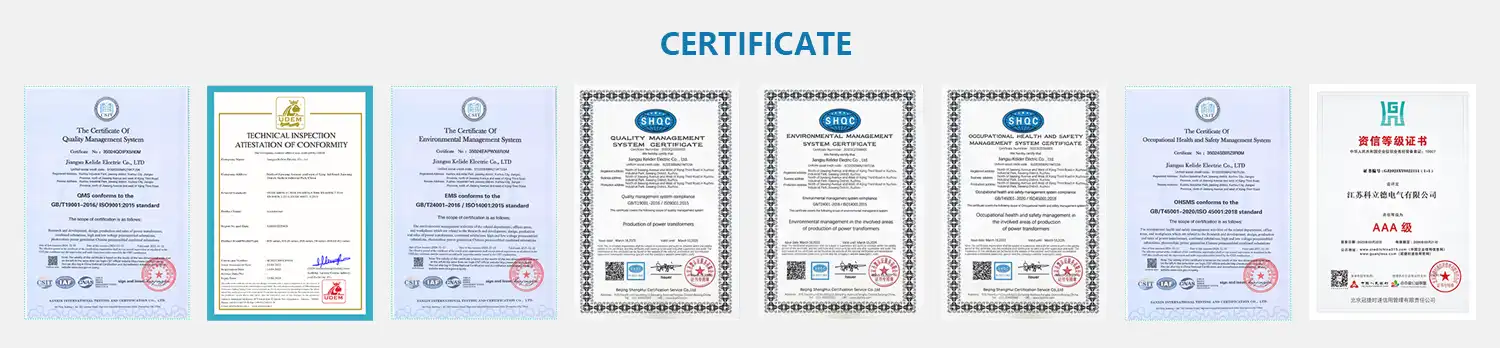
For project-based buying, delivery times, warranty coverage, and the image of the provider are all very important. Over 120 sets of specialized equipment, such as CNC automatic winding machines, CNC static vacuum casting machines, automatic foil winding machines, and microcomputer-controlled gradient curing ovens, are used by us to make things. With this complete production system, we can keep shipping times short while still maintaining high-quality standards. Our ISO 9001, ISO 14001, OHSAS 45001, and National CCC Mandatory Certification for all products give you peace of mind that we will follow the rules and make great products.
Procurement Checklist for Decision Makers
When purchasing managers look at dry-type power transformer suppliers, they should make sure that the following are true:
The size of the supplier's expert team shows how well they can provide custom solutions. Our engineering team is made up of 15 senior engineers, over 30 intermediate technicians, and 17 senior technicians. They are backed by 18 patents that show they are always coming up with new ideas for transformer technology. This technical skill makes sure that reliable products are made and that technical support is available throughout the whole project.Quality control methods in manufacturing have a big effect on how reliable a product is. We use strict tracking systems from getting the raw materials to production, checking the finished products, storing them, delivering them, and installing them. Every step of the process is based on written instructions that keep non-conforming products from being released. This way of working incorporates the idea of zero defects into every aspect of the work.Having project knowledge shows that you can handle complicated needs. The Xuzhou Rail Transit Network Control Center project, the Xuzhou High-speed Railroad East Station EPC project, and power transfer systems for XCMG Group factories are all in our collection. The rail transit power supply system uses a dual-circuit design that makes sure it is completely safe to use for important infrastructure applications.
Maintenance Tips and Long-Term Performance Optimization
Preventive Maintenance Protocols
To keep dry-type power transformers working at their best, they need care instructions that are specific to the material and its core characteristics. Monitoring the surroundings to make sure dry conditions are good for amorphous metal transformers, since water getting in can damage the resin covering. Regular thermal imaging checks find hotspot growth that could mean problems with the windings or airflow blocks. Similar environmental controls are needed for silicon steel core units, but extra care needs to be taken with the tightness of the laminates and the stability of the core wiring.
Performance Monitoring Systems
Tracking of efficiency measures and sound performance over time is possible with advanced monitoring tools. Putting temperature sensors in key places inside the transformer's case gives constant information on trends in thermal performance. Power quality measures taken on a regular basis check the levels of voltage control and harmonic distortion. This helps maintenance teams spot performance loss early, before it leads to failures.
Upgrade and Replacement Strategies
Advice on when to think about upgrading or replacing a transformer's core makes sure that the asset stays reliable and works cost-effectively for as long as it lasts. When transformers lose more than 5% of their efficiency from their base numbers, they need to be carefully looked at to see if replacing parts or upgrading the whole unit would be more cost-effective. Retrofitting with amorphous metal technology can greatly lower the amount of energy used in current systems where changes to the infrastructure allow for equipment replacement.
Conclusion
Choosing between amorphous metal and silicon steel cores has a big effect on how well the dry-type power transformers work, how much it costs to run, and how environmentally friendly it is. Amorphous alloy technology cuts no-load losses by 70–80%, which means that the equipment will use less energy and produce less carbon over its entire life. These benefits work best for constantly powered applications in business, industry, and building projects where operating efficiency has a direct impact on the project's cost-effectiveness. We always stick to our business philosophy of improving technology, providing excellent customer service, and being honest in our operations. As a result, we offer customers in a wide range of industries high-quality products that are tailored to local needs and complete transformer solutions. Because we've been in this business for 20 years, we can offer complete power distribution solutions that include a wide range of equipment and a wide range of value-added services.
FAQ
How much efficiency improvement can amorphous alloy cores provide compared to silicon steel?
In comparison to silicon steel cores, amorphous metal cores cut no-load losses by about 70 to 80%. A normal 1000kVA amorphous alloy transformer has no-load losses of about 500–700 watts, compared to 2000–2500 watts for silicon steel versions. This means that when the unit is used continuously, it saves more than 13,000 kWh of energy each year.
Are amorphous alloy transformers suitable for retrofitting existing installations?
Retrofitting depends on how much space you have and how well the electrical connections work with each other. Because of how the core is built, dry-type power transformers may need a slightly bigger size. We offer unique solutions for voltages ranging from 10kV to 35kV and power capacities ranging from 50kVA to 2500kVA. We also help with site assessments to make sure retrofits are possible.
What environmental advantages do amorphous alloy transformers offer?
Amorphous alloy distribution transformers are very good for the environment because they use less energy and don't pose any contamination risks. The lower no-load losses lower carbon pollution over the whole lifetime of the system. The dry-type construction using vacuum-cast epoxy resin gets rid of the risk of oil leaks and makes the structure non-polluting and flame-resistant, which are qualities that are highly valued in projects that care about the environment and building up cities.
Partner With Tuojie for Advanced Dry-Type Power Transformer Solutions
Picking the right dry-type power transformers supplier has a big effect on the success of your project and its long-term performance. As a well-known company that makes dry-type power transformers, Tuojie blends cutting-edge amorphous alloy technology with a track record of successfully completing projects to provide unique solutions that meet your exact voltage, capacity, and environmental needs. Our SCBH15 and SCBH19 series transformers have very low no-load losses, are built to resist flames, and don't need any upkeep. They are backed by full ISO certifications and National CCC approval. Email our engineering team at tuojie@electricinchina.com to talk about the details of your project and get detailed technical proposals. You can look at our whole line of energy-efficient distribution equipment at electricinchina.com and download technical information to help you make your purchase decision.
References
1. McLyman, W.T. (2017). Transformer and Inductor Design Handbook, Fourth Edition. CRC Press, Boca Raton, Florida.
2. Heathcote, M.J. (2018). The J & P Transformer Book: A Practical Technology of the Power Transformer, Thirteenth Edition. Johnson & Phillips Ltd, London.
3. Kulkarni, S.V. and Khaparde, S.A. (2013). Transformer Engineering: Design, Technology, and Diagnostics, Second Edition. CRC Press, Boca Raton, Florida.
4. International Electrotechnical Commission (2019). IEC 60076-11: Power Transformers - Part 11: Dry-type Transformers. Geneva, Switzerland.
5. Institute of Electrical and Electronics Engineers (2016). IEEE C57.12.01: Standard for General Requirements for Dry-Type Distribution and Power Transformers. New York, USA.
6. Ramesh, L. and Chowdhury, S.P. (2015). Amorphous Core Distribution Transformers: Economic and Environmental Impact Assessment. International Journal of Emerging Electric Power Systems, Volume 16, Issue 4.