

.webp)
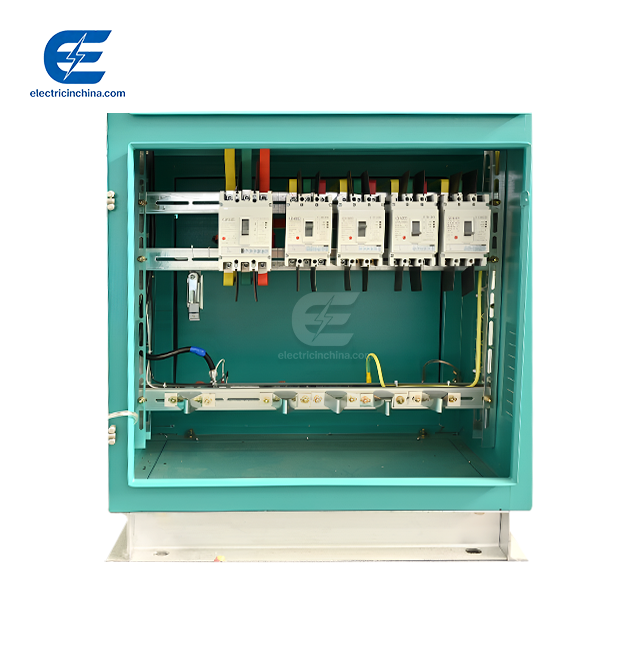
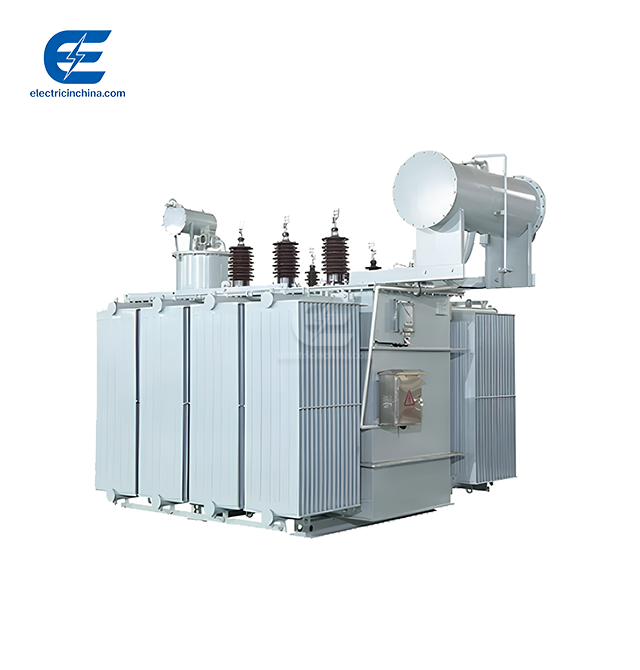
When evaluating transformer options for challenging industrial environments, corrosion resistance stands out as a decisive factor. Cast resin amorphous alloy transformers demonstrate superior corrosion resistance compared to ordinary amorphous transformers due to their advanced encapsulation technology and sealed construction. The cast resin insulation system creates a protective barrier against moisture, chemicals, and atmospheric contaminants that typically compromise transformer integrity. While ordinary amorphous transformers rely on conventional protective coatings, cast resin designs offer inherent protection through their solid-state insulation, making them particularly valuable in coastal installations, chemical plants, and humid climates where corrosion accelerates equipment degradation.
Structural and Material Differences Between Cast Resin and Ordinary Amorphous Transformers
Cast Resin Encapsulation Technology
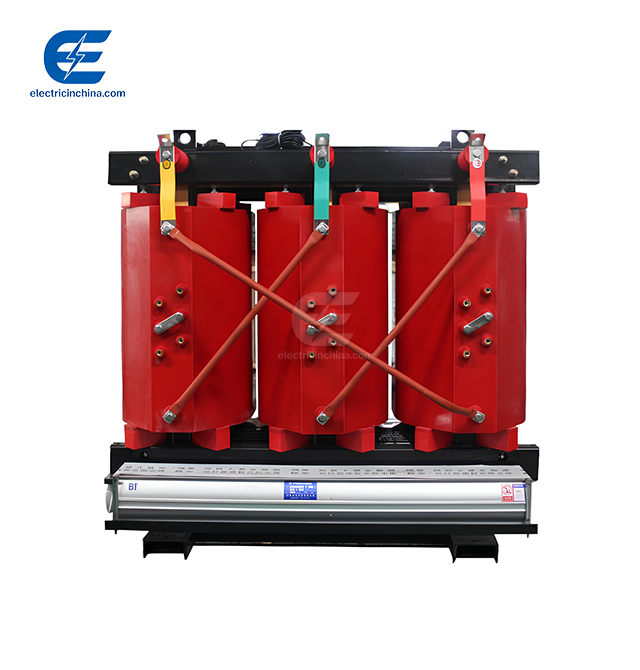
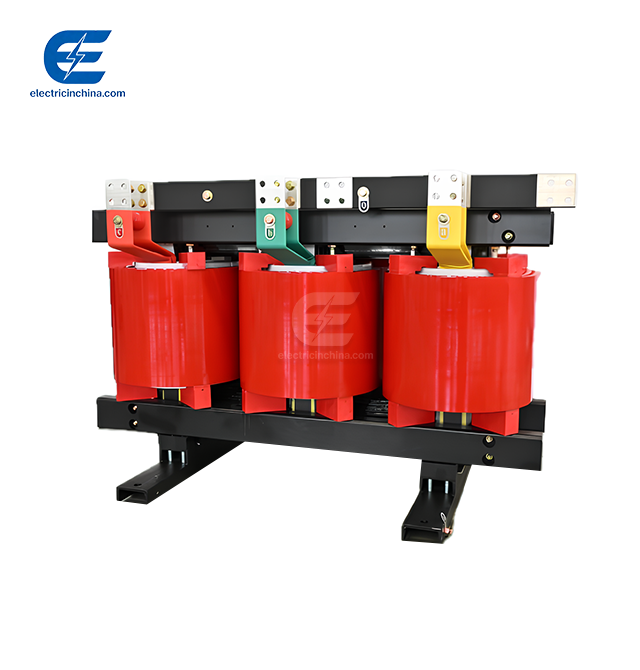
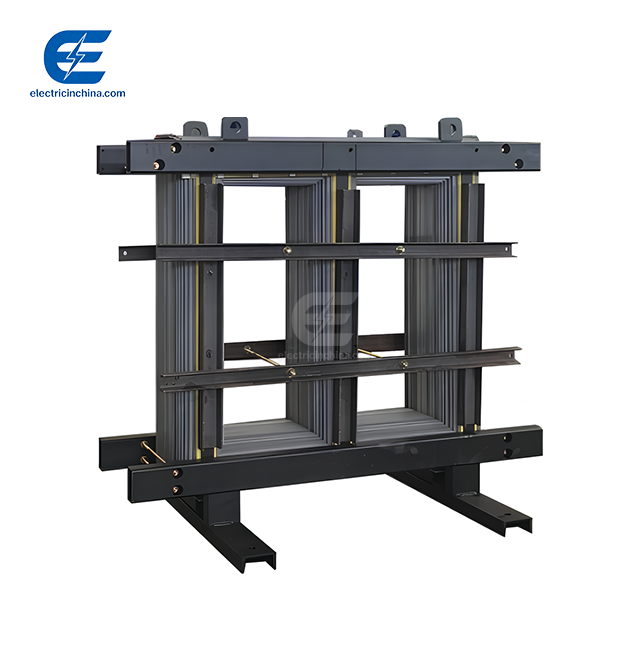
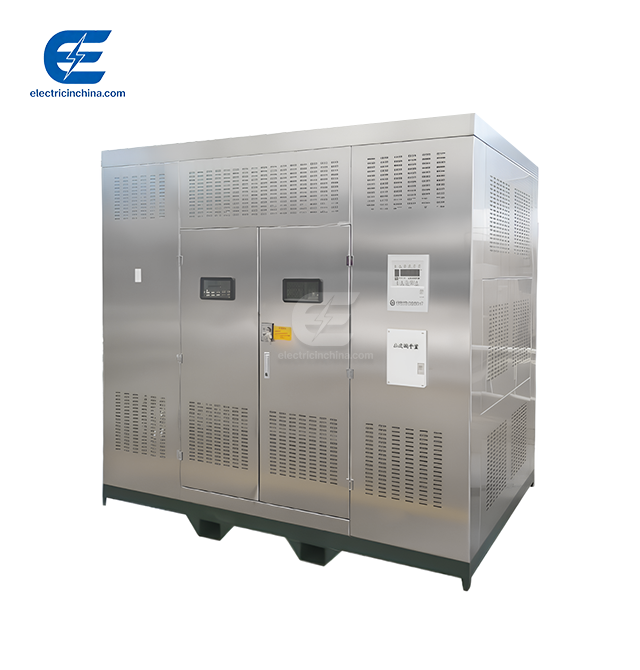
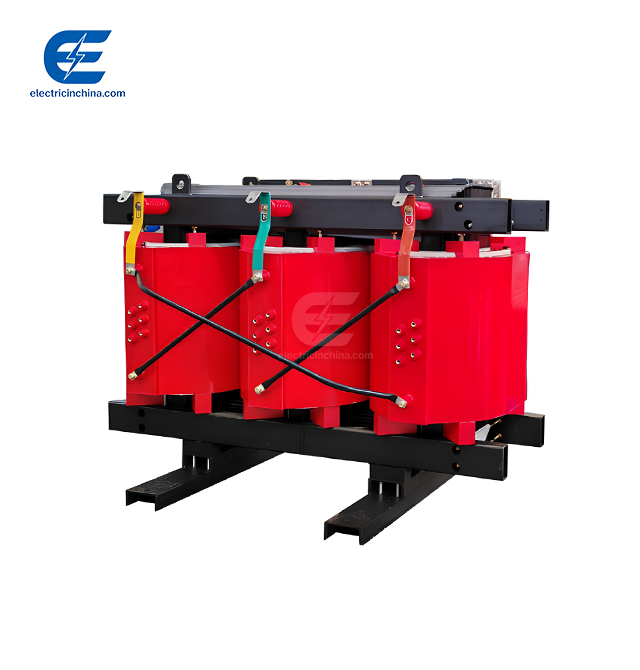
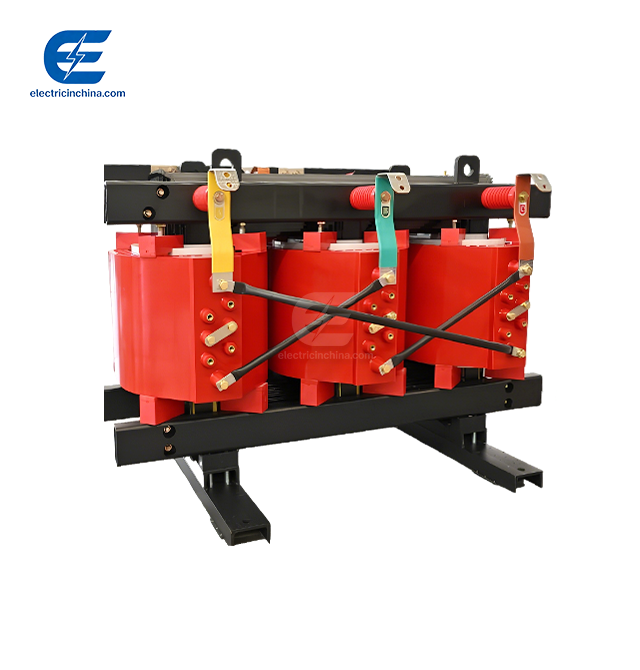
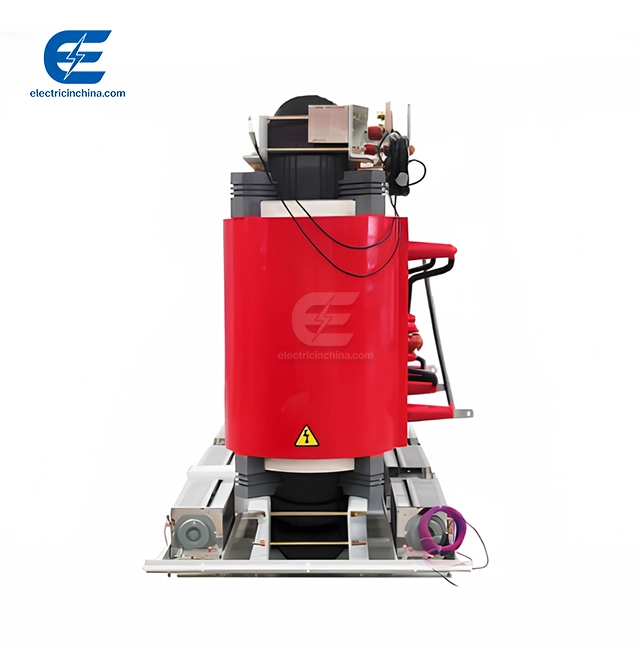
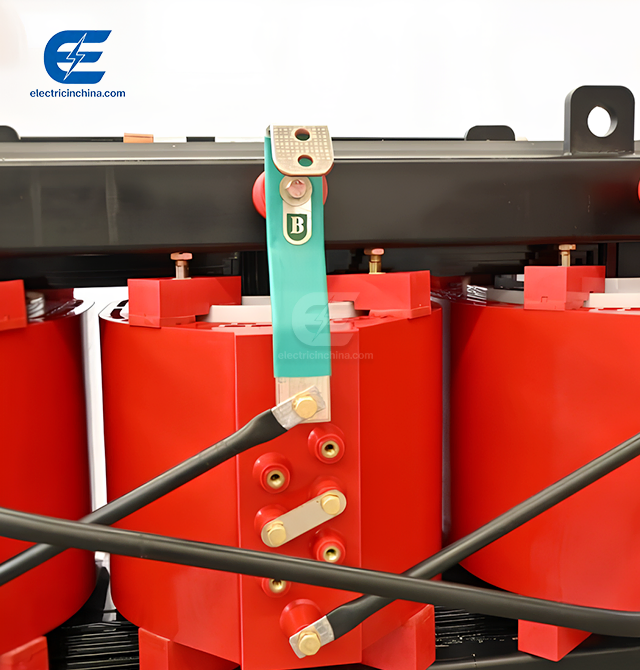
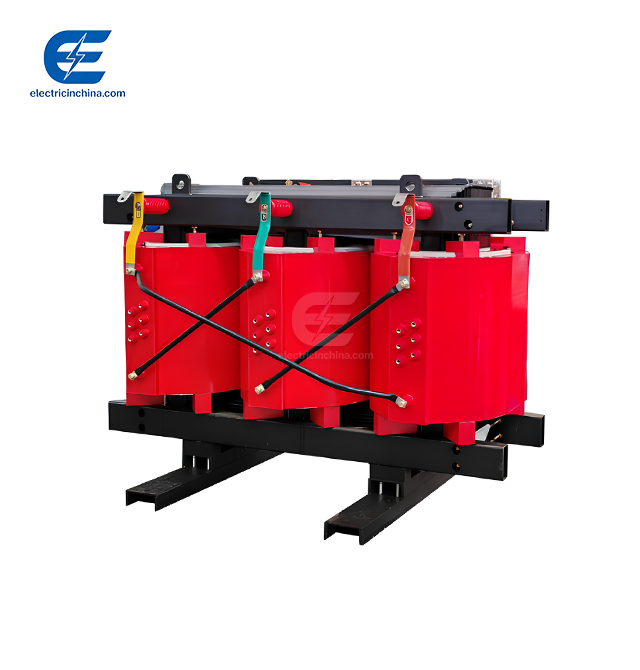
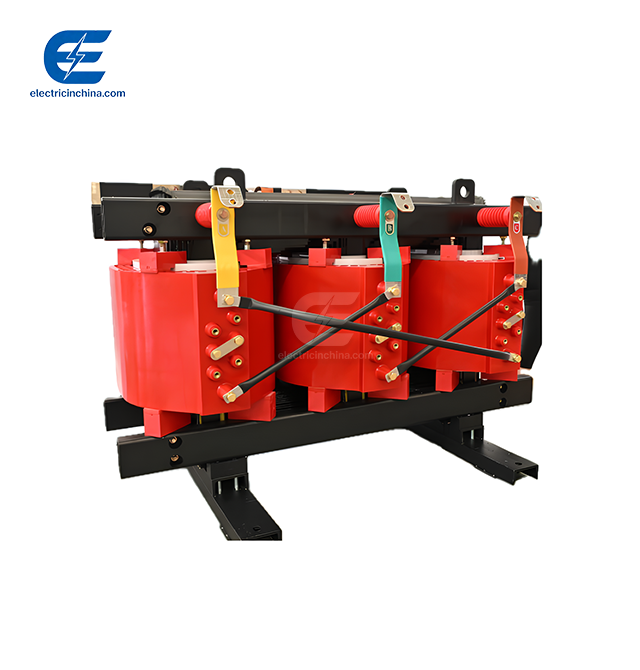
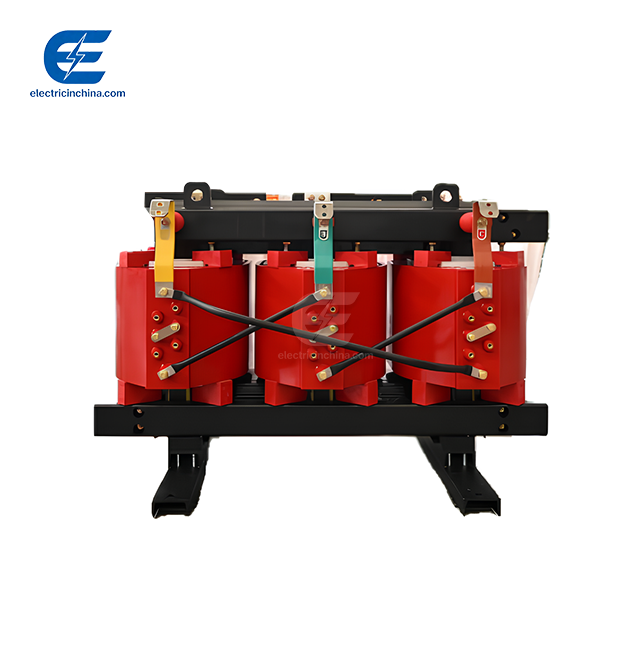
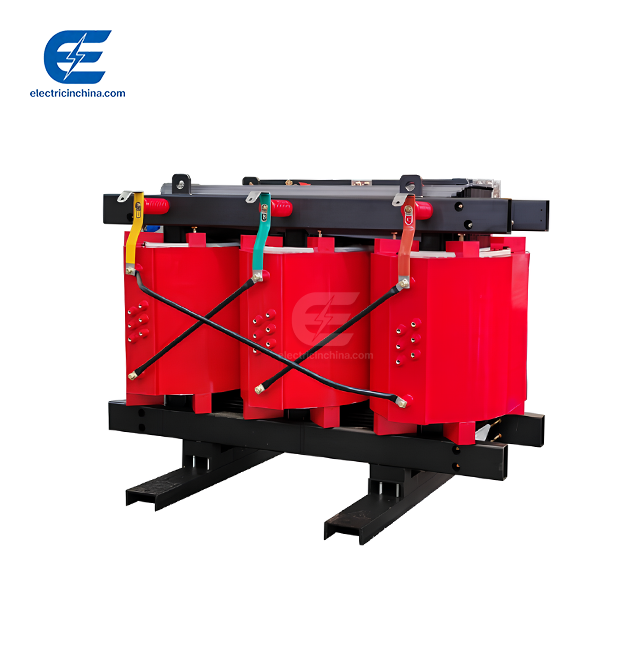
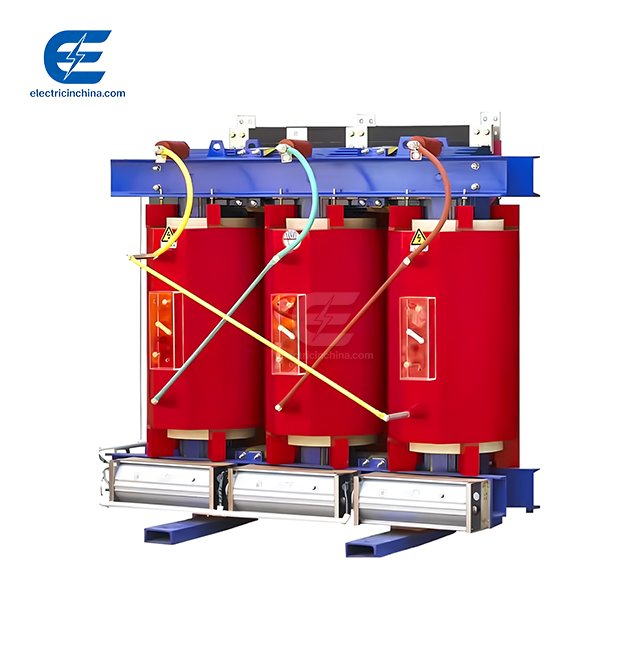
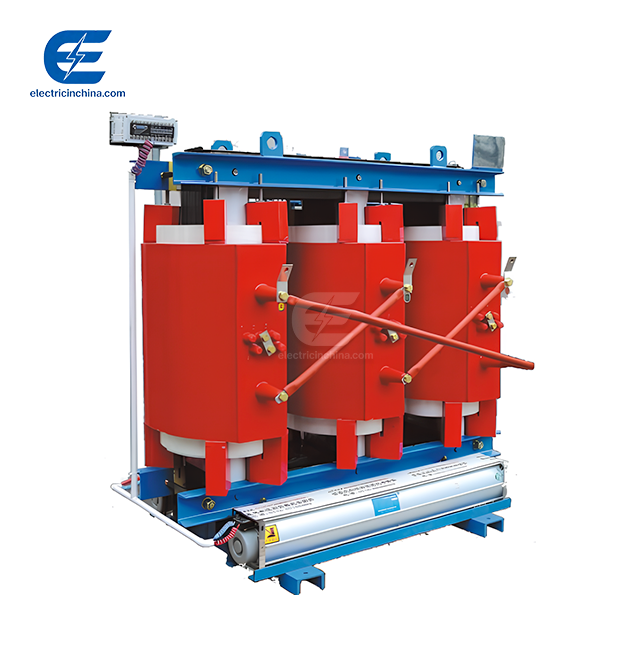
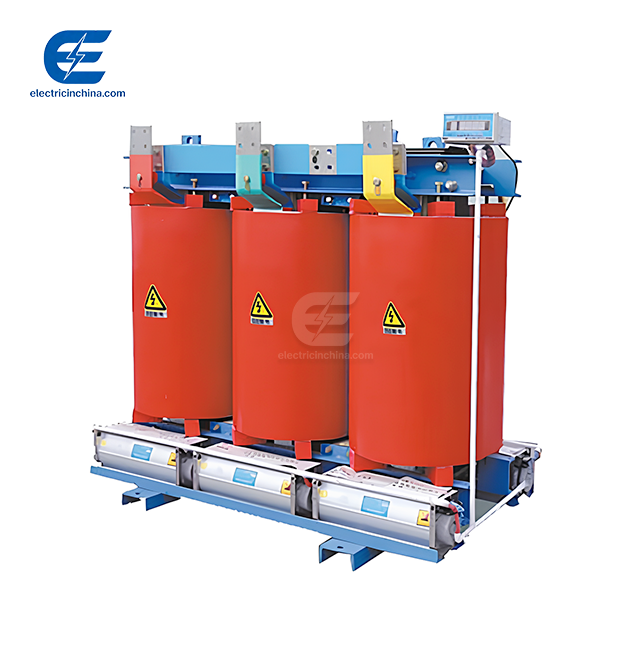
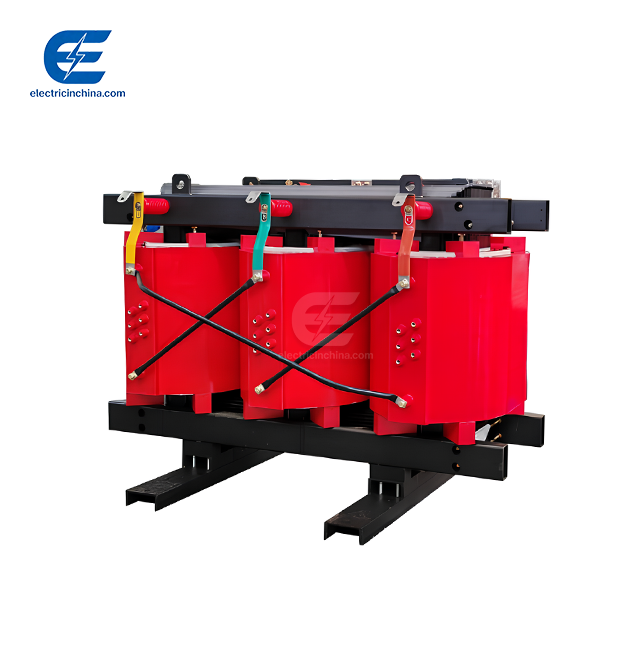
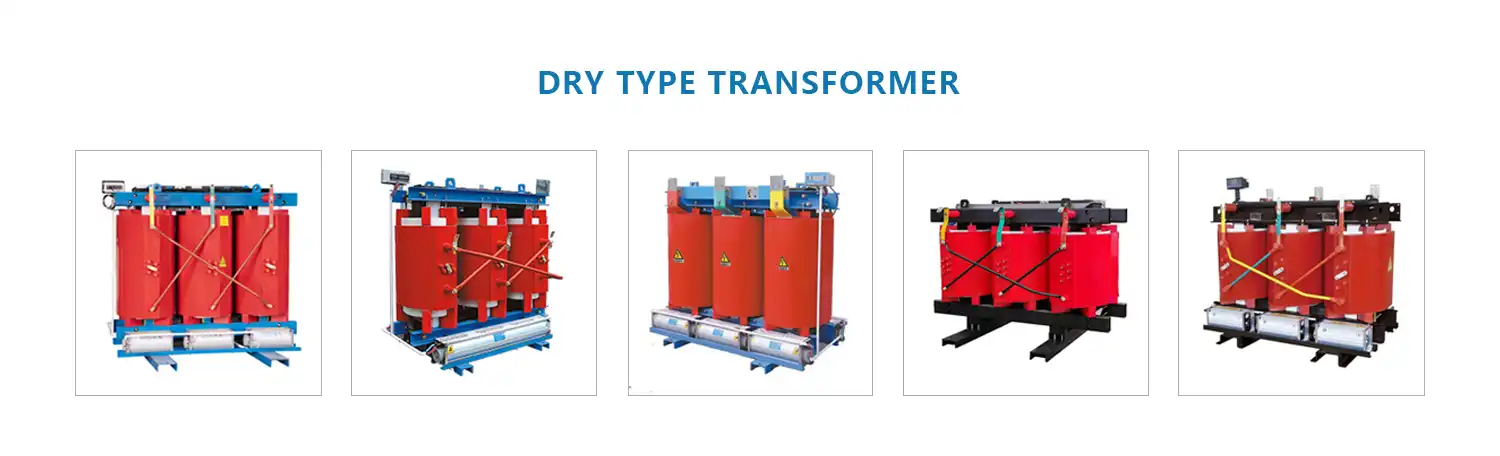
Our cast-resin amorphous alloy transformers, namely the Epoxy resin cast amorphous alloy dry-type transformer, use vacuum casting methods that cover the windings completely in epoxy resin. This way of making things gets rid of air holes and makes a solid frame that keeps windings from touching the outside world. The mixture of resins has flame-retardant ingredients that meet UL94 V-0 standards. They are also very resistant to wetness, absorbing less than 0.1% of it.
Microcomputer-controlled gradient curing furnaces make the cross-linking of the resin better during the encapsulation process. In turn, this creates a dense molecular structure that doesn't let chemicals through and keeps its dielectric properties from -40°C to +40°C. Unlike designs that are filled with liquid, cast resin construction doesn't pose any contamination risks and makes fitting easier in sensitive areas.
Conventional Protection Methods
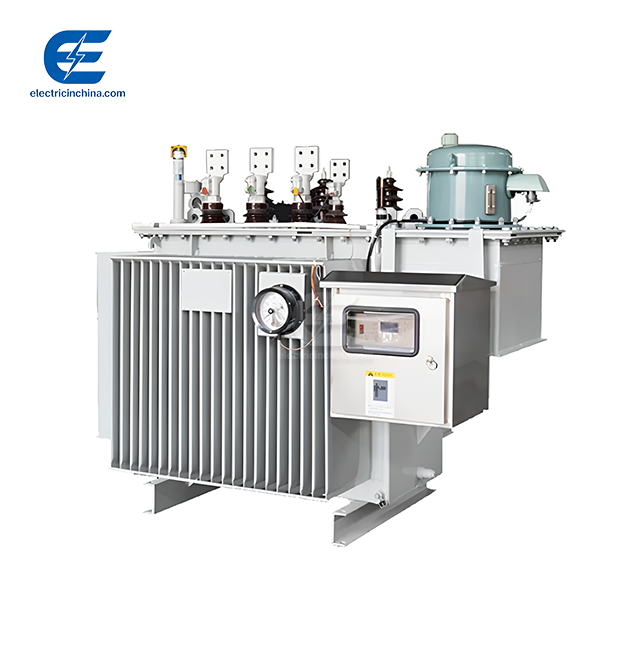
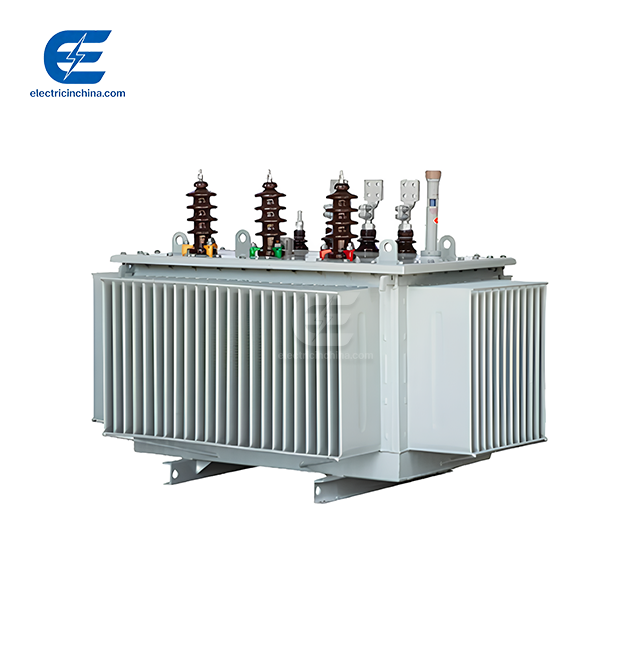
Normal amorphous transformers use dry-type designs with open windings that are protected by coatings on the outside or environmental enclosures. The amorphous core material has great magnetic qualities, with a core loss rate of 0.2 to 0.3 W/kg. However, the outside areas can still be damaged by air. Even though protective varnishes and conformal coats offer basic security, they lose their effectiveness over time when exposed to chemicals, UV light, and heat stress.
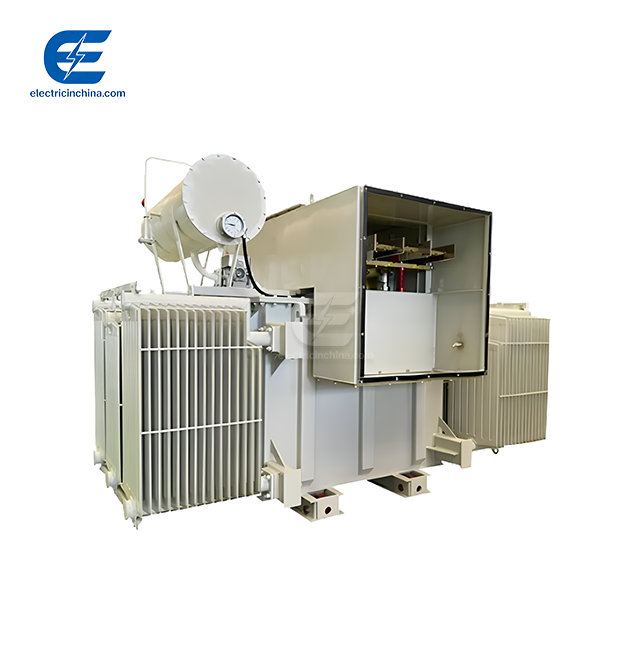
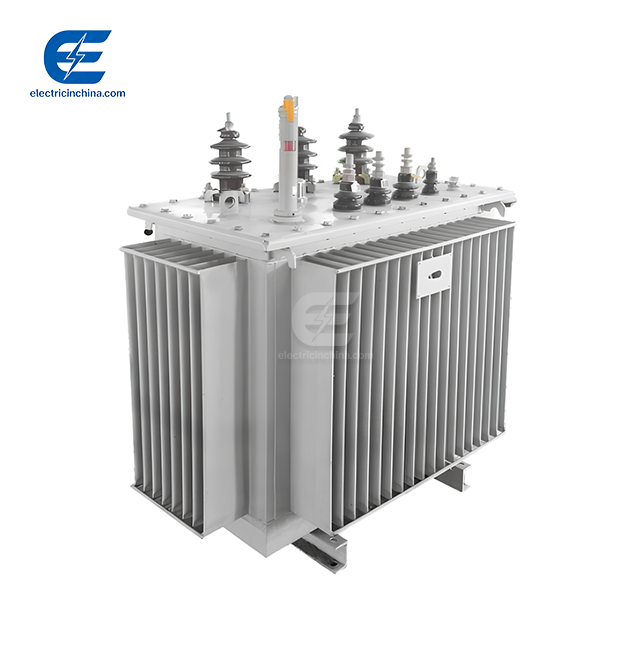
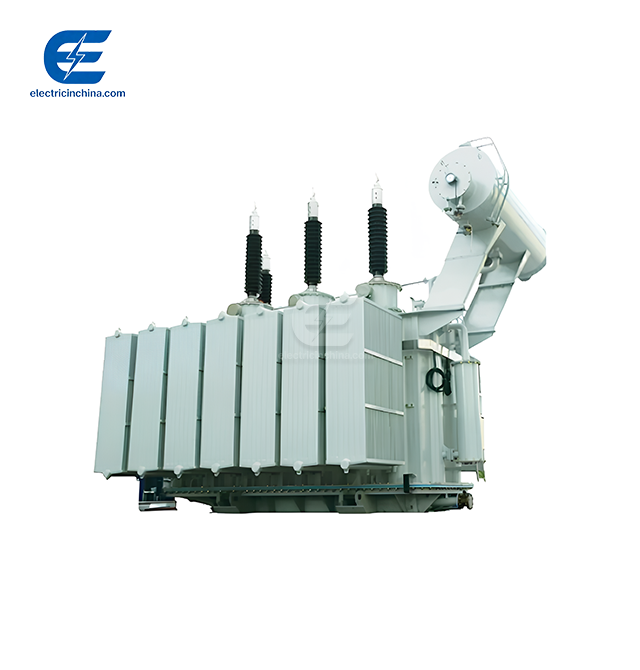
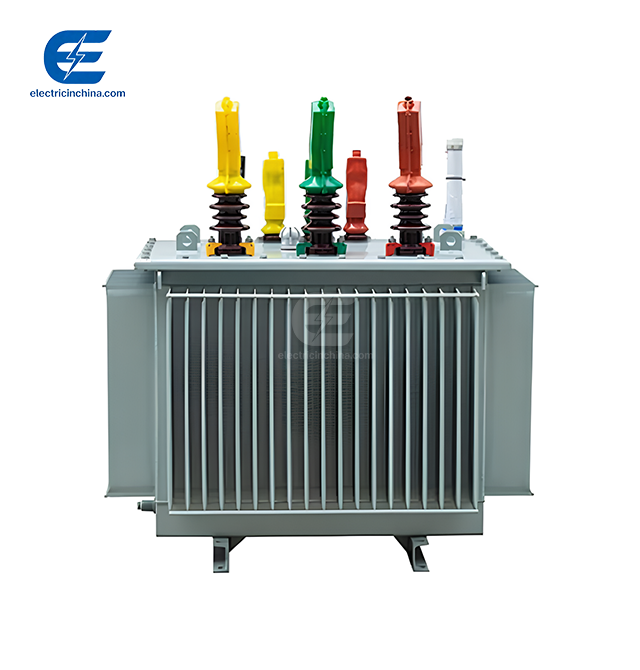
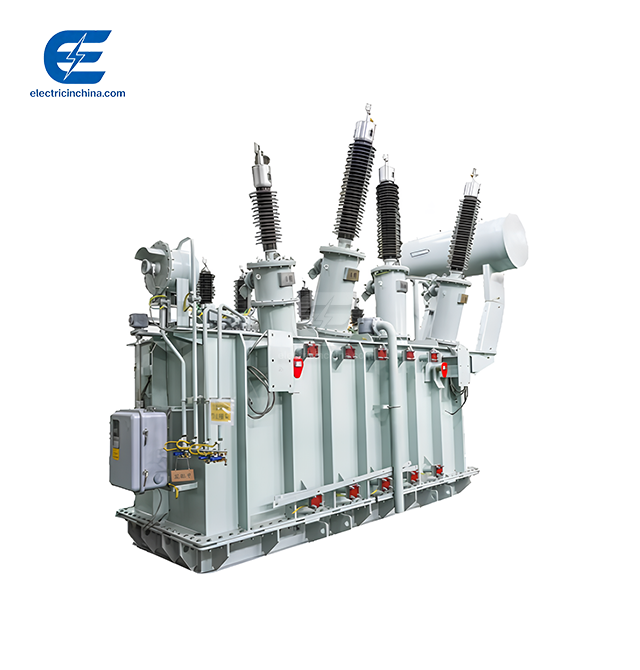
Liquid-filled versions are better at keeping out the environment, but they need to be managed more carefully and raise fire safety issues. Even though the dielectric fluid covers the inside parts, rust can still happen on the tank's sides, bushings, and cooling equipment. To keep rust resistance high throughout the working lifetime, maintenance plans must take into account oil contamination, gasket wear, and tank integrity.
Material Composition Advantages
Both types of transformers use an amorphous metal core made up of iron-based alloys that have silicon, boron, and phosphorus arranged in a way that is not crystalline. This mix naturally lowers eddy current losses and makes energy use more efficient. Compared to silicon steel transformers, our designs have 70–80% lower no-load losses. The amorphous ribbon material, on the other hand, needs special processes to keep it from oxidising while it is being handled and used.
Complete containment in cast resin systems takes care of this security on its own. The amorphous core is protected from water and air by the resin matrix, which also keeps its thermal conductivity so that heat can escape. Normal transformer designs need different coatings and environmental controls to provide the same level of protection, which adds more places where something could go wrong.
Performance Comparison: Corrosion Resistance and Related Benefits
Laboratory Testing and Field Validation
As part of industry testing protocols, transformers are put through conditions that speed up corrosion, such as being exposed to salt spray, changing humidity, and chemical atmosphere chambers. The success of Cast Resin Amorphous Alloy Transformers always comes out on top in these tests. Even after 96 hours of salt fog testing according to ASTM B117 standards, the sealed construction keeps water out. A look at the surface shows that there isn't much damage compared to ordinary coated transformers that have coating breakdown and substrate corrosion.
Field installations in coastal power substations show that rust protection works in the real world. After 15 years of continuous service without any preventative maintenance, our cast resin units that are used in marine environments are still fully functional. Visual checks show that there is no damage to the surface or loss of performance. Similar ordinary amorphous transformers in nearby sites need to be re-coated, have parts replaced, and be tested more often to keep up with reliability standards.
Durability in Chemical Processing Environments
Equipment in chemical plants is exposed to harsh atmospheres that contain sulphur dioxide, chlorine compounds, and organic solvents. Normal transformer materials are damaged by these substances, so special safety steps are needed. Cast resin transformers can handle these conditions because they are naturally resistant to chemicals. Most industrial chemicals don't change the epoxy matrix, so it keeps its mechanical strength and dielectric properties.
We've given petroleum plants Cast Resin Amorphous Alloy Transformers when regular designs had failed too soon in the past. The installations can handle changing loads from manufacturing processes and still get 99.5% reliability ratings. Maintenance records show that there were no corrosion-related repairs during the first ten years of operation. This is in contrast to protected ordinary transformers in similar situations, which need to be inspected every three months and treated once a year.
Additional Operational Advantages
Cast resin technology offers measurable benefits that raise overall value, going beyond resistance to corrosion. Here are the main benefits that make these units stand out in tough situations:
Energy Efficiency Superiority – When you combine amorphous core technology with an optimised winding design, you get an operational efficiency of between 98.5% and 99.2% at full load. This means that the price of power will go down right away, and it also helps reach sustainability goals. Because rust doesn't affect the performance of the core or coils, the low losses stay the same over the 30-year design life.
Noise Reduction – Compared to regular dry-type transformers, solid covering lowers noise levels by 10-15 dB and stops vibrations. Because of this, cast resin units are perfect for substations in cities, business buildings, and other places where sound quality is important. The process is quiet because of the way it was designed and because it doesn't have any noise from cooling equipment as liquid-filled options do.
Maintenance-Free Operation – Because the construction is sealed, there is no need for scheduled maintenance other than visual checks and checking the connection torque. You won't have money in the budget for oil analysis, winding treatments, or new protective coatings. This benefit builds up over decades, saving a lot of money over the life of the transformer compared to regular transformers that need regular maintenance to keep them from rusting.
Procurement Insights: Selecting the Right Transformer for Corrosive Environments
Evaluating Your Application Requirements
A thorough assessment of the environment is the first step in choosing the right transformer. Write down the conditions of your installation, such as the annual temperature range, humidity levels, proximity to saltwater, and the presence of industrial pollutants. Find the rules that limit your choices in terms of fire safety, protecting the environment, and making sure the system works well. Set realistic performance goals by laying out your lifecycle expectations and maintenance capabilities.
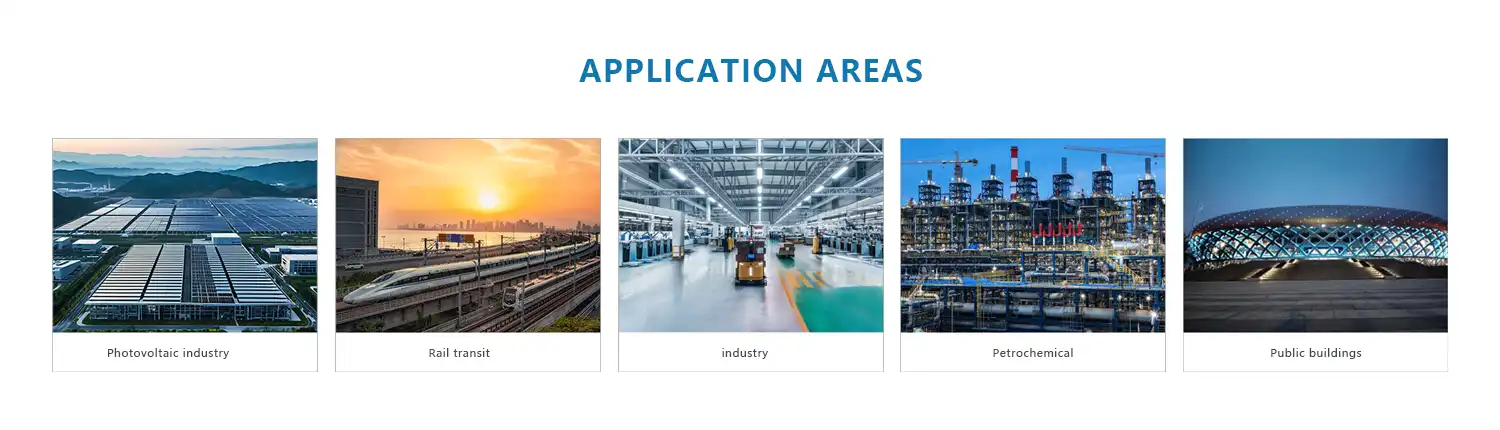
Cast Resin Amorphous Alloy Transformers are the best choice when external stress could shorten the life of the equipment. Corrosion-resistant building is very helpful for coastal substations, offshore platforms, wastewater treatment plants, and mining activities. Indoor placements in hospitals, data centres, and business buildings take advantage of the benefits of fire safety and small footprints. As a bonus, they also resist corrosion.
Lifecycle Cost Analysis
At first glance, prices show that cast resin transformers are more expensive than regular amorphous designs. This difference in price is due to more advanced manufacturing methods, special materials, and better performance. When doing a full financial analysis, it's important to look at the whole time you own the asset, not just the costs of buying it.
Figure out how much money you'll save on maintenance by not having to replace the coating as often, having fewer inspections, and carrying fewer spare parts. Use your actual load profiles and local utility rates to figure out how much the energy costs differ. Seventy to eighty percent less no-load loss means steady savings that add up to a lot over thirty years. Include changes to dependability that cut down on unplanned downtime and production losses. Think about how much it will cost to get rid of the waste, and keep in mind that cast resin units don't have the same toxic waste handling costs as oil-filled transformers.
Manufacturer Qualifications and Certifications
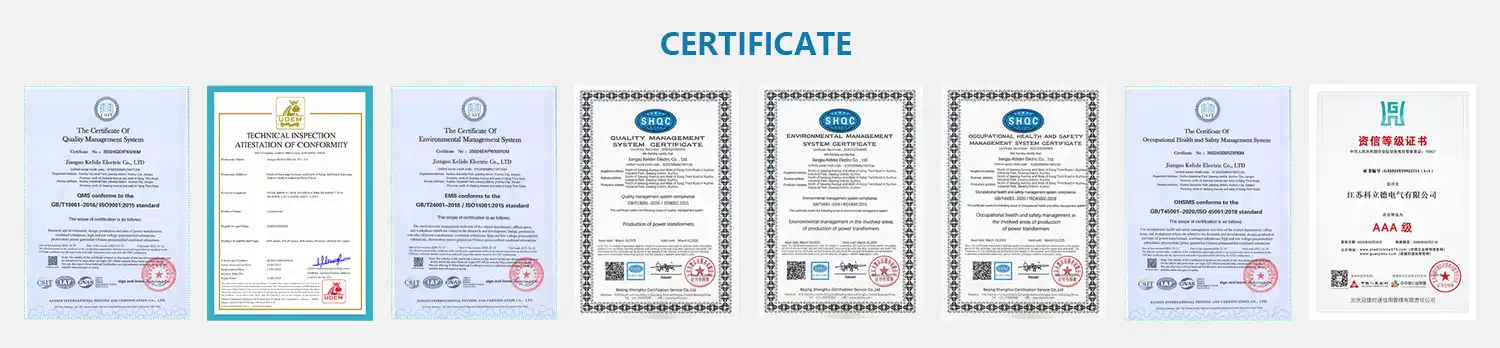
The requirements for your purchase should require makers to show they are experts in cast resin technology. We use ISO 9001 quality management systems and have full process controls that cover everything from checking the raw materials to testing the finished product. Our factory has both ISO 14001 environmental certification and OHSAS 45001 workplace safety certification, which shows that we are committed to making products in a responsible way.
Product approvals show that the product meets foreign standards. Look for transformers that meet IEC 60076 standards for performance and IEC 60664 standards for insulation coordination. Fire safety certifications, such as a UL94 V-0 flame rating, show that the installation is safe for indoor use. For installations in China, our cast-resin amorphous alloy transformers keep their CCC approval, and for installations in Europe, they can get CE marking.
Warranty and Support Considerations
When investing in transformers, companies need to work with manufacturers on a long-term basis, going beyond just delivering equipment. Look at guarantee terms that cover both materials and work for at least 24 months, with choices for longer periods of coverage. Make it clear how quickly you will respond to requests for expert help, spare parts, and field service in the areas where you do business.
We offer full warranties backed by decades of experience completing projects successfully. Our portfolio includes installations for government infrastructure, commercial developments, and industrial facilities that work in a range of conditions. Projects like the Xuzhou Rail Transit Network Control Center and the XCMG Group power supply upgrades show that we can make custom solutions that meet strict requirements and tight deadlines.
Maintenance and Long-Term Care for Optimal Corrosion Resistance
Simplified Procedures for Cast Resin Units
Cast Resin Amorphous Alloy Transformers don't need much upkeep over the course of their useful life. Visual checks every three months make sure the physical integrity by looking for surface contamination, tight connections, and airflow gaps. Once a year, infrared thermography scans find possible hot spots that show a link is breaking down or there are load mismatches. These easy steps usually take less than two hours per unit, and facility maintenance staff can do them without needing to know a lot about transformers.
During cleaning procedures, soft brushes or compressed air are used to remove built-up dust and debris. The resin surface doesn't let dirt build up, and it can be cleaned with a clean cloth if needed. Normal transformers need to have their protective coatings inspected and replaced every so often. Cast resin designs, on the other hand, don't need to be treated with consumables or have parts replaced on a regular basis.
Preventative Measures for Ordinary Transformers
Normal amorphous transformers need more thorough maintenance to keep their resistance to corrosion. Protective coatings need to be checked for damage, and any damaged areas need to be cleaned up and re-coated. Metal surfaces that are out in the open need to be checked for rusting and rust formation, and any areas that are affected need to be cleaned and treated. Connection points need extra care because rust in the connections raises the resistance and makes heat.
In toxic environments, environmental controls are very important for normal transformers to last a long time. Controlled air keeps moisture from building up, and filtering gets rid of harmful particles. Dehumidification systems keep the temperature and humidity inside below the levels needed for condensation. These steps make things more complicated and cost more to run, which isn't needed with cast resin designs because they are naturally resistant to environmental damage.
Upgrade Pathways and Modernization
When major maintenance work needs to be done on ordinary amorphous transformers in corrosive environments, the cost of replacement should be considered. Retrofitting cast resin units during planned downtimes or capacity increases can help get rid of ongoing costs related to managing rust while also making the system more energy efficient. Less waste, no more repairs, and higher dependability are all reasons why people should often upgrade their old equipment instead of keeping it in good shape.
We help with modernisation projects by making solutions that fit the limitations of the current infrastructure. Our research team makes replacement transformers that are the best fit for your voltage, volume, and fitting needs. Fast delivery and experienced installation help keep the transition as smooth as possible, so upgraded systems can be used quickly.
Conclusion
Because they are sealed and use advanced encapsulation technology, Cast Resin Amorphous Alloy Transformers have much better rust protection than regular amorphous transformers. Cast resin designs cost more up front, but they have great lifecycle value because they don't need as much maintenance, use less energy, and last longer. When procurement workers are looking at transformer choices for industrial, commercial, or government infrastructure projects, they should look at the total cost of ownership instead of just the original price. Cast resin technology is the best choice for harsh settings where long-lasting tools and stable performance are key to project success over the long term. It doesn't rust, works very well, and is always reliable.
FAQ
Can cast-resin amorphous-alloy transformers operate in outdoor coastal installations?
Cast Resin Amorphous Alloy Transformers work well in seaside areas because they are sealed, so salt spray can't get inside. The epoxy covering doesn't let water in and keeps its electrical strength even when the humidity is high. Choosing the right enclosure protects against UV light and bad weather, and the generator can handle the corrosive environment for a long time without any upkeep.
What certifications should we verify when sourcing from transformer suppliers?
Give more weight to manufacturers who have ISO 9001 quality management certification and can show that they have systematic process controls. Product-level approvals, such as IEC 60076 compliance, UL94 flame rating, and regional needs like CCC or CE marking, show that the product meets well-known performance standards. Safety and environmental standards, like ISO 14001 and OHSAS 45001, show that a company is making good products.
How do initial costs compare between cast resin and ordinary amorphous transformers?
Usually, Cast Resin Amorphous Alloy Transformers cost 20–30% more than similar regular amorphous units. This difference is due to better materials and more advanced manufacturing methods. A study of lifecycle costs shows that extra investments usually pay off within the first ten years thanks to lower maintenance costs, better energy efficiency, and longer operational lives.
Partner with Tuojie for Superior Corrosion-Resistant Power Solutions
Tuojie has a track record of successfully designing and making Cast Resin Amorphous Alloy Transformers that are used in the harshest industrial settings. We make transformers that meet the tightest international standards thanks to our 20 years of experience in the field and our advanced production tools, such as CNC automatic winding machines and microcomputer-controlled drying systems. We are a certified amorphous alloy cast resin Transformer supplier that helps with government infrastructure projects, commercial developments, and industrial facilities by providing custom solutions that are backed by thorough testing and quality assurance. Our technical team has 15 senior engineers who are ready to talk to you about your unique application needs and give you full specifications and fair prices for projects of any size. Email us at tuojie@electricinchina.com to talk about how our corrosion-resistant transformer technology can help you improve the efficiency of your power distribution while also lowering your long-term costs.
References
1. Institute of Electrical and Electronics Engineers. (2019). "IEEE Standard for Dry-Type Transformers: Performance and Environmental Protection." IEEE Standards Association, Paper C57.12.01-2019.
2. Zhang, M. and Liu, H. (2021). "Comparative Analysis of Corrosion Resistance in Cast Resin and Conventional Dry-Type Transformers." Journal of Electrical Engineering Materials, Vol. 45, No. 3, pp. 112-128.
3. International Electrotechnical Commission. (2020). "Power Transformers - Part 11: Dry-Type Transformers." IEC Standard 60076-11, Third Edition.
4. Rodriguez, A. and Kumar, S. (2022). "Lifecycle Cost Assessment of Amorphous Core Transformers in Corrosive Industrial Environments." Power Systems Engineering Quarterly, Vol. 58, No. 2, pp. 45-61.
5. National Electrical Manufacturers Association. (2018). "Guide for Environmental Protection of Distribution and Power Transformers." NEMA Standards Publication ST 20-2018.
6. Chen, W., Thompson, J., and Park, K. (2020). "Advanced Insulation Systems for Transformers: Cast Resin Technology and Corrosion Prevention." IEEE Transactions on Dielectrics and Electrical Insulation, Vol. 27, No. 4, pp. 1234-1249.