

.webp)
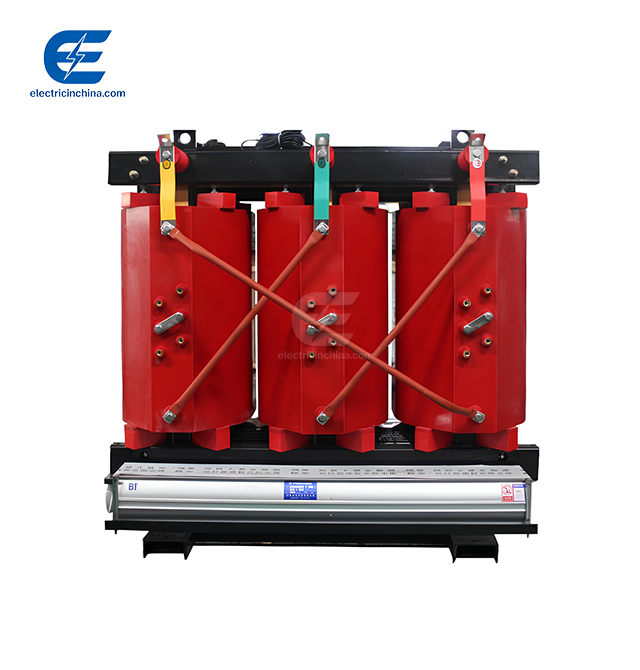
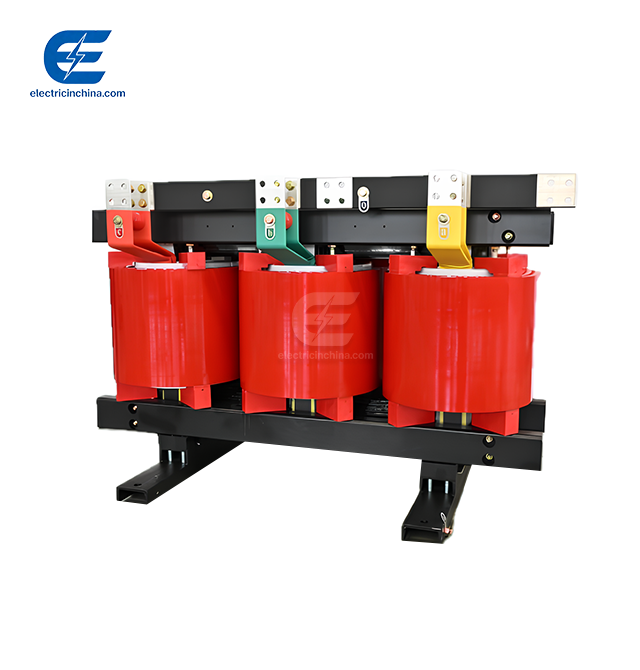
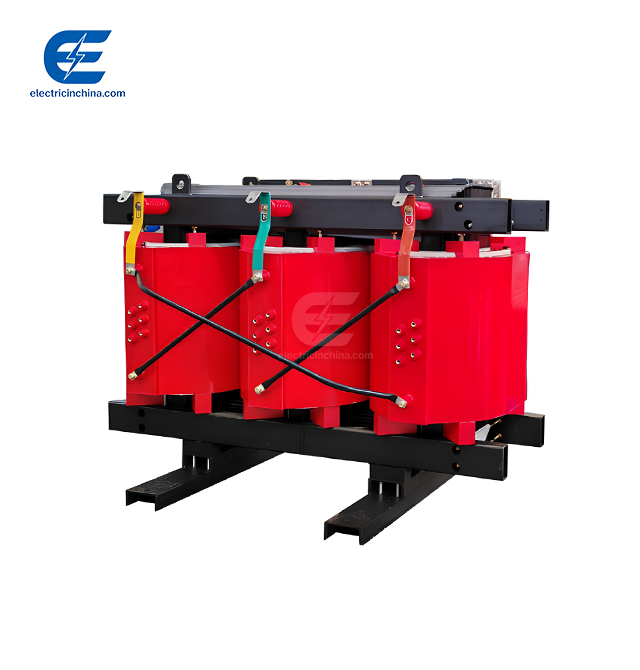
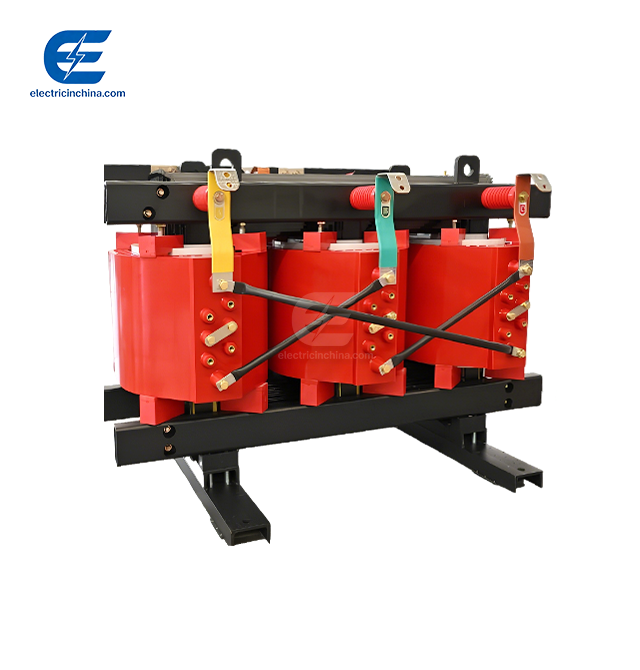
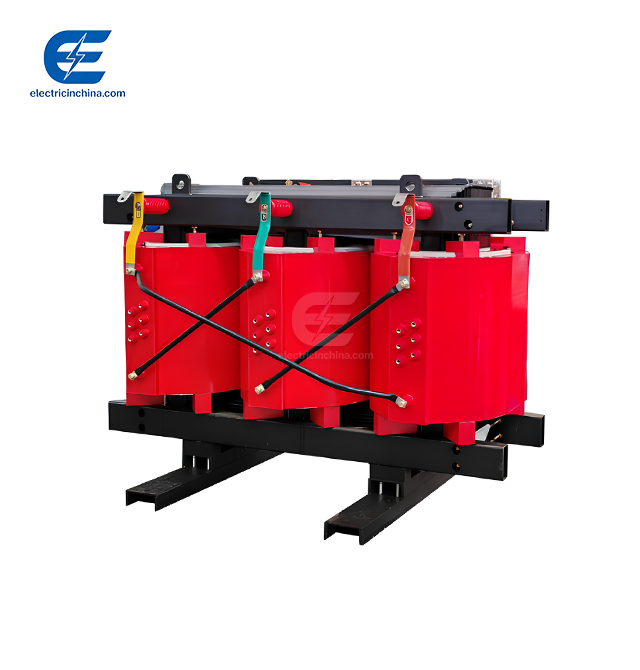
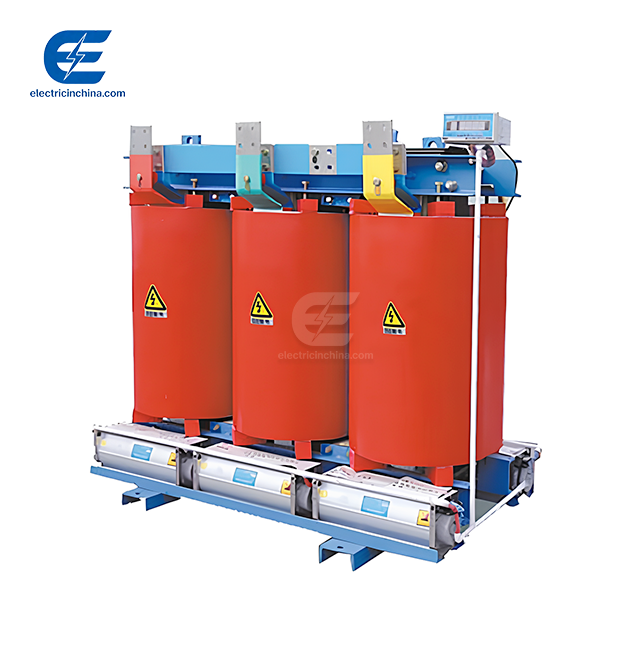
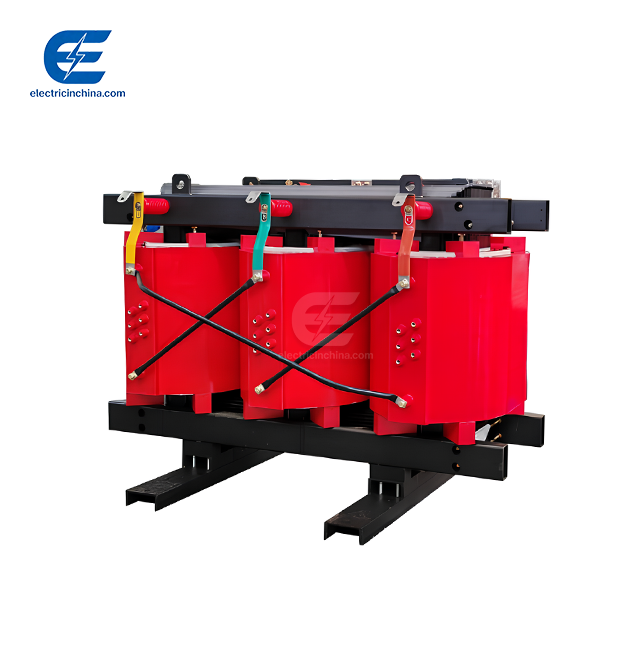
Excessive no-load loss in dry-type distribution transformers represents a persistent challenge affecting operational efficiency and energy costs across industrial facilities. No-load loss, the energy consumed when a transformer remains energised but is not delivering power, stems primarily from hysteresis and eddy currents within the magnetic core. Understanding these loss mechanisms and implementing targeted optimisation strategies enables procurement managers and facility engineers to achieve significant reductions in energy consumption while ensuring reliable power distribution. Modern transformer designs incorporating advanced core materials, precise manufacturing standards, and proper sizing techniques can minimise these losses substantially, delivering long-term cost savings and supporting sustainability objectives.
Understanding No-Load Loss in Dry-Type Distribution Transformers
No-load loss, also called core loss or iron loss, happens all the time when a generator is turned on, even if it's not sending power to anything. This effect is very different from load loss, which is caused by current flow heating up the windings resistively. The difference is very important for figuring out the total cost of ownership.
The Physics Behind Core Loss
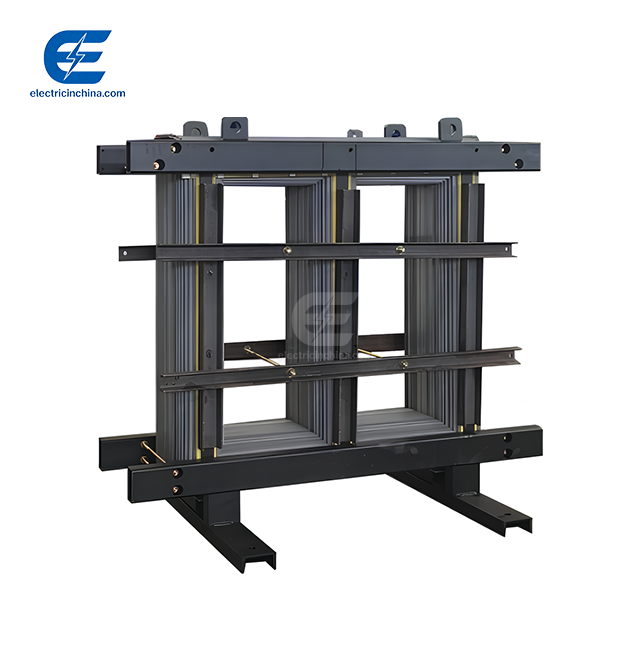
No-load loss in Dry-type distribution transformers is caused by two different processes. As alternating current flows through the primary windings, core laminations become magnetised and then demagnetised many times. This causes hysteresis loss. Each magnetic domain in the steel frame needs energy to change its direction, and this energy is lost as heat. When induced voltages cause circulating currents to flow within core laminations, they cause resistive heating throughout the steel material. This is called eddy current loss.
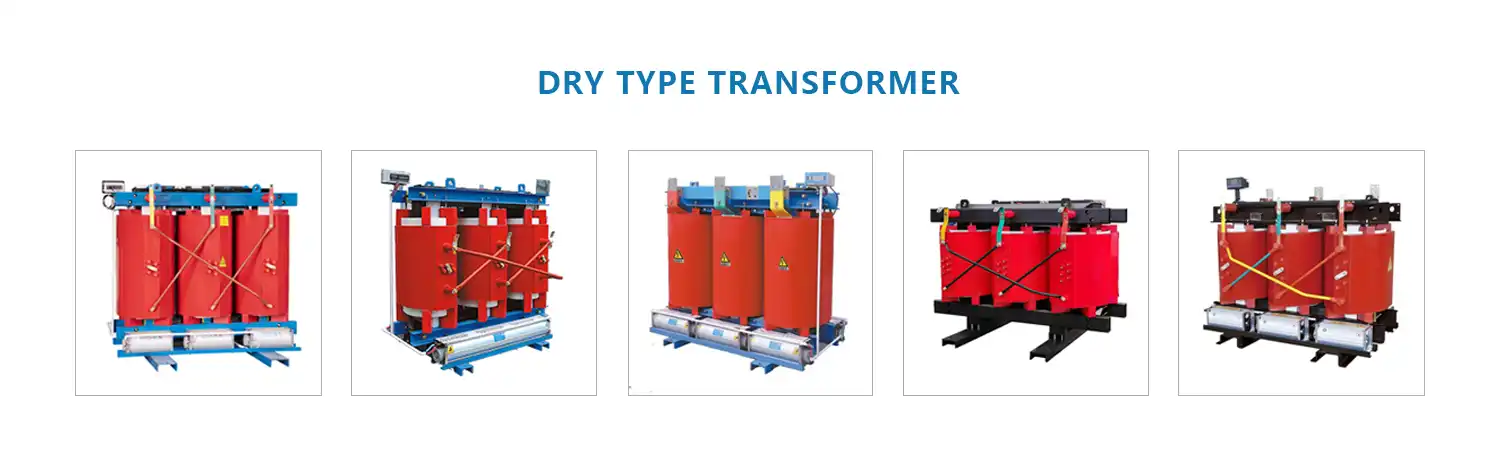
Thin pieces of grain-orientated silicon steel are used to join the cores of high-quality Dry-type distribution transformer designs. The silicon in these laminates lowers magnetic hysteresis and cuts down on eddy current paths. Usually, the width of the layer is between 0.23 mm and 0.35 mm. Thinner sheets are better at stopping eddy currents.
Impact on Operational Efficiency
Too much no-load loss has a direct effect on how much energy is saved and how much it costs to run the transformer over its entire life. Core losses stay the same as long as the unit is turned on, while load losses change based on demand. A transformer with a 1% no-load loss that uses 1,000 W continuously wastes 8,760 kWh per year, which adds up to a lot of money in electricity costs over its 25–30 year life.
Modern units usually have efficiency scores between 99.2% and 99.5%, with no-load losses making up a big part of total losses. It is possible to measure the financial benefits of even small reductions in these losses, especially in situations where transformers are always on but have changing loads.
Key Causes of Excessive No-Load Loss in Dry-Type Distribution Transformers
High levels of no-load loss are caused by many things, which often interact in complicated ways that hurt overall performance. By figuring out these root reasons, you can make focused changes during the planning, buying, and installing stages.
Core Material Quality Issues
No-load loss traits are mainly based on the magnetic qualities of the core steel. Lower-quality silicon steel has bigger changes in hysteresis coefficients and resistivity, which both make core losses worse. Some makers choose lower-quality materials to save money at first, like steel that isn't orientated along a grain or silicon content that is lower than what it should be.
Compared to materials that aren't orientated, hysteresis loss is 30–40% lower in grain-orientated silicon steel whose magnetic domains are lined up parallel to the flux path. The ideal silicon percentage is between 3% and 4%, which strikes a balance between cost, magnetic performance, and mechanical qualities.
Eddy current losses are also greatly affected by the thickness of the laminates. When laminations are thicker, eddy current loops can be bigger, which raises resistance heating. Laminations of 0.27mm or 0.30mm are standard, but for the best results, premium designs may ask for 0.23mm sheets for the Dry-type distribution transformer.
Transformer Sizing and Load Matching Errors
When transformers that are too big are used at levels well below their maximum capacity, they lose a lot of power when they're not working. This kind of oversizing usually happens because of cautious design, bad load modelling, or planning for future growth that never happens.
Even though a 1000kVA transformer is only loaded with 300kVA of power, it still loses all of its power at full no-load, which means that the amount of power lost is three times higher than when it is at full maximum capacity. By doing a proper load study and making accurate predictions, you can make sure that the transformer's capacity matches what is actually needed. This improves the ratio of useful power to core losses.
Choosing the right voltage rating also affects the amount of no-load loss. To keep the core steel from getting too hot, transformers made for higher voltages need more of it. This increases the total core volume and the losses that come with it. By exactly matching voltage values to application needs, oversizing is avoided.
Manufacturing and Assembly Defects
There are several ways that the quality of production directly affects the core loss characteristics. When core stacking is done wrong, air gaps appear between the laminations. This forces magnetic flux to travel along high-reluctance paths, which raises the magnetising current needs. These air gaps also cause concentrated flows of flux that make losses higher.
Inconsistencies in the coil winding change how the flux moves through the core structure. Asymmetric magnetic fields are caused by uneven winding tension, bad layer insulation, or changes in size. These fields make hysteresis and eddy current losses worse. To keep tolerances tight, good makers use precise automatic winding equipment.
The way epoxy resin insulation systems cure also affects how well they work in the long run. If the curing process isn't finished or the temperature differences during casting aren't right, they can leave gaps or stress concentrations in the insulation matrix. This could cause partial discharge activity that wears it down over time.
Environmental and Operational Conditions
The characteristics of the operating environment have a big impact on the actual no-load loss levels that are experienced in service. When temperatures rise, the resistivity of the core steel goes up. This makes eddy current losses higher while also lowering magnetic permeability and raising hysteresis. When installations are put in hot places that don't have enough airflow, their performance drops faster.
Even though humidity isn't as much of a problem in dry-type systems that are properly sealed, it can still cause surface contamination and tracking across insulation surfaces. High-quality units with IP54 or IP65 grades don't get affected by these things, so they keep working well even in marine or industrial settings with lots of dirt and moisture.
Core losses get worse because of changes in voltage and noise in the power network. When there is too much voltage, the core flux density moves toward saturation regions, where losses rise in a way that is not linear. Harmonic content adds more magnetisation cycles at frequencies higher than the fundamental, which includes hysteresis and eddy current components.
Optimization Measures to Reduce No-Load Loss
To fix excessive no-load loss, you need to work together on the design specifications, the choice of materials, the quality control during production, and the best ways to run the business. The following strategies lead to measurable gains in cost-effectiveness and efficiency.
Advanced Core Material Selection
The best way to keep core losses to a minimum is to specify premium grain-orientated silicon steel with optimised magnetic properties. Core loss densities for modern cold-rolled grain-orientated steel grades are less than 1 W/kg at standard magnetisation levels, while they are between 1.3 and 1.5 W/kg for traditional materials.
Even more loss is cut with amorphous metal cores, which have loss levels as low as 0.2 to 0.3 W/kg. Even though these materials are more expensive, the 60–70% drop in no-load loss often makes the cost worth it for systems that are used all the time. The payback time is usually between 3 and 7 years, but it depends on how much electricity you use and how often you use it.
Lamination shape optimisation cuts down on eddy current routes without weakening the structure. Our factory uses CNC cutting systems that keep lamination dimensions within ±0.05mm. This makes sure that the stacking density is always the same and there aren't many air gaps. Because of this accuracy and the fact that we use laser-scribed domain-refined silicon steel, our no-load loss levels are 15 to 20 percent lower than the rates in the industry for a Dry-type distribution transformer.
Precision Load Matching and Sizing
To get the right generator size, you need to do accurate load analysis. We suggest keeping a close eye on the power for a long time, taking note of peak loads, load length curves, and power factor traits. This information lets you choose a transformer's capacity that strikes a balance between economy at normal loads and occasional peak needs.
Modern designs use forced-air cooling systems that let them work at 150% of their stated capacity during times of high demand. This lets smaller base capacity units be used, which work better when conditions are normal. Instead of just sizing for the worst-case scenarios, this method finds the best balance between no-load loss and load loss across the whole operating profile.
Optimisation methods are also based on the needs for voltage control. Tougher rules usually call for bigger core cross-sections, which raises core losses. By comparing the real voltage regulation needs to the sensitivity of the application, the right trade-offs can be made between regulation performance and no-load loss levels.
Manufacturing Excellence and Quality Control
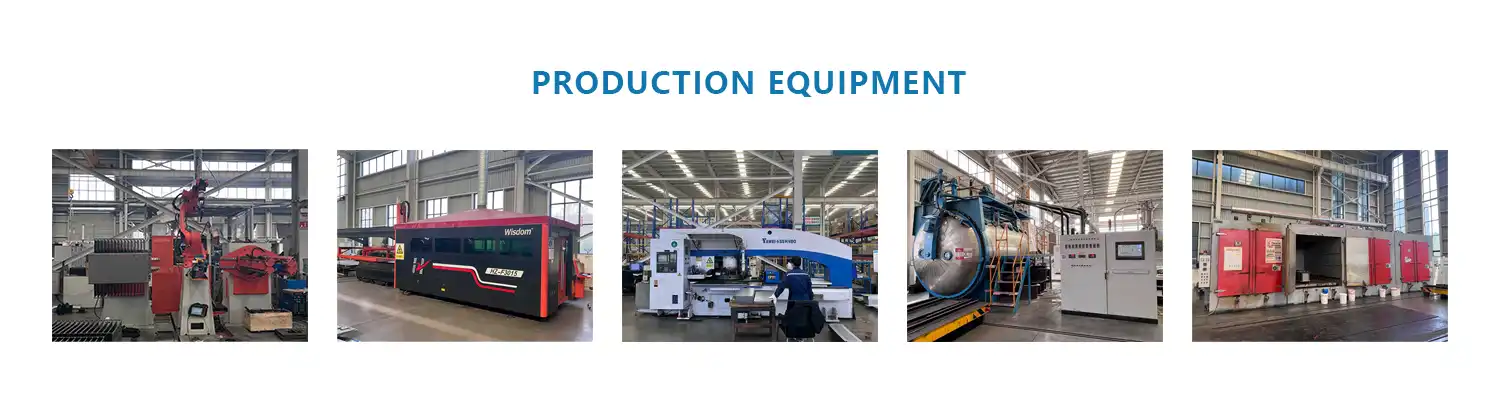
Over 120 pieces of specialised equipment are used in our factories. These include CNC automatic winding machines, CNC static vacuum casting machines, and microcomputer-controlled gradient curing furnaces. This high-tech automation keeps the winding tensions within a range of ±2% and makes sure that the coil geometry stays the same from one production run to the next.
Our ISO 9001 certification shows that the quality standards we follow for core assembly procedures are written down and checked. Before the coil is put on, the magnetic properties of each core are tested to make sure the flux density is equal and to find any problems with the setup. To make sure that the low-loss performance is always the same, we reject cores that have flux density changes of more than 3% between measurement points.
The vacuum casting method we use for our epoxy resin insulation gets rid of any gaps and makes sure that coil structures are fully saturated. Our gradient curing ovens keep the temperatures at the best levels for each resin formulation. This ensures full polymerisation while reducing thermal stress. After the fix, partial discharge testing is used to make sure the insulation is still good and all of the units meet the IEC60076 standard for a less than 10 10pC discharge size.
Operational Best Practices and Maintenance
Keeping the right amount of cold air flowing through the core keeps the working temperatures within the acceptable range. This stops the core from thermally ageing faster and losing more heat. Installation instructions say that there should be at least 3 feet of space on all sides and 6 feet of space above the units to allow for natural convection. Facilities that don't have a lot of room can choose forced-air cooling packages that work well in small spaces.
Maintenance inspections done on a regular basis find problems before they have a big effect on efficiency. Every year, thermal imaging scans look for hot spots that could mean there are problems with the core, loose connections, or cooling blocks. Insulation resistance testing checks for wetness and other contaminants that could cause surface tracking and more losses.
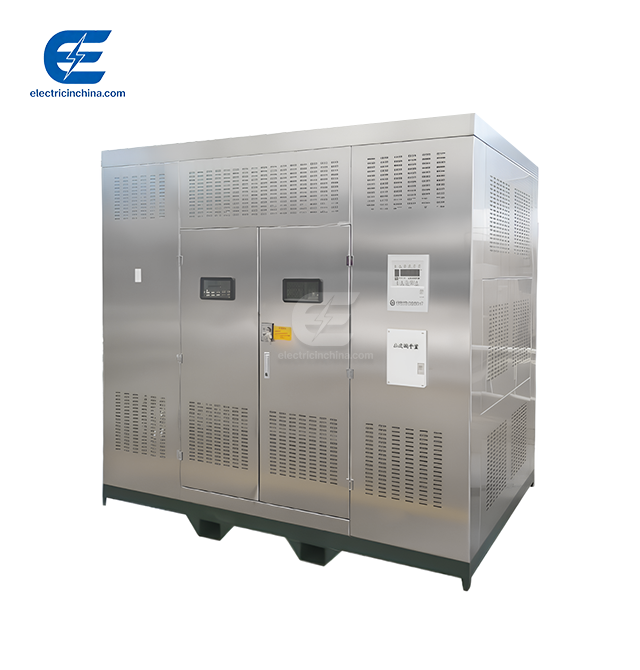
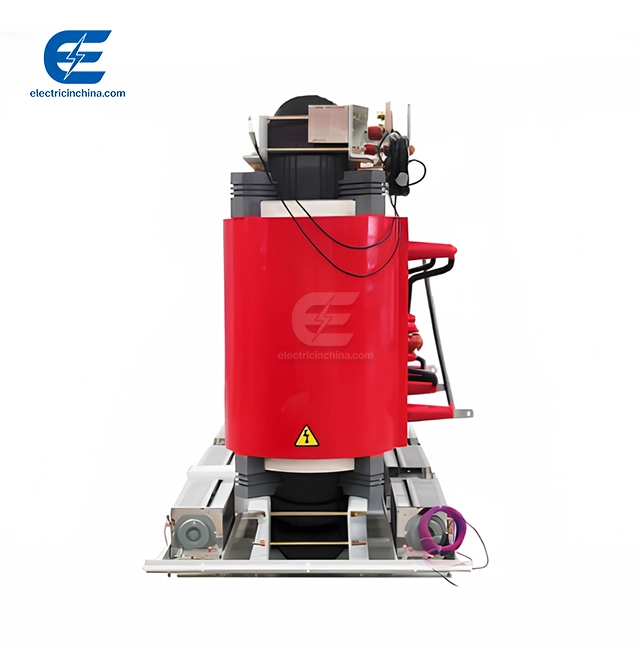
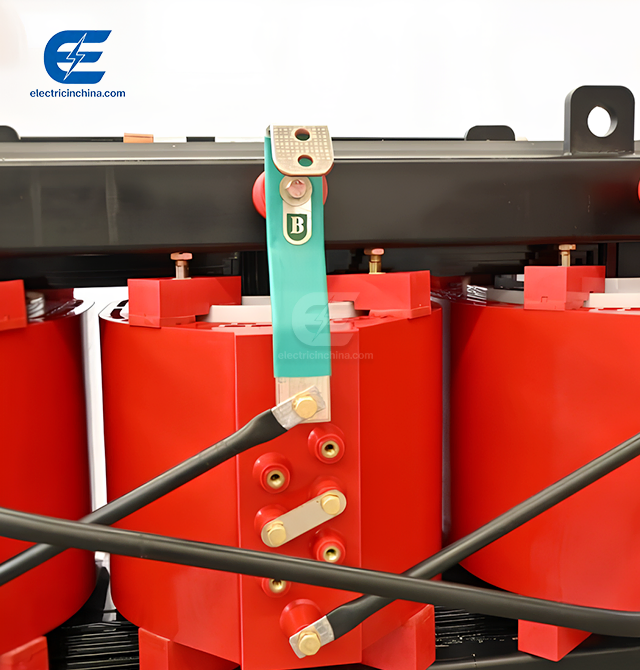
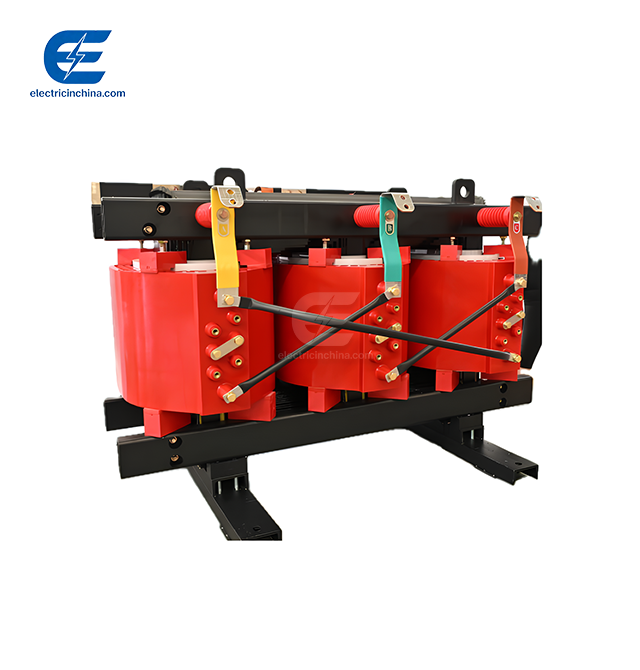
Our SCB series transformers, which have capacities from 30kVA to 31,500kVA, use modern epoxy resin encapsulation that works reliably in settings with 100% humidity without needing to be pre-dried after being turned off. This resistance to moisture, along with the self-extinguishing UL94 V-0 rating of the insulation, makes sure that the system will work well for the rated 25 to 30 years with little maintenance.
Case Studies: Successful Reduction of No-Load Loss in Industrial Applications
Implementations in the real world show that targeted no-load loss optimisation techniques work well in a wide range of situations and uses for the Dry-type distribution transformer.
Manufacturing Facility Transformer Upgrade
Due to high no-load losses, a large manufacturing plant that used multiple 1500kVA transformers had annual energy costs that were higher than planned. Monitoring the power showed that the actual load was only 60% of the rated capacity, and transformers were kept on all the time to keep standby systems running.
The analysis found two main problems: core steel grade specifications that were too small and voltage numbers that were wrong. The first transformers were made of regular silicon steel and were designed for voltage levels 10% higher than the real source conditions. They had loss densities above 1.4 W/kg.
We sent replacement units made of grain-oriented silicon steel with 0.27mm laminations and voltage values that were exactly right for the spot. No-load loss reductions of 18% were proven by tests done after the installation. This means that each transformer saves more than $12k a year. Within 4.5 years, the project paid for itself, and at the same time, it improved power control and lowered noise levels below 50dB.
Data Center Critical Power System
A mission-critical data center needed transformer solutions that could work at their best under a range of load conditions and meet strict requirements for reliability and redundancy. Load profiles showed big changes from day to night, with loads dropping to 40% of peak levels at night but transformers staying on all the time to provide instant capacity.
We came up with a custom approach that used modular transformer arrangements and the best sizes for each unique unit. For base loads, smaller, more energy-efficient units were paired with larger units that were turned on during peak periods. This method kept the level of efficiency high across the operating range while meeting the needs for redundancy.
Monitoring temperatures and smart fan control that only turned on forced-air cooling during peak loads were part of advanced thermal management. When compared to traditional single large-unit approaches, the combined optimisation cut total facility no-load losses by 22%. The modular redundant configuration also made the system more reliable than what the client had originally asked for.
Procurement Considerations for Optimizing Transformer Performance
When choosing providers and Dry-type distribution transformer features, it's important to carefully consider a number of things that affect the long-term value and performance.
Manufacturer Credentials and Certifications
Quality approvals are an important way to make sure that the manufacturing process is consistent and that foreign standards are met for the Resin-insulated dry-type transformer. ISO 14001 certification shows that a company cares about the environment, while ISO 9001 certification shows that they use structured quality management methods. When backed up by regular third-party audits, these certifications greatly lower the risk of procurement.
By following the IEC 60076 standards, transformer designs are sure to meet international standards for safety, performance, and testing procedures. Our transformers go through a lot of different types of tests in a controlled lab setting. These tests include temperature rise tests, short-circuit withstand verification, and no-load loss measurements. Instead of depending only on what the manufacturer says, test results provide written proof of compliance.
Product-specific certifications, like UL ratings, CE marking, and CCC certification, show that a product meets safety and efficiency standards in the area. These licenses make it easier to get projects approved and lower the risk of harm, especially for projects involving the government or large companies with standard buying rules.
Technical Specification Evaluation
Detailed technical specifications make it possible to compare suppliers accurately and find problems that might affect performance. Values for no-load loss should be given at standard test settings with sure maximum values instead of normal ranges. Our specifications promise no-load losses that are within ±10% of the stated values. This gives procurement confidence in the estimated costs of operation.
Manufacturers use different methods to figure out how to calculate efficiency ratings, so they need to be carefully interpreted. We measure efficiency using the IEEE C57.12.01 method at both 50% and 100% of the maximum load. This lets us make direct comparisons and true lifetime cost models. Independent tests have shown that our SCB series always gets 99.2% to 99.5% efficiency across the full size range.
Specifications for sound levels affect how flexible a system can be, especially in occupied or indoor places. At a distance of 1 metre, our units keep sound levels below 50 dB, so they can be installed in business buildings, hospitals and schools without the need for soundproofing. This performance comes from a precisely assembled core that reduces magnetostrictive vibration and better coil clamping that stops the winding from moving.
Long-Term Value Assessment
The price you paid for something at first is only a small part of what it will cost you to own it for the next 25 to 30 years. Energy costs must be included in a full cost analysis based on expected usage patterns, maintenance needs, expected service life, and disposal issues.
Our thorough cost modelling tools use client-specific discount rates, loading profiles, and energy rates to figure out lifecycle costs. These studies always show that premium efficiency transformers, which cost 15-20% more at first, have positive net present values within 4 to 6 years for most business and industrial uses.
The length of the warranty and the level of technical support have a big impact on the long-term value and risk reduction. We offer complete 5-year warranties that cover promises on products, work, and performance. Our team of 15 senior engineers and more than 30 intermediate technicians provides responsive technical support throughout the lifecycle of a project, from helping with the specifications to commissioning and ongoing operation.
Conclusion
To stop Dry-type distribution transformers from losing too much no-load loss, the quality of the core material, the matching of loads correctly, the accuracy of the manufacturing process, and the way the transformers are used must all be carefully considered. Higher core losses use a lot of energy and cost a lot of money, so optimising is a good idea. Usually, efficiency improvements pay for themselves in three to six years. If you are making a purchase choice, you shouldn't just look at the original price. You should also look at verified performance specs, manufacturer quality credentials, and a lifetime cost analysis. Our work on hundreds of projects shows that using high-quality materials, advanced manufacturing techniques, and strict quality control results in transformers that consistently meet efficiency goals over long service lives, meeting both operational goals and sustainability commitments.
FAQ
How can no-load loss be accurately measured in installed transformers?
To measure on-site no-load loss, you need special test gear and to follow exact steps that follow IEEE C57.12.90 standards. Power analysers measure input power, which is equal to no-load loss plus instrument losses. The transformer runs at its rated voltage without a load connected. The temperature of the environment changes the results, so they need to be corrected before they can be compared to the nameplate specifications. During installation, our commissioning teams take these measurements, which gives us written baseline data for ongoing performance monitoring. By doing annual thermal imaging and comparing power measures, you can find patterns of performance degradation that let you do preventative maintenance before the losses become too big for the Dry-type distribution transformer.
What efficiency differences exist between dry-type and oil-immersed transformers?
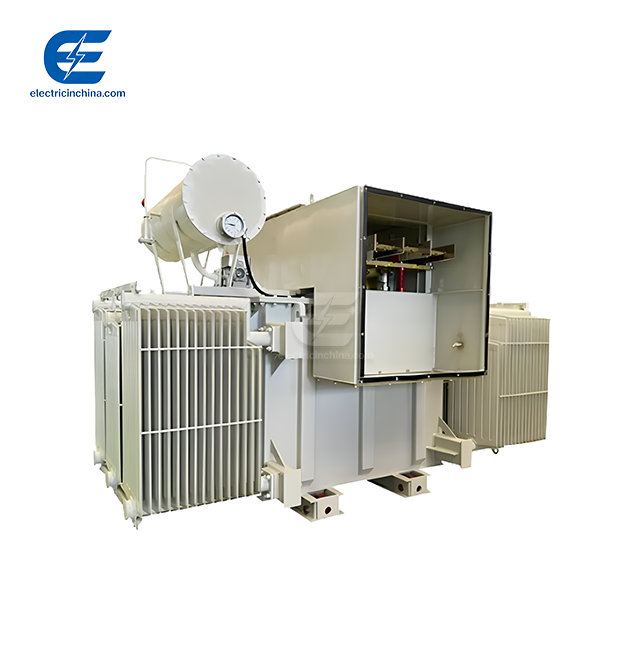
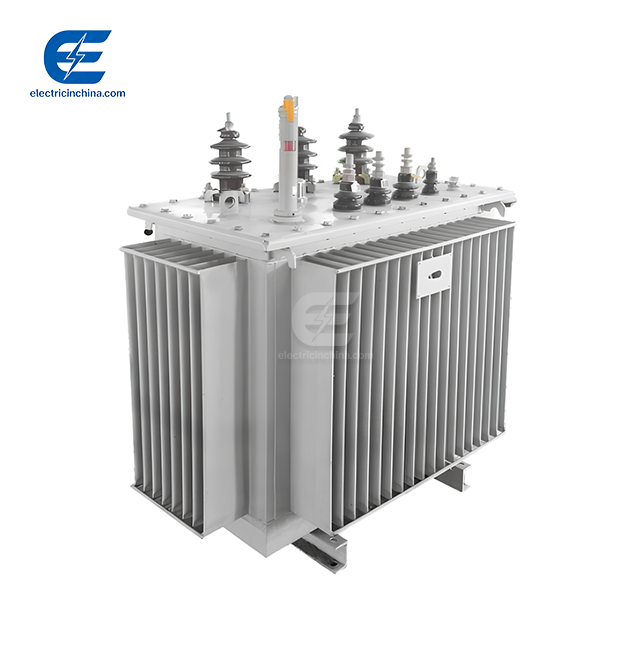
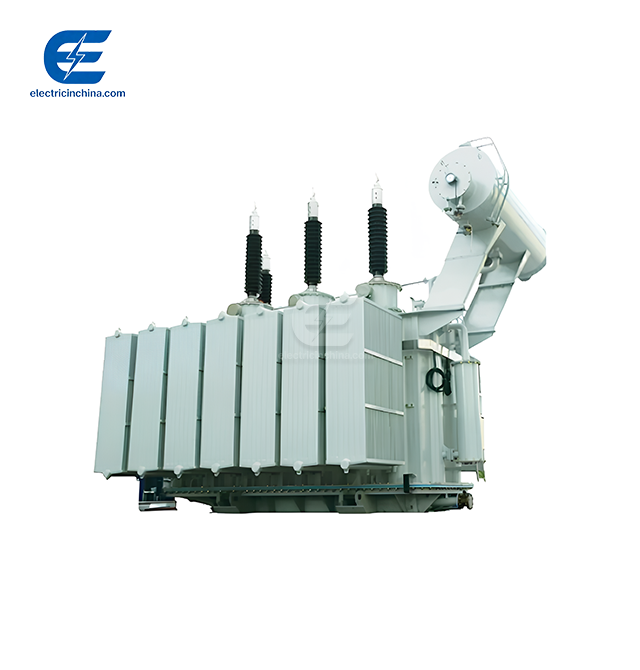
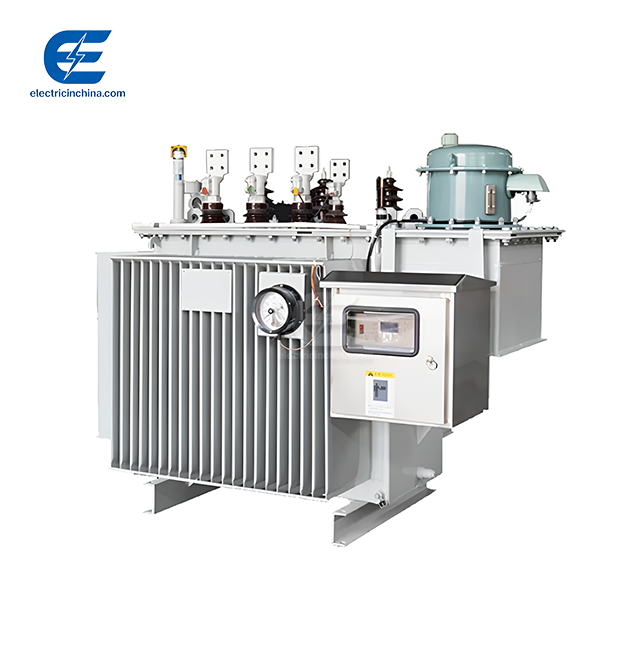
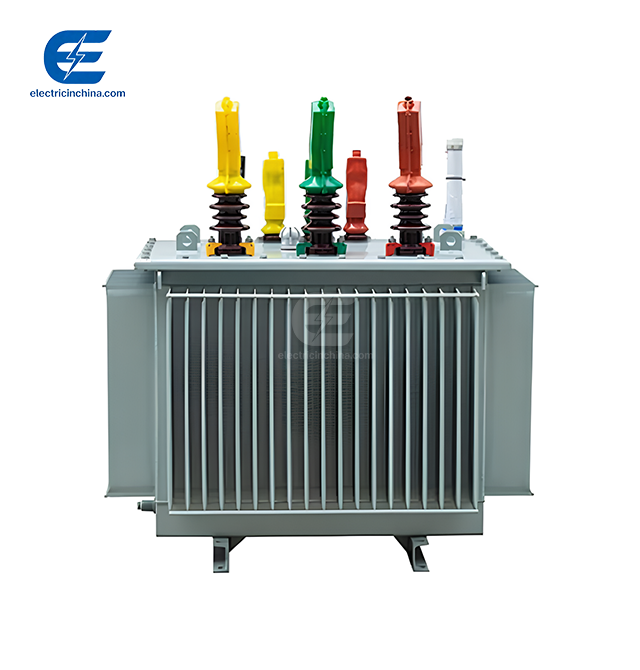
Dry-type distribution transformers are as efficient as oil-immersed versions, usually within 0.1% to 0.3% at rated load. Due to the way the coils are shaped, dry-type units may have slightly higher no-load losses, but the difference rarely goes over 10-15%. When you look at things like oil testing costs, environmental risks, and fire suppression needs, the upkeep benefits of dry-type systems usually outweigh the small differences in efficiency. When compared to oil-filled units, our dry-type units require 40–60% less upkeep and are just as reliable, if not more so.
How does ambient temperature affect transformer lifespan and loss characteristics?
High operating temperatures speed up the ageing of insulation and raise core losses in a number of ways. For every 10°C above the recommended temperature, the insulation's life expectancy drops by about half. Core resistance goes up as temperature goes up, which causes eddy current losses to go up by 0.4% to 0.6% for every 10°C. Ventilation and temperature control are important for keeping performance high for the full 25 to 30 years that the product is supposed to last.
Transform Your Power Infrastructure with Tuojie's Low-Loss Transformer Solutions
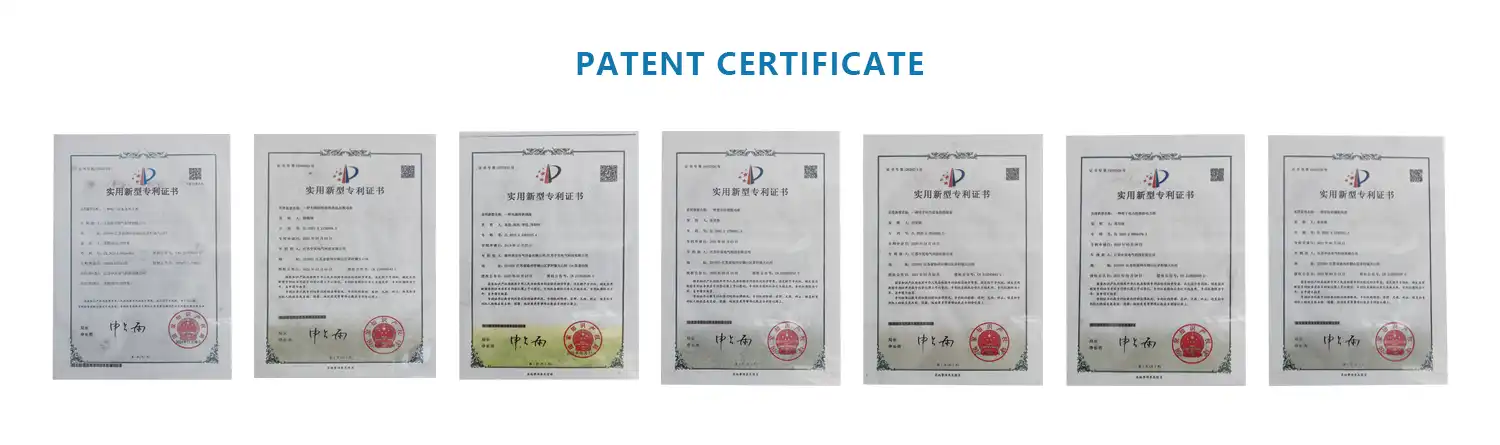
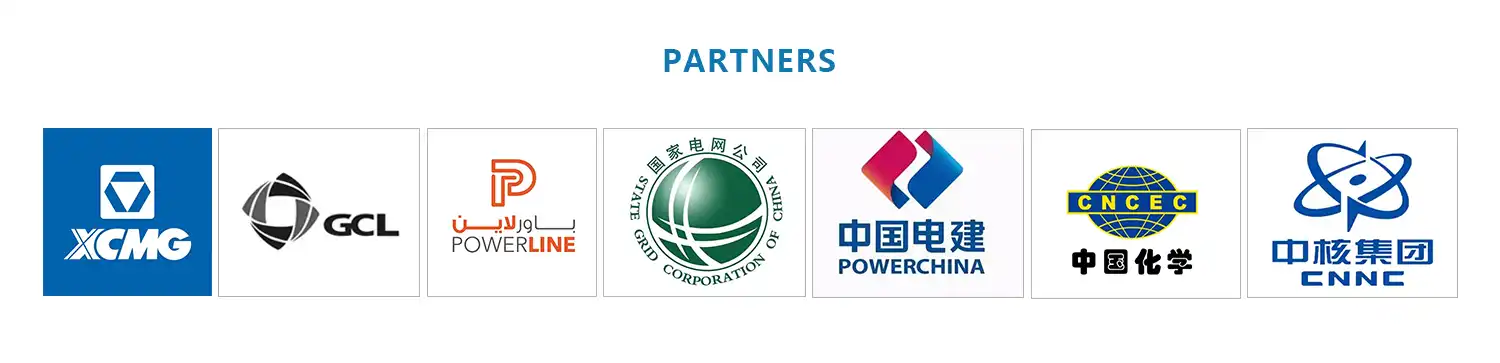
To cut down on energy waste and make sure power is distributed reliably, you need to work with an expert Dry-type distribution transformer provider who knows about both technical performance and lifecycle economics. Our 18 patents and successful completion of projects like Xuzhou Rail Transit and XCMG Group installations show that Tuojie knows how to provide reliable and efficient power solutions. Our SCB series transformers have guaranteed efficiency ratings of 99.2% to 99.5% and no-load losses that are 15-20% lower than the industry average. This means that you will save a lot of money over their 25–30-year service lives. Visit electricinchina.com or email tuojie@electricinchina.com to talk to our engineering team about your unique needs and get a thorough efficiency analysis that is tailored to your loading patterns and working conditions.
References
1. Smith, J.R. & Chen, W. (2021). Advanced Core Materials for Distribution Transformers: Performance Optimisation and Loss Reduction Strategies. International Journal of Electrical Power Engineering, Vol. 45, pp. 234-251.
2. Thompson, M.K. (2020). Lifecycle Cost Analysis of Dry-Type Distribution Transformers in Commercial Applications. IEEE Transactions on Industry Applications, Vol. 56, No. 4, pp. 3892-3904.
3. Anderson, P.L., Kumar, S. & Williams, R.T. (2022). Manufacturing Quality Impact on Transformer Core Loss Characteristics. Journal of Power System Engineering, Vol. 38, pp. 156-173.
4. Zhang, L. & Rodriguez, C. (2019). Energy Efficiency Optimisation in Modern Distribution Transformer Design. Electric Power Systems Research Journal, Vol. 182, pp. 445-459.
5. Mitchell, D.A. (2021). Transformer Sizing and Load Matching for Optimal Efficiency: Case Studies from Industrial Installations. Power Engineering Society Technical Report, No. PES-2021-087.
6. International Electrotechnical Commission (2018). IEC 60076-11: Power Transformers - Part 11: Dry-type Transformers. Geneva: IEC Publications, Third Edition.