

.webp)
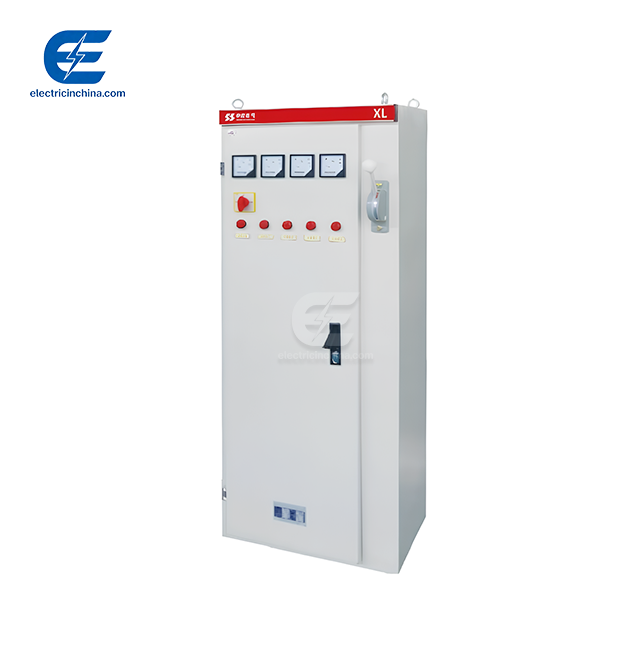
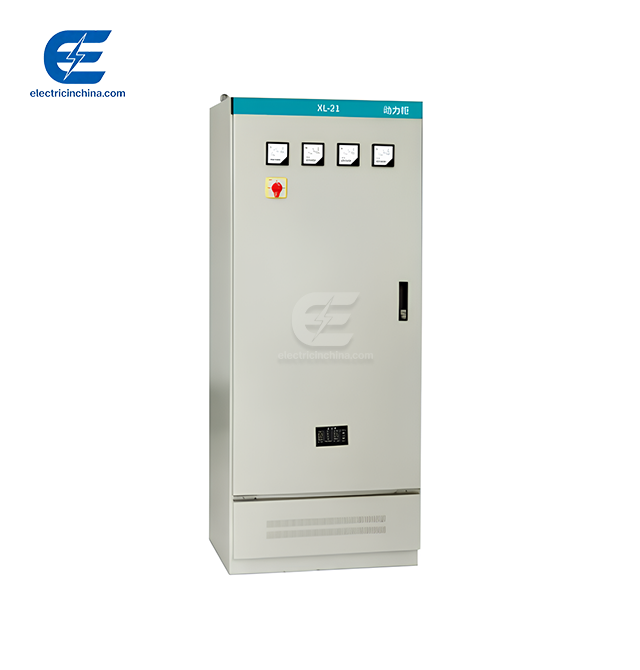
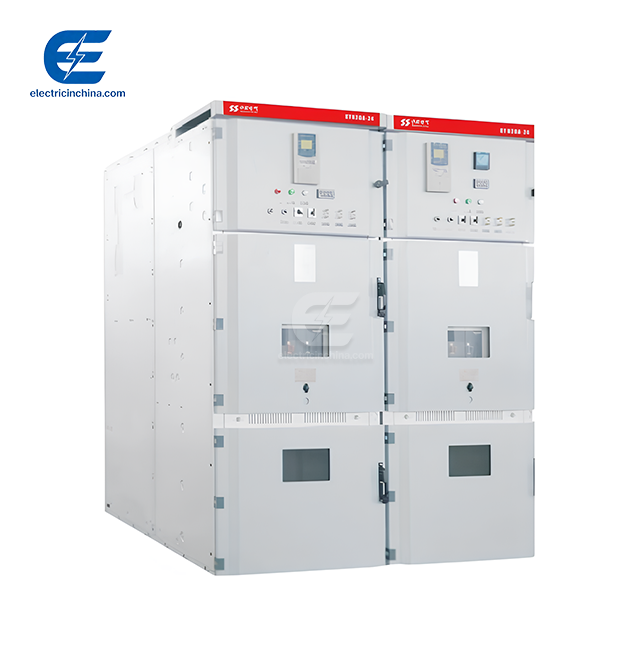
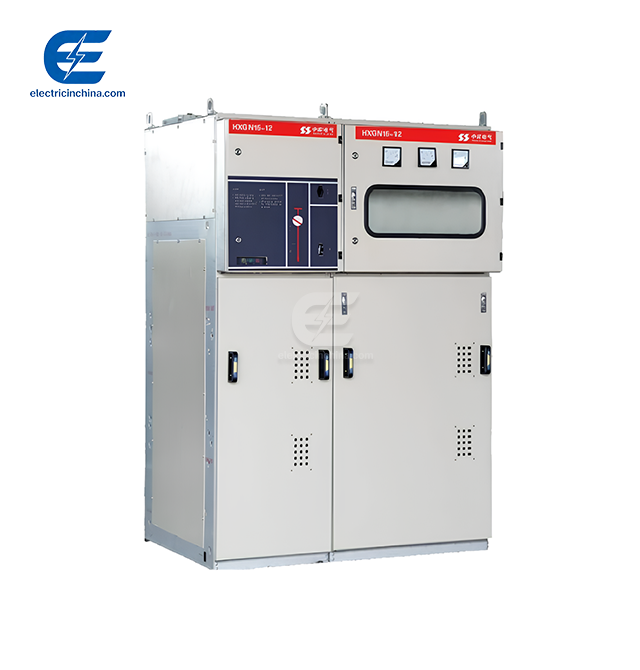
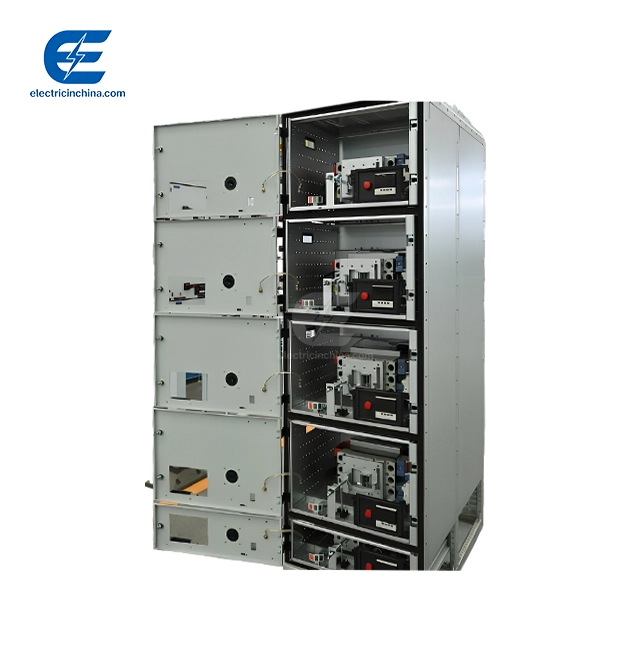
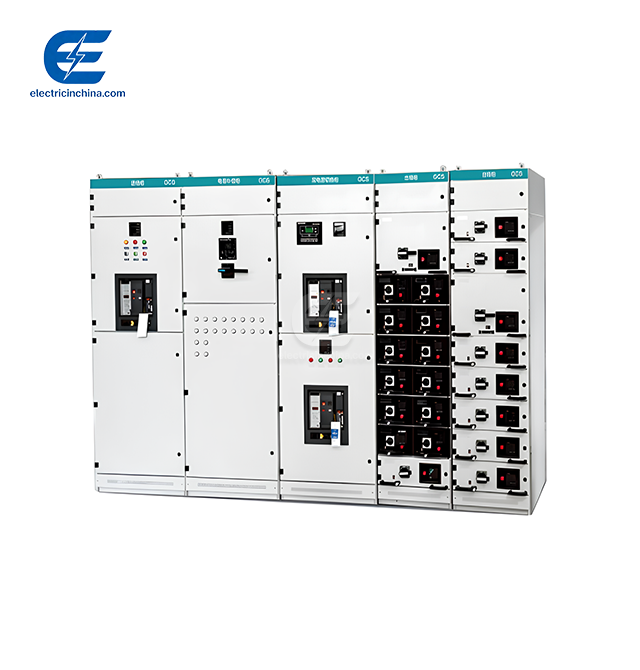
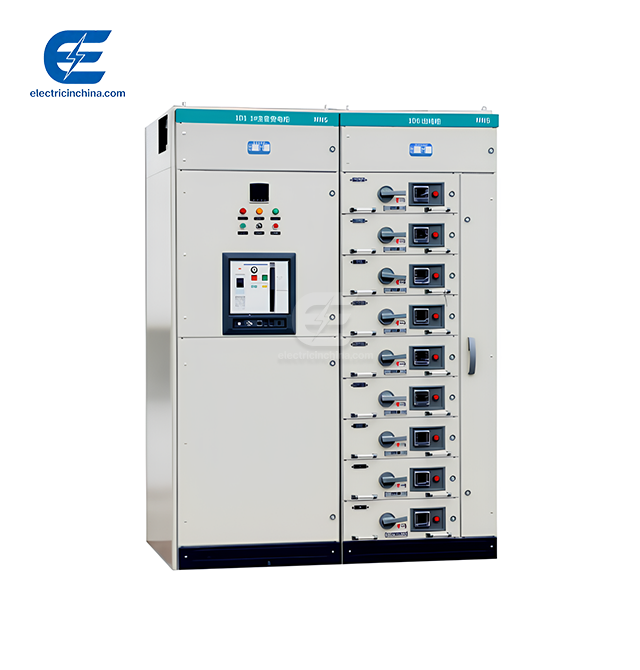
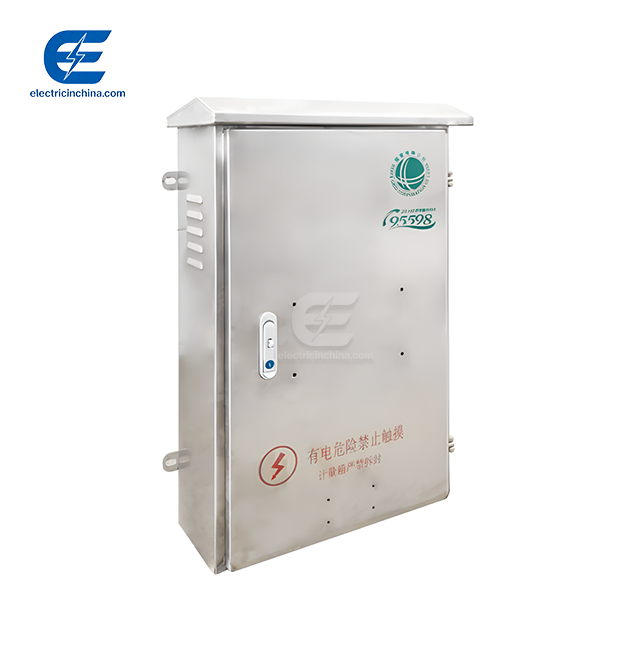
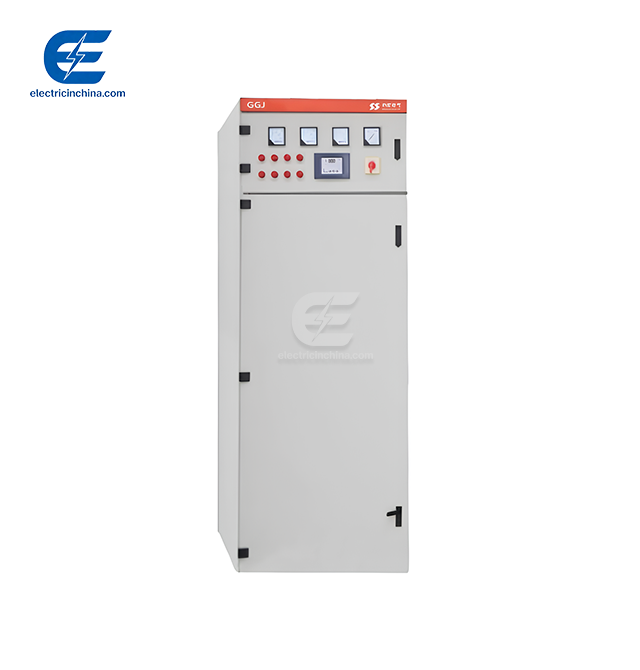
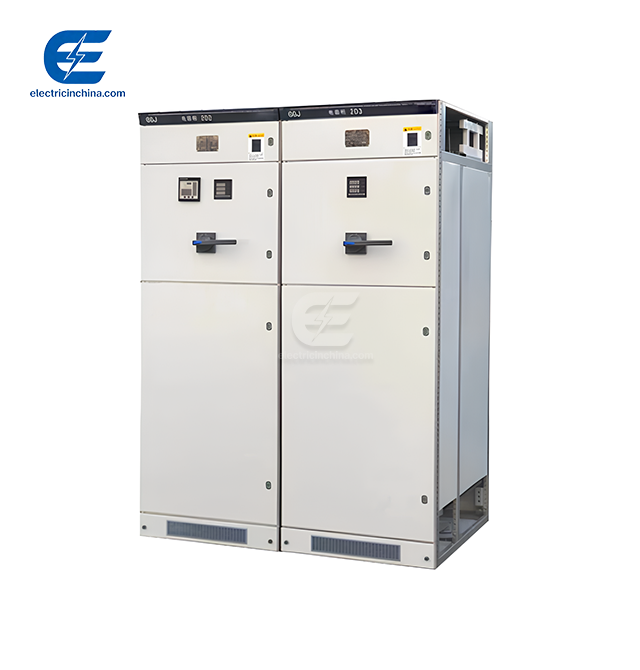
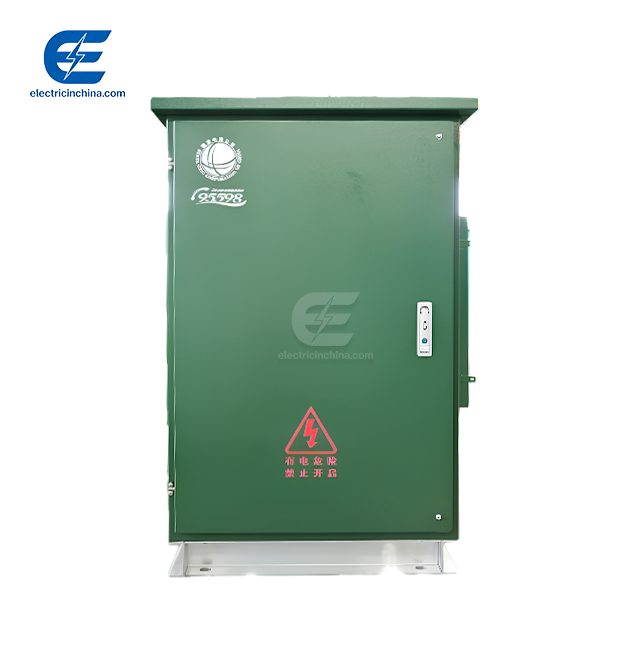
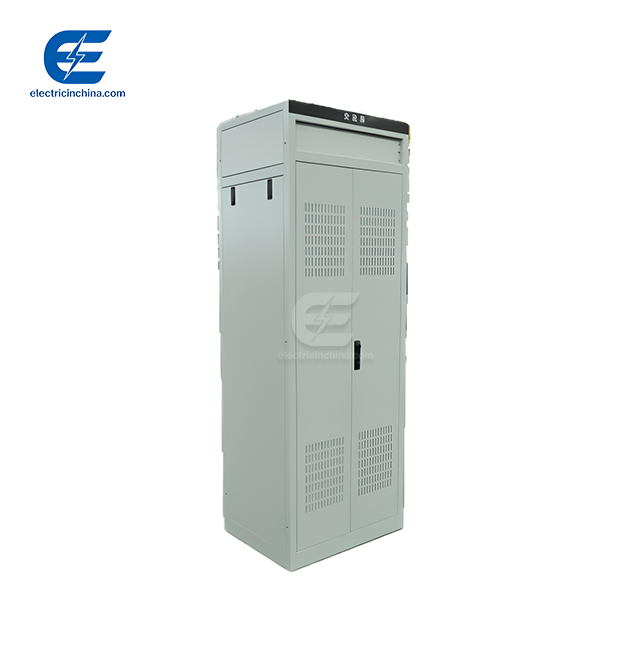
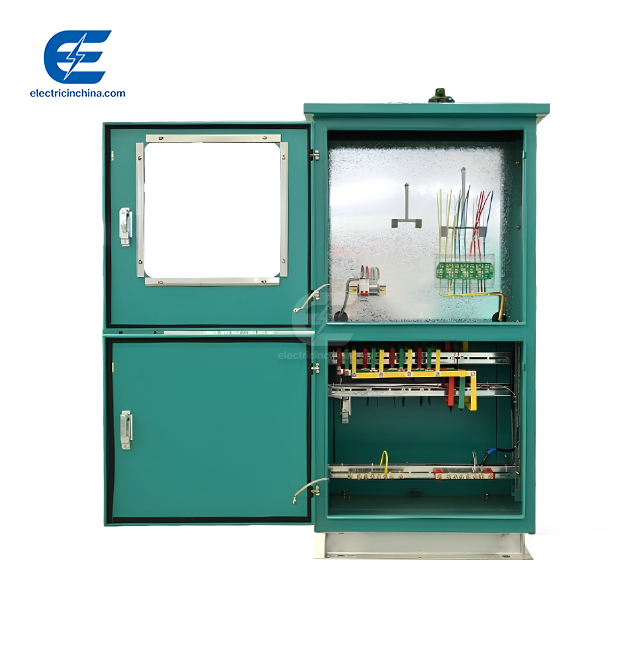
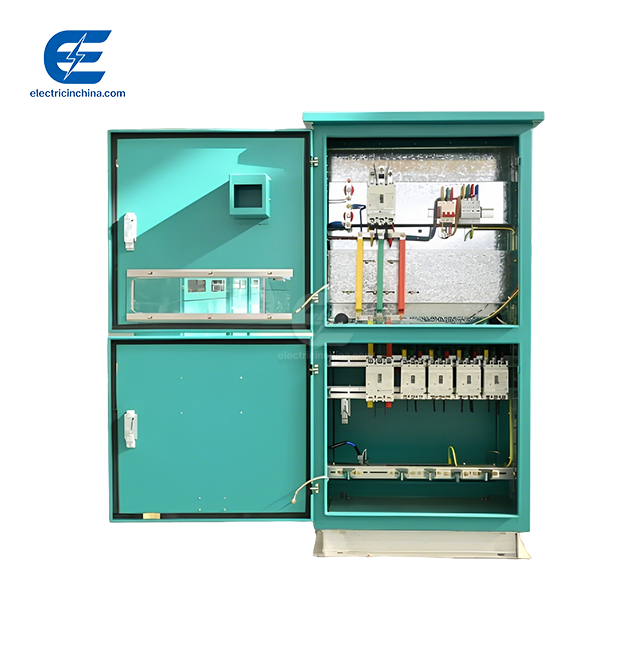
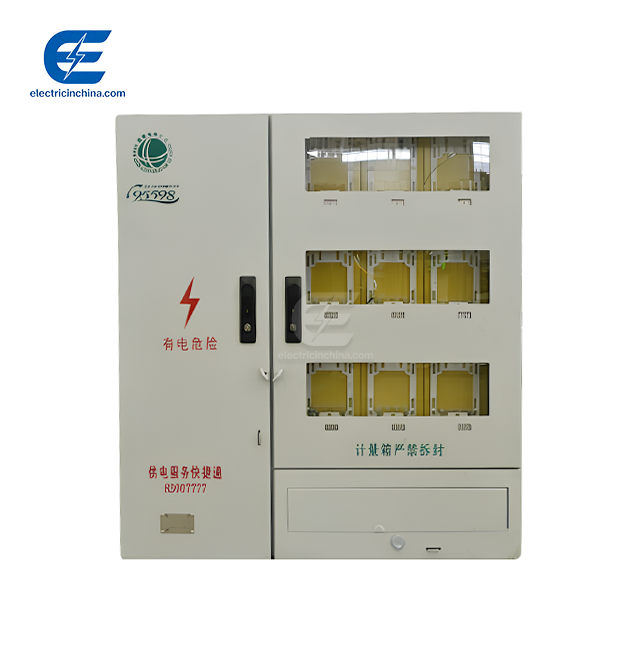
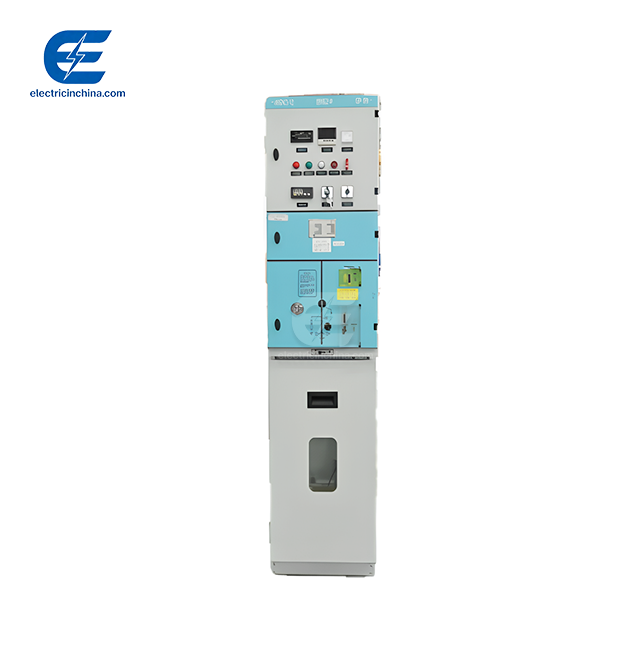
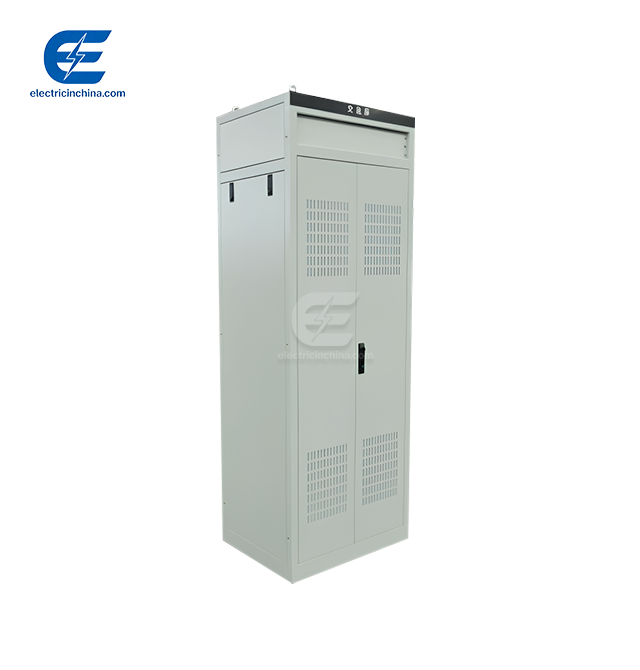
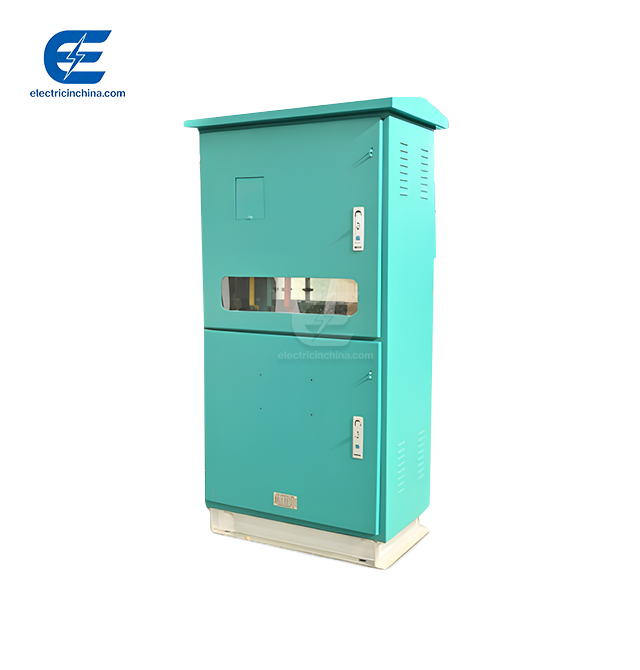
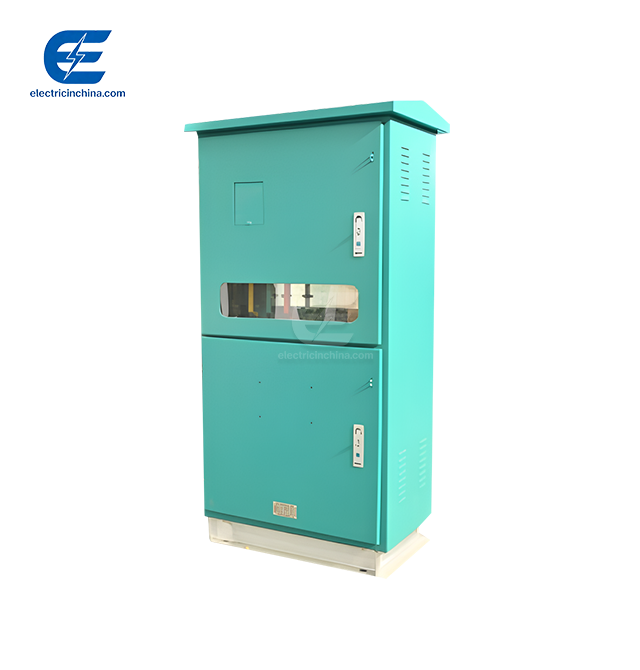
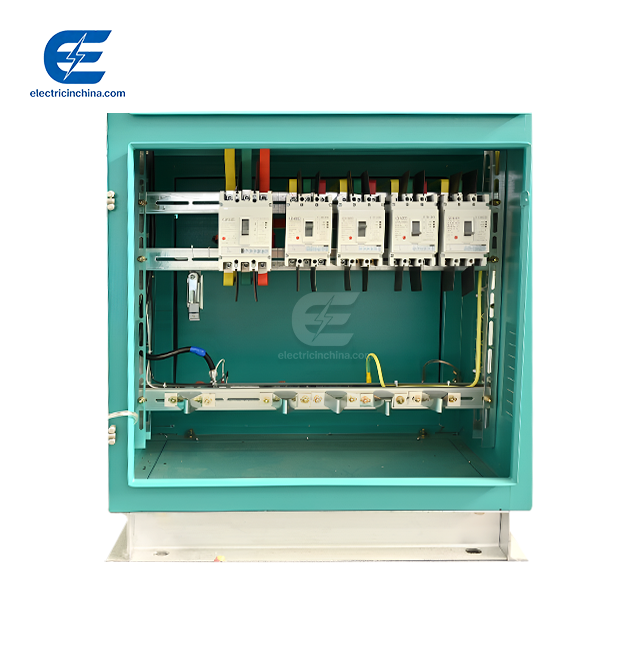
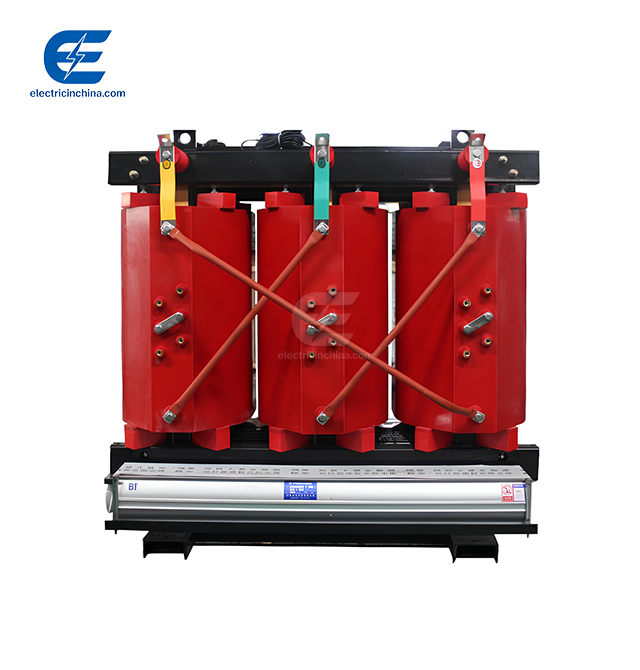
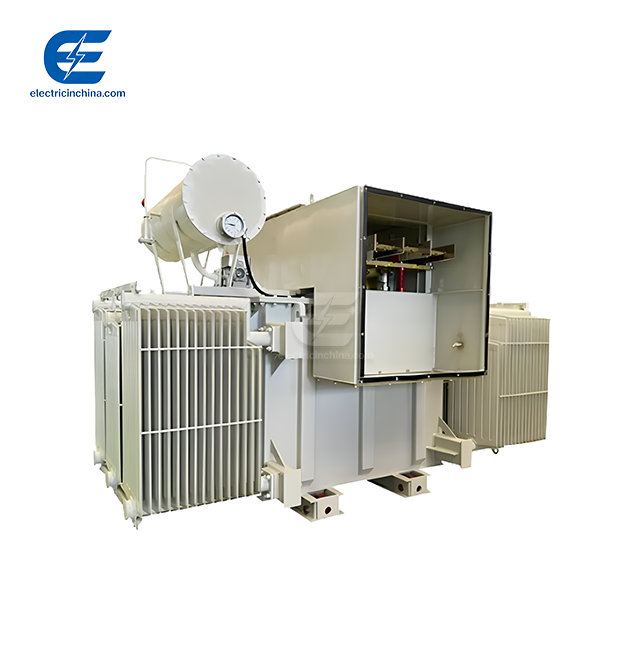
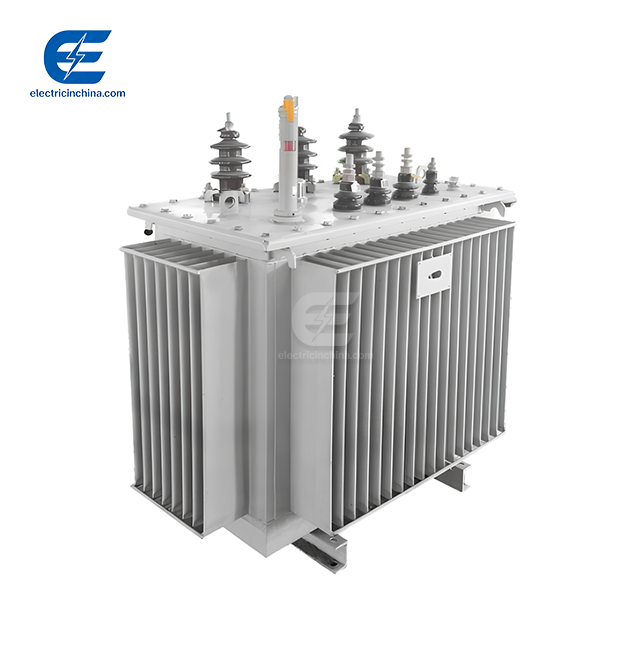
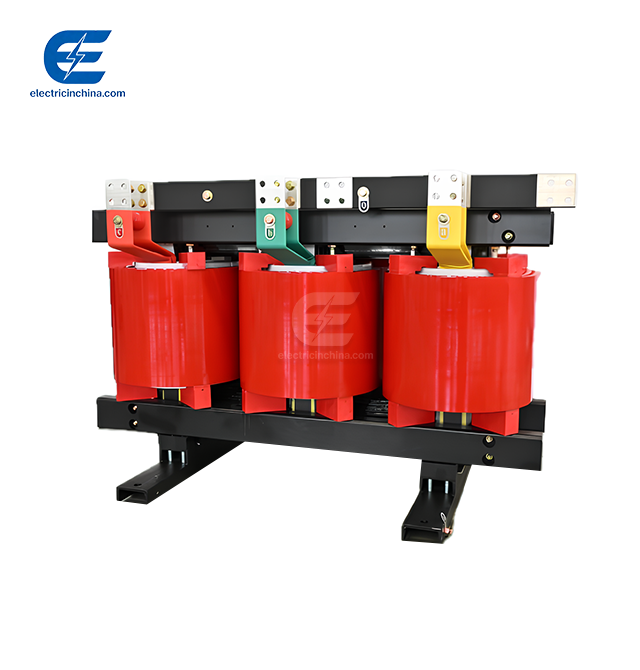
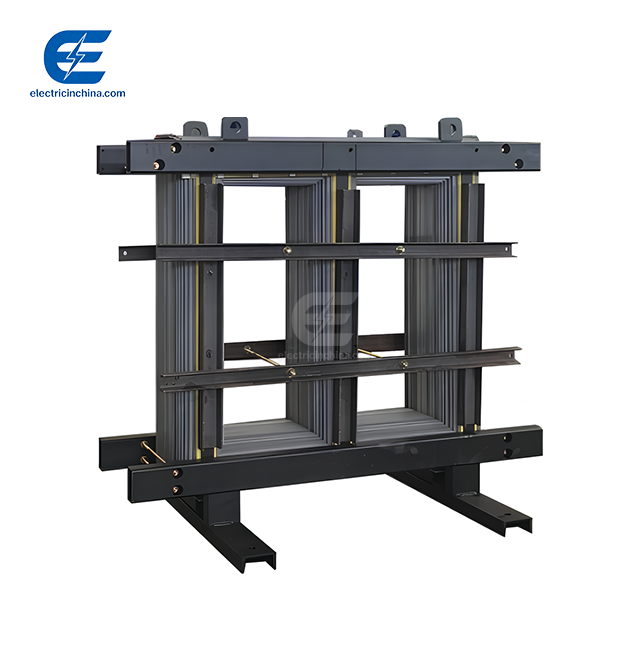
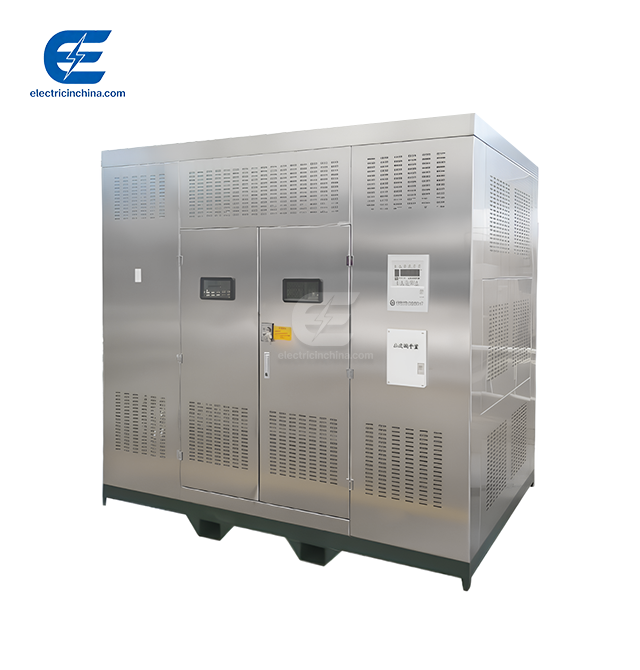
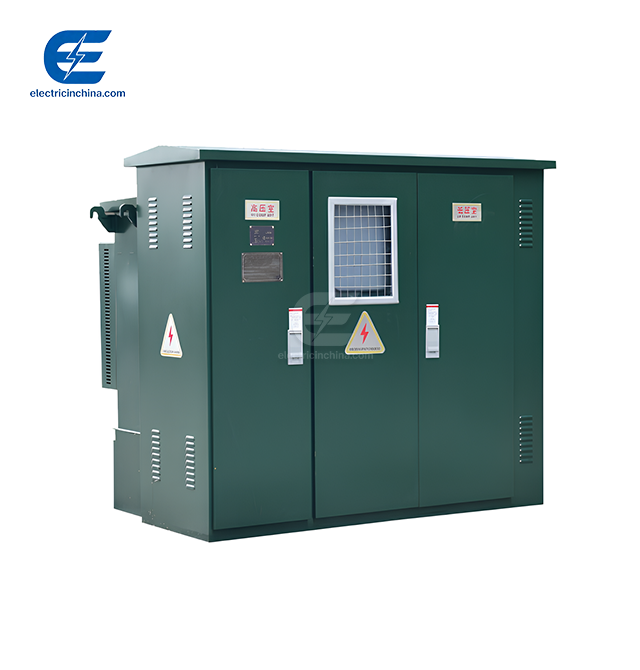
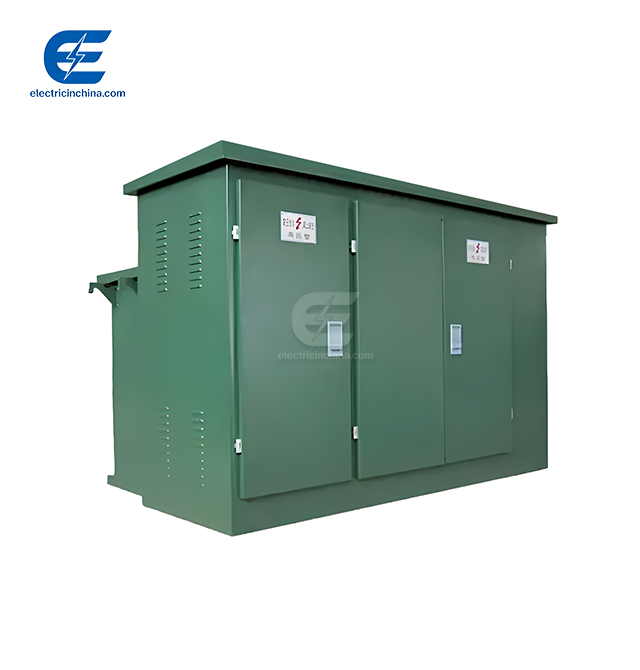
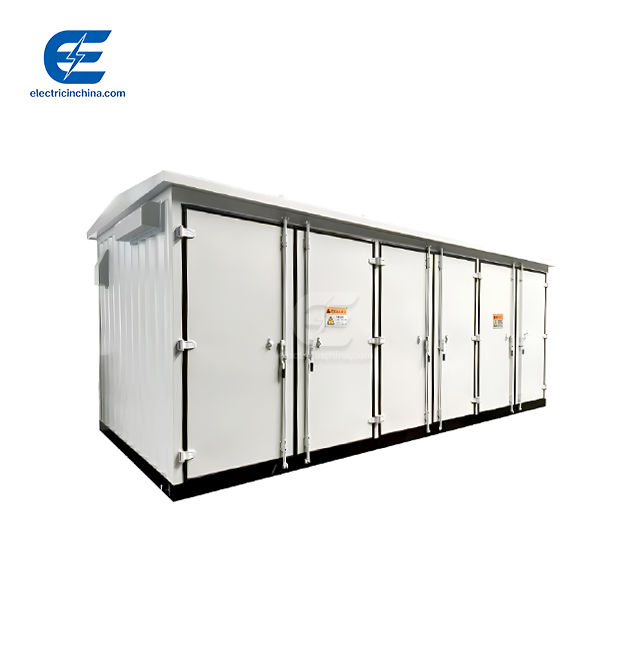
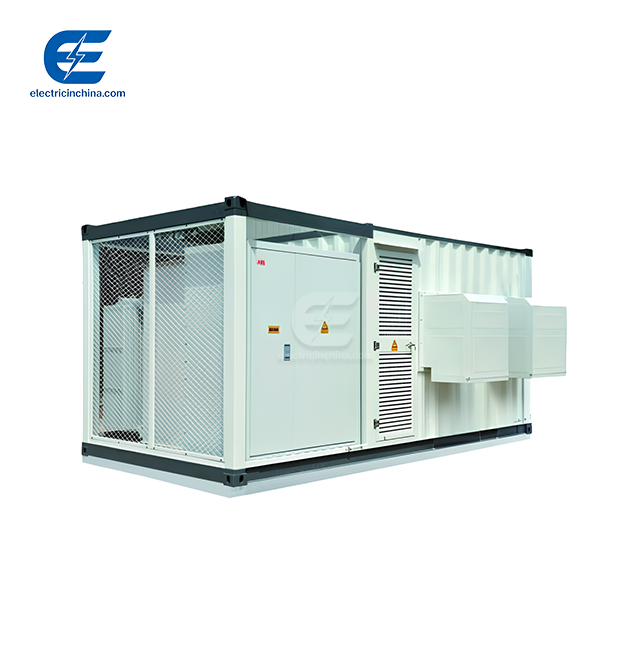
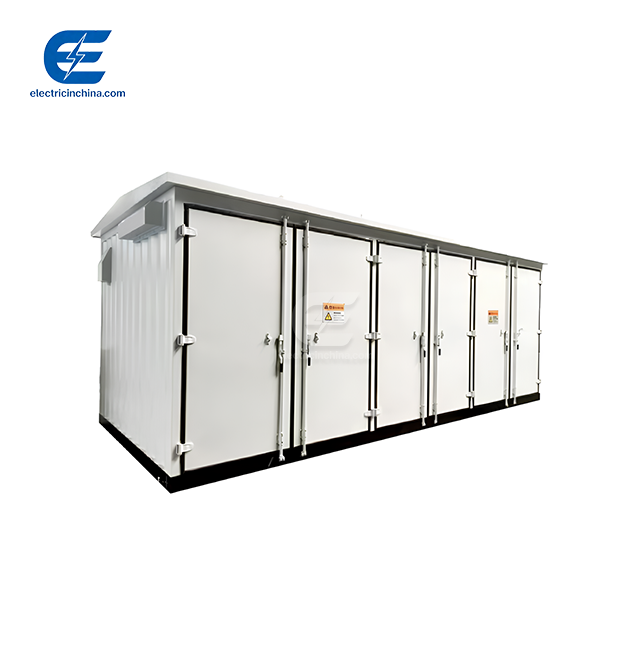
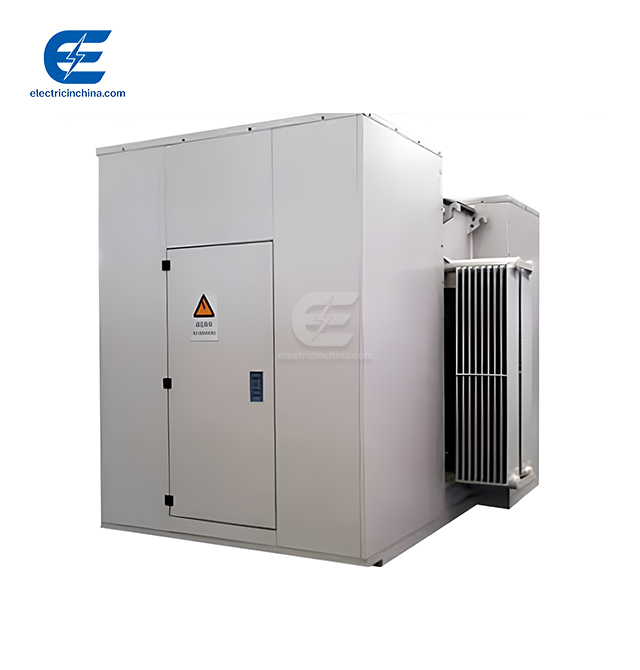
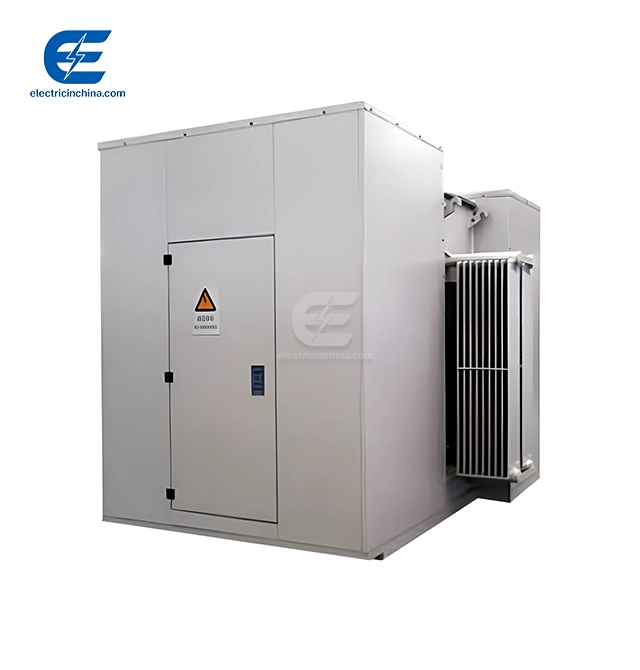
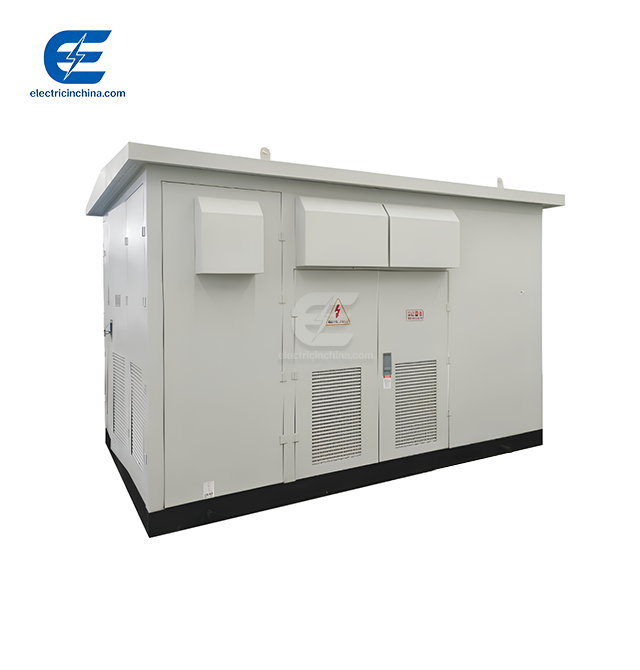
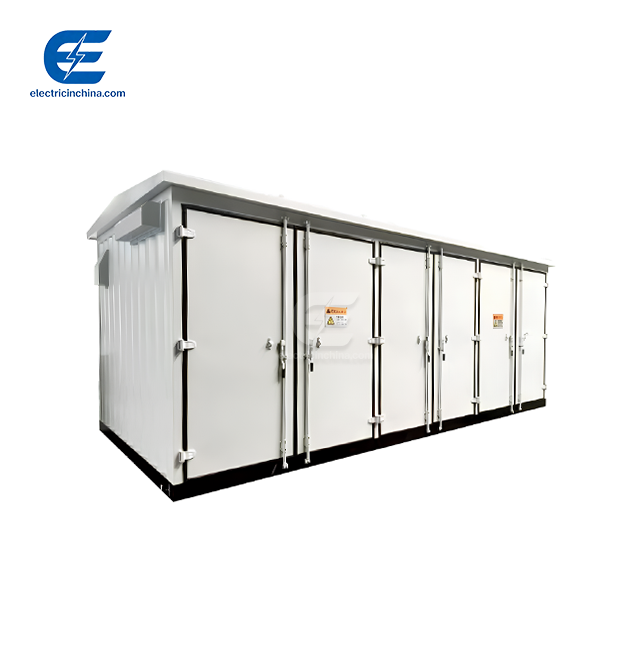
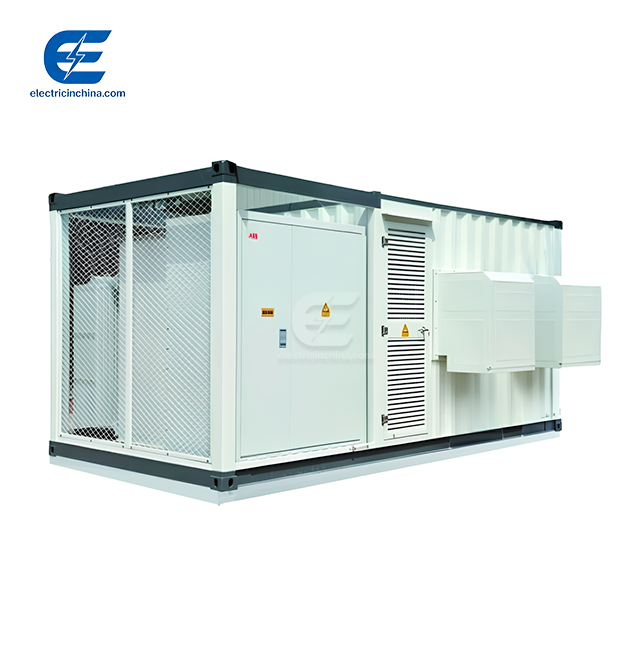
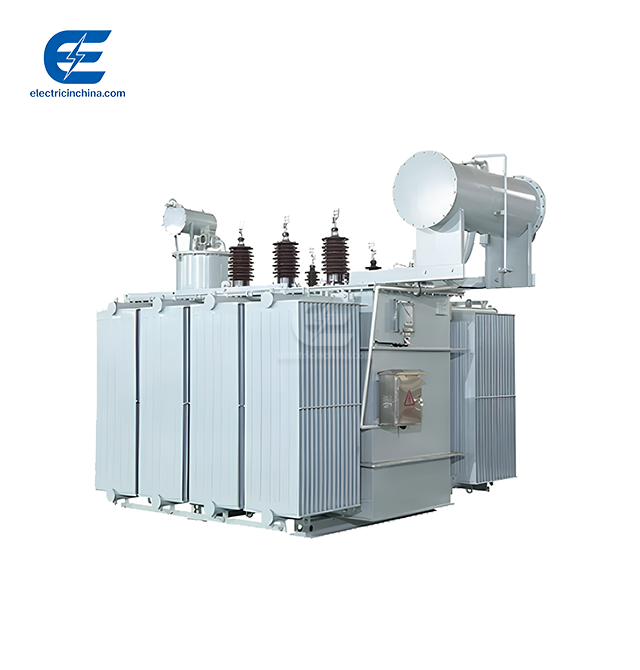
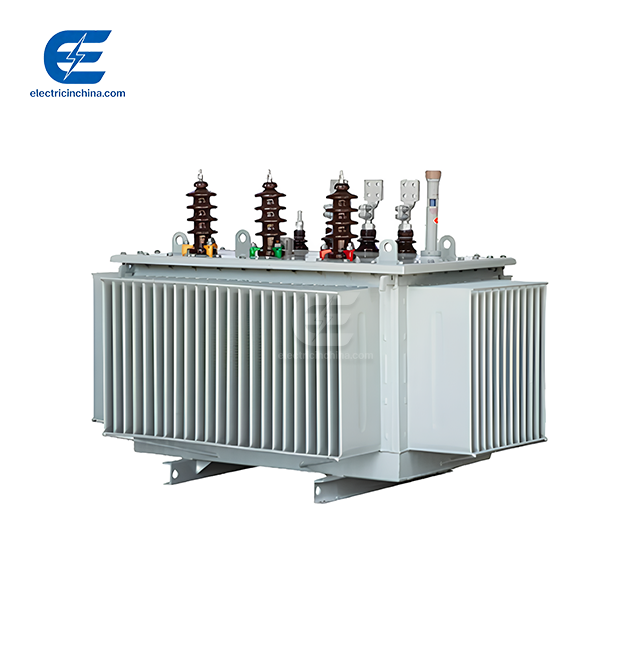
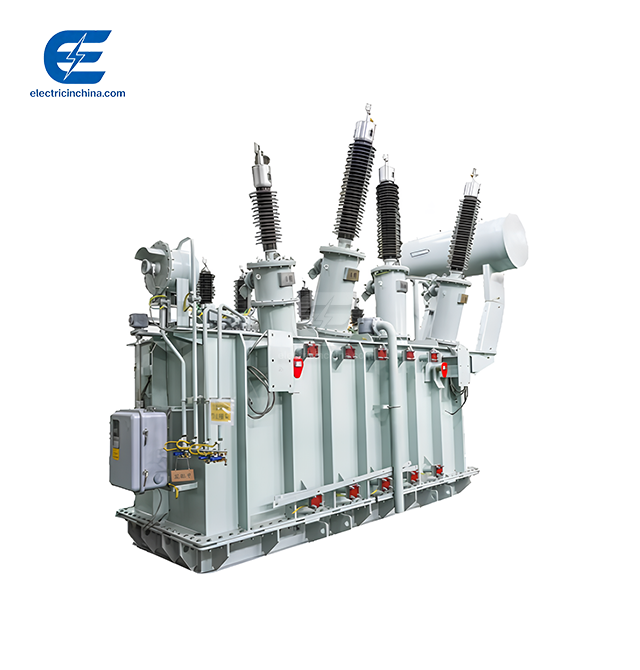
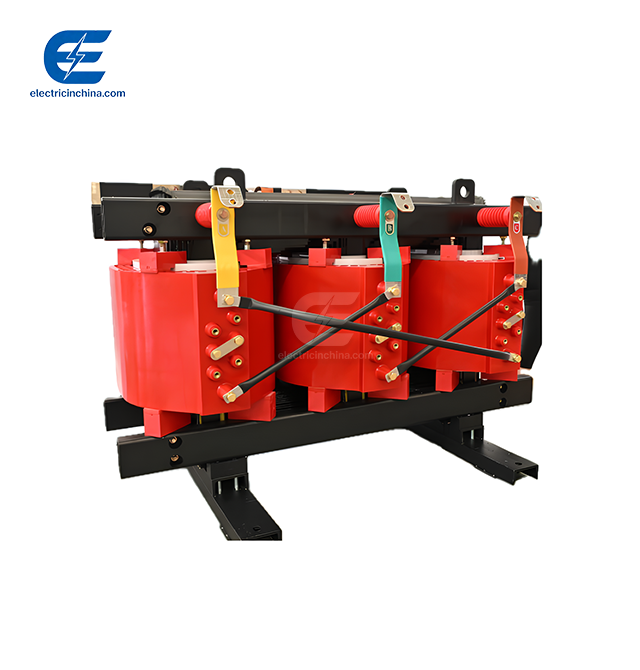
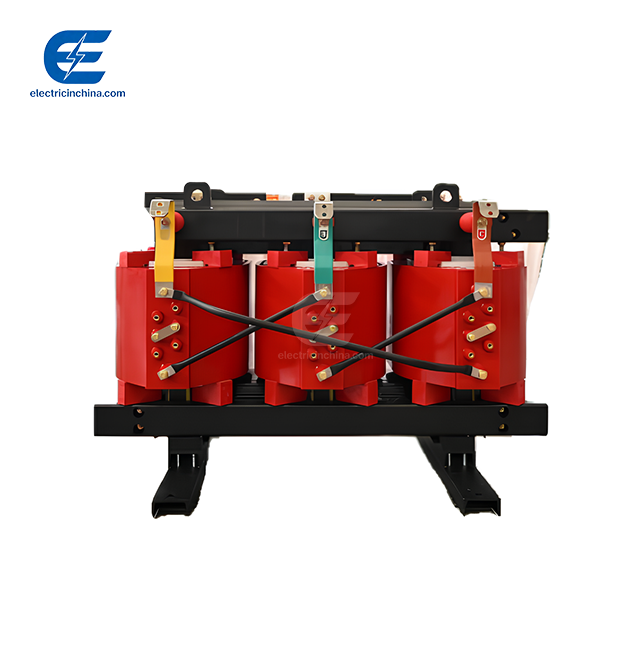
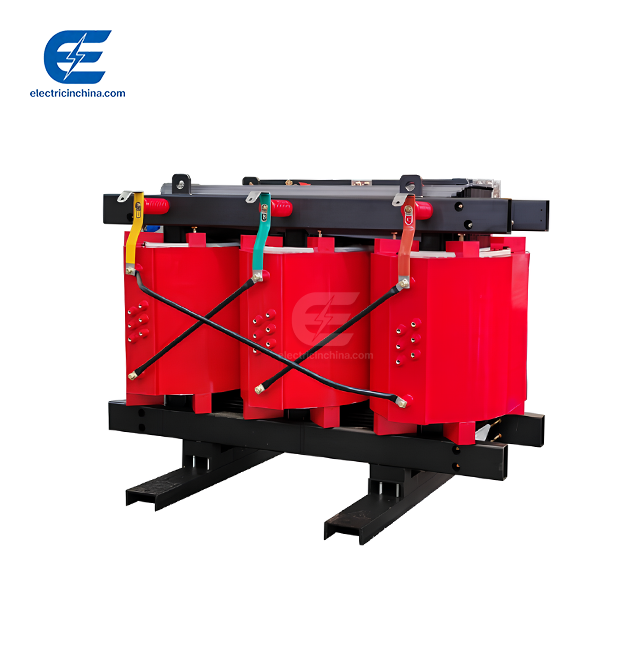
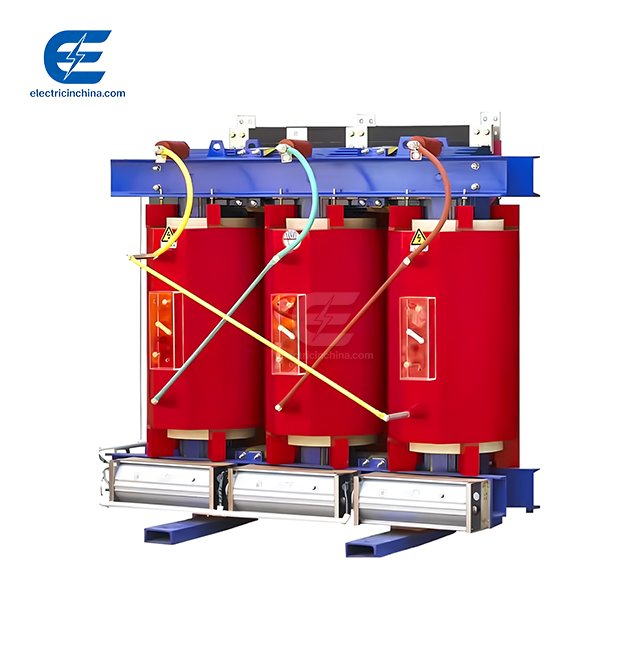
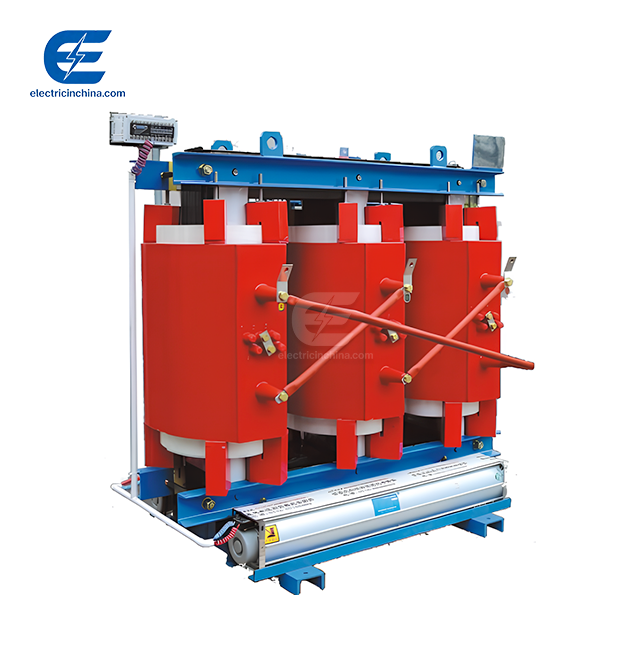
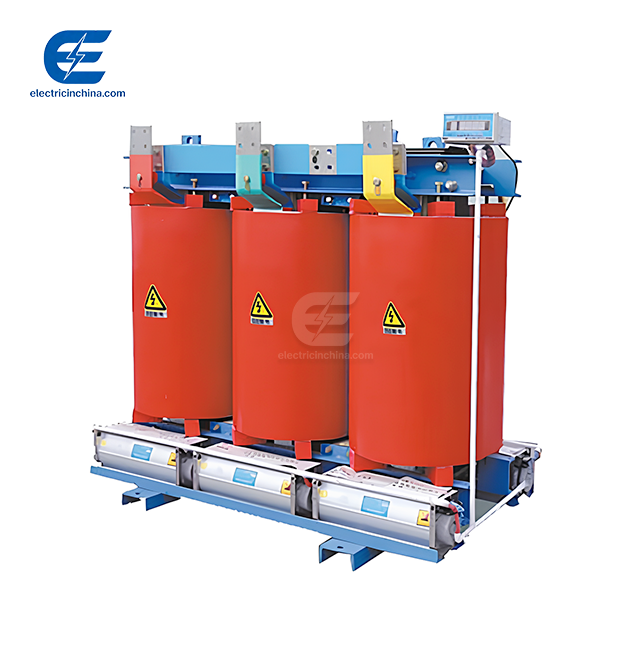
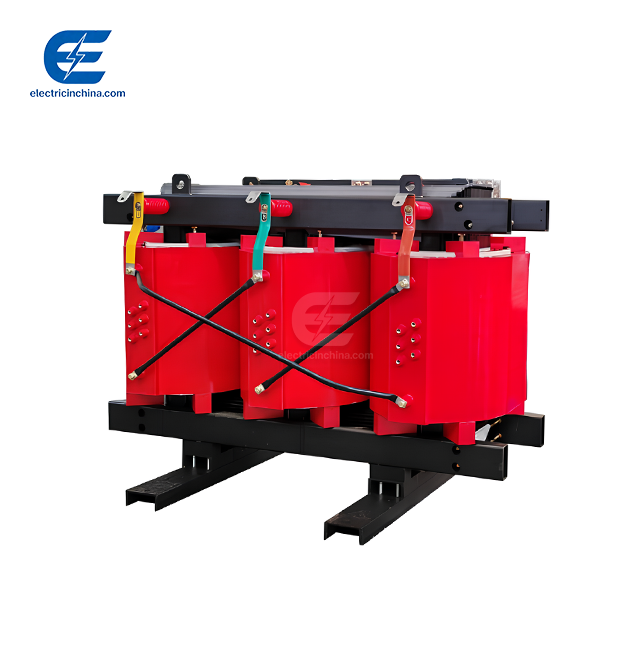
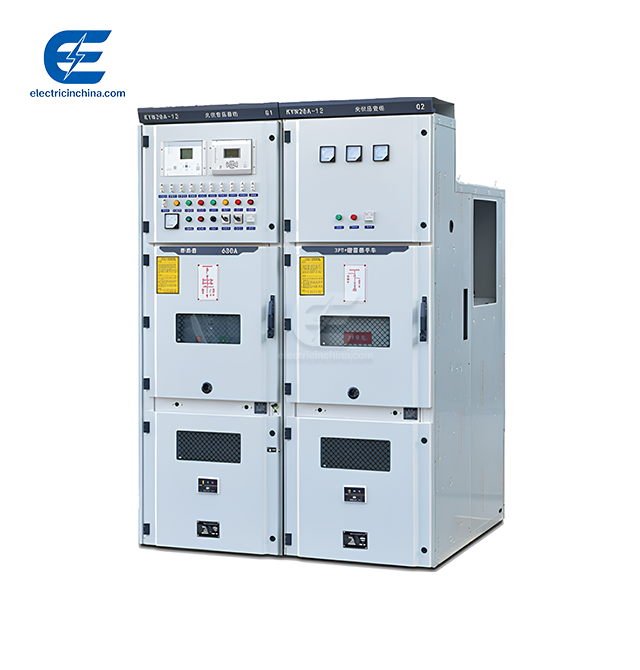
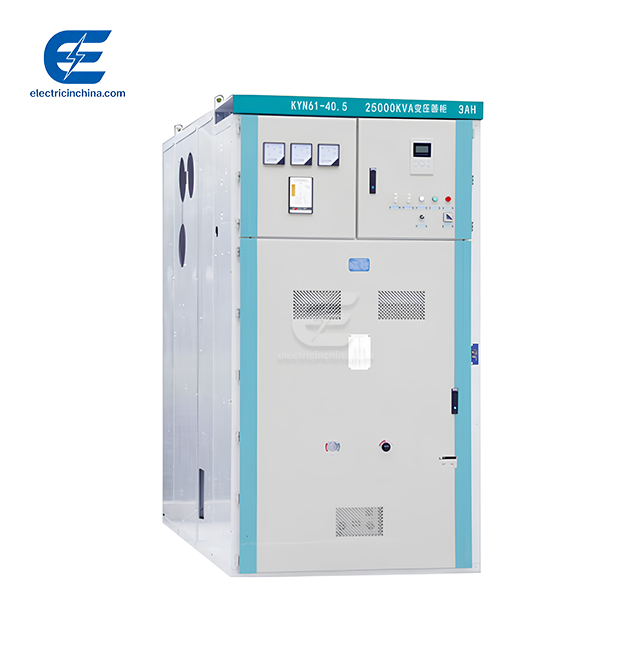
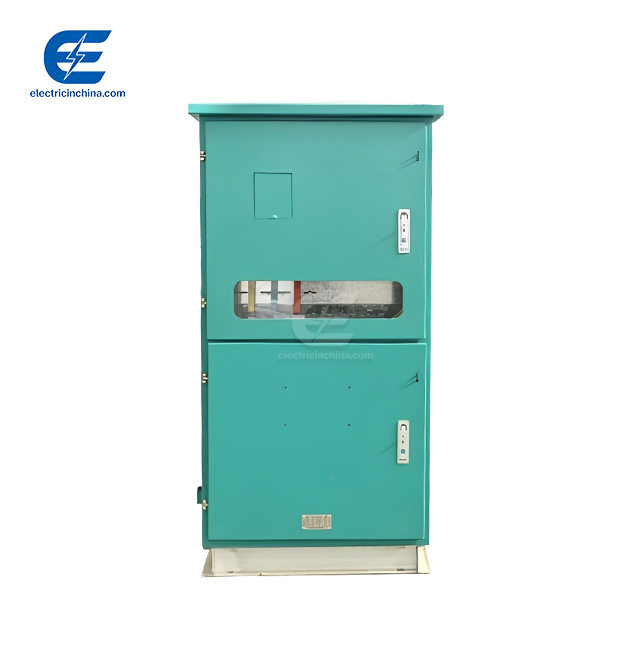
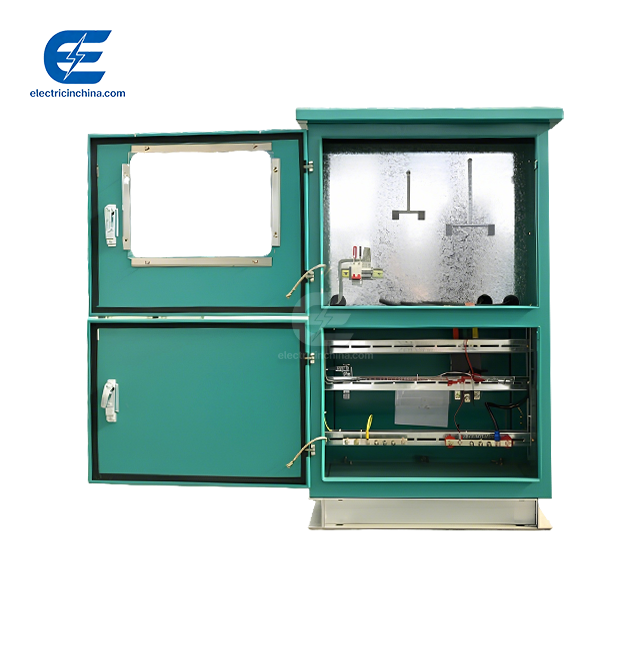
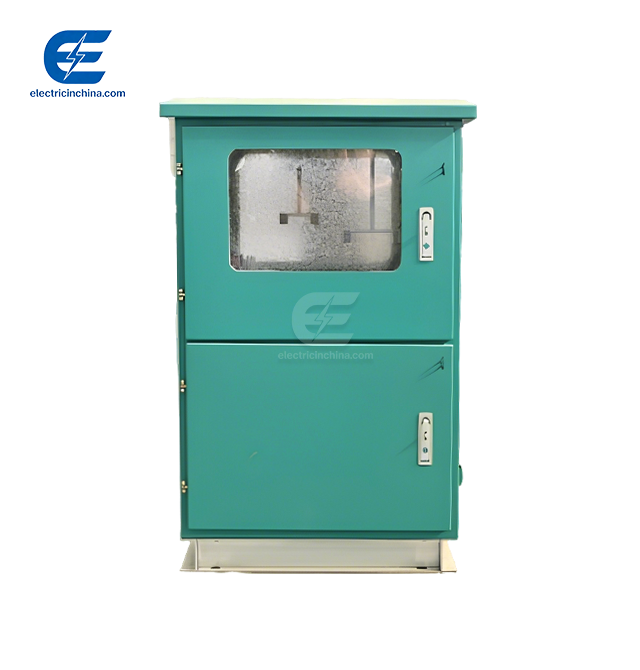
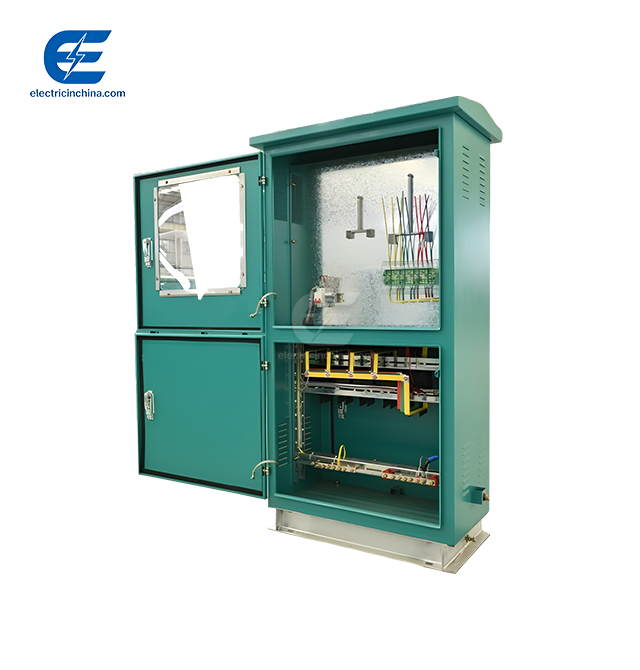
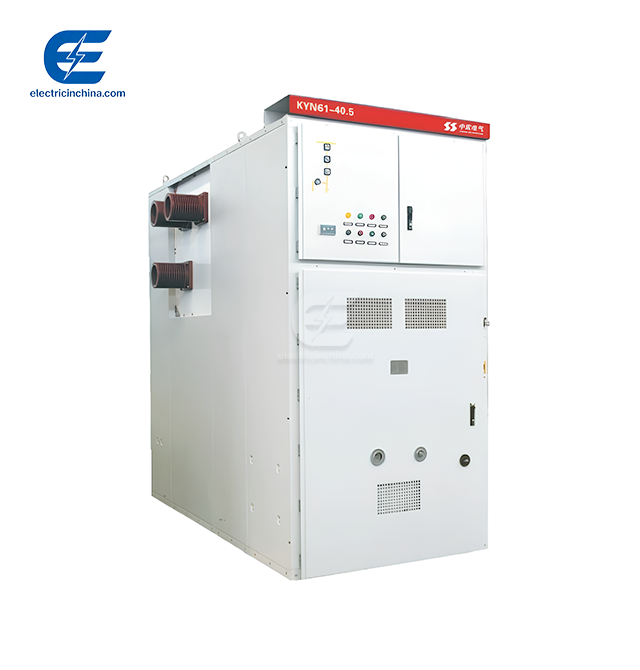
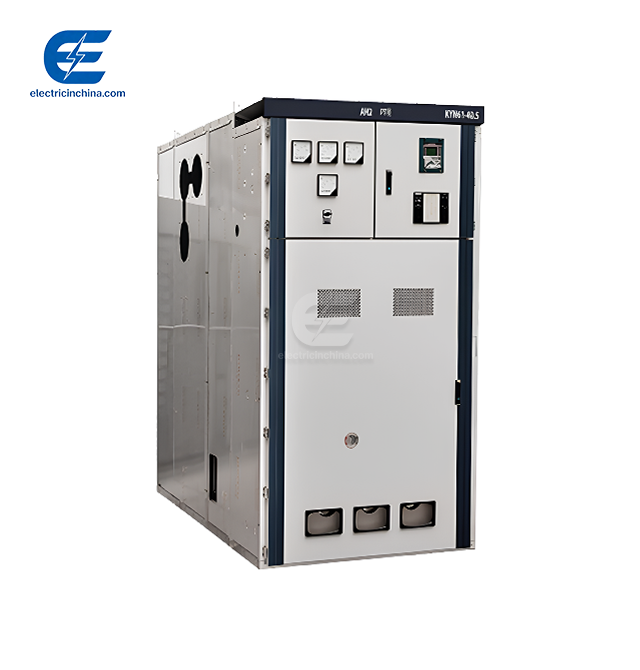
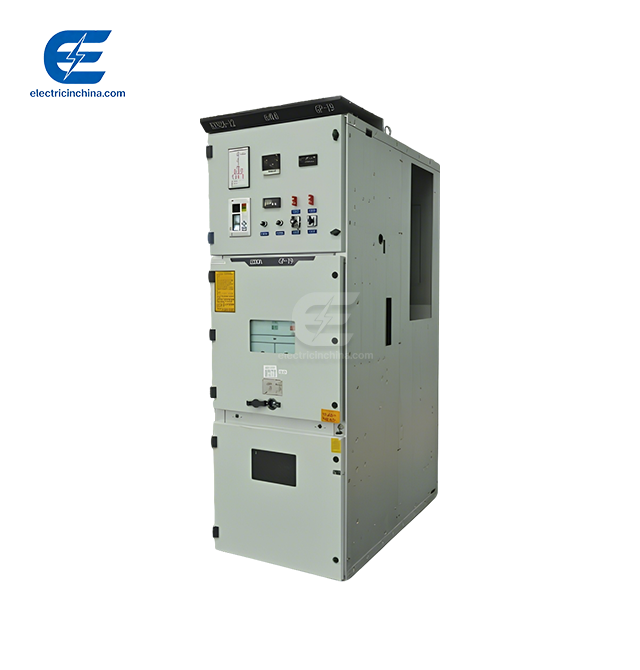
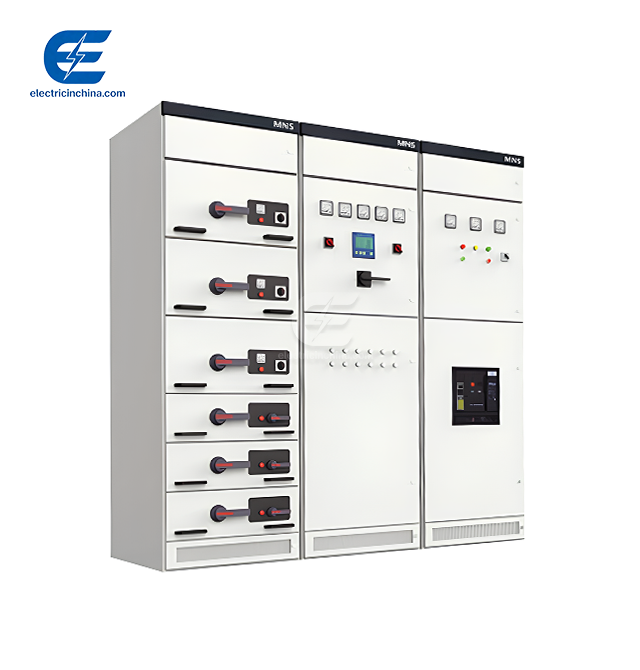
When considering which protective housing solution works best for solar farms and wind turbine installations, the answer depends on your specific environmental conditions, protection requirements, and operational demands. A transformer enclosure for renewable energy applications must provide IP54 to IP65 ingress protection, corrosion-resistant construction that can withstand decades of outdoor exposure, and intelligent thermal management systems that keep operating temperatures optimal without compromising safety ratings. The ideal choice balances material durability, compliance with international standards, customization flexibility, and long-term reliability to protect your substantial equipment investment while ensuring continuous power delivery in challenging renewable energy environments.
Comparison of Transformer Enclosure Types for Renewable Energy
Knowing how the different types of enclosures work differently helps procurement professionals find solutions that meet the needs of the project.
Metal Versus Non-Metal Construction
Metal housings are most common in renewable energy applications because they are strong, block electromagnetic waves, and have a long history of use. Steel and stainless steel offer strong resistance to mechanical hits, which is important for installations in public areas or places where theft is likely to happen. Metal buildings naturally resist fire better than options that aren't metal.
Fibreglass housings have some benefits in some situations, especially when electromagnetic neutrality is important or when chemicals that are harmful to metal coatings are too much to handle. But fibreglass needs to be carefully stabilised against UV light, and it usually costs more at first for the same level of protection.
Ventilated Versus Sealed Designs
Transformers that generate a lot of heat while they are working need housings that allow air to flow through them. Natural ventilation designs with louvre setups maintain safety levels while eliminating the need for mechanical parts. These systems create convection patterns that continuously remove heat without using power or needing maintenance.
Housings that are sealed and don't have airflow provide the best protection against dust and moisture in filthy places. This method needs a thorough thermal study to ensure that the Transformer cabinet ratings can handle the lower cooling efficiency. We usually only recommend sealed designs for smaller transformers or installations that must maintain a certain temperature.
Standard Versus Custom Solutions
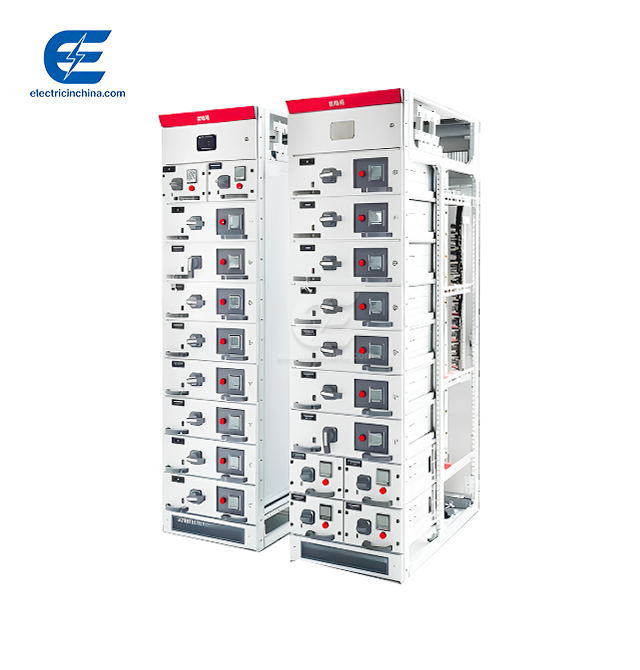
Standard housing sizes fit typical transformer types and cut down on lead times for regular installs. Our standard line of products includes transformers with designs that we have tested and that meet utility requirements. These range from 50kVA to 2500kVA.
Custom housings are made to fit specific project needs, like non-standard sizes, built-in extra equipment, special finishes, or harsh environmental conditions. Our 15 senior engineers and more than 30 intermediate techs use 18 unique technologies to make solutions that are exactly what you need. Custom designs go through the same strict testing procedures as regular goods. This makes sure that the performance is reliable no matter what the configuration is.
Indoor Versus Outdoor Specifications
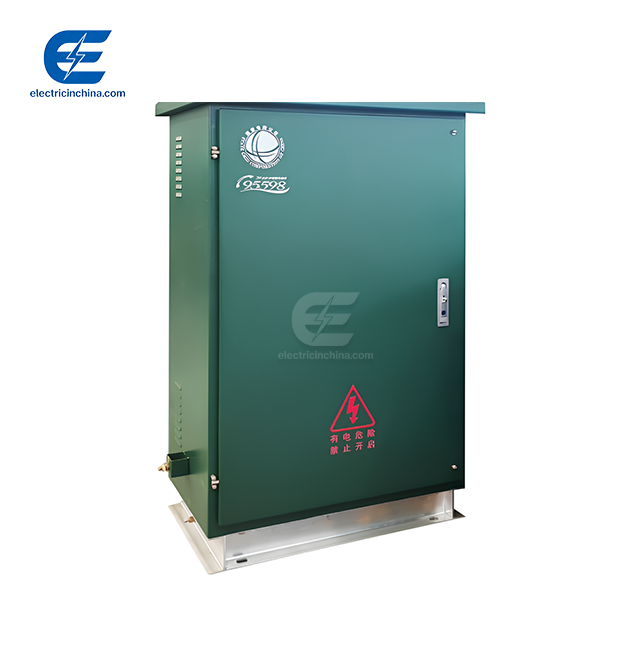
Outdoor housings have better weather sealing, finishes that are resistant to UV light, and strong ventilation systems so they can withstand being exposed to the weather all the time. These plans take into account the heat gain from the sun, rain, and temperature changes that are common at green energy places.
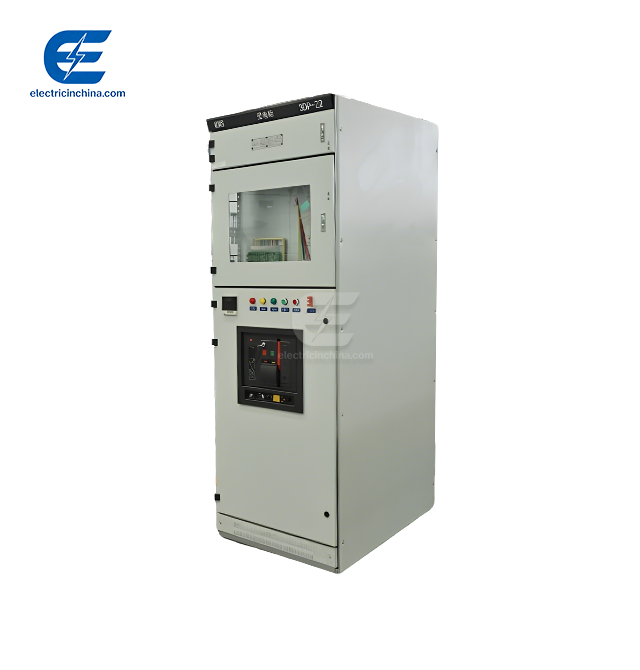
Since natural stresses are low indoors, buildings can be lighter, and ventilation can be easier. However, because solar and wind farms are set up this way, most green energy uses need housings that can be used outside.
How to Choose the Best Transformer Enclosure for Your Renewable Energy Project?
To choose the best protective housing, you need to carefully look at the site conditions, operational needs, and cost factors.
Environmental Assessment
Start by writing down the environmental factors that are unique to the site and affect the choice of materials and the level of protection needed. Levels of humidity, the chance of corrosion, the range of temperatures in the area, and noise restrictions all have an effect on design choices. Materials that don't rust and can withstand salt spray are needed for installations near the coast. Solar farms in the desert need finishes that don't fade in UV light and thermal control that can handle very high temperatures. Structures for mountain wind systems need to be strong enough to handle snow and ice.
Our engineering team helps with environmental studies by using their many years of experience from projects like the Xuzhou Rail Transit Network Control Center and the building of XCMG Group factories. This knowledge helps find problems before they affect project schedules or machine performance.
Matching Specifications to Requirements
Instead of using maximum requirements when they aren't needed, protection ratings should be based on how the site actually works. Most renewable energy installations work well with IP54 housings because they protect against dust and water spray and are less expensive than IP65 options. Keep higher grades for sites that experience dust storms, flooding, or require high-pressure washdown.
Specifications for temperature control must take into account how much heat the generator produces, the temperature of the room, and how the loads are expected to change. Transformer enclosures that use renewable energy often have changing loads because production changes based on the sun and wind. To get the right-sized ventilation systems, our temperature modelling takes these job cycles into account.
Supplier Evaluation and Procurement Strategy
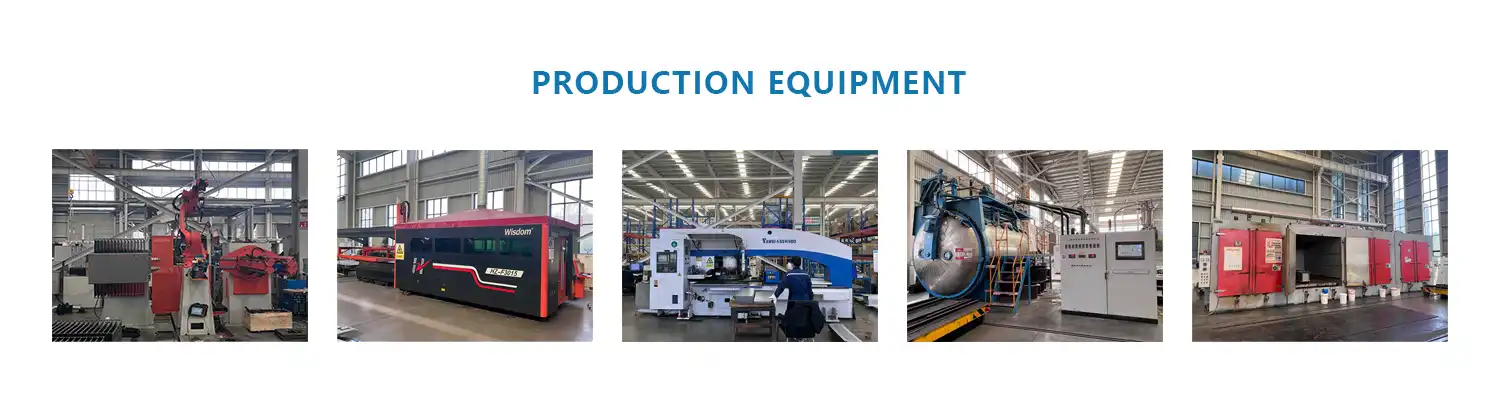
Beyond the initial cost of equipment, sourcing decisions affect the success of a project. Check out suppliers based on their technical know-how, quality control programmes, ability to make changes, and customer service after the sale. We have more than 120 sets of high-tech machines for manufacturing, such as CNC automatic winding machines and computer-controlled curing systems that make sure the quality of each production run is the same.
Quality marks are direct proof of how well a product is made. We keep our ISO 9001, ISO 14001, and OHSAS 45001 certifications up-to-date, and all of our goods meet the CCC's standards for mandatory certification. These qualifications show your dedication to quality management, protecting the environment, and keeping workers safe on the job.
Managing lead times becomes critical for project-based procurement, which is common in green energy projects. We've set up methods in the supply chain that make shipping times reliable, even for custom solutions. Our one-stop service method goes beyond production and includes helping you find complementary parts. This makes managing your vendors easier.
When buying something that will last for 20 years or more, the warranty terms and availability of technical support are critical. We back our housings with full guarantees and have expert staff on hand to help with installation, commissioning, and ongoing upkeep.
Installation and Maintenance Best Practices for Renewable Energy Transformer Enclosures
Protective housing systems perform best and last longest when you install and maintain them properly in demanding renewable energy applications.
Site Preparation and Installation
Preparing the spot properly is the first step to a successful installation. In areas prone to earthquakes, the foundation plan must provide stable support and take into account seismic forces, as required by the IBC. Our housings, made for areas prone to earthquakes, pass the IEEE 693 qualification tests at acceleration levels that are suitable for where they will be installed.
When installing grounding links, you need to pay close attention. We make housings with ground connection places that are easy to get to, so you can do testing and proof correctly. Lock-out/tag-out rules help keep servicing safe throughout the machine's life.
Setting up ventilation during installation makes sure that air flows in the best way possible. If possible, inlet vents should face the main wind direction, and exit vents should be placed to take advantage of natural convection. Don't put anything, including plants, in front of vent holes, as this would block the wind.
Routine Inspection and Maintenance
Every year, inspections should assess the condition of the gaskets and make sure the doors are lined up correctly. Weather seals wear down over time, and maintaining their integrity helps ensure safety. Hardware lubrication and torque verification stop vibration and thermal cycling from making things loosen up.
The quality of the coating needs to be checked on a regular basis and touched up as needed. Small scratches that are fixed quickly stop rust from starting, which spreads if not. When properly cared for, our powder coating systems don't break down when exposed to UV light, so the look and protection last for decades.
Cleaning the ventilation system gets rid of the dust and dirt that builds up and blocks airflow. Even louvre systems that work well should be checked every so often to ensure air can flow freely. Testing the ground link resistance every five years makes sure that the electricity stays safe.
Upgrading Existing Installations
As technology improves and operational needs change, we often need to upgrade renewable energy infrastructure to work better. To improve functionality without replacing the whole housing, you can add noise-reducing technologies, monitoring sensors, or smart grid-compatible parts to existing ones. Our tech team looks at current setups to find easy ways to improve them in a way that makes them last longer and work better.
Leading Brands and Solutions for Transformer Enclosures in Renewable Energy
While well-known foreign names offer tried-and-true solutions, choosing suppliers with specific experience in green energy and the ability to adapt to specific needs often leads to better project outcomes.
Established Industry Leaders
Standardised housing products are sold by companies like ABB, Siemens, Schneider Electric, and Eaton, which back them up with global support networks. It has been proven that these makers' products meet international standards and are reliable for typical uses. Their products work well for simple installations where standard sizes and specs meet the needs of the project.
GE, Rittal, Hoffman, and Legrand all make high-quality goods that have been used successfully in both commercial and utility settings. These brands are great at making standard products available and providing clear technical information. This makes the process of specifying and buying materials for common projects easier.
Specialized Renewable Energy Solutions
Suppliers who offer specialised knowledge and customisation options in addition to standard catalogue products are becoming more and more useful for renewable energy projects. Our company specialises in power delivery solutions for infrastructure, business, and industry. We have a lot of experience with green energy projects.
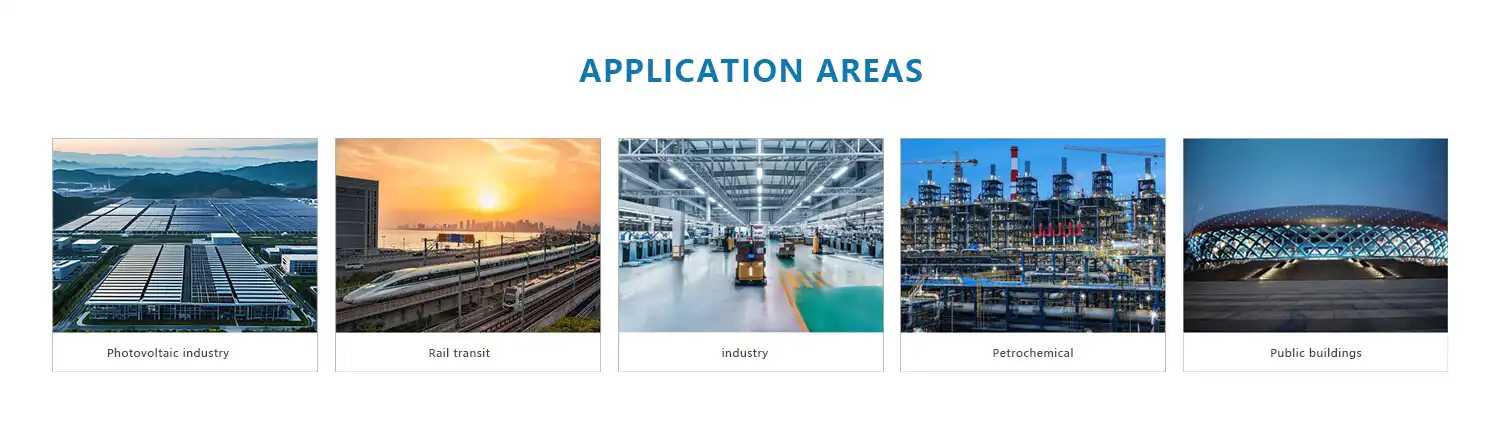
We finished the general contracting job for the Xuzhou Rail Transit Network Control Center. The dual-circuit power supply design made sure that all underground activities were completely safe. This project showed that we can provide customised solutions that meet strict standards for stability. We showed again that we can design complete power systems for big infrastructure projects with the Xuzhou High-speed Railway East Station Official Power Supply EPC Project.
Our full range of power supply services helped commercial real estate projects like the Xinhuai Central Complex and the Xuzhou Fantawild Adventure. The Tianyu Yayuan project broke all previous records in quality checks by the Xuzhou Power Supply Company. This shows how committed we are to doing our best.
Electrical equipment has to work in very tough conditions in industrial settings. The projects we've done for GCL Photovoltaic Industrial Park, Huaihai Biomedical Industrial Park, and the upgrade of the power supply for XCMG Group's new factory show that we can work in tough industrial settings. For these installations, solutions had to be specially designed to work with the surroundings and meet operating needs.
Our engineering approach is a mix of deep technical knowledge and real-world project management experience. The 15 senior engineers, over 30 intermediate technicians, and 17 senior technicians work together to use 18 unique technologies that have been developed over decades of solving problems in the real world. Because of this knowledge, we can make housing solutions that offer protection ratings from IP23D to IP54, good heat dissipation, materials that don't rust and last 20 years or more, and electromagnetic shielding that keeps sensitive electronic parts safe.
Manufacturing skills are very important for the success of a project. Our more than 120 sets of high-tech equipment, including precise CNC tools, make sure that the quality of each production run is the same. Tough quality checks that follow ISO9001 guidelines keep faulty goods from getting to installation sites. Before it is shipped, every housing goes through a lot of tests that check its safety grades, structural stability, and finish quality.
Conclusion
To choose the best protective housing for a green energy Transformer Enclosure, you have to think about the surroundings, how the transformers will be used, and how to pay for it. Long-term project success is affected by the choice of materials, their protection ratings, how well they handle heat, and how much they can be customised. Standardised products work well for common tasks, but renewable energy installations often need custom engineering that takes into account the conditions and performance goals of the site. We've been providing custom power distribution solutions for government buildings, commercial developments, and industrial facilities for 20 years. This gives us the technical knowledge to support your renewable energy projects. Quality licenses, proven manufacturing skills, and a lot of project knowledge make sure that your big investment in equipment is well taken care of.
FAQ
What IP rating should I specify for my solar farm transformer installation?
Most places where solar farms are located need at least an IP54 grade, which protects against dust and water spray from all directions. This rating works well in most climates. If you are installing something in an area that could get a lot of dust storms or flooding, you might want to think about IP65. This better grade completely blocks out dust storms and protects against water jets.
How do metal and fibreglass housings compare for coastal wind installations?
Metal housings, especially those made of stainless steel 316L, work really well in seaside areas where they are exposed to salt spray. Our stainless steel choices can handle chloride levels of up to 1500 mg/L and have been tested and found to be resistant to salt spray for 1000 hours or more, according to ASTM B117. Fibreglass is resistant to rust, but it usually costs more for the same level of structural strength and electromagnetic protection.
Can standard housings accommodate high-voltage renewable energy transformers?
Standard housing designs can hold transformers with power levels between 50kVA and 2500kVA and voltage ranges between 6kV and 35kV, making them ideal for most green energy uses. Custom engineering that meets the same high-quality standards as catalogue products is helpful for projects with unusual sizes, built-in extra equipment, or special environmental conditions.
Partner with Tuojie for Your Renewable Energy Transformer Enclosure Needs
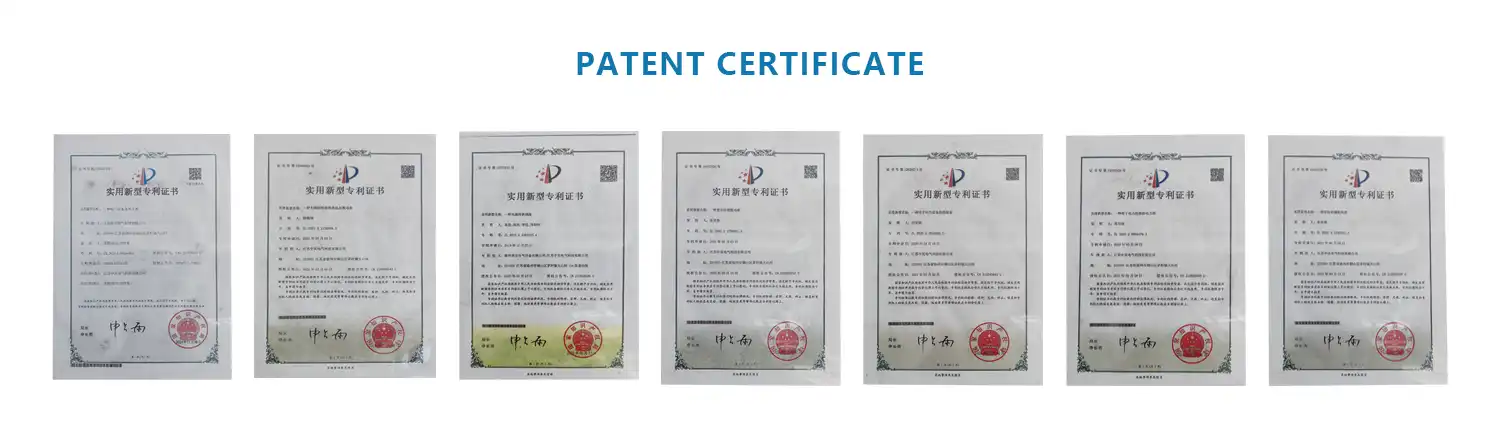
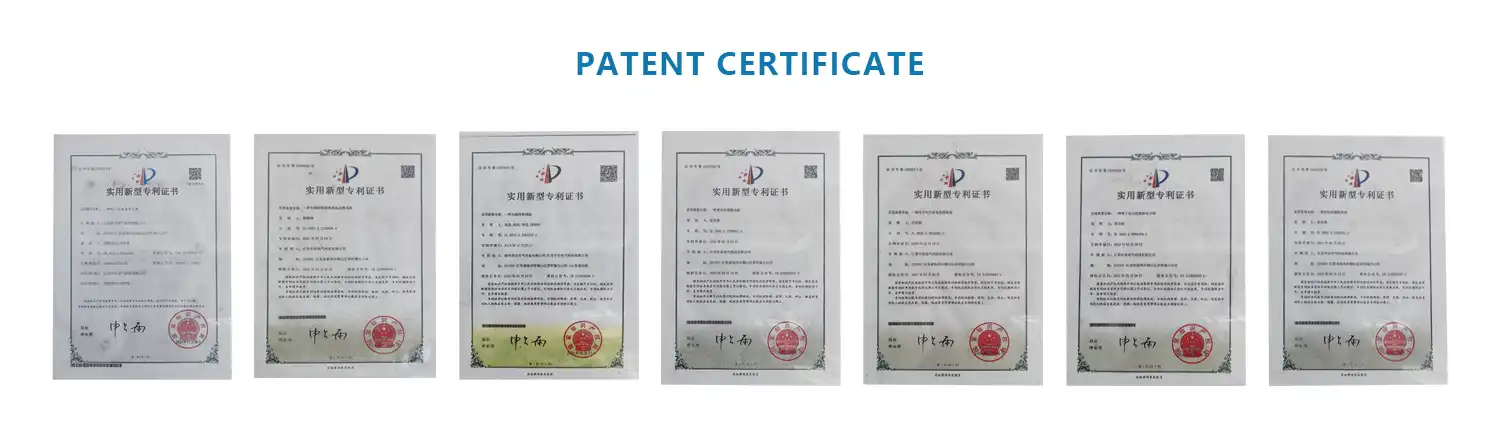
For renewable energy projects to work, the safe housings need to be designed to withstand harsh weather conditions and last for a long time. Tuojie offers business-level solutions that are protected by 18 patents, made with more than 120 sets of advanced CNC precise equipment, and checked to meet ISO9001 standards. Our designs are resistant to corrosion and have service lives of 20 years or more. They also have security grades from IP23D to IP54 and smart temperature management. We've protected hundreds of business, industrial, and municipal projects with methods that can be changed to fit your needs. Email our engineering team at tuojie@electricinchina.com to talk to an experienced Transformer Enclosure supplier about the details of your project. You can look at our full line of products at electricinchina.com and ask for detailed technical specifications that fit the needs of your renewable energy application.
References
1. IEEE Standards Association. (2019). IEEE C57.12.28: Standard for Pad-Mounted Equipment Enclosure Integrity for Coastal Environments. Institute of Electrical and Electronics Engineers.
2. International Electrotechnical Commission. (2021). IEC 62271: High-Voltage Switchgear and Controlgear - Common Specifications for Enclosures. IEC Publications.
3. American Society for Testing and Materials. (2020). ASTM B117: Standard Practice for Operating Salt Spray Testing Apparatus. ASTM International.
4. National Electrical Manufacturers Association. (2018). NEMA 250: Enclosures for Electrical Equipment (1000 Volts Maximum). NEMA Standards Publication.
5. Solar Energy Industries Association. (2022). Best Practices for Operations and Maintenance of Photovoltaic and Energy Storage Systems. SEIA Technical Guidelines.
6. American Wind Energy Association. (2021). Wind Plant Electrical Systems: Design and Specifications for Transformer Protection. AWEA Technical Standards.