

.webp)
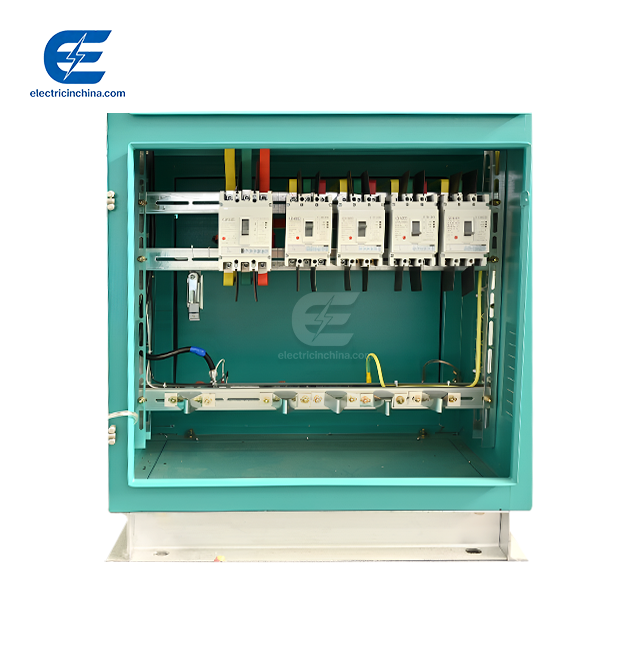
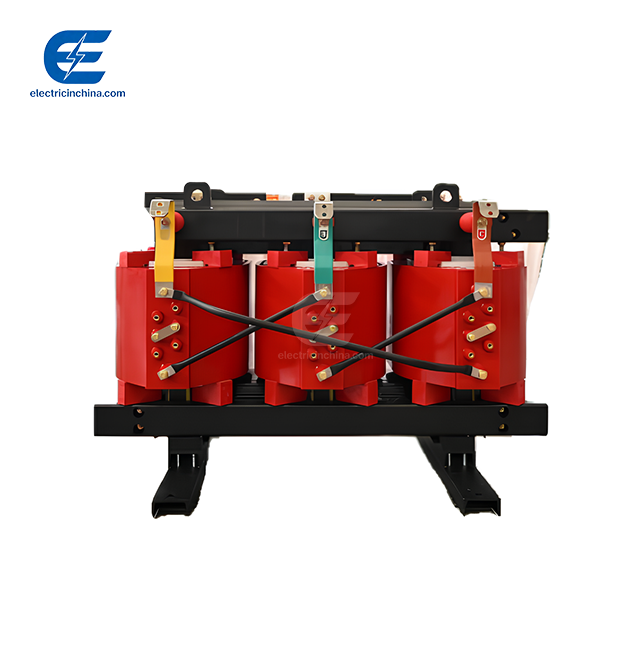
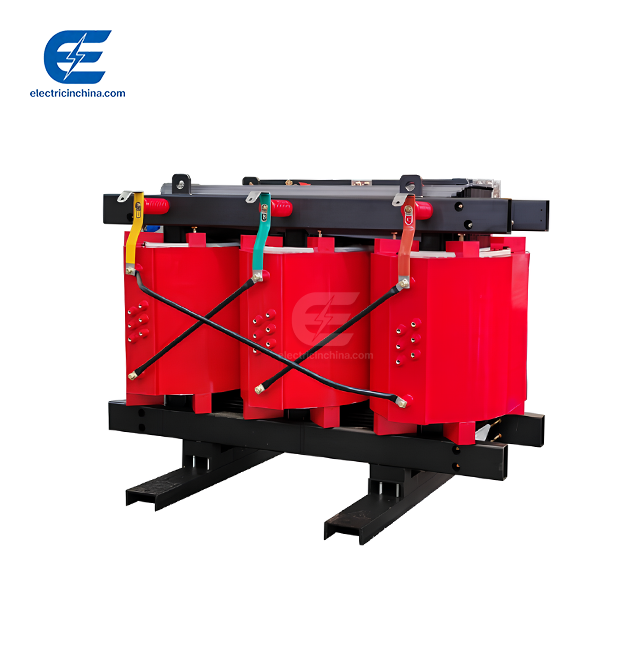
Overheating in dry-type distribution transformers represents a critical operational challenge that threatens equipment reliability and safety. When temperature rises exceed design limits—typically beyond 155°C for insulation Class F systems—you face accelerated insulation ageing, reduced efficiency, and potential system failures. Our experience spanning hundreds of infrastructure projects, including the Xuzhou Rail Transit and XCMG Group facilities, shows that addressing overheating immediately protects your investment and prevents costly downtime. Understanding why transformers overheat and implementing proven solutions ensures your power distribution remains stable, safe, and compliant with international standards like IEC60076.
Main Causes of Overheating in Dry-Type Distribution Transformers
Finding the root causes lets you make targeted changes that make things safe again. Our expert team has looked into thermal problems in a wide range of settings, from drug factories to office towers. Specifying the right Dry-type distribution transformers is essential to avoid these issues.
Electrical Overload and Improper Sizing
The most common mistake made when buying things for a project is still specifying transformers that are too small. Even if there is enough airflow, temperatures rise quickly when the continuous load is more than 80% of the rated capacity. Harmonic currents from variable frequency drives, LED lights, and electronics add to the heat that normal estimates don't take into account. Because they can handle nonlinear loads without heat stress, our SCB series transformers can handle K-factor values up to K-20.
Ventilation Restrictions and Cooling Failures
The installation environment has a big effect on thermal performance. Transformers in closed electrical rooms with insufficient airflow cannot dissipate heat properly. Up to 30% less heat is transferred when dust builds up on cooling surfaces. Localised hot spots are caused by blocked ventilation grilles or placement that is too close to walls (less than 3 feet apart is recommended). We finished the Xuzhou High-speed Railway East Station project by strategically placing transformers in a way that allowed the most natural airflow. This kept temperatures well below safe levels even when loads were high.
Maintenance Deficiencies and Insulation Degradation
Thermal troubles get worse when upkeep isn't done. When dirt builds up, it acts like a blanket that keeps heat inside the cores and windings. Moisture getting in, especially in places with a lot of humidity, lowers insulator resistance and raises dielectric losses. When electrical links aren't tight, high-resistance contact points form that create too much heat. For chemical plants and installations near the coast, where environmental contamination is a constant threat to insulation integrity, our engineers recommend enclosures with an IP54 or IP65 rating.
Material Quality and Manufacturing Standards
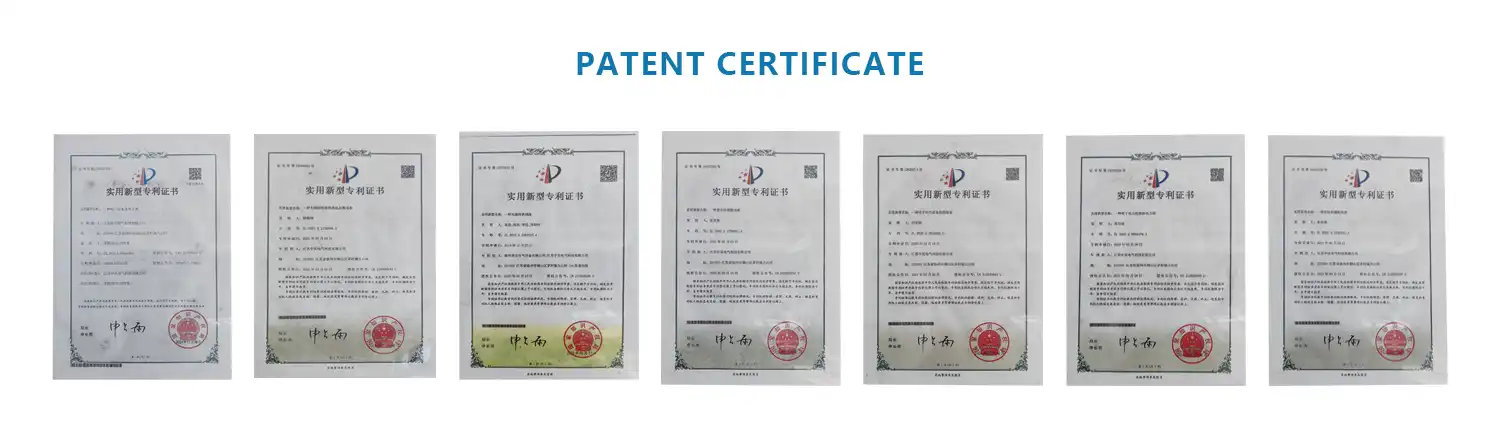
More hysteresis and eddy current losses happen when the core materials aren't as good. Epoxy glue formulas that aren't up to par break down quickly when heated and cooled. Manufacturing flaws like incorrect winding tension, inadequate resin impregnation, or inadequate lamination stacking create hot spots that the initial quality testing misses. Our 120 precise production units and 18 unique patents make sure that the quality is always the same. This process is done with automated winding machines, vacuum casting systems, and gradient curing furnaces, which get rid of these manufacturing variables.
By understanding how these causes are linked, procurement teams can choose transformers that are designed to work in their conditions, preventing thermal failures that could have been avoided.
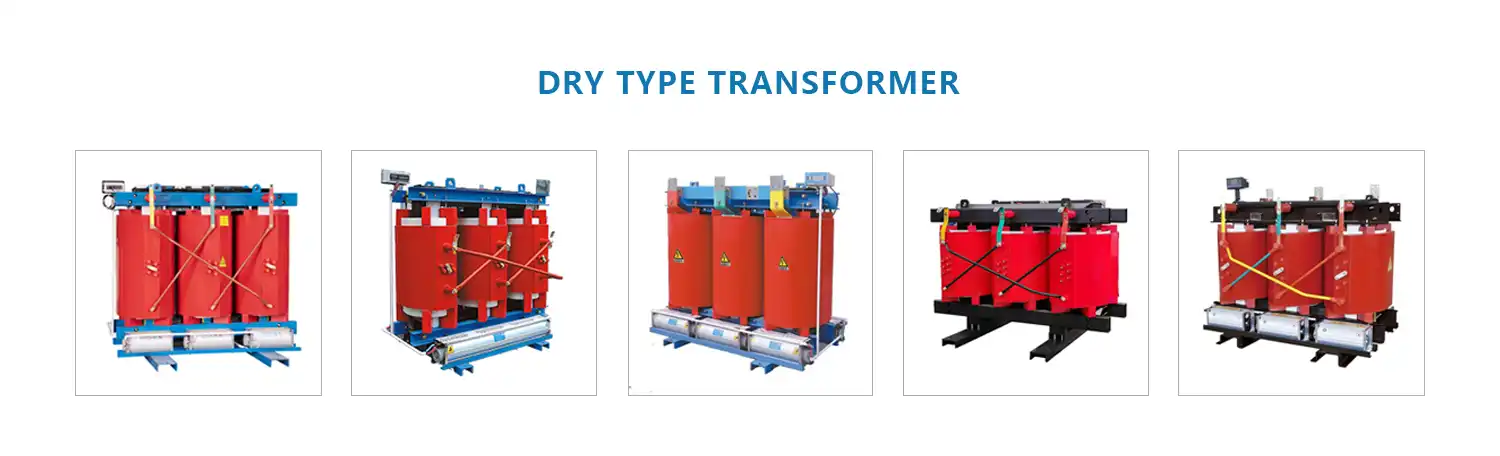
Quick and Effective Solutions to Prevent and Resolve Overheating
To stop overheating, teams should take planned steps during the planning, installation, and operation stages. Our solutions for Dry-type distribution transformers are based on decades of experience in the field, improving the performance of transformers in tough conditions.
Accurate Sizing and Load Management
A thorough load study is the first step in choosing the right transformer. Find the total linked load, use the right demand factors, and leave a 20–25% cushion for future growth and harmonic content. For buildings that have many nonlinear loads, make sure you specify units with the right K-factors. Our SCB series transformers, which range from 30KVA to 31,500KVA, can be used in a wide range of settings, from small businesses to large industrial centers. Using load monitoring systems helps you keep an eye on operating temperatures and move loads around before they reach dangerous levels.
Enhanced Ventilation and Cooling Strategies
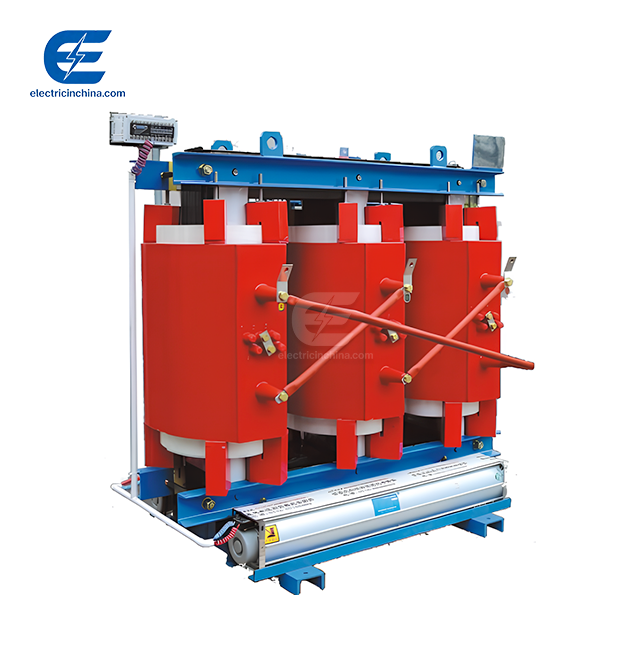
Improving the flow of air provides instant relief from the heat without having to repair any equipment. For natural convection, make sure there are at least 3 feet of space on all sides. Add extra ventilation fans to electrical rooms that are closed off to help move air during times of high demand. Our transformers can handle 150% of their rated load when we use forced air cooling. This gives us options when demand goes up during certain times of the year. This design trait helped the Xinhuai Central Complex and Huaihai Xintiandi business projects keep comfortable temperatures even during summer peak loads.
Preventive Maintenance Protocols
Thermal decline can be stopped by scheduling regular inspections. Every year, thermal imaging surveys find hot spots that are starting to form before they cause problems. Cleaning the surface gets rid of dust and other things that get in the way of heat transfer. You can remove high-resistance heating points by making the electrical connections tighter. By testing insulation resistance according to IEEE C57.12.91 standards, you can be sure that the dielectric stability stays within acceptable limits. Compared to oil-filled transformers, ours only need to be visually checked and electrically tested once a year. This cuts care costs by 40–60% over their 25–30-year lifespan.
Material and Technology Upgrades
Modern shielding methods keep heat in better than older ones. Our epoxy resin mixtures are UL94 V-0 flame retardant and work reliably at 100% humidity without the need for pre-drying steps. Grain-orientated silicon steel cores keep core losses to a minimum, so even when the load is at full, the efficiency stays between 99.2% and 99.5%. The cast plastic construction gets rid of the problems with water absorption that come with dry-type designs. In places like data centres, food processing plants, and pharmaceutical facilities where environmental controls and operating dependability can't be sacrificed, these material benefits are very important.
Using these targeted solutions brings back safe operating temperatures, increases the lifecycle of equipment, and lowers its costs.
How to Choose Dry-Type Distribution Transformers to Minimise Overheating Risks?
Choosing the right dry-type distribution transformer design helps you avoid heat problems from the start of the project. When you make decisions about what to buy, consider your technical needs, budget constraints, and long-term operational issues.
Critical Technical Specifications
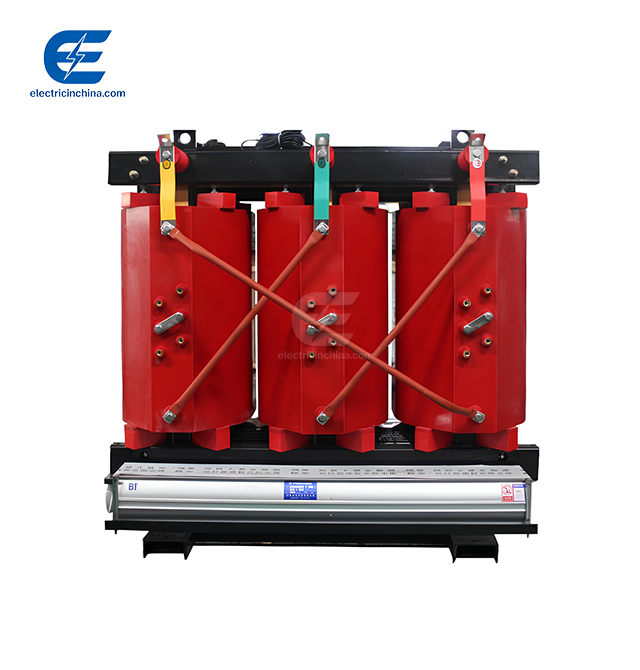
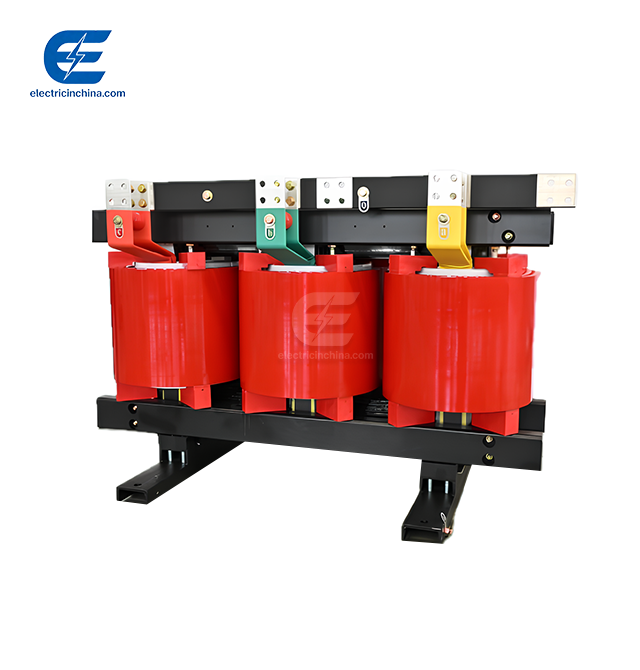
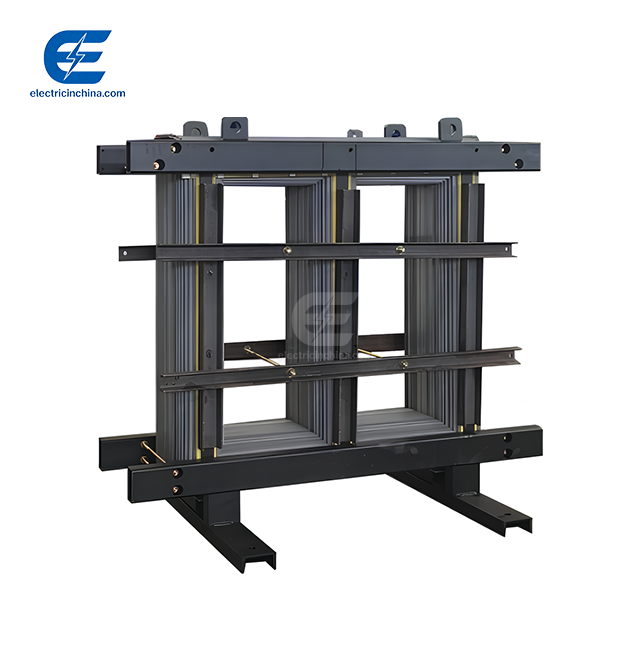
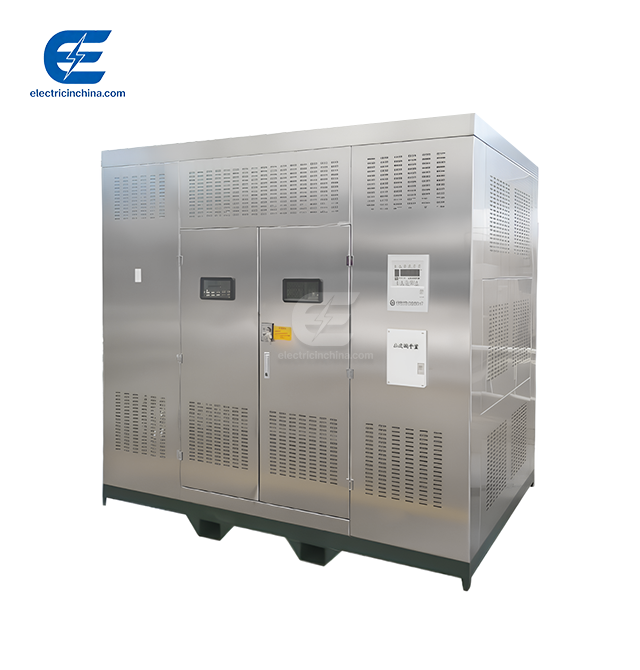
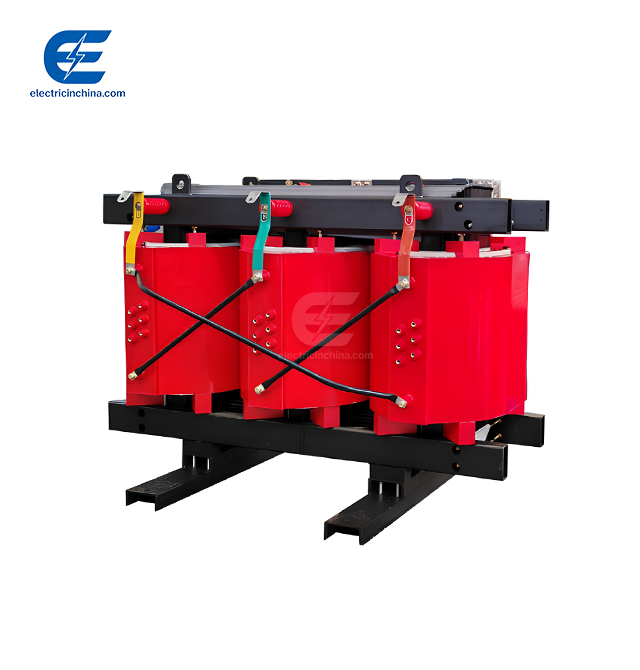
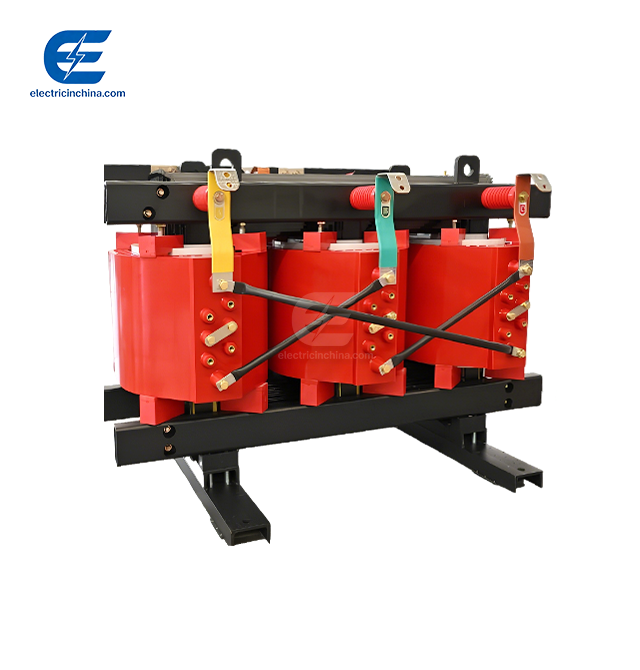
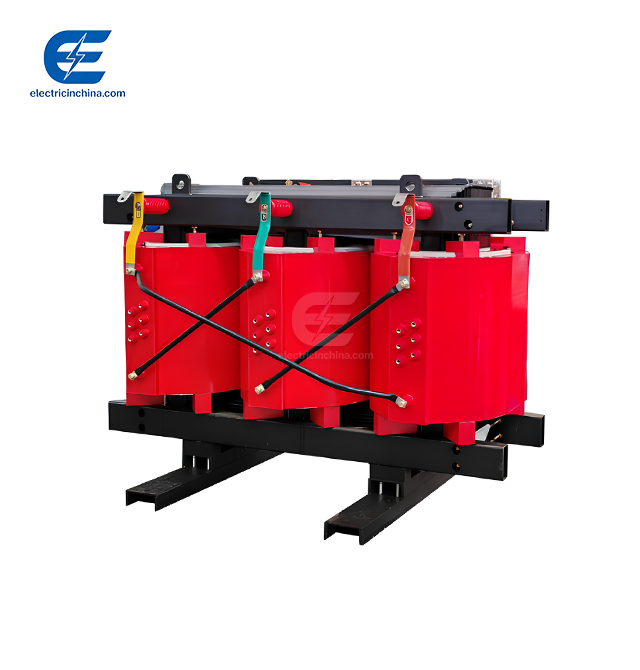
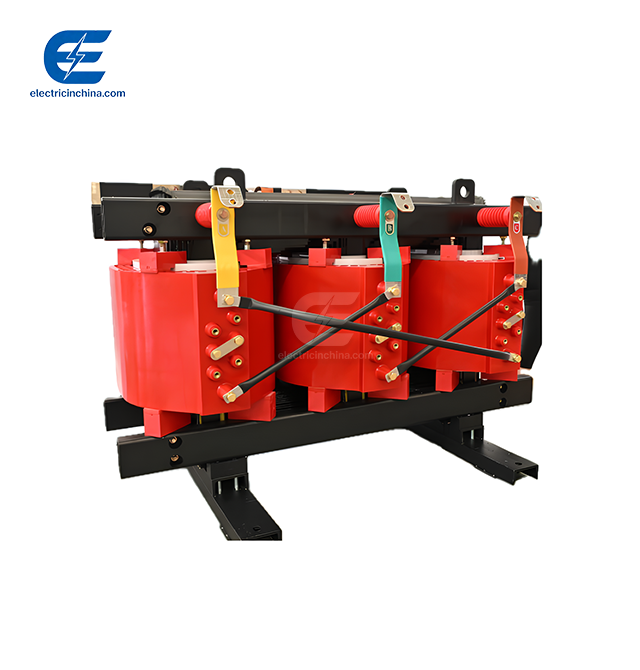
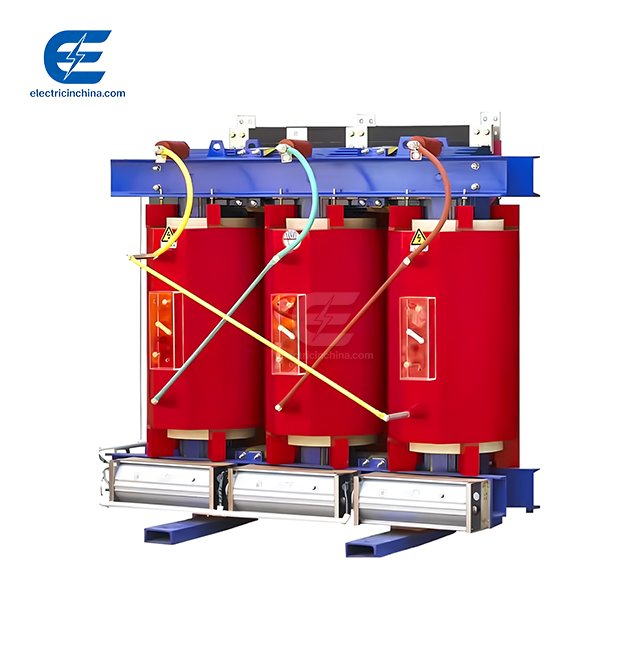
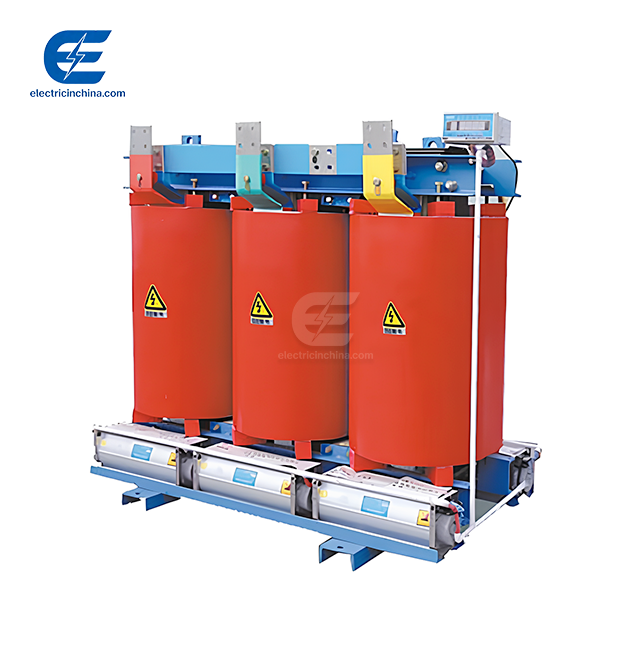
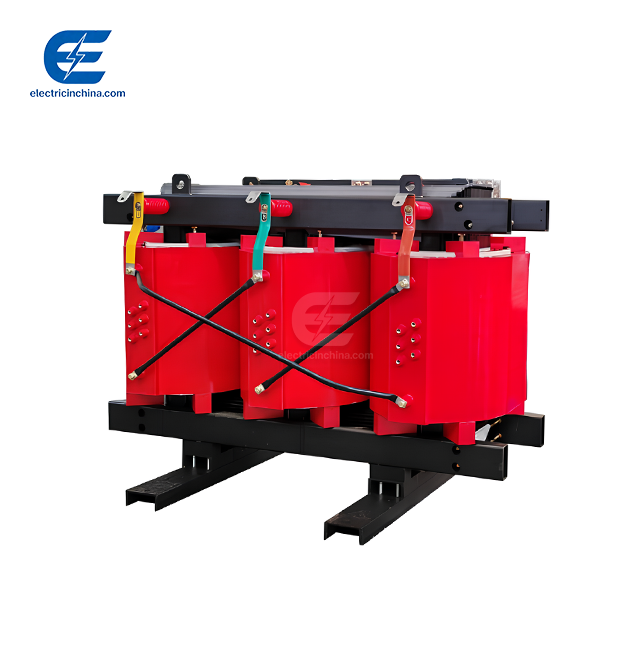
Instead of just using connected load calculations to figure out how much capacity you need for a Resin-insulated dry-type transformer, also look at real load patterns. Think about the cooling class names of Resin-insulated dry-type transformers: AN (natural air) is for normal uses, and AF (forced air) is for high-density installs. Efficiency rates of Resin-insulated dry-type transformers have a direct effect on how much it costs to run and how much heat it makes. Our Resin-insulated dry-type transformer units are 99.2% to 99.5% efficient, which means that they waste less energy as heat. Noise levels of Resin-insulated dry-type transformers are important in places where people are, like hospitals, schools, and business buildings, where sound comfort is important. Our Resin-insulated dry-type transformers keep noise below 50dB.
Comparing Technology Options
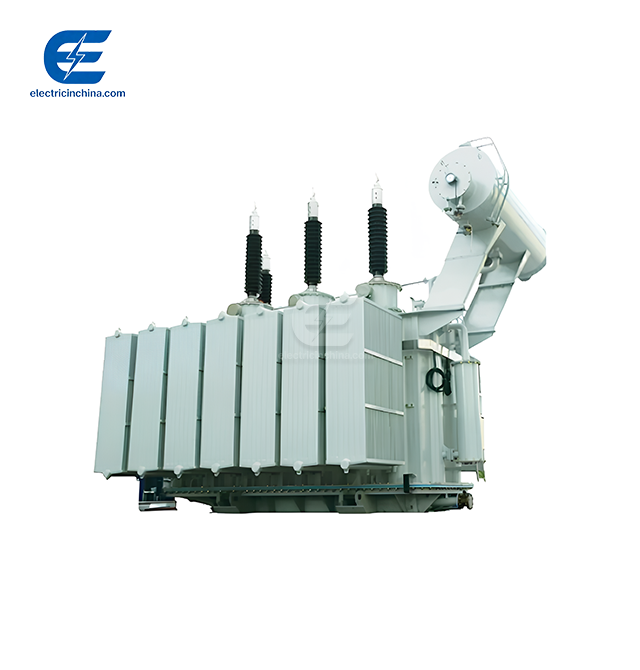
Cast resin transformers work great in tough conditions because they can handle more moisture and dirt than other types. For applications that don't need as much strength, vacuum-pressure-impregnated designs can save you money. Oil-filled units cool better, but they are more likely to catch fire and are harder to maintain. Our epoxy resin insulation technology eliminates fire risks while providing comparable thermal performance to alternatives that are filled with liquid. This makes them perfect for installations in basements and populated areas, where safety regulations prohibit flammable coolants.
Supplier Evaluation Criteria
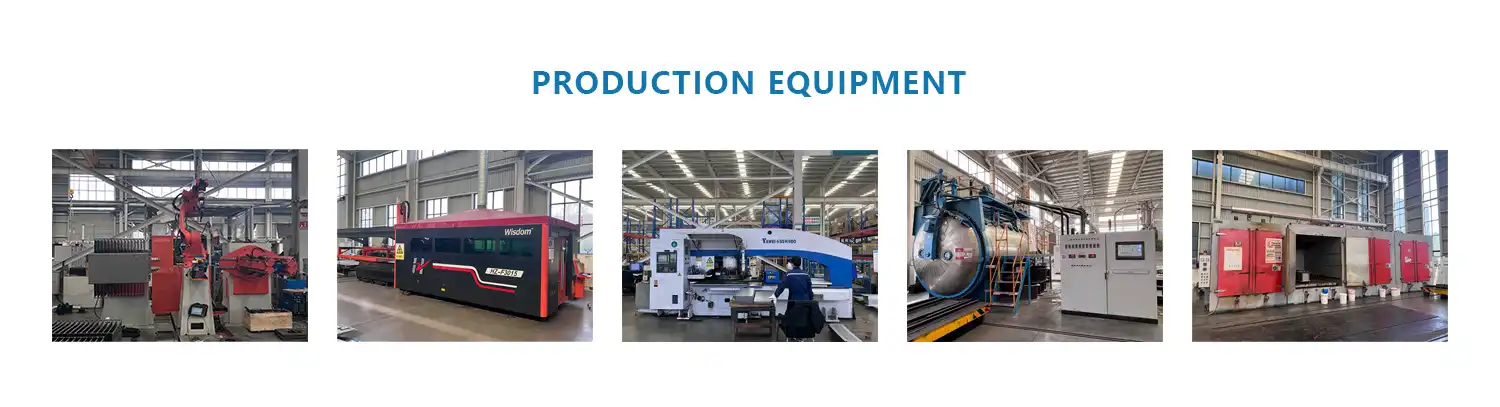
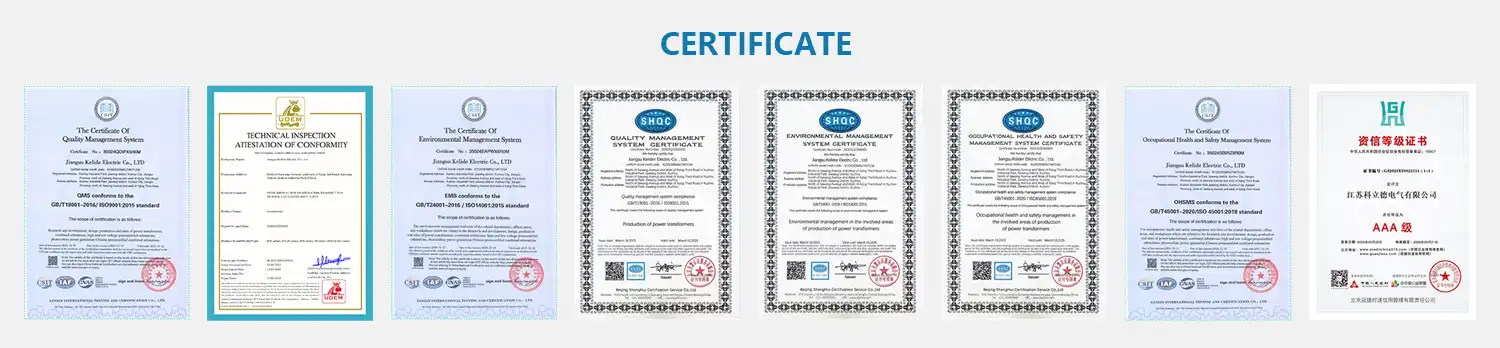
Partner with producers that can show they have done similar projects before and have the technical know-how to do them. Check for certificates like ISO 9001 for quality management, ISO 14001 for environmental standards, and IEC60076 and state CCC certifications for product compliance. Look at our list of finished projects. Our work on the GCL Photovoltaic Industrial Park, the Huaihai Biomedical Industrial Park, and several local building projects shows that we can handle a wide range of tasks. Check to see if there are ways to customise the voltage configurations, enclosure ratings, and special environmental needs. Our 15 senior engineers and more than 30 intermediate workers give us the technical depth to meet the most complicated buying requirements.
Lifecycle Cost Analysis
The initial buying price is only a small part of what it costs to own the car. Take into account the effects of improving energy efficiency. For example, a 1000kVA generator that runs at 75% load and gains 1% efficiency saves about $2,000 a year in power costs. Different technologies have unique maintenance needs. The length of the warranty and the availability of help after the sale affect the long-term risk. Our transformers last 25 to 30 years and don't need much maintenance. They only need to be inspected once a year, while oil-filled units need to be tested every three months and filtered every so often.
By carefully choosing a transformer that works well in your surroundings, you can stop heat problems before they happen.
Troubleshooting Overheating: Step-by-Step Practical Guidance
Even when precautions are taken, thermal problems can still happen with any Dry-type distribution transformer. To keep things safe, they need to be systematically diagnosed and fixed.
Diagnostic Procedures
First, use calibrated infrared thermometers or thermal imaging cameras to take readings of the temperature. Check the temperature of the surface against the limits set by the manufacturer, which are usually 100°C for Class F insulation systems with a 100K temperature rise. Write down how temperatures are spread out so you can tell the difference between general warming and localised hot places. Check for imbalances or overloading by measuring the load current on all stages. Note the temperature of the area and check whether there is enough airflow. Listen for strange sound patterns that could mean that the core is vibrating or that parts are loose. These standard readings help you figure out what you need to do to fix things.
Immediate Interventions
If you notice that the temperature is too high, lower the load right away by switching connections to other sources, if you can. To improve airflow, temporarily open the cage doors or turn on extra cooling fans. Get rid of anything that is blocking the air flow around the transformer. To improve heat transfer, clean the outside surfaces. These emergency steps keep the temperature from rising further while you determine the cause and how to fix it.
Professional Assessment Criteria
If temperatures rise above safe levels even after quick action is taken, if insulation resistance testing shows degradation below IEEE standards, or if you see physical damage to insulation systems, you should call in qualified service providers. If you notice unusual smells or changes in the colour of thermal equipment, you should have a professional check it as soon as possible. Temperature concerns rose at the XCMG Group's power supply upgrade. Our service teams resolved the problem by improving ventilation and redistributing the load. Within 48 hours, the temperatures returned to normal, allowing the project to continue without delay.
Case Study: Commercial Complex Resolution
A 1500kVA generator in a shopping centre that served both retail and HVAC loads kept failing due to heat. An investigation indicated that the harmonic content from the LED lighting was higher than the unit's standard K-4 rating. The situation was made worse by storage boxes that were too close to cooling surfaces, which made it harder for air to flow. We replaced the unit with a K-13 transformer from our SCB line that had the right rating, improved the airflow, and set up load tracking. The operating temperature dropped 30°C, which stopped trips that were annoying and made the equipment last longer than expected.
Systematic troubleshooting combined with the right technical knowledge can quickly resolve thermal problems while causing as little disruption to operations as possible.
Conclusion
Overheating in Dry-type distribution transformers is caused by electrical, environmental, and maintenance factors that are all connected and can be controlled by making sure the transformers are properly specified, installed, and used. To avoid thermal breakdowns, you should do an accurate load analysis, make sure there is enough air, use high-quality materials, and do preventative maintenance. Our SCB series transformers have high-efficiency cores, improved epoxy resin insulation, and strong structures that all work together to solve these problems. Working with experienced suppliers is the best way to make sure that your power distribution infrastructure lasts for decades and is safe and reliable. This is true whether you're buying equipment for a new building or resolving problems in an old one.
FAQA
What temperature indicates that a dry-type transformer is overheating?
Under maximum load, the winding temperature of Class F insulation systems shouldn't go over 155°C. Surface temperatures above 100°C should be investigated, as they may indicate insufficient cooling or excessive personnel. Our transformers have temperature monitoring features that continuously track temperatures and alert workers when they exceed safe limits.
How does ambient temperature affect transformer capacity?
Standard values are based on a temperature of 30°C. Each 10°C rise above this standard lowers the useful capacity by about 10% if cooling isn't improved to make up for it. Our units keep their full ratings up to 40°C ambient temperatures. For tough environments like tropical climates or electrical rooms that don't have a lot of airflow, forced-air cooling can extend this range.
Can harmonic loads cause overheating even when the total kVA is within rating?
Yes, harmonic currents make both the windings and the cores hotter than what power readings seem to show. K-factor-rated transformers are needed in places with a lot of LED lights, variable frequency drives, or electrical equipment. Our SCB line can handle K-factors up to K-20, which keeps modern buildings with a lot of harmonic material from having thermal problems.
Partner with Tuojie for Reliable Dry-Type Distribution Transformer Solutions
To protect your infrastructure investment, you need to work with providers who have professional know-how, excellent manufacturing skills, and a track record of successful projects. Through high-quality materials, precise production, and thorough testing, Xuzhou Tuojie International Trade Co., Ltd. offers transformer solutions that prevent overheating problems. Our 30KVA to 31,500KVA SCB series transformers are used in hundreds of important installations in the commercial, industrial, and municipal sectors. Our ISO 9001-certified processes, along with 18 patents and 15 senior engineers who make sure IEC60076 compliance is met, carefully check the quality of every unit. Email our team at tuojie@electricinchina.com to discuss your unique application needs and find out why top companies choose Tuojie as their reliable partner. Dry-type distribution transformer provider for projects that need to be done quickly and correctly.
References
1. IEEE Standard C57.12.01-2020, IEEE Standard for General Requirements for Dry-Type Distribution and Power Transformers
2. IEC 60076-11:2018, Power Transformers – Part 11: Dry-Type Transformers
3. Johnson, P.R., Thermal Management in Modern Dry-Type Distribution Transformers, Power Systems Engineering Press, 2021
4. National Electrical Manufacturers Association, NEMA Standards Publication TP 1-2019, Guide for Determining Energy Efficiency for Distribution Transformers
5. Anderson, M.K., Harmonic Effects on Transformer Loading and Thermal Performance, Industrial Power Systems Technical Conference Proceedings, 2020
6. Zhang, W., Advanced Insulation Materials for High-Efficiency Dry-Type Transformers, International Journal of Electrical Engineering, Vol. 28, 2022