

.webp)
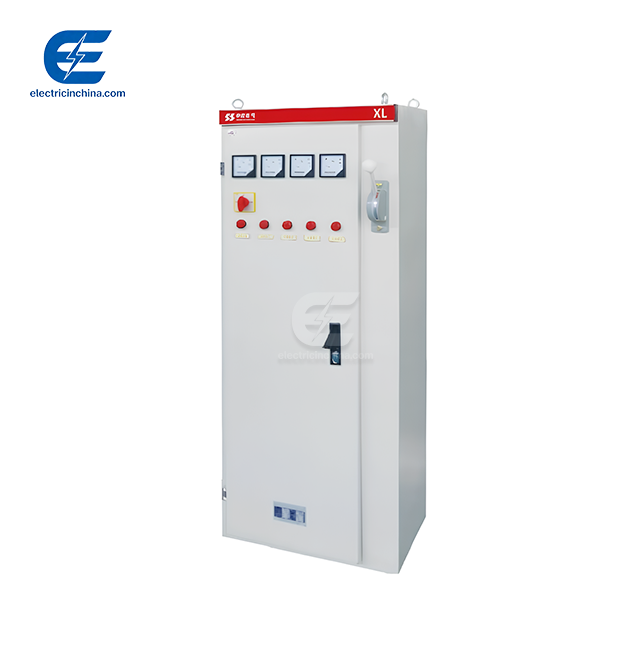
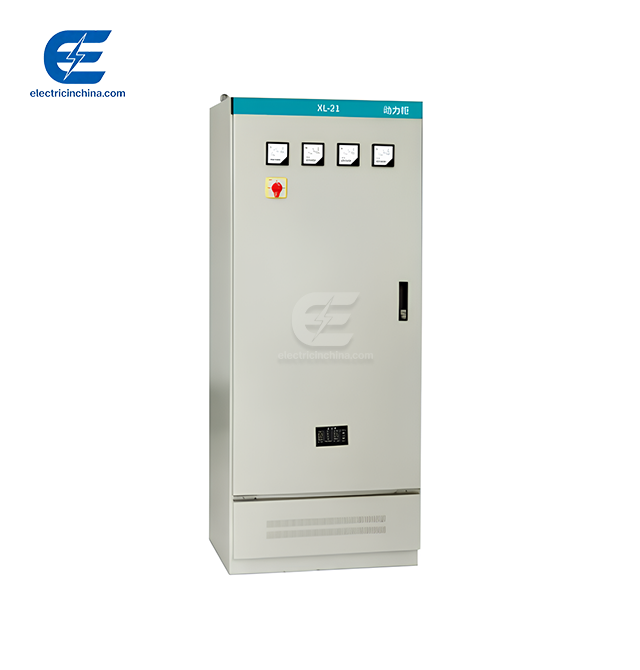
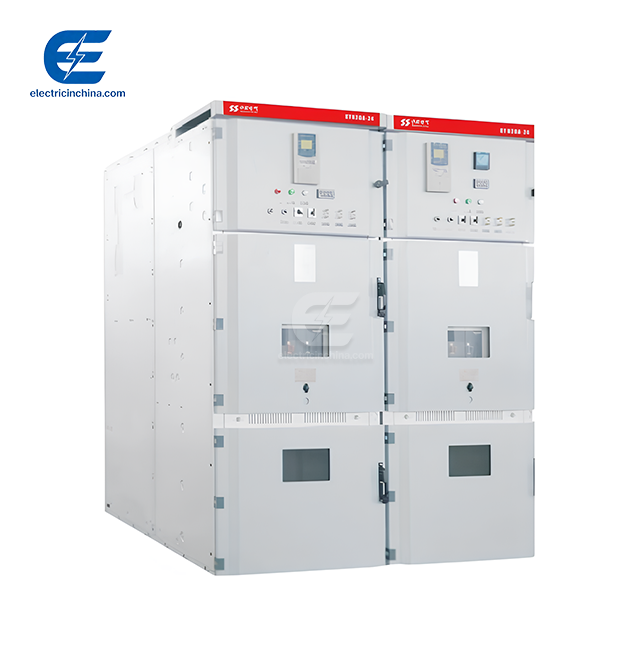
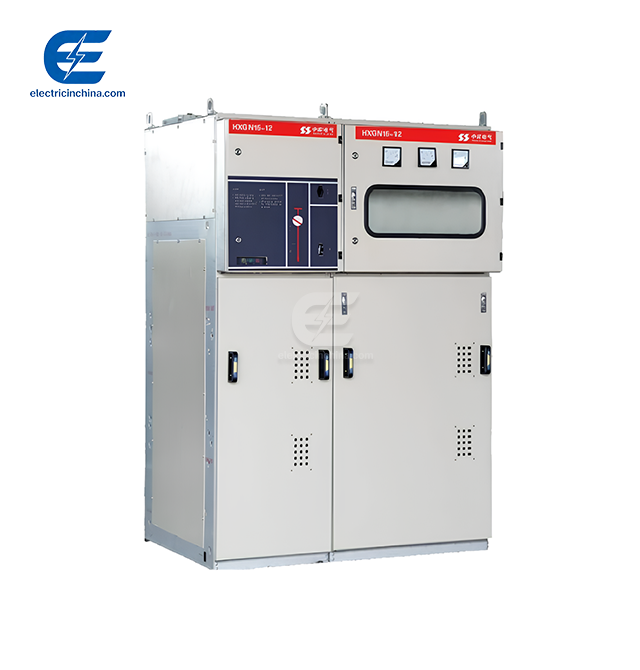
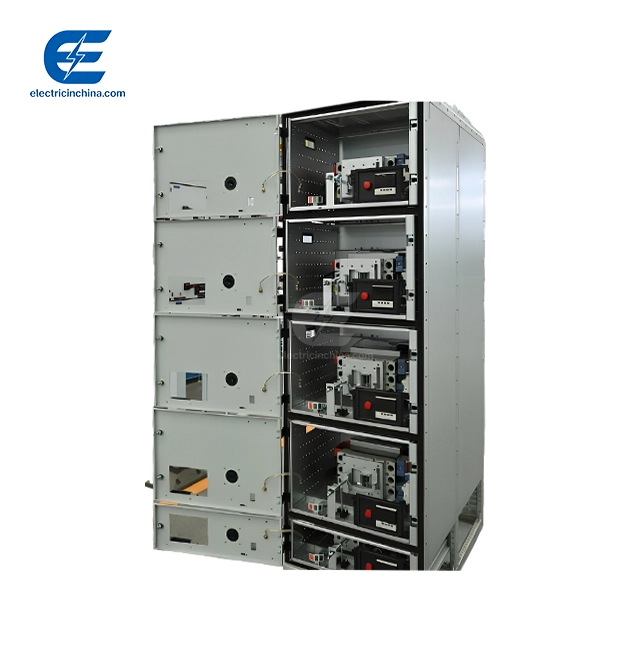
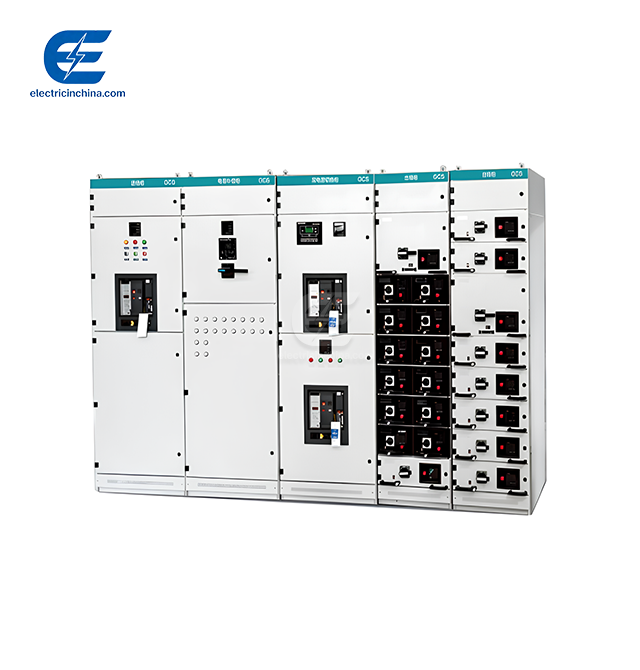
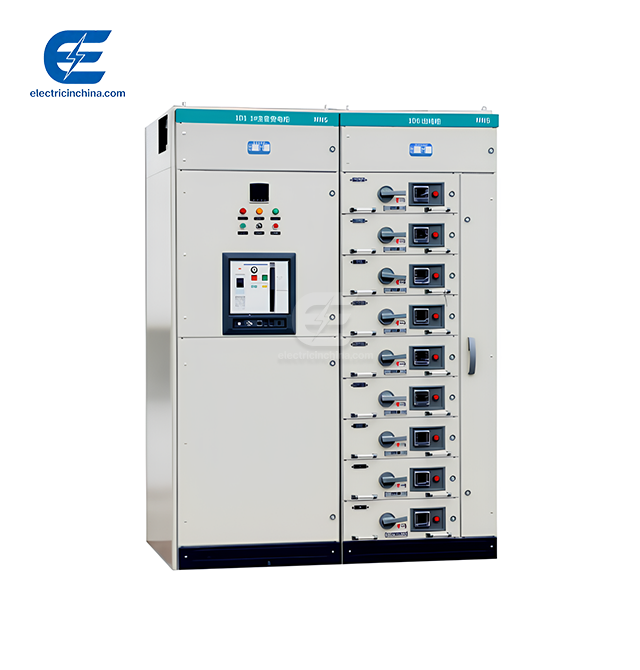
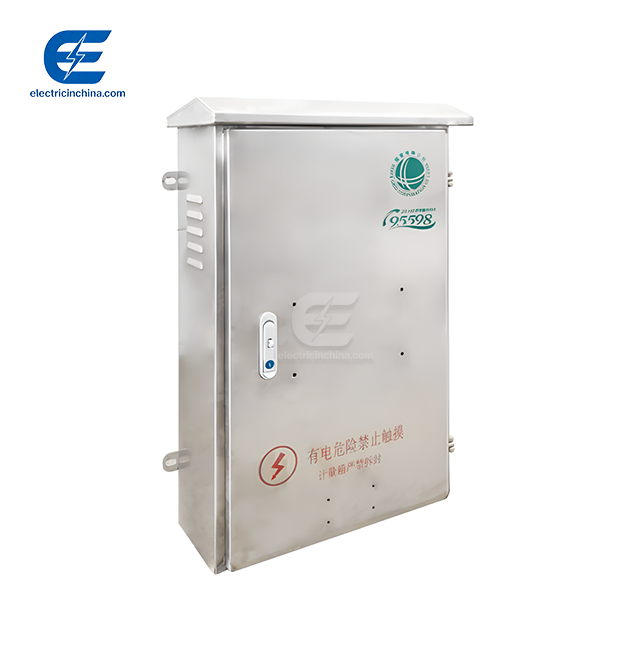
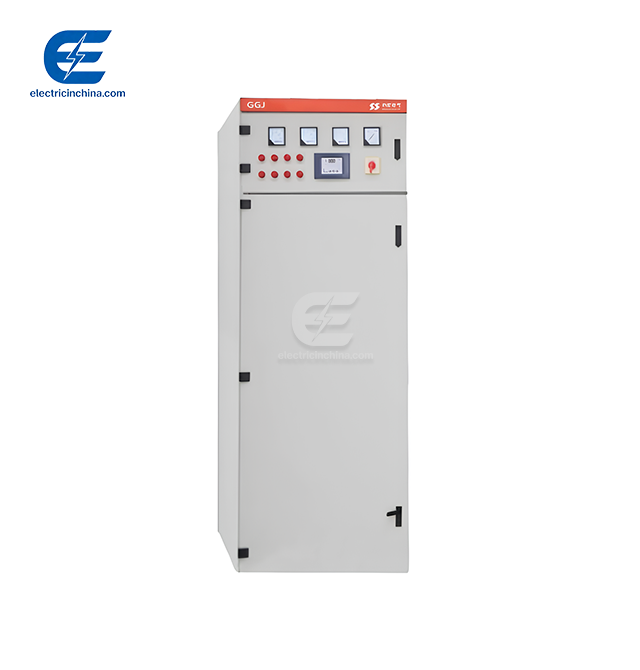
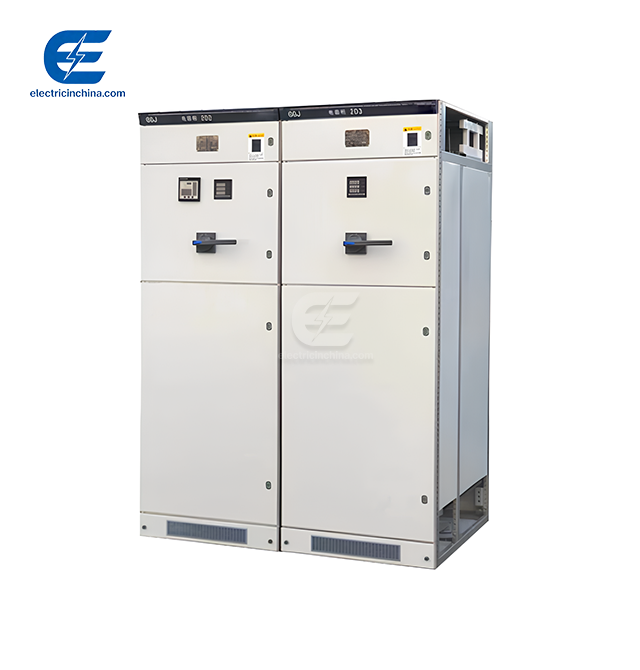
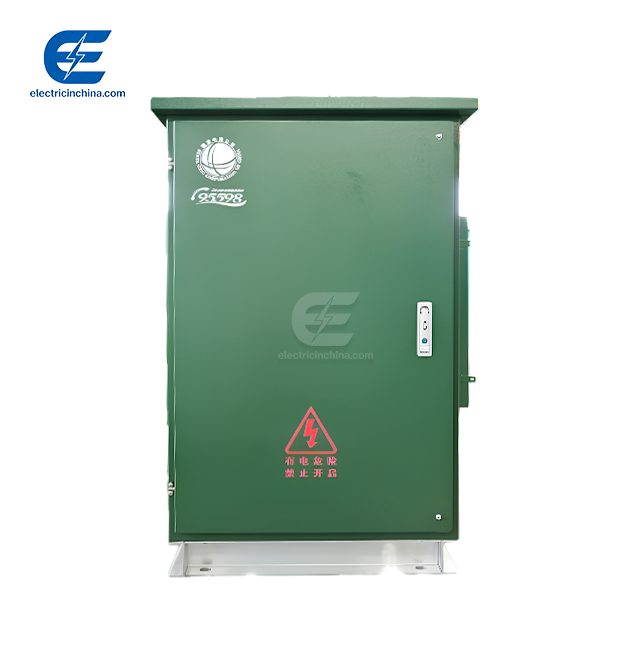
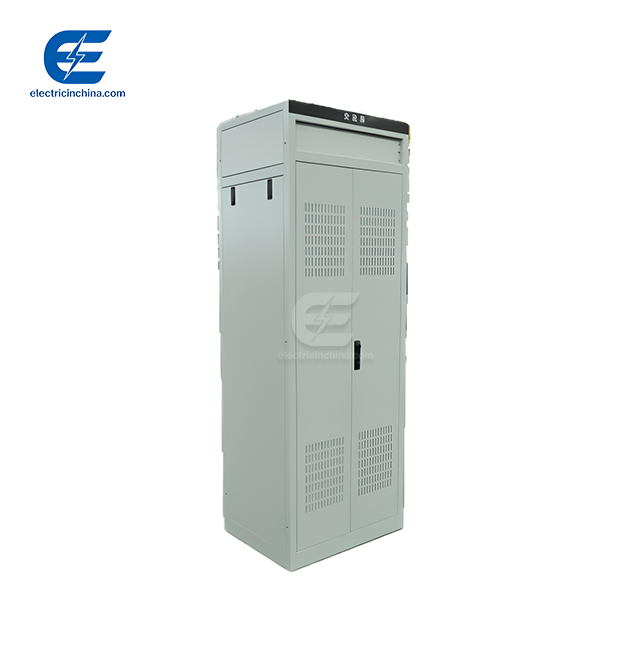
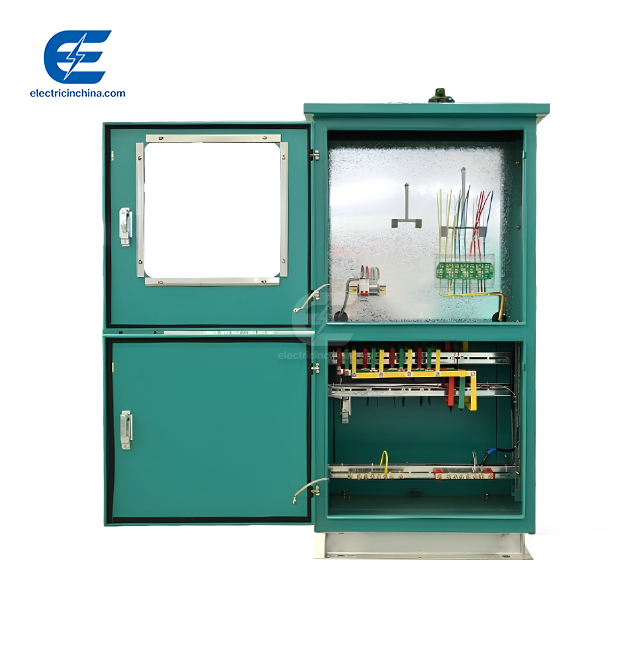
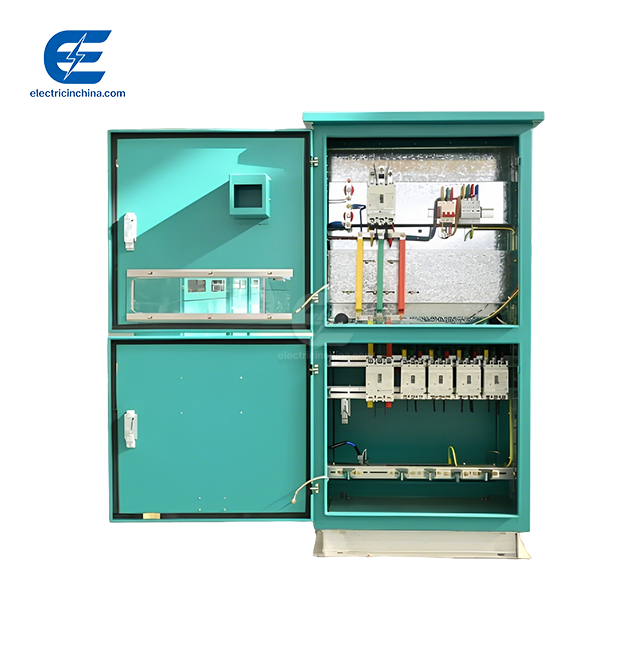
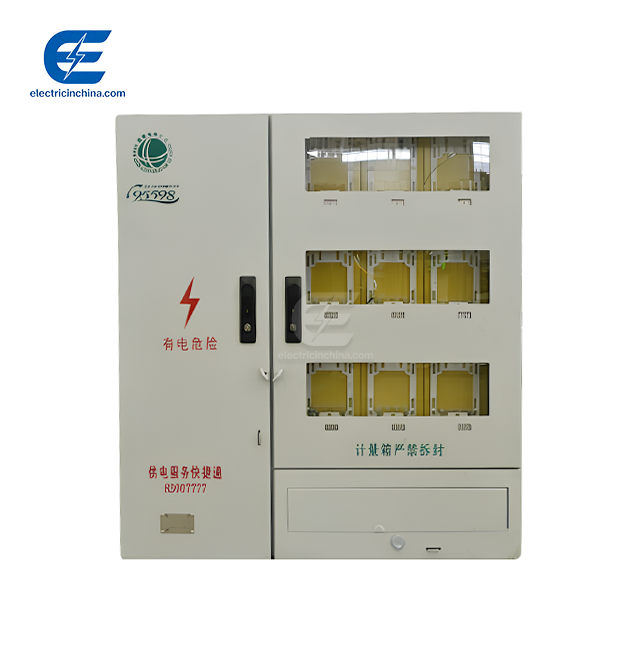
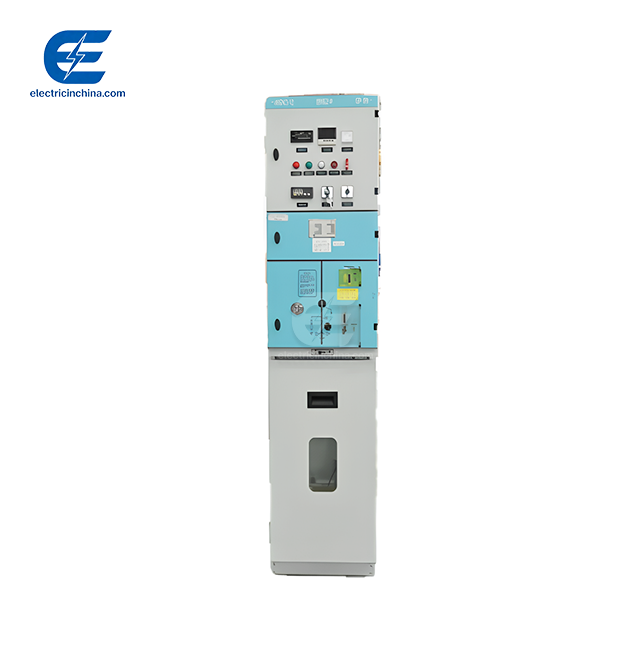
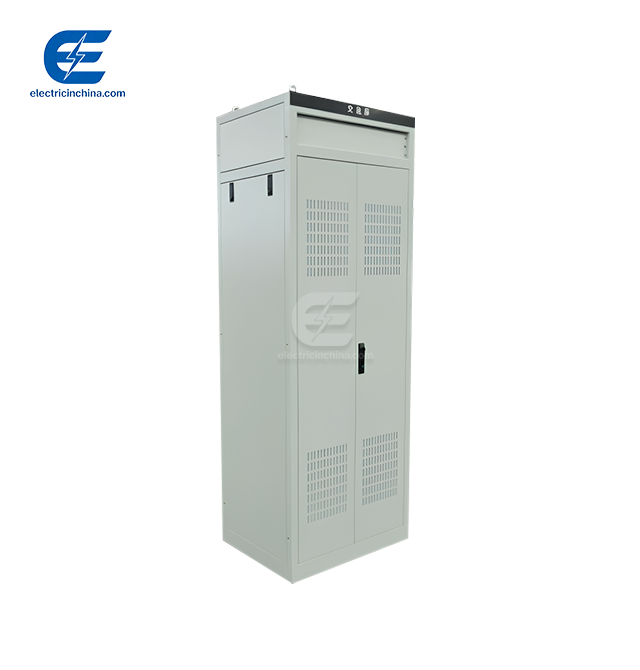
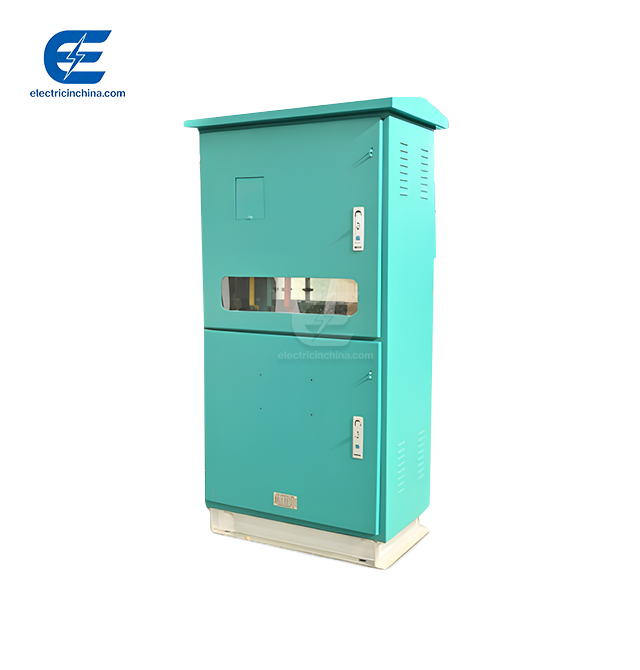
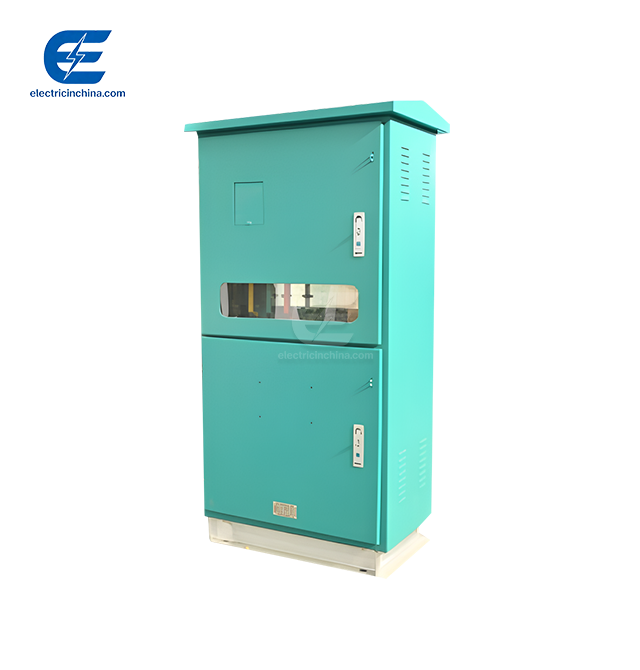
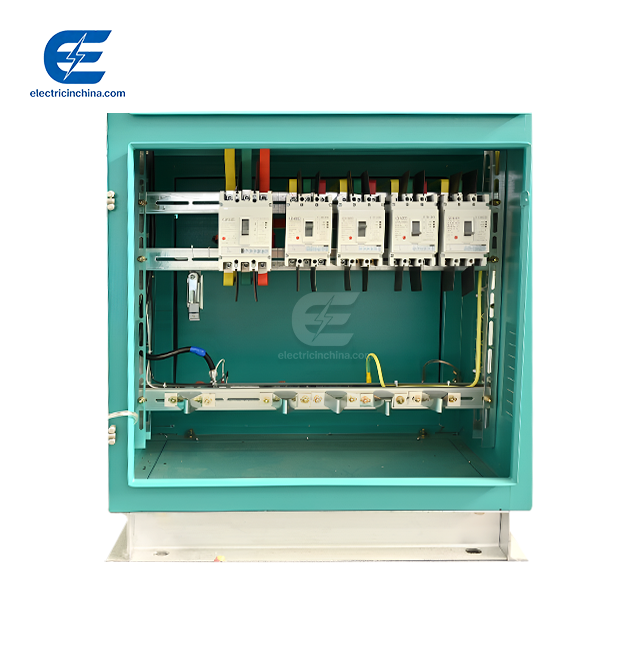
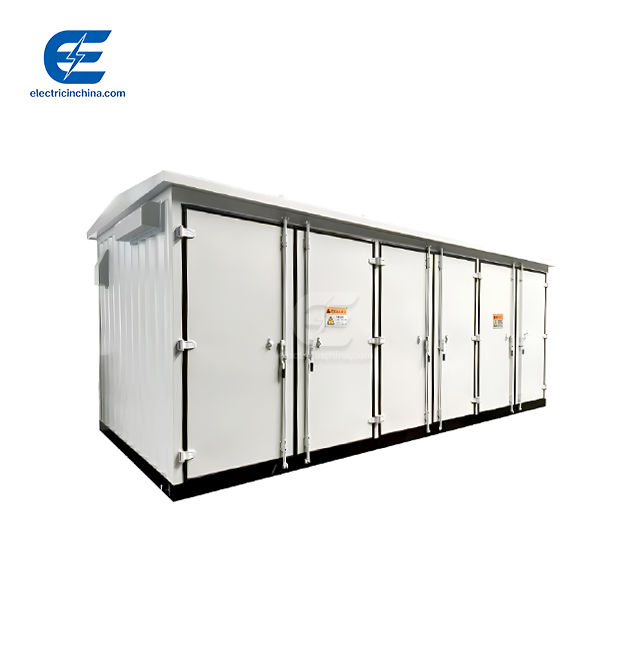
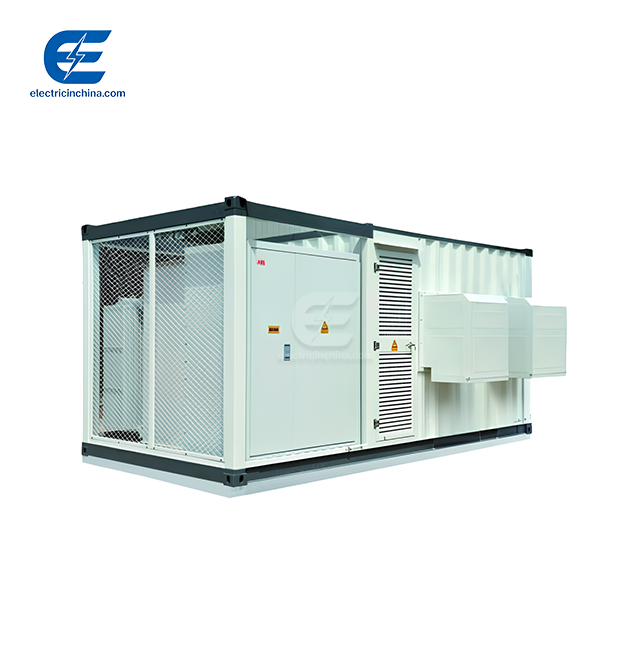
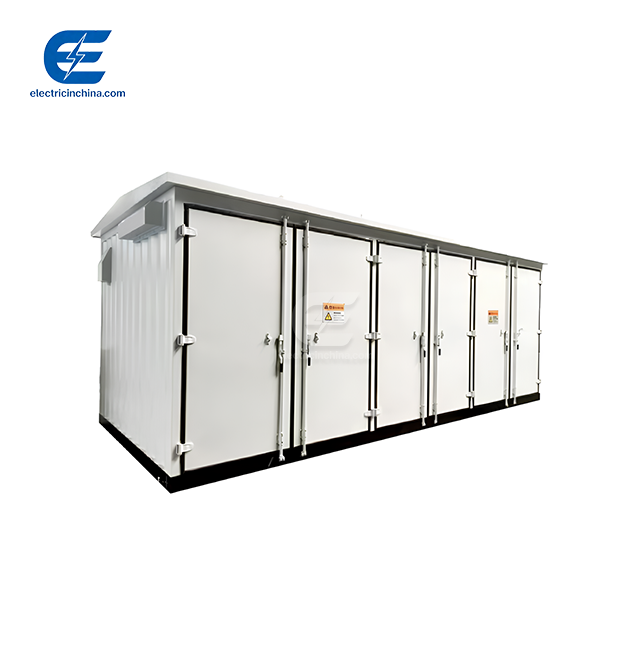
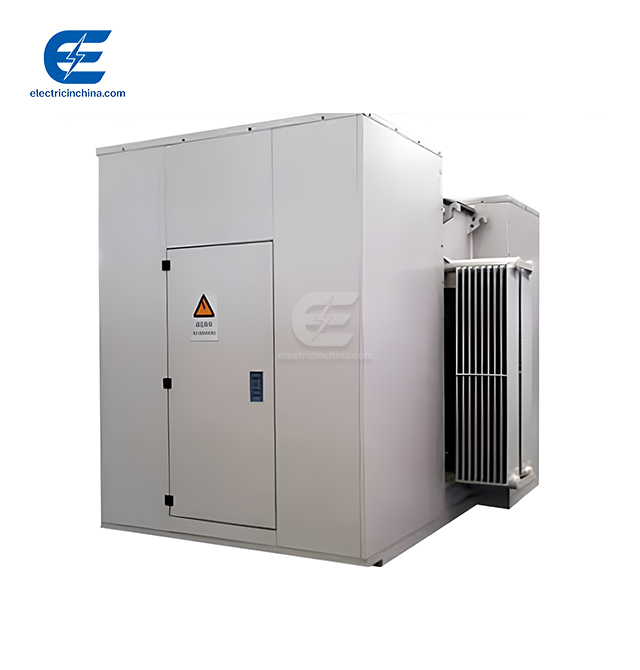
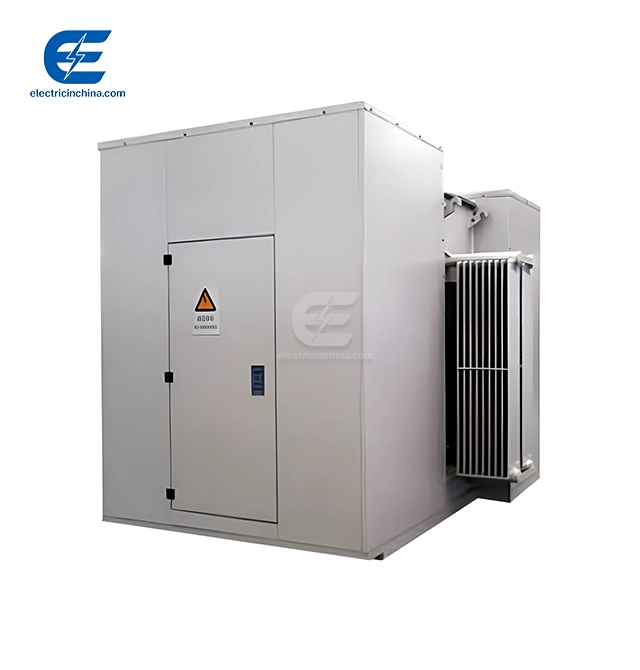
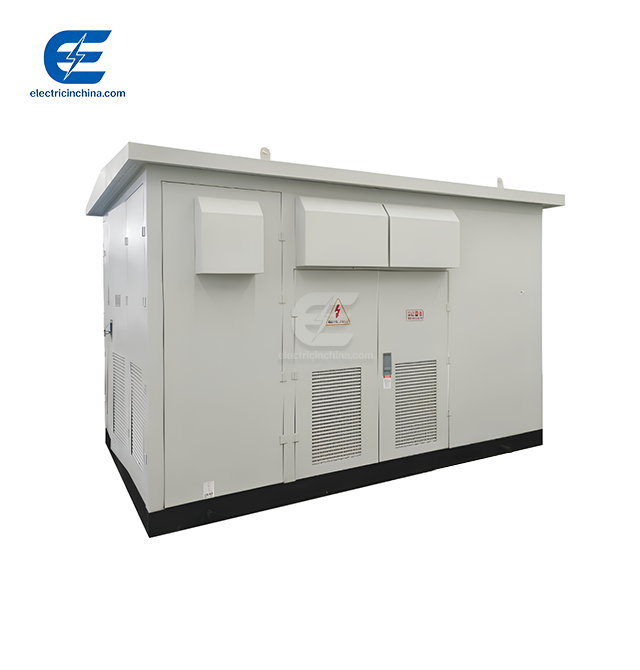
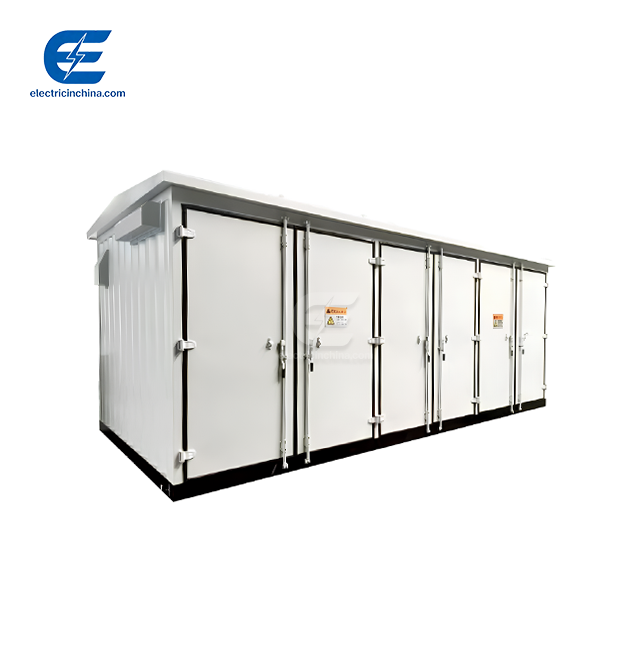
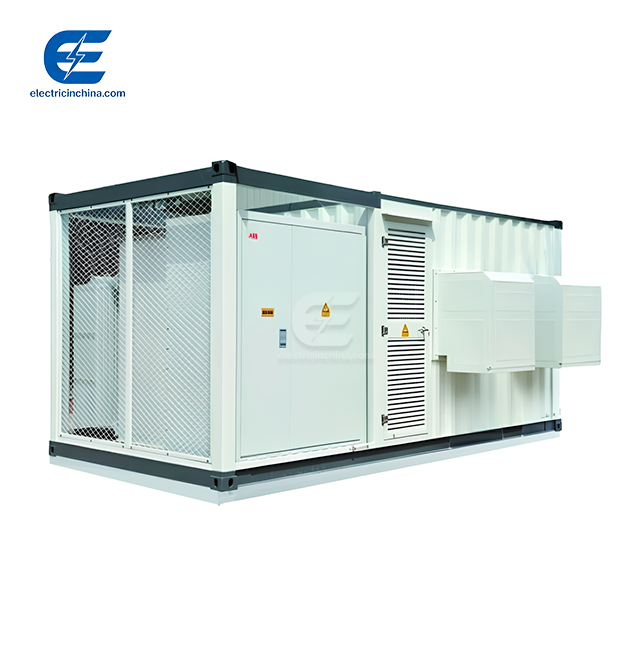
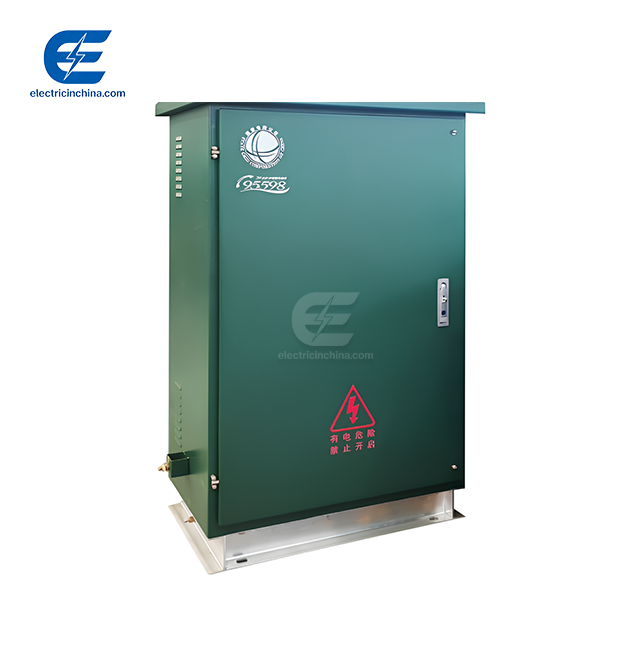
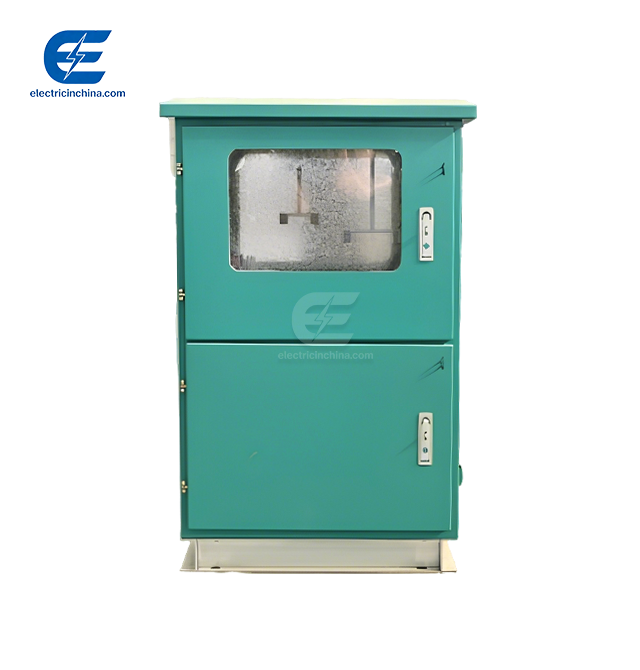
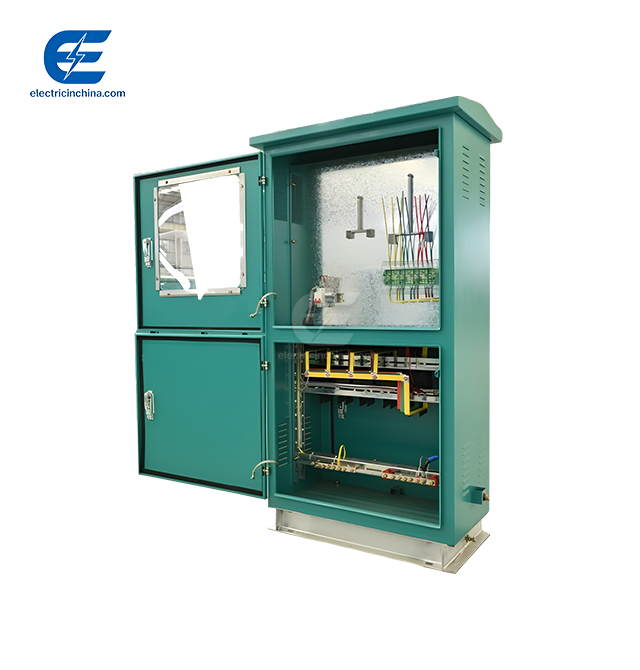
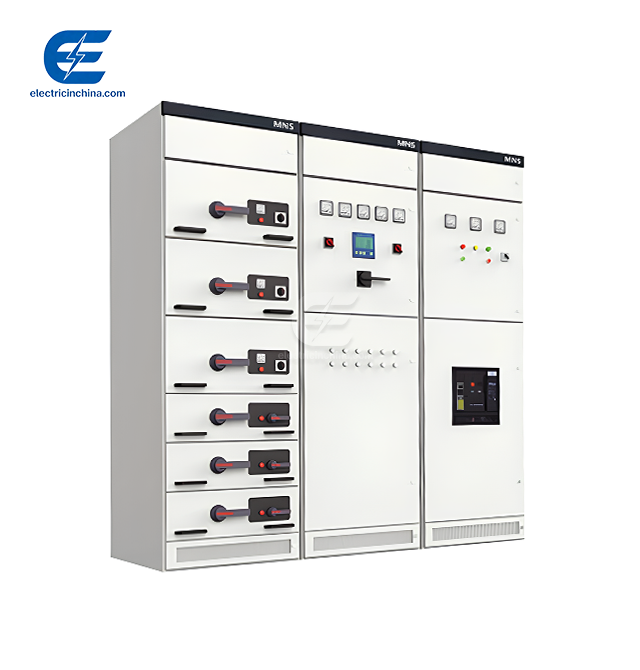
When your power distribution infrastructure operates in demanding conditions—coastal salt spray, desert heat, industrial chemical exposure, or arctic cold—choosing the right protective housing determines whether your equipment thrives or fails prematurely. A transformer enclosure serves as the first line of defense against environmental threats that can compromise expensive electrical assets. These engineered protective systems shield transformers from moisture intrusion, corrosive contaminants, temperature extremes, unauthorised access, and physical damage, while also maintaining optimal operating conditions. At Tuojie, we've spent over 20 years perfecting enclosure solutions that protect hundreds of mission-critical installations, from the Xuzhou Rail Transit Network Control Center to XCMG Group's industrial facilities, ensuring uninterrupted power delivery regardless of environmental challenges.
Understanding Transformer Enclosures and Their Purpose
For electrical distribution equipment, protective housings are a lot more than just metal boxes. Multiple types of engineering are used in these specialised structures to solve problems that infrastructure projects, commercial developments, and industrial facilities face in the real world.
Essential Functions Beyond Basic Protection
Environmental barriers keep dust from building up, which lowers the effectiveness of insulation and speeds up the breakdown of parts. When moisture gets in through rain, humidity, or condensation, it can cause electrical problems and metal to rust. Chemical pollutants in manufacturing areas break down materials and weaken structures. Our team of 15 senior engineers and over 30 intermediate workers designed our enclosure systems to protect against these risks with multiple layers of security.
One of the most important but often forgotten tasks is keeping the temperature stable. When transformers are working, they produce a lot of heat. If there isn't enough airflow, the heat builds up, and the equipment breaks down faster. On the other hand, extreme cold changes the viscosity of oil and the properties of materials. The thermal management methods we use combine the need to get rid of heat with the need to protect the environment.
Industry Standards Ensuring Compliance
To make sure that safety and efficiency are always the same, protective housing specs are based on international design standards. The NEMA ratings tell you how well an enclosure can handle different types of weather. For example, NEMA 3R is for protecting against rain and sleet outside, NEMA 4 is for places that get wet, and NEMA 4X is for corrosive places. There are different levels of IP (Ingress Protection) in IEC standards, ranging from IP23D to IP65. These levels describe how resistant something is to dust and water.
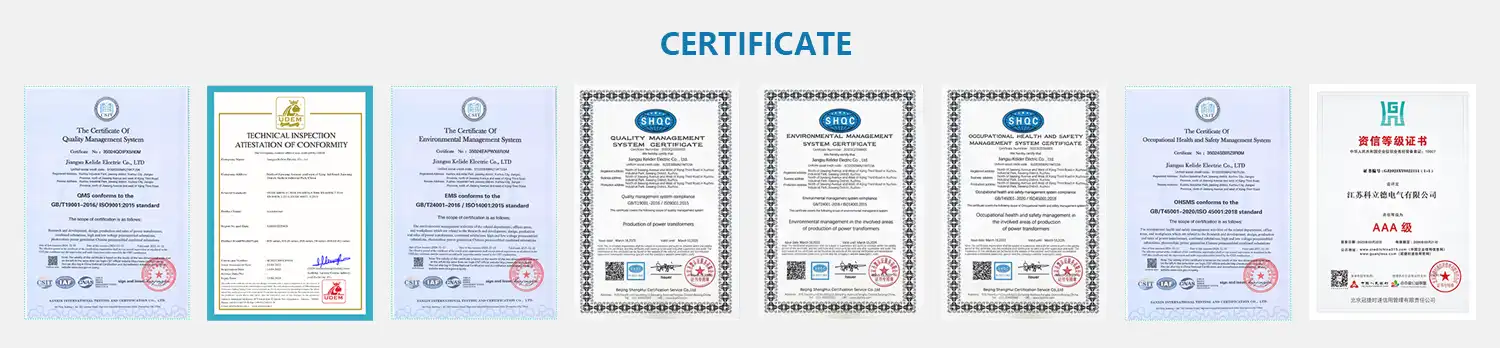
We strictly follow the ISO9001 quality control standards when we make things, and every single one goes through a thorough inspection using advanced testing methods. Electrical safety features like grounding, arc protection, and thermal performance are checked by UL approval. These certifications are important because they show real protection, not just marketing claims.
Material Selection Impact on Performance
There are three main types of materials used to build enclosures, and each has its own benefits. 316L grade stainless steel is especially good at resisting corrosion in ocean and chemical settings. Our tests show that these materials can handle salt levels of up to 1500 mg/L, which is very high and quickly destroys regular steel. According to ASTM B117, salt spray testing lasts more than 1000 hours, which proves decades of reliable service.
The building of aluminium alloys gives them great strength-to-weight ratios, natural corrosion resistance, and better heat transfer. This material choice works well in places where weight is an issue and where heat needs to be transferred quickly. The fact that it is lightweight makes it easier to move and set up without compromising the structure's strength.
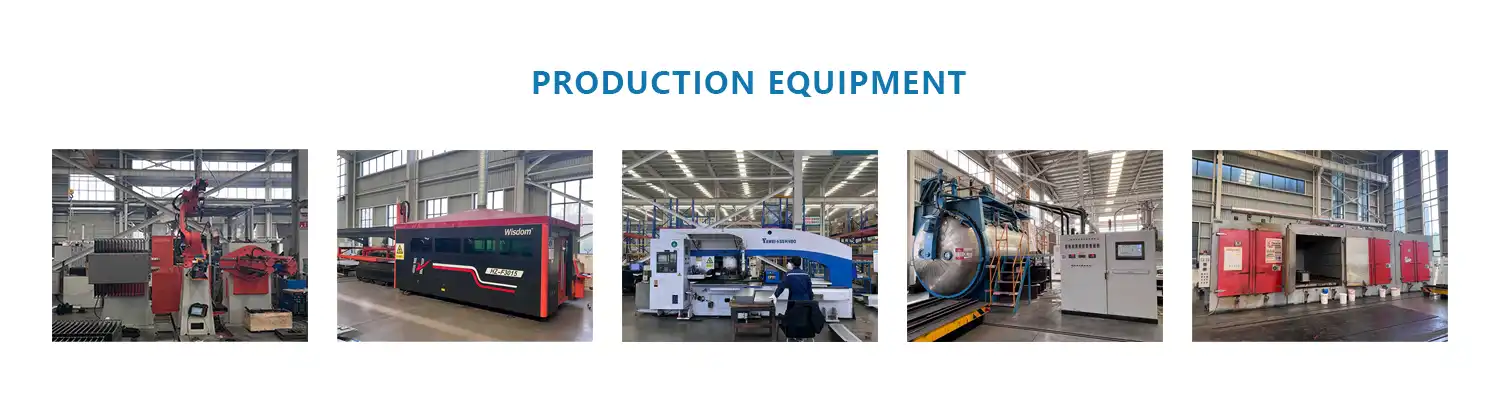
Hot-dip galvanised steel with powder coating finishing is a good compromise between low cost and strong security. During the galvanising process, a layer of zinc is formed that is metallurgically bonded to the base metal and protects it at the cost of itself. Powder coating makes corrosion shields stronger and adds UV protection and a variety of looks. We have more than 120 sets of modern industrial equipment, such as CNC precision machinery, that lets us make sure the quality of all materials is the same.
These decisions about materials have a direct effect on lifetime costs by affecting how often they need to be maintained, replaced, and how well they work. The best return on infrastructure investment comes from choosing the right materials based on how they will be exposed to the environment.
Choosing the Right Custom Transformer Enclosure for Harsh Environments
Environmental assessment is the first step in making sure that the right enclosures are used. Extreme temperatures cause thermal cycling stress, which breaks down finishes and seals. The risk of condensation and the ways that moisture can get in are determined by the humidity level. Chemicals used in factories or found in the ocean speed up the breakdown of materials. The amount of UV rays affects how long a finish lasts and how long a plastic part lasts.
Critical Selection Criteria
Capacity matching makes sure that enclosures can fit transformers of the right size and have enough space for airflow and maintenance. Housings that are too small block airflow and cause hotspots that shorten the life of equipment. Specifications that are too broad raise costs without improving efficiency. Based on transformer rates, ventilation needs, and fitting limitations, our research team figures out the exact size.
Voltage potentials on container surfaces can't be dangerous because of safety features like proper grounding systems. Designs that are safe for explosives in dangerous places have stronger construction and flame-tight sealing. Different types of access control, from simple padlocks to electronic tracking systems, stop people who aren't supposed to be there from getting in and putting people in danger or sabotaging things.
Protection Rating Classifications Explained
Two numbers are used in IP ratings to show the level of protection. The first number (0–6) tells you how well it protects against solid particles. IP5X protects against dust, and IP6X makes sure there is no dust at all. The second number (0–8) tells you how much liquid can get in. IPX4 protects against splashes of water, IPX5 protects against water jets, and IPX6 protects against strong water streams. Our standard products range from IP23D to IP54, and for extreme applications, we can make custom configurations that reach IP65.
The environment sets the basic standards for safety. IP54 ratings are usually needed for outdoor setups in mild areas. Coastal areas need materials that are corrosion-resistant and have an IP rating of 55 or higher. IP65 or IP66 standards are needed for industrial areas that need to be waterproof. We give detailed advice on how to do an environmental review so that protection ratings are matched with the conditions of the place.
Customization Options for Optimal Performance
Computerised fluid dynamics modelling is used in improved ventilation systems to make the best use of wind patterns. Passive louvre designs let air move naturally without using moving parts that need to be maintained. Active ventilation with fans that are managed by a timer lets you precisely control the temperature for large transformers or harsh environmental conditions.
IoT-enabled systems can check on conditions from afar when smart sensors are integrated. Temperature sensors keep track of how hot or cold something is inside. Humidity monitors find moisture before it does any damage. Security alerts are sent by door position switches. These monitoring features help with planned maintenance methods that stop problems before they happen and make the most of inspection schedules.
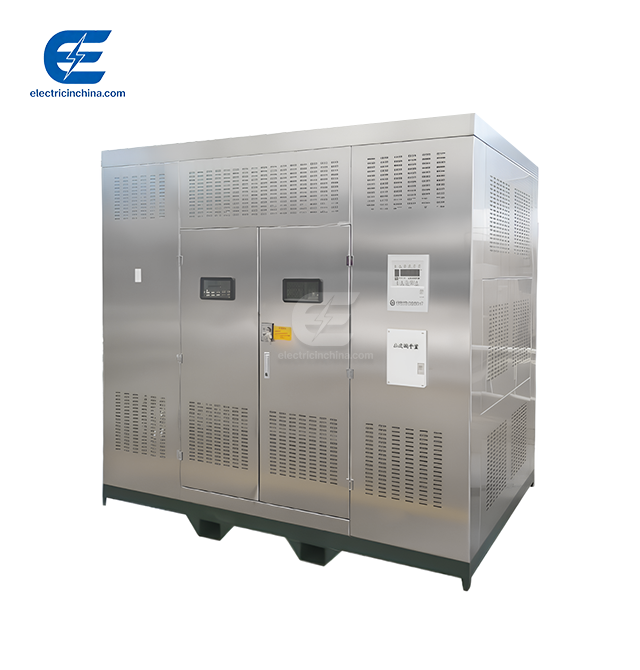
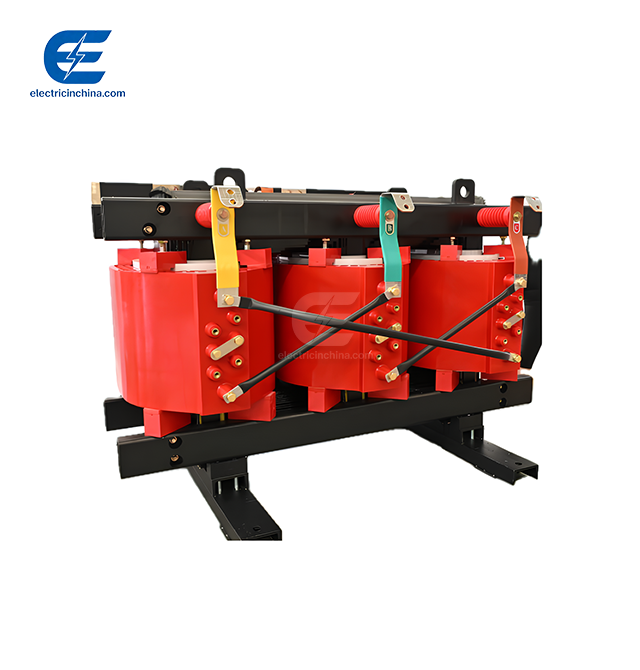
Acoustic solutions lower the noise that transformer enclosures make when they are installed near sensitive areas. Noise decreases of more than 10 dB are possible with special sound-dampening materials and building methods that stop vibration. Our low-noise dry-type Transformer Enclosures regularly meet strict noise rules in cities while still meeting the necessary safety and ventilation standards.
Installation, Maintenance, and Safety Best Practices
When something is installed correctly, it will work reliably for many years to come. The first step in getting a site ready is to make sure the foundations are steady and level so they can hold the weight of the tools as well as natural forces like wind and earthquakes. Before tools can be put down on concrete pads, they need to be properly cured. The depth of the base and the amount of support needed are determined by the soil.
Secure Mounting and Compliance Requirements
Anchor bolt specs and torque needs are based on what the manufacturer says and what the local electrical codes say. According to IEEE 693 guidelines, stronger anchoring is needed in seismic zones, and approval testing must be done at certain acceleration levels. The detailed mounting directions in our installation documents come from hundreds of successful project implementations.
Grounding systems link enclosure structures to the building's electrical ground networks, which stop dangerous voltage potentials. Testing for ground resistance confirms that the electricity is still flowing. Bonding wires keep the ground link strong across bolted connections that may become loose over time. These safety steps keep people safe during repair and fault situations.
Ventilation Strategy Implementation
Naturally, hot air rises and escapes through the top holes, while cooler air comes in through the bottom ones. This is how passive ventilation works. Using this method gets rid of the need for mechanical parts and power while still providing reliable cooling in most situations. Louvre designs use weather-resistant parts that keep safety scores while letting the most air flow through.
Fans in active ventilation systems that are controlled by a thermostat turn on when the temperature inside goes above certain levels. Calculations for fan sizes take into account the heat generated by the transformer enclosure, the temperature changes in the area, and the temperature differences that are wanted. When you have redundant fan configurations, the cooling keeps going even if one unit fails. In tough industrial settings, filter devices keep internal parts safe from airborne contaminants.
We've used these ideas in installations in harsh climates ranging from the Middle Eastern desert, where the temperature regularly rises above 50°C, to arctic facilities, where the temperature regularly drops below -40°C. Customised thermal analysis is done for each application to make sure that equipment stays within its recommended working temperatures over the course of the year.
Safety Measures and Inspection Protocols
Flame-retardant materials, spark-resistant finishes, and separate cable entry systems are all fire-resistant features. For high-value installations, fire suppression devices work with fire monitoring networks in buildings. The requirements for the materials meet the standards for flame spread and smoke creation in crowded buildings.
Mechanical locks with keys are one type of access control. Electronic access systems with audit records are another. Clear warning signs let people know about electrical dangers. Interlocked doors keep people from getting to live parts without following the right steps for turning them off. These features keep repair workers safe and keep them from touching dangerous voltages by mistake.
Routine inspection protocols include visual checks every three months to see how the gaskets are holding up, the doors are aligned, the finish is intact, and the hardware is tight. As part of yearly checks, the ventilation system is cleaned, the ground link resistance is tested, and interior parts are looked at. Five-year major checks include a full evaluation of the structure and the repair of all seals. Our thorough maintenance plans help site managers take preventative measures that extend the life of enclosures by more than 20 years.
Market Solutions and Brand Insights for B2B Procurement
There are both well-known companies with decades of experience in the global electrical casing market and smaller, more specialised companies that focus on making unique solutions. Big names like ABB, Siemens, Schneider Electric, Eaton, and GE offer standard product lines, a wide range of certifications, and support networks around the world. These methods work well for situations that have standard needs and requirements.
Evaluating Supplier Qualifications
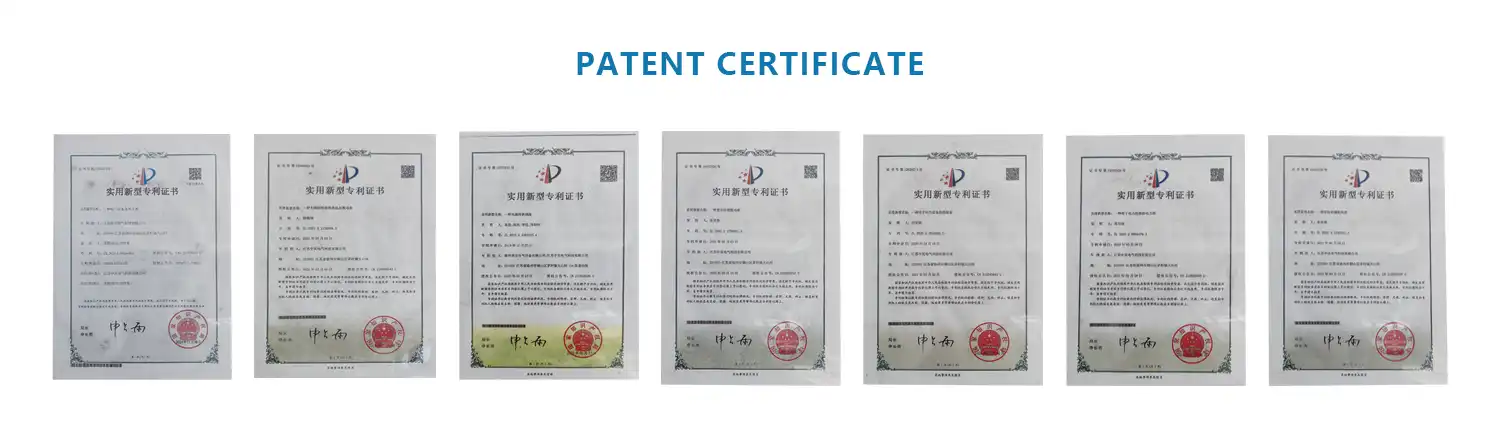
The engineering resources, manufacturing equipment, and quality systems are looked at in a technical capability assessment. Suppliers with their own design teams can make standard products fit specific needs or come up with completely new solutions. Our 18 patents show that we are always coming up with new ideas to solve problems in the real world that standard products can't.
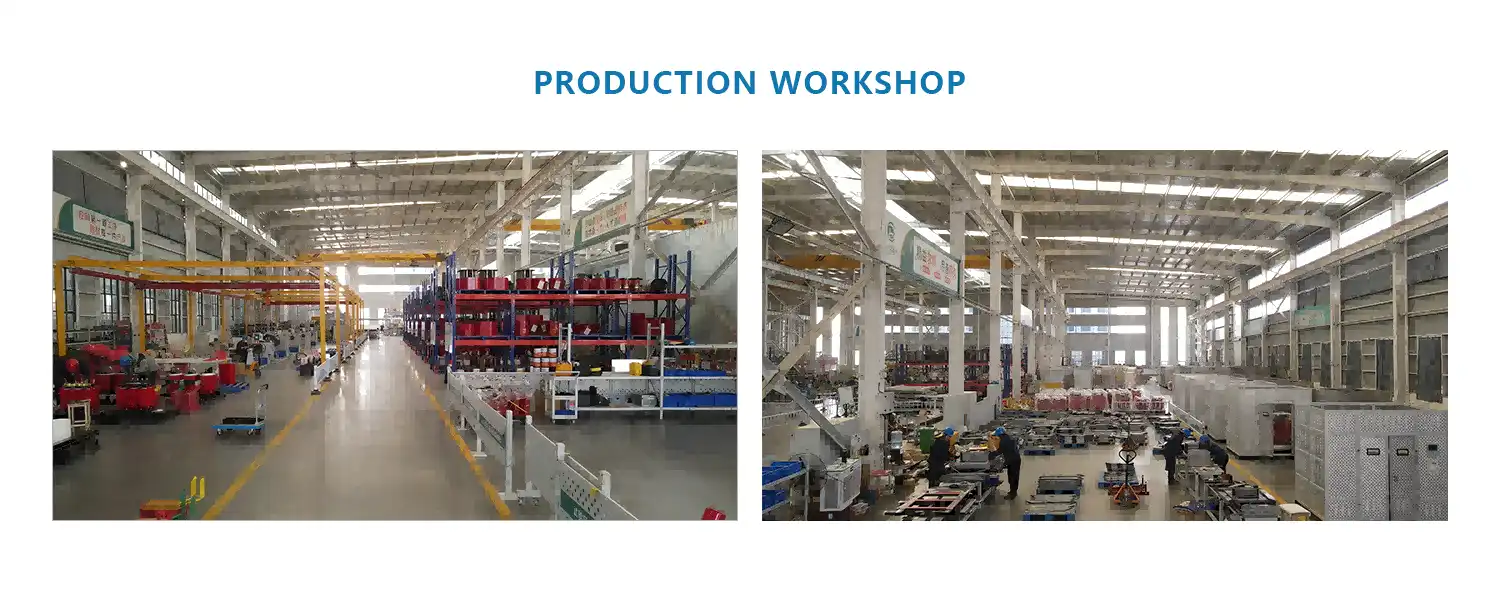
Delivery dependability and scalability for multi-phase projects depend on how much manufacturing capacity there is. Our more than 120 sets of high-tech tools, such as CNC automatic winding machines, static vacuum casting systems, and gradient curing ovens, allow us to keep the quality of our work high and make schedule changes easily. The Xuzhou High-speed Railway East Station Official Power Supply EPC Project and many other local infrastructure improvements were made possible by this infrastructure.
Quality management systems that have been certified by ISO 9001, ISO 14001, or OHSAS 45001 set up regular controls that are used throughout the whole production process. Written procedures make sure that quality is always the same, from getting the raw materials to testing them and delivering them. National CCC approval for low-voltage switchgear and cables proves that they meet all the rules for complete power distribution systems.
Procurement Strategy Considerations
Technical datasheets give you the important information you need to decide if something is suitable. Protection grades, material specs, thermal performance, structural load capacities, and compliance certifications should all be included in these papers. Datasheets that are missing or not clear show that the engineering isn't very good or that the product has some limitations.
Sample evaluation programs let you look at and test the products in person before placing large orders. Asking for samples shows that the seller is confident in the quality of the product, and it also lets the buyer check the quality of the building, the durability of the finish, and the accuracy of the measurements. We welcome trial requests because seeing our products for yourself gives you more faith in their quality.
Keeping track of lead times is very important for project plans with set deadlines and penalties. Standard goods usually get shipped within a few weeks, but unique solutions take months to plan, research, buy materials for, make, and test. Schedule problems can be avoided by involving suppliers early on in the planning stages of a project. Through working with EPC contractors and government infrastructure projects, we've been able to improve the ways we do things so that they always meet strict delivery requirements.
Bulk order economics can save you money on jobs with multiple units or standard facility plans. By committing to buy more of something, you can get better deals on materials and make your company more efficient, which lowers the cost per unit. Long-term supply agreements set stable prices and make sure that supplies are given to the right people first during times of high demand.
Application Case Studies
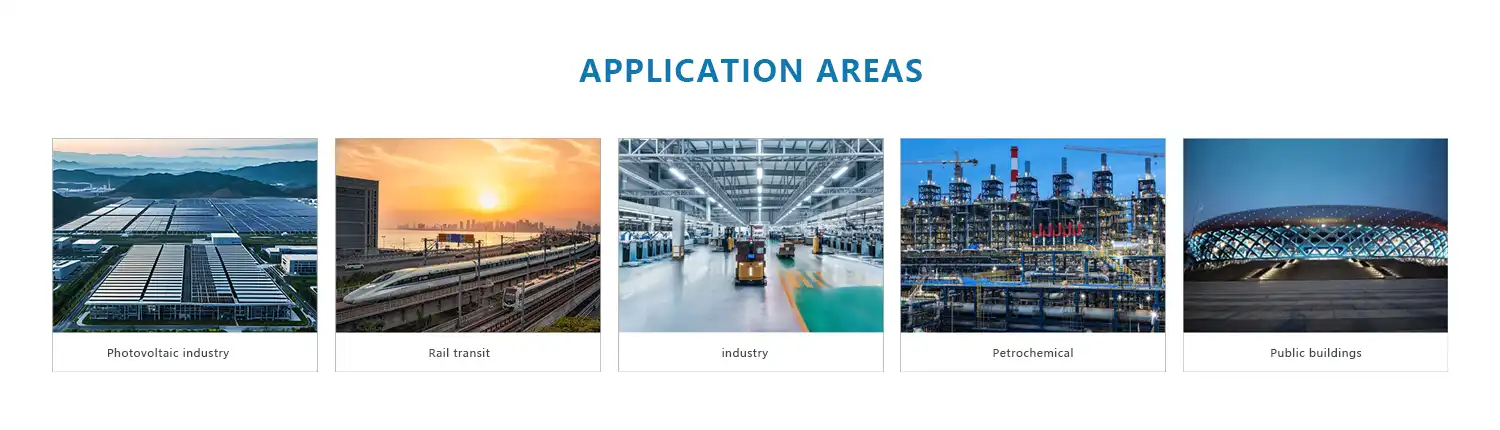
Municipal infrastructure projects need to be very reliable because when they break down, it affects important public services. For the Xuzhou Rail Transit Network Control Center project, a dual-circuit power source design with two sets of backup safety systems was needed. Our custom enclosures provided IP54 protection and seismic qualification, which meant they could keep working for the whole life of the metro system.
Commercial real estate projects like the Xinhuai Central Complex and Huaihai Xintiandi needed building designs that were both technically sound and aesthetically pleasing. Powder coating finishes that could be customised matched building colour schemes, and construction that didn't rust ensured decades of trouble-free use in urban settings.
Heavy electricity loads and harsh ambient settings made it very hard to work in industrial manufacturing facilities like the XCMG Group plant sites. Our enclosures had an electromagnetic shielding efficiency of more than 60dB, which kept sensitive control systems safe from interference while also being able to handle the chemicals and mechanical vibrations that are common in production settings.
Future Trends and Innovations in Transformer Enclosure Design
Advances in material science keep pushing the limits of what is possible. Composite materials made of modern resin systems and fibreglass support are more resistant to rust than stainless steel. They are also lighter and better at keeping heat in. These materials work especially well for sites near the coast and chemical processing plants, where regular metals break down quickly.
Smart Monitoring Integration
Condition monitoring made possible by the Internet of Things (IoT) turns passive protective housings into active assets that give real-time operational intelligence. Arrays of temperature sensors make maps of thermal profiles that show hotspots before they break. Monitoring humidity levels can find worn-out seals, which allows for proactive maintenance. Vibration sensors show when there are technical problems with parts inside the transformer.
Data analytics platforms collect data from sensors and use machine learning algorithms to predict when maintenance will be needed and find the best operating conditions. These predictive abilities cut down on unplanned downtime and increase the life of equipment by using condition-based maintenance strategies instead of time-based ones. Integration with facility management systems makes it possible to keep an eye on a lot of different types of infrastructure from one place.
Sustainability and Efficiency Focus
Environmental laws put more and more emphasis on lifetime sustainability, which goes beyond operating safety. The effects of getting rid of things that can be recycled are lessened. Low-VOC treatments reduce the amount of pollution that is released into the air during production and installation. Cooling power is used less when temperature control is energy-efficient.
When certain parts of a modular design stop working, they can be replaced individually instead of the whole enclosure being thrown away. Through focused repair, this method cuts down on material waste and lowers the cost of ownership. Our design philosophy uses circular economy ideas more and more, which is in line with our customers' green goals and what the law requires.
New covering technologies make things last longer by making them more resistant to rust and UV light. Ceramic-enhanced finishes make things hard enough to be electroplated gold while still being flexible enough to not crack. These coatings keep their look and protect against damage for decades, so you don't have to refinish as often and pay as much.
Conclusion
When choosing the right protective housings, namely transformer cabinets, for power distribution equipment, you have to weigh the needs of the project at hand against the realities of long-term operation. The best specs depend on the environment, following rules, ease of upkeep, and overall cost of ownership. While standard products work well for common tasks, custom solutions are better for solving problems that can't be solved with off-the-shelf products. Working with experienced partners who have technical knowledge, manufacturing skills, and a track record of project success will make sure that infrastructure investments work as planned for as long as they are supposed to. In harsh environments where equipment failure can have big operational and financial effects, the difference between good protection and great reliability often determines the success of a project.
FAQ
What IP rating should I specify for a coastal installation?
Coastal areas that get a lot of salt spray need at least IP54 protection, which means using corrosion-resistant materials like 316L stainless steel or hot-dip galvanised construction with special coatings. Applications that are in direct spray zones do better with IP55 or IP65 grades. Material testing according to ASTM B117 should show resistance to salt spray for 1000 hours or more, and UV stability testing according to ASTM G154 makes sure the finish will last. When specifications are followed correctly, service life can be extended to 25 to 30 years in harsh marine settings.
How do I balance ventilation requirements with weather protection?
Engineered louvre systems with built-in mesh screens and labyrinth patterns let heat escape while still meeting certain entry protection standards. Thermal modelling according to IEEE C57.12.28 standards figures out how much ventilation space is needed, which is usually 1% to 2% of the wall surface of the enclosure. Placement of louvres improves natural convection patterns without affecting how well they seal out the weather. For high-capacity transformers, active systems add fans that are managed by a thermostat. The input is screened to keep contaminants out.
Can existing enclosures be retrofitted with monitoring systems?
Most enclosures can be retrofitted with sensors by adding cable entry points or wireless monitoring devices that don't need any structural changes. Sensors for temperature and humidity are mounted on the inside, and door position switches work with the latch hardware that is already there. Wireless systems connect to cloud platforms through cell phone or WiFi networks, so they don't need any wires. Retrofitting depends on where you can put the active devices and where they get their power.
Partner With Tuojie for Reliable Transformer Enclosure Solutions
To keep your important power systems safe, you need more than just catalogue specs. You need to find a reliable Transformer Enclosure maker with a track record of engineering excellence and manufacturing excellence. Tuojie provides enterprise-level protective housing systems and has worked on a wide range of infrastructure projects for over 20 years, ranging from city rail networks to industrial manufacturing facilities. Our 15 senior engineers and 30+ intermediate technicians use 18 patented innovations to make custom solutions that solve the problems your environment gives you.
Each enclosure is made with more than 120 sets of advanced, precise CNC equipment and goes through a strict quality check that is in line with ISO9001 standards. We offer protection ratings from IP23D to IP54, materials that don't rust and last 20 years or more, electromagnetic shielding, and customisable thermal management. Our all-around method makes sure that your transformer is properly protected, whether it needs to be resistant to corrosion in coastal areas, work well in high temperatures, or have built-in tracking features.
Contact Tuojie today at tuojie@electricinchina.com or visit electricinchina.com to discuss your transformer enclosure provider requirements. Our engineering team gives you thorough assessments of the surroundings, suggestions for materials, and design ideas that are made just for you. Ask for samples of our products to see how well we make them and learn why hundreds of government, commercial, and industrial projects trust Tuojie to protect their power distribution systems in a way that lasts.
References
1. Anderson, M.T. & Roberts, P.K. (2021). Electrical Equipment Enclosures: Design, Materials, and Environmental Protection Standards. Institute of Electrical Engineering Press.
2. Chen, W.H., Kumar, S., & Thompson, R.J. (2022). "Corrosion Resistance of Metallic Enclosures in Marine and Industrial Environments." Journal of Protective Coatings and Linings, 39(4), 45-62.
3. International Electrotechnical Commission. (2020). IEC 62271-202: High-Voltage Switchgear and Controlgear – Part 202: Seismic Qualification for Rated Voltages of 72.5 kV and Above. IEC Publications.
4. National Electrical Manufacturers Association. (2019). NEMA 250: Enclosures for Electrical Equipment (1000 Volts Maximum). NEMA Standards Publication.
5. Peterson, L.D. (2023). Thermal Management in Electrical Distribution Equipment: Principles and Applications. Power Systems Engineering Publishers.
6. Zhang, Y.L., Martinez, C., & O'Brien, K.F. (2022). "Smart Monitoring Systems for Transformer Enclosures: IoT Integration and Predictive Maintenance Strategies." IEEE Transactions on Power Delivery, 37(6), 4821-4833.