

.webp)
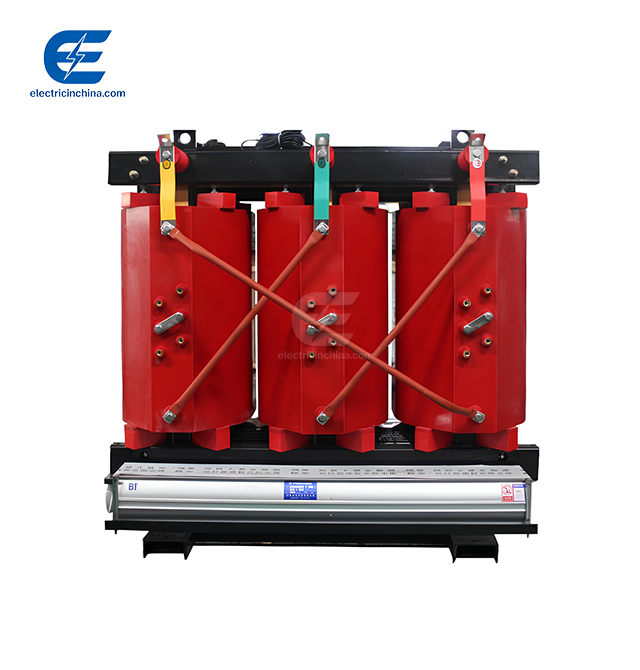
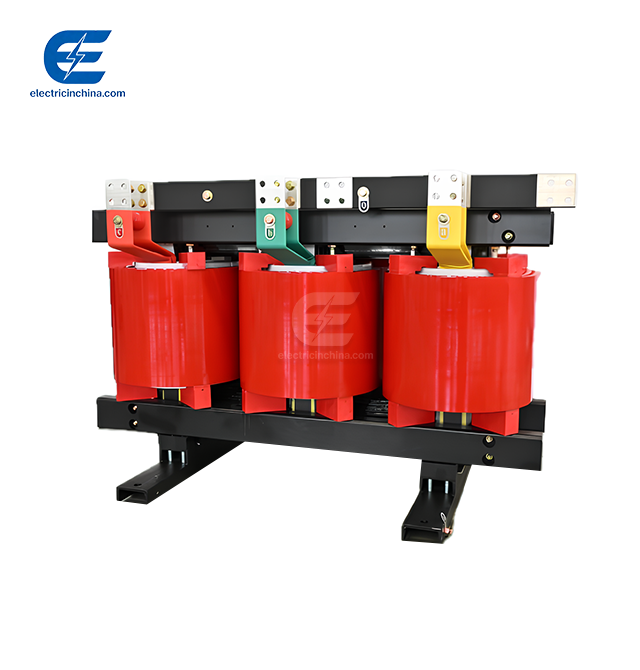
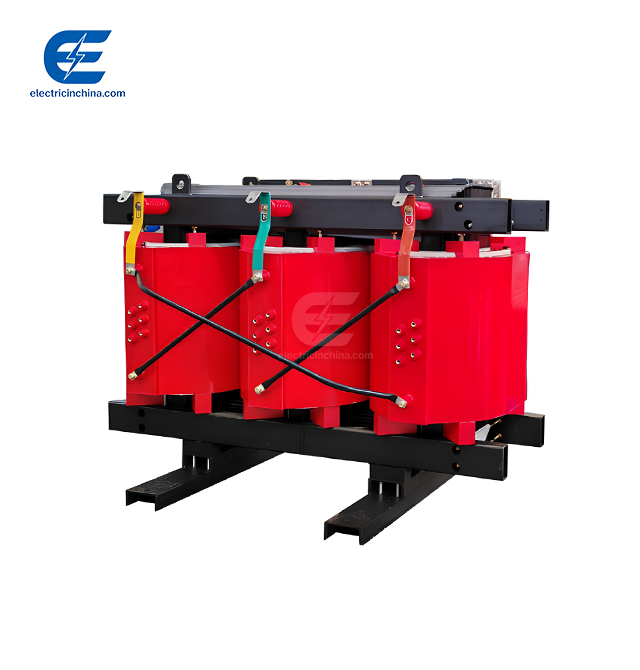
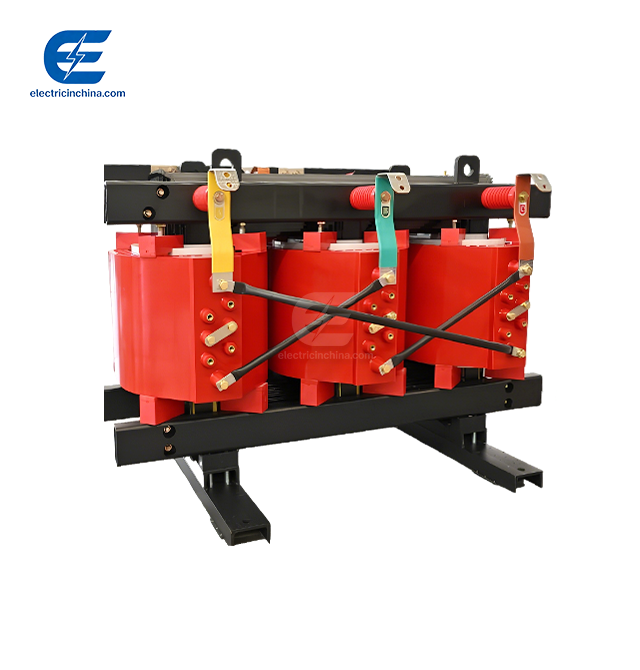
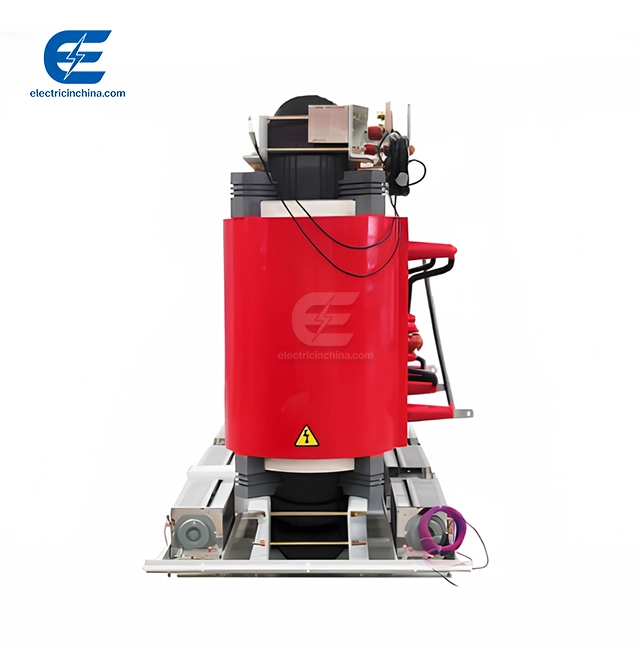
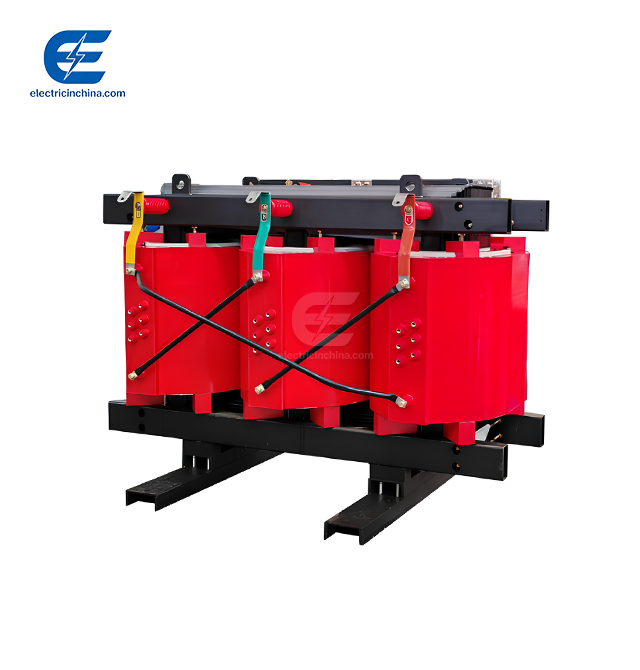
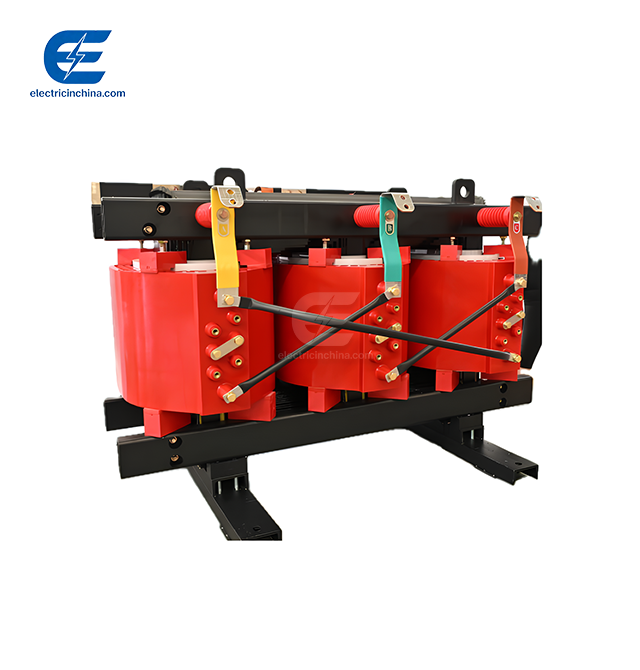
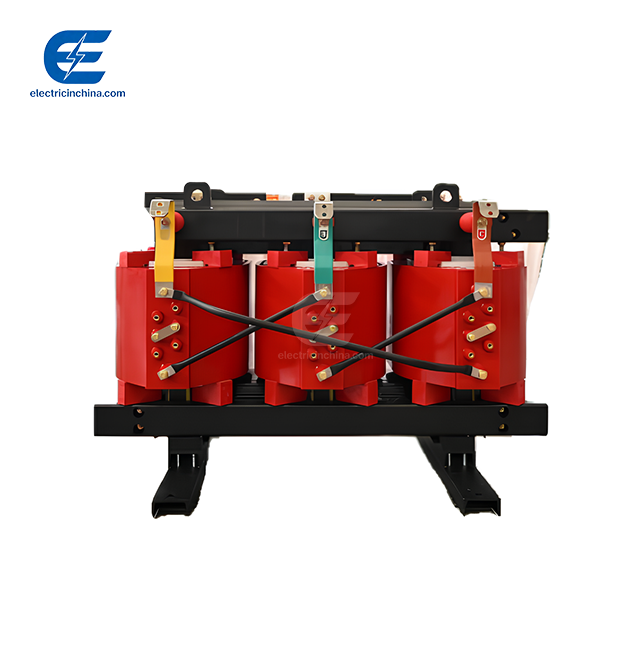
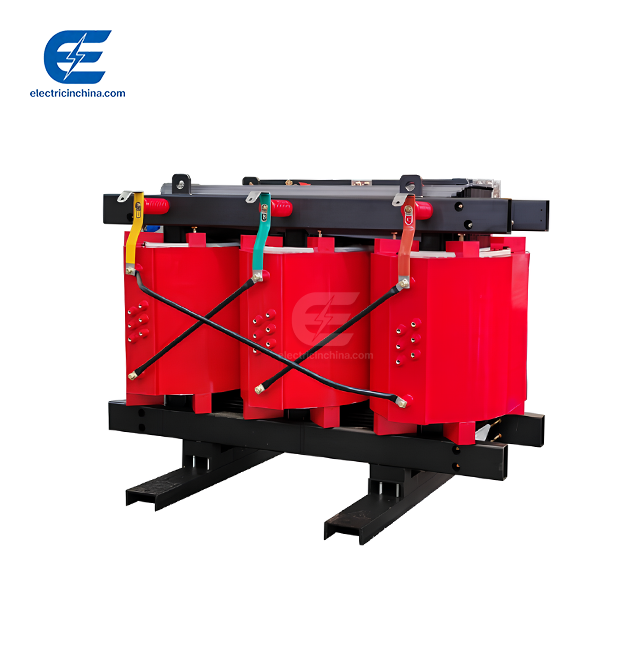
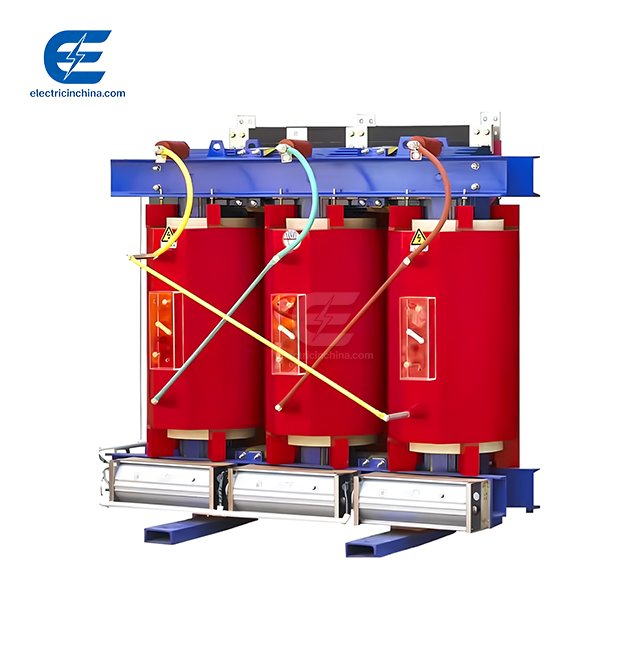
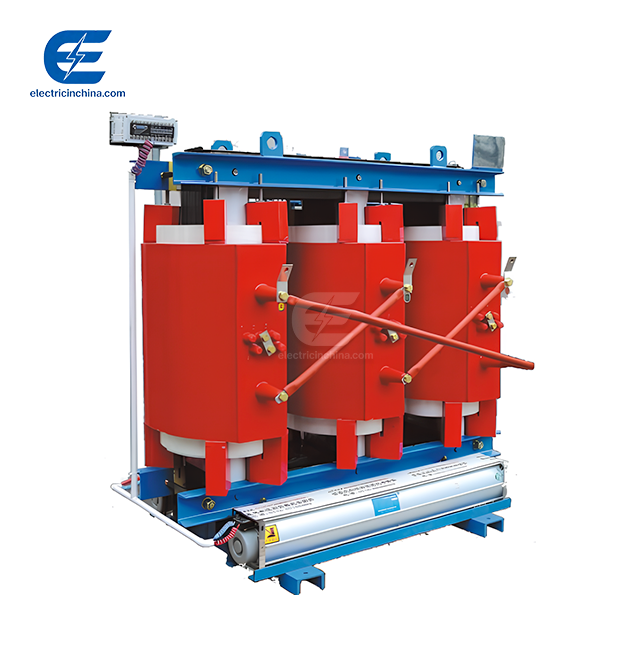
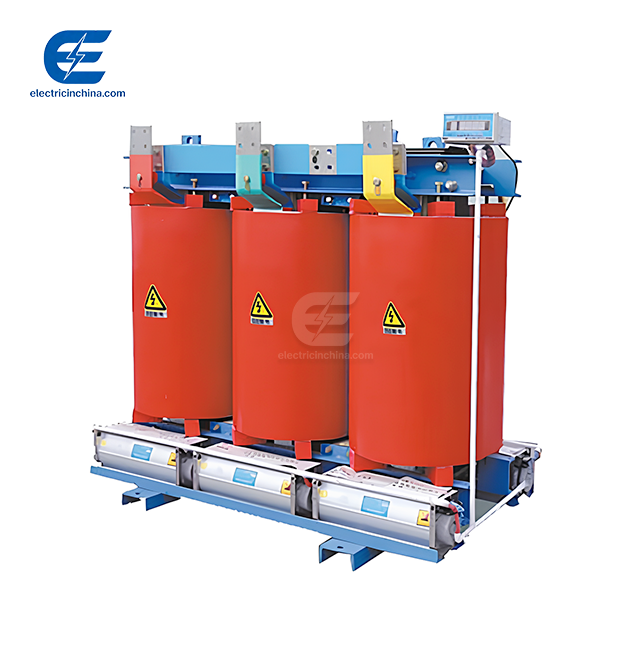
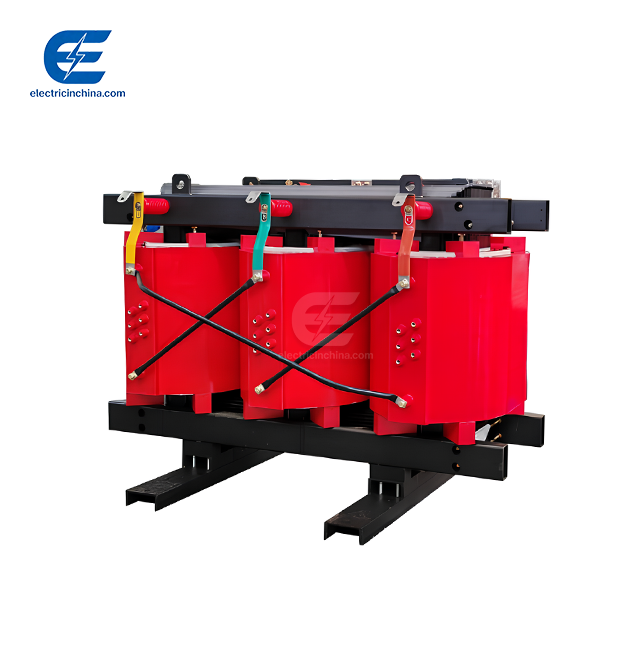
Insulation damage in cast resin amorphous alloy transformers represents one of the most critical challenges facing procurement managers and facility engineers today. The cast-resin amorphous alloy transformer combines amorphous metal core technology with cast resin insulation systems, delivering 70-80% lower no-load losses compared to traditional silicon steel units while eliminating fire risks associated with oil-filled equipment. Insulation integrity directly determines whether your transformer will operate reliably for three decades or fail prematurely, triggering costly downtime and safety hazards. Understanding what causes insulation degradation and implementing preventive solutions protects your investment while ensuring uninterrupted power distribution. This article equips you with actionable insights to optimize transformer performance, reduce total cost of ownership, and make informed procurement decisions that align with your project's reliability and safety requirements.
Understanding Insulation Damage in Cast Resin Amorphous Alloy Transformers
Why Does Insulation Integrity Matter for Your Operations?
In dry-type transformers, insulation is the major barrier that stops electrical faults, keeps energy loss to a minimum, and keeps the working conditions safe. When the shielding in a cast-resin amorphous alloy transformer breaks, it causes more problems than just damage to the equipment itself. Overheating happens at the points of failure, noise levels rise dramatically, and catastrophic breakdowns put nearby infrastructure at risk. When buying transformers for business or government projects, procurement teams need to know that the quality of the insulation has a direct effect on the service life and often determines whether the equipment lasts the 30 years that it was made to.
Early Detection Methods That Protect Your Investment
Maintenance teams can find problems with insulation before they become major failures thanks to new monitoring tools. Visual inspections show surface cracks, discolouration, or water entry that are signs of problems that are starting to happen. Sound monitoring finds strange sound patterns that show partial discharge activity in the resin. Infrared thermography finds hot spots where insulation breakdown speeds up thermal stress. Measurements of partial discharge show how badly insulation is breaking down; results below 10 pC mean that conditions are healthy. These ways of diagnosing problems let you plan maintenance before it is needed, so you can do the work during planned downtime instead of waiting for emergencies that stop operations.
How Insulation Degradation Impacts Your Bottom Line
Insulation that isn't working right has a direct effect on operational efficiency and safety metrics that worry EPC contractors and facility managers. As insulation resistance goes down, more energy is lost, which makes power costs go up every month. There are more safety risks when the dielectric strength drops below what was designed. The life of equipment gets much shorter, which speeds up the time it takes to replace capital. The frequency of maintenance goes up as small problems need to be fixed over and over again. Knowing these effects on performance helps you figure out the total cost of ownership when choosing sources and specs for transformers.
Key Causes of Insulation Damage in Cast Resin Amorphous Alloy Transformers
Electrical Stress from Power System Disturbances
Overvoltages and surges that happen quickly are very dangerous to cast resin insulation systems. Voltage spikes that are higher than normal are caused by lightning strikes, switching operations, and grid faults. At places where the insulation is weak, these electrical stresses cause localised heating and dielectric breakdown. Voltage changes happen a lot in Cast Resin Amorphous Alloy Transformers that are used in factories with big motor loads or variable frequency drives. When green energy sources are connected to the grid, they add more harmonics and voltage fluctuations. Repeated electrical stress events weaken the molecular structure of resin over time, lowering its dielectric strength and raising its partial discharge activity. The requirements for surge protection and the right insulation voltage ratings for your installation environment should be included in the procurement specifications.
Thermal Cycling Accelerates Material Aging
Changing temperatures have different effects on the amorphous metal core and the cast resin insulation, which causes stress at the point where they meet. Load changes that happen a lot in factories and commercial buildings cause heating and cooling cycles to happen over and over again. Different materials expand and shrink at different rates during each heat cycle. The amorphous core works at flux densities of 1.3–1.45T and core loss densities of only 0.2–0.3 W/kg, making a lot less heat than silicon steel alternatives. But a poorly designed cooling system or stopped airflow can gather heat, which speeds up the ageing process of insulation. When ambient temperatures are higher than what was planned, thermal stress gets worse. Cast resin mixtures need to be able to handle these changes in temperature while still keeping their shape over the life of the transformer.
Mechanical Forces During Transport and Installation
Impacts cause tiny cracks and damage to the structure that make insulation less effective long before you can see the effects. Vibrations caused by shipping, bad lifting techniques, and handling during installation can send mechanical shocks through the transformer assembly. To keep the amorphous metal core from moving, which is made up of carefully arranged bands with a non-crystalline atomic structure, it needs to be handled carefully. Cast resin coating has great mechanical strength, but hard hits can cause cracks to spread. Mechanical stress builds up during projects that involve a lot of handling, from the plant to the shipping container, through customs inspection, and finally to the site placement. EPC contractors have to follow strict handling protocols that spell out where to lift things, how to package them for transport, and how to install them so that sensitive parts don't get too much shock.
Environmental Factors That Degrade Insulation Systems
The most common environmental threat to cast resin transformers is moisture getting in. Even though some formulations can absorb less than 0.1% of water, long-term exposure to high-humidity settings weakens surface protection. When temperatures change, condensation forms, especially in coastal installations or places that don't have good climate control. When dust builds up on insulation surfaces, it weakens electrical lines that weaken the dielectric strength. Corrosive agents damage resin surfaces when they are exposed to chemicals from manufacturing processes. Over years of contact, ultraviolet radiation in outdoor structures breaks down the surface's qualities. These environmental stressors work together to speed up the ageing process more than single-factor tests could predict. Making sure that the IP protection grades and environmental resistance features are correct for the construction conditions ensures that the transformers work well.
Proven Solutions and Best Practices to Prevent Insulation Damage
Advanced Design Features That Enhance Durability
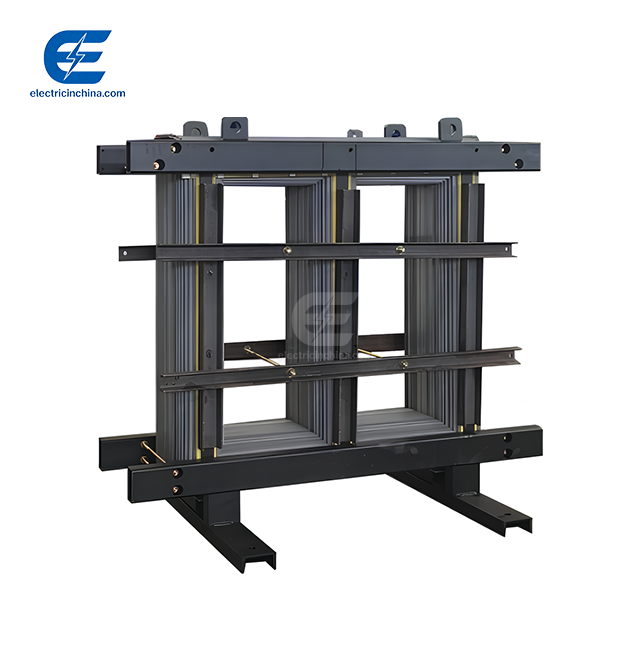
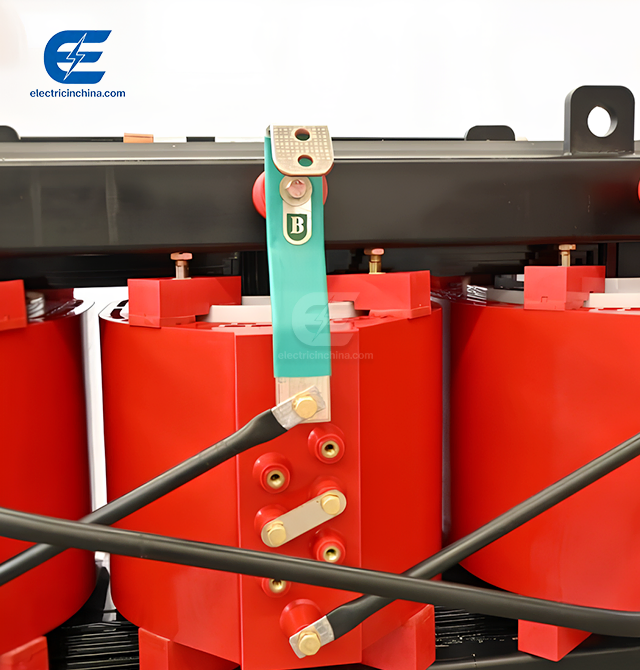
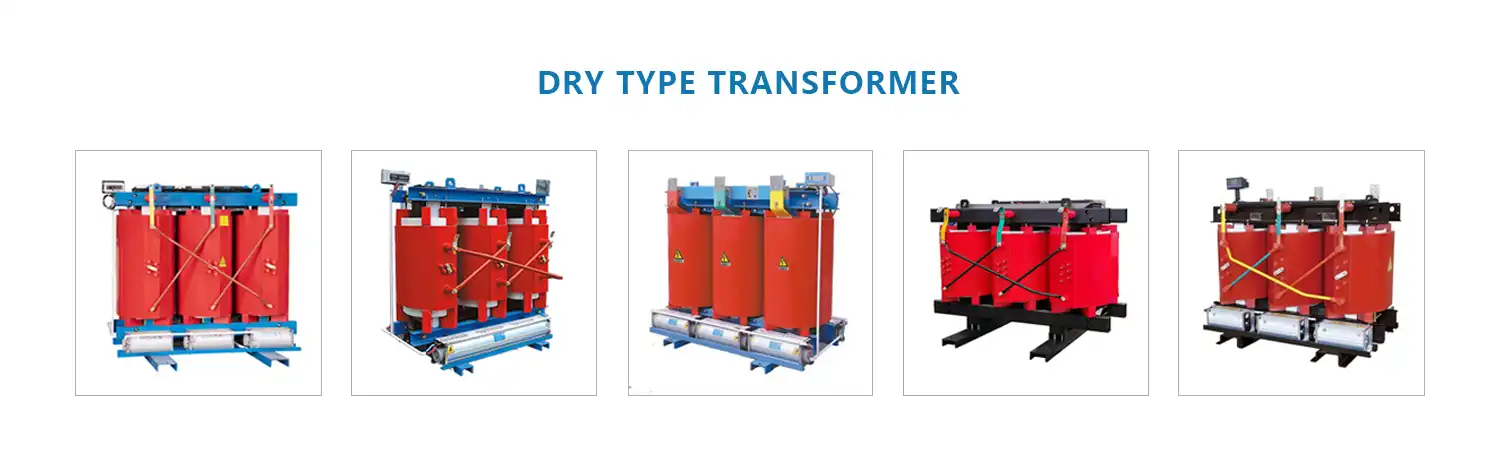
As we make each Cast Resin Amorphous Alloy Transformer, we use a number of different safety methods. The amorphous metal core is made up of ribbons of precisely mixed iron, nickel, cobalt, boron, and carbon that keep heat production to a minimum while the device is in use. Compared to silicon steel, this non-crystalline atomic structure cuts core losses by 70–80%. This lowers thermal stress on the insulation around the core. The cast resin system is flame-resistant to UL94 V-0 standards and has a dielectric strength of more than 20 kV/mm, which provides significantly more safety than is required for operation. Flame-retardant materials make sure that setups inside that can't have any fire risks are as safe as possible. Our microcomputer-controlled gradient curing ovens work with glue in conditions that are carefully monitored. This gets rid of any gaps and makes sure that the material properties are the same all the way through the assembly.
Here are the core advantages this design approach delivers:
- Zero oil content eliminates environmental contamination risks and fire hazards associated with traditional transformers
- Moisture- and crack-resistant construction maintains insulation integrity across temperature ranges from -40°C to +40°C
- A maintenance-free design reduces operational costs while extending service life beyond 30 years
- Partial discharge levels below 10pC indicate exceptional insulation quality that resists electrical stress
These built-in features treat the causes of insulation damage instead of just the symptoms. Our 15 senior engineers and more than 30 intermediate workers use 18 patents to keep making insulation systems work better. Before being sent out, every generator goes through a series of thorough tests that were created after 20 years of experience in the field. These tests make sure that the goods meet ISO 9001, ISO 14001, and OHSAS 45001 standards.
Operational Best Practices That Extend Service Life
Thermal stress cycles that speed up insulation ageing can be avoided by keeping the load levels at the right level. Load monitoring systems keep an eye on operating conditions in real time and let operators know when parameters get close to the limits set by the designers. Setting up regular checks during planned maintenance windows lets problems be found early. Visual inspections find problems on the surface, and thermographic scans make sure that the patterns of temperature spread stay within the acceptable range. Using IoT-enabled sensors lets you keep an eye on the state of the insulation all the time, recording trends that can be used to predict how well it will work in the future. These digital monitoring systems work with platforms for facility management, so maintenance decisions can be based on data and the best use of resources can be made.
Installation and Handling Protocols That Protect Your Equipment
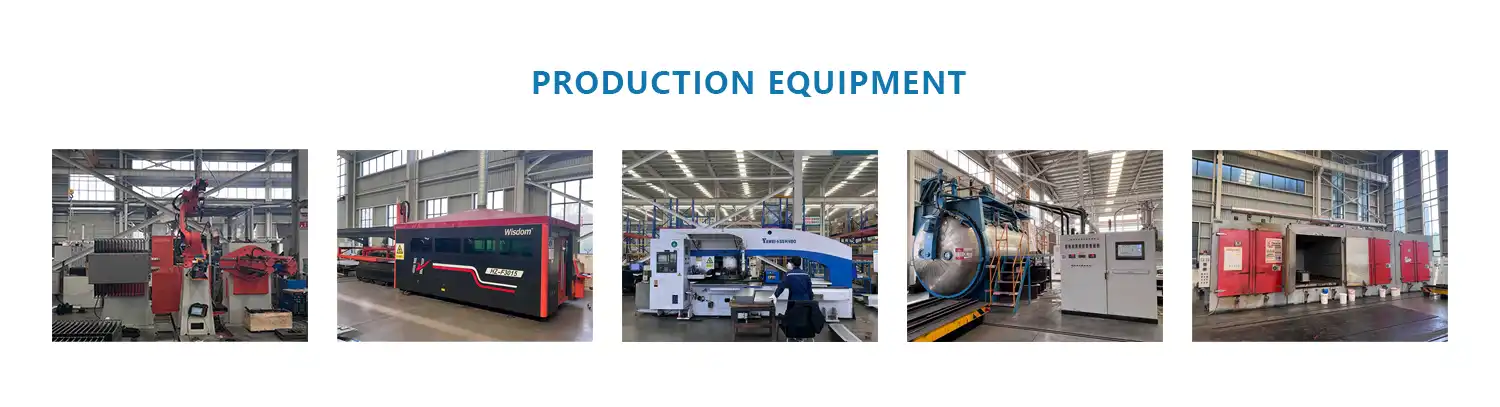
For safe shipping, the transformer needs to be protected from road vibrations and handle shocks with special packing. Over 120 pieces of high-tech equipment, such as CNC automatic winding machines and automatic foil wrapping machines, are used in our production center to make transformers that can withstand normal shipping conditions. There are clear instructions on how to install the parts, and the lifting points are designed to spread the force evenly across the structure of the assembly. Foundation standards make sure that the mounting is steady and that vibrations from other tools don't get through. Specifications for connection torque keep mechanical stress at end points to a minimum. Keeping things in a climate-controlled space before installing them keeps them from absorbing moisture. By following these steps, you can stop the mechanical damage that starts insulation breakdown.
Predictive Maintenance Strategies That Minimize Failures
Data analytics turn information about past results into maintenance plans that can be used. By following changes in insulation resistance over time, you can find out how fast it breaks down in your particular working environment. Comparing measurements of partial discharge between inspections every three months shows how old something is getting. Temperature profile analysis finds problems with the cooling system before they cause damage from heat. Vibration monitoring finds mechanical loosening that happens before a structure breaks. These prediction methods change maintenance from responding to problems as they happen to planned actions that cause as little downtime as possible. As part of our "zero defects" quality control system, all of our transformers come with paperwork that makes it easy to keep track of their lives.
Comparative Insight: Cast Resin Amorphous Alloy Transformer Insulation vs Other Transformer Types
Safety Advantages Over Oil-Immersed Designs
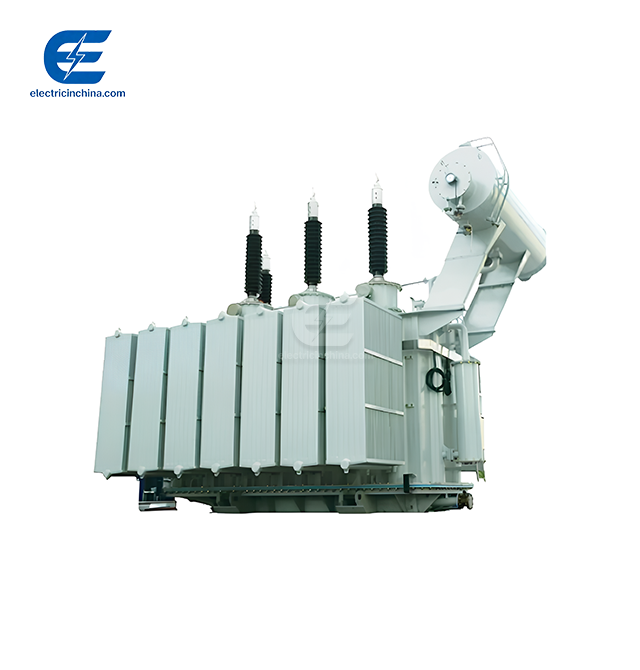
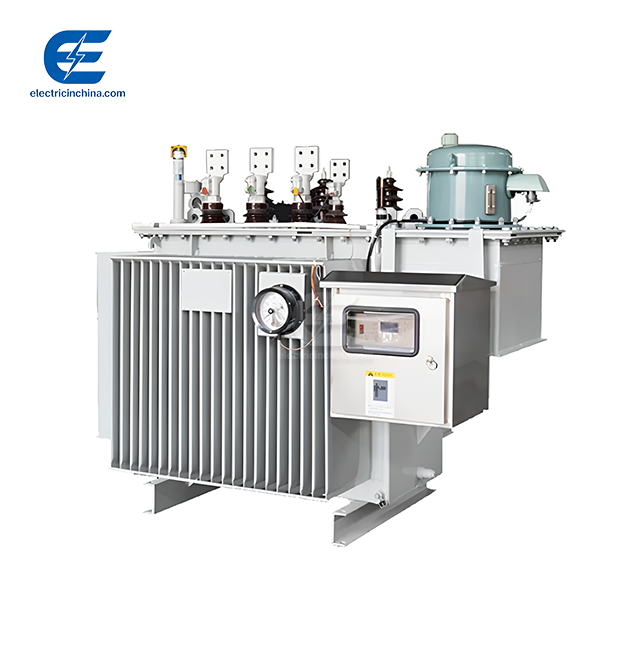
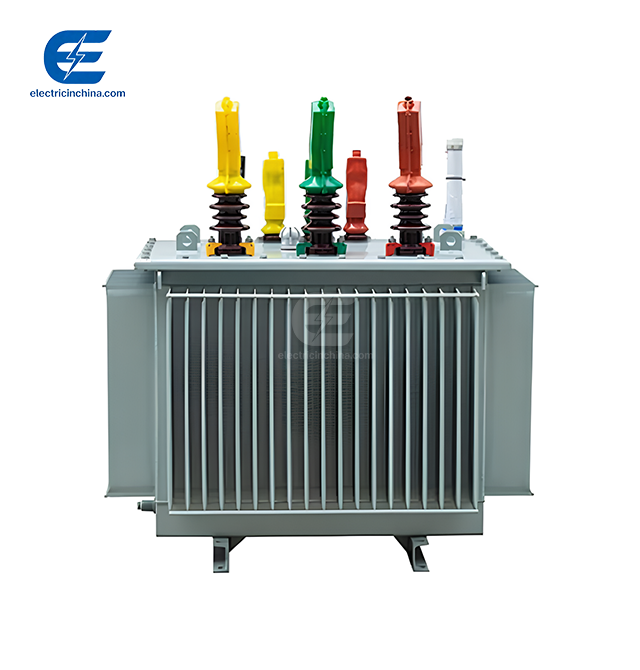
Traditional transformers that are full with oil can catch fire and pollute the environment in ways that aren't accepted in modern urban settings. Leaking oil takes a lot of work to clean up and reporting to the government. Fire suppression systems are more difficult to set up and cost more. For indoor uses, containment structures and ventilation systems that cost a lot are needed. These problems don't exist at all with cast-resin amorphous alloy transformers. The solid insulation system doesn't have any flammable liquids in it, so it can be put in basements, business places, and homes without any extra fire protection. Because of this basic safety benefit, government infrastructure projects and commercial developers are choosing cast resin technology more and more for substations that are close to places where people live.
Performance Benefits Compared to Silicon Steel Cores
Amorphous alloy cores that work at magnetic flux levels of 1.3 to 1.45T are more efficient than silicon steel versions that have been used for a long time. A core loss rate of 0.2 to 0.3 W/kg is 70 to 80% better than silicon steel's 1.1 to 1.3 W/kg energy waste. This huge increase in efficiency cuts down on heat production over the life of the transformer. Lower working temperatures directly increase the service life of insulation by slowing down the rate of thermal ageing. Because the amorphous core material has less magnetostriction, noise levels go down a lot. Because of these features, Cast Resin Amorphous Alloy Transformers are very useful for applications that need to have high efficiency ratings, like green building certifications and projects that use renewable energy.
Maintenance Requirements Across Transformer Technologies
Transformers that are submerged in oil need to be tested, filtered, and eventually replaced with new ones at the end of their useful life. Failure of gaskets, wear and tear on bushings, and upkeep on the cooling system all add to ongoing running costs. Silicon steel dry-type transformers need to be cleaned, and their connections need to be tightened every so often. With 99.5% dependability scores, our Cast Resin Amorphous Alloy Transformers promise to work without any problems for 30 years or more. This benefit lowers lifetime costs by a large amount and gets rid of planned breaks that stop the facility from working. When EPC contractors bid on turnkey projects, they get to enjoy easier maintenance rules that lower their long-term service obligations.
Supporting Your Procurement Decisions: Choosing Reliable Cast Resin Amorphous Alloy Transformer Suppliers
Certification and Quality Standards That Matter
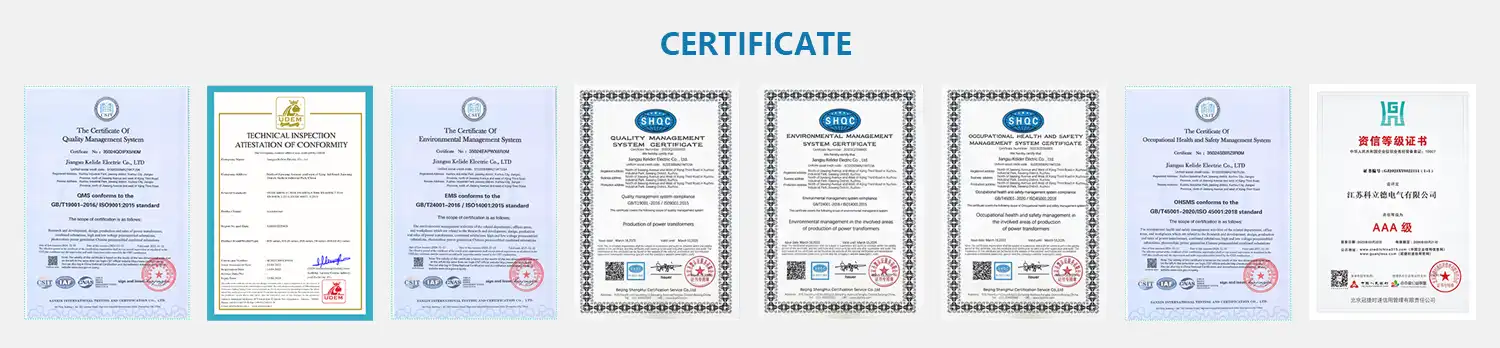
When evaluating transformer providers, it's important to check the certificates that show they can make the product and are committed to quality. Achieving ISO 9001 quality management certification means that production control processes are organised and well-run. The ISO 14001 environmental management standards make sure that the environmental effect of production is kept to a minimum. Getting OHSAS 45001 certification shows that you care about safety at work, which affects the quality of your products. National CCC approval for electrical tools shows that it meets safety and performance standards. All of these certifications are still valid at our facility, which also has full quality inspection labs that test every step of the production process. We keep a close eye on everything, from getting the raw materials to delivering the finished product. This keeps broken units from getting to the customer sites.
Technical Capabilities That Ensure Custom Solutions
Customised specifications that take into account specific operating conditions are often needed for government infrastructure projects and industrial facilities. Specific application needs must be met by voltage levels, capacity grades, impedance values, and connection setups. Our scientific team, which is made up of 15 top engineers with more than 20 years of experience in the field, helps with engineering throughout the whole process of developing specifications. We help with plans for integration, analysing external conditions, and evaluating load profiles. Our 18 patents show that we are always coming up with new ideas to meet new customer needs. Over 120 sets of equipment, such as CNC static vacuum casting tools, give manufacturers the freedom to make unique Cast Resin Amorphous Alloy Transformers without having to wait longer for them to arrive.
Service Agreements and Warranty Terms That Protect Investments
A full warranty shows that the manufacturer is confident in the product's durability. Standard guarantee times should last at least 24 months, and choices for longer coverage should be based on how long the product is expected to last. Service agreements that spell out how long it will take for technical help to respond protect against interruptions in operations. Spare parts availability promises make sure that repairs can be done without waiting for equipment to be down for a long time. Our all-in-one power supply and distribution services include overseeing the installation, helping with the commissioning process, and training operators. This unified service method makes it easier for EPC contractors who are in charge of multiple project steps to coordinate.
Delivery Capabilities That Match Project Schedules
Infrastructure projects have strict deadlines, and if equipment is late, there are penalties that can happen, which can cause schedule problems all over again. To judge a supplier's shipping performance, you need to look at their past records for on-time shipments and their manufacturing capacity. Our efforts to improve production by constantly tweaking processes across more than 120 pieces of equipment make sure that lead times are predictable. We keep an inventory of common specifications that lets us quickly deploy solutions for urgent needs. Experience with international shipping for government projects, business developments, and industrial facilities in a number of different regions shows that you are good at transportation. Customs clearance delays that hurt project schedules can be avoided by knowing the regional rules and how to fill out the necessary paperwork.
Conclusion
To keep the insulation integrity of Epoxy resin cast amorphous alloy dry-type transformer (commonly referred to as cast-resin amorphous alloy transformers) safe, you need to know how it breaks down and use a wide range of preventative measures. Insulation systems face problems over the course of their useful lives because of electrical stress, changing temperatures, mechanical effects, and external factors. Advanced design features that combine amorphous core technology with high-performance cast resin formulas make the products naturally more durable. Best operational practices, proper handling protocols, and predictive maintenance methods all help to increase the service life of a system while lowering the risk of failure. Transformers will work as expected for decades if you buy them from reputable companies with proven certifications, technical skills, and service promises. Cast-resin amorphous alloy transformers that are properly specified and kept are more efficient, safer, and last longer. They are also worth the extra money because they save money on running costs and are more reliable.
FAQ
What causes insulation failure in dry-type transformers?
Damage to insulation can be caused by several different things working alone or together. Voltage spikes put stress on the electrical system, which leads to localised warmth and dielectric breakdown. Thermal cycling causes stresses at the edges of materials to expand and contract. Mechanical impacts during transport and installation prevent the cracks from spreading. Surface qualities get worse when they are exposed to water, dust, and chemicals in the environment. Getting rid of these root causes through good design choices, installation methods, and operating tracking is needed to keep things from breaking down.
How long should cast resin insulation last?
When built and used correctly, Cast Resin Amorphous Alloy Transformers last more than 30 years without needing any repairs. How long insulation lasts relies on how it is used, how much weight it has to carry, and its surroundings. The units will last as long as possible if they are used in controlled environments and meet their rated specifications. Regular diagnostic tracking checks the state of the insulation, which lets replacements be planned ahead of time before they happen. Our transformers are made with materials and techniques that are designed to last for a long time.
Can damaged insulation be repaired or must the transformer be replaced?
Minor surface damage sometimes accepts localised repair using compatible resin formulations. Extensive internal damage typically requires transformer replacement, as cast resin systems cannot be disassembled and rebuilt. Diagnostic testing determines damage extent and repair feasibility. Partial discharge measurements, insulation resistance testing, and thermographic inspection guide repair versus replacement decisions. Our technical team helps customers make choices that are good for them financially by evaluating them.
Partner with Tuojie: Your Trusted Cast Resin Amorphous Alloy Transformer Supplier
Tuojie has been making high-performance transformers for government infrastructure projects, commercial developments, and industrial facilities for more than twenty years. Our cast-resin amorphous alloy transformer blends cutting-edge amorphous core technology with advanced cast-resin insulation. It guarantees maintenance-free operation for more than 30 years and loses 70–80% less energy. We keep our ISO 9001, ISO 14001, and OHSAS 45001 certifications up-to-date and run full-scale quality laboratories to make sure that every unit meets foreign standards. Our technical team of 15 senior engineers creates solutions that are tailored to your specific needs. They are supported by more than 120 sets of advanced manufacturing equipment that make delivery quick. Contact Tuojie at tuojie@electricinchina.com right away to talk about your project needs with our technical experts. We offer reliable cast-resin amorphous alloy transformer solutions that protect your investments and improve performance. You can look at all of our services at electricinchina.com.
References
1. Chen, W., and Zhang, L. (2021). Amorphous Alloy Transformer Technology: Principles and Applications. Beijing: China Electric Power Press.
2. International Electrotechnical Commission. (2019). IEC 60076-11: Power Transformers - Part 11: Dry-type Transformers. Geneva: IEC Publications.
3. Kumar, S., and Patel, R. (2020). "Insulation Degradation Mechanisms in Cast Resin Transformers: A Comprehensive Review." IEEE Transactions on Dielectrics and Electrical Insulation, 27(4), 1245-1262.
4. National Electrical Manufacturers Association. (2018). NEMA ST 20: Dry-Type Transformers for General Applications. Rosslyn: NEMA Standards Publication.
5. Wang, H., Liu, Y., and Zhou, Q. (2022). "Thermal Stress Analysis and Lifespan Prediction for Amorphous Alloy Transformers." Journal of Electrical Engineering Technology, 17(3), 1587-1598.
6. Zhao, M., and Thompson, J. (2020). Predictive Maintenance Strategies for Power Distribution Equipment. New York: McGraw-Hill Professional.