

.webp)
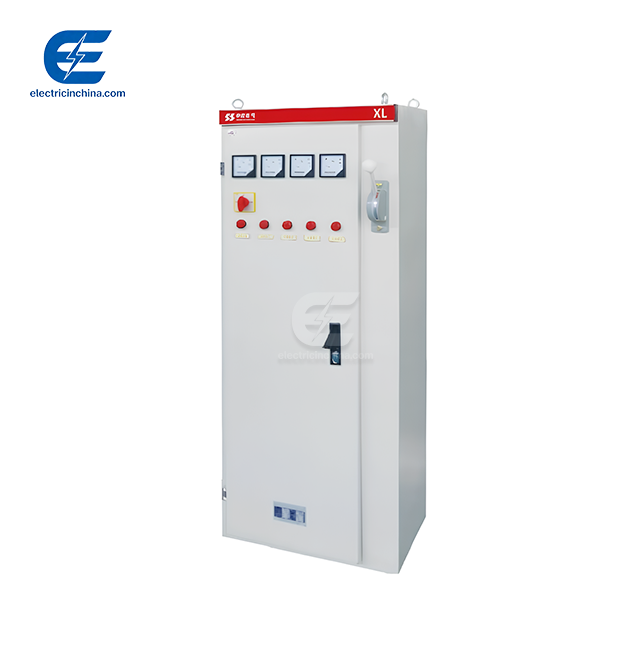
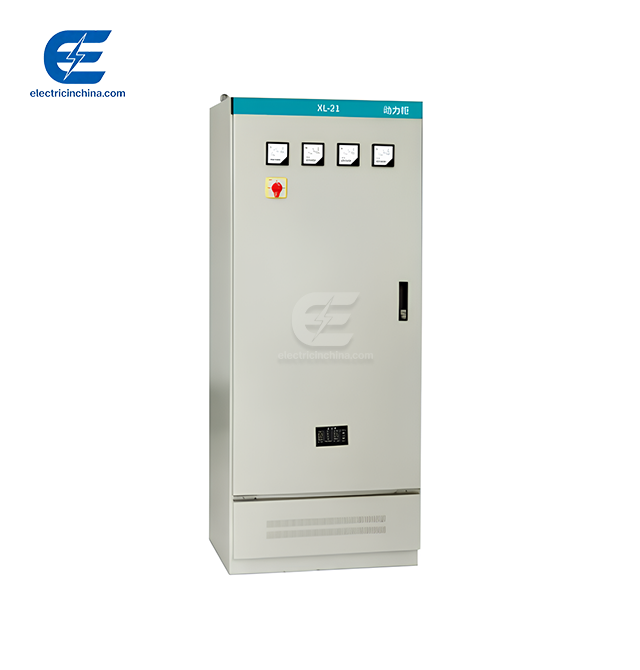
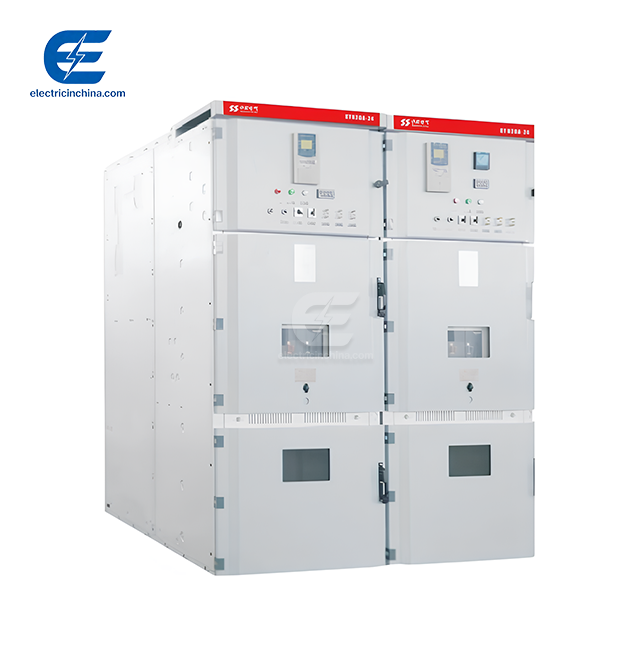
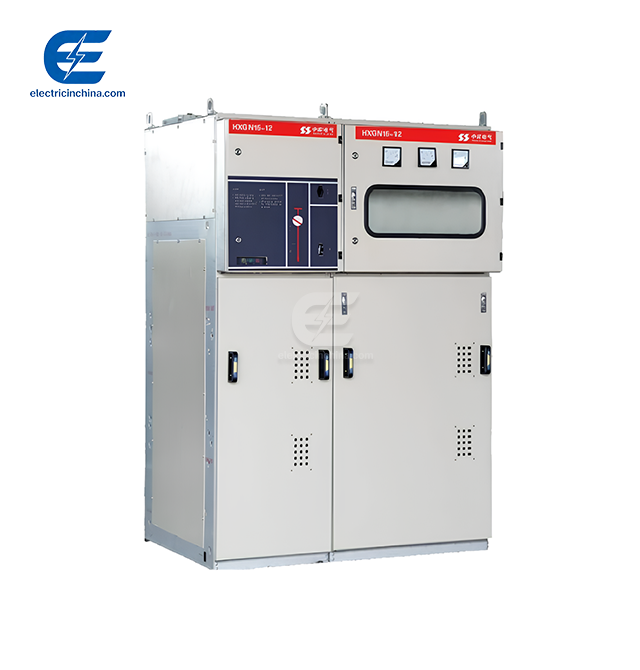
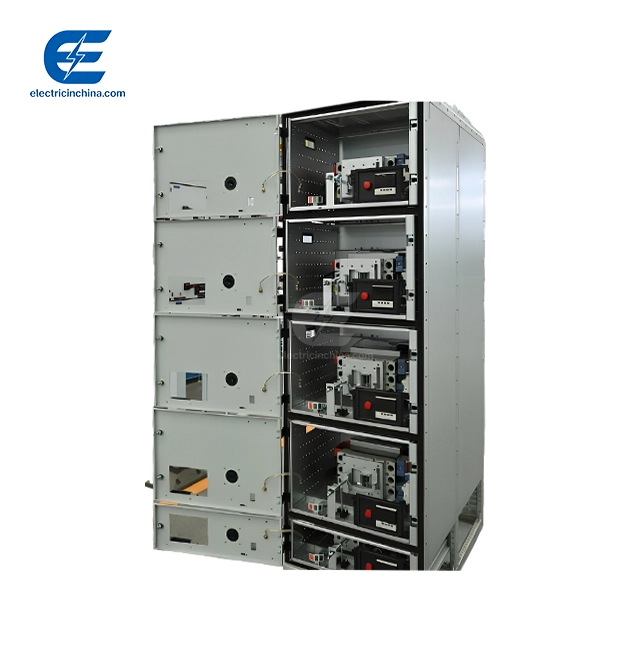
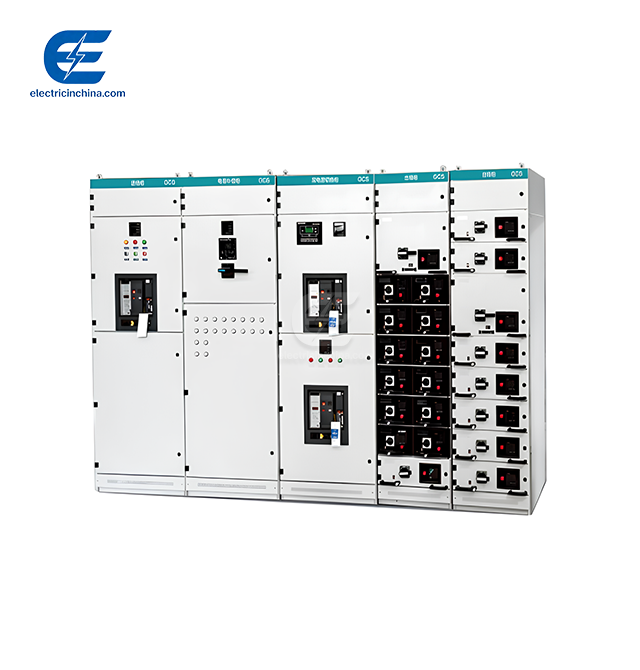
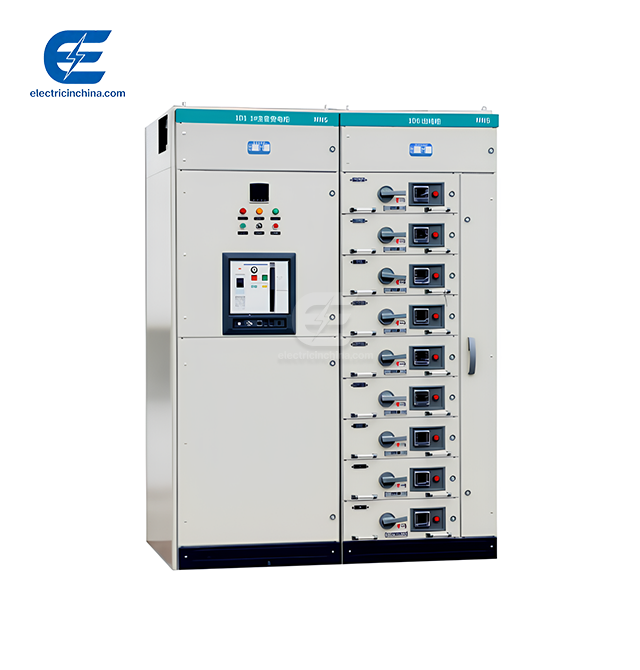
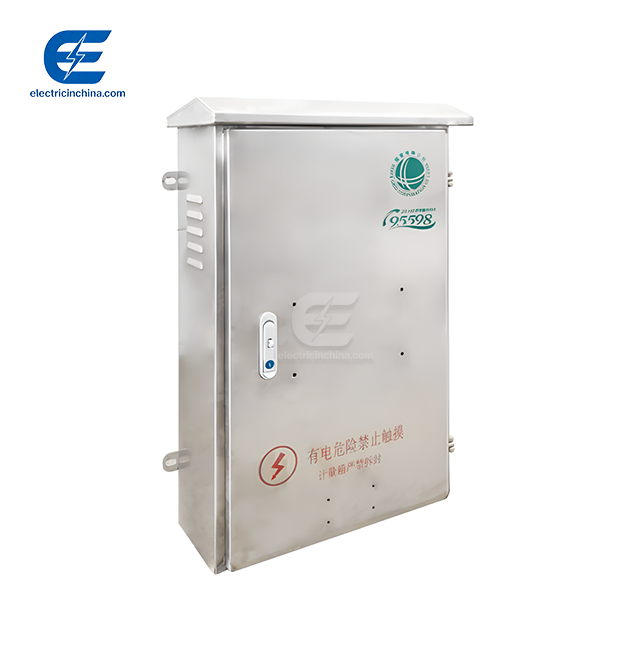
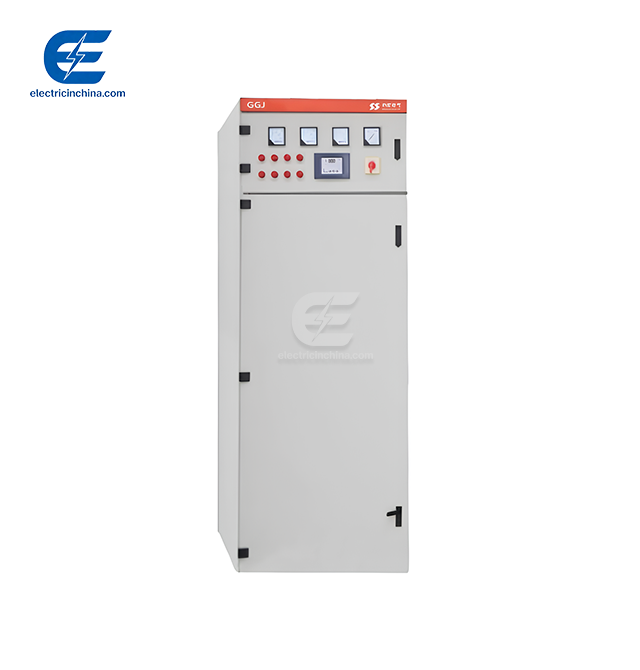
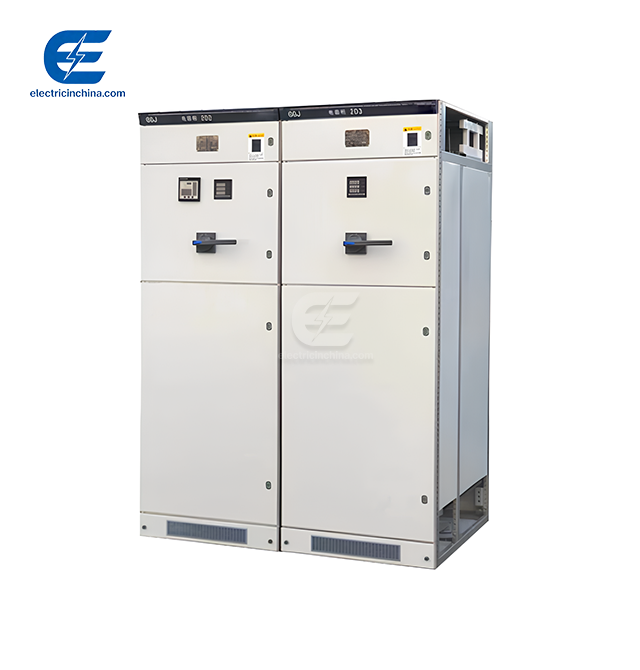
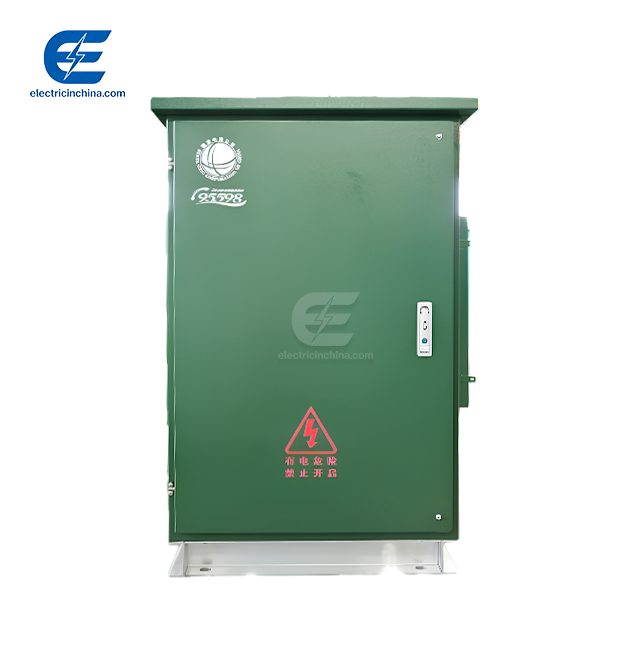
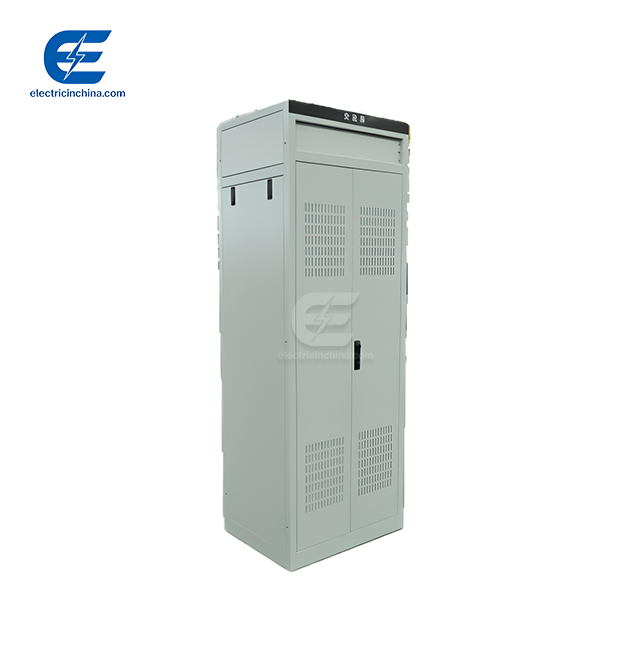
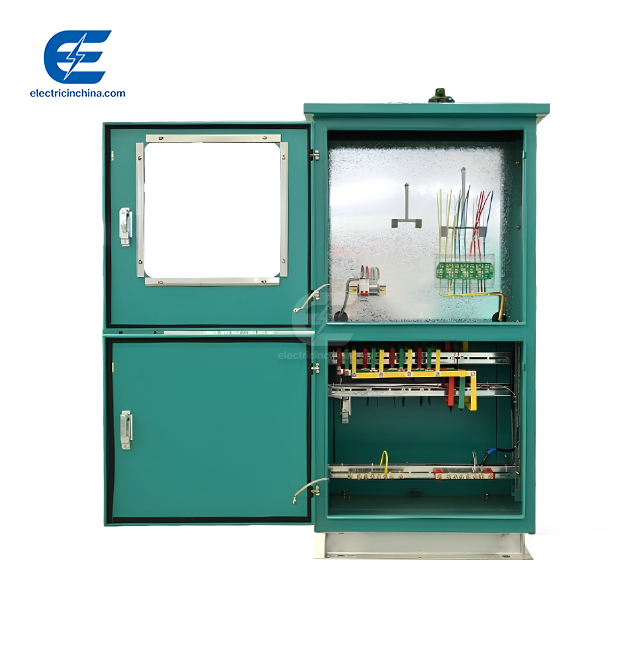
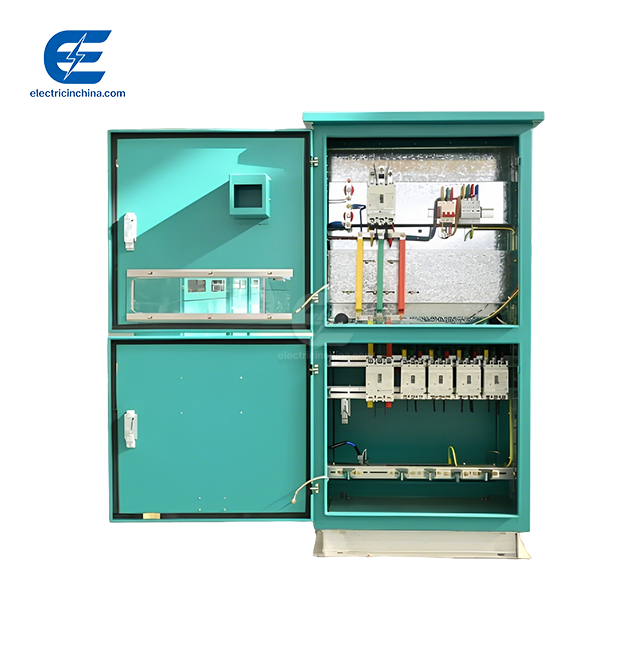
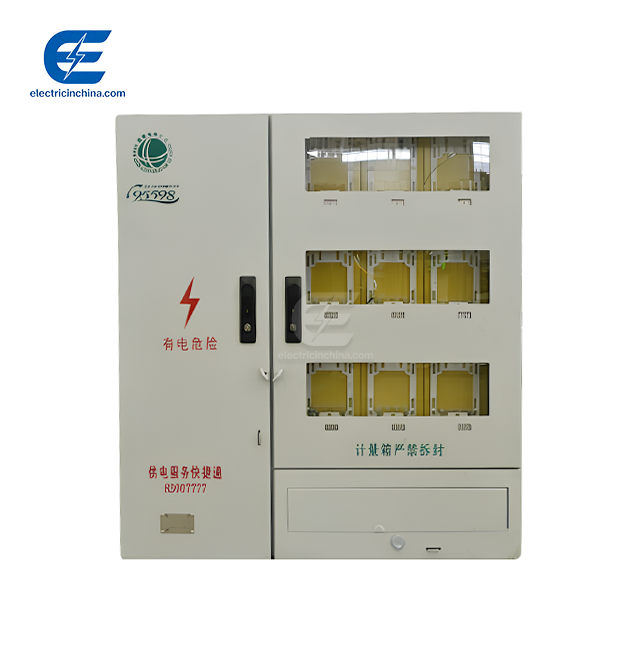
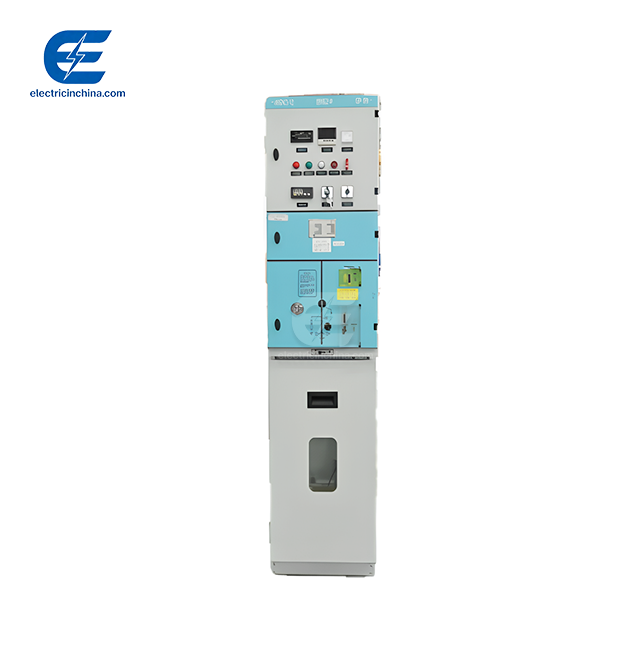
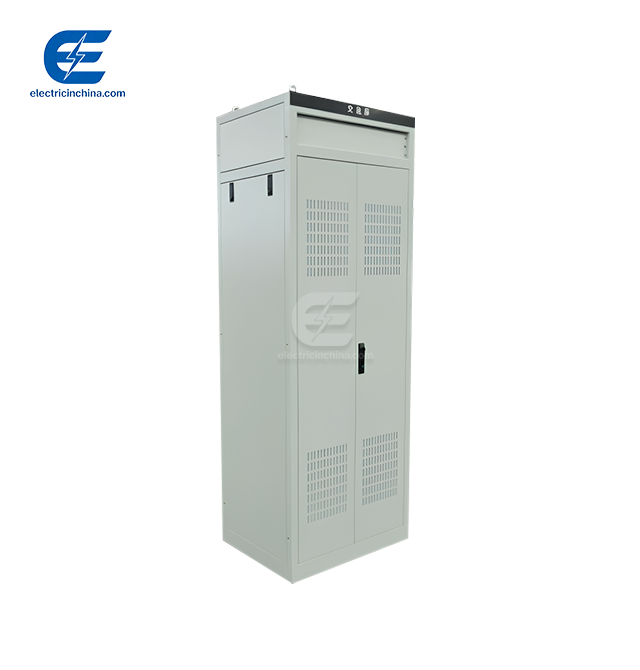
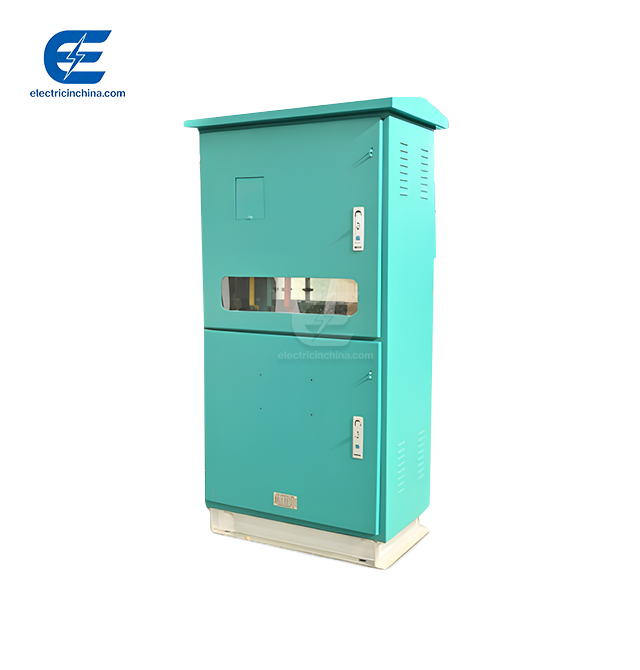
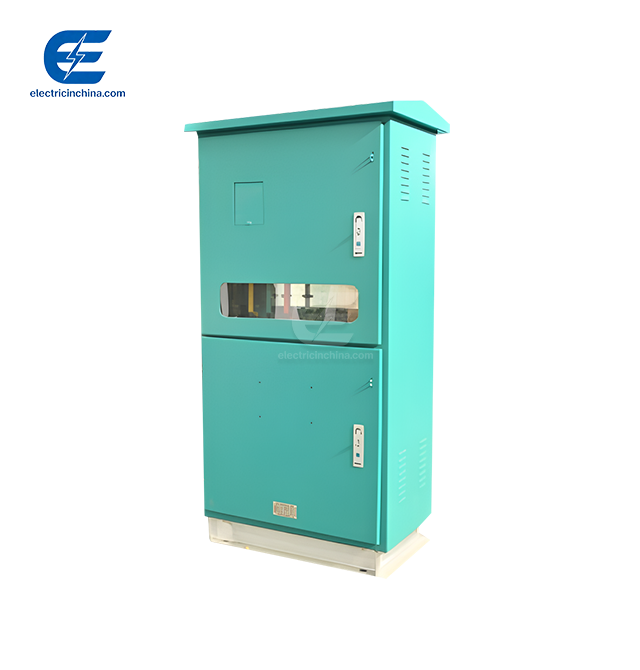
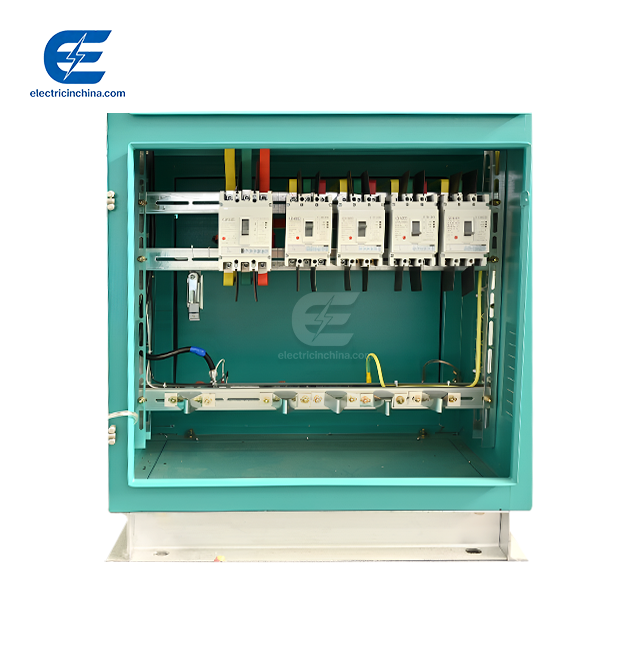
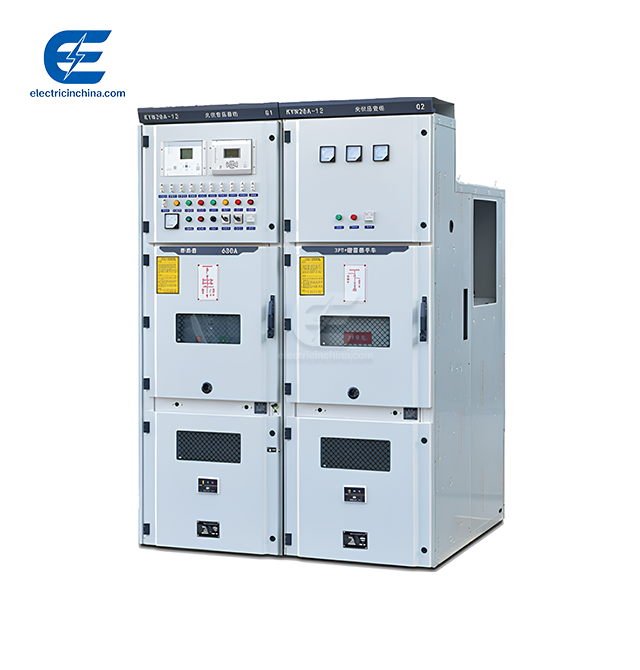
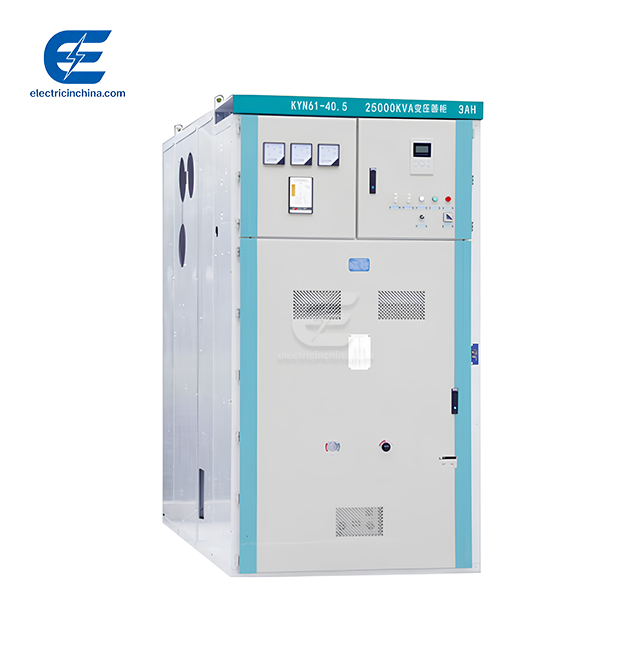
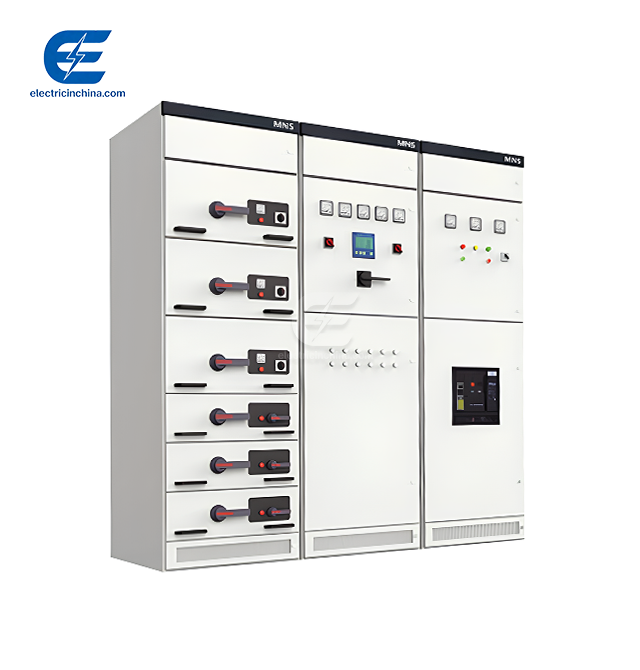
When evaluating electrical infrastructure for industrial and commercial applications, understanding the protection differences between waterproof and ordinary power distribution cabinets becomes critical. A Power Distribution Cabinet designed with waterproof features typically delivers significantly enhanced resistance to moisture ingress, dust accumulation, and environmental corrosion compared to standard configurations. These protection capabilities directly impact operational reliability, equipment longevity, and maintenance costs—factors that matter tremendously to project-based procurement teams working on government infrastructure, real estate developments, and industrial installations. Making the right choice between waterproof and ordinary distribution systems can mean the difference between years of trouble-free service and repeated downtime that disrupts operations.
Understanding Power Distribution Cabinets and Their Protection Requirements
The electrical distribution system is the most important part of any building's power system. These systems get electricity from the power grid and safely send it to different loads in factories, businesses, and government buildings. After 20 years of business, Xuzhou Tuojie International Trade Co., Ltd. has learned that the natural conditions have a huge impact on the security needs of these systems.
Core Functions and Typical Applications
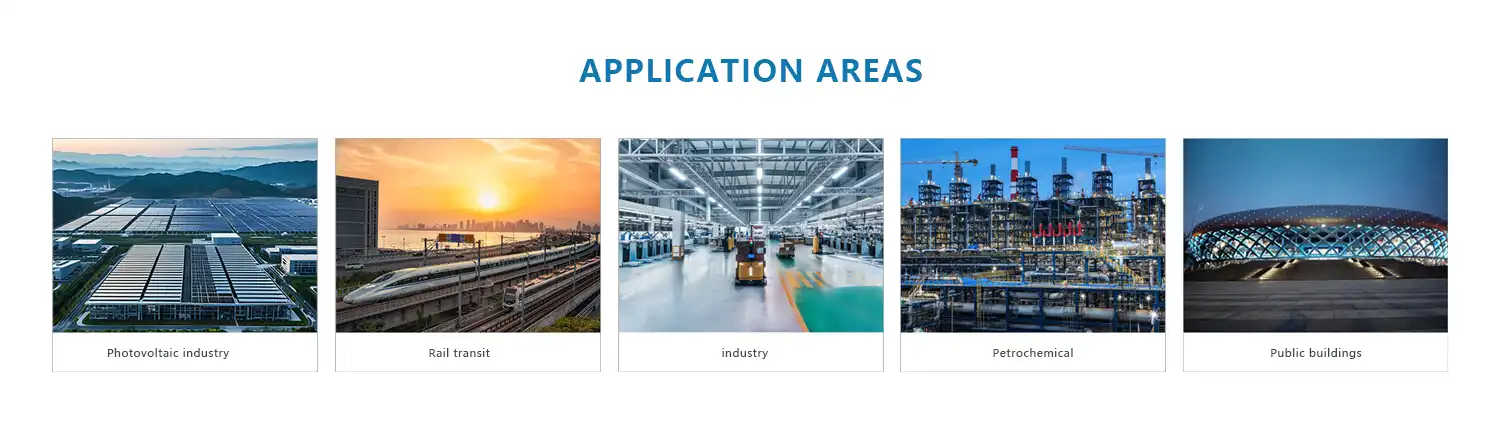
Everything from motors and pumps to production lines and HVAC equipment is taken care of by our distribution systems. For projects like Xuzhou Rail Transit and XCMG Group sites, the cabinets we build need to be able to handle voltages from 120V to 69kV and currents from 100A to 6000A. Each application has its own problems that need custom answers. Equipment in industrial settings is often exposed to dust from manufacturing processes, water from cleaning, and temperature changes that can run from -40°C to +70°C. Systems for commercial buildings need to protect them while also being easy to access for maintenance. Failures in municipal projects can put people in danger, so they need to be completely reliable.
Key Protection Challenges
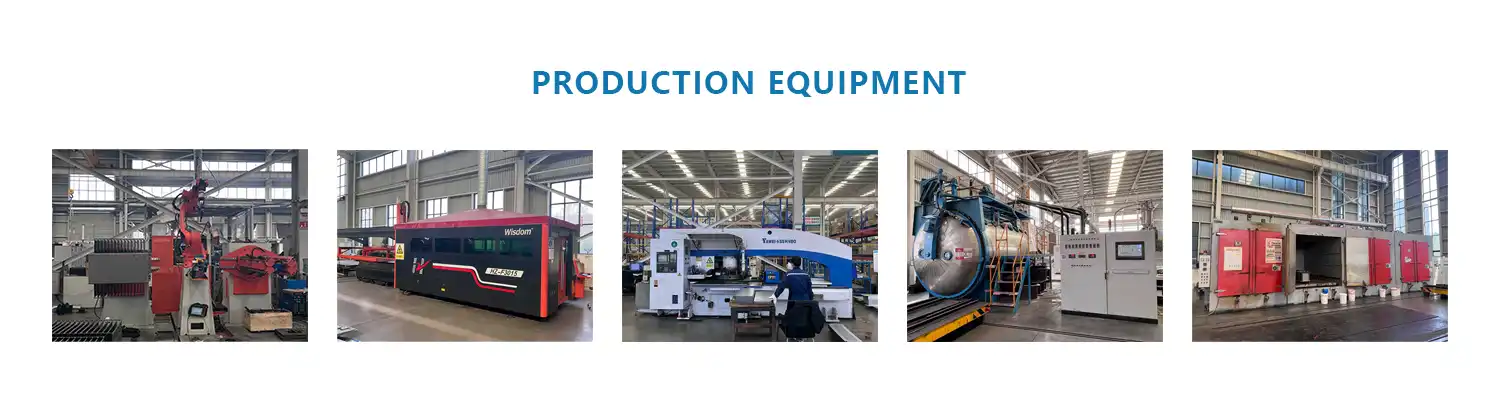
There are always threats to the distribution boards we make. When moisture gets into links, it leads to rust, which makes them weaker and increases the risk of an arc flash. A buildup of dust makes shielding less effective and increases the risk of fire. Changes in temperature cause things to expand and contract, which can make terminals loosen. Power spikes and short circuits can damage expensive equipment that is tied further down the line. Because of these problems, we've bought more than 120 sets of high-tech tools, such as CNC automatic winding machines and microcomputer-controlled gradient cure ovens. Our 15 senior engineers know that protection is more than just meeting minimum standards. It's also about figuring out what might go wrong in the real world that could compromise the integrity of the system.
Standards and Compliance Requirements
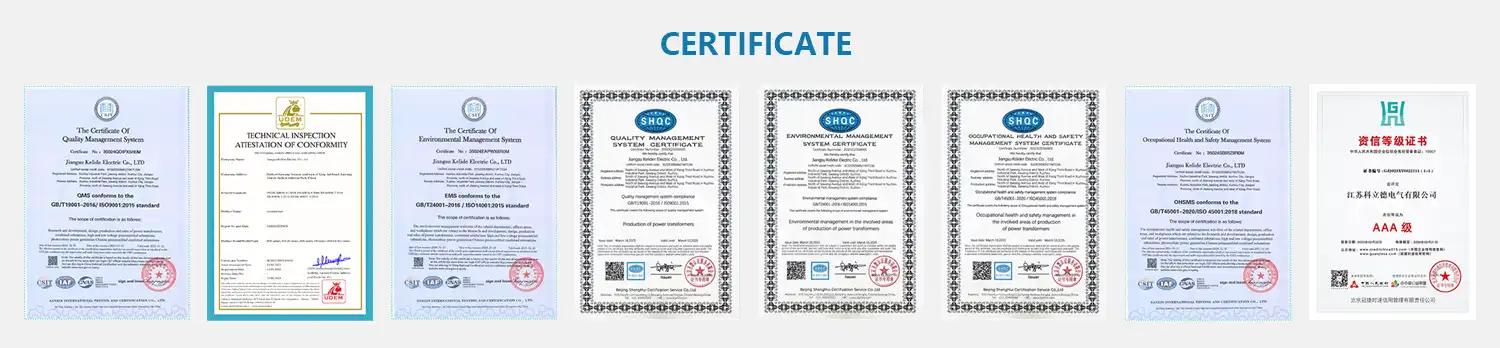
There are ways to figure out how safe something is by using international standards like IEC 61439, NEMA classifications, and IP rating systems. Our goods have National CCC Mandatory Certification, ISO 9001, and ISO 14001 certifications, which show that they meet strict quality and safety standards. When B2B procurement professionals look at suppliers, these certifications are important signs of how well they can make things and how committed they are to quality control. Before it leaves our facility, every cabinet goes through a series of strict quality checks that make sure it can handle fault currents of up to 200 kA and seismic loads that meet IEEE 693 standards.
Defining Waterproof vs Ordinary Power Distribution Cabinets
The main differences between waterproof and regular versions are the design theory, the choice of material, and the safety features. Knowing these differences helps procurement teams make decisions that are in line with what the project needs.
Design and Material Differences
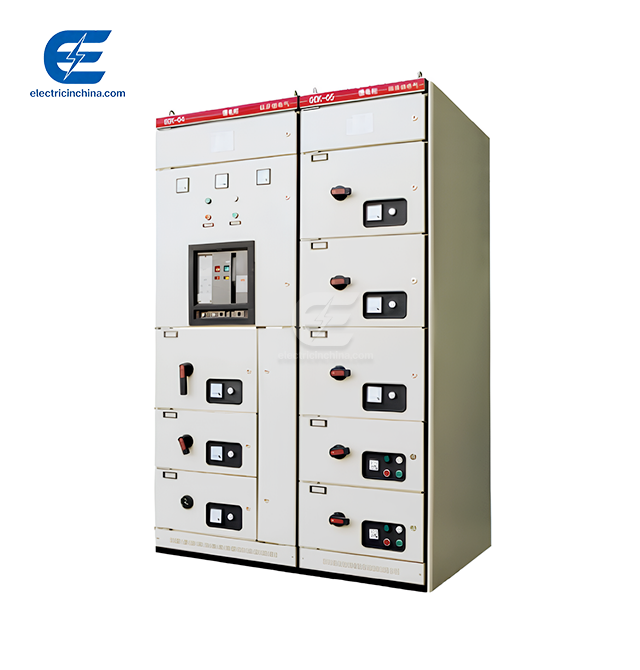
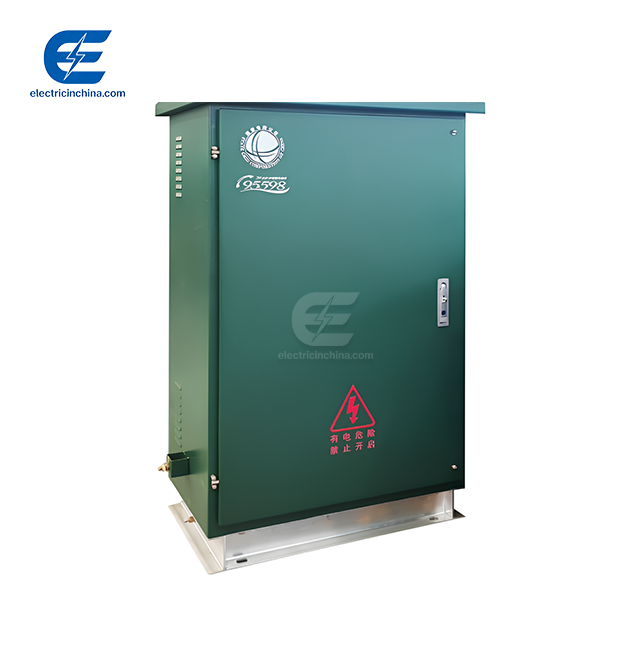
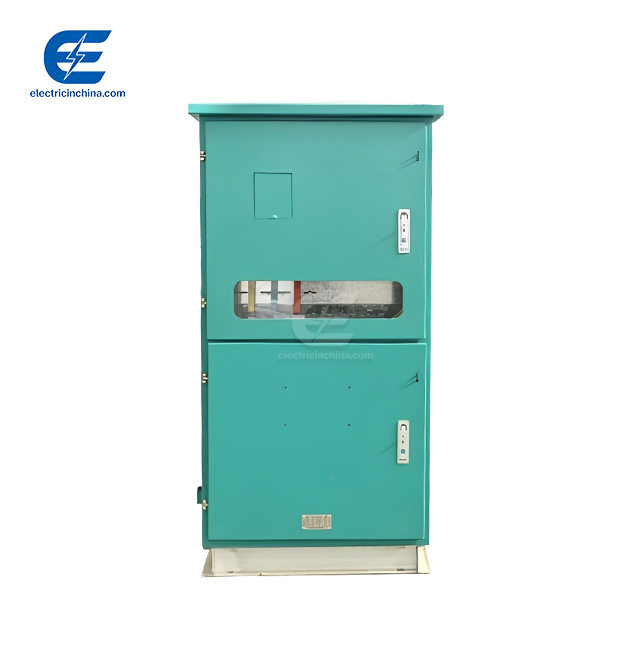
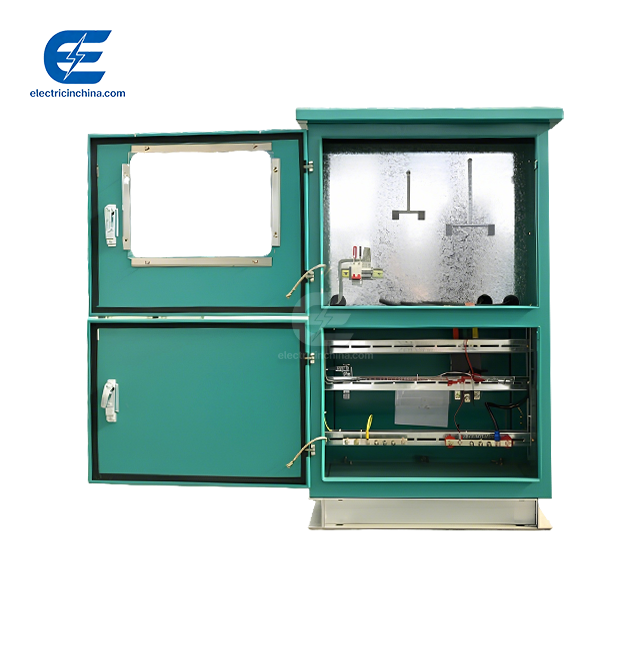
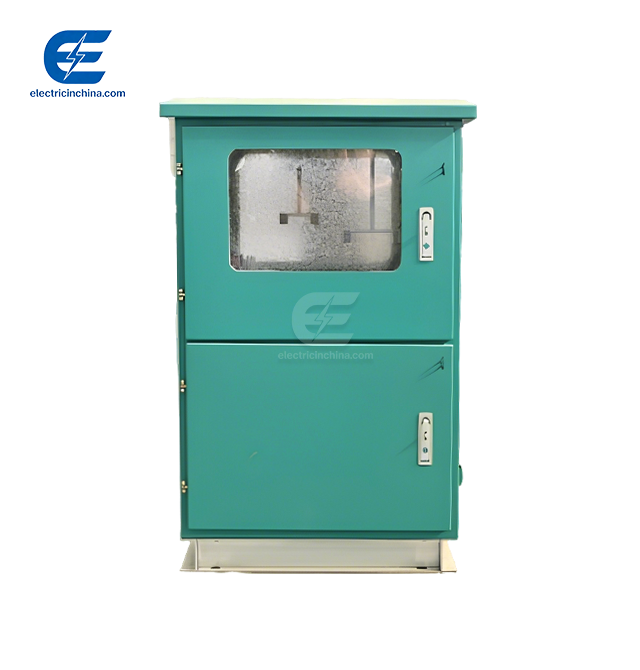
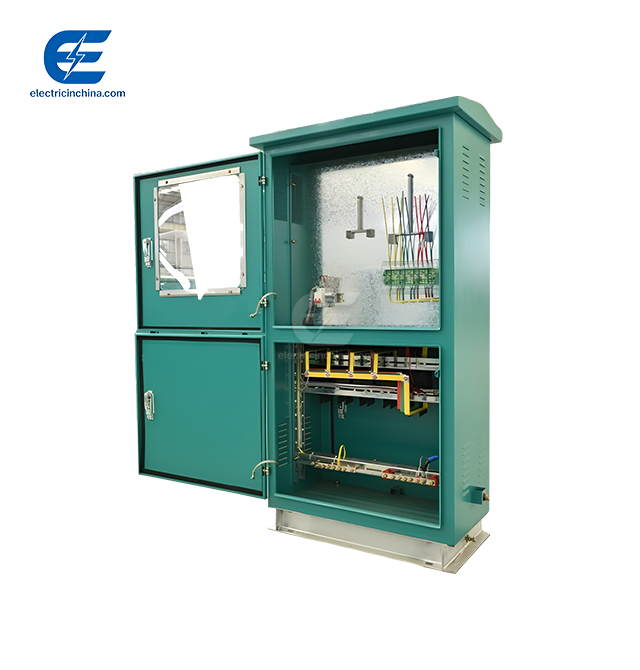
There are advanced sealing technologies built into waterproof cabinets that keep water and dust out. We use gasket systems, wire entry points that are sealed, and special finishes that have IP65 or IP66 ratings. These grades mean that you are completely safe from dust and strong water jets coming from any direction. Ordinary cabinets usually get an IP54 grade, which means they can protect against some dust and water splashing. These systems work fine in controlled indoor environments, but they can fail in harsh environments. The choice of materials is also very different. For waterproof versions, corrosion-resistant alloys and special powder coatings that can handle chemicals and moisture are used. Standard cabinets have standard steel frames with simple paint finishes. Our flexible component setup lets us make changes based on the needs of the surroundings. Circuit breakers, contactors, and variable frequency drives all work together perfectly, no matter if you need basic protection or better waterproofing. The 18 patents we used to create our modular design allow for expansion without affecting the structure of security.
Industry Standards and Certifications
NEMA guidelines are another way to look at how well enclosures are protected. NEMA 4X ratings are about the same as IP66 ratings and show that the equipment can be used outside and won't rust. For international projects, IEC classifications give the same kind of advice. When choosing a distribution box for bids or EPC contracts, it is important to make sure that these certifications are valid. Before a unit is sent out, our quality checking lab makes sure that it meets all of the required safety standards by testing it thoroughly.
Comparative Analysis of Protection Performance
There are real-world differences in how well waterproof and regular systems work when you look at how well they fight the environment, how reliable they are, and how much they cost to own. We know how these levels of safety work in a wide range of situations because we've worked on hundreds of important power projects.
Environmental Protection Capabilities
Waterproof distribution cabinets are very good at keeping out water that can cause corrosion and electrical problems. During the Xuzhou High-speed Railway East Station Official Power Supply EPC Project, we put in waterproof systems that have worked perfectly even though they have been exposed to changes in temperature and weather. Because it is sealed, dust can't build up and damage the insulation or cause hot spots in the electrical connections.
Electrical Protection and Reliability
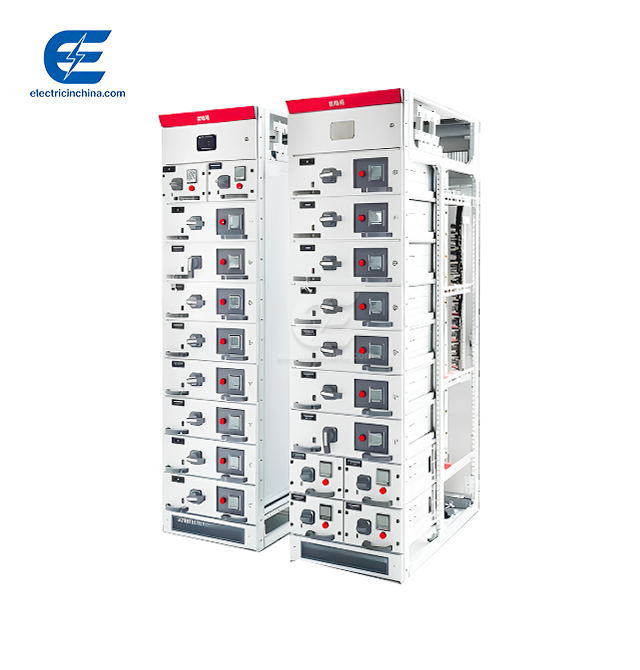
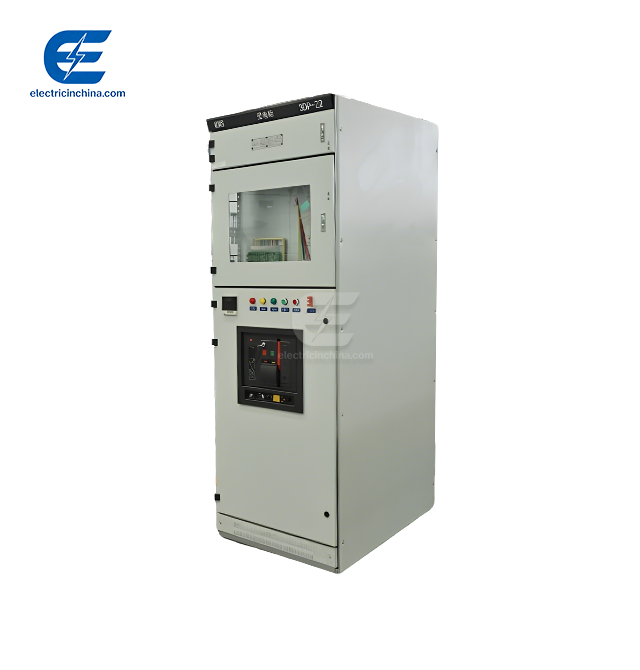
Multiple levels of protection are built into both waterproof and regular designs. These include circuit breakers, ground fault monitoring, and surge protection. The difference is how these protective processes are changed over time by external factors. When moisture and dust get into regular cabinets, they can make protective devices less effective, which can put people at risk and shorten the life of the equipment. No matter what level of protection you choose, our intelligent monitoring tools with touchscreen interfaces let you see how the system is running in real time. Total harmonic distortion, voltage changes, and frequency changes are all tracked by power quality meters that meet IEC 61000-4-30 Class A precision. This tracking helps find problems early on, before they become major problems. Waterproof systems keep working the same way with less degradation, which means fewer alarms and less time spent fixing by repair teams.
Lifecycle Cost Considerations
The initial purchase price is only one part of the total cost of ownership. Usually, waterproof cabinets cost 15 to 25 per cent more up front than regular ones. However, the longer service life and less frequent maintenance often make this extra cost worth it. We have proof that installing waterproof cabinets in industrial settings cuts annual maintenance costs by 40% compared to using regular cabinets in the same situations. Breakdowns of equipment have secret costs that go beyond the cost of repairs. Downtime for production, calls for emergency service, and fast shipping of parts add up quickly. When facilities show they have strong electrical safety measures, their insurance rates may go down. When teams are looking at bids, they should ask for a lifetime cost analysis that takes into account how often upkeep needs to be done, how long the service is expected to last, and the risks of downtime.
How to Choose the Right Power Distribution Cabinet for Your Needs?
To choose the right Power Distribution Cabinet, you need to carefully consider the needs of the application, the surroundings, and your organisation's goals. Our 15 senior engineers help clients make these kinds of choices and find the best solutions.
Application-Specific Requirements
For heavy industrial uses, constructions that are tough and can handle high fault currents are needed. Manufacturing plants that work with metal, chemicals, or food have tough environments that need waterproof building materials. The work we did on XCMG Group's new factory power supply upgrade showed how customised power management systems can handle high loads safely.
Key Decision Criteria
IP scores give you a normal way to compare the levels of security. IP65/IP66 waterproof construction is good for buildings with outdoor setups or wet processes. With IP54 protection, indoor controlled environments may work fine. The choice of material affects both how well it resists rust and how strong it is. In corrosive environments, stainless steel and special coatings make things last longer.
Procurement Considerations for Project Success
Project timelines and risk profiles are affected by lead times, warranty terms, and the level of technical support that is available. Our high-tech production facilities, which include CNC machines and processes that have been fine-tuned, allow us to deliver on time even for big projects. To avoid delays caused by broken equipment, we have strict quality control that follows ISO9001 standards.
Practical Tips for Installation, Maintenance, and Safety Compliance
Whether you choose waterproof or regular configurations, the best safety and longest life for your tools are achieved through proper installation and ongoing upkeep. Through working on hundreds of projects, we've learned the best ways to avoid common problems.
Installation Best Practices
The preparation of the site sets the stage for reliable operation. Making sure there is enough ventilation stops heat buildup that speeds up the ageing of parts. Having the right clearances makes it easier for maintenance workers to get to the area and meets electrical code requirements. For waterproof cabinets, making sure that the mounting surfaces drain water away from the enclosure stops water from standing and damaging the seals.
Maintenance Strategies for Optimal Performance
Checklists for routine inspections help find problems before they become major problems. Thermal imaging, which is done every three months, finds hot spots that show where connections are loose or circuits are overloaded. Electrical testing once a year, which includes measuring insulation resistance and checking contact resistance, finds damage early. Safety system integrity is kept up by testing all protective relays thoroughly every two to three years in line with NETA ATS standards.
Safety Compliance and Personnel Training
Electrical safety codes, such as NEC and NFPA 70E, and state rules must be followed to protect workers and reduce liability. Arc flash hazard analysis according to IEEE 1584-2018 sets up how protective devices should work together and what kind of personal protective equipment is needed. Using options for maintenance mode lowers the amount of incident energy that happens during service.
Conclusion
There are big differences in how well waterproof and regular Power Distribution Cabinets protect, and these differences have a big effect on safety, reliability, and upkeep costs in industrial, business, and municipal settings. Waterproof systems with IP65/IP66 ratings are better at keeping out moisture, dust, and corrosion, which makes their higher cost worth it because they last longer and have less downtime. Normal cabinets work well in controlled settings where rough conditions don't put the integrity of the system at risk. Instead of just looking at the original purchase price, it's important to be honest about environmental factors, application needs, and total ownership costs when choosing the right security levels. When you work with experienced manufacturers who offer customisation, quality certifications, and past project experience, you can be sure that you'll get the best solutions for your needs.
FAQ
Can ordinary cabinets be upgraded to waterproof standards?
It's hard and usually not worth the money to make regular cabinets waterproof after the fact. For IP65/IP66 ratings, complete sealing is needed. This includes special gasket systems, sealed cable entries, and changes to the enclosure that are so expensive that they are almost as expensive as buying new waterproof units. Most of the time, replacement works better and is more reliable than updates.
What certifications should I verify when purchasing waterproof cabinets?
Verify that the IP rating paperwork has been checked and proven to be correct by a third party using IEC 60529 standards. Check that switchboards and switchgear units meet the requirements of IEC 61439 and UL 891. Check to see if the company has ISO 9001 quality management certification and any necessary electricity safety approvals, such as UL, CE, or CCC marks based on where the product will be used. Ask for test results that show that the safety level has been checked.
How does cabinet choice impact long-term maintenance costs?
By keeping out moisture and dust that break down parts, waterproof cabinets cut down on the number of times they need to be serviced. Facilities say that the annual maintenance costs are 30–40% lower for these cabinets than for regular cabinets in harsh environments. Total ownership costs go down even though the initial investment is higher because failures cause less downtime and parts last longer.
Partner With Tuojie for Reliable Power Distribution Cabinet Solutions
Xuzhou Tuojie International Trade Co., Ltd. has been designing and making custom electrical distribution systems for tough uses for more than 20 years. Our standard and waterproof Power Distribution Cabinets can handle voltages from 120V to 69kV and currents up to 6000A. They are certified by ISO 9001, ISO 14001, and the National CCC. We've finished hundreds of projects, such as installations for Xuzhou Rail Transit and the XCMG Group and commercial developments, successfully. This shows that we can handle projects with complicated needs. We can provide one-stop power supply solutions and on-time delivery thanks to our 15 senior engineers and modern production facilities with over 120 sets of specialised equipment. We can make special configurations that fit your needs, whether you need waterproof safety for harsh industrial settings or cheap standard cabinets for controlled environments. You can email our team at tuojie@electricinchina.com to talk about your project needs, get detailed technical specifications, or get a competitive quote from a Power Distribution Cabinet supplier with a history of quality and service. You can look at all of our products at electricinchina.com.
References
1. IEEE Standards Association. (2020). IEEE Standard for Metal-Enclosed Low-Voltage Power Circuit Breaker Switchgear (IEEE C37.20.1-2020). Institute of Electrical and Electronics Engineers.
2. International Electrotechnical Commission. (2021). Low-voltage Switchgear and Controlgear Assemblies – Part 1: General Rules (IEC 61439-1:2021). IEC Central Office, Geneva.
3. National Electrical Manufacturers Association. (2019). Enclosures for Electrical Equipment (1000 Volts Maximum) (NEMA 250-2020). NEMA Standards Publication, Rosslyn, VA.
4. Narayanan, K., & Subramaniam, R. (2018). Protection Strategies for Power Distribution Systems in Industrial Facilities. Journal of Electrical Engineering and Technology, 13(4), 1567-1581.
5. Zhou, H., Chen, W., & Liu, Y. (2022). Comparative Study of Ingress Protection Ratings in Electrical Distribution Equipment for Harsh Environments. Electric Power Systems Research, 208, 107-119.
6. NFPA 70E Technical Committee. (2021). Standard for Electrical Safety in the Workplace (NFPA 70E-2021 Edition). National Fire Protection Association, Quincy, MA.