

.webp)
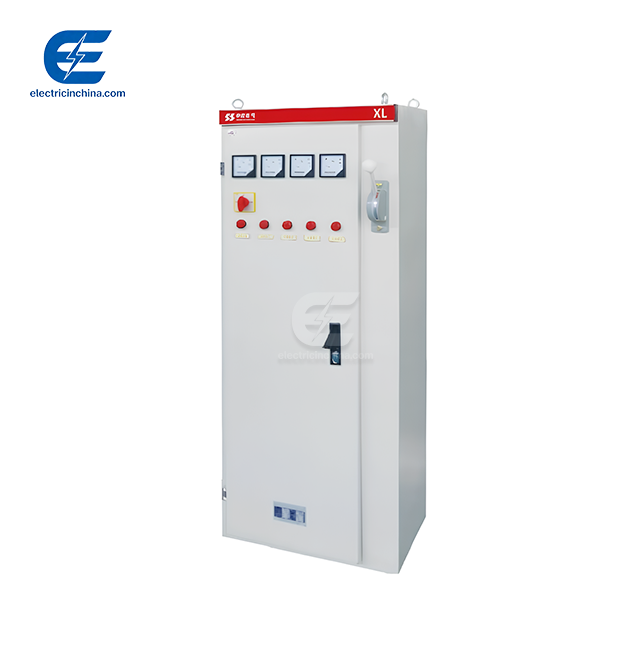
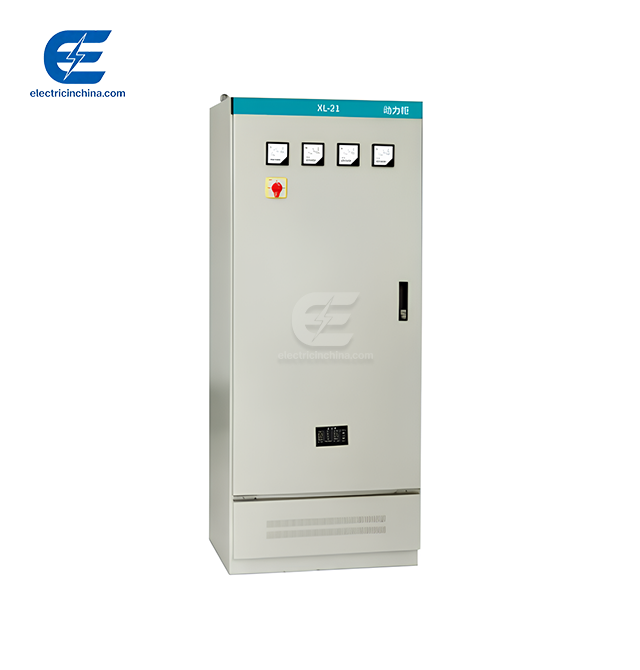
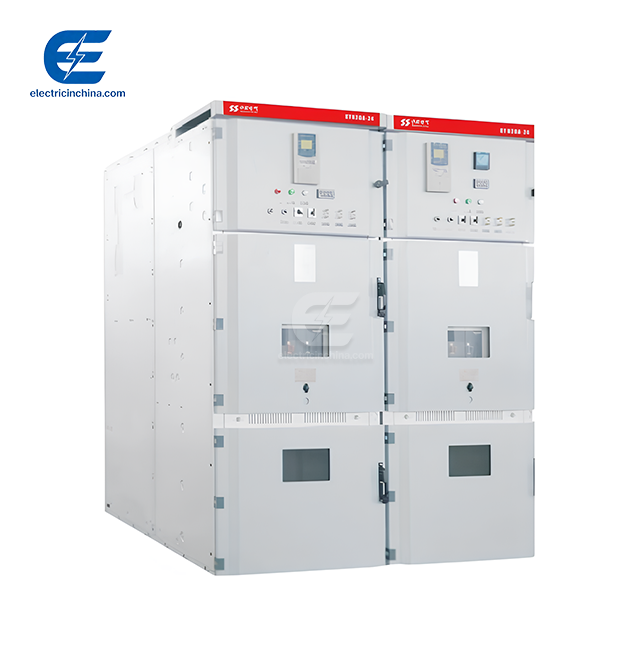
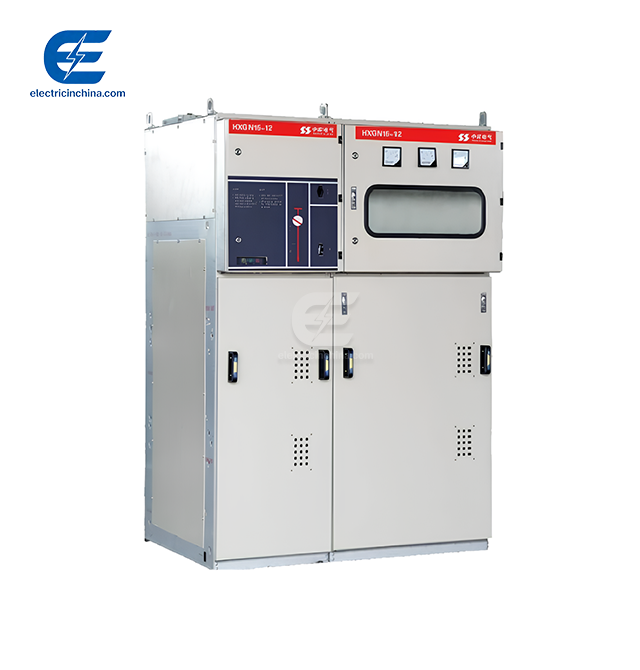
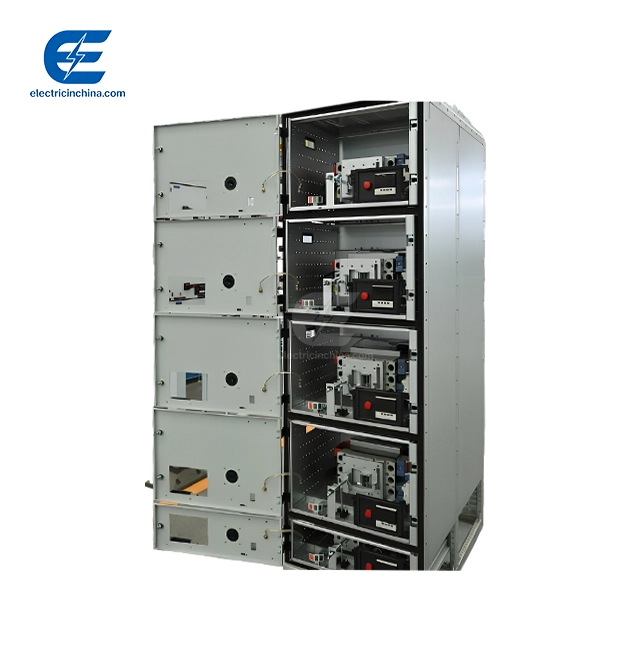
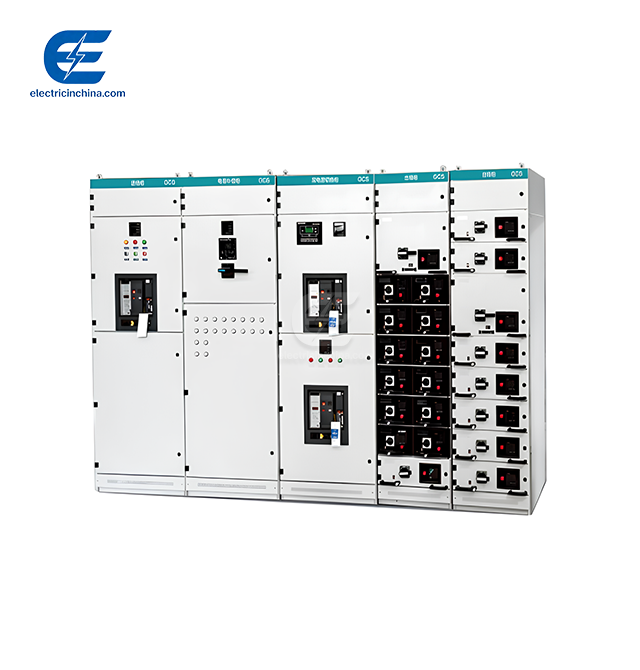
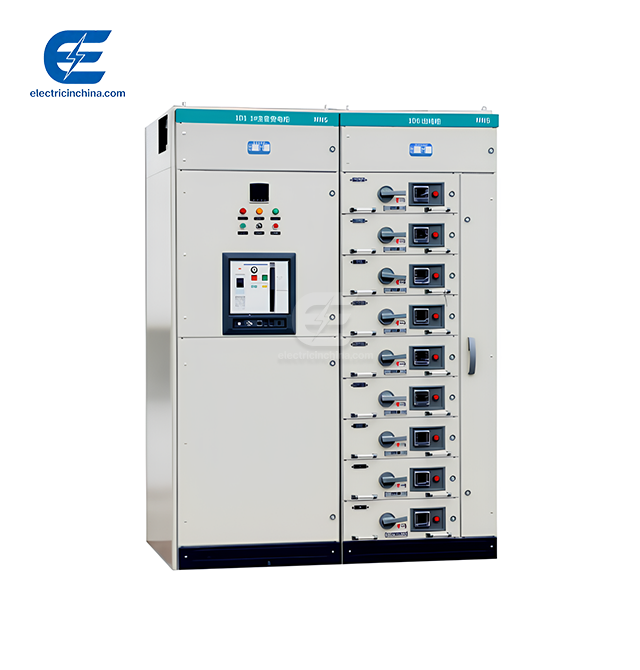
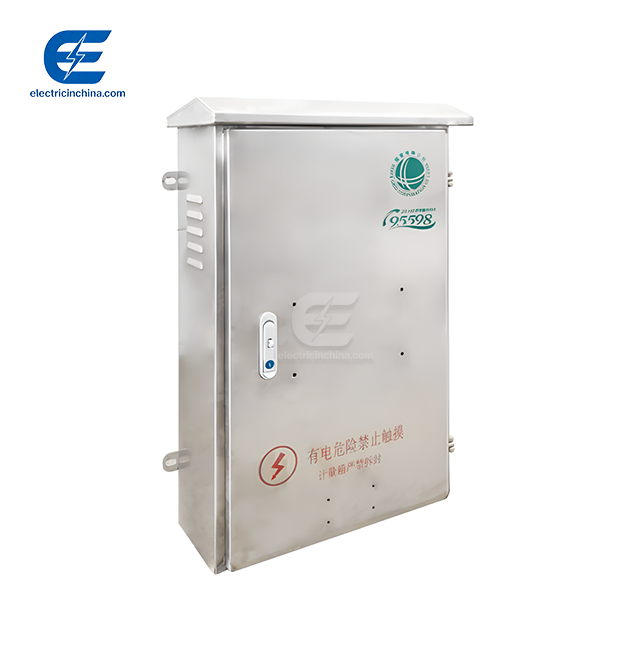
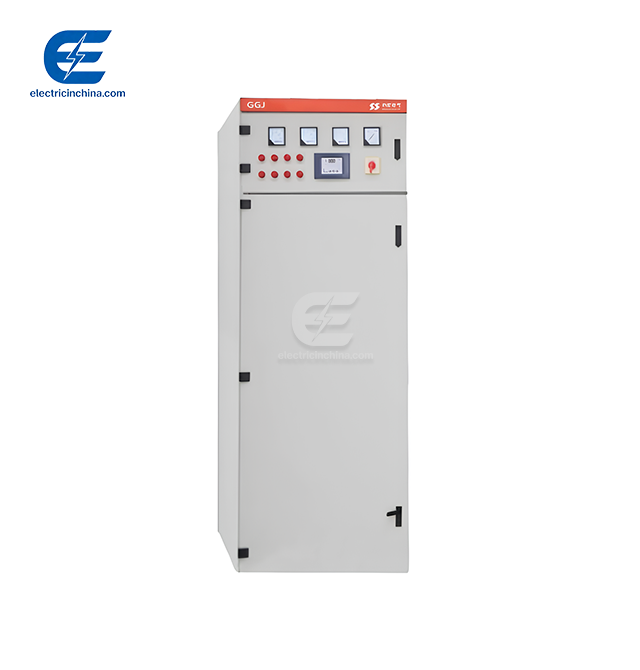
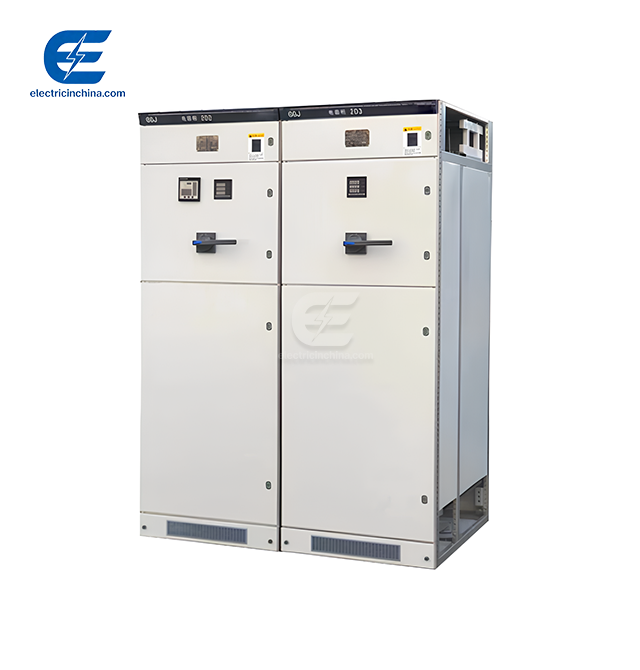
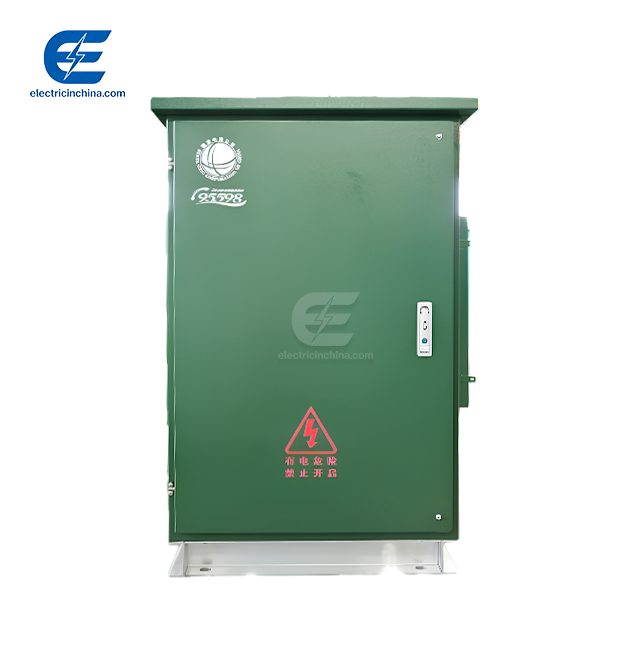
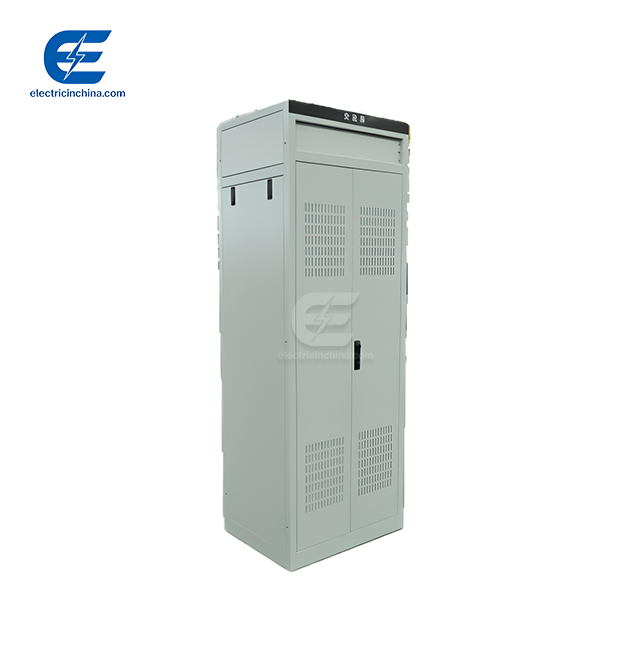
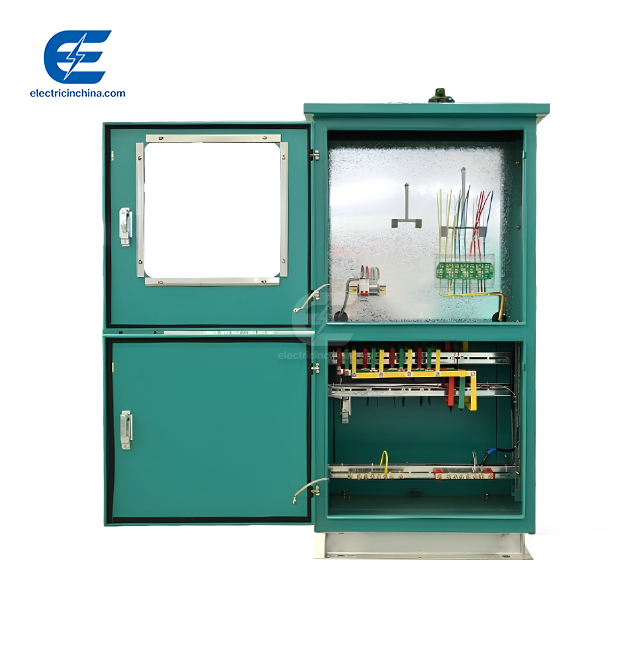
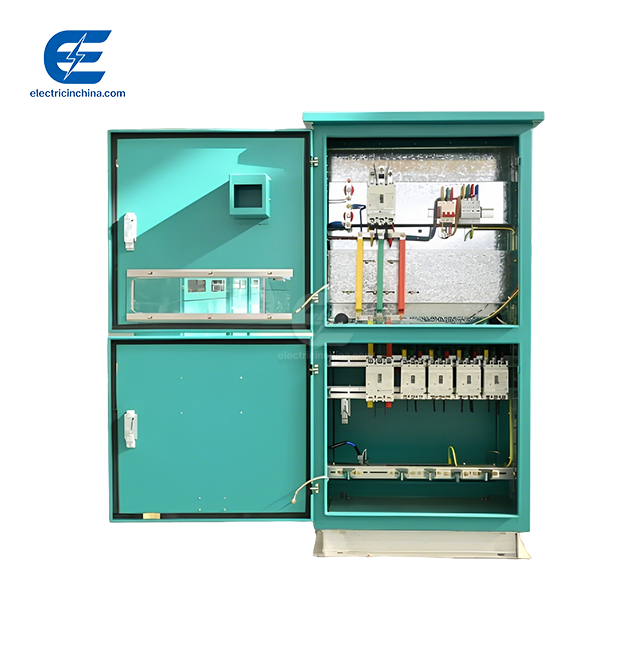
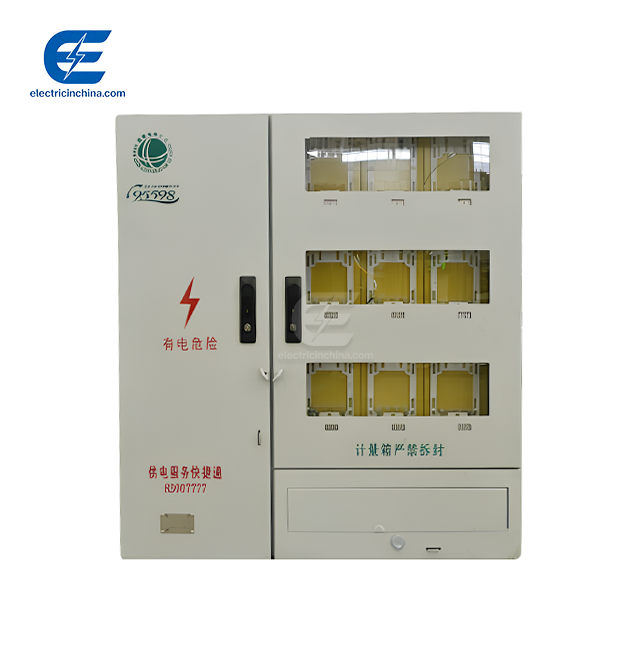
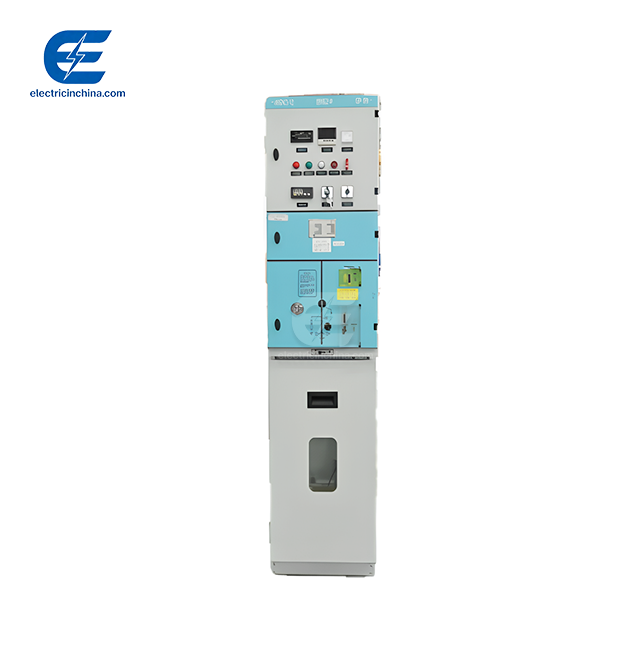
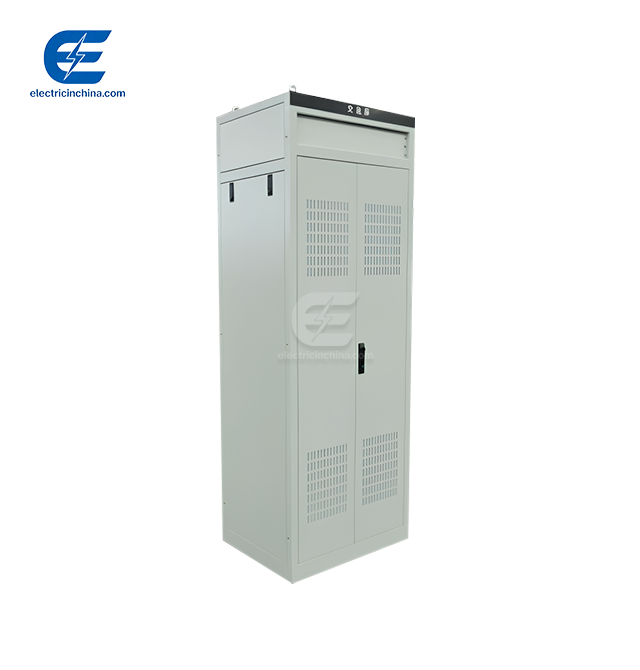
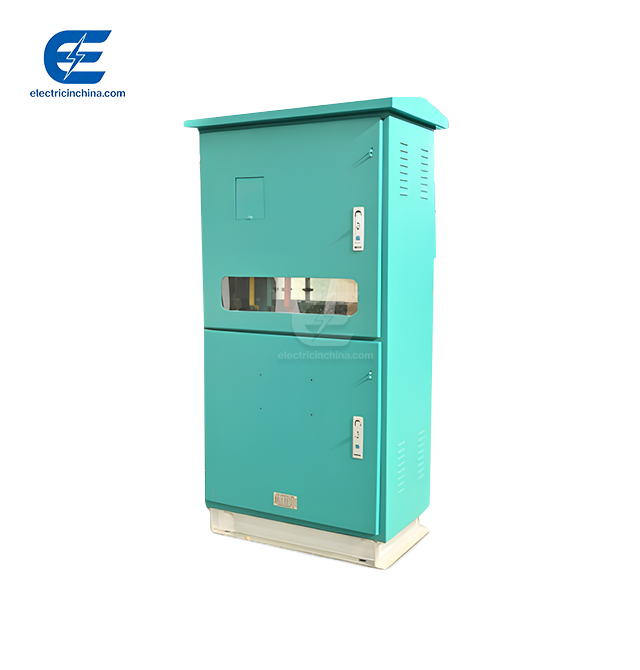
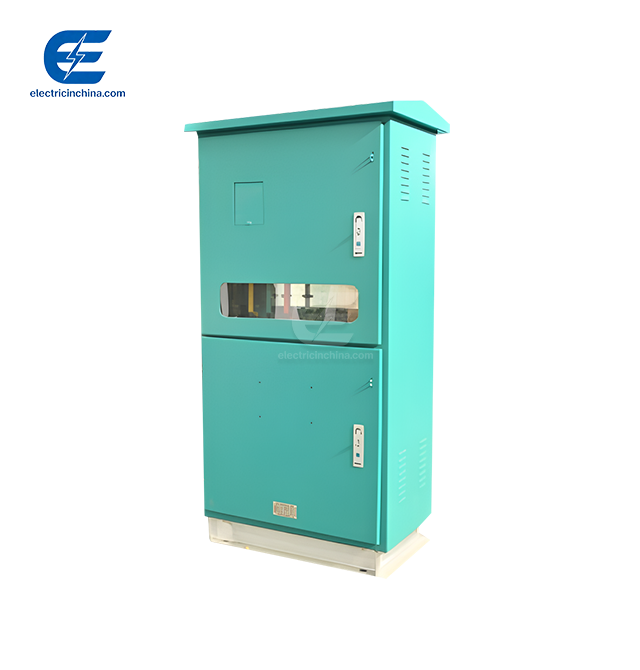
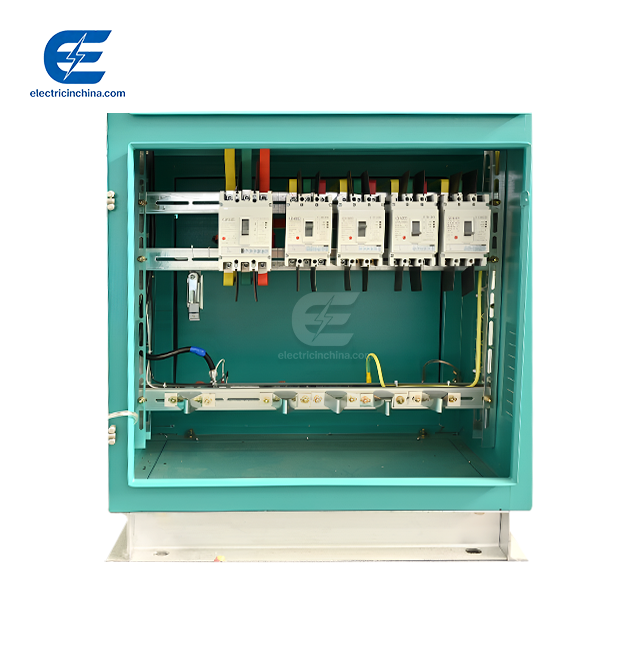
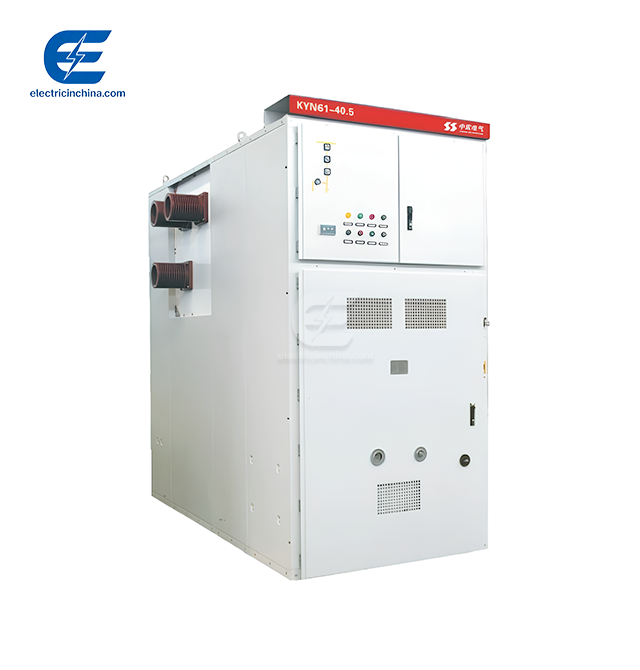
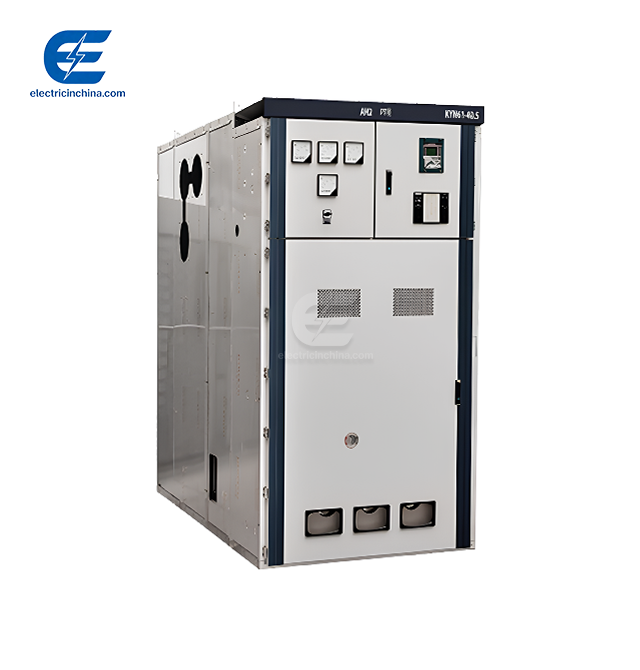
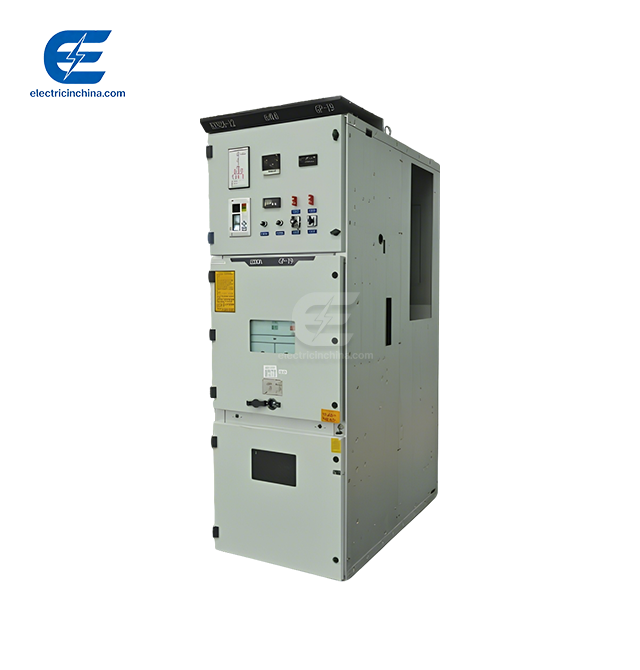
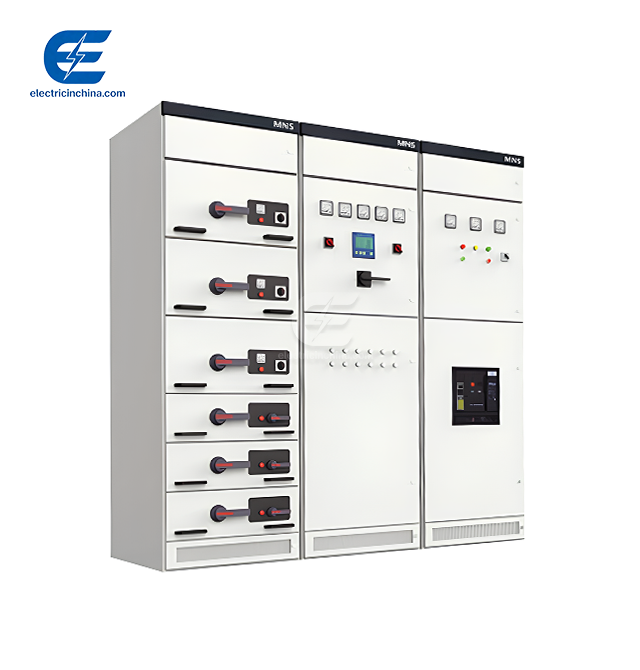
Low- or high-voltage design depends on power needs and facility size. Low-voltage systems handle loads up to 6000A for light industry, commercial buildings, and distribution networks with Power Distribution Cabinet deployment. Large-scale manufacturing, utility substations, and heavy industrial operations need high-voltage systems above 1000V, usually 3.3kV to 69kV, matched with qualified Power Distribution Cabinet products. Xuzhou Tuojie International Trade Co., Ltd. provides Power Distribution Cabinets for both voltage categories to meet your infrastructure needs without compromise.
Understanding Power Distribution Cabinets in Industrial Applications
Power Distribution Cabinets are the brains of the electricity equipment in factories. As the electricity comes in, they split it up into several channels and protect the system from flaws, overloads, and other safety risks. Without these boxes, your building could have dangerous electrical accidents, equipment damage, and power flows that you can't manage.
Critical Functions and Components
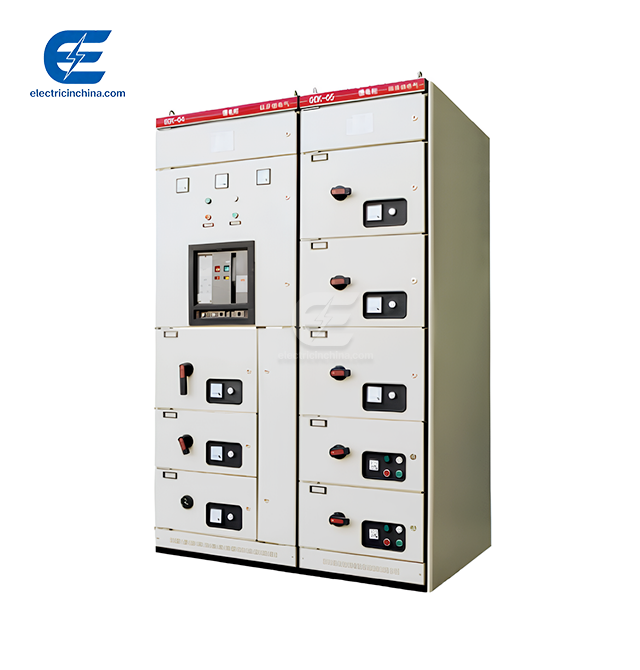
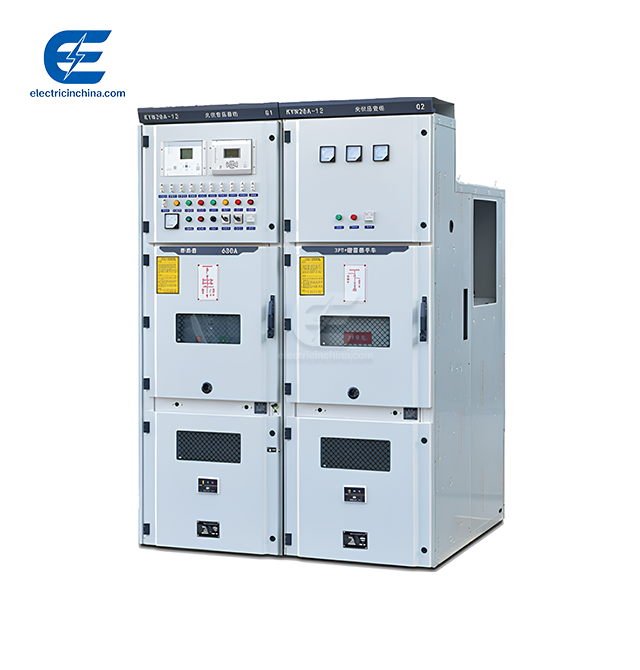
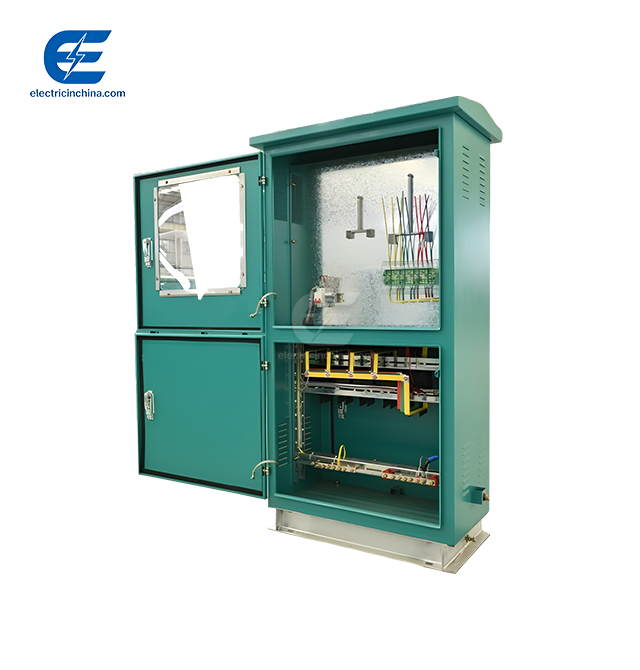
Circuit breakers, contactors, busbars, metering devices, and protection relays are in every distribution cabinet. Circuit breakers immediately disconnect faulty circuits when power is too high, preventing damage. Contactors control motor loads and heavy machinery, and busbars efficiently send power to many outgoing feeders. Meters measure energy, voltage, and current. This device shows real-time system performance. Touchscreens on Tuojie's distribution systems display overall current draw, power usage trends, and branch circuit condition for intelligent monitoring. This specialised control architecture simplifies maintenance by centralising motors, pumps, HVAC systems, and industrial tools. When problems arise, your crew knows where to search, which greatly reduces repair time.
Compliance with International Standards
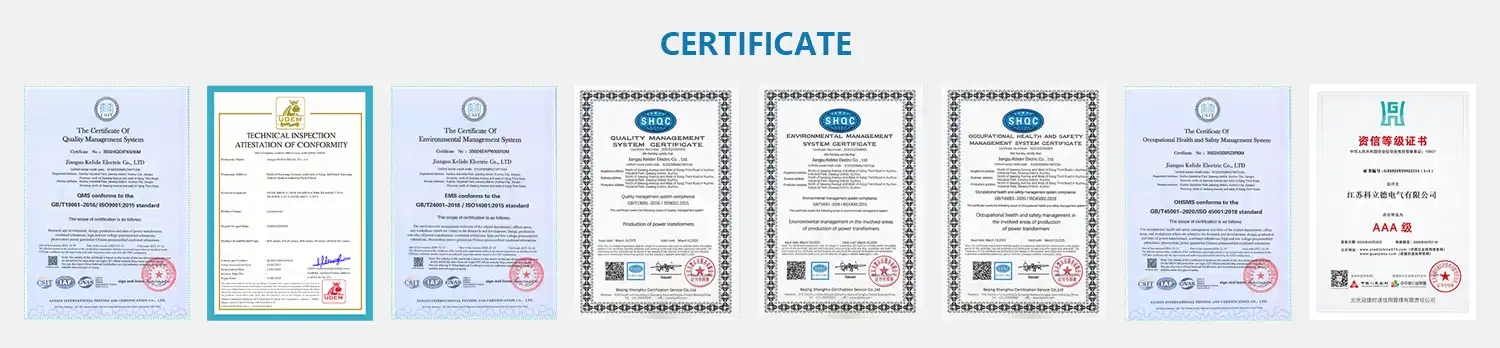
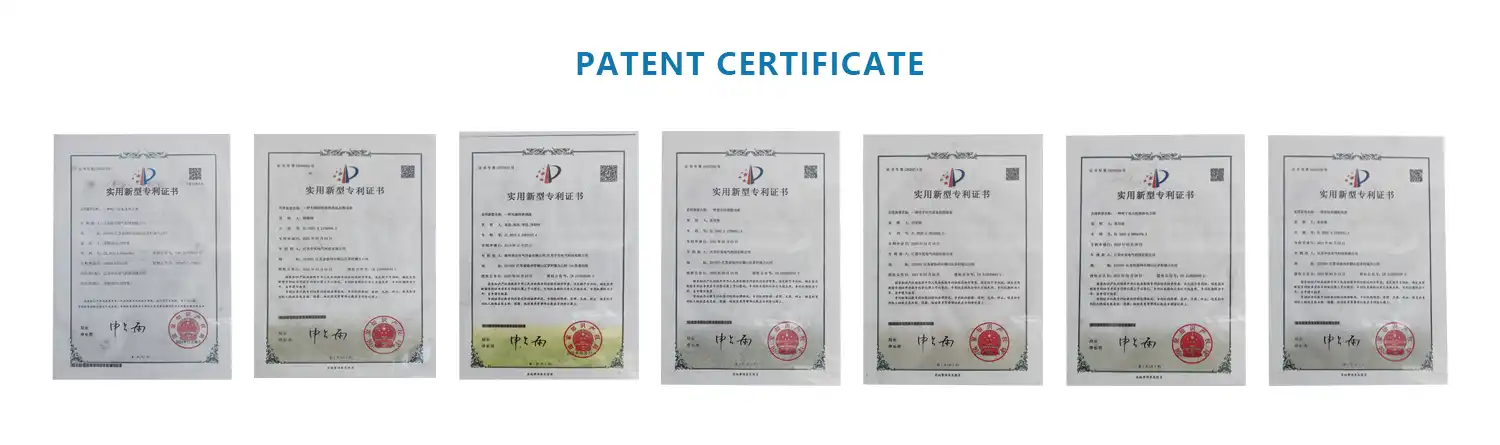
To be reliable and legal, industrial power distribution systems must meet high safety criteria. IEC 61439 regulates low-voltage switchgear assemblies' design checks, temperature rise, and short circuit duration. UL 891 regulates North American low-voltage switchboard type testing and construction. IEEE C37.20 discusses metal-enclosed switchgear for medium- and high-voltage applications to prevent arc faults and protect people. Every Tuojie cabinet undergoes ISO 9001-compliant quality testing. This ensures cabinet functionality. National CCC Mandatory Certification, ISO 9001, and ISO 14001 certifications verify safety and environmental management in our products. We helped with large infrastructure projects like Xuzhou Rail Transit and XCMG Group installations that cannot be optimised.
Operational Principles Distinguishing Voltage Classes
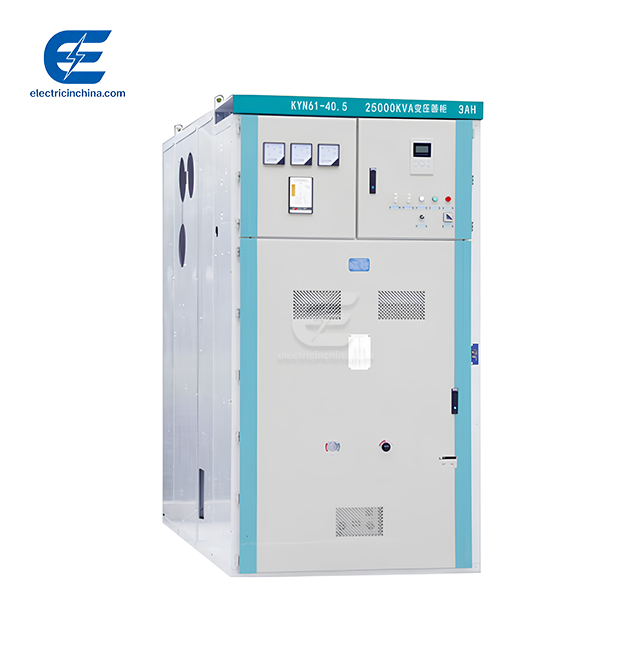
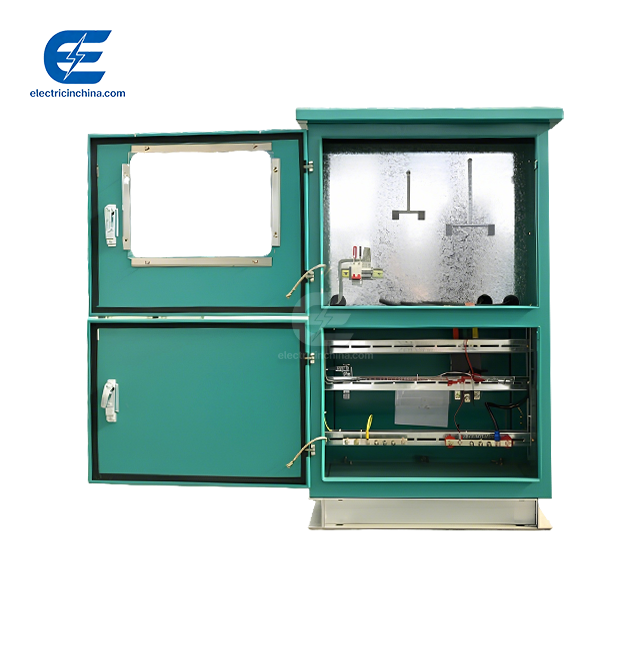
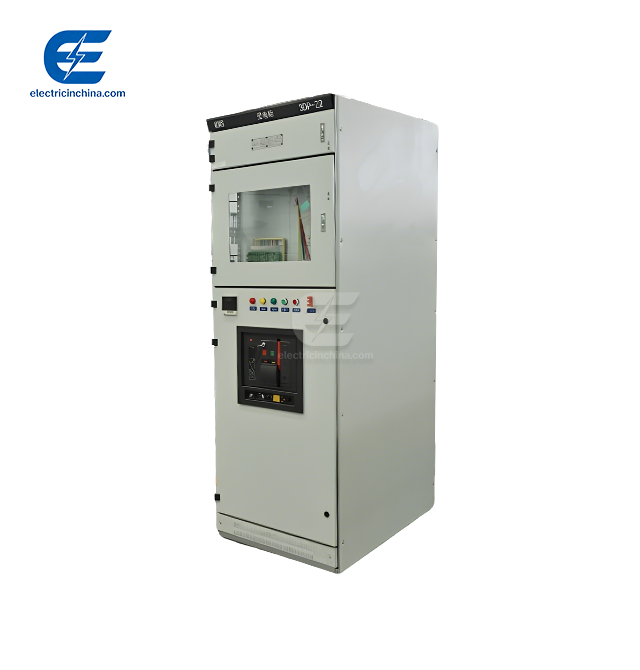
Moulded casing and small circuit breakers protect low-voltage cabinets. They use direct switching. Their wire layouts can handle three-phase and single-phase loads and have neutral and ground busbars. Knowing how to connect and terminate cables makes installation easy. High-voltage cabinets employ vacuum or SF6 gas-insulated circuit breakers. These breakers can tolerate 200kA fault currents. These systems need bushings, insulators, and arc-resistant enclosures to prevent electrical problems. Operational switching uses more intricate interlocking systems to prevent power from being accidentally turned on during repair. Installation involves highly experienced professionals who can safely handle high-voltage equipment and takes up more room.
Key Differences Between Low-Voltage and High-Voltage Power Distribution Cabinets
Knowing the differences between these two groups helps you make decisions about what to buy and makes sure that your building's power infrastructure meets operational needs.
Voltage Ranges and Industrial Scenarios
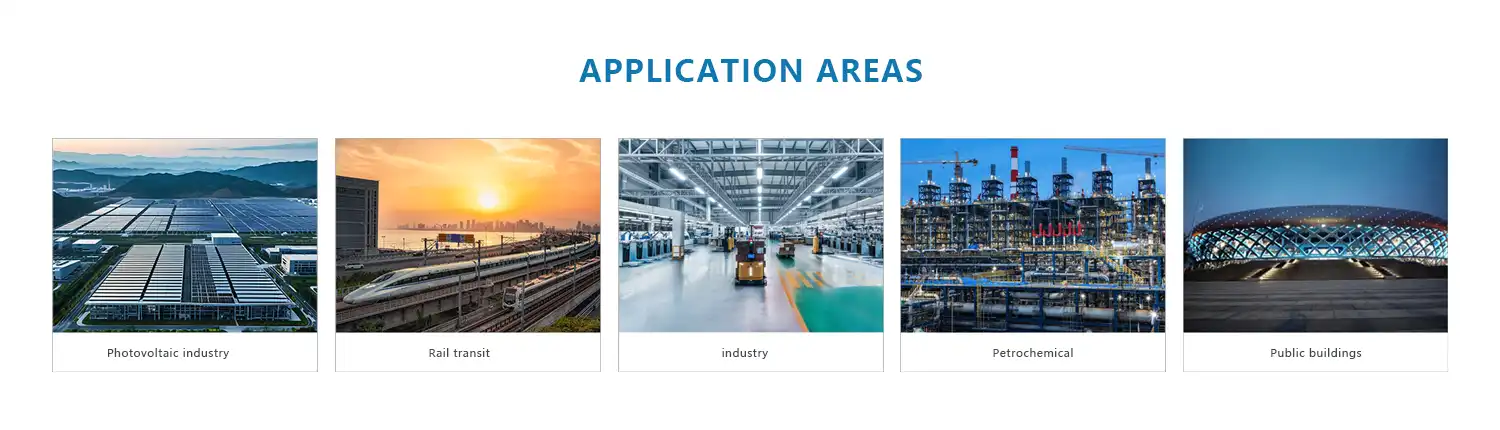
Low-voltage systems handle 100A–6000A and 120V–1000V. They thrive in food processing industries, car assembly lines, and business real estate ventures. Modular designs, scalability, and simpler installation improve these settings. High-voltage systems power steel mills, mines, petrochemical plants, and utility substations at 3.3 kV to 69 kV. You require high-voltage equipment to distribute more than a few megawatts in your facility. For the Xuzhou High-speed Railway East Station Official Power Supply EPC Project, we deployed high-voltage Power Distribution Cabinet configurations to power key rail operations.
Construction Materials and Design Considerations
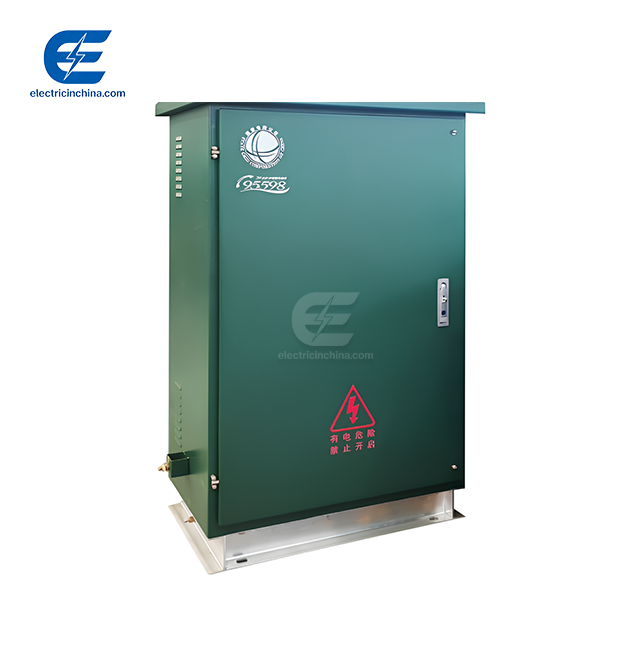
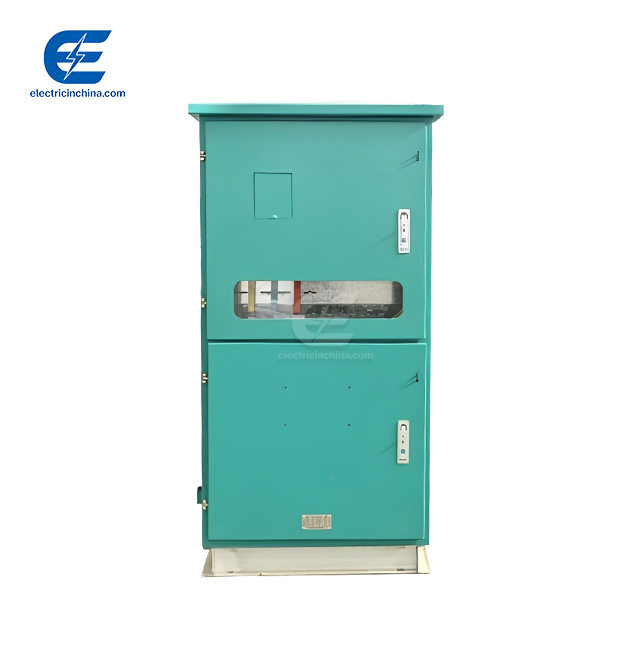
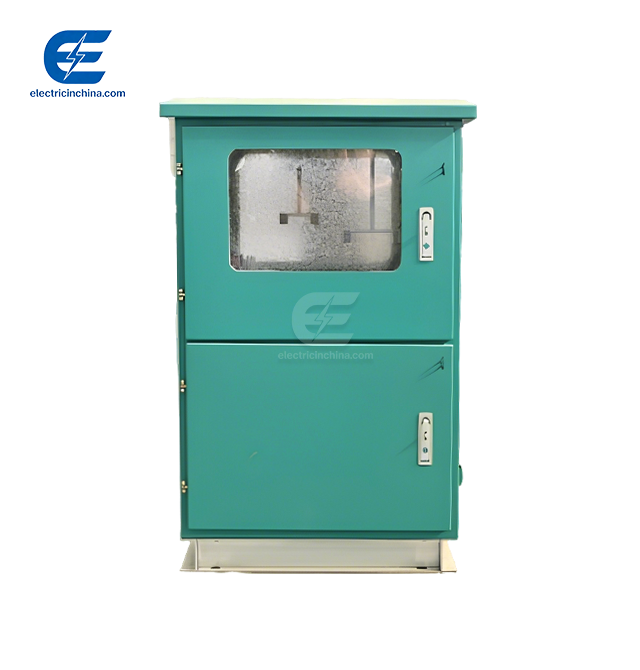
Sheet steel with an ingress protection rating of IP54 to IP65 is often used for low-voltage enclosures. This protects against dust and water. Indoor installs let cabinets be smaller, while outdoor cabinets have better weatherproofing and UV-resistant coverings. Modular building lets you grow quickly without having to make many changes to the infrastructure. For high-voltage cabinets to contain explosive fault events, they need to be made of thicker steel, have walls that prevent arcing, and have stronger doors. According to IEEE 693 standards, outdoor installations need extra features like heating elements for cold climates, ventilation systems to get rid of heat, and seismic bracing. Our cabinets are made of strong materials that can work in temperatures ranging from -40°C to +70°C. This makes them reliable in a wide range of conditions.
Performance Aspects and Safety Measures
Low-voltage systems fix issues faster due to simpler protection measures. Selective coordination keeps power on to unaffected loads by tripping only the damaged circuit. Shorter cable runs and less transformer energy loss improve energy efficiency. Hot-swappable parts simplify maintenance and reduce service downtime. High-voltage systems can handle lightning and switching overvoltages, improving them with surge protectors. Multiple megawatts from a single feeder can power industrial structures. Safety features include arc flash recognition, automatic load shedding when overloading, and ground fault tracking. Tuojie's high-voltage solutions support Modbus, DNP3, and IEC 61850. These are straightforward to connect to SCADA systems that operate the entire plant.
Criteria for Choosing Between Low-Voltage and High-Voltage Cabinets in Industrial Settings
To choose the right setup, you need to carefully look at scientific, environmental, and financial factors.
Power Demand Analysis
Figure out your building's total connected load, taking into account both current usage and future growth. Low-voltage systems work well with loads of up to 3 MVA, while high-voltage systems are used for facilities with loads of more than 10 MVA. Think about the surge currents that come from big motors and transformers and make sure that your switchgear can handle these sudden situations without breaking. At Tuojie, our 15 senior engineers do in-depth load studies that look at voltage drop, the need for power factor adjustment, and the amounts of harmonic distortion. This analysis makes sure that the specifics of your Power Distribution Cabinet match how it will be used, which keeps you from buying equipment that is too small or having to pay a lot for expensive upgrades.
Environmental Conditions and Application Challenges
Low-voltage systems work best indoors, where you can manage the temperature and humidity. Higher protection features are needed for outdoor installations, places with corrosive air, and places at high elevations. These features are available in both voltage classes. In seismic zones, cabinets must meet standards for earthquake resistance so that structures don't fall apart during tremors. We finished the Xinhuai Central Complex and Huaihai Xintiandi commercial real estate projects. When choosing cabinets, we had to think about how they looked, how much space they took up, and how much noise they made. Our custom-built solutions took care of these problems while keeping the electricity system running at full capacity.
Solution Types: Modular, Prefabricated, and Custom-Built
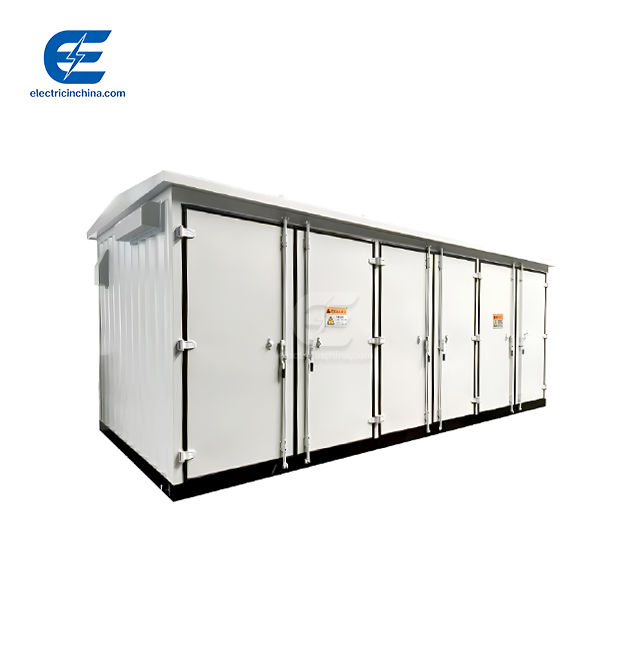
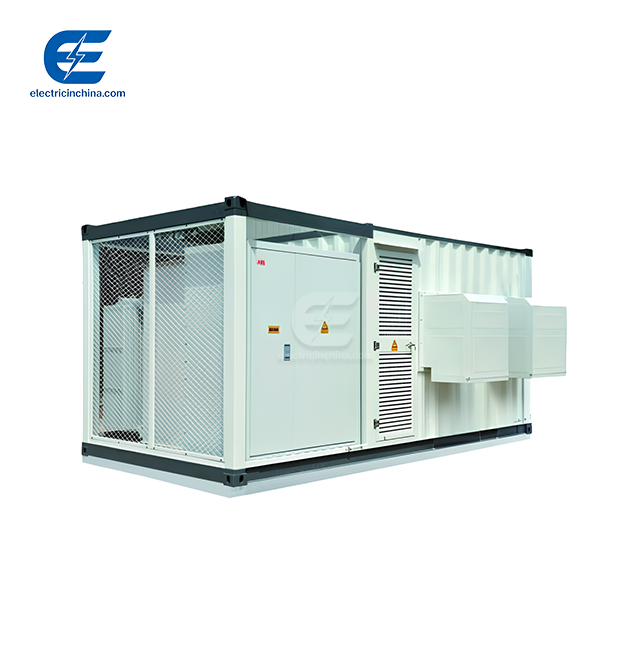
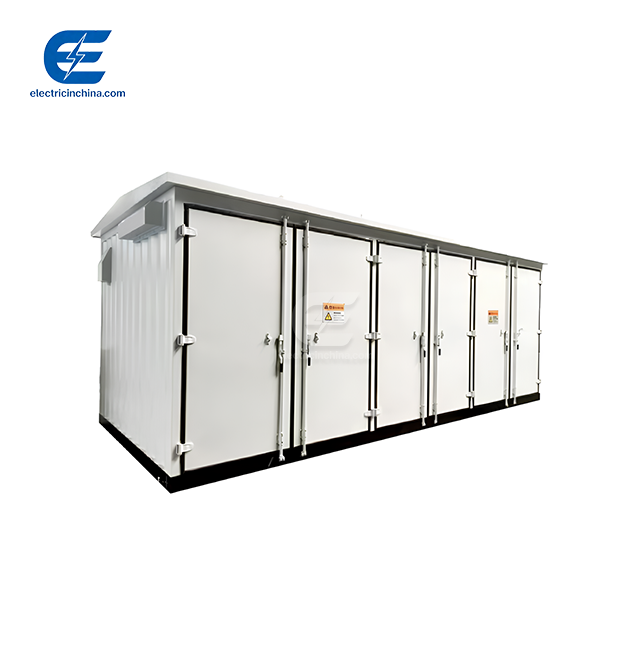
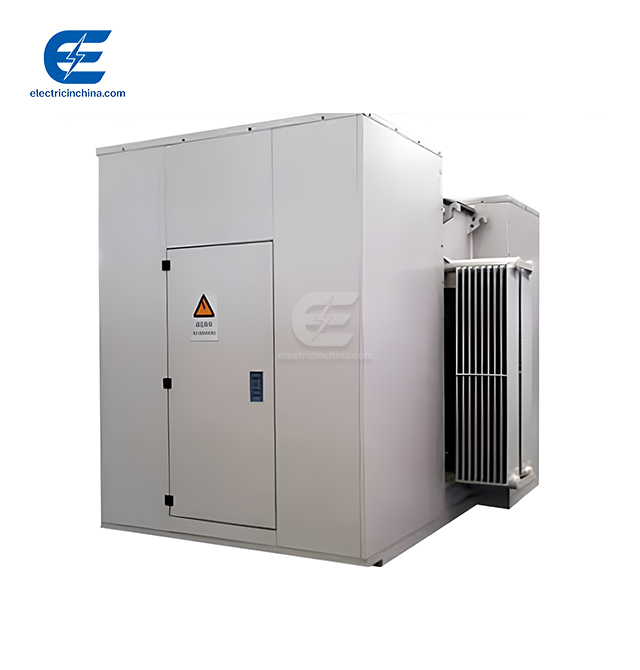
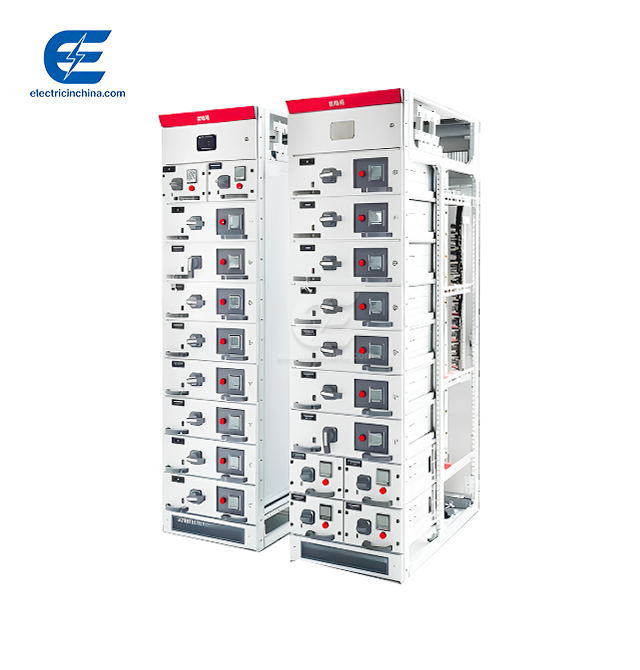
Modular cabinets let you add small amounts of space over time, so your business can grow without having to completely redo its infrastructure. Prefabricated units cut down on building time because they come already wired and tested, ready to turn on. Specialised protective switches, metering systems, and communication links are built into custom solutions that meet specific needs. Tuojie's flexible component configuration lets us make circuit breakers, contactors, and variable frequency drives that are exactly what you need. Our systems are flexible enough to handle either a single production line or the whole plant floor. Lead times for custom cabinet production are usually between 6 and 12 weeks, but this depends on how complicated the job is and how quickly the parts can be sourced.
Cost Considerations and Lifecycle Expenses
In general, low-voltage systems require less investment, are easier to set up, and need less labour. High-voltage systems require higher initial costs, but they incur lower ongoing costs per megawatt supplied. Costs over the course of a product's life include regular upkeep, testing of protective relays, and eventually replacing parts. Tuojie's full guarantees and service after the sale will protect your investment. We offer predictive maintenance programs that use thermal imaging and insulation resistance testing to find issues before they become a problem. This proactive approach makes equipment last longer, which lowers the total cost of ownership.
Case Studies and Practical Applications
Real-world projects show how choosing the right voltage class affects how things work.
Low-Voltage Applications in Light Manufacturing
Low-voltage Power Distribution Cabinets help auto parts, drug, and gadget manufacturers. Modular design allows manufacturers to alter production lines as product types change. Smart cabinet technologies show circuit-level energy utilisation, allowing you to make economic modifications. The GCL Photovoltaic Industrial Park needed low-voltage switches to fine-tune each production zone. Due to its flexible architecture, many layout changes were possible without large electrical alterations. Energy efficiency increased by over 12% compared to the previous distribution plan.
High-Voltage Solutions in Heavy Industry
Powering large chemical facilities, steel mills, and mines needs high-voltage infrastructure. We replaced obsolete medium-voltage switchgear with vacuum circuit breakers for the XCMG Group's power supply improvement. This improved system reliability and reduced repair wait times. We finished the project early, so work continued during the switchover. Smart cabinet technologies using IoT devices, predictive analytics, and remote monitoring are new industry trends. Advanced energy control systems boost the power factor, minimise demand charges, and enable grid flexibility. Modular designs simplify setup. When working with Tuojie, we use these new ideas to prepare your system for future challenges.
Maintenance, Safety, and Compliance Best Practices
Regular repair of the Power Distribution Cabinet keeps things running smoothly and increases their useful life.
Routine Inspection and Preventive Maintenance
Every three months, perform thermal imaging scans to find hot spots that could indicate loose connections or overloaded circuits. According to NETA guidelines, electrical testing should be done once a year and should include measuring insulation resistance, checking contact resistance, and making sure safety relays work. Recording results helps you spot trends and predict part failures. Our dedicated control design at Tuojie makes upkeep easier by using built-in screens to show diagnostic data. When problems happen, the system finds them right away, which cuts down on the time it takes to fix them.
Safety Compliance Requirements
In the US, low-voltage systems must follow NFPA 70, which is the National Electrical Code and includes rules about grounding, overcurrent safety, and the size of the conductors. According to IEEE 1584-2018, high-voltage systems need to do an arc flash danger analysis, which includes figuring out the incident energy levels and deciding what kind of personal safety equipment is needed. We help our clients obey the rules by giving them detailed paperwork like arc flash labels, protective device coordination studies, and one-line diagrams. Workforce training programs cover lockout/tagout procedures, emergency response plans, and safe ways to work around powered equipment.
Troubleshooting Common Issues
Most of the time, incorrectly set protective relays or short-lived overvoltages cause nuisance trips. By making sure that only the damaged circuit trips, selective coordination analysis stops power outages that aren't needed. Overheating means there isn't enough airflow or there are too many harmonic currents, which means the load needs to be balanced or the harmonics need to be filtered. Our smart tracking features send real-time alerts when factors go beyond what is considered normal. This lets you take action before problems get worse. Power quality analysis finds voltage sags, swells, and harmonic distortion, which helps with resolving the problem.
Conclusion
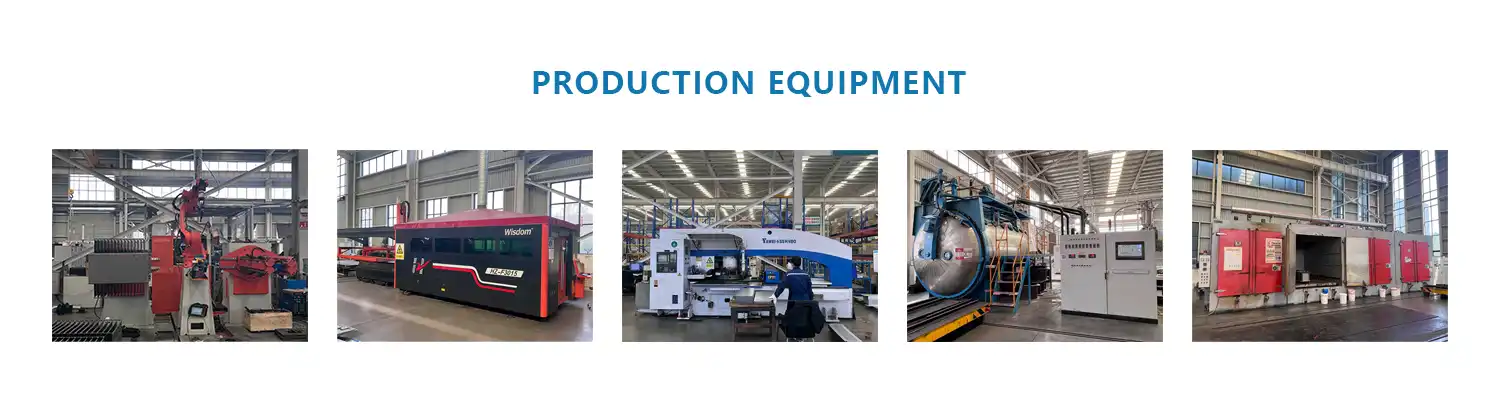
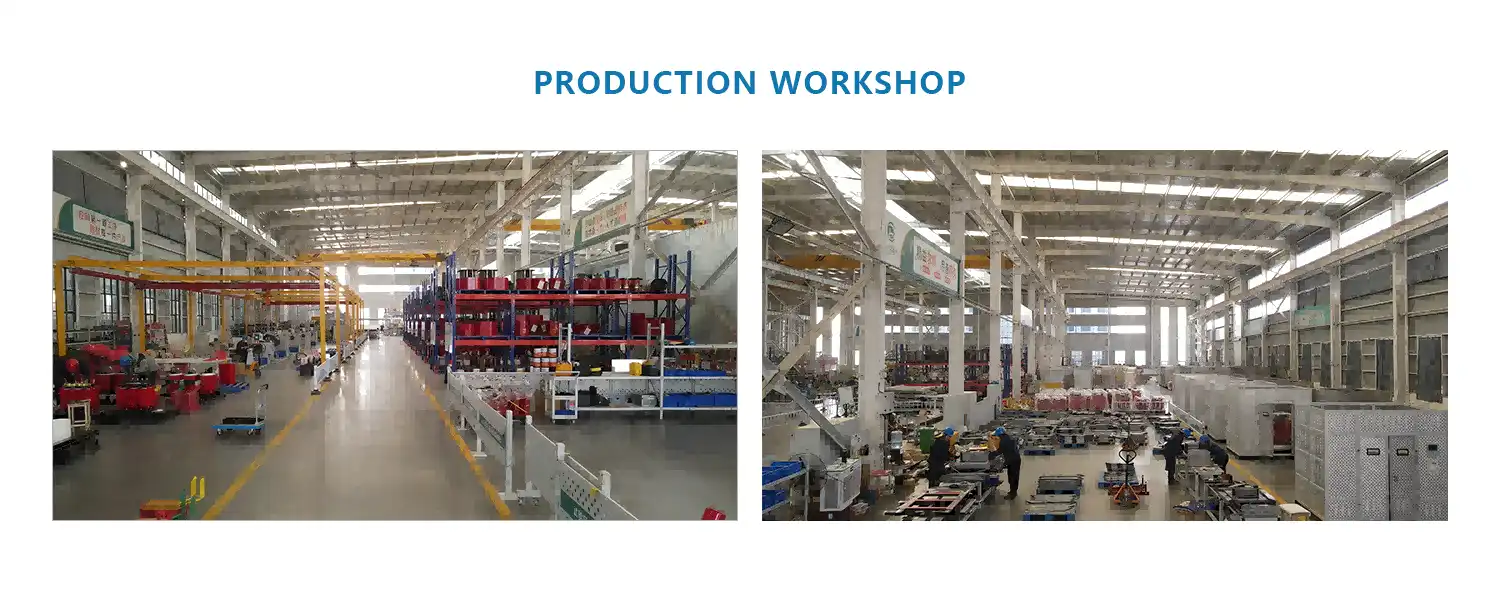
The power your building needs, its size, and whether you plan to add on determine whether you choose a low-voltage or high-voltage Power Distribution Cabinet, as well as a supporting Distribution box. Low-voltage systems save money for light industrial and corporate applications. Energy-intensive enterprises use high-voltage systems. Tuojie offers tailored solutions with tight quality control and vast project expertise thanks to 18 patents and 120 sets of high-tech equipment. Our technical expertise ensures your project is reliable, safe, and compliant, whether it demands flexible freedom or strong high-voltage infrastructure.
FAQ
Can I upgrade from a low-voltage to a high-voltage power distribution cabinet?
Can I switch from a low-voltage Power Distribution Cabinet to a high-voltage one? When you switch from low-voltage to high-voltage systems, you have to make many changes to the infrastructure. For example, you have to build transformers, reroute cables, and coordinate safety relays. It's not always possible to add new features to old low-voltage boxes. Instead, high-voltage systems are added to low-voltage equipment or take its place. The choice will depend on how much space is available and how much load growth is expected. At Tuojie, our engineering team reviews the current infrastructure and recommends the best way to upgrade it while minimising costs and downtime.
What are typical lead times for custom cabinet manufacturing?
Depending on the complexity of the design, the availability of parts, and the need for testing, making a custom cabinet usually takes 6 to 12 weeks. It takes 4 to 6 weeks to ship prefabricated modular units. Lead times may go up to 14 weeks for high-voltage cabinets with special features that stop arcs or that are certified for seismic use. At Tuojie, we keep good ties with our suppliers and keep important parts in stock. This keeps delays to a minimum and makes sure that time-sensitive projects are delivered on time.
How do I ensure my cabinet meets international safety standards?
Depending on where you live and the voltage class, make sure that your cabinet has certifications like UL 891, IEC 61439, or IEEE C37.20. Ask for type test results that confirm the short-circuit values, temperature rise limits, and dielectric strength. Independent testing by third-party licensing groups verifies compliance. At Tuojie, every cabinet goes through strict tests in our quality inspection lab. This is proof that they meet the standards of ISO 9001, ISO 14001, and the National CCC Mandatory Certification.
Partner with Tuojie for Reliable Power Distribution Solutions
Our all-around approach to designing and making Power Distribution Cabinets helps industrial clients who want to improve their electrical infrastructure. Our 15 senior engineers make sure that the low-voltage and high-voltage cabinet options we offer are perfect for your facility's specific needs. We've been in this business for more than 20 years and have finished hundreds of important power projects in the city engineering, commercial real estate, and industrial sectors. Clients like XCMG Group and Xuzhou Rail Transit trust us.
Check out our wide range of products, which are backed by ISO 9001, ISO 14001, and National CCC standards. Tuojie can help you with everything, from designing the system to installing it and providing support after the sale. This is true whether you need modular systems that can be set up quickly or custom-built solutions with advanced monitoring features. As a reliable supplier, we use tried-and-true technologies from top brands in the industry while keeping our prices low and our deliveries on time.
To get a custom price, email our team at tuojie@electricinchina.com. You can find out how our technical expertise, state-of-the-art production facilities, and dedication to quality control can help you reach your goals for power savings, safety, and compliance by visiting electricinchina.com.
References
1. IEEE Standards Association. (2020). IEEE Standard for Metal-Enclosed Low-Voltage Power Circuit Breaker Switchgear. IEEE C37.20 Series.
2. International Electrotechnical Commission. (2019). Low-Voltage Switchgear and Controlgear Assemblies. IEC 61439 Standards.
3. National Fire Protection Association. (2020). National Electrical Code (NEC). NFPA 70 Handbook.
4. Underwriters Laboratories. (2018). Standard for Safety for Switchboards. UL 891 Certification Requirements.
5. Institute of Electrical and Electronics Engineers. (2018). IEEE Guide for Arc Flash Hazard Calculations. IEEE 1584-2018 Standard.
6. International Electrical Testing Association. (2021). Acceptance Testing Specifications for Electrical Power Equipment and Systems. NETA ATS Standards.