

.webp)
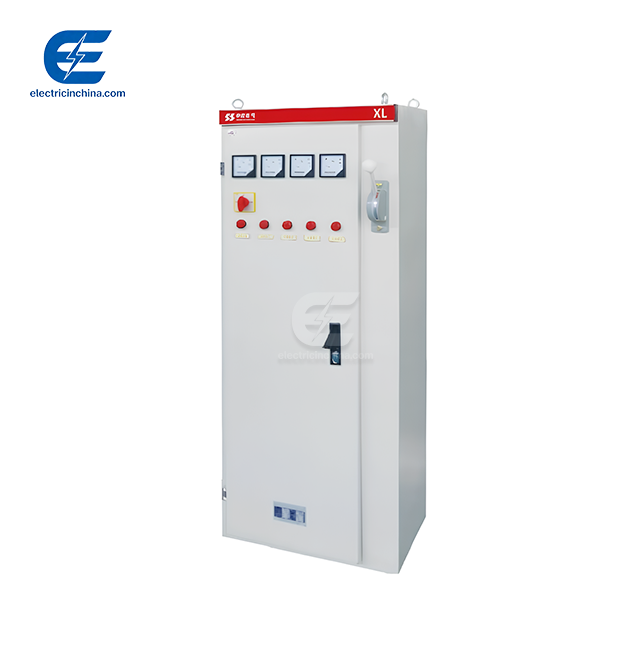
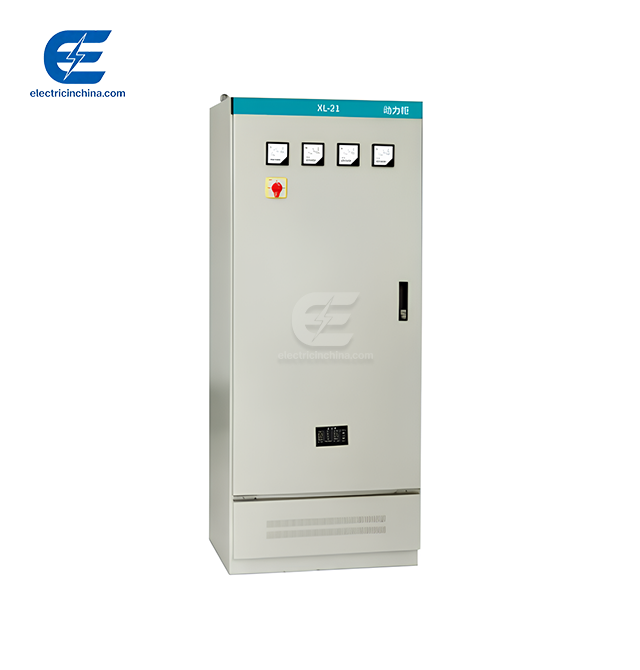
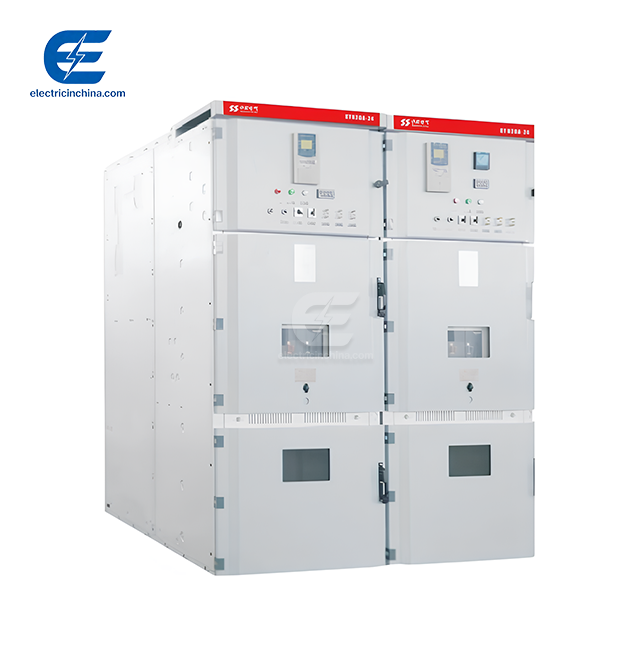
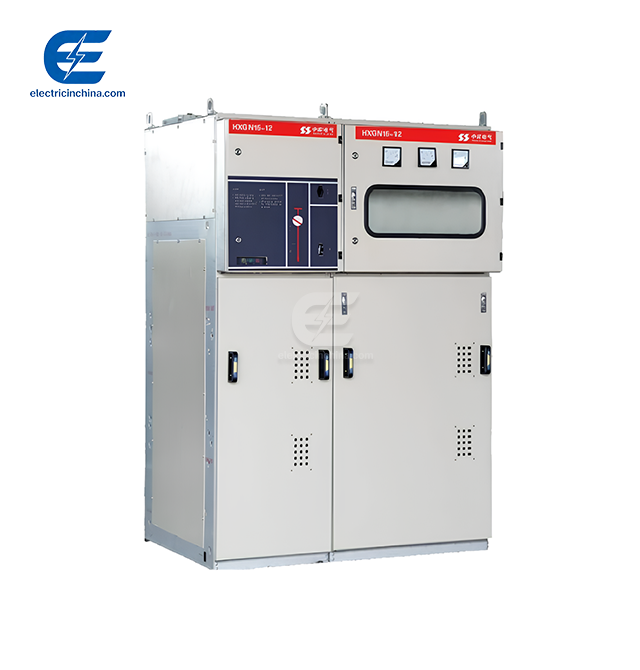
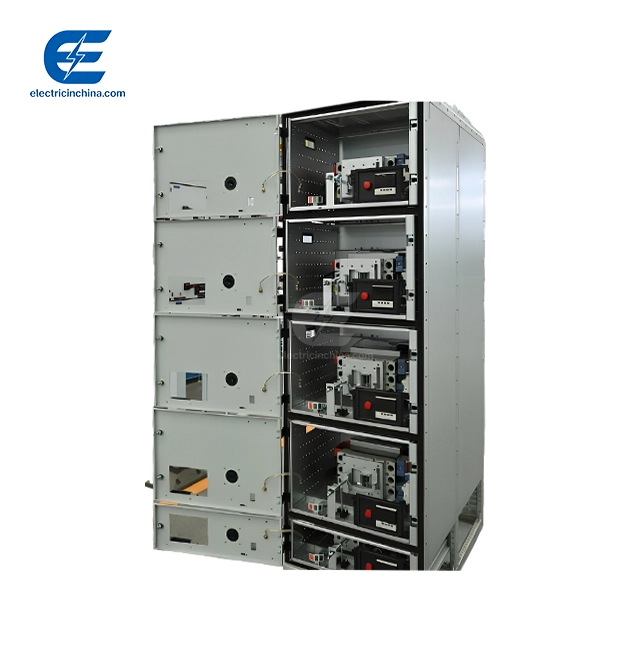
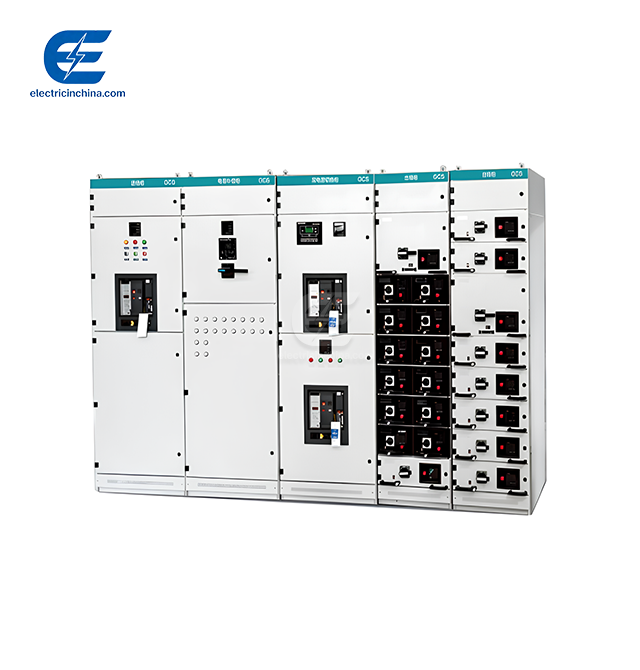
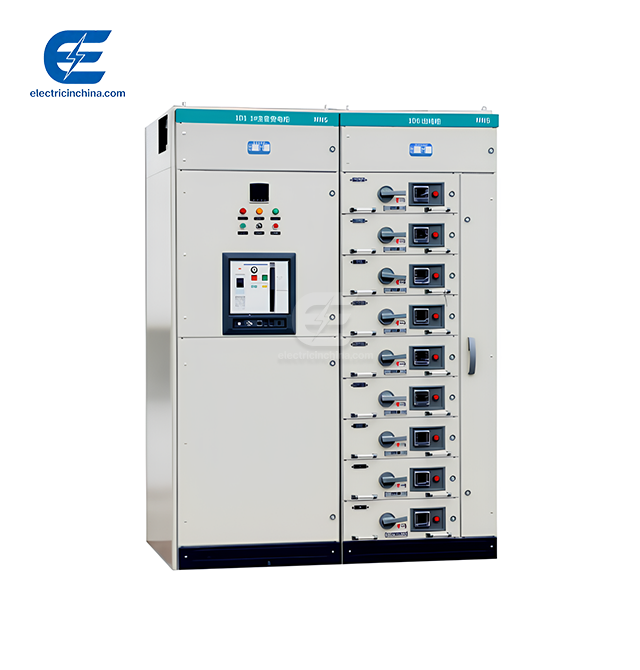
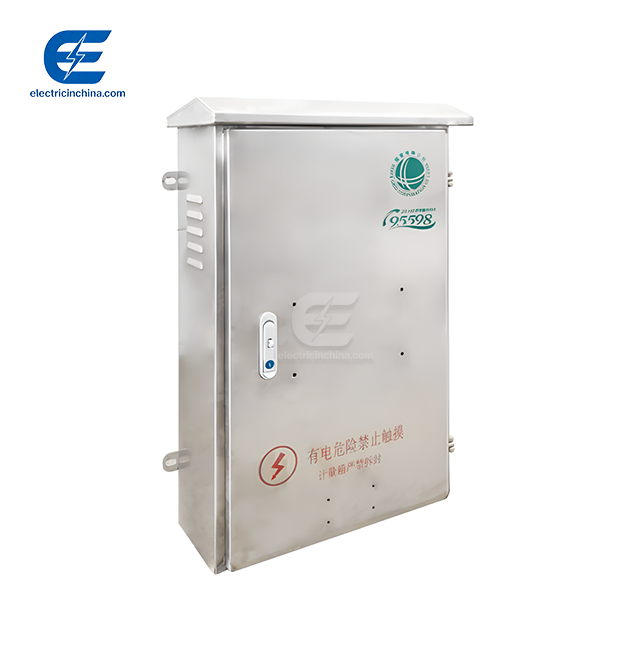
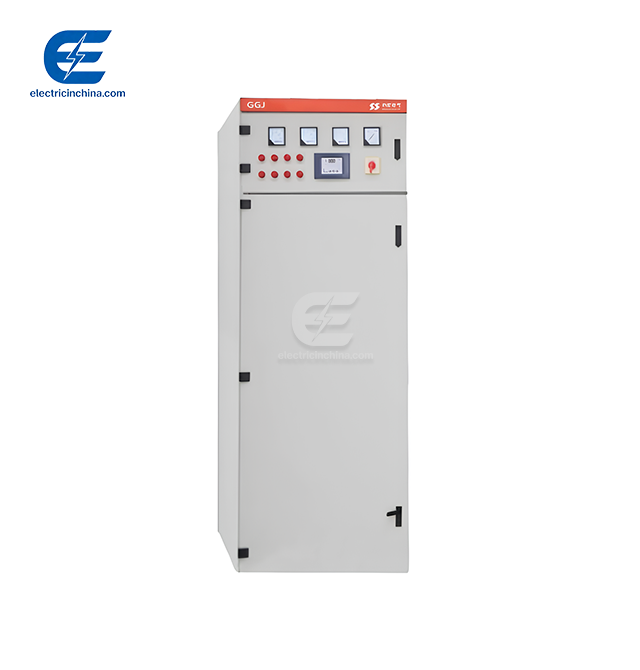
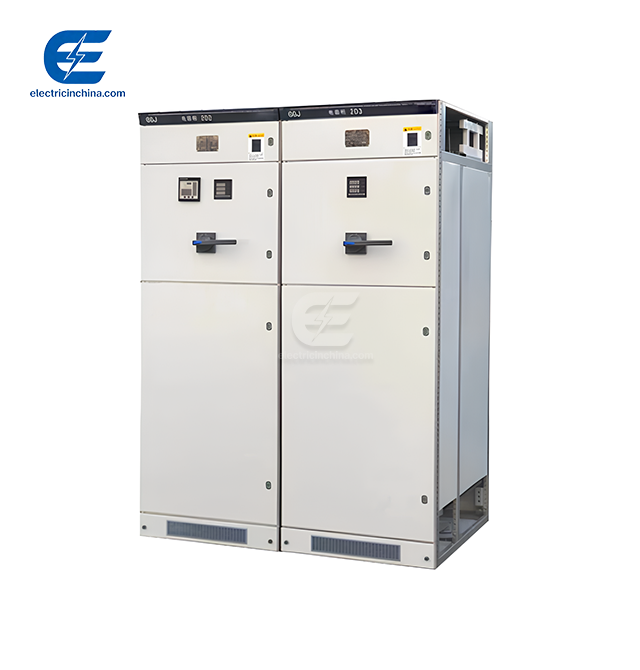
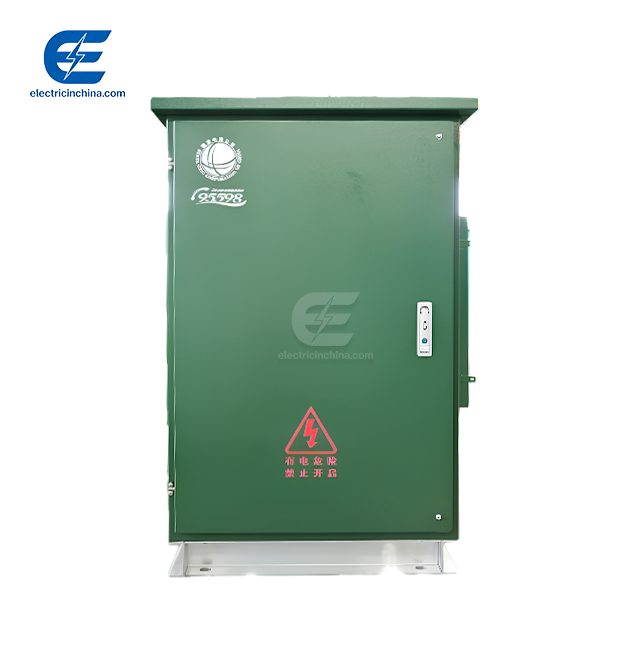
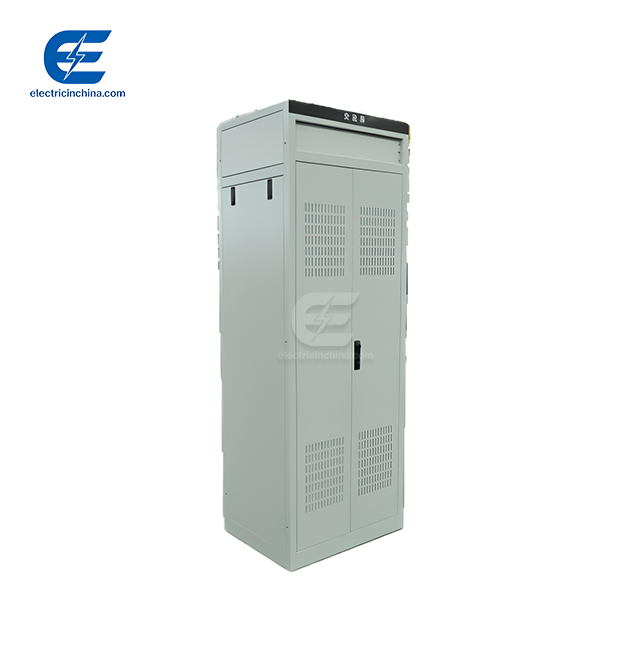
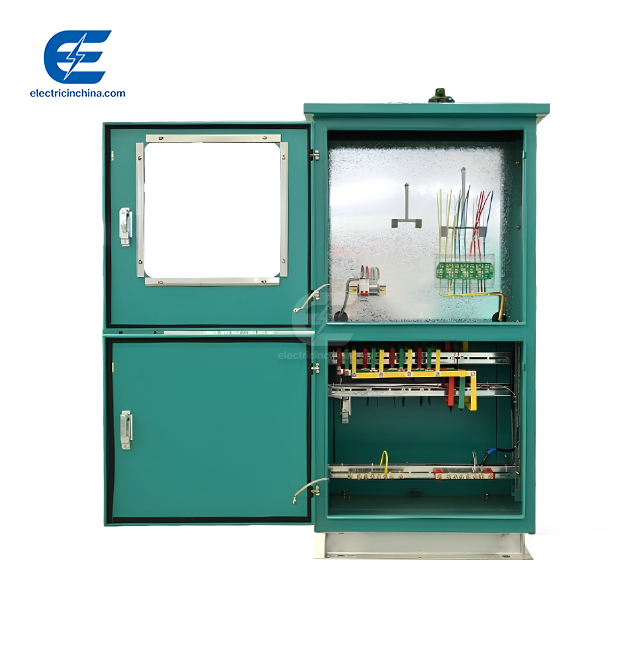
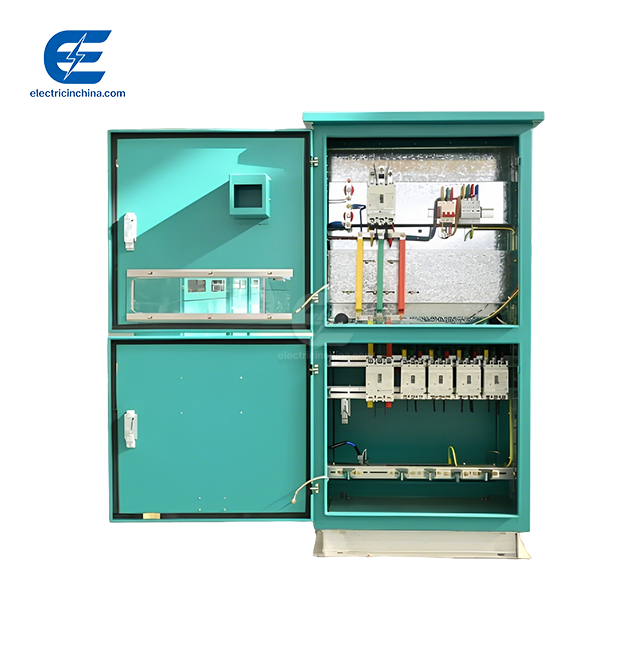
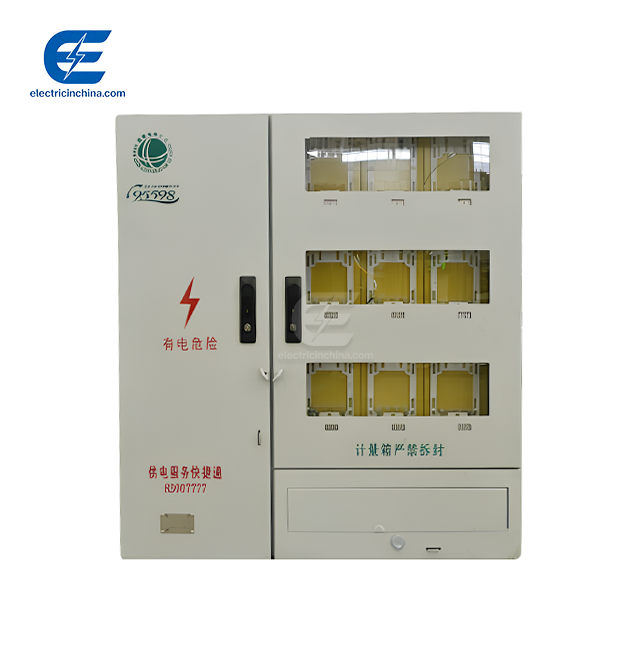
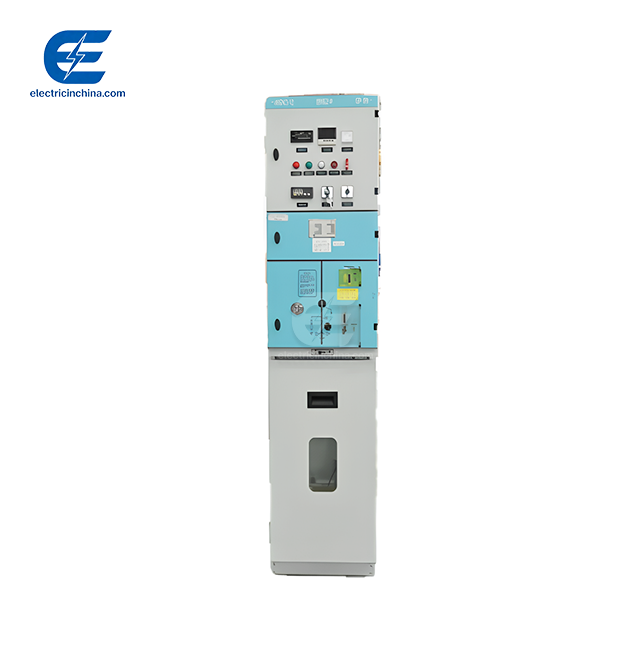
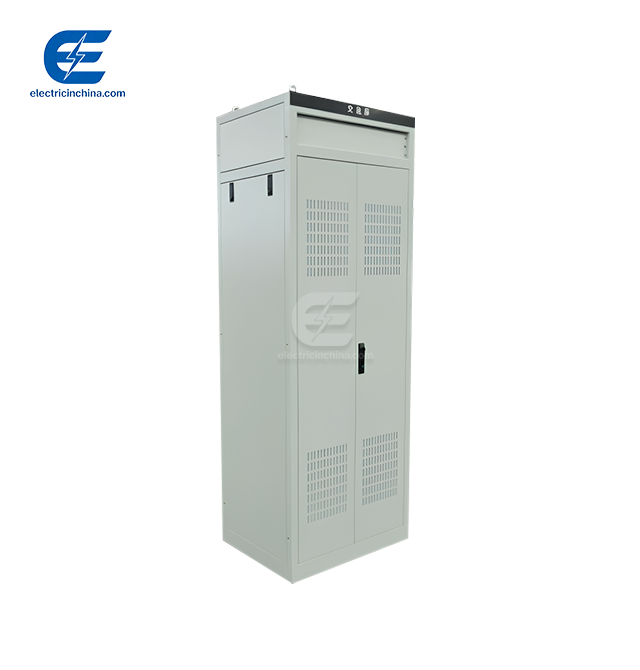
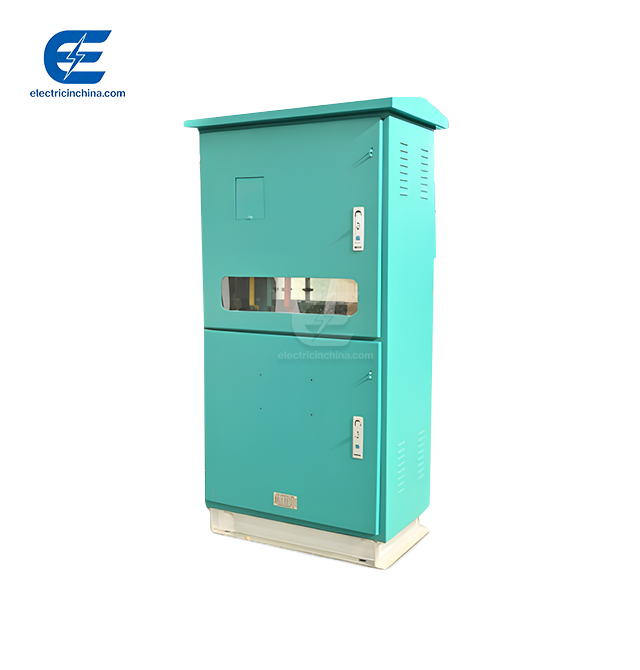
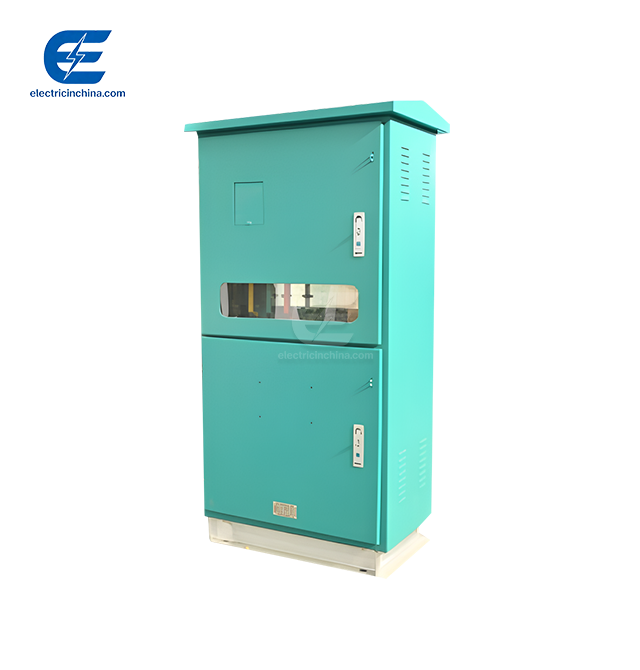
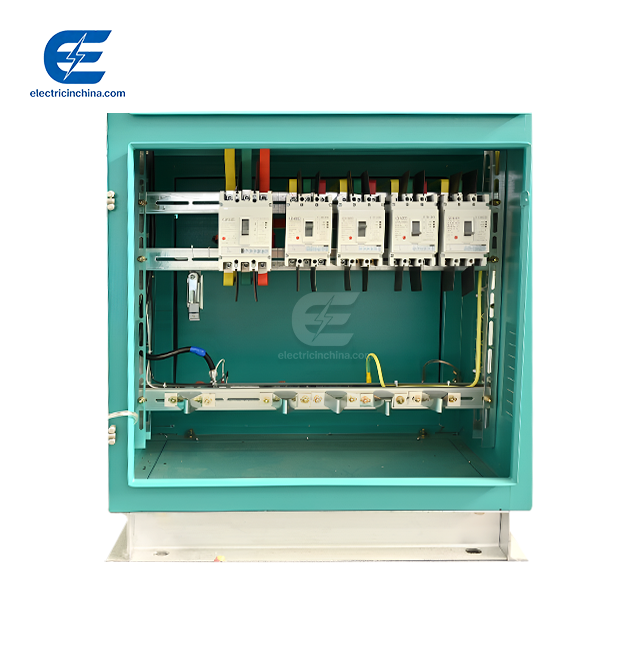
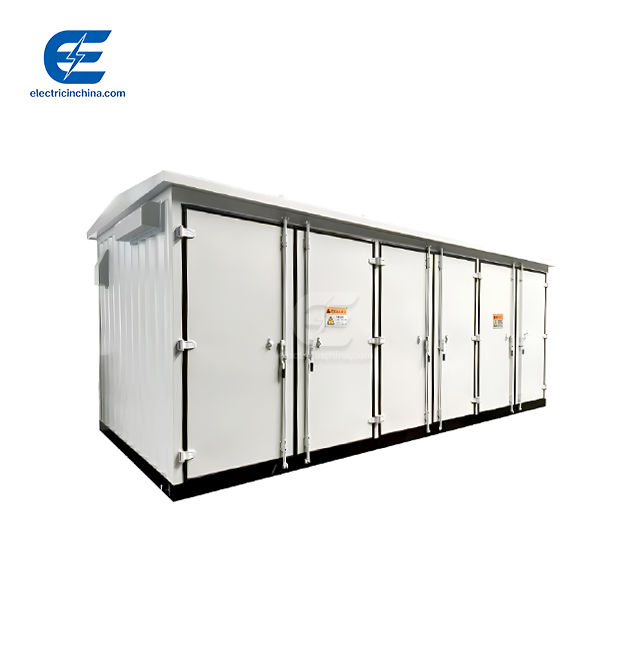
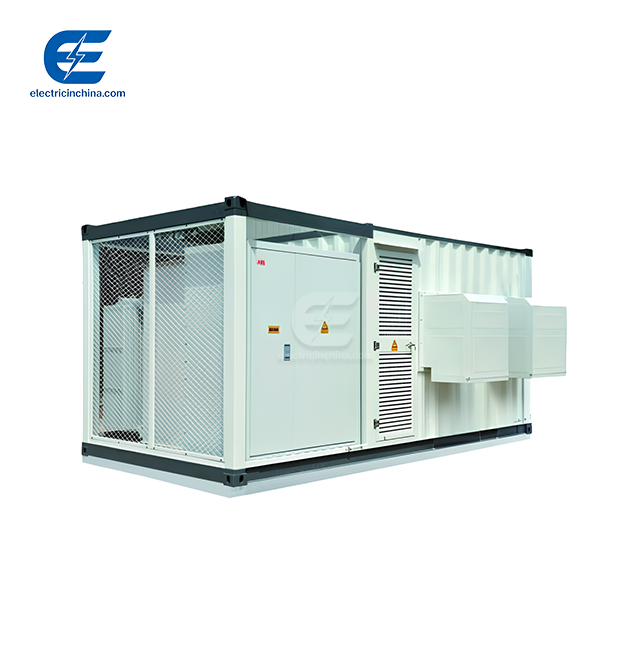
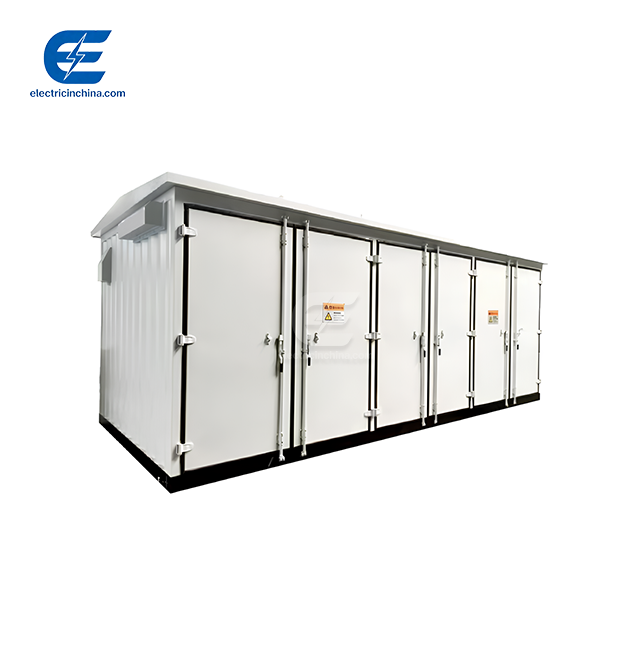
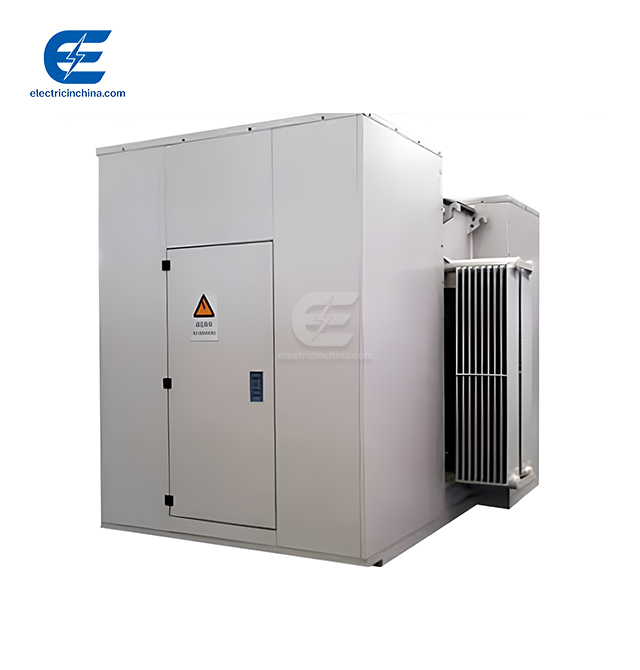
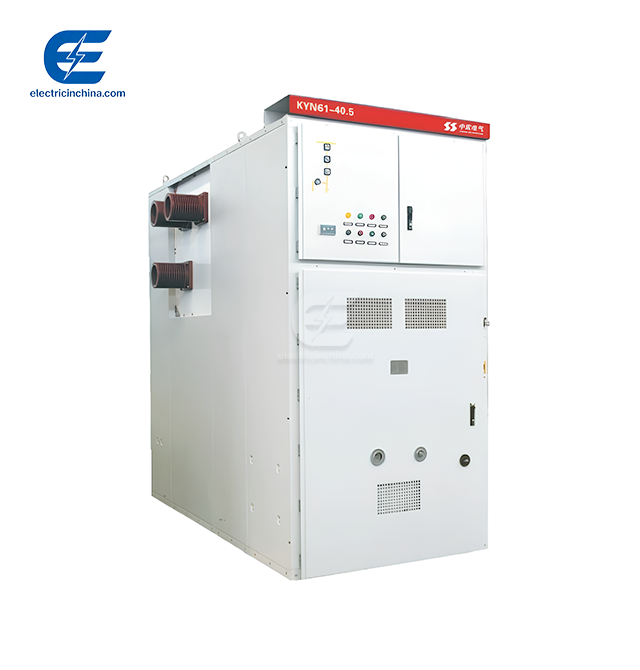
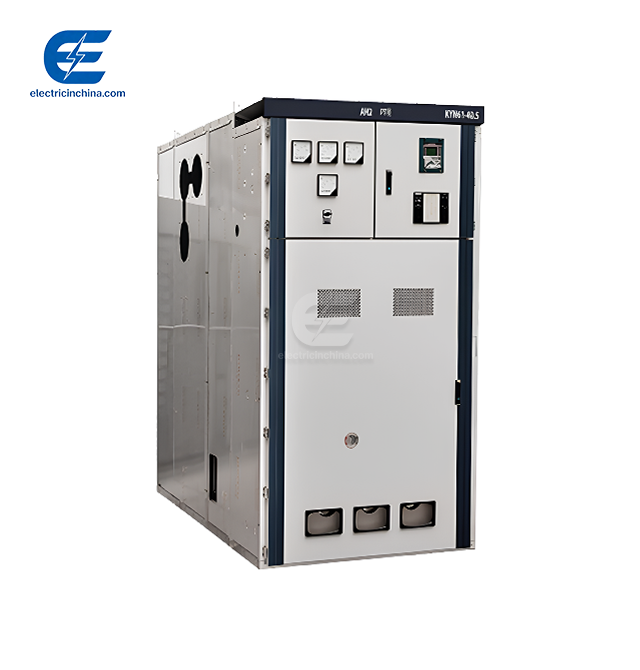
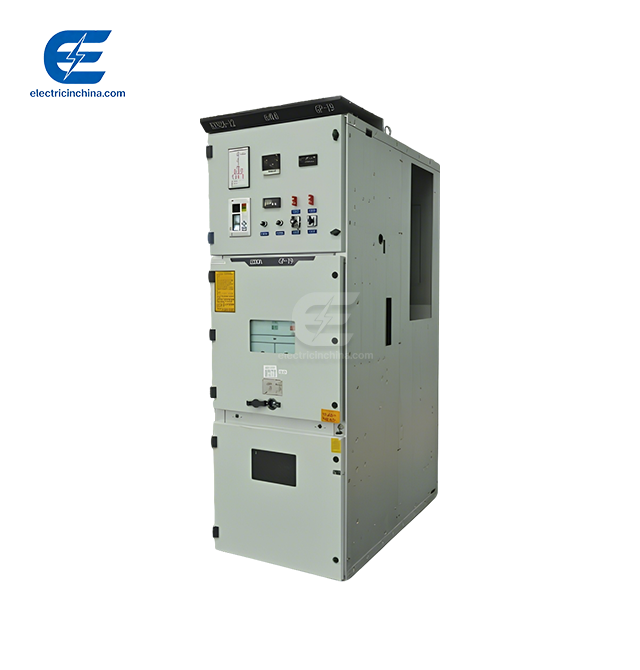
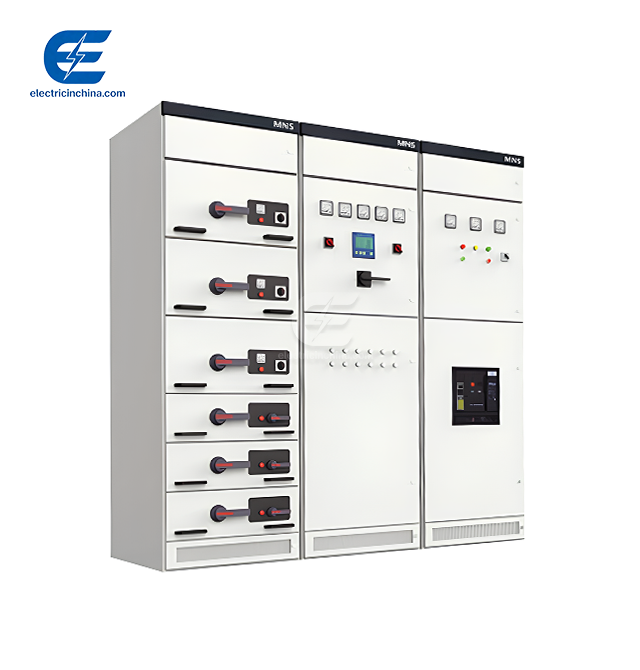
The protective enclosure you choose for your power distribution equipment affects operational reliability, safety compliance, and long-term cost efficiency. A transformer enclosure is an engineering system that protects sensitive electrical components from environmental risks, unauthorised access, temperature extremes, and electromagnetic interference. When choosing materials for government infrastructure, commercial developments, and industrial installations, project managers must consider material durability, protection ratings, ventilation performance, and regulatory compliance, while also keeping budget and delivery deadlines in mind. Your transformers will run reliably for 20–30 years and meet current safety regulations for power distribution with the correct protective housing solution.
Understanding Transformer Enclosures: Types and Key Features
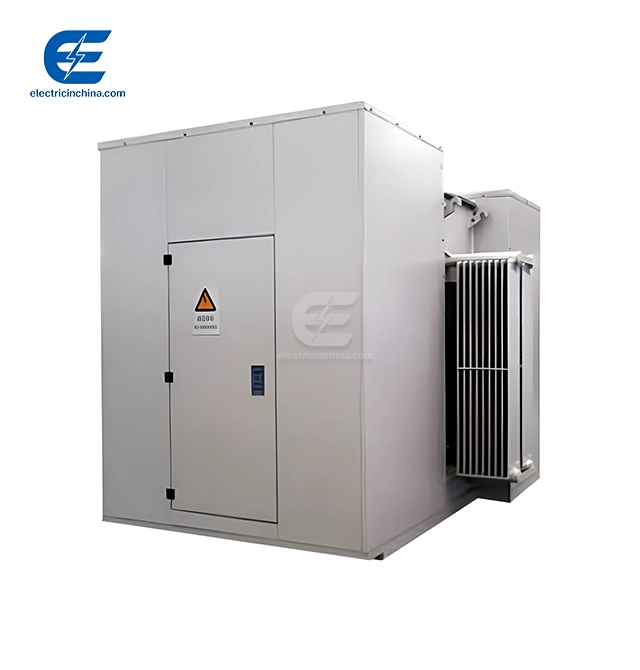
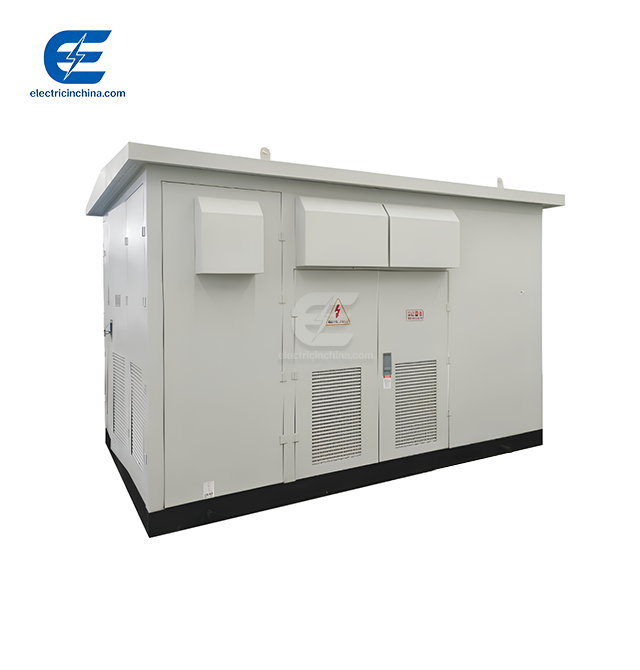
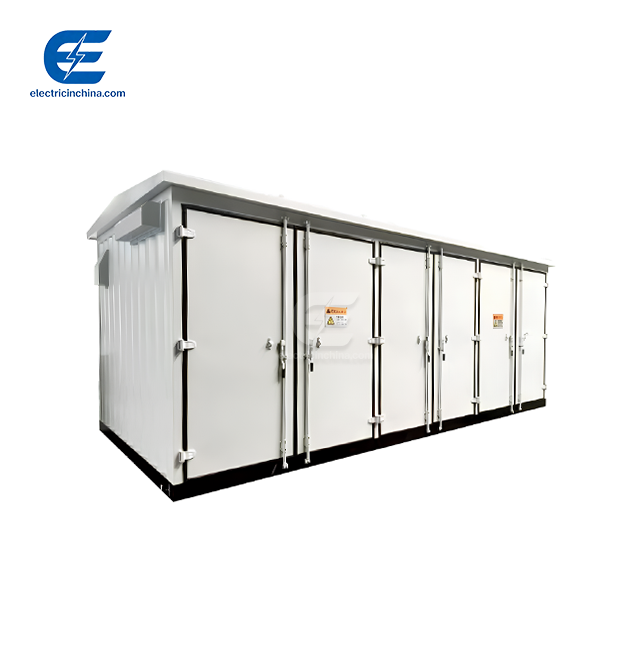
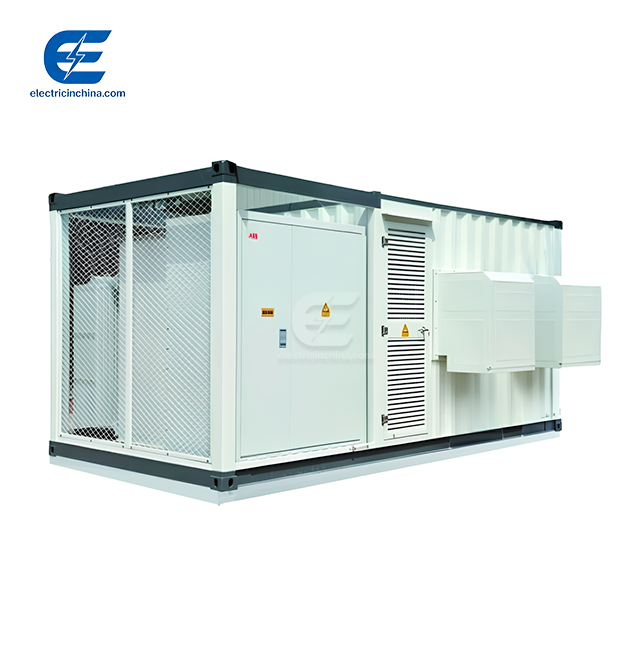
There are several different types of protective housings for electrical transformers, each designed to work in a specific setting and meet specific security needs.
Primary Enclosure Types and Materials
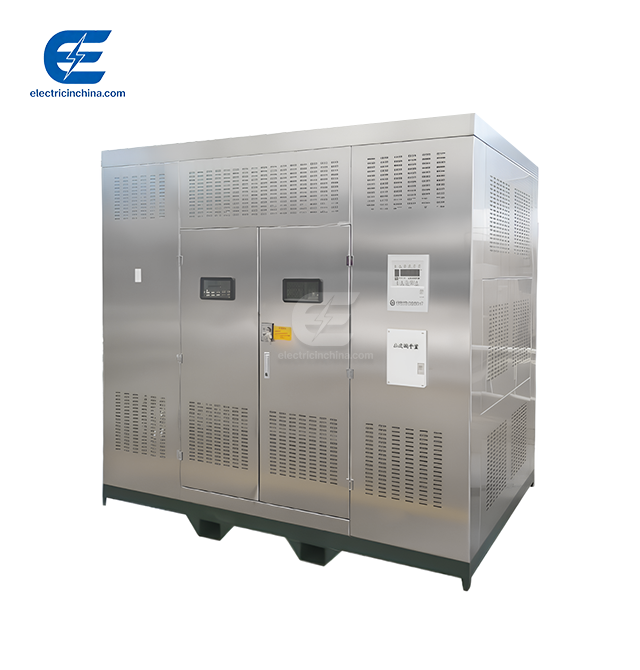
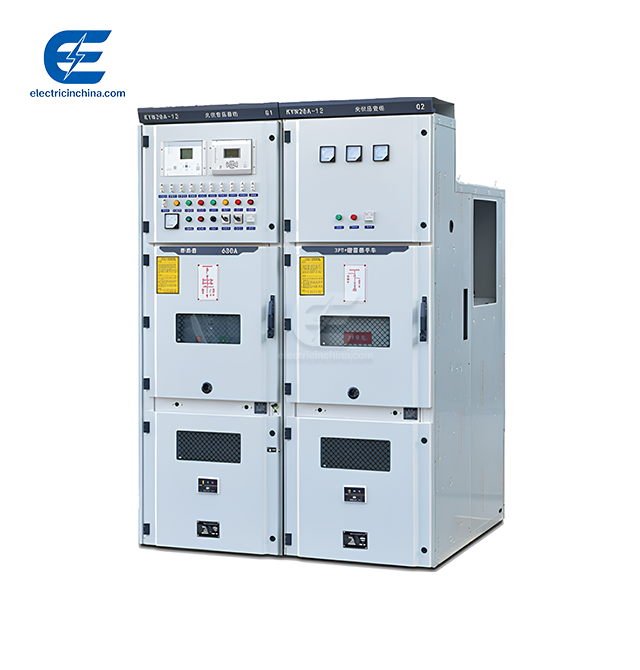
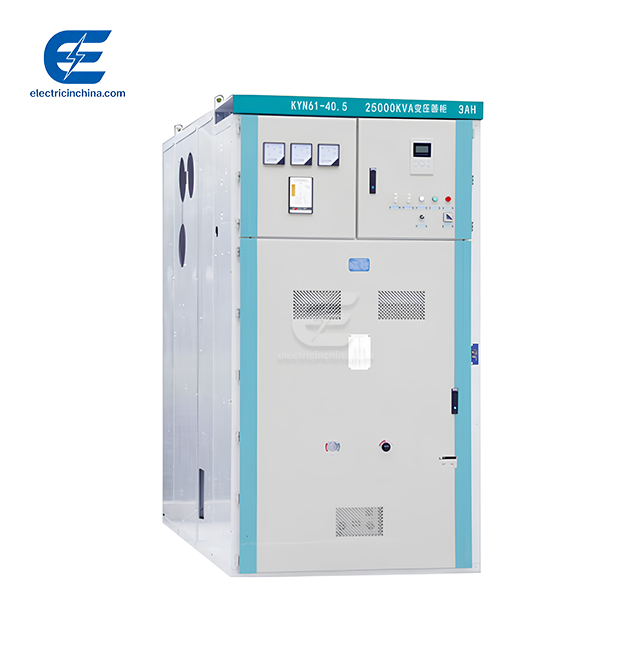
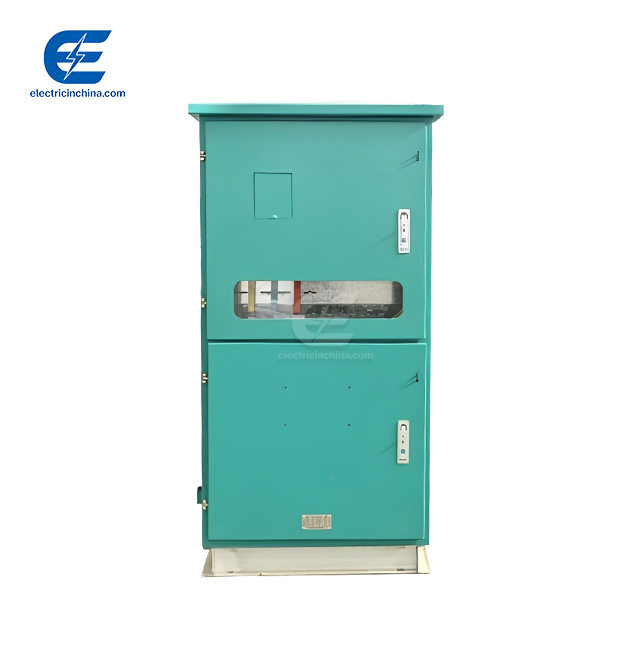
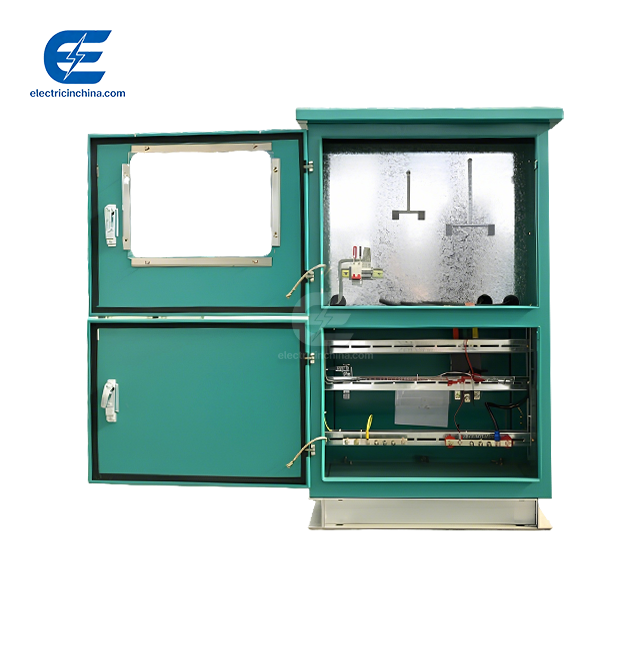
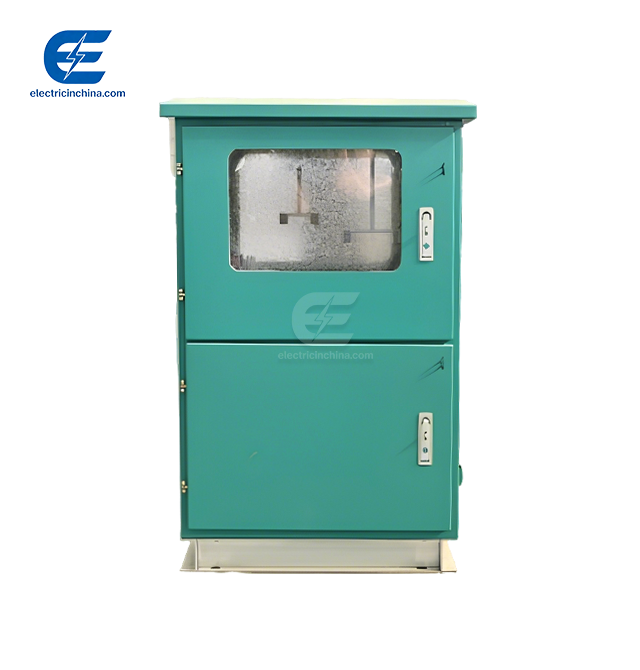
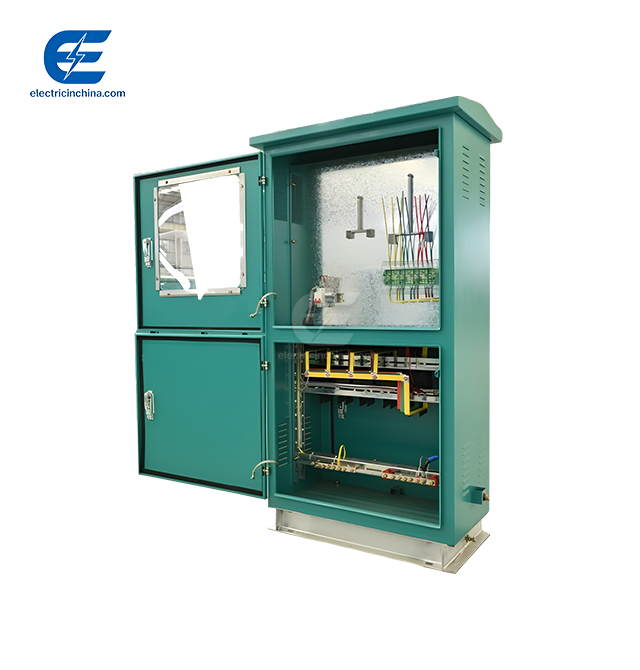
Strong metal containers are the most popular because they have worked well in many situations. Steel constructions can be covered cheaply and altered to match most outdoor locations using hot-dip galvanising and powder painting. Stainless steel type 316L is suitable for corrosion-prone projects like the seashore or chemical processing industries. ISO 12944 corrosion standards allow 1500 mg/L chloride concentrations. High strength-to-weight ratio makes aluminium alloy housings easy to move and install while providing strong protection. This material is ideal for projects with site access or structural load limits. Where corrosion requires frequent metal housing maintenance, fibreglass-reinforced polymer frames function well. These hybrid solutions do not chemically degrade, do not cause galvanic corrosion, and naturally insulate electrical currents, which increases safety gaps.
Protection Ratings and Environmental Adaptability
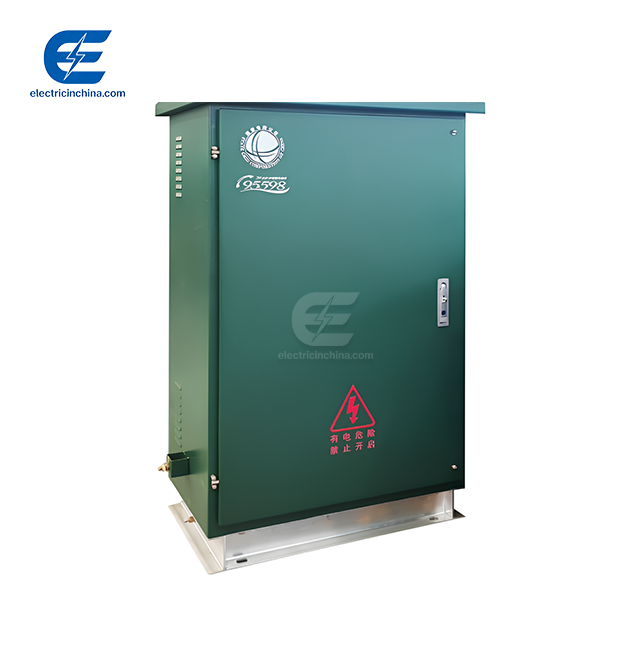
When specifying electrical equipment housings, it is still important to understand protection classifications. The IP (Ingress Protection) number tells you how well a barrier keeps solid particles and water out. The IP23D rating keeps water falling vertically and foreign objects bigger than 12.5 mm safe. It can be used for installations inside or outside under a cover. The IP54 rating protects against dust and water splashes from all directions, which is enough for most outdoor Transformer Enclosure installations that will be exposed to the elements. NEMA (National Electrical Manufacturers Association) ratings offer parallel classification relevant to North American specifications. NEMA 3R enclosures provide rain, sleet, and ice resistance with condensation drainage, while NEMA 4 adds dust protection and hose-down capability required in industrial settings. NEMA 4X incorporates corrosion resistance necessary for harsh chemical environments.
Ventilation Systems and Thermal Management
How well heat is removed from a transformer directly affects how well it works and how long it lasts. Natural convection systems use louvres that are placed in a way that lets the most air flow through without lowering the safety ratings. Cool air can enter through low-level vents on the cage walls, and hot air can leave through higher-level vents using the concepts of thermal buoyancy. Engineered louvre designs use maze patterns that keep IP ratings safe while letting air move. Wildlife getting in through screen barriers is a common reason why utility installations go down without warning. According to IEEE C57.12.28 standards, ventilation area calculations need between 1% and 2% of the total wall surface area to maintain acceptable operating temperatures without mechanical cooling systems.
Criteria for Choosing the Right Transformer Enclosure
Systematic review methods help people who work in buying make sense of complicated specification needs and seller choices.
Environmental Assessment Framework
The conditions of your site determine the basic material and protection needs. Coastal sites need materials that don't rust and have been tested to ASTM B117 standards to show that they can handle salt spray for more than 1000 hours. Chemically exposed industrial facilities need to ensure that their materials are compatible with the contaminants that are in their working environment. Extreme temperatures affect the choice of materials and the design of heat control systems. For enclosures used in desert climates, reflective coatings that block solar heat absorption are particularly beneficial. In northern climates, on the other hand, installations need materials that can withstand freeze-thaw cycles without cracking or deforming.
Protection Rating Selection Process
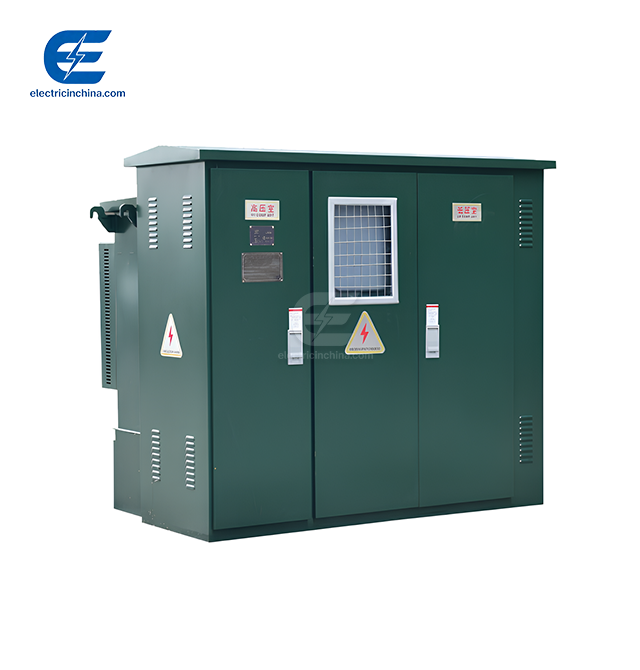
When you match security classifications to your practical needs, you avoid both over-specification, which raises costs, and under-specification, which lowers the safety of your equipment. Usually, sites inside climate-controlled buildings only need IP23 ratings and simple dust and drip protection. Pad-mounted transformers that are outside and subject to weather need to meet at least IP54 or NEMA 3R standards. Sites prone to flooding or high-pressure washdown procedures necessitate IP65 or NEMA 4X ratings. Hazardous locations classified under NEC Articles 500-505 require explosion-proof designs that prevent internal arcs from igniting surrounding flammable atmospheres.
Material Performance Versus Budget Analysis
The cost study should consider lifecycle costs, not simply the buy price. Galvanised steel enclosures are cheaper upfront, but harsh environments may require more coatings. Though more expensive, stainless steel choices require little maintenance over 20 years or more. When considering the entire cost of ownership over the equipment's estimated lifetime, stainless steel is frequently cheaper for acidic usage. Bulk purchases reduce unit prices significantly. Projects with many identical installations benefit from volume discounts. Standardising configurations simplifies spare part tracking and maintenance training. Early supplier engagement is crucial due to lead times. Transformer Enclosures with bespoke configurations take 8–12 weeks to ship.
Supplier Qualifications and Customization Capabilities
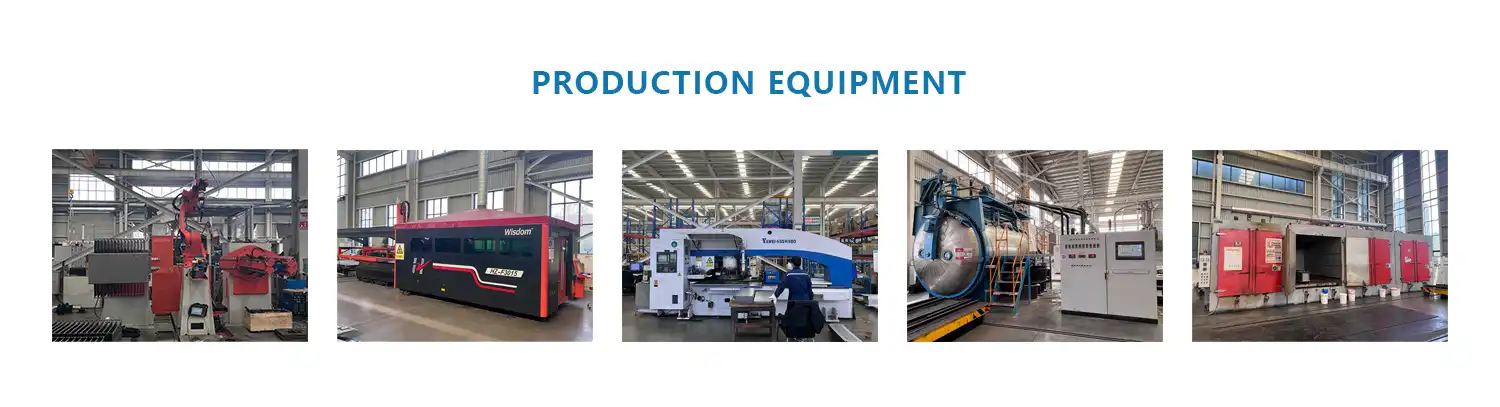
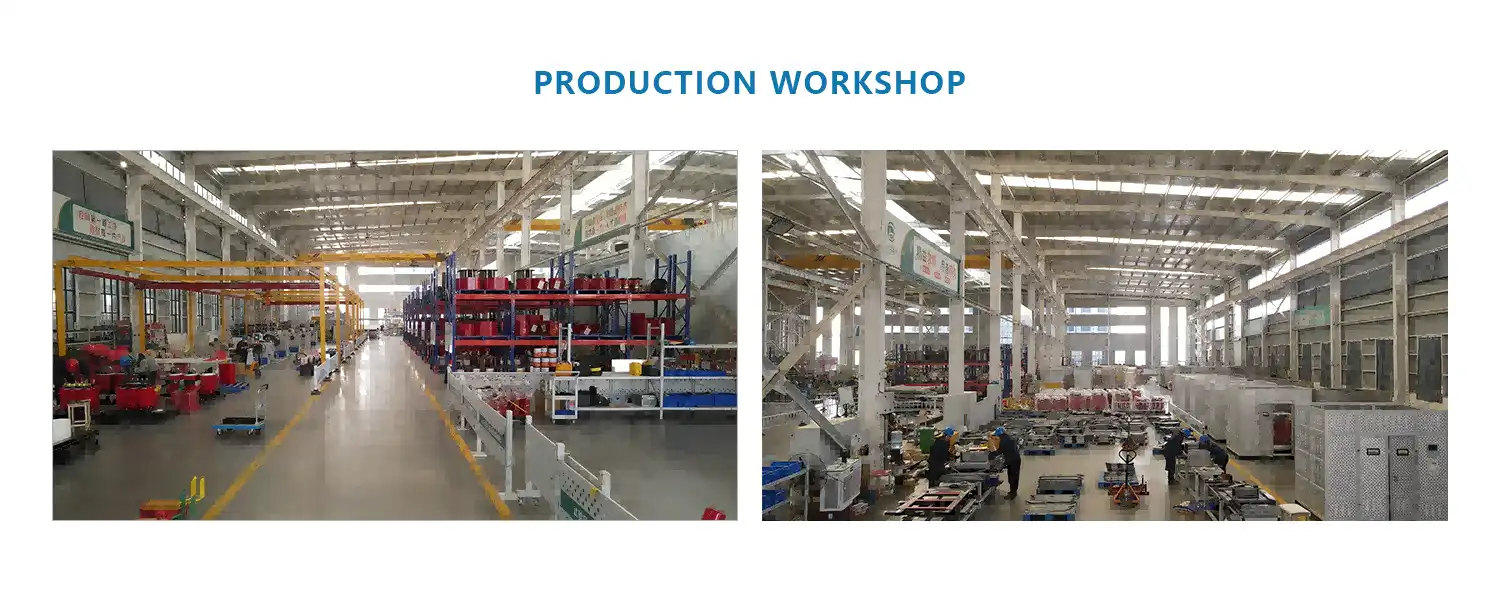
When choosing a vendor, the criteria should give more weight to manufacturers with documented quality systems and the right certifications. ISO 9001 certification demonstrates a commitment to consistent manufacturing methods and continuous improvement. When compared to human fabrication methods, production centers with CNC machinery and automatic fabrication equipment can make parts with tighter tolerances and better finishes. Engineering help is what sets partners who work together to find the best solutions apart from sellers who only sell standard goods. Technical teams that can change the sizes, shapes, mounting setups, and other features of your protected housings will make sure they work perfectly with your project needs.
Metal vs. Fiberglass Transformer Enclosures: A Comparative Analysis
Material choice greatly affects performance, installation ease, and total cost.
Durability and Structural Performance
Metal enclosures are much stronger than plastic ones, which is important for sites where vehicles, theft, or earthquakes might cause damage. Buildings made of steel and aluminium that have been tested to IEEE 693 standards can withstand certain acceleration forces without breaking or having the doors become out of line. Normal maintenance tasks or accidental bumps don't dent reinforced panels.
Installation and Transportation Considerations
Differences in weight have a big effect on installation costs. Aluminium and fibreglass units are 40–60% lighter than steel units of the same size, so they can be installed where heavy equipment is hard to access. When structural load capacity limits the equipment that can be used, lighter shelters make setups on roofs easier. The cost of shipping goes up with volume and weight. Lightweight materials save money on freight costs, which is particularly beneficial for projects that need to be shipped to rural locations or across foreign borders. For big installations, modular designs that ship in parts and are put together on-site make operations even better for the final Transformer Enclosure.
Lifecycle Cost Analysis
Different materials require different levels of care. Galvanised steel shelters require their coatings examined and touched up every three to five years to prevent rust. Stainless steel and fibreglass devices are cheaper to maintain because they simply need to be cleaned and oiled occasionally. Different climates affect operations expenses. Even with maintenance, coastal metal shelters may need to be replaced every 12–15 years. However, stainless steel and fibreglass last 25–30 years. Corrosion-resistant materials are cheaper in severe environments when we consider repair expenses, installation delays, and equipment transportation.
How to Ensure Compliance: Transformer Enclosure Standards and Ratings/
Following the rules keeps everyone involved in the project from being held responsible and makes sure that operations are safe and that insurance coverage is valid.
International Protection Standards Explained
IP scores are made up of two numbers that show how much safety the device has. The first number (0–6) shows the level of solid particle ingress protection, which goes from no protection (0) to full dust-tight sealing (6). From 0 (no protection) to 8 (submersion resistance), the second number (0–8) tells you how well the product protects against water getting in. Additional letters indicate extra precautions. For example, the "D" in IP23D means that dangerous parts cannot be accessed with wire tools inside the Transformer Enclosure. By understanding these categories, you can precisely match specifications to levels of environmental exposure. Over-specifying security ratings raises costs without need, while under-specifying them leaves equipment open to early failure and possible safety issues.
NEMA Classifications for North American Markets
NEMA standards, which were made for industrial use in the U.S., provide familiar language for project specifications in the U.S. NEMA 3R cages are different from sealed NEMA 4 designs because they have drain holes for getting rid of water. This ability to drain is essential for outdoor installations where temperature changes cause moisture to build up inside. NEMA 12 enclosures are used in industrial settings inside, and they keep dust, lint, and coolant from getting in. NEMA 4X stainless steel enclosures meet the needs for both rust resistance and wetness protection at the same time.
Explosion-Proof and Hazardous Location Requirements
For installations in classified dangerous areas, you need special enclosure designs that NEC and IEC Ex certify. Places in Class I, Division 1 that have flammable gases present regularly or all the time need enclosures that can contain explosions inside and stop flames from spreading to other areas. These special housings have a reinforced design, precision-machined flanges, and controlled opening mechanisms that keep the protection intact. Talking to trained electrical experts who know how to classify dangerous areas is the best way to ensure that the specifications and installation are followed correctly. Third-party approval from well-known testing labs is proof that the code has been followed, which is needed for the permit and inspection processes.
Procurement Best Practices for Transformer Enclosures
Strategic sourcing methods improve quality, ensure reliable delivery, and lower overall costs of procurement.
Supplier Evaluation and Qualification
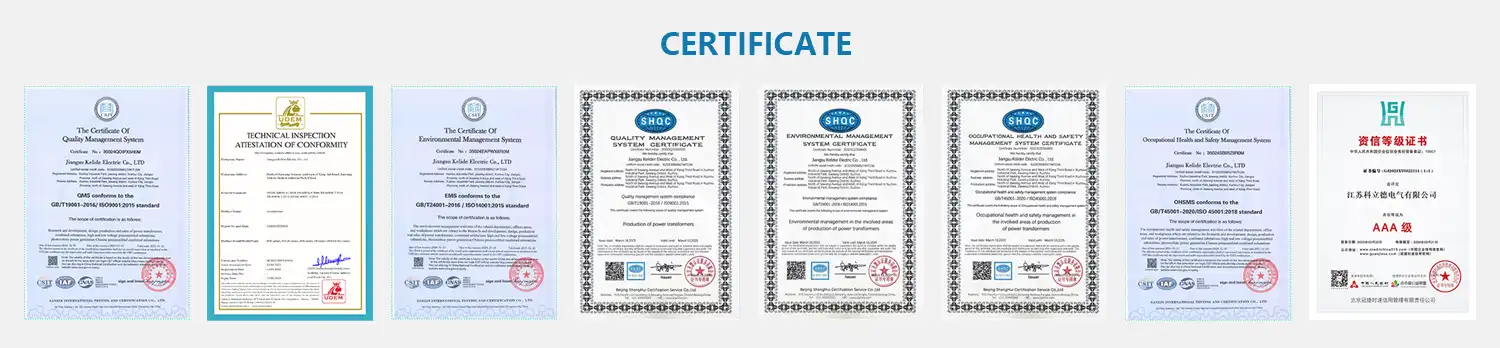
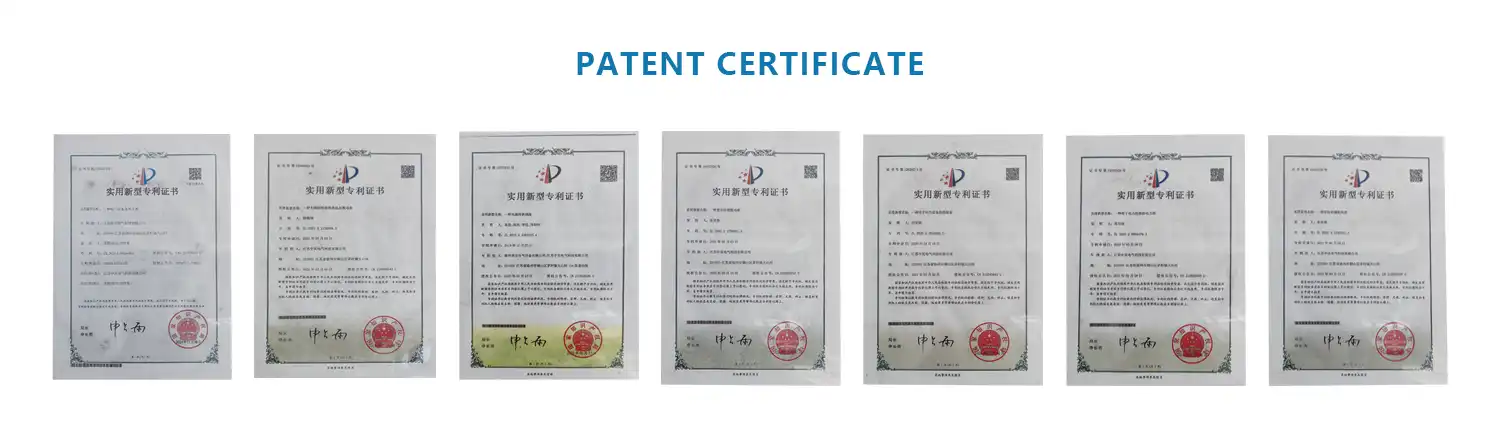
Setting criteria for evaluating suppliers saves your project from shipping delays, poor quality, and limited support. When a factory has many different kinds of equipment, like CNC automatic winding machines, static vacuum casting systems, and computer-controlled curing ovens, they can make things precisely and consistently high-quality. Patent portfolios demonstrate a company's commitment to innovation and its extensive technical knowledge. Suppliers who have more than one patent for new designs, manufacturing methods, or materials usually have better performance and stability than their competitors. Certifications for quality management, like ISO 9001, ISO 14001, and OHSAS 45001, show that a company is serious about quality control, protecting the environment, and keeping workers safe.
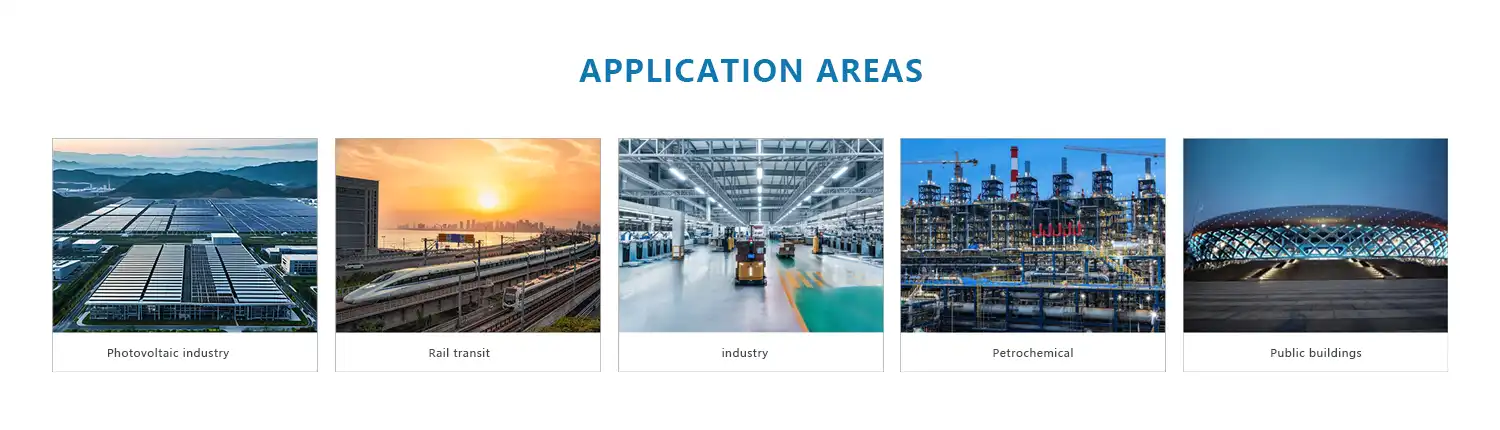
When looking at possible partners, project knowledge is essential. Manufacturers who have worked on big infrastructure projects like rail transit systems, utility substations, or industrial complexes know how to interpret specifications, coordinate projects, and deal with problems that come up during installation better than smaller vendors for each transformer cabinet Enclosure.
Customization Capabilities and Engineering Support
Standard catalogue items rarely perfectly meet the needs of a specific project. Companies that offer customisation options change the sizes of the building, the way the doors are set up, how the air flows, and how the equipment is mounted so that it fits in best with the site. Engineering teams that can do thermal modelling, structure analysis, and testing of safety ratings make sure that any custom changes stay within performance standards. Collaborative design processes have a big impact on the results of a project. When vendors assign specialised engineers to look over project needs, suggest alternatives, and write down design decisions, they stop being just product suppliers and become real partners. This technical support is very helpful when making specifications, preparing submittals, and fixing problems in the field.
Lead Time Management and Delivery Coordination
Planning production and coordinating deliveries need to start working with chosen providers early on. Standard setups from well-known makers usually ship in 4 to 6 weeks, but custom designs need 8 to 12 weeks for planning, manufacturing, and quality testing. Orders should be split between standard units that can be sent right away and custom solutions that can be used in specific places for projects with tight deadlines. How reliable deliveries are and how much they cost depend on how close they are. When compared to international sources, domestic suppliers have shorter lead times, lower freight costs, and easier ways to communicate. However, buying from overseas manufacturers may be cheaper for large orders, which could justify longer lead times and coordinating logistics across borders.
Conclusion
To choose the best safe housing for your power distribution equipment, you need to carefully look at the surroundings, the level of protection needed, the performance features of the material, and the supplier's abilities. Finding the right mix between starting costs and lifecycle costs is key to successful procurement. This is also important for ensuring that you follow regulations and keep operations reliable. Because modern infrastructure projects are so complicated, you need to work with manufacturers that have a lot of engineering knowledge, quality certifications, proven project experience, and the ability to customise their products to meet your exact needs for any Transformer Enclosure.
FAQ
What protection rating should I specify for outdoor transformer installations in coastal regions?
Areas near the coast that are exposed to salt spray need materials that are at least IP54 or NEMA 4X rated and don't rust. Type 316L stainless steel or hot-dip galvanised steel with a polyester powder finish is strong enough to provide protection. Material tests according to ASTM B117 show that it is resistant to salt spray for 1000 hours or more, which guarantees a 20–25-year service life. Testing for UV stability according to ASTM G154 makes sure that the treatment will last even after being in the sun all day for each Transformer Enclosure.
How do customization options address unique project specifications?
Reliable makers can handle changes in size, custom door placement, special ventilation setups, and different ways of fitting. Engineering teams do thermal modelling to make sure there is enough cooling, structural calculations to make sure the load capacity is correct, and protection rating validation to make sure the code is followed. Custom colour matching, labelling of equipment, and accessories that are already installed make installation easier in the field.
What typical lead times apply to orders for bulk transformer enclosures?
Standard catalogue configurations usually ship between 4 and 6 weeks after the order is confirmed. Custom-designed solutions take 8 to 12 weeks to complete, which includes verifying the design, making the product, testing its quality, and inspecting it for quality. Depending on production capacity, orders for many items may cause delays of two to four weeks. Getting in touch with suppliers early and setting up phased delivery schedules helps make sure that available equipment matches up with building goals while still upholding quality standards.
Partner with Tuojie for Engineered Transformer Enclosure Solutions
Our team of 15 senior engineers and over 30 intermediate technicians at Tuojie specialises in making enterprise-grade protective housing systems. With more than 120 sets of advanced CNC precision equipment and 18 patents to back us up, we can make enclosures with protection ratings from IP23D to IP54 that are made of materials that won't rust and will last for 20 years or more. We have successfully protected hundreds of public, business, and industry sites, such as the Xuzhou Rail Transit Network Control Center and XCMG Group workplace projects. Our quality systems are ISO 9001 certified and make sure that every unit is carefully checked before it is sent out. No matter if your project needs standard outdoor housings or special explosion-proof designs, our engineering team can help with technical questions, thermal analysis, and unique solutions that fit your surroundings and operational needs. As a reliable Transformer Enclosure maker, we offer full support from creating specifications to completing the installation. You can talk to our technical experts about your project needs and get thorough offers with low prices for bulk purchases by emailing tuojie@electricinchina.com.
References
1. IEEE Standards Association. (2020). IEEE Standard C57.12.28: Pad-Mounted Equipment Enclosure Integrity in Coastal and Industrial Environments. Institute of Electrical and Electronics Engineers.
2. National Electrical Manufacturers Association. (2021). NEMA 250: Enclosures for Electrical Equipment (1000 Volts Maximum). National Electrical Manufacturers Association Publications.
3. International Electrotechnical Commission. (2019). IEC 60529: Degrees of Protection Provided by Enclosures (IP Code) - Classification and Testing Requirements. IEC Standards Catalogue.
4. American Society for Testing and Materials. (2019). ASTM B117: Standard Practice for Operating Salt Spray (Fog) Apparatus for Corrosion Testing. ASTM International Testing Standards.
5. Transformer Protection Systems Engineering Handbook. (2022). Material Selection and Lifecycle Cost Analysis for Electrical Equipment Enclosures in Industrial Applications. Technical Publishing International.
6. Utility Infrastructure Design Guidelines. (2021). Specification Requirements for Outdoor Power Distribution Equipment Housings: Environmental Protection and Safety Standards. Electric Power Research Institute Publications.